חיפוש

יבמות פו

רוצה להקדיש שיעור?

podcast placeholder

0:00
0:00


תקציר

המצגת בפורמט pdf

הדף היום מוקדש ע”י דון ניידל לזכר נשמת אמו, זיסה ריסה בת אליה הכהן.

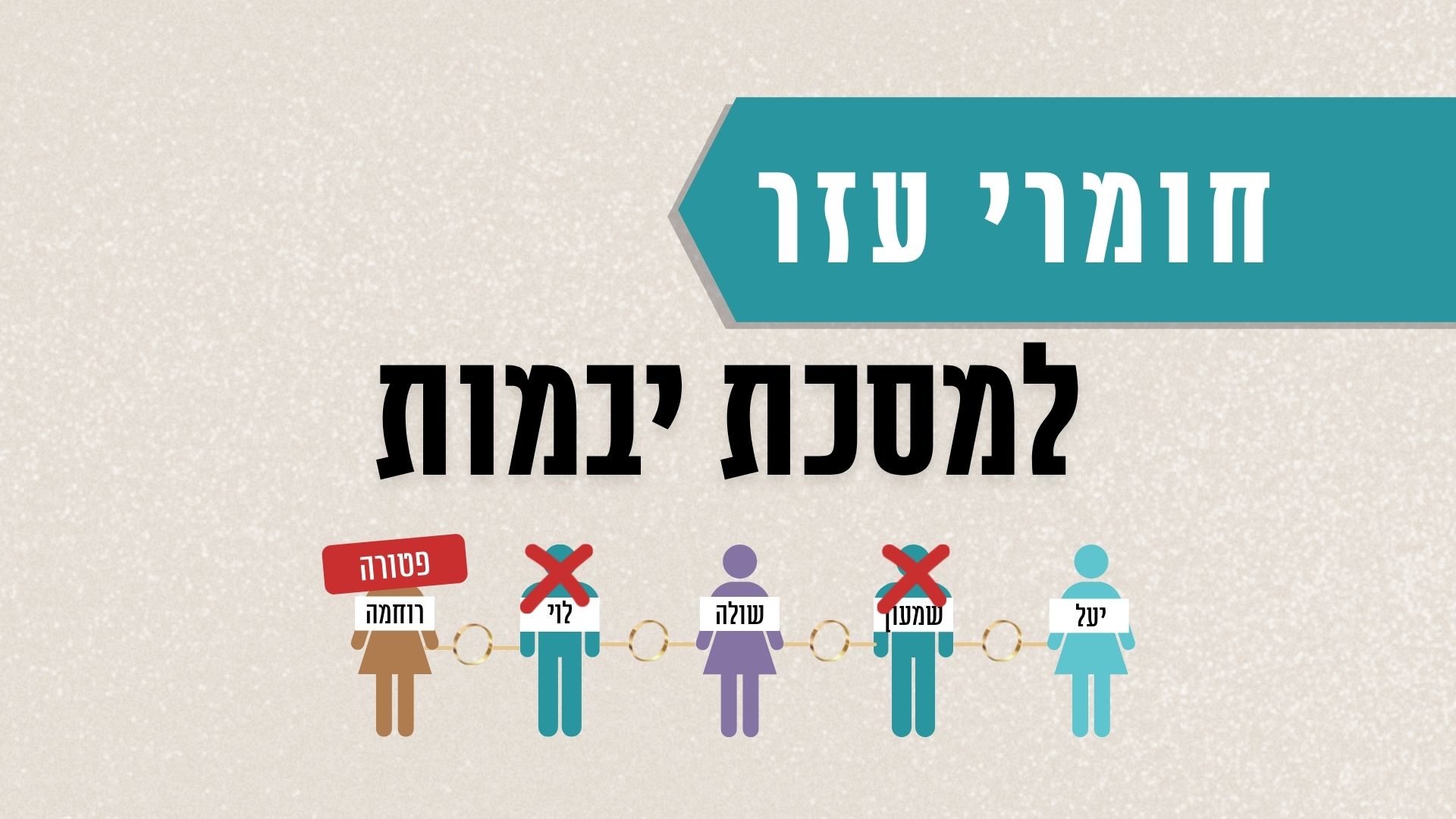
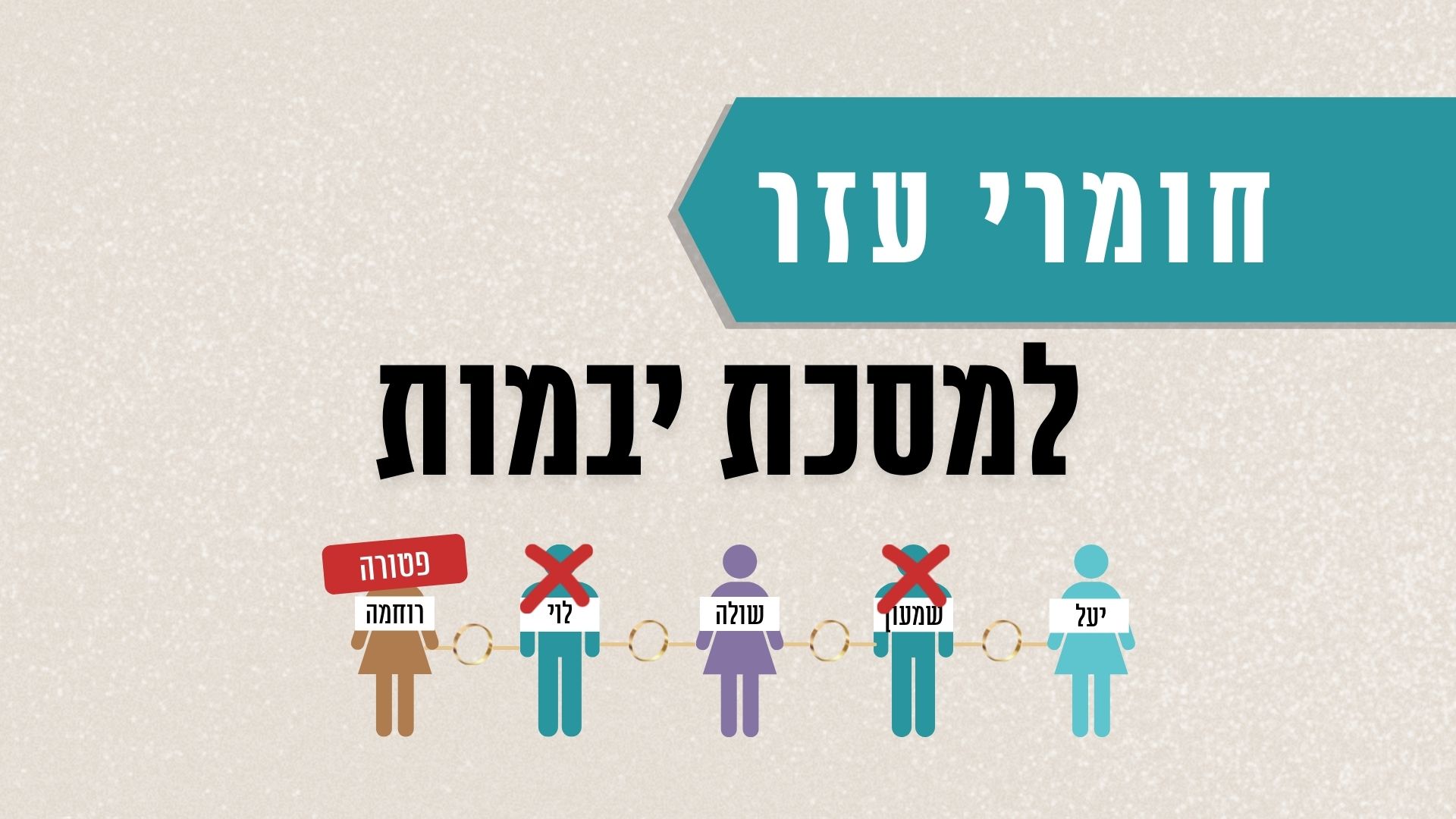
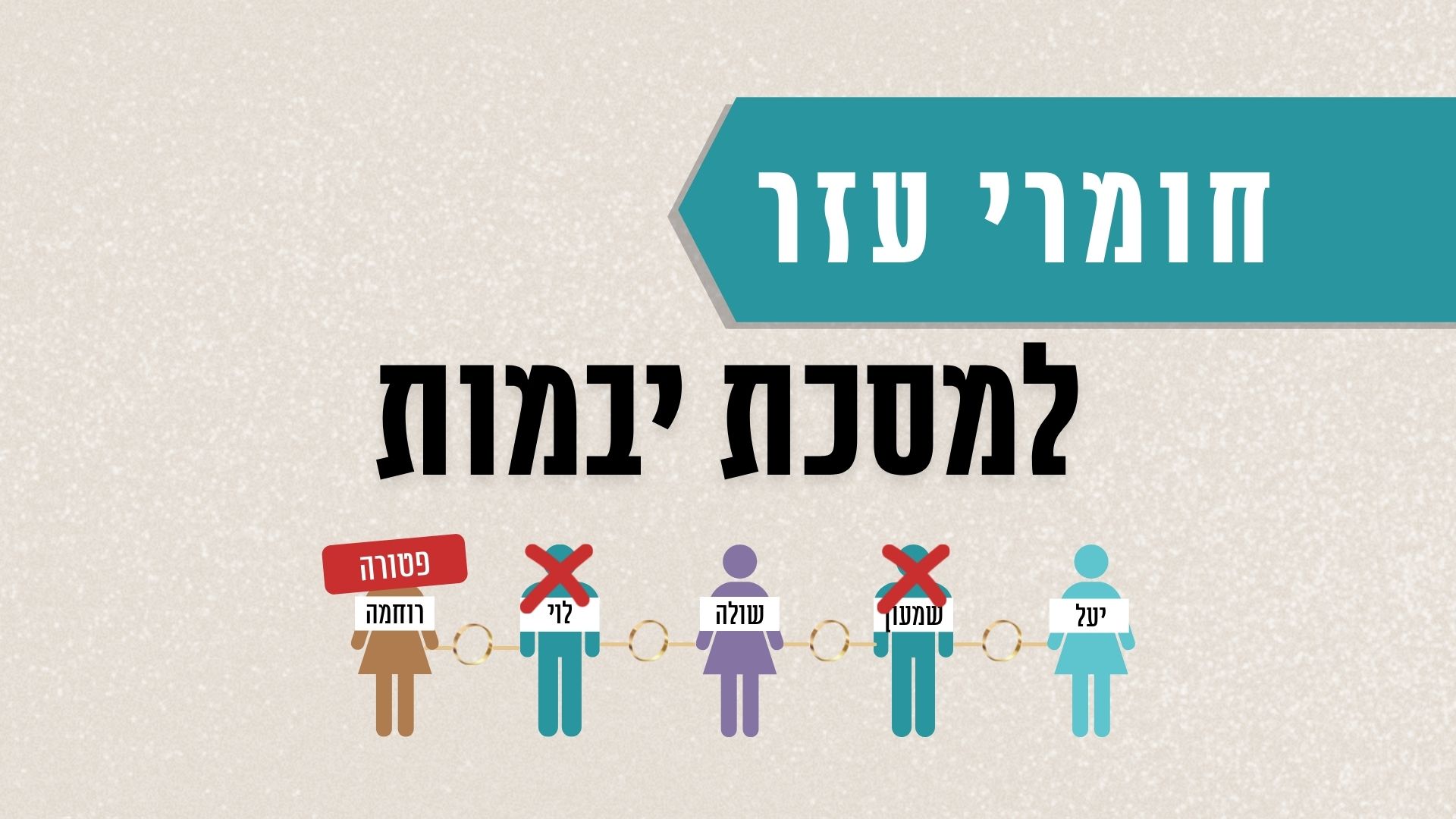
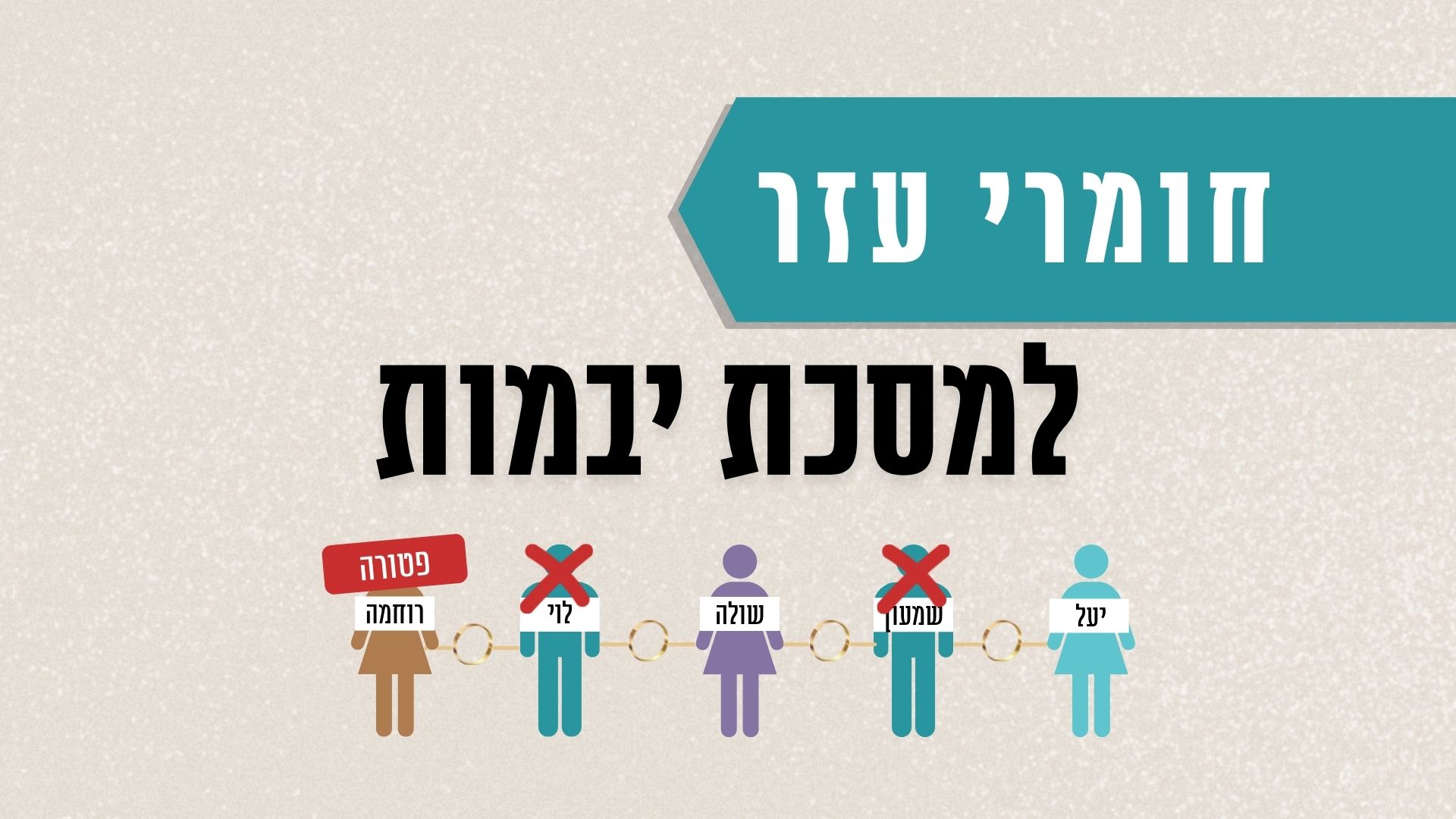
המשנה מבוססת על כך שמי שאינו לוי אינו יכול לאכול מעשר. זה תואם דעתו של רבי מאיר כפי שנמצא בברייתא. מאיפה הוא דורש את זה? מה מפיקים חכמים, החולקים עליו, מאותו פסוק? אולם הגמרא מפקפקת בהבנה שהמשנה מבוססת על רבי מאיר שכן הדבר אינו מסתדר עם  המקרה האחרון במשנה בו אישה לויה מאורסת לכהן או להיפך והאשה אינה יכולה לאכול לא תרומה ולא מעשר. יש לאפשר לכהנת לאכול מעשר שכן כל הכהנים הם גם לויים. רב ששת מסביר את המשפט האחרון במשנה בדרך אחרת – שהיא לא יכולה לתת רשות לשליח להפריש תרומה מהמעשר. מר בריה דרבנא הסביר בדרך אחרת – שהיא לא יכולה לאסוף את המעשר באסם – איפה שמחלקים ללויים. האם זה מתיישב עם שני ההסברים לסוגיה זו בכלל – חששות לייחוד באסם או משום חשש שהיא תמשיך לגבות גם לאחר שתתגרש? יש ויכוח בין רבי עקיבא לרבי אלעזר בן עזריה למי מביאים את התרומה והמעשר – האם המעשר ניתן רק ללוי או שניתן לתת גם לכהן. הם חלוקים בדעתם כיצד לקרוא את הפסוק המתייחס ללויים – האם זה כולל כהנים או לא? מובא סיפור על רבי עקיבא שחסם את רבי אלעזר בן עזריה (שהיה כהן) מלקיחת מעשר בשדה מסוים על ידי הזזת הכניסה לצד בו היה בית קברות. יש ויכוח בין האמוראים מדוע קנסו את הלויים ואיבדו את זכותם לאכול מעשר בתקופת עזרא. מה הייתה הסיבה לכך? ולמי במקומו ניתן המעשר? איך זה מסתדר עם הסיפור המסופר על רבי עקיבא ורבי אלעזר בן עזריה? המשנה עוברת על מצב שבו אישה נישאה לכמה גברים (כל אחד לאחר מוות של בעלה הקודם) – כל אחד עם מעמד שונה – וילדה עם כל אחד מהם ילדים – האם בכל נקודה נתונה בסיפור היא יכולה לאכול תרומה, מעשר או לא? מה קורה כשכל אחד מהילדים מת? מה המצב אם היא הייתה בת של כהן?

https://youtu.be/Ajvq2OlGwI0


יבמות פו

תְּרוּמָה לְכֹהֵן, וּמַעֲשֵׂר רִאשׁוֹן לְלֵוִי, דִּבְרֵי רַבִּי מֵאִיר. רַבִּי אֶלְעָזָר בֶּן עֲזַרְיָה מַתִּירוֹ לְכֹהֵן. מַתִּירוֹ?! מִכְּלָל דְּאִיכָּא מַאן דְּאָסַר? אֶלָּא אֵימָא: נוֹתְנוֹ אַף לְכֹהֵן.

Teruma is for a priest and the first tithe is for a Levite; this is the statement of Rabbi Meir. Rabbi Elazar ben Azarya permits it, i.e., the first tithe, to a priest, as he too is from the tribe of Levi. The Gemara is puzzled by this last statement: It says: Permits it. Does this prove by inference that there is one tanna that prohibits a priest from partaking of tithes? But a priest is also a Levite and cannot be considered a foreigner. Rather, say that Rabbi Elazar ben Azarya meant that one may give it even to a priest. The tithe does not have to be handed to a Levite; one may choose to give it to a priest instead.

מַאי טַעְמָא דְּרַבִּי מֵאִיר? אָמַר רַב אַחָא בְּרֵיהּ דְּרַבָּה מִשְּׁמֵיהּ דִּגְמָרָא: ״כִּי אֶת מַעְשַׂר בְּנֵי יִשְׂרָאֵל אֲשֶׁר יָרִימוּ לַה׳ תְּרוּמָה״. מָה תְּרוּמָה אֲסוּרָה לְזָרִים, אַף מַעֲשֵׂר רִאשׁוֹן אָסוּר לְזָרִים. אִי מָה תְּרוּמָה חַיָּיבִין עָלָיו מִיתָה וָחוֹמֶשׁ — אַף מַעֲשֵׂר חַיָּיבִין עָלָיו מִיתָה וָחוֹמֶשׁ?

The Gemara inquires: What is the reason for Rabbi Meir’s opinion? Rav Aḥa, son of Rabba, said in the name of tradition that the verse states: “For the tithe of the children of Israel that they set apart as a teruma to the Lord, I have given to the Levites for an inheritance” (Numbers 18:24). From the fact that this verse calls the tithe “teruma,” we learn: Just as teruma is forbidden to foreigners, so too is the first tithe forbidden to foreigners, i.e., non-Levites. The Gemara asks: If so, is it true that just as with teruma, a foreigner who eats it is liable to receive the punishment of death at the hand of Heaven and to pay the additional fifth for it, so too, with regard to tithes, a foreigner who eats it should be liable for it to receive the punishment of death at the hand of Heaven and to pay the additional fifth?

אָמַר קְרָא: ״וּמֵתוּ בוֹ כִּי יְחַלְּלֻהוּ״, ״וְיָסַף חֲמִישִׁיתוֹ עָלָיו״. ״בּוֹ״ — וְלֹא בְּמַעֲשֵׂר, ״עָלָיו״ — וְלֹא עַל מַעֲשֵׂר. וְרַבָּנַן, מָה תְּרוּמָה טוֹבֶלֶת, אַף מַעֲשֵׂר רִאשׁוֹן נָמֵי טוֹבֵל.

The Gemara answers that the verse states: “They will die through it if they profane it” (Leviticus 22:9), and a different verse states: “Then he shall add the fifth part thereof unto it” (Leviticus 22:14). A close reading of these verses shows that the Torah is emphasizing that the death penalty comes through it, teruma, and not through tithes, and that a fifth must be added to it, but not to tithes. The Gemara asks: And the Rabbis, who disagree with Rabbi Meir, how do they account for the comparison in the above verse? The Gemara answers: They would say it teaches that just as the requirement to separate teruma produces the status of forbidden untithed produce, so too the requirement to separate the first tithe also produces the status of forbidden untithed produce.

וְכִדְתַנְיָא, רַבִּי יוֹסֵי אוֹמֵר: יָכוֹל לֹא יְהֵא חַיָּיב אֶלָּא עַל טֶבֶל שֶׁלֹּא הוּרַם מִמֶּנּוּ כׇּל עִיקָּר. הוּרַם מִמֶּנּוּ תְּרוּמָה גְּדוֹלָה וְלֹא הוּרַם מִמֶּנּוּ מַעֲשֵׂר רִאשׁוֹן מַעֲשֵׂר רִאשׁוֹן וְלֹא מַעֲשֵׂר שֵׁנִי, וַאֲפִילּוּ מַעְשַׂר עָנִי, מִנַּיִן?

And this is as it is taught in a baraita: Rabbi Yosei says: One might have thought a person should be liable only for untithed produce from which no terumot or tithes have been separated at all, but if the great teruma has been separated from it and the first tithe has not been separated from it; or if the first tithe has been separated from it and the second tithe has not; or even if the poor man’s tithe, which is merely given to the poor and has no sanctity, has not been separated, from where is it derived that such produce also has the status of untithed produce?

תַּלְמוּד לוֹמַר: ״לֹא תוּכַל לֶאֱכוֹל בִּשְׁעָרֶיךָ״, וּלְהַלָּן הוּא אוֹמֵר: ״וְאָכְלוּ בִשְׁעָרֶיךָ וְשָׂבֵעוּ״. מָה ״שְׁעָרֶיךָ״ הָאָמוּר לְהַלָּן — מַעְשַׂר עָנִי, אַף ״שְׁעָרֶיךָ״ הָאָמוּר כָּאן — מַעְשַׂר עָנִי, וְאָמַר רַחֲמָנָא ״לֹא תוּכַל״.

The verse states: “You may not eat within your gates the tithe of your grain” (Deuteronomy 12:17), and below, with regard to the poor man’s tithe, it states: “That they may eat within your gates and be satisfied” (Deuteronomy 26:12). Just as “your gates” stated below is referring to the poor man’s tithe, so too “your gates” stated here is referring to the poor man’s tithe, and the Merciful One states in the Torah “you may not eat,” implying that it may be eaten only after separation.

וְאִי מֵהָתָם, הֲוָה אָמֵינָא לְלָאו, אֲבָל מִיתָה — לָא, קָא מַשְׁמַע לַן.

And if we had learned it only from there, I would say that it merely teaches a prohibition against partaking of untithed produce of this type, but the death penalty is not warranted. The comparison to teruma consequently teaches us that eating this type of untithed produce is also punishable by death at the hand of Heaven.

לִישָּׁנָא אַחֲרִינָא: מַעֲשֵׂר רִאשׁוֹן דְּטָבֵיל, מִדְּרַבִּי יוֹסֵי נָפְקָא! אִי מֵהַהִיא, הֲוָה אָמֵינָא לְלָאו, אֲבָל מִיתָה — לָא, קָא מַשְׁמַע לַן.

A different version of this discussion presents it in the form of a question: Isn’t it the case that the halakha that failure to separate the first tithe creates the status of untithed produce is derived from the halakha that Rabbi Yosei taught? If so, there is no need for the exposition of the verse referring to tithes as teruma. The Gemara answers: If the proof was from that source alone, I would say that it is only prohibited by a prohibition but the death penalty is not warranted. He therefore teaches us that all the stringencies of untithed produce are in force.

בְּמַאי אוֹקֵימְתַּהּ — כְּרַבִּי מֵאִיר, אֵימָא סֵיפָא: בַּת לֵוִי מְאוֹרֶסֶת לְכֹהֵן, וּבַת כֹּהֵן לְלֵוִי — לֹא תֹּאכַל לֹא בִּתְרוּמָה וְלֹא בְּמַעֲשֵׂר, הָכָא מַאי זָרוּת אִיכָּא! אָמַר רַב שֵׁשֶׁת: מַאי ״אֵינָהּ אוֹכֶלֶת״ דְּקָתָנֵי — אֵינָהּ נוֹתֶנֶת רְשׁוּת לִתְרוֹם.

§ The Gemara asks: In what manner did you establish the mishna? In accordance with the opinion of Rabbi Meir. But if so, say the latter clause: The daughter of a Levite betrothed to a priest and the daughter of a priest betrothed to a Levite may eat neither teruma nor tithe. Here, what foreignness is there that prohibits her from partaking of the tithe? Even according to the opinion that prohibits the first tithe to foreigners, this woman is a Levite on both sides. Rav Sheshet said: What is the meaning of: She may not eat, that the mishna teaches? It means that she may not give permission to others to separate the teruma from the tithe. As long as she is merely betrothed to a Levite, she may not appoint a messenger to set aside the teruma from the tithe on behalf of the Levite, as she is not yet his wife.

מִכְלָל דִּנְשׂוּאָה נוֹתֶנֶת רְשׁוּת? אִין, וְהָתַנְיָא: ״וַאֲכַלְתֶּם אוֹתוֹ בְּכׇל מָקוֹם אַתֶּם וּבֵיתְכֶם״ — לִימֵּד עַל נְשׂוּאָה בַּת יִשְׂרָאֵל שֶׁנּוֹתֶנֶת רְשׁוּת לִתְרוֹם.

The Gemara asks: Is it to be concluded by inference that a married woman may give permission to separate teruma from the tithe? The Gemara answers: Yes, and isn’t it taught: “And you may eat it in any place, you and your households” (Numbers 18:31)? This teaches that an Israelite woman married to a Levite may give permission to another to separate teruma from the Levite’s tithe.

אַתָּה אוֹמֵר רְשׁוּת לִתְרוֹם, אוֹ אֵינוֹ אֶלָּא לֶאֱכוֹל? אָמְרַתְּ: תְּרוּמָה חֲמוּרָה אוֹכֶלֶת, מַעֲשֵׂר הַקַּל לֹא כׇּל שֶׁכֵּן?! אֶלָּא לִימֵּד עַל נְשׂוּאָה בַּת יִשְׂרָאֵל שֶׁנּוֹתֶנֶת רְשׁוּת לִתְרוֹם.

The baraita continues to discuss this halakha: Do you say she may give permission to separate teruma from the tithe, or perhaps it is only referring to eating? Say in response: If an Israelite woman married to a priest may partake of teruma, which is stringent, is it not all the more so true for tithe, which is lenient? Consequently, there is no need to teach us this halakha. Rather, the verse teaches that an Israelite woman married to a Levite may give permission to another to separate teruma from the tithe.

מָר בְּרֵיהּ דְּרַבְנָא אָמַר: לוֹמַר שֶׁאֵין חוֹלְקִין לָהּ מַעֲשֵׂר בְּבֵית הַגְּרָנוֹת. הָנִיחָא לְמַאן דְּאָמַר מִשּׁוּם יִיחוּד, אֶלָּא לְמַאן דְּאָמַר מִשּׁוּם גְּרוּשָׁה, גְּרוּשָׁה בַּת לֵוִי מִי לָא אָכְלָה בְּמַעֲשֵׂר?!

Mar, son of Rabbana, said: The mishna is not teaching that the daughter of a Levite who was betrothed to a priest may not partake of tithe, but rather it is coming to say that we do not distribute tithe to her in the granary. The Gemara asks: This works out well according to the one who says that the reason for the decree against distributing teruma to a woman in the granary is due to the prohibition (Yevamot 100a) against a woman being alone with a strange man in the granary, which is a secluded place, as this concern applies equally to the case here. But according to the one who says that the Sages prohibited this practice due to concern that the woman might be a divorcée, who is no longer entitled to teruma, this concern should not apply to the daughter of a Levite. Does she not partake of tithe on her own account, even after she is divorced?

וְלִיטַעְמָיךְ, גְּרוּשָׁה בַּת כֹּהֵן מִי לָא אָכְלָה בִּתְרוּמָה? אֶלָּא גְּזֵירָה מִשּׁוּם גְּרוּשָׁה בַּת יִשְׂרָאֵל.

The Gemara refutes this argument: And according to your reasoning that rejects the explanation of Mar, son of Rabbana, with regard to the daughter of a Levite, does a divorcée who is the daughter of a priest not partake of teruma? Why should the daughter of a priest married to a priest not receive teruma in a granary? Rather, this is a rabbinic decree that was enacted primarily due to a priest’s divorcée who is the daughter of a non-priest, as she may no longer partake of teruma after her divorce. They also applied this decree to the daughter of a priest divorced from a priest. For this reason, they also decreed against a Levite woman receiving a portion in the granary.

אִי הָכִי, מַאי אִירְיָא מְאוֹרֶסֶת? אֲפִילּוּ נְשׂוּאָה נָמֵי! אַיְּידֵי דִּתְנָא רֵישָׁא מְאוֹרֶסֶת, תְּנָא נָמֵי סֵיפָא מְאוֹרֶסֶת.

The Gemara raises a difficulty: If so, why specifically one who was betrothed; the same would hold true even for a married woman as well. The Gemara answers: There is no difference between them in this regard, but since the tanna taught in the first clause of the mishna: Betrothed, he also taught in the latter clause: Betrothed, although the halakha in the latter clause does not apply exclusively to a betrothed woman.

תָּנוּ רַבָּנַן: תְּרוּמָה לְכֹהֵן, וּמַעֲשֵׂר רִאשׁוֹן לְלֵוִי, דִּבְרֵי רַבִּי עֲקִיבָא. רַבִּי אֶלְעָזָר בֶּן עֲזַרְיָה אוֹמֵר:

§ The Sages taught: Teruma is given to a priest, and the first tithe is given only to a Levite; this is the statement of Rabbi Akiva. Rabbi Elazar ben Azarya says:

לְכֹהֵן. לְכֹהֵן וְלֹא לְלֵוִי? אֵימָא אַף לְכֹהֵן. מַאי טַעְמָא דְּרַבִּי עֲקִיבָא — דִּכְתִיב: ״וְאֶל הַלְוִיִּם תְּדַבֵּר וְאָמַרְתָּ אֲלֵיהֶם״, בִּלְוִיִּם קָא מִשְׁתַּעֵי קְרָא. וְאִידַּךְ כִּדְרַבִּי יְהוֹשֻׁעַ בֶּן לֵוִי, דְּאָמַר רַבִּי יְהוֹשֻׁעַ בֶּן לֵוִי: בְּעֶשְׂרִים וְאַרְבָּעָה מְקוֹמוֹת נִקְרְאוּ כֹּהֲנִים לְוִיִּם, וְזֶה אֶחָד מֵהֶם: ״וְהַכֹּהֲנִים הַלְוִיִּם בְּנֵי צָדוֹק״.

The first tithe is given to a priest. The Gemara is puzzled: To a priest and not to a Levite? But the Torah expressly states that the first tithe is for Levites. The Gemara answers: Say he means it can be given also to a priest. The Gemara clarifies: What is the reason for Rabbi Akiva’s opinion? As it is written: “You shall speak to the Levites, and you shall say to them” (Numbers 18:26). Clearly, the verse speaks of Levites, not priests. And the other tanna, Rabbi Eliezer, maintains in accordance with the opinion of Rabbi Yehoshua ben Levi, as Rabbi Yehoshua ben Levi said: In twenty-four places in the Bible the priests are called Levites. And this is one of those verses: “And the priests the Levites, the sons of Zadok” (Ezekiel 44:15).

וְרַבִּי עֲקִיבָא, הָכָא לָא מָצֵית אָמְרַתְּ, דִּכְתִיב: ״וַאֲכַלְתֶּם אוֹתוֹ בְּכׇל מָקוֹם״, מִי שֶׁיָּכוֹל לְאוֹכְלוֹ בְּכׇל מָקוֹם. יָצָא כֹּהֵן, שֶׁאֵין יָכוֹל לְאוֹכְלוֹ בְּבֵית הַקְּבָרוֹת. וְאִידַּךְ? כֹּל הֵיכָא דְּבָעֵי — דְּלָא בָּעֵי חוֹמָה, וְאִי אָכֵיל לֵיהּ בְּטוּמְאַת הַגּוּף — לָא לָקֵי.

And Rabbi Akiva replies: Here you cannot say the verse is referring to priests, as it is written: “And you may eat it in any place” (Numbers 18:31), from which we learn that the tithe is given to one who can eat it in any place. This excludes a priest, who cannot eat it in a cemetery, as he is prohibited from entering such a place. Consequently, the verse cannot be referring to priests. And the other Sage, Rabbi Eliezer, how does he respond to this claim? He explains the verse as follows: He may eat it anywhere that he wishes, that is, in any city, as it does not require the wall of Jerusalem, like the second tithe. And we further learn from here that if he eats it in a state of bodily impurity he is not flogged. Consequently, we can say that tithe may be eaten by priests in any place.

הָהִיא גִּינְּתָא דַּהֲוָה שָׁקֵיל רַבִּי אֶלְעָזָר בֶּן עֲזַרְיָה מַעֲשֵׂר רִאשׁוֹן מִינַּהּ. אֲזַל רַבִּי עֲקִיבָא אַהְדְּרֵיהּ לְפִתְחָא לְבֵי קִבְרֵי. אֲמַר: עֲקִיבָא בְּתַרְמִילוֹ, וַאֲנָא חָיֵי?

The Gemara relates: There was a certain garden from which Rabbi Elazar ben Azarya, a priest, would take the first tithe, in accordance with his opinion that priests are also entitled to this tithe. Rabbi Akiva went, closed up the garden, and changed its entrance so that it would be facing toward the cemetery, to prevent Rabbi Elazar ben Azarya from entering the garden. Rabbi Elazar said in the form of a lighthearted exaggeration: Akiva, a former shepherd, comes with his satchel, but I have to live; from where will I receive my livelihood if I cannot claim the first tithe? Rabbi Elazar was actually a very wealthy man and did not need the produce from this garden. However, his point was that Rabbi Akiva acted in order to stop him from receiving something that he felt was rightfully his.

אִיתְּמַר, מִפְּנֵי מָה קָנְסוּ לְוִיִּם בְּמַעֲשֵׂר? פְּלִיגִי בַּהּ רַבִּי יוֹנָתָן וְסָבַיָּא. חַד אָמַר: שֶׁלֹּא עָלוּ בִּימֵי עֶזְרָא. וְחַד אָמַר: כְּדֵי שֶׁיִּסְמְכוּ כֹּהֲנִים עָלָיו בִּימֵי טוּמְאָתָן.

§ It was stated that amora’im disagreed about the following question: For what reason did the Sages penalize the Levites with regard to their tithe, by declaring that it may be given to priests as well? Rabbi Yonatan and the Elders who were with him disagree with regard to this matter. One said it was because they did not ascend, i.e., immigrate to the land of Israel, in the days of Ezra. And one said that it was not a penalty at all, but they gave the first tithe to the priests so that they could rely on it during their days of impurity. Because it is prohibited for priests to consume teruma while in a state of impurity, they would have had nothing to eat if they were dependent exclusively on teruma. It is permitted, however, to eat the tithe while impure.

בִּשְׁלָמָא לְמַאן דְּאָמַר שֶׁלֹּא עָלוּ — מִשּׁוּם הָכִי קַנְסִינְהוּ. אֶלָּא לְמַאן דְּאָמַר כְּדֵי שֶׁיִּסְמְכוּ עָלָיו כֹּהֲנִים בִּימֵי טוּמְאָתָן — מִשּׁוּם כֹּהֲנִים קַנְסִינְהוּ לַלְוִיִּם?! אֶלָּא כּוּלֵּי עָלְמָא קְנָסָא שֶׁלֹּא עָלוּ בִּימֵי עֶזְרָא. וְהָכָא בְּהָא קָמִיפַּלְגִי: מָר סָבַר: קְנָסָא לַעֲנִיִּים, וּמָר סָבַר: כֹּהֲנִים בִּימֵי טוּמְאָתָן — עֲנִיִּים נִינְהוּ.

The Gemara asks: Granted, according to the one who says it was because they did not ascend, we can understand that due to that reason they penalized the Levites by forcing them to share their tithe with the priests. But according to the one who says it was done so that the priests could rely on it during their days of impurity, should we penalize the Levites for the benefit of priests? Rather, everyone agrees that it was a penalty for the fact that they did not ascend in the days of Ezra, and here they disagree about this: One Sage holds that the penalty is that the tithe must be given to the poor, and one Sage holds that priests are classified as poor in the days of their impurity.

בִּשְׁלָמָא לְמַאן דְּאָמַר קְנָסָא לַעֲנִיִּים — מִשּׁוּם הָכִי אַהְדְּרֵיהּ רַבִּי עֲקִיבָא לְפִתְחָא לְבֵי קִבְרֵי. אֶלָּא לְמַאן דְּאָמַר לְכֹהֲנִים, אַמַּאי אַהְדְּרֵיהּ לְפִתְחָא לְבֵי קִבְרֵי? הָכִי קָאָמַר לֵיהּ: אִי דְּקָא אָתֵית בְּתוֹרַת קְנָסָא — אִית לָךְ, וְאִי קָא אָתֵית בְּתוֹרַת חֲלוּקָּה — לֵית לָךְ.

The Gemara asks: Granted, according to the one who says that the penalty imposed on the Levites is that the tithe must be given to the poor, due to that reason Rabbi Akiva changed the garden entrance so that it would be facing toward the cemetery, as Rabbi Elazar ben Azarya was a wealthy man. But according to the one who says the tithe was given to the priests, why did he change the entrance so that it would be toward the cemetery? The Gemara answers: This is what he said to him, i.e., this is what he meant: If you come to receive the tithe by virtue of the penalty imposed on the Levites, you may have it, but if you come by the standard halakha of distribution, demanding your share with the Levites, you may not have the tithe. If the owner of the garden chooses to give it to you, you may accept it, but you may not take it yourself.

וּמְנָא לַן דְּלָא סְלִיקוּ בִּימֵי עֶזְרָא? דִּכְתִיב: ״וָאֶקְבְּצֵם אֶל הַנָּהָר הַבָּא עַל אַהֲוָא וַנַּחֲנֶה שָׁם יָמִים שְׁלֹשָׁה וָאָבִינָה בָעָם וּבַכֹּהֲנִים וּמִבְּנֵי לֵוִי לֹא מָצָאתִי שָׁם״. אָמַר רַב חִסְדָּא: בַּתְּחִלָּה לֹא הָיוּ מֵעֲמִידִים שׁוֹטְרִים אֶלָּא מִן הַלְוִיִּם, שֶׁנֶּאֱמַר: ״וְשׁוֹטְרִים הַלְוִיִּם לִפְנֵיכֶם״, עַכְשָׁיו אֵין מַעֲמִידִין שׁוֹטְרִים אֶלָּא מִיִּשְׂרָאֵל, שֶׁנֶּאֱמַר: ״וְשׁוֹטְרִים הָרַבִּים בְּרָאשֵׁיכֶם״.

The Gemara asks with regard to the penalty imposed on Levites: And from where do we derive that the Levites did not ascend in the days of Ezra? As it is written: “And I gathered them together to the river that runs to Ahava; and we encamped there for three days; and I viewed the people, and the priests, and found there none of the sons of Levi (Ezra 8:15). With regard to this, Rav Ḥisda said: Initially they would establish officers over the people only from among the Levites, as it states: “And the officers, the Levites, before you” (II Chronicles 19:11), but now they establish officers only from among the Israelites, as it is stated: And the officers of the many at your heads. This indicates that officers were appointed from: The many, meaning the largest group, ordinary Israelites.

מַתְנִי׳ בַּת יִשְׂרָאֵל שֶׁנִּיסֵּת לְכֹהֵן — תֹּאכַל בִּתְרוּמָה. מֵת וְלָהּ הֵימֶנּוּ בֵּן — תֹּאכַל בִּתְרוּמָה. נִיסֵּת לְלֵוִי — תֹּאכַל בְּמַעֲשֵׂר. מֵת וְלָהּ הֵימֶנּוּ בֵּן — תֹּאכַל בְּמַעֲשֵׂר. נִיסֵּת לְיִשְׂרָאֵל — לֹא תֹּאכַל לֹא בִּתְרוּמָה וְלֹא בְּמַעֲשֵׂר. מֵת וְלָהּ הֵימֶנּוּ בֵּן — לֹא תֹּאכַל לֹא בִּתְרוּמָה וְלֹא בְּמַעֲשֵׂר.

MISHNA: An Israelite woman married to a priest may partake of teruma. If the priest died and she had a child from him, she may continue to partake of teruma. If she subsequently married a Levite, she may no longer partake of teruma but she may partake of the first tithe on his account. If he, too, died and she had a child from him, she may continue to partake of tithe on account of the child. If she then married an Israelite, she may partake of neither teruma nor tithe. If her Israelite husband died and she had a child from him, she still may partake of neither teruma nor tithe.

מֵת בְּנָהּ מִיִּשְׂרָאֵל — תֹּאכַל בְּמַעֲשֵׂר. מֵת בְּנָהּ מִלֵּוִי — תֹּאכַל בִּתְרוּמָה. מֵת בְּנָהּ מִכֹּהֵן — לֹא תֹּאכַל לֹא בִּתְרוּמָה וְלֹא בְּמַעֲשֵׂר.

If her child from the Israelite also died, while her son from the Levite remained alive, she may partake of tithe on account of the Levite’s child. If her child from the Levite died, leaving her with a son from the priest, she may once again partake of teruma. If her child from the priest died as well, she may no longer partake of either teruma or tithe.

העמקה

רוצה להבין מה באמת קורה מתחת לפני השטח של הסוגיה?
שיעורים, פודקאסטים והרחבות של מיטב המורות שלנו יפתחו לך עוד זוויות וכיווני חשיבה.

לשיעורי עוד על הדף באנגלית, לחצי כאן

חדשה בלימוד הגמרא?

זה הדף הראשון שלך? איזו התרגשות עצומה! יש לנו בדיוק את התכנים והכלים שיעזרו לך לעשות את הצעדים הראשונים ללמידה בקצב וברמה שלך, כך תוכלי להרגיש בנוח גם בתוך הסוגיות המורכבות ומאתגרות.

פסיפס הלומדות שלנו

גלי את קהילת הלומדות שלנו, מגוון נשים, רקעים וסיפורים. כולן חלק מתנועה ומסע מרגש ועוצמתי.

רבנית מישל הציתה אש התלמוד בלבבות בביניני האומה ואני נדלקתי. היא פתחה פתח ותמכה במתחילות כמוני ואפשרה לנו להתקדם בצעדים נכונים וטובים. הקימה מערך שלם שמסובב את הלומדות בסביבה תומכת וכך נכנסתי למסלול לימוד מעשיר שאין כמוה. הדרן יצר קהילה גדולה וחזקה שמאפשרת התקדמות מכל נקודת מוצא. יש דיבוק לומדות שמחזק את ההתמדה של כולנו. כל פניה ושאלה נענית בזריזות ויסודיות. תודה גם למגי על כל העזרה.

Sarah Aber
שרה אבר

נתניה, ישראל

התחלתי בתחילת הסבב, והתמכרתי. זה נותן משמעות נוספת ליומיום ומאוד מחזק לתת לזה מקום בתוך כל שגרת הבית-עבודה השוטפת.

Reut Abrahami
רעות אברהמי

בית שמש, ישראל

התחלתי ללמוד בשנת המדרשה במגדל עוז, בינתיים נהנית מאוד מהלימוד ומהגמרא, מעניין ומשמח מאוד!
משתדלת להצליח לעקוב כל יום, לפעמים משלימה קצת בהמשך השבוע.. מרגישה שיש עוגן מקובע ביום שלי והוא משמח מאוד!

Uriah Kesner
אוריה קסנר

חיפה , ישראל

לצערי גדלתי בדור שבו לימוד גמרא לנשים לא היה דבר שבשגרה ושנים שאני חולמת להשלים את הפער הזה.. עד שלפני מספר שבועות, כמעט במקרה, נתקלתי במודעת פרסומת הקוראת להצטרף ללימוד מסכת תענית. כשקראתי את המודעה הרגשתי שהיא כאילו נכתבה עבורי – "תמיד חלמת ללמוד גמרא ולא ידעת איך להתחיל”, "בואי להתנסות במסכת קצרה וקלה” (רק היה חסר שהמודעה תיפתח במילים "מיכי שלום”..). קפצתי למים ו- ב”ה אני בדרך להגשמת החלום:)

Micah Kadosh
מיכי קדוש

מורשת, ישראל

רציתי לקבל ידע בתחום שהרגשתי שהוא גדול וחשוב אך נעלם ממני. הלימוד מעניק אתגר וסיפוק ומעמיק את תחושת השייכות שלי לתורה וליהדות

Ruth Agiv
רות עגיב

עלי זהב – לשם, ישראל

. לא תמיד נהניתי מלימוד גמרא כילדה.,בל כהתבגרתי התחלתי לאהוב את זה שוב. התחלתי ללמוד מסכת סוטה בדף היומי לפני כחמש עשרה שנה ואז הפסקתי.הגעתי לסיום הגדול של הדרן לפני שנתיים וזה נתן לי השראה. והתחלתי ללמוד למשך כמה ימים ואז היתה לי פריצת דיסק והפסקתי…עד אלול השנה. אז התחלתי עם מסכת ביצה וב”ה אני מצליחה לעמוד בקצב. המשפחה מאוד תומכת בי ויש כמה שגם לומדים את זה במקביל. אני אוהבת שיש עוגן כל יום.

Rebecca Darshan
רבקה דרשן

בית שמש, ישראל

התחלתי להשתתף בשיעור נשים פעם בשבוע, תכננתי ללמוד רק דפים בודדים, לא האמנתי שאצליח יותר מכך.
לאט לאט נשאבתי פנימה לעולם הלימוד .משתדלת ללמוד כל בוקר ומתחילה את היום בתחושה של מלאות ומתוך התכווננות נכונה יותר.
הלימוד של הדף היומי ממלא אותי בתחושה של חיבור עמוק לעם היהודי ולכל הלומדים בעבר ובהווה.

Neely Hayon
נילי חיון

אפרת, ישראל

התחלתי ללמוד בעידוד שתי חברות אתן למדתי בעבר את הפרק היומי במסגרת 929.
בבית מתלהבים מאוד ובשבת אני לומדת את הדף עם בעלי שזה מפתיע ומשמח מאוד! לימוד הדף הוא חלק בלתי נפרד מהיום שלי. לומדת בצהריים ומחכה לזמן הזה מידי יום…

Miriam Wengerover
מרים ונגרובר

אפרת, ישראל

התחלתי ללמוד דף יומי אחרי שחזרתי בתשובה ולמדתי במדרשה במגדל עוז. הלימוד טוב ומספק חומר למחשבה על נושאים הלכתיים ”קטנים” ועד לערכים גדולים ביהדות. חשוב לי להכיר את הגמרא לעומק. והצעד הקטן היום הוא ללמוד אותה בבקיאות, בעזרת השם, ומי יודע אולי גם אגיע לעיון בנושאים מעניינים. נושאים בגמרא מתחברים לחגים, לתפילה, ליחסים שבין אדם לחברו ולמקום ולשאר הדברים שמלווים באורח חיים דתי 🙂

Gaia Divo
גאיה דיבו

מצפה יריחו, ישראל

כבר סיפרתי בסיום של מועד קטן.
הלימוד מאוד משפיעה על היום שלי כי אני לומדת עם רבנית מישל על הבוקר בזום. זה נותן טון לכל היום – בסיס למחשבות שלי .זה זכות גדול להתחיל את היום בלימוד ובתפילה. תודה רבה !

שרה-ברלוביץ
שרה ברלוביץ

ירושלים, ישראל

התחלתי מעט לפני תחילת הסבב הנוכחי. אני נהנית מהאתגר של להמשיך להתמיד, מרגעים של "אהה, מפה זה הגיע!” ומהאתגר האינטלקטואלי

Eilat-Chen and Deller
אילת-חן ודלר

לוד, ישראל

לצערי גדלתי בדור שבו לימוד גמרא לנשים לא היה דבר שבשגרה ושנים שאני חולמת להשלים את הפער הזה.. עד שלפני מספר שבועות, כמעט במקרה, נתקלתי במודעת פרסומת הקוראת להצטרף ללימוד מסכת תענית. כשקראתי את המודעה הרגשתי שהיא כאילו נכתבה עבורי – "תמיד חלמת ללמוד גמרא ולא ידעת איך להתחיל”, "בואי להתנסות במסכת קצרה וקלה” (רק היה חסר שהמודעה תיפתח במילים "מיכי שלום”..). קפצתי למים ו- ב”ה אני בדרך להגשמת החלום:)

Micah Kadosh
מיכי קדוש

מורשת, ישראל

התחלתי ללמוד דף יומי ממסכת נידה כי זה היה חומר הלימוד שלי אז. לאחר הסיום הגדול בבנייני האומה החלטתי להמשיך. וב”ה מאז עם הפסקות קטנות של קורונה ולידה אני משתדלת להמשיך ולהיות חלק.

זה משפיע מאוד על היום יום שלי ועל אף שאני עסוקה בלימודי הלכה ותורה כל יום, זאת המסגרת הקבועה והמחייבת ביותר שיש לי.

Moriah Taesan Michaeli
מוריה תעסן מיכאלי

גבעת הראל, ישראל

אחי, שלומד דף יומי ממסכת ברכות, חיפש חברותא ללימוד מסכת ראש השנה והציע לי. החברותא היתה מאתגרת טכנית ורוב הזמן נעשתה דרך הטלפון, כך שבסיום המסכת נפרדו דרכינו. אחי חזר ללמוד לבד, אבל אני כבר נכבשתי בקסם הגמרא ושכנעתי את האיש שלי להצטרף אלי למסכת ביצה. מאז המשכנו הלאה, ועכשיו אנחנו מתרגשים לקראתו של סדר נשים!

Shulamit Saban
שולמית סבן

נוקדים, ישראל

אחרי שראיתי את הסיום הנשי של הדף היומי בבנייני האומה זה ריגש אותי ועורר בי את הרצון להצטרף. לא למדתי גמרא קודם לכן בכלל, אז הכל היה לי חדש, ולכן אני לומדת בעיקר מהשיעורים פה בהדרן, בשוטנשטיין או בחוברות ושיננתם.

Rebecca Schloss
רבקה שלוס

בית שמש, ישראל

A life-changing journey started with a Chanukah family tiyul to Zippori, home of the Sanhedrin 2 years ago and continued with the Syum in Binanei Hauma where I was awed by the energy of 3000 women dedicated to learning daf Yomi. Opening my morning daily with a fresh daf, I am excited with the new insights I find enriching my life and opening new and deeper horizons for me.

Becky Goldstein
בקי גולדשטיין

Elazar gush etzion, Israel

התחלתי ללמוד את הדף היומי מעט אחרי שבני הקטן נולד. בהתחלה בשמיעה ולימוד באמצעות השיעור של הרבנית שפרבר. ובהמשך העזתי וקניתי לעצמי גמרא. מאז ממשיכה יום יום ללמוד עצמאית, ולפעמים בעזרת השיעור של הרבנית, כל יום. כל סיום של מסכת מביא לאושר גדול וסיפוק. הילדים בבית נהיו חלק מהלימוד, אני משתפת בסוגיות מעניינות ונהנית לשמוע את דעתם.

Eliraz Blau
אלירז בלאו

מעלה מכמש, ישראל

התחלתי ללמוד דף יומי בסבב הקודם. זכיתי לסיים אותו במעמד המרגש של הדרן. בסבב הראשון ליווה אותי הספק, שאולי לא אצליח לעמוד בקצב ולהתמיד. בסבב השני אני לומדת ברוגע, מתוך אמונה ביכולתי ללמוד ולסיים. בסבב הלימוד הראשון ליוותה אותי חוויה מסויימת של בדידות. הדרן העניקה לי קהילת לימוד ואחוות נשים. החוויה של סיום הש”ס במעמד כה גדול כשנשים שאינן מכירות אותי, שמחות ומתרגשות עבורי , היתה חוויה מרוממת נפש

Ilanit Weil
אילנית ווייל

קיבוץ מגדל עוז, ישראל

התחלתי ללמוד דף יומי כאשר קיבלתי במייל ממכון שטיינזלץ את הדפים הראשונים של מסכת ברכות במייל. קודם לא ידעתי איך לקרוא אותם עד שנתתי להם להדריך אותי. הסביבה שלי לא מודעת לעניין כי אני לא מדברת על כך בפומבי. למדתי מהדפים דברים חדשים, כמו הקשר בין המבנה של בית המקדש והמשכן לגופו של האדם (יומא מה, ע”א) והקשר שלו למשפט מפורסם שמופיע בספר ההינדי "בהגוד-גיתא”. מתברר שזה רעיון כלל עולמי ולא רק יהודי

Elena Arenburg
אלנה ארנבורג

נשר, ישראל

My explorations into Gemara started a few days into the present cycle. I binged learnt and become addicted. I’m fascinated by the rich "tapestry” of intertwined themes, connections between Masechtot, conversations between generations of Rabbanim and learners past and present all over the world. My life has acquired a golden thread, linking generations with our amazing heritage.
Thank you.

Susan Kasdan
סוזן כשדן

חשמונאים, Israel

יבמות פו

תְּרוּמָה לְכֹהֵן, וּמַעֲשֵׂר רִאשׁוֹן לְלֵוִי, דִּבְרֵי רַבִּי מֵאִיר. רַבִּי אֶלְעָזָר בֶּן עֲזַרְיָה מַתִּירוֹ לְכֹהֵן. מַתִּירוֹ?! מִכְּלָל דְּאִיכָּא מַאן דְּאָסַר? אֶלָּא אֵימָא: נוֹתְנוֹ אַף לְכֹהֵן.

Teruma is for a priest and the first tithe is for a Levite; this is the statement of Rabbi Meir. Rabbi Elazar ben Azarya permits it, i.e., the first tithe, to a priest, as he too is from the tribe of Levi. The Gemara is puzzled by this last statement: It says: Permits it. Does this prove by inference that there is one tanna that prohibits a priest from partaking of tithes? But a priest is also a Levite and cannot be considered a foreigner. Rather, say that Rabbi Elazar ben Azarya meant that one may give it even to a priest. The tithe does not have to be handed to a Levite; one may choose to give it to a priest instead.

מַאי טַעְמָא דְּרַבִּי מֵאִיר? אָמַר רַב אַחָא בְּרֵיהּ דְּרַבָּה מִשְּׁמֵיהּ דִּגְמָרָא: ״כִּי אֶת מַעְשַׂר בְּנֵי יִשְׂרָאֵל אֲשֶׁר יָרִימוּ לַה׳ תְּרוּמָה״. מָה תְּרוּמָה אֲסוּרָה לְזָרִים, אַף מַעֲשֵׂר רִאשׁוֹן אָסוּר לְזָרִים. אִי מָה תְּרוּמָה חַיָּיבִין עָלָיו מִיתָה וָחוֹמֶשׁ — אַף מַעֲשֵׂר חַיָּיבִין עָלָיו מִיתָה וָחוֹמֶשׁ?

The Gemara inquires: What is the reason for Rabbi Meir’s opinion? Rav Aḥa, son of Rabba, said in the name of tradition that the verse states: “For the tithe of the children of Israel that they set apart as a teruma to the Lord, I have given to the Levites for an inheritance” (Numbers 18:24). From the fact that this verse calls the tithe “teruma,” we learn: Just as teruma is forbidden to foreigners, so too is the first tithe forbidden to foreigners, i.e., non-Levites. The Gemara asks: If so, is it true that just as with teruma, a foreigner who eats it is liable to receive the punishment of death at the hand of Heaven and to pay the additional fifth for it, so too, with regard to tithes, a foreigner who eats it should be liable for it to receive the punishment of death at the hand of Heaven and to pay the additional fifth?

אָמַר קְרָא: ״וּמֵתוּ בוֹ כִּי יְחַלְּלֻהוּ״, ״וְיָסַף חֲמִישִׁיתוֹ עָלָיו״. ״בּוֹ״ — וְלֹא בְּמַעֲשֵׂר, ״עָלָיו״ — וְלֹא עַל מַעֲשֵׂר. וְרַבָּנַן, מָה תְּרוּמָה טוֹבֶלֶת, אַף מַעֲשֵׂר רִאשׁוֹן נָמֵי טוֹבֵל.

The Gemara answers that the verse states: “They will die through it if they profane it” (Leviticus 22:9), and a different verse states: “Then he shall add the fifth part thereof unto it” (Leviticus 22:14). A close reading of these verses shows that the Torah is emphasizing that the death penalty comes through it, teruma, and not through tithes, and that a fifth must be added to it, but not to tithes. The Gemara asks: And the Rabbis, who disagree with Rabbi Meir, how do they account for the comparison in the above verse? The Gemara answers: They would say it teaches that just as the requirement to separate teruma produces the status of forbidden untithed produce, so too the requirement to separate the first tithe also produces the status of forbidden untithed produce.

וְכִדְתַנְיָא, רַבִּי יוֹסֵי אוֹמֵר: יָכוֹל לֹא יְהֵא חַיָּיב אֶלָּא עַל טֶבֶל שֶׁלֹּא הוּרַם מִמֶּנּוּ כׇּל עִיקָּר. הוּרַם מִמֶּנּוּ תְּרוּמָה גְּדוֹלָה וְלֹא הוּרַם מִמֶּנּוּ מַעֲשֵׂר רִאשׁוֹן מַעֲשֵׂר רִאשׁוֹן וְלֹא מַעֲשֵׂר שֵׁנִי, וַאֲפִילּוּ מַעְשַׂר עָנִי, מִנַּיִן?

And this is as it is taught in a baraita: Rabbi Yosei says: One might have thought a person should be liable only for untithed produce from which no terumot or tithes have been separated at all, but if the great teruma has been separated from it and the first tithe has not been separated from it; or if the first tithe has been separated from it and the second tithe has not; or even if the poor man’s tithe, which is merely given to the poor and has no sanctity, has not been separated, from where is it derived that such produce also has the status of untithed produce?

תַּלְמוּד לוֹמַר: ״לֹא תוּכַל לֶאֱכוֹל בִּשְׁעָרֶיךָ״, וּלְהַלָּן הוּא אוֹמֵר: ״וְאָכְלוּ בִשְׁעָרֶיךָ וְשָׂבֵעוּ״. מָה ״שְׁעָרֶיךָ״ הָאָמוּר לְהַלָּן — מַעְשַׂר עָנִי, אַף ״שְׁעָרֶיךָ״ הָאָמוּר כָּאן — מַעְשַׂר עָנִי, וְאָמַר רַחֲמָנָא ״לֹא תוּכַל״.

The verse states: “You may not eat within your gates the tithe of your grain” (Deuteronomy 12:17), and below, with regard to the poor man’s tithe, it states: “That they may eat within your gates and be satisfied” (Deuteronomy 26:12). Just as “your gates” stated below is referring to the poor man’s tithe, so too “your gates” stated here is referring to the poor man’s tithe, and the Merciful One states in the Torah “you may not eat,” implying that it may be eaten only after separation.

וְאִי מֵהָתָם, הֲוָה אָמֵינָא לְלָאו, אֲבָל מִיתָה — לָא, קָא מַשְׁמַע לַן.

And if we had learned it only from there, I would say that it merely teaches a prohibition against partaking of untithed produce of this type, but the death penalty is not warranted. The comparison to teruma consequently teaches us that eating this type of untithed produce is also punishable by death at the hand of Heaven.

לִישָּׁנָא אַחֲרִינָא: מַעֲשֵׂר רִאשׁוֹן דְּטָבֵיל, מִדְּרַבִּי יוֹסֵי נָפְקָא! אִי מֵהַהִיא, הֲוָה אָמֵינָא לְלָאו, אֲבָל מִיתָה — לָא, קָא מַשְׁמַע לַן.

A different version of this discussion presents it in the form of a question: Isn’t it the case that the halakha that failure to separate the first tithe creates the status of untithed produce is derived from the halakha that Rabbi Yosei taught? If so, there is no need for the exposition of the verse referring to tithes as teruma. The Gemara answers: If the proof was from that source alone, I would say that it is only prohibited by a prohibition but the death penalty is not warranted. He therefore teaches us that all the stringencies of untithed produce are in force.

בְּמַאי אוֹקֵימְתַּהּ — כְּרַבִּי מֵאִיר, אֵימָא סֵיפָא: בַּת לֵוִי מְאוֹרֶסֶת לְכֹהֵן, וּבַת כֹּהֵן לְלֵוִי — לֹא תֹּאכַל לֹא בִּתְרוּמָה וְלֹא בְּמַעֲשֵׂר, הָכָא מַאי זָרוּת אִיכָּא! אָמַר רַב שֵׁשֶׁת: מַאי ״אֵינָהּ אוֹכֶלֶת״ דְּקָתָנֵי — אֵינָהּ נוֹתֶנֶת רְשׁוּת לִתְרוֹם.

§ The Gemara asks: In what manner did you establish the mishna? In accordance with the opinion of Rabbi Meir. But if so, say the latter clause: The daughter of a Levite betrothed to a priest and the daughter of a priest betrothed to a Levite may eat neither teruma nor tithe. Here, what foreignness is there that prohibits her from partaking of the tithe? Even according to the opinion that prohibits the first tithe to foreigners, this woman is a Levite on both sides. Rav Sheshet said: What is the meaning of: She may not eat, that the mishna teaches? It means that she may not give permission to others to separate the teruma from the tithe. As long as she is merely betrothed to a Levite, she may not appoint a messenger to set aside the teruma from the tithe on behalf of the Levite, as she is not yet his wife.

מִכְלָל דִּנְשׂוּאָה נוֹתֶנֶת רְשׁוּת? אִין, וְהָתַנְיָא: ״וַאֲכַלְתֶּם אוֹתוֹ בְּכׇל מָקוֹם אַתֶּם וּבֵיתְכֶם״ — לִימֵּד עַל נְשׂוּאָה בַּת יִשְׂרָאֵל שֶׁנּוֹתֶנֶת רְשׁוּת לִתְרוֹם.

The Gemara asks: Is it to be concluded by inference that a married woman may give permission to separate teruma from the tithe? The Gemara answers: Yes, and isn’t it taught: “And you may eat it in any place, you and your households” (Numbers 18:31)? This teaches that an Israelite woman married to a Levite may give permission to another to separate teruma from the Levite’s tithe.

אַתָּה אוֹמֵר רְשׁוּת לִתְרוֹם, אוֹ אֵינוֹ אֶלָּא לֶאֱכוֹל? אָמְרַתְּ: תְּרוּמָה חֲמוּרָה אוֹכֶלֶת, מַעֲשֵׂר הַקַּל לֹא כׇּל שֶׁכֵּן?! אֶלָּא לִימֵּד עַל נְשׂוּאָה בַּת יִשְׂרָאֵל שֶׁנּוֹתֶנֶת רְשׁוּת לִתְרוֹם.

The baraita continues to discuss this halakha: Do you say she may give permission to separate teruma from the tithe, or perhaps it is only referring to eating? Say in response: If an Israelite woman married to a priest may partake of teruma, which is stringent, is it not all the more so true for tithe, which is lenient? Consequently, there is no need to teach us this halakha. Rather, the verse teaches that an Israelite woman married to a Levite may give permission to another to separate teruma from the tithe.

מָר בְּרֵיהּ דְּרַבְנָא אָמַר: לוֹמַר שֶׁאֵין חוֹלְקִין לָהּ מַעֲשֵׂר בְּבֵית הַגְּרָנוֹת. הָנִיחָא לְמַאן דְּאָמַר מִשּׁוּם יִיחוּד, אֶלָּא לְמַאן דְּאָמַר מִשּׁוּם גְּרוּשָׁה, גְּרוּשָׁה בַּת לֵוִי מִי לָא אָכְלָה בְּמַעֲשֵׂר?!

Mar, son of Rabbana, said: The mishna is not teaching that the daughter of a Levite who was betrothed to a priest may not partake of tithe, but rather it is coming to say that we do not distribute tithe to her in the granary. The Gemara asks: This works out well according to the one who says that the reason for the decree against distributing teruma to a woman in the granary is due to the prohibition (Yevamot 100a) against a woman being alone with a strange man in the granary, which is a secluded place, as this concern applies equally to the case here. But according to the one who says that the Sages prohibited this practice due to concern that the woman might be a divorcée, who is no longer entitled to teruma, this concern should not apply to the daughter of a Levite. Does she not partake of tithe on her own account, even after she is divorced?

וְלִיטַעְמָיךְ, גְּרוּשָׁה בַּת כֹּהֵן מִי לָא אָכְלָה בִּתְרוּמָה? אֶלָּא גְּזֵירָה מִשּׁוּם גְּרוּשָׁה בַּת יִשְׂרָאֵל.

The Gemara refutes this argument: And according to your reasoning that rejects the explanation of Mar, son of Rabbana, with regard to the daughter of a Levite, does a divorcée who is the daughter of a priest not partake of teruma? Why should the daughter of a priest married to a priest not receive teruma in a granary? Rather, this is a rabbinic decree that was enacted primarily due to a priest’s divorcée who is the daughter of a non-priest, as she may no longer partake of teruma after her divorce. They also applied this decree to the daughter of a priest divorced from a priest. For this reason, they also decreed against a Levite woman receiving a portion in the granary.

אִי הָכִי, מַאי אִירְיָא מְאוֹרֶסֶת? אֲפִילּוּ נְשׂוּאָה נָמֵי! אַיְּידֵי דִּתְנָא רֵישָׁא מְאוֹרֶסֶת, תְּנָא נָמֵי סֵיפָא מְאוֹרֶסֶת.

The Gemara raises a difficulty: If so, why specifically one who was betrothed; the same would hold true even for a married woman as well. The Gemara answers: There is no difference between them in this regard, but since the tanna taught in the first clause of the mishna: Betrothed, he also taught in the latter clause: Betrothed, although the halakha in the latter clause does not apply exclusively to a betrothed woman.

תָּנוּ רַבָּנַן: תְּרוּמָה לְכֹהֵן, וּמַעֲשֵׂר רִאשׁוֹן לְלֵוִי, דִּבְרֵי רַבִּי עֲקִיבָא. רַבִּי אֶלְעָזָר בֶּן עֲזַרְיָה אוֹמֵר:

§ The Sages taught: Teruma is given to a priest, and the first tithe is given only to a Levite; this is the statement of Rabbi Akiva. Rabbi Elazar ben Azarya says:

לְכֹהֵן. לְכֹהֵן וְלֹא לְלֵוִי? אֵימָא אַף לְכֹהֵן. מַאי טַעְמָא דְּרַבִּי עֲקִיבָא — דִּכְתִיב: ״וְאֶל הַלְוִיִּם תְּדַבֵּר וְאָמַרְתָּ אֲלֵיהֶם״, בִּלְוִיִּם קָא מִשְׁתַּעֵי קְרָא. וְאִידַּךְ כִּדְרַבִּי יְהוֹשֻׁעַ בֶּן לֵוִי, דְּאָמַר רַבִּי יְהוֹשֻׁעַ בֶּן לֵוִי: בְּעֶשְׂרִים וְאַרְבָּעָה מְקוֹמוֹת נִקְרְאוּ כֹּהֲנִים לְוִיִּם, וְזֶה אֶחָד מֵהֶם: ״וְהַכֹּהֲנִים הַלְוִיִּם בְּנֵי צָדוֹק״.

The first tithe is given to a priest. The Gemara is puzzled: To a priest and not to a Levite? But the Torah expressly states that the first tithe is for Levites. The Gemara answers: Say he means it can be given also to a priest. The Gemara clarifies: What is the reason for Rabbi Akiva’s opinion? As it is written: “You shall speak to the Levites, and you shall say to them” (Numbers 18:26). Clearly, the verse speaks of Levites, not priests. And the other tanna, Rabbi Eliezer, maintains in accordance with the opinion of Rabbi Yehoshua ben Levi, as Rabbi Yehoshua ben Levi said: In twenty-four places in the Bible the priests are called Levites. And this is one of those verses: “And the priests the Levites, the sons of Zadok” (Ezekiel 44:15).

וְרַבִּי עֲקִיבָא, הָכָא לָא מָצֵית אָמְרַתְּ, דִּכְתִיב: ״וַאֲכַלְתֶּם אוֹתוֹ בְּכׇל מָקוֹם״, מִי שֶׁיָּכוֹל לְאוֹכְלוֹ בְּכׇל מָקוֹם. יָצָא כֹּהֵן, שֶׁאֵין יָכוֹל לְאוֹכְלוֹ בְּבֵית הַקְּבָרוֹת. וְאִידַּךְ? כֹּל הֵיכָא דְּבָעֵי — דְּלָא בָּעֵי חוֹמָה, וְאִי אָכֵיל לֵיהּ בְּטוּמְאַת הַגּוּף — לָא לָקֵי.

And Rabbi Akiva replies: Here you cannot say the verse is referring to priests, as it is written: “And you may eat it in any place” (Numbers 18:31), from which we learn that the tithe is given to one who can eat it in any place. This excludes a priest, who cannot eat it in a cemetery, as he is prohibited from entering such a place. Consequently, the verse cannot be referring to priests. And the other Sage, Rabbi Eliezer, how does he respond to this claim? He explains the verse as follows: He may eat it anywhere that he wishes, that is, in any city, as it does not require the wall of Jerusalem, like the second tithe. And we further learn from here that if he eats it in a state of bodily impurity he is not flogged. Consequently, we can say that tithe may be eaten by priests in any place.

הָהִיא גִּינְּתָא דַּהֲוָה שָׁקֵיל רַבִּי אֶלְעָזָר בֶּן עֲזַרְיָה מַעֲשֵׂר רִאשׁוֹן מִינַּהּ. אֲזַל רַבִּי עֲקִיבָא אַהְדְּרֵיהּ לְפִתְחָא לְבֵי קִבְרֵי. אֲמַר: עֲקִיבָא בְּתַרְמִילוֹ, וַאֲנָא חָיֵי?

The Gemara relates: There was a certain garden from which Rabbi Elazar ben Azarya, a priest, would take the first tithe, in accordance with his opinion that priests are also entitled to this tithe. Rabbi Akiva went, closed up the garden, and changed its entrance so that it would be facing toward the cemetery, to prevent Rabbi Elazar ben Azarya from entering the garden. Rabbi Elazar said in the form of a lighthearted exaggeration: Akiva, a former shepherd, comes with his satchel, but I have to live; from where will I receive my livelihood if I cannot claim the first tithe? Rabbi Elazar was actually a very wealthy man and did not need the produce from this garden. However, his point was that Rabbi Akiva acted in order to stop him from receiving something that he felt was rightfully his.

אִיתְּמַר, מִפְּנֵי מָה קָנְסוּ לְוִיִּם בְּמַעֲשֵׂר? פְּלִיגִי בַּהּ רַבִּי יוֹנָתָן וְסָבַיָּא. חַד אָמַר: שֶׁלֹּא עָלוּ בִּימֵי עֶזְרָא. וְחַד אָמַר: כְּדֵי שֶׁיִּסְמְכוּ כֹּהֲנִים עָלָיו בִּימֵי טוּמְאָתָן.

§ It was stated that amora’im disagreed about the following question: For what reason did the Sages penalize the Levites with regard to their tithe, by declaring that it may be given to priests as well? Rabbi Yonatan and the Elders who were with him disagree with regard to this matter. One said it was because they did not ascend, i.e., immigrate to the land of Israel, in the days of Ezra. And one said that it was not a penalty at all, but they gave the first tithe to the priests so that they could rely on it during their days of impurity. Because it is prohibited for priests to consume teruma while in a state of impurity, they would have had nothing to eat if they were dependent exclusively on teruma. It is permitted, however, to eat the tithe while impure.

בִּשְׁלָמָא לְמַאן דְּאָמַר שֶׁלֹּא עָלוּ — מִשּׁוּם הָכִי קַנְסִינְהוּ. אֶלָּא לְמַאן דְּאָמַר כְּדֵי שֶׁיִּסְמְכוּ עָלָיו כֹּהֲנִים בִּימֵי טוּמְאָתָן — מִשּׁוּם כֹּהֲנִים קַנְסִינְהוּ לַלְוִיִּם?! אֶלָּא כּוּלֵּי עָלְמָא קְנָסָא שֶׁלֹּא עָלוּ בִּימֵי עֶזְרָא. וְהָכָא בְּהָא קָמִיפַּלְגִי: מָר סָבַר: קְנָסָא לַעֲנִיִּים, וּמָר סָבַר: כֹּהֲנִים בִּימֵי טוּמְאָתָן — עֲנִיִּים נִינְהוּ.

The Gemara asks: Granted, according to the one who says it was because they did not ascend, we can understand that due to that reason they penalized the Levites by forcing them to share their tithe with the priests. But according to the one who says it was done so that the priests could rely on it during their days of impurity, should we penalize the Levites for the benefit of priests? Rather, everyone agrees that it was a penalty for the fact that they did not ascend in the days of Ezra, and here they disagree about this: One Sage holds that the penalty is that the tithe must be given to the poor, and one Sage holds that priests are classified as poor in the days of their impurity.

בִּשְׁלָמָא לְמַאן דְּאָמַר קְנָסָא לַעֲנִיִּים — מִשּׁוּם הָכִי אַהְדְּרֵיהּ רַבִּי עֲקִיבָא לְפִתְחָא לְבֵי קִבְרֵי. אֶלָּא לְמַאן דְּאָמַר לְכֹהֲנִים, אַמַּאי אַהְדְּרֵיהּ לְפִתְחָא לְבֵי קִבְרֵי? הָכִי קָאָמַר לֵיהּ: אִי דְּקָא אָתֵית בְּתוֹרַת קְנָסָא — אִית לָךְ, וְאִי קָא אָתֵית בְּתוֹרַת חֲלוּקָּה — לֵית לָךְ.

The Gemara asks: Granted, according to the one who says that the penalty imposed on the Levites is that the tithe must be given to the poor, due to that reason Rabbi Akiva changed the garden entrance so that it would be facing toward the cemetery, as Rabbi Elazar ben Azarya was a wealthy man. But according to the one who says the tithe was given to the priests, why did he change the entrance so that it would be toward the cemetery? The Gemara answers: This is what he said to him, i.e., this is what he meant: If you come to receive the tithe by virtue of the penalty imposed on the Levites, you may have it, but if you come by the standard halakha of distribution, demanding your share with the Levites, you may not have the tithe. If the owner of the garden chooses to give it to you, you may accept it, but you may not take it yourself.

וּמְנָא לַן דְּלָא סְלִיקוּ בִּימֵי עֶזְרָא? דִּכְתִיב: ״וָאֶקְבְּצֵם אֶל הַנָּהָר הַבָּא עַל אַהֲוָא וַנַּחֲנֶה שָׁם יָמִים שְׁלֹשָׁה וָאָבִינָה בָעָם וּבַכֹּהֲנִים וּמִבְּנֵי לֵוִי לֹא מָצָאתִי שָׁם״. אָמַר רַב חִסְדָּא: בַּתְּחִלָּה לֹא הָיוּ מֵעֲמִידִים שׁוֹטְרִים אֶלָּא מִן הַלְוִיִּם, שֶׁנֶּאֱמַר: ״וְשׁוֹטְרִים הַלְוִיִּם לִפְנֵיכֶם״, עַכְשָׁיו אֵין מַעֲמִידִין שׁוֹטְרִים אֶלָּא מִיִּשְׂרָאֵל, שֶׁנֶּאֱמַר: ״וְשׁוֹטְרִים הָרַבִּים בְּרָאשֵׁיכֶם״.

The Gemara asks with regard to the penalty imposed on Levites: And from where do we derive that the Levites did not ascend in the days of Ezra? As it is written: “And I gathered them together to the river that runs to Ahava; and we encamped there for three days; and I viewed the people, and the priests, and found there none of the sons of Levi (Ezra 8:15). With regard to this, Rav Ḥisda said: Initially they would establish officers over the people only from among the Levites, as it states: “And the officers, the Levites, before you” (II Chronicles 19:11), but now they establish officers only from among the Israelites, as it is stated: And the officers of the many at your heads. This indicates that officers were appointed from: The many, meaning the largest group, ordinary Israelites.

מַתְנִי׳ בַּת יִשְׂרָאֵל שֶׁנִּיסֵּת לְכֹהֵן — תֹּאכַל בִּתְרוּמָה. מֵת וְלָהּ הֵימֶנּוּ בֵּן — תֹּאכַל בִּתְרוּמָה. נִיסֵּת לְלֵוִי — תֹּאכַל בְּמַעֲשֵׂר. מֵת וְלָהּ הֵימֶנּוּ בֵּן — תֹּאכַל בְּמַעֲשֵׂר. נִיסֵּת לְיִשְׂרָאֵל — לֹא תֹּאכַל לֹא בִּתְרוּמָה וְלֹא בְּמַעֲשֵׂר. מֵת וְלָהּ הֵימֶנּוּ בֵּן — לֹא תֹּאכַל לֹא בִּתְרוּמָה וְלֹא בְּמַעֲשֵׂר.

MISHNA: An Israelite woman married to a priest may partake of teruma. If the priest died and she had a child from him, she may continue to partake of teruma. If she subsequently married a Levite, she may no longer partake of teruma but she may partake of the first tithe on his account. If he, too, died and she had a child from him, she may continue to partake of tithe on account of the child. If she then married an Israelite, she may partake of neither teruma nor tithe. If her Israelite husband died and she had a child from him, she still may partake of neither teruma nor tithe.

מֵת בְּנָהּ מִיִּשְׂרָאֵל — תֹּאכַל בְּמַעֲשֵׂר. מֵת בְּנָהּ מִלֵּוִי — תֹּאכַל בִּתְרוּמָה. מֵת בְּנָהּ מִכֹּהֵן — לֹא תֹּאכַל לֹא בִּתְרוּמָה וְלֹא בְּמַעֲשֵׂר.

If her child from the Israelite also died, while her son from the Levite remained alive, she may partake of tithe on account of the Levite’s child. If her child from the Levite died, leaving her with a son from the priest, she may once again partake of teruma. If her child from the priest died as well, she may no longer partake of either teruma or tithe.

רוצה לעקוב אחרי התכנים ולהמשיך ללמוד?

ביצירת חשבון עוד היום ניתן לעקוב אחרי ההתקדמות שלך, לסמן מה למדת, ולעקוב אחרי השיעורים שמעניינים אותך.

לנקות את כל הפריטים מהרשימה?

פעולה זו תסיר את כל הפריטים בחלק זה כולל ההתקדמות וההיסטוריה. שימי לב: לא ניתן לשחזר פעולה זו.

ביטול
מחיקה

האם את/ה בטוח/ה שברצונך למחוק פריט זה?

תאבד/י את כל ההתקדמות או ההיסטוריה הקשורות לפריט זה.

ביטול
מחיקה