









Masechet Zevachim
Masechet Zevachim is sponsored by Esther Kremer in loving memory of her father, Manny Gross on his third yahrzeit. “He exemplified a path of holiness and purity, living with kedushah in his everyday life.”
This month’s learning is sponsored by Marci Glazer in loving memory of her teacher and chevruta, Rachel Brodie, Rachel Aviva bat Devora Chana, on her 4th yahrzeit. “She brought her love of Torah to thousands of people in her all-too-short life. A lover of Midrash, she still invited me on this Daf Yomi journey.”
Want to dedicate learning? Get started here:

Summary

In Zevachim 59, a difficulty was raised against Rav’s position that a sacrifice slaughtered while the altar was damaged is disqualified. The contradiction came from a statement of Rav that incense could be burned even when the altar was removed. It was resolved by suggesting that just as Rava explained, Rabbi Yehuda distinguished between blood and burning (and required the altar for blood), so too Rav distinguished between blood and burning the incense (and required the altar to be complete for slaughtering and sprinkling the blood).
Where did Rava make that statement? A lengthy argument between Rabbi Yehuda and Rabbi Yosi is brought to provide background. Then a proof is offered for Rava’s understanding of Rabbi Yehuda, based on Rabbi Yehuda’s suggestion regarding the blood from the Paschal sacrifices that spilled on the floor, but the proof is rejected.
Rabbi Elazar brings a source to derive the requirement for the altar to be complete to permit eating the remains of the meal offerings and other food of kodashim kodashim.
Is a complete altar required for eating kodashim kalim? Abaye brings a braita of Rabbi Yishmael proving that the second tithe cannot be eaten in Jerusalem when there is no Temple. He first attempts to derive it from the firstborn by logical inference, but then derives it from a juxtaposition (heikesh). Abaye’s explanation of Rabbi Yishmael leads to the understanding that kodashim kalim cannot be eaten when there is no altar.
Rabbi Yirmia vehemently disagrees with Abaye, calling him a ‘stupid Babylonian,’ due to a contradiction between two braitot, which he resolves by differentiating between kodshai kodashim and kodashim kalim regarding this law.
Today’s daily daf tools:
Masechet Zevachim
Masechet Zevachim is sponsored by Esther Kremer in loving memory of her father, Manny Gross on his third yahrzeit. “He exemplified a path of holiness and purity, living with kedushah in his everyday life.”
This month’s learning is sponsored by Marci Glazer in loving memory of her teacher and chevruta, Rachel Brodie, Rachel Aviva bat Devora Chana, on her 4th yahrzeit. “She brought her love of Torah to thousands of people in her all-too-short life. A lover of Midrash, she still invited me on this Daf Yomi journey.”
Today’s daf is sponsored by Terri Krivosha and Rabbi Hayim Herring in loving memory of Rose Lubin רות אלישבע בת נחמה רחל וחיים דוד on her second yahrzeit, great niece of our dear friends Eddie and Minda Snitkoff. Tehi zichra baruch.
Zevachim 60
אַמָּה אֶל הַכָּתֵף״. וּמָה תַּלְמוּד לוֹמַר ״חָמֵשׁ אַמּוֹת״? מִשְּׂפַת מִזְבֵּחַ וּלְמַעְלָה.
cubits for the one side” (Exodus 38:14), which indicates that the height of the curtains surrounding the courtyard of the Tabernacle was fifteen cubits. And what is the meaning when the verse states: “And the height five cubits” (Exodus 27:18)? It is referring to the height of the curtains from the upper edge of the altar and above; the curtains surrounding the courtyard were five cubits higher than the altar.
וּמָה תַּלְמוּד לוֹמַר ״וְשָׁלֹשׁ אַמּוֹת קוֹמָתוֹ״? מִשְּׂפַת סוֹבֵב וּלְמַעְלָה.
Rabbi Yosei continues: And what is the meaning when the verse states: “And you shall make the altar…and its height shall be three cubits” (Exodus 27:1)? The verse means that the altar measures three cubits from the edge of the surrounding ledge and above.
וְרַבִּי יְהוּדָה, כִּי גְּמִיר גְּזֵירָה שָׁוָה – בְּרָחְבָּהּ הוּא דִּגְמִיר.
The Gemara asks: And how does Rabbi Yehuda, who understands that the copper altar built in the time of Moses was actually three cubits high, interpret the verbal analogy based upon the word “square,” from which Rabbi Yosei derived that the height of the copper altar was ten cubits? The Gemara answers: When he learns the verbal analogy, he learns it with regard to the altar’s width, not its height. This is based on the verse in Ezekiel (see 59b). Accordingly, it teaches that the altar built in the time of Moses was ten cubits by ten cubits.
וּלְרַבִּי יְהוּדָה, הָא קָא מִיתְחֲזֵי כֹּהֵן! נְהִי דְּכֹהֵן מִיתְחֲזֵי; עֲבוֹדָה דִּבְיָדוֹ – לָא מִיתְחֲזֵי.
The Gemara asks: And according to Rabbi Yehuda, who maintains that the altar was three cubits high and the curtains surrounding the courtyard of the Tabernacle were five cubits high, isn’t the priest visible while performing the service atop the altar? The Gemara answers: Granted, the priest is visible, but the items with which he performs the sacrificial service that are in his hand are not visible.
בִּשְׁלָמָא לְרַבִּי יְהוּדָה, הַיְינוּ דִּכְתִיב ״קִידֵּשׁ״; אֶלָּא לְרַבִּי יוֹסֵי, מַאי ״קִידֵּשׁ״? לְהַעֲמִיד בָּהּ מִזְבֵּחַ.
The Gemara returns to the original dispute between Rabbi Yehuda and Rabbi Yosei with regard to whether or not Solomon consecrated the floor of the Temple courtyard. Granted, according to Rabbi Yehuda, who maintains that the floor of the Temple courtyard was consecrated so that it could serve as an altar, this is the meaning of that which is written: “The king sanctified the middle of the court” (I Kings 8:64). But according to Rabbi Yosei, what is the meaning of the phrase “the king sanctified”? The Gemara answers: It means that Solomon sanctified the courtyard in order to stand the altar in it.
בִּשְׁלָמָא לְרַבִּי יוֹסֵי, הַיְינוּ דִּכְתִיב ״קָטָן״; אֶלָּא לְרַבִּי יְהוּדָה, מַאי ״קָטָן״? הָכִי קָאָמַר: מִזְבַּח אֲבָנִים שֶׁעָשָׂה שְׁלֹמֹה תַּחַת מִזְבַּח הַנְּחֹשֶׁת – קָטָן הֲוָה.
The Gemara continues: Granted, according to Rabbi Yosei, who maintains that the surface of the altar built in the time of Moses was five cubits by five cubits, this is the meaning of that which is written in the continuation of that verse: “Because the copper altar that was before the Lord was too small to receive.” But according to Rabbi Yehuda, who maintains that its surface area was ten cubits by ten cubits, what is the meaning of the phrase “too small”? The Gemara answers: The verse is referring to the altar built by Solomon, and this is what it is saying: The stone altar that Solomon built in place of the copper altar built in the time of Moses was too small to accommodate the large quantity of offerings.
בְּמַאי פְּלִיגִי? מָר סָבַר: דָּנִין חוּץ מִחוּץ, וְאֵין דָּנִין חוּץ מִפְּנִים;
The Gemara asks: With regard to what principle do Rabbi Yehuda and Rabbi Yosei disagree that causes them to interpret differently the verbal analogy based on the word “square”? The Gemara answers: One Sage, Rabbi Yehuda, holds that we derive the dimensions of the external altar built in the time of Moses from the external altar described in Ezekiel; but we do not derive the dimensions of the external altar from the dimensions of the inner altar, used for burning the incense.
וּמָר סָבַר: דָּנִין כְּלִי מִכְּלִי, וְאֵין דָּנִין כְּלִי מִבִּנְיָן.
And one Sage, Rabbi Yosei, holds that we derive the dimensions of a portable vessel, i.e., the copper altar built in the time of Moses, from the dimensions of another portable vessel, i.e., the golden incense altar built at that time; but we do not derive the dimensions of a portable vessel from the dimensions of an edifice, i.e., the stone altar in the Temple.
אָמַר רָבָא: מוֹדֶה רַבִּי יְהוּדָה בְּדָמִים. דְּתַנְיָא, רַבִּי יְהוּדָה אוֹמֵר: כּוֹס אֶחָד הָיָה מְמַלֵּא מִדַּם הַתַּעֲרוֹבוֹת, וְשׁוֹפְכוֹ עַל גַּבֵּי מִזְבֵּחַ; שֶׁאִם יִשָּׁפֵךְ דָּמוֹ שֶׁל אַחַת מֵהֶן – נִמְצָא זֶה מַכְשִׁירוֹ.
§ Rava says: Although Rabbi Yehuda maintains that the entire Temple courtyard is fit for burning the sacrificial portions of offerings, he concedes with regard to the blood and holds that it must be presented on the altar, as it is taught in a baraita: Rabbi Yehuda says: On Passover eve, a priest would fill one cup with the blood of the many offerings brought that day and that was now mixed together on the floor. And then he would pour it on the altar, so that if all of the blood of one of the offerings had been spilled and was never presented on the altar, this cup would contain a small amount of that blood and pouring it on the altar would render the offering fit.
וְאִי סָלְקָא דַעְתָּךְ סָבַר רַבִּי יְהוּדָה כּוּלַּהּ עֲזָרָה מִיקַּדְּשָׁא – הָא אִיתְעֲבִידָא לֵיהּ מִצְוְותֵיהּ!
Rava explains his proof: And if it enters your mind that Rabbi Yehuda maintains the entire Temple courtyard was consecrated so that it had the status of the altar, then the mitzva of sacrificing the Paschal offering was performed even if the blood spilled on the ground of the courtyard and was never presented on the altar.
וְדִלְמָא מִשּׁוּם דְּקָסָבַר שְׁפִיכָה מִכֹּחַ הָאָדָם בָּעֵינַן? אִם כֵּן, נִשְׁקְלֵיהּ וְנִשְׁפֹּיךְ לֵיהּ אַדּוּכְתֵּיהּ!
The Gemara attempts to reject this proof: Perhaps Rabbi Yehuda requires pouring a cup of the mixture of blood on the altar due to the fact that he holds we require pouring of the blood of the Paschal offering by human force. Since the blood on the floor of the courtyard was not poured there by a person, the mitzva has not yet been fulfilled despite the fact that the floor has the same status as the altar. The Gemara responds: If so, let the priest take the cup of the mixture of blood and pour it in its place on the floor rather than on the altar.
וְדִלְמָא מִשּׁוּם דְּבָעֵינַן מִצְוָה מִן הַמּוּבְחָר?
The Gemara rejects Rava’s proof: But perhaps Rabbi Yehuda requires the blood to be poured on the altar only due to the fact that we require the mitzva to be performed in the optimal manner. Even if Rabbi Yehuda holds that the floor of the courtyard has the same status as the altar, he would agree that it is preferable for the blood to be poured on the altar itself.
אָמַר רַבִּי אֶלְעָזָר: מִזְבֵּחַ שֶׁנִּפְגַּם – אֵין אוֹכְלִים בְּגִינוֹ שְׁיָרֵי מִנְחָה, שֶׁנֶּאֱמַר: ״וְאִכְלוּהָ מַצּוֹת אֵצֶל הַמִּזְבֵּחַ״ – וְכִי אֵצֶל הַמִּזְבֵּחַ אֲכָלוּהָ?! אֶלָּא בִּזְמַן שֶׁהוּא שָׁלֵם, וְלֹא בִּזְמַן שֶׁהוּא חָסֵר.
§ Rabbi Elazar says: In the case of an altar that was damaged, one may not eat the remainder of a meal offering on its account, as it is stated: “Take the meal offering…and eat it without leaven beside the altar; for it is most holy” (Leviticus 10:12). The verse is difficult: But did the priests have to eat the meal offering beside the altar? A priest may eat sacrificial items even of the most sacred order anywhere in the Temple courtyard. Rather, the verse means that one may eat the meal offering only at a time when the altar is complete, but not at a time when it is lacking.
אַשְׁכְּחַן שְׁיָרֵי מִנְחָה, קׇדְשֵׁי קֳדָשִׁים מְנָלַן? תַּלְמוּד לוֹמַר: ״קֹדֶשׁ קָדָשִׁים״.
The Gemara continues: We found a source for this halakha with regard to the remainder of a meal offering; from where do we derive that this halakha applies to all offerings of the most sacred order? The Gemara answers: The end of the verse states: “For it is most holy.” Since this term is also used with regard to the other offerings of the most sacred order, it is derived through verbal analogy that these offerings may not be eaten if the altar is damaged.
קָדָשִׁים קַלִּים מִנַּיִן? אָמַר אַבָּיֵי: אָתְיָא מִדְּרָשָׁא דְּרַבִּי יוֹסֵי, דְּתַנְיָא: רַבִּי יוֹסֵי אוֹמֵר שְׁלֹשָׁה דְּבָרִים מִשּׁוּם
The Gemara continues: From where is it derived that this halakha also applies to offerings of lesser sanctity? Abaye said: It is derived from the exposition of Rabbi Yosei, as it is taught in a baraita: Rabbi Yosei says three halakhic matters in the name of
שְׁלֹשָׁה זְקֵנִים, וְזֶה אֶחָד מֵהֶן: רַבִּי יִשְׁמָעֵאל אוֹמֵר, יָכוֹל יַעֲלֶה אָדָם מַעֲשֵׂר שֵׁנִי לִירוּשָׁלַיִם וְיֹאכְלֶנּוּ בִּזְמַן הַזֶּה? וְדִין הוּא – בְּכוֹר טָעוּן הֲבָאַת מָקוֹם, וּמַעֲשֵׂר טָעוּן הֲבָאַת מָקוֹם; מָה בְּכוֹר – אֵינוֹ אֶלָּא בִּפְנֵי הַבַּיִת, אַף מַעֲשֵׂר – אֵינוֹ אֶלָּא בִּפְנֵי הַבַּיִת.
three elders, and this is one of them: Rabbi Yishmael says: One might have thought that a person would bring second-tithe produce up to Jerusalem in the present, after the destruction of the Temple, and eat it. And ostensibly, it could be derived by means of a logical inference that one may not do so: A firstborn offering requires bringing it to the place, to Jerusalem, and eating it there, and second-tithe produce requires bringing it to the place (see Deuteronomy 12:17–18); just as the firstborn offering may be eaten there only in the presence of the Temple, so too, second-tithe produce may be eaten there only in the presence of the Temple.
מָה לִבְכוֹר, שֶׁכֵּן טָעוּן מַתַּן דָּמִים וְאֵימוּרִים לְגַבֵּי מִזְבֵּחַ!
Rabbi Yishmael notes that this derivation can be challenged: What is notable about a firstborn? Bringing the firstborn to Jerusalem is required only in the presence of the Temple, because it is notable in that it requires placement of its blood and its sacrificial portions upon the altar; will you say the same with regard to second-tithe produce, which requires only that it be consumed in Jerusalem?
בִּיכּוּרִים יוֹכִיחוּ. מָה לְבִיכּוּרִים, שֶׁכֵּן טְעוּנִין הַנָּחָה!
He continues: First fruits will prove that placement of blood upon the altar is not a factor, as they do not require placement of blood upon the altar, and yet they are brought to Jerusalem only in the presence of the Temple. Rabbi Yishmael counters: What is notable about first fruits? They are notable in that they require placement alongside the altar. Perhaps, since second-tithe produce does not require placement at all, even in the present one must bring it to Jerusalem and eat it there.
תַּלְמוּד לוֹמַר: ״וַהֲבֵאתֶם שָׁמָּה עֹלֹתֵיכֶם וְגוֹ׳״ – מַקִּישׁ מַעֲשֵׂר לִבְכוֹר; מָה בְּכוֹר – אֵינוֹ אֶלָּא בִּפְנֵי הַבַּיִת, אַף מַעֲשֵׂר – אֵינוֹ אֶלָּא בִּפְנֵי הַבַּיִת.
Rabbi Yishmael concludes: Therefore, the verse states: “And there you shall bring your burnt offerings, and your sacrifices, and your tithes…and the firstborns of your herd and of your flock” (Deuteronomy 12:6); the Torah juxtaposes second-tithe produce with the firstborn. Just as the firstborn offering may be eaten there only in the presence of the Temple, so too, second-tithe produce may be eaten there only in the presence of the Temple.
וְנִיהְדַּר דִּינָא, וְנֵיתֵי בְּ״מָה הַצַּד״!
The Gemara questions why a verse was needed to teach that second-tithe produce may not be consumed nowadays: But let the logical derivation return and the halakha will be derived from the common element between the halakhot of firstborn animals and first fruits. Although each has a unique factor, they share a common element: They must be brought to Jerusalem and they may be eaten only in the presence of the Temple. So too, second-tithe produce, which also must be brought to Jerusalem, should be permitted for consumption only in the presence of the Temple.
מִשּׁוּם דְּאִיכָּא לְמִיפְרַךְ: מָה לְהַצַּד הַשָּׁוֶה שֶׁבָּהֶן – שֶׁכֵּן יֵשׁ בָּהֶן צַד מִזְבֵּחַ.
The Gemara answers: Rabbi Yishmael did not present this derivation because it can be refuted in the following manner: What is notable about the two sources that share a common element? Both firstborn animals and first fruits are notable in that they possess an aspect of being offered upon the altar. Since second-tithe produce does not share this characteristic, its halakhot cannot be derived from those pertaining to firstborn animals and first fruits.
מַאי קָסָבַר? אִי קָסָבַר קְדוּשָּׁה רִאשׁוֹנָה קִידְּשָׁה לִשְׁעָתָהּ וְקִידְּשָׁה לֶעָתִיד לָבֹא – אֲפִילּוּ בְּכוֹר נָמֵי! וְאִי קָסָבַר לֹא קִידְּשָׁה לֶעָתִיד לָבֹא – אֲפִילּוּ בְּכוֹר נָמֵי תִּיבְעֵי!
The Gemara asks: What does Rabbi Yishmael hold? If he holds that the initial consecration of the Temple sanctified it for its time and sanctified it forever, then it should be permitted to build an altar and sacrifice offerings even nowadays, and therefore even a firstborn animal may be eaten. And if he holds that the initial consecration of the Temple area did not sanctify it forever, let the dilemma be raised with regard to a firstborn as well.
אָמַר רָבִינָא: לְעוֹלָם קָסָבַר לֹא קִידְּשָׁה; וְהָכָא בְּמַאי עָסְקִינַן – בִּבְכוֹר שֶׁנִּזְרַק דָּמוֹ קוֹדֶם חוּרְבַּן הַבַּיִת, וְחָרַב הַבַּיִת, וַעֲדַיִין בְּשָׂרוֹ קַיָּים.
Ravina said: Actually, Rabbi Yishmael holds that the initial consecration of the Temple did not sanctify it forever. And although one cannot slaughter the firstborn to begin with, here we are dealing with a firstborn that was slaughtered and whose blood was sprinkled on the altar before the destruction of the Temple, and then the Temple was destroyed, and the meat of the firstborn still exists.
וְאִיתַּקַּשׁ בְּשָׂרוֹ לְדָמוֹ; מָה דָּמוֹ בַּמִּזְבֵּחַ, אַף בְּשָׂרוֹ בַּמִּזְבֵּחַ; וְאָתֵי מַעֲשֵׂר וְיָלֵיף מִבְּכוֹר.
It is prohibited to eat the meat of the firstborn in this case because its meat was juxtaposed with its blood, which is mentioned in the previous verse, as it is stated: “You shall sprinkle their blood…and you shall burn their fats…and their flesh shall be yours” (Numbers 18:17–18). The juxtaposition teaches that just as its blood is sprinkled only on the altar, so too, its meat may be consumed only in a time when there is an altar. And the case of second-tithe produce comes and is derived from the case of a firstborn. Consequently, second-tithe produce may not be consumed unless there is an altar.
וְכִי דָּבָר הַלָּמֵד בְּהֶיקֵּשׁ, חוֹזֵר וּמְלַמֵּד בְּהֶיקֵּשׁ?! מַעְשַׂר דָּגָן חוּלִּין הוּא.
The Gemara asks: But does a matter derived via a juxtaposition with another case then teach that the halakha applies to a third case via a juxtaposition between the second and third cases? There is a principle that this is not a valid method of deriving halakhot pertaining to consecrated matters. Since the halakha with regard to the meat of the firstborn offering is derived from the juxtaposition of the meat with the blood of the firstborn, one cannot then prove that the same halakha applies to second-tithe produce simply because it is juxtaposed in a verse with the meat of the firstborn. The Gemara answers: Second-tithe grain is non-sacred, and therefore the acceptable methods for deriving its halakhot are not limited in this manner.
הָנִיחָא לְמַאן דְּאָמַר בָּתַר לָמֵד אָזְלִינַן; אֶלָּא לְמַאן דְּאָמַר בָּתַר מְלַמֵּד אָזְלִינַן – מַאי אִיכָּא לְמֵימַר?
The Gemara asks: This works out well according to the one who says: In determining whether the derivation involves consecrated matters or whether it involves non-sacred matters, we follow the matter that is derived from a matter derived from a juxtaposition. Since in this case the matter derived is second-tithe produce, which for these purposes is non-sacred, its legal status may be derived from juxtaposition with the halakhot of sacrificial matters. But according to the one who says: We follow the matter that teaches, i.e., from which the halakha is derived, what is there to say? The status of second-tithe produce may not be derived by means of juxtaposition with the status of the firstborn offering, which itself was derived from the blood of the offering, because the firstborn offering is a sacrificial matter.
דָּם וּבָשָׂר חֲדָא מִילְּתָא הִיא.
The Gemara answers: This is not a matter derived from a matter derived from a juxtaposition, as the status of the firstborn offering is not derived from the status of blood; blood and meat are one matter. There is only one derivation in this case, which is that the status of second-tithe produce is derived from the status of the blood and the meat of the firstborn. In any event, Abaye has proven, quoting Rabbi Yishmael’s statement cited by Rabbi Yosei, that even sacrificial items of lesser sanctity may not be eaten if the altar is missing or damaged.
כִּי סְלֵיק רָבִין, אַמְרַהּ לִשְׁמַעְתָּא קַמֵּיהּ דְּרַבִּי יִרְמְיָה. אָמַר: בַּבְלָאֵי טַפְשָׁאֵי – אַמְּטוּל דְּיָתְבִי בְּאַרְעָא חֲשׁוֹכָא, אָמְרִי שְׁמַעְתָּא דִּמְחַשְּׁכָא! לָא שְׁמִיעַ לְהוּ הָא דְּתַנְיָא: בִּשְׁעַת סִילּוּק מַסָּעוֹת – קָדָשִׁים נִפְסָלִין, וְזָבִים וּמְצוֹרָעִים מִשְׁתַּלְּחִים חוּץ לַמְּחִיצָה;
The Gemara relates: When Ravin ascended from Babylonia to Eretz Yisrael, he stated this halakha, that even items of lesser sanctity are disqualified if the altar is damaged or missing, in the presence of Rabbi Yirmeya. Rabbi Yirmeya said: Foolish Babylonians! Because they dwell in a dark land, they state halakhot that are dim. Have they not heard that which is taught in a baraita: At the time when the Jewish people would dismantle the Tabernacle in order to depart on their journeys in the wilderness, sacrificial food was disqualified from being consumed, since the altar was not in place. Nevertheless, zavim and lepers were sent out of the relevant partition; a zav was sent out of the Levite camp and a leper was sent out of the Israelite camp.
וְתַנְיָא אִידַּךְ: בִּשְׁנֵי מְקוֹמוֹת קֳדָשִׁים נֶאֱכָלִים. מַאי, לָאו הָא בְּקׇדְשֵׁי קָדָשִׁים, הָא בְּקָדָשִׁים קַלִּים?
And it is taught in another baraita: Sacrificial food could be consumed in two locations, i.e., one could eat it while the Tabernacle was in place and one could continue eating it after the Tabernacle had been disassembled and transported. What, is it not that this first baraita is referring to offerings of the most sacred order, and that second baraita is referring to offerings of lesser sanctity? Accordingly, Abaye’s statement that offerings of lesser sanctity may not be consumed if the altar is damaged is incorrect.
אָמַר רָבִינָא: אִידֵּי וְאִידֵּי בְּקָדָשִׁים קַלִּים; וְלָא קַשְׁיָא –
Ravina said that there is an alternative reconciliation of the two baraitot: Both this baraita and that baraita are referring to offerings of lesser sanctity, and it is not difficult:

Today’s daily daf tools:
Delve Deeper
Broaden your understanding of the topics on this daf with classes and podcasts from top women Talmud scholars.

New to Talmud?
Check out our resources designed to help you navigate a page of Talmud – and study at the pace, level and style that fits you.
The Hadran Women’s Tapestry
Meet the diverse women learning Gemara at Hadran and hear their stories.
I started learning with rabbis. I needed to know more than the stories. My first teacher to show me “the way of the Talmud” as well as the stories was Samara Schwartz.
Michelle Farber started the new cycle 2 yrs ago and I jumped on for the ride.
I do not look back.

Houston, United States
A Gemara shiur previous to the Hadran Siyum, was the impetus to attend it.It was highly inspirational and I was smitten. The message for me was התלמוד בידינו. I had decided along with my Chahsmonaim group to to do the daf and take it one daf at time- without any expectations at all. There has been a wealth of information, insights and halachik ideas. It is truly exercise of the mind, heart & Soul
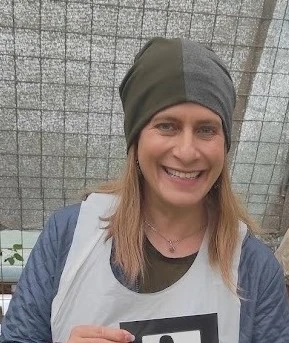
Hashmonaim, Israel
I started learning Daf in Jan 2020 with Brachot b/c I had never seen the Jewish people united around something so positive, and I wanted to be a part of it. Also, I wanted to broaden my background in Torah Shebal Peh- Maayanot gave me a great gemara education, but I knew that I could hold a conversation in most parts of tanach but almost no TSB. I’m so thankful for Daf and have gained immensely.

NJ, United States
I started learning after the siyum hashas for women and my daily learning has been a constant over the last two years. It grounded me during the chaos of Corona while providing me with a community of fellow learners. The Daf can be challenging but it’s filled with life’s lessons, struggles and hope for a better world. It’s not about the destination but rather about the journey. Thank you Hadran!

אפרת, Israel
I heard about the syium in January 2020 & I was excited to start learning then the pandemic started. Learning Daf became something to focus on but also something stressful. As the world changed around me & my family I had to adjust my expectations for myself & the world. Daf Yomi & the Hadran podcast has been something I look forward to every day. It gives me a moment of centering & Judaism daily.
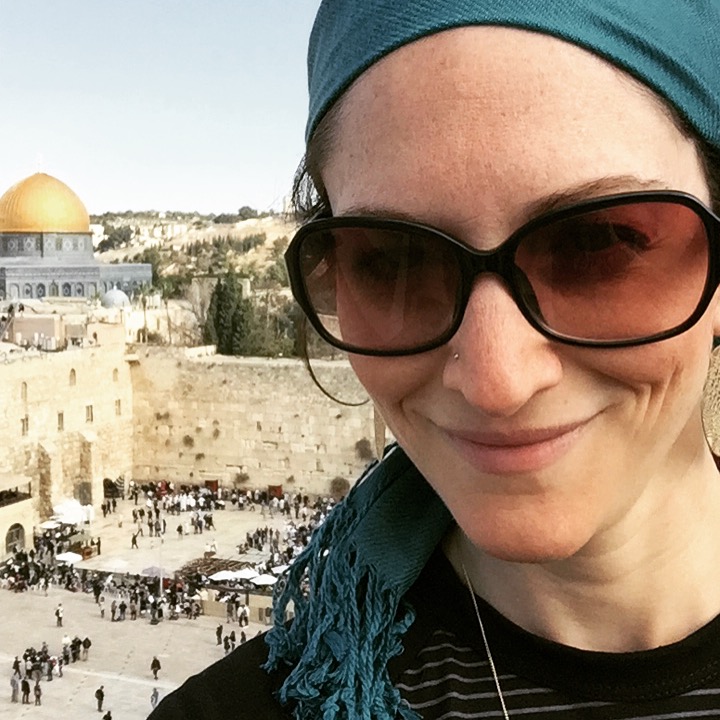
Denver, United States
I started learning at the beginning of the cycle after a friend persuaded me that it would be right up my alley. I was lucky enough to learn at Rabbanit Michelle’s house before it started on zoom and it was quickly part of my daily routine. I find it so important to see for myself where halachot were derived, where stories were told and to get more insight into how the Rabbis interacted.

Ra’anana, Israel
Michelle has been an inspiration for years, but I only really started this cycle after the moving and uplifting siyum in Jerusalem. It’s been an wonderful to learn and relearn the tenets of our religion and to understand how the extraordinary efforts of a band of people to preserve Judaism after the fall of the beit hamikdash is still bearing fruits today. I’m proud to be part of the chain!

Raanana, Israel
I was exposed to Talmud in high school, but I was truly inspired after my daughter and I decided to attend the Women’s Siyum Shas in 2020. We knew that this was a historic moment. We were blown away, overcome with emotion at the euphoria of the revolution. Right then, I knew I would continue. My commitment deepened with the every-morning Virtual Beit Midrash on Zoom with R. Michelle.
Zichron Yaakov, Israel
In early January of 2020, I learned about Siyyum HaShas and Daf Yomi via Tablet Magazine’s brief daily podcast about the Daf. I found it compelling and fascinating. Soon I discovered Hadran; since then I have learned the Daf daily with Rabbanit Michelle Cohen Farber. The Daf has permeated my every hour, and has transformed and magnified my place within the Jewish Universe.

San Francisco, CA , United States
When I started studying Hebrew at Brown University’s Hillel, I had no idea that almost 38 years later, I’m doing Daf Yomi. My Shabbat haburah is led by Rabbanit Leah Sarna. The women are a hoot. I’m tracking the completion of each tractate by reading Ilana Kurshan’s memoir, If All the Seas Were Ink.

Pennsylvania, United States
I started learning daf yomi at the beginning of this cycle. As the pandemic evolved, it’s been so helpful to me to have this discipline every morning to listen to the daf podcast after I’ve read the daf; learning about the relationships between the rabbis and the ways they were constructing our Jewish religion after the destruction of the Temple. I’m grateful to be on this journey!
Teaneck NJ, United States
I’ve been wanting to do Daf Yomi for years, but always wanted to start at the beginning and not in the middle of things. When the opportunity came in 2020, I decided: “this is now the time!” I’ve been posting my journey daily on social media, tracking my progress (#DafYomi); now it’s fully integrated into my daily routines. I’ve also inspired my partner to join, too!

Teaneck, United States

Ontario, Canada
It has been a pleasure keeping pace with this wonderful and scholarly group of women.

Beit Shemesh, Israel
I started my journey on the day I realized that the Siyum was happening in Yerushalayim and I was missing out. What? I told myself. How could I have not known about this? How can I have missed out on this opportunity? I decided that moment, I would start Daf Yomi and Nach Yomi the very next day. I am so grateful to Hadran. I am changed forever because I learn Gemara with women. Thank you.
Mitspe, Israel
I started learning after the siyum hashas for women and my daily learning has been a constant over the last two years. It grounded me during the chaos of Corona while providing me with a community of fellow learners. The Daf can be challenging but it’s filled with life’s lessons, struggles and hope for a better world. It’s not about the destination but rather about the journey. Thank you Hadran!
אפרת, Israel
I attended the Siyum so that I could tell my granddaughter that I had been there. Then I decided to listen on Spotify and after the siyum of Brachot, Covid and zoom began. It gave structure to my day. I learn with people from all over the world who are now my friends – yet most of us have never met. I can’t imagine life without it. Thank you Rabbanit Michelle.
Raanana, Israel
With Rabbanit Dr. Naomi Cohen in the Women’s Talmud class, over 30 years ago. It was a “known” class and it was accepted, because of who taught. Since then I have also studied with Avigail Gross-Gelman and Dr. Gabriel Hazut for about a year). Years ago, in a shiur in my shul, I did know about Persians doing 3 things with their clothes on. They opened the shiur to woman after that!
Haifa, Israel
I started Daf during the pandemic. I listened to a number of podcasts by various Rebbeim until one day, I discovered Rabbanit Farbers podcast. Subsequently I joined the Hadran family in Eruvin. Not the easiest place to begin, Rabbanit Farber made it all understandable and fun. The online live group has bonded together and have really become a supportive, encouraging family.

Edmonton, Alberta, Canada
I was moved to tears by the Hadran Siyyum HaShas. I have learned Torah all my life, but never connected to learning Gemara on a regular basis until then. Seeing the sheer joy Talmud Torah at the siyyum, I felt compelled to be part of it, and I haven’t missed a day!
It’s not always easy, but it is so worthwhile, and it has strengthened my love of learning. It is part of my life now.

Beit Shemesh, Israel
Zevachim 60
אַמָּה אֶל הַכָּתֵף״. וּמָה תַּלְמוּד לוֹמַר ״חָמֵשׁ אַמּוֹת״? מִשְּׂפַת מִזְבֵּחַ וּלְמַעְלָה.
cubits for the one side” (Exodus 38:14), which indicates that the height of the curtains surrounding the courtyard of the Tabernacle was fifteen cubits. And what is the meaning when the verse states: “And the height five cubits” (Exodus 27:18)? It is referring to the height of the curtains from the upper edge of the altar and above; the curtains surrounding the courtyard were five cubits higher than the altar.
וּמָה תַּלְמוּד לוֹמַר ״וְשָׁלֹשׁ אַמּוֹת קוֹמָתוֹ״? מִשְּׂפַת סוֹבֵב וּלְמַעְלָה.
Rabbi Yosei continues: And what is the meaning when the verse states: “And you shall make the altar…and its height shall be three cubits” (Exodus 27:1)? The verse means that the altar measures three cubits from the edge of the surrounding ledge and above.
וְרַבִּי יְהוּדָה, כִּי גְּמִיר גְּזֵירָה שָׁוָה – בְּרָחְבָּהּ הוּא דִּגְמִיר.
The Gemara asks: And how does Rabbi Yehuda, who understands that the copper altar built in the time of Moses was actually three cubits high, interpret the verbal analogy based upon the word “square,” from which Rabbi Yosei derived that the height of the copper altar was ten cubits? The Gemara answers: When he learns the verbal analogy, he learns it with regard to the altar’s width, not its height. This is based on the verse in Ezekiel (see 59b). Accordingly, it teaches that the altar built in the time of Moses was ten cubits by ten cubits.
וּלְרַבִּי יְהוּדָה, הָא קָא מִיתְחֲזֵי כֹּהֵן! נְהִי דְּכֹהֵן מִיתְחֲזֵי; עֲבוֹדָה דִּבְיָדוֹ – לָא מִיתְחֲזֵי.
The Gemara asks: And according to Rabbi Yehuda, who maintains that the altar was three cubits high and the curtains surrounding the courtyard of the Tabernacle were five cubits high, isn’t the priest visible while performing the service atop the altar? The Gemara answers: Granted, the priest is visible, but the items with which he performs the sacrificial service that are in his hand are not visible.
בִּשְׁלָמָא לְרַבִּי יְהוּדָה, הַיְינוּ דִּכְתִיב ״קִידֵּשׁ״; אֶלָּא לְרַבִּי יוֹסֵי, מַאי ״קִידֵּשׁ״? לְהַעֲמִיד בָּהּ מִזְבֵּחַ.
The Gemara returns to the original dispute between Rabbi Yehuda and Rabbi Yosei with regard to whether or not Solomon consecrated the floor of the Temple courtyard. Granted, according to Rabbi Yehuda, who maintains that the floor of the Temple courtyard was consecrated so that it could serve as an altar, this is the meaning of that which is written: “The king sanctified the middle of the court” (I Kings 8:64). But according to Rabbi Yosei, what is the meaning of the phrase “the king sanctified”? The Gemara answers: It means that Solomon sanctified the courtyard in order to stand the altar in it.
בִּשְׁלָמָא לְרַבִּי יוֹסֵי, הַיְינוּ דִּכְתִיב ״קָטָן״; אֶלָּא לְרַבִּי יְהוּדָה, מַאי ״קָטָן״? הָכִי קָאָמַר: מִזְבַּח אֲבָנִים שֶׁעָשָׂה שְׁלֹמֹה תַּחַת מִזְבַּח הַנְּחֹשֶׁת – קָטָן הֲוָה.
The Gemara continues: Granted, according to Rabbi Yosei, who maintains that the surface of the altar built in the time of Moses was five cubits by five cubits, this is the meaning of that which is written in the continuation of that verse: “Because the copper altar that was before the Lord was too small to receive.” But according to Rabbi Yehuda, who maintains that its surface area was ten cubits by ten cubits, what is the meaning of the phrase “too small”? The Gemara answers: The verse is referring to the altar built by Solomon, and this is what it is saying: The stone altar that Solomon built in place of the copper altar built in the time of Moses was too small to accommodate the large quantity of offerings.
בְּמַאי פְּלִיגִי? מָר סָבַר: דָּנִין חוּץ מִחוּץ, וְאֵין דָּנִין חוּץ מִפְּנִים;
The Gemara asks: With regard to what principle do Rabbi Yehuda and Rabbi Yosei disagree that causes them to interpret differently the verbal analogy based on the word “square”? The Gemara answers: One Sage, Rabbi Yehuda, holds that we derive the dimensions of the external altar built in the time of Moses from the external altar described in Ezekiel; but we do not derive the dimensions of the external altar from the dimensions of the inner altar, used for burning the incense.
וּמָר סָבַר: דָּנִין כְּלִי מִכְּלִי, וְאֵין דָּנִין כְּלִי מִבִּנְיָן.
And one Sage, Rabbi Yosei, holds that we derive the dimensions of a portable vessel, i.e., the copper altar built in the time of Moses, from the dimensions of another portable vessel, i.e., the golden incense altar built at that time; but we do not derive the dimensions of a portable vessel from the dimensions of an edifice, i.e., the stone altar in the Temple.
אָמַר רָבָא: מוֹדֶה רַבִּי יְהוּדָה בְּדָמִים. דְּתַנְיָא, רַבִּי יְהוּדָה אוֹמֵר: כּוֹס אֶחָד הָיָה מְמַלֵּא מִדַּם הַתַּעֲרוֹבוֹת, וְשׁוֹפְכוֹ עַל גַּבֵּי מִזְבֵּחַ; שֶׁאִם יִשָּׁפֵךְ דָּמוֹ שֶׁל אַחַת מֵהֶן – נִמְצָא זֶה מַכְשִׁירוֹ.
§ Rava says: Although Rabbi Yehuda maintains that the entire Temple courtyard is fit for burning the sacrificial portions of offerings, he concedes with regard to the blood and holds that it must be presented on the altar, as it is taught in a baraita: Rabbi Yehuda says: On Passover eve, a priest would fill one cup with the blood of the many offerings brought that day and that was now mixed together on the floor. And then he would pour it on the altar, so that if all of the blood of one of the offerings had been spilled and was never presented on the altar, this cup would contain a small amount of that blood and pouring it on the altar would render the offering fit.
וְאִי סָלְקָא דַעְתָּךְ סָבַר רַבִּי יְהוּדָה כּוּלַּהּ עֲזָרָה מִיקַּדְּשָׁא – הָא אִיתְעֲבִידָא לֵיהּ מִצְוְותֵיהּ!
Rava explains his proof: And if it enters your mind that Rabbi Yehuda maintains the entire Temple courtyard was consecrated so that it had the status of the altar, then the mitzva of sacrificing the Paschal offering was performed even if the blood spilled on the ground of the courtyard and was never presented on the altar.
וְדִלְמָא מִשּׁוּם דְּקָסָבַר שְׁפִיכָה מִכֹּחַ הָאָדָם בָּעֵינַן? אִם כֵּן, נִשְׁקְלֵיהּ וְנִשְׁפֹּיךְ לֵיהּ אַדּוּכְתֵּיהּ!
The Gemara attempts to reject this proof: Perhaps Rabbi Yehuda requires pouring a cup of the mixture of blood on the altar due to the fact that he holds we require pouring of the blood of the Paschal offering by human force. Since the blood on the floor of the courtyard was not poured there by a person, the mitzva has not yet been fulfilled despite the fact that the floor has the same status as the altar. The Gemara responds: If so, let the priest take the cup of the mixture of blood and pour it in its place on the floor rather than on the altar.
וְדִלְמָא מִשּׁוּם דְּבָעֵינַן מִצְוָה מִן הַמּוּבְחָר?
The Gemara rejects Rava’s proof: But perhaps Rabbi Yehuda requires the blood to be poured on the altar only due to the fact that we require the mitzva to be performed in the optimal manner. Even if Rabbi Yehuda holds that the floor of the courtyard has the same status as the altar, he would agree that it is preferable for the blood to be poured on the altar itself.
אָמַר רַבִּי אֶלְעָזָר: מִזְבֵּחַ שֶׁנִּפְגַּם – אֵין אוֹכְלִים בְּגִינוֹ שְׁיָרֵי מִנְחָה, שֶׁנֶּאֱמַר: ״וְאִכְלוּהָ מַצּוֹת אֵצֶל הַמִּזְבֵּחַ״ – וְכִי אֵצֶל הַמִּזְבֵּחַ אֲכָלוּהָ?! אֶלָּא בִּזְמַן שֶׁהוּא שָׁלֵם, וְלֹא בִּזְמַן שֶׁהוּא חָסֵר.
§ Rabbi Elazar says: In the case of an altar that was damaged, one may not eat the remainder of a meal offering on its account, as it is stated: “Take the meal offering…and eat it without leaven beside the altar; for it is most holy” (Leviticus 10:12). The verse is difficult: But did the priests have to eat the meal offering beside the altar? A priest may eat sacrificial items even of the most sacred order anywhere in the Temple courtyard. Rather, the verse means that one may eat the meal offering only at a time when the altar is complete, but not at a time when it is lacking.
אַשְׁכְּחַן שְׁיָרֵי מִנְחָה, קׇדְשֵׁי קֳדָשִׁים מְנָלַן? תַּלְמוּד לוֹמַר: ״קֹדֶשׁ קָדָשִׁים״.
The Gemara continues: We found a source for this halakha with regard to the remainder of a meal offering; from where do we derive that this halakha applies to all offerings of the most sacred order? The Gemara answers: The end of the verse states: “For it is most holy.” Since this term is also used with regard to the other offerings of the most sacred order, it is derived through verbal analogy that these offerings may not be eaten if the altar is damaged.
קָדָשִׁים קַלִּים מִנַּיִן? אָמַר אַבָּיֵי: אָתְיָא מִדְּרָשָׁא דְּרַבִּי יוֹסֵי, דְּתַנְיָא: רַבִּי יוֹסֵי אוֹמֵר שְׁלֹשָׁה דְּבָרִים מִשּׁוּם
The Gemara continues: From where is it derived that this halakha also applies to offerings of lesser sanctity? Abaye said: It is derived from the exposition of Rabbi Yosei, as it is taught in a baraita: Rabbi Yosei says three halakhic matters in the name of
שְׁלֹשָׁה זְקֵנִים, וְזֶה אֶחָד מֵהֶן: רַבִּי יִשְׁמָעֵאל אוֹמֵר, יָכוֹל יַעֲלֶה אָדָם מַעֲשֵׂר שֵׁנִי לִירוּשָׁלַיִם וְיֹאכְלֶנּוּ בִּזְמַן הַזֶּה? וְדִין הוּא – בְּכוֹר טָעוּן הֲבָאַת מָקוֹם, וּמַעֲשֵׂר טָעוּן הֲבָאַת מָקוֹם; מָה בְּכוֹר – אֵינוֹ אֶלָּא בִּפְנֵי הַבַּיִת, אַף מַעֲשֵׂר – אֵינוֹ אֶלָּא בִּפְנֵי הַבַּיִת.
three elders, and this is one of them: Rabbi Yishmael says: One might have thought that a person would bring second-tithe produce up to Jerusalem in the present, after the destruction of the Temple, and eat it. And ostensibly, it could be derived by means of a logical inference that one may not do so: A firstborn offering requires bringing it to the place, to Jerusalem, and eating it there, and second-tithe produce requires bringing it to the place (see Deuteronomy 12:17–18); just as the firstborn offering may be eaten there only in the presence of the Temple, so too, second-tithe produce may be eaten there only in the presence of the Temple.
מָה לִבְכוֹר, שֶׁכֵּן טָעוּן מַתַּן דָּמִים וְאֵימוּרִים לְגַבֵּי מִזְבֵּחַ!
Rabbi Yishmael notes that this derivation can be challenged: What is notable about a firstborn? Bringing the firstborn to Jerusalem is required only in the presence of the Temple, because it is notable in that it requires placement of its blood and its sacrificial portions upon the altar; will you say the same with regard to second-tithe produce, which requires only that it be consumed in Jerusalem?
בִּיכּוּרִים יוֹכִיחוּ. מָה לְבִיכּוּרִים, שֶׁכֵּן טְעוּנִין הַנָּחָה!
He continues: First fruits will prove that placement of blood upon the altar is not a factor, as they do not require placement of blood upon the altar, and yet they are brought to Jerusalem only in the presence of the Temple. Rabbi Yishmael counters: What is notable about first fruits? They are notable in that they require placement alongside the altar. Perhaps, since second-tithe produce does not require placement at all, even in the present one must bring it to Jerusalem and eat it there.
תַּלְמוּד לוֹמַר: ״וַהֲבֵאתֶם שָׁמָּה עֹלֹתֵיכֶם וְגוֹ׳״ – מַקִּישׁ מַעֲשֵׂר לִבְכוֹר; מָה בְּכוֹר – אֵינוֹ אֶלָּא בִּפְנֵי הַבַּיִת, אַף מַעֲשֵׂר – אֵינוֹ אֶלָּא בִּפְנֵי הַבַּיִת.
Rabbi Yishmael concludes: Therefore, the verse states: “And there you shall bring your burnt offerings, and your sacrifices, and your tithes…and the firstborns of your herd and of your flock” (Deuteronomy 12:6); the Torah juxtaposes second-tithe produce with the firstborn. Just as the firstborn offering may be eaten there only in the presence of the Temple, so too, second-tithe produce may be eaten there only in the presence of the Temple.
וְנִיהְדַּר דִּינָא, וְנֵיתֵי בְּ״מָה הַצַּד״!
The Gemara questions why a verse was needed to teach that second-tithe produce may not be consumed nowadays: But let the logical derivation return and the halakha will be derived from the common element between the halakhot of firstborn animals and first fruits. Although each has a unique factor, they share a common element: They must be brought to Jerusalem and they may be eaten only in the presence of the Temple. So too, second-tithe produce, which also must be brought to Jerusalem, should be permitted for consumption only in the presence of the Temple.
מִשּׁוּם דְּאִיכָּא לְמִיפְרַךְ: מָה לְהַצַּד הַשָּׁוֶה שֶׁבָּהֶן – שֶׁכֵּן יֵשׁ בָּהֶן צַד מִזְבֵּחַ.
The Gemara answers: Rabbi Yishmael did not present this derivation because it can be refuted in the following manner: What is notable about the two sources that share a common element? Both firstborn animals and first fruits are notable in that they possess an aspect of being offered upon the altar. Since second-tithe produce does not share this characteristic, its halakhot cannot be derived from those pertaining to firstborn animals and first fruits.
מַאי קָסָבַר? אִי קָסָבַר קְדוּשָּׁה רִאשׁוֹנָה קִידְּשָׁה לִשְׁעָתָהּ וְקִידְּשָׁה לֶעָתִיד לָבֹא – אֲפִילּוּ בְּכוֹר נָמֵי! וְאִי קָסָבַר לֹא קִידְּשָׁה לֶעָתִיד לָבֹא – אֲפִילּוּ בְּכוֹר נָמֵי תִּיבְעֵי!
The Gemara asks: What does Rabbi Yishmael hold? If he holds that the initial consecration of the Temple sanctified it for its time and sanctified it forever, then it should be permitted to build an altar and sacrifice offerings even nowadays, and therefore even a firstborn animal may be eaten. And if he holds that the initial consecration of the Temple area did not sanctify it forever, let the dilemma be raised with regard to a firstborn as well.
אָמַר רָבִינָא: לְעוֹלָם קָסָבַר לֹא קִידְּשָׁה; וְהָכָא בְּמַאי עָסְקִינַן – בִּבְכוֹר שֶׁנִּזְרַק דָּמוֹ קוֹדֶם חוּרְבַּן הַבַּיִת, וְחָרַב הַבַּיִת, וַעֲדַיִין בְּשָׂרוֹ קַיָּים.
Ravina said: Actually, Rabbi Yishmael holds that the initial consecration of the Temple did not sanctify it forever. And although one cannot slaughter the firstborn to begin with, here we are dealing with a firstborn that was slaughtered and whose blood was sprinkled on the altar before the destruction of the Temple, and then the Temple was destroyed, and the meat of the firstborn still exists.
וְאִיתַּקַּשׁ בְּשָׂרוֹ לְדָמוֹ; מָה דָּמוֹ בַּמִּזְבֵּחַ, אַף בְּשָׂרוֹ בַּמִּזְבֵּחַ; וְאָתֵי מַעֲשֵׂר וְיָלֵיף מִבְּכוֹר.
It is prohibited to eat the meat of the firstborn in this case because its meat was juxtaposed with its blood, which is mentioned in the previous verse, as it is stated: “You shall sprinkle their blood…and you shall burn their fats…and their flesh shall be yours” (Numbers 18:17–18). The juxtaposition teaches that just as its blood is sprinkled only on the altar, so too, its meat may be consumed only in a time when there is an altar. And the case of second-tithe produce comes and is derived from the case of a firstborn. Consequently, second-tithe produce may not be consumed unless there is an altar.
וְכִי דָּבָר הַלָּמֵד בְּהֶיקֵּשׁ, חוֹזֵר וּמְלַמֵּד בְּהֶיקֵּשׁ?! מַעְשַׂר דָּגָן חוּלִּין הוּא.
The Gemara asks: But does a matter derived via a juxtaposition with another case then teach that the halakha applies to a third case via a juxtaposition between the second and third cases? There is a principle that this is not a valid method of deriving halakhot pertaining to consecrated matters. Since the halakha with regard to the meat of the firstborn offering is derived from the juxtaposition of the meat with the blood of the firstborn, one cannot then prove that the same halakha applies to second-tithe produce simply because it is juxtaposed in a verse with the meat of the firstborn. The Gemara answers: Second-tithe grain is non-sacred, and therefore the acceptable methods for deriving its halakhot are not limited in this manner.
הָנִיחָא לְמַאן דְּאָמַר בָּתַר לָמֵד אָזְלִינַן; אֶלָּא לְמַאן דְּאָמַר בָּתַר מְלַמֵּד אָזְלִינַן – מַאי אִיכָּא לְמֵימַר?
The Gemara asks: This works out well according to the one who says: In determining whether the derivation involves consecrated matters or whether it involves non-sacred matters, we follow the matter that is derived from a matter derived from a juxtaposition. Since in this case the matter derived is second-tithe produce, which for these purposes is non-sacred, its legal status may be derived from juxtaposition with the halakhot of sacrificial matters. But according to the one who says: We follow the matter that teaches, i.e., from which the halakha is derived, what is there to say? The status of second-tithe produce may not be derived by means of juxtaposition with the status of the firstborn offering, which itself was derived from the blood of the offering, because the firstborn offering is a sacrificial matter.
דָּם וּבָשָׂר חֲדָא מִילְּתָא הִיא.
The Gemara answers: This is not a matter derived from a matter derived from a juxtaposition, as the status of the firstborn offering is not derived from the status of blood; blood and meat are one matter. There is only one derivation in this case, which is that the status of second-tithe produce is derived from the status of the blood and the meat of the firstborn. In any event, Abaye has proven, quoting Rabbi Yishmael’s statement cited by Rabbi Yosei, that even sacrificial items of lesser sanctity may not be eaten if the altar is missing or damaged.
כִּי סְלֵיק רָבִין, אַמְרַהּ לִשְׁמַעְתָּא קַמֵּיהּ דְּרַבִּי יִרְמְיָה. אָמַר: בַּבְלָאֵי טַפְשָׁאֵי – אַמְּטוּל דְּיָתְבִי בְּאַרְעָא חֲשׁוֹכָא, אָמְרִי שְׁמַעְתָּא דִּמְחַשְּׁכָא! לָא שְׁמִיעַ לְהוּ הָא דְּתַנְיָא: בִּשְׁעַת סִילּוּק מַסָּעוֹת – קָדָשִׁים נִפְסָלִין, וְזָבִים וּמְצוֹרָעִים מִשְׁתַּלְּחִים חוּץ לַמְּחִיצָה;
The Gemara relates: When Ravin ascended from Babylonia to Eretz Yisrael, he stated this halakha, that even items of lesser sanctity are disqualified if the altar is damaged or missing, in the presence of Rabbi Yirmeya. Rabbi Yirmeya said: Foolish Babylonians! Because they dwell in a dark land, they state halakhot that are dim. Have they not heard that which is taught in a baraita: At the time when the Jewish people would dismantle the Tabernacle in order to depart on their journeys in the wilderness, sacrificial food was disqualified from being consumed, since the altar was not in place. Nevertheless, zavim and lepers were sent out of the relevant partition; a zav was sent out of the Levite camp and a leper was sent out of the Israelite camp.
וְתַנְיָא אִידַּךְ: בִּשְׁנֵי מְקוֹמוֹת קֳדָשִׁים נֶאֱכָלִים. מַאי, לָאו הָא בְּקׇדְשֵׁי קָדָשִׁים, הָא בְּקָדָשִׁים קַלִּים?
And it is taught in another baraita: Sacrificial food could be consumed in two locations, i.e., one could eat it while the Tabernacle was in place and one could continue eating it after the Tabernacle had been disassembled and transported. What, is it not that this first baraita is referring to offerings of the most sacred order, and that second baraita is referring to offerings of lesser sanctity? Accordingly, Abaye’s statement that offerings of lesser sanctity may not be consumed if the altar is damaged is incorrect.
אָמַר רָבִינָא: אִידֵּי וְאִידֵּי בְּקָדָשִׁים קַלִּים; וְלָא קַשְׁיָא –
Ravina said that there is an alternative reconciliation of the two baraitot: Both this baraita and that baraita are referring to offerings of lesser sanctity, and it is not difficult:

