








Zevachim 68

Share this shiur:
Masechet Zevachim
Masechet Zevachim is sponsored by Esther Kremer in loving memory of her father, Manny Gross on his third yahrzeit. “He exemplified a path of holiness and purity, living with kedushah in his everyday life.”
This month’s learning is sponsored by Adam, Carolyn, Michal, Josh, Benny, Izzy, Gali, Shim, Zoe, Zachy and Yehuda in loving memory of Fred Hochstadter, Ephraim ben Kayla veBaruch on his 18th yahrzeit on ח׳ אלול. “We continue to be inspired by his dedication to daily learning, from the Daf and beyond, to its surrounding philosophical, historical and legal nuances. We miss him greatly and can only strive to emulate his wise, kind and elegant ways.”
Want to dedicate learning? Get started here:


Today’s daily daf tools:
Masechet Zevachim
Masechet Zevachim is sponsored by Esther Kremer in loving memory of her father, Manny Gross on his third yahrzeit. “He exemplified a path of holiness and purity, living with kedushah in his everyday life.”
This month’s learning is sponsored by Adam, Carolyn, Michal, Josh, Benny, Izzy, Gali, Shim, Zoe, Zachy and Yehuda in loving memory of Fred Hochstadter, Ephraim ben Kayla veBaruch on his 18th yahrzeit on ח׳ אלול. “We continue to be inspired by his dedication to daily learning, from the Daf and beyond, to its surrounding philosophical, historical and legal nuances. We miss him greatly and can only strive to emulate his wise, kind and elegant ways.”
Zevachim 68
צְרִיכָה שֶׁתָּבִיא עוֹד חָמֵשׁ פְּרֵידִין לְמַעְלָה.
she must bring another five birds and sacrifice them all above the red line as burnt offerings. Since her commitment was not satisfied, she has not fulfilled even part of her vow. She must therefore bring two burnt offerings of each species to ensure that she fulfills her vow, and she must bring another bird to replace the initial obligatory burnt offering and fulfill her commitment to bring them together.
מִמִּין אֶחָד. וּמִשְּׁנֵי מִינִין – תָּבִיא שֵׁשׁ.
This is the halakha only if both pairs that she brought were of the same species. But if they were of two different species, and the priest does not remember which he sacrificed first as the obligatory pair, she must bring six, two of each species to ensure that she fulfills her vow, and one more of each species to ensure that she properly replaces the original burnt offering of the obligatory pair and fulfills her commitment.
נְתָנָתַן לַכֹּהֵן, וְאֵינָהּ יוֹדַעַת מָה נָתְנָה; הָלַךְ הַכֹּהֵן וְעָשָׂה, וְאֵינוֹ יוֹדֵעַ מָה עָשָׂה – צְרִיכָה אַרְבַּע פְּרִידִין לְנִדְרָהּ, וּשְׁתַּיִם לְחוֹבָתָהּ, וְחַטָּאת אַחַת.
If the woman specified the species of bird for her vow but then forgot which species she specified, and she gave two pairs of birds to the priest but does not know now what species she gave, or even if she gave him one or two species of birds, and the priest went and sacrificed the birds but does not know now what he sacrificed where, in this case, she must bring seven birds, as follows: Four birds, two of each species, for her vow; and two more birds, one of each species, for her obligatory burnt offering, in case the priest sacrificed a sin offering of a certain species and the burnt offering must now match that species; and one sin offering of either species, in case the priest sacrificed them all as burnt offerings.
בֶּן עַזַּאי אוֹמֵר: שְׁתֵּי חַטָּאוֹת.
Ben Azzai says she must bring two sin offerings, one of each species, as he holds that if the priest sacrificed a bird of a certain species specifically as the obligatory burnt offering, the sin offering must now match that species.
אָמַר רַבִּי יְהוֹשֻׁעַ, זֶהוּ שֶׁאָמְרוּ: כְּשֶׁהוּא חַי – קוֹלוֹ אֶחָד, וּכְשֶׁהוּא מֵת – קוֹלוֹ שִׁבְעָה.
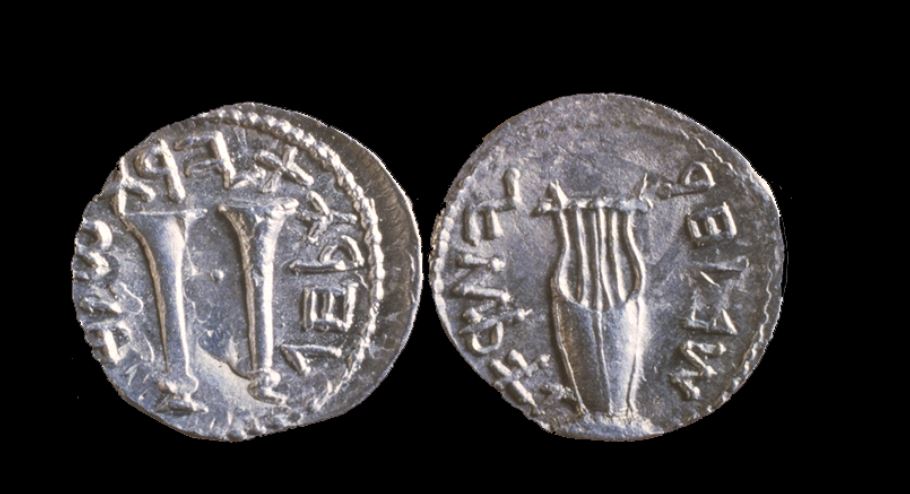
The mishna concludes: Rabbi Yehoshua said that there is a parable that explains this situation: This is what people say about a sheep: When it is alive it makes one sound, and when it is dead it makes seven sounds. Its two horns become trumpets, its two shinbones become flutes, its skin becomes a drumhead, its large intestines become harp strings, and its small intestines become lyre strings. Here too, because of the uncertainty as to what had occurred, the woman must bring seven extra birds. Since Rabbi Yehoshua summarizes the mishna, the mishnayot in this chapter must be in accordance with his opinion. According to Rav Adda bar Ahava’s explanation of Rabbi Yehoshua’s principle, burnt offerings of birds sacrificed as sin offerings become valid sin offerings. Why then, according to these mishnayot, are they disqualified?
אֵימַר דַּאֲמַר רַבִּי יְהוֹשֻׁעַ – לְאַפּוֹקַהּ מִידֵי מְעִילָה; לְמִיסַּק לֵיהּ לְחוֹבָה מִי אָמַר?!
The Gemara responds: Rav Adda bar Ahava’s explanation is not at odds with these mishnayot; while it is reasonable to say, i.e., to explain, that Rabbi Yehoshua said that the offering becomes a sin offering insofar as to exclude one who derives benefit from it from liability for misuse of consecrated property, did he say that it becomes a sin offering so expansively as to indicate that it would satisfy the owner’s obligation? In the cases in the mishnayot in Kinnim, all burnt offerings that were sacrificed as sin offerings are not subject to the halakhot of misuse of consecrated property, but the women must nevertheless bring replacement offerings.
מַתְנִי׳ כׇּל הַפְּסוּלִין שֶׁמָּלְקוּ – מְלִיקָתָן פְּסוּלָה, וְאֵינָן מְטַמְּאוֹת בְּבֵית הַבְּלִיעָה. מָלַק בִּשְׂמֹאל אוֹ בַּלַּיְלָה, שָׁחַט חוּלִּין בִּפְנִים וְקָדָשִׁים בַּחוּץ – אֵינָן מְטַמְּאוֹת בְּבֵית הַבְּלִיעָה.
MISHNA: With regard to any of those people disqualified from performing the Temple service who pinched the nape of a bird offering, their pinching is not valid, but the offering’s meat does not render one who swallows it ritually impure when it is in the throat, as would the meat of a kosher bird that was not ritually slaughtered. If a priest pinched it with the thumbnail of his left hand, or if he pinched it at night, or if he slaughtered a non-sacred bird inside the Temple courtyard or a sacrificial bird outside the Temple courtyard, in all these cases, although it is prohibited to consume these birds, they do not render one ritually impure when they are in the throat, as the halakhic status of pinching is like that of slaughtering.
מָלַק בְּסַכִּין; מָלַק חוּלִּין בִּפְנִים וְקָדָשִׁים בַּחוּץ;
If he pinched with a knife and not with his thumbnail; or if he pinched a non-sacred bird inside the Temple courtyard or a sacrificial bird outside the Temple courtyard;
תּוֹרִין שֶׁלֹּא הִגִּיעַ זְמַנָּן, וּבְנֵי יוֹנָה שֶׁעָבַר זְמַנָּן; שֶׁיָּבְשָׁה גַּפָּהּ, שֶׁנִּסְמֵית עֵינָהּ וְשֶׁנִּקְטְעָה רַגְלָהּ – מְטַמֵּא בְּבֵית הַבְּלִיעָה.
or if he pinched doves whose time of fitness for sacrifice has not yet arrived, as they are too young to be sacrificed; or if he pinched pigeons whose time of fitness has passed, as they are too old; or if he pinched the nape of a fledgling whose wing was withered, or whose eye was blinded, or whose leg was severed; in all these cases, although the bird’s nape was pinched, it renders one who swallows it ritually impure when it is in the throat.
זֶה הַכְּלָל: כֹּל שֶׁפְּסוּלוֹ בַּקּוֹדֶשׁ – אֵינוֹ מְטַמֵּא בְּבֵית הַבְּלִיעָה; לֹא הָיָה פְּסוּלוֹ בַּקּוֹדֶשׁ – מְטַמֵּא בְּבֵית הַבְּלִיעָה.
This is the principle: The meat of any bird that was initially fit for sacrifice and whose disqualification occurred in the course of the service in the sacred Temple courtyard does not render one who swallows it ritually impure when it is in the throat. The meat of any bird whose disqualification did not occur in the sacred area, but rather was disqualified before the service began, renders one ritually impure when it is in the throat.
גְּמָ׳ אָמַר רַב: שְׂמֹאל וְלַיְלָה – אֵין מְטַמְּאִין בְּבֵית הַבְּלִיעָה, זָר וְסַכִּין – מְטַמְּאִין בְּבֵית הַבְּלִיעָה.
GEMARA: Rav says: Pinching with the thumbnail of the left hand and pinching at night do not cause the offering’s meat to render one who swallows it ritually impure when it is in the throat as would the carcass of an unslaughtered bird; but pinching by a non-priest and pinching, i.e., cutting from the nape of the neck, with a knife rather than the fingernail do cause the meat to render one ritually impure when it is in the throat.
מַאי שְׁנָא שְׂמֹאל – דְּאִית לֵיהּ הֶכְשֵׁירָה בְּיוֹם הַכִּפּוּרִים, וְלַיְלָה – אִית לֵיהּ הֶכְשֵׁירָה בְּאֵיבָרִים וּפְדָרִים; זָר נָמֵי – אִית לֵיהּ הֶכְשֵׁירָה בִּשְׁחִיטָה! שְׁחִיטָה לָאו עֲבוֹדָה הִיא.
The Gemara challenges: What is different about the first two cases that prevents the bird from assuming the status of a carcass? Temple service with the left hand has an instance of validity during the service on Yom Kippur, when the High Priest enters the Holy of Holies holding the spoon of incense in his left hand. And Temple service at night has an instance of validity in the burning of limbs and fats of offerings on the altar, which may be burned throughout the night. But a non-priest also has an instance of validity in the slaughter of animal offerings. Why then does Rav rule that pinching by a non-priest renders the bird a carcass? The Gemara answers: Slaughter is not considered a full-fledged sacrificial rite, and therefore it cannot be compared to pinching.
וְלָא?! וְהָא אָמַר רַבִּי זֵירָא: שְׁחִיטַת פָּרָה בְּזָר – פְּסוּלָה; וּמַחְוֵי רַב עֲלַהּ: אֶלְעָזָר וְ״חוּקָּה״!
The Gemara asks: And is it not a full-fledged rite? But doesn’t Rabbi Zeira say that the slaughter of a red heifer by a non-priest is not valid, which indicates that it is a full-fledged rite? And Rav showed a source in the Torah for this halakha: The verses concerning the red heifer mention both Elazar the priest as performing the slaughter and the word “statute,” which is mentioned in the verse: “This is the statute of the law” (Numbers 19:2), teaching that Elazar’s involvement was halakhically required.
שָׁאנֵי פָּרָה, דְּקׇדְשֵׁי בֶּדֶק הַבַּיִת הִיא.
The Gemara answers: The red heifer is different, as it has the halakhic status of an item consecrated for Temple maintenance rather than for sacrifice on the altar. Therefore, its slaughter cannot teach the halakha concerning an actual offering.
וְלָא כֹּל דְּכֵן הוּא: קׇדְשֵׁי בֶּדֶק הַבַּיִת בָּעוּ כְּהוּנָּה, קׇדְשֵׁי מִזְבֵּחַ מִיבַּעְיָא?!
The Gemara asks: But can it not be inferred a fortiori that slaughter is a sacrificial rite? If animals that have the status of items consecrated for Temple maintenance, which are of lesser sanctity, require slaughter by the priesthood, is it necessary to say that the slaughter of animals consecrated for sacrifice on the altar, which are of greater sanctity, is a sacrificial rite that should require a priest? Apparently, the fact that non-priests may slaughter offerings proves that certain sacrificial rites apply to them.
אָמַר רַב שִׁישָׁא בְּרֵיהּ דְּרַב אִידִי: מִידֵּי דְּהָוֵה אַמַּרְאוֹת נְגָעִים – דְּלָאו עֲבוֹדָה הִיא, וּבָעֲיָא כְּהוּנָּה.
Rav Sheisha, son of Rav Idi, said: The slaughter of a red heifer does not constitute Temple service at all, and therefore it cannot be compared to the slaughter of an offering. The halakha is just as it is with regard to the examination of the shades of leprous marks, which does not constitute Temple service but requires a declaration of purity or impurity by the priesthood.
וְנֵילַף מִבָּמָה!
The Gemara asks: But let us derive from the halakha of a private altar, which was a valid medium for sacrificing offerings before the Temple was built, where non-priests were permitted to pinch the napes of bird offerings, that there is a circumstance in which pinching by non-priests is valid. Why then does the bird assume the status of a carcass when the pinching is performed by a non-priest?
מִבָּמָה לָא יָלֵיף.
The Gemara answers: One cannot derive the halakhot of the Temple service from the halakhot of a private altar, which was considered non-sacred by comparison.
וְלָא?! וְהָתַנְיָא: מִנַּיִן לַיּוֹצֵא שֶׁאִם עָלָה לֹא יֵרֵד – שֶׁהֲרֵי יוֹצֵא כָּשֵׁר בְּבָמָה.
The Gemara asks: And can one not derive the halakhot of the Temple service from the halakhot of a private altar? But isn’t it taught in a baraita: From where is it derived with regard to an item, e.g., the limbs of an offering, which emerged from the Temple courtyard and was thereby rendered unfit for sacrifice upon the altar, that if it nevertheless ascended upon the altar it shall not descend? It is derived from the fact that an item that emerged is valid for sacrifice on a private altar. This indicates that one can learn from the halakhot of a private altar with regard to the Temple service.
תָּנָא אַ״זֹּאת תּוֹרַת הָעוֹלָה״ סְמִיךְ לֵיהּ.
The Gemara answers: The tanna of that baraita relies on the verse: “This is the law of the burnt offering [ha’ola]” (Leviticus 6:2), from which it is derived that any item that ascends [ola] upon the altar shall not descend from it, even if it was disqualified. In other words, the verse is the actual source for the halakha of the baraita, whereas the case of a private altar is cited merely in support of this ruling.
וְרַבִּי יוֹחָנָן אָמַר: זָר אֵין מְטַמֵּא אַבֵּית הַבְּלִיעָה, סַכִּין מְטַמֵּא אַבֵּית הַבְּלִיעָה.
Until this point the Gemara has discussed the opinion of Rav, who holds that the pinching of a non-priest renders the bird a carcass with regard to ritual impurity. But Rabbi Yoḥanan says: If a non-priest pinched the nape of a bird offering, the meat does not render one who swallows it ritually impure when it is in the throat; but if a priest pinched it, i.e., cut it from the nape of the neck, with a knife, the meat renders one ritually impure when it is in the throat.
תְּנַן: כׇּל הַפְּסוּלִין שֶׁמָּלְקוּ – מְלִיקָתָן פְּסוּלָה. בִּשְׁלָמָא לְרַבִּי יוֹחָנָן, ״כֹּל״ – לְאֵיתוֹיֵי זָר. אֶלָּא לְרַב, ״כׇּל״ – לְאֵיתוֹיֵי מַאי?
The Gemara brings proof for the opinion of Rabbi Yoḥanan from that which we learned in the mishna: If any of those disqualified for Temple service pinched the nape of a bird offering, their pinching is not valid, but the meat does not render one who swallows it ritually impure when it is in the throat. Granted, according to Rabbi Yoḥanan, the word: Any, is written to add that even the pinching of a non-priest does not render the bird a carcass. But according to Rav, who holds that it does render the bird a carcass, what is added by the word: Any?
(לָאו) לְאֵיתוֹיֵי שְׂמֹאל וְלַיְלָה. שְׂמֹאל וְלַיְלָה בְּהֶדְיָא קָתָנֵי! תָּנֵי וַהֲדַר מְפָרֵשׁ.
The Gemara answers: It is written to add pinching with the left hand or pinching at night. The Gemara challenges: The word: Any, is unnecessary with regard to teaching the cases of pinching with the left hand and pinching at night, as they are taught in the mishna explicitly. The Gemara answers: According to Rav, the word: Any, is not meant to add a specific case. Rather the mishna teaches the principle and then explains using specific examples.
תָּא שְׁמַע: זֶה הַכְּלָל – כֹּל שֶׁהָיָה פְּסוּלוֹ בַּקּוֹדֶשׁ, אֵינוֹ מְטַמֵּא בְּגָדִים אַבֵּית הַבְּלִיעָה. בִּשְׁלָמָא לְרַבִּי יוֹחָנָן, ״כֹּל״ לְאֵיתוֹיֵי זָר. אֶלָּא לְרַב, לְאֵיתוֹיֵי מַאי?
The Gemara suggests: Come and hear proof from the continuation of the mishna: This is the principle: The meat of any bird whose disqualification occurred during the course of the service in the sacred Temple courtyard does not render the garments of one who swallows it ritually impure when the meat is in the throat. Granted, according to Rabbi Yoḥanan, the word: Any, is written to add that even the pinching of a non-priest does not render the bird a carcass. But according to Rav, who holds that it does render the bird a carcass, what is added by the word: Any?

Today’s daily daf tools:
Delve Deeper
Broaden your understanding of the topics on this daf with classes and podcasts from top women Talmud scholars.
The Essence of the Incense and the Secret of the People

Zevachim Daf 66-73 – Daf Yomi: One Week at a Time

New to Talmud?
Check out our resources designed to help you navigate a page of Talmud – and study at the pace, level and style that fits you.
The Hadran Women’s Tapestry
Meet the diverse women learning Gemara at Hadran and hear their stories.
I began my journey two years ago at the beginning of this cycle of the daf yomi. It has been an incredible, challenging experience and has given me a new perspective of Torah Sh’baal Peh and the role it plays in our lives
Efrat, Israel
What a great experience to learn with Rabbanit Michelle Farber. I began with this cycle in January 2020 and have been comforted by the consistency and energy of this process throughout the isolation period of Covid. Week by week, I feel like I am exploring a treasure chest with sparkling gems and puzzling antiquities. The hunt is exhilarating.

Pennsylvania, United States
It’s hard to believe it has been over two years. Daf yomi has changed my life in so many ways and has been sustaining during this global sea change. Each day means learning something new, digging a little deeper, adding another lens, seeing worlds with new eyes. Daf has also fostered new friendships and deepened childhood connections, as long time friends have unexpectedly become havruta.

Northwest Washington, United States
I started to listen to Michelle’s podcasts four years ago. The minute I started I was hooked. I’m so excited to learn the entire Talmud, and think I will continue always. I chose the quote “while a woman is engaged in conversation she also holds the spindle”. (Megillah 14b). It reminds me of all of the amazing women I learn with every day who multi-task, think ahead and accomplish so much.

Zichron Yakov, Israel
Shortly after the death of my father, David Malik z”l, I made the commitment to Daf Yomi. While riding to Ben Gurion airport in January, Siyum HaShas was playing on the radio; that was the nudge I needed to get started. The “everyday-ness” of the Daf has been a meaningful spiritual practice, especial after COVID began & I was temporarily unable to say Kaddish at daily in-person minyanim.

Wynnewood, United States

Richmond, CA, United States
I started learning on January 5, 2020. When I complete the 7+ year cycle I will be 70 years old. I had been intimidated by those who said that I needed to study Talmud in a traditional way with a chevruta, but I decided the learning was more important to me than the method. Thankful for Daf Yomi for Women helping me catch up when I fall behind, and also being able to celebrate with each Siyum!

Bakersfield, United States

Los Angeles, United States
Ive been learning Gmara since 5th grade and always loved it. Have always wanted to do Daf Yomi and now with Michelle Farber’s online classes it made it much easier to do! Really enjoying the experience thank you!!

Neve Daniel, Israel
Attending the Siyyum in Jerusalem 26 months ago inspired me to become part of this community of learners. So many aspects of Jewish life have been illuminated by what we have learned in Seder Moed. My day is not complete without daf Yomi. I am so grateful to Rabbanit Michelle and the Hadran Community.

Newton, United States
As Jewish educator and as a woman, I’m mindful that Talmud has been kept from women for many centuries. Now that we are privileged to learn, and learning is so accessible, it’s my intent to complete Daf Yomi. I am so excited to keep learning with my Hadran community.
Denver, United States

Blacksburg, United States
In January 2020, my teaching partner at IDC suggested we do daf yomi. Thanks to her challenge, I started learning daily from Rabbanit Michelle. It’s a joy to be part of the Hadran community. (It’s also a tikkun: in 7th grade, my best friend and I tied for first place in a citywide gemara exam, but we weren’t invited to the celebration because girls weren’t supposed to be learning gemara).

Jerusalem, Israel
I started learning when my brother sent me the news clip of the celebration of the last Daf Yomi cycle. I was so floored to see so many women celebrating that I wanted to be a part of it. It has been an enriching experience studying a text in a language I don’t speak, using background knowledge that I don’t have. It is stretching my learning in unexpected ways, bringing me joy and satisfaction.

Warwick, Rhode Island, United States
I’ve been wanting to do Daf Yomi for years, but always wanted to start at the beginning and not in the middle of things. When the opportunity came in 2020, I decided: “this is now the time!” I’ve been posting my journey daily on social media, tracking my progress (#DafYomi); now it’s fully integrated into my daily routines. I’ve also inspired my partner to join, too!

Teaneck, United States
In January 2020 on a Shabbaton to Baltimore I heard about the new cycle of Daf Yomi after the siyum celebration in NYC stadium. I started to read “ a daily dose of Talmud “ and really enjoyed it . It led me to google “ do Orthodox women study Talmud? “ and found HADRAN! Since then I listen to the podcast every morning, participate in classes and siyum. I love to learn, this is amazing! Thank you

Atlanta, United States
When I was working and taking care of my children, learning was never on the list. Now that I have more time I have two different Gemora classes and the nach yomi as well as the mishna yomi daily.

Jerusalem, Israel
Since I started in January of 2020, Daf Yomi has changed my life. It connects me to Jews all over the world, especially learned women. It makes cooking, gardening, and folding laundry into acts of Torah study. Daf Yomi enables me to participate in a conversation with and about our heritage that has been going on for more than 2000 years.
Skokie, IL, United States
I started my journey on the day I realized that the Siyum was happening in Yerushalayim and I was missing out. What? I told myself. How could I have not known about this? How can I have missed out on this opportunity? I decided that moment, I would start Daf Yomi and Nach Yomi the very next day. I am so grateful to Hadran. I am changed forever because I learn Gemara with women. Thank you.
Mitspe, Israel
I started learning daf in January, 2020, being inspired by watching the Siyyum Hashas in Binyanei Haumah. I wasn’t sure I would be able to keep up with the task. When I went to school, Gemara was not an option. Fast forward to March, 2022, and each day starts with the daf. The challenge is now learning the intricacies of delving into the actual learning. Hadran community, thank you!

Riverdale, NY, United States
Zevachim 68
צְרִיכָה שֶׁתָּבִיא עוֹד חָמֵשׁ פְּרֵידִין לְמַעְלָה.
she must bring another five birds and sacrifice them all above the red line as burnt offerings. Since her commitment was not satisfied, she has not fulfilled even part of her vow. She must therefore bring two burnt offerings of each species to ensure that she fulfills her vow, and she must bring another bird to replace the initial obligatory burnt offering and fulfill her commitment to bring them together.
מִמִּין אֶחָד. וּמִשְּׁנֵי מִינִין – תָּבִיא שֵׁשׁ.
This is the halakha only if both pairs that she brought were of the same species. But if they were of two different species, and the priest does not remember which he sacrificed first as the obligatory pair, she must bring six, two of each species to ensure that she fulfills her vow, and one more of each species to ensure that she properly replaces the original burnt offering of the obligatory pair and fulfills her commitment.
נְתָנָתַן לַכֹּהֵן, וְאֵינָהּ יוֹדַעַת מָה נָתְנָה; הָלַךְ הַכֹּהֵן וְעָשָׂה, וְאֵינוֹ יוֹדֵעַ מָה עָשָׂה – צְרִיכָה אַרְבַּע פְּרִידִין לְנִדְרָהּ, וּשְׁתַּיִם לְחוֹבָתָהּ, וְחַטָּאת אַחַת.
If the woman specified the species of bird for her vow but then forgot which species she specified, and she gave two pairs of birds to the priest but does not know now what species she gave, or even if she gave him one or two species of birds, and the priest went and sacrificed the birds but does not know now what he sacrificed where, in this case, she must bring seven birds, as follows: Four birds, two of each species, for her vow; and two more birds, one of each species, for her obligatory burnt offering, in case the priest sacrificed a sin offering of a certain species and the burnt offering must now match that species; and one sin offering of either species, in case the priest sacrificed them all as burnt offerings.
בֶּן עַזַּאי אוֹמֵר: שְׁתֵּי חַטָּאוֹת.
Ben Azzai says she must bring two sin offerings, one of each species, as he holds that if the priest sacrificed a bird of a certain species specifically as the obligatory burnt offering, the sin offering must now match that species.
אָמַר רַבִּי יְהוֹשֻׁעַ, זֶהוּ שֶׁאָמְרוּ: כְּשֶׁהוּא חַי – קוֹלוֹ אֶחָד, וּכְשֶׁהוּא מֵת – קוֹלוֹ שִׁבְעָה.
The mishna concludes: Rabbi Yehoshua said that there is a parable that explains this situation: This is what people say about a sheep: When it is alive it makes one sound, and when it is dead it makes seven sounds. Its two horns become trumpets, its two shinbones become flutes, its skin becomes a drumhead, its large intestines become harp strings, and its small intestines become lyre strings. Here too, because of the uncertainty as to what had occurred, the woman must bring seven extra birds. Since Rabbi Yehoshua summarizes the mishna, the mishnayot in this chapter must be in accordance with his opinion. According to Rav Adda bar Ahava’s explanation of Rabbi Yehoshua’s principle, burnt offerings of birds sacrificed as sin offerings become valid sin offerings. Why then, according to these mishnayot, are they disqualified?
אֵימַר דַּאֲמַר רַבִּי יְהוֹשֻׁעַ – לְאַפּוֹקַהּ מִידֵי מְעִילָה; לְמִיסַּק לֵיהּ לְחוֹבָה מִי אָמַר?!
The Gemara responds: Rav Adda bar Ahava’s explanation is not at odds with these mishnayot; while it is reasonable to say, i.e., to explain, that Rabbi Yehoshua said that the offering becomes a sin offering insofar as to exclude one who derives benefit from it from liability for misuse of consecrated property, did he say that it becomes a sin offering so expansively as to indicate that it would satisfy the owner’s obligation? In the cases in the mishnayot in Kinnim, all burnt offerings that were sacrificed as sin offerings are not subject to the halakhot of misuse of consecrated property, but the women must nevertheless bring replacement offerings.
מַתְנִי׳ כׇּל הַפְּסוּלִין שֶׁמָּלְקוּ – מְלִיקָתָן פְּסוּלָה, וְאֵינָן מְטַמְּאוֹת בְּבֵית הַבְּלִיעָה. מָלַק בִּשְׂמֹאל אוֹ בַּלַּיְלָה, שָׁחַט חוּלִּין בִּפְנִים וְקָדָשִׁים בַּחוּץ – אֵינָן מְטַמְּאוֹת בְּבֵית הַבְּלִיעָה.
MISHNA: With regard to any of those people disqualified from performing the Temple service who pinched the nape of a bird offering, their pinching is not valid, but the offering’s meat does not render one who swallows it ritually impure when it is in the throat, as would the meat of a kosher bird that was not ritually slaughtered. If a priest pinched it with the thumbnail of his left hand, or if he pinched it at night, or if he slaughtered a non-sacred bird inside the Temple courtyard or a sacrificial bird outside the Temple courtyard, in all these cases, although it is prohibited to consume these birds, they do not render one ritually impure when they are in the throat, as the halakhic status of pinching is like that of slaughtering.
מָלַק בְּסַכִּין; מָלַק חוּלִּין בִּפְנִים וְקָדָשִׁים בַּחוּץ;
If he pinched with a knife and not with his thumbnail; or if he pinched a non-sacred bird inside the Temple courtyard or a sacrificial bird outside the Temple courtyard;
תּוֹרִין שֶׁלֹּא הִגִּיעַ זְמַנָּן, וּבְנֵי יוֹנָה שֶׁעָבַר זְמַנָּן; שֶׁיָּבְשָׁה גַּפָּהּ, שֶׁנִּסְמֵית עֵינָהּ וְשֶׁנִּקְטְעָה רַגְלָהּ – מְטַמֵּא בְּבֵית הַבְּלִיעָה.
or if he pinched doves whose time of fitness for sacrifice has not yet arrived, as they are too young to be sacrificed; or if he pinched pigeons whose time of fitness has passed, as they are too old; or if he pinched the nape of a fledgling whose wing was withered, or whose eye was blinded, or whose leg was severed; in all these cases, although the bird’s nape was pinched, it renders one who swallows it ritually impure when it is in the throat.
זֶה הַכְּלָל: כֹּל שֶׁפְּסוּלוֹ בַּקּוֹדֶשׁ – אֵינוֹ מְטַמֵּא בְּבֵית הַבְּלִיעָה; לֹא הָיָה פְּסוּלוֹ בַּקּוֹדֶשׁ – מְטַמֵּא בְּבֵית הַבְּלִיעָה.
This is the principle: The meat of any bird that was initially fit for sacrifice and whose disqualification occurred in the course of the service in the sacred Temple courtyard does not render one who swallows it ritually impure when it is in the throat. The meat of any bird whose disqualification did not occur in the sacred area, but rather was disqualified before the service began, renders one ritually impure when it is in the throat.
גְּמָ׳ אָמַר רַב: שְׂמֹאל וְלַיְלָה – אֵין מְטַמְּאִין בְּבֵית הַבְּלִיעָה, זָר וְסַכִּין – מְטַמְּאִין בְּבֵית הַבְּלִיעָה.
GEMARA: Rav says: Pinching with the thumbnail of the left hand and pinching at night do not cause the offering’s meat to render one who swallows it ritually impure when it is in the throat as would the carcass of an unslaughtered bird; but pinching by a non-priest and pinching, i.e., cutting from the nape of the neck, with a knife rather than the fingernail do cause the meat to render one ritually impure when it is in the throat.
מַאי שְׁנָא שְׂמֹאל – דְּאִית לֵיהּ הֶכְשֵׁירָה בְּיוֹם הַכִּפּוּרִים, וְלַיְלָה – אִית לֵיהּ הֶכְשֵׁירָה בְּאֵיבָרִים וּפְדָרִים; זָר נָמֵי – אִית לֵיהּ הֶכְשֵׁירָה בִּשְׁחִיטָה! שְׁחִיטָה לָאו עֲבוֹדָה הִיא.
The Gemara challenges: What is different about the first two cases that prevents the bird from assuming the status of a carcass? Temple service with the left hand has an instance of validity during the service on Yom Kippur, when the High Priest enters the Holy of Holies holding the spoon of incense in his left hand. And Temple service at night has an instance of validity in the burning of limbs and fats of offerings on the altar, which may be burned throughout the night. But a non-priest also has an instance of validity in the slaughter of animal offerings. Why then does Rav rule that pinching by a non-priest renders the bird a carcass? The Gemara answers: Slaughter is not considered a full-fledged sacrificial rite, and therefore it cannot be compared to pinching.
וְלָא?! וְהָא אָמַר רַבִּי זֵירָא: שְׁחִיטַת פָּרָה בְּזָר – פְּסוּלָה; וּמַחְוֵי רַב עֲלַהּ: אֶלְעָזָר וְ״חוּקָּה״!
The Gemara asks: And is it not a full-fledged rite? But doesn’t Rabbi Zeira say that the slaughter of a red heifer by a non-priest is not valid, which indicates that it is a full-fledged rite? And Rav showed a source in the Torah for this halakha: The verses concerning the red heifer mention both Elazar the priest as performing the slaughter and the word “statute,” which is mentioned in the verse: “This is the statute of the law” (Numbers 19:2), teaching that Elazar’s involvement was halakhically required.
שָׁאנֵי פָּרָה, דְּקׇדְשֵׁי בֶּדֶק הַבַּיִת הִיא.
The Gemara answers: The red heifer is different, as it has the halakhic status of an item consecrated for Temple maintenance rather than for sacrifice on the altar. Therefore, its slaughter cannot teach the halakha concerning an actual offering.
וְלָא כֹּל דְּכֵן הוּא: קׇדְשֵׁי בֶּדֶק הַבַּיִת בָּעוּ כְּהוּנָּה, קׇדְשֵׁי מִזְבֵּחַ מִיבַּעְיָא?!
The Gemara asks: But can it not be inferred a fortiori that slaughter is a sacrificial rite? If animals that have the status of items consecrated for Temple maintenance, which are of lesser sanctity, require slaughter by the priesthood, is it necessary to say that the slaughter of animals consecrated for sacrifice on the altar, which are of greater sanctity, is a sacrificial rite that should require a priest? Apparently, the fact that non-priests may slaughter offerings proves that certain sacrificial rites apply to them.
אָמַר רַב שִׁישָׁא בְּרֵיהּ דְּרַב אִידִי: מִידֵּי דְּהָוֵה אַמַּרְאוֹת נְגָעִים – דְּלָאו עֲבוֹדָה הִיא, וּבָעֲיָא כְּהוּנָּה.
Rav Sheisha, son of Rav Idi, said: The slaughter of a red heifer does not constitute Temple service at all, and therefore it cannot be compared to the slaughter of an offering. The halakha is just as it is with regard to the examination of the shades of leprous marks, which does not constitute Temple service but requires a declaration of purity or impurity by the priesthood.
וְנֵילַף מִבָּמָה!
The Gemara asks: But let us derive from the halakha of a private altar, which was a valid medium for sacrificing offerings before the Temple was built, where non-priests were permitted to pinch the napes of bird offerings, that there is a circumstance in which pinching by non-priests is valid. Why then does the bird assume the status of a carcass when the pinching is performed by a non-priest?
מִבָּמָה לָא יָלֵיף.
The Gemara answers: One cannot derive the halakhot of the Temple service from the halakhot of a private altar, which was considered non-sacred by comparison.
וְלָא?! וְהָתַנְיָא: מִנַּיִן לַיּוֹצֵא שֶׁאִם עָלָה לֹא יֵרֵד – שֶׁהֲרֵי יוֹצֵא כָּשֵׁר בְּבָמָה.
The Gemara asks: And can one not derive the halakhot of the Temple service from the halakhot of a private altar? But isn’t it taught in a baraita: From where is it derived with regard to an item, e.g., the limbs of an offering, which emerged from the Temple courtyard and was thereby rendered unfit for sacrifice upon the altar, that if it nevertheless ascended upon the altar it shall not descend? It is derived from the fact that an item that emerged is valid for sacrifice on a private altar. This indicates that one can learn from the halakhot of a private altar with regard to the Temple service.
תָּנָא אַ״זֹּאת תּוֹרַת הָעוֹלָה״ סְמִיךְ לֵיהּ.
The Gemara answers: The tanna of that baraita relies on the verse: “This is the law of the burnt offering [ha’ola]” (Leviticus 6:2), from which it is derived that any item that ascends [ola] upon the altar shall not descend from it, even if it was disqualified. In other words, the verse is the actual source for the halakha of the baraita, whereas the case of a private altar is cited merely in support of this ruling.
וְרַבִּי יוֹחָנָן אָמַר: זָר אֵין מְטַמֵּא אַבֵּית הַבְּלִיעָה, סַכִּין מְטַמֵּא אַבֵּית הַבְּלִיעָה.
Until this point the Gemara has discussed the opinion of Rav, who holds that the pinching of a non-priest renders the bird a carcass with regard to ritual impurity. But Rabbi Yoḥanan says: If a non-priest pinched the nape of a bird offering, the meat does not render one who swallows it ritually impure when it is in the throat; but if a priest pinched it, i.e., cut it from the nape of the neck, with a knife, the meat renders one ritually impure when it is in the throat.
תְּנַן: כׇּל הַפְּסוּלִין שֶׁמָּלְקוּ – מְלִיקָתָן פְּסוּלָה. בִּשְׁלָמָא לְרַבִּי יוֹחָנָן, ״כֹּל״ – לְאֵיתוֹיֵי זָר. אֶלָּא לְרַב, ״כׇּל״ – לְאֵיתוֹיֵי מַאי?
The Gemara brings proof for the opinion of Rabbi Yoḥanan from that which we learned in the mishna: If any of those disqualified for Temple service pinched the nape of a bird offering, their pinching is not valid, but the meat does not render one who swallows it ritually impure when it is in the throat. Granted, according to Rabbi Yoḥanan, the word: Any, is written to add that even the pinching of a non-priest does not render the bird a carcass. But according to Rav, who holds that it does render the bird a carcass, what is added by the word: Any?
(לָאו) לְאֵיתוֹיֵי שְׂמֹאל וְלַיְלָה. שְׂמֹאל וְלַיְלָה בְּהֶדְיָא קָתָנֵי! תָּנֵי וַהֲדַר מְפָרֵשׁ.
The Gemara answers: It is written to add pinching with the left hand or pinching at night. The Gemara challenges: The word: Any, is unnecessary with regard to teaching the cases of pinching with the left hand and pinching at night, as they are taught in the mishna explicitly. The Gemara answers: According to Rav, the word: Any, is not meant to add a specific case. Rather the mishna teaches the principle and then explains using specific examples.
תָּא שְׁמַע: זֶה הַכְּלָל – כֹּל שֶׁהָיָה פְּסוּלוֹ בַּקּוֹדֶשׁ, אֵינוֹ מְטַמֵּא בְּגָדִים אַבֵּית הַבְּלִיעָה. בִּשְׁלָמָא לְרַבִּי יוֹחָנָן, ״כֹּל״ לְאֵיתוֹיֵי זָר. אֶלָּא לְרַב, לְאֵיתוֹיֵי מַאי?
The Gemara suggests: Come and hear proof from the continuation of the mishna: This is the principle: The meat of any bird whose disqualification occurred during the course of the service in the sacred Temple courtyard does not render the garments of one who swallows it ritually impure when the meat is in the throat. Granted, according to Rabbi Yoḥanan, the word: Any, is written to add that even the pinching of a non-priest does not render the bird a carcass. But according to Rav, who holds that it does render the bird a carcass, what is added by the word: Any?

