








Zevachim 72

Share this shiur:
Masechet Zevachim
Masechet Zevachim is sponsored by Esther Kremer in loving memory of her father, Manny Gross on his third yahrzeit. “He exemplified a path of holiness and purity, living with kedushah in his everyday life.”
This month’s learning is sponsored by Adam, Carolyn, Michal, Josh, Benny, Izzy, Gali, Shim, Zoe, Zachy and Yehuda in loving memory of Fred Hochstadter, Ephraim ben Kayla veBaruch on his 18th yahrzeit on ח׳ אלול. “We continue to be inspired by his dedication to daily learning, from the Daf and beyond, to its surrounding philosophical, historical and legal nuances. We miss him greatly and can only strive to emulate his wise, kind and elegant ways.”
Want to dedicate learning? Get started here:

Summary

After comparing the Mishna in Zevachim with a parallel Mishna in Temurah, the Gemara explains that the Mishna in Zevachim was included to emphasize that even an item prohibited outside the Temple — since it is forbidden for benefit altogether — will not be nullified and must be left to die. This, however, raises a difficulty, as such a principle could seemingly be derived from a Mishna in Avodah Zarah.
The resolution is that the Mishna in Avodah Zarah does not deal with items designated for the altar. Therefore, if only that Mishna existed, one might assume that for sacrificial purposes, the laws of nullification would apply, so as not to destroy offerings. Conversely, if only the Mishna in Zevachim were taught, one might think the stringency applies specifically because these items are inherently despicable and unfit for the altar, whereas in non-Temple contexts, nullification might still be valid.
According to Torah law, when permitted and forbidden items are intermingled, the forbidden items are nullified if the permitted ones form the majority. Yet there are exceptions to this rule. Why, then, is an animal not nullified in the majority here? The Gemara first suggests that animals fall into the category of items sold individually, which are not nullified according to Rabbi Meir. This explanation aligns with Reish Lakish’s reading of Rabbi Meir’s position in Mishna Orlah 3:6–7, which includes items usually sold individually but occasionally sold otherwise. However, it does not fit Rabbi Yochanan’s interpretation of Rabbi Meir, which applies only to items sold exclusively as individuals. This category does not include animals, since they are sometimes sold in flocks.
Today’s daily daf tools:
Masechet Zevachim
Masechet Zevachim is sponsored by Esther Kremer in loving memory of her father, Manny Gross on his third yahrzeit. “He exemplified a path of holiness and purity, living with kedushah in his everyday life.”
This month’s learning is sponsored by Adam, Carolyn, Michal, Josh, Benny, Izzy, Gali, Shim, Zoe, Zachy and Yehuda in loving memory of Fred Hochstadter, Ephraim ben Kayla veBaruch on his 18th yahrzeit on ח׳ אלול. “We continue to be inspired by his dedication to daily learning, from the Daf and beyond, to its surrounding philosophical, historical and legal nuances. We miss him greatly and can only strive to emulate his wise, kind and elegant ways.”
Zevachim 72
צְרִיכִי; דְּאִי מֵהָתָם, הֲוָה אָמֵינָא: לְהֶדְיוֹט, אֲבָל לְגָבוֹהַּ אֵימָא לָא נַפְסְדִינְהוּ לְכוּלְּהוּ;
The Gemara explains that both the mishna here and the mishna in Avoda Zara are necessary, as, if this halakha had been learned only from there, the mishna in Avoda Zara, I would say that this applies only if the prohibited animal is intermingled with a non-sacred animal and thereby becomes prohibited to an ordinary person. But if it is intermingled with offerings that are designated to the Most High so a loss to the Temple would ensue, one might say that we should not lose all the valid offerings, and therefore the prohibited animal should be nullified in a simple majority. Accordingly, the ruling of the mishna here was necessary, to teach that the same applies to a mixture involving offerings.
וְאִי מֵהָכָא, הֲוָה אָמֵינָא: הָנֵי מִילֵּי קָדָשִׁים – דִּמְאִיס, אֲבָל חוּלִּין דְּלָא מְאִיס – אֵימָא: אִיסּוּרֵי הֲנָאָה (לִיבְטְלֵי) [לִיבְטְלוּ] בְּרוּבָּא; צְרִיכָא.
The Gemara continues: And conversely, if this halakha were learned only from here I would say that this statement, that the entire mixture is prohibited, applies specifically to sacrificial animals, as it is repulsive to sacrifice to God an animal from a mixture that includes a prohibited animal. But with regard to deriving benefit from a non-sacred animal from this mixture, which is not a repulsive act, one might say: Let the items from which deriving benefit is prohibited be nullified in a majority. Therefore, the mishna in Avoda Zara is also necessary.
וְנִיבְטְלוּ בְּרוּבָּא! וְכִי תֵּימָא חֲשִׁיבִי וְלָא בָּטְלִי – הָנִיחָא לְמַאן דְּאָמַר: ״כׇּל שֶׁדַּרְכּוֹ לִימָּנוֹת״ שָׁנִינוּ;
The Gemara questions the ruling of the mishna: But let the prohibited animals be nullified in a majority, as is the halakha concerning other matters, in which the minority items assume the status of the majority. And if you would say in response that animals are significant, as they are counted individually and therefore they are not nullified in a majority, this answer is unsatisfactory. The Gemara elaborates: This suggested answer works out well according to the one who says that we learned in the mishna discussing nullification in a majority (see Orla 3:6–7): Any item whose manner is also to be counted, i.e., that are sometimes sold by unit rather than weight or volume, is considered significant. This definition includes animals, as they are sometimes sold as individual animals, and therefore they would be considered significant.
אֶלָּא לְמַאן דְּאָמַר: ״אֶת שֶׁדַּרְכּוֹ לִימָּנוֹת״ שָׁנִינוּ, מַאי אִיכָּא לְמֵימַר? דִּתְנַן: מִי שֶׁהָיוּ לוֹ חֲבִילֵי תִּילְתָּן שֶׁל כִּלְאֵי הַכֶּרֶם –
But according to the one who says that we learned in that mishna: An item whose manner is exclusively to be counted, i.e., one that is always sold by unit, is considered significant, what can be said? Although animals are often sold by unit, they are occasionally sold as part of a herd, and would therefore not be considered significant. The Gemara cites the mishna in which this dispute appears. As we learned (Orla 3:6–7): With regard to one who had bundles of fenugreek, a type of legume, that were diverse kinds planted in a vineyard, from which it is prohibited to derive benefit,
יִדָּלְקוּ. נִתְעָרְבוּ בַּאֲחֵרִים (וַאֲחֵרִים בַּאֲחֵרִים) – כּוּלָּן יִדָּלְקוּ. דִּבְרֵי רַבִּי מֵאִיר. וַחֲכָמִים אוֹמְרִים: יַעֲלוּ בְּאֶחָד וּמָאתַיִם.
those bundles must be burned. If the bundles were intermingled with others, and those others were intermingled with others, they all must be burned. This is the statement of Rabbi Meir. And the Rabbis say: They can be nullified when the total is 201 items, i.e., one prohibited item intermingled with two hundred permitted ones.
שֶׁהָיָה רַבִּי מֵאִיר אוֹמֵר: כֹּל שֶׁדַּרְכּוֹ לִמָּנוֹת – מְקַדֵּשׁ. וַחֲכָמִים אוֹמְרִים: אֵינוֹ מְקַדֵּשׁ אֶלָּא שִׁשָּׁה דְּבָרִים בִּלְבַד. רַבִּי עֲקִיבָא אוֹמֵר: שִׁבְעָה, וְאֵלּוּ הֵן: אֱגוֹזֵי פֶרֶךְ, וְרִימּוֹנֵי בָאדָן, וְחָבִיּוֹת סְתוּמוֹת, וְחִילְפֵי תְרָדִין, וְקִילְחֵי כְרוּב, וְדַלַּעַת יְוָנִית. רַבִּי עֲקִיבָא מוֹסִיף: אַף כִּכָּרוֹת שֶׁל בַּעַל הַבַּיִת.
The mishna continues: Rabbi Meir holds that they all must be burned, as Rabbi Meir would say: Any item whose manner is to be counted renders its mixture prohibited, as it is considered significant and cannot be nullified. And the Rabbis say: Only six items are sufficiently significant to render their mixture prohibited. Rabbi Akiva says: There are seven. And they are: Nuts with brittle shells, and pomegranates from Badan, and sealed barrels of wine, and beet greens, and cabbage stalks, and Greek gourd. Rabbi Akiva adds: Loaves of a homeowner are also in this category.
הָרָאוּי לְעׇרְלָה – עׇרְלָה, הָרָאוּי לְכִלְאֵי הַכֶּרֶם – כִּלְאֵי הַכֶּרֶם.
The mishna continues: Different prohibitions apply to these items. That which is fit to be forbidden due to the prohibition against eating the fruit of a tree during the first three years after its planting [orla], i.e., nuts, pomegranates, and sealed barrels of wine, prohibit their mixture as orla. That which is fit to be forbidden due to diverse kinds planted in a vineyard, i.e., beets, cabbage, and gourd, prohibit their mixture as diverse kinds in a vineyard.
וְאִיתְּמַר עֲלַהּ, רַבִּי יוֹחָנָן אָמַר: ״אֶת שֶׁדַּרְכּוֹ לִמָּנוֹת״ שָׁנִינוּ, רַבִּי שִׁמְעוֹן בֶּן לָקִישׁ אוֹמֵר: ״כׇּל שֶׁדַּרְכּוֹ לִמָּנוֹת״ שָׁנִינוּ.
And it was stated that there is a dispute between amora’im with regard to the wording of Rabbi Meir’s opinion in this mishna. Rabbi Yoḥanan says that we learned: Only an item whose manner is exclusively to be counted is significant and cannot be nullified, and it therefore renders its mixture prohibited according to the opinion of Rabbi Meir. And Rabbi Shimon ben Lakish says that we learned: Any item whose manner is also to be counted is significant and cannot be nullified.
הָנִיחָא לְרֵישׁ לָקִישׁ, אֶלָּא לְרַבִּי יוֹחָנָן מַאי אִיכָּא לְמֵימַר? אָמַר רַב פָּפָּא: הַאי תַּנָּא – תַּנָּא דְּלִיטְרָא קְצִיעוֹת הוּא, דְּאָמַר:
The Gemara reiterates its question: This works out well according to the opinion of Reish Lakish, but according to the opinion of Rabbi Yoḥanan, what can be said? According to his opinion, since animals are not sold exclusively by unit, they are not sufficiently significant. Therefore, a prohibited animal should be nullified in a simple majority. Rav Pappa says: According to Rabbi Yoḥanan, this tanna, who says that a prohibited animal cannot be nullified, is the tanna of the halakha concerning a litra of dried figs, who says:

Today’s daily daf tools:
Delve Deeper
Broaden your understanding of the topics on this daf with classes and podcasts from top women Talmud scholars.
Zevachim Daf 66-73 – Daf Yomi: One Week at a Time

New to Talmud?
Check out our resources designed to help you navigate a page of Talmud – and study at the pace, level and style that fits you.
The Hadran Women’s Tapestry
Meet the diverse women learning Gemara at Hadran and hear their stories.
In early 2020, I began the process of a stem cell transplant. The required extreme isolation forced me to leave work and normal life but gave me time to delve into Jewish text study. I did not feel isolated. I began Daf Yomi at the start of this cycle, with family members joining me online from my hospital room. I’ve used my newly granted time to to engage, grow and connect through this learning.

Worcester, United States

Ontario, Canada
I began learning with Rabbanit Michelle’s wonderful Talmud Skills class on Pesachim, which really enriched my Pesach seder, and I have been learning Daf Yomi off and on over the past year. Because I’m relatively new at this, there is a “chiddush” for me every time I learn, and the knowledge and insights of the group members add so much to my experience. I feel very lucky to be a part of this.
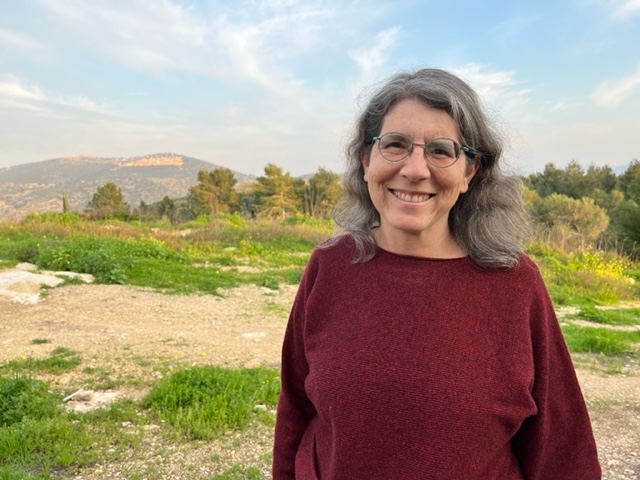
Karmiel, Israel
I decided to learn one masechet, Brachot, but quickly fell in love and never stopped! It has been great, everyone is always asking how it’s going and chering me on, and my students are always making sure I did the day’s daf.
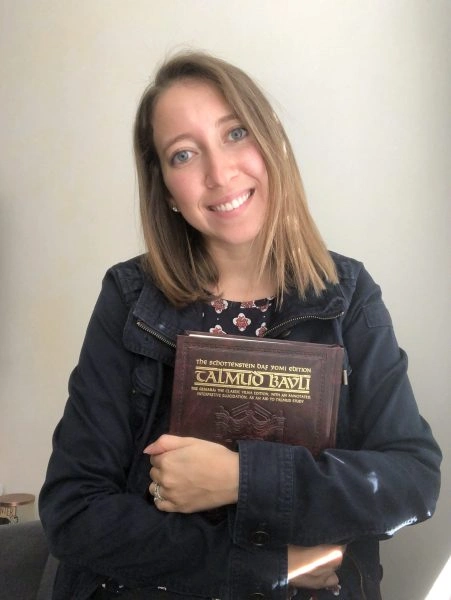
Memphis, Tennessee, United States
I started learning at the start of this cycle, and quickly fell in love. It has become such an important part of my day, enriching every part of my life.

Toronto, Canada

Berlin, Germany
I began my journey with Rabbanit Michelle more than five years ago. My friend came up with a great idea for about 15 of us to learn the daf and one of us would summarize weekly what we learned.
It was fun but after 2-3 months people began to leave. I have continued. Since the cycle began Again I have joined the Teaneck women.. I find it most rewarding in so many ways. Thank you

New Jersey, United States
I am a Reform rabbi and took Talmud courses in rabbinical school, but I knew there was so much more to learn. It felt inauthentic to serve as a rabbi without having read the entire Talmud, so when the opportunity arose to start Daf Yomi in 2020, I dove in! Thanks to Hadran, Daf Yomi has enriched my understanding of rabbinic Judaism and deepened my love of Jewish text & tradition. Todah rabbah!

California, United States
I started learning Daf Yomi inspired by תָּפַסְתָּ מְרוּבֶּה לֹא תָּפַסְתָּ, תָּפַסְתָּ מוּעָט תָּפַסְתָּ. I thought I’d start the first page, and then see. I was swept up into the enthusiasm of the Hadran Siyum, and from there the momentum kept building. Rabbanit Michelle’s shiur gives me an anchor, a connection to an incredible virtual community, and an energy to face whatever the day brings.

בית שמש, Israel
I was moved to tears by the Hadran Siyyum HaShas. I have learned Torah all my life, but never connected to learning Gemara on a regular basis until then. Seeing the sheer joy Talmud Torah at the siyyum, I felt compelled to be part of it, and I haven’t missed a day!
It’s not always easy, but it is so worthwhile, and it has strengthened my love of learning. It is part of my life now.

Beit Shemesh, Israel

Blacksburg, United States
Geri Goldstein got me started learning daf yomi when I was in Israel 2 years ago. It’s been a challenge and I’ve learned a lot though I’m sure I miss a lot. I quilt as I listen and I want to share what I’ve been working on.

Ottawa, Canada
After being so inspired by the siyum shas two years ago, I began tentatively learning daf yomi, like Rabbanut Michelle kept saying – taking one daf at a time. I’m still taking it one daf at a time, one masechet at a time, but I’m loving it and am still so inspired by Rabbanit Michelle and the Hadran community, and yes – I am proud to be finishing Seder Mo’ed.

Bet Shemesh, Israel
I started the daf at the beginning of this cycle in January 2020. My husband, my children, grandchildren and siblings have been very supportive. As someone who learned and taught Tanach and mefarshim for many years, it has been an amazing adventure to complete the six sedarim of Mishnah, and now to study Talmud on a daily basis along with Rabbanit Michelle and the wonderful women of Hadran.
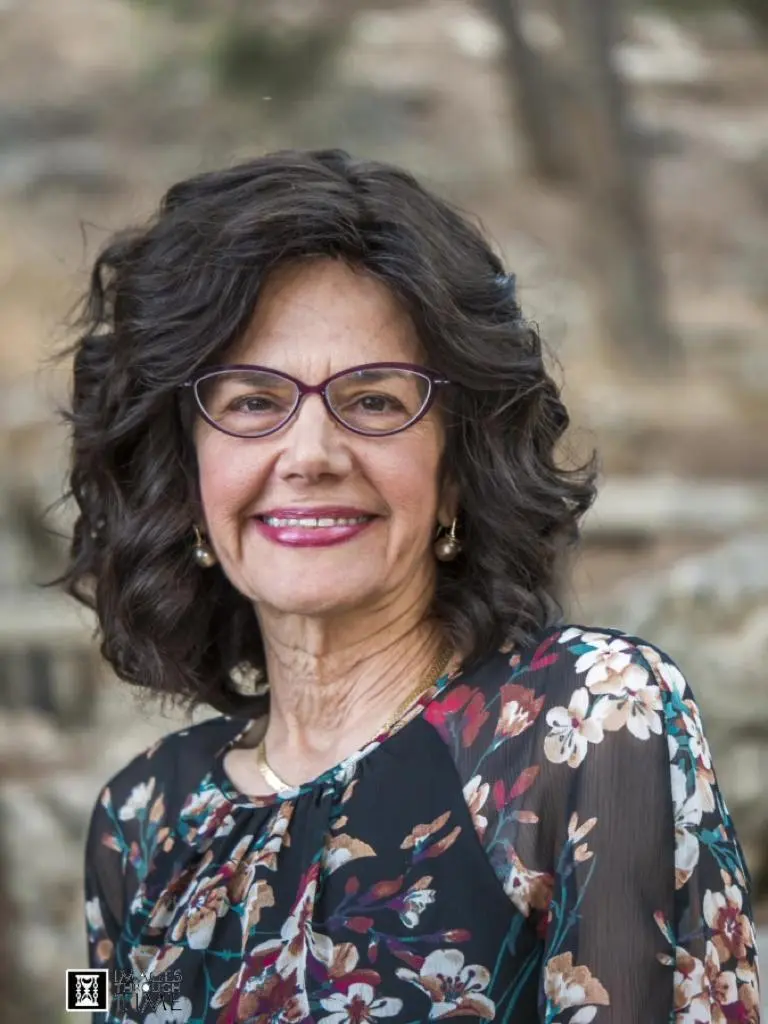
Jerusalem, Israel

Minneapolis, MN, United States
I decided to give daf yomi a try when I heard about the siyum hashas in 2020. Once the pandemic hit, the daily commitment gave my days some much-needed structure. There have been times when I’ve felt like quitting- especially when encountering very technical details in the text. But then I tell myself, “Look how much you’ve done. You can’t stop now!” So I keep going & my Koren bookshelf grows…

Huntington, United States
I heard about the syium in January 2020 & I was excited to start learning then the pandemic started. Learning Daf became something to focus on but also something stressful. As the world changed around me & my family I had to adjust my expectations for myself & the world. Daf Yomi & the Hadran podcast has been something I look forward to every day. It gives me a moment of centering & Judaism daily.

Denver, United States

Los Angeles, United States
I started at the beginning of this cycle. No 1 reason, but here’s 5.
In 2019 I read about the upcoming siyum hashas.
There was a sermon at shul about how anyone can learn Talmud.
Talmud references come up when I am studying. I wanted to know more.
Yentl was on telly. Not a great movie but it’s about studying Talmud.
I went to the Hadran website: A new cycle is starting. I’m gonna do this

Cambridge, United Kingdom
When I started studying Hebrew at Brown University’s Hillel, I had no idea that almost 38 years later, I’m doing Daf Yomi. My Shabbat haburah is led by Rabbanit Leah Sarna. The women are a hoot. I’m tracking the completion of each tractate by reading Ilana Kurshan’s memoir, If All the Seas Were Ink.

Pennsylvania, United States
Zevachim 72
צְרִיכִי; דְּאִי מֵהָתָם, הֲוָה אָמֵינָא: לְהֶדְיוֹט, אֲבָל לְגָבוֹהַּ אֵימָא לָא נַפְסְדִינְהוּ לְכוּלְּהוּ;
The Gemara explains that both the mishna here and the mishna in Avoda Zara are necessary, as, if this halakha had been learned only from there, the mishna in Avoda Zara, I would say that this applies only if the prohibited animal is intermingled with a non-sacred animal and thereby becomes prohibited to an ordinary person. But if it is intermingled with offerings that are designated to the Most High so a loss to the Temple would ensue, one might say that we should not lose all the valid offerings, and therefore the prohibited animal should be nullified in a simple majority. Accordingly, the ruling of the mishna here was necessary, to teach that the same applies to a mixture involving offerings.
וְאִי מֵהָכָא, הֲוָה אָמֵינָא: הָנֵי מִילֵּי קָדָשִׁים – דִּמְאִיס, אֲבָל חוּלִּין דְּלָא מְאִיס – אֵימָא: אִיסּוּרֵי הֲנָאָה (לִיבְטְלֵי) [לִיבְטְלוּ] בְּרוּבָּא; צְרִיכָא.
The Gemara continues: And conversely, if this halakha were learned only from here I would say that this statement, that the entire mixture is prohibited, applies specifically to sacrificial animals, as it is repulsive to sacrifice to God an animal from a mixture that includes a prohibited animal. But with regard to deriving benefit from a non-sacred animal from this mixture, which is not a repulsive act, one might say: Let the items from which deriving benefit is prohibited be nullified in a majority. Therefore, the mishna in Avoda Zara is also necessary.
וְנִיבְטְלוּ בְּרוּבָּא! וְכִי תֵּימָא חֲשִׁיבִי וְלָא בָּטְלִי – הָנִיחָא לְמַאן דְּאָמַר: ״כׇּל שֶׁדַּרְכּוֹ לִימָּנוֹת״ שָׁנִינוּ;
The Gemara questions the ruling of the mishna: But let the prohibited animals be nullified in a majority, as is the halakha concerning other matters, in which the minority items assume the status of the majority. And if you would say in response that animals are significant, as they are counted individually and therefore they are not nullified in a majority, this answer is unsatisfactory. The Gemara elaborates: This suggested answer works out well according to the one who says that we learned in the mishna discussing nullification in a majority (see Orla 3:6–7): Any item whose manner is also to be counted, i.e., that are sometimes sold by unit rather than weight or volume, is considered significant. This definition includes animals, as they are sometimes sold as individual animals, and therefore they would be considered significant.
אֶלָּא לְמַאן דְּאָמַר: ״אֶת שֶׁדַּרְכּוֹ לִימָּנוֹת״ שָׁנִינוּ, מַאי אִיכָּא לְמֵימַר? דִּתְנַן: מִי שֶׁהָיוּ לוֹ חֲבִילֵי תִּילְתָּן שֶׁל כִּלְאֵי הַכֶּרֶם –
But according to the one who says that we learned in that mishna: An item whose manner is exclusively to be counted, i.e., one that is always sold by unit, is considered significant, what can be said? Although animals are often sold by unit, they are occasionally sold as part of a herd, and would therefore not be considered significant. The Gemara cites the mishna in which this dispute appears. As we learned (Orla 3:6–7): With regard to one who had bundles of fenugreek, a type of legume, that were diverse kinds planted in a vineyard, from which it is prohibited to derive benefit,
יִדָּלְקוּ. נִתְעָרְבוּ בַּאֲחֵרִים (וַאֲחֵרִים בַּאֲחֵרִים) – כּוּלָּן יִדָּלְקוּ. דִּבְרֵי רַבִּי מֵאִיר. וַחֲכָמִים אוֹמְרִים: יַעֲלוּ בְּאֶחָד וּמָאתַיִם.
those bundles must be burned. If the bundles were intermingled with others, and those others were intermingled with others, they all must be burned. This is the statement of Rabbi Meir. And the Rabbis say: They can be nullified when the total is 201 items, i.e., one prohibited item intermingled with two hundred permitted ones.
שֶׁהָיָה רַבִּי מֵאִיר אוֹמֵר: כֹּל שֶׁדַּרְכּוֹ לִמָּנוֹת – מְקַדֵּשׁ. וַחֲכָמִים אוֹמְרִים: אֵינוֹ מְקַדֵּשׁ אֶלָּא שִׁשָּׁה דְּבָרִים בִּלְבַד. רַבִּי עֲקִיבָא אוֹמֵר: שִׁבְעָה, וְאֵלּוּ הֵן: אֱגוֹזֵי פֶרֶךְ, וְרִימּוֹנֵי בָאדָן, וְחָבִיּוֹת סְתוּמוֹת, וְחִילְפֵי תְרָדִין, וְקִילְחֵי כְרוּב, וְדַלַּעַת יְוָנִית. רַבִּי עֲקִיבָא מוֹסִיף: אַף כִּכָּרוֹת שֶׁל בַּעַל הַבַּיִת.
The mishna continues: Rabbi Meir holds that they all must be burned, as Rabbi Meir would say: Any item whose manner is to be counted renders its mixture prohibited, as it is considered significant and cannot be nullified. And the Rabbis say: Only six items are sufficiently significant to render their mixture prohibited. Rabbi Akiva says: There are seven. And they are: Nuts with brittle shells, and pomegranates from Badan, and sealed barrels of wine, and beet greens, and cabbage stalks, and Greek gourd. Rabbi Akiva adds: Loaves of a homeowner are also in this category.
הָרָאוּי לְעׇרְלָה – עׇרְלָה, הָרָאוּי לְכִלְאֵי הַכֶּרֶם – כִּלְאֵי הַכֶּרֶם.
The mishna continues: Different prohibitions apply to these items. That which is fit to be forbidden due to the prohibition against eating the fruit of a tree during the first three years after its planting [orla], i.e., nuts, pomegranates, and sealed barrels of wine, prohibit their mixture as orla. That which is fit to be forbidden due to diverse kinds planted in a vineyard, i.e., beets, cabbage, and gourd, prohibit their mixture as diverse kinds in a vineyard.
וְאִיתְּמַר עֲלַהּ, רַבִּי יוֹחָנָן אָמַר: ״אֶת שֶׁדַּרְכּוֹ לִמָּנוֹת״ שָׁנִינוּ, רַבִּי שִׁמְעוֹן בֶּן לָקִישׁ אוֹמֵר: ״כׇּל שֶׁדַּרְכּוֹ לִמָּנוֹת״ שָׁנִינוּ.
And it was stated that there is a dispute between amora’im with regard to the wording of Rabbi Meir’s opinion in this mishna. Rabbi Yoḥanan says that we learned: Only an item whose manner is exclusively to be counted is significant and cannot be nullified, and it therefore renders its mixture prohibited according to the opinion of Rabbi Meir. And Rabbi Shimon ben Lakish says that we learned: Any item whose manner is also to be counted is significant and cannot be nullified.
הָנִיחָא לְרֵישׁ לָקִישׁ, אֶלָּא לְרַבִּי יוֹחָנָן מַאי אִיכָּא לְמֵימַר? אָמַר רַב פָּפָּא: הַאי תַּנָּא – תַּנָּא דְּלִיטְרָא קְצִיעוֹת הוּא, דְּאָמַר:
The Gemara reiterates its question: This works out well according to the opinion of Reish Lakish, but according to the opinion of Rabbi Yoḥanan, what can be said? According to his opinion, since animals are not sold exclusively by unit, they are not sufficiently significant. Therefore, a prohibited animal should be nullified in a simple majority. Rav Pappa says: According to Rabbi Yoḥanan, this tanna, who says that a prohibited animal cannot be nullified, is the tanna of the halakha concerning a litra of dried figs, who says:

