חיפוש

גיטין טז

רוצה להקדיש שיעור?

podcast placeholder

0:00
0:00


תקציר

הלימוד השבוע מוקדש ע”י שרה אבריק וג’וסי רונזפלד לע”נ אמה של שרה, לאה בת הרב יהודה לייב חייקל וחיה מאשה, שלימדה אותנו לאהוב את ה’, כלל ישראל, מדינת ישראל ולימוד תורה בכל לבבנו, בכל נפשנו ובכל מאודינו.

הדף היום מוקדש באהבה לכבוד אילנה מרים לרגל הולדתה והתמדתה בלימוד. 

הדף היום מוקדש ע”י שפרה טייברג ורפאל ונגר לע”נ צבי בן ישראל יצחק.

כיצד מוסברת שאלת אילפא לגבי פיצול נטילת ידיים לצורכי טהרה? הרבנים גזרו שטבול יום שנכנס למים שאובים (אפילו רק ראש ורוב הגוף) או שופך שלושה לוג מים על גופו לאחר שנכנס למקווה, ייחשב לטמא. כמו כן, אדם טהור ששופך שלושה לוג מים על גופו נחשב לטמא. רבי ירמיה שואל מה אם חצי גוף היה במקווה ואחד שפך מים על החצי השני? אדם שטא טומאת קרי הוא טמא ומימי עזרא תקנו שלא ילמד תורה. כדי להתיר לימוד תורה למי שהיה חולה מכדי להיכנס למקווה, התירו לו לשפוך על גופו תשעה קב מים. מה אם חצי מהגוף היה במקווה ושופכים מים על החצי השני? מובאות שני גרסאות להבנת המחלוקת בין תנא קמא לרבי יהודה במשנה שבה באים שני אנשים שונים והאחד מעיד על החתימה והשני על הכתיבה. האם המקרה (והמקרים שאחריו) מקרה שבו שני שליחים הביאו את הגט או רק אחד? מה זה אומר לנו על הצורך באמירת בפני נכתב/בפני נחתם כששני שליחים נשלחים למסור את הגט?

גיטין טז

הַנִּצּוֹק, וְהַקָּטַפְרֵס, וּמַשְׁקֶה טוֹפֵחַ – אֵינוֹ חִיבּוּר לֹא לְטוּמְאָה וְלֹא לְטׇהֳרָה!

A stream of water, and water descending an incline [katafres], and liquid that rendered an item moist do not connect, neither for ritual impurity nor for purity. These liquids do not connect for impurity, e.g., if impure water is in one place and becomes attached to another source of water pouring from above it, the water above is not considered attached to the impure water and is not rendered impure. They also do not connect for purity, e.g., if two collections of water are attached via the pouring of a stream, they do not join together to form the amount of water necessary to form a valid ritual bath, through which people and items can become ritually pure. If so, liquid that rendered a hand moist should not serve to attach the two halves of one’s hand when they are washed.

לָא צְרִיכָא, דְּאִיכָּא טוֹפֵחַ לְהַטְפִּיחַ. הָא נָמֵי תְּנֵינָא: טוֹפֵחַ לְהַטְפִּיחַ – חִיבּוּר!

The Gemara answers: No, this dilemma is necessary in a case where there is liquid that rendered an item moist enough to render another item moist. In other words, the half of the hand that was washed is not merely slightly moist, it is moist enough to render something else moist. The Gemara asks: We already learned this as well: With regard to liquid that rendered an item moist enough to render another item moist, it connects with other liquid. What, then, is Ilfa’s dilemma?

דִּלְמָא לְעִנְיַן מִקְוָאוֹת, וְרַבִּי יְהוּדָה הִיא. דִּתְנַן: מִקְוֶה שֶׁיֵּשׁ בּוֹ אַרְבָּעִים סְאָה מְכוּוָּנוֹת, וְיָרְדוּ שְׁנַיִם וְטָבְלוּ (שְׁנֵיהֶם בְּבַת אַחַת – טְהוֹרִים),

The Gemara suggests: Perhaps the halakha that liquid rendered an item moist enough to render another item moist joins with other liquid is stated only with regard to the issue of ritual baths, and this is in accordance with the opinion of Rabbi Yehuda. As we learned in a mishna (Mikvaot 7:6): In the case of a ritual bath that contains precisely forty se’a of water, and two people descended and immersed in it, if both of them immersed at the same time they are ritually pure.

בְּזֶה אַחַר זֶה – רִאשׁוֹן טָהוֹר, וְהַשֵּׁנִי טָמֵא.

If they immersed sequentially, then the first person is ritually pure, as he immersed in a ritual bath that contains the requisite amount of water, but the second person is impure, because some of the water must certainly have clung to the first individual as he left the ritual bath. Consequently, after the first person’s immersion the ritual bath contained slightly less than the requisite forty se’a of water.

רַבִּי יְהוּדָה אוֹמֵר: אִם הָיוּ רַגְלָיו שֶׁל רִאשׁוֹן נוֹגְעוֹת בַּמַּיִם – אַף הַשֵּׁנִי טָהוֹר.

Rabbi Yehuda says: If the first person’s feet were still touching the water in the ritual bath when the second person immersed, then the second person is also ritually pure. According to the opinion of Rabbi Yehuda, the water left on the body of the person who has immersed connects with the water in the ritual bath to constitute the requisite amount of water. Clearly, in Rabbi Yehuda’s opinion, liquid that rendered an item moist enough to render another item moist joins together with other liquid. However, this halakha was stated only with regard to a ritual bath. It remains unclear whether liquid that rendered an item moist enough to render another item moist joins with the water used to wash the second half of one’s hand. Perhaps this is the dilemma raised by Ilfa.

אָמַר רַבִּי יִרְמְיָה, הֲרֵי אָמְרוּ: הַבָּא רֹאשׁוֹ וְרוּבּוֹ בְּמַיִם שְׁאוּבִין, וְטָהוֹר שֶׁנָּפְלוּ עַל רֹאשׁוֹ וְעַל רוּבּוֹ שְׁלֹשָׁה לוּגִּין מַיִם שְׁאוּבִין – טָמֵא; בָּעֵי רַבִּי יִרְמְיָה: חֶצְיוֹ בְּבִיאָה וְחֶצְיוֹ בִּנְפִילָה, מַאי? תֵּיקוּ.

The Gemara cites another question with regard to this issue. Rabbi Yirmeya says: They said in a mishna (Zavim 5:12): In the case of one whose head and most of his body enter into drawn water after he immersed himself in a ritual bath to purify himself, and a ritually pure person concerning whom three log of drawn water fell on his head and most of his body, both of these people are ritually impure. With regard to this mishna, Rabbi Yirmeya raises a dilemma: If half of a person became purified by entering into drawn water and half of him became purified by having water fall on him, what is the halakha? Do these acts join together to render him ritually impure or not? No answer is found, and therefore the Gemara says that the dilemma shall stand unresolved.

אָמַר רַב פָּפָּא, הֲרֵי אָמְרוּ: בַּעַל קֶרִי חוֹלֶה, שֶׁנָּתְנוּ עָלָיו תִּשְׁעָה קַבִּין מַיִם – טָהוֹר; בָּעֵי רַב פָּפָּא: חֶצְיוֹ בִּטְבִילָה וְחֶצְיוֹ בִּנְתִינָה, מַאי? תֵּיקוּ.

Similarly, Rav Pappa says: They said in a mishna (Mikvaot 3:4): In the case of a sick person who experienced a seminal emission, who had nine kav of drawn water poured over him, this is sufficient to render him ritually pure. He need not immerse himself in a ritual bath. Rav Pappa raises a dilemma: If half of him is purified by immersion and half of him through this act of pouring, what is the halakha? No answer is found for this dilemma either, and the Gemara says that it shall stand unresolved.

אֶחָד אוֹמֵר ״בְּפָנַי נִכְתַּב״ וְאֶחָד אוֹמֵר כּוּ׳: אָמַר רַב שְׁמוּאֵל בַּר יְהוּדָה אָמַר רַבִּי יוֹחָנָן: לֹא שָׁנוּ אֶלָּא שֶׁאֵין הַגֵּט יוֹצֵא מִתַּחַת יְדֵי שְׁנֵיהֶם, אֲבָל גֵּט יוֹצֵא מִתַּחַת יְדֵי שְׁנֵיהֶם –

§ The mishna taught that if one says: It was written in my presence, and one says: It was signed in my presence, the bill of divorce is invalid. Rav Shmuel bar Yehuda says that Rabbi Yoḥanan says: They taught that the document is invalid only if the bill of divorce was not produced by both of them in court. In other words, this halakha applies only if they were not both agents for bringing this bill of divorce. Rather, one of them alone fulfilled this role and he did not say: It was written in my presence and it was signed in my presence, in accordance with the rabbinic decree. However, if the bill of divorce was produced by both of them,

כָּשֵׁר. אַלְמָא קָסָבַר שְׁנַיִם שֶׁהֵבִיאוּ גֵּט מִמְּדִינַת הַיָּם, אֵין צְרִיכִין שֶׁיֹּאמְרוּ: ״בְּפָנֵינוּ נִכְתַּב וּבְפָנֵינוּ נֶחְתַּם״.

it is valid. The Gemara comments: Apparently, Rabbi Yoḥanan holds that two people who brought a bill of divorce from a country overseas are not required to say: It was written in our presence and it was signed in our presence.

אֲמַר לֵיהּ אַבָּיֵי: אֶלָּא מֵעַתָּה, סֵיפָא דְּקָתָנֵי: שְׁנַיִם אוֹמְרִים ״בְּפָנֵינוּ נִכְתַּב״ וְאֶחָד אוֹמֵר ״בְּפָנַי נֶחְתַּם״ – פָּסוּל, וְרַבִּי יְהוּדָה מַכְשִׁיר;

Abaye said to Rav Shmuel bar Yehuda: If that is so, if the mishna is referring specifically to a case where the document was not produced by both of them, consider the latter clause of the mishna, which teaches: If two people say: It was written in our presence, and one person says: It was signed in my presence, it is invalid, and Rabbi Yehuda deems it valid.

טַעְמָא דְּאֵין הַגֵּט יוֹצֵא מִתַּחַת יְדֵי שְׁנֵיהֶם, הָא גֵּט יוֹצֵא מִתַּחַת יְדֵי שְׁנֵיהֶם – מַכְשְׁרִי רַבָּנַן?! אֲמַר לֵיהּ: אִין.

The Gemara infers: The reason this document is invalid is specifically due to the fact that the bill of divorce was not produced by both of them, but if the bill of divorce was produced by both of them would the Rabbis deem it valid? Rav Shmuel bar Yehuda said to Abaye: Yes, the Rabbis would deem this bill of divorce valid.

וְכִי אֵין גֵּט יוֹצֵא מִתַּחַת יְדֵי שְׁנֵיהֶם בְּמַאי פְּלִיגִי? מָר סָבַר: גָּזְרִינַן דִּלְמָא אָתְיָא לְאִיחַלּוֹפֵי בְּקִיּוּם שְׁטָרוֹת דְּעָלְמָא – בְּעֵד אֶחָד; וּמָר סָבַר: לָא גָּזְרִינַן.

The Gemara asks: And in a case where the bill of divorce was not produced by both of them, with regard to what underlying principle do they disagree? The Gemara explains: One Sage, the Rabbis, holds: The Sages decree that it is invalid lest people will come to confuse this case with the typical situation of ratification of legal documents. In other words, they will think it is possible to ratify other documents by the testimony of one witness. And one Sage, Rabbi Yehuda, holds that the Sages do not decree that it is invalid for this reason.

לִישָּׁנָא אַחֲרִינָא אָמְרִי לַהּ: אָמַר רַב שְׁמוּאֵל בַּר יְהוּדָה, אָמַר רַבִּי יוֹחָנָן: אֲפִילּוּ גֵּט יוֹצֵא מִתַּחַת יְדֵי שְׁנֵיהֶם – פָּסוּל. אַלְמָא קָסָבַר שְׁנַיִם שֶׁהֵבִיאוּ גֵּט מִמְּדִינַת הַיָּם, צְרִיכִין שֶׁיֹּאמְרוּ ״בְּפָנֵינוּ נִכְתַּב וּבְפָנֵינוּ נֶחְתַּם״.

Some say another version of this discussion: Rav Shmuel bar Yehuda says that Rabbi Yoḥanan says: Even a bill of divorce produced by both of them is invalid. The Gemara comments: Apparently, Rabbi Yoḥanan holds that if two people brought a bill of divorce from a country overseas they are required to say: It was written in our presence and it was signed in our presence.

אֲמַר לֵיהּ אַבָּיֵי: אֶלָּא מֵעַתָּה, סֵיפָא דְּקָתָנֵי: שְׁנַיִם אוֹמְרִים ״בְּפָנֵינוּ נִכְתַּב״ וְאֶחָד אוֹמֵר ״בְּפָנַי נֶחְתַּם״ – פָּסוּל, וְרַבִּי יְהוּדָה מַכְשִׁיר; אֲפִילּוּ גֵּט יוֹצֵא מִתַּחַת יְדֵי שְׁנֵיהֶם פָּסְלִי רַבָּנַן?! אֲמַר לֵיהּ: אִין.

Abaye said to him: If that is so, consider the latter clause of the mishna, which teaches: If two people say: It was written in our presence, and one person says: It was signed in my presence, then the document is invalid. And Rabbi Yehuda deems it valid. Is it true to say that even when the bill of divorce was produced by both of them the Rabbis deem it invalid? Rav Shmuel bar Yehuda said to him: Yes.

בְּמַאי קָא מִיפַּלְגִי? מָר סָבַר: לְפִי שֶׁאֵין בְּקִיאִין לִשְׁמָהּ, וּמָר סָבַר: לְפִי שֶׁאֵין עֵדִים מְצוּיִין לְקַיְּימוֹ.

The Gemara asks: With regard to what principle do the tanna’im disagree? The Gemara answers: One Sage, the Rabbis, holds that the reason for the declaration: It was written in my presence and it was signed in my presence, is because the people who live overseas are not experts in writing a bill of divorce for her sake. Consequently, it is necessary for them to testify about both the writing and the signing for her sake, in accordance with the rabbinic decree, even when two people bring the bill of divorce. And one Sage, Rabbi Yehuda, holds that the reason for the declaration is because there are no witnesses available to ratify it, and when two people bring a bill of divorce there are people available to ratify it, and therefore the declaration is unnecessary.

לֵימָא דְּרַבָּה וְרָבָא תַּנָּאֵי הִיא? לָא; רָבָא מְתָרֵץ כְּלִישָּׁנָא קַמָּא,

The Gemara asks: If so, shall we say that the disagreement of Rabba and Rava with regard to the two reasons for the declaration is a dispute between tanna’im? The Gemara rejects this suggestion: No, as Rava resolves this issue and explains it in accordance with the first version, that the Rabbis agree that two people who bring a bill of divorce are not required to say: It was written in our presence and it was signed in our presence. Consequently, it is possible that both opinions concur that an agent is required to say: It was written in my presence and it was signed in my presence, so that witnesses will be available to ratify it.

וְרַבָּה אָמַר לָךְ: דְּכוּלֵּי עָלְמָא בָּעֵינַן לִשְׁמָהּ, וְהָכָא בְּמַאי עָסְקִינַן – לְאַחַר שֶׁלָּמְדוּ;

And Rabba could have said to you, in accordance with the second formulation of Rabbi Yoḥanan’s statement, i.e., two people who bring a bill of divorce are also required to say: It was written in our presence and it was signed in our presence, that everyone agrees that we require them to issue the declaration because people are not experts in the halakha that it must be written for her sake. And with what are we dealing here? We are dealing with the period after they learned to write a bill of divorce for her sake even overseas.

וּבִגְזֵירָה שֶׁמָּא יַחְזוֹר הַדָּבָר לְקִלְקוּלוֹ קָמִיפַּלְגִי – דְּמָר סָבַר גָּזְרִינַן, וּמָר סָבַר לָא גָּזְרִינַן.

And they disagree with regard to whether there is a rabbinic decree that the bill of divorce is invalid lest the matter return to its corrupt state, i.e., the residents overseas will forget that a bill of divorce must be written for the woman’s sake. As one Sage, the Rabbis, holds: The Sages decree that it is invalid for this reason, and therefore the declaration is still required even after they learned. And one Sage, Rabbi Yehuda, holds: The Sages do not decree that it is invalid lest they forget the halakha.

וְלִיפְלוֹג נָמֵי רַבִּי יְהוּדָה בְּרֵישָׁא! הָא אִתְּמַר עֲלַהּ, אָמַר עוּלָּא: חָלוּק הָיָה רַבִּי יְהוּדָה אַף בָּרִאשׁוֹנָה.

The Gemara asks: But if so, let Rabbi Yehuda disagree also with regard to the first clause of the mishna, concerning the case where one agent says: It was written in my presence, and the other agent says: It was signed in my presence. Why does he disagree only about a case where two say that the document was written in their presence? The Gemara answers: Rabbi Yehuda disagrees even with regard to the first clause, as it was already stated with regard to the mishna that Ulla said: Rabbi Yehuda was in disagreement even with regard to the first clause.

מֵתִיב רַב אוֹשַׁעְיָא לְעוּלָּא: רַבִּי יְהוּדָה מַכְשִׁיר בְּזוֹ וְלֹא בְּאַחֶרֶת. מַאי, לָאו לְמַעוֹטֵי אֶחָד אוֹמֵר ״בְּפָנַי נִכְתַּב״ וְאֶחָד אוֹמֵר ״בְּפָנַי נֶחְתַּם״?!

Rav Oshaya raises an objection to the opinion of Ulla from the following baraita (Tosefta 2:2): Rabbi Yehuda deems the bill of divorce valid in this case but not in another case. What, is it not correct to say that this serves to exclude a case where one says: It was written in my presence, and one says: It was signed in my presence?

לָא, לְמַעוֹטֵי ״בְּפָנַי נֶחְתַּם אֲבָל לֹא בְּפָנַי נִכְתַּב״ – סָלְקָא דַּעְתָּךְ אָמֵינָא: הוֹאִיל וְלָא גָּזַר רַבִּי יְהוּדָה גְּזֵירָה שֶׁמָּא יַחְזוֹר דָּבָר לְקִלְקוּלוֹ; דִּלְמָא אָתֵי לְאִחַלּוֹפֵי בְּקִיּוּם שְׁטָרוֹת דְּעָלְמָא, בְּעֵד אֶחָד – נָמֵי לָא גָּזַר; קָא מַשְׁמַע לַן.

The Gemara rejects this suggestion: No, this serves to exclude a case where only one witness testified: It was signed in my presence but it was not written in my presence. The Gemara asks: Why is it necessary to exclude this case? It might enter your mind to say: Since Rabbi Yehuda did not issue a rabbinic decree that it is invalid lest the matter return to its corrupt state, perhaps he also did not decree that it is invalid lest people will come to confuse this case with the typical situation of ratification of legal documents, which cannot be performed with one witness. Consequently, the baraita teaches us that although Rabbi Yehuda is not concerned about people forgetting the halakha and therefore holds that there is no longer any reason to be worried about the document not being written for her sake ab initio, nevertheless he is still concerned that a bill of divorce might be confused with other legal documents.

אִתְּמַר נָמֵי, אָמַר רַב יְהוּדָה: שְׁנַיִם שֶׁהֵבִיאוּ גֵּט מִמְּדִינַת הַיָּם, בָּאנוּ לְמַחְלוֹקֶת רַבִּי יְהוּדָה וְרַבָּנַן.

It was also stated, similar to Rabbi Yoḥanan’s statement, but in the name of a different amora, that Rav Yehuda says: With regard to two people who brought a bill of divorce from a country overseas, we have arrived at the dispute between Rabbi Yehuda and the Rabbis.

רַבָּה בַּר בַּר חָנָה חֲלַשׁ, עוּל לְגַבֵּיהּ רַב יְהוּדָה וְרַבָּה, לְשַׁיּוֹלֵי בֵּיהּ. בְּעוֹ מִינֵּיהּ: שְׁנַיִם שֶׁהֵבִיאוּ גֵּט מִמְּדִינַת הַיָּם, צְרִיכִין שֶׁיֹּאמְרוּ ״בְּפָנֵינוּ נִכְתַּב וּבְפָנֵינוּ נֶחְתַּם״, אוֹ אֵין צְרִיכִין? אָמַר לָהֶם: אֵין צְרִיכִין – מָה אִילּוּ יֹאמְרוּ ״בְּפָנֵינוּ גֵּירְשָׁהּ״, מִי לָא מְהֵימְנִי?! אַדְּהָכִי, אֲתָא הָהוּא

§ The Gemara relates: Rabba bar bar Ḥana was weak, and Rav Yehuda and Rabba entered to visit him and to inquire about his well-being. While they were there, they raised a dilemma before him: With regard to two people who brought a bill of divorce from a country overseas, are they required to say: It was written in our presence and it was signed in our presence, or are they not required to issue this declaration? He said to them: They are not required to say it, for the following reason: What if they said: She was divorced in our presence, wouldn’t they be deemed credible? Therefore, they do not have to state the declaration. In the meantime, while they were sitting there, in came a certain

העמקה

רוצה להבין מה באמת קורה מתחת לפני השטח של הסוגיה?
שיעורים, פודקאסטים והרחבות של מיטב המורות שלנו יפתחו לך עוד זוויות וכיווני חשיבה.

לשיעורי עוד על הדף באנגלית, לחצי כאן

חדשה בלימוד הגמרא?

זה הדף הראשון שלך? איזו התרגשות עצומה! יש לנו בדיוק את התכנים והכלים שיעזרו לך לעשות את הצעדים הראשונים ללמידה בקצב וברמה שלך, כך תוכלי להרגיש בנוח גם בתוך הסוגיות המורכבות ומאתגרות.

פסיפס הלומדות שלנו

גלי את קהילת הלומדות שלנו, מגוון נשים, רקעים וסיפורים. כולן חלק מתנועה ומסע מרגש ועוצמתי.

רבנית מישל הציתה אש התלמוד בלבבות בביניני האומה ואני נדלקתי. היא פתחה פתח ותמכה במתחילות כמוני ואפשרה לנו להתקדם בצעדים נכונים וטובים. הקימה מערך שלם שמסובב את הלומדות בסביבה תומכת וכך נכנסתי למסלול לימוד מעשיר שאין כמוה. הדרן יצר קהילה גדולה וחזקה שמאפשרת התקדמות מכל נקודת מוצא. יש דיבוק לומדות שמחזק את ההתמדה של כולנו. כל פניה ושאלה נענית בזריזות ויסודיות. תודה גם למגי על כל העזרה.

Sarah Aber
שרה אבר

נתניה, ישראל

אני לומדת גמרא כעשור במסגרות שונות, ואת הדף היומי התחלתי כשחברה הציעה שאצטרף אליה לסיום בבנייני האומה. מאז אני לומדת עם פודקסט הדרן, משתדלת באופן יומי אך אם לא מספיקה, מדביקה פערים עד ערב שבת. בסבב הזה הלימוד הוא "ממעוף הציפור”, מקשיבה במהירות מוגברת תוך כדי פעילויות כמו בישול או נהיגה, וכך רוכשת היכרות עם הסוגיות ואופן ניתוחם על ידי חז”ל. בע”ה בסבב הבא, ואולי לפני, אצלול לתוכו באופן מעמיק יותר.

Yael Bir
יעל ביר

רמת גן, ישראל

התחלתי ללמוד דף יומי באמצע תקופת הקורונה, שאבא שלי סיפר לי על קבוצה של בנות שתיפתח ביישוב שלנו ותלמד דף יומי כל יום. הרבה זמן רציתי להצטרף לזה וזאת הייתה ההזדמנות בשבילי. הצטרפתי במסכת שקלים ובאמצע הייתה הפסקה קצרה. כיום אני כבר לומדת באולפנה ולומדת דף יומי לבד מתוך גמרא של טיינזלץ.

Saturdays in Raleigh
שבות בראלי

עתניאל, ישראל

. לא תמיד נהניתי מלימוד גמרא כילדה.,בל כהתבגרתי התחלתי לאהוב את זה שוב. התחלתי ללמוד מסכת סוטה בדף היומי לפני כחמש עשרה שנה ואז הפסקתי.הגעתי לסיום הגדול של הדרן לפני שנתיים וזה נתן לי השראה. והתחלתי ללמוד למשך כמה ימים ואז היתה לי פריצת דיסק והפסקתי…עד אלול השנה. אז התחלתי עם מסכת ביצה וב”ה אני מצליחה לעמוד בקצב. המשפחה מאוד תומכת בי ויש כמה שגם לומדים את זה במקביל. אני אוהבת שיש עוגן כל יום.

Rebecca Darshan
רבקה דרשן

בית שמש, ישראל

אחי, שלומד דף יומי ממסכת ברכות, חיפש חברותא ללימוד מסכת ראש השנה והציע לי. החברותא היתה מאתגרת טכנית ורוב הזמן נעשתה דרך הטלפון, כך שבסיום המסכת נפרדו דרכינו. אחי חזר ללמוד לבד, אבל אני כבר נכבשתי בקסם הגמרא ושכנעתי את האיש שלי להצטרף אלי למסכת ביצה. מאז המשכנו הלאה, ועכשיו אנחנו מתרגשים לקראתו של סדר נשים!

Shulamit Saban
שולמית סבן

נוקדים, ישראל

בתחילת הסבב הנוכחי הצטברו אצלי תחושות שאני לא מבינה מספיק מהי ההלכה אותה אני מקיימת בכל יום. כמו כן, כאמא לבנות רציתי לתת להן מודל נשי של לימוד תורה
שתי הסיבות האלו הובילו אותי להתחיל ללמוד. נתקלתי בתגובות מפרגנות וסקרניות איך אישה לומדת גמרא..
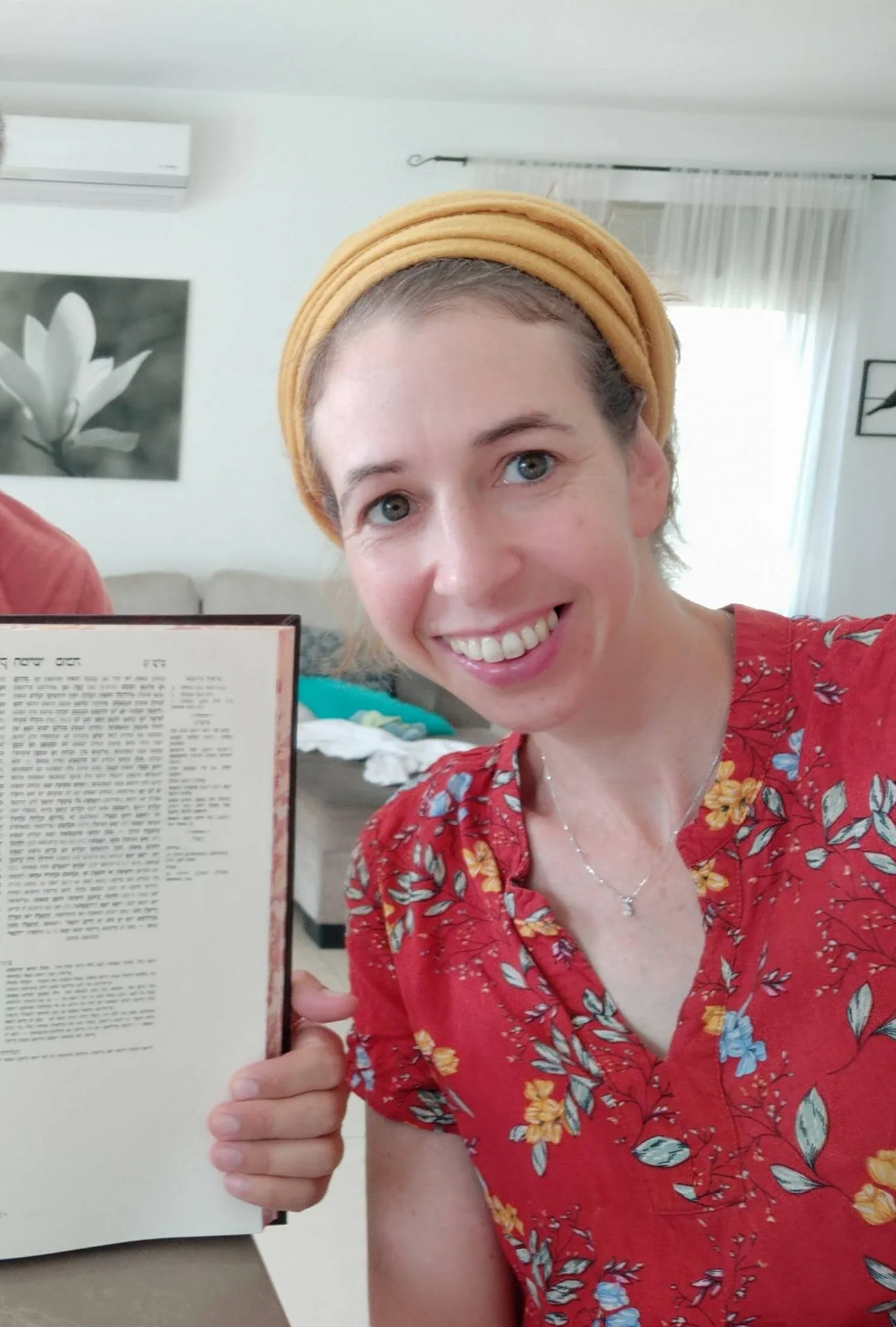
כמו שרואים בתמונה אני ממשיכה ללמוד גם היום ואפילו במחלקת יולדות אחרי לידת ביתי השלישית.

Noa Shiloh
נועה שילה

רבבה, ישראל

התחלתי לפני 8 שנים במדרשה. לאחרונה סיימתי מסכת תענית בלמידה עצמית ועכשיו לקראת סיום מסכת מגילה.

Daniela Baruchim
דניאלה ברוכים

רעננה, ישראל

בתחילת הסבב הנוכחי של לימוד הדף היומי, נחשפתי לחגיגות המרגשות באירועי הסיום ברחבי העולם. והבטחתי לעצמי שבקרוב אצטרף גם למעגל הלומדות. הסבב התחיל כאשר הייתי בתחילת דרכי בתוכנית קרן אריאל להכשרת יועצות הלכה של נשמ”ת. לא הצלחתי להוסיף את ההתחייבות לדף היומי על הלימוד האינטנסיבי של תוכנית היועצות. בבוקר למחרת המבחן הסופי בנשמ”ת, התחלתי את לימוד הדף במסכת סוכה ומאז לא הפסקתי.

Hana Shaham-Rozby (Dr.)
חנה שחם-רוזבי (ד”ר)

קרית גת, ישראל

התחלתי ללמוד בסבב הנוכחי לפני כשנתיים .הסביבה מתפעלת ותומכת מאוד. אני משתדלת ללמוד מכל ההסכתים הנוספים שיש באתר הדרן. אני עורכת כל סיום מסכת שיעור בביתי לכ20 נשים שמחכות בקוצר רוח למפגשים האלו.

Yael Asher
יעל אשר

יהוד, ישראל

התחלתי ללמוד דף יומי בסבב הקודם. זכיתי לסיים אותו במעמד המרגש של הדרן. בסבב הראשון ליווה אותי הספק, שאולי לא אצליח לעמוד בקצב ולהתמיד. בסבב השני אני לומדת ברוגע, מתוך אמונה ביכולתי ללמוד ולסיים. בסבב הלימוד הראשון ליוותה אותי חוויה מסויימת של בדידות. הדרן העניקה לי קהילת לימוד ואחוות נשים. החוויה של סיום הש”ס במעמד כה גדול כשנשים שאינן מכירות אותי, שמחות ומתרגשות עבורי , היתה חוויה מרוממת נפש

Ilanit Weil
אילנית ווייל

קיבוץ מגדל עוז, ישראל

התחלתי ללמוד בעידוד שתי חברות אתן למדתי בעבר את הפרק היומי במסגרת 929.
בבית מתלהבים מאוד ובשבת אני לומדת את הדף עם בעלי שזה מפתיע ומשמח מאוד! לימוד הדף הוא חלק בלתי נפרד מהיום שלי. לומדת בצהריים ומחכה לזמן הזה מידי יום…

Miriam Wengerover
מרים ונגרובר

אפרת, ישראל

התחלתי בסיום הש”ס, יצאתי באורות. נשברתי פעמיים, ובשתיהם הרבנית מישל עודדה להמשיך איפה שכולם בסבב ולהשלים כשאוכל, וכך עשיתי וכיום השלמתי הכל. מדהים אותי שאני לומדת כל יום קצת, אפילו בחדר הלידה, בבידוד או בחו”ל. לאט לאט יותר נינוחה בסוגיות. לא כולם מבינים את הרצון, בפרט כפמניסטית. חשה סיפוק גדול להכיר את המושגים וצורת החשיבה. החלום זה להמשיך ולהתמיד ובמקביל ללמוד איך מהסוגיות נוצרה והתפתחה ההלכה.

Weingarten Sherrington Foundation
קרן וינגרטן שרינגטון

מודיעין, ישראל

למדתי גמרא מכיתה ז- ט ב Maimonides School ואחרי העליה שלי בגיל 14 לימוד הגמרא, שלא היה כל כך מקובל בימים אלה, היה די ספוראדי. אחרי "ההתגלות” בבנייני האומה התחלתי ללמוד בעיקר בדרך הביתה למדתי מפוקקטסים שונים. לאט לאט ראיתי שאני תמיד חוזרת לרבנית מישל פרבר. באיזה שהוא שלב התחלתי ללמוד בזום בשעה 7:10 .
היום "אין מצב” שאני אתחיל את היום שלי ללא לימוד עם הרבנית מישל עם כוס הקפה שלי!!

selfie-scaled
דבי גביר

חשמונאים, ישראל

התחלתי ללמוד דף יומי בתחילת מסכת ברכות, עוד לא ידעתי כלום. נחשפתי לסיום הש״ס, ובעצם להתחלה מחדש בתקשורת, הפתיע אותי לטובה שהיה מקום לעיסוק בתורה.
את המסכתות הראשונות למדתי, אבל לא סיימתי (חוץ מעירובין איכשהו). השנה כשהגעתי למדרשה, נכנסתי ללופ, ואני מצליחה להיות חלק, סיימתי עם החברותא שלי את כל המסכתות הקצרות, גם כשהיינו חולות קורונה ובבידודים, למדנו לבד, העיקר לא לצבור פער, ומחכות ליבמות 🙂

Eden Yeshuron
עדן ישורון

מזכרת בתיה, ישראל

"
גם אני התחלתי בסבב הנוכחי וב””ה הצלחתי לסיים את רוב המסכתות . בזכות הרבנית מישל משתדלת לפתוח את היום בשיעור הזום בשעה 6:20 .הלימוד הפך להיות חלק משמעותי בחיי ויש ימים בהם אני מצליחה לחזור על הדף עם מלמדים נוספים ששיעוריהם נמצאים במרשתת. שמחה להיות חלק מקהילת לומדות ברחבי העולם. ובמיוחד לשמש דוגמה לנכדותיי שאי””ה יגדלו לדור שלימוד תורה לנשים יהיה משהו שבשגרה. "

Ronit Shavit
רונית שביט

נתניה, ישראל

לצערי גדלתי בדור שבו לימוד גמרא לנשים לא היה דבר שבשגרה ושנים שאני חולמת להשלים את הפער הזה.. עד שלפני מספר שבועות, כמעט במקרה, נתקלתי במודעת פרסומת הקוראת להצטרף ללימוד מסכת תענית. כשקראתי את המודעה הרגשתי שהיא כאילו נכתבה עבורי – "תמיד חלמת ללמוד גמרא ולא ידעת איך להתחיל”, "בואי להתנסות במסכת קצרה וקלה” (רק היה חסר שהמודעה תיפתח במילים "מיכי שלום”..). קפצתי למים ו- ב”ה אני בדרך להגשמת החלום:)

Micah Kadosh
מיכי קדוש

מורשת, ישראל

אחרי שראיתי את הסיום הנשי של הדף היומי בבנייני האומה זה ריגש אותי ועורר בי את הרצון להצטרף. לא למדתי גמרא קודם לכן בכלל, אז הכל היה לי חדש, ולכן אני לומדת בעיקר מהשיעורים פה בהדרן, בשוטנשטיין או בחוברות ושיננתם.

Rebecca Schloss
רבקה שלוס

בית שמש, ישראל

התחלתי בתחילת הסבב, והתמכרתי. זה נותן משמעות נוספת ליומיום ומאוד מחזק לתת לזה מקום בתוך כל שגרת הבית-עבודה השוטפת.

Reut Abrahami
רעות אברהמי

בית שמש, ישראל

A friend in the SF Bay Area said in Dec 2019 that she might start listening on her morning drive to work. I mentioned to my husband and we decided to try the Daf when it began in Jan 2020 as part of our preparing to make Aliyah in the summer.

Hana Piotrkovsky
חנה פיוטרקובסקי

ירושלים, Israel

התחלתי ללמוד בסבב הנוכחי לפני כשנתיים .הסביבה מתפעלת ותומכת מאוד. אני משתדלת ללמוד מכל ההסכתים הנוספים שיש באתר הדרן. אני עורכת כל סיום מסכת שיעור בביתי לכ20 נשים שמחכות בקוצר רוח למפגשים האלו.

Yael Asher
יעל אשר

יהוד, ישראל

גיטין טז

הַנִּצּוֹק, וְהַקָּטַפְרֵס, וּמַשְׁקֶה טוֹפֵחַ – אֵינוֹ חִיבּוּר לֹא לְטוּמְאָה וְלֹא לְטׇהֳרָה!

A stream of water, and water descending an incline [katafres], and liquid that rendered an item moist do not connect, neither for ritual impurity nor for purity. These liquids do not connect for impurity, e.g., if impure water is in one place and becomes attached to another source of water pouring from above it, the water above is not considered attached to the impure water and is not rendered impure. They also do not connect for purity, e.g., if two collections of water are attached via the pouring of a stream, they do not join together to form the amount of water necessary to form a valid ritual bath, through which people and items can become ritually pure. If so, liquid that rendered a hand moist should not serve to attach the two halves of one’s hand when they are washed.

לָא צְרִיכָא, דְּאִיכָּא טוֹפֵחַ לְהַטְפִּיחַ. הָא נָמֵי תְּנֵינָא: טוֹפֵחַ לְהַטְפִּיחַ – חִיבּוּר!

The Gemara answers: No, this dilemma is necessary in a case where there is liquid that rendered an item moist enough to render another item moist. In other words, the half of the hand that was washed is not merely slightly moist, it is moist enough to render something else moist. The Gemara asks: We already learned this as well: With regard to liquid that rendered an item moist enough to render another item moist, it connects with other liquid. What, then, is Ilfa’s dilemma?

דִּלְמָא לְעִנְיַן מִקְוָאוֹת, וְרַבִּי יְהוּדָה הִיא. דִּתְנַן: מִקְוֶה שֶׁיֵּשׁ בּוֹ אַרְבָּעִים סְאָה מְכוּוָּנוֹת, וְיָרְדוּ שְׁנַיִם וְטָבְלוּ (שְׁנֵיהֶם בְּבַת אַחַת – טְהוֹרִים),

The Gemara suggests: Perhaps the halakha that liquid rendered an item moist enough to render another item moist joins with other liquid is stated only with regard to the issue of ritual baths, and this is in accordance with the opinion of Rabbi Yehuda. As we learned in a mishna (Mikvaot 7:6): In the case of a ritual bath that contains precisely forty se’a of water, and two people descended and immersed in it, if both of them immersed at the same time they are ritually pure.

בְּזֶה אַחַר זֶה – רִאשׁוֹן טָהוֹר, וְהַשֵּׁנִי טָמֵא.

If they immersed sequentially, then the first person is ritually pure, as he immersed in a ritual bath that contains the requisite amount of water, but the second person is impure, because some of the water must certainly have clung to the first individual as he left the ritual bath. Consequently, after the first person’s immersion the ritual bath contained slightly less than the requisite forty se’a of water.

רַבִּי יְהוּדָה אוֹמֵר: אִם הָיוּ רַגְלָיו שֶׁל רִאשׁוֹן נוֹגְעוֹת בַּמַּיִם – אַף הַשֵּׁנִי טָהוֹר.

Rabbi Yehuda says: If the first person’s feet were still touching the water in the ritual bath when the second person immersed, then the second person is also ritually pure. According to the opinion of Rabbi Yehuda, the water left on the body of the person who has immersed connects with the water in the ritual bath to constitute the requisite amount of water. Clearly, in Rabbi Yehuda’s opinion, liquid that rendered an item moist enough to render another item moist joins together with other liquid. However, this halakha was stated only with regard to a ritual bath. It remains unclear whether liquid that rendered an item moist enough to render another item moist joins with the water used to wash the second half of one’s hand. Perhaps this is the dilemma raised by Ilfa.

אָמַר רַבִּי יִרְמְיָה, הֲרֵי אָמְרוּ: הַבָּא רֹאשׁוֹ וְרוּבּוֹ בְּמַיִם שְׁאוּבִין, וְטָהוֹר שֶׁנָּפְלוּ עַל רֹאשׁוֹ וְעַל רוּבּוֹ שְׁלֹשָׁה לוּגִּין מַיִם שְׁאוּבִין – טָמֵא; בָּעֵי רַבִּי יִרְמְיָה: חֶצְיוֹ בְּבִיאָה וְחֶצְיוֹ בִּנְפִילָה, מַאי? תֵּיקוּ.

The Gemara cites another question with regard to this issue. Rabbi Yirmeya says: They said in a mishna (Zavim 5:12): In the case of one whose head and most of his body enter into drawn water after he immersed himself in a ritual bath to purify himself, and a ritually pure person concerning whom three log of drawn water fell on his head and most of his body, both of these people are ritually impure. With regard to this mishna, Rabbi Yirmeya raises a dilemma: If half of a person became purified by entering into drawn water and half of him became purified by having water fall on him, what is the halakha? Do these acts join together to render him ritually impure or not? No answer is found, and therefore the Gemara says that the dilemma shall stand unresolved.

אָמַר רַב פָּפָּא, הֲרֵי אָמְרוּ: בַּעַל קֶרִי חוֹלֶה, שֶׁנָּתְנוּ עָלָיו תִּשְׁעָה קַבִּין מַיִם – טָהוֹר; בָּעֵי רַב פָּפָּא: חֶצְיוֹ בִּטְבִילָה וְחֶצְיוֹ בִּנְתִינָה, מַאי? תֵּיקוּ.

Similarly, Rav Pappa says: They said in a mishna (Mikvaot 3:4): In the case of a sick person who experienced a seminal emission, who had nine kav of drawn water poured over him, this is sufficient to render him ritually pure. He need not immerse himself in a ritual bath. Rav Pappa raises a dilemma: If half of him is purified by immersion and half of him through this act of pouring, what is the halakha? No answer is found for this dilemma either, and the Gemara says that it shall stand unresolved.

אֶחָד אוֹמֵר ״בְּפָנַי נִכְתַּב״ וְאֶחָד אוֹמֵר כּוּ׳: אָמַר רַב שְׁמוּאֵל בַּר יְהוּדָה אָמַר רַבִּי יוֹחָנָן: לֹא שָׁנוּ אֶלָּא שֶׁאֵין הַגֵּט יוֹצֵא מִתַּחַת יְדֵי שְׁנֵיהֶם, אֲבָל גֵּט יוֹצֵא מִתַּחַת יְדֵי שְׁנֵיהֶם –

§ The mishna taught that if one says: It was written in my presence, and one says: It was signed in my presence, the bill of divorce is invalid. Rav Shmuel bar Yehuda says that Rabbi Yoḥanan says: They taught that the document is invalid only if the bill of divorce was not produced by both of them in court. In other words, this halakha applies only if they were not both agents for bringing this bill of divorce. Rather, one of them alone fulfilled this role and he did not say: It was written in my presence and it was signed in my presence, in accordance with the rabbinic decree. However, if the bill of divorce was produced by both of them,

כָּשֵׁר. אַלְמָא קָסָבַר שְׁנַיִם שֶׁהֵבִיאוּ גֵּט מִמְּדִינַת הַיָּם, אֵין צְרִיכִין שֶׁיֹּאמְרוּ: ״בְּפָנֵינוּ נִכְתַּב וּבְפָנֵינוּ נֶחְתַּם״.

it is valid. The Gemara comments: Apparently, Rabbi Yoḥanan holds that two people who brought a bill of divorce from a country overseas are not required to say: It was written in our presence and it was signed in our presence.

אֲמַר לֵיהּ אַבָּיֵי: אֶלָּא מֵעַתָּה, סֵיפָא דְּקָתָנֵי: שְׁנַיִם אוֹמְרִים ״בְּפָנֵינוּ נִכְתַּב״ וְאֶחָד אוֹמֵר ״בְּפָנַי נֶחְתַּם״ – פָּסוּל, וְרַבִּי יְהוּדָה מַכְשִׁיר;

Abaye said to Rav Shmuel bar Yehuda: If that is so, if the mishna is referring specifically to a case where the document was not produced by both of them, consider the latter clause of the mishna, which teaches: If two people say: It was written in our presence, and one person says: It was signed in my presence, it is invalid, and Rabbi Yehuda deems it valid.

טַעְמָא דְּאֵין הַגֵּט יוֹצֵא מִתַּחַת יְדֵי שְׁנֵיהֶם, הָא גֵּט יוֹצֵא מִתַּחַת יְדֵי שְׁנֵיהֶם – מַכְשְׁרִי רַבָּנַן?! אֲמַר לֵיהּ: אִין.

The Gemara infers: The reason this document is invalid is specifically due to the fact that the bill of divorce was not produced by both of them, but if the bill of divorce was produced by both of them would the Rabbis deem it valid? Rav Shmuel bar Yehuda said to Abaye: Yes, the Rabbis would deem this bill of divorce valid.

וְכִי אֵין גֵּט יוֹצֵא מִתַּחַת יְדֵי שְׁנֵיהֶם בְּמַאי פְּלִיגִי? מָר סָבַר: גָּזְרִינַן דִּלְמָא אָתְיָא לְאִיחַלּוֹפֵי בְּקִיּוּם שְׁטָרוֹת דְּעָלְמָא – בְּעֵד אֶחָד; וּמָר סָבַר: לָא גָּזְרִינַן.

The Gemara asks: And in a case where the bill of divorce was not produced by both of them, with regard to what underlying principle do they disagree? The Gemara explains: One Sage, the Rabbis, holds: The Sages decree that it is invalid lest people will come to confuse this case with the typical situation of ratification of legal documents. In other words, they will think it is possible to ratify other documents by the testimony of one witness. And one Sage, Rabbi Yehuda, holds that the Sages do not decree that it is invalid for this reason.

לִישָּׁנָא אַחֲרִינָא אָמְרִי לַהּ: אָמַר רַב שְׁמוּאֵל בַּר יְהוּדָה, אָמַר רַבִּי יוֹחָנָן: אֲפִילּוּ גֵּט יוֹצֵא מִתַּחַת יְדֵי שְׁנֵיהֶם – פָּסוּל. אַלְמָא קָסָבַר שְׁנַיִם שֶׁהֵבִיאוּ גֵּט מִמְּדִינַת הַיָּם, צְרִיכִין שֶׁיֹּאמְרוּ ״בְּפָנֵינוּ נִכְתַּב וּבְפָנֵינוּ נֶחְתַּם״.

Some say another version of this discussion: Rav Shmuel bar Yehuda says that Rabbi Yoḥanan says: Even a bill of divorce produced by both of them is invalid. The Gemara comments: Apparently, Rabbi Yoḥanan holds that if two people brought a bill of divorce from a country overseas they are required to say: It was written in our presence and it was signed in our presence.

אֲמַר לֵיהּ אַבָּיֵי: אֶלָּא מֵעַתָּה, סֵיפָא דְּקָתָנֵי: שְׁנַיִם אוֹמְרִים ״בְּפָנֵינוּ נִכְתַּב״ וְאֶחָד אוֹמֵר ״בְּפָנַי נֶחְתַּם״ – פָּסוּל, וְרַבִּי יְהוּדָה מַכְשִׁיר; אֲפִילּוּ גֵּט יוֹצֵא מִתַּחַת יְדֵי שְׁנֵיהֶם פָּסְלִי רַבָּנַן?! אֲמַר לֵיהּ: אִין.

Abaye said to him: If that is so, consider the latter clause of the mishna, which teaches: If two people say: It was written in our presence, and one person says: It was signed in my presence, then the document is invalid. And Rabbi Yehuda deems it valid. Is it true to say that even when the bill of divorce was produced by both of them the Rabbis deem it invalid? Rav Shmuel bar Yehuda said to him: Yes.

בְּמַאי קָא מִיפַּלְגִי? מָר סָבַר: לְפִי שֶׁאֵין בְּקִיאִין לִשְׁמָהּ, וּמָר סָבַר: לְפִי שֶׁאֵין עֵדִים מְצוּיִין לְקַיְּימוֹ.

The Gemara asks: With regard to what principle do the tanna’im disagree? The Gemara answers: One Sage, the Rabbis, holds that the reason for the declaration: It was written in my presence and it was signed in my presence, is because the people who live overseas are not experts in writing a bill of divorce for her sake. Consequently, it is necessary for them to testify about both the writing and the signing for her sake, in accordance with the rabbinic decree, even when two people bring the bill of divorce. And one Sage, Rabbi Yehuda, holds that the reason for the declaration is because there are no witnesses available to ratify it, and when two people bring a bill of divorce there are people available to ratify it, and therefore the declaration is unnecessary.

לֵימָא דְּרַבָּה וְרָבָא תַּנָּאֵי הִיא? לָא; רָבָא מְתָרֵץ כְּלִישָּׁנָא קַמָּא,

The Gemara asks: If so, shall we say that the disagreement of Rabba and Rava with regard to the two reasons for the declaration is a dispute between tanna’im? The Gemara rejects this suggestion: No, as Rava resolves this issue and explains it in accordance with the first version, that the Rabbis agree that two people who bring a bill of divorce are not required to say: It was written in our presence and it was signed in our presence. Consequently, it is possible that both opinions concur that an agent is required to say: It was written in my presence and it was signed in my presence, so that witnesses will be available to ratify it.

וְרַבָּה אָמַר לָךְ: דְּכוּלֵּי עָלְמָא בָּעֵינַן לִשְׁמָהּ, וְהָכָא בְּמַאי עָסְקִינַן – לְאַחַר שֶׁלָּמְדוּ;

And Rabba could have said to you, in accordance with the second formulation of Rabbi Yoḥanan’s statement, i.e., two people who bring a bill of divorce are also required to say: It was written in our presence and it was signed in our presence, that everyone agrees that we require them to issue the declaration because people are not experts in the halakha that it must be written for her sake. And with what are we dealing here? We are dealing with the period after they learned to write a bill of divorce for her sake even overseas.

וּבִגְזֵירָה שֶׁמָּא יַחְזוֹר הַדָּבָר לְקִלְקוּלוֹ קָמִיפַּלְגִי – דְּמָר סָבַר גָּזְרִינַן, וּמָר סָבַר לָא גָּזְרִינַן.

And they disagree with regard to whether there is a rabbinic decree that the bill of divorce is invalid lest the matter return to its corrupt state, i.e., the residents overseas will forget that a bill of divorce must be written for the woman’s sake. As one Sage, the Rabbis, holds: The Sages decree that it is invalid for this reason, and therefore the declaration is still required even after they learned. And one Sage, Rabbi Yehuda, holds: The Sages do not decree that it is invalid lest they forget the halakha.

וְלִיפְלוֹג נָמֵי רַבִּי יְהוּדָה בְּרֵישָׁא! הָא אִתְּמַר עֲלַהּ, אָמַר עוּלָּא: חָלוּק הָיָה רַבִּי יְהוּדָה אַף בָּרִאשׁוֹנָה.

The Gemara asks: But if so, let Rabbi Yehuda disagree also with regard to the first clause of the mishna, concerning the case where one agent says: It was written in my presence, and the other agent says: It was signed in my presence. Why does he disagree only about a case where two say that the document was written in their presence? The Gemara answers: Rabbi Yehuda disagrees even with regard to the first clause, as it was already stated with regard to the mishna that Ulla said: Rabbi Yehuda was in disagreement even with regard to the first clause.

מֵתִיב רַב אוֹשַׁעְיָא לְעוּלָּא: רַבִּי יְהוּדָה מַכְשִׁיר בְּזוֹ וְלֹא בְּאַחֶרֶת. מַאי, לָאו לְמַעוֹטֵי אֶחָד אוֹמֵר ״בְּפָנַי נִכְתַּב״ וְאֶחָד אוֹמֵר ״בְּפָנַי נֶחְתַּם״?!

Rav Oshaya raises an objection to the opinion of Ulla from the following baraita (Tosefta 2:2): Rabbi Yehuda deems the bill of divorce valid in this case but not in another case. What, is it not correct to say that this serves to exclude a case where one says: It was written in my presence, and one says: It was signed in my presence?

לָא, לְמַעוֹטֵי ״בְּפָנַי נֶחְתַּם אֲבָל לֹא בְּפָנַי נִכְתַּב״ – סָלְקָא דַּעְתָּךְ אָמֵינָא: הוֹאִיל וְלָא גָּזַר רַבִּי יְהוּדָה גְּזֵירָה שֶׁמָּא יַחְזוֹר דָּבָר לְקִלְקוּלוֹ; דִּלְמָא אָתֵי לְאִחַלּוֹפֵי בְּקִיּוּם שְׁטָרוֹת דְּעָלְמָא, בְּעֵד אֶחָד – נָמֵי לָא גָּזַר; קָא מַשְׁמַע לַן.

The Gemara rejects this suggestion: No, this serves to exclude a case where only one witness testified: It was signed in my presence but it was not written in my presence. The Gemara asks: Why is it necessary to exclude this case? It might enter your mind to say: Since Rabbi Yehuda did not issue a rabbinic decree that it is invalid lest the matter return to its corrupt state, perhaps he also did not decree that it is invalid lest people will come to confuse this case with the typical situation of ratification of legal documents, which cannot be performed with one witness. Consequently, the baraita teaches us that although Rabbi Yehuda is not concerned about people forgetting the halakha and therefore holds that there is no longer any reason to be worried about the document not being written for her sake ab initio, nevertheless he is still concerned that a bill of divorce might be confused with other legal documents.

אִתְּמַר נָמֵי, אָמַר רַב יְהוּדָה: שְׁנַיִם שֶׁהֵבִיאוּ גֵּט מִמְּדִינַת הַיָּם, בָּאנוּ לְמַחְלוֹקֶת רַבִּי יְהוּדָה וְרַבָּנַן.

It was also stated, similar to Rabbi Yoḥanan’s statement, but in the name of a different amora, that Rav Yehuda says: With regard to two people who brought a bill of divorce from a country overseas, we have arrived at the dispute between Rabbi Yehuda and the Rabbis.

רַבָּה בַּר בַּר חָנָה חֲלַשׁ, עוּל לְגַבֵּיהּ רַב יְהוּדָה וְרַבָּה, לְשַׁיּוֹלֵי בֵּיהּ. בְּעוֹ מִינֵּיהּ: שְׁנַיִם שֶׁהֵבִיאוּ גֵּט מִמְּדִינַת הַיָּם, צְרִיכִין שֶׁיֹּאמְרוּ ״בְּפָנֵינוּ נִכְתַּב וּבְפָנֵינוּ נֶחְתַּם״, אוֹ אֵין צְרִיכִין? אָמַר לָהֶם: אֵין צְרִיכִין – מָה אִילּוּ יֹאמְרוּ ״בְּפָנֵינוּ גֵּירְשָׁהּ״, מִי לָא מְהֵימְנִי?! אַדְּהָכִי, אֲתָא הָהוּא

§ The Gemara relates: Rabba bar bar Ḥana was weak, and Rav Yehuda and Rabba entered to visit him and to inquire about his well-being. While they were there, they raised a dilemma before him: With regard to two people who brought a bill of divorce from a country overseas, are they required to say: It was written in our presence and it was signed in our presence, or are they not required to issue this declaration? He said to them: They are not required to say it, for the following reason: What if they said: She was divorced in our presence, wouldn’t they be deemed credible? Therefore, they do not have to state the declaration. In the meantime, while they were sitting there, in came a certain

רוצה לעקוב אחרי התכנים ולהמשיך ללמוד?

ביצירת חשבון עוד היום ניתן לעקוב אחרי ההתקדמות שלך, לסמן מה למדת, ולעקוב אחרי השיעורים שמעניינים אותך.

לנקות את כל הפריטים מהרשימה?

פעולה זו תסיר את כל הפריטים בחלק זה כולל ההתקדמות וההיסטוריה. שימי לב: לא ניתן לשחזר פעולה זו.

ביטול
מחיקה

האם את/ה בטוח/ה שברצונך למחוק פריט זה?

תאבד/י את כל ההתקדמות או ההיסטוריה הקשורות לפריט זה.

ביטול
מחיקה