חיפוש

קידושין לו

רוצה להקדיש שיעור?

podcast placeholder

0:00
0:00


תקציר

הלימוד החודש מוקדש ע”י לאה גולדפורד לע”נ ציפורה בת יחזקאל, רבקה יודה בת דוד צבי, ברכה ביילה בת ברל, חיים גרשון בן צבי אריה, דבורה רבקה בת טוביה הכהן, אברהם באר בן מרדכי ושרון בת יעקב. יהי זכרם ברוך.

הדף היום מוקדש ע”י דבי בומגרטן קוזנץ לכבוד כלתה דבורנית זוסמן שוורץ.

ישנם שלושה הסברים שונים שניתנו כדי להסביר מדוע איסי הוסיף מקרה רביעי לרשימת המצוות לא תעשה שאינן חלות על נשים – האיסור להקריח כאות אבלות על אדם אהוב. מדוע כל אחד מהם אינו מקבל את ההסבר של האחרים? ישנן מספר פעולות שמתבצעות בבית המקדש הנוגעות לקרבנות שנהוג לעשותן על ידי גברים ולא נשים. המשנה מפרטת את הפעולות הללו והגמרא מסבירה מהיכן אנו דורשים מהפסוקים שדברים אלו נועדו לגברים בלבד. יש שני יוצאים מן הכלל – הנפת מנחת סוטה ומנחת הנזירה. מניין לנו שנשים מבצעות פעולות אלו?

קידושין לו

אַחַת הִיא.

are one prohibition.

אַבָּיֵי אָמַר: הַיְינוּ טַעְמָא דְּאִיסִי, דְּגָמַר ״קׇרְחָה״ ״קׇרְחָה״ מִבְּנֵי אַהֲרֹן, מָה לְהַלָּן נָשִׁים פְּטוּרוֹת – אַף כָּאן נָשִׁים פְּטוּרוֹת.

Abaye said that this is the reason of Isi for exempting women from the prohibition against baldness: As he learns the prohibition against causing baldness in grief over someone who is dead through a verbal analogy from the prohibition against causing baldness stated with regard to the sons of Aaron. The verse states with regard to priests: “They shall not make baldness upon their head” (Leviticus 21:5). Just as there, with regard to priests, women are exempt, as the expression “the sons of Aaron” serves to exclude the daughters of Aaron, so too here, women are exempt.

וְאִי סְבִירָא לַן דְּכִי כְּתִיב קְרָא, בְּכוּלֵּי עִנְיָינָא הוּא דִּכְתִיב, נִשְׁתּוֹק קְרָא מִינֵּיהּ וְתֵיתֵי בְּקַל וָחוֹמֶר, וַאֲנָא אָמֵינָא: וּמָה כֹּהֲנִים שֶׁרִיבָּה בָּהֶם הַכָּתוּב מִצְוֹת יְתֵירוֹת – ״בְּנֵי אַהֲרֹן״ – וְלֹא בְּנוֹת אַהֲרֹן, יִשְׂרָאֵל לֹא כׇּל שֶׁכֵּן?

The Gemara asks: But if we maintain that when the Merciful One writes: “The sons of Aaron” (Leviticus 21:1), it is written with regard to the entire matter of that chapter, including the prohibition against causing baldness, let the verse be silent about this prohibition concerning all Jews. And this halakha could be derived through an a fortiori inference, as I could say the following: If in the case of priests, for whom the verse includes additional mitzvot, the prohibition against causing baldness applies only to the sons of Aaron and not the daughters of Aaron, is it not all the more so the case with regard to Israelites, who have fewer mitzvot, that only the men should be obligated and not the women?

אִי לָאו גְּזֵרָה שָׁוָה הֲוָה אָמֵינָא: הִפְסִיק הָעִנְיָן.

The Gemara answers: Nevertheless, the verbal analogy is necessary. As, were it not for the verbal analogy I would say that the halakhot of ritual impurity concluded discussion of that matter, and the prohibition against causing baldness applies to all the descendants of Aaron, including women.

הַשְׁתָּא נָמֵי נֵימָא הִפְסִיק הָעִנְיָן, וְאִי מִשּׁוּם גְּזֵרָה שָׁוָה – מִיבְּעֵי לֵיהּ לְכִדְתַנְיָא: ״לֹא יִקְרְחוּ״, יָכוֹל אֲפִילּוּ קָרַח אַרְבַּע וְחָמֵשׁ קְרָחוֹת לֹא יְהֵא חַיָּיב אֶלָּא אַחַת? תַּלְמוּד לוֹמַר: ״קׇרְחָה״ – לְחַיֵּיב עַל כׇּל אַחַת וְאַחַת.

The Gemara asks: If so, now too, let us say that the halakhot of ritual impurity concluded discussion of that matter, and it is prohibited for the daughters of Aaron as well to cause baldness. And if you maintain that the reason the prohibition stated with regard to priests does not apply to women is due to the verbal analogy employing the term “make baldness,” which serves to connect the halakha stated with regard to priests with the halakha stated with regard to all Jews, this verbal analogy is necessary for that which is taught in a baraita: The verse states: “They shall not make baldness [yikreḥu korḥa]” (Leviticus 21:5). If the verse had stated only “yikreḥu,” one might have thought that even if one made four or five patches of baldness he would be obligated for only one violation, as there is only one prohibition against making a bald spot. Therefore the verse also states “korḥa,” to render him liable for each and every one of the bald spots.

״בְּרֹאשָׁם״ מָה תַּלְמוּד לוֹמַר? לְפִי שֶׁנֶּאֱמַר: ״לֹא תִתְגֹּדְדוּ וְלֹא תָשִׂימוּ קׇרְחָה בֵּין עֵינֵיכֶם לָמֵת״, יָכוֹל לֹא יְהֵא חַיָּיב אֶלָּא עַל בֵּין הָעֵינַיִם, מִנַּיִן לְרַבּוֹת כָּל הָרֹאשׁ? תַּלְמוּד לוֹמַר: ״בְּרֹאשָׁם״ – לְחַיֵּיב עַל הָרֹאשׁ כְּבֵין הָעֵינַיִם.

The baraita continues: What is the meaning when the verse states: “Upon their head” (Leviticus 21:5), with regard to the prohibition against a priest causing baldness? Because it is stated: “You shall not cut yourselves, nor make any baldness between your eyes for the dead” (Deuteronomy 14:1), one might have thought that he is obligated only for removing the hair between the eyes. From where is it derived to include the entire head in this prohibition? When the verse states “upon their head,” it serves to render a priest liable for removing hair on his entire head like the spot between the eyes.

וְאֵין לִי אֶלָּא כֹּהֲנִים, שֶׁרִיבָּה בָּהֶם הַכָּתוּב מִצְוֹת יְתֵירוֹת, יִשְׂרָאֵל מְנָלַן? – נֶאֱמַר כָּאן: ״קׇרְחָה״ וְנֶאֱמַר לְהַלָּן: ״קׇרְחָה״, מָה כָּאן חַיָּיב עַל כׇּל קׇרְחָה וְקׇרְחָה, וְחַיָּיב עַל הָרֹאשׁ כְּבֵין הָעֵינַיִם – אַף לְהַלָּן חַיָּיב עַל כׇּל קׇרְחָה וְקׇרְחָה, וְחַיָּיב עַל הָרֹאשׁ כְּבֵין הָעֵינַיִם.

The baraita continues: And I have derived only that this halakha applies to priests, for whom the verse includes additional mitzvot; from where do we derive that it applies to every Israelite, i.e., all Jews are liable for each and every bald spot and for the entire head? It is stated here, with regard to priests, “baldness,” and it is stated there, with regard to non-priests, “baldness.” Just as here, with regard to priests, one is obligated for each and every bald spot, and one is obligated for the entire head like the spot between the eyes, so too there, with regard to all Jews, one is obligated for each and every bald spot, and one is obligated for the entire head like the spot between the eyes.

וּמָה לְהַלָּן עַל מֵת, אַף כָּאן עַל מֵת. אִם כֵּן נִכְתּוֹב קְרָא ״קֹרַח״, מַאי ״קׇרְחָה״ – שָׁמְעַתְּ מִינַּהּ תַּרְתֵּי.

The baraita continues: And conversely, just as there, in the case of Israelites, it is referring specifically to causing baldness over someone who is dead, so too here, with regard to priests, it is prohibited to cause baldness only over someone who is dead, not in other circumstances. This baraita shows that the verbal analogy is required for the halakhot of bald spots. How, then, can it teach the exemption of women? The Gemara answers: If it is so that it may be used only for one purpose, let the verse be written merely bald [keraḥ]. What is meant by the term “baldness [korḥa]”? Conclude two conclusions from it, both the verbal analogy that exempts women and the halakha that each bald spot constitutes a separate violation.

רָבָא אָמַר: הַיְינוּ טַעְמָא דְּאִיסִי, דְּיָלֵיף ״בֵּין עֵינֵיכֶם״ מִתְּפִילִּין, מָה לְהַלָּן נָשִׁים פְּטוּרוֹת, אַף כָּאן נָשִׁים פְּטוּרוֹת. וְרָבָא מַאי טַעְמָא לָא אָמַר כְּאַבַּיֵּי? ״קֹרַח״ ״קׇרְחָה״ לָא מַשְׁמַע לֵיהּ.

Rava said that this is Isi’s reason, as he derives the verbal analogy of “between your eyes” with regard to baldness from phylacteries, concerning which it says: “And they shall be for frontlets between your eyes” (Deuteronomy 11:18): Just as there, with regard to phylacteries, women are exempt, so too here, in the case of baldness, women are exempt. The Gemara asks: And what is the reason that Rava did not state the same reason as Abaye? The Gemara answers: Rava does not learn anything from the distinction between keraḥ and korḥa, as he maintains that no halakha can be derived from this slight difference in language.

וְאַבָּיֵי מַאי טַעְמָא לָא אָמַר כְּרָבָא? אָמַר לָךְ: תְּפִילִּין גּוּפַיְיהוּ מֵהָכָא גָּמַר לַהּ: מָה לְהַלָּן מְקוֹם שֶׁעוֹשִׂים קׇרְחָה, בְּגוֹבַהּה שֶׁל רֹאשׁ, אַף כָּאן מְקוֹם הַנָּחָה בְּגוֹבַהּ הָרֹאשׁ.

The Gemara further asks: And what is the reason that Abaye did not state the same reason as Rava? The Gemara answers that Abaye could have said to you: Phylacteries themselves are derived from here, i.e., the meaning of the phrase “between your eyes” stated with regard to phylacteries is understood from the case of baldness: Just as there, with regard to a bald spot, “between your eyes” is referring to a place where baldness is formed, a spot where there is hair, which is on the upper part of the head but not actually between the eyes, so too, the place where phylacteries are donned is on the upper part of the head.

וּבֵין לְאַבָּיֵי וּבֵין לְרָבָא, הַאי ״בָּנִים אַתֶּם״, מַאי דָּרְשִׁי בֵּיהּ? הַאי מִיבְּעֵי לְכִדְתַנְיָא: ״בָּנִים אַתֶּם לַה׳ אֱלֹהֵיכֶם״, בִּזְמַן שֶׁאַתֶּם נוֹהֲגִים מִנְהַג בָּנִים – אַתֶּם קְרוּיִם בָּנִים, אֵין אַתֶּם נוֹהֲגִים מִנְהַג בָּנִים – אֵין אַתֶּם קְרוּיִם בָּנִים, דִּבְרֵי רַבִּי יְהוּדָה.

The Gemara asks: And both Abaye and Rava, what do they derive from this verse: “You are the sons to the Lord your God” (Deuteronomy 14:1)? According to the first explanation of Isi’s opinion, the exclusion of women is derived from this phrase, whereas they derive that halakha from a different source. The Gemara answers: This verse is necessary for that which is taught in a baraita: The verse: “You are the sons to the Lord your God,” indicates that when you act like sons and cleave to the Holy One, Blessed be He, you are called sons, but when you do not act like sons you are not called sons. This is the statement of Rabbi Yehuda.

רַבִּי מֵאִיר אוֹמֵר: בֵּין כָּךְ וּבֵין כָּךְ אַתֶּם קְרוּיִם בָּנִים, שֶׁנֶּאֱמַר: ״בָּנִים סְכָלִים הֵמָּה״, וְאוֹמֵר: ״בָּנִים לֹא אֵמֻן בָּם״, וְאוֹמֵר: ״זֶרַע מְרֵעִים בָּנִים מַשְׁחִיתִים״, וְאוֹמֵר: ״וְהָיָה בִּמְקוֹם אֲשֶׁר יֵאָמֵר לָהֶם לֹא עַמִּי אַתֶּם יֵאָמֵר לָהֶם בְּנֵי אֵל חָי״.

And Rabbi Meir says: Either way you are still called sons, as it is stated: “They are foolish sons” (Jeremiah 4:22). And it also states: “Sons in whom there is no faithfulness” (Deuteronomy 32:20). And it states: “A seed of evildoers, sons who deal corruptly” (Isaiah 1:4). And it states: “And it shall come to pass that, instead of what was said to them: You are not My people, it shall be said to them: Sons of the living God” (Hosea 2:1).

מַאי ״וְאוֹמֵר״? וְכִי תֵּימָא: סְכָלֵי הוּא דְּמִקְּרוּ בְּנֵי, כִּי לֵית בְּהוּ הֵימָנוּתַיְיהוּ לָא מִיקְּרוּ בְּנֵי – תָּא שְׁמַע, וְאוֹמֵר: ״בָּנִים לֹא אֵמֻן בָּם״,

The Gemara asks: Why is it necessary to cite these additional proofs introduced by the phrase: And it states? All these verses apparently make the same point. The Gemara explains why all the quotes are necessary. And if you would say: Granted, when they are foolish they are still called sons, as the verse states: “Foolish sons,” but when they do not have faithfulness they are not called sons; therefore, come and hear another verse. And that verse states: “Sons in whom there is no faithfulness.”

וְכִי תֵּימָא: כִּי לֵית בְּהוּ הֵימָנוּתָא הוּא דְּמִיקְּרוּ בָּנִים, כִּי פָּלְחוּ לַעֲבוֹדָה זָרָה לָא מִיקְּרוּ בָּנִים – תָּא שְׁמַע, וְאוֹמֵר: ״זֶרַע מְרֵעִים בָּנִים מַשְׁחִיתִים״. וְכִי תֵּימָא: ״בָּנִים מַשְׁחִיתִים״ הוּא דְּמִיקְּרוּ, בְּנֵי מְעַלְּיָיא לָא מִיקְּרוּ – תָּא שְׁמַע, וְאוֹמֵר: ״וְהָיָה בִּמְקוֹם אֲשֶׁר יֵאָמֵר לָהֶם לֹא עַמִּי אַתֶּם יֵאָמֵר לָהֶם בְּנֵי אֵל חָי״.

And if you would say: It is when they do not have faithfulness that they are called sons, as stated, but when they worship idols they are not called sons anymore; therefore, come and hear: And the verse states: “A seed of evildoers, sons who deal corruptly,” which alludes to the corruption of idol worship. And if you would say that although they are called “sons who deal corruptly,” they are no longer called full-fledged sons of God once they have sinned, come and hear: And the verse states: “And it shall come to pass that, instead of what was said to them: You are not My people, it shall be said to them: Sons of the living God.” This verse indicates that when the Jews repent they are again called full-fledged sons of God.

מַתְנִי׳, הַסְּמִיכוֹת, וְהַתְּנוּפוֹת, וְהַהַגָּשׁוֹת, וְהַקְּמִיצוֹת, וְהַ[הַ]קְטָרוֹת, וְהַמְּלִיקוֹת, וְהַקַּבָּלוֹת, וְהַזָּאוֹת – נוֹהֲגִים בַּאֲנָשִׁים וְלֹא בְּנָשִׁים, חוּץ מִמִּנְחַת סוֹטָה וּנְזִירָה שֶׁהֵן מְנִיפוֹת.

MISHNA: With regard to the placing of hands on the head of an offering, and the waving of certain offerings, and the bringing near of meal-offerings to the corner of the altar, and the removal of a handful from meal-offerings, and the burning of sacrificial parts on the altar, and the pinching of bird-offerings, and the collecting of blood of offerings in a vessel, and the sprinkling of blood, these apply to men and not to women. All these mitzvot apply specifically to men and not to women, except for the meal-offering of a sota, and the meal-offering of a nazirite woman, which these women wave.

גְּמָ׳ סְמִיכוֹת. דִּכְתִיב: ״דַּבֵּר אֶל בְּנֵי יִשְׂרָאֵל… וְסָמַךְ״ – בְּנֵי יִשְׂרָאֵל סוֹמְכִים, וְאֵין בְּנוֹת יִשְׂרָאֵל סוֹמְכוֹת.

GEMARA: From where is it derived that placing of hands on the head of an offering applies only to men? As it is written: “Speak to the sons of Israel…and he shall place his hand” (Leviticus 1:2–4), which indicates that the sons of Israel place hands on offerings, but the daughters of Israel do not place hands.

תְּנוּפוֹת. ״דַּבֵּר אֶל בְּנֵי יִשְׂרָאֵל… וְהֵנִיף״ – בְּנֵי יִשְׂרָאֵל מְנִיפִין, וְאֵין בְּנוֹת יִשְׂרָאֵל מְנִיפוֹת.

The Gemara explains that the halakha of waving is derived from the following verse: “Speak to the sons of Israel…and he shall wave” (see Leviticus 7:29–30), which likewise teaches that the sons of Israel wave, but the daughters of Israel do not wave.

הַגָּשׁוֹת. דִּכְתִיב: ״וְזֹאת תּוֹרַת הַמִּנְחָה… הַקְרֵב אֹתָהּ בְּנֵי אַהֲרֹן״ – בְּנֵי אַהֲרֹן, וְלֹא בְּנוֹת אַהֲרֹן.

§ With regard to bringing near, this is as it is written: “And this is the law of the meal-offering: The sons of Aaron shall bring it near” (Leviticus 6:7). This teaches that the sons of Aaron bring the meal-offering near, but not the daughters of Aaron.

קְמִיצוֹת. דִּכְתִיב: ״וֶהֱבִיאָהּ אֶל בְּנֵי אַהֲרֹן וְקָמַץ״ – בְּנֵי אַהֲרֹן, וְלֹא בְּנוֹת אַהֲרֹן.

With regard to the removal of a handful, this is as it is written: “And he shall bring it to the sons of Aaron, the priests, and he shall remove a handful” (Leviticus 2:2). This teaches that the sons of Aaron take a handful, but not the daughters of Aaron.

הַקְטָרוֹת. דִּכְתִיב: ״וְהִקְטִירוּ אֹתוֹ בְּנֵי אַהֲרֹן״ – בְּנֵי אַהֲרֹן, וְלֹא בְּנוֹת אַהֲרֹן.

With regard to the burning of sacrificial parts, this is as it is written: “And the sons of Aaron shall burn it” (Leviticus 3:5). This teaches that it is the sons of Aaron who burn the parts, but not the daughters of Aaron.

הַמְּלִיקוֹת. דִּכְתִיב: ״וּמָלַק… וְהִקְטִיר״, אִיתַּקַּשׁ מְלִיקָה לְהַקְטָרָה.

With regard to pinching, this is as it is written: “And he shall pinch…and he shall burn” (Leviticus 1:15). The verse juxtaposes killing to burning, and just as the burning of an offering must be performed by men, so too pinching may be performed only by men.

הַקַּבָּלוֹת. דִּכְתִיב: ״וְהִקְרִיבוּ בְּנֵי אַהֲרֹן״, וְאָמַר מָר:

With regard to receiving, this is as it is written: “And the sons of Aaron shall present the blood” (Leviticus 1:5). And the Master said in explanation of this verse:

״וְהִקְרִיבוּ״ – זוֹ קַבָּלַת הַדָּם.

“And the sons of Aaron shall present,” this is collecting the blood.

וְהַזָּאוֹת. הַזָּאָה דְּהֵיכָא? אִי דְּפָרָה, ״אֶלְעָזָר״ כְּתִיב בַּהּ. אִי דְּפָנִים, ״הַכֹּהֵן הַמָּשִׁיחַ״ כְּתִיב בַּהּ. אֶלָּא הַזָּאָה דְּבֶן עוֹף,

The Gemara discusses the mishna’s ruling that women do not perform sprinkling: To which sprinkling is this referring? If this is the sprinkling of the ashes of the red heifer, “Elazar” is written with regard to that action (Numbers 19:4), i.e., this sprinkling is performed by the deputy High Priest. If even other priests cannot perform it, certainly women cannot. If this is referring to the sprinkling performed inside the Holy of Holies, the phrase: “The anointed priest” (Leviticus 4:16), is written with regard to that rite, and consequently there is no question that women are ineligible. Rather, it is referring to sprinkling the blood of a bird-offering.

דְּאָתְיָא בְּקַל וָחוֹמֶר מִבֶּן צֹאן. וּמָה בֶּן צֹאן שֶׁלֹּא קָבַע לוֹ כֹּהֵן לִשְׁחִיטָתוֹ – קָבַע לוֹ כֹּהֵן לְהַזָּאָתוֹ, בֶּן עוֹף שֶׁקָּבַע לוֹ כֹּהֵן לִמְלִיקָתוֹ – אֵינוֹ דִּין שֶׁיִּקְבַּע לוֹ לְהַזָּאָתוֹ?

The Gemara explains that this is derived through an a fortiori inference from a sheep offering: If with regard to a sheep offering, concerning which the Torah did not establish a priest for its slaughter, since it may be slaughtered by anybody, the Torah nevertheless established a priest for its sprinkling, as the verse states: “And the sons of Aaron, the priests, shall sprinkle its blood” (Leviticus 1:11), is it not logical that with regard to a bird-offering, concerning which the Torah established a priest for its pinching, an act parallel to slaughtering a sheep, the Torah likewise established a priest for its sprinkling? This proves that the sprinkling of the blood of a bird-offering can be performed only by priests, not by women.

חוּץ מִמִּנְחַת סוֹטָה וּנְזִירָה. אֲמַר לֵיהּ רַבִּי אֶלְעָזָר לְרַבִּי יֹאשִׁיָּה דְּדָרֵיהּ: לָא תֵּיתֵיב אַכַּרְעָךְ עַד דְּאָמְרַתְּ לִי לְהָא שְׁמַעְתְּתָא: מִנַּיִן לְמִנְחַת סוֹטָה שֶׁטְּעוּנָה תְּנוּפָה? מְנָלַן?! בְּגוּפַהּ כְּתִיב: ״וְהֵנִיף אֶת הַמִּנְחָה״! אֶלָּא: תְּנוּפָה בִּבְעָלִים מְנָלַן?

§ The mishna teaches that these mitzvot apply specifically to men but not to women, except for the meal-offering of a sota and a nazirite woman, which these women wave. Rabbi Elazar said to Rabbi Yoshiya of his generation, i.e., the amora who was his contemporary, not the tanna with the same name who lived earlier: Do not sit down until you explain this statement to me; from where is it derived that the meal-offering of a sota requires waving? The Gemara expresses surprise: What is the meaning of the question: From where do we derive it? It is written in the chapter dealing with a sota itself: “And he shall wave the meal-offering” (Numbers 5:25). Rather, the question is as follows: From where do we derive that the waving is performed by the owners? Perhaps only the priest waves it?

אָתְיָא ״יָד״ ״יָד״ מִשְּׁלָמִים. כְּתִיב הָכָא: ״וְלָקַח הַכֹּהֵן מִיַּד הָאִשָּׁה״ וּכְתִיב הָתָם: ״יָדָיו תְּבִיאֶנָּה״.

Rabbi Yoshiya responded: This halakha is derived through the verbal analogy of the term “hand” stated with regard to a sota from the term “hand” stated with regard to a peace-offering. It is written here, with regard to the meal-offering of a sota: “And the priest shall take the meal-offering of jealousy from the woman’s hand and he shall wave the meal-offering” (Numbers 5:25), and it is written there: “His own hands shall bring the offerings of the Lord made by fire; the fat with the breast shall he bring, that the breast may be waved before the Lord” (Leviticus 7:30).

מָה כָּאן כֹּהֵן – אַף לְהַלָּן כֹּהֵן, מָה לְהַלָּן בְּעָלִים – אַף כָּאן בְּעָלִים. הָא כֵּיצַד? כֹּהֵן מַכְנִיס יָדוֹ תַּחַת יָד בְּעָלִים וּמֵנִיף.

Just as here, with regard to a sota, a priest performs the waving, so too there, with regard to a peace-offering, a priest performs the waving. And just as there, with regard to a peace-offering, the owner performs the waving, as indicated by the verse, so too here, with regard to a sota, the owner performs the waving. How so? How can both the priest and the owner perform the waving? The owner places his hands beneath the peace-offering, and the priest places his hand under the hand of the owner and waves it together with him.

אַשְׁכְּחַן סוֹטָה, נְזִירָה מְנָלַן? אָתְיָא: ״כַּף״ ״כַּף״ מִסּוֹטָה.

The Gemara asks: We found a source for the meal-offering of a sota; from where do we derive that a nazirite woman also waves her meal-offering? The Gemara answers: It is derived through a verbal analogy of the term “palm” stated with regard to naziriteship from the term “palm” stated with regard to a sota. The verse concerning naziriteship states: “And he shall place them upon the palms of the nazirite” (Numbers 6:19), and the verse concerning a sota states: “And he shall place it on her palms” (Numbers 5:18). Just as a sota waves her meal-offering, so too, a nazirite woman waves hers.

מַתְנִי׳ כׇּל מִצְוָה שֶׁהִיא תְּלוּיָה בָּאָרֶץ – אֵינָהּ נוֹהֶגֶת אֶלָּא בָּאָרֶץ, וְשֶׁאֵינָהּ תְּלוּיָה בָּאָרֶץ – נוֹהֶגֶת בֵּין בָּאָרֶץ בֵּין בְּחוּצָה לָאָרֶץ,

MISHNA: Any mitzva that is dependent on the land [aretz] applies only in Eretz Yisrael, and any mitzva that is not dependent on the land applies both in Eretz Yisrael and outside of Eretz Yisrael.

העמקה

רוצה להבין מה באמת קורה מתחת לפני השטח של הסוגיה?
שיעורים, פודקאסטים והרחבות של מיטב המורות שלנו יפתחו לך עוד זוויות וכיווני חשיבה.

לשיעורי עוד על הדף באנגלית, לחצי כאן

חדשה בלימוד הגמרא?

זה הדף הראשון שלך? איזו התרגשות עצומה! יש לנו בדיוק את התכנים והכלים שיעזרו לך לעשות את הצעדים הראשונים ללמידה בקצב וברמה שלך, כך תוכלי להרגיש בנוח גם בתוך הסוגיות המורכבות ומאתגרות.

פסיפס הלומדות שלנו

גלי את קהילת הלומדות שלנו, מגוון נשים, רקעים וסיפורים. כולן חלק מתנועה ומסע מרגש ועוצמתי.

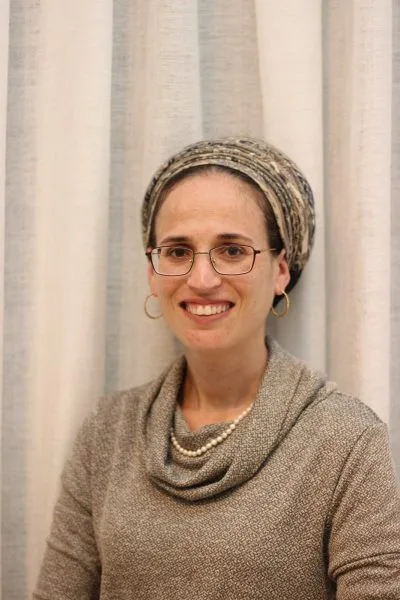
התחלתי ללמוד דף יומי אחרי שחזרתי בתשובה ולמדתי במדרשה במגדל עוז. הלימוד טוב ומספק חומר למחשבה על נושאים הלכתיים ”קטנים” ועד לערכים גדולים ביהדות. חשוב לי להכיר את הגמרא לעומק. והצעד הקטן היום הוא ללמוד אותה בבקיאות, בעזרת השם, ומי יודע אולי גם אגיע לעיון בנושאים מעניינים. נושאים בגמרא מתחברים לחגים, לתפילה, ליחסים שבין אדם לחברו ולמקום ולשאר הדברים שמלווים באורח חיים דתי 🙂

Gaia Divo
גאיה דיבו

מצפה יריחו, ישראל

התחלתי כשהייתי בחופש, עם הפרסומים על תחילת המחזור, הסביבה קיבלה את זה כמשהו מתמיד ומשמעותי ובהערכה, הלימוד זה עוגן יציב ביום יום, יש שבועות יותר ויש שפחות אבל זה משהו שנמצא שם אמין ובעל משמעות בחיים שלי….

Adi Diamant
עדי דיאמנט

גמזו, ישראל

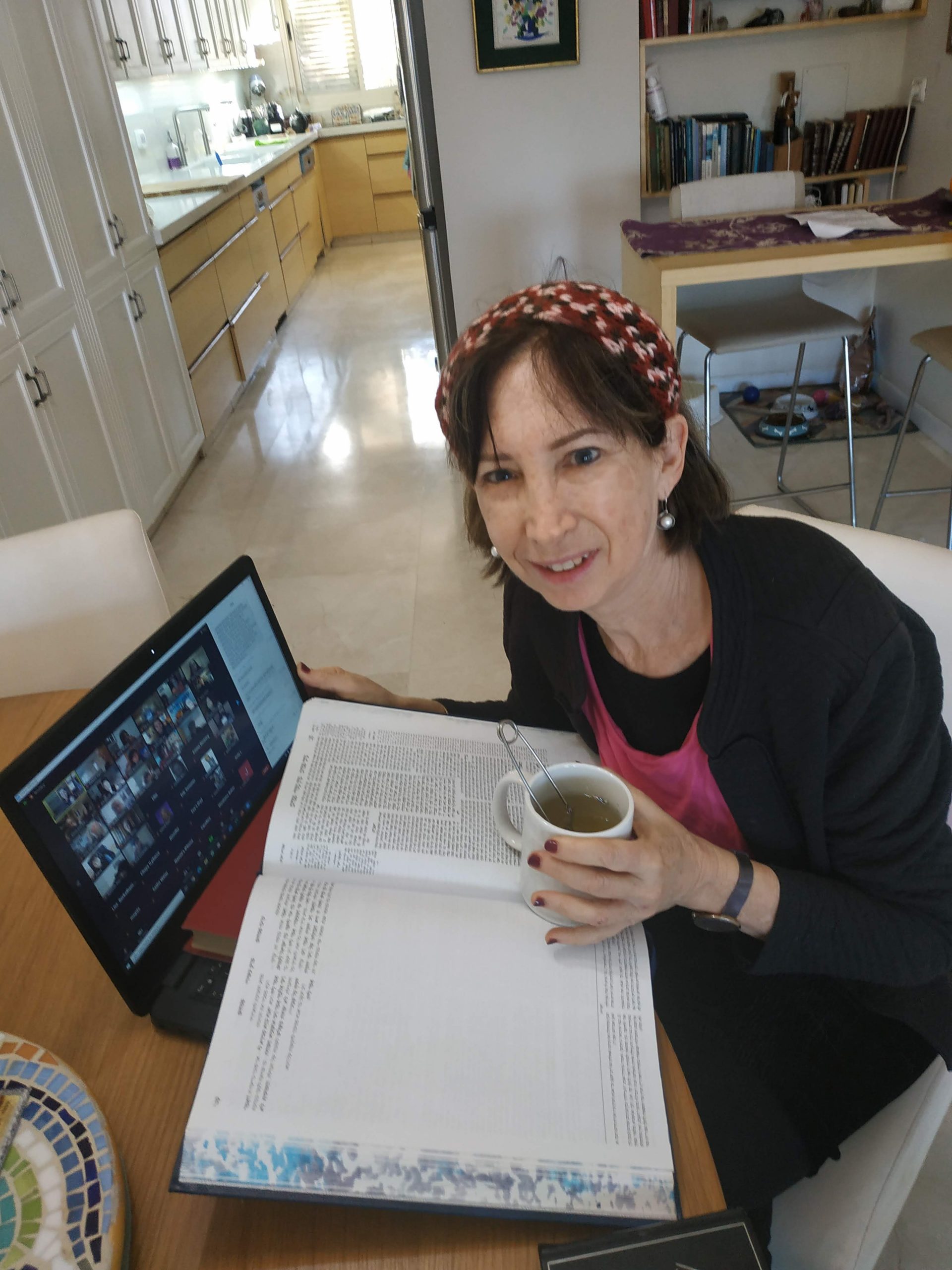
למדתי גמרא מכיתה ז- ט ב Maimonides School ואחרי העליה שלי בגיל 14 לימוד הגמרא, שלא היה כל כך מקובל בימים אלה, היה די ספוראדי. אחרי "ההתגלות” בבנייני האומה התחלתי ללמוד בעיקר בדרך הביתה למדתי מפוקקטסים שונים. לאט לאט ראיתי שאני תמיד חוזרת לרבנית מישל פרבר. באיזה שהוא שלב התחלתי ללמוד בזום בשעה 7:10 .
היום "אין מצב” שאני אתחיל את היום שלי ללא לימוד עם הרבנית מישל עם כוס הקפה שלי!!

selfie-scaled
דבי גביר

חשמונאים, ישראל

בסוף הסבב הקודם ראיתי את השמחה הגדולה שבסיום הלימוד, בעלי סיים כבר בפעם השלישית וכמובן הסיום הנשי בבנייני האומה וחשבתי שאולי זו הזדמנות עבורי למשהו חדש.
למרות שאני שונה בסביבה שלי, מי ששומע על הלימוד שלי מפרגן מאוד.
אני מנסה ללמוד קצת בכל יום, גם אם לא את כל הדף ובסך הכל אני בדרך כלל עומדת בקצב.
הלימוד מעניק המון משמעות ליום יום ועושה סדר בלמוד תורה, שתמיד היה (ועדיין) שאיפה. אבל אין כמו קביעות

Racheli-Mendelson
רחלי מנדלסון

טל מנשה, ישראל

התחלתי ללמוד דף יומי באמצע תקופת הקורונה, שאבא שלי סיפר לי על קבוצה של בנות שתיפתח ביישוב שלנו ותלמד דף יומי כל יום. הרבה זמן רציתי להצטרף לזה וזאת הייתה ההזדמנות בשבילי. הצטרפתי במסכת שקלים ובאמצע הייתה הפסקה קצרה. כיום אני כבר לומדת באולפנה ולומדת דף יומי לבד מתוך גמרא של טיינזלץ.

Saturdays in Raleigh
שבות בראלי

עתניאל, ישראל

אחי, שלומד דף יומי ממסכת ברכות, חיפש חברותא ללימוד מסכת ראש השנה והציע לי. החברותא היתה מאתגרת טכנית ורוב הזמן נעשתה דרך הטלפון, כך שבסיום המסכת נפרדו דרכינו. אחי חזר ללמוד לבד, אבל אני כבר נכבשתי בקסם הגמרא ושכנעתי את האיש שלי להצטרף אלי למסכת ביצה. מאז המשכנו הלאה, ועכשיו אנחנו מתרגשים לקראתו של סדר נשים!

Shulamit Saban
שולמית סבן

נוקדים, ישראל

אני לומדת גמרא כעשור במסגרות שונות, ואת הדף היומי התחלתי כשחברה הציעה שאצטרף אליה לסיום בבנייני האומה. מאז אני לומדת עם פודקסט הדרן, משתדלת באופן יומי אך אם לא מספיקה, מדביקה פערים עד ערב שבת. בסבב הזה הלימוד הוא "ממעוף הציפור”, מקשיבה במהירות מוגברת תוך כדי פעילויות כמו בישול או נהיגה, וכך רוכשת היכרות עם הסוגיות ואופן ניתוחם על ידי חז”ל. בע”ה בסבב הבא, ואולי לפני, אצלול לתוכו באופן מעמיק יותר.

Yael Bir
יעל ביר

רמת גן, ישראל

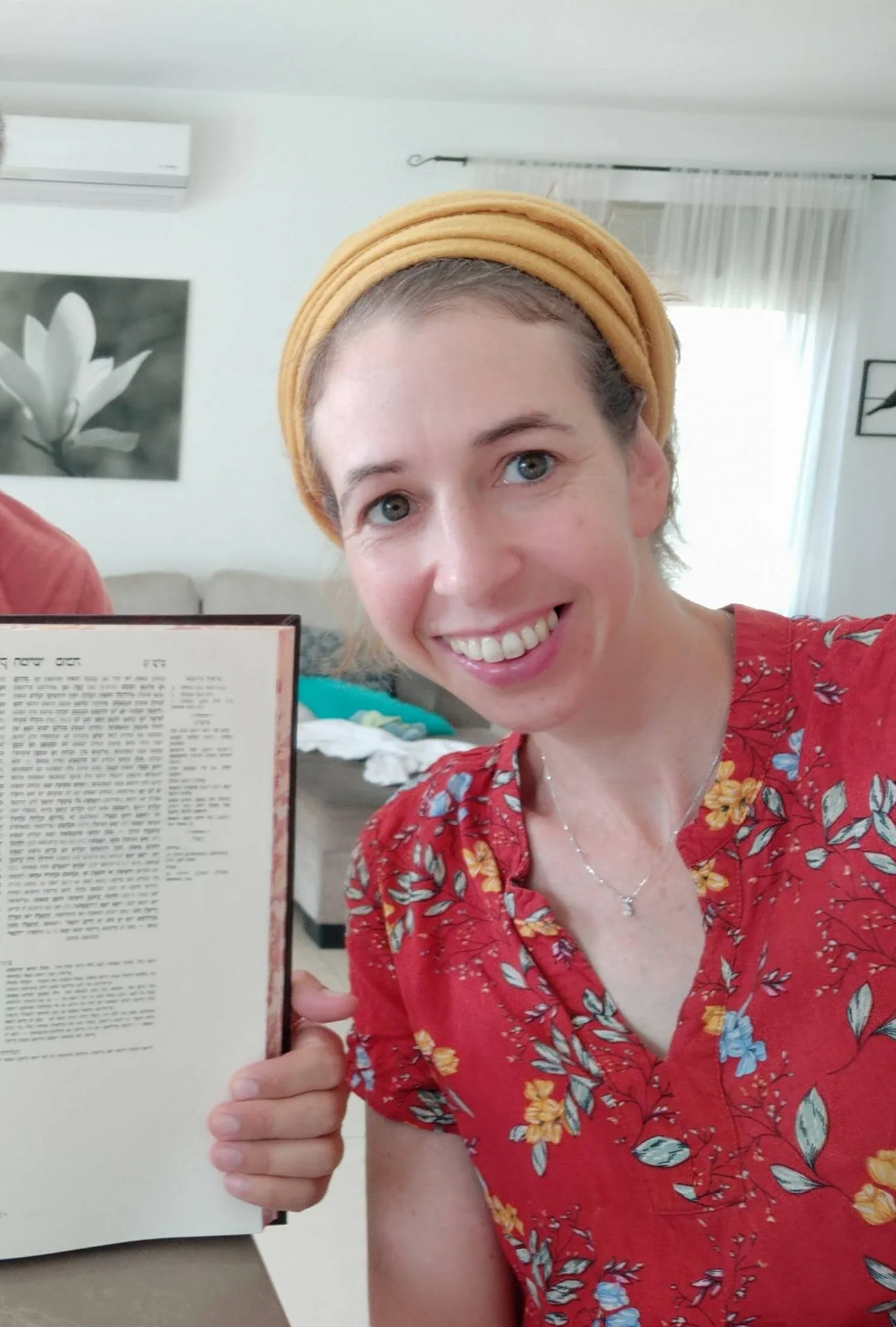
בתחילת הסבב הנוכחי הצטברו אצלי תחושות שאני לא מבינה מספיק מהי ההלכה אותה אני מקיימת בכל יום. כמו כן, כאמא לבנות רציתי לתת להן מודל נשי של לימוד תורה
שתי הסיבות האלו הובילו אותי להתחיל ללמוד. נתקלתי בתגובות מפרגנות וסקרניות איך אישה לומדת גמרא..
כמו שרואים בתמונה אני ממשיכה ללמוד גם היום ואפילו במחלקת יולדות אחרי לידת ביתי השלישית.

Noa Shiloh
נועה שילה

רבבה, ישראל

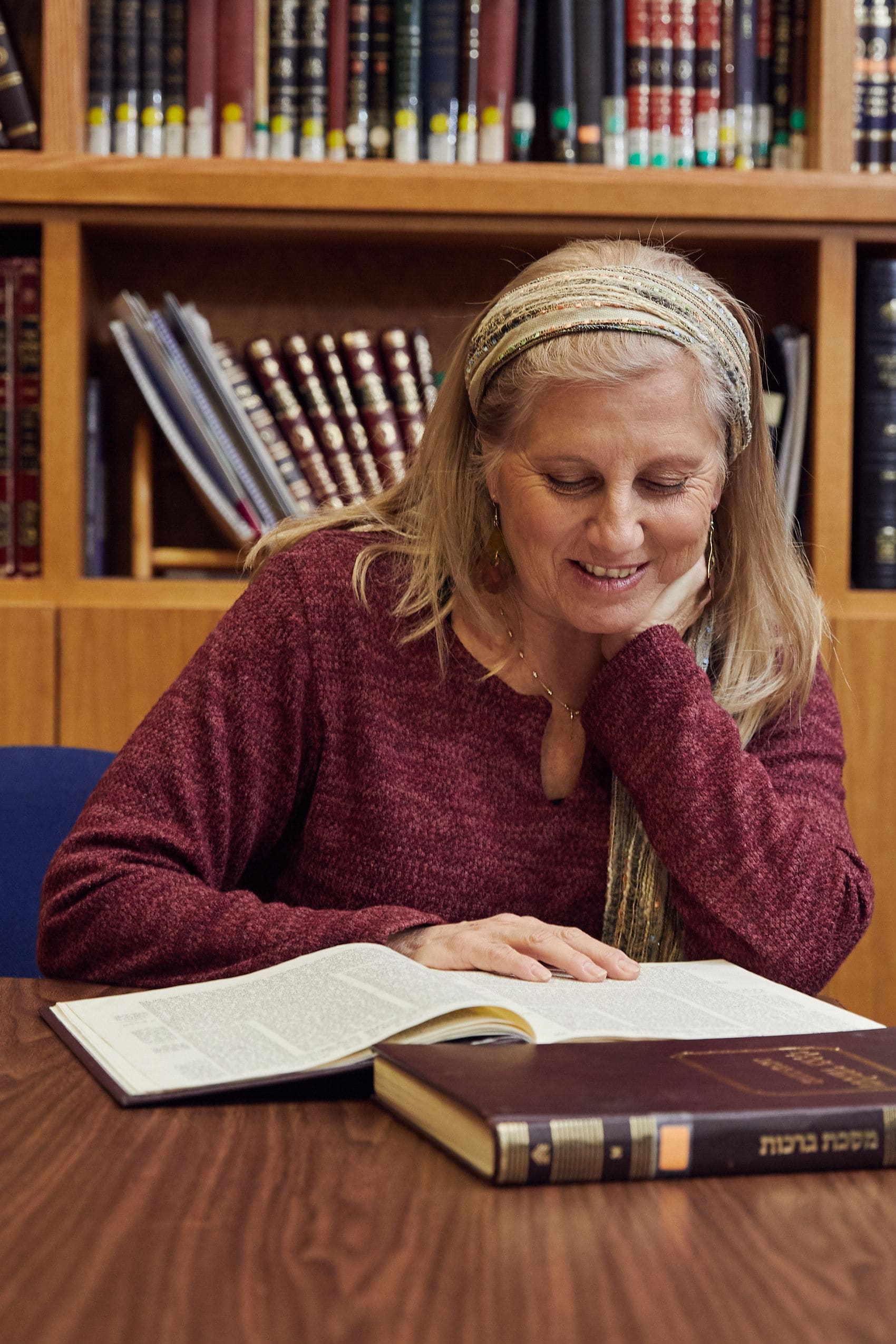
לפני 15 שנה, אחרי עשרות שנים של "ג’ינגול” בין משפחה לקריירה תובענית בהייטק, הצטרפתי לשיעורי גמרא במתן רעננה. הלימוד המעמיק והייחודי של הרבנית אושרה קורן יחד עם קבוצת הנשים המגוונת הייתה חוויה מאלפת ומעשירה. לפני כשמונה שנים כאשר מחזור הדף היומי הגיע למסכת תענית הצטרפתי כ”חברותא” לבעלי. זו השעה היומית שלנו ביחד כאשר דפי הגמרא משתלבים בחיי היום יום, משפיעים ומושפעים, וכשלא מספיקים תמיד משלימים בשבת

Yodi Askoff
יודי אסקוף

רעננה, ישראל

התחלתי מחוג במסכת קידושין שהעבירה הרבנית רייסנר במסגרת בית המדרש כלנה בגבעת שמואל; לאחר מכן התחיל סבב הדף היומי אז הצטרפתי. לסביבה לקח זמן לעכל אבל היום כולם תומכים ומשתתפים איתי. הלימוד לעתים מעניין ומעשיר ולעתים קשה ואף הזוי… אך אני ממשיכה קדימה. הוא משפיע על היומיום שלי קודם כל במרדף אחרי הדף, וגם במושגים הרבים שלמדתי ובידע שהועשרתי בו, חלקו ממש מעשי

Abigail Chrissy
אביגיל כריסי

ראש העין, ישראל

התחלתי לפני כמה שנים אבל רק בסבב הזה זכיתי ללמוד יום יום ולסיים מסכתות

Sigal Tel
סיגל טל

רעננה, ישראל

התחלתי ללמוד דף יומי בסבב הקודם. זכיתי לסיים אותו במעמד המרגש של הדרן. בסבב הראשון ליווה אותי הספק, שאולי לא אצליח לעמוד בקצב ולהתמיד. בסבב השני אני לומדת ברוגע, מתוך אמונה ביכולתי ללמוד ולסיים. בסבב הלימוד הראשון ליוותה אותי חוויה מסויימת של בדידות. הדרן העניקה לי קהילת לימוד ואחוות נשים. החוויה של סיום הש”ס במעמד כה גדול כשנשים שאינן מכירות אותי, שמחות ומתרגשות עבורי , היתה חוויה מרוממת נפש

Ilanit Weil
אילנית ווייל

קיבוץ מגדל עוז, ישראל

אני לומדת גמרא כעשור במסגרות שונות, ואת הדף היומי התחלתי כשחברה הציעה שאצטרף אליה לסיום בבנייני האומה. מאז אני לומדת עם פודקסט הדרן, משתדלת באופן יומי אך אם לא מספיקה, מדביקה פערים עד ערב שבת. בסבב הזה הלימוד הוא "ממעוף הציפור”, מקשיבה במהירות מוגברת תוך כדי פעילויות כמו בישול או נהיגה, וכך רוכשת היכרות עם הסוגיות ואופן ניתוחם על ידי חז”ל. בע”ה בסבב הבא, ואולי לפני, אצלול לתוכו באופן מעמיק יותר.

Yael Bir
יעל ביר

רמת גן, ישראל

כבר סיפרתי בסיום של מועד קטן.
הלימוד מאוד משפיעה על היום שלי כי אני לומדת עם רבנית מישל על הבוקר בזום. זה נותן טון לכל היום – בסיס למחשבות שלי .זה זכות גדול להתחיל את היום בלימוד ובתפילה. תודה רבה !

שרה-ברלוביץ
שרה ברלוביץ

ירושלים, ישראל

רציתי לקבל ידע בתחום שהרגשתי שהוא גדול וחשוב אך נעלם ממני. הלימוד מעניק אתגר וסיפוק ומעמיק את תחושת השייכות שלי לתורה וליהדות

Ruth Agiv
רות עגיב

עלי זהב – לשם, ישראל

התחלתי ללמוד בסבב הנוכחי לפני כשנתיים .הסביבה מתפעלת ותומכת מאוד. אני משתדלת ללמוד מכל ההסכתים הנוספים שיש באתר הדרן. אני עורכת כל סיום מסכת שיעור בביתי לכ20 נשים שמחכות בקוצר רוח למפגשים האלו.

Yael Asher
יעל אשר

יהוד, ישראל

באירוע של הדרן בנייני האומה. בהשראתה של אמי שלי שסיימה את הש”ס בסבב הקודם ובעידוד מאיר , אישי, וילדיי וחברותיי ללימוד במכון למנהיגות הלכתית של רשת אור תורה סטון ומורתיי הרבנית ענת נובוסלסקי והרבנית דבורה עברון, ראש המכון למנהיגות הלכתית.
הלימוד מעשיר את יומי, מחזיר אותי גם למסכתות שכבר סיימתי וידוע שאינו דומה מי ששונה פרקו מאה לשונה פרקו מאה ואחת במיוחד מרתקים אותי החיבורים בין המסכתות

Roit Kalech
רוית קלך

מודיעין, ישראל

אחרי שראיתי את הסיום הנשי של הדף היומי בבנייני האומה זה ריגש אותי ועורר בי את הרצון להצטרף. לא למדתי גמרא קודם לכן בכלל, אז הכל היה לי חדש, ולכן אני לומדת בעיקר מהשיעורים פה בהדרן, בשוטנשטיין או בחוברות ושיננתם.

Rebecca Schloss
רבקה שלוס

בית שמש, ישראל

התחלתי ללמוד בשנת המדרשה במגדל עוז, בינתיים נהנית מאוד מהלימוד ומהגמרא, מעניין ומשמח מאוד!
משתדלת להצליח לעקוב כל יום, לפעמים משלימה קצת בהמשך השבוע.. מרגישה שיש עוגן מקובע ביום שלי והוא משמח מאוד!

Uriah Kesner
אוריה קסנר

חיפה , ישראל

אמא שלי למדה איתי ש”ס משנה, והתחילה ללמוד דף יומי. אני החלטתי שאני רוצה ללמוד גם. בהתחלה למדתי איתה, אח”כ הצטרפתי ללימוד דף יומי שהרב דני וינט מעביר לנוער בנים בעתניאל. במסכת עירובין עוד חברה הצטרפה אלי וכשהתחלנו פסחים הרב דני פתח לנו שעור דף יומי לבנות. מאז אנחנו לומדות איתו קבוע כל יום את הדף היומי (ובשבת אבא שלי מחליף אותו). אני נהנית מהלימוד, הוא מאתגר ומעניין

Renana Hellman
רננה הלמן

עתניאל, ישראל

קידושין לו

אַחַת הִיא.

are one prohibition.

אַבָּיֵי אָמַר: הַיְינוּ טַעְמָא דְּאִיסִי, דְּגָמַר ״קׇרְחָה״ ״קׇרְחָה״ מִבְּנֵי אַהֲרֹן, מָה לְהַלָּן נָשִׁים פְּטוּרוֹת – אַף כָּאן נָשִׁים פְּטוּרוֹת.

Abaye said that this is the reason of Isi for exempting women from the prohibition against baldness: As he learns the prohibition against causing baldness in grief over someone who is dead through a verbal analogy from the prohibition against causing baldness stated with regard to the sons of Aaron. The verse states with regard to priests: “They shall not make baldness upon their head” (Leviticus 21:5). Just as there, with regard to priests, women are exempt, as the expression “the sons of Aaron” serves to exclude the daughters of Aaron, so too here, women are exempt.

וְאִי סְבִירָא לַן דְּכִי כְּתִיב קְרָא, בְּכוּלֵּי עִנְיָינָא הוּא דִּכְתִיב, נִשְׁתּוֹק קְרָא מִינֵּיהּ וְתֵיתֵי בְּקַל וָחוֹמֶר, וַאֲנָא אָמֵינָא: וּמָה כֹּהֲנִים שֶׁרִיבָּה בָּהֶם הַכָּתוּב מִצְוֹת יְתֵירוֹת – ״בְּנֵי אַהֲרֹן״ – וְלֹא בְּנוֹת אַהֲרֹן, יִשְׂרָאֵל לֹא כׇּל שֶׁכֵּן?

The Gemara asks: But if we maintain that when the Merciful One writes: “The sons of Aaron” (Leviticus 21:1), it is written with regard to the entire matter of that chapter, including the prohibition against causing baldness, let the verse be silent about this prohibition concerning all Jews. And this halakha could be derived through an a fortiori inference, as I could say the following: If in the case of priests, for whom the verse includes additional mitzvot, the prohibition against causing baldness applies only to the sons of Aaron and not the daughters of Aaron, is it not all the more so the case with regard to Israelites, who have fewer mitzvot, that only the men should be obligated and not the women?

אִי לָאו גְּזֵרָה שָׁוָה הֲוָה אָמֵינָא: הִפְסִיק הָעִנְיָן.

The Gemara answers: Nevertheless, the verbal analogy is necessary. As, were it not for the verbal analogy I would say that the halakhot of ritual impurity concluded discussion of that matter, and the prohibition against causing baldness applies to all the descendants of Aaron, including women.

הַשְׁתָּא נָמֵי נֵימָא הִפְסִיק הָעִנְיָן, וְאִי מִשּׁוּם גְּזֵרָה שָׁוָה – מִיבְּעֵי לֵיהּ לְכִדְתַנְיָא: ״לֹא יִקְרְחוּ״, יָכוֹל אֲפִילּוּ קָרַח אַרְבַּע וְחָמֵשׁ קְרָחוֹת לֹא יְהֵא חַיָּיב אֶלָּא אַחַת? תַּלְמוּד לוֹמַר: ״קׇרְחָה״ – לְחַיֵּיב עַל כׇּל אַחַת וְאַחַת.

The Gemara asks: If so, now too, let us say that the halakhot of ritual impurity concluded discussion of that matter, and it is prohibited for the daughters of Aaron as well to cause baldness. And if you maintain that the reason the prohibition stated with regard to priests does not apply to women is due to the verbal analogy employing the term “make baldness,” which serves to connect the halakha stated with regard to priests with the halakha stated with regard to all Jews, this verbal analogy is necessary for that which is taught in a baraita: The verse states: “They shall not make baldness [yikreḥu korḥa]” (Leviticus 21:5). If the verse had stated only “yikreḥu,” one might have thought that even if one made four or five patches of baldness he would be obligated for only one violation, as there is only one prohibition against making a bald spot. Therefore the verse also states “korḥa,” to render him liable for each and every one of the bald spots.

״בְּרֹאשָׁם״ מָה תַּלְמוּד לוֹמַר? לְפִי שֶׁנֶּאֱמַר: ״לֹא תִתְגֹּדְדוּ וְלֹא תָשִׂימוּ קׇרְחָה בֵּין עֵינֵיכֶם לָמֵת״, יָכוֹל לֹא יְהֵא חַיָּיב אֶלָּא עַל בֵּין הָעֵינַיִם, מִנַּיִן לְרַבּוֹת כָּל הָרֹאשׁ? תַּלְמוּד לוֹמַר: ״בְּרֹאשָׁם״ – לְחַיֵּיב עַל הָרֹאשׁ כְּבֵין הָעֵינַיִם.

The baraita continues: What is the meaning when the verse states: “Upon their head” (Leviticus 21:5), with regard to the prohibition against a priest causing baldness? Because it is stated: “You shall not cut yourselves, nor make any baldness between your eyes for the dead” (Deuteronomy 14:1), one might have thought that he is obligated only for removing the hair between the eyes. From where is it derived to include the entire head in this prohibition? When the verse states “upon their head,” it serves to render a priest liable for removing hair on his entire head like the spot between the eyes.

וְאֵין לִי אֶלָּא כֹּהֲנִים, שֶׁרִיבָּה בָּהֶם הַכָּתוּב מִצְוֹת יְתֵירוֹת, יִשְׂרָאֵל מְנָלַן? – נֶאֱמַר כָּאן: ״קׇרְחָה״ וְנֶאֱמַר לְהַלָּן: ״קׇרְחָה״, מָה כָּאן חַיָּיב עַל כׇּל קׇרְחָה וְקׇרְחָה, וְחַיָּיב עַל הָרֹאשׁ כְּבֵין הָעֵינַיִם – אַף לְהַלָּן חַיָּיב עַל כׇּל קׇרְחָה וְקׇרְחָה, וְחַיָּיב עַל הָרֹאשׁ כְּבֵין הָעֵינַיִם.

The baraita continues: And I have derived only that this halakha applies to priests, for whom the verse includes additional mitzvot; from where do we derive that it applies to every Israelite, i.e., all Jews are liable for each and every bald spot and for the entire head? It is stated here, with regard to priests, “baldness,” and it is stated there, with regard to non-priests, “baldness.” Just as here, with regard to priests, one is obligated for each and every bald spot, and one is obligated for the entire head like the spot between the eyes, so too there, with regard to all Jews, one is obligated for each and every bald spot, and one is obligated for the entire head like the spot between the eyes.

וּמָה לְהַלָּן עַל מֵת, אַף כָּאן עַל מֵת. אִם כֵּן נִכְתּוֹב קְרָא ״קֹרַח״, מַאי ״קׇרְחָה״ – שָׁמְעַתְּ מִינַּהּ תַּרְתֵּי.

The baraita continues: And conversely, just as there, in the case of Israelites, it is referring specifically to causing baldness over someone who is dead, so too here, with regard to priests, it is prohibited to cause baldness only over someone who is dead, not in other circumstances. This baraita shows that the verbal analogy is required for the halakhot of bald spots. How, then, can it teach the exemption of women? The Gemara answers: If it is so that it may be used only for one purpose, let the verse be written merely bald [keraḥ]. What is meant by the term “baldness [korḥa]”? Conclude two conclusions from it, both the verbal analogy that exempts women and the halakha that each bald spot constitutes a separate violation.

רָבָא אָמַר: הַיְינוּ טַעְמָא דְּאִיסִי, דְּיָלֵיף ״בֵּין עֵינֵיכֶם״ מִתְּפִילִּין, מָה לְהַלָּן נָשִׁים פְּטוּרוֹת, אַף כָּאן נָשִׁים פְּטוּרוֹת. וְרָבָא מַאי טַעְמָא לָא אָמַר כְּאַבַּיֵּי? ״קֹרַח״ ״קׇרְחָה״ לָא מַשְׁמַע לֵיהּ.

Rava said that this is Isi’s reason, as he derives the verbal analogy of “between your eyes” with regard to baldness from phylacteries, concerning which it says: “And they shall be for frontlets between your eyes” (Deuteronomy 11:18): Just as there, with regard to phylacteries, women are exempt, so too here, in the case of baldness, women are exempt. The Gemara asks: And what is the reason that Rava did not state the same reason as Abaye? The Gemara answers: Rava does not learn anything from the distinction between keraḥ and korḥa, as he maintains that no halakha can be derived from this slight difference in language.

וְאַבָּיֵי מַאי טַעְמָא לָא אָמַר כְּרָבָא? אָמַר לָךְ: תְּפִילִּין גּוּפַיְיהוּ מֵהָכָא גָּמַר לַהּ: מָה לְהַלָּן מְקוֹם שֶׁעוֹשִׂים קׇרְחָה, בְּגוֹבַהּה שֶׁל רֹאשׁ, אַף כָּאן מְקוֹם הַנָּחָה בְּגוֹבַהּ הָרֹאשׁ.

The Gemara further asks: And what is the reason that Abaye did not state the same reason as Rava? The Gemara answers that Abaye could have said to you: Phylacteries themselves are derived from here, i.e., the meaning of the phrase “between your eyes” stated with regard to phylacteries is understood from the case of baldness: Just as there, with regard to a bald spot, “between your eyes” is referring to a place where baldness is formed, a spot where there is hair, which is on the upper part of the head but not actually between the eyes, so too, the place where phylacteries are donned is on the upper part of the head.

וּבֵין לְאַבָּיֵי וּבֵין לְרָבָא, הַאי ״בָּנִים אַתֶּם״, מַאי דָּרְשִׁי בֵּיהּ? הַאי מִיבְּעֵי לְכִדְתַנְיָא: ״בָּנִים אַתֶּם לַה׳ אֱלֹהֵיכֶם״, בִּזְמַן שֶׁאַתֶּם נוֹהֲגִים מִנְהַג בָּנִים – אַתֶּם קְרוּיִם בָּנִים, אֵין אַתֶּם נוֹהֲגִים מִנְהַג בָּנִים – אֵין אַתֶּם קְרוּיִם בָּנִים, דִּבְרֵי רַבִּי יְהוּדָה.

The Gemara asks: And both Abaye and Rava, what do they derive from this verse: “You are the sons to the Lord your God” (Deuteronomy 14:1)? According to the first explanation of Isi’s opinion, the exclusion of women is derived from this phrase, whereas they derive that halakha from a different source. The Gemara answers: This verse is necessary for that which is taught in a baraita: The verse: “You are the sons to the Lord your God,” indicates that when you act like sons and cleave to the Holy One, Blessed be He, you are called sons, but when you do not act like sons you are not called sons. This is the statement of Rabbi Yehuda.

רַבִּי מֵאִיר אוֹמֵר: בֵּין כָּךְ וּבֵין כָּךְ אַתֶּם קְרוּיִם בָּנִים, שֶׁנֶּאֱמַר: ״בָּנִים סְכָלִים הֵמָּה״, וְאוֹמֵר: ״בָּנִים לֹא אֵמֻן בָּם״, וְאוֹמֵר: ״זֶרַע מְרֵעִים בָּנִים מַשְׁחִיתִים״, וְאוֹמֵר: ״וְהָיָה בִּמְקוֹם אֲשֶׁר יֵאָמֵר לָהֶם לֹא עַמִּי אַתֶּם יֵאָמֵר לָהֶם בְּנֵי אֵל חָי״.

And Rabbi Meir says: Either way you are still called sons, as it is stated: “They are foolish sons” (Jeremiah 4:22). And it also states: “Sons in whom there is no faithfulness” (Deuteronomy 32:20). And it states: “A seed of evildoers, sons who deal corruptly” (Isaiah 1:4). And it states: “And it shall come to pass that, instead of what was said to them: You are not My people, it shall be said to them: Sons of the living God” (Hosea 2:1).

מַאי ״וְאוֹמֵר״? וְכִי תֵּימָא: סְכָלֵי הוּא דְּמִקְּרוּ בְּנֵי, כִּי לֵית בְּהוּ הֵימָנוּתַיְיהוּ לָא מִיקְּרוּ בְּנֵי – תָּא שְׁמַע, וְאוֹמֵר: ״בָּנִים לֹא אֵמֻן בָּם״,

The Gemara asks: Why is it necessary to cite these additional proofs introduced by the phrase: And it states? All these verses apparently make the same point. The Gemara explains why all the quotes are necessary. And if you would say: Granted, when they are foolish they are still called sons, as the verse states: “Foolish sons,” but when they do not have faithfulness they are not called sons; therefore, come and hear another verse. And that verse states: “Sons in whom there is no faithfulness.”

וְכִי תֵּימָא: כִּי לֵית בְּהוּ הֵימָנוּתָא הוּא דְּמִיקְּרוּ בָּנִים, כִּי פָּלְחוּ לַעֲבוֹדָה זָרָה לָא מִיקְּרוּ בָּנִים – תָּא שְׁמַע, וְאוֹמֵר: ״זֶרַע מְרֵעִים בָּנִים מַשְׁחִיתִים״. וְכִי תֵּימָא: ״בָּנִים מַשְׁחִיתִים״ הוּא דְּמִיקְּרוּ, בְּנֵי מְעַלְּיָיא לָא מִיקְּרוּ – תָּא שְׁמַע, וְאוֹמֵר: ״וְהָיָה בִּמְקוֹם אֲשֶׁר יֵאָמֵר לָהֶם לֹא עַמִּי אַתֶּם יֵאָמֵר לָהֶם בְּנֵי אֵל חָי״.

And if you would say: It is when they do not have faithfulness that they are called sons, as stated, but when they worship idols they are not called sons anymore; therefore, come and hear: And the verse states: “A seed of evildoers, sons who deal corruptly,” which alludes to the corruption of idol worship. And if you would say that although they are called “sons who deal corruptly,” they are no longer called full-fledged sons of God once they have sinned, come and hear: And the verse states: “And it shall come to pass that, instead of what was said to them: You are not My people, it shall be said to them: Sons of the living God.” This verse indicates that when the Jews repent they are again called full-fledged sons of God.

מַתְנִי׳, הַסְּמִיכוֹת, וְהַתְּנוּפוֹת, וְהַהַגָּשׁוֹת, וְהַקְּמִיצוֹת, וְהַ[הַ]קְטָרוֹת, וְהַמְּלִיקוֹת, וְהַקַּבָּלוֹת, וְהַזָּאוֹת – נוֹהֲגִים בַּאֲנָשִׁים וְלֹא בְּנָשִׁים, חוּץ מִמִּנְחַת סוֹטָה וּנְזִירָה שֶׁהֵן מְנִיפוֹת.

MISHNA: With regard to the placing of hands on the head of an offering, and the waving of certain offerings, and the bringing near of meal-offerings to the corner of the altar, and the removal of a handful from meal-offerings, and the burning of sacrificial parts on the altar, and the pinching of bird-offerings, and the collecting of blood of offerings in a vessel, and the sprinkling of blood, these apply to men and not to women. All these mitzvot apply specifically to men and not to women, except for the meal-offering of a sota, and the meal-offering of a nazirite woman, which these women wave.

גְּמָ׳ סְמִיכוֹת. דִּכְתִיב: ״דַּבֵּר אֶל בְּנֵי יִשְׂרָאֵל… וְסָמַךְ״ – בְּנֵי יִשְׂרָאֵל סוֹמְכִים, וְאֵין בְּנוֹת יִשְׂרָאֵל סוֹמְכוֹת.

GEMARA: From where is it derived that placing of hands on the head of an offering applies only to men? As it is written: “Speak to the sons of Israel…and he shall place his hand” (Leviticus 1:2–4), which indicates that the sons of Israel place hands on offerings, but the daughters of Israel do not place hands.

תְּנוּפוֹת. ״דַּבֵּר אֶל בְּנֵי יִשְׂרָאֵל… וְהֵנִיף״ – בְּנֵי יִשְׂרָאֵל מְנִיפִין, וְאֵין בְּנוֹת יִשְׂרָאֵל מְנִיפוֹת.

The Gemara explains that the halakha of waving is derived from the following verse: “Speak to the sons of Israel…and he shall wave” (see Leviticus 7:29–30), which likewise teaches that the sons of Israel wave, but the daughters of Israel do not wave.

הַגָּשׁוֹת. דִּכְתִיב: ״וְזֹאת תּוֹרַת הַמִּנְחָה… הַקְרֵב אֹתָהּ בְּנֵי אַהֲרֹן״ – בְּנֵי אַהֲרֹן, וְלֹא בְּנוֹת אַהֲרֹן.

§ With regard to bringing near, this is as it is written: “And this is the law of the meal-offering: The sons of Aaron shall bring it near” (Leviticus 6:7). This teaches that the sons of Aaron bring the meal-offering near, but not the daughters of Aaron.

קְמִיצוֹת. דִּכְתִיב: ״וֶהֱבִיאָהּ אֶל בְּנֵי אַהֲרֹן וְקָמַץ״ – בְּנֵי אַהֲרֹן, וְלֹא בְּנוֹת אַהֲרֹן.

With regard to the removal of a handful, this is as it is written: “And he shall bring it to the sons of Aaron, the priests, and he shall remove a handful” (Leviticus 2:2). This teaches that the sons of Aaron take a handful, but not the daughters of Aaron.

הַקְטָרוֹת. דִּכְתִיב: ״וְהִקְטִירוּ אֹתוֹ בְּנֵי אַהֲרֹן״ – בְּנֵי אַהֲרֹן, וְלֹא בְּנוֹת אַהֲרֹן.

With regard to the burning of sacrificial parts, this is as it is written: “And the sons of Aaron shall burn it” (Leviticus 3:5). This teaches that it is the sons of Aaron who burn the parts, but not the daughters of Aaron.

הַמְּלִיקוֹת. דִּכְתִיב: ״וּמָלַק… וְהִקְטִיר״, אִיתַּקַּשׁ מְלִיקָה לְהַקְטָרָה.

With regard to pinching, this is as it is written: “And he shall pinch…and he shall burn” (Leviticus 1:15). The verse juxtaposes killing to burning, and just as the burning of an offering must be performed by men, so too pinching may be performed only by men.

הַקַּבָּלוֹת. דִּכְתִיב: ״וְהִקְרִיבוּ בְּנֵי אַהֲרֹן״, וְאָמַר מָר:

With regard to receiving, this is as it is written: “And the sons of Aaron shall present the blood” (Leviticus 1:5). And the Master said in explanation of this verse:

״וְהִקְרִיבוּ״ – זוֹ קַבָּלַת הַדָּם.

“And the sons of Aaron shall present,” this is collecting the blood.

וְהַזָּאוֹת. הַזָּאָה דְּהֵיכָא? אִי דְּפָרָה, ״אֶלְעָזָר״ כְּתִיב בַּהּ. אִי דְּפָנִים, ״הַכֹּהֵן הַמָּשִׁיחַ״ כְּתִיב בַּהּ. אֶלָּא הַזָּאָה דְּבֶן עוֹף,

The Gemara discusses the mishna’s ruling that women do not perform sprinkling: To which sprinkling is this referring? If this is the sprinkling of the ashes of the red heifer, “Elazar” is written with regard to that action (Numbers 19:4), i.e., this sprinkling is performed by the deputy High Priest. If even other priests cannot perform it, certainly women cannot. If this is referring to the sprinkling performed inside the Holy of Holies, the phrase: “The anointed priest” (Leviticus 4:16), is written with regard to that rite, and consequently there is no question that women are ineligible. Rather, it is referring to sprinkling the blood of a bird-offering.

דְּאָתְיָא בְּקַל וָחוֹמֶר מִבֶּן צֹאן. וּמָה בֶּן צֹאן שֶׁלֹּא קָבַע לוֹ כֹּהֵן לִשְׁחִיטָתוֹ – קָבַע לוֹ כֹּהֵן לְהַזָּאָתוֹ, בֶּן עוֹף שֶׁקָּבַע לוֹ כֹּהֵן לִמְלִיקָתוֹ – אֵינוֹ דִּין שֶׁיִּקְבַּע לוֹ לְהַזָּאָתוֹ?

The Gemara explains that this is derived through an a fortiori inference from a sheep offering: If with regard to a sheep offering, concerning which the Torah did not establish a priest for its slaughter, since it may be slaughtered by anybody, the Torah nevertheless established a priest for its sprinkling, as the verse states: “And the sons of Aaron, the priests, shall sprinkle its blood” (Leviticus 1:11), is it not logical that with regard to a bird-offering, concerning which the Torah established a priest for its pinching, an act parallel to slaughtering a sheep, the Torah likewise established a priest for its sprinkling? This proves that the sprinkling of the blood of a bird-offering can be performed only by priests, not by women.

חוּץ מִמִּנְחַת סוֹטָה וּנְזִירָה. אֲמַר לֵיהּ רַבִּי אֶלְעָזָר לְרַבִּי יֹאשִׁיָּה דְּדָרֵיהּ: לָא תֵּיתֵיב אַכַּרְעָךְ עַד דְּאָמְרַתְּ לִי לְהָא שְׁמַעְתְּתָא: מִנַּיִן לְמִנְחַת סוֹטָה שֶׁטְּעוּנָה תְּנוּפָה? מְנָלַן?! בְּגוּפַהּ כְּתִיב: ״וְהֵנִיף אֶת הַמִּנְחָה״! אֶלָּא: תְּנוּפָה בִּבְעָלִים מְנָלַן?

§ The mishna teaches that these mitzvot apply specifically to men but not to women, except for the meal-offering of a sota and a nazirite woman, which these women wave. Rabbi Elazar said to Rabbi Yoshiya of his generation, i.e., the amora who was his contemporary, not the tanna with the same name who lived earlier: Do not sit down until you explain this statement to me; from where is it derived that the meal-offering of a sota requires waving? The Gemara expresses surprise: What is the meaning of the question: From where do we derive it? It is written in the chapter dealing with a sota itself: “And he shall wave the meal-offering” (Numbers 5:25). Rather, the question is as follows: From where do we derive that the waving is performed by the owners? Perhaps only the priest waves it?

אָתְיָא ״יָד״ ״יָד״ מִשְּׁלָמִים. כְּתִיב הָכָא: ״וְלָקַח הַכֹּהֵן מִיַּד הָאִשָּׁה״ וּכְתִיב הָתָם: ״יָדָיו תְּבִיאֶנָּה״.

Rabbi Yoshiya responded: This halakha is derived through the verbal analogy of the term “hand” stated with regard to a sota from the term “hand” stated with regard to a peace-offering. It is written here, with regard to the meal-offering of a sota: “And the priest shall take the meal-offering of jealousy from the woman’s hand and he shall wave the meal-offering” (Numbers 5:25), and it is written there: “His own hands shall bring the offerings of the Lord made by fire; the fat with the breast shall he bring, that the breast may be waved before the Lord” (Leviticus 7:30).

מָה כָּאן כֹּהֵן – אַף לְהַלָּן כֹּהֵן, מָה לְהַלָּן בְּעָלִים – אַף כָּאן בְּעָלִים. הָא כֵּיצַד? כֹּהֵן מַכְנִיס יָדוֹ תַּחַת יָד בְּעָלִים וּמֵנִיף.

Just as here, with regard to a sota, a priest performs the waving, so too there, with regard to a peace-offering, a priest performs the waving. And just as there, with regard to a peace-offering, the owner performs the waving, as indicated by the verse, so too here, with regard to a sota, the owner performs the waving. How so? How can both the priest and the owner perform the waving? The owner places his hands beneath the peace-offering, and the priest places his hand under the hand of the owner and waves it together with him.

אַשְׁכְּחַן סוֹטָה, נְזִירָה מְנָלַן? אָתְיָא: ״כַּף״ ״כַּף״ מִסּוֹטָה.

The Gemara asks: We found a source for the meal-offering of a sota; from where do we derive that a nazirite woman also waves her meal-offering? The Gemara answers: It is derived through a verbal analogy of the term “palm” stated with regard to naziriteship from the term “palm” stated with regard to a sota. The verse concerning naziriteship states: “And he shall place them upon the palms of the nazirite” (Numbers 6:19), and the verse concerning a sota states: “And he shall place it on her palms” (Numbers 5:18). Just as a sota waves her meal-offering, so too, a nazirite woman waves hers.

מַתְנִי׳ כׇּל מִצְוָה שֶׁהִיא תְּלוּיָה בָּאָרֶץ – אֵינָהּ נוֹהֶגֶת אֶלָּא בָּאָרֶץ, וְשֶׁאֵינָהּ תְּלוּיָה בָּאָרֶץ – נוֹהֶגֶת בֵּין בָּאָרֶץ בֵּין בְּחוּצָה לָאָרֶץ,

MISHNA: Any mitzva that is dependent on the land [aretz] applies only in Eretz Yisrael, and any mitzva that is not dependent on the land applies both in Eretz Yisrael and outside of Eretz Yisrael.

רוצה לעקוב אחרי התכנים ולהמשיך ללמוד?

ביצירת חשבון עוד היום ניתן לעקוב אחרי ההתקדמות שלך, לסמן מה למדת, ולעקוב אחרי השיעורים שמעניינים אותך.
לנקות את כל הפריטים מהרשימה?

פעולה זו תסיר את כל הפריטים בחלק זה כולל ההתקדמות וההיסטוריה. שימי לב: לא ניתן לשחזר פעולה זו.

ביטול
מחיקה

האם את/ה בטוח/ה שברצונך למחוק פריט זה?

תאבד/י את כל ההתקדמות או ההיסטוריה הקשורות לפריט זה.

ביטול
מחיקה