






הלימוד השבוע מוקדש ע”י טינה לם לרפואת מעין ליאורה בת שלומית פייגא
רוצה להקדיש שיעור?


כלים
הלימוד השבוע מוקדש ע”י טינה לם לרפואת מעין ליאורה בת שלומית פייגא
קידושין ג
הָתָם הָא קָמַשְׁמַע לַן, דְּדַרְכֵּיהּ דְּאֶתְרוֹג כְּיָרָק – מָה יָרָק דַּרְכּוֹ לִיגְדַּל עַל כׇּל מַיִם וּבִשְׁעַת לְקִיטָתוֹ עִישּׂוּרוֹ, אַף אֶתְרוֹג דַּרְכּוֹ לִיגְדַּל עַל כׇּל מַיִם וּבִשְׁעַת לְקִיטָתוֹ עִישּׂוּרוֹ.
The Gemara explains: There, the mishna teaches us this, that the way an etrog grows is like a vegetable: Just as it is the way of a vegetable to grow by being watered by all water, i.e., in addition to rainwater it requires irrigation, and its tithing is according to when it is harvested, i.e., its tithing is based on when it is collected from the field, so too, it is the way of an etrog to grow by being watered by all water, as it requires more water than rain provides, and its tithing is according to the time when it is harvested. If, for example, a vegetable is collected during a year when poor man’s tithe is given, that tithe is separated from it, even if it formed a bud during the previous year, when second tithe was separated. The same applies to an etrog. Therefore, the mishna specifically uses the term: Way, to allude to this reason.
וְהָא דִּתְנַן: ״כּוֹי – יֵשׁ בּוֹ דְּרָכִים שָׁוֶה לַחַיָּה, וְיֵשׁ בּוֹ דְּרָכִים שָׁוֶה לַבְּהֵמָה, וְיֵשׁ בּוֹ דְּרָכִים שָׁוֶה לַחַיָּה וְלַבְּהֵמָה, וְיֵשׁ בּוֹ דְּרָכִים שֶׁאֵינוֹ שָׁוֶה לֹא לַחַיָּה וְלֹא לַבְּהֵמָה״. נִיתְנֵי ״דְּבָרִים״! וְתוּ, הָא דִּתְנַן: ״זוֹ אַחַת מִן הַדְּרָכִים שֶׁשָּׁווּ גִּיטֵּי נָשִׁים לְשִׁחְרוּרֵי עֲבָדִים״, נִיתְנֵי ״דְּבָרִים״!
The Gemara further asks: But concerning that which we learned in a mishna (Bikkurim 2:8): With regard to a koy, an animal whose classification was uncertain, as the Sages were unsure whether it is a domesticated or a non-domesticated animal, there are ways, i.e., halakhot, in which its halakhot correspond to those of a non-domesticated animal and there are ways in which its halakhot correspond to those of a domesticated animal. And there are ways in which its halakhot correspond to those of both a non-domesticated animal and a domesticated animal, and there are ways in which its halakhot correspond to those of neither a non-domesticated animal nor a domesticated animal. Let that mishna teach the term: Matters. And furthermore, with regard to that which we learned in a mishna (Gittin 9a): This is one of the ways in which the halakhot of bills of divorce correspond to those of bills of manumission, let that mishna teach the word: Matters.
אֶלָּא, כֹּל הֵיכָא דְּאִיכָּא פְּלוּגְתָּא תָּנֵי ״דְּרָכִים״, וְכֹל הֵיכָא דְּלֵיכָּא פְּלוּגְתָּא תָּנֵי ״דְּבָרִים״. דַּיְקָא נָמֵי, דְּקָתָנֵי סֵיפָא: ״רַבִּי אֱלִיעֶזֶר אוֹמֵר: אֶתְרוֹג שָׁוֶה לָאִילָן לְכׇל דָּבָר״. שְׁמַע מִינַּהּ.
Rather, the Gemara rejects the previous explanations, as the phraseology is not dependent on the nature of the topic at hand. Instead, anywhere that there is a distinction with regard to an issue the mishna teaches the term: Ways, as there are different ways or possibilities available. And anywhere that there is no distinction it teaches the word: Matters. The Gemara comments: The language of the mishna is also precise in this regard, as it teaches in the latter clause of that mishna that Rabbi Eliezer says: The halakhot of an etrog tree correspond to those of a tree with regard to every matter. This indicates that when no distinctions apply, the mishna will use the term matter. The Gemara concludes: Learn from this clause in the mishna that this explanation is correct.
מִנְיָינָא דְרֵישָׁא לְמַעוֹטֵי מַאי, מִנְיָינָא דְסֵיפָא לְמַעוֹטֵי מַאי?
§ The Gemara continues to analyze the language of the mishna: With regard to the number in the first clause of the mishna, i.e., a woman is acquired in three ways, this serves to exclude what? The fact that the mishna mentions a number indicates that other modes of acquisition do not apply to betrothal. What mode is excluded? Similarly, the number in the latter clause of the mishna, that a woman acquires herself in two ways, serves to exclude what?
מִנְיָינָא דְרֵישָׁא – לְמַעוֹטֵי חוּפָּה. וּלְרַב הוּנָא, דְּאָמַר חוּפָּה קוֹנָה מִקַּל וָחוֹמֶר, לְמַעוֹטֵי מַאי?
The Gemara explains: The number in the first clause serves to exclude a wedding canopy, which does not effect betrothal. The Gemara asks: And according to the opinion of Rav Huna, who said: A wedding canopy acquires a woman, and it alone could be a mode of betrothal, as derived by an a fortiori inference (see 5a), this number serves to exclude what?
לְמַעוֹטֵי חֲלִיפִין. סָלְקָא דַּעְתָּךְ אָמֵינָא, הוֹאִיל וְגָמַר ״קִיחָה״ ״קִיחָה״ מִשְּׂדֵה עֶפְרוֹן – מָה שָׂדֶה מִקַּנְיָא בַּחֲלִיפִין, אַף אִשָּׁה נָמֵי מִקַּנְיָא בַּחֲלִיפִין, קָמַשְׁמַע לַן.
The Gemara answers: The number serves to exclude acquisition through symbolic exchange, i.e., a pro forma act of acquisition effecting the transfer of ownership of an article. Although a woman can be betrothed by means of money or an item of monetary value, she is not betrothed if she is given an item by symbolic exchange. The Gemara explains why this needs to be excluded: It might enter your mind to say that since the Sages derive the acquisition of a woman by verbal analogy between the term expressing taking stated with regard to betrothal from the term expressing taking with regard to the field of Ephron, it can be suggested that just as a field can be acquired through symbolic exchange, so too, a woman can be acquired through symbolic exchange. Therefore, the tanna teaches us that this is not the case.
וְאֵימָא הָכִי נָמֵי! חֲלִיפִין אִיתַנְהוּ בְּפָחוֹת מִשָּׁוֶה פְּרוּטָה, וְאִשָּׁה בְּפָחוֹת מִשָּׁוֶה פְּרוּטָה
The Gemara asks: And perhaps one should say that so too, it is possible to betroth a woman by means of symbolic exchange. The Gemara answers: This cannot be the case, as symbolic exchange is effective using an item worth less than the value of one peruta, and with an item worth less than the value of one peruta, a woman
לָא מַקְנְיָא נַפְשַׁהּ.
does not render herself acquired by a man.
מִנְיָינָא דְסֵיפָא לְמַעוֹטֵי מַאי – לְמַעוֹטֵי חֲלִיצָה. סָלְקָא דַּעְתָּךְ אָמֵינָא: תֵּיתֵי בְּקַל וָחוֹמֶר מִיְּבָמָה, מָה יְבָמָה שֶׁאֵינָהּ יוֹצְאָה בְּגֵט – יוֹצְאָה בַּחֲלִיצָה, זוֹ, שֶׁיּוֹצְאָה בְּגֵט – אֵינוֹ דִּין שֶׁיּוֹצְאָה בַּחֲלִיצָה? קָמַשְׁמַע לַן.
The Gemara asks: The number in the latter clause of the mishna, that a woman acquires herself in two ways, serves to exclude what? The Gemara answers that it serves to exclude ḥalitza, i.e., a woman is not released from marriage through ḥalitza. Without this exclusion it might enter your mind to say that this can be derived through an a fortiori inference from the halakha of a yevama, as follows: Just as a yevama, who is not released from the yavam through a bill of divorce, is nevertheless released from him through ḥalitza, with regard to this married woman, who can be released from her husband through a bill of divorce, is it not logical that she can be released from him through ḥalitza? Therefore, the tanna teaches us that a married woman cannot be released from her husband by means of ḥalitza.
וְאֵימָא הָכִי נָמֵי! אָמַר קְרָא: ״סֵפֶר כְּרִיתֻת״ – סֵפֶר כּוֹרְתָהּ, וְאֵין דָּבָר אַחֵר כּוֹרְתָהּ.
The Gemara asks: And perhaps one should say that so too, this is the case, i.e., a married woman can be released from marriage through ḥalitza. The Gemara answers: The verse states with regard to divorce: “A scroll of severance” (Deuteronomy 24:3), which teaches: A scroll, i.e., a written document, severs her from her husband, and nothing else severs her from him.
בְּכֶסֶף. מְנָא לַן? וְתוּ, הָא דִּתְנַן: ״הָאָב זַכַּאי בְּבִתּוֹ בְּקִדּוּשֶׁיהָ, בְּכֶסֶף בִּשְׁטָר וּבְבִיאָה״, מְנָלַן דְּמִיקַּנְיָא בְּכֶסֶף, וְכֶסֶף דַּאֲבוּהּ הוּא?
§ The mishna teaches that a woman can be acquired with money. The Gemara asks: From where do we derive that a woman can be acquired through money? And furthermore, with regard to that which we learned in a mishna (Ketubot 46b): A father has authority over his daughter with regard to her betrothal, whether it is through money, through a document, or through sexual intercourse, from where do we derive that she is acquired by her husband with money, and that this money is her father’s?
אָמַר רַב יְהוּדָה אָמַר רַב: דְּאָמַר קְרָא ״וְיָצְאָה חִנָּם אֵין כָּסֶף״ – אֵין כֶּסֶף לְאָדוֹן זֶה, אֲבָל יֵשׁ כֶּסֶף לְאָדוֹן אַחֵר. וּמַאן נִיהוּ – אָב.
Rav Yehuda said that Rav said: The reason is that the verse states with regard to a Hebrew maidservant acquiring freedom from her master: “Then shall she go out for nothing, without money” (Exodus 21:11). The extraneous phrase: Without money, indicates that there is no money for this master, i.e., in this case the master she leaves loses the money he paid for her, but there is money for a different master, i.e., another master receives money for her when she leaves his authority. And who is the other master who can transfer her to someone else and receives money for her? This is her father.
וְאֵימָא לְדִידַהּ! הָכִי הַשְׁתָּא?! אָבִיהָ מְקַבֵּל קִידּוּשֶׁיהָ, דִּכְתִיב: ״אֶת בִּתִּי נָתַתִּי לָאִישׁ הַזֶּה״, וְאִיהִי שָׁקְלָה כַּסְפָּא?!
The Gemara asks: But why not say that this money is given to her? The Gemara rejects this: How can one suggest this? Her father receives her betrothal, i.e., the money or document of betrothal, when he marries her off to her husband, as it is written: “I gave my daughter to this man” (Deuteronomy 22:16), and shall she take the money? Since he is the one who marries her off, he is certainly entitled to the money of her betrothal.
וְאֵימָא הָנֵי מִילֵּי קְטַנָּה, דְּלֵית לַהּ יָד לְקַבֵּל קִידּוּשִׁין, אֲבָל נַעֲרָה, דְּאִית לַהּ יָד לְקַבֵּל קִידּוּשִׁין – תְּקַדֵּישׁ אִיהִי נַפְשָׁהּ וְתִשְׁקוֹל כַּסְפָּא! אָמַר קְרָא: ״בִּנְעֻרֶיהָ בֵּית אָבִיהָ״ – כׇּל שֶׁבַח נְעוּרִים לְאָבִיהָ.
The Gemara asks: But why not say that this halakha applies only when she is a minor girl, as she does not have the power to receive her betrothal. Since she lacks the intellectual capacity, she likewise does not have the legal right to conduct this transaction. But with regard to a young woman, who does have the power to receive her betrothal, as a female older than twelve years is considered an adult, let her betroth herself and take the money. The Gemara answers that the verse states: “Being in her youth, in her father’s house” (Numbers 30:17), which teaches: Any profit she gains in her youth belongs to her father.
וְאֶלָּא הָא דְּאָמַר רַב הוּנָא אָמַר רַב: מִנַּיִן שֶׁמַּעֲשֵׂה הַבַּת לָאָב? שֶׁנֶּאֱמַר: ״וְכִי יִמְכֹּר אִישׁ אֶת בִּתּוֹ לְאָמָה״, מָה אָמָה מַעֲשֵׂה יָדֶיהָ לְרַבָּהּ – אַף בַּת נָמֵי מַעֲשֵׂה יָדֶיהָ לְאָבִיהָ. תִּיפּוֹק לֵיהּ מִ״בִּנְעֻרֶיהָ בֵּית אָבִיהָ״!
The Gemara questions this explanation: But with regard to that which Rav Huna says that Rav says: From where is it derived that the earnings of a daughter, i.e., the profit from her labor, belongs to her father? As it is stated: “And if a man sells his daughter as a maidservant” (Exodus 21:7). This comparison between a daughter and a Hebrew maidservant teaches the following: Just as with regard to a Hebrew maidservant, her earnings belong to her master, so too, with regard to a daughter, her earnings belong to her father. The Gemara now asks: Why does Rav Huna need this derivation? Let him derive this halakha from the verse “being in her youth, in her father’s house,” which indicates that any profit from her earnings as a young woman belongs to her father.
אֶלָּא, בַּהֲפָרַת נְדָרִים הוּא דִּכְתִיב. הָכִי נָמֵי, בַּהֲפָרַת נְדָרִים הוּא דִּכְתִיב. וְכִי תֵּימָא נֵילַף מִינֵּיהּ – מָמוֹנָא מֵאִיסּוּרָא לָא יָלְפִינַן.
Rather, Rav Huna maintains that that verse is written with regard to the nullification of vows, and it is not referring to the halakhot of acquisition. The Gemara asks: If that is so, then so too, with regard to her betrothal money, one can say that this verse is written only with regard to the nullification of vows and does not apply to betrothal money. And if you would say: Let us derive the halakha of her betrothal money from the halakha of the nullification of vows, i.e., just as a father has the right to nullify his daughter’s vows when she is a young woman, so too, he has rights to her money, this is not possible, as there is a principle: We do not derive monetary matters from ritual matters.
וְכִי תֵּימָא נֵילַף מִקְּנָסָא – מָמוֹנָא מִקְּנָסָא לָא יָלְפִינַן.
And if you would say: Let us derive this halakha of the betrothal of a young woman from the halakha of fines, as it is stated explicitly in the Torah that a man who rapes a young woman must pay a fine to her father, there is another principle that is applicable here: We do not derive monetary matters from fines, as the imposition of a fine is considered a unique case from which ordinary monetary rights cannot be derived.
וְכִי תֵּימָא נֵילַף מִבּוֹשֶׁת וּפְגָם – שָׁאנֵי בּוֹשֶׁת וּפְגָם דַּאֲבוּהּ שָׁיֵיךְ בְּגַוַּיְיהוּ.
And if you would say: Let us derive this halakha from the reimbursements for the humiliation and degradation of a young woman who was raped, which are also given to the father, one can answer that the following distinction applies: Reimbursement for humiliation and degradation are different, as her father has an interest in them. The father has the ability to derive benefit from her humiliation and degradation in other ways, e.g., by marrying her to a man afflicted with boils, which would humiliate her and cause a reduction in her value. Therefore, one cannot derive from the fact that the father receives the reimbursements for the humiliation and degradation of a young woman who was raped that he receives other monies due to her.
אֶלָּא, מִסְתַּבְּרָא דְּכִי קָא מְמַעֵט –
Rather, the halakha that a young woman’s betrothal money belongs to her father is derived from the verse: “Then shall she go out for nothing, without money” (Exodus 21:11), as previously stated. As for the question why the money does not belong to her, the Gemara answers that it is reasonable that when the verse excludes another situation and indicates that there is no money for this master but there is money for a different master,

כלים
העמקה
רוצה להבין מה באמת קורה מתחת לפני השטח של הסוגיה?
שיעורים, פודקאסטים והרחבות של מיטב המורות שלנו יפתחו לך עוד זוויות וכיווני חשיבה.
לימוד תורה לנשים:(ה) פסיקות האחרונים חב”ד, הרב אריאל וחיתום- נשים עם בפני עצמן: עולמן ההלכתי של נשים





מצווה בו יותר מבשלוחו: האם מישהי אחרת יכולה להיות אני? – שבט שיעור 3
שליחות במצוות: האם מישהי אחרת יכולה להיות אני? – שבט שיעור 2

Extempore Effusions — Kidushin Perek Bet — האיש מקדש
חדשה בלימוד הגמרא?
זה הדף הראשון שלך? איזו התרגשות עצומה! יש לנו בדיוק את התכנים והכלים שיעזרו לך לעשות את הצעדים הראשונים ללמידה בקצב וברמה שלך, כך תוכלי להרגיש בנוח גם בתוך הסוגיות המורכבות ומאתגרות.
פסיפס הלומדות שלנו
גלי את קהילת הלומדות שלנו, מגוון נשים, רקעים וסיפורים. כולן חלק מתנועה ומסע מרגש ועוצמתי.
התחלתי ללמוד לפני 4.5 שנים, כשהודיה חברה שלי פתחה קבוצת ווטסאפ ללימוד דף יומי בתחילת מסכת סנהדרין. מאז לימוד הדף נכנס לתוך היום-יום שלי והפך לאחד ממגדירי הזהות שלי ממש.

ירושלים, ישראל
הצטרפתי ללומדות בתחילת מסכת תענית. ההתרגשות שלי ושל המשפחה היתה גדולה מאוד, והיא הולכת וגוברת עם כל סיום שאני זוכה לו. במשך שנים רבות רציתי להצטרף ומשום מה זה לא קרה… ב”ה מצאתי לפני מספר חודשים פרסום של הדרן, ומיד הצטרפתי והתאהבתי. הדף היומי שינה את חיי ממש והפך כל יום- ליום של תורה. מודה לכן מקרב ליבי ומאחלת לכולנו לימוד פורה מתוך אהבת התורה ולומדיה.

חיספין רמת הגולן, ישראל
סיום השס לנשים נתן לי מוטביציה להתחיל ללמוד דף יומי. עד אז למדתי גמרא בשבתות ועשיתי כמה סיומים. אבל לימוד יומיומי זה שונה לגמרי ופתאום כל דבר שקורה בחיים מתקשר לדף היומי.

רתמים, ישראל
התחלתי ללמוד דף יומי כאשר קיבלתי במייל ממכון שטיינזלץ את הדפים הראשונים של מסכת ברכות במייל. קודם לא ידעתי איך לקרוא אותם עד שנתתי להם להדריך אותי. הסביבה שלי לא מודעת לעניין כי אני לא מדברת על כך בפומבי. למדתי מהדפים דברים חדשים, כמו הקשר בין המבנה של בית המקדש והמשכן לגופו של האדם (יומא מה, ע”א) והקשר שלו למשפט מפורסם שמופיע בספר ההינדי "בהגוד-גיתא”. מתברר שזה רעיון כלל עולמי ולא רק יהודי

נשר, ישראל
בסוף הסבב הקודם ראיתי את השמחה הגדולה שבסיום הלימוד, בעלי סיים כבר בפעם השלישית וכמובן הסיום הנשי בבנייני האומה וחשבתי שאולי זו הזדמנות עבורי למשהו חדש.
למרות שאני שונה בסביבה שלי, מי ששומע על הלימוד שלי מפרגן מאוד.
אני מנסה ללמוד קצת בכל יום, גם אם לא את כל הדף ובסך הכל אני בדרך כלל עומדת בקצב.
הלימוד מעניק המון משמעות ליום יום ועושה סדר בלמוד תורה, שתמיד היה (ועדיין) שאיפה. אבל אין כמו קביעות

טל מנשה, ישראל
התחלתי מחוג במסכת קידושין שהעבירה הרבנית רייסנר במסגרת בית המדרש כלנה בגבעת שמואל; לאחר מכן התחיל סבב הדף היומי אז הצטרפתי. לסביבה לקח זמן לעכל אבל היום כולם תומכים ומשתתפים איתי. הלימוד לעתים מעניין ומעשיר ולעתים קשה ואף הזוי… אך אני ממשיכה קדימה. הוא משפיע על היומיום שלי קודם כל במרדף אחרי הדף, וגם במושגים הרבים שלמדתי ובידע שהועשרתי בו, חלקו ממש מעשי

ראש העין, ישראל
התחלתי ללמוד דף יומי לפני שנתיים, עם מסכת שבת. בהתחלה ההתמדה היתה קשה אבל בזכות הקורונה והסגרים הצלחתי להדביק את הפערים בשבתות הארוכות, לסיים את מסכת שבת ולהמשיך עם המסכתות הבאות. עכשיו אני מסיימת בהתרגשות רבה את מסכת חגיגה וסדר מועד ומחכה לסדר הבא!

מודיעין, ישראל
התחלתי בתחילת הסבב, והתמכרתי. זה נותן משמעות נוספת ליומיום ומאוד מחזק לתת לזה מקום בתוך כל שגרת הבית-עבודה השוטפת.

בית שמש, ישראל
התחלתי ללמוד דף לפני קצת יותר מ-5 שנים, כשלמדתי רבנות בישיבת מהר”ת בניו יורק. בדיעבד, עד אז, הייתי בלימוד הגמרא שלי כמו מישהו שאוסף חרוזים משרשרת שהתפזרה, פה משהו ושם משהו, ומאז נפתח עולם ומלואו…. הדף נותן לי לימוד בצורה מאורגנת, שיטתית, יום-יומית, ומלמד אותי לא רק ידע אלא את השפה ודרך החשיבה שלנו. לשמחתי, יש לי סביבה תומכת וההרגשה שלי היא כמו בציטוט שבחרתי: הדף משפיע לטובה על כל היום שלי.

חיפה, ישראל
התחלתי לפני כמה שנים אבל רק בסבב הזה זכיתי ללמוד יום יום ולסיים מסכתות

רעננה, ישראל
התחלתי ללמוד בסבב הנוכחי לפני כשנתיים .הסביבה מתפעלת ותומכת מאוד. אני משתדלת ללמוד מכל ההסכתים הנוספים שיש באתר הדרן. אני עורכת כל סיום מסכת שיעור בביתי לכ20 נשים שמחכות בקוצר רוח למפגשים האלו.
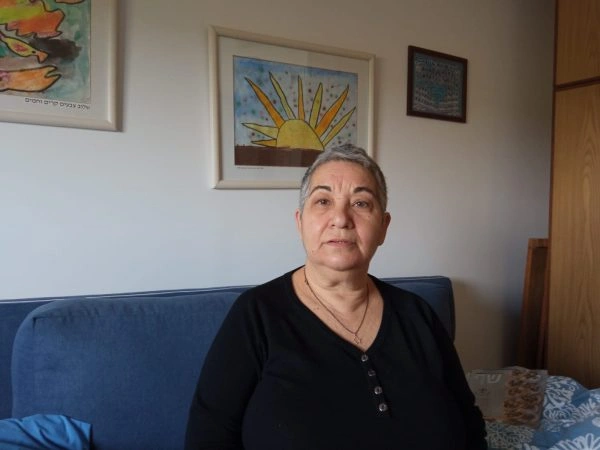
יהוד, ישראל
בסוף הסבב הקודם ראיתי את השמחה הגדולה שבסיום הלימוד, בעלי סיים כבר בפעם השלישית וכמובן הסיום הנשי בבנייני האומה וחשבתי שאולי זו הזדמנות עבורי למשהו חדש.
למרות שאני שונה בסביבה שלי, מי ששומע על הלימוד שלי מפרגן מאוד.
אני מנסה ללמוד קצת בכל יום, גם אם לא את כל הדף ובסך הכל אני בדרך כלל עומדת בקצב.
הלימוד מעניק המון משמעות ליום יום ועושה סדר בלמוד תורה, שתמיד היה (ועדיין) שאיפה. אבל אין כמו קביעות
טל מנשה, ישראל
הייתי לפני שנתיים בסיום הדרן נשים בבנייני האומה והחלטתי להתחיל. אפילו רק כמה דפים, אולי רק פרק, אולי רק מסכת… בינתיים סיימתי רבע שס ותכף את כל סדר מועד בה.
הסביבה תומכת ומפרגנת. אני בת יחידה עם ארבעה אחים שכולם לומדים דף יומי. מדי פעם אנחנו עושים סיומים יחד באירועים משפחתיים. ממש מרגש. מסכת שבת סיימנו כולנו יחד עם אבא שלנו!
אני שומעת כל יום פודקאסט בהליכה או בנסיעה ואחכ לומדת את הגמרא.

מרכז שפירא, ישראל
"
גם אני התחלתי בסבב הנוכחי וב””ה הצלחתי לסיים את רוב המסכתות . בזכות הרבנית מישל משתדלת לפתוח את היום בשיעור הזום בשעה 6:20 .הלימוד הפך להיות חלק משמעותי בחיי ויש ימים בהם אני מצליחה לחזור על הדף עם מלמדים נוספים ששיעוריהם נמצאים במרשתת. שמחה להיות חלק מקהילת לומדות ברחבי העולם. ובמיוחד לשמש דוגמה לנכדותיי שאי””ה יגדלו לדור שלימוד תורה לנשים יהיה משהו שבשגרה. "

נתניה, ישראל
הצטרפתי ללומדות בתחילת מסכת תענית. ההתרגשות שלי ושל המשפחה היתה גדולה מאוד, והיא הולכת וגוברת עם כל סיום שאני זוכה לו. במשך שנים רבות רציתי להצטרף ומשום מה זה לא קרה… ב”ה מצאתי לפני מספר חודשים פרסום של הדרן, ומיד הצטרפתי והתאהבתי. הדף היומי שינה את חיי ממש והפך כל יום- ליום של תורה. מודה לכן מקרב ליבי ומאחלת לכולנו לימוד פורה מתוך אהבת התורה ולומדיה.
חיספין רמת הגולן, ישראל
התחלתי ללמוד דף יומי כאשר קיבלתי במייל ממכון שטיינזלץ את הדפים הראשונים של מסכת ברכות במייל. קודם לא ידעתי איך לקרוא אותם עד שנתתי להם להדריך אותי. הסביבה שלי לא מודעת לעניין כי אני לא מדברת על כך בפומבי. למדתי מהדפים דברים חדשים, כמו הקשר בין המבנה של בית המקדש והמשכן לגופו של האדם (יומא מה, ע”א) והקשר שלו למשפט מפורסם שמופיע בספר ההינדי "בהגוד-גיתא”. מתברר שזה רעיון כלל עולמי ולא רק יהודי
נשר, ישראל
התחלתי ללמוד לפני כשנתיים בשאיפה לסיים לראשונה מסכת אחת במהלך חופשת הלידה.
אחרי מסכת אחת כבר היה קשה להפסיק…

ירוחם, ישראל
כבר סיפרתי בסיום של מועד קטן.
הלימוד מאוד משפיעה על היום שלי כי אני לומדת עם רבנית מישל על הבוקר בזום. זה נותן טון לכל היום – בסיס למחשבות שלי .זה זכות גדול להתחיל את היום בלימוד ובתפילה. תודה רבה !

ירושלים, ישראל
התחלתי ללמוד דף יומי לפני שנתיים, עם מסכת שבת. בהתחלה ההתמדה היתה קשה אבל בזכות הקורונה והסגרים הצלחתי להדביק את הפערים בשבתות הארוכות, לסיים את מסכת שבת ולהמשיך עם המסכתות הבאות. עכשיו אני מסיימת בהתרגשות רבה את מסכת חגיגה וסדר מועד ומחכה לסדר הבא!
מודיעין, ישראל
התחלתי כשהייתי בחופש, עם הפרסומים על תחילת המחזור, הסביבה קיבלה את זה כמשהו מתמיד ומשמעותי ובהערכה, הלימוד זה עוגן יציב ביום יום, יש שבועות יותר ויש שפחות אבל זה משהו שנמצא שם אמין ובעל משמעות בחיים שלי….

גמזו, ישראל
קידושין ג
הָתָם הָא קָמַשְׁמַע לַן, דְּדַרְכֵּיהּ דְּאֶתְרוֹג כְּיָרָק – מָה יָרָק דַּרְכּוֹ לִיגְדַּל עַל כׇּל מַיִם וּבִשְׁעַת לְקִיטָתוֹ עִישּׂוּרוֹ, אַף אֶתְרוֹג דַּרְכּוֹ לִיגְדַּל עַל כׇּל מַיִם וּבִשְׁעַת לְקִיטָתוֹ עִישּׂוּרוֹ.
The Gemara explains: There, the mishna teaches us this, that the way an etrog grows is like a vegetable: Just as it is the way of a vegetable to grow by being watered by all water, i.e., in addition to rainwater it requires irrigation, and its tithing is according to when it is harvested, i.e., its tithing is based on when it is collected from the field, so too, it is the way of an etrog to grow by being watered by all water, as it requires more water than rain provides, and its tithing is according to the time when it is harvested. If, for example, a vegetable is collected during a year when poor man’s tithe is given, that tithe is separated from it, even if it formed a bud during the previous year, when second tithe was separated. The same applies to an etrog. Therefore, the mishna specifically uses the term: Way, to allude to this reason.
וְהָא דִּתְנַן: ״כּוֹי – יֵשׁ בּוֹ דְּרָכִים שָׁוֶה לַחַיָּה, וְיֵשׁ בּוֹ דְּרָכִים שָׁוֶה לַבְּהֵמָה, וְיֵשׁ בּוֹ דְּרָכִים שָׁוֶה לַחַיָּה וְלַבְּהֵמָה, וְיֵשׁ בּוֹ דְּרָכִים שֶׁאֵינוֹ שָׁוֶה לֹא לַחַיָּה וְלֹא לַבְּהֵמָה״. נִיתְנֵי ״דְּבָרִים״! וְתוּ, הָא דִּתְנַן: ״זוֹ אַחַת מִן הַדְּרָכִים שֶׁשָּׁווּ גִּיטֵּי נָשִׁים לְשִׁחְרוּרֵי עֲבָדִים״, נִיתְנֵי ״דְּבָרִים״!
The Gemara further asks: But concerning that which we learned in a mishna (Bikkurim 2:8): With regard to a koy, an animal whose classification was uncertain, as the Sages were unsure whether it is a domesticated or a non-domesticated animal, there are ways, i.e., halakhot, in which its halakhot correspond to those of a non-domesticated animal and there are ways in which its halakhot correspond to those of a domesticated animal. And there are ways in which its halakhot correspond to those of both a non-domesticated animal and a domesticated animal, and there are ways in which its halakhot correspond to those of neither a non-domesticated animal nor a domesticated animal. Let that mishna teach the term: Matters. And furthermore, with regard to that which we learned in a mishna (Gittin 9a): This is one of the ways in which the halakhot of bills of divorce correspond to those of bills of manumission, let that mishna teach the word: Matters.
אֶלָּא, כֹּל הֵיכָא דְּאִיכָּא פְּלוּגְתָּא תָּנֵי ״דְּרָכִים״, וְכֹל הֵיכָא דְּלֵיכָּא פְּלוּגְתָּא תָּנֵי ״דְּבָרִים״. דַּיְקָא נָמֵי, דְּקָתָנֵי סֵיפָא: ״רַבִּי אֱלִיעֶזֶר אוֹמֵר: אֶתְרוֹג שָׁוֶה לָאִילָן לְכׇל דָּבָר״. שְׁמַע מִינַּהּ.
Rather, the Gemara rejects the previous explanations, as the phraseology is not dependent on the nature of the topic at hand. Instead, anywhere that there is a distinction with regard to an issue the mishna teaches the term: Ways, as there are different ways or possibilities available. And anywhere that there is no distinction it teaches the word: Matters. The Gemara comments: The language of the mishna is also precise in this regard, as it teaches in the latter clause of that mishna that Rabbi Eliezer says: The halakhot of an etrog tree correspond to those of a tree with regard to every matter. This indicates that when no distinctions apply, the mishna will use the term matter. The Gemara concludes: Learn from this clause in the mishna that this explanation is correct.
מִנְיָינָא דְרֵישָׁא לְמַעוֹטֵי מַאי, מִנְיָינָא דְסֵיפָא לְמַעוֹטֵי מַאי?
§ The Gemara continues to analyze the language of the mishna: With regard to the number in the first clause of the mishna, i.e., a woman is acquired in three ways, this serves to exclude what? The fact that the mishna mentions a number indicates that other modes of acquisition do not apply to betrothal. What mode is excluded? Similarly, the number in the latter clause of the mishna, that a woman acquires herself in two ways, serves to exclude what?
מִנְיָינָא דְרֵישָׁא – לְמַעוֹטֵי חוּפָּה. וּלְרַב הוּנָא, דְּאָמַר חוּפָּה קוֹנָה מִקַּל וָחוֹמֶר, לְמַעוֹטֵי מַאי?
The Gemara explains: The number in the first clause serves to exclude a wedding canopy, which does not effect betrothal. The Gemara asks: And according to the opinion of Rav Huna, who said: A wedding canopy acquires a woman, and it alone could be a mode of betrothal, as derived by an a fortiori inference (see 5a), this number serves to exclude what?
לְמַעוֹטֵי חֲלִיפִין. סָלְקָא דַּעְתָּךְ אָמֵינָא, הוֹאִיל וְגָמַר ״קִיחָה״ ״קִיחָה״ מִשְּׂדֵה עֶפְרוֹן – מָה שָׂדֶה מִקַּנְיָא בַּחֲלִיפִין, אַף אִשָּׁה נָמֵי מִקַּנְיָא בַּחֲלִיפִין, קָמַשְׁמַע לַן.
The Gemara answers: The number serves to exclude acquisition through symbolic exchange, i.e., a pro forma act of acquisition effecting the transfer of ownership of an article. Although a woman can be betrothed by means of money or an item of monetary value, she is not betrothed if she is given an item by symbolic exchange. The Gemara explains why this needs to be excluded: It might enter your mind to say that since the Sages derive the acquisition of a woman by verbal analogy between the term expressing taking stated with regard to betrothal from the term expressing taking with regard to the field of Ephron, it can be suggested that just as a field can be acquired through symbolic exchange, so too, a woman can be acquired through symbolic exchange. Therefore, the tanna teaches us that this is not the case.
וְאֵימָא הָכִי נָמֵי! חֲלִיפִין אִיתַנְהוּ בְּפָחוֹת מִשָּׁוֶה פְּרוּטָה, וְאִשָּׁה בְּפָחוֹת מִשָּׁוֶה פְּרוּטָה
The Gemara asks: And perhaps one should say that so too, it is possible to betroth a woman by means of symbolic exchange. The Gemara answers: This cannot be the case, as symbolic exchange is effective using an item worth less than the value of one peruta, and with an item worth less than the value of one peruta, a woman
לָא מַקְנְיָא נַפְשַׁהּ.
does not render herself acquired by a man.
מִנְיָינָא דְסֵיפָא לְמַעוֹטֵי מַאי – לְמַעוֹטֵי חֲלִיצָה. סָלְקָא דַּעְתָּךְ אָמֵינָא: תֵּיתֵי בְּקַל וָחוֹמֶר מִיְּבָמָה, מָה יְבָמָה שֶׁאֵינָהּ יוֹצְאָה בְּגֵט – יוֹצְאָה בַּחֲלִיצָה, זוֹ, שֶׁיּוֹצְאָה בְּגֵט – אֵינוֹ דִּין שֶׁיּוֹצְאָה בַּחֲלִיצָה? קָמַשְׁמַע לַן.
The Gemara asks: The number in the latter clause of the mishna, that a woman acquires herself in two ways, serves to exclude what? The Gemara answers that it serves to exclude ḥalitza, i.e., a woman is not released from marriage through ḥalitza. Without this exclusion it might enter your mind to say that this can be derived through an a fortiori inference from the halakha of a yevama, as follows: Just as a yevama, who is not released from the yavam through a bill of divorce, is nevertheless released from him through ḥalitza, with regard to this married woman, who can be released from her husband through a bill of divorce, is it not logical that she can be released from him through ḥalitza? Therefore, the tanna teaches us that a married woman cannot be released from her husband by means of ḥalitza.
וְאֵימָא הָכִי נָמֵי! אָמַר קְרָא: ״סֵפֶר כְּרִיתֻת״ – סֵפֶר כּוֹרְתָהּ, וְאֵין דָּבָר אַחֵר כּוֹרְתָהּ.
The Gemara asks: And perhaps one should say that so too, this is the case, i.e., a married woman can be released from marriage through ḥalitza. The Gemara answers: The verse states with regard to divorce: “A scroll of severance” (Deuteronomy 24:3), which teaches: A scroll, i.e., a written document, severs her from her husband, and nothing else severs her from him.
בְּכֶסֶף. מְנָא לַן? וְתוּ, הָא דִּתְנַן: ״הָאָב זַכַּאי בְּבִתּוֹ בְּקִדּוּשֶׁיהָ, בְּכֶסֶף בִּשְׁטָר וּבְבִיאָה״, מְנָלַן דְּמִיקַּנְיָא בְּכֶסֶף, וְכֶסֶף דַּאֲבוּהּ הוּא?
§ The mishna teaches that a woman can be acquired with money. The Gemara asks: From where do we derive that a woman can be acquired through money? And furthermore, with regard to that which we learned in a mishna (Ketubot 46b): A father has authority over his daughter with regard to her betrothal, whether it is through money, through a document, or through sexual intercourse, from where do we derive that she is acquired by her husband with money, and that this money is her father’s?
אָמַר רַב יְהוּדָה אָמַר רַב: דְּאָמַר קְרָא ״וְיָצְאָה חִנָּם אֵין כָּסֶף״ – אֵין כֶּסֶף לְאָדוֹן זֶה, אֲבָל יֵשׁ כֶּסֶף לְאָדוֹן אַחֵר. וּמַאן נִיהוּ – אָב.
Rav Yehuda said that Rav said: The reason is that the verse states with regard to a Hebrew maidservant acquiring freedom from her master: “Then shall she go out for nothing, without money” (Exodus 21:11). The extraneous phrase: Without money, indicates that there is no money for this master, i.e., in this case the master she leaves loses the money he paid for her, but there is money for a different master, i.e., another master receives money for her when she leaves his authority. And who is the other master who can transfer her to someone else and receives money for her? This is her father.
וְאֵימָא לְדִידַהּ! הָכִי הַשְׁתָּא?! אָבִיהָ מְקַבֵּל קִידּוּשֶׁיהָ, דִּכְתִיב: ״אֶת בִּתִּי נָתַתִּי לָאִישׁ הַזֶּה״, וְאִיהִי שָׁקְלָה כַּסְפָּא?!
The Gemara asks: But why not say that this money is given to her? The Gemara rejects this: How can one suggest this? Her father receives her betrothal, i.e., the money or document of betrothal, when he marries her off to her husband, as it is written: “I gave my daughter to this man” (Deuteronomy 22:16), and shall she take the money? Since he is the one who marries her off, he is certainly entitled to the money of her betrothal.
וְאֵימָא הָנֵי מִילֵּי קְטַנָּה, דְּלֵית לַהּ יָד לְקַבֵּל קִידּוּשִׁין, אֲבָל נַעֲרָה, דְּאִית לַהּ יָד לְקַבֵּל קִידּוּשִׁין – תְּקַדֵּישׁ אִיהִי נַפְשָׁהּ וְתִשְׁקוֹל כַּסְפָּא! אָמַר קְרָא: ״בִּנְעֻרֶיהָ בֵּית אָבִיהָ״ – כׇּל שֶׁבַח נְעוּרִים לְאָבִיהָ.
The Gemara asks: But why not say that this halakha applies only when she is a minor girl, as she does not have the power to receive her betrothal. Since she lacks the intellectual capacity, she likewise does not have the legal right to conduct this transaction. But with regard to a young woman, who does have the power to receive her betrothal, as a female older than twelve years is considered an adult, let her betroth herself and take the money. The Gemara answers that the verse states: “Being in her youth, in her father’s house” (Numbers 30:17), which teaches: Any profit she gains in her youth belongs to her father.
וְאֶלָּא הָא דְּאָמַר רַב הוּנָא אָמַר רַב: מִנַּיִן שֶׁמַּעֲשֵׂה הַבַּת לָאָב? שֶׁנֶּאֱמַר: ״וְכִי יִמְכֹּר אִישׁ אֶת בִּתּוֹ לְאָמָה״, מָה אָמָה מַעֲשֵׂה יָדֶיהָ לְרַבָּהּ – אַף בַּת נָמֵי מַעֲשֵׂה יָדֶיהָ לְאָבִיהָ. תִּיפּוֹק לֵיהּ מִ״בִּנְעֻרֶיהָ בֵּית אָבִיהָ״!
The Gemara questions this explanation: But with regard to that which Rav Huna says that Rav says: From where is it derived that the earnings of a daughter, i.e., the profit from her labor, belongs to her father? As it is stated: “And if a man sells his daughter as a maidservant” (Exodus 21:7). This comparison between a daughter and a Hebrew maidservant teaches the following: Just as with regard to a Hebrew maidservant, her earnings belong to her master, so too, with regard to a daughter, her earnings belong to her father. The Gemara now asks: Why does Rav Huna need this derivation? Let him derive this halakha from the verse “being in her youth, in her father’s house,” which indicates that any profit from her earnings as a young woman belongs to her father.
אֶלָּא, בַּהֲפָרַת נְדָרִים הוּא דִּכְתִיב. הָכִי נָמֵי, בַּהֲפָרַת נְדָרִים הוּא דִּכְתִיב. וְכִי תֵּימָא נֵילַף מִינֵּיהּ – מָמוֹנָא מֵאִיסּוּרָא לָא יָלְפִינַן.
Rather, Rav Huna maintains that that verse is written with regard to the nullification of vows, and it is not referring to the halakhot of acquisition. The Gemara asks: If that is so, then so too, with regard to her betrothal money, one can say that this verse is written only with regard to the nullification of vows and does not apply to betrothal money. And if you would say: Let us derive the halakha of her betrothal money from the halakha of the nullification of vows, i.e., just as a father has the right to nullify his daughter’s vows when she is a young woman, so too, he has rights to her money, this is not possible, as there is a principle: We do not derive monetary matters from ritual matters.
וְכִי תֵּימָא נֵילַף מִקְּנָסָא – מָמוֹנָא מִקְּנָסָא לָא יָלְפִינַן.
And if you would say: Let us derive this halakha of the betrothal of a young woman from the halakha of fines, as it is stated explicitly in the Torah that a man who rapes a young woman must pay a fine to her father, there is another principle that is applicable here: We do not derive monetary matters from fines, as the imposition of a fine is considered a unique case from which ordinary monetary rights cannot be derived.
וְכִי תֵּימָא נֵילַף מִבּוֹשֶׁת וּפְגָם – שָׁאנֵי בּוֹשֶׁת וּפְגָם דַּאֲבוּהּ שָׁיֵיךְ בְּגַוַּיְיהוּ.
And if you would say: Let us derive this halakha from the reimbursements for the humiliation and degradation of a young woman who was raped, which are also given to the father, one can answer that the following distinction applies: Reimbursement for humiliation and degradation are different, as her father has an interest in them. The father has the ability to derive benefit from her humiliation and degradation in other ways, e.g., by marrying her to a man afflicted with boils, which would humiliate her and cause a reduction in her value. Therefore, one cannot derive from the fact that the father receives the reimbursements for the humiliation and degradation of a young woman who was raped that he receives other monies due to her.
אֶלָּא, מִסְתַּבְּרָא דְּכִי קָא מְמַעֵט –
Rather, the halakha that a young woman’s betrothal money belongs to her father is derived from the verse: “Then shall she go out for nothing, without money” (Exodus 21:11), as previously stated. As for the question why the money does not belong to her, the Gemara answers that it is reasonable that when the verse excludes another situation and indicates that there is no money for this master but there is money for a different master,

