חיפוש

קידושין עה

רוצה להקדיש שיעור?

podcast placeholder

0:00
0:00


תקציר

הדף היום מקודש להצלחת חיילינו ומדינתינו. 

ישנן דעות שונות אם קיום יחסים אסורים אוסר על נישואי האישה עם כהן או שזה תלוי באיזה סוג של יחסים אסורים. בחלק האחרון של המשנה פסק רבי אליעזר שרק ממזר (או פסול) ודאי יכול להינשא לממזר (או פסול) ודאי אבל אם המעמד ספק, אין יכולים להתחתן עם ממזר ודאי או ספק. רב סובר כדעה זו אך שמואל לא. נראה כי דברים אלו סותרים את דבריהם במחלוקת אחרת ביניהם. מובאים הסברים שונים כדי ליישב את הסתירה. רבי אלעזר פסק שכותי אינו יכול להתחתן עם כותית. מובאים כמה הסברים להבנת פסיקה זו.

קידושין עה

כֹּל שֶׁאַתָּה נוֹשֵׂא בִּתּוֹ – אַתָּה נוֹשֵׂא אַלְמְנָתוֹ. וְכֹל שֶׁאִי אַתָּה נוֹשֵׂא בִּתּוֹ – אִי אַתָּה נוֹשֵׂא אַלְמְנָתוֹ.

Anyone whose daughter you may marry, you may marry his widow. If a priest is permitted to marry someone’s daughter, he is likewise permitted to marry that person’s widow; she has not become disqualified to marry a priest by having engaged in sexual intercourse with her husband. And anyone whose daughter you may not marry, you may not marry his widow either.

מַאי אִיכָּא בֵּין תַּנָּא קַמָּא וּבֵין רַבִּי יוֹסֵי? אָמַר רַבִּי יוֹחָנָן: מִצְרִי שֵׁנִי אִיכָּא בֵּינַיְיהוּ. וּשְׁנֵיהֶם לֹא לְמָדוּהָ אֶלָּא מִכֹּהֵן גָּדוֹל בְּאַלְמָנָה,

The Gemara asks: What difference is there between the first tanna of the mishna and Rabbi Yosei, as they appear to be saying the same thing? Rabbi Yoḥanan says: The practical difference between them concerns a Jewish woman who engaged in intercourse with a second-generation Egyptian. The Torah prohibits Egyptian converts and their children from entering into the congregation by marriage, but the grandchildren of the Egyptian convert, i.e., the third generation, are permitted to marry Jews with unflawed lineage. And both of them learned their respective opinions only from the halakha of a High Priest who engaged in intercourse with a widow, although they derived the halakha in different ways.

דְּתַנָּא קַמָּא סָבַר: כִּי כֹּהֵן גָּדוֹל בְּאַלְמָנָה. מָה כֹּהֵן גָּדוֹל בְּאַלְמָנָה שֶׁבִּיאָתוֹ בַּעֲבֵירָה וּפוֹסֵל בָּהּ, אַף כֹּל שֶׁבִּיאָתוֹ בַּעֲבֵירָה – פּוֹסֵל.

How so? As the first tanna holds that this case is like that of a High Priest who engages in sexual intercourse with a widow: Just as with regard to a High Priest who engages in intercourse with a widow, his act of intercourse with her is performed by means of a transgression and he disqualifies her from marrying into the priesthood, so too anyone whose act of intercourse is by means of a transgression, such as a second-generation Egyptian who engages in intercourse with a Jewish woman, likewise disqualifies her from marrying into the priesthood.

וְרַבִּי יוֹסֵי סָבַר: כִּי כֹהֵן גָּדוֹל בְּאַלְמָנָה. מָה כֹּהֵן גָּדוֹל בְּאַלְמָנָה שֶׁזַּרְעוֹ פָּסוּל וּפוֹסֵל, אַף כֹּל שֶׁזַּרְעוֹ פָּסוּל – פּוֹסֵל. לְאַפּוֹקֵי מִצְרִי שֵׁנִי שֶׁאֵין זַרְעוֹ פָּסוּל, דְּאָמַר קְרָא: ״בָּנִים אֲשֶׁר יִוָּלְדוּ לָהֶם דּוֹר שְׁלִישִׁי יָבֹא לָהֶם בִּקְהַל ה׳״.

And Rabbi Yosei holds that the derivation is as follows: It is like a High Priest who engages in sexual intercourse with a widow: Just as with regard to a High Priest who engages in intercourse with a widow, whose offspring is unfit for the priesthood, as they have the status of a ḥalal, and he similarly disqualifies her from marrying a priest by engaging in intercourse with her, so too, anyone whose offspring is unfit for the priesthood also disqualifies her from marrying a priest by engaging in intercourse with her. This comparison serves to exclude a second-generation Egyptian, whose offspring is not unfit, as the verse states: “The children of the third generation that are born to them may enter into the congregation of the Lord” (Deuteronomy 23:9). Therefore, a second-generation Egyptian does not disqualify a woman with whom he engages in intercourse from marrying a priest.

רַבָּן שִׁמְעוֹן בֶּן גַּמְלִיאֵל אוֹמֵר: כֹּל שֶׁאַתָּה נוֹשֵׂא בִּתּוֹ – אַתָּה נוֹשֵׂא אַלְמְנָתוֹ, וְכֹל שֶׁאִי אַתָּה נוֹשֵׂא אֶת בִּתּוֹ – אִי אַתָּה נוֹשֵׂא אַלְמְנָתוֹ. מַאי אִיכָּא בֵּין רַבִּי יוֹסֵי לְרַבָּן שִׁמְעוֹן בֶּן גַּמְלִיאֵל? אָמַר עוּלָּא: גֵּר עַמּוֹנִי וּמוֹאָבִי אִיכָּא בֵּינַיְיהוּ. וּשְׁנֵיהֶם לֹא לְמָדוּהָ אֶלָּא מִכֹּהֵן גָּדוֹל בְּאַלְמָנָה.

The baraita also taught that Rabban Shimon ben Gamliel says: Anyone whose daughter you may marry, you may marry his widow. And anyone whose daughter you may not marry, you may not marry his widow either. The Gemara asks: What difference is there between the opinions of Rabbi Yosei and Rabban Shimon ben Gamliel? They seem to be stating the same halakha. Ulla said: The difference between them involves a male Ammonite convert and a male Moabite convert. According to the opinion of Rabbi Yosei, male Ammonite and Moabite converts disqualify a woman with whom they engage in sexual intercourse from marrying a priest, whereas Rabban Shimon ben Gamliel says they do not disqualify her. And both of them learned their respective opinions only from the halakha of a High Priest who engaged in intercourse with a widow, although they derived the halakha in different ways.

דְּרַבִּי יוֹסֵי סָבַר: כִּי כֹּהֵן גָּדוֹל בְּאַלְמָנָה. מָה כֹּהֵן גָּדוֹל בְּאַלְמָנָה שֶׁזַּרְעוֹ פָּסוּל – וּפוֹסֵל, אַף כֹּל שֶׁזַּרְעוֹ פָּסוּל – פּוֹסֵל.

How so? As Rabbi Yosei holds that this case is like that of a High Priest who engages in intercourse with a widow: Just as with regard to a High Priest who engages in sexual intercourse with a widow, the halakha is that his offspring are unfit for the priesthood, as they have the status of a ḥalal, and he similarly disqualifies her from marrying a priest by engaging in intercourse with her, so too, anyone whose offspring is unfit for the priesthood, including a male Ammonite or Moabite convert, also disqualifies her from marrying a priest by engaging in intercourse with her.

וְרַבָּן שִׁמְעוֹן בֶּן גַּמְלִיאֵל: כְּכֹהֵן גָּדוֹל בְּאַלְמָנָה. מָה כֹּהֵן גָּדוֹל בְּאַלְמָנָה שֶׁכׇּל זַרְעוֹ פָּסוּל, אַף כֹּל שֶׁכׇּל זַרְעוֹ פָּסוּל, אֲפִילּוּ נְקֵבוֹת, לְאַפּוֹקֵי גֵּר עַמּוֹנִי וּמוֹאָבִי דִּנְקֵבוֹת הָווּ כְּשֵׁרוֹת לָבֹא בַּקָּהָל. דְּאָמַר מָר: עַמּוֹנִי וְלֹא עַמּוֹנִית, מוֹאָבִי וְלֹא מוֹאָבִית.

And Rabban Shimon ben Gamliel holds that the derivation is as follows: It is like a High Priest who engages in sexual intercourse with a widow. Just as with regard to a High Priest who engages in intercourse with a widow, as all his offspring are unfit, the females as well as the males, and he disqualifies her by engaging in intercourse with her, so too, everyone about whom the halakha is that all his offspring are unfit, even the females, disqualifies a woman with whom he engages in intercourse from marrying a priest. This comparison serves to exclude a male Ammonite or Moabite convert, as the females born to them are fit to enter into the congregation. As the Master said: An Ammonite man is prohibited from entering into the congregation, but not an Ammonite woman; similarly a Moabite man is prohibited from doing so, but not a Moabite woman.

אָמַר רַב חִסְדָּא: הַכֹּל מוֹדִים בְּאַלְמְנַת עִיסָּה שֶׁפְּסוּלָה לַכְּהוּנָּה. מַאן מֵיקֵל בְּהָנֵי תַּנָּאֵי – רַבָּן שִׁמְעוֹן בֶּן גַּמְלִיאֵל, וְקָאָמַר: כֹּל שֶׁאַתָּה נוֹשֵׂא בִּתּוֹ – אַתָּה נוֹשֵׂא אַלְמְנָתוֹ, וְכֹל שֶׁאִי אַתָּה נוֹשֵׂא בִּתּוֹ – אִי אַתָּה נוֹשֵׂא אַלְמְנָתוֹ. לְמַעוֹטֵי מַאי? לְמַעוֹטֵי אַלְמְנַת עִיסָּה שֶׁפְּסוּלָה לַכְּהוּנָּה.

Rav Ḥisda says: All concede with regard to a widow of questionable lineage, i.e., a widow whose husband was possibly a ḥalal, that she is unfit to marry into the priesthood. The Gemara explains: Who is the most lenient of these tanna’im? It is Rabban Shimon ben Gamliel, and he says: Anyone whose daughter you may marry, you may marry his widow; and anyone whose daughter you may not marry, you may not marry his widow either. He said the latter clause to exclude what? It is to exclude a widow of questionable lineage; and it teaches that she is unfit to marry into the priesthood, since the daughter of one who was possibly a ḥalal is prohibited from marrying a priest.

לְאַפּוֹקֵי מִדְּהָנֵי תַּנָּאֵי דִּתְנַן: הֵעִיד רַבִּי יְהוֹשֻׁעַ וְרַבִּי יְהוּדָה בֶּן בְּתֵירָא עַל אַלְמְנַת עִיסָּה שֶׁכְּשֵׁירָה לַכְּהוּנָּה. מַאי טַעְמָא – הָוֵי סְפֵק סְפֵיקָא, וּסְפֵק סְפֵיקָא לְקוּלָּא.

The Gemara comments: This statement of Rav Ḥisda serves to exclude the opinion of these following tanna’im. As we learned in a mishna (Eduyyot 8:3): Rabbi Yehoshua and Rabbi Yehuda ben Beteira testified with regard to a widow of questionable lineage, that she is fit to marry into the priesthood. What is the reason for this lenient ruling? It is a case of a compound uncertainty, and the principle is that in a case of a compound uncertainty the ruling is to be lenient.

וַדָּאָן בְּוַדָּאָן מוּתָּר. אָמַר רַב יְהוּדָה אָמַר רַב: הֲלָכָה כְּרַבִּי אֱלִיעֶזֶר. כִּי אַמְרִיתַהּ קַמֵּיהּ דִּשְׁמוּאֵל אֲמַר לִי: הִלֵּל שׁוֹנֶה: עֲשָׂרָה יוּחֲסִים עָלוּ מִבָּבֶל וְכוּלָּם מוּתָּרִים לָבֹא זֶה בָּזֶה, וְאַתְּ אָמְרַתְּ הֲלָכָה כְּרַבִּי אֱלִיעֶזֶר?!

§ The mishna teaches that according to Rabbi Eliezer, it is permitted for those with definite flaws to marry with those with definite flaws. For example, it is permitted for mamzerim and Gibeonites to marry each other. By contrast, it is prohibited for those with definite flaws to marry with those whose flaws result from an uncertainty, and it is also prohibited for those whose flaws result from an uncertainty to marry those whose flaws result from an uncertainty. Rav Yehuda says that Rav says: The halakha is in accordance with the opinion of Rabbi Eliezer. Rav Yehuda added: When I said that halakha in front of Shmuel, he said to me: Hillel the Elder teaches the mishna as stating: Jews with ten types of lineage ascended from Babylonia, and all of them, i.e., all of those who may not enter into the congregation, even those whose flaws result from an uncertainty, are permitted to marry into each other’s families; and you said the halakha is in accordance with the opinion of Rabbi Eliezer?

וּרְמִי דְּרַב אַדְּרַב וּרְמִי דִּשְׁמוּאֵל אַדִּשְׁמוּאֵל, דְּאִיתְּמַר: אֲרוּסָה שֶׁעִיבְּרָה, רַב אָמַר: הַוָּלָד מַמְזֵר. וּשְׁמוּאֵל אָמַר: הַוָּלָד שְׁתוּקִי.

The Gemara comments: And a contradiction can be raised from this statement of Rav against another statement of Rav, and similarly a contradiction can be raised from this statement of Shmuel against another statement of Shmuel. As it was stated that they had the following dispute: With regard to a betrothed woman who became pregnant during her period of betrothal, and it is unknown whether it was her betrothed or someone else who impregnated her, Rav says that the offspring is a mamzer. The assumption is that she was impregnated by a different man and that the child is the offspring of a betrothed woman and a man other than her betrothed. And Shmuel says that the offspring is a shetuki, since there is no proof that it is a mamzer; she might have been impregnated by her betrothed.

רַב אָמַר: הַוָּלָד מַמְזֵר וּמוּתָּר בְּמַמְזֶרֶת, וּשְׁמוּאֵל אָמַר: הַוָּלָד שְׁתוּקִי וְאָסוּר בְּמַמְזֶרֶת. אֵיפוֹךְ, רַב אָמַר: הַוָּלָד שְׁתוּקִי, וּשְׁמוּאֵל אָמַר: הַוָּלָד מַמְזֵר.

The Gemara explains their respective opinions: Rav says the offspring is a mamzer and is therefore permitted to marry a mamzeret; and Shmuel says the offspring is a shetuki and is prohibited to marry a mamzeret. It is seen here that Shmuel prohibits one whose flaw results from an uncertainty from marrying one with definite mamzer status, whereas Rav permits such a person to marry one with definite mamzer status. This contradicts their earlier statements, in which Rav prohibited one whose flaw results from an uncertainty from marrying one with definite mamzer status and Shmuel permitted it. The Gemara answers: Reverse the opinions in this dispute, so that Rav is the one who says: The offspring is a shetuki and is prohibited to marry a mamzeret; and Shmuel says: The offspring is a mamzer and may marry a mamzeret.

תַּרְתֵּי לְמָה לִי? צְרִיכָא, דְּאִי אִיתְּמַר בְּהָא, בְּהָא קָאָמַר רַב מִשּׁוּם דְּרוֹב כְּשֵׁרִים אֶצְלָהּ. אֲבָל הָתָם, דְּרוֹב פְּסוּלִים אֶצְלָהּ, אֵימָא מוֹדֵי לִשְׁמוּאֵל.

The Gemara asks: If so, why do I need two instances of the same dispute? The Gemara answers: It is necessary to state the dispute twice, because if it were stated only with regard to that mishna, which discusses an unmarried woman whose offspring is a shetuki, one could have said: It was with regard to that case that Rav states his opinion, because the majority are fit with regard to her and only a minority of men are those who are forbidden to her as relatives or are those who are disqualified from entering into the congregation. But there, in the case of a betrothed woman who became pregnant, where the majority are unfit with regard to her and she is forbidden to everyone other than her betrothed, one might say that Rav concedes to Shmuel that her child is a definite mamzer.

וְאִי אִיתְּמַר בְּהָךְ, בְּהָא קָאָמַר רַב – מִשּׁוּם דְּאִיכָּא לְמִיתְלְ[יַ]הּ בְּאָרוּס, אֲבָל בְּהָא אֵימָא מוֹדֵי לִשְׁמוּאֵל, צְרִיכָא.

And conversely, if it was stated only in this case of a betrothed woman, one could have said it was with regard to this case that Rav states the offspring is a shetuki, because it is most reasonable to ascribe the pregnancy to the betrothed man, which would mean that the offspring is not a mamzer, but in that case of an unmarried woman, one might say that he agrees with Shmuel that the child is considered to be a definite mamzer. It is therefore necessary to state both cases.

וְאִי בָּעֵית אֵימָא: לְעוֹלָם לָא תֵּיפוֹךְ, וּמַאי מַמְזֵר דְּקָאָמַר רַב – לָאו מוּתָּר בְּמַמְזֶרֶת, אֶלָּא דְּאָסוּר בְּבַת יִשְׂרָאֵל. וּשְׁמוּאֵל אָמַר: הַוָּלָד שְׁתוּקִי, דְּאָסוּר בְּבַת יִשְׂרָאֵל. אִי הָכִי הַיְינוּ דְּרַב! אֶלָּא: מַאי שְׁתוּקִי – שֶׁמְּשַׁתְּקִין אוֹתוֹ מִדִּין כְּהוּנָּה.

And if you wish, say: Actually, do not reverse the opinions, and what is the meaning of the term mamzer that Rav is saying? It does not signify that this offspring is permitted to marry a mamzeret, but merely that he is prohibited from marrying a Jewish woman. And when Shmuel says the offspring is a shetuki, he meant that he is prohibited from marrying a Jewish woman. The Gemara asks: If so, that is the same as Rav. Rather, what is the meaning of the term shetuki in Shmuel’s statement? It is that one silences [meshattekin] him, i.e., disqualifies him, from the halakha of the priesthood. In other words, even if the betrothed man was a priest, the child is not considered a priest.

פְּשִׁיטָא, הַשְׁתָּא מִדִּין יִשְׂרָאֵל מְשַׁתְּקִינַן לֵיהּ, מִדִּין כְּהוּנָּה מִיבְּעֵי?! אֶלָּא: מַאי שְׁתוּקִי – שֶׁמְּשַׁתְּקִין אוֹתוֹ מִנִּכְסֵי אָבִיו. פְּשִׁיטָא, מִי יָדְעִינַן אֲבוּהּ מַנּוּ? לָא צְרִיכָא, דִּתְפַס.

The Gemara questions this: Isn’t this obvious? Now, if one silences him from the halakha of a Jew with unflawed lineage, and he is not allowed to enter into the congregation, is it necessary to say that he is silenced from the halakha of the priesthood? Rather, what is the meaning of shetuki in Shmuel’s statement? It is that one silences him from his presumed father’s property, i.e., he does not inherit from him. The Gemara again questions: This too is obvious; do we know who his father is? The Gemara answers: No, it is necessary in a case where this son seized possession of the property of the betrothed man, claiming that the betrothed man is his father. It is with regard to such a scenario that Shmuel said that the property is taken away from him, and one does not say that the burden of proof rests upon the other inheritors to demonstrate conclusively that the betrothed man is not his father.

וְאִי בָּעֵית אֵימָא: מַאי שְׁתוּקִי – בְּדוּקִי, שֶׁבּוֹדְקִים אֶת אִמּוֹ וְאוֹמֶרֶת: ״לְכָשֵׁר נִבְעַלְתִּי״ – נֶאֱמֶנֶת. כְּמַאן – כְּרַבָּן גַּמְלִיאֵל? הָאָמַר שְׁמוּאֵל חֲדָא זִימְנָא, דִּתְנַן: הָיְתָה מְעוּבֶּרֶת, וְאָמְרוּ לָהּ: מָה טִיבוֹ שֶׁל עוּבָּר זֶה? מֵאִישׁ פְּלוֹנִי וְכֹהֵן הוּא – רַבָּן גַּמְלִיאֵל וְרַבִּי אֱלִיעֶזֶר אוֹמְרִים: נֶאֱמֶנֶת. רַבִּי יְהוֹשֻׁעַ אוֹמֵר: אֵינָהּ נֶאֱמֶנֶת. וְאָמַר רַב יְהוּדָה אָמַר שְׁמוּאֵל: הֲלָכָה כְּרַבָּן גַּמְלִיאֵל!

And if you wish, say: What is the meaning of shetuki in Shmuel’s statement? It means beduki, meaning that they examine his mother, and if she says: I engaged in sexual intercourse with a man with unflawed lineage, she is deemed credible. The Gemara asks: In accordance with whose opinion is this halakha? Is it in accordance with the opinion of Rabban Gamliel? But didn’t Shmuel already say it once? As we learned in a mishna (Ketubot 13a): If an unmarried woman was pregnant, and people said to her: What is the status of this fetus? And she said to them: It is from soandso, and he is a priest; Rabban Gamliel and Rabbi Eliezer say: She is deemed credible; and Rabbi Yehoshua says: She is not deemed credible. And Rav Yehuda says that Shmuel says: The halakha is in accordance with the opinion of Rabban Gamliel. This shows that Shmuel had already issued an explicit ruling in Rabban Gamliel’s favor; why did he repeat himself?

צְרִיכָא, דְּאִי מֵהָתָם הֲוָה אָמֵינָא: הָתָם רוֹב כְּשֵׁירִים אֶצְלָהּ, אֲבָל הָכָא דְּרוֹב פְּסוּלִים אֶצְלָהּ, אֵימָא לָא, צְרִיכָא.

The Gemara answers: It is necessary for Shmuel to rule twice. As, if he had learned it only from there, from the mishna discussing an unmarried pregnant woman, I would say he rules that way there, when the majority are fit with regard to her, as her unmarried status means that the offspring resulting from sexual intercourse with most men would be of unflawed lineage. But here, in the case of a betrothed woman, when the majority of men are unfit with regard to her, as she is forbidden to everyone other than her betrothed, you might say that she should not be deemed credible to say she engaged in intercourse with the betrothed man. It is therefore necessary for Shmuel to state his ruling twice.

תַּנְיָא: וְכֵן רַבִּי אֶלְעָזָר אוֹמֵר: כּוּתִי לֹא יִשָּׂא כּוּתִית. מַאי טַעְמָא? אָמַר רַב יוֹסֵף: עֲשָׂאוּהוּ כְּגֵר לְאַחַר עֲשָׂרָה דּוֹרוֹת, דְּתַנְיָא: גֵּר, עַד עֲשָׂרָה דּוֹרוֹת – מוּתָּר בְּמַמְזֶרֶת, מִכָּאן וְאֵילָךְ – אָסוּר בְּמַמְזֶרֶת.

§ It is taught in a baraita (Tosefta 5:2): And similarly Rabbi Elazar says: A Samaritan man may not marry a Samaritan woman. The Gemara asks: What is the reason for this? Rav Yosef said: The Sages established him to be like the descendant of a convert, after ten generations. As it is taught in a baraita: With regard to the descendant of a convert, he is permitted to marry a mamzeret if he is within ten generations of both parents being descendants of converts; from this point forward the descendant of a convert is prohibited from marrying a mamzeret, as people no longer remember that he has the lineage of a convert.

וְיֵשׁ אוֹמְרִים עַד שֶׁיִּשְׁתַּקֵּעַ שֵׁם עֲבוֹדָה זָרָה מִמֶּנּוּ.

The baraita continues: And some say that the descendant of a convert is permitted to marry a mamzeret until the name of idol worship is forgotten from him, i.e., as long as people remember that his roots are from gentiles he remains permitted to marry a mamzeret, regardless of the passage of time. Rav Yosef understands that Rabbi Elazar regards a Samaritan as being like a convert after ten generations, who may not marry a mamzeret. Since Samaritans assimilated among the Jewish people and are no longer recognized by the public as having Samaritan lineage, they may not marry those of flawed lineage, including, presumably, other Samaritans.

אֲמַר לֵיהּ אַבָּיֵי: מִי דָּמֵי? הָתָם גֵּר יָשָׁן וּמַמְזֶרֶת חֲדָשָׁה, אָמְרִי: בַּר יִשְׂרָאֵל הוּא דְּקָא נָסֵיב מַמְזֶרֶת. הָכָא אִידֵּי וְאִידֵּי כִּי הֲדָדֵי נִינְהוּ. אֶלָּא: כִּי אֲתָא רַב דִּימִי, אָמַר: רַבִּי אֶלְעָזָר סָבַר לַהּ כְּרַבִּי יִשְׁמָעֵאל,

Abaye said to Rav Yosef: Is it comparable to the case of a convert? There, he is an old convert, i.e., the conversion occurred a long time ago, and she is a new mamzeret, i.e., her status as a mamzeret is known. Consequently, people who see him marrying a mamzeret will say: A Jewish man is marrying a mamzeret. Here, this and that, the two Samaritans, are the same as each other. If people consider the Samaritan man as being assimilated among the Jewish people, and consequently he may not marry a woman of flawed lineage, the Samaritan woman should likewise be considered a Jew of unflawed lineage. Rather, the Gemara rejects the previous explanation in favor of the following: When Rav Dimi came from Eretz Yisrael he said: Rabbi Elazar holds in accordance with the opinion of Rabbi Yishmael,

וְרַבִּי יִשְׁמָעֵאל סָבַר לַהּ כְּרַבִּי עֲקִיבָא. רַבִּי אֶלְעָזָר סָבַר לַהּ כְּרַבִּי יִשְׁמָעֵאל, דְּאָמַר: כּוּתִים גֵּירֵי אֲרָיוֹת הֵם. וְרַבִּי יִשְׁמָעֵאל סָבַר לַהּ כְּרַבִּי עֲקִיבָא, דְּאָמַר: נׇכְרִי וְעֶבֶד הַבָּא עַל בַּת יִשְׂרָאֵל – הַוָּלָד מַמְזֵר.

and Rabbi Yishmael holds in accordance with the opinion of Rabbi Akiva concerning a different halakha. The Gemara clarifies: Rabbi Elazar holds in accordance with the opinion of Rabbi Yishmael, who says: Samaritans are lion converts, i.e., they converted out of fear of being attacked by lions for worshipping idols in Eretz Yisrael. They were never converts for the sake of Heaven, but remained gentiles according to halakha. And Rabbi Yishmael holds in accordance with the opinion of Rabbi Akiva, who says: In the case of a gentile or a Canaanite slave who engaged in sexual intercourse with a Jewish woman, the offspring is a mamzer. Since over the generations Jews assimilated with Samaritans, who have the status of gentiles, the descendants of those Jews who married Samaritans have the status of uncertain mamzerim.

וּמִי סָבַר לָהּ רַבִּי יִשְׁמָעֵאל כְּרַבִּי עֲקִיבָא? וְהָאָמַר רַבִּי יוֹחָנָן מִשּׁוּם רַבִּי יִשְׁמָעֵאל: מִנַּיִן לְנׇכְרִי וְעֶבֶד שֶׁבָּאוּ עַל הַכֹּהֶנֶת וְעַל הַלְוִיָּה וְעַל בַּת יִשְׂרָאֵל שֶׁפְּסָלוּהָ? שֶׁנֶּאֱמַר: ״וּבַת כֹּהֵן כִּי תִהְיֶה אַלְמָנָה וּגְרוּשָׁה וְזֶרַע אֵין לָהּ״

The Gemara asks: But does Rabbi Yishmael hold in accordance with the opinion of Rabbi Akiva in this matter? But doesn’t Rabbi Yoḥanan say in the name of Rabbi Yishmael: From where is it derived with regard to a gentile or a Canaanite slave who engaged in sexual intercourse with the daughter of a priest, or with the daughter of a Levite, or with the daughter of an Israelite, that they have disqualified her from marrying a priest? It is as it is stated: “But if a priest’s daughter is a widow, or divorced, and has no child, and is returned to her father’s house, as in her youth, she may eat of her father’s bread” (Leviticus 22:13).

– מִי שֶׁיֵּשׁ לוֹ אַלְמְנוּת וְגֵרוּשִׁין, יָצָא נׇכְרִי וְעֶבֶד שֶׁאֵין לוֹ אַלְמְנוּת וְגֵרוּשִׁין.

He explains: It is only if she was married to one who has the halakhot of widowhood and divorce, meaning a Jew, that she can return to her father’s house and partake of teruma. This serves to exclude a gentile or a Canaanite slave, who do not have the halakhot of widowhood and divorce; if the daughter of a priest engages in intercourse with such a man, she may no longer partake of teruma.

וְאִי סָלְקָא דַּעְתָּךְ סָבַר לַהּ כְּרַבִּי עֲקִיבָא, הַשְׁתָּא מַמְזֵר הָוֵי, מִיפְסַל בְּבִיאָתוֹ מִיבַּעְיָא?!

And if it enters your mind that Rabbi Yishmael holds in accordance with the opinion of Rabbi Akiva that the offspring of a Jewish woman and a gentile or a slave is a mamzer, what need is there for this proof? Now that he holds that the offspring from a gentile is a mamzer, is it necessary to state that the gentile or slave disqualifies her from marrying a priest by engaging in intercourse with her?

אֶלָּא, רַבִּי אֶלְעָזָר סָבַר לַהּ כְּרַבִּי יִשְׁמָעֵאל, דְּאָמַר: כּוּתִים גֵּירֵי אֲרָיוֹת. וְסָבַר לַהּ כְּרַבִּי עֲקִיבָא דְּאָמַר: נׇכְרִי וְעֶבֶד הַבָּא עַל בַּת יִשְׂרָאֵל הַוָּלָד מַמְזֵר.

Rather, the Gemara explains as follows: Rabbi Elazar holds in accordance with the opinion of Rabbi Yishmael, who says: Samaritans are lion converts, and Rabbi Elazar himself also holds in accordance with the opinion of Rabbi Akiva, who says: If a gentile or a Canaanite slave engaged in sexual intercourse with a Jewish woman, the offspring is a mamzer.

וּמִי סָבַר לַהּ רַבִּי אֶלְעָזָר כְּרַבִּי עֲקִיבָא? וְהָאָמַר רַבִּי אֶלְעָזָר: אַף עַל פִּי שֶׁנֶּחְלְקוּ בֵּית שַׁמַּאי וּבֵית הִילֵּל בְּצָרוֹת מוֹדִים שֶׁאֵין מַמְזֵר אֶלָּא מִמִּי שֶׁאִיסּוּרוֹ אִיסּוּר עֶרְוָה וְעָנוּשׁ כָּרֵת!

The Gemara asks: But does Rabbi Elazar hold in accordance with the opinion of Rabbi Akiva? But doesn’t Rabbi Elazar say: Although Beit Shammai and Beit Hillel disagreed with regard to the halakha of rival wives, as to whether the rival wife of a yevama who is a forbidden relative of the yavam is obligated in or exempt from levirate marriage, they concede that a mamzer is only the offspring born from one whose prohibition is a prohibition of forbidden relatives and punishable by karet. Since engaging in intercourse with a gentile or a Canaanite slave is not punishable by karet, Rabbi Elazar would agree that the child of such a union is not a mamzer.

אֶלָּא, כִּי אֲתָא רָבִין אָמַר רַבִּי חִיָּיא בַּר אַבָּא אָמַר רַבִּי יוֹחָנָן, וְאָמְרִי לַהּ אָמַר רַבִּי אַבָּא בַּר זַבְדָּא אָמַר רַבִּי חֲנִינָא, וְאָמְרִי לָהּ אָמַר רַבִּי יַעֲקֹב בַּר אִידֵּי אָמַר רַבִּי יְהוֹשֻׁעַ בֶּן לֵוִי: שָׁלֹשׁ מַחְלוֹקוֹת בַּדָּבָר.

Rather, when Rabin came from Eretz Yisrael to Babylonia, he reported that Rabbi Ḥiyya bar Abba says that Rabbi Yoḥanan says, and some say that it was Rabbi Abba bar Zavda who says that Rabbi Ḥanina says and some say it was Rabbi Ya’akov bar Idi who says that Rabbi Yehoshua ben Levi says: There are three divisions of opinions with regard to the matter.

רַבִּי יִשְׁמָעֵאל סָבַר: כּוּתִים גֵּירֵי אֲרָיוֹת הֵן, וְכֹהֲנִים שֶׁנִּטְמְעוּ בָּהֶם – כֹּהֲנִים פְּסוּלִים הָיוּ, שֶׁנֶּאֱמַר: ״וְיַעֲשׂוּ לָהֶם מִקְצוֹתָם כֹּהֲנֵי בָמוֹת״, וְאָמַר רַבָּה בַּר בַּר חָנָה אָמַר רַבִּי יוֹחָנָן: מִן הַקּוֹצִים שֶׁבָּעָם. וּמִשּׁוּם הָכִי פַּסְלִינְהוּ.

Rabbi Yishmael holds that Samaritans are lion converts, and the priests who assimilated among them were unfit priests, as it is stated: “And made unto them from among themselves priests of the high places” (II Kings 17:32). And Rabba bar bar Ḥana says that Rabbi Yoḥanan says: What is the meaning of “from among themselves”? From the thorns that are among the Jewish people, meaning those of flawed lineage. And it was due to that reason that the Sages disqualified them, not due to the Samaritans themselves, who are gentiles, but due to the Jews of flawed lineage who are assimilated among them. When a Samaritan seeks to marry another Samaritan, it is possible that one of them is a Jew of flawed lineage.

וְרַבִּי עֲקִיבָא סָבַר: כּוּתִים גֵּירֵי אֱמֶת הֵן, וְכֹהֲנִים שֶׁנִּטְמְעוּ בָּהֶן – כֹּהֲנִים כְּשֵׁרִים הָיוּ, שֶׁנֶּאֱמַר: ״וְיַעֲשׂוּ לָהֶם מִקְצוֹתָם כֹּהֲנֵי בָמוֹת״, וְאָמַר רַבָּה בַּר בַּר חָנָה אָמַר רַבִּי יוֹחָנָן: מִן הַבְּחִירִים שֶׁבָּעָם. וְאֶלָּא מִפְּנֵי מָה אֲסָרוּם – מִפְּנֵי שֶׁהָיוּ מְיַיבְּמִים אֶת הָאֲרוּסוֹת

And Rabbi Akiva holds: Samaritans are true converts, and the priests who assimilated among them were fit priests, as it is stated: “And made unto them from among themselves priests of the high places” (II Kings 17:32). And Rabba bar bar Ḥana says that Rabbi Yoḥanan says: “From among themselves” means from the chosen ones, the upper echelon of the Jewish people. And for what reason did the Sages prohibit them from entering into the congregation if there is no problem with regard to their conversion or with regard to the Jews who assimilated among them? It is because they did not act in accordance with the halakha, as they would perform levirate marriage with betrothed women. They would perform the mitzva of levirate marriage only with one who was widowed from a betrothal,

העמקה

רוצה להבין מה באמת קורה מתחת לפני השטח של הסוגיה?
שיעורים, פודקאסטים והרחבות של מיטב המורות שלנו יפתחו לך עוד זוויות וכיווני חשיבה.

לשיעורי עוד על הדף באנגלית, לחצי כאן

חדשה בלימוד הגמרא?

זה הדף הראשון שלך? איזו התרגשות עצומה! יש לנו בדיוק את התכנים והכלים שיעזרו לך לעשות את הצעדים הראשונים ללמידה בקצב וברמה שלך, כך תוכלי להרגיש בנוח גם בתוך הסוגיות המורכבות ומאתגרות.

פסיפס הלומדות שלנו

גלי את קהילת הלומדות שלנו, מגוון נשים, רקעים וסיפורים. כולן חלק מתנועה ומסע מרגש ועוצמתי.

התחלתי ללמוד דף יומי אחרי שחזרתי בתשובה ולמדתי במדרשה במגדל עוז. הלימוד טוב ומספק חומר למחשבה על נושאים הלכתיים ”קטנים” ועד לערכים גדולים ביהדות. חשוב לי להכיר את הגמרא לעומק. והצעד הקטן היום הוא ללמוד אותה בבקיאות, בעזרת השם, ומי יודע אולי גם אגיע לעיון בנושאים מעניינים. נושאים בגמרא מתחברים לחגים, לתפילה, ליחסים שבין אדם לחברו ולמקום ולשאר הדברים שמלווים באורח חיים דתי 🙂

Gaia Divo
גאיה דיבו

מצפה יריחו, ישראל

אני לומדת גמרא כעשור במסגרות שונות, ואת הדף היומי התחלתי כשחברה הציעה שאצטרף אליה לסיום בבנייני האומה. מאז אני לומדת עם פודקסט הדרן, משתדלת באופן יומי אך אם לא מספיקה, מדביקה פערים עד ערב שבת. בסבב הזה הלימוד הוא "ממעוף הציפור”, מקשיבה במהירות מוגברת תוך כדי פעילויות כמו בישול או נהיגה, וכך רוכשת היכרות עם הסוגיות ואופן ניתוחם על ידי חז”ל. בע”ה בסבב הבא, ואולי לפני, אצלול לתוכו באופן מעמיק יותר.

Yael Bir
יעל ביר

רמת גן, ישראל

אמא שלי למדה איתי ש”ס משנה, והתחילה ללמוד דף יומי. אני החלטתי שאני רוצה ללמוד גם. בהתחלה למדתי איתה, אח”כ הצטרפתי ללימוד דף יומי שהרב דני וינט מעביר לנוער בנים בעתניאל. במסכת עירובין עוד חברה הצטרפה אלי וכשהתחלנו פסחים הרב דני פתח לנו שעור דף יומי לבנות. מאז אנחנו לומדות איתו קבוע כל יום את הדף היומי (ובשבת אבא שלי מחליף אותו). אני נהנית מהלימוד, הוא מאתגר ומעניין

Renana Hellman
רננה הלמן

עתניאל, ישראל

התחלתי בתחילת הסבב, והתמכרתי. זה נותן משמעות נוספת ליומיום ומאוד מחזק לתת לזה מקום בתוך כל שגרת הבית-עבודה השוטפת.

Reut Abrahami
רעות אברהמי

בית שמש, ישראל

בתחילת הסבב הנוכחי הצטברו אצלי תחושות שאני לא מבינה מספיק מהי ההלכה אותה אני מקיימת בכל יום. כמו כן, כאמא לבנות רציתי לתת להן מודל נשי של לימוד תורה
שתי הסיבות האלו הובילו אותי להתחיל ללמוד. נתקלתי בתגובות מפרגנות וסקרניות איך אישה לומדת גמרא..
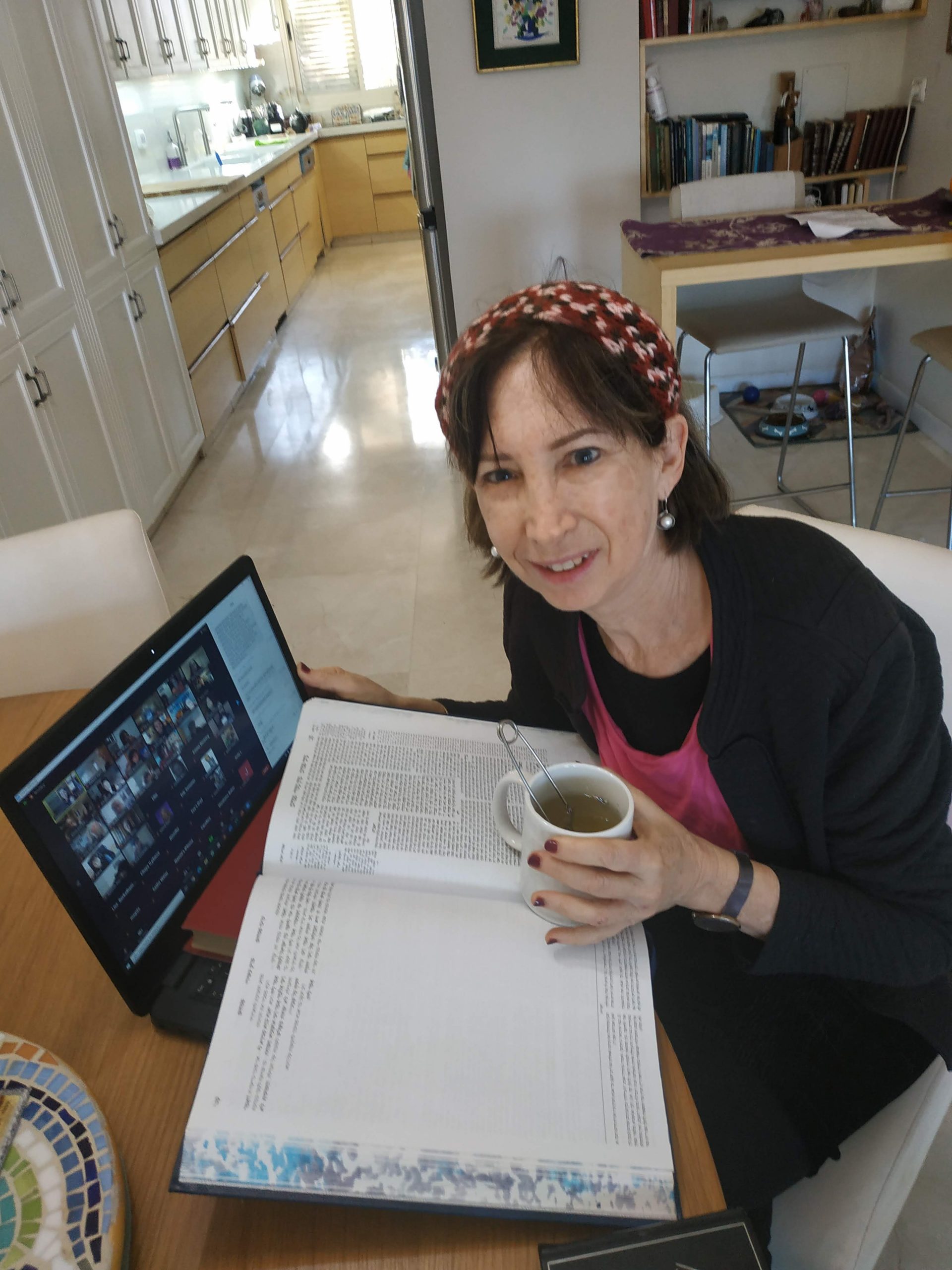
כמו שרואים בתמונה אני ממשיכה ללמוד גם היום ואפילו במחלקת יולדות אחרי לידת ביתי השלישית.

Noa Shiloh
נועה שילה

רבבה, ישראל

My explorations into Gemara started a few days into the present cycle. I binged learnt and become addicted. I’m fascinated by the rich "tapestry” of intertwined themes, connections between Masechtot, conversations between generations of Rabbanim and learners past and present all over the world. My life has acquired a golden thread, linking generations with our amazing heritage.
Thank you.

Susan Kasdan
סוזן כשדן

חשמונאים, Israel

התחלתי מעט לפני תחילת הסבב הנוכחי. אני נהנית מהאתגר של להמשיך להתמיד, מרגעים של "אהה, מפה זה הגיע!” ומהאתגר האינטלקטואלי

Eilat-Chen and Deller
אילת-חן ודלר

לוד, ישראל

התחלתי ללמוד דף יומי שהתחילו מסכת כתובות, לפני 7 שנים, במסגרת קבוצת לימוד שהתפרקה די מהר, ומשם המשכתי לבד בתמיכת האיש שלי. נעזרתי בגמרת שטיינזלץ ובשיעורים מוקלטים.
הסביבה מאד תומכת ואני מקבלת המון מילים טובות לאורך כל הדרך. מאז הסיום הגדול יש תחושה שאני חלק מדבר גדול יותר.
אני לומדת בשיטת ה”7 דפים בשבוע” של הרבנית תרצה קלמן – כלומר, לא נורא אם לא הצלחת ללמוד כל יום, העיקר שגמרת ארבעה דפים בשבוע

Rachel Goldstein
רחל גולדשטיין

עתניאל, ישראל

. לא תמיד נהניתי מלימוד גמרא כילדה.,בל כהתבגרתי התחלתי לאהוב את זה שוב. התחלתי ללמוד מסכת סוטה בדף היומי לפני כחמש עשרה שנה ואז הפסקתי.הגעתי לסיום הגדול של הדרן לפני שנתיים וזה נתן לי השראה. והתחלתי ללמוד למשך כמה ימים ואז היתה לי פריצת דיסק והפסקתי…עד אלול השנה. אז התחלתי עם מסכת ביצה וב”ה אני מצליחה לעמוד בקצב. המשפחה מאוד תומכת בי ויש כמה שגם לומדים את זה במקביל. אני אוהבת שיש עוגן כל יום.

Rebecca Darshan
רבקה דרשן

בית שמש, ישראל

התחלתי לפני 8 שנים במדרשה. לאחרונה סיימתי מסכת תענית בלמידה עצמית ועכשיו לקראת סיום מסכת מגילה.

Daniela Baruchim
דניאלה ברוכים

רעננה, ישראל

התחלתי ללמוד דף יומי ממסכת נידה כי זה היה חומר הלימוד שלי אז. לאחר הסיום הגדול בבנייני האומה החלטתי להמשיך. וב”ה מאז עם הפסקות קטנות של קורונה ולידה אני משתדלת להמשיך ולהיות חלק.

זה משפיע מאוד על היום יום שלי ועל אף שאני עסוקה בלימודי הלכה ותורה כל יום, זאת המסגרת הקבועה והמחייבת ביותר שיש לי.

Moriah Taesan Michaeli
מוריה תעסן מיכאלי

גבעת הראל, ישראל

שמעתי על הסיום הענק של הדף היומי ע”י נשים בבנייני האומה. רציתי גם.
החלטתי להצטרף. התחלתי ושיכנעתי את בעלי ועוד שתי חברות להצטרף. עכשיו יש לי לימוד משותף איתו בשבת ומפגש חודשי איתן בנושא (והתכתבויות תדירות על דברים מיוחדים שקראנו). הצטרפנו לקבוצות שונות בווטסאפ. אנחנו ממש נהנות. אני שומעת את השיעור מידי יום (בד”כ מהרב יוני גוטמן) וקוראת ומצטרפת לסיומים של הדרן. גם מקפידה על דף משלהן (ונהנית מאד).

Liat Citron
ליאת סיטרון

אפרת, ישראל

התחלתי ללמוד לפני 4.5 שנים, כשהודיה חברה שלי פתחה קבוצת ווטסאפ ללימוד דף יומי בתחילת מסכת סנהדרין. מאז לימוד הדף נכנס לתוך היום-יום שלי והפך לאחד ממגדירי הזהות שלי ממש.

Rosenberg Foundation
קרן רוזנברג

ירושלים, ישראל

התחלתי בסיום הש”ס, יצאתי באורות. נשברתי פעמיים, ובשתיהם הרבנית מישל עודדה להמשיך איפה שכולם בסבב ולהשלים כשאוכל, וכך עשיתי וכיום השלמתי הכל. מדהים אותי שאני לומדת כל יום קצת, אפילו בחדר הלידה, בבידוד או בחו”ל. לאט לאט יותר נינוחה בסוגיות. לא כולם מבינים את הרצון, בפרט כפמניסטית. חשה סיפוק גדול להכיר את המושגים וצורת החשיבה. החלום זה להמשיך ולהתמיד ובמקביל ללמוד איך מהסוגיות נוצרה והתפתחה ההלכה.

Weingarten Sherrington Foundation
קרן וינגרטן שרינגטון

מודיעין, ישראל

התחלתי מחוג במסכת קידושין שהעבירה הרבנית רייסנר במסגרת בית המדרש כלנה בגבעת שמואל; לאחר מכן התחיל סבב הדף היומי אז הצטרפתי. לסביבה לקח זמן לעכל אבל היום כולם תומכים ומשתתפים איתי. הלימוד לעתים מעניין ומעשיר ולעתים קשה ואף הזוי… אך אני ממשיכה קדימה. הוא משפיע על היומיום שלי קודם כל במרדף אחרי הדף, וגם במושגים הרבים שלמדתי ובידע שהועשרתי בו, חלקו ממש מעשי

Abigail Chrissy
אביגיל כריסי

ראש העין, ישראל

התחלתי ללמוד דף יומי באמצע תקופת הקורונה, שאבא שלי סיפר לי על קבוצה של בנות שתיפתח ביישוב שלנו ותלמד דף יומי כל יום. הרבה זמן רציתי להצטרף לזה וזאת הייתה ההזדמנות בשבילי. הצטרפתי במסכת שקלים ובאמצע הייתה הפסקה קצרה. כיום אני כבר לומדת באולפנה ולומדת דף יומי לבד מתוך גמרא של טיינזלץ.

Saturdays in Raleigh
שבות בראלי

עתניאל, ישראל

אמא שלי למדה איתי ש”ס משנה, והתחילה ללמוד דף יומי. אני החלטתי שאני רוצה ללמוד גם. בהתחלה למדתי איתה, אח”כ הצטרפתי ללימוד דף יומי שהרב דני וינט מעביר לנוער בנים בעתניאל. במסכת עירובין עוד חברה הצטרפה אלי וכשהתחלנו פסחים הרב דני פתח לנו שעור דף יומי לבנות. מאז אנחנו לומדות איתו קבוע כל יום את הדף היומי (ובשבת אבא שלי מחליף אותו). אני נהנית מהלימוד, הוא מאתגר ומעניין

Renana Hellman
רננה הלמן

עתניאל, ישראל

התחלתי לפני 8 שנים במדרשה. לאחרונה סיימתי מסכת תענית בלמידה עצמית ועכשיו לקראת סיום מסכת מגילה.

Daniela Baruchim
דניאלה ברוכים

רעננה, ישראל

באירוע של הדרן בנייני האומה. בהשראתה של אמי שלי שסיימה את הש”ס בסבב הקודם ובעידוד מאיר , אישי, וילדיי וחברותיי ללימוד במכון למנהיגות הלכתית של רשת אור תורה סטון ומורתיי הרבנית ענת נובוסלסקי והרבנית דבורה עברון, ראש המכון למנהיגות הלכתית.
הלימוד מעשיר את יומי, מחזיר אותי גם למסכתות שכבר סיימתי וידוע שאינו דומה מי ששונה פרקו מאה לשונה פרקו מאה ואחת במיוחד מרתקים אותי החיבורים בין המסכתות

Roit Kalech
רוית קלך

מודיעין, ישראל

ראיתי את הסיום הגדול בבנייני האומה וכל כך התרשמתי ורציתי לקחת חלק.. אבל לקח לי עוד כשנה וחצי )באמצע מסיכת שבת להצטרף..
הלימוד חשוב לי מאוד.. אני תמיד במרדף אחרי הדף וגונבת כל פעם חצי דף כשהילדים עסוקים ומשלימה אח”כ אחרי שכולם הלכו לישון..

Olga Mizrahi
אולגה מזרחי

ירושלים, ישראל

קידושין עה

כֹּל שֶׁאַתָּה נוֹשֵׂא בִּתּוֹ – אַתָּה נוֹשֵׂא אַלְמְנָתוֹ. וְכֹל שֶׁאִי אַתָּה נוֹשֵׂא בִּתּוֹ – אִי אַתָּה נוֹשֵׂא אַלְמְנָתוֹ.

Anyone whose daughter you may marry, you may marry his widow. If a priest is permitted to marry someone’s daughter, he is likewise permitted to marry that person’s widow; she has not become disqualified to marry a priest by having engaged in sexual intercourse with her husband. And anyone whose daughter you may not marry, you may not marry his widow either.

מַאי אִיכָּא בֵּין תַּנָּא קַמָּא וּבֵין רַבִּי יוֹסֵי? אָמַר רַבִּי יוֹחָנָן: מִצְרִי שֵׁנִי אִיכָּא בֵּינַיְיהוּ. וּשְׁנֵיהֶם לֹא לְמָדוּהָ אֶלָּא מִכֹּהֵן גָּדוֹל בְּאַלְמָנָה,

The Gemara asks: What difference is there between the first tanna of the mishna and Rabbi Yosei, as they appear to be saying the same thing? Rabbi Yoḥanan says: The practical difference between them concerns a Jewish woman who engaged in intercourse with a second-generation Egyptian. The Torah prohibits Egyptian converts and their children from entering into the congregation by marriage, but the grandchildren of the Egyptian convert, i.e., the third generation, are permitted to marry Jews with unflawed lineage. And both of them learned their respective opinions only from the halakha of a High Priest who engaged in intercourse with a widow, although they derived the halakha in different ways.

דְּתַנָּא קַמָּא סָבַר: כִּי כֹּהֵן גָּדוֹל בְּאַלְמָנָה. מָה כֹּהֵן גָּדוֹל בְּאַלְמָנָה שֶׁבִּיאָתוֹ בַּעֲבֵירָה וּפוֹסֵל בָּהּ, אַף כֹּל שֶׁבִּיאָתוֹ בַּעֲבֵירָה – פּוֹסֵל.

How so? As the first tanna holds that this case is like that of a High Priest who engages in sexual intercourse with a widow: Just as with regard to a High Priest who engages in intercourse with a widow, his act of intercourse with her is performed by means of a transgression and he disqualifies her from marrying into the priesthood, so too anyone whose act of intercourse is by means of a transgression, such as a second-generation Egyptian who engages in intercourse with a Jewish woman, likewise disqualifies her from marrying into the priesthood.

וְרַבִּי יוֹסֵי סָבַר: כִּי כֹהֵן גָּדוֹל בְּאַלְמָנָה. מָה כֹּהֵן גָּדוֹל בְּאַלְמָנָה שֶׁזַּרְעוֹ פָּסוּל וּפוֹסֵל, אַף כֹּל שֶׁזַּרְעוֹ פָּסוּל – פּוֹסֵל. לְאַפּוֹקֵי מִצְרִי שֵׁנִי שֶׁאֵין זַרְעוֹ פָּסוּל, דְּאָמַר קְרָא: ״בָּנִים אֲשֶׁר יִוָּלְדוּ לָהֶם דּוֹר שְׁלִישִׁי יָבֹא לָהֶם בִּקְהַל ה׳״.

And Rabbi Yosei holds that the derivation is as follows: It is like a High Priest who engages in sexual intercourse with a widow: Just as with regard to a High Priest who engages in intercourse with a widow, whose offspring is unfit for the priesthood, as they have the status of a ḥalal, and he similarly disqualifies her from marrying a priest by engaging in intercourse with her, so too, anyone whose offspring is unfit for the priesthood also disqualifies her from marrying a priest by engaging in intercourse with her. This comparison serves to exclude a second-generation Egyptian, whose offspring is not unfit, as the verse states: “The children of the third generation that are born to them may enter into the congregation of the Lord” (Deuteronomy 23:9). Therefore, a second-generation Egyptian does not disqualify a woman with whom he engages in intercourse from marrying a priest.

רַבָּן שִׁמְעוֹן בֶּן גַּמְלִיאֵל אוֹמֵר: כֹּל שֶׁאַתָּה נוֹשֵׂא בִּתּוֹ – אַתָּה נוֹשֵׂא אַלְמְנָתוֹ, וְכֹל שֶׁאִי אַתָּה נוֹשֵׂא אֶת בִּתּוֹ – אִי אַתָּה נוֹשֵׂא אַלְמְנָתוֹ. מַאי אִיכָּא בֵּין רַבִּי יוֹסֵי לְרַבָּן שִׁמְעוֹן בֶּן גַּמְלִיאֵל? אָמַר עוּלָּא: גֵּר עַמּוֹנִי וּמוֹאָבִי אִיכָּא בֵּינַיְיהוּ. וּשְׁנֵיהֶם לֹא לְמָדוּהָ אֶלָּא מִכֹּהֵן גָּדוֹל בְּאַלְמָנָה.

The baraita also taught that Rabban Shimon ben Gamliel says: Anyone whose daughter you may marry, you may marry his widow. And anyone whose daughter you may not marry, you may not marry his widow either. The Gemara asks: What difference is there between the opinions of Rabbi Yosei and Rabban Shimon ben Gamliel? They seem to be stating the same halakha. Ulla said: The difference between them involves a male Ammonite convert and a male Moabite convert. According to the opinion of Rabbi Yosei, male Ammonite and Moabite converts disqualify a woman with whom they engage in sexual intercourse from marrying a priest, whereas Rabban Shimon ben Gamliel says they do not disqualify her. And both of them learned their respective opinions only from the halakha of a High Priest who engaged in intercourse with a widow, although they derived the halakha in different ways.

דְּרַבִּי יוֹסֵי סָבַר: כִּי כֹּהֵן גָּדוֹל בְּאַלְמָנָה. מָה כֹּהֵן גָּדוֹל בְּאַלְמָנָה שֶׁזַּרְעוֹ פָּסוּל – וּפוֹסֵל, אַף כֹּל שֶׁזַּרְעוֹ פָּסוּל – פּוֹסֵל.

How so? As Rabbi Yosei holds that this case is like that of a High Priest who engages in intercourse with a widow: Just as with regard to a High Priest who engages in sexual intercourse with a widow, the halakha is that his offspring are unfit for the priesthood, as they have the status of a ḥalal, and he similarly disqualifies her from marrying a priest by engaging in intercourse with her, so too, anyone whose offspring is unfit for the priesthood, including a male Ammonite or Moabite convert, also disqualifies her from marrying a priest by engaging in intercourse with her.

וְרַבָּן שִׁמְעוֹן בֶּן גַּמְלִיאֵל: כְּכֹהֵן גָּדוֹל בְּאַלְמָנָה. מָה כֹּהֵן גָּדוֹל בְּאַלְמָנָה שֶׁכׇּל זַרְעוֹ פָּסוּל, אַף כֹּל שֶׁכׇּל זַרְעוֹ פָּסוּל, אֲפִילּוּ נְקֵבוֹת, לְאַפּוֹקֵי גֵּר עַמּוֹנִי וּמוֹאָבִי דִּנְקֵבוֹת הָווּ כְּשֵׁרוֹת לָבֹא בַּקָּהָל. דְּאָמַר מָר: עַמּוֹנִי וְלֹא עַמּוֹנִית, מוֹאָבִי וְלֹא מוֹאָבִית.

And Rabban Shimon ben Gamliel holds that the derivation is as follows: It is like a High Priest who engages in sexual intercourse with a widow. Just as with regard to a High Priest who engages in intercourse with a widow, as all his offspring are unfit, the females as well as the males, and he disqualifies her by engaging in intercourse with her, so too, everyone about whom the halakha is that all his offspring are unfit, even the females, disqualifies a woman with whom he engages in intercourse from marrying a priest. This comparison serves to exclude a male Ammonite or Moabite convert, as the females born to them are fit to enter into the congregation. As the Master said: An Ammonite man is prohibited from entering into the congregation, but not an Ammonite woman; similarly a Moabite man is prohibited from doing so, but not a Moabite woman.

אָמַר רַב חִסְדָּא: הַכֹּל מוֹדִים בְּאַלְמְנַת עִיסָּה שֶׁפְּסוּלָה לַכְּהוּנָּה. מַאן מֵיקֵל בְּהָנֵי תַּנָּאֵי – רַבָּן שִׁמְעוֹן בֶּן גַּמְלִיאֵל, וְקָאָמַר: כֹּל שֶׁאַתָּה נוֹשֵׂא בִּתּוֹ – אַתָּה נוֹשֵׂא אַלְמְנָתוֹ, וְכֹל שֶׁאִי אַתָּה נוֹשֵׂא בִּתּוֹ – אִי אַתָּה נוֹשֵׂא אַלְמְנָתוֹ. לְמַעוֹטֵי מַאי? לְמַעוֹטֵי אַלְמְנַת עִיסָּה שֶׁפְּסוּלָה לַכְּהוּנָּה.

Rav Ḥisda says: All concede with regard to a widow of questionable lineage, i.e., a widow whose husband was possibly a ḥalal, that she is unfit to marry into the priesthood. The Gemara explains: Who is the most lenient of these tanna’im? It is Rabban Shimon ben Gamliel, and he says: Anyone whose daughter you may marry, you may marry his widow; and anyone whose daughter you may not marry, you may not marry his widow either. He said the latter clause to exclude what? It is to exclude a widow of questionable lineage; and it teaches that she is unfit to marry into the priesthood, since the daughter of one who was possibly a ḥalal is prohibited from marrying a priest.

לְאַפּוֹקֵי מִדְּהָנֵי תַּנָּאֵי דִּתְנַן: הֵעִיד רַבִּי יְהוֹשֻׁעַ וְרַבִּי יְהוּדָה בֶּן בְּתֵירָא עַל אַלְמְנַת עִיסָּה שֶׁכְּשֵׁירָה לַכְּהוּנָּה. מַאי טַעְמָא – הָוֵי סְפֵק סְפֵיקָא, וּסְפֵק סְפֵיקָא לְקוּלָּא.

The Gemara comments: This statement of Rav Ḥisda serves to exclude the opinion of these following tanna’im. As we learned in a mishna (Eduyyot 8:3): Rabbi Yehoshua and Rabbi Yehuda ben Beteira testified with regard to a widow of questionable lineage, that she is fit to marry into the priesthood. What is the reason for this lenient ruling? It is a case of a compound uncertainty, and the principle is that in a case of a compound uncertainty the ruling is to be lenient.

וַדָּאָן בְּוַדָּאָן מוּתָּר. אָמַר רַב יְהוּדָה אָמַר רַב: הֲלָכָה כְּרַבִּי אֱלִיעֶזֶר. כִּי אַמְרִיתַהּ קַמֵּיהּ דִּשְׁמוּאֵל אֲמַר לִי: הִלֵּל שׁוֹנֶה: עֲשָׂרָה יוּחֲסִים עָלוּ מִבָּבֶל וְכוּלָּם מוּתָּרִים לָבֹא זֶה בָּזֶה, וְאַתְּ אָמְרַתְּ הֲלָכָה כְּרַבִּי אֱלִיעֶזֶר?!

§ The mishna teaches that according to Rabbi Eliezer, it is permitted for those with definite flaws to marry with those with definite flaws. For example, it is permitted for mamzerim and Gibeonites to marry each other. By contrast, it is prohibited for those with definite flaws to marry with those whose flaws result from an uncertainty, and it is also prohibited for those whose flaws result from an uncertainty to marry those whose flaws result from an uncertainty. Rav Yehuda says that Rav says: The halakha is in accordance with the opinion of Rabbi Eliezer. Rav Yehuda added: When I said that halakha in front of Shmuel, he said to me: Hillel the Elder teaches the mishna as stating: Jews with ten types of lineage ascended from Babylonia, and all of them, i.e., all of those who may not enter into the congregation, even those whose flaws result from an uncertainty, are permitted to marry into each other’s families; and you said the halakha is in accordance with the opinion of Rabbi Eliezer?

וּרְמִי דְּרַב אַדְּרַב וּרְמִי דִּשְׁמוּאֵל אַדִּשְׁמוּאֵל, דְּאִיתְּמַר: אֲרוּסָה שֶׁעִיבְּרָה, רַב אָמַר: הַוָּלָד מַמְזֵר. וּשְׁמוּאֵל אָמַר: הַוָּלָד שְׁתוּקִי.

The Gemara comments: And a contradiction can be raised from this statement of Rav against another statement of Rav, and similarly a contradiction can be raised from this statement of Shmuel against another statement of Shmuel. As it was stated that they had the following dispute: With regard to a betrothed woman who became pregnant during her period of betrothal, and it is unknown whether it was her betrothed or someone else who impregnated her, Rav says that the offspring is a mamzer. The assumption is that she was impregnated by a different man and that the child is the offspring of a betrothed woman and a man other than her betrothed. And Shmuel says that the offspring is a shetuki, since there is no proof that it is a mamzer; she might have been impregnated by her betrothed.

רַב אָמַר: הַוָּלָד מַמְזֵר וּמוּתָּר בְּמַמְזֶרֶת, וּשְׁמוּאֵל אָמַר: הַוָּלָד שְׁתוּקִי וְאָסוּר בְּמַמְזֶרֶת. אֵיפוֹךְ, רַב אָמַר: הַוָּלָד שְׁתוּקִי, וּשְׁמוּאֵל אָמַר: הַוָּלָד מַמְזֵר.

The Gemara explains their respective opinions: Rav says the offspring is a mamzer and is therefore permitted to marry a mamzeret; and Shmuel says the offspring is a shetuki and is prohibited to marry a mamzeret. It is seen here that Shmuel prohibits one whose flaw results from an uncertainty from marrying one with definite mamzer status, whereas Rav permits such a person to marry one with definite mamzer status. This contradicts their earlier statements, in which Rav prohibited one whose flaw results from an uncertainty from marrying one with definite mamzer status and Shmuel permitted it. The Gemara answers: Reverse the opinions in this dispute, so that Rav is the one who says: The offspring is a shetuki and is prohibited to marry a mamzeret; and Shmuel says: The offspring is a mamzer and may marry a mamzeret.

תַּרְתֵּי לְמָה לִי? צְרִיכָא, דְּאִי אִיתְּמַר בְּהָא, בְּהָא קָאָמַר רַב מִשּׁוּם דְּרוֹב כְּשֵׁרִים אֶצְלָהּ. אֲבָל הָתָם, דְּרוֹב פְּסוּלִים אֶצְלָהּ, אֵימָא מוֹדֵי לִשְׁמוּאֵל.

The Gemara asks: If so, why do I need two instances of the same dispute? The Gemara answers: It is necessary to state the dispute twice, because if it were stated only with regard to that mishna, which discusses an unmarried woman whose offspring is a shetuki, one could have said: It was with regard to that case that Rav states his opinion, because the majority are fit with regard to her and only a minority of men are those who are forbidden to her as relatives or are those who are disqualified from entering into the congregation. But there, in the case of a betrothed woman who became pregnant, where the majority are unfit with regard to her and she is forbidden to everyone other than her betrothed, one might say that Rav concedes to Shmuel that her child is a definite mamzer.

וְאִי אִיתְּמַר בְּהָךְ, בְּהָא קָאָמַר רַב – מִשּׁוּם דְּאִיכָּא לְמִיתְלְ[יַ]הּ בְּאָרוּס, אֲבָל בְּהָא אֵימָא מוֹדֵי לִשְׁמוּאֵל, צְרִיכָא.

And conversely, if it was stated only in this case of a betrothed woman, one could have said it was with regard to this case that Rav states the offspring is a shetuki, because it is most reasonable to ascribe the pregnancy to the betrothed man, which would mean that the offspring is not a mamzer, but in that case of an unmarried woman, one might say that he agrees with Shmuel that the child is considered to be a definite mamzer. It is therefore necessary to state both cases.

וְאִי בָּעֵית אֵימָא: לְעוֹלָם לָא תֵּיפוֹךְ, וּמַאי מַמְזֵר דְּקָאָמַר רַב – לָאו מוּתָּר בְּמַמְזֶרֶת, אֶלָּא דְּאָסוּר בְּבַת יִשְׂרָאֵל. וּשְׁמוּאֵל אָמַר: הַוָּלָד שְׁתוּקִי, דְּאָסוּר בְּבַת יִשְׂרָאֵל. אִי הָכִי הַיְינוּ דְּרַב! אֶלָּא: מַאי שְׁתוּקִי – שֶׁמְּשַׁתְּקִין אוֹתוֹ מִדִּין כְּהוּנָּה.

And if you wish, say: Actually, do not reverse the opinions, and what is the meaning of the term mamzer that Rav is saying? It does not signify that this offspring is permitted to marry a mamzeret, but merely that he is prohibited from marrying a Jewish woman. And when Shmuel says the offspring is a shetuki, he meant that he is prohibited from marrying a Jewish woman. The Gemara asks: If so, that is the same as Rav. Rather, what is the meaning of the term shetuki in Shmuel’s statement? It is that one silences [meshattekin] him, i.e., disqualifies him, from the halakha of the priesthood. In other words, even if the betrothed man was a priest, the child is not considered a priest.

פְּשִׁיטָא, הַשְׁתָּא מִדִּין יִשְׂרָאֵל מְשַׁתְּקִינַן לֵיהּ, מִדִּין כְּהוּנָּה מִיבְּעֵי?! אֶלָּא: מַאי שְׁתוּקִי – שֶׁמְּשַׁתְּקִין אוֹתוֹ מִנִּכְסֵי אָבִיו. פְּשִׁיטָא, מִי יָדְעִינַן אֲבוּהּ מַנּוּ? לָא צְרִיכָא, דִּתְפַס.

The Gemara questions this: Isn’t this obvious? Now, if one silences him from the halakha of a Jew with unflawed lineage, and he is not allowed to enter into the congregation, is it necessary to say that he is silenced from the halakha of the priesthood? Rather, what is the meaning of shetuki in Shmuel’s statement? It is that one silences him from his presumed father’s property, i.e., he does not inherit from him. The Gemara again questions: This too is obvious; do we know who his father is? The Gemara answers: No, it is necessary in a case where this son seized possession of the property of the betrothed man, claiming that the betrothed man is his father. It is with regard to such a scenario that Shmuel said that the property is taken away from him, and one does not say that the burden of proof rests upon the other inheritors to demonstrate conclusively that the betrothed man is not his father.

וְאִי בָּעֵית אֵימָא: מַאי שְׁתוּקִי – בְּדוּקִי, שֶׁבּוֹדְקִים אֶת אִמּוֹ וְאוֹמֶרֶת: ״לְכָשֵׁר נִבְעַלְתִּי״ – נֶאֱמֶנֶת. כְּמַאן – כְּרַבָּן גַּמְלִיאֵל? הָאָמַר שְׁמוּאֵל חֲדָא זִימְנָא, דִּתְנַן: הָיְתָה מְעוּבֶּרֶת, וְאָמְרוּ לָהּ: מָה טִיבוֹ שֶׁל עוּבָּר זֶה? מֵאִישׁ פְּלוֹנִי וְכֹהֵן הוּא – רַבָּן גַּמְלִיאֵל וְרַבִּי אֱלִיעֶזֶר אוֹמְרִים: נֶאֱמֶנֶת. רַבִּי יְהוֹשֻׁעַ אוֹמֵר: אֵינָהּ נֶאֱמֶנֶת. וְאָמַר רַב יְהוּדָה אָמַר שְׁמוּאֵל: הֲלָכָה כְּרַבָּן גַּמְלִיאֵל!

And if you wish, say: What is the meaning of shetuki in Shmuel’s statement? It means beduki, meaning that they examine his mother, and if she says: I engaged in sexual intercourse with a man with unflawed lineage, she is deemed credible. The Gemara asks: In accordance with whose opinion is this halakha? Is it in accordance with the opinion of Rabban Gamliel? But didn’t Shmuel already say it once? As we learned in a mishna (Ketubot 13a): If an unmarried woman was pregnant, and people said to her: What is the status of this fetus? And she said to them: It is from soandso, and he is a priest; Rabban Gamliel and Rabbi Eliezer say: She is deemed credible; and Rabbi Yehoshua says: She is not deemed credible. And Rav Yehuda says that Shmuel says: The halakha is in accordance with the opinion of Rabban Gamliel. This shows that Shmuel had already issued an explicit ruling in Rabban Gamliel’s favor; why did he repeat himself?

צְרִיכָא, דְּאִי מֵהָתָם הֲוָה אָמֵינָא: הָתָם רוֹב כְּשֵׁירִים אֶצְלָהּ, אֲבָל הָכָא דְּרוֹב פְּסוּלִים אֶצְלָהּ, אֵימָא לָא, צְרִיכָא.

The Gemara answers: It is necessary for Shmuel to rule twice. As, if he had learned it only from there, from the mishna discussing an unmarried pregnant woman, I would say he rules that way there, when the majority are fit with regard to her, as her unmarried status means that the offspring resulting from sexual intercourse with most men would be of unflawed lineage. But here, in the case of a betrothed woman, when the majority of men are unfit with regard to her, as she is forbidden to everyone other than her betrothed, you might say that she should not be deemed credible to say she engaged in intercourse with the betrothed man. It is therefore necessary for Shmuel to state his ruling twice.

תַּנְיָא: וְכֵן רַבִּי אֶלְעָזָר אוֹמֵר: כּוּתִי לֹא יִשָּׂא כּוּתִית. מַאי טַעְמָא? אָמַר רַב יוֹסֵף: עֲשָׂאוּהוּ כְּגֵר לְאַחַר עֲשָׂרָה דּוֹרוֹת, דְּתַנְיָא: גֵּר, עַד עֲשָׂרָה דּוֹרוֹת – מוּתָּר בְּמַמְזֶרֶת, מִכָּאן וְאֵילָךְ – אָסוּר בְּמַמְזֶרֶת.

§ It is taught in a baraita (Tosefta 5:2): And similarly Rabbi Elazar says: A Samaritan man may not marry a Samaritan woman. The Gemara asks: What is the reason for this? Rav Yosef said: The Sages established him to be like the descendant of a convert, after ten generations. As it is taught in a baraita: With regard to the descendant of a convert, he is permitted to marry a mamzeret if he is within ten generations of both parents being descendants of converts; from this point forward the descendant of a convert is prohibited from marrying a mamzeret, as people no longer remember that he has the lineage of a convert.

וְיֵשׁ אוֹמְרִים עַד שֶׁיִּשְׁתַּקֵּעַ שֵׁם עֲבוֹדָה זָרָה מִמֶּנּוּ.

The baraita continues: And some say that the descendant of a convert is permitted to marry a mamzeret until the name of idol worship is forgotten from him, i.e., as long as people remember that his roots are from gentiles he remains permitted to marry a mamzeret, regardless of the passage of time. Rav Yosef understands that Rabbi Elazar regards a Samaritan as being like a convert after ten generations, who may not marry a mamzeret. Since Samaritans assimilated among the Jewish people and are no longer recognized by the public as having Samaritan lineage, they may not marry those of flawed lineage, including, presumably, other Samaritans.

אֲמַר לֵיהּ אַבָּיֵי: מִי דָּמֵי? הָתָם גֵּר יָשָׁן וּמַמְזֶרֶת חֲדָשָׁה, אָמְרִי: בַּר יִשְׂרָאֵל הוּא דְּקָא נָסֵיב מַמְזֶרֶת. הָכָא אִידֵּי וְאִידֵּי כִּי הֲדָדֵי נִינְהוּ. אֶלָּא: כִּי אֲתָא רַב דִּימִי, אָמַר: רַבִּי אֶלְעָזָר סָבַר לַהּ כְּרַבִּי יִשְׁמָעֵאל,

Abaye said to Rav Yosef: Is it comparable to the case of a convert? There, he is an old convert, i.e., the conversion occurred a long time ago, and she is a new mamzeret, i.e., her status as a mamzeret is known. Consequently, people who see him marrying a mamzeret will say: A Jewish man is marrying a mamzeret. Here, this and that, the two Samaritans, are the same as each other. If people consider the Samaritan man as being assimilated among the Jewish people, and consequently he may not marry a woman of flawed lineage, the Samaritan woman should likewise be considered a Jew of unflawed lineage. Rather, the Gemara rejects the previous explanation in favor of the following: When Rav Dimi came from Eretz Yisrael he said: Rabbi Elazar holds in accordance with the opinion of Rabbi Yishmael,

וְרַבִּי יִשְׁמָעֵאל סָבַר לַהּ כְּרַבִּי עֲקִיבָא. רַבִּי אֶלְעָזָר סָבַר לַהּ כְּרַבִּי יִשְׁמָעֵאל, דְּאָמַר: כּוּתִים גֵּירֵי אֲרָיוֹת הֵם. וְרַבִּי יִשְׁמָעֵאל סָבַר לַהּ כְּרַבִּי עֲקִיבָא, דְּאָמַר: נׇכְרִי וְעֶבֶד הַבָּא עַל בַּת יִשְׂרָאֵל – הַוָּלָד מַמְזֵר.

and Rabbi Yishmael holds in accordance with the opinion of Rabbi Akiva concerning a different halakha. The Gemara clarifies: Rabbi Elazar holds in accordance with the opinion of Rabbi Yishmael, who says: Samaritans are lion converts, i.e., they converted out of fear of being attacked by lions for worshipping idols in Eretz Yisrael. They were never converts for the sake of Heaven, but remained gentiles according to halakha. And Rabbi Yishmael holds in accordance with the opinion of Rabbi Akiva, who says: In the case of a gentile or a Canaanite slave who engaged in sexual intercourse with a Jewish woman, the offspring is a mamzer. Since over the generations Jews assimilated with Samaritans, who have the status of gentiles, the descendants of those Jews who married Samaritans have the status of uncertain mamzerim.

וּמִי סָבַר לָהּ רַבִּי יִשְׁמָעֵאל כְּרַבִּי עֲקִיבָא? וְהָאָמַר רַבִּי יוֹחָנָן מִשּׁוּם רַבִּי יִשְׁמָעֵאל: מִנַּיִן לְנׇכְרִי וְעֶבֶד שֶׁבָּאוּ עַל הַכֹּהֶנֶת וְעַל הַלְוִיָּה וְעַל בַּת יִשְׂרָאֵל שֶׁפְּסָלוּהָ? שֶׁנֶּאֱמַר: ״וּבַת כֹּהֵן כִּי תִהְיֶה אַלְמָנָה וּגְרוּשָׁה וְזֶרַע אֵין לָהּ״

The Gemara asks: But does Rabbi Yishmael hold in accordance with the opinion of Rabbi Akiva in this matter? But doesn’t Rabbi Yoḥanan say in the name of Rabbi Yishmael: From where is it derived with regard to a gentile or a Canaanite slave who engaged in sexual intercourse with the daughter of a priest, or with the daughter of a Levite, or with the daughter of an Israelite, that they have disqualified her from marrying a priest? It is as it is stated: “But if a priest’s daughter is a widow, or divorced, and has no child, and is returned to her father’s house, as in her youth, she may eat of her father’s bread” (Leviticus 22:13).

– מִי שֶׁיֵּשׁ לוֹ אַלְמְנוּת וְגֵרוּשִׁין, יָצָא נׇכְרִי וְעֶבֶד שֶׁאֵין לוֹ אַלְמְנוּת וְגֵרוּשִׁין.

He explains: It is only if she was married to one who has the halakhot of widowhood and divorce, meaning a Jew, that she can return to her father’s house and partake of teruma. This serves to exclude a gentile or a Canaanite slave, who do not have the halakhot of widowhood and divorce; if the daughter of a priest engages in intercourse with such a man, she may no longer partake of teruma.

וְאִי סָלְקָא דַּעְתָּךְ סָבַר לַהּ כְּרַבִּי עֲקִיבָא, הַשְׁתָּא מַמְזֵר הָוֵי, מִיפְסַל בְּבִיאָתוֹ מִיבַּעְיָא?!

And if it enters your mind that Rabbi Yishmael holds in accordance with the opinion of Rabbi Akiva that the offspring of a Jewish woman and a gentile or a slave is a mamzer, what need is there for this proof? Now that he holds that the offspring from a gentile is a mamzer, is it necessary to state that the gentile or slave disqualifies her from marrying a priest by engaging in intercourse with her?

אֶלָּא, רַבִּי אֶלְעָזָר סָבַר לַהּ כְּרַבִּי יִשְׁמָעֵאל, דְּאָמַר: כּוּתִים גֵּירֵי אֲרָיוֹת. וְסָבַר לַהּ כְּרַבִּי עֲקִיבָא דְּאָמַר: נׇכְרִי וְעֶבֶד הַבָּא עַל בַּת יִשְׂרָאֵל הַוָּלָד מַמְזֵר.

Rather, the Gemara explains as follows: Rabbi Elazar holds in accordance with the opinion of Rabbi Yishmael, who says: Samaritans are lion converts, and Rabbi Elazar himself also holds in accordance with the opinion of Rabbi Akiva, who says: If a gentile or a Canaanite slave engaged in sexual intercourse with a Jewish woman, the offspring is a mamzer.

וּמִי סָבַר לַהּ רַבִּי אֶלְעָזָר כְּרַבִּי עֲקִיבָא? וְהָאָמַר רַבִּי אֶלְעָזָר: אַף עַל פִּי שֶׁנֶּחְלְקוּ בֵּית שַׁמַּאי וּבֵית הִילֵּל בְּצָרוֹת מוֹדִים שֶׁאֵין מַמְזֵר אֶלָּא מִמִּי שֶׁאִיסּוּרוֹ אִיסּוּר עֶרְוָה וְעָנוּשׁ כָּרֵת!

The Gemara asks: But does Rabbi Elazar hold in accordance with the opinion of Rabbi Akiva? But doesn’t Rabbi Elazar say: Although Beit Shammai and Beit Hillel disagreed with regard to the halakha of rival wives, as to whether the rival wife of a yevama who is a forbidden relative of the yavam is obligated in or exempt from levirate marriage, they concede that a mamzer is only the offspring born from one whose prohibition is a prohibition of forbidden relatives and punishable by karet. Since engaging in intercourse with a gentile or a Canaanite slave is not punishable by karet, Rabbi Elazar would agree that the child of such a union is not a mamzer.

אֶלָּא, כִּי אֲתָא רָבִין אָמַר רַבִּי חִיָּיא בַּר אַבָּא אָמַר רַבִּי יוֹחָנָן, וְאָמְרִי לַהּ אָמַר רַבִּי אַבָּא בַּר זַבְדָּא אָמַר רַבִּי חֲנִינָא, וְאָמְרִי לָהּ אָמַר רַבִּי יַעֲקֹב בַּר אִידֵּי אָמַר רַבִּי יְהוֹשֻׁעַ בֶּן לֵוִי: שָׁלֹשׁ מַחְלוֹקוֹת בַּדָּבָר.

Rather, when Rabin came from Eretz Yisrael to Babylonia, he reported that Rabbi Ḥiyya bar Abba says that Rabbi Yoḥanan says, and some say that it was Rabbi Abba bar Zavda who says that Rabbi Ḥanina says and some say it was Rabbi Ya’akov bar Idi who says that Rabbi Yehoshua ben Levi says: There are three divisions of opinions with regard to the matter.

רַבִּי יִשְׁמָעֵאל סָבַר: כּוּתִים גֵּירֵי אֲרָיוֹת הֵן, וְכֹהֲנִים שֶׁנִּטְמְעוּ בָּהֶם – כֹּהֲנִים פְּסוּלִים הָיוּ, שֶׁנֶּאֱמַר: ״וְיַעֲשׂוּ לָהֶם מִקְצוֹתָם כֹּהֲנֵי בָמוֹת״, וְאָמַר רַבָּה בַּר בַּר חָנָה אָמַר רַבִּי יוֹחָנָן: מִן הַקּוֹצִים שֶׁבָּעָם. וּמִשּׁוּם הָכִי פַּסְלִינְהוּ.

Rabbi Yishmael holds that Samaritans are lion converts, and the priests who assimilated among them were unfit priests, as it is stated: “And made unto them from among themselves priests of the high places” (II Kings 17:32). And Rabba bar bar Ḥana says that Rabbi Yoḥanan says: What is the meaning of “from among themselves”? From the thorns that are among the Jewish people, meaning those of flawed lineage. And it was due to that reason that the Sages disqualified them, not due to the Samaritans themselves, who are gentiles, but due to the Jews of flawed lineage who are assimilated among them. When a Samaritan seeks to marry another Samaritan, it is possible that one of them is a Jew of flawed lineage.

וְרַבִּי עֲקִיבָא סָבַר: כּוּתִים גֵּירֵי אֱמֶת הֵן, וְכֹהֲנִים שֶׁנִּטְמְעוּ בָּהֶן – כֹּהֲנִים כְּשֵׁרִים הָיוּ, שֶׁנֶּאֱמַר: ״וְיַעֲשׂוּ לָהֶם מִקְצוֹתָם כֹּהֲנֵי בָמוֹת״, וְאָמַר רַבָּה בַּר בַּר חָנָה אָמַר רַבִּי יוֹחָנָן: מִן הַבְּחִירִים שֶׁבָּעָם. וְאֶלָּא מִפְּנֵי מָה אֲסָרוּם – מִפְּנֵי שֶׁהָיוּ מְיַיבְּמִים אֶת הָאֲרוּסוֹת

And Rabbi Akiva holds: Samaritans are true converts, and the priests who assimilated among them were fit priests, as it is stated: “And made unto them from among themselves priests of the high places” (II Kings 17:32). And Rabba bar bar Ḥana says that Rabbi Yoḥanan says: “From among themselves” means from the chosen ones, the upper echelon of the Jewish people. And for what reason did the Sages prohibit them from entering into the congregation if there is no problem with regard to their conversion or with regard to the Jews who assimilated among them? It is because they did not act in accordance with the halakha, as they would perform levirate marriage with betrothed women. They would perform the mitzva of levirate marriage only with one who was widowed from a betrothal,

רוצה לעקוב אחרי התכנים ולהמשיך ללמוד?

ביצירת חשבון עוד היום ניתן לעקוב אחרי ההתקדמות שלך, לסמן מה למדת, ולעקוב אחרי השיעורים שמעניינים אותך.

לנקות את כל הפריטים מהרשימה?

פעולה זו תסיר את כל הפריטים בחלק זה כולל ההתקדמות וההיסטוריה. שימי לב: לא ניתן לשחזר פעולה זו.

ביטול
מחיקה

האם את/ה בטוח/ה שברצונך למחוק פריט זה?

תאבד/י את כל ההתקדמות או ההיסטוריה הקשורות לפריט זה.

ביטול
מחיקה