חיפוש

נדרים מז

רוצה להקדיש שיעור?

podcast placeholder

0:00
0:00


תקציר

הלימוד השבוע מוקדש ע”י רוברט ופאולה כהן לזכרו של אביו (וסבי), יוסף בן משה הכהן ז”ל.

הדף היום מוקדש ע”י רחלי מנדלסון לע”נ "אמי מורתי, שושנה בת שרגא פייבל ורבקה, ביום פטירתה החמישי. לימוד בכלל ולימוד נשים הסב לה נחת גדולה.”

מישהו יכול לאסור על עצמו חפץ של מישהו אחר גם לאחר שהחפץ כבר לא שייך לאחר (הוא מת או מוכר אותו). אבל אם מישהו אוסר חפץ שלו על מישהו אחר, האם זה ימשיך להיות אסור גם לאחר שהוא ימות או ימכור את החפץ למישהו אחר? רבא מוכיח מברייתא שימשיך להיות אסור. אם משתמשים בלשון "קונם הפירות האלה על פי” או לשון דומה, לא רק הפירות אסורים אלא גם חילופיהם או גידוליהם אסורים. אם מישהו אומר "קונם הפירות האלה לפיך” (אוסר על מישהו אחר), האם גם חילופיהם אסורים? האם אנו אומרים שמאחר שאפשר לאסור רכוש של אחר על עצמו, אפשר גם לאסור על עצמו חפץ שלא בא לעולם (חילופיהם), אבל לא על מישהו אחר? או שמא נאמר שמאחר שנאסר גידוליהם, אז גם חילופיהם יאסרו? הם מנסים לענות על השאלה משני מקורות שונים שמראים שאפשר ליהנות מחילופיהם. אבל שתי התשובות נדחות שכן אולי לכתחילה חילופיהם אסורים בהנאה, אך המקורות שציטטו דיברו במקרים שהיה בדיעבד (כבר נעשה).


נדרים מז

הָאוֹמֵר לַחֲבֵירוֹ וְכוּ׳. בָּעֵי אֲבִימִי: ״קֻוֽנָּם לְבַיִת זֶה שֶׁאַתָּה נִכְנָס״, מֵת אוֹ שֶׁמְּכָרוֹ לְאַחֵר, מַהוּ? אָדָם אוֹסֵר דָּבָר שֶׁבִּרְשׁוּתוֹ לִכְשֶׁיֵּצֵא מֵרְשׁוּתוֹ, אוֹ לָא?

§ The mishna teaches: With regard to one who says to another: Entering your house is konam for me, and the owner dies or sells the house, the prohibition is lifted. But if he said: Entering this house is konam for me, he remains prohibited from entering the house even after the owner dies or sells the house. Avimi raises a dilemma: If the owner of a house said: Entering this house is konam for you, and then he died or sold it to another, what is the halakha? Do we say that a person can render an item in his possession forbidden even for a time after it will leave his possession, or not?

אָמַר רָבָא, תָּא שְׁמַע: הָאוֹמֵר לִבְנוֹ ״קֻוֽנָּם שֶׁאִי אַתָּה נֶהֱנֶה לִי״, וּמֵת — יִירָשֶׁנּוּ. ״בְּחַיָּיו וּבְמוֹתוֹ״, וּמֵת — לֹא יִירָשֶׁנּוּ. שְׁמַע מִינַּהּ אָדָם אוֹסֵר דָּבָר שֶׁבִּרְשׁוּתוֹ לִכְשֶׁיֵּצֵא מֵרְשׁוּתוֹ. שְׁמַע מִינַּהּ.

Rava said: Come and hear a proof from a mishna (Bava Kamma 108b–109a): If one says to his son: Benefiting from me is konam for you, and dies, the son still inherits from him. If, however, the father explicitly states that benefit is forbidden both in his lifetime and after his death, and dies, the son does not inherit from him. Rava suggests: Conclude from the mishna that a person can render an item in his possession forbidden even for a time after it will leave his possession. The Gemara notes: Conclude from the mishna that this is so.

תְּנַן הָתָם: ״קֻוֽנָּם פֵּירוֹת הָאֵלּוּ עָלַי״, ״קֻוֽנָּם הֵן עַל פִּי״, ״קֻוֽנָּם הֵן לְפִי״ — אָסוּר בְּחִילּוּפֵיהֶן וּבְגִידּוּלֵיהֶן.

§ We learned in a mishna there (57a): If one says: This produce is konam upon me, or: It is konam upon my mouth, or: It is konam for my mouth, he is prohibited from eating even its replacements, should they be traded or exchanged, and anything that grows from it if it is replanted.

בָּעֵי רָמֵי בַּר חָמָא: אָמַר ״קֻוֽנָּם פֵּירוֹת הָאֵלּוּ עַל פְּלוֹנִי״, מַהוּ בְּחִילּוּפֵיהֶן? מִי אָמְרִינַן גַּבֵּי דִילֵיהּ, הוֹאִיל וְאָדָם אוֹסֵר פֵּירוֹת חֲבֵירוֹ עַל עַצְמוֹ, אָדָם אוֹסֵר דָּבָר שֶׁלֹּא בָא לְעוֹלָם עַל עַצְמוֹ. גַּבֵּי חֲבֵירוֹ, הוֹאִיל וְאֵין אָדָם אוֹסֵר פֵּירוֹת חֲבֵירוֹ עַל חֲבֵירוֹ, אֵין אָדָם אוֹסֵר דָּבָר שֶׁלֹּא בָא לְעוֹלָם עַל חֲבֵירוֹ.

Rami bar Ḥama raises a dilemma: If one said: This produce is konam for so-and-so, what is the halakha with regard to their replacements? Do we say: With regard to himself, since a person can render another’s produce forbidden for himself, though it is not presently in his possession, so too, a person can render an entity that has not yet come into the world forbidden to himself? Is this why the replacement produce and anything that grows from it is forbidden to him, even if it did not yet exist when he took the vow? If so, with regard to another, since a person cannot render another’s produce forbidden to another, i.e., to that owner himself, similarly one cannot render an entity that has not yet come into the world forbidden to another. The produce’s replacements would therefore be permitted to him.

אוֹ דִילְמָא מִשּׁוּם דְּחִילּוּפִין כְּגִידּוּלִין דָּמֵי, לָא שְׁנָא הוּא וְלָא שְׁנָא חֲבֵרוֹ.

Or perhaps the prohibition on replacement produce in the mishna is due to the fact that replacements of the produce are viewed as being like that which grows from them? They are both forbidden because they derive from the forbidden produce. If this is the case, it is no different for him and it is no different for another. Neither may derive benefit from the replacements.

אָמַר רַב אַחָא בַּר מִנְיוֹמֵי, תָּא שְׁמַע: הָאוֹמֵר לְאִשְׁתּוֹ ״קֻוֽנָּם שֶׁאֲנִי נֶהֱנֶה לִיךְ״, לוֹוָה וּבַעְלֵי חוֹבִין בָּאִין וְנִפְרָעִין. מַאי טַעְמָא בַּעְלֵי חוֹבִין נִפְרָעִין — לָאו מִשּׁוּם דְּחִילּוּפִין לָאו כְּגִידּוּלִין דָּמֵי?

Rav Aḥa bar Minyumi said: Come and hear a proof from a baraita: With regard to one who says to his wife: Benefiting from me is konam for you, she may nevertheless borrow money to sustain herself, and the creditors can come and collect her debts from her husband. What is the reason that the creditors can collect from the husband? Is it not because she benefits only indirectly, and it must be that replacements, i.e., the creditors’ money, are not like that which grows from the original item?

אָמַר רָבָא: דִּילְמָא לְכַתְּחִילָּה הוּא דְּלָא, וְאִי עֲבַד — עֲבַד.

Rava said: This is not proof: Perhaps it is the case that one should not benefit from replacements ab initio, but if one did it, it is done after the fact. Since the wife lacks any other means to support herself, the case is considered to be after the fact, and it is permitted for her to benefit indirectly. Still, replacements of an item are considered to be like that which grows from it ab initio.

אֶלָּא, תָּא שְׁמַע: הַמְקַדֵּשׁ בְּעׇרְלָה — אֵינָהּ מְקוּדֶּשֶׁת. מְכָרָן וְקִידֵּשׁ בִּדְמֵיהֶן — הֲרֵי זוֹ מְקוּדֶּשֶׁת. הָכָא נָמֵי: לְכַתְּחִילָּה הוּא דְּלָא, וְאִי עֲבַד — עֲבַד.

Rather, come and hear a proof from another mishna (Kiddushin 56b): With regard to one who betroths a woman with fruit of orla, i.e., fruit of the first three years of a tree’s growth, from which it is forbidden to benefit, she is not betrothed because the fruits have no value. Betrothal can be performed only with an object worth at least one peruta. But if he sold them and betrothed her with the money he received, she is betrothed. Evidently, replacements of a forbidden item are permitted. The Gemara responds: Here also, one should not benefit from the replacement items given in exchange for the orla ab initio, but if one did it, it is done after the fact. Replacements of an item may still be considered to be like that which grows from it ab initio.

מַתְנִי׳ ״הֲרֵינִי עָלֶיךָ חֵרֶם״ — הַמּוּדָּר אָסוּר. ״הֲרֵי אַתְּ עָלַי חֵרֶם״ — הַנּוֹדֵר אָסוּר. ״הֲרֵינִי עָלֶיךָ וְאַתְּ עָלַי״ — שְׁנֵיהֶם אֲסוּרִין, וּשְׁנֵיהֶם מוּתָּרִין בְּדָבָר שֶׁל עוֹלֵי בָּבֶל,

MISHNA: If someone says to another: I am hereby forbidden to you like an item dedicated to the Temple, then the one prohibited by the vow is prohibited from benefiting from the possessions of the one who took the vow. If someone says: You are hereby forbidden to me like an item dedicated to the Temple, then the one who took the vow is prohibited from benefiting from the possessions of the other. If he says: I am hereby forbidden to you and you are hereby forbidden to me like an item dedicated to the Temple, both are prohibited from benefiting from the possessions of the other. But it is permitted for both of them to benefit from the objects belonging to those who ascended from Babylonia, i.e., common property of the nation as a whole, which is not considered to be the property of any individual.

העמקה

רוצה להבין מה באמת קורה מתחת לפני השטח של הסוגיה?
שיעורים, פודקאסטים והרחבות של מיטב המורות שלנו יפתחו לך עוד זוויות וכיווני חשיבה.

לשיעורי עוד על הדף באנגלית, לחצי כאן

חדשה בלימוד הגמרא?

זה הדף הראשון שלך? איזו התרגשות עצומה! יש לנו בדיוק את התכנים והכלים שיעזרו לך לעשות את הצעדים הראשונים ללמידה בקצב וברמה שלך, כך תוכלי להרגיש בנוח גם בתוך הסוגיות המורכבות ומאתגרות.

פסיפס הלומדות שלנו

גלי את קהילת הלומדות שלנו, מגוון נשים, רקעים וסיפורים. כולן חלק מתנועה ומסע מרגש ועוצמתי.

התחלתי לפני 8 שנים במדרשה. לאחרונה סיימתי מסכת תענית בלמידה עצמית ועכשיו לקראת סיום מסכת מגילה.

Daniela Baruchim
דניאלה ברוכים

רעננה, ישראל

התחלתי ללמוד דף יומי בתחילת מסכת ברכות, עוד לא ידעתי כלום. נחשפתי לסיום הש״ס, ובעצם להתחלה מחדש בתקשורת, הפתיע אותי לטובה שהיה מקום לעיסוק בתורה.
את המסכתות הראשונות למדתי, אבל לא סיימתי (חוץ מעירובין איכשהו). השנה כשהגעתי למדרשה, נכנסתי ללופ, ואני מצליחה להיות חלק, סיימתי עם החברותא שלי את כל המסכתות הקצרות, גם כשהיינו חולות קורונה ובבידודים, למדנו לבד, העיקר לא לצבור פער, ומחכות ליבמות 🙂

Eden Yeshuron
עדן ישורון

מזכרת בתיה, ישראל

"
גם אני התחלתי בסבב הנוכחי וב””ה הצלחתי לסיים את רוב המסכתות . בזכות הרבנית מישל משתדלת לפתוח את היום בשיעור הזום בשעה 6:20 .הלימוד הפך להיות חלק משמעותי בחיי ויש ימים בהם אני מצליחה לחזור על הדף עם מלמדים נוספים ששיעוריהם נמצאים במרשתת. שמחה להיות חלק מקהילת לומדות ברחבי העולם. ובמיוחד לשמש דוגמה לנכדותיי שאי””ה יגדלו לדור שלימוד תורה לנשים יהיה משהו שבשגרה. "

Ronit Shavit
רונית שביט

נתניה, ישראל

הייתי לפני שנתיים בסיום הדרן נשים בבנייני האומה והחלטתי להתחיל. אפילו רק כמה דפים, אולי רק פרק, אולי רק מסכת… בינתיים סיימתי רבע שס ותכף את כל סדר מועד בה.
הסביבה תומכת ומפרגנת. אני בת יחידה עם ארבעה אחים שכולם לומדים דף יומי. מדי פעם אנחנו עושים סיומים יחד באירועים משפחתיים. ממש מרגש. מסכת שבת סיימנו כולנו יחד עם אבא שלנו!
אני שומעת כל יום פודקאסט בהליכה או בנסיעה ואחכ לומדת את הגמרא.

Edna Gross
עדנה גרוס

מרכז שפירא, ישראל

. לא תמיד נהניתי מלימוד גמרא כילדה.,בל כהתבגרתי התחלתי לאהוב את זה שוב. התחלתי ללמוד מסכת סוטה בדף היומי לפני כחמש עשרה שנה ואז הפסקתי.הגעתי לסיום הגדול של הדרן לפני שנתיים וזה נתן לי השראה. והתחלתי ללמוד למשך כמה ימים ואז היתה לי פריצת דיסק והפסקתי…עד אלול השנה. אז התחלתי עם מסכת ביצה וב”ה אני מצליחה לעמוד בקצב. המשפחה מאוד תומכת בי ויש כמה שגם לומדים את זה במקביל. אני אוהבת שיש עוגן כל יום.

Rebecca Darshan
רבקה דרשן

בית שמש, ישראל

A life-changing journey started with a Chanukah family tiyul to Zippori, home of the Sanhedrin 2 years ago and continued with the Syum in Binanei Hauma where I was awed by the energy of 3000 women dedicated to learning daf Yomi. Opening my morning daily with a fresh daf, I am excited with the new insights I find enriching my life and opening new and deeper horizons for me.

Becky Goldstein
בקי גולדשטיין

Elazar gush etzion, Israel

אחי, שלומד דף יומי ממסכת ברכות, חיפש חברותא ללימוד מסכת ראש השנה והציע לי. החברותא היתה מאתגרת טכנית ורוב הזמן נעשתה דרך הטלפון, כך שבסיום המסכת נפרדו דרכינו. אחי חזר ללמוד לבד, אבל אני כבר נכבשתי בקסם הגמרא ושכנעתי את האיש שלי להצטרף אלי למסכת ביצה. מאז המשכנו הלאה, ועכשיו אנחנו מתרגשים לקראתו של סדר נשים!

Shulamit Saban
שולמית סבן

נוקדים, ישראל

התחלתי ללמוד דף יומי שהתחילו מסכת כתובות, לפני 7 שנים, במסגרת קבוצת לימוד שהתפרקה די מהר, ומשם המשכתי לבד בתמיכת האיש שלי. נעזרתי בגמרת שטיינזלץ ובשיעורים מוקלטים.
הסביבה מאד תומכת ואני מקבלת המון מילים טובות לאורך כל הדרך. מאז הסיום הגדול יש תחושה שאני חלק מדבר גדול יותר.
אני לומדת בשיטת ה”7 דפים בשבוע” של הרבנית תרצה קלמן – כלומר, לא נורא אם לא הצלחת ללמוד כל יום, העיקר שגמרת ארבעה דפים בשבוע

Rachel Goldstein
רחל גולדשטיין

עתניאל, ישראל

התחלתי ללמוד דף יומי ממסכת נידה כי זה היה חומר הלימוד שלי אז. לאחר הסיום הגדול בבנייני האומה החלטתי להמשיך. וב”ה מאז עם הפסקות קטנות של קורונה ולידה אני משתדלת להמשיך ולהיות חלק.

זה משפיע מאוד על היום יום שלי ועל אף שאני עסוקה בלימודי הלכה ותורה כל יום, זאת המסגרת הקבועה והמחייבת ביותר שיש לי.

Moriah Taesan Michaeli
מוריה תעסן מיכאלי

גבעת הראל, ישראל

התחלתי כשהייתי בחופש, עם הפרסומים על תחילת המחזור, הסביבה קיבלה את זה כמשהו מתמיד ומשמעותי ובהערכה, הלימוד זה עוגן יציב ביום יום, יש שבועות יותר ויש שפחות אבל זה משהו שנמצא שם אמין ובעל משמעות בחיים שלי….

Adi Diamant
עדי דיאמנט

גמזו, ישראל

התחלתי ללמוד את הדף היומי מעט אחרי שבני הקטן נולד. בהתחלה בשמיעה ולימוד באמצעות השיעור של הרבנית שפרבר. ובהמשך העזתי וקניתי לעצמי גמרא. מאז ממשיכה יום יום ללמוד עצמאית, ולפעמים בעזרת השיעור של הרבנית, כל יום. כל סיום של מסכת מביא לאושר גדול וסיפוק. הילדים בבית נהיו חלק מהלימוד, אני משתפת בסוגיות מעניינות ונהנית לשמוע את דעתם.

Eliraz Blau
אלירז בלאו

מעלה מכמש, ישראל

התחלתי ללמוד בעידוד שתי חברות אתן למדתי בעבר את הפרק היומי במסגרת 929.
בבית מתלהבים מאוד ובשבת אני לומדת את הדף עם בעלי שזה מפתיע ומשמח מאוד! לימוד הדף הוא חלק בלתי נפרד מהיום שלי. לומדת בצהריים ומחכה לזמן הזה מידי יום…

Miriam Wengerover
מרים ונגרובר

אפרת, ישראל

אחי, שלומד דף יומי ממסכת ברכות, חיפש חברותא ללימוד מסכת ראש השנה והציע לי. החברותא היתה מאתגרת טכנית ורוב הזמן נעשתה דרך הטלפון, כך שבסיום המסכת נפרדו דרכינו. אחי חזר ללמוד לבד, אבל אני כבר נכבשתי בקסם הגמרא ושכנעתי את האיש שלי להצטרף אלי למסכת ביצה. מאז המשכנו הלאה, ועכשיו אנחנו מתרגשים לקראתו של סדר נשים!

Shulamit Saban
שולמית סבן

נוקדים, ישראל

My explorations into Gemara started a few days into the present cycle. I binged learnt and become addicted. I’m fascinated by the rich "tapestry” of intertwined themes, connections between Masechtot, conversations between generations of Rabbanim and learners past and present all over the world. My life has acquired a golden thread, linking generations with our amazing heritage.
Thank you.

Susan Kasdan
סוזן כשדן

חשמונאים, Israel

לפני 15 שנה, אחרי עשרות שנים של "ג’ינגול” בין משפחה לקריירה תובענית בהייטק, הצטרפתי לשיעורי גמרא במתן רעננה. הלימוד המעמיק והייחודי של הרבנית אושרה קורן יחד עם קבוצת הנשים המגוונת הייתה חוויה מאלפת ומעשירה. לפני כשמונה שנים כאשר מחזור הדף היומי הגיע למסכת תענית הצטרפתי כ”חברותא” לבעלי. זו השעה היומית שלנו ביחד כאשר דפי הגמרא משתלבים בחיי היום יום, משפיעים ומושפעים, וכשלא מספיקים תמיד משלימים בשבת

Yodi Askoff
יודי אסקוף

רעננה, ישראל

התחלתי ללמוד דף יומי בסבב הקודם. זכיתי לסיים אותו במעמד המרגש של הדרן. בסבב הראשון ליווה אותי הספק, שאולי לא אצליח לעמוד בקצב ולהתמיד. בסבב השני אני לומדת ברוגע, מתוך אמונה ביכולתי ללמוד ולסיים. בסבב הלימוד הראשון ליוותה אותי חוויה מסויימת של בדידות. הדרן העניקה לי קהילת לימוד ואחוות נשים. החוויה של סיום הש”ס במעמד כה גדול כשנשים שאינן מכירות אותי, שמחות ומתרגשות עבורי , היתה חוויה מרוממת נפש

Ilanit Weil
אילנית ווייל

קיבוץ מגדל עוז, ישראל

. לא תמיד נהניתי מלימוד גמרא כילדה.,בל כהתבגרתי התחלתי לאהוב את זה שוב. התחלתי ללמוד מסכת סוטה בדף היומי לפני כחמש עשרה שנה ואז הפסקתי.הגעתי לסיום הגדול של הדרן לפני שנתיים וזה נתן לי השראה. והתחלתי ללמוד למשך כמה ימים ואז היתה לי פריצת דיסק והפסקתי…עד אלול השנה. אז התחלתי עם מסכת ביצה וב”ה אני מצליחה לעמוד בקצב. המשפחה מאוד תומכת בי ויש כמה שגם לומדים את זה במקביל. אני אוהבת שיש עוגן כל יום.

Rebecca Darshan
רבקה דרשן

בית שמש, ישראל

התחלתי מעט לפני תחילת הסבב הנוכחי. אני נהנית מהאתגר של להמשיך להתמיד, מרגעים של "אהה, מפה זה הגיע!” ומהאתגר האינטלקטואלי

Eilat-Chen and Deller
אילת-חן ודלר

לוד, ישראל

התחלתי ללמוד דף יומי ממסכת נידה כי זה היה חומר הלימוד שלי אז. לאחר הסיום הגדול בבנייני האומה החלטתי להמשיך. וב”ה מאז עם הפסקות קטנות של קורונה ולידה אני משתדלת להמשיך ולהיות חלק.

זה משפיע מאוד על היום יום שלי ועל אף שאני עסוקה בלימודי הלכה ותורה כל יום, זאת המסגרת הקבועה והמחייבת ביותר שיש לי.

Moriah Taesan Michaeli
מוריה תעסן מיכאלי

גבעת הראל, ישראל

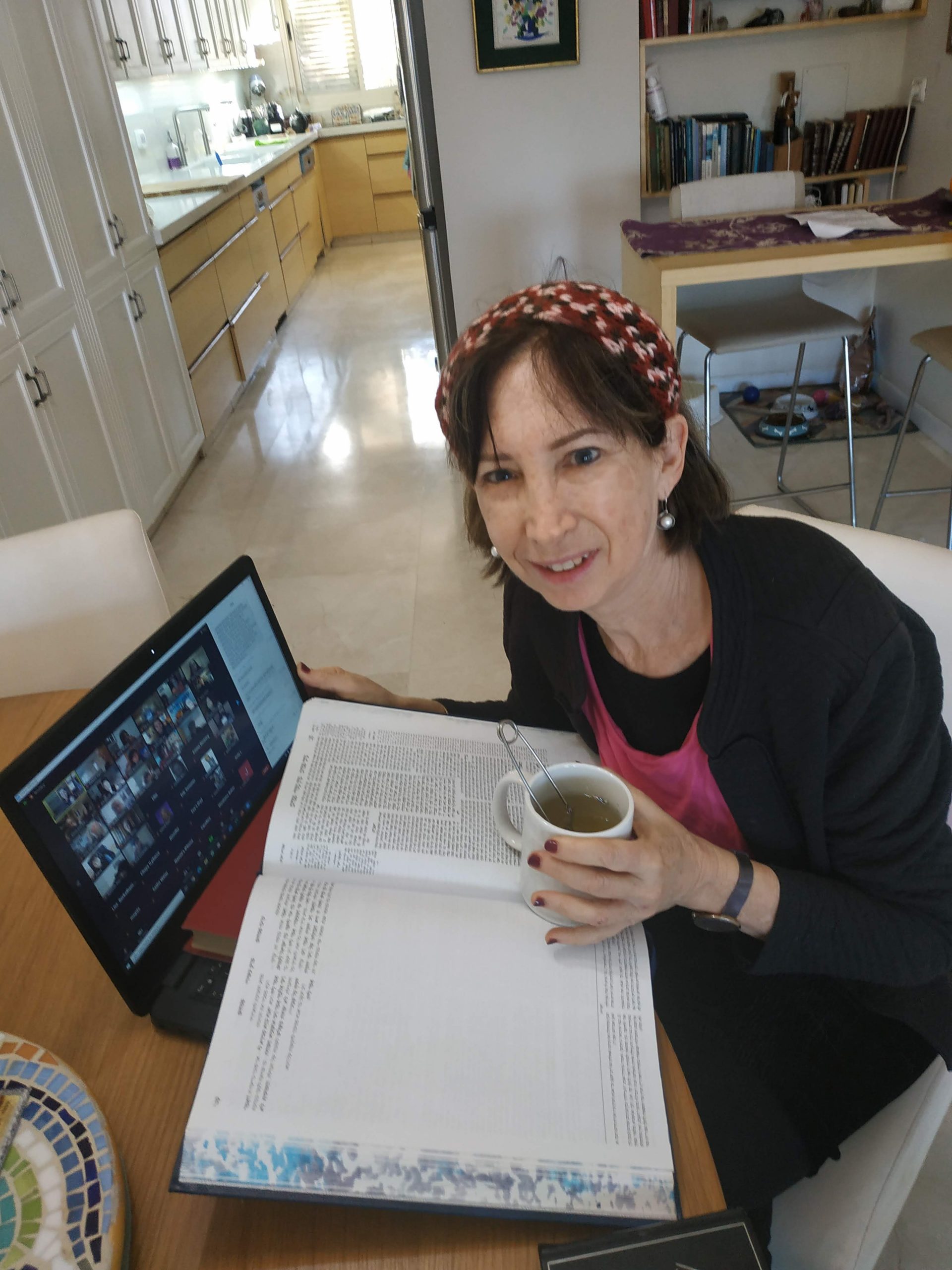
למדתי גמרא מכיתה ז- ט ב Maimonides School ואחרי העליה שלי בגיל 14 לימוד הגמרא, שלא היה כל כך מקובל בימים אלה, היה די ספוראדי. אחרי "ההתגלות” בבנייני האומה התחלתי ללמוד בעיקר בדרך הביתה למדתי מפוקקטסים שונים. לאט לאט ראיתי שאני תמיד חוזרת לרבנית מישל פרבר. באיזה שהוא שלב התחלתי ללמוד בזום בשעה 7:10 .
היום "אין מצב” שאני אתחיל את היום שלי ללא לימוד עם הרבנית מישל עם כוס הקפה שלי!!

selfie-scaled
דבי גביר

חשמונאים, ישראל

נדרים מז

הָאוֹמֵר לַחֲבֵירוֹ וְכוּ׳. בָּעֵי אֲבִימִי: ״קֻוֽנָּם לְבַיִת זֶה שֶׁאַתָּה נִכְנָס״, מֵת אוֹ שֶׁמְּכָרוֹ לְאַחֵר, מַהוּ? אָדָם אוֹסֵר דָּבָר שֶׁבִּרְשׁוּתוֹ לִכְשֶׁיֵּצֵא מֵרְשׁוּתוֹ, אוֹ לָא?

§ The mishna teaches: With regard to one who says to another: Entering your house is konam for me, and the owner dies or sells the house, the prohibition is lifted. But if he said: Entering this house is konam for me, he remains prohibited from entering the house even after the owner dies or sells the house. Avimi raises a dilemma: If the owner of a house said: Entering this house is konam for you, and then he died or sold it to another, what is the halakha? Do we say that a person can render an item in his possession forbidden even for a time after it will leave his possession, or not?

אָמַר רָבָא, תָּא שְׁמַע: הָאוֹמֵר לִבְנוֹ ״קֻוֽנָּם שֶׁאִי אַתָּה נֶהֱנֶה לִי״, וּמֵת — יִירָשֶׁנּוּ. ״בְּחַיָּיו וּבְמוֹתוֹ״, וּמֵת — לֹא יִירָשֶׁנּוּ. שְׁמַע מִינַּהּ אָדָם אוֹסֵר דָּבָר שֶׁבִּרְשׁוּתוֹ לִכְשֶׁיֵּצֵא מֵרְשׁוּתוֹ. שְׁמַע מִינַּהּ.

Rava said: Come and hear a proof from a mishna (Bava Kamma 108b–109a): If one says to his son: Benefiting from me is konam for you, and dies, the son still inherits from him. If, however, the father explicitly states that benefit is forbidden both in his lifetime and after his death, and dies, the son does not inherit from him. Rava suggests: Conclude from the mishna that a person can render an item in his possession forbidden even for a time after it will leave his possession. The Gemara notes: Conclude from the mishna that this is so.

תְּנַן הָתָם: ״קֻוֽנָּם פֵּירוֹת הָאֵלּוּ עָלַי״, ״קֻוֽנָּם הֵן עַל פִּי״, ״קֻוֽנָּם הֵן לְפִי״ — אָסוּר בְּחִילּוּפֵיהֶן וּבְגִידּוּלֵיהֶן.

§ We learned in a mishna there (57a): If one says: This produce is konam upon me, or: It is konam upon my mouth, or: It is konam for my mouth, he is prohibited from eating even its replacements, should they be traded or exchanged, and anything that grows from it if it is replanted.

בָּעֵי רָמֵי בַּר חָמָא: אָמַר ״קֻוֽנָּם פֵּירוֹת הָאֵלּוּ עַל פְּלוֹנִי״, מַהוּ בְּחִילּוּפֵיהֶן? מִי אָמְרִינַן גַּבֵּי דִילֵיהּ, הוֹאִיל וְאָדָם אוֹסֵר פֵּירוֹת חֲבֵירוֹ עַל עַצְמוֹ, אָדָם אוֹסֵר דָּבָר שֶׁלֹּא בָא לְעוֹלָם עַל עַצְמוֹ. גַּבֵּי חֲבֵירוֹ, הוֹאִיל וְאֵין אָדָם אוֹסֵר פֵּירוֹת חֲבֵירוֹ עַל חֲבֵירוֹ, אֵין אָדָם אוֹסֵר דָּבָר שֶׁלֹּא בָא לְעוֹלָם עַל חֲבֵירוֹ.

Rami bar Ḥama raises a dilemma: If one said: This produce is konam for so-and-so, what is the halakha with regard to their replacements? Do we say: With regard to himself, since a person can render another’s produce forbidden for himself, though it is not presently in his possession, so too, a person can render an entity that has not yet come into the world forbidden to himself? Is this why the replacement produce and anything that grows from it is forbidden to him, even if it did not yet exist when he took the vow? If so, with regard to another, since a person cannot render another’s produce forbidden to another, i.e., to that owner himself, similarly one cannot render an entity that has not yet come into the world forbidden to another. The produce’s replacements would therefore be permitted to him.

אוֹ דִילְמָא מִשּׁוּם דְּחִילּוּפִין כְּגִידּוּלִין דָּמֵי, לָא שְׁנָא הוּא וְלָא שְׁנָא חֲבֵרוֹ.

Or perhaps the prohibition on replacement produce in the mishna is due to the fact that replacements of the produce are viewed as being like that which grows from them? They are both forbidden because they derive from the forbidden produce. If this is the case, it is no different for him and it is no different for another. Neither may derive benefit from the replacements.

אָמַר רַב אַחָא בַּר מִנְיוֹמֵי, תָּא שְׁמַע: הָאוֹמֵר לְאִשְׁתּוֹ ״קֻוֽנָּם שֶׁאֲנִי נֶהֱנֶה לִיךְ״, לוֹוָה וּבַעְלֵי חוֹבִין בָּאִין וְנִפְרָעִין. מַאי טַעְמָא בַּעְלֵי חוֹבִין נִפְרָעִין — לָאו מִשּׁוּם דְּחִילּוּפִין לָאו כְּגִידּוּלִין דָּמֵי?

Rav Aḥa bar Minyumi said: Come and hear a proof from a baraita: With regard to one who says to his wife: Benefiting from me is konam for you, she may nevertheless borrow money to sustain herself, and the creditors can come and collect her debts from her husband. What is the reason that the creditors can collect from the husband? Is it not because she benefits only indirectly, and it must be that replacements, i.e., the creditors’ money, are not like that which grows from the original item?

אָמַר רָבָא: דִּילְמָא לְכַתְּחִילָּה הוּא דְּלָא, וְאִי עֲבַד — עֲבַד.

Rava said: This is not proof: Perhaps it is the case that one should not benefit from replacements ab initio, but if one did it, it is done after the fact. Since the wife lacks any other means to support herself, the case is considered to be after the fact, and it is permitted for her to benefit indirectly. Still, replacements of an item are considered to be like that which grows from it ab initio.

אֶלָּא, תָּא שְׁמַע: הַמְקַדֵּשׁ בְּעׇרְלָה — אֵינָהּ מְקוּדֶּשֶׁת. מְכָרָן וְקִידֵּשׁ בִּדְמֵיהֶן — הֲרֵי זוֹ מְקוּדֶּשֶׁת. הָכָא נָמֵי: לְכַתְּחִילָּה הוּא דְּלָא, וְאִי עֲבַד — עֲבַד.

Rather, come and hear a proof from another mishna (Kiddushin 56b): With regard to one who betroths a woman with fruit of orla, i.e., fruit of the first three years of a tree’s growth, from which it is forbidden to benefit, she is not betrothed because the fruits have no value. Betrothal can be performed only with an object worth at least one peruta. But if he sold them and betrothed her with the money he received, she is betrothed. Evidently, replacements of a forbidden item are permitted. The Gemara responds: Here also, one should not benefit from the replacement items given in exchange for the orla ab initio, but if one did it, it is done after the fact. Replacements of an item may still be considered to be like that which grows from it ab initio.

מַתְנִי׳ ״הֲרֵינִי עָלֶיךָ חֵרֶם״ — הַמּוּדָּר אָסוּר. ״הֲרֵי אַתְּ עָלַי חֵרֶם״ — הַנּוֹדֵר אָסוּר. ״הֲרֵינִי עָלֶיךָ וְאַתְּ עָלַי״ — שְׁנֵיהֶם אֲסוּרִין, וּשְׁנֵיהֶם מוּתָּרִין בְּדָבָר שֶׁל עוֹלֵי בָּבֶל,

MISHNA: If someone says to another: I am hereby forbidden to you like an item dedicated to the Temple, then the one prohibited by the vow is prohibited from benefiting from the possessions of the one who took the vow. If someone says: You are hereby forbidden to me like an item dedicated to the Temple, then the one who took the vow is prohibited from benefiting from the possessions of the other. If he says: I am hereby forbidden to you and you are hereby forbidden to me like an item dedicated to the Temple, both are prohibited from benefiting from the possessions of the other. But it is permitted for both of them to benefit from the objects belonging to those who ascended from Babylonia, i.e., common property of the nation as a whole, which is not considered to be the property of any individual.

רוצה לעקוב אחרי התכנים ולהמשיך ללמוד?

ביצירת חשבון עוד היום ניתן לעקוב אחרי ההתקדמות שלך, לסמן מה למדת, ולעקוב אחרי השיעורים שמעניינים אותך.

לנקות את כל הפריטים מהרשימה?

פעולה זו תסיר את כל הפריטים בחלק זה כולל ההתקדמות וההיסטוריה. שימי לב: לא ניתן לשחזר פעולה זו.

ביטול
מחיקה

האם את/ה בטוח/ה שברצונך למחוק פריט זה?

תאבד/י את כל ההתקדמות או ההיסטוריה הקשורות לפריט זה.

ביטול
מחיקה