חיפוש

יבמות קיד

רוצה להקדיש שיעור?

podcast placeholder

0:00
0:00


תקציר

המצגת בפורמט pdf

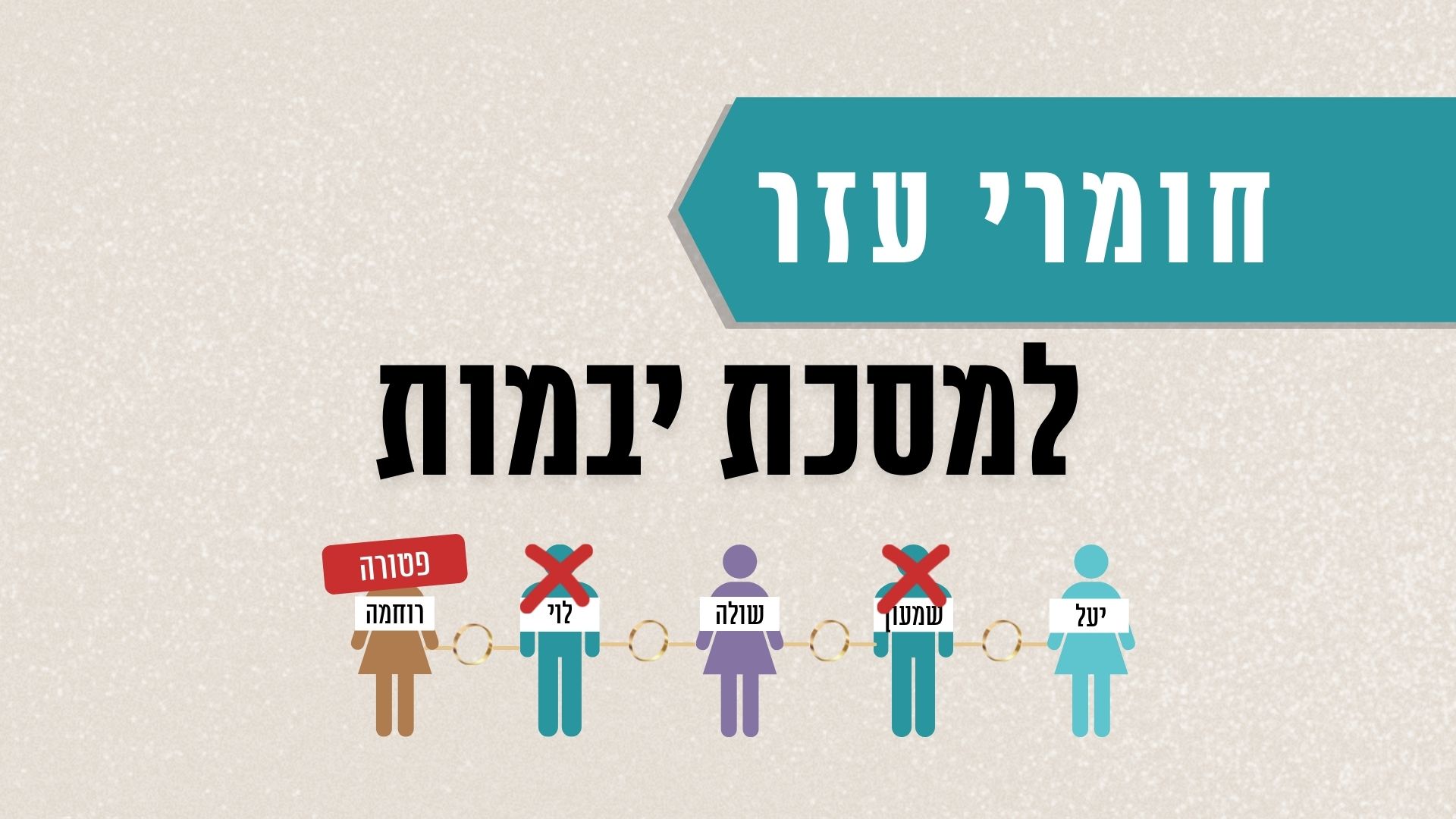
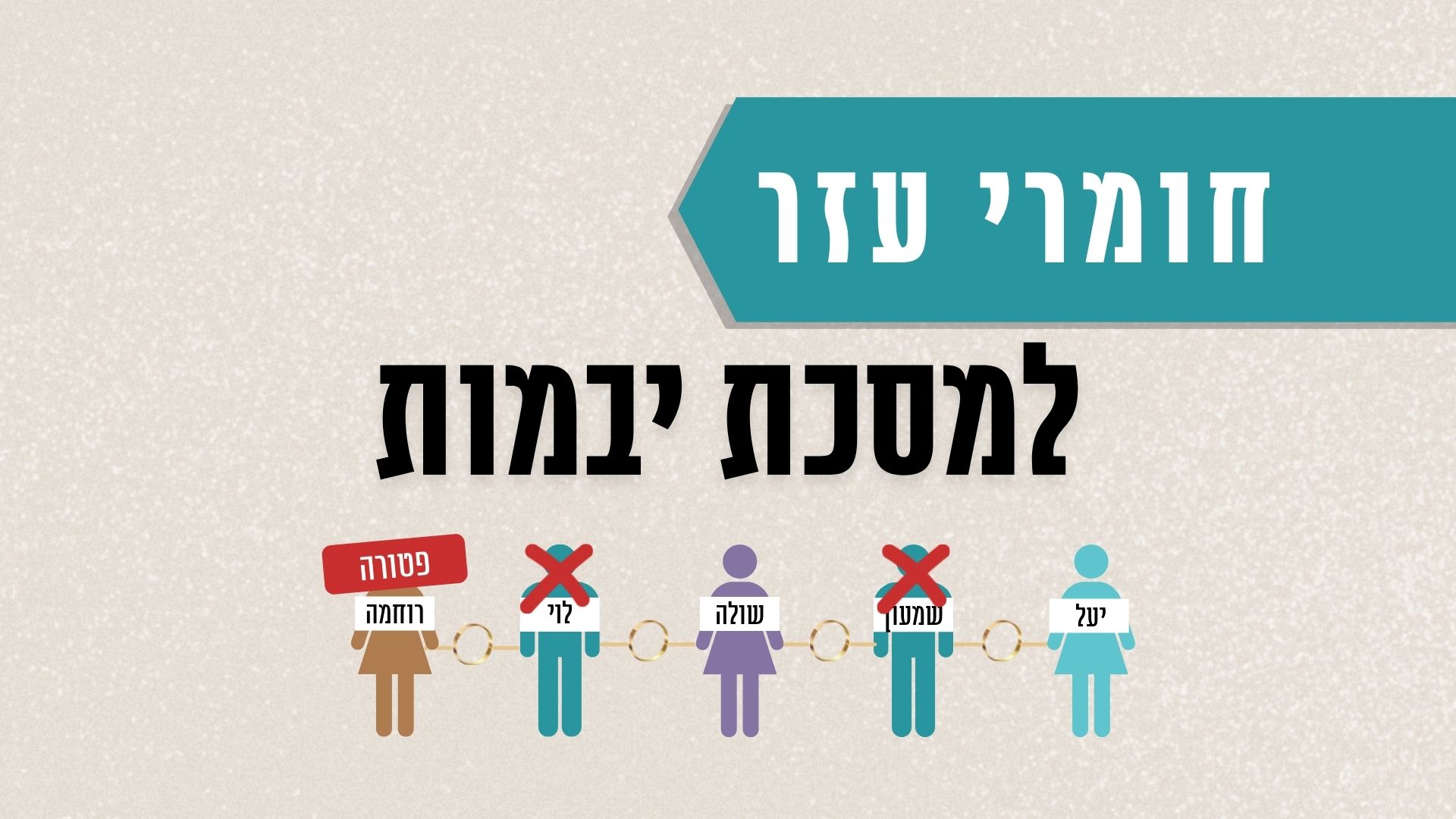
מסופר על מקרה שבו איבדו את מפתחות בית המדרש והיו צריכים להביא מפתחות מרשות הרבים בשבת כדי לפתוח את בית המדרש. הם שלחו ילדים ללכת לאזור הזה, מתוך כוונה שהם יבחינו במפתחות ויביאו אותם. מסיקים שהרב שהציע זאת סובר כי בית הדין אינם מצווים למנוע מקטנים לעבור על עבירות. הגמרא מביאה אחת עשרה מקורות תנאיים שונים בניסיון לתמוך או לסתור דעה זו, אולם ניתן להסביר כל מקור באופן שלא יאפשר להסיק משם שכן/אין בית הדין מצווים למנוע מקטנים לעבור עבירה. אם זוג נסע לחו”ל והיא חוזרת ואומרת שהוא מת, באילו נסיבות אנחנו מאמינים/לא מאמינים לה?


יבמות קיד

דְּבַר טְלֵי וְטַלְיָא וְלִיטַיְּילוּ הָתָם, דְּאִי מַשְׁכְּחִי לְהוּ, מַיְיתֵי לְהוּ. אַלְמָא קָסָבַר: קָטָן אוֹכֵל נְבֵלוֹת — אֵין בֵּית דִּין מְצֻוִּוין לְהַפְרִישׁוֹ. לֵימָא מְסַיַּיע לֵיהּ: לֹא יֹאמַר אָדָם לְתִינוֹק ״הָבֵא לִי מַפְתֵּחַ״, ״הָבֵא לִי חוֹתָם״, אֶלָּא מַנִּיחוֹ תּוֹלֵשׁ, מַנִּיחוֹ זוֹרֵק.

and lead boys and girls and let them walk there where the keys were lost, and if they find the keys they will bring them to you of their own accord, without you saying anything to them. The Gemara comments: Apparently, Rabbi Pedat maintains that with regard to a minor who eats meat from unslaughtered animals or violates other prohibitions, the court is not commanded to prevent him from doing so. The Gemara comments: Let us say that the following source supports his opinion: A person may not tell a child on Shabbat: Bring me a key, or: Bring me my seal from the public domain. However, he may allow the child to detach plants and allow him to throw in the public domain. This shows that one need not be strict with a child who transgresses a prohibition, but one may not tell a child to transgress a prohibition.

אָמַר אַבָּיֵי: ״תּוֹלֵשׁ״ — בְּעָצִיץ שֶׁאֵינוֹ נָקוּב, ״זוֹרֵק״ — בְּכַרְמְלִית דְּרַבָּנַן.

The Gemara rejects this suggestion: Abaye said that this is no proof, as it is possible that detaching plants is referring to an unperforated flowerpot, as the prohibition against detaching plants from a vessel of this kind applies by rabbinic law. Similar, when it states: Throw, this can be referring to throwing in a karmelit rather than the public domain. A karmelit is an intermediate domain between public and private domains, which has the status of a public domain by rabbinic law. However, perhaps one is obligated to stop the child if he is transgressing a Torah prohibition.

תָּא שְׁמַע: גּוֹי שֶׁבָּא לְכַבּוֹת — אֵין אוֹמְרִים לוֹ ״כַּבֵּה״ וְ״אַל תְּכַבֶּה״, מִפְּנֵי שֶׁאֵין שְׁבִיתָתוֹ עֲלֵיהֶם. קָטָן הַבָּא לְכַבּוֹת — אוֹמְרִים לוֹ ״אַל תְּכַבֶּה״, שֶׁשְּׁבִיתָתוֹ עֲלֵיהֶם.

The Gemara further suggests: Come and hear the following statement (Shabbat 121a): If a gentile comes to extinguish a Jew’s fire on Shabbat, one may not say to him: Extinguish, or: Do not extinguish, because responsibility for his rest is not incumbent upon the Jew. However, if a Jewish child comes to extinguish a fire on Shabbat, they do say to him: Do not extinguish, despite the fact that he is not yet obligated in mitzva observance, because responsibility for his rest is incumbent upon the Jew. This shows that one must prevent a minor from violating a Torah prohibition.

אָמַר רַבִּי יוֹחָנָן: בְּעוֹשֶׂה עַל דַּעַת אָבִיו, דִּכְווֹתֵיהּ גַּבֵּי גּוֹי דְּעוֹשֶׂה עַל דַּעַת יִשְׂרָאֵל, מִי שְׁרֵי? גּוֹי אַדַּעְתָּא דְּנַפְשֵׁיהּ עָבֵיד.

Rabbi Yoḥanan said: This is referring to a minor who is acting with his father’s consent. Even if the father did not tell him explicitly what to do, the child is aware of his father’s wishes, and acts on his behalf. The Gemara asks: The same reasoning can be applied with regard to a gentile, that he acts with the Jew’s consent, and yet in this case is it permitted for him to perform labor on behalf of a Jew? The Gemara answers: A gentile acts in accordance with his own wishes. As an adult he is responsible for his own decisions and is not considered to be following the instructions of others.

תָּא שְׁמַע: בֶּן חָבֵר שֶׁרָגִיל לֵילֵךְ אֵצֶל אֲבִי אִמּוֹ עַם הָאָרֶץ — אֵין חוֹשְׁשִׁין שֶׁמָּא יַאֲכִילֶנּוּ דְּבָרִים שֶׁאֵינָם מְתוּקָּנִים. מָצָא בְּיָדוֹ פֵּירוֹת — אֵין זָקוּק לוֹ! אָמַר רַבִּי יוֹחָנָן: בִּדְמַאי הֵקֵילּוּ.

Come and hear: The son of a ḥaver, one who is devoted to the meticulous observance of mitzvot, especially the halakhot of ritual purity, teruma, and tithes, is accustomed to going to his mother’s father, who is an ignoramus and therefore is not known to be as careful to separate teruma and tithes. In this case, the son need not be concerned lest his grandfather feed him food items that are not tithed. If the father found fruit in the child’s hand, and he does not know where the fruit is from, he is not bound to separate tithes from the fruit. This indicates that one need not prevent a minor from eating forbidden food. Rabbi Yoḥanan said: The Sages were lenient with regard to doubtfully tithed produce [demai]. Since the prohibition against eating this produce applies only due to doubt, and most ignoramuses do separate tithes, the Sages were lenient in uncertain cases of this kind.

אֶלָּא טַעְמָא דִּדְמַאי, הָא וַדַּאי בְּעָא לְעַשּׂוֹרֵי? וְהָאָמַר רַבִּי יוֹחָנָן: בְּעוֹשֶׂה עַל דַּעַת אָבִיו! אֶלָּא רַבִּי יוֹחָנָן סַפּוֹקֵי מְסַפְּקָא לֵיהּ, קָאֵי הָכָא מְדַחֵי, קָאֵי הָכָא מְדַחֵי.

The Gemara infers: Rather, the reason that the Sages were lenient is that it is demai, from which it may be inferred that if it was definitely untithed, the father would be required to tithe the fruit. But didn’t Rabbi Yoḥanan himself say that one need stop a minor only when he is acting with his father’s consent? Rather, Rabbi Yoḥanan is uncertain with regard to this halakha, and therefore in this case he refutes it, and in that case he refutes it. In other words, he reached no definite conclusion about this matter, and therefore he treats each case on its own merits.

תָּא שְׁמַע: בֶּן חָבֵר כֹּהֵן שֶׁרָגִיל לֵילֵךְ אֵצֶל אֲבִי אִמּוֹ כֹּהֵן עַם הָאָרֶץ — אֵין חוֹשְׁשִׁין שֶׁמָּא יַאֲכִילֶנּוּ תְּרוּמָה טְמֵאָה, מָצָא בְּיָדוֹ פֵּירוֹת — אֵין זָקוּק לוֹ! בִּתְרוּמָה דְּרַבָּנַן.

Come and hear: With regard to the son of a ḥaver priest who is accustomed to going to his mother’s father, a priest who is also an ignoramus, one need not be concerned lest his grandfather feed him ritually impure teruma. If the father found fruit in the child’s hand, he is not bound to take it from him. This shows that even when the concern involves ritually impure teruma, which is a Torah prohibition, one is not required to ensure that a minor does not sin. The Gemara rejects this: This is no proof, as this is referring to teruma that is separated by rabbinic law, not a doubt concerning a Torah prohibition.

תָּא שְׁמַע: יוֹנֵק תִּינוֹק וְהוֹלֵךְ מִגּוֹיָה וּמִבְּהֵמָה טְמֵאָה, וְאֵין חוֹשְׁשִׁין בְּיוֹנֵק שֶׁקֶץ. וְלֹא יַאֲכִילֶנּוּ נְבֵלוֹת וּטְרֵפוֹת שְׁקָצִים וּרְמָשִׂים. וּמִכּוּלָּן יוֹנֵק מֵהֶם וַאֲפִילּוּ בַּשַּׁבָּת. וּבְגָדוֹל אָסוּר. אַבָּא שָׁאוּל אוֹמֵר: נוֹהֲגִין הָיִינוּ שֶׁיּוֹנְקִים מִבְּהֵמָה טְהוֹרָה בְּיוֹם טוֹב.

Come and hear: A child may regularly suckle from a gentile woman; and a child may suckle from a non-kosher animal. And in both cases one need not be concerned that he might be considered one who suckles from a detestable creature. But one may not feed a child unslaughtered animal carcasses, or animals with wounds that will cause the animals to die within twelve months [tereifot], or repugnant creatures, or creeping animals. A child may suckle from all these, including the non-kosher creatures, even on Shabbat, but in the case of an adult, it is prohibited for him to suckle on Shabbat even from a kosher animal. Abba Shaul says: We were accustomed to suckle from a kosher animal on a Festival, rather than milk it by hand, in the usual way.

קָתָנֵי מִיהָא אֵין חוֹשְׁשִׁין בְּיוֹנֵק שֶׁקֶץ! הָתָם מִשּׁוּם סַכָּנָה. אִי הָכִי — גָּדוֹל נָמֵי!

In any event, this tanna teaches that one need not be concerned that he might be considered one who suckles from a detestable creature, which indicates that a child may be left to eat forbidden food. The Gemara rejects this: There, permission is granted due to a danger, because a child must eat. The Gemara asks: If so, it should also be permitted for an adult, as saving a human life supersedes these prohibitions.

גָּדוֹל בָּעֵי אוּמְדָּנָא. קָטָן נָמֵי לִיבְעֵי אוּמְדָּנָא! אָמַר רַב הוּנָא בְּרֵיהּ דְּרַב יְהוֹשֻׁעַ: סְתָם תִּינוֹק מְסוּכָּן אֵצֶל חָלָב.

The Gemara answers: An adult requires consultation, i.e., doctors or other experts must examine him and establish that he is dangerously ill. The Gemara retorts: A minor should also require consultation as to whether he is in danger. Rav Huna, son of Rav Yehoshua, said: There is no need for a special consultation, as in an unspecified case a child is in danger with regard to milk. It can be assumed that a child needs milk, and if he does not get it, he will be in danger.

אַבָּא שָׁאוּל אוֹמֵר: נוֹהֲגִין הָיִינוּ שֶׁיּוֹנְקִים מִבְּהֵמָה טְהוֹרָה בְּיוֹם טוֹב. הֵיכִי דָּמֵי? אִי דְּאִיכָּא סַכָּנָה — אֲפִילּוּ בְּשַׁבָּת נָמֵי, וְאִי דְּלֵיכָּא סַכָּנָה — אֲפִילּוּ בְּיוֹם טוֹב אָסוּר! לָא צְרִיכָא דְּאִיכָּא צַעֲרָא.

The Gemara analyzes the last opinion in the above baraita. Abba Shaul says: We were accustomed to suckle from a kosher animal on a Festival. The Gemara inquires: What are the circumstances? If there is imminent danger to a person, even on Shabbat it should also be permitted. And if there is no danger, even on a Festival it should be prohibited. The Gemara answers: No, it is necessary in a case where there is suffering, i.e., they suffer from thirst but no danger is involved.

וְקָסָבַר מְפָרֵק כִּלְאַחַר יָד הוּא. שַׁבָּת דְּאִיסּוּר סְקִילָה — גְּזַרוּ רַבָּנַן, יוֹם טוֹב דְּאִיסּוּר לָאו — לָא גְּזַרוּ בֵּיהּ רַבָּנַן.

The Gemara explains: And Abba Shaul holds that sucking directly from an animal is considered the prohibited labor of extracting performed in an unusual manner. It is prohibited to remove food from a source that is not fit for consumption. However, in this case he does not do so in the usual way of milking, but by sucking, and therefore it is prohibited by rabbinic law. Consequently, on Shabbat, when it is a prohibition punishable by stoning, the Sages issued a decree in this case, even if the milking is done in an unusual manner. Conversely, with regard to a Festival, when labor is a negative prohibition that is not punishable by stoning, the Sages did not issue a decree in a situation that involves suffering. In any case, this source offers no proof with respect to how to treat a child who transgresses.

תָּא שְׁמַע: ״לֹא תֹאכְלוּם כִּי שֶׁקֶץ הֵם״, לֹא תַּאֲכִילוּם — לְהַזְהִיר הַגְּדוֹלִים עַל הַקְּטַנִּים. מַאי לָאו, דְּאָמַר לְהוּ לֹא תֵּאכְלוּ! לָא, דְּלָא לִיסְפּוֹ לֵיהּ בְּיָדַיִם.

Come and hear: The verse states, with regard to creeping animals and other non-kosher animals: “You shall not eat them [tokhlum] for they are a detestable thing” (Leviticus 11:42). The Sages interpret this verse as though it said ta’akhilum, do not feed them to others. The verse comes to warn adults concerning minors, i.e., not only is it prohibited for adults to eat these items themselves, they may also not feed them to minors. What, is it not the case that this means adults must say to children: Do not eat, and prevent them from transgressing? The Gemara rejects this explanation: No, it means that an adult may not feed the minor non-kosher food directly by direct action, but this does not prove that one must stop a child from eating non-kosher food of his own accord.

תָּא שְׁמַע: ״כׇּל נֶפֶשׁ מִכֶּם לֹא תֹאכַל דָּם״, לְהַזְהִיר הַגְּדוֹלִים עַל הַקְּטַנִּים. מַאי לָאו, דְּאָמְרִי לְהוּ לֹא תֵּאכְלוּ! לָא, דְּלָא לִיסְפּוֹ לְהוּ בְּיָדַיִם.

Come and hear, as the verse states: “No soul of you shall eat blood” (Leviticus 17:12). This serves to warn adults concerning minors. What, is it not the case that this means adults must say to children: Do not eat blood? The Gemara responds: No, here, too, it means that an adult may not feed minors by direct action.

תָּא שְׁמַע: ״אֱמוֹר … וְאָמַרְתָּ״, לְהַזְהִיר גְּדוֹלִים עַל הַקְּטַנִּים. מַאי לָאו, דְּאָמַר לְהוּ לָא תִּיטַּמּוֹ! לָא, דְּלָא לִיטַמּוֹ לְהוּ בְּיָדַיִם.

Come and hear, as the verse states: “Speak to the priests, the sons of Aaron, and say to them: None shall become impure for the dead among his people” (Leviticus 21:1). This reiteration of “speak” and “and say” comes to warn adults concerning minors. What, is it not the case that this means adults must say to children: Do not become impure? The Gemara rejects this: No, it is possible to interpret that an adult should not render children impure by direct action.

וּצְרִיכִי: דְּאִי אַשְׁמְעִינַן שְׁקָצִים —

The Gemara adds: And all these three cases are necessary, despite the fact that they apparently teach the same halakha, i.e., that adults may not feed minors forbidden food. As, had the tanna taught us only the case of repugnant creatures,

מִשּׁוּם דְּאִיסּוּרָן בְּמַשֶּׁהוּ, אֲבָל דָּם — דְּעַד דְּאִיכָּא רְבִיעִית, אֵימָא לָא. וְאִי אַשְׁמְעִינַן דָּם — מִשּׁוּם דְּאִיכָּא כָּרֵת, אֲבָל שְׁרָצִים, אֵימָא לָא.

we would have said that the halakha is stringent in this case because they are prohibited by any amount, i.e., a creeping animal or insect is prohibited on pain of lashes even if it is very small, provided that it is a whole creature (Tosafot). However, with regard to eating blood, which is not a Torah prohibition unless there is at least the volume of a quarter-log, one might say that there is no prohibition against directly feeding minors, as this prohibition is more lenient. And had the tanna taught us only the case of blood, we would have said that they were stringent with regard to blood because there is the punishment of karet for eating blood. However, for creeping animals, whose consumption does not entail karet, one might say that this halakha does not apply.

וְאִי אַשְׁמְעִינַן הָנֵי תַּרְתֵּי — מִשּׁוּם דְּאִיסּוּרָן שָׁוֶה בַּכֹּל, אֲבָל טוּמְאָה, אֵימָא לָא. וְאִי אַשְׁמְעִינַן טוּמְאָה — כֹּהֲנִים שָׁאנֵי, מִשּׁוּם דְּרִיבָּה בָּהֶן מִצְוֹת יְתֵרוֹת, אֲבָל הָנֵי, אֵימָא לָא, צְרִיכָא.

And had the tanna taught us only these two cases, we would have said it is because their prohibitions apply equally to all Jews. However, in the case of ritual impurity, which is a mitzva for priests alone, one might say that there is no prohibition against directly rendering minors ritually impure. And had the tanna taught us only the case of ritual impurity, we would have said that the case of priests is different and more stringent, because the Torah includes extra mitzvot for them. However, with regard to these prohibitions of creeping animals and blood, one might say that there is no prohibition against directly feeding minors. Therefore, it was necessary to state all these cases.

תָּא שְׁמַע: שְׁנֵי אַחִין, אֶחָד פִּקֵּחַ וְאֶחָד חֵרֵשׁ, נְשׂוּאִין שְׁתֵּי אֲחָיוֹת פִּקְּחוֹת. מֵת חֵרֵשׁ בַּעַל פִּקַּחַת, מָה יַעֲשֶׂה פִּקֵּחַ בַּעַל פִּקַּחַת? תֵּצֵא מִשּׁוּם אֲחוֹת אִשָּׁה.

§ The Gemara cites another relevant source with regard to a minor who eats the meat of unslaughtered animals. Come and hear: If two brothers, one of whom is a deaf-mute and the other one halakhically competent, were married to two halakhically competent sisters, and the deaf-mute married to the halakhically competent sister died, what should the halakhically competent brother married to the halakhically competent sister do? His brother’s wife is released without levirate marriage or ḥalitza, due to the prohibition with regard to a wife’s sister.

מֵת פִּקֵּחַ בַּעַל פִּקַּחַת, מָה יַעֲשֶׂה חֵרֵשׁ בַּעַל פִּקַּחַת? מוֹצִיא אֶת אִשְׁתּוֹ בְּגֵט, וְאֵשֶׁת אָחִיו אֲסוּרָה לְעוֹלָם.

If the halakhically competent brother married to the halakhically competent sister died, what should the deaf-mute brother married to the halakhically competent sister do? He divorces his wife with a bill of divorce, which is as valid as their original marriage. And his brother’s wife is forbidden to him forever. He must divorce his wife, as the levirate bond applies by Torah law, whereas his marriage is valid by rabbinic law. However, in practice he is unable to consummate levirate marriage with the yevama or perform ḥalitza with her.

אַמַּאי מוֹצִיא אֶת אִשְׁתּוֹ בְּגֵט? תִּיתִּיב גַּבֵּיהּ, קָטָן אוֹכֵל נְבֵלוֹת הוּא! מִשּׁוּם אִיסּוּרָא דִידַהּ.

The Gemara inquires: Why should he divorce his wife with a bill of divorce? Let her continue to live with him, as a deaf-mute is in the same category as a minor who eats the meat of unslaughtered animals, for he is not legally competent. Consequently, even if he were to engage in sexual relations with her, this would not be considered a transgression. The Gemara answers: If the matter concerned the deaf-mute alone, this would be the case. However, here he must divorce her due to the prohibition that applies to her, as his wife is legally competent, and just as she is forbidden to him, he is also forbidden to her.

תָּא שְׁמַע: שְׁנֵי אַחִין פִּקְחִין נְשׂוּאִין שְׁתֵּי אֲחָיוֹת, אַחַת פִּקַּחַת וְאַחַת חֵרֶשֶׁת. מֵת פִּקֵּחַ בַּעַל חֵרֶשֶׁת, מָה יַעֲשֶׂה פִּקֵּחַ בַּעַל פִּקַּחַת? תֵּצֵא מִשּׁוּם אֲחוֹת אִשָּׁה. מֵת פִּקֵּחַ בַּעַל פִּקַּחַת, מָה יַעֲשֶׂה פִּקֵּחַ בַּעַל חֵרֶשֶׁת? מוֹצִיא אֶת אִשְׁתּוֹ בַּגֵּט, וְאֵשֶׁת אָחִיו בַּחֲלִיצָה.

Come and hear: If two halakhically competent brothers were married to two sisters, one of whom is a deaf-mute and the other one halakhically competent, and the halakhically competent brother married to the deaf-mute sister died, what should the halakhically competent brother married to the halakhically competent sister do? The deaf-mute is released due to the prohibition with regard to a wife’s sister. If the halakhically competent brother married to the halakhically competent sister died, what should the halakhically competent brother married to the deaf-mute sister do? He divorces his wife with a bill of divorce, as the halakhically competent sister came before him for levirate marriage, and the legal status of her levirate bond is higher than that of his marriage to his wife, a deaf-mute. And he releases his brother’s wife, who is not a deaf-mute, by means of ḥalitza, as they are both competent and can therefore perform ḥalitza.

וְאַמַּאי מוֹצִיא אֶת אִשְׁתּוֹ בְּגֵט? תִּיתֵּיב גַּבֵּיהּ, קָטָן אוֹכֵל נְבֵלוֹת הוּא! מִשּׁוּם אִיסּוּרָא דִּידֵיהּ.

The Gemara again asks: But why should he divorce his wife with a bill of divorce? Let her continue to live with him, as a deaf-mute is in the same category as a minor who eats the meat of unslaughtered animals. The Gemara answers as above: He must divorce her due to the prohibition that applies to him.

אָמַר רָבָא, תָּא שְׁמַע: שְׁנֵי אַחִין, אֶחָד חֵרֵשׁ וְאֶחָד פִּקֵּחַ נְשׂוּאִין לִשְׁתֵּי אֲחָיוֹת, אַחַת פִּקַּחַת וְאַחַת חֵרֶשֶׁת. מֵת חֵרֵשׁ בַּעַל חֵרֶשֶׁת, מָה יַעֲשֶׂה פִּקֵּחַ בַּעַל פִּקַּחַת? תֵּצֵא מִשּׁוּם אֲחוֹת אִשְׁתּוֹ. מֵת פִּקֵּחַ בַּעַל פִּקַּחַת, מָה יַעֲשֶׂה חֵרֵשׁ בַּעַל חֵרֶשֶׁת? מוֹצִיא אֶת אִשְׁתּוֹ בְּגֵט, וְאֵשֶׁת אָחִיו אֲסוּרָה לְעוֹלָם.

Rava said: Come and hear: If two brothers, one of whom is a deaf-mute and the other one halakhically competent, were married to two sisters, one of whom is a deaf-mute and the other one halakhically competent, and the deaf-mute brother married to the deaf-mute sister died, what should the halakhically competent brother married to the halakhically competent sister do? The deaf-mute woman is released due to the prohibition with regard to a wife’s sister. If the halakhically competent brother married to the halakhically competent sister died, what should the deaf-mute brother married to the deaf-mute sister do? He divorces his wife with a bill of divorce, and his brother’s wife is forbidden to him forever.

וְהָא הָכָא דְּלָאו אִיסּוּרָא דִידַהּ אִיכָּא, וְלָאו אִיסּוּרָא דִּידֵיהּ אִיכָּא, וְקָתָנֵי: מוֹצִיא אֶת אִשְׁתּוֹ בְּגֵט! אָמַר רַב שְׁמַעְיָה: גְּזֵירָה מִשּׁוּם הַתָּרַת יְבָמָה לַשּׁוּק.

Rava elaborates: But here is a case where there is no prohibition that applies to her and there is no prohibition that applies to him, as they are both deaf-mutes who are not prohibited to each other, and yet it is taught that he divorces his wife with a bill of divorce. Rav Shemaya said: This is a rabbinic decree due to the danger of permitting a yevama to a member of the public. Since people might think that the deaf-mute sister is his full-fledged wife, they are likely to conclude that it is permitted for this yevama to marry someone other than the yavam, like any other sister of the wife of the yavam. However, in actual fact she is not the sister of the wife of her yavam, as the deaf-mutes are not married by Torah law, and she may not marry any other man because she is a yevama whose yavam cannot marry her or perform ḥalitza. For this reason, the Sages decreed that this deaf-mute husband must divorce his wife. In sum, this source too does not provide conclusive proof with regard to the question of a minor who eats meat from unslaughtered animals.


הֲדַרַן עֲלָךְ חֵרֵשׁ

הָאִשָּׁה שֶׁהָלְכָה הִיא וּבַעְלָהּ לִמְדִינַת הַיָּם. שָׁלוֹם בֵּינוֹ לְבֵינָהּ, וְשָׁלוֹם בָּעוֹלָם. וּבָאָה וְאָמְרָה: ״מֵת בַּעְלִי״ — תִּנָּשֵׂא. ״מֵת בַּעְלִי״ — תִּתְיַיבֵּם.

MISHNA: With regard to a woman who went, she and her husband, overseas, if there was peace between him and her, i.e., the couple were not fighting at the time, and there was also peace in the world, i.e., there was no war at that time, and the woman came back by herself and said: My husband died, she may marry on the basis of her own testimony. Likewise, if she said: My husband died, and they did not have children, but her husband had a brother, she may enter into levirate marriage.

שָׁלוֹם בֵּינוֹ לְבֵינָהּ, וּמִלְחָמָה בָּעוֹלָם. קְטָטָה בֵּינוֹ לְבֵינָהּ, וְשָׁלוֹם בָּעוֹלָם. וּבָאתָה וְאָמְרָה: ״מֵת בַּעְלִי״ — אֵינָהּ נֶאֱמֶנֶת. רַבִּי יְהוּדָה אוֹמֵר: לְעוֹלָם אֵינָהּ נֶאֱמֶנֶת, אֶלָּא אִם כֵּן בָּאתָה בּוֹכָה, וּבְגָדֶיהָ קְרוּעִין. אָמְרוּ לוֹ: אַחַת זוֹ וְאַחַת זוֹ תִּנָּשֵׂא.

If there was peace between him and her when they left but there was war in the world, or if there was a quarrel between him and her and peace in the world, and she came and said: My husband died, she is not deemed credible, as she may be mistaken or lying. Rabbi Yehuda says: She is never deemed credible when she testifies that her husband died, unless she came crying and her clothing was torn, in which case it is apparent that she is speaking the truth. They said to him: This is an incorrect distinction. Rather, both this woman who cries and this woman who does not cry may marry on the basis of their own testimony.

גְּמָ׳ תְּנָא ״שָׁלוֹם בֵּינוֹ לְבֵינָהּ״, מִשּׁוּם דְּקָבָעֵי לְמִיתְנֵי ״קְטָטָה בֵּינוֹ לְבֵינָהּ״. תְּנָא ״שָׁלוֹם בָּעוֹלָם״, מִשּׁוּם דְּקָבָעֵי לְמִיתְנֵי ״מִלְחָמָה בְּעוֹלָם״.

GEMARA: The tanna of the mishna taught the clause: Peace between him and her, because later he wanted to teach the clause: A quarrel between him and her. Likewise, he taught: Peace in the world, because he wanted to teach afterward: War in the world. In other words, the fact that there was peace between them or peace in the world is of importance only because the opposite is the case in other situations dealt with in the mishna. Therefore, the tanna emphasized the lack of disruptions in the first case cited by the mishna.

אָמַר רָבָא: מַאי טַעְמָא דְּמִלְחָמָה — מִשּׁוּם דְּאָמְרָה בִּדְדָמֵי: סָלְקָא דַּעְתָּא בְּכֹל הָנֵי דְּאִיקְּטוּל, הוּא פָּלֵיט? אִם תִּימְצָא לוֹמַר, כֵּיוָן דְּשָׁלוֹם בֵּינוֹ לְבֵינָהּ נָטְרָא עַד דְּחָזְיָא, זִימְנִין דְּמָחוּ לֵיהּ בְּגִירָא אוֹ בְּרוּמְחָא וְסָבְרָא וַדַּאי מֵת, וְאִיכָּא דְּעָבֵד סַמְתָּרִי וְחָיֵה.

Rava said: What is the reason that one does not rely on her testimony when there is war? It is because she says what she imagines to be the case: Can it enter one’s mind that among all these people who were killed, her husband alone is saved? If you say: Since there was peace between him and her, she guards herself and waits until she actually sees that he died; even so, at times it might happen that his enemies strike him with an arrow or spear and she thinks that he is certainly dead due to the wound, and yet this is no proof that he is dead, as there are instances when someone prepares medicine [samterei] for the wounded person and he survives, despite his apparently fatal wound.

סָבַר רָבָא לְמֵימַר רְעָבוֹן אֵינוֹ כְּמִלְחָמָה, דְּלָא אָמְרָה בִּדְדָמֵי. הֲדַר אָמַר רָבָא: רְעָבוֹן הֲרֵי הוּא כְּמִלְחָמָה. דְּהָהִיא דַּאֲתָת לְקַמֵּיהּ דְּרָבָא, אֲמַרָה לֵיהּ: ״בַּעְלִי מֵת בָּרָעָב״. אֲמַר לַהּ: שַׁפִּיר עֲבַדְתְּ דְּשֵׁיזִבְתְּ נַפְשִׁיךְ? סָלְקָא דַּעְתָּךְ דִּבְהָהוּא פּוּרְתָּא דִּנְפָפִיתָא דִּשְׁבַקְתְּ לֵיהּ הֲוָה חָיֵי? אֲמַרָה לֵיהּ: מָר נָמֵי יָדַע דְּכִי הַאי גַוְונָא לָא חָיֵי.

Rava thought to say that famine is not like war, as in the case of a famine she will not say and infer based on what she imagines to be the case. Rava then retracted and said: Famine is like war. Why did he change his mind? This happened because a certain woman came before Rava, and said to him: My husband died in a famine. Seeking to cross-examine her, Rava said to her: Did you do well to save yourself, by running away and leaving him? Did it enter your mind that with that small amount of sifted flour that you left him he could have survived? She said to him: The Master also knows that in a case like this he could not survive. Rava understood from her comment that she did not actually see her husband die, but merely saw that he was weak from hunger, and yet she testified with certainty that he died.

הֲדַר אָמַר רָבָא: רְעָבוֹן גְּרִיעָה מִמִּלְחָמָה. דְּאִילּוּ מִלְחָמָה, כִּי אָמְרָה: ״מֵת בַּעְלִי בַּמִּלְחָמָה״ הוּא דְּלָא מְהֵימְנָא, הָא ״מֵת עַל מִטָּתוֹ״ — מְהֵימְנָא. וְאִילּוּ גַּבֵּי רְעָבוֹן, עַד דְּאָמְרָה: ״מֵת וּקְבַרְתִּיו״.

Rava then retracted again and said: Famine is worse than war in this respect. As in wartime, it is only if she said: My husband died in the war, that she is not deemed credible. This indicates that if in a time of war she says: He died upon his bed, or in some other unrelated manner, she is deemed credible, as she would not err in this case, whereas with regard to a famine she is deemed credible only if she says: He died and I buried him. In other words, during a famine it must be clear that she is testifying about his actual death, and is not basing her claim on an assumption.

מַפּוֹלֶת — הֲרֵי הוּא כְּמִלְחָמָה, דְּאָמְרָה בִּדְדָמֵי. שִׁילּוּחַ נְחָשִׁים וְעַקְרַבִּים — הֲרֵי הֵן כְּמִלְחָמָה, דְּאָמְרָה בִּדְדָמֵי.

Similarly, a rockslide is like war, as she will say what she imagines to be the case, and she might not meticulously examine the facts to see if he was possibly saved. Furthermore, an outbreak of snakes and scorpions is like war, as she will say what she imagines to be the case.

דֶּבֶר — אָמְרִי לַהּ הֲרֵי הוּא כְּמִלְחָמָה, וְאָמְרִי לַהּ אֵינוֹ כְּמִלְחָמָה. אָמְרִי לַהּ הֲרֵי הוּא כְּמִלְחָמָה, דְּאָמְרִי בִּדְדָמֵי. וְאָמְרִי לַהּ אֵינוֹ כְּמִלְחָמָה, דְּסָמְכִי אַדְּאָמְרִי אִינָשֵׁי: שַׁב שְׁנִין הָוֵה מוֹתָנָא, וְאִינָשׁ בְּלָא שְׁנֵי לָא אָזֵיל.

In a case of pestilence or a similar plague, some say it is like war, and some say it is not like war. The Gemara explains: Some say it is like war, as she will say what she imagines to be the case, because she assumes that if most everyone died in the plague her husband could not have survived. Conversely, some say it is not like war, because we rely on that which people say in the common expression: For seven years there was pestilence and not a person left, i.e., died, before his time. In other words, with regard to natural disasters of this kind it is known sometimes that one can avoid harm, and therefore if a woman testifies that her husband died she certainly witnessed his death.

אִיבַּעְיָא לְהוּ: הֶחְזִיקָה הִיא מִלְחָמָה בָּעוֹלָם, מַהוּ? מִי אָמְרִינַן מָה לָהּ לְשַׁקֵּר,

§ A dilemma was raised before the scholars: If she maintains that there is a war in the world, i.e., if the court was not aware of a war in that place, but the wife comes and claims that there was a war, and she went on to say that her husband died in this war, what is the halakha in this case? Do we say: Why should she lie? In other words, if she was lying she would have issued a more advantageous claim. Since she herself informed the court that there was a war, which undermines her claim that her husband died, there is no legitimate reason to suspect her of lying.

העמקה

רוצה להבין מה באמת קורה מתחת לפני השטח של הסוגיה?
שיעורים, פודקאסטים והרחבות של מיטב המורות שלנו יפתחו לך עוד זוויות וכיווני חשיבה.

לשיעורי עוד על הדף באנגלית, לחצי כאן

חדשה בלימוד הגמרא?

זה הדף הראשון שלך? איזו התרגשות עצומה! יש לנו בדיוק את התכנים והכלים שיעזרו לך לעשות את הצעדים הראשונים ללמידה בקצב וברמה שלך, כך תוכלי להרגיש בנוח גם בתוך הסוגיות המורכבות ומאתגרות.

פסיפס הלומדות שלנו

גלי את קהילת הלומדות שלנו, מגוון נשים, רקעים וסיפורים. כולן חלק מתנועה ומסע מרגש ועוצמתי.

התחלתי ללמוד דף יומי כאשר קיבלתי במייל ממכון שטיינזלץ את הדפים הראשונים של מסכת ברכות במייל. קודם לא ידעתי איך לקרוא אותם עד שנתתי להם להדריך אותי. הסביבה שלי לא מודעת לעניין כי אני לא מדברת על כך בפומבי. למדתי מהדפים דברים חדשים, כמו הקשר בין המבנה של בית המקדש והמשכן לגופו של האדם (יומא מה, ע”א) והקשר שלו למשפט מפורסם שמופיע בספר ההינדי "בהגוד-גיתא”. מתברר שזה רעיון כלל עולמי ולא רק יהודי

Elena Arenburg
אלנה ארנבורג

נשר, ישראל

התחלתי ללמוד דף יומי באמצע תקופת הקורונה, שאבא שלי סיפר לי על קבוצה של בנות שתיפתח ביישוב שלנו ותלמד דף יומי כל יום. הרבה זמן רציתי להצטרף לזה וזאת הייתה ההזדמנות בשבילי. הצטרפתי במסכת שקלים ובאמצע הייתה הפסקה קצרה. כיום אני כבר לומדת באולפנה ולומדת דף יומי לבד מתוך גמרא של טיינזלץ.

Saturdays in Raleigh
שבות בראלי

עתניאל, ישראל

התחלתי להשתתף בשיעור נשים פעם בשבוע, תכננתי ללמוד רק דפים בודדים, לא האמנתי שאצליח יותר מכך.
לאט לאט נשאבתי פנימה לעולם הלימוד .משתדלת ללמוד כל בוקר ומתחילה את היום בתחושה של מלאות ומתוך התכווננות נכונה יותר.
הלימוד של הדף היומי ממלא אותי בתחושה של חיבור עמוק לעם היהודי ולכל הלומדים בעבר ובהווה.

Neely Hayon
נילי חיון

אפרת, ישראל

"התחלתי ללמוד דף יומי במחזור הזה, בח’ בטבת תש””ף. לקחתי על עצמי את הלימוד כדי ליצור תחום של התמדה יומיומית בחיים, והצטרפתי לקבוצת הלומדים בבית הכנסת בכפר אדומים. המשפחה והסביבה מתפעלים ותומכים.
בלימוד שלי אני מתפעלת בעיקר מכך שכדי ללמוד גמרא יש לדעת ולהכיר את כל הגמרא. זו מעין צבת בצבת עשויה שהיא עצומה בהיקפה.”

Sarah Fox
שרה פוּקס

כפר אדומים, ישראל

רבנית מישל הציתה אש התלמוד בלבבות בביניני האומה ואני נדלקתי. היא פתחה פתח ותמכה במתחילות כמוני ואפשרה לנו להתקדם בצעדים נכונים וטובים. הקימה מערך שלם שמסובב את הלומדות בסביבה תומכת וכך נכנסתי למסלול לימוד מעשיר שאין כמוה. הדרן יצר קהילה גדולה וחזקה שמאפשרת התקדמות מכל נקודת מוצא. יש דיבוק לומדות שמחזק את ההתמדה של כולנו. כל פניה ושאלה נענית בזריזות ויסודיות. תודה גם למגי על כל העזרה.

Sarah Aber
שרה אבר

נתניה, ישראל

התחלתי בסיום הש”ס, יצאתי באורות. נשברתי פעמיים, ובשתיהם הרבנית מישל עודדה להמשיך איפה שכולם בסבב ולהשלים כשאוכל, וכך עשיתי וכיום השלמתי הכל. מדהים אותי שאני לומדת כל יום קצת, אפילו בחדר הלידה, בבידוד או בחו”ל. לאט לאט יותר נינוחה בסוגיות. לא כולם מבינים את הרצון, בפרט כפמניסטית. חשה סיפוק גדול להכיר את המושגים וצורת החשיבה. החלום זה להמשיך ולהתמיד ובמקביל ללמוד איך מהסוגיות נוצרה והתפתחה ההלכה.

Weingarten Sherrington Foundation
קרן וינגרטן שרינגטון

מודיעין, ישראל

התחלתי ללמוד דף לפני קצת יותר מ-5 שנים, כשלמדתי רבנות בישיבת מהר”ת בניו יורק. בדיעבד, עד אז, הייתי בלימוד הגמרא שלי כמו מישהו שאוסף חרוזים משרשרת שהתפזרה, פה משהו ושם משהו, ומאז נפתח עולם ומלואו…. הדף נותן לי לימוד בצורה מאורגנת, שיטתית, יום-יומית, ומלמד אותי לא רק ידע אלא את השפה ודרך החשיבה שלנו. לשמחתי, יש לי סביבה תומכת וההרגשה שלי היא כמו בציטוט שבחרתי: הדף משפיע לטובה על כל היום שלי.

Michal Kahana
מיכל כהנא

חיפה, ישראל

"
גם אני התחלתי בסבב הנוכחי וב””ה הצלחתי לסיים את רוב המסכתות . בזכות הרבנית מישל משתדלת לפתוח את היום בשיעור הזום בשעה 6:20 .הלימוד הפך להיות חלק משמעותי בחיי ויש ימים בהם אני מצליחה לחזור על הדף עם מלמדים נוספים ששיעוריהם נמצאים במרשתת. שמחה להיות חלק מקהילת לומדות ברחבי העולם. ובמיוחד לשמש דוגמה לנכדותיי שאי””ה יגדלו לדור שלימוד תורה לנשים יהיה משהו שבשגרה. "

Ronit Shavit
רונית שביט

נתניה, ישראל

התחלתי ללמוד דף יומי ממסכת נידה כי זה היה חומר הלימוד שלי אז. לאחר הסיום הגדול בבנייני האומה החלטתי להמשיך. וב”ה מאז עם הפסקות קטנות של קורונה ולידה אני משתדלת להמשיך ולהיות חלק.

זה משפיע מאוד על היום יום שלי ועל אף שאני עסוקה בלימודי הלכה ותורה כל יום, זאת המסגרת הקבועה והמחייבת ביותר שיש לי.

Moriah Taesan Michaeli
מוריה תעסן מיכאלי

גבעת הראל, ישראל

אמא שלי למדה איתי ש”ס משנה, והתחילה ללמוד דף יומי. אני החלטתי שאני רוצה ללמוד גם. בהתחלה למדתי איתה, אח”כ הצטרפתי ללימוד דף יומי שהרב דני וינט מעביר לנוער בנים בעתניאל. במסכת עירובין עוד חברה הצטרפה אלי וכשהתחלנו פסחים הרב דני פתח לנו שעור דף יומי לבנות. מאז אנחנו לומדות איתו קבוע כל יום את הדף היומי (ובשבת אבא שלי מחליף אותו). אני נהנית מהלימוד, הוא מאתגר ומעניין

Renana Hellman
רננה הלמן

עתניאל, ישראל

. לא תמיד נהניתי מלימוד גמרא כילדה.,בל כהתבגרתי התחלתי לאהוב את זה שוב. התחלתי ללמוד מסכת סוטה בדף היומי לפני כחמש עשרה שנה ואז הפסקתי.הגעתי לסיום הגדול של הדרן לפני שנתיים וזה נתן לי השראה. והתחלתי ללמוד למשך כמה ימים ואז היתה לי פריצת דיסק והפסקתי…עד אלול השנה. אז התחלתי עם מסכת ביצה וב”ה אני מצליחה לעמוד בקצב. המשפחה מאוד תומכת בי ויש כמה שגם לומדים את זה במקביל. אני אוהבת שיש עוגן כל יום.

Rebecca Darshan
רבקה דרשן

בית שמש, ישראל

התחלתי ללמוד בשנת המדרשה במגדל עוז, בינתיים נהנית מאוד מהלימוד ומהגמרא, מעניין ומשמח מאוד!
משתדלת להצליח לעקוב כל יום, לפעמים משלימה קצת בהמשך השבוע.. מרגישה שיש עוגן מקובע ביום שלי והוא משמח מאוד!

Uriah Kesner
אוריה קסנר

חיפה , ישראל

לפני 15 שנה, אחרי עשרות שנים של "ג’ינגול” בין משפחה לקריירה תובענית בהייטק, הצטרפתי לשיעורי גמרא במתן רעננה. הלימוד המעמיק והייחודי של הרבנית אושרה קורן יחד עם קבוצת הנשים המגוונת הייתה חוויה מאלפת ומעשירה. לפני כשמונה שנים כאשר מחזור הדף היומי הגיע למסכת תענית הצטרפתי כ”חברותא” לבעלי. זו השעה היומית שלנו ביחד כאשר דפי הגמרא משתלבים בחיי היום יום, משפיעים ומושפעים, וכשלא מספיקים תמיד משלימים בשבת

Yodi Askoff
יודי אסקוף

רעננה, ישראל

בתחילת הסבב הנוכחי של לימוד הדף היומי, נחשפתי לחגיגות המרגשות באירועי הסיום ברחבי העולם. והבטחתי לעצמי שבקרוב אצטרף גם למעגל הלומדות. הסבב התחיל כאשר הייתי בתחילת דרכי בתוכנית קרן אריאל להכשרת יועצות הלכה של נשמ”ת. לא הצלחתי להוסיף את ההתחייבות לדף היומי על הלימוד האינטנסיבי של תוכנית היועצות. בבוקר למחרת המבחן הסופי בנשמ”ת, התחלתי את לימוד הדף במסכת סוכה ומאז לא הפסקתי.

Hana Shaham-Rozby (Dr.)
חנה שחם-רוזבי (ד”ר)

קרית גת, ישראל

בסוף הסבב הקודם ראיתי את השמחה הגדולה שבסיום הלימוד, בעלי סיים כבר בפעם השלישית וכמובן הסיום הנשי בבנייני האומה וחשבתי שאולי זו הזדמנות עבורי למשהו חדש.
למרות שאני שונה בסביבה שלי, מי ששומע על הלימוד שלי מפרגן מאוד.
אני מנסה ללמוד קצת בכל יום, גם אם לא את כל הדף ובסך הכל אני בדרך כלל עומדת בקצב.
הלימוד מעניק המון משמעות ליום יום ועושה סדר בלמוד תורה, שתמיד היה (ועדיין) שאיפה. אבל אין כמו קביעות

Racheli-Mendelson
רחלי מנדלסון

טל מנשה, ישראל

התחלתי ללמוד דף יומי שהתחילו מסכת כתובות, לפני 7 שנים, במסגרת קבוצת לימוד שהתפרקה די מהר, ומשם המשכתי לבד בתמיכת האיש שלי. נעזרתי בגמרת שטיינזלץ ובשיעורים מוקלטים.
הסביבה מאד תומכת ואני מקבלת המון מילים טובות לאורך כל הדרך. מאז הסיום הגדול יש תחושה שאני חלק מדבר גדול יותר.
אני לומדת בשיטת ה”7 דפים בשבוע” של הרבנית תרצה קלמן – כלומר, לא נורא אם לא הצלחת ללמוד כל יום, העיקר שגמרת ארבעה דפים בשבוע

Rachel Goldstein
רחל גולדשטיין

עתניאל, ישראל

התחלתי מחוג במסכת קידושין שהעבירה הרבנית רייסנר במסגרת בית המדרש כלנה בגבעת שמואל; לאחר מכן התחיל סבב הדף היומי אז הצטרפתי. לסביבה לקח זמן לעכל אבל היום כולם תומכים ומשתתפים איתי. הלימוד לעתים מעניין ומעשיר ולעתים קשה ואף הזוי… אך אני ממשיכה קדימה. הוא משפיע על היומיום שלי קודם כל במרדף אחרי הדף, וגם במושגים הרבים שלמדתי ובידע שהועשרתי בו, חלקו ממש מעשי

Abigail Chrissy
אביגיל כריסי

ראש העין, ישראל

למדתי גמרא מכיתה ז- ט ב Maimonides School ואחרי העליה שלי בגיל 14 לימוד הגמרא, שלא היה כל כך מקובל בימים אלה, היה די ספוראדי. אחרי "ההתגלות” בבנייני האומה התחלתי ללמוד בעיקר בדרך הביתה למדתי מפוקקטסים שונים. לאט לאט ראיתי שאני תמיד חוזרת לרבנית מישל פרבר. באיזה שהוא שלב התחלתי ללמוד בזום בשעה 7:10 .
היום "אין מצב” שאני אתחיל את היום שלי ללא לימוד עם הרבנית מישל עם כוס הקפה שלי!!

selfie-scaled
דבי גביר

חשמונאים, ישראל

"התחלתי ללמוד דף יומי במחזור הזה, בח’ בטבת תש””ף. לקחתי על עצמי את הלימוד כדי ליצור תחום של התמדה יומיומית בחיים, והצטרפתי לקבוצת הלומדים בבית הכנסת בכפר אדומים. המשפחה והסביבה מתפעלים ותומכים.
בלימוד שלי אני מתפעלת בעיקר מכך שכדי ללמוד גמרא יש לדעת ולהכיר את כל הגמרא. זו מעין צבת בצבת עשויה שהיא עצומה בהיקפה.”

Sarah Fox
שרה פוּקס

כפר אדומים, ישראל

התחלתי ללמוד דף יומי באמצע תקופת הקורונה, שאבא שלי סיפר לי על קבוצה של בנות שתיפתח ביישוב שלנו ותלמד דף יומי כל יום. הרבה זמן רציתי להצטרף לזה וזאת הייתה ההזדמנות בשבילי. הצטרפתי במסכת שקלים ובאמצע הייתה הפסקה קצרה. כיום אני כבר לומדת באולפנה ולומדת דף יומי לבד מתוך גמרא של טיינזלץ.

Saturdays in Raleigh
שבות בראלי

עתניאל, ישראל

יבמות קיד

דְּבַר טְלֵי וְטַלְיָא וְלִיטַיְּילוּ הָתָם, דְּאִי מַשְׁכְּחִי לְהוּ, מַיְיתֵי לְהוּ. אַלְמָא קָסָבַר: קָטָן אוֹכֵל נְבֵלוֹת — אֵין בֵּית דִּין מְצֻוִּוין לְהַפְרִישׁוֹ. לֵימָא מְסַיַּיע לֵיהּ: לֹא יֹאמַר אָדָם לְתִינוֹק ״הָבֵא לִי מַפְתֵּחַ״, ״הָבֵא לִי חוֹתָם״, אֶלָּא מַנִּיחוֹ תּוֹלֵשׁ, מַנִּיחוֹ זוֹרֵק.

and lead boys and girls and let them walk there where the keys were lost, and if they find the keys they will bring them to you of their own accord, without you saying anything to them. The Gemara comments: Apparently, Rabbi Pedat maintains that with regard to a minor who eats meat from unslaughtered animals or violates other prohibitions, the court is not commanded to prevent him from doing so. The Gemara comments: Let us say that the following source supports his opinion: A person may not tell a child on Shabbat: Bring me a key, or: Bring me my seal from the public domain. However, he may allow the child to detach plants and allow him to throw in the public domain. This shows that one need not be strict with a child who transgresses a prohibition, but one may not tell a child to transgress a prohibition.

אָמַר אַבָּיֵי: ״תּוֹלֵשׁ״ — בְּעָצִיץ שֶׁאֵינוֹ נָקוּב, ״זוֹרֵק״ — בְּכַרְמְלִית דְּרַבָּנַן.

The Gemara rejects this suggestion: Abaye said that this is no proof, as it is possible that detaching plants is referring to an unperforated flowerpot, as the prohibition against detaching plants from a vessel of this kind applies by rabbinic law. Similar, when it states: Throw, this can be referring to throwing in a karmelit rather than the public domain. A karmelit is an intermediate domain between public and private domains, which has the status of a public domain by rabbinic law. However, perhaps one is obligated to stop the child if he is transgressing a Torah prohibition.

תָּא שְׁמַע: גּוֹי שֶׁבָּא לְכַבּוֹת — אֵין אוֹמְרִים לוֹ ״כַּבֵּה״ וְ״אַל תְּכַבֶּה״, מִפְּנֵי שֶׁאֵין שְׁבִיתָתוֹ עֲלֵיהֶם. קָטָן הַבָּא לְכַבּוֹת — אוֹמְרִים לוֹ ״אַל תְּכַבֶּה״, שֶׁשְּׁבִיתָתוֹ עֲלֵיהֶם.

The Gemara further suggests: Come and hear the following statement (Shabbat 121a): If a gentile comes to extinguish a Jew’s fire on Shabbat, one may not say to him: Extinguish, or: Do not extinguish, because responsibility for his rest is not incumbent upon the Jew. However, if a Jewish child comes to extinguish a fire on Shabbat, they do say to him: Do not extinguish, despite the fact that he is not yet obligated in mitzva observance, because responsibility for his rest is incumbent upon the Jew. This shows that one must prevent a minor from violating a Torah prohibition.

אָמַר רַבִּי יוֹחָנָן: בְּעוֹשֶׂה עַל דַּעַת אָבִיו, דִּכְווֹתֵיהּ גַּבֵּי גּוֹי דְּעוֹשֶׂה עַל דַּעַת יִשְׂרָאֵל, מִי שְׁרֵי? גּוֹי אַדַּעְתָּא דְּנַפְשֵׁיהּ עָבֵיד.

Rabbi Yoḥanan said: This is referring to a minor who is acting with his father’s consent. Even if the father did not tell him explicitly what to do, the child is aware of his father’s wishes, and acts on his behalf. The Gemara asks: The same reasoning can be applied with regard to a gentile, that he acts with the Jew’s consent, and yet in this case is it permitted for him to perform labor on behalf of a Jew? The Gemara answers: A gentile acts in accordance with his own wishes. As an adult he is responsible for his own decisions and is not considered to be following the instructions of others.

תָּא שְׁמַע: בֶּן חָבֵר שֶׁרָגִיל לֵילֵךְ אֵצֶל אֲבִי אִמּוֹ עַם הָאָרֶץ — אֵין חוֹשְׁשִׁין שֶׁמָּא יַאֲכִילֶנּוּ דְּבָרִים שֶׁאֵינָם מְתוּקָּנִים. מָצָא בְּיָדוֹ פֵּירוֹת — אֵין זָקוּק לוֹ! אָמַר רַבִּי יוֹחָנָן: בִּדְמַאי הֵקֵילּוּ.

Come and hear: The son of a ḥaver, one who is devoted to the meticulous observance of mitzvot, especially the halakhot of ritual purity, teruma, and tithes, is accustomed to going to his mother’s father, who is an ignoramus and therefore is not known to be as careful to separate teruma and tithes. In this case, the son need not be concerned lest his grandfather feed him food items that are not tithed. If the father found fruit in the child’s hand, and he does not know where the fruit is from, he is not bound to separate tithes from the fruit. This indicates that one need not prevent a minor from eating forbidden food. Rabbi Yoḥanan said: The Sages were lenient with regard to doubtfully tithed produce [demai]. Since the prohibition against eating this produce applies only due to doubt, and most ignoramuses do separate tithes, the Sages were lenient in uncertain cases of this kind.

אֶלָּא טַעְמָא דִּדְמַאי, הָא וַדַּאי בְּעָא לְעַשּׂוֹרֵי? וְהָאָמַר רַבִּי יוֹחָנָן: בְּעוֹשֶׂה עַל דַּעַת אָבִיו! אֶלָּא רַבִּי יוֹחָנָן סַפּוֹקֵי מְסַפְּקָא לֵיהּ, קָאֵי הָכָא מְדַחֵי, קָאֵי הָכָא מְדַחֵי.

The Gemara infers: Rather, the reason that the Sages were lenient is that it is demai, from which it may be inferred that if it was definitely untithed, the father would be required to tithe the fruit. But didn’t Rabbi Yoḥanan himself say that one need stop a minor only when he is acting with his father’s consent? Rather, Rabbi Yoḥanan is uncertain with regard to this halakha, and therefore in this case he refutes it, and in that case he refutes it. In other words, he reached no definite conclusion about this matter, and therefore he treats each case on its own merits.

תָּא שְׁמַע: בֶּן חָבֵר כֹּהֵן שֶׁרָגִיל לֵילֵךְ אֵצֶל אֲבִי אִמּוֹ כֹּהֵן עַם הָאָרֶץ — אֵין חוֹשְׁשִׁין שֶׁמָּא יַאֲכִילֶנּוּ תְּרוּמָה טְמֵאָה, מָצָא בְּיָדוֹ פֵּירוֹת — אֵין זָקוּק לוֹ! בִּתְרוּמָה דְּרַבָּנַן.

Come and hear: With regard to the son of a ḥaver priest who is accustomed to going to his mother’s father, a priest who is also an ignoramus, one need not be concerned lest his grandfather feed him ritually impure teruma. If the father found fruit in the child’s hand, he is not bound to take it from him. This shows that even when the concern involves ritually impure teruma, which is a Torah prohibition, one is not required to ensure that a minor does not sin. The Gemara rejects this: This is no proof, as this is referring to teruma that is separated by rabbinic law, not a doubt concerning a Torah prohibition.

תָּא שְׁמַע: יוֹנֵק תִּינוֹק וְהוֹלֵךְ מִגּוֹיָה וּמִבְּהֵמָה טְמֵאָה, וְאֵין חוֹשְׁשִׁין בְּיוֹנֵק שֶׁקֶץ. וְלֹא יַאֲכִילֶנּוּ נְבֵלוֹת וּטְרֵפוֹת שְׁקָצִים וּרְמָשִׂים. וּמִכּוּלָּן יוֹנֵק מֵהֶם וַאֲפִילּוּ בַּשַּׁבָּת. וּבְגָדוֹל אָסוּר. אַבָּא שָׁאוּל אוֹמֵר: נוֹהֲגִין הָיִינוּ שֶׁיּוֹנְקִים מִבְּהֵמָה טְהוֹרָה בְּיוֹם טוֹב.

Come and hear: A child may regularly suckle from a gentile woman; and a child may suckle from a non-kosher animal. And in both cases one need not be concerned that he might be considered one who suckles from a detestable creature. But one may not feed a child unslaughtered animal carcasses, or animals with wounds that will cause the animals to die within twelve months [tereifot], or repugnant creatures, or creeping animals. A child may suckle from all these, including the non-kosher creatures, even on Shabbat, but in the case of an adult, it is prohibited for him to suckle on Shabbat even from a kosher animal. Abba Shaul says: We were accustomed to suckle from a kosher animal on a Festival, rather than milk it by hand, in the usual way.

קָתָנֵי מִיהָא אֵין חוֹשְׁשִׁין בְּיוֹנֵק שֶׁקֶץ! הָתָם מִשּׁוּם סַכָּנָה. אִי הָכִי — גָּדוֹל נָמֵי!

In any event, this tanna teaches that one need not be concerned that he might be considered one who suckles from a detestable creature, which indicates that a child may be left to eat forbidden food. The Gemara rejects this: There, permission is granted due to a danger, because a child must eat. The Gemara asks: If so, it should also be permitted for an adult, as saving a human life supersedes these prohibitions.

גָּדוֹל בָּעֵי אוּמְדָּנָא. קָטָן נָמֵי לִיבְעֵי אוּמְדָּנָא! אָמַר רַב הוּנָא בְּרֵיהּ דְּרַב יְהוֹשֻׁעַ: סְתָם תִּינוֹק מְסוּכָּן אֵצֶל חָלָב.

The Gemara answers: An adult requires consultation, i.e., doctors or other experts must examine him and establish that he is dangerously ill. The Gemara retorts: A minor should also require consultation as to whether he is in danger. Rav Huna, son of Rav Yehoshua, said: There is no need for a special consultation, as in an unspecified case a child is in danger with regard to milk. It can be assumed that a child needs milk, and if he does not get it, he will be in danger.

אַבָּא שָׁאוּל אוֹמֵר: נוֹהֲגִין הָיִינוּ שֶׁיּוֹנְקִים מִבְּהֵמָה טְהוֹרָה בְּיוֹם טוֹב. הֵיכִי דָּמֵי? אִי דְּאִיכָּא סַכָּנָה — אֲפִילּוּ בְּשַׁבָּת נָמֵי, וְאִי דְּלֵיכָּא סַכָּנָה — אֲפִילּוּ בְּיוֹם טוֹב אָסוּר! לָא צְרִיכָא דְּאִיכָּא צַעֲרָא.

The Gemara analyzes the last opinion in the above baraita. Abba Shaul says: We were accustomed to suckle from a kosher animal on a Festival. The Gemara inquires: What are the circumstances? If there is imminent danger to a person, even on Shabbat it should also be permitted. And if there is no danger, even on a Festival it should be prohibited. The Gemara answers: No, it is necessary in a case where there is suffering, i.e., they suffer from thirst but no danger is involved.

וְקָסָבַר מְפָרֵק כִּלְאַחַר יָד הוּא. שַׁבָּת דְּאִיסּוּר סְקִילָה — גְּזַרוּ רַבָּנַן, יוֹם טוֹב דְּאִיסּוּר לָאו — לָא גְּזַרוּ בֵּיהּ רַבָּנַן.

The Gemara explains: And Abba Shaul holds that sucking directly from an animal is considered the prohibited labor of extracting performed in an unusual manner. It is prohibited to remove food from a source that is not fit for consumption. However, in this case he does not do so in the usual way of milking, but by sucking, and therefore it is prohibited by rabbinic law. Consequently, on Shabbat, when it is a prohibition punishable by stoning, the Sages issued a decree in this case, even if the milking is done in an unusual manner. Conversely, with regard to a Festival, when labor is a negative prohibition that is not punishable by stoning, the Sages did not issue a decree in a situation that involves suffering. In any case, this source offers no proof with respect to how to treat a child who transgresses.

תָּא שְׁמַע: ״לֹא תֹאכְלוּם כִּי שֶׁקֶץ הֵם״, לֹא תַּאֲכִילוּם — לְהַזְהִיר הַגְּדוֹלִים עַל הַקְּטַנִּים. מַאי לָאו, דְּאָמַר לְהוּ לֹא תֵּאכְלוּ! לָא, דְּלָא לִיסְפּוֹ לֵיהּ בְּיָדַיִם.

Come and hear: The verse states, with regard to creeping animals and other non-kosher animals: “You shall not eat them [tokhlum] for they are a detestable thing” (Leviticus 11:42). The Sages interpret this verse as though it said ta’akhilum, do not feed them to others. The verse comes to warn adults concerning minors, i.e., not only is it prohibited for adults to eat these items themselves, they may also not feed them to minors. What, is it not the case that this means adults must say to children: Do not eat, and prevent them from transgressing? The Gemara rejects this explanation: No, it means that an adult may not feed the minor non-kosher food directly by direct action, but this does not prove that one must stop a child from eating non-kosher food of his own accord.

תָּא שְׁמַע: ״כׇּל נֶפֶשׁ מִכֶּם לֹא תֹאכַל דָּם״, לְהַזְהִיר הַגְּדוֹלִים עַל הַקְּטַנִּים. מַאי לָאו, דְּאָמְרִי לְהוּ לֹא תֵּאכְלוּ! לָא, דְּלָא לִיסְפּוֹ לְהוּ בְּיָדַיִם.

Come and hear, as the verse states: “No soul of you shall eat blood” (Leviticus 17:12). This serves to warn adults concerning minors. What, is it not the case that this means adults must say to children: Do not eat blood? The Gemara responds: No, here, too, it means that an adult may not feed minors by direct action.

תָּא שְׁמַע: ״אֱמוֹר … וְאָמַרְתָּ״, לְהַזְהִיר גְּדוֹלִים עַל הַקְּטַנִּים. מַאי לָאו, דְּאָמַר לְהוּ לָא תִּיטַּמּוֹ! לָא, דְּלָא לִיטַמּוֹ לְהוּ בְּיָדַיִם.

Come and hear, as the verse states: “Speak to the priests, the sons of Aaron, and say to them: None shall become impure for the dead among his people” (Leviticus 21:1). This reiteration of “speak” and “and say” comes to warn adults concerning minors. What, is it not the case that this means adults must say to children: Do not become impure? The Gemara rejects this: No, it is possible to interpret that an adult should not render children impure by direct action.

וּצְרִיכִי: דְּאִי אַשְׁמְעִינַן שְׁקָצִים —

The Gemara adds: And all these three cases are necessary, despite the fact that they apparently teach the same halakha, i.e., that adults may not feed minors forbidden food. As, had the tanna taught us only the case of repugnant creatures,

מִשּׁוּם דְּאִיסּוּרָן בְּמַשֶּׁהוּ, אֲבָל דָּם — דְּעַד דְּאִיכָּא רְבִיעִית, אֵימָא לָא. וְאִי אַשְׁמְעִינַן דָּם — מִשּׁוּם דְּאִיכָּא כָּרֵת, אֲבָל שְׁרָצִים, אֵימָא לָא.

we would have said that the halakha is stringent in this case because they are prohibited by any amount, i.e., a creeping animal or insect is prohibited on pain of lashes even if it is very small, provided that it is a whole creature (Tosafot). However, with regard to eating blood, which is not a Torah prohibition unless there is at least the volume of a quarter-log, one might say that there is no prohibition against directly feeding minors, as this prohibition is more lenient. And had the tanna taught us only the case of blood, we would have said that they were stringent with regard to blood because there is the punishment of karet for eating blood. However, for creeping animals, whose consumption does not entail karet, one might say that this halakha does not apply.

וְאִי אַשְׁמְעִינַן הָנֵי תַּרְתֵּי — מִשּׁוּם דְּאִיסּוּרָן שָׁוֶה בַּכֹּל, אֲבָל טוּמְאָה, אֵימָא לָא. וְאִי אַשְׁמְעִינַן טוּמְאָה — כֹּהֲנִים שָׁאנֵי, מִשּׁוּם דְּרִיבָּה בָּהֶן מִצְוֹת יְתֵרוֹת, אֲבָל הָנֵי, אֵימָא לָא, צְרִיכָא.

And had the tanna taught us only these two cases, we would have said it is because their prohibitions apply equally to all Jews. However, in the case of ritual impurity, which is a mitzva for priests alone, one might say that there is no prohibition against directly rendering minors ritually impure. And had the tanna taught us only the case of ritual impurity, we would have said that the case of priests is different and more stringent, because the Torah includes extra mitzvot for them. However, with regard to these prohibitions of creeping animals and blood, one might say that there is no prohibition against directly feeding minors. Therefore, it was necessary to state all these cases.

תָּא שְׁמַע: שְׁנֵי אַחִין, אֶחָד פִּקֵּחַ וְאֶחָד חֵרֵשׁ, נְשׂוּאִין שְׁתֵּי אֲחָיוֹת פִּקְּחוֹת. מֵת חֵרֵשׁ בַּעַל פִּקַּחַת, מָה יַעֲשֶׂה פִּקֵּחַ בַּעַל פִּקַּחַת? תֵּצֵא מִשּׁוּם אֲחוֹת אִשָּׁה.

§ The Gemara cites another relevant source with regard to a minor who eats the meat of unslaughtered animals. Come and hear: If two brothers, one of whom is a deaf-mute and the other one halakhically competent, were married to two halakhically competent sisters, and the deaf-mute married to the halakhically competent sister died, what should the halakhically competent brother married to the halakhically competent sister do? His brother’s wife is released without levirate marriage or ḥalitza, due to the prohibition with regard to a wife’s sister.

מֵת פִּקֵּחַ בַּעַל פִּקַּחַת, מָה יַעֲשֶׂה חֵרֵשׁ בַּעַל פִּקַּחַת? מוֹצִיא אֶת אִשְׁתּוֹ בְּגֵט, וְאֵשֶׁת אָחִיו אֲסוּרָה לְעוֹלָם.

If the halakhically competent brother married to the halakhically competent sister died, what should the deaf-mute brother married to the halakhically competent sister do? He divorces his wife with a bill of divorce, which is as valid as their original marriage. And his brother’s wife is forbidden to him forever. He must divorce his wife, as the levirate bond applies by Torah law, whereas his marriage is valid by rabbinic law. However, in practice he is unable to consummate levirate marriage with the yevama or perform ḥalitza with her.

אַמַּאי מוֹצִיא אֶת אִשְׁתּוֹ בְּגֵט? תִּיתִּיב גַּבֵּיהּ, קָטָן אוֹכֵל נְבֵלוֹת הוּא! מִשּׁוּם אִיסּוּרָא דִידַהּ.

The Gemara inquires: Why should he divorce his wife with a bill of divorce? Let her continue to live with him, as a deaf-mute is in the same category as a minor who eats the meat of unslaughtered animals, for he is not legally competent. Consequently, even if he were to engage in sexual relations with her, this would not be considered a transgression. The Gemara answers: If the matter concerned the deaf-mute alone, this would be the case. However, here he must divorce her due to the prohibition that applies to her, as his wife is legally competent, and just as she is forbidden to him, he is also forbidden to her.

תָּא שְׁמַע: שְׁנֵי אַחִין פִּקְחִין נְשׂוּאִין שְׁתֵּי אֲחָיוֹת, אַחַת פִּקַּחַת וְאַחַת חֵרֶשֶׁת. מֵת פִּקֵּחַ בַּעַל חֵרֶשֶׁת, מָה יַעֲשֶׂה פִּקֵּחַ בַּעַל פִּקַּחַת? תֵּצֵא מִשּׁוּם אֲחוֹת אִשָּׁה. מֵת פִּקֵּחַ בַּעַל פִּקַּחַת, מָה יַעֲשֶׂה פִּקֵּחַ בַּעַל חֵרֶשֶׁת? מוֹצִיא אֶת אִשְׁתּוֹ בַּגֵּט, וְאֵשֶׁת אָחִיו בַּחֲלִיצָה.

Come and hear: If two halakhically competent brothers were married to two sisters, one of whom is a deaf-mute and the other one halakhically competent, and the halakhically competent brother married to the deaf-mute sister died, what should the halakhically competent brother married to the halakhically competent sister do? The deaf-mute is released due to the prohibition with regard to a wife’s sister. If the halakhically competent brother married to the halakhically competent sister died, what should the halakhically competent brother married to the deaf-mute sister do? He divorces his wife with a bill of divorce, as the halakhically competent sister came before him for levirate marriage, and the legal status of her levirate bond is higher than that of his marriage to his wife, a deaf-mute. And he releases his brother’s wife, who is not a deaf-mute, by means of ḥalitza, as they are both competent and can therefore perform ḥalitza.

וְאַמַּאי מוֹצִיא אֶת אִשְׁתּוֹ בְּגֵט? תִּיתֵּיב גַּבֵּיהּ, קָטָן אוֹכֵל נְבֵלוֹת הוּא! מִשּׁוּם אִיסּוּרָא דִּידֵיהּ.

The Gemara again asks: But why should he divorce his wife with a bill of divorce? Let her continue to live with him, as a deaf-mute is in the same category as a minor who eats the meat of unslaughtered animals. The Gemara answers as above: He must divorce her due to the prohibition that applies to him.

אָמַר רָבָא, תָּא שְׁמַע: שְׁנֵי אַחִין, אֶחָד חֵרֵשׁ וְאֶחָד פִּקֵּחַ נְשׂוּאִין לִשְׁתֵּי אֲחָיוֹת, אַחַת פִּקַּחַת וְאַחַת חֵרֶשֶׁת. מֵת חֵרֵשׁ בַּעַל חֵרֶשֶׁת, מָה יַעֲשֶׂה פִּקֵּחַ בַּעַל פִּקַּחַת? תֵּצֵא מִשּׁוּם אֲחוֹת אִשְׁתּוֹ. מֵת פִּקֵּחַ בַּעַל פִּקַּחַת, מָה יַעֲשֶׂה חֵרֵשׁ בַּעַל חֵרֶשֶׁת? מוֹצִיא אֶת אִשְׁתּוֹ בְּגֵט, וְאֵשֶׁת אָחִיו אֲסוּרָה לְעוֹלָם.

Rava said: Come and hear: If two brothers, one of whom is a deaf-mute and the other one halakhically competent, were married to two sisters, one of whom is a deaf-mute and the other one halakhically competent, and the deaf-mute brother married to the deaf-mute sister died, what should the halakhically competent brother married to the halakhically competent sister do? The deaf-mute woman is released due to the prohibition with regard to a wife’s sister. If the halakhically competent brother married to the halakhically competent sister died, what should the deaf-mute brother married to the deaf-mute sister do? He divorces his wife with a bill of divorce, and his brother’s wife is forbidden to him forever.

וְהָא הָכָא דְּלָאו אִיסּוּרָא דִידַהּ אִיכָּא, וְלָאו אִיסּוּרָא דִּידֵיהּ אִיכָּא, וְקָתָנֵי: מוֹצִיא אֶת אִשְׁתּוֹ בְּגֵט! אָמַר רַב שְׁמַעְיָה: גְּזֵירָה מִשּׁוּם הַתָּרַת יְבָמָה לַשּׁוּק.

Rava elaborates: But here is a case where there is no prohibition that applies to her and there is no prohibition that applies to him, as they are both deaf-mutes who are not prohibited to each other, and yet it is taught that he divorces his wife with a bill of divorce. Rav Shemaya said: This is a rabbinic decree due to the danger of permitting a yevama to a member of the public. Since people might think that the deaf-mute sister is his full-fledged wife, they are likely to conclude that it is permitted for this yevama to marry someone other than the yavam, like any other sister of the wife of the yavam. However, in actual fact she is not the sister of the wife of her yavam, as the deaf-mutes are not married by Torah law, and she may not marry any other man because she is a yevama whose yavam cannot marry her or perform ḥalitza. For this reason, the Sages decreed that this deaf-mute husband must divorce his wife. In sum, this source too does not provide conclusive proof with regard to the question of a minor who eats meat from unslaughtered animals.

הֲדַרַן עֲלָךְ חֵרֵשׁ

הָאִשָּׁה שֶׁהָלְכָה הִיא וּבַעְלָהּ לִמְדִינַת הַיָּם. שָׁלוֹם בֵּינוֹ לְבֵינָהּ, וְשָׁלוֹם בָּעוֹלָם. וּבָאָה וְאָמְרָה: ״מֵת בַּעְלִי״ — תִּנָּשֵׂא. ״מֵת בַּעְלִי״ — תִּתְיַיבֵּם.

MISHNA: With regard to a woman who went, she and her husband, overseas, if there was peace between him and her, i.e., the couple were not fighting at the time, and there was also peace in the world, i.e., there was no war at that time, and the woman came back by herself and said: My husband died, she may marry on the basis of her own testimony. Likewise, if she said: My husband died, and they did not have children, but her husband had a brother, she may enter into levirate marriage.

שָׁלוֹם בֵּינוֹ לְבֵינָהּ, וּמִלְחָמָה בָּעוֹלָם. קְטָטָה בֵּינוֹ לְבֵינָהּ, וְשָׁלוֹם בָּעוֹלָם. וּבָאתָה וְאָמְרָה: ״מֵת בַּעְלִי״ — אֵינָהּ נֶאֱמֶנֶת. רַבִּי יְהוּדָה אוֹמֵר: לְעוֹלָם אֵינָהּ נֶאֱמֶנֶת, אֶלָּא אִם כֵּן בָּאתָה בּוֹכָה, וּבְגָדֶיהָ קְרוּעִין. אָמְרוּ לוֹ: אַחַת זוֹ וְאַחַת זוֹ תִּנָּשֵׂא.

If there was peace between him and her when they left but there was war in the world, or if there was a quarrel between him and her and peace in the world, and she came and said: My husband died, she is not deemed credible, as she may be mistaken or lying. Rabbi Yehuda says: She is never deemed credible when she testifies that her husband died, unless she came crying and her clothing was torn, in which case it is apparent that she is speaking the truth. They said to him: This is an incorrect distinction. Rather, both this woman who cries and this woman who does not cry may marry on the basis of their own testimony.

גְּמָ׳ תְּנָא ״שָׁלוֹם בֵּינוֹ לְבֵינָהּ״, מִשּׁוּם דְּקָבָעֵי לְמִיתְנֵי ״קְטָטָה בֵּינוֹ לְבֵינָהּ״. תְּנָא ״שָׁלוֹם בָּעוֹלָם״, מִשּׁוּם דְּקָבָעֵי לְמִיתְנֵי ״מִלְחָמָה בְּעוֹלָם״.

GEMARA: The tanna of the mishna taught the clause: Peace between him and her, because later he wanted to teach the clause: A quarrel between him and her. Likewise, he taught: Peace in the world, because he wanted to teach afterward: War in the world. In other words, the fact that there was peace between them or peace in the world is of importance only because the opposite is the case in other situations dealt with in the mishna. Therefore, the tanna emphasized the lack of disruptions in the first case cited by the mishna.

אָמַר רָבָא: מַאי טַעְמָא דְּמִלְחָמָה — מִשּׁוּם דְּאָמְרָה בִּדְדָמֵי: סָלְקָא דַּעְתָּא בְּכֹל הָנֵי דְּאִיקְּטוּל, הוּא פָּלֵיט? אִם תִּימְצָא לוֹמַר, כֵּיוָן דְּשָׁלוֹם בֵּינוֹ לְבֵינָהּ נָטְרָא עַד דְּחָזְיָא, זִימְנִין דְּמָחוּ לֵיהּ בְּגִירָא אוֹ בְּרוּמְחָא וְסָבְרָא וַדַּאי מֵת, וְאִיכָּא דְּעָבֵד סַמְתָּרִי וְחָיֵה.

Rava said: What is the reason that one does not rely on her testimony when there is war? It is because she says what she imagines to be the case: Can it enter one’s mind that among all these people who were killed, her husband alone is saved? If you say: Since there was peace between him and her, she guards herself and waits until she actually sees that he died; even so, at times it might happen that his enemies strike him with an arrow or spear and she thinks that he is certainly dead due to the wound, and yet this is no proof that he is dead, as there are instances when someone prepares medicine [samterei] for the wounded person and he survives, despite his apparently fatal wound.

סָבַר רָבָא לְמֵימַר רְעָבוֹן אֵינוֹ כְּמִלְחָמָה, דְּלָא אָמְרָה בִּדְדָמֵי. הֲדַר אָמַר רָבָא: רְעָבוֹן הֲרֵי הוּא כְּמִלְחָמָה. דְּהָהִיא דַּאֲתָת לְקַמֵּיהּ דְּרָבָא, אֲמַרָה לֵיהּ: ״בַּעְלִי מֵת בָּרָעָב״. אֲמַר לַהּ: שַׁפִּיר עֲבַדְתְּ דְּשֵׁיזִבְתְּ נַפְשִׁיךְ? סָלְקָא דַּעְתָּךְ דִּבְהָהוּא פּוּרְתָּא דִּנְפָפִיתָא דִּשְׁבַקְתְּ לֵיהּ הֲוָה חָיֵי? אֲמַרָה לֵיהּ: מָר נָמֵי יָדַע דְּכִי הַאי גַוְונָא לָא חָיֵי.

Rava thought to say that famine is not like war, as in the case of a famine she will not say and infer based on what she imagines to be the case. Rava then retracted and said: Famine is like war. Why did he change his mind? This happened because a certain woman came before Rava, and said to him: My husband died in a famine. Seeking to cross-examine her, Rava said to her: Did you do well to save yourself, by running away and leaving him? Did it enter your mind that with that small amount of sifted flour that you left him he could have survived? She said to him: The Master also knows that in a case like this he could not survive. Rava understood from her comment that she did not actually see her husband die, but merely saw that he was weak from hunger, and yet she testified with certainty that he died.

הֲדַר אָמַר רָבָא: רְעָבוֹן גְּרִיעָה מִמִּלְחָמָה. דְּאִילּוּ מִלְחָמָה, כִּי אָמְרָה: ״מֵת בַּעְלִי בַּמִּלְחָמָה״ הוּא דְּלָא מְהֵימְנָא, הָא ״מֵת עַל מִטָּתוֹ״ — מְהֵימְנָא. וְאִילּוּ גַּבֵּי רְעָבוֹן, עַד דְּאָמְרָה: ״מֵת וּקְבַרְתִּיו״.

Rava then retracted again and said: Famine is worse than war in this respect. As in wartime, it is only if she said: My husband died in the war, that she is not deemed credible. This indicates that if in a time of war she says: He died upon his bed, or in some other unrelated manner, she is deemed credible, as she would not err in this case, whereas with regard to a famine she is deemed credible only if she says: He died and I buried him. In other words, during a famine it must be clear that she is testifying about his actual death, and is not basing her claim on an assumption.

מַפּוֹלֶת — הֲרֵי הוּא כְּמִלְחָמָה, דְּאָמְרָה בִּדְדָמֵי. שִׁילּוּחַ נְחָשִׁים וְעַקְרַבִּים — הֲרֵי הֵן כְּמִלְחָמָה, דְּאָמְרָה בִּדְדָמֵי.

Similarly, a rockslide is like war, as she will say what she imagines to be the case, and she might not meticulously examine the facts to see if he was possibly saved. Furthermore, an outbreak of snakes and scorpions is like war, as she will say what she imagines to be the case.

דֶּבֶר — אָמְרִי לַהּ הֲרֵי הוּא כְּמִלְחָמָה, וְאָמְרִי לַהּ אֵינוֹ כְּמִלְחָמָה. אָמְרִי לַהּ הֲרֵי הוּא כְּמִלְחָמָה, דְּאָמְרִי בִּדְדָמֵי. וְאָמְרִי לַהּ אֵינוֹ כְּמִלְחָמָה, דְּסָמְכִי אַדְּאָמְרִי אִינָשֵׁי: שַׁב שְׁנִין הָוֵה מוֹתָנָא, וְאִינָשׁ בְּלָא שְׁנֵי לָא אָזֵיל.

In a case of pestilence or a similar plague, some say it is like war, and some say it is not like war. The Gemara explains: Some say it is like war, as she will say what she imagines to be the case, because she assumes that if most everyone died in the plague her husband could not have survived. Conversely, some say it is not like war, because we rely on that which people say in the common expression: For seven years there was pestilence and not a person left, i.e., died, before his time. In other words, with regard to natural disasters of this kind it is known sometimes that one can avoid harm, and therefore if a woman testifies that her husband died she certainly witnessed his death.

אִיבַּעְיָא לְהוּ: הֶחְזִיקָה הִיא מִלְחָמָה בָּעוֹלָם, מַהוּ? מִי אָמְרִינַן מָה לָהּ לְשַׁקֵּר,

§ A dilemma was raised before the scholars: If she maintains that there is a war in the world, i.e., if the court was not aware of a war in that place, but the wife comes and claims that there was a war, and she went on to say that her husband died in this war, what is the halakha in this case? Do we say: Why should she lie? In other words, if she was lying she would have issued a more advantageous claim. Since she herself informed the court that there was a war, which undermines her claim that her husband died, there is no legitimate reason to suspect her of lying.

רוצה לעקוב אחרי התכנים ולהמשיך ללמוד?

ביצירת חשבון עוד היום ניתן לעקוב אחרי ההתקדמות שלך, לסמן מה למדת, ולעקוב אחרי השיעורים שמעניינים אותך.

לנקות את כל הפריטים מהרשימה?

פעולה זו תסיר את כל הפריטים בחלק זה כולל ההתקדמות וההיסטוריה. שימי לב: לא ניתן לשחזר פעולה זו.

ביטול
מחיקה

האם את/ה בטוח/ה שברצונך למחוק פריט זה?

תאבד/י את כל ההתקדמות או ההיסטוריה הקשורות לפריט זה.

ביטול
מחיקה