חיפוש

יבמות טז

רוצה להקדיש שיעור?

podcast placeholder

0:00
0:00


תקציר

קישור למאמר של משה סיימון שושן שהוזכר בשיעור

הדף היום מוקדש ע”י הדרן וגם על ידי משפחת שור לזכר נשמת ג’וליה קושיצקי שתרמה המון לעולם היהודי וללימוד תורה. את תהיי מאוד חסרה לנו. 

הדף היום מוקדש ע”י הרב ריימונד הררי לכבוד יום הולדתה של אשתו ויקי. שתזכי ללמוד הרבה מסתכתות עם הרבנית מישל.

השיעור היום מוקדש לרפואתה של החברותא היקרה שלנו לדף – רות לאה בת קדימה כהנא. נשמח לראותך שוב מתחזקת בע”ה ולומדת תוך כדי אימון על ההליכון ובמקביל- מתקדמת בדף היומי!

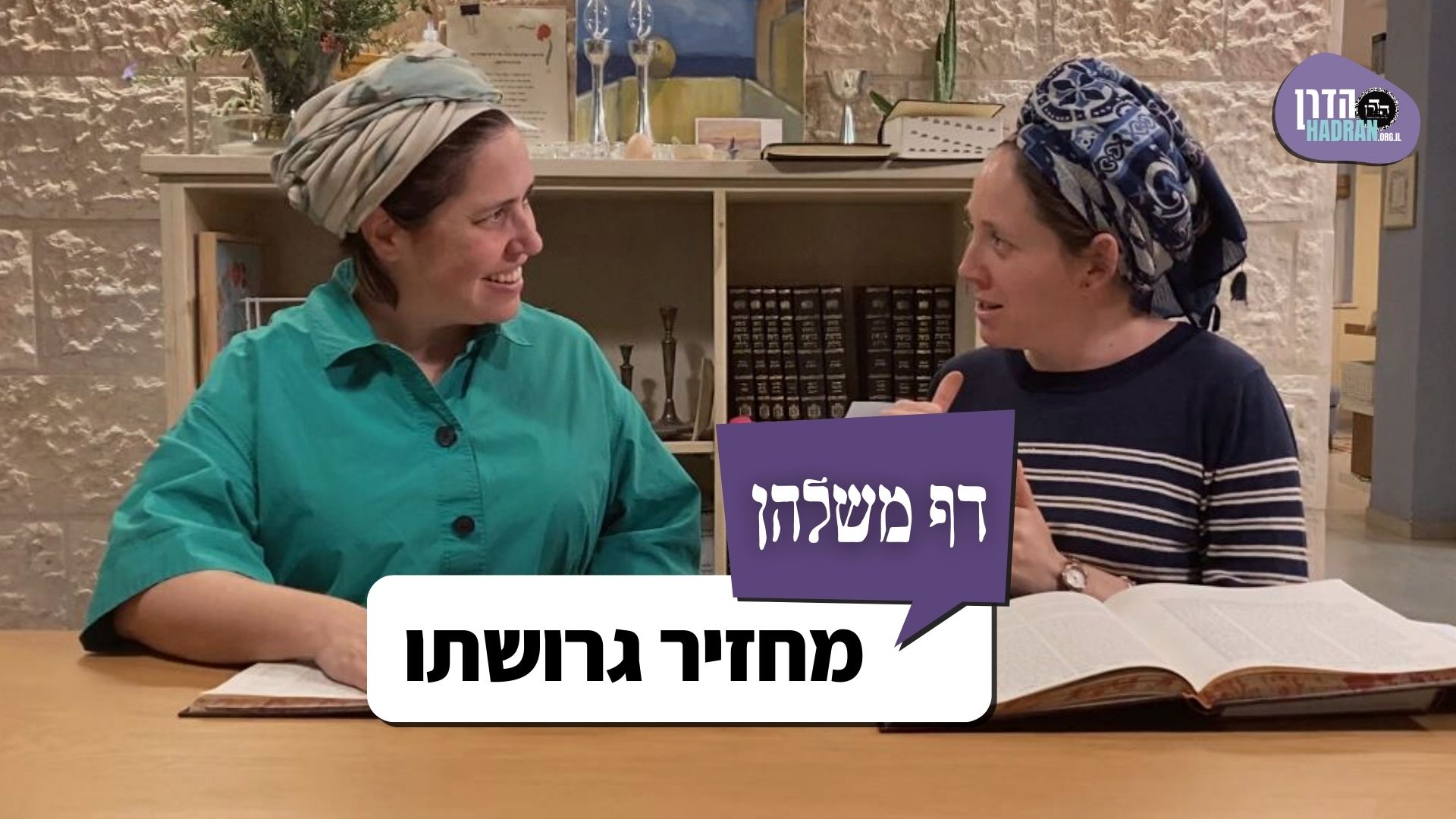
מובא מקור אחרון כדי להוכיח שאנשי בית שמאי פעלו כפי שיטתם. זהו סיפורו של רבי דוסא בן הרקינס שנחשד בכך שפסק כבית שמאי והתיר לצרת ערווה לעשות ייבום. כשהרבנים מתעמתים איתו על כך, הוא מסביר שאחיו ה”שטני” החריף הוא שפסק כך ולא הוא. הוא סובר כבית הלל, שמקורו במסורת של חגי הנביא. הוא מזכיר שתי הלכות נוספות שלימד חגאי – ארץ עמון ומואב אינה כפופה לדיני שמיטה שכן קדושת כיבוש יהושע לא נמשכה מעבר לגלות הראשונה ולכן היו מביאים את המעשר לעניים בשמיטה כדי לעזור לנזקקים. ואנשי קרדיום ותרמוד מתקבלים כגרים ואין סיבה לחשוד שהם יהודים ויש בהם חשש לממזרים. רבי יוחנן וסביא (אולי זקנים או שם שם חכם) לא קיבלו מתגיירים מתרמוד – למה לא? האם רבי יוחנן באמת סבר כך? אם גוי מתחתן עם יהודייה, האם עלינו לדאוג שהוא אולי יהודי והקידושין תקפים?

יבמות טז

בְּנֵי צָרוֹת אֲנִי מֵעִיד לָכֶם.

whereas with regard to the children of rival wives, I testify to you that they are not disqualified, since, as stated, their descendants served as High Priests.

תָּא שְׁמַע: בִּימֵי רַבִּי דּוֹסָא בֶּן הַרְכִּינָס הוּתְּרָה צָרַת הַבַּת לָאַחִין. שְׁמַע מִינַּהּ עָשׂוּ: שְׁמַע מִינַּהּ.

§ The Gemara states: Come and hear another source that indicates Beit Shammai did act upon their opinions: In the time of Rabbi Dosa ben Harkinas, the rival wife of a daughter was permitted to the brothers. Conclude from this that Beit Shammai did act in accordance with their opinions. The Gemara summarizes these proofs: Indeed, conclude from these sources that Beit Shammai did put their rulings into practice.

גּוּפָא. בִּימֵי רַבִּי דּוֹסָא בֶּן הַרְכִּינָס הִתִּירוּ צָרַת הַבַּת לָאַחִין, וְהָיָה הַדָּבָר קָשֶׁה לַחֲכָמִים, מִפְּנֵי שֶׁחָכָם גָּדוֹל הָיָה, וְעֵינָיו קָמוּ מִלָּבֹא לְבֵית הַמִּדְרָשׁ.

§ Since the last source is only part of a larger incident, the Gemara cites the matter itself. In the time of Rabbi Dosa ben Harkinas the Sages permitted the rival wife of a daughter to the brothers. In other words, it became known that Rabbi Dosa ben Harkinas deemed permitted a daughter’s rival wife. And this matter was difficult in the eyes of the Rabbis because he was a great Sage and his decision in favor of Beit Shammai carried great weight. They could not approach him immediately, as he was very old and his eyes had dimmed so much that he was incapable of coming to the study hall.

אָמְרוּ: וּמִי יֵלֵךְ וְיוֹדִיעוֹ? אָמַר לָהֶן רַבִּי יְהוֹשֻׁעַ: אֲנִי אֵלֵךְ. וְאַחֲרָיו מִי — רַבִּי אֶלְעָזָר בֶּן עֲזַרְיָה. וְאַחֲרָיו מִי — רַבִּי עֲקִיבָא. הָלְכוּ וְעָמְדוּ עַל פֶּתַח בֵּיתוֹ. נִכְנְסָה שִׁפְחָתוֹ, אָמְרָה לוֹ: רַבִּי, חַכְמֵי יִשְׂרָאֵל בָּאִין אֶצְלְךָ, אָמַר לָהּ: יִכָּנְסוּ, וְנִכְנְסוּ.

They said: And who will go and notify him that this matter requires clarification? Rabbi Yehoshua said to them: I will go. They asked: And who shall go after him? They selected Rabbi Elazar ben Azarya, who was one of the great Sages of the generation, notwithstanding his youth. They further inquired: And who after him? Rabbi Akiva. They went and stood at the entrance of Rabbi Dosa ben Harkinas’s house. His maidservant entered and said to him: Rabbi, the Sages of Israel have come to you. He said to her: Let them enter, and they entered.

תְּפָסוֹ לְרַבִּי יְהוֹשֻׁעַ, וְהוֹשִׁיבָהוּ עַל מִטָּה שֶׁל זָהָב. אָמַר לוֹ: רַבִּי, אֱמוֹר לְתַלְמִידְךָ אַחֵר וְיֵשֵׁב. אָמַר לוֹ: מִי הוּא? רַבִּי אֶלְעָזָר בֶּן עֲזַרְיָה. אָמַר: וְיֵשׁ לוֹ בֵּן לַעֲזַרְיָה חֲבֵירֵנוּ?

Rabbi Dosa ben Harkinas grabbed Rabbi Yehoshua, with whom he was already acquainted, and sat him on a bed of gold, as Rabbi Dosa was extremely wealthy. Rabbi Yehoshua said to him: Rabbi, call your other disciple so that he may sit. He asked him to call the other Sage as well, as it is a mark of respect when speaking to a great scholar to call every other Sage his disciple. He said to him: Who is it? Rabbi Yehoshua replied: Rabbi Elazar ben Azarya. Rabbi Dosa said: And does our colleague Azarya have a son? Due to his old age and prolonged absence from the study hall he had not heard of him.

קָרָא עָלָיו הַמִּקְרָא הַזֶּה: ״נַעַר הָיִיתִי גַּם זָקַנְתִּי וְלֹא רָאִיתִי צַדִּיק נֶעֱזָב וְזַרְעוֹ מְבַקֶּשׁ לָחֶם״. תְּפָסוֹ וְהוֹשִׁיבוֹ עַל מִטָּה שֶׁל זָהָב. אָמַר לוֹ: רַבִּי, אֱמוֹר לְתַלְמִידְךָ אַחֵר וְיֵשֵׁב. אָמַר לוֹ: וּמִי הוּא? עֲקִיבָא בֶּן יוֹסֵף. אָמַר לוֹ: אַתָּה הוּא עֲקִיבָא בֶּן יוֹסֵף שֶׁשִּׁמְךָ הוֹלֵךְ מִסּוֹף הָעוֹלָם וְעַד סוֹפוֹ?! שֵׁב בְּנִי, שֵׁב, כְּמוֹתְךָ יִרְבּוּ בְּיִשְׂרָאֵל.

Rabbi Dosa ben Harkinas recited this verse about Rabbi Elazar ben Azarya: “I have been young, and now am old; yet I have not seen the righteous forsaken, nor his seed begging bread” (Psalms 37:25). He interpreted this verse to mean that the son of a Torah scholar also becomes a Torah scholar. He grabbed him and sat him on a bed of gold. Rabbi Yehoshua said to him: Rabbi, call your other disciple so that he may sit. He said to him: Who is that? He said to him: Akiva ben Yosef. Rabbi Dosa said to him: You are Akiva ben Yosef, whose name has spread from one end of the world to the other? Even Rabbi Dosa had heard of Rabbi Akiva’s reputation as a great man. Sit, my son, sit. May the likes of you multiply in Israel.

הִתְחִילוּ מְסַבְּבִים אוֹתוֹ בַּהֲלָכוֹת, עַד שֶׁהִגִּיעוּ לְצָרַת הַבַּת. אֲמַרוּ לוֹ: צָרַת הַבַּת מַהוּ? אָמַר לָהֶן: מַחְלוֹקֶת בֵּית שַׁמַּאי וּבֵית הִלֵּל. הֲלָכָה כְּדִבְרֵי מִי? אָמַר לָהֶן: הֲלָכָה כְּבֵית הִלֵּל. אָמְרוּ לוֹ: וַהֲלֹא מִשִּׁמְךָ אָמְרוּ הֲלָכָה כְּבֵית שַׁמַּאי!

Out of courtesy, they did not wish to broach the subject immediately. Rather, they began to encircle him with deliberations on different halakhot, until they came to the case of the rival wife of a daughter. They said to him: What is the halakha with regard to the rival wife of a daughter? He said that it is a matter of dispute between Beit Shammai and Beit Hillel. They asked him: According to whose statement is the halakha? He said to them: The halakha is in accordance with the opinion of Beit Hillel. They said to him: But didn’t they say in your name that the halakha is in accordance with the opinion of Beit Shammai?

אָמַר לָהֶם: דּוֹסָא שְׁמַעְתֶּם, אוֹ בֶּן הַרְכִּינָס שְׁמַעְתֶּם? אֲמַרוּ לוֹ: חַיֵּי רַבִּי, סְתָם שָׁמַעְנוּ. אָמַר לָהֶם: אָח קָטָן יֵשׁ לִי, בְּכוֹר שָׂטָן הוּא, וְיוֹנָתָן שְׁמוֹ, וְהוּא מִתַּלְמִידֵי שַׁמַּאי.

He said to them: Did you hear that Dosa ben Harkinas issued this ruling, or did you hear that it was stated by ben Harkinas? They said to him: On your life, Rabbi, we heard simply ben Harkinas. He said to them: If so, it is no wonder, as I have a younger brother who is the firstborn of the Satan, i.e., he is extremely sharp and as brazen as a demon. And his name is Yonatan, and he is among the disciples of Shammai. It is he who issued this ruling.

וְהִזָּהֲרוּ שֶׁלֹּא יְקַפֵּחַ אֶתְכֶם בַּהֲלָכוֹת, לְפִי שֶׁיֵּשׁ עִמּוֹ שְׁלֹשׁ מֵאוֹת תְּשׁוּבוֹת בְּצָרַת הַבַּת שֶׁהִיא מוּתֶּרֶת. אֲבָל מֵעִיד אֲנִי עָלַי שָׁמַיִם וָאָרֶץ, שֶׁעַל מְדוֹכָה זוֹ יָשַׁב חַגַּי הַנָּבִיא, וְאָמַר שְׁלֹשָׁה דְּבָרִים: צָרַת הַבַּת אֲסוּרָה,

Rabbi Dosa ben Harkinas added: And beware that he not batter you with halakhot in this matter, as he has with him three hundred proofs with regard to the rival wife of a daughter that she is permitted. However, you need not worry about the issue itself, as I call as witnesses before me the heavens and the earth that on this very mortar, which was preserved in my house due to its historical importance, Haggai the prophet sat, and I have a tradition that he said three matters of halakha: First, that the rival wife of a daughter is forbidden.

עַמּוֹן וּמוֹאָב מְעַשְּׂרִין מַעְשַׂר עָנִי בַּשְּׁבִיעִית, וּמְקַבְּלִים גֵּרִים מִן הַקַּרְדּוֹיִין וּמִן הַתַּרְמוֹדִים.

Second, that the halakhic rulings for the territories of Ammon and Moab in Transjordan, although similar to those of Eretz Yisrael, are not exactly the same, as their residents tithe the poor man’s tithe in the Sabbatical Year. The total abandonment of fields in the seventh year does not apply in Ammon and Moab, as they are not part of Eretz Yisrael. Instead, in those areas one must bring the poor man’s tithe to the paupers of Eretz Yisrael, as there are no tithes in Eretz Yisrael in the Sabbatical Year. Lastly, Haggai testified: And one accepts converts from the Karduyin and the Tarmodim, without concern that there might be Jews mingled among them, which could render them mamzerim and prohibited from entering the community.

תַּנָּא: כְּשֶׁנִּכְנְסוּ — נִכְנְסוּ בְּפֶתַח אֶחָד, כְּשֶׁיָּצְאוּ — יָצְאוּ בִּשְׁלֹשָׁה פְּתָחִים. פָּגַע בּוֹ בְּרַבִּי עֲקִיבָא, אַקְשִׁי לֵיהּ וְאוֹקְמֵיהּ.

The Sage taught: When they entered, they all entered through one entrance. When they left, they left through three entrances, in an effort to try to find Rabbi Dosa’s brother. Rabbi Akiva encountered him. Yonatan ben Harkinas raised against him all of his objections to the opinion of Beit Hillel, and he withstood him, i.e., Rabbi Akiva was able to respond to all of them.

אָמַר לוֹ: אַתָּה הוּא עֲקִיבָא שֶׁשִּׁמְךָ הוֹלֵךְ מִסּוֹף הָעוֹלָם וְעַד סוֹפוֹ? אַשְׁרֶיךָ שֶׁזָּכִיתָ לְשֵׁם, וַעֲדַיִין לֹא הִגַּעְתָּ לְרוֹעֵי בָקָר. אָמַר לוֹ רַבִּי עֲקִיבָא: וַאֲפִילּוּ לְרוֹעֵי צֹאן.

Yonatan ben Harkinas grew angry and said to him: You are Akiva ben Yosef, whose name has spread from one end of the world to the other? Be happy that you have merited a great name, and yet you have not yet reached the level of cattle herders. Cattle herders were generally simple individuals who were not familiar even with ordinary matters, and certainly not with halakha. Rabbi Akiva said to him with characteristic modesty: And I have not even reached the level of shepherds, who are considered even worse than cattle herders, as they are unfit for giving testimony.

עַמּוֹן וּמוֹאָב מְעַשְּׂרִין מַעְשַׂר עָנִי בַּשְּׁבִיעִית. דְּאָמַר מָר: הַרְבֵּה כְּרַכִּים כָּבְשׁוּ עוֹלֵי מִצְרַיִם וְלֹא כָּבְשׁוּ עוֹלֵי בָבֶל, וּקְדוּשָּׁה רִאשׁוֹנָה — קִדְּשָׁה לִשְׁעָתָהּ, וְלֹא קִדְּשָׁה לֶעָתִיד לָבֹא.

§ Since the halakhot of the prophet Haggai were mentioned, the Gemara discusses them here. Haggai said that Ammon and Moab tithe the poor man’s tithe in the Sabbatical Year, as the Master said: Many cities were conquered by those who returned from Egypt, and were not conquered by those who returned from Babylonia after the destruction of the First Temple. And the initial consecration of Eretz Yisrael, by those who returned from Egypt, sanctified it for its time and did not sanctify it forever, as the future sanctification of Eretz Yisrael depended on the renewed conquest of the land by the Jewish people.

וְהִנִּיחוּם, כְּדֵי שֶׁיִּסְמְכוּ עֲלֵיהֶן עֲנִיִּים בַּשְּׁבִיעִית.

And those who returned from Babylonia left those places aside and did not consider them part of Eretz Yisrael even after Jewish settlement was renewed there. They would plow and harvest in these places in the Sabbatical Year and tithe the poor man’s tithe so that the poor of Eretz Yisrael who did not have sufficient income from the previous years could rely upon them. Consequently, in the Sabbatical Year the poor received help from this tithe.

וּמְקַבְּלִים גֵּרִים מִן הַקַּרְדּוֹיִים וְהַתַּרְמוֹדִים. אִינִי?! וְהָא תָּנֵי רָמֵי בַּר יְחֶזְקֵאל: אֵין מְקַבְּלִים גֵּרִים מִן הַקַּרְדּוֹיִים! אָמַר רַב אָשֵׁי: קַרְתּוֹיִים אִתְּמַר. כִּדְאָמְרִי אִינָשֵׁי: קַרְתּוֹיִים פְּסוּלִים.

§ Haggai also declared: And one accepts converts from the Karduyim and the Tarmodim. The Gemara asks: Is that so? But didn’t Rami bar Yeḥezkel teach in a baraita: One does not accept converts from the Karduyim? Rav Ashi said: Kartuyim, not Karduyim, was stated by Rami bar Yeḥezkel. As people say in common discourse: The Kartuyim are unfit.

וְאִיכָּא דְּאָמְרִי, תָּנֵי רָמֵי בַּר יְחֶזְקֵאל: אֵין מְקַבְּלִים גֵּרִים מִן הַקַּרְתּוֹיִים. מַאי לָאו: הַיְינוּ קַרְתּוֹיִים הַיְינוּ קַרְדּוֹיִים! אָמַר רַב אָשֵׁי: לָא, קַרְתּוֹיֵי לְחוֹד וְקַרְדּוֹיֵי לְחוֹד, כִּדְאָמְרִי אִינָשֵׁי: קַרְתּוֹיֵי פְּסִילִי.

And there are those who say a slightly different version of this discussion. Rami bar Yeḥezkel taught: One does not accept converts from the Kartuyim. What, is it not the case that Kartuyim is the same as Karduyim? If so there is a contradiction between the baraita of Rami bar Yeḥezkel and the statement of Rabbi Dosa ben Harkinas. Rav Ashi said: No; the Kartuyim are one discrete category and the Karduyim are another discrete category, as people say: Kartuyim are unfit.

רַבִּי יוֹחָנָן וְסָבַיָּא דְּאָמְרִי תַּרְוַיְיהוּ: אֵין מְקַבְּלִים גֵּרִים מִן הַתַּרְמוֹדִים. וּמִי אָמַר רַבִּי יוֹחָנָן הָכִי? וְהָתְנַן: כׇּל הַכְּתָמִים הַבָּאִים מִן הָרְקָם — טְהוֹרִים.

Rabbi Yoḥanan and the Elders both say: One does not accept converts from the Tarmodim. The Gemara asks: And did Rabbi Yoḥanan actually say this, that one does not accept converts from the Tarmodim due to a concern that Jews may have intermingled with them? But didn’t we learn in a mishna: All clothing with stains of blood that might be from a menstruating woman and that come from the city on the border of Eretz Yisrael called Rekem are ritually pure, as it can be assumed that they belong to gentiles, and the blood of a menstruating gentile woman is not ritually impure.

וְרַבִּי יְהוּדָה מְטַמֵּא, מִפְּנֵי שֶׁהֵם גֵּרִים וְטוֹעִים. מִבֵּין הַגּוֹיִם — טְהוֹרִים. וְהָוֵינַן בַּהּ:

And Rabbi Yehuda deems it ritually impure because those residents of that place are converts and are in error. In other words, some of the inhabitants of Rekem assimilated and no longer observe the halakhot of the Torah, and therefore one must be wary lest the stains are in fact from a Jewish menstruating woman. Stains that came from among the gentiles, however, are ritually pure. And we discussed the following problem:

קָפָסֵיק וְתָנֵי: מִבֵּין הַגּוֹיִם, וַאֲפִילּוּ מִן תַּרְמוֹד. וְאָמַר רַבִּי יוֹחָנָן: זֹאת אוֹמֶרֶת מְקַבְּלִין גֵּרִים מִתַּרְמוֹד.

The tanna concluded and taught: All stains from among the gentiles are pure, from which it may be inferred: And even from Tarmod. This indicates that in all places inhabited by gentiles there is no need to be concerned about stains. And Rabbi Yoḥanan said: That is to say, one accepts converts from Tarmod without concern that they might be Jewish, albeit mamzerim. This contradicts the previous opinion attributed to Rabbi Yoḥanan that converts from the Tarmodim are not accepted.

וְכִי תֵּימָא ״זֹאת״, וְלָא סְבִירָא לֵיהּ — וְהָא אָמַר רַבִּי יוֹחָנָן: הֲלָכָה כִּסְתַם מִשְׁנָה! אָמוֹרָאֵי נִינְהוּ, וְאַלִּיבָּא דְּרַבִּי יוֹחָנָן.

And if you would say that Rabbi Yoḥanan specifically emphasized: That is to say, i.e., he meant that this conclusion may be logically inferred from the mishna, and yet he himself does not hold by this opinion, but didn’t Rabbi Yoḥanan state a principle that the halakha is in accordance with the ruling of an unattributed mishna, as is the case here? The Gemara answers: They are amora’im, and they disagree in accordance with the opinion of Rabbi Yoḥanan. Some Sages said in Rabbi Yoḥanan’s name that the Tarmodim are unfit, while others maintain that they are fit.

מִתַּרְמוֹד מַאי טַעְמָא לָא? פְּלִיגִי בַּהּ רַבִּי יוֹחָנָן וְסָבַיָּא, חַד אָמַר: מִשּׁוּם עַבְדֵי שְׁלֹמֹה, וְחַד אָמַר: מִשּׁוּם בְּנוֹת יְרוּשָׁלַיִם.

§ The Gemara asks: And what is the reason that the Sages do not accept converts from Tarmod? Rabbi Yoḥanan and the Elders disagree about this matter. Although they concur that converts from Tarmod are not accepted, they disagree with regard to the reason. One of them said that it is due to the servants of King Solomon. Solomon built a city in Tarmod (see I Kings 9:18), and his gentile servants, taking advantage of their status and power, married Jewish women unlawfully. Therefore, it is possible that the inhabitants of Tarmod and their descendants are mamzerim. And the other one said that it is due to the daughters of Jerusalem, who were taken captive and raped and gave birth to children among the gentiles.

בִּשְׁלָמָא לְמַאן דְּאָמַר מִשּׁוּם עַבְדֵי שְׁלֹמֹה, קָסָבַר: גּוֹי וְעֶבֶד הַבָּא עַל בַּת יִשְׂרָאֵל — הַוָּלָד מַמְזֵר. אֶלָּא לְמַאן דְּאָמַר מִשּׁוּם בְּנוֹת יְרוּשָׁלַיִם, מַאי הִיא? פְּלִיגִי בַּהּ רַב יוֹסֵף וְרַבָּנַן, וְתַרְוַיְיהוּ מִשְּׁמֵיהּ דְּרַבָּה בַּר בַּר חָנָה.

The Gemara comments: Granted, according to the one who said that it is due to the servants of Solomon, this is logical, as he holds that in the case of a gentile or a slave who had intercourse with a Jewish woman, the offspring is a mamzer. Accordingly, as the servants of Solomon were slaves and they engaged in intercourse with Jewish women, their children are considered mamzerim. However, according to the one who said that it is due to the daughters of Jerusalem, what is the reason that the concern applied specifically to Tarmod and no other cities? Rav Yosef and the Rabbis disagree with regard to this question, and both stated their opinions in the name of Rabba bar bar Ḥana.

חַד אָמַר: תְּרֵיסַר אַלְפֵי גַּבְרֵי וְשִׁיתָּא אַלְפֵי קַשְׁתּוֹיֵי, וְחַד אָמַר: תְּרֵיסַר אַלְפֵי גַּבְרֵי, וּמִנַּיְיהוּ שִׁיתָּא אַלְפֵי קַשְׁתּוֹיֵי, בְּשָׁעָה שֶׁנִּכְנְסוּ גּוֹיִם לַהֵיכָל, הַכֹּל נִפְנוּ עַל כֶּסֶף וְזָהָב, וְהֵם נִפְנוּ עַל בְּנוֹת יְרוּשָׁלַיִם, שֶׁנֶּאֱמַר: ״נָשִׁים בְּצִיּוֹן עִנּוּ בְּתוּלוֹת בְּעָרֵי יְהוּדָה״.

The Gemara elaborates: One of them said that twelve thousand men and six thousand archers came from Tarmod, and the other one said that there were twelve thousand men, of whom six thousand were archers. When the gentiles entered the Sanctuary during the conquest of Jerusalem, they all turned to plunder the silver and the gold they saw there, but the warriors of Tarmod turned to the daughters of Jerusalem, as it is stated: “They have ravished the women in Zion, the maidens in the cities of Judah (Lamentations 5:11). According to the opinion that children born of relations between gentiles and Jewish women are mamzerim, all the children born to these women are mamzerim.

אָמַר רַבִּי שְׁמוּאֵל בַּר נַחְמָנִי אָמַר רַבִּי יוֹנָתָן, פָּסוּק זֶה שַׂר הָעוֹלָם אֲמָרוֹ: ״נַעַר הָיִיתִי גַּם זָקַנְתִּי״. מַאן אַמְרֵיהּ? אִילֵּימָא קוּדְשָׁא בְּרִיךְ הוּא — מִי אִיכָּא זִקְנָה קַמֵּיהּ? וְאֶלָּא דָּוִד אַמְרֵיהּ — מִי קַשִּׁישׁ כּוּלֵּי הַאי? אֶלָּא שְׁמַע מִינַּהּ שַׂר הָעוֹלָם אֲמָרוֹ.

§ In relation to a verse cited earlier, Rabbi Shmuel bar Naḥmani said that Rabbi Yonatan said: This verse was stated by the ministering angel appointed over the world: “I have been young, and now am old; yet I have not seen the righteous forsaken, nor his seed begging bread” (Psalms 37:25). Who said this? If we say that it was the Holy One, Blessed be He, is there old age before Him? Could God possibly say: “I have been young, and now am old”? And rather, one could say that David himself said it, from his own experience; but was he indeed so old? After all, David died at the age of seventy. Rather, conclude from this that the ministering angel appointed over the world said it, as he can speak both of youth and old age, and it is he who reported his observations from around the world.

וְאָמַר רַבִּי שְׁמוּאֵל בַּר נַחְמָנִי אָמַר רַבִּי יוֹנָתָן, מַאי דִּכְתִיב: ״יָדוֹ פָּרַשׂ צָר עַל כׇּל מַחֲמַדֶּיהָ״ — זֶה עַמּוֹן וּמוֹאָב. בְּשָׁעָה שֶׁנִּכְנְסוּ גּוֹיִם לַהֵיכָל, הַכֹּל נִפְנוּ עַל כֶּסֶף וְזָהָב, וְהֵם נִפְנוּ עַל סִפְרֵי תוֹרָה, אָמְרוּ: זֶה שֶׁכָּתוּב בּוֹ ״לֹא יָבֹא עַמּוֹנִי וּמוֹאָבִי בִּקְהַל ה׳״ — יִשָּׂרֵף בָּאֵשׁ!

And Rabbi Shmuel bar Naḥmani further said that Rabbi Yonatan said: What is the meaning of that which is written: “The adversary has spread out his hand upon all her treasures; for she has seen that the heathens have entered into her Temple, concerning which You commanded that they should not enter into Your congregation” (Lamentations 1:10)? This is referring to Ammon and Moab. How so? When the gentiles entered the Sanctuary, all turned to plunder the silver and the gold, and the soldiers from Ammon and Moab turned to the scrolls of Torah to destroy them. They said: Is this the scroll in which it is written: “An Ammonite and a Moabite shall not enter into the assembly of the Lord” (Deuteronomy 23:4)? Let it be burnt by fire.

״צִוָּה ה׳ לְיַעֲקֹב סְבִיבָיו צָרָיו״, אָמַר רַב: כְּגוֹן הוּמַנְיָא לְפוּם נַהֲרָא.

With regard to the Ammonites, the Gemara cites another verse: “The Lord has commanded against Jacob that they who are round about him should be his adversaries” (Lamentations 1:17). Rav said: For an example of this, there is the city Homanya in relation to the city Pum Nahara, as the descendants of the Ammonites live in Homanya, and they harass the Jews of Pum Nahara.

אָמַר רַב יְהוּדָה אָמַר רַב אַסִּי: גּוֹי שֶׁקִּידֵּשׁ בִּזְמַן הַזֶּה — חוֹשְׁשִׁין לְקִדּוּשִׁין, שֶׁמָּא מֵעֲשֶׂרֶת הַשְּׁבָטִים הוּא. וְהָא כֹּל דְּפָרֵישׁ — מֵרוּבָּא פָּרֵישׁ!

§ Rav Yehuda said that Rav Asi said: With regard to a gentile who betrothed a Jewish woman nowadays, we are concerned that the betrothal might be valid, despite the fact that a betrothal of a gentile is meaningless, lest he be from the ten tribes of Israel who intermingled with the gentiles. The Gemara raises an objection: But there is an important principle in halakha that any item separated, i.e., not fixed in its place, is presumed to have been separated from the majority. In this case, it can be assumed that any individual singled out from the gentiles belongs to the majority of gentiles and has no Jewish roots at all.

בְּדוּכְתָּא דִּקְבִיעִי. דְּאָמַר רַבִּי אַבָּא בַּר כָּהֲנָא: ״וַיַּנְחֵם בַּחְלַח וּבְחָבוֹר נְהַר גּוֹזָן וְעָרֵי מָדָי״, חֲלַח — זֶה חִלָּזוֹן, וְחָבוֹר —

The Gemara responds: Rav Yehuda means that there is a concern only with regard to those who came from the permanent dwelling places of the ten tribes. As Rabbi Abba bar Kahana said that the verse states about those exiled from Samaria: “And he put them in Halah, and in Habor, on the river of Gozan, and in the cities of the Medes” (II Kings 18:11). Rabbi Abba bar Kahana proceeded to identify these places. Halah; this is the place called Ḥalzon. And Habor;

העמקה

רוצה להבין מה באמת קורה מתחת לפני השטח של הסוגיה?
שיעורים, פודקאסטים והרחבות של מיטב המורות שלנו יפתחו לך עוד זוויות וכיווני חשיבה.

לשיעורי עוד על הדף באנגלית, לחצי כאן

חדשה בלימוד הגמרא?

זה הדף הראשון שלך? איזו התרגשות עצומה! יש לנו בדיוק את התכנים והכלים שיעזרו לך לעשות את הצעדים הראשונים ללמידה בקצב וברמה שלך, כך תוכלי להרגיש בנוח גם בתוך הסוגיות המורכבות ומאתגרות.

פסיפס הלומדות שלנו

גלי את קהילת הלומדות שלנו, מגוון נשים, רקעים וסיפורים. כולן חלק מתנועה ומסע מרגש ועוצמתי.

התחלתי בתחילת הסבב, והתמכרתי. זה נותן משמעות נוספת ליומיום ומאוד מחזק לתת לזה מקום בתוך כל שגרת הבית-עבודה השוטפת.

Reut Abrahami
רעות אברהמי

בית שמש, ישראל

התחלתי מחוג במסכת קידושין שהעבירה הרבנית רייסנר במסגרת בית המדרש כלנה בגבעת שמואל; לאחר מכן התחיל סבב הדף היומי אז הצטרפתי. לסביבה לקח זמן לעכל אבל היום כולם תומכים ומשתתפים איתי. הלימוד לעתים מעניין ומעשיר ולעתים קשה ואף הזוי… אך אני ממשיכה קדימה. הוא משפיע על היומיום שלי קודם כל במרדף אחרי הדף, וגם במושגים הרבים שלמדתי ובידע שהועשרתי בו, חלקו ממש מעשי

Abigail Chrissy
אביגיל כריסי

ראש העין, ישראל

התחלתי ללמוד בשנת המדרשה במגדל עוז, בינתיים נהנית מאוד מהלימוד ומהגמרא, מעניין ומשמח מאוד!
משתדלת להצליח לעקוב כל יום, לפעמים משלימה קצת בהמשך השבוע.. מרגישה שיש עוגן מקובע ביום שלי והוא משמח מאוד!

Uriah Kesner
אוריה קסנר

חיפה , ישראל

בתחילת הסבב הנוכחי הצטברו אצלי תחושות שאני לא מבינה מספיק מהי ההלכה אותה אני מקיימת בכל יום. כמו כן, כאמא לבנות רציתי לתת להן מודל נשי של לימוד תורה
שתי הסיבות האלו הובילו אותי להתחיל ללמוד. נתקלתי בתגובות מפרגנות וסקרניות איך אישה לומדת גמרא..
כמו שרואים בתמונה אני ממשיכה ללמוד גם היום ואפילו במחלקת יולדות אחרי לידת ביתי השלישית.

Noa Shiloh
נועה שילה

רבבה, ישראל

התחלתי ללמוד דף יומי בתחילת מסכת ברכות, עוד לא ידעתי כלום. נחשפתי לסיום הש״ס, ובעצם להתחלה מחדש בתקשורת, הפתיע אותי לטובה שהיה מקום לעיסוק בתורה.
את המסכתות הראשונות למדתי, אבל לא סיימתי (חוץ מעירובין איכשהו). השנה כשהגעתי למדרשה, נכנסתי ללופ, ואני מצליחה להיות חלק, סיימתי עם החברותא שלי את כל המסכתות הקצרות, גם כשהיינו חולות קורונה ובבידודים, למדנו לבד, העיקר לא לצבור פער, ומחכות ליבמות 🙂

Eden Yeshuron
עדן ישורון

מזכרת בתיה, ישראל

התחלתי ללמוד גמרא בבית הספר בגיל צעיר והתאהבתי. המשכתי בכך כל חיי ואף היייתי מורה לגמרא בבית הספר שקד בשדה אליהו (בית הספר בו למדתי בילדותי)בתחילת מחזור דף יומי הנוכחי החלטתי להצטרף ובע”ה מקווה להתמיד ולהמשיך. אני אוהבת את המפגש עם הדף את "דרישות השלום ” שמקבלת מקשרים עם דפים אחרים שלמדתי את הסנכרון שמתחולל בין התכנים.

Ariela Bigman
אריאלה ביגמן

מעלה גלבוע, ישראל

התחלתי ללמוד דף לפני קצת יותר מ-5 שנים, כשלמדתי רבנות בישיבת מהר”ת בניו יורק. בדיעבד, עד אז, הייתי בלימוד הגמרא שלי כמו מישהו שאוסף חרוזים משרשרת שהתפזרה, פה משהו ושם משהו, ומאז נפתח עולם ומלואו…. הדף נותן לי לימוד בצורה מאורגנת, שיטתית, יום-יומית, ומלמד אותי לא רק ידע אלא את השפה ודרך החשיבה שלנו. לשמחתי, יש לי סביבה תומכת וההרגשה שלי היא כמו בציטוט שבחרתי: הדף משפיע לטובה על כל היום שלי.

Michal Kahana
מיכל כהנא

חיפה, ישראל

התחלתי ללמוד דף יומי באמצע תקופת הקורונה, שאבא שלי סיפר לי על קבוצה של בנות שתיפתח ביישוב שלנו ותלמד דף יומי כל יום. הרבה זמן רציתי להצטרף לזה וזאת הייתה ההזדמנות בשבילי. הצטרפתי במסכת שקלים ובאמצע הייתה הפסקה קצרה. כיום אני כבר לומדת באולפנה ולומדת דף יומי לבד מתוך גמרא של טיינזלץ.

Saturdays in Raleigh
שבות בראלי

עתניאל, ישראל

"התחלתי ללמוד דף יומי במחזור הזה, בח’ בטבת תש””ף. לקחתי על עצמי את הלימוד כדי ליצור תחום של התמדה יומיומית בחיים, והצטרפתי לקבוצת הלומדים בבית הכנסת בכפר אדומים. המשפחה והסביבה מתפעלים ותומכים.
בלימוד שלי אני מתפעלת בעיקר מכך שכדי ללמוד גמרא יש לדעת ולהכיר את כל הגמרא. זו מעין צבת בצבת עשויה שהיא עצומה בהיקפה.”

Sarah Fox
שרה פוּקס

כפר אדומים, ישראל

"
גם אני התחלתי בסבב הנוכחי וב””ה הצלחתי לסיים את רוב המסכתות . בזכות הרבנית מישל משתדלת לפתוח את היום בשיעור הזום בשעה 6:20 .הלימוד הפך להיות חלק משמעותי בחיי ויש ימים בהם אני מצליחה לחזור על הדף עם מלמדים נוספים ששיעוריהם נמצאים במרשתת. שמחה להיות חלק מקהילת לומדות ברחבי העולם. ובמיוחד לשמש דוגמה לנכדותיי שאי””ה יגדלו לדור שלימוד תורה לנשים יהיה משהו שבשגרה. "

Ronit Shavit
רונית שביט

נתניה, ישראל

My explorations into Gemara started a few days into the present cycle. I binged learnt and become addicted. I’m fascinated by the rich "tapestry” of intertwined themes, connections between Masechtot, conversations between generations of Rabbanim and learners past and present all over the world. My life has acquired a golden thread, linking generations with our amazing heritage.
Thank you.

Susan Kasdan
סוזן כשדן

חשמונאים, Israel

"התחלתי ללמוד דף יומי במחזור הזה, בח’ בטבת תש””ף. לקחתי על עצמי את הלימוד כדי ליצור תחום של התמדה יומיומית בחיים, והצטרפתי לקבוצת הלומדים בבית הכנסת בכפר אדומים. המשפחה והסביבה מתפעלים ותומכים.
בלימוד שלי אני מתפעלת בעיקר מכך שכדי ללמוד גמרא יש לדעת ולהכיר את כל הגמרא. זו מעין צבת בצבת עשויה שהיא עצומה בהיקפה.”

Sarah Fox
שרה פוּקס

כפר אדומים, ישראל

התחלתי ללמוד בעידוד שתי חברות אתן למדתי בעבר את הפרק היומי במסגרת 929.
בבית מתלהבים מאוד ובשבת אני לומדת את הדף עם בעלי שזה מפתיע ומשמח מאוד! לימוד הדף הוא חלק בלתי נפרד מהיום שלי. לומדת בצהריים ומחכה לזמן הזה מידי יום…

Miriam Wengerover
מרים ונגרובר

אפרת, ישראל

התחלתי מחוג במסכת קידושין שהעבירה הרבנית רייסנר במסגרת בית המדרש כלנה בגבעת שמואל; לאחר מכן התחיל סבב הדף היומי אז הצטרפתי. לסביבה לקח זמן לעכל אבל היום כולם תומכים ומשתתפים איתי. הלימוד לעתים מעניין ומעשיר ולעתים קשה ואף הזוי… אך אני ממשיכה קדימה. הוא משפיע על היומיום שלי קודם כל במרדף אחרי הדף, וגם במושגים הרבים שלמדתי ובידע שהועשרתי בו, חלקו ממש מעשי

Abigail Chrissy
אביגיל כריסי

ראש העין, ישראל

אמא שלי למדה איתי ש”ס משנה, והתחילה ללמוד דף יומי. אני החלטתי שאני רוצה ללמוד גם. בהתחלה למדתי איתה, אח”כ הצטרפתי ללימוד דף יומי שהרב דני וינט מעביר לנוער בנים בעתניאל. במסכת עירובין עוד חברה הצטרפה אלי וכשהתחלנו פסחים הרב דני פתח לנו שעור דף יומי לבנות. מאז אנחנו לומדות איתו קבוע כל יום את הדף היומי (ובשבת אבא שלי מחליף אותו). אני נהנית מהלימוד, הוא מאתגר ומעניין

Renana Hellman
רננה הלמן

עתניאל, ישראל

התחלתי להשתתף בשיעור נשים פעם בשבוע, תכננתי ללמוד רק דפים בודדים, לא האמנתי שאצליח יותר מכך.
לאט לאט נשאבתי פנימה לעולם הלימוד .משתדלת ללמוד כל בוקר ומתחילה את היום בתחושה של מלאות ומתוך התכווננות נכונה יותר.
הלימוד של הדף היומי ממלא אותי בתחושה של חיבור עמוק לעם היהודי ולכל הלומדים בעבר ובהווה.

Neely Hayon
נילי חיון

אפרת, ישראל

אחרי שראיתי את הסיום הנשי של הדף היומי בבנייני האומה זה ריגש אותי ועורר בי את הרצון להצטרף. לא למדתי גמרא קודם לכן בכלל, אז הכל היה לי חדש, ולכן אני לומדת בעיקר מהשיעורים פה בהדרן, בשוטנשטיין או בחוברות ושיננתם.

Rebecca Schloss
רבקה שלוס

בית שמש, ישראל

התחלתי לפני כמה שנים אבל רק בסבב הזה זכיתי ללמוד יום יום ולסיים מסכתות

Sigal Tel
סיגל טל

רעננה, ישראל

הצטרפתי ללומדות בתחילת מסכת תענית. ההתרגשות שלי ושל המשפחה היתה גדולה מאוד, והיא הולכת וגוברת עם כל סיום שאני זוכה לו. במשך שנים רבות רציתי להצטרף ומשום מה זה לא קרה… ב”ה מצאתי לפני מספר חודשים פרסום של הדרן, ומיד הצטרפתי והתאהבתי. הדף היומי שינה את חיי ממש והפך כל יום- ליום של תורה. מודה לכן מקרב ליבי ומאחלת לכולנו לימוד פורה מתוך אהבת התורה ולומדיה.

Noa Rosen
נעה רוזן

חיספין רמת הגולן, ישראל

התחלתי ללמוד לפני כשנתיים בשאיפה לסיים לראשונה מסכת אחת במהלך חופשת הלידה.
אחרי מסכת אחת כבר היה קשה להפסיק…

Noa Gallant
נעה גלנט

ירוחם, ישראל

יבמות טז

בְּנֵי צָרוֹת אֲנִי מֵעִיד לָכֶם.

whereas with regard to the children of rival wives, I testify to you that they are not disqualified, since, as stated, their descendants served as High Priests.

תָּא שְׁמַע: בִּימֵי רַבִּי דּוֹסָא בֶּן הַרְכִּינָס הוּתְּרָה צָרַת הַבַּת לָאַחִין. שְׁמַע מִינַּהּ עָשׂוּ: שְׁמַע מִינַּהּ.

§ The Gemara states: Come and hear another source that indicates Beit Shammai did act upon their opinions: In the time of Rabbi Dosa ben Harkinas, the rival wife of a daughter was permitted to the brothers. Conclude from this that Beit Shammai did act in accordance with their opinions. The Gemara summarizes these proofs: Indeed, conclude from these sources that Beit Shammai did put their rulings into practice.

גּוּפָא. בִּימֵי רַבִּי דּוֹסָא בֶּן הַרְכִּינָס הִתִּירוּ צָרַת הַבַּת לָאַחִין, וְהָיָה הַדָּבָר קָשֶׁה לַחֲכָמִים, מִפְּנֵי שֶׁחָכָם גָּדוֹל הָיָה, וְעֵינָיו קָמוּ מִלָּבֹא לְבֵית הַמִּדְרָשׁ.

§ Since the last source is only part of a larger incident, the Gemara cites the matter itself. In the time of Rabbi Dosa ben Harkinas the Sages permitted the rival wife of a daughter to the brothers. In other words, it became known that Rabbi Dosa ben Harkinas deemed permitted a daughter’s rival wife. And this matter was difficult in the eyes of the Rabbis because he was a great Sage and his decision in favor of Beit Shammai carried great weight. They could not approach him immediately, as he was very old and his eyes had dimmed so much that he was incapable of coming to the study hall.

אָמְרוּ: וּמִי יֵלֵךְ וְיוֹדִיעוֹ? אָמַר לָהֶן רַבִּי יְהוֹשֻׁעַ: אֲנִי אֵלֵךְ. וְאַחֲרָיו מִי — רַבִּי אֶלְעָזָר בֶּן עֲזַרְיָה. וְאַחֲרָיו מִי — רַבִּי עֲקִיבָא. הָלְכוּ וְעָמְדוּ עַל פֶּתַח בֵּיתוֹ. נִכְנְסָה שִׁפְחָתוֹ, אָמְרָה לוֹ: רַבִּי, חַכְמֵי יִשְׂרָאֵל בָּאִין אֶצְלְךָ, אָמַר לָהּ: יִכָּנְסוּ, וְנִכְנְסוּ.

They said: And who will go and notify him that this matter requires clarification? Rabbi Yehoshua said to them: I will go. They asked: And who shall go after him? They selected Rabbi Elazar ben Azarya, who was one of the great Sages of the generation, notwithstanding his youth. They further inquired: And who after him? Rabbi Akiva. They went and stood at the entrance of Rabbi Dosa ben Harkinas’s house. His maidservant entered and said to him: Rabbi, the Sages of Israel have come to you. He said to her: Let them enter, and they entered.

תְּפָסוֹ לְרַבִּי יְהוֹשֻׁעַ, וְהוֹשִׁיבָהוּ עַל מִטָּה שֶׁל זָהָב. אָמַר לוֹ: רַבִּי, אֱמוֹר לְתַלְמִידְךָ אַחֵר וְיֵשֵׁב. אָמַר לוֹ: מִי הוּא? רַבִּי אֶלְעָזָר בֶּן עֲזַרְיָה. אָמַר: וְיֵשׁ לוֹ בֵּן לַעֲזַרְיָה חֲבֵירֵנוּ?

Rabbi Dosa ben Harkinas grabbed Rabbi Yehoshua, with whom he was already acquainted, and sat him on a bed of gold, as Rabbi Dosa was extremely wealthy. Rabbi Yehoshua said to him: Rabbi, call your other disciple so that he may sit. He asked him to call the other Sage as well, as it is a mark of respect when speaking to a great scholar to call every other Sage his disciple. He said to him: Who is it? Rabbi Yehoshua replied: Rabbi Elazar ben Azarya. Rabbi Dosa said: And does our colleague Azarya have a son? Due to his old age and prolonged absence from the study hall he had not heard of him.

קָרָא עָלָיו הַמִּקְרָא הַזֶּה: ״נַעַר הָיִיתִי גַּם זָקַנְתִּי וְלֹא רָאִיתִי צַדִּיק נֶעֱזָב וְזַרְעוֹ מְבַקֶּשׁ לָחֶם״. תְּפָסוֹ וְהוֹשִׁיבוֹ עַל מִטָּה שֶׁל זָהָב. אָמַר לוֹ: רַבִּי, אֱמוֹר לְתַלְמִידְךָ אַחֵר וְיֵשֵׁב. אָמַר לוֹ: וּמִי הוּא? עֲקִיבָא בֶּן יוֹסֵף. אָמַר לוֹ: אַתָּה הוּא עֲקִיבָא בֶּן יוֹסֵף שֶׁשִּׁמְךָ הוֹלֵךְ מִסּוֹף הָעוֹלָם וְעַד סוֹפוֹ?! שֵׁב בְּנִי, שֵׁב, כְּמוֹתְךָ יִרְבּוּ בְּיִשְׂרָאֵל.

Rabbi Dosa ben Harkinas recited this verse about Rabbi Elazar ben Azarya: “I have been young, and now am old; yet I have not seen the righteous forsaken, nor his seed begging bread” (Psalms 37:25). He interpreted this verse to mean that the son of a Torah scholar also becomes a Torah scholar. He grabbed him and sat him on a bed of gold. Rabbi Yehoshua said to him: Rabbi, call your other disciple so that he may sit. He said to him: Who is that? He said to him: Akiva ben Yosef. Rabbi Dosa said to him: You are Akiva ben Yosef, whose name has spread from one end of the world to the other? Even Rabbi Dosa had heard of Rabbi Akiva’s reputation as a great man. Sit, my son, sit. May the likes of you multiply in Israel.

הִתְחִילוּ מְסַבְּבִים אוֹתוֹ בַּהֲלָכוֹת, עַד שֶׁהִגִּיעוּ לְצָרַת הַבַּת. אֲמַרוּ לוֹ: צָרַת הַבַּת מַהוּ? אָמַר לָהֶן: מַחְלוֹקֶת בֵּית שַׁמַּאי וּבֵית הִלֵּל. הֲלָכָה כְּדִבְרֵי מִי? אָמַר לָהֶן: הֲלָכָה כְּבֵית הִלֵּל. אָמְרוּ לוֹ: וַהֲלֹא מִשִּׁמְךָ אָמְרוּ הֲלָכָה כְּבֵית שַׁמַּאי!

Out of courtesy, they did not wish to broach the subject immediately. Rather, they began to encircle him with deliberations on different halakhot, until they came to the case of the rival wife of a daughter. They said to him: What is the halakha with regard to the rival wife of a daughter? He said that it is a matter of dispute between Beit Shammai and Beit Hillel. They asked him: According to whose statement is the halakha? He said to them: The halakha is in accordance with the opinion of Beit Hillel. They said to him: But didn’t they say in your name that the halakha is in accordance with the opinion of Beit Shammai?

אָמַר לָהֶם: דּוֹסָא שְׁמַעְתֶּם, אוֹ בֶּן הַרְכִּינָס שְׁמַעְתֶּם? אֲמַרוּ לוֹ: חַיֵּי רַבִּי, סְתָם שָׁמַעְנוּ. אָמַר לָהֶם: אָח קָטָן יֵשׁ לִי, בְּכוֹר שָׂטָן הוּא, וְיוֹנָתָן שְׁמוֹ, וְהוּא מִתַּלְמִידֵי שַׁמַּאי.

He said to them: Did you hear that Dosa ben Harkinas issued this ruling, or did you hear that it was stated by ben Harkinas? They said to him: On your life, Rabbi, we heard simply ben Harkinas. He said to them: If so, it is no wonder, as I have a younger brother who is the firstborn of the Satan, i.e., he is extremely sharp and as brazen as a demon. And his name is Yonatan, and he is among the disciples of Shammai. It is he who issued this ruling.

וְהִזָּהֲרוּ שֶׁלֹּא יְקַפֵּחַ אֶתְכֶם בַּהֲלָכוֹת, לְפִי שֶׁיֵּשׁ עִמּוֹ שְׁלֹשׁ מֵאוֹת תְּשׁוּבוֹת בְּצָרַת הַבַּת שֶׁהִיא מוּתֶּרֶת. אֲבָל מֵעִיד אֲנִי עָלַי שָׁמַיִם וָאָרֶץ, שֶׁעַל מְדוֹכָה זוֹ יָשַׁב חַגַּי הַנָּבִיא, וְאָמַר שְׁלֹשָׁה דְּבָרִים: צָרַת הַבַּת אֲסוּרָה,

Rabbi Dosa ben Harkinas added: And beware that he not batter you with halakhot in this matter, as he has with him three hundred proofs with regard to the rival wife of a daughter that she is permitted. However, you need not worry about the issue itself, as I call as witnesses before me the heavens and the earth that on this very mortar, which was preserved in my house due to its historical importance, Haggai the prophet sat, and I have a tradition that he said three matters of halakha: First, that the rival wife of a daughter is forbidden.

עַמּוֹן וּמוֹאָב מְעַשְּׂרִין מַעְשַׂר עָנִי בַּשְּׁבִיעִית, וּמְקַבְּלִים גֵּרִים מִן הַקַּרְדּוֹיִין וּמִן הַתַּרְמוֹדִים.

Second, that the halakhic rulings for the territories of Ammon and Moab in Transjordan, although similar to those of Eretz Yisrael, are not exactly the same, as their residents tithe the poor man’s tithe in the Sabbatical Year. The total abandonment of fields in the seventh year does not apply in Ammon and Moab, as they are not part of Eretz Yisrael. Instead, in those areas one must bring the poor man’s tithe to the paupers of Eretz Yisrael, as there are no tithes in Eretz Yisrael in the Sabbatical Year. Lastly, Haggai testified: And one accepts converts from the Karduyin and the Tarmodim, without concern that there might be Jews mingled among them, which could render them mamzerim and prohibited from entering the community.

תַּנָּא: כְּשֶׁנִּכְנְסוּ — נִכְנְסוּ בְּפֶתַח אֶחָד, כְּשֶׁיָּצְאוּ — יָצְאוּ בִּשְׁלֹשָׁה פְּתָחִים. פָּגַע בּוֹ בְּרַבִּי עֲקִיבָא, אַקְשִׁי לֵיהּ וְאוֹקְמֵיהּ.

The Sage taught: When they entered, they all entered through one entrance. When they left, they left through three entrances, in an effort to try to find Rabbi Dosa’s brother. Rabbi Akiva encountered him. Yonatan ben Harkinas raised against him all of his objections to the opinion of Beit Hillel, and he withstood him, i.e., Rabbi Akiva was able to respond to all of them.

אָמַר לוֹ: אַתָּה הוּא עֲקִיבָא שֶׁשִּׁמְךָ הוֹלֵךְ מִסּוֹף הָעוֹלָם וְעַד סוֹפוֹ? אַשְׁרֶיךָ שֶׁזָּכִיתָ לְשֵׁם, וַעֲדַיִין לֹא הִגַּעְתָּ לְרוֹעֵי בָקָר. אָמַר לוֹ רַבִּי עֲקִיבָא: וַאֲפִילּוּ לְרוֹעֵי צֹאן.

Yonatan ben Harkinas grew angry and said to him: You are Akiva ben Yosef, whose name has spread from one end of the world to the other? Be happy that you have merited a great name, and yet you have not yet reached the level of cattle herders. Cattle herders were generally simple individuals who were not familiar even with ordinary matters, and certainly not with halakha. Rabbi Akiva said to him with characteristic modesty: And I have not even reached the level of shepherds, who are considered even worse than cattle herders, as they are unfit for giving testimony.

עַמּוֹן וּמוֹאָב מְעַשְּׂרִין מַעְשַׂר עָנִי בַּשְּׁבִיעִית. דְּאָמַר מָר: הַרְבֵּה כְּרַכִּים כָּבְשׁוּ עוֹלֵי מִצְרַיִם וְלֹא כָּבְשׁוּ עוֹלֵי בָבֶל, וּקְדוּשָּׁה רִאשׁוֹנָה — קִדְּשָׁה לִשְׁעָתָהּ, וְלֹא קִדְּשָׁה לֶעָתִיד לָבֹא.

§ Since the halakhot of the prophet Haggai were mentioned, the Gemara discusses them here. Haggai said that Ammon and Moab tithe the poor man’s tithe in the Sabbatical Year, as the Master said: Many cities were conquered by those who returned from Egypt, and were not conquered by those who returned from Babylonia after the destruction of the First Temple. And the initial consecration of Eretz Yisrael, by those who returned from Egypt, sanctified it for its time and did not sanctify it forever, as the future sanctification of Eretz Yisrael depended on the renewed conquest of the land by the Jewish people.

וְהִנִּיחוּם, כְּדֵי שֶׁיִּסְמְכוּ עֲלֵיהֶן עֲנִיִּים בַּשְּׁבִיעִית.

And those who returned from Babylonia left those places aside and did not consider them part of Eretz Yisrael even after Jewish settlement was renewed there. They would plow and harvest in these places in the Sabbatical Year and tithe the poor man’s tithe so that the poor of Eretz Yisrael who did not have sufficient income from the previous years could rely upon them. Consequently, in the Sabbatical Year the poor received help from this tithe.

וּמְקַבְּלִים גֵּרִים מִן הַקַּרְדּוֹיִים וְהַתַּרְמוֹדִים. אִינִי?! וְהָא תָּנֵי רָמֵי בַּר יְחֶזְקֵאל: אֵין מְקַבְּלִים גֵּרִים מִן הַקַּרְדּוֹיִים! אָמַר רַב אָשֵׁי: קַרְתּוֹיִים אִתְּמַר. כִּדְאָמְרִי אִינָשֵׁי: קַרְתּוֹיִים פְּסוּלִים.

§ Haggai also declared: And one accepts converts from the Karduyim and the Tarmodim. The Gemara asks: Is that so? But didn’t Rami bar Yeḥezkel teach in a baraita: One does not accept converts from the Karduyim? Rav Ashi said: Kartuyim, not Karduyim, was stated by Rami bar Yeḥezkel. As people say in common discourse: The Kartuyim are unfit.

וְאִיכָּא דְּאָמְרִי, תָּנֵי רָמֵי בַּר יְחֶזְקֵאל: אֵין מְקַבְּלִים גֵּרִים מִן הַקַּרְתּוֹיִים. מַאי לָאו: הַיְינוּ קַרְתּוֹיִים הַיְינוּ קַרְדּוֹיִים! אָמַר רַב אָשֵׁי: לָא, קַרְתּוֹיֵי לְחוֹד וְקַרְדּוֹיֵי לְחוֹד, כִּדְאָמְרִי אִינָשֵׁי: קַרְתּוֹיֵי פְּסִילִי.

And there are those who say a slightly different version of this discussion. Rami bar Yeḥezkel taught: One does not accept converts from the Kartuyim. What, is it not the case that Kartuyim is the same as Karduyim? If so there is a contradiction between the baraita of Rami bar Yeḥezkel and the statement of Rabbi Dosa ben Harkinas. Rav Ashi said: No; the Kartuyim are one discrete category and the Karduyim are another discrete category, as people say: Kartuyim are unfit.

רַבִּי יוֹחָנָן וְסָבַיָּא דְּאָמְרִי תַּרְוַיְיהוּ: אֵין מְקַבְּלִים גֵּרִים מִן הַתַּרְמוֹדִים. וּמִי אָמַר רַבִּי יוֹחָנָן הָכִי? וְהָתְנַן: כׇּל הַכְּתָמִים הַבָּאִים מִן הָרְקָם — טְהוֹרִים.

Rabbi Yoḥanan and the Elders both say: One does not accept converts from the Tarmodim. The Gemara asks: And did Rabbi Yoḥanan actually say this, that one does not accept converts from the Tarmodim due to a concern that Jews may have intermingled with them? But didn’t we learn in a mishna: All clothing with stains of blood that might be from a menstruating woman and that come from the city on the border of Eretz Yisrael called Rekem are ritually pure, as it can be assumed that they belong to gentiles, and the blood of a menstruating gentile woman is not ritually impure.

וְרַבִּי יְהוּדָה מְטַמֵּא, מִפְּנֵי שֶׁהֵם גֵּרִים וְטוֹעִים. מִבֵּין הַגּוֹיִם — טְהוֹרִים. וְהָוֵינַן בַּהּ:

And Rabbi Yehuda deems it ritually impure because those residents of that place are converts and are in error. In other words, some of the inhabitants of Rekem assimilated and no longer observe the halakhot of the Torah, and therefore one must be wary lest the stains are in fact from a Jewish menstruating woman. Stains that came from among the gentiles, however, are ritually pure. And we discussed the following problem:

קָפָסֵיק וְתָנֵי: מִבֵּין הַגּוֹיִם, וַאֲפִילּוּ מִן תַּרְמוֹד. וְאָמַר רַבִּי יוֹחָנָן: זֹאת אוֹמֶרֶת מְקַבְּלִין גֵּרִים מִתַּרְמוֹד.

The tanna concluded and taught: All stains from among the gentiles are pure, from which it may be inferred: And even from Tarmod. This indicates that in all places inhabited by gentiles there is no need to be concerned about stains. And Rabbi Yoḥanan said: That is to say, one accepts converts from Tarmod without concern that they might be Jewish, albeit mamzerim. This contradicts the previous opinion attributed to Rabbi Yoḥanan that converts from the Tarmodim are not accepted.

וְכִי תֵּימָא ״זֹאת״, וְלָא סְבִירָא לֵיהּ — וְהָא אָמַר רַבִּי יוֹחָנָן: הֲלָכָה כִּסְתַם מִשְׁנָה! אָמוֹרָאֵי נִינְהוּ, וְאַלִּיבָּא דְּרַבִּי יוֹחָנָן.

And if you would say that Rabbi Yoḥanan specifically emphasized: That is to say, i.e., he meant that this conclusion may be logically inferred from the mishna, and yet he himself does not hold by this opinion, but didn’t Rabbi Yoḥanan state a principle that the halakha is in accordance with the ruling of an unattributed mishna, as is the case here? The Gemara answers: They are amora’im, and they disagree in accordance with the opinion of Rabbi Yoḥanan. Some Sages said in Rabbi Yoḥanan’s name that the Tarmodim are unfit, while others maintain that they are fit.

מִתַּרְמוֹד מַאי טַעְמָא לָא? פְּלִיגִי בַּהּ רַבִּי יוֹחָנָן וְסָבַיָּא, חַד אָמַר: מִשּׁוּם עַבְדֵי שְׁלֹמֹה, וְחַד אָמַר: מִשּׁוּם בְּנוֹת יְרוּשָׁלַיִם.

§ The Gemara asks: And what is the reason that the Sages do not accept converts from Tarmod? Rabbi Yoḥanan and the Elders disagree about this matter. Although they concur that converts from Tarmod are not accepted, they disagree with regard to the reason. One of them said that it is due to the servants of King Solomon. Solomon built a city in Tarmod (see I Kings 9:18), and his gentile servants, taking advantage of their status and power, married Jewish women unlawfully. Therefore, it is possible that the inhabitants of Tarmod and their descendants are mamzerim. And the other one said that it is due to the daughters of Jerusalem, who were taken captive and raped and gave birth to children among the gentiles.

בִּשְׁלָמָא לְמַאן דְּאָמַר מִשּׁוּם עַבְדֵי שְׁלֹמֹה, קָסָבַר: גּוֹי וְעֶבֶד הַבָּא עַל בַּת יִשְׂרָאֵל — הַוָּלָד מַמְזֵר. אֶלָּא לְמַאן דְּאָמַר מִשּׁוּם בְּנוֹת יְרוּשָׁלַיִם, מַאי הִיא? פְּלִיגִי בַּהּ רַב יוֹסֵף וְרַבָּנַן, וְתַרְוַיְיהוּ מִשְּׁמֵיהּ דְּרַבָּה בַּר בַּר חָנָה.

The Gemara comments: Granted, according to the one who said that it is due to the servants of Solomon, this is logical, as he holds that in the case of a gentile or a slave who had intercourse with a Jewish woman, the offspring is a mamzer. Accordingly, as the servants of Solomon were slaves and they engaged in intercourse with Jewish women, their children are considered mamzerim. However, according to the one who said that it is due to the daughters of Jerusalem, what is the reason that the concern applied specifically to Tarmod and no other cities? Rav Yosef and the Rabbis disagree with regard to this question, and both stated their opinions in the name of Rabba bar bar Ḥana.

חַד אָמַר: תְּרֵיסַר אַלְפֵי גַּבְרֵי וְשִׁיתָּא אַלְפֵי קַשְׁתּוֹיֵי, וְחַד אָמַר: תְּרֵיסַר אַלְפֵי גַּבְרֵי, וּמִנַּיְיהוּ שִׁיתָּא אַלְפֵי קַשְׁתּוֹיֵי, בְּשָׁעָה שֶׁנִּכְנְסוּ גּוֹיִם לַהֵיכָל, הַכֹּל נִפְנוּ עַל כֶּסֶף וְזָהָב, וְהֵם נִפְנוּ עַל בְּנוֹת יְרוּשָׁלַיִם, שֶׁנֶּאֱמַר: ״נָשִׁים בְּצִיּוֹן עִנּוּ בְּתוּלוֹת בְּעָרֵי יְהוּדָה״.

The Gemara elaborates: One of them said that twelve thousand men and six thousand archers came from Tarmod, and the other one said that there were twelve thousand men, of whom six thousand were archers. When the gentiles entered the Sanctuary during the conquest of Jerusalem, they all turned to plunder the silver and the gold they saw there, but the warriors of Tarmod turned to the daughters of Jerusalem, as it is stated: “They have ravished the women in Zion, the maidens in the cities of Judah (Lamentations 5:11). According to the opinion that children born of relations between gentiles and Jewish women are mamzerim, all the children born to these women are mamzerim.

אָמַר רַבִּי שְׁמוּאֵל בַּר נַחְמָנִי אָמַר רַבִּי יוֹנָתָן, פָּסוּק זֶה שַׂר הָעוֹלָם אֲמָרוֹ: ״נַעַר הָיִיתִי גַּם זָקַנְתִּי״. מַאן אַמְרֵיהּ? אִילֵּימָא קוּדְשָׁא בְּרִיךְ הוּא — מִי אִיכָּא זִקְנָה קַמֵּיהּ? וְאֶלָּא דָּוִד אַמְרֵיהּ — מִי קַשִּׁישׁ כּוּלֵּי הַאי? אֶלָּא שְׁמַע מִינַּהּ שַׂר הָעוֹלָם אֲמָרוֹ.

§ In relation to a verse cited earlier, Rabbi Shmuel bar Naḥmani said that Rabbi Yonatan said: This verse was stated by the ministering angel appointed over the world: “I have been young, and now am old; yet I have not seen the righteous forsaken, nor his seed begging bread” (Psalms 37:25). Who said this? If we say that it was the Holy One, Blessed be He, is there old age before Him? Could God possibly say: “I have been young, and now am old”? And rather, one could say that David himself said it, from his own experience; but was he indeed so old? After all, David died at the age of seventy. Rather, conclude from this that the ministering angel appointed over the world said it, as he can speak both of youth and old age, and it is he who reported his observations from around the world.

וְאָמַר רַבִּי שְׁמוּאֵל בַּר נַחְמָנִי אָמַר רַבִּי יוֹנָתָן, מַאי דִּכְתִיב: ״יָדוֹ פָּרַשׂ צָר עַל כׇּל מַחֲמַדֶּיהָ״ — זֶה עַמּוֹן וּמוֹאָב. בְּשָׁעָה שֶׁנִּכְנְסוּ גּוֹיִם לַהֵיכָל, הַכֹּל נִפְנוּ עַל כֶּסֶף וְזָהָב, וְהֵם נִפְנוּ עַל סִפְרֵי תוֹרָה, אָמְרוּ: זֶה שֶׁכָּתוּב בּוֹ ״לֹא יָבֹא עַמּוֹנִי וּמוֹאָבִי בִּקְהַל ה׳״ — יִשָּׂרֵף בָּאֵשׁ!

And Rabbi Shmuel bar Naḥmani further said that Rabbi Yonatan said: What is the meaning of that which is written: “The adversary has spread out his hand upon all her treasures; for she has seen that the heathens have entered into her Temple, concerning which You commanded that they should not enter into Your congregation” (Lamentations 1:10)? This is referring to Ammon and Moab. How so? When the gentiles entered the Sanctuary, all turned to plunder the silver and the gold, and the soldiers from Ammon and Moab turned to the scrolls of Torah to destroy them. They said: Is this the scroll in which it is written: “An Ammonite and a Moabite shall not enter into the assembly of the Lord” (Deuteronomy 23:4)? Let it be burnt by fire.

״צִוָּה ה׳ לְיַעֲקֹב סְבִיבָיו צָרָיו״, אָמַר רַב: כְּגוֹן הוּמַנְיָא לְפוּם נַהֲרָא.

With regard to the Ammonites, the Gemara cites another verse: “The Lord has commanded against Jacob that they who are round about him should be his adversaries” (Lamentations 1:17). Rav said: For an example of this, there is the city Homanya in relation to the city Pum Nahara, as the descendants of the Ammonites live in Homanya, and they harass the Jews of Pum Nahara.

אָמַר רַב יְהוּדָה אָמַר רַב אַסִּי: גּוֹי שֶׁקִּידֵּשׁ בִּזְמַן הַזֶּה — חוֹשְׁשִׁין לְקִדּוּשִׁין, שֶׁמָּא מֵעֲשֶׂרֶת הַשְּׁבָטִים הוּא. וְהָא כֹּל דְּפָרֵישׁ — מֵרוּבָּא פָּרֵישׁ!

§ Rav Yehuda said that Rav Asi said: With regard to a gentile who betrothed a Jewish woman nowadays, we are concerned that the betrothal might be valid, despite the fact that a betrothal of a gentile is meaningless, lest he be from the ten tribes of Israel who intermingled with the gentiles. The Gemara raises an objection: But there is an important principle in halakha that any item separated, i.e., not fixed in its place, is presumed to have been separated from the majority. In this case, it can be assumed that any individual singled out from the gentiles belongs to the majority of gentiles and has no Jewish roots at all.

בְּדוּכְתָּא דִּקְבִיעִי. דְּאָמַר רַבִּי אַבָּא בַּר כָּהֲנָא: ״וַיַּנְחֵם בַּחְלַח וּבְחָבוֹר נְהַר גּוֹזָן וְעָרֵי מָדָי״, חֲלַח — זֶה חִלָּזוֹן, וְחָבוֹר —

The Gemara responds: Rav Yehuda means that there is a concern only with regard to those who came from the permanent dwelling places of the ten tribes. As Rabbi Abba bar Kahana said that the verse states about those exiled from Samaria: “And he put them in Halah, and in Habor, on the river of Gozan, and in the cities of the Medes” (II Kings 18:11). Rabbi Abba bar Kahana proceeded to identify these places. Halah; this is the place called Ḥalzon. And Habor;

רוצה לעקוב אחרי התכנים ולהמשיך ללמוד?

ביצירת חשבון עוד היום ניתן לעקוב אחרי ההתקדמות שלך, לסמן מה למדת, ולעקוב אחרי השיעורים שמעניינים אותך.

לנקות את כל הפריטים מהרשימה?

פעולה זו תסיר את כל הפריטים בחלק זה כולל ההתקדמות וההיסטוריה. שימי לב: לא ניתן לשחזר פעולה זו.

ביטול
מחיקה

האם את/ה בטוח/ה שברצונך למחוק פריט זה?

תאבד/י את כל ההתקדמות או ההיסטוריה הקשורות לפריט זה.

ביטול
מחיקה