חיפוש

יבמות ל

רוצה להקדיש שיעור?

podcast placeholder

0:00
0:00


תקציר

המצגת בפורמט pdf

הדף היום מוקדש ע”י ברני וסוזנה גולדסטיין בהודאה לה’ עם החלמתם מקורונה – "לולי תורתך שעשועיי, אז אבדתי בעוניי.”

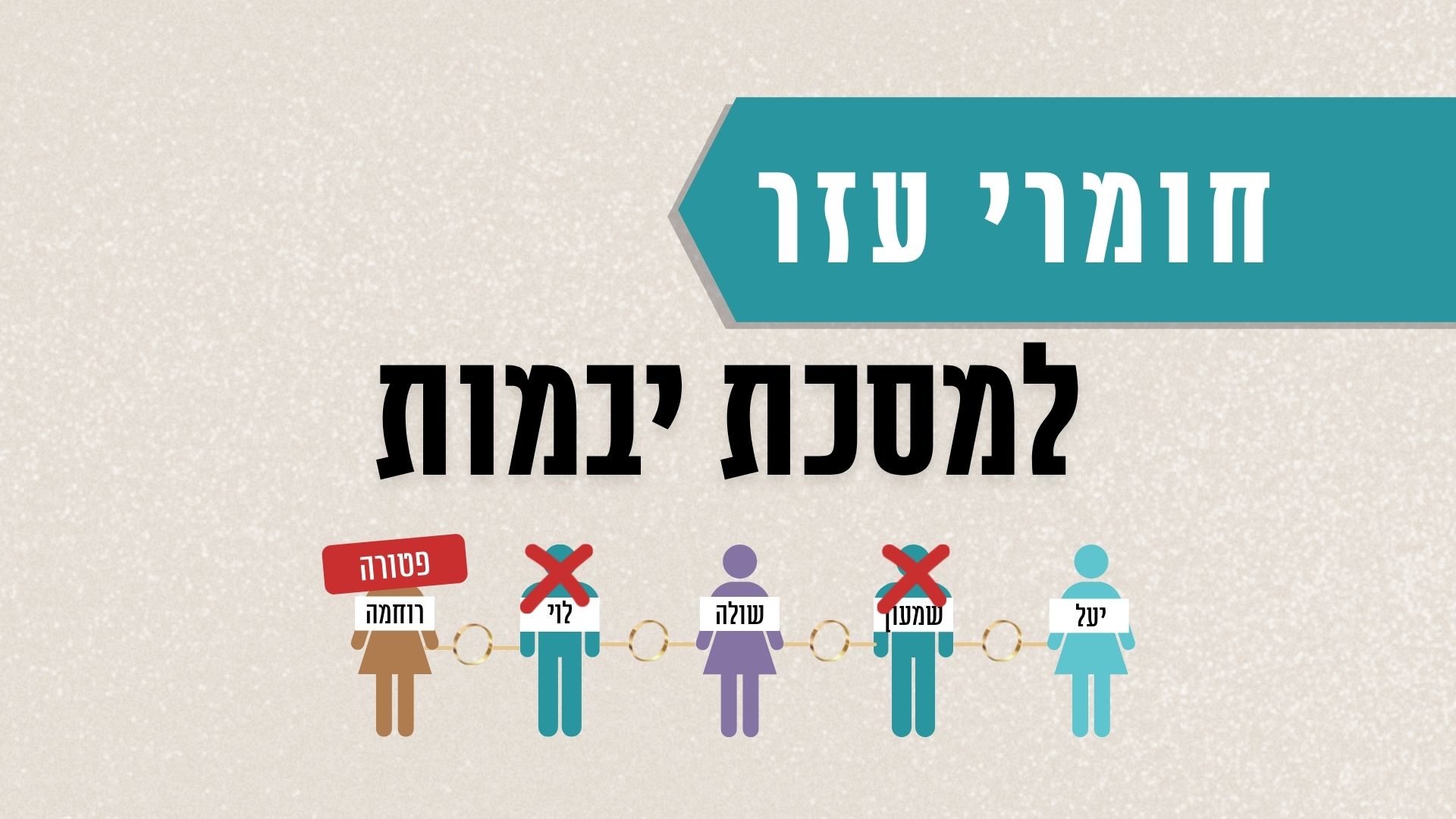
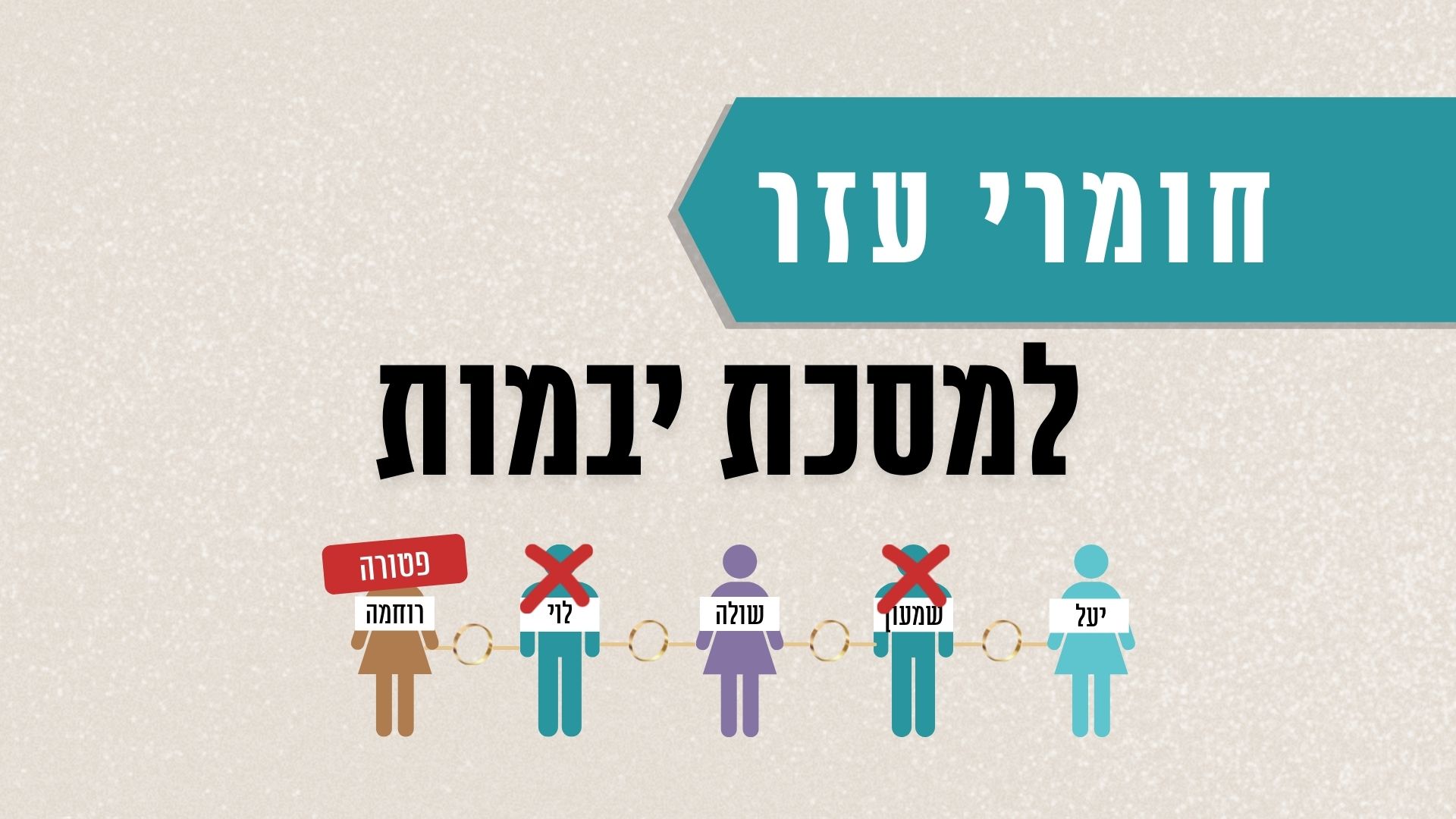
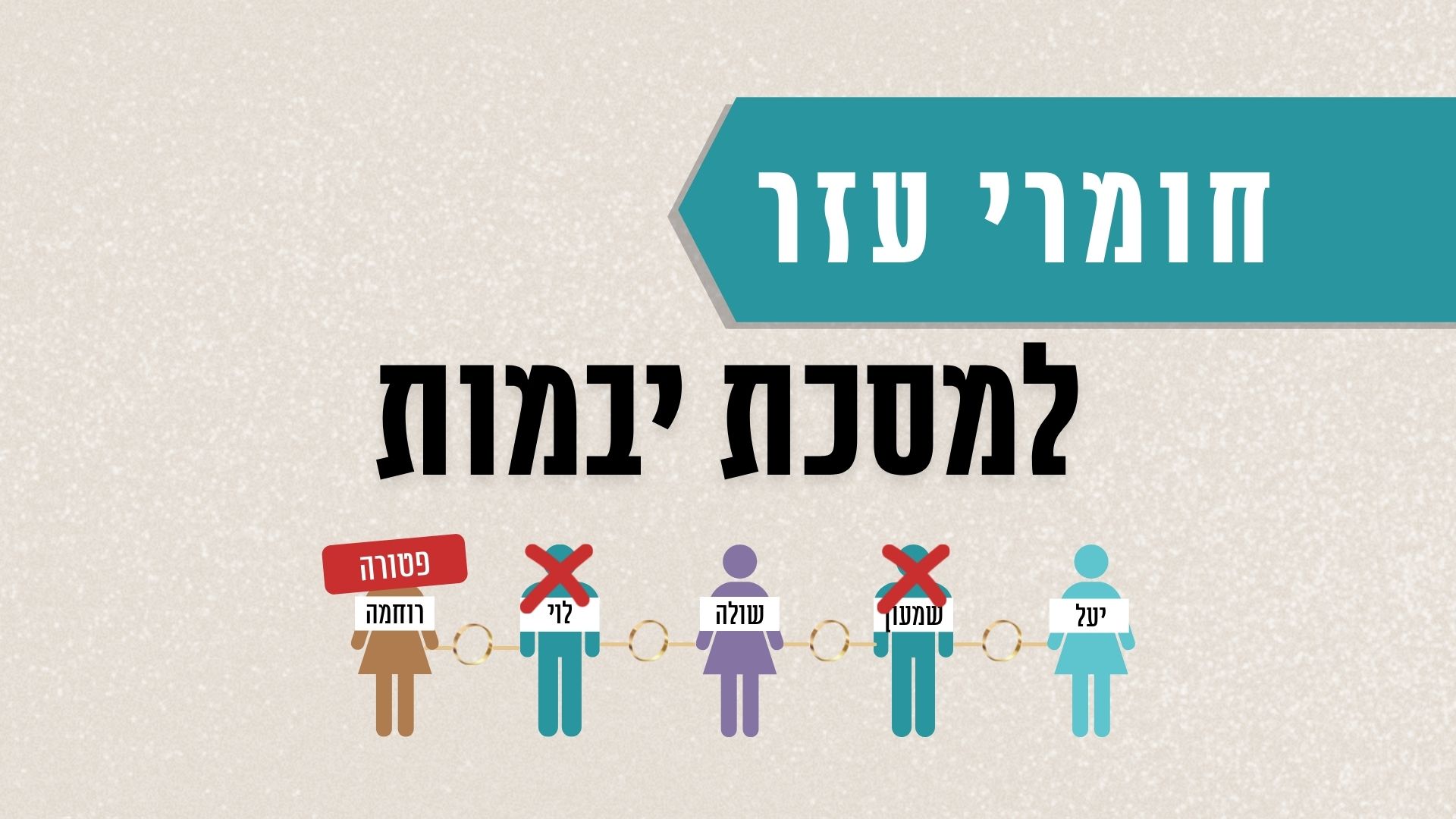
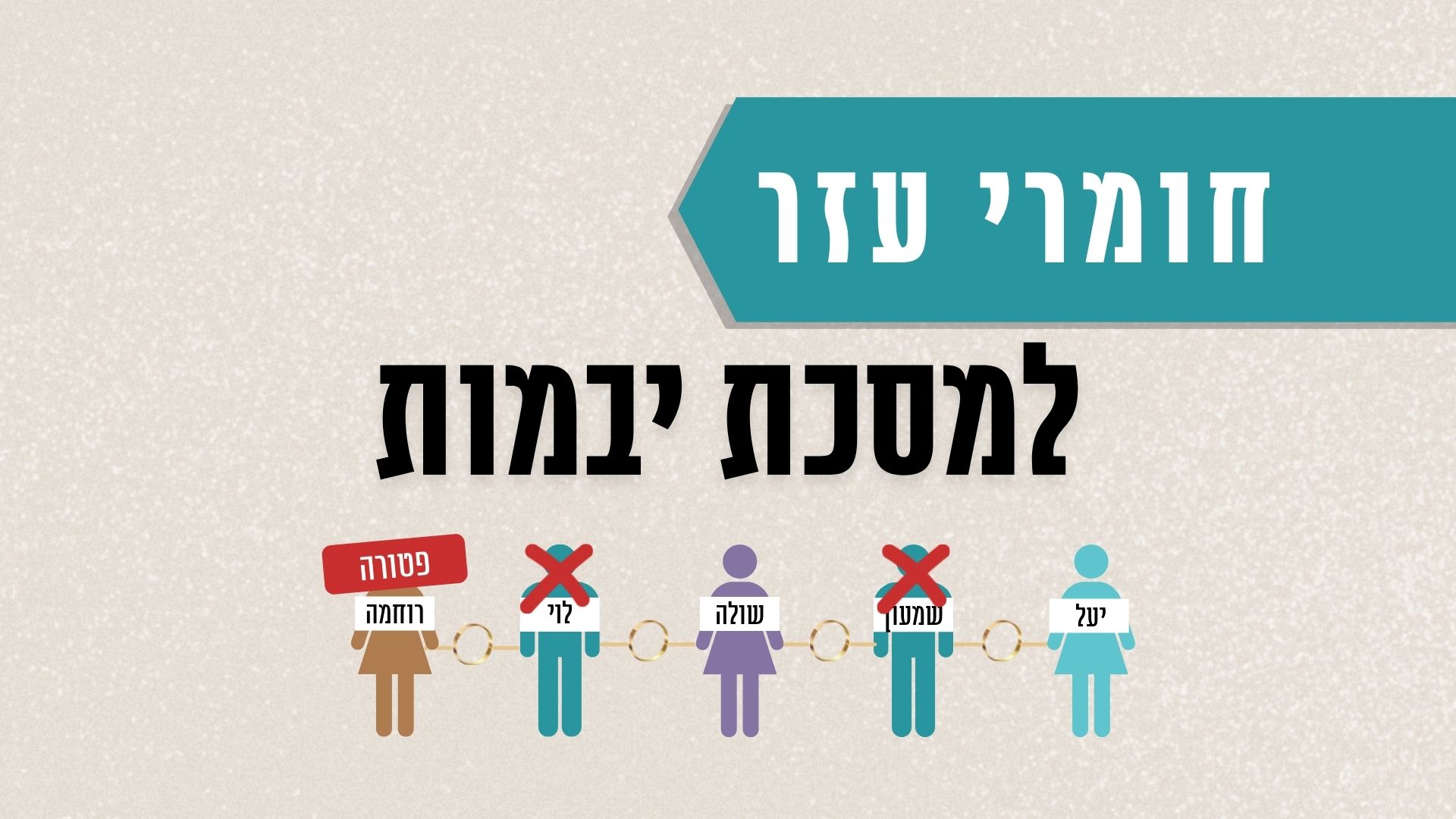
מספר וריאציות שונות מובאות במשניות עם שלושה אחים, כל אחד נשוי לשתי אחיות ואישה שלישית, שלא קשורה אליהן. בכל מצב אח אחד מת, אחד עושה ייבום ואז מת גם הוא. סדר האירועים שונה מי נפטר ראשון, האם מישהו התגרש בשלב מסוים וכו’. הגמרא מנסה לעמוד על ההבדלים בין המקרים שחייבו את המשנה להביא כל אחד ואיזה הלכות ניתן ללמוד מכל משנה. כאשר רב אומר דבר שנראה ברור מהמשנה, הגמרא מסיקה שהוא חייב ללמד אותנו עוד משהו נוסף – שברגע שאישה לא מסוגלת לעשות ייבום עם האח ברגע שהיא נופלת לו, היא לעולם לא יכולה לעשות ייבום עם האח. מהמשנה הראשונה כאן מסיק רב נחמן שאין זיקה, אבל ממשנה אחרת מסיק רב אשי שיש זיקה. כיצד כל אחד יכול להסביר את המשנה האחרת כך שתתאים לגישתו? משנתינו סותרת את המשנה ביבמות ב, שכן כאן נראה שאם האחות (שהיא ערוה) נתגרשה לפני שהאשה השנייה נישאה לבעלה, היא אינה נחשבת כצרתה, אבל ביבמות ב ברור שכל עוד היא נתגרשה לפני מות הבעל, אין היא נחשבת לצרתה לפטור משום צרת ערוה. מוצעות שני הסברים. אם יש ספק אם האשה שהיא ערווה אולי מקודשת או אולי לא לבעל או אולי גרושה, אולי לא, אשתו האחרת (שהיא בוודאי נשוי לה) צריכה לעשות חליצה. למה?


יבמות ל

מַתְנִי׳ שְׁלֹשָׁה אַחִין, שְׁנַיִם מֵהֶם נְשׂוּאִים שְׁתֵּי אֲחָיוֹת, וְאֶחָד נָשׂוּי נׇכְרִית. מֵת אֶחָד מִבַּעֲלֵי אֲחָיוֹת, וְכָנַס נְשׂוּי נׇכְרִית אֶת אִשְׁתּוֹ וּמֵת — הָרִאשׁוֹנָה יוֹצְאָה מִשּׁוּם אֲחוֹת אִשָּׁה, וּשְׁנִיָּה מִשּׁוּם צָרָתָהּ. עָשָׂה בָּהּ מַאֲמָר וּמֵת — נׇכְרִית חוֹלֶצֶת וְלֹא מִתְיַיבֶּמֶת.

MISHNA: In the case of three brothers, two of whom were married to two sisters and one who was married to an unrelated woman, the following occurred: The husband of one of the sisters died childless, and the brother who was married to the unrelated woman married, i.e., performed levirate marriage with, the deceased brother’s wife and later died himself, childless. In this situation, both women happen for levirate marriage before the other, remaining, brother. The first woman is dismissed due to the prohibition proscribing the sister of one’s wife, as she is the sister of this brother’s wife, and the second woman is dismissed due to her status as the first woman’s rival wife. Following the first levirate marriage, this second woman became the rival wife of the sister, and is therefore exempt from levirate marriage as well. If, however, the brother married to the unrelated woman performed only levirate betrothal, but had not yet consummated the levirate marriage with the sister, and he died, the unrelated woman, whose halakhic status with regard to yibbum is similar to that of a sister’s rival wife, must perform ḥalitza and may not enter into levirate marriage.

גְּמָ׳ טַעְמָא דַּעֲבַד בַּהּ מַאֲמָר, הָא לָא עֲבַד בַּהּ מַאֲמָר — נׇכְרִית יַבּוֹמֵי נָמֵי מְיַיבְּמָה. אָמַר רַב נַחְמָן: זֹאת אוֹמֶרֶת אֵין זִיקָה, וַאֲפִילּוּ בְּחַד אַחָא.

GEMARA: The Gemara deduces the following halakha from the second clause of the mishna: The reason that the mishna requires ḥalitza is specifically because he, the brother who was married to the unrelated woman, performed levirate betrothal with the sister. Consequently, had he not performed levirate betrothal with her, the unrelated woman would be permitted to enter into levirate marriage as well. This is true despite the fact that the levirate bond could potentially render her the rival wife of his wife’s sister. Rav Naḥman said: That is to say, the levirate bond is not substantial; the woman requiring levirate marriage is not considered married to the yavam. And this is true even if the levirate bond was with a single brother, as this widowed sister happened for levirate marriage only before the brother who was married to the unrelated woman; her levirate bond was with him alone.

מַתְנִי׳ שְׁלֹשָׁה אַחִים, שְׁנַיִם מֵהֶם נְשׂוּאִים שְׁתֵּי אֲחָיוֹת, וְאֶחָד נָשׂוּי נׇכְרִית. מֵת הַנָּשׂוּי נׇכְרִית, וְכָנַס אֶחָד מִבַּעֲלֵי אֲחָיוֹת אֶת אִשְׁתּוֹ וּמֵת — הָרִאשׁוֹנָה יוֹצֵאת מִשּׁוּם אֲחוֹת אִשָּׁה, וּשְׁנִיָּה — מִשּׁוּם צָרָתָהּ. עָשָׂה בָּהּ מַאֲמָר וּמֵת — נׇכְרִית חוֹלֶצֶת וְלֹא מִתְיַיבֶּמֶת.

MISHNA: In the case of three brothers, two of whom were married to two sisters and one who was married to an unrelated woman, the following occurred: He who was married to the unrelated woman died, and one of the husbands of the sisters married his wife, and then died childless as well. The first woman, i.e., the sister who was originally married to the brother who performed levirate marriage, is dismissed and is exempt from levirate marriage due to her status as the sister of his wife. And the second woman, i.e., the unrelated woman who had entered into levirate marriage, is dismissed as her rival wife. If, however, he performed levirate betrothal with the unrelated woman, and then died, then this unrelated woman must perform ḥalitza and may not enter into levirate marriage, as levirate betrothal rendered her status with regard to yibbum as similar to the rival wife of his wife’s sister.

גְּמָ׳ הָא תּוּ לְמָה לִי? הַיְינוּ הָךְ! הַשְׁתָּא: וּמָה הָתָם דַּאֲחוֹת אִשָּׁה הָוְיָא צָרָה לְנׇכְרִית — אָמְרַתְּ נׇכְרִית אֲסוּרָה, הָכָא דְּנׇכְרִית הָוְיָא צָרָה לַאֲחוֹת אִשָּׁה — לֹא כׇּל שֶׁכֵּן!

GEMARA: The Gemara asks: Why do I need this mishna as well? This principle is identical to the principle behind the ruling in the previous mishna, and therefore this ruling can easily be deduced from the previous ruling. Now, just as there, when his wife’s sister became rival wife of the unrelated woman who was already the brother’s wife, you say that the unrelated woman is forbidden despite the fact that the forbidden relative joined later, here, where the unrelated woman became the rival wife of his wife’s sister afterward, is it not all the more so clear that she is exempt as a rival wife?

תַּנָּא, הָךְ תְּנָא בְּרֵישָׁא וְהָךְ חַזְיַא לְהֶתֵּירָא וְשַׁרְיַא, וַהֲדַר חַזְיַא לְאִיסּוּרָא.

The Gemara answers: This mishna was unnecessary, and this is how the duplication occurred: The tanna taught this mishna at first, and with regard to that previous case saw it fitting to render her permitted, and he permitted her to the brother, for he held that if the forbidden relative joined the man’s household later, then she would not render the first wife prohibited as the rival wife of a forbidden relative. And then the tanna subsequently retracted and saw it fitting to render the woman forbidden. He decided that this woman should be considered the rival wife of a forbidden relative as well, and therefore rendered her forbidden to the brother.

וְאַיְּידֵי דְּחַבִּיבָה לֵיהּ אַקְדְּמַהּ, וּמִשְׁנָה לֹא זָזָה מִמְּקוֹמָהּ.

And since that case was novel, it was beloved to him and he taught it earlier. In truth, it would have now been possible to eliminate the present mishna, for there was no longer any novelty in it; its ruling could be derived by an a fortiori argument from the previous ruling. However, a mishna does not move from its place. Since this version of the mishna had already been fixed, it was deemed inappropriate to remove it completely, and it remained in place despite the fact that it was no longer necessary.

מַתְנִי׳ שְׁלֹשָׁה אַחִין, שְׁנַיִם מֵהֶם נְשׂוּאִים שְׁתֵּי אֲחָיוֹת, וְאֶחָד נָשׂוּי נׇכְרִית. מֵת אֶחָד מִבַּעֲלֵי אֲחָיוֹת, וְכָנַס נְשׂוּי נׇכְרִית אֶת אִשְׁתּוֹ, וּמֵתָה אִשְׁתּוֹ שֶׁל שֵׁנִי, וְאַחַר כָּךְ מֵת נְשׂוּי נׇכְרִית — הֲרֵי זוֹ אֲסוּרָה עָלָיו עוֹלָמִית, הוֹאִיל וְנֶאֶסְרָה עָלָיו שָׁעָה אַחַת.

MISHNA: In the case of three brothers, two of whom were married to two sisters and one who was married to an unrelated woman, the following occurred: One of the husbands of the sisters died, and he who was married to the unrelated woman married the deceased husband’s wife, and then the wife of the second brother, the other one of the sisters, died. Afterward, the brother who was married to the unrelated woman died, leaving two women for levirate marriage before the remaining brother: The unrelated woman and the woman who was previously prohibited as the sister of his deceased wife. In this case, the sister is forbidden to him forever. She is not forbidden due to her status as his wife’s sister, as his wife already died and one’s wife’s sister is permitted after the wife’s death. However, since she was already forbidden to him at one time, she is forbidden to him forever. When she first happened before the brothers for levirate marriage, before the third brother married her, she was forbidden to the second brother as his wife’s sister. Therefore, she is forbidden to him forever. In addition, she exempts her rival wife, the unrelated woman, from levirate marriage.

גְּמָ׳ אָמַר רַב יְהוּדָה אָמַר רַב: כׇּל יְבָמָה שֶׁאֵין אֲנִי קוֹרֵא בָּהּ בִּשְׁעַת נְפִילָה ״יְבָמָהּ יָבֹא עָלֶיהָ״ — הֲרֵי הִיא כְּאֵשֶׁת אָח שֶׁיֵּשׁ לָהּ בָּנִים, וַאֲסוּרָה. מַאי קָא מַשְׁמַע לַן? תְּנֵינָא: הֲרֵי זוֹ אֲסוּרָה עָלָיו עוֹלָמִית, הוֹאִיל וְנֶאֶסְרָה עָלָיו שָׁעָה אַחַת!

GEMARA: Rav Yehuda said that Rav said a principle on this matter: Any yevama to whom the verse “Her brother-in-law will have intercourse with her” (Deuteronomy 25:5) cannot be applied at the time that she happens before him for levirate marriage because she was forbidden to him at that moment, is then forever considered to be like the wife of a brother with whom she has children, and she is forbidden to him. The Gemara asks: What is Rav teaching us with this statement? We already learned this in the mishna: She is forbidden to him forever, since she was forbidden to him at one time.

מַהוּ דְּתֵימָא: הָנֵי מִילֵּי הֵיכָא דְּלָא אִיחַזְיָא לַהּ בִּנְפִילָה רִאשׁוֹנָה, אֲבָל הֵיכָא דְּאִיחַזְיָא לַהּ בִּנְפִילָה רִאשׁוֹנָה — אֵימָא תִּישְׁתְּרֵי, קָא מַשְׁמַע לַן.

The Gemara answers: This was necessary lest you say that this ruling applies only in cases where she was not eligible at all during the first time that she happened before the brothers for levirate marriage. Such is the case in the mishna, when she was forbidden to the yavam as his wife’s sister the entire time that she was eligible for levirate marriage. Even though his wife died after the other yavam married this woman, because she was forbidden to him that entire time, she is forbidden to him forever. But in cases where she was eligible at some point during the first time she happened before the brothers for levirate marriage, such as in the scenario where the brother’s wife died prior to the time when his other brother married her, one could say that she would be permitted. In that case, since the prohibition had in the meantime been canceled and she was indeed rendered eligible for levirate marriage with him during the period of the first time she happened before him, one might think that she would now be permitted. It is for this reason that Rav teaches us that even in this scenario she would be forbidden to him forever.

הָא נָמֵי תְּנֵינָא: שְׁנֵי אַחִין נְשׂוּאִין שְׁתֵּי אֲחָיוֹת, מֵת אֶחָד מֵהֶם, וְאַחַר כָּךְ מֵתָה אִשְׁתּוֹ שֶׁל שֵׁנִי — הֲרֵי זוֹ אֲסוּרָה עָלָיו עוֹלָמִית, הוֹאִיל וְנֶאֶסְרָה עָלָיו שָׁעָה אַחַת!

The Gemara raises an objection: We learned this as well, as a later mishna (32a) states: In the case of two brothers who were married to two sisters, if one of them, i.e., one of the brothers, died and afterward the wife of the second brother died, then she, the surviving wife, is forbidden to him, the surviving brother, forever, since she was forbidden to him during the period she happened before him at one time.

מַהוּ דְּתֵימָא: הָתָם הוּא דְּאִידְּחַי לַהּ מֵהַאי בֵּיתָא לִגְמָרֵי, אֲבָל הָכָא דְּלָא אִידְּחַי לַהּ מֵהַאי בֵּיתָא לִגְמָרֵי, אֵימָא: מִיגּוֹ דְּחַזְיָא לְהַאי נְשׂוּי נׇכְרִית, חַזְיָא נָמֵי לְהַאי — קָא מַשְׁמַע לַן.

The Gemara answers: One cannot learn the halakhic principle from that case. Lest you say that there she is forbidden forever because of the following argument: When she was forbidden to the brother, she was precluded from entering this household completely, i.e., from the entire obligation of levirate marriage. She received total exemption from the mitzva of levirate marriage because this obligation applied only to the one remaining brother, and she was forbidden to him at the time that she happened before him for levirate marriage. But here, however, in the case Rav is referring to, where she was not completely precluded from entering this household because she still required levirate marriage with another brother, one could say: Since she is eligible and permitted to this brother, who was married to the unrelated woman, she is eligible for this second brother following the death of his wife as well, in other words, she was not rendered completely exempt from the obligation of levirate marriage. Lest one make this argument, Rav teaches us that under any circumstances she who was forbidden at one time is forbidden forever.

מַתְנִי׳ שְׁלֹשָׁה אַחִים, שְׁנַיִם מֵהֶם נְשׂוּאִין שְׁתֵּי אֲחָיוֹת, וְאֶחָד נָשׂוּי נׇכְרִית. גֵּירַשׁ אֶחָד מִבַּעֲלֵי אֲחָיוֹת אֶת אִשְׁתּוֹ, וּמֵת נְשׂוּי נׇכְרִית, וּכְנָסָהּ הַמְגָרֵשׁ וָמֵת — זוֹ הִיא שֶׁאָמְרוּ: וְכוּלָּן שֶׁמֵּתוּ אוֹ נִתְגָּרְשׁוּ — צָרוֹתֵיהֶן מוּתָּרוֹת.

MISHNA: In the case of three brothers, two of whom were married to two sisters and one who was married to an unrelated woman, the following occurred: Shimon, the husband of one of the sisters, divorced his wife, and then Levi, who was married to the unrelated woman, died, and Shimon, the man who divorced his wife, married, i.e., performed levirate marriage with, her, i.e., this unrelated woman. And then Shimon himself later died, so that the unrelated woman happened for levirate marriage before Reuven, the third brother, who is married to the second sister. In this scenario, Reuven is allowed to consummate the levirate marriage with the unrelated woman. This is the case that was referred to when they said: And with regard to all those fifteen forbidden relatives who died or were divorced, their rival wives are permitted to enter into levirate marriage. This is because at the time that they happened before the yavam for levirate marriage they were no longer the rival wives of a forbidden relative.

גְּמָ׳ טַעְמָא דְּגֵירַשׁ וְאַחַר כָּךְ מֵת, אֲבָל מֵת וְאַחַר כָּךְ גֵּירַשׁ — אֲסוּרָה. אָמַר רַב אָשֵׁי: זֹאת אוֹמֶרֶת: יֵשׁ זִיקָה, אֲפִילּוּ בִּתְרֵי אַחֵי.

GEMARA: The Gemara deduces from here that the reason for this halakha is specifically that Shimon divorced his wife and after that Levi died and Shimon married the unrelated woman. But if Levi had died first, and later Shimon divorced his wife, then the unrelated woman would be forbidden to Reuven due to the levirate bond that existed between her and Shimon prior to the latter’s divorce. She would be considered the rival wife of the divorced woman who is the sister of Reuven’s wife. Rav Ashi said: That is to say, the levirate bond is substantial, even with two brothers. Although the unrelated woman required levirate marriage with two brothers, the levirate bond is substantial enough to create a relationship between the unrelated woman and Shimon such that the unrelated woman is considered the rival wife of the divorced woman, i.e., the sister of Reuven’s wife.

וּלְרַב אָשֵׁי קַשְׁיָא דְּרַב נַחְמָן! אָמַר לָךְ רַב אָשֵׁי: הוּא הַדִּין דְּאַף עַל גַּב דְּלָא עֲבַד בַּהּ מַאֲמָר — נׇכְרִית מִיחְלָץ חָלְצָה, יַבּוֹמֵי לָא מִיַּיבְּמָה. וְהָא דְּקָתָנֵי מַאֲמָר — לְאַפּוֹקֵי בֵּית שַׁמַּאי, דְּאָמְרִי: מַאֲמָר קוֹנֶה

The Gemara asks: And according to Rav Ashi, that which Rav Naḥman said is difficult, as Rav Naḥman deduced from the earlier mishna that the levirate bond is not substantial even in the case of a single brother. The Gemara answers: Rav Ashi could have said to you: Rav Naḥman’s deduction in the first mishna was not logically necessary. With regard to that mishna, one could have said that when the mishna requires ḥalitza in the case of levirate betrothal, the same is true even in the case where he who was married to the unrelated woman did not perform levirate betrothal with her. In that case as well, the unrelated woman must perform ḥalitza and may not enter into levirate marriage since she was the rival wife of his wife’s sister by levirate bond. And the reason that it teaches the ruling in the case of levirate betrothal was not in order to inform us that she was forbidden due to levirate betrothal, but rather to exclude the statement of Beit Shammai, who say that through the act of levirate betrothal one acquires the yevama

קִנְיָן גָּמוּר, קָא מַשְׁמַע לַן דְּלָא כְּבֵית שַׁמַּאי.

as a full-fledged acquisition. According to that opinion, the unrelated woman does not even require ḥalitza, since she is considered to be a rival wife of a forbidden relative. This mishna teaches us that the halakha is not in accordance with the opinion of Beit Shammai.

וּלְרַב נַחְמָן — קַשְׁיָא דְּרַב אָשֵׁי! וְכִי תֵּימָא: הוּא הַדִּין דַּאֲפִילּוּ מֵת וְאַחַר כָּךְ גֵּירַשׁ — צָרָתָהּ מוּתֶּרֶת, אֶלָּא ״זוֹ הִיא״ לְמַעוֹטֵי מַאי? לְמַעוֹטֵי כָּנַס וְאַחַר כָּךְ גֵּירַשׁ.

The Gemara raises a question from the opposite perspective: And according to Rav Naḥman, who deduced from the earlier mishna that the levirate bond is not substantial, the deduction of Rav Ashi that the levirate bond is substantial is difficult. And if you would try to resolve this in a similar manner and say: With regard to the ruling in the present mishna, which states that the sister’s rival wife, i.e., the unrelated woman, is permitted, the same is true even if Levi had died and then afterward the brother married to the other sister divorced his wife, there is a difficulty. If that is the case, then what does the phrase this is, cited at the end of the mishna, come to exclude? If we follow this explanation then the same ruling would hold true in all cases. The Gemara responds: It excludes the case where Shimon first married the unrelated woman and only afterward divorced the sister, as in such circumstances the unrelated woman is most certainly a rival wife of Reuven’s wife’s sister and is therefore not permitted.

הָנִיחָא אִי סָבַר לַהּ כְּרַבִּי יִרְמְיָה, דְּאָמַר: תַּבְרָא, מִי שֶׁשָּׁנָה זוֹ לֹא שָׁנָה זוֹ.

The Gemara states: This works out well if he holds in accordance with the opinion of Rabbi Yirmeya, who said with regard to a seeming contradiction between this mishna and an earlier mishna (13a): The mishnayot are disjointed; he who taught this mishna did not teach that mishna. The earlier mishna established the principle that if a man was married to two women, one of whom was a forbidden relative, and he divorced the forbidden relative before he died, then the rival wife is no longer prohibited to the brothers.

וְהַאי תַּנָּא סָבַר מִיתָה מַפֶּלֶת, וְהַאי תַּנָּא סָבַר נִישּׂוּאִין הָרִאשׁוֹנִים מַפִּילִים.

This dispute is based upon the following: This tanna from the earlier mishna holds that death determines her status when she happens before the brothers, i.e., the crucial moment for determining whether the prohibition relating to rival wives applies is the moment at which the brother dies. In other words, whether the yevama is permitted to the yavam is determined by the status of the yevama at that given moment. Therefore, in the case where he had married a forbidden relative and later divorced her, the rival wife would be permitted. And this tanna of our present mishna holds that the original marriage determines her status when she happens before the brothers. If, at the time the woman was married to the deceased brother she was forbidden as a close relative, and her rival wife was likewise forbidden as the rival wife of a forbidden relative, then even though the status of the relative had changed at the time of the death of the brother, both she and her rival wife remain forbidden.

״זוֹ הִיא״ לְמַעוֹטֵי כָּנַס וּלְבַסּוֹף גֵּירַשׁ. אֶלָּא אִי סָבַר לַהּ כְּרָבָא, דְּאָמַר: לְעוֹלָם חַד תַּנָּא הוּא, וְ״זוֹ וְאֵין צָרִיךְ לוֹמַר זוֹ״ קָתָנֵי, ״זוֹ הִיא״ לְמַעוֹטֵי מַאי? עַל כׇּרְחָךְ כְּרַבִּי יִרְמְיָה סְבִירָא לֵיהּ.

According to this opinion, it is indeed possible to state that the phrase this is comes to exclude the case where he married one woman and ultimately divorced the other. According to this mishna, in that case, the rival wives would be prohibited. However, if he holds in accordance with the opinion of Rava, who said: Actually, understand this to be the opinion of a single tanna, and he teaches the mishna employing the style: This, and it is unnecessary to say that, a difficulty remains. According to Rava, both mishnayot maintain the position that in the case where the yavam married one woman and ultimately divorced the other, the rival wife would be permitted. If that is the case, what does the phrase this is come to exclude? In what case would the rival wife be prohibited to the yavam? The Gemara responds: Perforce Rav Naḥman holds in accordance with the opinion of Rabbi Yirmeya with regard to his interpretation of the mishnayot.

וּלְרָבָא, הָנִיחָא אִי סָבַר לַהּ כְּרַב אָשֵׁי — ״זוֹ הִיא״ לְמַעוֹטֵי מֵת בְּלֹא גֵּירֵשׁ. אֶלָּא אִי סָבַר לַהּ כְּרַב נַחְמָן, ״זוֹ הִיא״ לְמַעוֹטֵי מַאי? עַל כׇּרְחָךְ כְּרַב אָשֵׁי סְבִירָא לֵיהּ.

The Gemara raises a question from a different perspective: And according to Rava, who maintains that in both cases the rival wife is permitted, this works out well if he holds in accordance with the opinion of Rav Ashi that the levirate bond is substantial. In that case the phrase this is comes to exclude the case where he died without divorcing his wife. In this case the rival wife is forbidden because the entire time she was the rival wife of a forbidden relative by levirate bond. If, however, he holds in accordance with the opinion of Rav Naḥman in this matter, what does the phrase this is come to exclude? The Gemara answers: Perforce Rava holds in accordance with the opinion of Rav Ashi. Accordingly, with regard to this halakha there is a connection between the various opinions as to how to interpret the mishnayot and the dispute.

מַתְנִי׳ וְכוּלָּן שֶׁהָיוּ בָּהֶן קִדּוּשִׁין אוֹ גֵרוּשִׁין בְּסָפֵק — הֲרֵי אֵלּוּ הַצָּרוֹת חוֹלְצוֹת וְלֹא מִתְיַיבְּמוֹת. כֵּיצַד סְפֵק קִדּוּשִׁין? זָרַק לָהּ קִדּוּשִׁין, סָפֵק קָרוֹב לוֹ סָפֵק קָרוֹב לָהּ — זֶהוּ סְפֵק קִדּוּשִׁין.

MISHNA: And if any of these fifteen women who are prohibited as forbidden relatives had undergone a betrothal or divorce whose status is uncertain with the deceased brother, then those women who were their rival wives must perform ḥalitza and may not enter into levirate marriage since they are possibly the rival wives of forbidden relatives. The mishna elaborates: How could there be a situation of uncertainty with regard to betrothal? If in the public domain he threw her an item for the purpose of betrothal and there were eight cubits between them, and the item was possibly closer to him and did not enter into her domain, and possibly closer to her, i.e., within four cubits of her, whereby she could acquire the object, this is a case of uncertainty with regard to betrothal.

סְפֵק גֵּרוּשִׁין — כָּתַב בִּכְתַב יָדוֹ וְאֵין עָלָיו עֵדִים, יֵשׁ עָלָיו עֵדִים וְאֵין בּוֹ זְמַן, יֵשׁ בּוֹ זְמַן וְאֵין בּוֹ אֶלָּא עֵד אֶחָד, זֶהוּ סְפֵק גֵּרוּשִׁין.

Uncertainty with regard to divorce occurs when, for instance, he wrote a bill of divorce in his handwriting but there are no signatures of witnesses on the document, or there are the signatures of witnesses on the document but there is no date written in it, or the date is written in it but there is only the signature of a single witness. Since there is doubt as to whether these three kinds of bills of divorce are valid, a woman who was divorced through them is only possibly divorced, and so this case is called uncertainty with regard to divorce.

גְּמָ׳ וְאִילּוּ בְּגֵרוּשִׁין, סָפֵק קָרוֹב לוֹ סָפֵק קָרוֹב לָהּ לָא קָתָנֵי.

GEMARA: The Gemara remarks: But yet when discussing divorce, it does not teach the case where it is uncertain if the bill of divorce is closer to him, and uncertain if it is closer to her. It would have been appropriate to describe this case, as it parallels the case involving the object of betrothal. He could have tossed it in such a way that it was not clear to whom the bill was closer.

מַאי טַעְמָא? אָמַר רַבָּה: אִשָּׁה זוֹ בְּחֶזְקַת הֶיתֵּר לַשּׁוּק עוֹמֶדֶת, וּמִסָּפֵק אַתָּה בָּא לְאוֹסְרָהּ — אַל תַּאַסְרֶנָּה מִסָּפֵק.

The Gemara asks: What is the reason the mishna did not present this situation as well? Rabba said: When this type of uncertainty exists, the performance of ḥalitza is not mandatory, as this woman, the rival wife, has the presumptive status of being permitted to marry a man from the general public. At the time of her marriage she was rendered a rival wife of a forbidden relative. And due to an uncertainty alone would you render her forbidden to the general public until she performs ḥalitza, simply because it is unclear to us whether or not the forbidden relative had indeed been divorced? Do not render her forbidden due to an uncertainty. This is not, however, the case with the various bills of divorce mentioned in the mishna, for they are all certainly considered effective bills of divorce, even if the circumstances involved raise some questions or doubts.

אֲמַר לֵיהּ אַבָּיֵי: אִי הָכִי, בְּקִדּוּשִׁין נָמֵי נֵימָא: אִשָּׁה זוֹ בְּחֶזְקַת הֶיתֵּר לַיָּבָם עוֹמֶדֶת, וּמִסָּפֵק אַתָּה בָּא לְאוֹסְרָהּ — אַל תַּאַסְרֶנָּה מִסָּפֵק!

Abaye said to him: If that is so, let us say in the case of betrothal as well that this woman, the rival wife, has the presumptive status of being permitted to the yavam before he betrothed the forbidden relative, and due to the uncertainty whether she is the rival wife of a forbidden relative would you come and render her forbidden? Do not render her forbidden due to an uncertainty. Consequently, you should permit her to enter into levirate marriage.

הָתָם, לְחוּמְרָא.

The Gemara explains: There, with regard to betrothal, the halakha follows the stringent ruling, because the rival wife is certainly his wife and requires levirate marriage. As there is uncertainty with regard to the betrothal with the forbidden relative, the ruling is stringent; she may not enter into levirate marriage and must only perform ḥalitza.

הַאי — חוּמְרָא דְּאָתֵי לִידֵי קוּלָּא הוּא. זִימְנִין דְּאָזֵיל הוּא, וּמְקַדֵּשׁ לַהּ לַאֲחוֹתַהּ קִדּוּשֵׁי וַדַּאי.

The Gemara objects: Yet this is a stringency that might bring about a leniency in another scenario. How so? Sometimes that same man who betrothed the forbidden relative might go and betroth her sister with a betrothal whose status is certain. If one says that due to a stringency the rival wife may not enter into levirate marriage due to her possible status as the rival wife of a forbidden relative, people might come to assume that the betrothal with the forbidden relative was a valid betrothal, and that the subsequent betrothal with her sister was not valid, since she is his wife’s sister. This would be assumed because they would not know that the status of the first betrothal was itself uncertain and that only due to a stringent ruling is the rival wife not allowed to enter into levirate marriage. In fact, the status of the betrothal with the sister of the forbidden relative is also uncertain. As a result of this ruling, however, people might be led to think that a man’s wife, i.e., the sister of the forbidden relative, is in fact permitted.

וְאִי נָמֵי, זִימְנִין דְּאָתֵא אַחֵר וּמְקַדֵּשׁ לַהּ לְדִידַהּ קִדּוּשֵׁי וַדַּאי, וְכֵיוָן דְּאָסַר לַהּ מָר לְצָרָה לְיַיבּוֹמֵי, אָמְרִי: דְּקַמָּא — קִדּוּשִׁין, וּדְבָתְרָא — לָאו קִדּוּשִׁין!

Alternatively, sometimes another man might come and betroth the forbidden relative herself with a betrothal whose status is certain, and since the Master rendered it prohibited for the rival wife to enter into levirate marriage, people would say that the betrothal of the first man, i.e., the deceased brother, was a fully effective betrothal, and that the betrothal of the latter man was not a valid betrothal. If she was married to the first man, then she is forbidden to the second as the man’s wife, and betrothal cannot take effect with her. However, since the status of her betrothal to the first man was uncertain, then she is also considered possibly betrothed to the second man and would require a divorce from him as well. As a result, one can find a situation that would lead people to think that a man’s wife is in fact permitted.

העמקה

רוצה להבין מה באמת קורה מתחת לפני השטח של הסוגיה?
שיעורים, פודקאסטים והרחבות של מיטב המורות שלנו יפתחו לך עוד זוויות וכיווני חשיבה.

לשיעורי עוד על הדף באנגלית, לחצי כאן

חדשה בלימוד הגמרא?

זה הדף הראשון שלך? איזו התרגשות עצומה! יש לנו בדיוק את התכנים והכלים שיעזרו לך לעשות את הצעדים הראשונים ללמידה בקצב וברמה שלך, כך תוכלי להרגיש בנוח גם בתוך הסוגיות המורכבות ומאתגרות.

פסיפס הלומדות שלנו

גלי את קהילת הלומדות שלנו, מגוון נשים, רקעים וסיפורים. כולן חלק מתנועה ומסע מרגש ועוצמתי.

בסוף הסבב הקודם ראיתי את השמחה הגדולה שבסיום הלימוד, בעלי סיים כבר בפעם השלישית וכמובן הסיום הנשי בבנייני האומה וחשבתי שאולי זו הזדמנות עבורי למשהו חדש.
למרות שאני שונה בסביבה שלי, מי ששומע על הלימוד שלי מפרגן מאוד.
אני מנסה ללמוד קצת בכל יום, גם אם לא את כל הדף ובסך הכל אני בדרך כלל עומדת בקצב.
הלימוד מעניק המון משמעות ליום יום ועושה סדר בלמוד תורה, שתמיד היה (ועדיין) שאיפה. אבל אין כמו קביעות

Racheli-Mendelson
רחלי מנדלסון

טל מנשה, ישראל

My explorations into Gemara started a few days into the present cycle. I binged learnt and become addicted. I’m fascinated by the rich "tapestry” of intertwined themes, connections between Masechtot, conversations between generations of Rabbanim and learners past and present all over the world. My life has acquired a golden thread, linking generations with our amazing heritage.
Thank you.

Susan Kasdan
סוזן כשדן

חשמונאים, Israel

הצטרפתי ללומדות בתחילת מסכת תענית. ההתרגשות שלי ושל המשפחה היתה גדולה מאוד, והיא הולכת וגוברת עם כל סיום שאני זוכה לו. במשך שנים רבות רציתי להצטרף ומשום מה זה לא קרה… ב”ה מצאתי לפני מספר חודשים פרסום של הדרן, ומיד הצטרפתי והתאהבתי. הדף היומי שינה את חיי ממש והפך כל יום- ליום של תורה. מודה לכן מקרב ליבי ומאחלת לכולנו לימוד פורה מתוך אהבת התורה ולומדיה.

Noa Rosen
נעה רוזן

חיספין רמת הגולן, ישראל

שמעתי על הסיום הענק של הדף היומי ע”י נשים בבנייני האומה. רציתי גם.
החלטתי להצטרף. התחלתי ושיכנעתי את בעלי ועוד שתי חברות להצטרף. עכשיו יש לי לימוד משותף איתו בשבת ומפגש חודשי איתן בנושא (והתכתבויות תדירות על דברים מיוחדים שקראנו). הצטרפנו לקבוצות שונות בווטסאפ. אנחנו ממש נהנות. אני שומעת את השיעור מידי יום (בד”כ מהרב יוני גוטמן) וקוראת ומצטרפת לסיומים של הדרן. גם מקפידה על דף משלהן (ונהנית מאד).

Liat Citron
ליאת סיטרון

אפרת, ישראל

התחלתי ללמוד בעידוד שתי חברות אתן למדתי בעבר את הפרק היומי במסגרת 929.
בבית מתלהבים מאוד ובשבת אני לומדת את הדף עם בעלי שזה מפתיע ומשמח מאוד! לימוד הדף הוא חלק בלתי נפרד מהיום שלי. לומדת בצהריים ומחכה לזמן הזה מידי יום…

Miriam Wengerover
מרים ונגרובר

אפרת, ישראל

התחלתי בסיום הש”ס, יצאתי באורות. נשברתי פעמיים, ובשתיהם הרבנית מישל עודדה להמשיך איפה שכולם בסבב ולהשלים כשאוכל, וכך עשיתי וכיום השלמתי הכל. מדהים אותי שאני לומדת כל יום קצת, אפילו בחדר הלידה, בבידוד או בחו”ל. לאט לאט יותר נינוחה בסוגיות. לא כולם מבינים את הרצון, בפרט כפמניסטית. חשה סיפוק גדול להכיר את המושגים וצורת החשיבה. החלום זה להמשיך ולהתמיד ובמקביל ללמוד איך מהסוגיות נוצרה והתפתחה ההלכה.

Weingarten Sherrington Foundation
קרן וינגרטן שרינגטון

מודיעין, ישראל

"התחלתי ללמוד דף יומי במחזור הזה, בח’ בטבת תש””ף. לקחתי על עצמי את הלימוד כדי ליצור תחום של התמדה יומיומית בחיים, והצטרפתי לקבוצת הלומדים בבית הכנסת בכפר אדומים. המשפחה והסביבה מתפעלים ותומכים.
בלימוד שלי אני מתפעלת בעיקר מכך שכדי ללמוד גמרא יש לדעת ולהכיר את כל הגמרא. זו מעין צבת בצבת עשויה שהיא עצומה בהיקפה.”

Sarah Fox
שרה פוּקס

כפר אדומים, ישראל

התחלתי ללמוד בשנת המדרשה במגדל עוז, בינתיים נהנית מאוד מהלימוד ומהגמרא, מעניין ומשמח מאוד!
משתדלת להצליח לעקוב כל יום, לפעמים משלימה קצת בהמשך השבוע.. מרגישה שיש עוגן מקובע ביום שלי והוא משמח מאוד!

Uriah Kesner
אוריה קסנר

חיפה , ישראל

התחלתי ללמוד דף לפני קצת יותר מ-5 שנים, כשלמדתי רבנות בישיבת מהר”ת בניו יורק. בדיעבד, עד אז, הייתי בלימוד הגמרא שלי כמו מישהו שאוסף חרוזים משרשרת שהתפזרה, פה משהו ושם משהו, ומאז נפתח עולם ומלואו…. הדף נותן לי לימוד בצורה מאורגנת, שיטתית, יום-יומית, ומלמד אותי לא רק ידע אלא את השפה ודרך החשיבה שלנו. לשמחתי, יש לי סביבה תומכת וההרגשה שלי היא כמו בציטוט שבחרתי: הדף משפיע לטובה על כל היום שלי.

Michal Kahana
מיכל כהנא

חיפה, ישראל

רציתי לקבל ידע בתחום שהרגשתי שהוא גדול וחשוב אך נעלם ממני. הלימוד מעניק אתגר וסיפוק ומעמיק את תחושת השייכות שלי לתורה וליהדות

Ruth Agiv
רות עגיב

עלי זהב – לשם, ישראל

התחלתי ללמוד דף יומי אחרי שחזרתי בתשובה ולמדתי במדרשה במגדל עוז. הלימוד טוב ומספק חומר למחשבה על נושאים הלכתיים ”קטנים” ועד לערכים גדולים ביהדות. חשוב לי להכיר את הגמרא לעומק. והצעד הקטן היום הוא ללמוד אותה בבקיאות, בעזרת השם, ומי יודע אולי גם אגיע לעיון בנושאים מעניינים. נושאים בגמרא מתחברים לחגים, לתפילה, ליחסים שבין אדם לחברו ולמקום ולשאר הדברים שמלווים באורח חיים דתי 🙂

Gaia Divo
גאיה דיבו

מצפה יריחו, ישראל

התחלתי ללמוד בסבב הנוכחי לפני כשנתיים .הסביבה מתפעלת ותומכת מאוד. אני משתדלת ללמוד מכל ההסכתים הנוספים שיש באתר הדרן. אני עורכת כל סיום מסכת שיעור בביתי לכ20 נשים שמחכות בקוצר רוח למפגשים האלו.

Yael Asher
יעל אשר

יהוד, ישראל

אמא שלי למדה איתי ש”ס משנה, והתחילה ללמוד דף יומי. אני החלטתי שאני רוצה ללמוד גם. בהתחלה למדתי איתה, אח”כ הצטרפתי ללימוד דף יומי שהרב דני וינט מעביר לנוער בנים בעתניאל. במסכת עירובין עוד חברה הצטרפה אלי וכשהתחלנו פסחים הרב דני פתח לנו שעור דף יומי לבנות. מאז אנחנו לומדות איתו קבוע כל יום את הדף היומי (ובשבת אבא שלי מחליף אותו). אני נהנית מהלימוד, הוא מאתגר ומעניין

Renana Hellman
רננה הלמן

עתניאל, ישראל

סיום השס לנשים נתן לי מוטביציה להתחיל ללמוד דף יומי. עד אז למדתי גמרא בשבתות ועשיתי כמה סיומים. אבל לימוד יומיומי זה שונה לגמרי ופתאום כל דבר שקורה בחיים מתקשר לדף היומי.

Fogel Foundation
קרן פוגל

רתמים, ישראל

למדתי גמרא מכיתה ז- ט ב Maimonides School ואחרי העליה שלי בגיל 14 לימוד הגמרא, שלא היה כל כך מקובל בימים אלה, היה די ספוראדי. אחרי "ההתגלות” בבנייני האומה התחלתי ללמוד בעיקר בדרך הביתה למדתי מפוקקטסים שונים. לאט לאט ראיתי שאני תמיד חוזרת לרבנית מישל פרבר. באיזה שהוא שלב התחלתי ללמוד בזום בשעה 7:10 .
היום "אין מצב” שאני אתחיל את היום שלי ללא לימוד עם הרבנית מישל עם כוס הקפה שלי!!

selfie-scaled
דבי גביר

חשמונאים, ישראל

התחלתי ללמוד בשנת המדרשה במגדל עוז, בינתיים נהנית מאוד מהלימוד ומהגמרא, מעניין ומשמח מאוד!
משתדלת להצליח לעקוב כל יום, לפעמים משלימה קצת בהמשך השבוע.. מרגישה שיש עוגן מקובע ביום שלי והוא משמח מאוד!

Uriah Kesner
אוריה קסנר

חיפה , ישראל

כבר סיפרתי בסיום של מועד קטן.
הלימוד מאוד משפיעה על היום שלי כי אני לומדת עם רבנית מישל על הבוקר בזום. זה נותן טון לכל היום – בסיס למחשבות שלי .זה זכות גדול להתחיל את היום בלימוד ובתפילה. תודה רבה !

שרה-ברלוביץ
שרה ברלוביץ

ירושלים, ישראל

בתחילת הסבב הנוכחי של לימוד הדף היומי, נחשפתי לחגיגות המרגשות באירועי הסיום ברחבי העולם. והבטחתי לעצמי שבקרוב אצטרף גם למעגל הלומדות. הסבב התחיל כאשר הייתי בתחילת דרכי בתוכנית קרן אריאל להכשרת יועצות הלכה של נשמ”ת. לא הצלחתי להוסיף את ההתחייבות לדף היומי על הלימוד האינטנסיבי של תוכנית היועצות. בבוקר למחרת המבחן הסופי בנשמ”ת, התחלתי את לימוד הדף במסכת סוכה ומאז לא הפסקתי.

Hana Shaham-Rozby (Dr.)
חנה שחם-רוזבי (ד”ר)

קרית גת, ישראל

A life-changing journey started with a Chanukah family tiyul to Zippori, home of the Sanhedrin 2 years ago and continued with the Syum in Binanei Hauma where I was awed by the energy of 3000 women dedicated to learning daf Yomi. Opening my morning daily with a fresh daf, I am excited with the new insights I find enriching my life and opening new and deeper horizons for me.

Becky Goldstein
בקי גולדשטיין

Elazar gush etzion, Israel

התחלתי כשהייתי בחופש, עם הפרסומים על תחילת המחזור, הסביבה קיבלה את זה כמשהו מתמיד ומשמעותי ובהערכה, הלימוד זה עוגן יציב ביום יום, יש שבועות יותר ויש שפחות אבל זה משהו שנמצא שם אמין ובעל משמעות בחיים שלי….

Adi Diamant
עדי דיאמנט

גמזו, ישראל

יבמות ל

מַתְנִי׳ שְׁלֹשָׁה אַחִין, שְׁנַיִם מֵהֶם נְשׂוּאִים שְׁתֵּי אֲחָיוֹת, וְאֶחָד נָשׂוּי נׇכְרִית. מֵת אֶחָד מִבַּעֲלֵי אֲחָיוֹת, וְכָנַס נְשׂוּי נׇכְרִית אֶת אִשְׁתּוֹ וּמֵת — הָרִאשׁוֹנָה יוֹצְאָה מִשּׁוּם אֲחוֹת אִשָּׁה, וּשְׁנִיָּה מִשּׁוּם צָרָתָהּ. עָשָׂה בָּהּ מַאֲמָר וּמֵת — נׇכְרִית חוֹלֶצֶת וְלֹא מִתְיַיבֶּמֶת.

MISHNA: In the case of three brothers, two of whom were married to two sisters and one who was married to an unrelated woman, the following occurred: The husband of one of the sisters died childless, and the brother who was married to the unrelated woman married, i.e., performed levirate marriage with, the deceased brother’s wife and later died himself, childless. In this situation, both women happen for levirate marriage before the other, remaining, brother. The first woman is dismissed due to the prohibition proscribing the sister of one’s wife, as she is the sister of this brother’s wife, and the second woman is dismissed due to her status as the first woman’s rival wife. Following the first levirate marriage, this second woman became the rival wife of the sister, and is therefore exempt from levirate marriage as well. If, however, the brother married to the unrelated woman performed only levirate betrothal, but had not yet consummated the levirate marriage with the sister, and he died, the unrelated woman, whose halakhic status with regard to yibbum is similar to that of a sister’s rival wife, must perform ḥalitza and may not enter into levirate marriage.

גְּמָ׳ טַעְמָא דַּעֲבַד בַּהּ מַאֲמָר, הָא לָא עֲבַד בַּהּ מַאֲמָר — נׇכְרִית יַבּוֹמֵי נָמֵי מְיַיבְּמָה. אָמַר רַב נַחְמָן: זֹאת אוֹמֶרֶת אֵין זִיקָה, וַאֲפִילּוּ בְּחַד אַחָא.

GEMARA: The Gemara deduces the following halakha from the second clause of the mishna: The reason that the mishna requires ḥalitza is specifically because he, the brother who was married to the unrelated woman, performed levirate betrothal with the sister. Consequently, had he not performed levirate betrothal with her, the unrelated woman would be permitted to enter into levirate marriage as well. This is true despite the fact that the levirate bond could potentially render her the rival wife of his wife’s sister. Rav Naḥman said: That is to say, the levirate bond is not substantial; the woman requiring levirate marriage is not considered married to the yavam. And this is true even if the levirate bond was with a single brother, as this widowed sister happened for levirate marriage only before the brother who was married to the unrelated woman; her levirate bond was with him alone.

מַתְנִי׳ שְׁלֹשָׁה אַחִים, שְׁנַיִם מֵהֶם נְשׂוּאִים שְׁתֵּי אֲחָיוֹת, וְאֶחָד נָשׂוּי נׇכְרִית. מֵת הַנָּשׂוּי נׇכְרִית, וְכָנַס אֶחָד מִבַּעֲלֵי אֲחָיוֹת אֶת אִשְׁתּוֹ וּמֵת — הָרִאשׁוֹנָה יוֹצֵאת מִשּׁוּם אֲחוֹת אִשָּׁה, וּשְׁנִיָּה — מִשּׁוּם צָרָתָהּ. עָשָׂה בָּהּ מַאֲמָר וּמֵת — נׇכְרִית חוֹלֶצֶת וְלֹא מִתְיַיבֶּמֶת.

MISHNA: In the case of three brothers, two of whom were married to two sisters and one who was married to an unrelated woman, the following occurred: He who was married to the unrelated woman died, and one of the husbands of the sisters married his wife, and then died childless as well. The first woman, i.e., the sister who was originally married to the brother who performed levirate marriage, is dismissed and is exempt from levirate marriage due to her status as the sister of his wife. And the second woman, i.e., the unrelated woman who had entered into levirate marriage, is dismissed as her rival wife. If, however, he performed levirate betrothal with the unrelated woman, and then died, then this unrelated woman must perform ḥalitza and may not enter into levirate marriage, as levirate betrothal rendered her status with regard to yibbum as similar to the rival wife of his wife’s sister.

גְּמָ׳ הָא תּוּ לְמָה לִי? הַיְינוּ הָךְ! הַשְׁתָּא: וּמָה הָתָם דַּאֲחוֹת אִשָּׁה הָוְיָא צָרָה לְנׇכְרִית — אָמְרַתְּ נׇכְרִית אֲסוּרָה, הָכָא דְּנׇכְרִית הָוְיָא צָרָה לַאֲחוֹת אִשָּׁה — לֹא כׇּל שֶׁכֵּן!

GEMARA: The Gemara asks: Why do I need this mishna as well? This principle is identical to the principle behind the ruling in the previous mishna, and therefore this ruling can easily be deduced from the previous ruling. Now, just as there, when his wife’s sister became rival wife of the unrelated woman who was already the brother’s wife, you say that the unrelated woman is forbidden despite the fact that the forbidden relative joined later, here, where the unrelated woman became the rival wife of his wife’s sister afterward, is it not all the more so clear that she is exempt as a rival wife?

תַּנָּא, הָךְ תְּנָא בְּרֵישָׁא וְהָךְ חַזְיַא לְהֶתֵּירָא וְשַׁרְיַא, וַהֲדַר חַזְיַא לְאִיסּוּרָא.

The Gemara answers: This mishna was unnecessary, and this is how the duplication occurred: The tanna taught this mishna at first, and with regard to that previous case saw it fitting to render her permitted, and he permitted her to the brother, for he held that if the forbidden relative joined the man’s household later, then she would not render the first wife prohibited as the rival wife of a forbidden relative. And then the tanna subsequently retracted and saw it fitting to render the woman forbidden. He decided that this woman should be considered the rival wife of a forbidden relative as well, and therefore rendered her forbidden to the brother.

וְאַיְּידֵי דְּחַבִּיבָה לֵיהּ אַקְדְּמַהּ, וּמִשְׁנָה לֹא זָזָה מִמְּקוֹמָהּ.

And since that case was novel, it was beloved to him and he taught it earlier. In truth, it would have now been possible to eliminate the present mishna, for there was no longer any novelty in it; its ruling could be derived by an a fortiori argument from the previous ruling. However, a mishna does not move from its place. Since this version of the mishna had already been fixed, it was deemed inappropriate to remove it completely, and it remained in place despite the fact that it was no longer necessary.

מַתְנִי׳ שְׁלֹשָׁה אַחִין, שְׁנַיִם מֵהֶם נְשׂוּאִים שְׁתֵּי אֲחָיוֹת, וְאֶחָד נָשׂוּי נׇכְרִית. מֵת אֶחָד מִבַּעֲלֵי אֲחָיוֹת, וְכָנַס נְשׂוּי נׇכְרִית אֶת אִשְׁתּוֹ, וּמֵתָה אִשְׁתּוֹ שֶׁל שֵׁנִי, וְאַחַר כָּךְ מֵת נְשׂוּי נׇכְרִית — הֲרֵי זוֹ אֲסוּרָה עָלָיו עוֹלָמִית, הוֹאִיל וְנֶאֶסְרָה עָלָיו שָׁעָה אַחַת.

MISHNA: In the case of three brothers, two of whom were married to two sisters and one who was married to an unrelated woman, the following occurred: One of the husbands of the sisters died, and he who was married to the unrelated woman married the deceased husband’s wife, and then the wife of the second brother, the other one of the sisters, died. Afterward, the brother who was married to the unrelated woman died, leaving two women for levirate marriage before the remaining brother: The unrelated woman and the woman who was previously prohibited as the sister of his deceased wife. In this case, the sister is forbidden to him forever. She is not forbidden due to her status as his wife’s sister, as his wife already died and one’s wife’s sister is permitted after the wife’s death. However, since she was already forbidden to him at one time, she is forbidden to him forever. When she first happened before the brothers for levirate marriage, before the third brother married her, she was forbidden to the second brother as his wife’s sister. Therefore, she is forbidden to him forever. In addition, she exempts her rival wife, the unrelated woman, from levirate marriage.

גְּמָ׳ אָמַר רַב יְהוּדָה אָמַר רַב: כׇּל יְבָמָה שֶׁאֵין אֲנִי קוֹרֵא בָּהּ בִּשְׁעַת נְפִילָה ״יְבָמָהּ יָבֹא עָלֶיהָ״ — הֲרֵי הִיא כְּאֵשֶׁת אָח שֶׁיֵּשׁ לָהּ בָּנִים, וַאֲסוּרָה. מַאי קָא מַשְׁמַע לַן? תְּנֵינָא: הֲרֵי זוֹ אֲסוּרָה עָלָיו עוֹלָמִית, הוֹאִיל וְנֶאֶסְרָה עָלָיו שָׁעָה אַחַת!

GEMARA: Rav Yehuda said that Rav said a principle on this matter: Any yevama to whom the verse “Her brother-in-law will have intercourse with her” (Deuteronomy 25:5) cannot be applied at the time that she happens before him for levirate marriage because she was forbidden to him at that moment, is then forever considered to be like the wife of a brother with whom she has children, and she is forbidden to him. The Gemara asks: What is Rav teaching us with this statement? We already learned this in the mishna: She is forbidden to him forever, since she was forbidden to him at one time.

מַהוּ דְּתֵימָא: הָנֵי מִילֵּי הֵיכָא דְּלָא אִיחַזְיָא לַהּ בִּנְפִילָה רִאשׁוֹנָה, אֲבָל הֵיכָא דְּאִיחַזְיָא לַהּ בִּנְפִילָה רִאשׁוֹנָה — אֵימָא תִּישְׁתְּרֵי, קָא מַשְׁמַע לַן.

The Gemara answers: This was necessary lest you say that this ruling applies only in cases where she was not eligible at all during the first time that she happened before the brothers for levirate marriage. Such is the case in the mishna, when she was forbidden to the yavam as his wife’s sister the entire time that she was eligible for levirate marriage. Even though his wife died after the other yavam married this woman, because she was forbidden to him that entire time, she is forbidden to him forever. But in cases where she was eligible at some point during the first time she happened before the brothers for levirate marriage, such as in the scenario where the brother’s wife died prior to the time when his other brother married her, one could say that she would be permitted. In that case, since the prohibition had in the meantime been canceled and she was indeed rendered eligible for levirate marriage with him during the period of the first time she happened before him, one might think that she would now be permitted. It is for this reason that Rav teaches us that even in this scenario she would be forbidden to him forever.

הָא נָמֵי תְּנֵינָא: שְׁנֵי אַחִין נְשׂוּאִין שְׁתֵּי אֲחָיוֹת, מֵת אֶחָד מֵהֶם, וְאַחַר כָּךְ מֵתָה אִשְׁתּוֹ שֶׁל שֵׁנִי — הֲרֵי זוֹ אֲסוּרָה עָלָיו עוֹלָמִית, הוֹאִיל וְנֶאֶסְרָה עָלָיו שָׁעָה אַחַת!

The Gemara raises an objection: We learned this as well, as a later mishna (32a) states: In the case of two brothers who were married to two sisters, if one of them, i.e., one of the brothers, died and afterward the wife of the second brother died, then she, the surviving wife, is forbidden to him, the surviving brother, forever, since she was forbidden to him during the period she happened before him at one time.

מַהוּ דְּתֵימָא: הָתָם הוּא דְּאִידְּחַי לַהּ מֵהַאי בֵּיתָא לִגְמָרֵי, אֲבָל הָכָא דְּלָא אִידְּחַי לַהּ מֵהַאי בֵּיתָא לִגְמָרֵי, אֵימָא: מִיגּוֹ דְּחַזְיָא לְהַאי נְשׂוּי נׇכְרִית, חַזְיָא נָמֵי לְהַאי — קָא מַשְׁמַע לַן.

The Gemara answers: One cannot learn the halakhic principle from that case. Lest you say that there she is forbidden forever because of the following argument: When she was forbidden to the brother, she was precluded from entering this household completely, i.e., from the entire obligation of levirate marriage. She received total exemption from the mitzva of levirate marriage because this obligation applied only to the one remaining brother, and she was forbidden to him at the time that she happened before him for levirate marriage. But here, however, in the case Rav is referring to, where she was not completely precluded from entering this household because she still required levirate marriage with another brother, one could say: Since she is eligible and permitted to this brother, who was married to the unrelated woman, she is eligible for this second brother following the death of his wife as well, in other words, she was not rendered completely exempt from the obligation of levirate marriage. Lest one make this argument, Rav teaches us that under any circumstances she who was forbidden at one time is forbidden forever.

מַתְנִי׳ שְׁלֹשָׁה אַחִים, שְׁנַיִם מֵהֶם נְשׂוּאִין שְׁתֵּי אֲחָיוֹת, וְאֶחָד נָשׂוּי נׇכְרִית. גֵּירַשׁ אֶחָד מִבַּעֲלֵי אֲחָיוֹת אֶת אִשְׁתּוֹ, וּמֵת נְשׂוּי נׇכְרִית, וּכְנָסָהּ הַמְגָרֵשׁ וָמֵת — זוֹ הִיא שֶׁאָמְרוּ: וְכוּלָּן שֶׁמֵּתוּ אוֹ נִתְגָּרְשׁוּ — צָרוֹתֵיהֶן מוּתָּרוֹת.

MISHNA: In the case of three brothers, two of whom were married to two sisters and one who was married to an unrelated woman, the following occurred: Shimon, the husband of one of the sisters, divorced his wife, and then Levi, who was married to the unrelated woman, died, and Shimon, the man who divorced his wife, married, i.e., performed levirate marriage with, her, i.e., this unrelated woman. And then Shimon himself later died, so that the unrelated woman happened for levirate marriage before Reuven, the third brother, who is married to the second sister. In this scenario, Reuven is allowed to consummate the levirate marriage with the unrelated woman. This is the case that was referred to when they said: And with regard to all those fifteen forbidden relatives who died or were divorced, their rival wives are permitted to enter into levirate marriage. This is because at the time that they happened before the yavam for levirate marriage they were no longer the rival wives of a forbidden relative.

גְּמָ׳ טַעְמָא דְּגֵירַשׁ וְאַחַר כָּךְ מֵת, אֲבָל מֵת וְאַחַר כָּךְ גֵּירַשׁ — אֲסוּרָה. אָמַר רַב אָשֵׁי: זֹאת אוֹמֶרֶת: יֵשׁ זִיקָה, אֲפִילּוּ בִּתְרֵי אַחֵי.

GEMARA: The Gemara deduces from here that the reason for this halakha is specifically that Shimon divorced his wife and after that Levi died and Shimon married the unrelated woman. But if Levi had died first, and later Shimon divorced his wife, then the unrelated woman would be forbidden to Reuven due to the levirate bond that existed between her and Shimon prior to the latter’s divorce. She would be considered the rival wife of the divorced woman who is the sister of Reuven’s wife. Rav Ashi said: That is to say, the levirate bond is substantial, even with two brothers. Although the unrelated woman required levirate marriage with two brothers, the levirate bond is substantial enough to create a relationship between the unrelated woman and Shimon such that the unrelated woman is considered the rival wife of the divorced woman, i.e., the sister of Reuven’s wife.

וּלְרַב אָשֵׁי קַשְׁיָא דְּרַב נַחְמָן! אָמַר לָךְ רַב אָשֵׁי: הוּא הַדִּין דְּאַף עַל גַּב דְּלָא עֲבַד בַּהּ מַאֲמָר — נׇכְרִית מִיחְלָץ חָלְצָה, יַבּוֹמֵי לָא מִיַּיבְּמָה. וְהָא דְּקָתָנֵי מַאֲמָר — לְאַפּוֹקֵי בֵּית שַׁמַּאי, דְּאָמְרִי: מַאֲמָר קוֹנֶה

The Gemara asks: And according to Rav Ashi, that which Rav Naḥman said is difficult, as Rav Naḥman deduced from the earlier mishna that the levirate bond is not substantial even in the case of a single brother. The Gemara answers: Rav Ashi could have said to you: Rav Naḥman’s deduction in the first mishna was not logically necessary. With regard to that mishna, one could have said that when the mishna requires ḥalitza in the case of levirate betrothal, the same is true even in the case where he who was married to the unrelated woman did not perform levirate betrothal with her. In that case as well, the unrelated woman must perform ḥalitza and may not enter into levirate marriage since she was the rival wife of his wife’s sister by levirate bond. And the reason that it teaches the ruling in the case of levirate betrothal was not in order to inform us that she was forbidden due to levirate betrothal, but rather to exclude the statement of Beit Shammai, who say that through the act of levirate betrothal one acquires the yevama

קִנְיָן גָּמוּר, קָא מַשְׁמַע לַן דְּלָא כְּבֵית שַׁמַּאי.

as a full-fledged acquisition. According to that opinion, the unrelated woman does not even require ḥalitza, since she is considered to be a rival wife of a forbidden relative. This mishna teaches us that the halakha is not in accordance with the opinion of Beit Shammai.

וּלְרַב נַחְמָן — קַשְׁיָא דְּרַב אָשֵׁי! וְכִי תֵּימָא: הוּא הַדִּין דַּאֲפִילּוּ מֵת וְאַחַר כָּךְ גֵּירַשׁ — צָרָתָהּ מוּתֶּרֶת, אֶלָּא ״זוֹ הִיא״ לְמַעוֹטֵי מַאי? לְמַעוֹטֵי כָּנַס וְאַחַר כָּךְ גֵּירַשׁ.

The Gemara raises a question from the opposite perspective: And according to Rav Naḥman, who deduced from the earlier mishna that the levirate bond is not substantial, the deduction of Rav Ashi that the levirate bond is substantial is difficult. And if you would try to resolve this in a similar manner and say: With regard to the ruling in the present mishna, which states that the sister’s rival wife, i.e., the unrelated woman, is permitted, the same is true even if Levi had died and then afterward the brother married to the other sister divorced his wife, there is a difficulty. If that is the case, then what does the phrase this is, cited at the end of the mishna, come to exclude? If we follow this explanation then the same ruling would hold true in all cases. The Gemara responds: It excludes the case where Shimon first married the unrelated woman and only afterward divorced the sister, as in such circumstances the unrelated woman is most certainly a rival wife of Reuven’s wife’s sister and is therefore not permitted.

הָנִיחָא אִי סָבַר לַהּ כְּרַבִּי יִרְמְיָה, דְּאָמַר: תַּבְרָא, מִי שֶׁשָּׁנָה זוֹ לֹא שָׁנָה זוֹ.

The Gemara states: This works out well if he holds in accordance with the opinion of Rabbi Yirmeya, who said with regard to a seeming contradiction between this mishna and an earlier mishna (13a): The mishnayot are disjointed; he who taught this mishna did not teach that mishna. The earlier mishna established the principle that if a man was married to two women, one of whom was a forbidden relative, and he divorced the forbidden relative before he died, then the rival wife is no longer prohibited to the brothers.

וְהַאי תַּנָּא סָבַר מִיתָה מַפֶּלֶת, וְהַאי תַּנָּא סָבַר נִישּׂוּאִין הָרִאשׁוֹנִים מַפִּילִים.

This dispute is based upon the following: This tanna from the earlier mishna holds that death determines her status when she happens before the brothers, i.e., the crucial moment for determining whether the prohibition relating to rival wives applies is the moment at which the brother dies. In other words, whether the yevama is permitted to the yavam is determined by the status of the yevama at that given moment. Therefore, in the case where he had married a forbidden relative and later divorced her, the rival wife would be permitted. And this tanna of our present mishna holds that the original marriage determines her status when she happens before the brothers. If, at the time the woman was married to the deceased brother she was forbidden as a close relative, and her rival wife was likewise forbidden as the rival wife of a forbidden relative, then even though the status of the relative had changed at the time of the death of the brother, both she and her rival wife remain forbidden.

״זוֹ הִיא״ לְמַעוֹטֵי כָּנַס וּלְבַסּוֹף גֵּירַשׁ. אֶלָּא אִי סָבַר לַהּ כְּרָבָא, דְּאָמַר: לְעוֹלָם חַד תַּנָּא הוּא, וְ״זוֹ וְאֵין צָרִיךְ לוֹמַר זוֹ״ קָתָנֵי, ״זוֹ הִיא״ לְמַעוֹטֵי מַאי? עַל כׇּרְחָךְ כְּרַבִּי יִרְמְיָה סְבִירָא לֵיהּ.

According to this opinion, it is indeed possible to state that the phrase this is comes to exclude the case where he married one woman and ultimately divorced the other. According to this mishna, in that case, the rival wives would be prohibited. However, if he holds in accordance with the opinion of Rava, who said: Actually, understand this to be the opinion of a single tanna, and he teaches the mishna employing the style: This, and it is unnecessary to say that, a difficulty remains. According to Rava, both mishnayot maintain the position that in the case where the yavam married one woman and ultimately divorced the other, the rival wife would be permitted. If that is the case, what does the phrase this is come to exclude? In what case would the rival wife be prohibited to the yavam? The Gemara responds: Perforce Rav Naḥman holds in accordance with the opinion of Rabbi Yirmeya with regard to his interpretation of the mishnayot.

וּלְרָבָא, הָנִיחָא אִי סָבַר לַהּ כְּרַב אָשֵׁי — ״זוֹ הִיא״ לְמַעוֹטֵי מֵת בְּלֹא גֵּירֵשׁ. אֶלָּא אִי סָבַר לַהּ כְּרַב נַחְמָן, ״זוֹ הִיא״ לְמַעוֹטֵי מַאי? עַל כׇּרְחָךְ כְּרַב אָשֵׁי סְבִירָא לֵיהּ.

The Gemara raises a question from a different perspective: And according to Rava, who maintains that in both cases the rival wife is permitted, this works out well if he holds in accordance with the opinion of Rav Ashi that the levirate bond is substantial. In that case the phrase this is comes to exclude the case where he died without divorcing his wife. In this case the rival wife is forbidden because the entire time she was the rival wife of a forbidden relative by levirate bond. If, however, he holds in accordance with the opinion of Rav Naḥman in this matter, what does the phrase this is come to exclude? The Gemara answers: Perforce Rava holds in accordance with the opinion of Rav Ashi. Accordingly, with regard to this halakha there is a connection between the various opinions as to how to interpret the mishnayot and the dispute.

מַתְנִי׳ וְכוּלָּן שֶׁהָיוּ בָּהֶן קִדּוּשִׁין אוֹ גֵרוּשִׁין בְּסָפֵק — הֲרֵי אֵלּוּ הַצָּרוֹת חוֹלְצוֹת וְלֹא מִתְיַיבְּמוֹת. כֵּיצַד סְפֵק קִדּוּשִׁין? זָרַק לָהּ קִדּוּשִׁין, סָפֵק קָרוֹב לוֹ סָפֵק קָרוֹב לָהּ — זֶהוּ סְפֵק קִדּוּשִׁין.

MISHNA: And if any of these fifteen women who are prohibited as forbidden relatives had undergone a betrothal or divorce whose status is uncertain with the deceased brother, then those women who were their rival wives must perform ḥalitza and may not enter into levirate marriage since they are possibly the rival wives of forbidden relatives. The mishna elaborates: How could there be a situation of uncertainty with regard to betrothal? If in the public domain he threw her an item for the purpose of betrothal and there were eight cubits between them, and the item was possibly closer to him and did not enter into her domain, and possibly closer to her, i.e., within four cubits of her, whereby she could acquire the object, this is a case of uncertainty with regard to betrothal.

סְפֵק גֵּרוּשִׁין — כָּתַב בִּכְתַב יָדוֹ וְאֵין עָלָיו עֵדִים, יֵשׁ עָלָיו עֵדִים וְאֵין בּוֹ זְמַן, יֵשׁ בּוֹ זְמַן וְאֵין בּוֹ אֶלָּא עֵד אֶחָד, זֶהוּ סְפֵק גֵּרוּשִׁין.

Uncertainty with regard to divorce occurs when, for instance, he wrote a bill of divorce in his handwriting but there are no signatures of witnesses on the document, or there are the signatures of witnesses on the document but there is no date written in it, or the date is written in it but there is only the signature of a single witness. Since there is doubt as to whether these three kinds of bills of divorce are valid, a woman who was divorced through them is only possibly divorced, and so this case is called uncertainty with regard to divorce.

גְּמָ׳ וְאִילּוּ בְּגֵרוּשִׁין, סָפֵק קָרוֹב לוֹ סָפֵק קָרוֹב לָהּ לָא קָתָנֵי.

GEMARA: The Gemara remarks: But yet when discussing divorce, it does not teach the case where it is uncertain if the bill of divorce is closer to him, and uncertain if it is closer to her. It would have been appropriate to describe this case, as it parallels the case involving the object of betrothal. He could have tossed it in such a way that it was not clear to whom the bill was closer.

מַאי טַעְמָא? אָמַר רַבָּה: אִשָּׁה זוֹ בְּחֶזְקַת הֶיתֵּר לַשּׁוּק עוֹמֶדֶת, וּמִסָּפֵק אַתָּה בָּא לְאוֹסְרָהּ — אַל תַּאַסְרֶנָּה מִסָּפֵק.

The Gemara asks: What is the reason the mishna did not present this situation as well? Rabba said: When this type of uncertainty exists, the performance of ḥalitza is not mandatory, as this woman, the rival wife, has the presumptive status of being permitted to marry a man from the general public. At the time of her marriage she was rendered a rival wife of a forbidden relative. And due to an uncertainty alone would you render her forbidden to the general public until she performs ḥalitza, simply because it is unclear to us whether or not the forbidden relative had indeed been divorced? Do not render her forbidden due to an uncertainty. This is not, however, the case with the various bills of divorce mentioned in the mishna, for they are all certainly considered effective bills of divorce, even if the circumstances involved raise some questions or doubts.

אֲמַר לֵיהּ אַבָּיֵי: אִי הָכִי, בְּקִדּוּשִׁין נָמֵי נֵימָא: אִשָּׁה זוֹ בְּחֶזְקַת הֶיתֵּר לַיָּבָם עוֹמֶדֶת, וּמִסָּפֵק אַתָּה בָּא לְאוֹסְרָהּ — אַל תַּאַסְרֶנָּה מִסָּפֵק!

Abaye said to him: If that is so, let us say in the case of betrothal as well that this woman, the rival wife, has the presumptive status of being permitted to the yavam before he betrothed the forbidden relative, and due to the uncertainty whether she is the rival wife of a forbidden relative would you come and render her forbidden? Do not render her forbidden due to an uncertainty. Consequently, you should permit her to enter into levirate marriage.

הָתָם, לְחוּמְרָא.

The Gemara explains: There, with regard to betrothal, the halakha follows the stringent ruling, because the rival wife is certainly his wife and requires levirate marriage. As there is uncertainty with regard to the betrothal with the forbidden relative, the ruling is stringent; she may not enter into levirate marriage and must only perform ḥalitza.

הַאי — חוּמְרָא דְּאָתֵי לִידֵי קוּלָּא הוּא. זִימְנִין דְּאָזֵיל הוּא, וּמְקַדֵּשׁ לַהּ לַאֲחוֹתַהּ קִדּוּשֵׁי וַדַּאי.

The Gemara objects: Yet this is a stringency that might bring about a leniency in another scenario. How so? Sometimes that same man who betrothed the forbidden relative might go and betroth her sister with a betrothal whose status is certain. If one says that due to a stringency the rival wife may not enter into levirate marriage due to her possible status as the rival wife of a forbidden relative, people might come to assume that the betrothal with the forbidden relative was a valid betrothal, and that the subsequent betrothal with her sister was not valid, since she is his wife’s sister. This would be assumed because they would not know that the status of the first betrothal was itself uncertain and that only due to a stringent ruling is the rival wife not allowed to enter into levirate marriage. In fact, the status of the betrothal with the sister of the forbidden relative is also uncertain. As a result of this ruling, however, people might be led to think that a man’s wife, i.e., the sister of the forbidden relative, is in fact permitted.

וְאִי נָמֵי, זִימְנִין דְּאָתֵא אַחֵר וּמְקַדֵּשׁ לַהּ לְדִידַהּ קִדּוּשֵׁי וַדַּאי, וְכֵיוָן דְּאָסַר לַהּ מָר לְצָרָה לְיַיבּוֹמֵי, אָמְרִי: דְּקַמָּא — קִדּוּשִׁין, וּדְבָתְרָא — לָאו קִדּוּשִׁין!

Alternatively, sometimes another man might come and betroth the forbidden relative herself with a betrothal whose status is certain, and since the Master rendered it prohibited for the rival wife to enter into levirate marriage, people would say that the betrothal of the first man, i.e., the deceased brother, was a fully effective betrothal, and that the betrothal of the latter man was not a valid betrothal. If she was married to the first man, then she is forbidden to the second as the man’s wife, and betrothal cannot take effect with her. However, since the status of her betrothal to the first man was uncertain, then she is also considered possibly betrothed to the second man and would require a divorce from him as well. As a result, one can find a situation that would lead people to think that a man’s wife is in fact permitted.

רוצה לעקוב אחרי התכנים ולהמשיך ללמוד?

ביצירת חשבון עוד היום ניתן לעקוב אחרי ההתקדמות שלך, לסמן מה למדת, ולעקוב אחרי השיעורים שמעניינים אותך.

לנקות את כל הפריטים מהרשימה?

פעולה זו תסיר את כל הפריטים בחלק זה כולל ההתקדמות וההיסטוריה. שימי לב: לא ניתן לשחזר פעולה זו.

ביטול
מחיקה

האם את/ה בטוח/ה שברצונך למחוק פריט זה?

תאבד/י את כל ההתקדמות או ההיסטוריה הקשורות לפריט זה.

ביטול
מחיקה