חיפוש

יבמות לג

רוצה להקדיש שיעור?

podcast placeholder

0:00
0:00


תקציר


מובאים שלושה פירושים שונים להסביר מה הוויכוח בין רבי חייא ובר קפרא בשלושת המקרים בברייתא. האם התלבטו האם איסור חל על איסור לגבי איסור כולל לפי רבי יוסי? או שמא לגבי מקרה ששני האיסורים באו בו זמנית (בת אחת) ולפי רבי יוסי? או כששניהם בבת אחת, אבל לדעת רבי שמעון? הגמרא מנתחת את האפשרויות השונות ודוחה את שתי הראשונות. מהו איסור שעליו עבד בשבת במקדש שזר עבד בבית המקדש בשבת? אם שני גברים ארסו שתי נשים והם החליפו אותן לאחר הקידושין, מה יקרה אם כל אחד לוקח הביתה את אשתו של השני? הגמרא קובעת שהמשנה ודאי התכוונה למקרה בו זה נעשה בשגגה.

יבמות לג

בְּמַאי קָמִיפַּלְגִי — בְּאִיסּוּר כּוֹלֵל, וְאַלִּיבָּא דְּרַבִּי יוֹסֵי. רַבִּי חִיָּיא סָבַר: רַבִּי יוֹסֵי בְּאִיסּוּר כּוֹלֵל מִיחַיַּיב תַּרְתֵּי, בַּר קַפָּרָא סָבַר: לָא מִיחַיַּיב אֶלָּא חֲדָא.

The Gemara asks: With regard to what principle do they disagree? The Gemara suggests that they disagree with regard to the issue of a more inclusive prohibition, and this dispute pertains to the status of a more inclusive prohibition specifically according to the opinion of Rabbi Yosei. Rabbi Ḥiyya holds that Rabbi Yosei is of the opinion that in the case of a more inclusive prohibition, one is liable on two counts. Bar Kappara holds that Rabbi Yosei is of the opinion that one is liable only on one count.

וּמַאי אִיסּוּר כּוֹלֵל אִיכָּא הָכָא? בִּשְׁלָמָא זָר: מֵעִיקָּרָא שְׁרֵי בִּמְלָאכָה וְאָסוּר בַּעֲבוֹדָה. אָתְיָא לַהּ שַׁבָּת, מִגּוֹ דְּקָא מִיתְּסַר בִּמְלָאכָה — מִיתְּסַר נָמֵי בַּעֲבוֹדָה.

The Gemara asks: And what more inclusive prohibition is there here in these cases? Granted, in the case of a non-priest who served in the Temple on Shabbat, initially he was permitted to perform labor every day and was prohibited from engaging in the Temple service. When Shabbat came, since he is now prohibited from engaging in prohibited labor in all contexts due to Shabbat, he is also prohibited from engaging in labors related to the Temple service due to Shabbat. Indeed, the additional prohibition of Shabbat was added to the previously existing prohibition against performing service in the Temple. This is a more inclusive prohibition since it also includes prohibited labor outside of the Temple.

בַּעַל מוּם: מֵעִיקָּרָא שְׁרֵי בַּאֲכִילָה, וְאָסוּר בַּעֲבוֹדָה. אִיטַּמִּי לֵיהּ, מִגּוֹ דְּקָא מִיתְּסַר בַּאֲכִילָה — מִיתְּסַר נָמֵי בַּעֲבוֹדָה. אֶלָּא מְלִיקָה — בְּבַת אַחַת הִיא דְּמַשְׁכַּחַתְּ לַהּ, בְּאִיסּוּר כּוֹלֵל לָא מַשְׁכַּחַתְּ לַהּ.

The same is true with regard to a blemished priest who served in the Temple while ritually impure: Initially, prior to his becoming ritually impure, he was allowed to eat from the consecrated animals but was prohibited from performing the Temple service, like all blemished priests. When he was rendered ritually impure, since he is now prohibited from eating of the consecrated items, he is also prohibited from performing the Temple service due to that same ritual impurity. There is, then, a more inclusive prohibition here. However, with regard to the case of a bird that was killed by pinching, you find that the prohibition against the eating of consecrated items by a non-priest and the prohibition against eating an unslaughtered animal carcass take effect simultaneously. You do not, however, find a more inclusive prohibition here as there was no original prohibition that took effect beforehand. Instead, this is a case of two prohibitions that take effect simultaneously.

אֶלָּא, קָמִיפַּלְגִי בְּאִיסּוּר בְּבַת אַחַת, וְאַלִּיבָּא דְּרַבִּי יוֹסֵי. רַבִּי חִיָּיא סָבַר: רַבִּי יוֹסֵי בְּאִיסּוּר בַּת אַחַת מִיחַיַּיב תַּרְתֵּי, וּבַר קַפָּרָא סָבַר: לָא מִיחַיַּיב אֶלָּא חֲדָא.

Rather, the previous explanation is rejected and the Gemara suggests instead that they disagree with regard to an additional prohibition that takes effect simultaneously, and this dispute pertains to the status of these prohibitions specifically according to the opinion of Rabbi Yosei. Rabbi Ḥiyya holds that Rabbi Yosei is of the opinion that one is liable on two counts in cases of prohibitions that take effect simultaneously. And bar Kappara holds that Rabbi Yosei is of the opinion that one is liable only on a single count.

וְהָכָא, מַאי אִיסּוּר בַּת אַחַת אִיכָּא הָכָא? זָר שֶׁשִּׁימֵּשׁ בְּשַׁבָּת — כְּגוֹן דְּאַיְיתִי שְׁתֵּי שְׂעָרוֹת בְּשַׁבָּת, דְּהָוְיָא לְהוּ זָרוּת וְשַׁבָּת בַּהֲדֵי הֲדָדֵי.

The Gemara challenges this explanation: But here, in the first two instances, what case of simultaneous prohibitions is there here? In the two previous cases the prohibitions took effect one after the other, and not simultaneously. The Gemara answers that these cases can also be interpreted as occurring simultaneously as follows: With regard to the non-priest who served on Shabbat, this would be in a case where a minor grew two pubic hairs, signaling adulthood on Shabbat. Before that point he was considered a minor and therefore not liable for his actions. Therefore, this is a case where the prohibition against serving as a non-priest and the prohibition against violating Shabbat took effect together.

בַּעַל מוּם נָמֵי — כְּגוֹן דְּאַיְיתִי שְׁתֵּי שְׂעָרוֹת וְאִיטַּמִּי לֵיהּ, דְּהָוְיָא לֵיהּ בַּעַל מוּם וְטוּמְאָה בַּהֲדֵי הֲדָדֵי. אִי נָמֵי, שֶׁחָתַךְ אֶצְבָּעוֹ בְּסַכִּין טְמֵאָה.

With regard to the case of one who was blemished, this can be explained as well: This is referring to a case where a minor grew two pubic hairs and was immediately rendered ritually impure. This is a case where the prohibition with regard to a blemished priest and the prohibition with regard to ritual impurity took effect together. Alternatively, it could be a case where he cut off his finger with a ritually impure knife. Here, the cut and removal of his finger rendered him simultaneously blemished and ritually impure.

בִּשְׁלָמָא לְרַבִּי חִיָּיא, כִּי אַתְנְיֵיהּ לְדִידֵיהּ — אַלִּיבָּא דְּרַבִּי יוֹסֵי, כִּי אַתְנְיֵיהּ לְבַר קַפָּרָא — אַלִּיבָּא דְּרַבִּי שִׁמְעוֹן. אֶלָּא לְבַר קַפָּרָא, רַבִּי חִיָּיא שַׁקּוֹרֵי קָא מְשַׁקֵּר?

Following this clarification of the dispute, the matter is now considered from a different angle: Granted, according to the opinion of Rabbi Ḥiyya, the dispute between his version of Rabbi Yehuda HaNasi’s ruling and that of bar Kappara can be explained as follows: When Rabbi Yehuda HaNasi taught Rabbi Ḥiyya, he taught him according to the opinion of Rabbi Yosei, and Rabbi Yosei holds that there are cases where two prohibitions can both take effect. And when Rabbi Yehuda HaNasi taught bar Kappara, he did so according to the opinion of Rabbi Shimon who holds that a new prohibition can never take effect where another prohibition already exists. Therefore, Rabbi Ḥiyya could understand why bar Kappara insisted on his opinion. Rabbi Ḥiyya thought that bar Kappara was in fact relating an accurate statement of Rabbi Yehuda HaNasi, as Rabbi Yehuda HaNasi was relating to the opinion of Rabbi Shimon. Rabbi Ḥiyya assumed that bar Kappara did not understand that Rabbi Yehuda HaNasi’s statement was not in accordance with Rabbi Yosei’s opinion. According to bar Kappara, however, was Rabbi Ḥiyya then telling a falsehood? How would bar Kappara relate to Rabbi Ḥiyya’s oath? Did he think that Rabbi Ḥiyya would swear that he heard words from Rabbi Yehuda HaNasi that were never said?

אֶלָּא: קָמִיפַּלְגִי בְּאִיסּוּר בַּת אַחַת, וְאַלִּיבָּא דְּרַבִּי שִׁמְעוֹן: בִּשְׁלָמָא לְרַבִּי חִיָּיא, קָא מִישְׁתְּבַע לְאַפּוֹקֵי לְרַבִּי שִׁמְעוֹן מֵחֶזְקֵיהּ. אֶלָּא לְבַר קַפָּרָא — לְמָה לֵיהּ לְאִשְׁתְּבוֹעֵי? קַשְׁיָא.

Rather, this must be explained differently: Rabbi Ḥiyya and bar Kappara disagree with regard to cases where two prohibitions take effect simultaneously, and this dispute pertains to the status of these prohibition specifically according to the opinion of Rabbi Shimon. It could be suggested that when the two prohibitions take effect simultaneously, Rabbi Shimon would concede that they both take effect. However, this explanation raises a difficulty as well: Granted, according to Rabbi Ḥiyya it is clear why he was swearing. He did so in order to exclude the understanding of Rabbi Shimon’s opinion that was based on his presumed opinion. As it was known that Rabbi Shimon holds that a new prohibition cannot take effect where another prohibition exists; this is the default understanding of his opinion. Therefore, it was incumbent upon Rabbi Ḥiyya to take an oath in order to emphasize that despite Rabbi Shimon’s general opinion, in cases where the prohibitions take effect simultaneously, he would concede that both prohibitions can take effect. However, according to bar Kappara, why was it necessary to swear? It would have sufficed for him simply to make his statement, as it concurs with the default understanding of Rabbi Shimon’s opinion. The Gemara comments: Indeed, this is difficult.

בִּשְׁלָמָא לְבַר קַפָּרָא, כִּי אַתְנְיֵיהּ רַבִּי לְדִידֵיהּ — אַלִּיבָּא דְּרַבִּי שִׁמְעוֹן, כִּי אַתְנְיֵיהּ לְרַבִּי חִיָּיא — אַלִּיבָּא דְּרַבִּי יוֹסֵי. אֶלָּא לְרַבִּי חִיָּיא בַּר קַפָּרָא, שַׁקּוֹרֵי קָא מְשַׁקֵּר?

One can raise a difficulty with this explanation from a different angle as well: Granted, according to bar Kappara, when Rabbi Yehuda HaNasi taught him, he taught him according to the opinion of Rabbi Shimon, who holds that two prohibitions cannot take effect even in cases when they occur simultaneously, and when he taught the ruling to Rabbi Ḥiyya it was according to the opinion of Rabbi Yosei. Accordingly, Rabbi Ḥiyya did in fact swear that he heard that one is liable only on one count, but he wrongly understood that this was Rabbi Shimon’s opinion. However, according to Rabbi Ḥiyya, who holds that Rabbi Shimon concedes that in cases where the prohibitions take effect simultaneously one is liable for both, was bar Kappara lying? His statement would accord neither with Rabbi Shimon nor with Rabbi Yosei.

אָמַר לָךְ רַבִּי חִיָּיא: כִּי אַתְנְיֵיהּ רַבִּי לְדִידֵיהּ, תַּרְתֵּי לִפְטוּר אַתְנְיֵיהּ,

The Gemara answers: Rabbi Ḥiyya could have said to you that this is what transpired: When Rabbi Yehuda HaNasi taught him, bar Kappara, he taught him two cases involving exemptions, i.e., the cases of a non-priest who served in the Temple on Shabbat and that of the blemished priest who served while ritually impure. Both of these are cases of more inclusive prohibitions, and he was informing bar Kappara that Rabbi Shimon holds them liable on only one count, because Rabbi Shimon holds that a prohibition takes effect where another prohibition already exists only if the prohibitions take effect simultaneously, but not in cases of more inclusive prohibitions.

וְאִיסּוּר כּוֹלֵל אַתְנְיֵיהּ, וְאַלִּיבָּא דְּרַבִּי שִׁמְעוֹן. וְחַזְיַאּ (לְ)בַּר קַפָּרָא לְזָר שֶׁאָכַל מְלִיקָה, וְאַיְּידֵי דְּדָמְיָא לַהּ — עָרְבַהּ בַּהֲדַיְיהוּ, וְעַיֵּין בַּהּ, וְלָא אַשְׁכַּח אֶלָּא בְּבַת אַחַת.

And he taught him the ruling with regard to a more inclusive prohibition, that in such cases there is an exemption, and this ruling is in accordance with the opinion of Rabbi Shimon. And bar Kappara then saw the case of a non-priest who ate a bird killed by pinching, and since it was similar to the previous cases, he mixed them together. Then, sometime later, it seemed to him as though he had in truth heard all of these cases together from Rabbi Yehuda HaNasi, but when he examined this last case, he found that it could exist only if the events occurred simultaneously.

וְסָבַר: מִדְּהָא בְּבַת אַחַת, הָא נָמֵי בְּבַת אַחַת. וּמִדְּהָנָךְ לִפְטוּר, הָנָךְ נָמֵי לִפְטוּר.

And he concluded that since the case of a non-priest eating a bird killed by pinching can occur only in a scenario where the prohibitions take effect simultaneously, the other cases are instances of simultaneous prohibitions as well. And similarly, since he was taught to exempt one individual from a second prohibition in those cases, these cases were taught to exempt one individual from a second prohibition as well. Therefore, according to Rabbi Ḥiyya, bar Kappara did not knowingly speak falsely. Rather, he heard certain matters from Rabbi Yehuda HaNasi and then mistakenly merged with them other matters. As a result, he confused the issue.

מֵיתִיבִי: זָר שֶׁשִּׁימֵּשׁ בְּשַׁבָּת, וּבַעַל מוּם שֶׁשִּׁימֵּשׁ בְּטוּמְאָה — יֵשׁ כָּאן מִשּׁוּם זָרוּת, וּמִשּׁוּם שַׁבָּת, וּמִשּׁוּם בַּעַל מוּם, וּמִשּׁוּם טוּמְאָה, דִּבְרֵי רַבִּי יוֹסֵי. רַבִּי שִׁמְעוֹן אוֹמֵר: אֵין כָּאן אֶלָּא מִשּׁוּם זָרוּת וּבַעַל מוּם בִּלְבַד. וְאִילּוּ מְלִיקָה שַׁיְּירַהּ.

The Gemara raises an objection to the statement of bar Kappara from a baraita: In the case of a non-priest who served on Shabbat and the case of a blemished priest who served while ritually impure, there is liability here, due to the prohibition against serving as a non-priest; and due to the prohibition against desecrating Shabbat; and due to the prohibition against serving as a blemished priest; and due to the prohibition against serving after contracting ritual impurity. This is the statement of Rabbi Yosei. Rabbi Shimon says: There is liability here only due to the prohibition against serving as a non-priest and due to the prohibition against serving as a blemished priest. The Gemara notes: And yet the case of a non-priest who ate a bird killed by pinching was left out and not mentioned among the cases subject to this dispute.

לְמַאן שַׁיְּירַהּ? אִילֵימָא לְרַבִּי יוֹסֵי, הַשְׁתָּא רַבִּי יוֹסֵי בְּאִיסּוּר כּוֹלֵל מִיחַיַּיב שְׁתַּיִם — בְּאִיסּוּר בַּת אַחַת מִיבַּעְיָא? אֶלָּא לָאו לְרַבִּי שִׁמְעוֹן. וּבְאִיסּוּר כּוֹלֵל הוּא דְּפָטַר, אֲבָל בְּאִיסּוּר בְּבַת אַחַת — מִיחַיַּיב. תְּיוּבְתָּא דָּבָר קַפָּרָא תְּיוּבְתָּא.

The Gemara asks: According to whom was this left out? That is, according to the opinion of which tanna would this question arise? If we say that this was left out according to the opinion of Rabbi Yosei, it is difficult. Now that Rabbi Yosei holds, even in cases of a more inclusive prohibition, that one is liable on two counts, as was stated with regard to a non-priest who served on Shabbat, is it necessary to state that in the case where the additional prohibition takes effect simultaneously one would be liable on two counts? Rather, is it not according to the opinion of Rabbi Shimon that this case was left out, as Rabbi Shimon would concede that in this case one is liable on two counts? Therefore, Rabbi Shimon exempts one from liability for the second prohibition in cases of more inclusive prohibitions, but in cases of simultaneous prohibitions he would deem one liable on two counts. The Gemara summarizes: The refutation of the opinion of bar Kappara is indeed a conclusive refutation, and his statements are rejected.

זָר שֶׁשִּׁימֵּשׁ בְּשַׁבָּת, בְּמַאי? אִי בִּשְׁחִיטָה — שְׁחִיטָה בְּזָר כְּשֵׁרָה. וְאִי בְּקַבָּלָה וְהוֹלָכָה — טִלְטוּל בְּעָלְמָא הוּא.

The Gemara raises a question with regard to one of the laws mentioned above. The baraita mentioned the case of a non-priest who served on Shabbat. The Gemara wonders: In what form of service did he perform in the Temple? If this is referring to a case where a non-priest performed the slaughtering of the sacrificial animal, there would be no prohibition, as the slaughtering by a non-priest is valid. And if it is referring to receiving the blood and carrying the blood to the altar, while this is a case where he would be liable as a non-priest performing the service of a priest, insofar as Shabbat is concerned this is a case only of moving, and it does not entail a violation of any prohibited labor.

אִי בְּהַקְטָרָה — וְהָאָמַר רַבִּי יוֹסֵי הַבְעָרָה לְלָאו יָצָאתָה.

If he served by burning the sacrificial portions on the altar, then this discussion follows the opinion of Rabbi Yosei, but didn’t Rabbi Yosei say that the prohibition against kindling on Shabbat was singled out to teach that one who lights a fire on Shabbat merely violates a prohibition? This is as opposed to the other prohibited labors, which incur death penalties when violated willfully and entail the bringing of a sin-offering when violated unintentionally. Why, then, would Rabbi Yosei deem one liable for two sin-offerings?

אָמַר רַב אַחָא בַּר יַעֲקֹב: בִּשְׁחִיטַת פָּרוֹ שֶׁל כֹּהֵן גָּדוֹל, וּכְדִבְרֵי הָאוֹמֵר שְׁחִיטַת פָּרוֹ שֶׁל כֹּהֵן גָּדוֹל בְּזָר פְּסוּלָה. אִי הָכִי, מַאי אִירְיָא זָר? אֲפִילּוּ כֹּהֵן הֶדְיוֹט נָמֵי! שֶׁזָּר אֶצְלוֹ קָאָמַר.

Rav Aḥa bar Yaakov said: The service referred to in this case is the slaughtering of the High Priest’s bull on Yom Kippur, and this is in accordance with the statement of the one who says that the slaughtering of the High Priest’s bull is disqualified if performed by a non-priest, for this service is designated specifically for the High Priest alone. The Gemara asks: If so, that this is referring to the slaughtering of the High Priest’s bull, then why specifically state a non-priest? The same would hold true even for a common priest as well. The Gemara answers: This is referring to one who is as a non-priest in relation to the High Priest and not to an actual non-priest. The Hebrew word zar literally means foreigner, and this type of service is considered foreign to a common priest as well as a non-priest.

מַתְקֵיף לַהּ רַב אָשֵׁי: מִידֵּי חַטָּאוֹת קָתָנֵי, אוֹ לָאוֵי קָתָנֵי?! אֶלָּא אִיסּוּרֵי בְּעָלְמָא קָא חָשֵׁיב. לְמַאי נָפְקָא מִינַּהּ? לְקוֹבְרוֹ בֵּין רְשָׁעִים גְּמוּרִים.

Rav Ashi strongly objects to this: The previous rejection that was based on the idea that the act of burning was not a full-fledged prohibited labor is in fact groundless. Is the tanna teaching how many sin-offerings would be incurred, or is he teaching how many negative mitzvot are being violated? Rather, he merely enumerates the prohibitions violated by a certain action, without detailing their severities, and therefore the desecration of Shabbat involved in the Temple service can be any Shabbat violation. The Gemara asks: What practical difference does it make how many prohibitions are involved? The Gemara answers: It affects the decision whether or not to bury him among the completely wicked. If he violated two prohibitions, he is considered wicked on two counts and consequently must be buried accordingly.

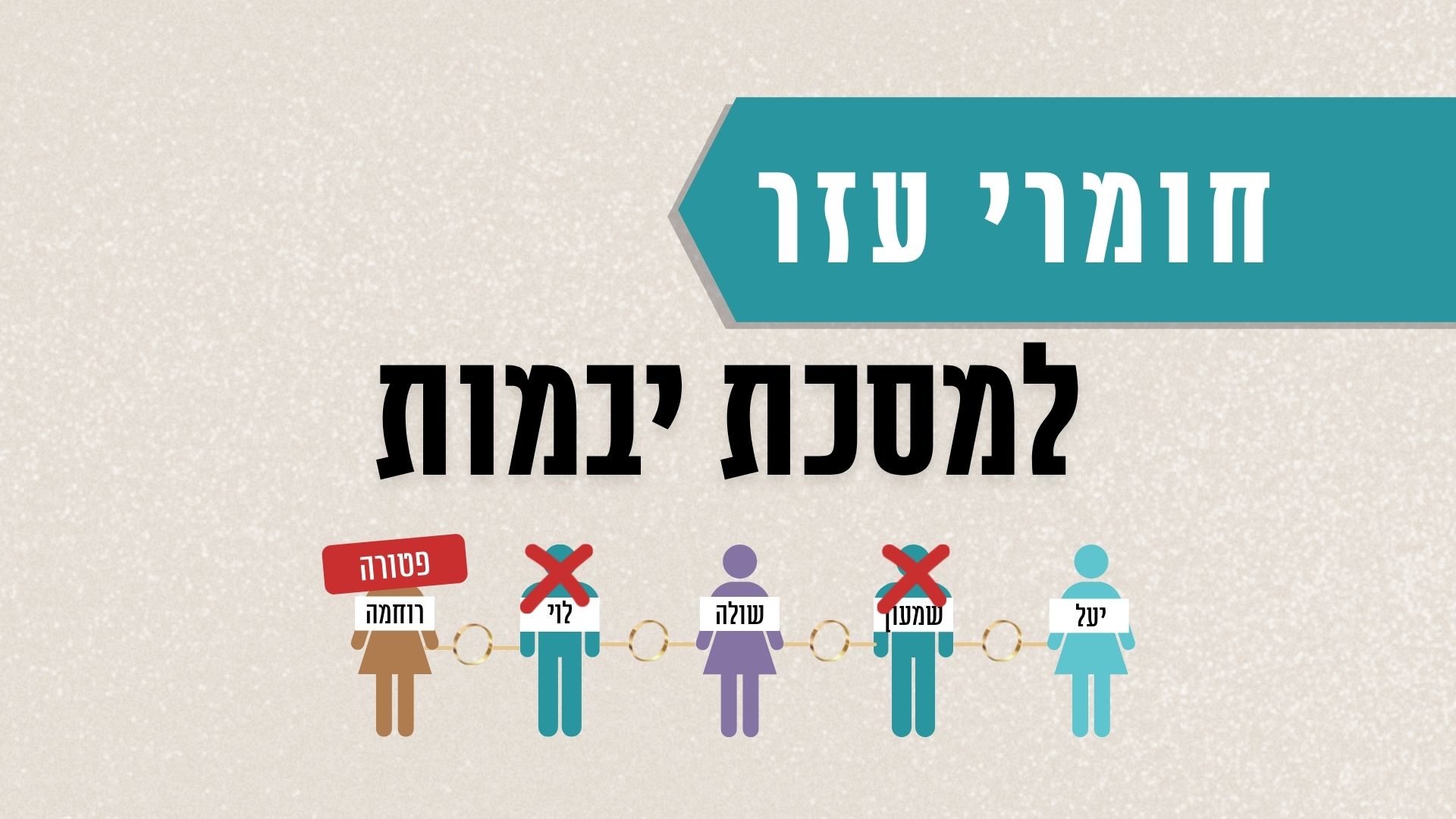
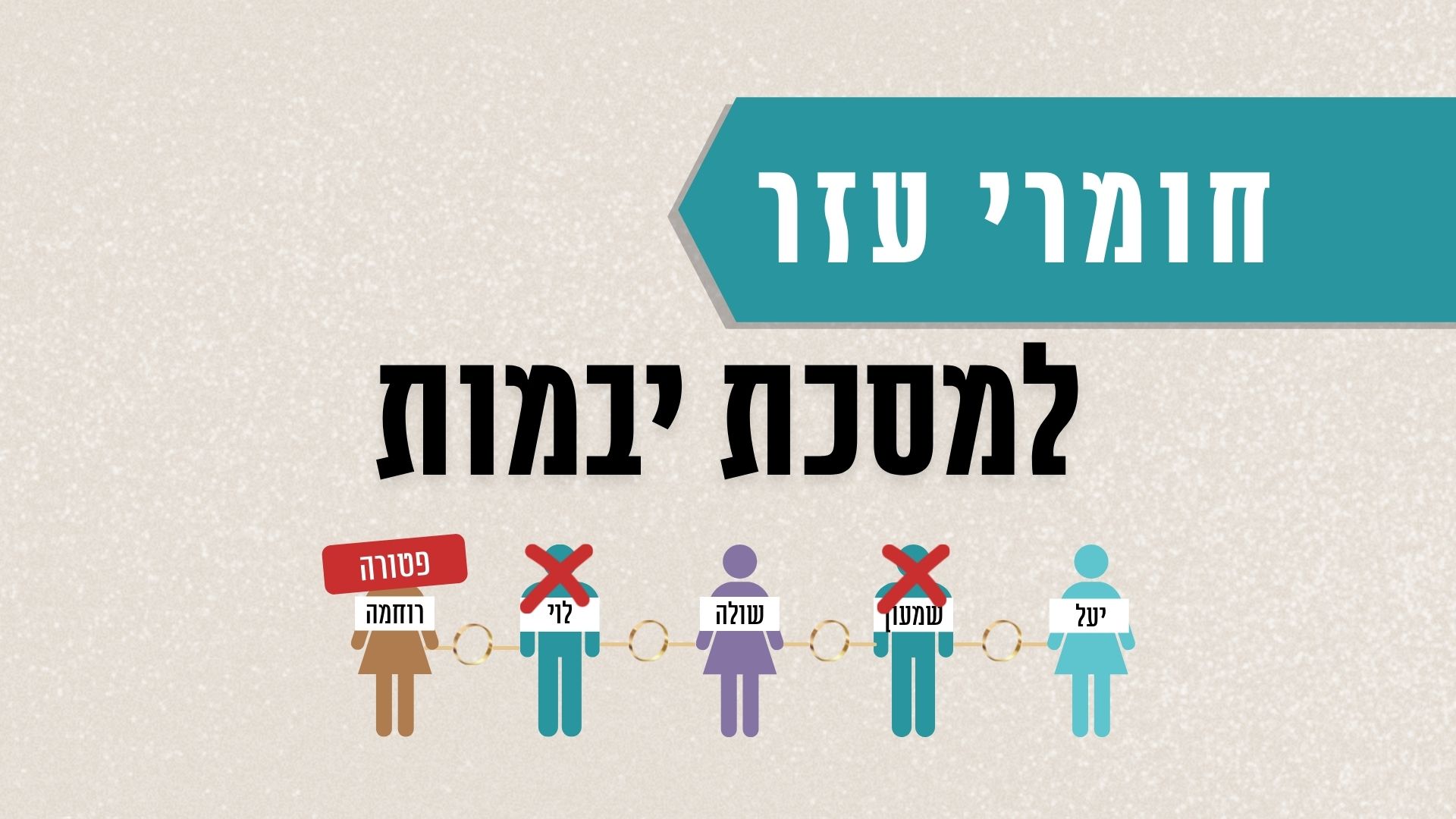
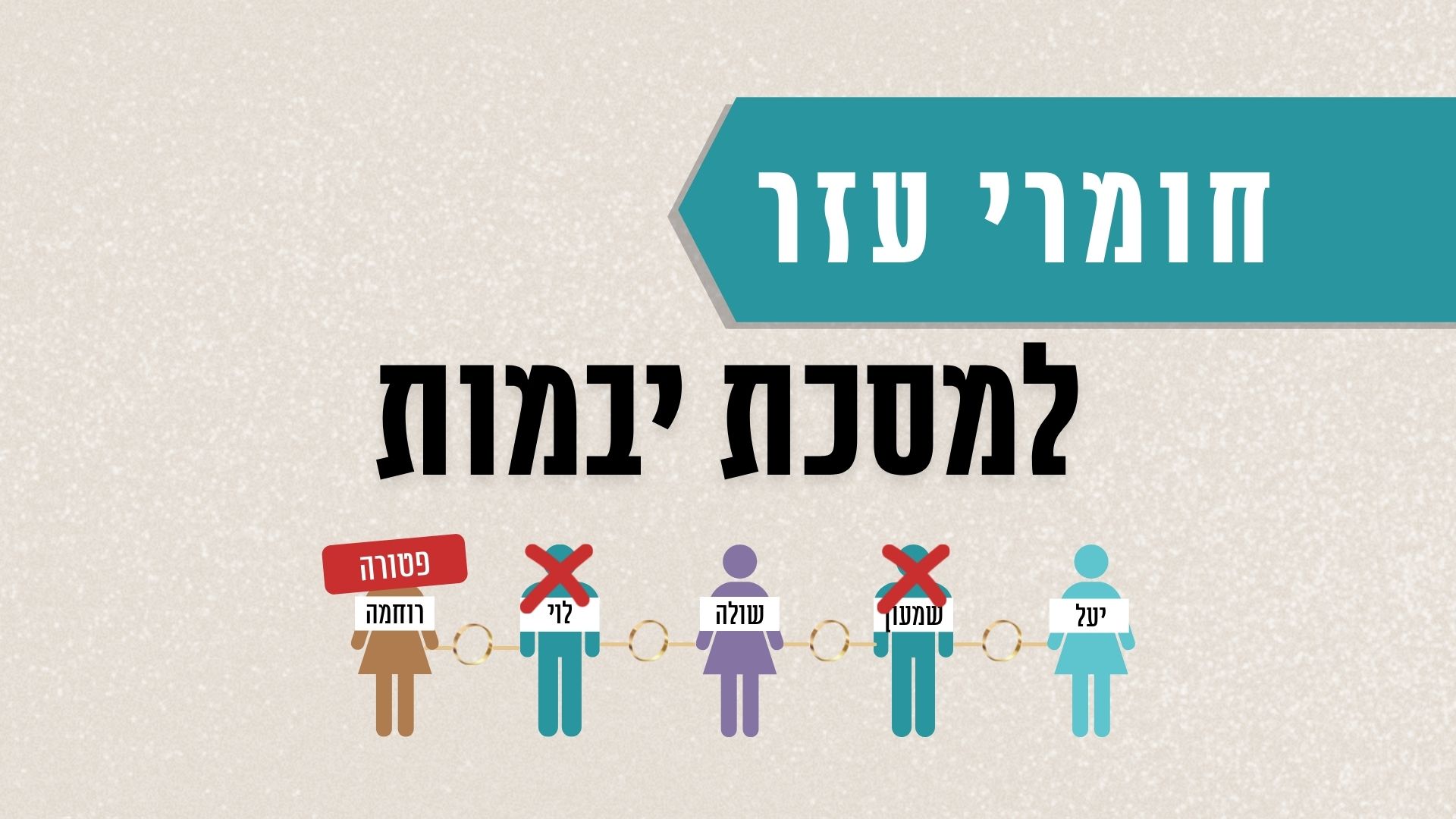
מַתְנִי׳ שְׁנַיִם שֶׁקִּידְּשׁוּ שְׁתֵּי נָשִׁים, וּבִשְׁעַת כְּנִיסָתָן לַחוּפָּה הֶחְלִיפוּ אֶת שֶׁל זֶה לָזֶה וְאֶת שֶׁל זֶה לָזֶה — הֲרֵי אֵלּוּ חַיָּיבִין מִשּׁוּם אֵשֶׁת אִישׁ. וְאִם הָיוּ אַחִין — מִשּׁוּם אֵשֶׁת אָח. וְאִם הָיוּ אֲחָיוֹת — מִשּׁוּם ״אִשָּׁה אֶל אֲחוֹתָהּ״. וְאִם הָיוּ נִדּוֹת — מִשּׁוּם נִדָּה.

MISHNA: In the case of two men who betrothed two women, and at the time that they entered the wedding canopy, after the betrothal, the men switched this wife with that wife and that one with this one, then these two men are liable for engaging in forbidden sexual relations with a married woman, since each of them had intercourse with his fellow’s wife. The act of betrothal is sufficient to prohibit a woman to all other men as a married woman. Therefore, when the women were switched, both men transgressed this violation. And if they were brothers, then they are also liable for forbidden sexual relations with a brother’s wife. And if these women were sisters, then they are liable for taking a wife and her sister as well. And if they were menstruating women, they would be liable for intercourse with a menstruating woman as well.

וּמַפְרִישִׁין אוֹתָן שְׁלֹשָׁה חֳדָשִׁים, שֶׁמָּא מְעוּבָּרוֹת הֵן. וְאִם הָיוּ קְטַנּוֹת שֶׁאֵינָן רְאוּיוֹת לֵילֵד — מַחֲזִירִים אוֹתָן מִיָּד. וְאִם הָיוּ כֹּהֲנוֹת, נִפְסְלוּ מִן הַתְּרוּמָה.

And following these forbidden sexual relations, we separate these women from their husbands for three months, lest they were impregnated by that forbidden act of intercourse. Doing so makes it possible to distinguish a child born of these relations, so that he could be rendered a mamzer. And if they were female minors and unable to bear children, then we immediately return them to their original husbands. And if they were daughters of priests, they are thereby disqualified from eating of teruma. By engaging in illicit sexual acts, they were rendered forbidden to priests and disqualified from eating teruma.

גְּמָ׳ הֶחְלִיפוּ. מִידֵּי בְּרַשִּׁיעֵי עָסְקִינַן?! וְתוּ, הָא דְתָנֵי רַבִּי חִיָּיא: הֲרֵי כָּאן שֵׁשׁ עֶשְׂרֵה חַטָּאוֹת — אִי בְּמֵזִיד מִי אִיכָּא קׇרְבָּן? אָמַר רַב יְהוּדָה: תְּנִי ״הוּחְלְפוּ״.

GEMARA: In the mishna it states: They switched this one with that one. Are we dealing with such wicked individuals that they would intentionally switch their wives? And furthermore, consider that which Rabbi Ḥiyya taught on this subject: There are sixteen sin-offerings here, four sin-offerings for each of the men and four for each of the women. Yet, if they had acted intentionally would there be an offering? Sacrifices are brought only for unintentional acts. Rav Yehuda said: Teach instead they were switched, which indicates that the switching was not done intentionally; rather, the women were accidentally mixed up.

הָכִי נָמֵי מִסְתַּבְּרָא, דְּקָתָנֵי סֵיפָא: אִם הָיוּ קְטַנּוֹת שֶׁאֵינָן רְאוּיוֹת לֵילֵד — מַחֲזִירִין אוֹתָן מִיָּד. וְאִי בְּמֵזִיד, מִי שַׁרְיָא? הָא לָא קַשְׁיָא: פִּיתּוּי קְטַנָּה אוֹנֶס נִינְהוּ, וְאוֹנֶס בְּיִשְׂרָאֵל מִישְׁרָא שְׁרֵי.

The Gemara comments: This, too, stands to reason from the fact that the latter clause teaches: If they were female minors and unable to bear children, then we immediately return them. And if this had been done intentionally, would it be permitted to return a woman who had engaged in illicit sexual acts to her husband? The Gemara comments: This is not difficult and does not disprove the notion that the act was intentional. Even if the act was intentional, these women would be permitted to return to their husbands. This is because the seduction of a minor girl is considered rape, and after rape a woman is permitted to return to an Israelite husband.

אֶלָּא דְּקָתָנֵי: מַפְרִישִׁין אוֹתָן שְׁלֹשָׁה חֳדָשִׁים שֶׁמָּא מְעוּבָּרוֹת הֵן. הָא לָאו מְעוּבָּרוֹת — שַׁרְיָין, וְאִי בְּמֵזִיד מִי שְׁרֵי? אֶלָּא לָאו, שְׁמַע מִינַּהּ הוּחְלְפוּ. שְׁמַע מִינַּהּ.

However, this can be derived from a different point that the mishna teaches: We separate these women from their husbands for three months, as perhaps they became pregnant. From here it can be deduced: Were it to become clear after three months that they are not pregnant, they are permitted to return to their husbands. And if they had acted intentionally, would this be permitted? Rather, must one not conclude from here that the mishna is referring to a case where they were switched inadvertently? The Gemara summarizes: Indeed, conclude from here that this is the case.

העמקה

רוצה להבין מה באמת קורה מתחת לפני השטח של הסוגיה?
שיעורים, פודקאסטים והרחבות של מיטב המורות שלנו יפתחו לך עוד זוויות וכיווני חשיבה.

לשיעורי עוד על הדף באנגלית, לחצי כאן

חדשה בלימוד הגמרא?

זה הדף הראשון שלך? איזו התרגשות עצומה! יש לנו בדיוק את התכנים והכלים שיעזרו לך לעשות את הצעדים הראשונים ללמידה בקצב וברמה שלך, כך תוכלי להרגיש בנוח גם בתוך הסוגיות המורכבות ומאתגרות.

פסיפס הלומדות שלנו

גלי את קהילת הלומדות שלנו, מגוון נשים, רקעים וסיפורים. כולן חלק מתנועה ומסע מרגש ועוצמתי.

התחלתי ללמוד את הדף היומי מעט אחרי שבני הקטן נולד. בהתחלה בשמיעה ולימוד באמצעות השיעור של הרבנית שפרבר. ובהמשך העזתי וקניתי לעצמי גמרא. מאז ממשיכה יום יום ללמוד עצמאית, ולפעמים בעזרת השיעור של הרבנית, כל יום. כל סיום של מסכת מביא לאושר גדול וסיפוק. הילדים בבית נהיו חלק מהלימוד, אני משתפת בסוגיות מעניינות ונהנית לשמוע את דעתם.

Eliraz Blau
אלירז בלאו

מעלה מכמש, ישראל

"התחלתי ללמוד דף יומי במחזור הזה, בח’ בטבת תש””ף. לקחתי על עצמי את הלימוד כדי ליצור תחום של התמדה יומיומית בחיים, והצטרפתי לקבוצת הלומדים בבית הכנסת בכפר אדומים. המשפחה והסביבה מתפעלים ותומכים.
בלימוד שלי אני מתפעלת בעיקר מכך שכדי ללמוד גמרא יש לדעת ולהכיר את כל הגמרא. זו מעין צבת בצבת עשויה שהיא עצומה בהיקפה.”

Sarah Fox
שרה פוּקס

כפר אדומים, ישראל

הייתי לפני שנתיים בסיום הדרן נשים בבנייני האומה והחלטתי להתחיל. אפילו רק כמה דפים, אולי רק פרק, אולי רק מסכת… בינתיים סיימתי רבע שס ותכף את כל סדר מועד בה.
הסביבה תומכת ומפרגנת. אני בת יחידה עם ארבעה אחים שכולם לומדים דף יומי. מדי פעם אנחנו עושים סיומים יחד באירועים משפחתיים. ממש מרגש. מסכת שבת סיימנו כולנו יחד עם אבא שלנו!
אני שומעת כל יום פודקאסט בהליכה או בנסיעה ואחכ לומדת את הגמרא.

Edna Gross
עדנה גרוס

מרכז שפירא, ישראל

התחלתי ללמוד לפני 4.5 שנים, כשהודיה חברה שלי פתחה קבוצת ווטסאפ ללימוד דף יומי בתחילת מסכת סנהדרין. מאז לימוד הדף נכנס לתוך היום-יום שלי והפך לאחד ממגדירי הזהות שלי ממש.

Rosenberg Foundation
קרן רוזנברג

ירושלים, ישראל

התחלתי בתחילת הסבב, והתמכרתי. זה נותן משמעות נוספת ליומיום ומאוד מחזק לתת לזה מקום בתוך כל שגרת הבית-עבודה השוטפת.

Reut Abrahami
רעות אברהמי

בית שמש, ישראל

התחלתי להשתתף בשיעור נשים פעם בשבוע, תכננתי ללמוד רק דפים בודדים, לא האמנתי שאצליח יותר מכך.
לאט לאט נשאבתי פנימה לעולם הלימוד .משתדלת ללמוד כל בוקר ומתחילה את היום בתחושה של מלאות ומתוך התכווננות נכונה יותר.
הלימוד של הדף היומי ממלא אותי בתחושה של חיבור עמוק לעם היהודי ולכל הלומדים בעבר ובהווה.

Neely Hayon
נילי חיון

אפרת, ישראל

רציתי לקבל ידע בתחום שהרגשתי שהוא גדול וחשוב אך נעלם ממני. הלימוד מעניק אתגר וסיפוק ומעמיק את תחושת השייכות שלי לתורה וליהדות

Ruth Agiv
רות עגיב

עלי זהב – לשם, ישראל

ראיתי את הסיום הגדול בבנייני האומה וכל כך התרשמתי ורציתי לקחת חלק.. אבל לקח לי עוד כשנה וחצי )באמצע מסיכת שבת להצטרף..
הלימוד חשוב לי מאוד.. אני תמיד במרדף אחרי הדף וגונבת כל פעם חצי דף כשהילדים עסוקים ומשלימה אח”כ אחרי שכולם הלכו לישון..

Olga Mizrahi
אולגה מזרחי

ירושלים, ישראל

התחלתי ללמוד דף יומי כאשר קיבלתי במייל ממכון שטיינזלץ את הדפים הראשונים של מסכת ברכות במייל. קודם לא ידעתי איך לקרוא אותם עד שנתתי להם להדריך אותי. הסביבה שלי לא מודעת לעניין כי אני לא מדברת על כך בפומבי. למדתי מהדפים דברים חדשים, כמו הקשר בין המבנה של בית המקדש והמשכן לגופו של האדם (יומא מה, ע”א) והקשר שלו למשפט מפורסם שמופיע בספר ההינדי "בהגוד-גיתא”. מתברר שזה רעיון כלל עולמי ולא רק יהודי

Elena Arenburg
אלנה ארנבורג

נשר, ישראל

סיום השס לנשים נתן לי מוטביציה להתחיל ללמוד דף יומי. עד אז למדתי גמרא בשבתות ועשיתי כמה סיומים. אבל לימוד יומיומי זה שונה לגמרי ופתאום כל דבר שקורה בחיים מתקשר לדף היומי.

Fogel Foundation
קרן פוגל

רתמים, ישראל

התחלתי ללמוד דף יומי בסבב הקודם. זכיתי לסיים אותו במעמד המרגש של הדרן. בסבב הראשון ליווה אותי הספק, שאולי לא אצליח לעמוד בקצב ולהתמיד. בסבב השני אני לומדת ברוגע, מתוך אמונה ביכולתי ללמוד ולסיים. בסבב הלימוד הראשון ליוותה אותי חוויה מסויימת של בדידות. הדרן העניקה לי קהילת לימוד ואחוות נשים. החוויה של סיום הש”ס במעמד כה גדול כשנשים שאינן מכירות אותי, שמחות ומתרגשות עבורי , היתה חוויה מרוממת נפש

Ilanit Weil
אילנית ווייל

קיבוץ מגדל עוז, ישראל

התחלתי ללמוד דף יומי לפני שנתיים, עם מסכת שבת. בהתחלה ההתמדה היתה קשה אבל בזכות הקורונה והסגרים הצלחתי להדביק את הפערים בשבתות הארוכות, לסיים את מסכת שבת ולהמשיך עם המסכתות הבאות. עכשיו אני מסיימת בהתרגשות רבה את מסכת חגיגה וסדר מועד ומחכה לסדר הבא!

Ilana-Shachnowitz
אילנה שכנוביץ

מודיעין, ישראל

רציתי לקבל ידע בתחום שהרגשתי שהוא גדול וחשוב אך נעלם ממני. הלימוד מעניק אתגר וסיפוק ומעמיק את תחושת השייכות שלי לתורה וליהדות

Ruth Agiv
רות עגיב

עלי זהב – לשם, ישראל

שמעתי על הסיום הענק של הדף היומי ע”י נשים בבנייני האומה. רציתי גם.
החלטתי להצטרף. התחלתי ושיכנעתי את בעלי ועוד שתי חברות להצטרף. עכשיו יש לי לימוד משותף איתו בשבת ומפגש חודשי איתן בנושא (והתכתבויות תדירות על דברים מיוחדים שקראנו). הצטרפנו לקבוצות שונות בווטסאפ. אנחנו ממש נהנות. אני שומעת את השיעור מידי יום (בד”כ מהרב יוני גוטמן) וקוראת ומצטרפת לסיומים של הדרן. גם מקפידה על דף משלהן (ונהנית מאד).

Liat Citron
ליאת סיטרון

אפרת, ישראל

התחלתי ללמוד את הדף היומי מעט אחרי שבני הקטן נולד. בהתחלה בשמיעה ולימוד באמצעות השיעור של הרבנית שפרבר. ובהמשך העזתי וקניתי לעצמי גמרא. מאז ממשיכה יום יום ללמוד עצמאית, ולפעמים בעזרת השיעור של הרבנית, כל יום. כל סיום של מסכת מביא לאושר גדול וסיפוק. הילדים בבית נהיו חלק מהלימוד, אני משתפת בסוגיות מעניינות ונהנית לשמוע את דעתם.

Eliraz Blau
אלירז בלאו

מעלה מכמש, ישראל

התחלתי ללמוד גמרא בבית הספר בגיל צעיר והתאהבתי. המשכתי בכך כל חיי ואף היייתי מורה לגמרא בבית הספר שקד בשדה אליהו (בית הספר בו למדתי בילדותי)בתחילת מחזור דף יומי הנוכחי החלטתי להצטרף ובע”ה מקווה להתמיד ולהמשיך. אני אוהבת את המפגש עם הדף את "דרישות השלום ” שמקבלת מקשרים עם דפים אחרים שלמדתי את הסנכרון שמתחולל בין התכנים.

Ariela Bigman
אריאלה ביגמן

מעלה גלבוע, ישראל

התחלתי בסיום הש”ס, יצאתי באורות. נשברתי פעמיים, ובשתיהם הרבנית מישל עודדה להמשיך איפה שכולם בסבב ולהשלים כשאוכל, וכך עשיתי וכיום השלמתי הכל. מדהים אותי שאני לומדת כל יום קצת, אפילו בחדר הלידה, בבידוד או בחו”ל. לאט לאט יותר נינוחה בסוגיות. לא כולם מבינים את הרצון, בפרט כפמניסטית. חשה סיפוק גדול להכיר את המושגים וצורת החשיבה. החלום זה להמשיך ולהתמיד ובמקביל ללמוד איך מהסוגיות נוצרה והתפתחה ההלכה.

Weingarten Sherrington Foundation
קרן וינגרטן שרינגטון

מודיעין, ישראל

אחרי שראיתי את הסיום הנשי של הדף היומי בבנייני האומה זה ריגש אותי ועורר בי את הרצון להצטרף. לא למדתי גמרא קודם לכן בכלל, אז הכל היה לי חדש, ולכן אני לומדת בעיקר מהשיעורים פה בהדרן, בשוטנשטיין או בחוברות ושיננתם.

Rebecca Schloss
רבקה שלוס

בית שמש, ישראל

התחלתי ללמוד דף יומי בתחילת מסכת ברכות, עוד לא ידעתי כלום. נחשפתי לסיום הש״ס, ובעצם להתחלה מחדש בתקשורת, הפתיע אותי לטובה שהיה מקום לעיסוק בתורה.
את המסכתות הראשונות למדתי, אבל לא סיימתי (חוץ מעירובין איכשהו). השנה כשהגעתי למדרשה, נכנסתי ללופ, ואני מצליחה להיות חלק, סיימתי עם החברותא שלי את כל המסכתות הקצרות, גם כשהיינו חולות קורונה ובבידודים, למדנו לבד, העיקר לא לצבור פער, ומחכות ליבמות 🙂

Eden Yeshuron
עדן ישורון

מזכרת בתיה, ישראל

התחלתי מעט לפני תחילת הסבב הנוכחי. אני נהנית מהאתגר של להמשיך להתמיד, מרגעים של "אהה, מפה זה הגיע!” ומהאתגר האינטלקטואלי

Eilat-Chen and Deller
אילת-חן ודלר

לוד, ישראל

יבמות לג

בְּמַאי קָמִיפַּלְגִי — בְּאִיסּוּר כּוֹלֵל, וְאַלִּיבָּא דְּרַבִּי יוֹסֵי. רַבִּי חִיָּיא סָבַר: רַבִּי יוֹסֵי בְּאִיסּוּר כּוֹלֵל מִיחַיַּיב תַּרְתֵּי, בַּר קַפָּרָא סָבַר: לָא מִיחַיַּיב אֶלָּא חֲדָא.

The Gemara asks: With regard to what principle do they disagree? The Gemara suggests that they disagree with regard to the issue of a more inclusive prohibition, and this dispute pertains to the status of a more inclusive prohibition specifically according to the opinion of Rabbi Yosei. Rabbi Ḥiyya holds that Rabbi Yosei is of the opinion that in the case of a more inclusive prohibition, one is liable on two counts. Bar Kappara holds that Rabbi Yosei is of the opinion that one is liable only on one count.

וּמַאי אִיסּוּר כּוֹלֵל אִיכָּא הָכָא? בִּשְׁלָמָא זָר: מֵעִיקָּרָא שְׁרֵי בִּמְלָאכָה וְאָסוּר בַּעֲבוֹדָה. אָתְיָא לַהּ שַׁבָּת, מִגּוֹ דְּקָא מִיתְּסַר בִּמְלָאכָה — מִיתְּסַר נָמֵי בַּעֲבוֹדָה.

The Gemara asks: And what more inclusive prohibition is there here in these cases? Granted, in the case of a non-priest who served in the Temple on Shabbat, initially he was permitted to perform labor every day and was prohibited from engaging in the Temple service. When Shabbat came, since he is now prohibited from engaging in prohibited labor in all contexts due to Shabbat, he is also prohibited from engaging in labors related to the Temple service due to Shabbat. Indeed, the additional prohibition of Shabbat was added to the previously existing prohibition against performing service in the Temple. This is a more inclusive prohibition since it also includes prohibited labor outside of the Temple.

בַּעַל מוּם: מֵעִיקָּרָא שְׁרֵי בַּאֲכִילָה, וְאָסוּר בַּעֲבוֹדָה. אִיטַּמִּי לֵיהּ, מִגּוֹ דְּקָא מִיתְּסַר בַּאֲכִילָה — מִיתְּסַר נָמֵי בַּעֲבוֹדָה. אֶלָּא מְלִיקָה — בְּבַת אַחַת הִיא דְּמַשְׁכַּחַתְּ לַהּ, בְּאִיסּוּר כּוֹלֵל לָא מַשְׁכַּחַתְּ לַהּ.

The same is true with regard to a blemished priest who served in the Temple while ritually impure: Initially, prior to his becoming ritually impure, he was allowed to eat from the consecrated animals but was prohibited from performing the Temple service, like all blemished priests. When he was rendered ritually impure, since he is now prohibited from eating of the consecrated items, he is also prohibited from performing the Temple service due to that same ritual impurity. There is, then, a more inclusive prohibition here. However, with regard to the case of a bird that was killed by pinching, you find that the prohibition against the eating of consecrated items by a non-priest and the prohibition against eating an unslaughtered animal carcass take effect simultaneously. You do not, however, find a more inclusive prohibition here as there was no original prohibition that took effect beforehand. Instead, this is a case of two prohibitions that take effect simultaneously.

אֶלָּא, קָמִיפַּלְגִי בְּאִיסּוּר בְּבַת אַחַת, וְאַלִּיבָּא דְּרַבִּי יוֹסֵי. רַבִּי חִיָּיא סָבַר: רַבִּי יוֹסֵי בְּאִיסּוּר בַּת אַחַת מִיחַיַּיב תַּרְתֵּי, וּבַר קַפָּרָא סָבַר: לָא מִיחַיַּיב אֶלָּא חֲדָא.

Rather, the previous explanation is rejected and the Gemara suggests instead that they disagree with regard to an additional prohibition that takes effect simultaneously, and this dispute pertains to the status of these prohibitions specifically according to the opinion of Rabbi Yosei. Rabbi Ḥiyya holds that Rabbi Yosei is of the opinion that one is liable on two counts in cases of prohibitions that take effect simultaneously. And bar Kappara holds that Rabbi Yosei is of the opinion that one is liable only on a single count.

וְהָכָא, מַאי אִיסּוּר בַּת אַחַת אִיכָּא הָכָא? זָר שֶׁשִּׁימֵּשׁ בְּשַׁבָּת — כְּגוֹן דְּאַיְיתִי שְׁתֵּי שְׂעָרוֹת בְּשַׁבָּת, דְּהָוְיָא לְהוּ זָרוּת וְשַׁבָּת בַּהֲדֵי הֲדָדֵי.

The Gemara challenges this explanation: But here, in the first two instances, what case of simultaneous prohibitions is there here? In the two previous cases the prohibitions took effect one after the other, and not simultaneously. The Gemara answers that these cases can also be interpreted as occurring simultaneously as follows: With regard to the non-priest who served on Shabbat, this would be in a case where a minor grew two pubic hairs, signaling adulthood on Shabbat. Before that point he was considered a minor and therefore not liable for his actions. Therefore, this is a case where the prohibition against serving as a non-priest and the prohibition against violating Shabbat took effect together.

בַּעַל מוּם נָמֵי — כְּגוֹן דְּאַיְיתִי שְׁתֵּי שְׂעָרוֹת וְאִיטַּמִּי לֵיהּ, דְּהָוְיָא לֵיהּ בַּעַל מוּם וְטוּמְאָה בַּהֲדֵי הֲדָדֵי. אִי נָמֵי, שֶׁחָתַךְ אֶצְבָּעוֹ בְּסַכִּין טְמֵאָה.

With regard to the case of one who was blemished, this can be explained as well: This is referring to a case where a minor grew two pubic hairs and was immediately rendered ritually impure. This is a case where the prohibition with regard to a blemished priest and the prohibition with regard to ritual impurity took effect together. Alternatively, it could be a case where he cut off his finger with a ritually impure knife. Here, the cut and removal of his finger rendered him simultaneously blemished and ritually impure.

בִּשְׁלָמָא לְרַבִּי חִיָּיא, כִּי אַתְנְיֵיהּ לְדִידֵיהּ — אַלִּיבָּא דְּרַבִּי יוֹסֵי, כִּי אַתְנְיֵיהּ לְבַר קַפָּרָא — אַלִּיבָּא דְּרַבִּי שִׁמְעוֹן. אֶלָּא לְבַר קַפָּרָא, רַבִּי חִיָּיא שַׁקּוֹרֵי קָא מְשַׁקֵּר?

Following this clarification of the dispute, the matter is now considered from a different angle: Granted, according to the opinion of Rabbi Ḥiyya, the dispute between his version of Rabbi Yehuda HaNasi’s ruling and that of bar Kappara can be explained as follows: When Rabbi Yehuda HaNasi taught Rabbi Ḥiyya, he taught him according to the opinion of Rabbi Yosei, and Rabbi Yosei holds that there are cases where two prohibitions can both take effect. And when Rabbi Yehuda HaNasi taught bar Kappara, he did so according to the opinion of Rabbi Shimon who holds that a new prohibition can never take effect where another prohibition already exists. Therefore, Rabbi Ḥiyya could understand why bar Kappara insisted on his opinion. Rabbi Ḥiyya thought that bar Kappara was in fact relating an accurate statement of Rabbi Yehuda HaNasi, as Rabbi Yehuda HaNasi was relating to the opinion of Rabbi Shimon. Rabbi Ḥiyya assumed that bar Kappara did not understand that Rabbi Yehuda HaNasi’s statement was not in accordance with Rabbi Yosei’s opinion. According to bar Kappara, however, was Rabbi Ḥiyya then telling a falsehood? How would bar Kappara relate to Rabbi Ḥiyya’s oath? Did he think that Rabbi Ḥiyya would swear that he heard words from Rabbi Yehuda HaNasi that were never said?

אֶלָּא: קָמִיפַּלְגִי בְּאִיסּוּר בַּת אַחַת, וְאַלִּיבָּא דְּרַבִּי שִׁמְעוֹן: בִּשְׁלָמָא לְרַבִּי חִיָּיא, קָא מִישְׁתְּבַע לְאַפּוֹקֵי לְרַבִּי שִׁמְעוֹן מֵחֶזְקֵיהּ. אֶלָּא לְבַר קַפָּרָא — לְמָה לֵיהּ לְאִשְׁתְּבוֹעֵי? קַשְׁיָא.

Rather, this must be explained differently: Rabbi Ḥiyya and bar Kappara disagree with regard to cases where two prohibitions take effect simultaneously, and this dispute pertains to the status of these prohibition specifically according to the opinion of Rabbi Shimon. It could be suggested that when the two prohibitions take effect simultaneously, Rabbi Shimon would concede that they both take effect. However, this explanation raises a difficulty as well: Granted, according to Rabbi Ḥiyya it is clear why he was swearing. He did so in order to exclude the understanding of Rabbi Shimon’s opinion that was based on his presumed opinion. As it was known that Rabbi Shimon holds that a new prohibition cannot take effect where another prohibition exists; this is the default understanding of his opinion. Therefore, it was incumbent upon Rabbi Ḥiyya to take an oath in order to emphasize that despite Rabbi Shimon’s general opinion, in cases where the prohibitions take effect simultaneously, he would concede that both prohibitions can take effect. However, according to bar Kappara, why was it necessary to swear? It would have sufficed for him simply to make his statement, as it concurs with the default understanding of Rabbi Shimon’s opinion. The Gemara comments: Indeed, this is difficult.

בִּשְׁלָמָא לְבַר קַפָּרָא, כִּי אַתְנְיֵיהּ רַבִּי לְדִידֵיהּ — אַלִּיבָּא דְּרַבִּי שִׁמְעוֹן, כִּי אַתְנְיֵיהּ לְרַבִּי חִיָּיא — אַלִּיבָּא דְּרַבִּי יוֹסֵי. אֶלָּא לְרַבִּי חִיָּיא בַּר קַפָּרָא, שַׁקּוֹרֵי קָא מְשַׁקֵּר?

One can raise a difficulty with this explanation from a different angle as well: Granted, according to bar Kappara, when Rabbi Yehuda HaNasi taught him, he taught him according to the opinion of Rabbi Shimon, who holds that two prohibitions cannot take effect even in cases when they occur simultaneously, and when he taught the ruling to Rabbi Ḥiyya it was according to the opinion of Rabbi Yosei. Accordingly, Rabbi Ḥiyya did in fact swear that he heard that one is liable only on one count, but he wrongly understood that this was Rabbi Shimon’s opinion. However, according to Rabbi Ḥiyya, who holds that Rabbi Shimon concedes that in cases where the prohibitions take effect simultaneously one is liable for both, was bar Kappara lying? His statement would accord neither with Rabbi Shimon nor with Rabbi Yosei.

אָמַר לָךְ רַבִּי חִיָּיא: כִּי אַתְנְיֵיהּ רַבִּי לְדִידֵיהּ, תַּרְתֵּי לִפְטוּר אַתְנְיֵיהּ,

The Gemara answers: Rabbi Ḥiyya could have said to you that this is what transpired: When Rabbi Yehuda HaNasi taught him, bar Kappara, he taught him two cases involving exemptions, i.e., the cases of a non-priest who served in the Temple on Shabbat and that of the blemished priest who served while ritually impure. Both of these are cases of more inclusive prohibitions, and he was informing bar Kappara that Rabbi Shimon holds them liable on only one count, because Rabbi Shimon holds that a prohibition takes effect where another prohibition already exists only if the prohibitions take effect simultaneously, but not in cases of more inclusive prohibitions.

וְאִיסּוּר כּוֹלֵל אַתְנְיֵיהּ, וְאַלִּיבָּא דְּרַבִּי שִׁמְעוֹן. וְחַזְיַאּ (לְ)בַּר קַפָּרָא לְזָר שֶׁאָכַל מְלִיקָה, וְאַיְּידֵי דְּדָמְיָא לַהּ — עָרְבַהּ בַּהֲדַיְיהוּ, וְעַיֵּין בַּהּ, וְלָא אַשְׁכַּח אֶלָּא בְּבַת אַחַת.

And he taught him the ruling with regard to a more inclusive prohibition, that in such cases there is an exemption, and this ruling is in accordance with the opinion of Rabbi Shimon. And bar Kappara then saw the case of a non-priest who ate a bird killed by pinching, and since it was similar to the previous cases, he mixed them together. Then, sometime later, it seemed to him as though he had in truth heard all of these cases together from Rabbi Yehuda HaNasi, but when he examined this last case, he found that it could exist only if the events occurred simultaneously.

וְסָבַר: מִדְּהָא בְּבַת אַחַת, הָא נָמֵי בְּבַת אַחַת. וּמִדְּהָנָךְ לִפְטוּר, הָנָךְ נָמֵי לִפְטוּר.

And he concluded that since the case of a non-priest eating a bird killed by pinching can occur only in a scenario where the prohibitions take effect simultaneously, the other cases are instances of simultaneous prohibitions as well. And similarly, since he was taught to exempt one individual from a second prohibition in those cases, these cases were taught to exempt one individual from a second prohibition as well. Therefore, according to Rabbi Ḥiyya, bar Kappara did not knowingly speak falsely. Rather, he heard certain matters from Rabbi Yehuda HaNasi and then mistakenly merged with them other matters. As a result, he confused the issue.

מֵיתִיבִי: זָר שֶׁשִּׁימֵּשׁ בְּשַׁבָּת, וּבַעַל מוּם שֶׁשִּׁימֵּשׁ בְּטוּמְאָה — יֵשׁ כָּאן מִשּׁוּם זָרוּת, וּמִשּׁוּם שַׁבָּת, וּמִשּׁוּם בַּעַל מוּם, וּמִשּׁוּם טוּמְאָה, דִּבְרֵי רַבִּי יוֹסֵי. רַבִּי שִׁמְעוֹן אוֹמֵר: אֵין כָּאן אֶלָּא מִשּׁוּם זָרוּת וּבַעַל מוּם בִּלְבַד. וְאִילּוּ מְלִיקָה שַׁיְּירַהּ.

The Gemara raises an objection to the statement of bar Kappara from a baraita: In the case of a non-priest who served on Shabbat and the case of a blemished priest who served while ritually impure, there is liability here, due to the prohibition against serving as a non-priest; and due to the prohibition against desecrating Shabbat; and due to the prohibition against serving as a blemished priest; and due to the prohibition against serving after contracting ritual impurity. This is the statement of Rabbi Yosei. Rabbi Shimon says: There is liability here only due to the prohibition against serving as a non-priest and due to the prohibition against serving as a blemished priest. The Gemara notes: And yet the case of a non-priest who ate a bird killed by pinching was left out and not mentioned among the cases subject to this dispute.

לְמַאן שַׁיְּירַהּ? אִילֵימָא לְרַבִּי יוֹסֵי, הַשְׁתָּא רַבִּי יוֹסֵי בְּאִיסּוּר כּוֹלֵל מִיחַיַּיב שְׁתַּיִם — בְּאִיסּוּר בַּת אַחַת מִיבַּעְיָא? אֶלָּא לָאו לְרַבִּי שִׁמְעוֹן. וּבְאִיסּוּר כּוֹלֵל הוּא דְּפָטַר, אֲבָל בְּאִיסּוּר בְּבַת אַחַת — מִיחַיַּיב. תְּיוּבְתָּא דָּבָר קַפָּרָא תְּיוּבְתָּא.

The Gemara asks: According to whom was this left out? That is, according to the opinion of which tanna would this question arise? If we say that this was left out according to the opinion of Rabbi Yosei, it is difficult. Now that Rabbi Yosei holds, even in cases of a more inclusive prohibition, that one is liable on two counts, as was stated with regard to a non-priest who served on Shabbat, is it necessary to state that in the case where the additional prohibition takes effect simultaneously one would be liable on two counts? Rather, is it not according to the opinion of Rabbi Shimon that this case was left out, as Rabbi Shimon would concede that in this case one is liable on two counts? Therefore, Rabbi Shimon exempts one from liability for the second prohibition in cases of more inclusive prohibitions, but in cases of simultaneous prohibitions he would deem one liable on two counts. The Gemara summarizes: The refutation of the opinion of bar Kappara is indeed a conclusive refutation, and his statements are rejected.

זָר שֶׁשִּׁימֵּשׁ בְּשַׁבָּת, בְּמַאי? אִי בִּשְׁחִיטָה — שְׁחִיטָה בְּזָר כְּשֵׁרָה. וְאִי בְּקַבָּלָה וְהוֹלָכָה — טִלְטוּל בְּעָלְמָא הוּא.

The Gemara raises a question with regard to one of the laws mentioned above. The baraita mentioned the case of a non-priest who served on Shabbat. The Gemara wonders: In what form of service did he perform in the Temple? If this is referring to a case where a non-priest performed the slaughtering of the sacrificial animal, there would be no prohibition, as the slaughtering by a non-priest is valid. And if it is referring to receiving the blood and carrying the blood to the altar, while this is a case where he would be liable as a non-priest performing the service of a priest, insofar as Shabbat is concerned this is a case only of moving, and it does not entail a violation of any prohibited labor.

אִי בְּהַקְטָרָה — וְהָאָמַר רַבִּי יוֹסֵי הַבְעָרָה לְלָאו יָצָאתָה.

If he served by burning the sacrificial portions on the altar, then this discussion follows the opinion of Rabbi Yosei, but didn’t Rabbi Yosei say that the prohibition against kindling on Shabbat was singled out to teach that one who lights a fire on Shabbat merely violates a prohibition? This is as opposed to the other prohibited labors, which incur death penalties when violated willfully and entail the bringing of a sin-offering when violated unintentionally. Why, then, would Rabbi Yosei deem one liable for two sin-offerings?

אָמַר רַב אַחָא בַּר יַעֲקֹב: בִּשְׁחִיטַת פָּרוֹ שֶׁל כֹּהֵן גָּדוֹל, וּכְדִבְרֵי הָאוֹמֵר שְׁחִיטַת פָּרוֹ שֶׁל כֹּהֵן גָּדוֹל בְּזָר פְּסוּלָה. אִי הָכִי, מַאי אִירְיָא זָר? אֲפִילּוּ כֹּהֵן הֶדְיוֹט נָמֵי! שֶׁזָּר אֶצְלוֹ קָאָמַר.

Rav Aḥa bar Yaakov said: The service referred to in this case is the slaughtering of the High Priest’s bull on Yom Kippur, and this is in accordance with the statement of the one who says that the slaughtering of the High Priest’s bull is disqualified if performed by a non-priest, for this service is designated specifically for the High Priest alone. The Gemara asks: If so, that this is referring to the slaughtering of the High Priest’s bull, then why specifically state a non-priest? The same would hold true even for a common priest as well. The Gemara answers: This is referring to one who is as a non-priest in relation to the High Priest and not to an actual non-priest. The Hebrew word zar literally means foreigner, and this type of service is considered foreign to a common priest as well as a non-priest.

מַתְקֵיף לַהּ רַב אָשֵׁי: מִידֵּי חַטָּאוֹת קָתָנֵי, אוֹ לָאוֵי קָתָנֵי?! אֶלָּא אִיסּוּרֵי בְּעָלְמָא קָא חָשֵׁיב. לְמַאי נָפְקָא מִינַּהּ? לְקוֹבְרוֹ בֵּין רְשָׁעִים גְּמוּרִים.

Rav Ashi strongly objects to this: The previous rejection that was based on the idea that the act of burning was not a full-fledged prohibited labor is in fact groundless. Is the tanna teaching how many sin-offerings would be incurred, or is he teaching how many negative mitzvot are being violated? Rather, he merely enumerates the prohibitions violated by a certain action, without detailing their severities, and therefore the desecration of Shabbat involved in the Temple service can be any Shabbat violation. The Gemara asks: What practical difference does it make how many prohibitions are involved? The Gemara answers: It affects the decision whether or not to bury him among the completely wicked. If he violated two prohibitions, he is considered wicked on two counts and consequently must be buried accordingly.

מַתְנִי׳ שְׁנַיִם שֶׁקִּידְּשׁוּ שְׁתֵּי נָשִׁים, וּבִשְׁעַת כְּנִיסָתָן לַחוּפָּה הֶחְלִיפוּ אֶת שֶׁל זֶה לָזֶה וְאֶת שֶׁל זֶה לָזֶה — הֲרֵי אֵלּוּ חַיָּיבִין מִשּׁוּם אֵשֶׁת אִישׁ. וְאִם הָיוּ אַחִין — מִשּׁוּם אֵשֶׁת אָח. וְאִם הָיוּ אֲחָיוֹת — מִשּׁוּם ״אִשָּׁה אֶל אֲחוֹתָהּ״. וְאִם הָיוּ נִדּוֹת — מִשּׁוּם נִדָּה.

MISHNA: In the case of two men who betrothed two women, and at the time that they entered the wedding canopy, after the betrothal, the men switched this wife with that wife and that one with this one, then these two men are liable for engaging in forbidden sexual relations with a married woman, since each of them had intercourse with his fellow’s wife. The act of betrothal is sufficient to prohibit a woman to all other men as a married woman. Therefore, when the women were switched, both men transgressed this violation. And if they were brothers, then they are also liable for forbidden sexual relations with a brother’s wife. And if these women were sisters, then they are liable for taking a wife and her sister as well. And if they were menstruating women, they would be liable for intercourse with a menstruating woman as well.

וּמַפְרִישִׁין אוֹתָן שְׁלֹשָׁה חֳדָשִׁים, שֶׁמָּא מְעוּבָּרוֹת הֵן. וְאִם הָיוּ קְטַנּוֹת שֶׁאֵינָן רְאוּיוֹת לֵילֵד — מַחֲזִירִים אוֹתָן מִיָּד. וְאִם הָיוּ כֹּהֲנוֹת, נִפְסְלוּ מִן הַתְּרוּמָה.

And following these forbidden sexual relations, we separate these women from their husbands for three months, lest they were impregnated by that forbidden act of intercourse. Doing so makes it possible to distinguish a child born of these relations, so that he could be rendered a mamzer. And if they were female minors and unable to bear children, then we immediately return them to their original husbands. And if they were daughters of priests, they are thereby disqualified from eating of teruma. By engaging in illicit sexual acts, they were rendered forbidden to priests and disqualified from eating teruma.

גְּמָ׳ הֶחְלִיפוּ. מִידֵּי בְּרַשִּׁיעֵי עָסְקִינַן?! וְתוּ, הָא דְתָנֵי רַבִּי חִיָּיא: הֲרֵי כָּאן שֵׁשׁ עֶשְׂרֵה חַטָּאוֹת — אִי בְּמֵזִיד מִי אִיכָּא קׇרְבָּן? אָמַר רַב יְהוּדָה: תְּנִי ״הוּחְלְפוּ״.

GEMARA: In the mishna it states: They switched this one with that one. Are we dealing with such wicked individuals that they would intentionally switch their wives? And furthermore, consider that which Rabbi Ḥiyya taught on this subject: There are sixteen sin-offerings here, four sin-offerings for each of the men and four for each of the women. Yet, if they had acted intentionally would there be an offering? Sacrifices are brought only for unintentional acts. Rav Yehuda said: Teach instead they were switched, which indicates that the switching was not done intentionally; rather, the women were accidentally mixed up.

הָכִי נָמֵי מִסְתַּבְּרָא, דְּקָתָנֵי סֵיפָא: אִם הָיוּ קְטַנּוֹת שֶׁאֵינָן רְאוּיוֹת לֵילֵד — מַחֲזִירִין אוֹתָן מִיָּד. וְאִי בְּמֵזִיד, מִי שַׁרְיָא? הָא לָא קַשְׁיָא: פִּיתּוּי קְטַנָּה אוֹנֶס נִינְהוּ, וְאוֹנֶס בְּיִשְׂרָאֵל מִישְׁרָא שְׁרֵי.

The Gemara comments: This, too, stands to reason from the fact that the latter clause teaches: If they were female minors and unable to bear children, then we immediately return them. And if this had been done intentionally, would it be permitted to return a woman who had engaged in illicit sexual acts to her husband? The Gemara comments: This is not difficult and does not disprove the notion that the act was intentional. Even if the act was intentional, these women would be permitted to return to their husbands. This is because the seduction of a minor girl is considered rape, and after rape a woman is permitted to return to an Israelite husband.

אֶלָּא דְּקָתָנֵי: מַפְרִישִׁין אוֹתָן שְׁלֹשָׁה חֳדָשִׁים שֶׁמָּא מְעוּבָּרוֹת הֵן. הָא לָאו מְעוּבָּרוֹת — שַׁרְיָין, וְאִי בְּמֵזִיד מִי שְׁרֵי? אֶלָּא לָאו, שְׁמַע מִינַּהּ הוּחְלְפוּ. שְׁמַע מִינַּהּ.

However, this can be derived from a different point that the mishna teaches: We separate these women from their husbands for three months, as perhaps they became pregnant. From here it can be deduced: Were it to become clear after three months that they are not pregnant, they are permitted to return to their husbands. And if they had acted intentionally, would this be permitted? Rather, must one not conclude from here that the mishna is referring to a case where they were switched inadvertently? The Gemara summarizes: Indeed, conclude from here that this is the case.

רוצה לעקוב אחרי התכנים ולהמשיך ללמוד?

ביצירת חשבון עוד היום ניתן לעקוב אחרי ההתקדמות שלך, לסמן מה למדת, ולעקוב אחרי השיעורים שמעניינים אותך.

לנקות את כל הפריטים מהרשימה?

פעולה זו תסיר את כל הפריטים בחלק זה כולל ההתקדמות וההיסטוריה. שימי לב: לא ניתן לשחזר פעולה זו.

ביטול
מחיקה

האם את/ה בטוח/ה שברצונך למחוק פריט זה?

תאבד/י את כל ההתקדמות או ההיסטוריה הקשורות לפריט זה.

ביטול
מחיקה