חיפוש

יבמות לב

רוצה להקדיש שיעור?

podcast placeholder

0:00
0:00


תקציר

המצגת בפורמט pdf

הדף היום מוקדש ע”י בלינדה קרייקי לזכר נשמת אסתר בת יהודה נוסן הכוהן.

הדף היום מוקדש ע”י ג’ודי באומל שוורץ לכבוד יום הולדת של הבת שלה, בקי.

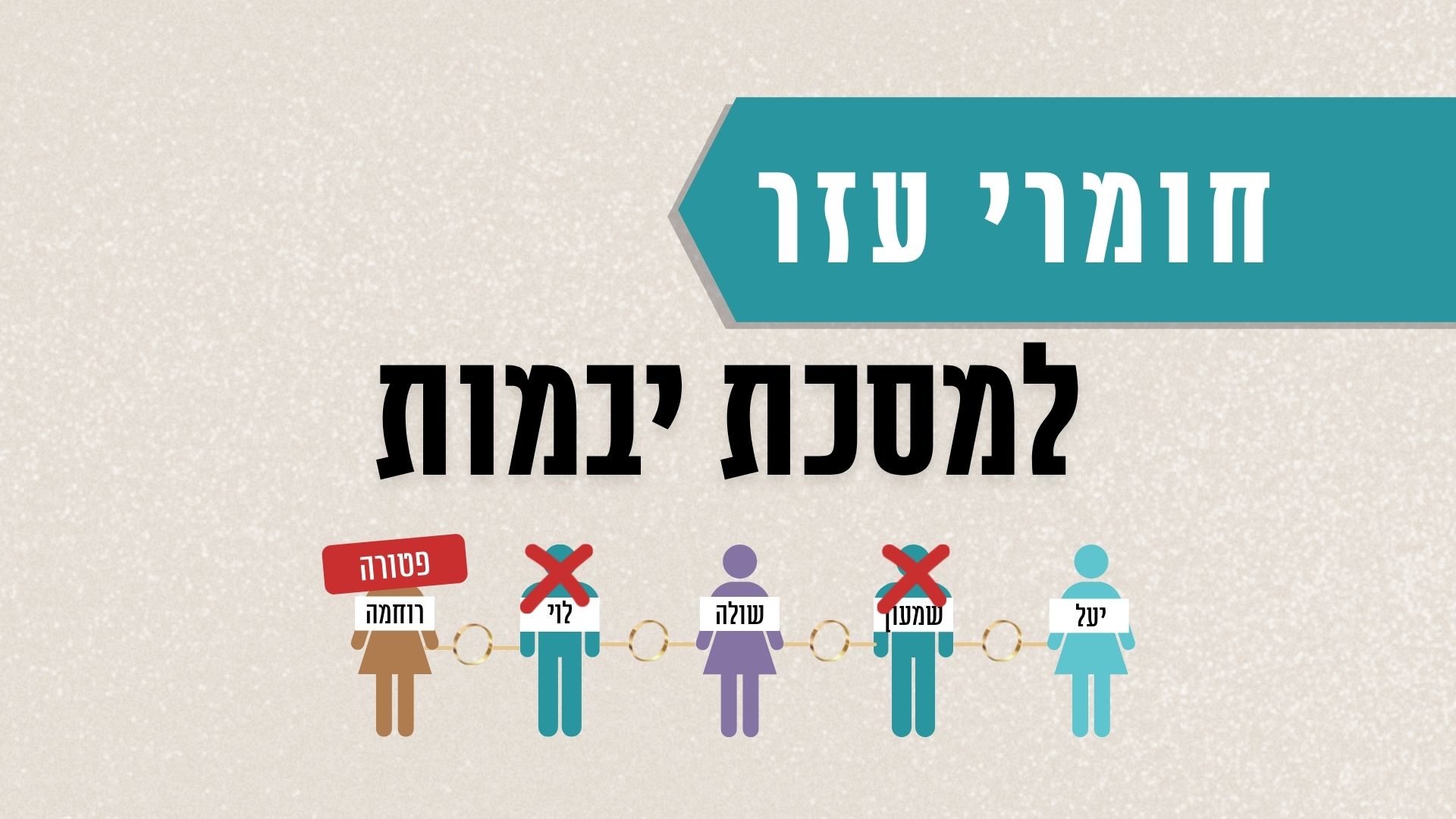
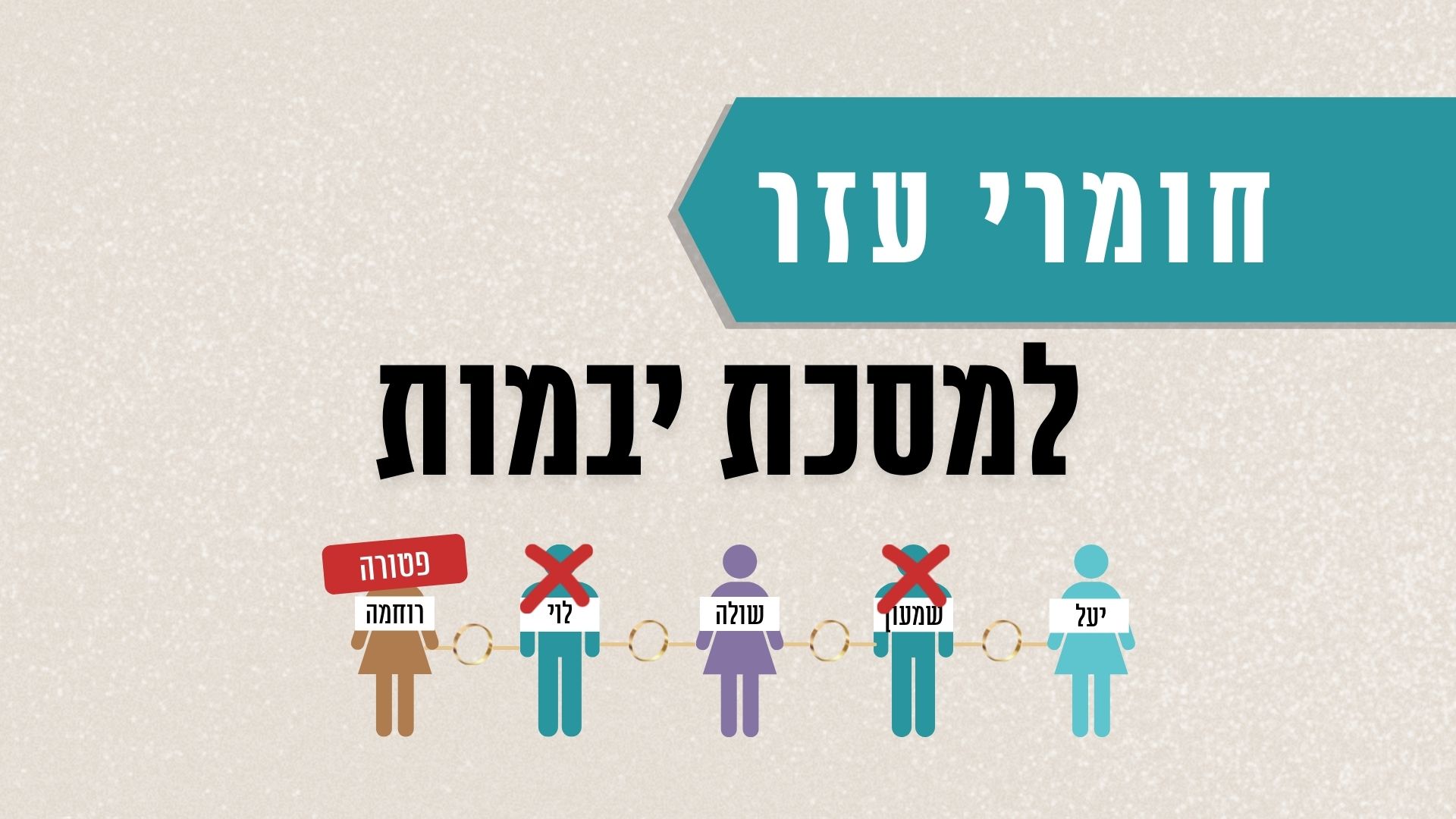
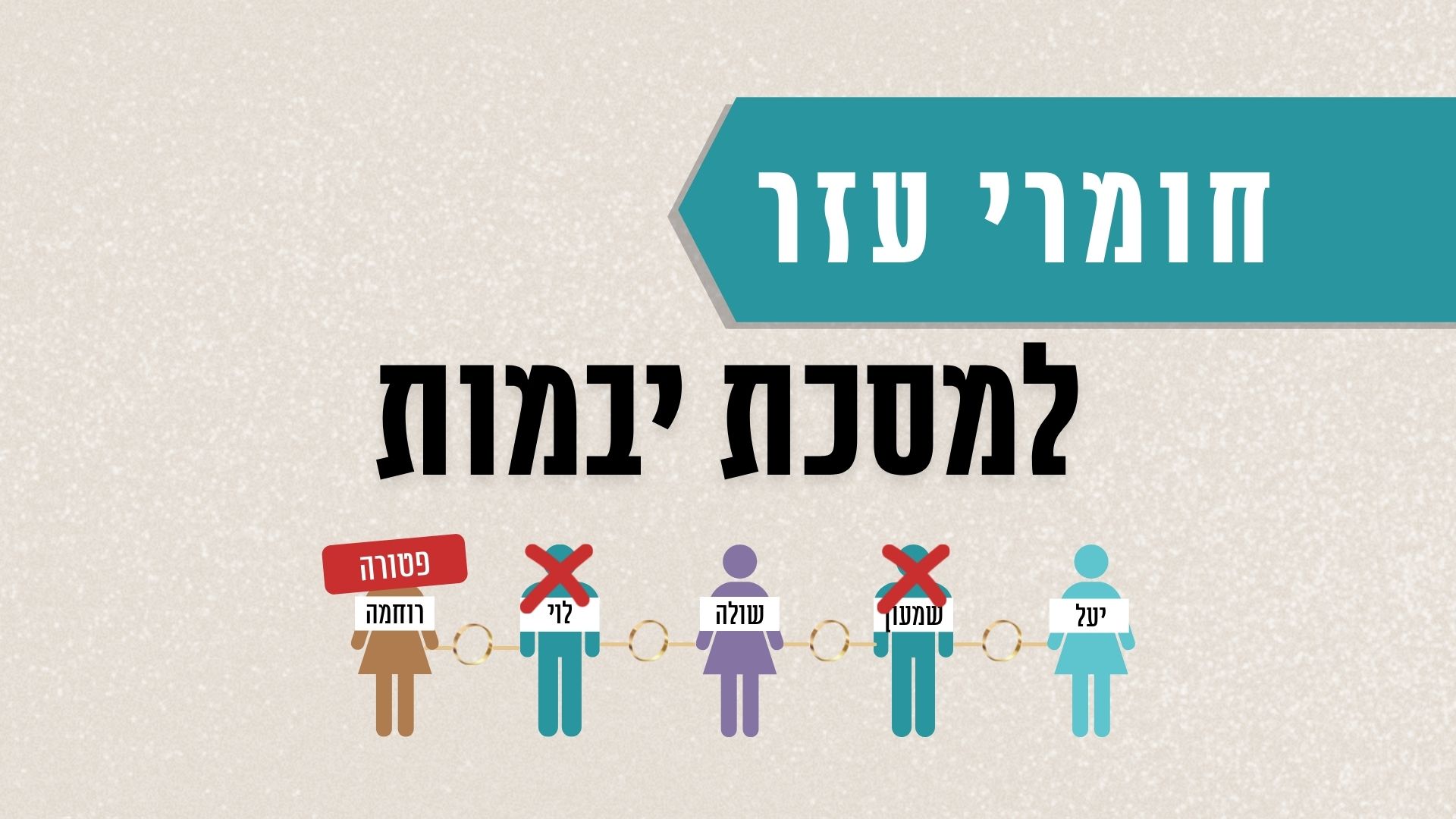
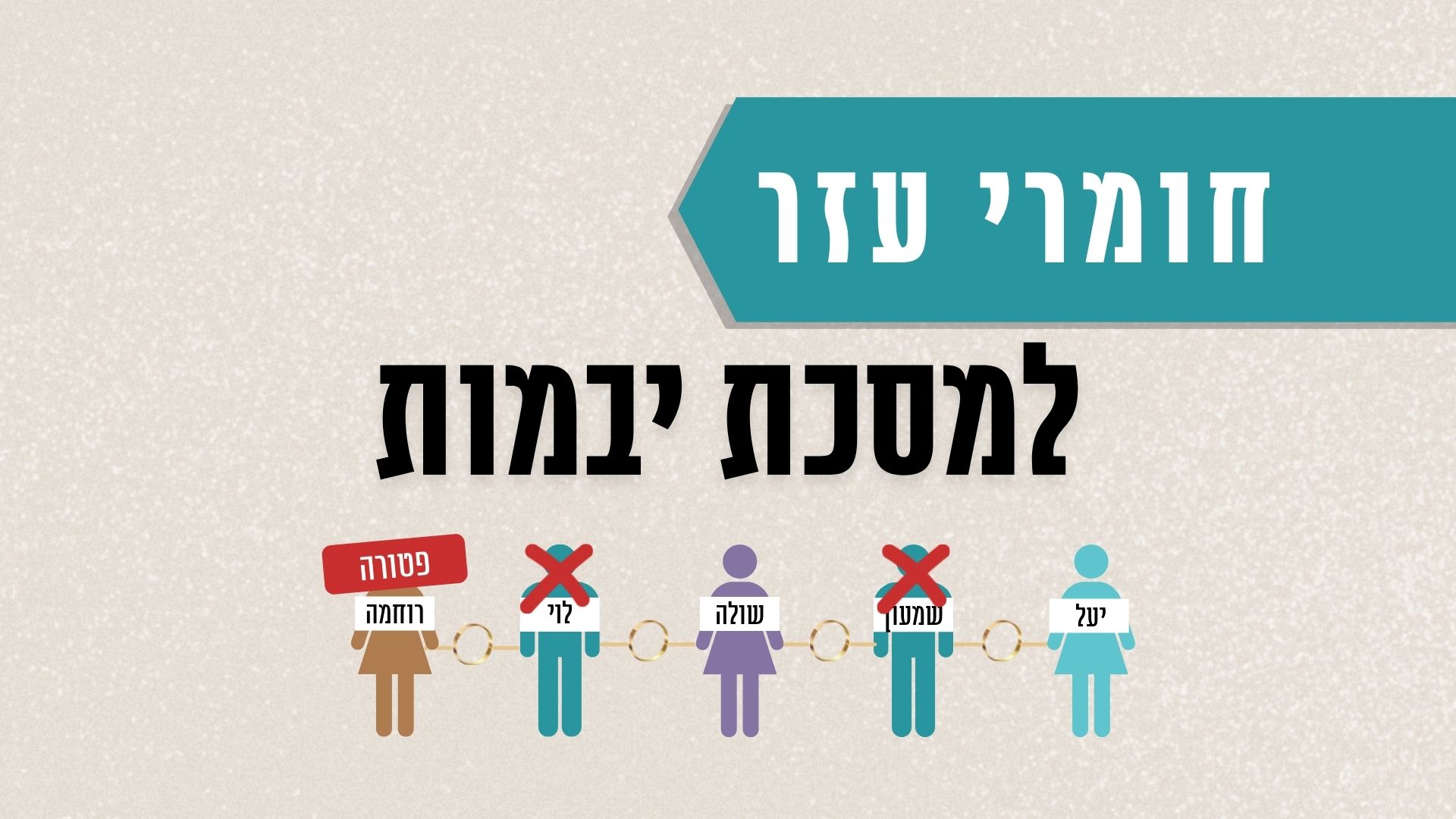
אם אישה עושה מאמר כדי לקיים לאחר מכן ייבום עם אחיו של בעלה שנפטר, ואז הוא נפטר, האם היא יכולה לעשות ייבום עם אח שלישי? חכמים אומרים לא כי היא נופלת לייבום משני גברים שונים וזה אסור. רבי שמעון מתיר כיוון שהוא אינו רואה במאמר אקט משמעותי ולכן היא מקיימת ייבום רק לבעלה הראשון. מה אם הבעל יבטל את המאמר על ידי גט, האם היא מותרת אז לפי חכמים או לא? אם שני אחים מתחתנים עם שתי אחיות ואחרי שהאח הראשון נפטר ללא ילדים, האחות הנשואה לאח השני מתה. אשתו של הראשון אינה יכולה לעשות ייבום כפי שנאסרה בזמן שנפלה לייבום. מדוע מוזכרת משנה זו – כבר למדנו זאת במשנה ביבמות ל?! אם מקיימים יחסים עם אישה שהיא גם אשת אחיו וגם אחות אשתו, האם הוא חייב בעבור שני האיסורים או רק אחד? רבי שמעון אומר אחד, רבי יוסי אומר שניים. אבל במקום אחר אומר רבי יוסי מקבלים רק עונש אחד אפילו אם היו שתי עבירות שכן איסור לא חל על איסור. איך נוכל לפתור את זה? מובאות שתי תשובות. רבי אבהו סובר שרבי יוסי אומר שבאיסור מוסיף איסור חל על איסור אך לא באיסור כולל. רבא מסביר את זה בצורה אחרת. האם זה מקור לוויכוח גם בקרב תנאים?


יבמות לב

וּמִקְצָתוֹ חָלוּץ.

and part of it must be released by ḥalitza. That is, if two women were married to a single man, one of these women must enter into levirate marriage and the other must perform ḥalitza.

וְיֹאמְרוּ! אִי דִּמְיַיבֵּם וַהֲדַר חָלֵיץ — הָכִי נָמֵי.

The Gemara wonders: So let them say it. Why would it be problematic if people thought that? Even were they to act upon this mistaken assumption it would cause no harm, as there is no transgression involved in performing ḥalitza. The Gemara answers: If he were to consummate the levirate marriage with one and then later proceed to perform ḥalitza with the other, then indeed there would be no reason for concern.

אֶלָּא גְּזֵירָה דִּילְמָא חָלֵיץ בְּרֵישָׁא וַהֲדַר מְיַיבֵּם, וְקָם לֵיהּ בַּ״אֲשֶׁר לֹא יִבְנֶה״, וְרַחֲמָנָא אָמַר: כֵּיוָן שֶׁלֹּא בָּנָה — שׁוּב לֹא יִבְנֶה.

Rather, the requirement to perform ḥalitza with both women is a rabbinic decree that was instituted lest he first perform ḥalitza with one of his brother’s wives and subsequently consummate the levirate marriage with the other. Under such circumstances, he would in fact be violating a prohibition. Once he performs ḥalitza with the first woman he is subject to the prohibition indicated by the verse “So shall it be done to the man who does not build his brother’s house” (Deuteronomy 25:9). In this verse the Merciful One states that once he did not build his brother’s house but rather opted to perform ḥalitza with one of his brother’s wives, he may not proceed to build it by consummating the levirate marriage with a different wife.

אָמַר רָבָא: נָתַן גֵּט לְמַאֲמָרוֹ — הוּתְּרָה צָרָתָהּ. אֲבָל הִיא אֲסוּרָה, דְּמִחַלְּפָה בְּבַעֲלַת גֵּט.

Rava said: If the brother who performed levirate betrothal in the case described in the mishna subsequently gave a bill of divorce to that wife in order to nullify his levirate betrothal before he died, her rival wife is rendered permitted to the third brother. The third brother is allowed to consummate the levirate marriage with the wife of the second brother because this wife is no longer considered to be the rival wife of a woman with a double levirate relationship. The bill of divorce serves to nullify the act of levirate betrothal completely. However, the woman with whom the brother performed levirate betrothal and then received the bill of divorce is forbidden to the third brother. Why is this? She might be confused with a woman who receives a bill of divorce. In general cases where levirate betrothal was not performed, if a man gives a yevama a bill of divorce, he is no longer allowed to consummate the levirate marriage with her. If it were permitted to consummate the levirate marriage in this case, people might mistakenly do so in other cases of divorce as well.

אִיכָּא דְּאָמְרִי, אָמַר רָבָא: נָתַן גֵּט לְמַאֲמָרוֹ — הוּתְּרָה אֲפִילּוּ הִיא. מַאי טַעְמָא? מַאי דַּעֲבַד בַּהּ — שַׁקְלֵיהּ.

There are those who say an alternative formulation of Rava’s statement. Rava said: If the second brother gave a bill of divorce to the wife of the first deceased brother in order to nullify his levirate betrothal to her, then even she herself is permitted to enter into levirate marriage with the third brother. What is the reason for this? That which he performed with her, he removed. The levirate betrothal was completely nullified by the bill of divorce, and it is as though he had done nothing at all. Therefore, as far as the third brother is concerned, she remains with her original, single levirate bond, as though her status had never been changed by the second brother.

מַתְנִי׳ שְׁנֵי אַחִין נְשׂוּאִין שְׁתֵּי אֲחָיוֹת, וּמֵת אֶחָד מֵהֶן, וְאַחַר כָּךְ מֵתָה אִשְׁתּוֹ שֶׁל שֵׁנִי — הֲרֵי זוֹ אֲסוּרָה עָלָיו עוֹלָמִית, הוֹאִיל וְנֶאֶסְרָה עָלָיו שָׁעָה אַחַת.

MISHNA: In the case where two brothers were married to two sisters, and one of the brothers died, the widow at this point would be exempt from levirate marriage as the sister of his wife. And afterward the wife of the second brother died. Although the yevama is no longer the sister of his wife, this woman is nevertheless forbidden to him forever, since she had already been forbidden to him at one time.

גְּמָ׳ פְּשִׁיטָא! הַשְׁתָּא, וּמָה הָתָם דְּלָא מִידַּחְיָא מֵהַאי בֵּיתָא לִגְמָרֵי — אָמְרַתְּ לָא, הָכָא דְּקָא מִידַּחְיָא מֵהַאי בֵּיתָא לִגְמָרֵי — לָא כׇּל שֶׁכֵּן! תַּנָּא — הָא תְּנָא בְּרֵישָׁא, וְהָךְ חַזְיַאּ לְהֶיתֵּירָא וְשַׁרְיַאּ, וַהֲדַר חַזְיַאּ לְאִיסּוּרָא. וְאַיְּידֵי דְּחַבִּיבָה לֵיהּ אַקְדְּמַהּ, וּמִשְׁנָה לֹא זָזָה מִמְּקוֹמָהּ.

GEMARA: The Gemara asks: Isn’t this obvious? Now, just as there, in the earlier mishnayot, where there was a third brother and so the woman was not disassociated from this household completely, as the levirate obligation existed between her and the third brother to whom she was permitted, you said that she may not enter into levirate marriage because she was forbidden at one time, here, in the case of only two brothers, where she is disassociated from this household completely, is it not all the more so clear that it should be prohibited for her to enter into levirate marriage? The Gemara answers: The tanna taught this mishna at first, at which time he saw it fitting to rule that those other cases are permitted, and therefore he permitted them. And then he subsequently saw it fitting to rule that they are forbidden. And since that case was novel, it was beloved to him, he taught it earlier. But despite the fact that this mishna was no longer necessary, the mishna does not move from its place.

תָּנוּ רַבָּנַן: בָּא עָלֶיהָ — חַיָּיב עָלֶיהָ מִשּׁוּם אֵשֶׁת אָח, וּמִשּׁוּם אֲחוֹת אִשָּׁה, דִּבְרֵי רַבִּי יוֹסֵי. רַבִּי שִׁמְעוֹן אוֹמֵר: אֵינוֹ חַיָּיב אֶלָּא מִשּׁוּם אֵשֶׁת אָח בִּלְבַד. וְהָא תַּנְיָא, רַבִּי שִׁמְעוֹן אוֹמֵר: אֵינוֹ חַיָּיב אֶלָּא מִשּׁוּם אֲחוֹת אִשָּׁה בִּלְבָד!

§ The Sages taught: If he engaged in sexual intercourse with this woman who was forbidden to him, he is liable to receive punishment for violating the prohibition against marrying a brother’s wife, because she was never rendered permitted by the levirate mitzva, and he is liable to receive punishment for violating the prohibition against marrying a wife’s sister; this is the statement of Rabbi Yosei. Rabbi Shimon says: He is liable to receive punishment only for violating the prohibition proscribing a brother’s wife. Rabbi Shimon holds that one prohibition does not take effect where another prohibition is already in place, and since she was already forbidden as his brother’s wife, the additional prohibition cannot take effect. The Gemara asks: But isn’t it taught in a baraita, Rabbi Shimon says: He is liable only due to the prohibition against marrying a wife’s sister?

לָא קַשְׁיָא: כָּאן שֶׁנָּשָׂא חַי, וְאַחַר כָּךְ נָשָׂא מֵת. כָּאן שֶׁנָּשָׂא מֵת, וְאַחַר כָּךְ נָשָׂא חַי.

The Gemara answers: This is not difficult. Here, in the second baraita, it is referring to a case where the living brother married his wife first and afterward the brother who is now deceased married her sister. In that case, the first prohibition to take effect on the yevama was that of a wife’s sister, and only later, when she was married to his now-deceased brother, did the additional prohibition proscribing a brother’s wife take effect. There, in the first baraita, it is referring to a case where the brother who is now deceased married his wife first, whereby she became forbidden to the brother as a brother’s wife, and afterward the living brother married her sister, rendering her forbidden as his wife’s sister as well.

וְרַבִּי שִׁמְעוֹן, הֵיכָא דְּנָשָׂא מֵת וְאַחַר כָּךְ נָשָׂא חַי, כֵּיוָן דְּאִיסּוּר אֲחוֹת אִשָּׁה לָא חָיֵיל — תִּתְיַיבֵּם יַבּוֹמֵי!

The Gemara asks: And according to the opinion of Rabbi Shimon, in a case where the deceased brother married one of the sisters first, in which case she was forbidden to his brother as a brother’s wife, and afterward the living brother married her sister, the only prohibition in place is that of a brother’s wife. Therefore, since the prohibition with regard to a wife’s sister never took effect, then after her husband died she should now enter into levirate marriage. As the prohibition proscribing a brother’s wife is canceled in the face of the levirate mitzva, she should indeed enter into levirate marriage.

אָמַר רַב אָשֵׁי: אִיסּוּר אֲחוֹת אִשָּׁה מִיתְלָא תְּלֵי וְקָאֵי, אִי פָּקַע אִיסּוּר אֵשֶׁת אָח — אָתֵי אִיסּוּר אֲחוֹת אִשָּׁה וְחָיֵיל, וְהִילְכָּךְ לָא פָּקַע.

Rav Ashi said: The prohibition with regard to a wife’s sister remains suspended. If the prohibition proscribing a brother’s wife is terminated, the prohibition proscribing a wife’s sister comes and takes effect. Therefore, it is clear that the prohibition proscribing a wife’s sister is not completely terminated. Accordingly, when a man dies and the prohibition proscribing a brother’s wife is overridden by the levirate mitzva, the prohibition proscribing a wife’s sister takes effect and she is forbidden to him due to that. The moment the first prohibition ceases to exist, the second immediately takes effect.

וְסָבַר רַבִּי יוֹסֵי אִיסּוּר חָל עַל אִיסּוּר? וְהָא תַּנְיָא: עָבַר עֲבֵירָה שֶׁיֵּשׁ בָּהּ שְׁתֵּי מִיתוֹת — נִידּוֹן בַּחֲמוּרָה. רַבִּי יוֹסֵי אוֹמֵר: נִידּוֹן בַּזִּיקָּה הָרִאשׁוֹנָה הַבָּאָה עָלָיו.

The baraita indicates that Rabbi Yosei holds that if the brother consummated the levirate marriage with this woman he violated two prohibitions. The Gemara asks: And does Rabbi Yosei hold that a prohibition takes effect where another prohibition already exists? But isn’t it taught in a baraita: One who committed a transgression deserving of two death penalties is sentenced to the harsher of the two deaths? One would be guilty of such a transgression if he engaged in intercourse with a forbidden relative who was also a married woman, as he would incur one death penalty due to her being a forbidden relative and one death penalty due to her being a married woman. Rabbi Yosei says: He is sentenced according to the first relationship that applied to him with regard to this woman.

וְתַנְיָא: כֵּיצַד אָמַר רַבִּי יוֹסֵי נִידּוֹן בַּזִּיקָּה הָרִאשׁוֹנָה הַבָּאָה עָלָיו? חֲמוֹתוֹ וְנַעֲשֵׂית אֵשֶׁת אִישׁ — נִידּוֹן בַּחֲמוֹתוֹ. אֵשֶׁת אִישׁ וְנַעֲשֵׂית חֲמוֹתוֹ — נִידּוֹן בְּאֵשֶׁת אִישׁ.

And it is taught in a baraita: In what case did Rabbi Yosei say that he is sentenced according to the first relationship that applied to him? If this woman was his mother-in-law who was widowed or divorced, and therefore forbidden to him only due to her status as his mother-in-law, and later she married and became forbidden as a married woman and he engaged in sexual relations with her, then he is sentenced for violating the prohibition proscribing his mother-in-law, since this was the first prohibition to apply. Alternatively, if she was a married woman and then he married her daughter so that she then became his mother-in-law, and then had sexual relations with her, he is sentenced for violating the prohibition proscribing a married woman.

אָמַר רַבִּי אֲבָהוּ: מוֹדֶה רַבִּי יוֹסֵי בְּאִיסּוּר מוֹסִיף.

Rabbi Abbahu said: Rabbi Yosei concedes that a prohibition takes effect where another prohibition already exists when it is an expanded prohibition. An expanded prohibition is a prohibition that has a greater scope than the original prohibition, either because it applies with greater severity or because it applies to additional individuals. Rabbi Yosei holds that if the second prohibition incorporates additional individuals into the list of those for whom the original item is prohibited, then it takes effect in addition to the previous prohibition that had a more limited range.

תִּינַח הֵיכָא דְּנָשָׂא חַי וְאַחַר כָּךְ נָשָׂא מֵת — מִגּוֹ דְּאִתּוֹסַף אִיסּוּר לְגַבֵּי אַחִים, אִתּוֹסַף אִיסּוּר לְגַבֵּי דִידֵיהּ.

The Gemara asks: This works out well in cases where the living brother married his wife first, and her sister became forbidden to him as a wife’s sister, and then afterward the brother who was subsequently deceased married his wife’s sister. In that case it is possible to say: Since a prohibition was added for all the brothers, a prohibition was added for the living brother as well, and he is liable due to both prohibitions, as this prohibition is more wide-ranging than the previous one. In other words, at first this sister was permitted to the other brothers, and when the second brother married her she was rendered a brother’s wife and so she was additionally forbidden to the other brothers.

אֶלָּא הֵיכָא דְּנָשָׂא מֵת וְאַחַר כָּךְ נָשָׂא חַי, מַאי אִיסּוּר מוֹסִיף אִיכָּא?

However, where the deceased brother married first and afterward the living brother married her sister, in what way is there a prohibition that adds? No additional individuals were incorporated into the prohibition as a result of the marriage of the living brother with the sister, since the prohibition here proscribing a wife’s sister applies to him alone.

וְכִי תֵּימָא מִגּוֹ דְּאִיתְּסַר בְּכוּלְּהוּ אַחְווֹתָא — הַאי אִיסּוּר כּוֹלֵל הוּא.

And if you would say: Since he himself now married a sister he became prohibited to all of the other sisters, as opposed to the prior state of affairs where only his brother was married to one of the sisters and all of the other sisters were permitted to him, and therefore an additional prohibition now applies to him, this is difficult. In this case the new prohibition is not considered an expanded prohibition, but rather it is considered a more inclusive prohibition. It is more inclusive and more comprehensive in that it adds additional aspects to the prohibition for the same individual. This is not called an expanded prohibition, as it does not add prohibitions to additional individuals.

אֶלָּא אָמַר רָבָא: מַעֲלֶה אֲנִי עָלָיו כְּאִילּוּ עָשָׂה שְׁתַּיִם, וְאֵינוֹ חַיָּיב אֶלָּא אַחַת. וְכֵן כִּי אֲתָא רָבִין, אָמַר רַבִּי יוֹחָנָן: מַעֲלֶה אֲנִי עָלָיו כְּאִילּוּ עָשָׂה שְׁתַּיִם, וְאֵינוֹ חַיָּיב אֶלָּא אַחַת. מַאי נָפְקָא מִינַּהּ? לְקׇבְרוֹ בֵּין רְשָׁעִים גְּמוּרִים.

Rather, Rava said that when Rabbi Yosei stated in the baraita that the man is liable due to both prohibitions, for a brother’s wife and for a wife’s sister, he meant to say: I ascribe to him liability as though he transgressed twice, since indeed he violated two prohibitions, yet he is liable to receive punishment in human courts on only one count. And likewise, when Ravin came from Eretz Yisrael to Babylonia, he said that Rabbi Yoḥanan said: I ascribe to him liability as though he transgressed twice, yet he is liable to receive punishment on only one count. The Gemara asks: What difference does it make if we consider it as though he transgressed twice? The Gemara answers: It affects the decision whether or not to bury him among the completely wicked. Just as a righteous individual is not buried among the wicked, so too, a wicked individual is not buried among those more wicked than himself. He who violated this prohibition is considered as though he committed two transgressions and not one, and so he would be buried accordingly.

וּבִפְלוּגְתָּא. דְּאִיתְּמַר: זָר שֶׁשִּׁימֵּשׁ בְּשַׁבָּת, רַבִּי חִיָּיא אוֹמֵר: חַיָּיב שְׁתַּיִם. בַּר קַפָּרָא אוֹמֵר: אֵין חַיָּיב אֶלָּא אַחַת. קָפַץ רַבִּי חִיָּיא וְנִשְׁבַּע: הָעֲבוֹדָה! כָּךְ שָׁמַעְתִּי מֵרַבִּי: שְׁתַּיִם. קָפַץ בַּר קַפָּרָא וְנִשְׁבַּע: הָעֲבוֹדָה! כָּךְ שָׁמַעְתִּי מֵרַבִּי: אַחַת.

§ The Gemara comments that the issue of a prohibition taking effect where another prohibition already exists is taught in the dispute found in a baraita, where it was stated: With regard to a non-priest who served in some capacity in one of the Temple services, such as the burning of a burnt-offering on the altar on Shabbat, Rabbi Ḥiyya says: He is liable to receive punishment on two counts, both because he was a non-priest serving in the Temple and because he desecrated Shabbat. Bar Kappara says: He is liable on only one count. Rabbi Ḥiyya jumped up and swore: I swear by the Temple service that this I heard from Rabbi Yehuda HaNasi: He is liable on two counts. Bar Kappara jumped up and swore: I swear by the Temple service that this I heard from Rabbi Yehuda HaNasi: He is liable on one count.

הִתְחִיל רַבִּי חִיָּיא לָדוּן: שַׁבָּת לַכֹּל נֶאֶסְרָה, כְּשֶׁהוּתְּרָה בַּמִּקְדָּשׁ — אֵצֶל כֹּהֲנִים הוּתְּרָה. לְכֹהֲנִים הוּתְּרָה, וְלֹא לְזָרִים. יֵשׁ כָּאן מִשּׁוּם זָרוּת, וְיֵשׁ כָּאן מִשּׁוּם שַׁבָּת. הִתְחִיל בַּר קַפָּרָא לָדוּן: שַׁבָּת לַכֹּל נֶאֶסְרָה, כְּשֶׁהוּתְּרָה בַּמִּקְדָּשׁ — הוּתְּרָה. אֵין כָּאן אֶלָּא זָרוּת.

Since the matter could not be decided by tradition, Rabbi Ḥiyya began to deliberate and analyze the question logically. Prohibited labor on Shabbat was prohibited to all. When prohibited labor was permitted in the Temple for the purposes of the Temple service, it was permitted only for priests. This indicates that it was permitted for priests and not for non-priests. Therefore, when a non-priest serves in the Temple on Shabbat, there is a transgression here due to his serving as a non-priest and there is a transgression here due to his desecrating Shabbat. Bar Kappara began to deliberate in a different manner: Shabbat was prohibited to all. When it was permitted it was permitted in the Temple, so that if it was permitted for one to serve in the Temple, it was permitted for him to serve on Shabbat. Therefore, there is a transgression here only for his serving as a non-priest, since if this man were a priest his service would have been permitted. Therefore, he is not liable to receive punishment for desecrating Shabbat.

בַּעַל מוּם שֶׁשִּׁימֵּשׁ בְּטוּמְאָה. רַבִּי חִיָּיא אוֹמֵר: חַיָּיב שְׁתַּיִם. בַּר קַפָּרָא אוֹמֵר: אֵין חַיָּיב אֶלָּא אַחַת. קָפַץ רַבִּי חִיָּיא וְנִשְׁבַּע: הָעֲבוֹדָה! כָּךְ שָׁמַעְתִּי מֵרַבִּי: שְׁתַּיִם. קָפַץ בַּר קַפָּרָא וְנִשְׁבַּע: הָעֲבוֹדָה! כָּךְ שָׁמַעְתִּי מֵרַבִּי: אַחַת.

They disagreed over a similar issue as well, the case of a priest with a blemish who served in the Temple by sacrificing a public offering, which overrides ritual impurity, while he was ritually impure. Rabbi Ḥiyya says: He is liable on two counts, both for serving with a blemish and for being ritually impure. Bar Kappara says: He is liable on only one count, for serving with a blemish. Rabbi Ḥiyya jumped up and swore: I swear by the Temple service that this I heard from Rabbi Yehuda HaNasi: He is liable on two counts. Bar Kappara jumped up and swore: I swear by the Temple service that this I heard from Rabbi Yehuda HaNasi: He is liable on one count.

הִתְחִיל רַבִּי חִיָּיא לָדוּן: טוּמְאָה לַכֹּל נֶאֶסְרָה, כְּשֶׁהוּתְּרָה בַּמִּקְדָּשׁ — אֵצֶל כֹּהֲנִים תְּמִימִים הוּתְּרָה. לְכֹהֲנִים תְּמִימִים הוּתְּרָה, וְלֹא לְבַעֲלֵי מוּמִין. יֵשׁ כָּאן מִשּׁוּם בַּעֲלֵי מוּמִין, וְיֵשׁ כָּאן מִשּׁוּם טוּמְאָה. הִתְחִיל בַּר קַפָּרָא לָדוּן: טוּמְאָה לַכֹּל נֶאֶסְרָה, כְּשֶׁהוּתְּרָה בַּמִּקְדָּשׁ — הוּתְּרָה, אֵין כָּאן אֶלָּא מִשּׁוּם בַּעַל מוּם.

Rabbi Ḥiyya began to deliberate. Ritual impurity was prohibited to all, as it was prohibited for all individuals who are ritually impure to enter into the Temple. When it was permitted in the Temple in circumstances where the entire public was impure, it was permitted for unblemished priests. Therefore, it was permitted only for unblemished priests and not for priests with blemishes. Consequently, if that priest with a blemish served while impure, there is a transgression here due to his status as a blemished priest and there is a transgression here due to ritual impurity. Bar Kappara began to deliberate in a different manner: Ritual impurity was prohibited to all. When it was permitted in the Temple, it was permitted for all. Therefore, the only problem was that this priest was blemished, and so there is a transgression here only due to his status as a blemished priest.

זָר שֶׁאָכַל מְלִיקָה, רַבִּי חִיָּיא אוֹמֵר: חַיָּיב שְׁתַּיִם. בַּר קַפָּרָא אוֹמֵר: אֵין חַיָּיב אֶלָּא אַחַת. קָפַץ רַבִּי חִיָּיא וְנִשְׁבַּע: הָעֲבוֹדָה! כָּךְ שָׁמַעְתִּי מֵרַבִּי: שְׁתַּיִם. קָפַץ בַּר קַפָּרָא וְנִשְׁבַּע: הָעֲבוֹדָה! כָּךְ שָׁמַעְתִּי מֵרַבִּי: אַחַת.

They disagreed over a similar issue as well. This dispute is with regard to a non-priest who ate a bird sin-offering that was killed by pinching the back of its neck. It is permitted for priests to consume such an offering, but it is prohibited to consume any other bird killed in such a manner, since it was not ritually slaughtered. Rabbi Ḥiyya says: He is liable to receive punishment on two counts, both for being a non-priest who ate a priestly offering and for eating something that was not properly slaughtered. Bar Kappara says: He is liable on only one count. Rabbi Ḥiyya jumped up and swore: I swear by the Temple service that this I heard from Rabbi Yehuda HaNasi: He is liable on two counts. Bar Kappara jumped up and swore: I swear by the Temple service that this I heard from Rabbi Yehuda HaNasi: He is liable on one count.

הִתְחִיל רַבִּי חִיָּיא לָדוּן: נְבֵלָה לַכֹּל נֶאֶסְרָה. כְּשֶׁהוּתְּרָה בַּמִּקְדָּשׁ — אֵצֶל כֹּהֲנִים הוּתְּרָה. לְכֹהֲנִים הוּתְּרָה, וְלֹא לְזָרִים. יֵשׁ כָּאן מִשּׁוּם זָרוּת, וְיֵשׁ כָּאן מִשּׁוּם מְלִיקָה. הִתְחִיל בַּר קַפָּרָא לָדוּן: נְבֵלָה לַכֹּל נֶאֶסְרָה, כְּשֶׁהוּתְּרָה בַּמִּקְדָּשׁ — הוּתְּרָה, אֵין כָּאן אֶלָּא מִשּׁוּם זָרוּת.

Rabbi Ḥiyya began to deliberate. An unslaughtered animal carcass was prohibited to all. When it was permitted in the Temple, it was permitted to priests alone. Since it was permitted to priests and not to non-priests, there is a transgression here due to his status as a non-priest who ate of the sin-offering and there is a transgression here due to eating an animal killed by pinching. Bar Kappara began to deliberate: An unslaughtered animal carcass was prohibited to all. When it was permitted in the Temple, it was permitted to all. Therefore there is a transgression here only for being a non-priest, since if he were a priest there would be no prohibition at all.

העמקה

רוצה להבין מה באמת קורה מתחת לפני השטח של הסוגיה?
שיעורים, פודקאסטים והרחבות של מיטב המורות שלנו יפתחו לך עוד זוויות וכיווני חשיבה.

לשיעורי עוד על הדף באנגלית, לחצי כאן

חדשה בלימוד הגמרא?

זה הדף הראשון שלך? איזו התרגשות עצומה! יש לנו בדיוק את התכנים והכלים שיעזרו לך לעשות את הצעדים הראשונים ללמידה בקצב וברמה שלך, כך תוכלי להרגיש בנוח גם בתוך הסוגיות המורכבות ומאתגרות.

פסיפס הלומדות שלנו

גלי את קהילת הלומדות שלנו, מגוון נשים, רקעים וסיפורים. כולן חלק מתנועה ומסע מרגש ועוצמתי.

התחלתי ללמוד בסבב הנוכחי לפני כשנתיים .הסביבה מתפעלת ותומכת מאוד. אני משתדלת ללמוד מכל ההסכתים הנוספים שיש באתר הדרן. אני עורכת כל סיום מסכת שיעור בביתי לכ20 נשים שמחכות בקוצר רוח למפגשים האלו.

Yael Asher
יעל אשר

יהוד, ישראל

התחלתי ללמוד בשנת המדרשה במגדל עוז, בינתיים נהנית מאוד מהלימוד ומהגמרא, מעניין ומשמח מאוד!
משתדלת להצליח לעקוב כל יום, לפעמים משלימה קצת בהמשך השבוע.. מרגישה שיש עוגן מקובע ביום שלי והוא משמח מאוד!

Uriah Kesner
אוריה קסנר

חיפה , ישראל

התחלתי בסיום הש”ס, יצאתי באורות. נשברתי פעמיים, ובשתיהם הרבנית מישל עודדה להמשיך איפה שכולם בסבב ולהשלים כשאוכל, וכך עשיתי וכיום השלמתי הכל. מדהים אותי שאני לומדת כל יום קצת, אפילו בחדר הלידה, בבידוד או בחו”ל. לאט לאט יותר נינוחה בסוגיות. לא כולם מבינים את הרצון, בפרט כפמניסטית. חשה סיפוק גדול להכיר את המושגים וצורת החשיבה. החלום זה להמשיך ולהתמיד ובמקביל ללמוד איך מהסוגיות נוצרה והתפתחה ההלכה.

Weingarten Sherrington Foundation
קרן וינגרטן שרינגטון

מודיעין, ישראל

רבנית מישל הציתה אש התלמוד בלבבות בביניני האומה ואני נדלקתי. היא פתחה פתח ותמכה במתחילות כמוני ואפשרה לנו להתקדם בצעדים נכונים וטובים. הקימה מערך שלם שמסובב את הלומדות בסביבה תומכת וכך נכנסתי למסלול לימוד מעשיר שאין כמוה. הדרן יצר קהילה גדולה וחזקה שמאפשרת התקדמות מכל נקודת מוצא. יש דיבוק לומדות שמחזק את ההתמדה של כולנו. כל פניה ושאלה נענית בזריזות ויסודיות. תודה גם למגי על כל העזרה.

Sarah Aber
שרה אבר

נתניה, ישראל

התחלתי ללמוד את הדף היומי מעט אחרי שבני הקטן נולד. בהתחלה בשמיעה ולימוד באמצעות השיעור של הרבנית שפרבר. ובהמשך העזתי וקניתי לעצמי גמרא. מאז ממשיכה יום יום ללמוד עצמאית, ולפעמים בעזרת השיעור של הרבנית, כל יום. כל סיום של מסכת מביא לאושר גדול וסיפוק. הילדים בבית נהיו חלק מהלימוד, אני משתפת בסוגיות מעניינות ונהנית לשמוע את דעתם.

Eliraz Blau
אלירז בלאו

מעלה מכמש, ישראל

התחלתי כשהייתי בחופש, עם הפרסומים על תחילת המחזור, הסביבה קיבלה את זה כמשהו מתמיד ומשמעותי ובהערכה, הלימוד זה עוגן יציב ביום יום, יש שבועות יותר ויש שפחות אבל זה משהו שנמצא שם אמין ובעל משמעות בחיים שלי….

Adi Diamant
עדי דיאמנט

גמזו, ישראל

לצערי גדלתי בדור שבו לימוד גמרא לנשים לא היה דבר שבשגרה ושנים שאני חולמת להשלים את הפער הזה.. עד שלפני מספר שבועות, כמעט במקרה, נתקלתי במודעת פרסומת הקוראת להצטרף ללימוד מסכת תענית. כשקראתי את המודעה הרגשתי שהיא כאילו נכתבה עבורי – "תמיד חלמת ללמוד גמרא ולא ידעת איך להתחיל”, "בואי להתנסות במסכת קצרה וקלה” (רק היה חסר שהמודעה תיפתח במילים "מיכי שלום”..). קפצתי למים ו- ב”ה אני בדרך להגשמת החלום:)

Micah Kadosh
מיכי קדוש

מורשת, ישראל

התחלתי ללמוד דף יומי ממסכת נידה כי זה היה חומר הלימוד שלי אז. לאחר הסיום הגדול בבנייני האומה החלטתי להמשיך. וב”ה מאז עם הפסקות קטנות של קורונה ולידה אני משתדלת להמשיך ולהיות חלק.

זה משפיע מאוד על היום יום שלי ועל אף שאני עסוקה בלימודי הלכה ותורה כל יום, זאת המסגרת הקבועה והמחייבת ביותר שיש לי.

Moriah Taesan Michaeli
מוריה תעסן מיכאלי

גבעת הראל, ישראל

בתחילת הסבב הנוכחי הצטברו אצלי תחושות שאני לא מבינה מספיק מהי ההלכה אותה אני מקיימת בכל יום. כמו כן, כאמא לבנות רציתי לתת להן מודל נשי של לימוד תורה
שתי הסיבות האלו הובילו אותי להתחיל ללמוד. נתקלתי בתגובות מפרגנות וסקרניות איך אישה לומדת גמרא..
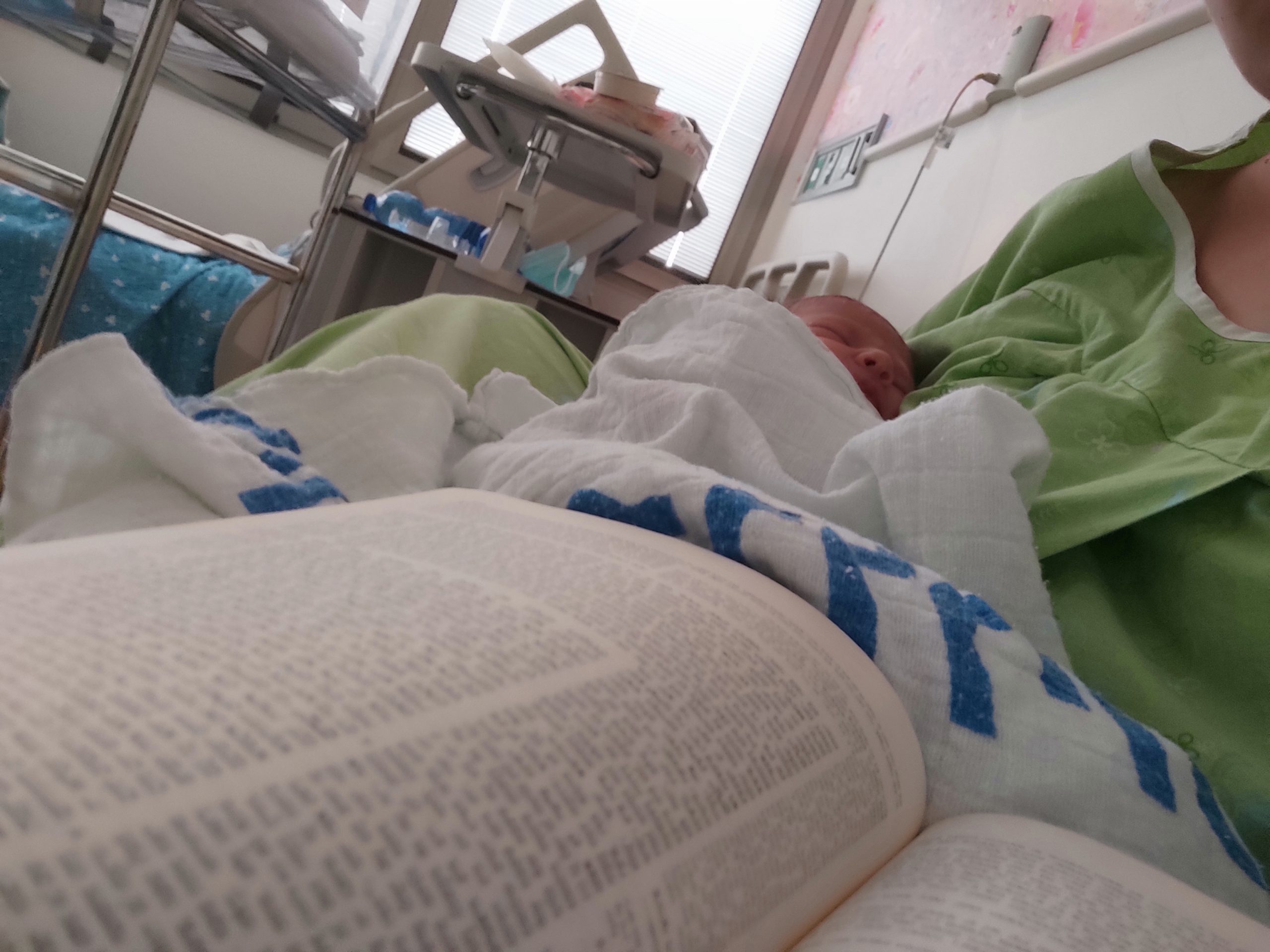
כמו שרואים בתמונה אני ממשיכה ללמוד גם היום ואפילו במחלקת יולדות אחרי לידת ביתי השלישית.

Noa Shiloh
נועה שילה

רבבה, ישראל

הייתי לפני שנתיים בסיום הדרן נשים בבנייני האומה והחלטתי להתחיל. אפילו רק כמה דפים, אולי רק פרק, אולי רק מסכת… בינתיים סיימתי רבע שס ותכף את כל סדר מועד בה.
הסביבה תומכת ומפרגנת. אני בת יחידה עם ארבעה אחים שכולם לומדים דף יומי. מדי פעם אנחנו עושים סיומים יחד באירועים משפחתיים. ממש מרגש. מסכת שבת סיימנו כולנו יחד עם אבא שלנו!
אני שומעת כל יום פודקאסט בהליכה או בנסיעה ואחכ לומדת את הגמרא.

Edna Gross
עדנה גרוס

מרכז שפירא, ישראל

התחלתי להשתתף בשיעור נשים פעם בשבוע, תכננתי ללמוד רק דפים בודדים, לא האמנתי שאצליח יותר מכך.
לאט לאט נשאבתי פנימה לעולם הלימוד .משתדלת ללמוד כל בוקר ומתחילה את היום בתחושה של מלאות ומתוך התכווננות נכונה יותר.
הלימוד של הדף היומי ממלא אותי בתחושה של חיבור עמוק לעם היהודי ולכל הלומדים בעבר ובהווה.

Neely Hayon
נילי חיון

אפרת, ישראל

My explorations into Gemara started a few days into the present cycle. I binged learnt and become addicted. I’m fascinated by the rich "tapestry” of intertwined themes, connections between Masechtot, conversations between generations of Rabbanim and learners past and present all over the world. My life has acquired a golden thread, linking generations with our amazing heritage.
Thank you.

Susan Kasdan
סוזן כשדן

חשמונאים, Israel

התחלתי לפני כמה שנים אבל רק בסבב הזה זכיתי ללמוד יום יום ולסיים מסכתות

Sigal Tel
סיגל טל

רעננה, ישראל

"התחלתי ללמוד דף יומי במחזור הזה, בח’ בטבת תש””ף. לקחתי על עצמי את הלימוד כדי ליצור תחום של התמדה יומיומית בחיים, והצטרפתי לקבוצת הלומדים בבית הכנסת בכפר אדומים. המשפחה והסביבה מתפעלים ותומכים.
בלימוד שלי אני מתפעלת בעיקר מכך שכדי ללמוד גמרא יש לדעת ולהכיר את כל הגמרא. זו מעין צבת בצבת עשויה שהיא עצומה בהיקפה.”

Sarah Fox
שרה פוּקס

כפר אדומים, ישראל

התחלתי ללמוד דף יומי לפני שנתיים, עם מסכת שבת. בהתחלה ההתמדה היתה קשה אבל בזכות הקורונה והסגרים הצלחתי להדביק את הפערים בשבתות הארוכות, לסיים את מסכת שבת ולהמשיך עם המסכתות הבאות. עכשיו אני מסיימת בהתרגשות רבה את מסכת חגיגה וסדר מועד ומחכה לסדר הבא!

Ilana-Shachnowitz
אילנה שכנוביץ

מודיעין, ישראל

כבר סיפרתי בסיום של מועד קטן.
הלימוד מאוד משפיעה על היום שלי כי אני לומדת עם רבנית מישל על הבוקר בזום. זה נותן טון לכל היום – בסיס למחשבות שלי .זה זכות גדול להתחיל את היום בלימוד ובתפילה. תודה רבה !

שרה-ברלוביץ
שרה ברלוביץ

ירושלים, ישראל

אחרי שראיתי את הסיום הנשי של הדף היומי בבנייני האומה זה ריגש אותי ועורר בי את הרצון להצטרף. לא למדתי גמרא קודם לכן בכלל, אז הכל היה לי חדש, ולכן אני לומדת בעיקר מהשיעורים פה בהדרן, בשוטנשטיין או בחוברות ושיננתם.

Rebecca Schloss
רבקה שלוס

בית שמש, ישראל

הייתי לפני שנתיים בסיום הדרן נשים בבנייני האומה והחלטתי להתחיל. אפילו רק כמה דפים, אולי רק פרק, אולי רק מסכת… בינתיים סיימתי רבע שס ותכף את כל סדר מועד בה.
הסביבה תומכת ומפרגנת. אני בת יחידה עם ארבעה אחים שכולם לומדים דף יומי. מדי פעם אנחנו עושים סיומים יחד באירועים משפחתיים. ממש מרגש. מסכת שבת סיימנו כולנו יחד עם אבא שלנו!
אני שומעת כל יום פודקאסט בהליכה או בנסיעה ואחכ לומדת את הגמרא.

Edna Gross
עדנה גרוס

מרכז שפירא, ישראל

התחלתי ללמוד גמרא בבית הספר בגיל צעיר והתאהבתי. המשכתי בכך כל חיי ואף היייתי מורה לגמרא בבית הספר שקד בשדה אליהו (בית הספר בו למדתי בילדותי)בתחילת מחזור דף יומי הנוכחי החלטתי להצטרף ובע”ה מקווה להתמיד ולהמשיך. אני אוהבת את המפגש עם הדף את "דרישות השלום ” שמקבלת מקשרים עם דפים אחרים שלמדתי את הסנכרון שמתחולל בין התכנים.

Ariela Bigman
אריאלה ביגמן

מעלה גלבוע, ישראל

התחלתי ללמוד דף יומי אחרי שחזרתי בתשובה ולמדתי במדרשה במגדל עוז. הלימוד טוב ומספק חומר למחשבה על נושאים הלכתיים ”קטנים” ועד לערכים גדולים ביהדות. חשוב לי להכיר את הגמרא לעומק. והצעד הקטן היום הוא ללמוד אותה בבקיאות, בעזרת השם, ומי יודע אולי גם אגיע לעיון בנושאים מעניינים. נושאים בגמרא מתחברים לחגים, לתפילה, ליחסים שבין אדם לחברו ולמקום ולשאר הדברים שמלווים באורח חיים דתי 🙂

Gaia Divo
גאיה דיבו

מצפה יריחו, ישראל

יבמות לב

וּמִקְצָתוֹ חָלוּץ.

and part of it must be released by ḥalitza. That is, if two women were married to a single man, one of these women must enter into levirate marriage and the other must perform ḥalitza.

וְיֹאמְרוּ! אִי דִּמְיַיבֵּם וַהֲדַר חָלֵיץ — הָכִי נָמֵי.

The Gemara wonders: So let them say it. Why would it be problematic if people thought that? Even were they to act upon this mistaken assumption it would cause no harm, as there is no transgression involved in performing ḥalitza. The Gemara answers: If he were to consummate the levirate marriage with one and then later proceed to perform ḥalitza with the other, then indeed there would be no reason for concern.

אֶלָּא גְּזֵירָה דִּילְמָא חָלֵיץ בְּרֵישָׁא וַהֲדַר מְיַיבֵּם, וְקָם לֵיהּ בַּ״אֲשֶׁר לֹא יִבְנֶה״, וְרַחֲמָנָא אָמַר: כֵּיוָן שֶׁלֹּא בָּנָה — שׁוּב לֹא יִבְנֶה.

Rather, the requirement to perform ḥalitza with both women is a rabbinic decree that was instituted lest he first perform ḥalitza with one of his brother’s wives and subsequently consummate the levirate marriage with the other. Under such circumstances, he would in fact be violating a prohibition. Once he performs ḥalitza with the first woman he is subject to the prohibition indicated by the verse “So shall it be done to the man who does not build his brother’s house” (Deuteronomy 25:9). In this verse the Merciful One states that once he did not build his brother’s house but rather opted to perform ḥalitza with one of his brother’s wives, he may not proceed to build it by consummating the levirate marriage with a different wife.

אָמַר רָבָא: נָתַן גֵּט לְמַאֲמָרוֹ — הוּתְּרָה צָרָתָהּ. אֲבָל הִיא אֲסוּרָה, דְּמִחַלְּפָה בְּבַעֲלַת גֵּט.

Rava said: If the brother who performed levirate betrothal in the case described in the mishna subsequently gave a bill of divorce to that wife in order to nullify his levirate betrothal before he died, her rival wife is rendered permitted to the third brother. The third brother is allowed to consummate the levirate marriage with the wife of the second brother because this wife is no longer considered to be the rival wife of a woman with a double levirate relationship. The bill of divorce serves to nullify the act of levirate betrothal completely. However, the woman with whom the brother performed levirate betrothal and then received the bill of divorce is forbidden to the third brother. Why is this? She might be confused with a woman who receives a bill of divorce. In general cases where levirate betrothal was not performed, if a man gives a yevama a bill of divorce, he is no longer allowed to consummate the levirate marriage with her. If it were permitted to consummate the levirate marriage in this case, people might mistakenly do so in other cases of divorce as well.

אִיכָּא דְּאָמְרִי, אָמַר רָבָא: נָתַן גֵּט לְמַאֲמָרוֹ — הוּתְּרָה אֲפִילּוּ הִיא. מַאי טַעְמָא? מַאי דַּעֲבַד בַּהּ — שַׁקְלֵיהּ.

There are those who say an alternative formulation of Rava’s statement. Rava said: If the second brother gave a bill of divorce to the wife of the first deceased brother in order to nullify his levirate betrothal to her, then even she herself is permitted to enter into levirate marriage with the third brother. What is the reason for this? That which he performed with her, he removed. The levirate betrothal was completely nullified by the bill of divorce, and it is as though he had done nothing at all. Therefore, as far as the third brother is concerned, she remains with her original, single levirate bond, as though her status had never been changed by the second brother.

מַתְנִי׳ שְׁנֵי אַחִין נְשׂוּאִין שְׁתֵּי אֲחָיוֹת, וּמֵת אֶחָד מֵהֶן, וְאַחַר כָּךְ מֵתָה אִשְׁתּוֹ שֶׁל שֵׁנִי — הֲרֵי זוֹ אֲסוּרָה עָלָיו עוֹלָמִית, הוֹאִיל וְנֶאֶסְרָה עָלָיו שָׁעָה אַחַת.

MISHNA: In the case where two brothers were married to two sisters, and one of the brothers died, the widow at this point would be exempt from levirate marriage as the sister of his wife. And afterward the wife of the second brother died. Although the yevama is no longer the sister of his wife, this woman is nevertheless forbidden to him forever, since she had already been forbidden to him at one time.

גְּמָ׳ פְּשִׁיטָא! הַשְׁתָּא, וּמָה הָתָם דְּלָא מִידַּחְיָא מֵהַאי בֵּיתָא לִגְמָרֵי — אָמְרַתְּ לָא, הָכָא דְּקָא מִידַּחְיָא מֵהַאי בֵּיתָא לִגְמָרֵי — לָא כׇּל שֶׁכֵּן! תַּנָּא — הָא תְּנָא בְּרֵישָׁא, וְהָךְ חַזְיַאּ לְהֶיתֵּירָא וְשַׁרְיַאּ, וַהֲדַר חַזְיַאּ לְאִיסּוּרָא. וְאַיְּידֵי דְּחַבִּיבָה לֵיהּ אַקְדְּמַהּ, וּמִשְׁנָה לֹא זָזָה מִמְּקוֹמָהּ.

GEMARA: The Gemara asks: Isn’t this obvious? Now, just as there, in the earlier mishnayot, where there was a third brother and so the woman was not disassociated from this household completely, as the levirate obligation existed between her and the third brother to whom she was permitted, you said that she may not enter into levirate marriage because she was forbidden at one time, here, in the case of only two brothers, where she is disassociated from this household completely, is it not all the more so clear that it should be prohibited for her to enter into levirate marriage? The Gemara answers: The tanna taught this mishna at first, at which time he saw it fitting to rule that those other cases are permitted, and therefore he permitted them. And then he subsequently saw it fitting to rule that they are forbidden. And since that case was novel, it was beloved to him, he taught it earlier. But despite the fact that this mishna was no longer necessary, the mishna does not move from its place.

תָּנוּ רַבָּנַן: בָּא עָלֶיהָ — חַיָּיב עָלֶיהָ מִשּׁוּם אֵשֶׁת אָח, וּמִשּׁוּם אֲחוֹת אִשָּׁה, דִּבְרֵי רַבִּי יוֹסֵי. רַבִּי שִׁמְעוֹן אוֹמֵר: אֵינוֹ חַיָּיב אֶלָּא מִשּׁוּם אֵשֶׁת אָח בִּלְבַד. וְהָא תַּנְיָא, רַבִּי שִׁמְעוֹן אוֹמֵר: אֵינוֹ חַיָּיב אֶלָּא מִשּׁוּם אֲחוֹת אִשָּׁה בִּלְבָד!

§ The Sages taught: If he engaged in sexual intercourse with this woman who was forbidden to him, he is liable to receive punishment for violating the prohibition against marrying a brother’s wife, because she was never rendered permitted by the levirate mitzva, and he is liable to receive punishment for violating the prohibition against marrying a wife’s sister; this is the statement of Rabbi Yosei. Rabbi Shimon says: He is liable to receive punishment only for violating the prohibition proscribing a brother’s wife. Rabbi Shimon holds that one prohibition does not take effect where another prohibition is already in place, and since she was already forbidden as his brother’s wife, the additional prohibition cannot take effect. The Gemara asks: But isn’t it taught in a baraita, Rabbi Shimon says: He is liable only due to the prohibition against marrying a wife’s sister?

לָא קַשְׁיָא: כָּאן שֶׁנָּשָׂא חַי, וְאַחַר כָּךְ נָשָׂא מֵת. כָּאן שֶׁנָּשָׂא מֵת, וְאַחַר כָּךְ נָשָׂא חַי.

The Gemara answers: This is not difficult. Here, in the second baraita, it is referring to a case where the living brother married his wife first and afterward the brother who is now deceased married her sister. In that case, the first prohibition to take effect on the yevama was that of a wife’s sister, and only later, when she was married to his now-deceased brother, did the additional prohibition proscribing a brother’s wife take effect. There, in the first baraita, it is referring to a case where the brother who is now deceased married his wife first, whereby she became forbidden to the brother as a brother’s wife, and afterward the living brother married her sister, rendering her forbidden as his wife’s sister as well.

וְרַבִּי שִׁמְעוֹן, הֵיכָא דְּנָשָׂא מֵת וְאַחַר כָּךְ נָשָׂא חַי, כֵּיוָן דְּאִיסּוּר אֲחוֹת אִשָּׁה לָא חָיֵיל — תִּתְיַיבֵּם יַבּוֹמֵי!

The Gemara asks: And according to the opinion of Rabbi Shimon, in a case where the deceased brother married one of the sisters first, in which case she was forbidden to his brother as a brother’s wife, and afterward the living brother married her sister, the only prohibition in place is that of a brother’s wife. Therefore, since the prohibition with regard to a wife’s sister never took effect, then after her husband died she should now enter into levirate marriage. As the prohibition proscribing a brother’s wife is canceled in the face of the levirate mitzva, she should indeed enter into levirate marriage.

אָמַר רַב אָשֵׁי: אִיסּוּר אֲחוֹת אִשָּׁה מִיתְלָא תְּלֵי וְקָאֵי, אִי פָּקַע אִיסּוּר אֵשֶׁת אָח — אָתֵי אִיסּוּר אֲחוֹת אִשָּׁה וְחָיֵיל, וְהִילְכָּךְ לָא פָּקַע.

Rav Ashi said: The prohibition with regard to a wife’s sister remains suspended. If the prohibition proscribing a brother’s wife is terminated, the prohibition proscribing a wife’s sister comes and takes effect. Therefore, it is clear that the prohibition proscribing a wife’s sister is not completely terminated. Accordingly, when a man dies and the prohibition proscribing a brother’s wife is overridden by the levirate mitzva, the prohibition proscribing a wife’s sister takes effect and she is forbidden to him due to that. The moment the first prohibition ceases to exist, the second immediately takes effect.

וְסָבַר רַבִּי יוֹסֵי אִיסּוּר חָל עַל אִיסּוּר? וְהָא תַּנְיָא: עָבַר עֲבֵירָה שֶׁיֵּשׁ בָּהּ שְׁתֵּי מִיתוֹת — נִידּוֹן בַּחֲמוּרָה. רַבִּי יוֹסֵי אוֹמֵר: נִידּוֹן בַּזִּיקָּה הָרִאשׁוֹנָה הַבָּאָה עָלָיו.

The baraita indicates that Rabbi Yosei holds that if the brother consummated the levirate marriage with this woman he violated two prohibitions. The Gemara asks: And does Rabbi Yosei hold that a prohibition takes effect where another prohibition already exists? But isn’t it taught in a baraita: One who committed a transgression deserving of two death penalties is sentenced to the harsher of the two deaths? One would be guilty of such a transgression if he engaged in intercourse with a forbidden relative who was also a married woman, as he would incur one death penalty due to her being a forbidden relative and one death penalty due to her being a married woman. Rabbi Yosei says: He is sentenced according to the first relationship that applied to him with regard to this woman.

וְתַנְיָא: כֵּיצַד אָמַר רַבִּי יוֹסֵי נִידּוֹן בַּזִּיקָּה הָרִאשׁוֹנָה הַבָּאָה עָלָיו? חֲמוֹתוֹ וְנַעֲשֵׂית אֵשֶׁת אִישׁ — נִידּוֹן בַּחֲמוֹתוֹ. אֵשֶׁת אִישׁ וְנַעֲשֵׂית חֲמוֹתוֹ — נִידּוֹן בְּאֵשֶׁת אִישׁ.

And it is taught in a baraita: In what case did Rabbi Yosei say that he is sentenced according to the first relationship that applied to him? If this woman was his mother-in-law who was widowed or divorced, and therefore forbidden to him only due to her status as his mother-in-law, and later she married and became forbidden as a married woman and he engaged in sexual relations with her, then he is sentenced for violating the prohibition proscribing his mother-in-law, since this was the first prohibition to apply. Alternatively, if she was a married woman and then he married her daughter so that she then became his mother-in-law, and then had sexual relations with her, he is sentenced for violating the prohibition proscribing a married woman.

אָמַר רַבִּי אֲבָהוּ: מוֹדֶה רַבִּי יוֹסֵי בְּאִיסּוּר מוֹסִיף.

Rabbi Abbahu said: Rabbi Yosei concedes that a prohibition takes effect where another prohibition already exists when it is an expanded prohibition. An expanded prohibition is a prohibition that has a greater scope than the original prohibition, either because it applies with greater severity or because it applies to additional individuals. Rabbi Yosei holds that if the second prohibition incorporates additional individuals into the list of those for whom the original item is prohibited, then it takes effect in addition to the previous prohibition that had a more limited range.

תִּינַח הֵיכָא דְּנָשָׂא חַי וְאַחַר כָּךְ נָשָׂא מֵת — מִגּוֹ דְּאִתּוֹסַף אִיסּוּר לְגַבֵּי אַחִים, אִתּוֹסַף אִיסּוּר לְגַבֵּי דִידֵיהּ.

The Gemara asks: This works out well in cases where the living brother married his wife first, and her sister became forbidden to him as a wife’s sister, and then afterward the brother who was subsequently deceased married his wife’s sister. In that case it is possible to say: Since a prohibition was added for all the brothers, a prohibition was added for the living brother as well, and he is liable due to both prohibitions, as this prohibition is more wide-ranging than the previous one. In other words, at first this sister was permitted to the other brothers, and when the second brother married her she was rendered a brother’s wife and so she was additionally forbidden to the other brothers.

אֶלָּא הֵיכָא דְּנָשָׂא מֵת וְאַחַר כָּךְ נָשָׂא חַי, מַאי אִיסּוּר מוֹסִיף אִיכָּא?

However, where the deceased brother married first and afterward the living brother married her sister, in what way is there a prohibition that adds? No additional individuals were incorporated into the prohibition as a result of the marriage of the living brother with the sister, since the prohibition here proscribing a wife’s sister applies to him alone.

וְכִי תֵּימָא מִגּוֹ דְּאִיתְּסַר בְּכוּלְּהוּ אַחְווֹתָא — הַאי אִיסּוּר כּוֹלֵל הוּא.

And if you would say: Since he himself now married a sister he became prohibited to all of the other sisters, as opposed to the prior state of affairs where only his brother was married to one of the sisters and all of the other sisters were permitted to him, and therefore an additional prohibition now applies to him, this is difficult. In this case the new prohibition is not considered an expanded prohibition, but rather it is considered a more inclusive prohibition. It is more inclusive and more comprehensive in that it adds additional aspects to the prohibition for the same individual. This is not called an expanded prohibition, as it does not add prohibitions to additional individuals.

אֶלָּא אָמַר רָבָא: מַעֲלֶה אֲנִי עָלָיו כְּאִילּוּ עָשָׂה שְׁתַּיִם, וְאֵינוֹ חַיָּיב אֶלָּא אַחַת. וְכֵן כִּי אֲתָא רָבִין, אָמַר רַבִּי יוֹחָנָן: מַעֲלֶה אֲנִי עָלָיו כְּאִילּוּ עָשָׂה שְׁתַּיִם, וְאֵינוֹ חַיָּיב אֶלָּא אַחַת. מַאי נָפְקָא מִינַּהּ? לְקׇבְרוֹ בֵּין רְשָׁעִים גְּמוּרִים.

Rather, Rava said that when Rabbi Yosei stated in the baraita that the man is liable due to both prohibitions, for a brother’s wife and for a wife’s sister, he meant to say: I ascribe to him liability as though he transgressed twice, since indeed he violated two prohibitions, yet he is liable to receive punishment in human courts on only one count. And likewise, when Ravin came from Eretz Yisrael to Babylonia, he said that Rabbi Yoḥanan said: I ascribe to him liability as though he transgressed twice, yet he is liable to receive punishment on only one count. The Gemara asks: What difference does it make if we consider it as though he transgressed twice? The Gemara answers: It affects the decision whether or not to bury him among the completely wicked. Just as a righteous individual is not buried among the wicked, so too, a wicked individual is not buried among those more wicked than himself. He who violated this prohibition is considered as though he committed two transgressions and not one, and so he would be buried accordingly.

וּבִפְלוּגְתָּא. דְּאִיתְּמַר: זָר שֶׁשִּׁימֵּשׁ בְּשַׁבָּת, רַבִּי חִיָּיא אוֹמֵר: חַיָּיב שְׁתַּיִם. בַּר קַפָּרָא אוֹמֵר: אֵין חַיָּיב אֶלָּא אַחַת. קָפַץ רַבִּי חִיָּיא וְנִשְׁבַּע: הָעֲבוֹדָה! כָּךְ שָׁמַעְתִּי מֵרַבִּי: שְׁתַּיִם. קָפַץ בַּר קַפָּרָא וְנִשְׁבַּע: הָעֲבוֹדָה! כָּךְ שָׁמַעְתִּי מֵרַבִּי: אַחַת.

§ The Gemara comments that the issue of a prohibition taking effect where another prohibition already exists is taught in the dispute found in a baraita, where it was stated: With regard to a non-priest who served in some capacity in one of the Temple services, such as the burning of a burnt-offering on the altar on Shabbat, Rabbi Ḥiyya says: He is liable to receive punishment on two counts, both because he was a non-priest serving in the Temple and because he desecrated Shabbat. Bar Kappara says: He is liable on only one count. Rabbi Ḥiyya jumped up and swore: I swear by the Temple service that this I heard from Rabbi Yehuda HaNasi: He is liable on two counts. Bar Kappara jumped up and swore: I swear by the Temple service that this I heard from Rabbi Yehuda HaNasi: He is liable on one count.

הִתְחִיל רַבִּי חִיָּיא לָדוּן: שַׁבָּת לַכֹּל נֶאֶסְרָה, כְּשֶׁהוּתְּרָה בַּמִּקְדָּשׁ — אֵצֶל כֹּהֲנִים הוּתְּרָה. לְכֹהֲנִים הוּתְּרָה, וְלֹא לְזָרִים. יֵשׁ כָּאן מִשּׁוּם זָרוּת, וְיֵשׁ כָּאן מִשּׁוּם שַׁבָּת. הִתְחִיל בַּר קַפָּרָא לָדוּן: שַׁבָּת לַכֹּל נֶאֶסְרָה, כְּשֶׁהוּתְּרָה בַּמִּקְדָּשׁ — הוּתְּרָה. אֵין כָּאן אֶלָּא זָרוּת.

Since the matter could not be decided by tradition, Rabbi Ḥiyya began to deliberate and analyze the question logically. Prohibited labor on Shabbat was prohibited to all. When prohibited labor was permitted in the Temple for the purposes of the Temple service, it was permitted only for priests. This indicates that it was permitted for priests and not for non-priests. Therefore, when a non-priest serves in the Temple on Shabbat, there is a transgression here due to his serving as a non-priest and there is a transgression here due to his desecrating Shabbat. Bar Kappara began to deliberate in a different manner: Shabbat was prohibited to all. When it was permitted it was permitted in the Temple, so that if it was permitted for one to serve in the Temple, it was permitted for him to serve on Shabbat. Therefore, there is a transgression here only for his serving as a non-priest, since if this man were a priest his service would have been permitted. Therefore, he is not liable to receive punishment for desecrating Shabbat.

בַּעַל מוּם שֶׁשִּׁימֵּשׁ בְּטוּמְאָה. רַבִּי חִיָּיא אוֹמֵר: חַיָּיב שְׁתַּיִם. בַּר קַפָּרָא אוֹמֵר: אֵין חַיָּיב אֶלָּא אַחַת. קָפַץ רַבִּי חִיָּיא וְנִשְׁבַּע: הָעֲבוֹדָה! כָּךְ שָׁמַעְתִּי מֵרַבִּי: שְׁתַּיִם. קָפַץ בַּר קַפָּרָא וְנִשְׁבַּע: הָעֲבוֹדָה! כָּךְ שָׁמַעְתִּי מֵרַבִּי: אַחַת.

They disagreed over a similar issue as well, the case of a priest with a blemish who served in the Temple by sacrificing a public offering, which overrides ritual impurity, while he was ritually impure. Rabbi Ḥiyya says: He is liable on two counts, both for serving with a blemish and for being ritually impure. Bar Kappara says: He is liable on only one count, for serving with a blemish. Rabbi Ḥiyya jumped up and swore: I swear by the Temple service that this I heard from Rabbi Yehuda HaNasi: He is liable on two counts. Bar Kappara jumped up and swore: I swear by the Temple service that this I heard from Rabbi Yehuda HaNasi: He is liable on one count.

הִתְחִיל רַבִּי חִיָּיא לָדוּן: טוּמְאָה לַכֹּל נֶאֶסְרָה, כְּשֶׁהוּתְּרָה בַּמִּקְדָּשׁ — אֵצֶל כֹּהֲנִים תְּמִימִים הוּתְּרָה. לְכֹהֲנִים תְּמִימִים הוּתְּרָה, וְלֹא לְבַעֲלֵי מוּמִין. יֵשׁ כָּאן מִשּׁוּם בַּעֲלֵי מוּמִין, וְיֵשׁ כָּאן מִשּׁוּם טוּמְאָה. הִתְחִיל בַּר קַפָּרָא לָדוּן: טוּמְאָה לַכֹּל נֶאֶסְרָה, כְּשֶׁהוּתְּרָה בַּמִּקְדָּשׁ — הוּתְּרָה, אֵין כָּאן אֶלָּא מִשּׁוּם בַּעַל מוּם.

Rabbi Ḥiyya began to deliberate. Ritual impurity was prohibited to all, as it was prohibited for all individuals who are ritually impure to enter into the Temple. When it was permitted in the Temple in circumstances where the entire public was impure, it was permitted for unblemished priests. Therefore, it was permitted only for unblemished priests and not for priests with blemishes. Consequently, if that priest with a blemish served while impure, there is a transgression here due to his status as a blemished priest and there is a transgression here due to ritual impurity. Bar Kappara began to deliberate in a different manner: Ritual impurity was prohibited to all. When it was permitted in the Temple, it was permitted for all. Therefore, the only problem was that this priest was blemished, and so there is a transgression here only due to his status as a blemished priest.

זָר שֶׁאָכַל מְלִיקָה, רַבִּי חִיָּיא אוֹמֵר: חַיָּיב שְׁתַּיִם. בַּר קַפָּרָא אוֹמֵר: אֵין חַיָּיב אֶלָּא אַחַת. קָפַץ רַבִּי חִיָּיא וְנִשְׁבַּע: הָעֲבוֹדָה! כָּךְ שָׁמַעְתִּי מֵרַבִּי: שְׁתַּיִם. קָפַץ בַּר קַפָּרָא וְנִשְׁבַּע: הָעֲבוֹדָה! כָּךְ שָׁמַעְתִּי מֵרַבִּי: אַחַת.

They disagreed over a similar issue as well. This dispute is with regard to a non-priest who ate a bird sin-offering that was killed by pinching the back of its neck. It is permitted for priests to consume such an offering, but it is prohibited to consume any other bird killed in such a manner, since it was not ritually slaughtered. Rabbi Ḥiyya says: He is liable to receive punishment on two counts, both for being a non-priest who ate a priestly offering and for eating something that was not properly slaughtered. Bar Kappara says: He is liable on only one count. Rabbi Ḥiyya jumped up and swore: I swear by the Temple service that this I heard from Rabbi Yehuda HaNasi: He is liable on two counts. Bar Kappara jumped up and swore: I swear by the Temple service that this I heard from Rabbi Yehuda HaNasi: He is liable on one count.

הִתְחִיל רַבִּי חִיָּיא לָדוּן: נְבֵלָה לַכֹּל נֶאֶסְרָה. כְּשֶׁהוּתְּרָה בַּמִּקְדָּשׁ — אֵצֶל כֹּהֲנִים הוּתְּרָה. לְכֹהֲנִים הוּתְּרָה, וְלֹא לְזָרִים. יֵשׁ כָּאן מִשּׁוּם זָרוּת, וְיֵשׁ כָּאן מִשּׁוּם מְלִיקָה. הִתְחִיל בַּר קַפָּרָא לָדוּן: נְבֵלָה לַכֹּל נֶאֶסְרָה, כְּשֶׁהוּתְּרָה בַּמִּקְדָּשׁ — הוּתְּרָה, אֵין כָּאן אֶלָּא מִשּׁוּם זָרוּת.

Rabbi Ḥiyya began to deliberate. An unslaughtered animal carcass was prohibited to all. When it was permitted in the Temple, it was permitted to priests alone. Since it was permitted to priests and not to non-priests, there is a transgression here due to his status as a non-priest who ate of the sin-offering and there is a transgression here due to eating an animal killed by pinching. Bar Kappara began to deliberate: An unslaughtered animal carcass was prohibited to all. When it was permitted in the Temple, it was permitted to all. Therefore there is a transgression here only for being a non-priest, since if he were a priest there would be no prohibition at all.

רוצה לעקוב אחרי התכנים ולהמשיך ללמוד?

ביצירת חשבון עוד היום ניתן לעקוב אחרי ההתקדמות שלך, לסמן מה למדת, ולעקוב אחרי השיעורים שמעניינים אותך.

לנקות את כל הפריטים מהרשימה?

פעולה זו תסיר את כל הפריטים בחלק זה כולל ההתקדמות וההיסטוריה. שימי לב: לא ניתן לשחזר פעולה זו.

ביטול
מחיקה

האם את/ה בטוח/ה שברצונך למחוק פריט זה?

תאבד/י את כל ההתקדמות או ההיסטוריה הקשורות לפריט זה.

ביטול
מחיקה