חיפוש

יבמות ה

רוצה להקדיש שיעור?

podcast placeholder

0:00
0:00


תקציר


הדף היום מוקדש ע”י רחל לופטין לכבוד בתה, כארה לופטין.

מהיכן אנו למדים שמצות עשה דוחה מצות לא תעשה לדעת חכמים החולקים על רבי ישמעאל וסוברים שהמילים "צמר ופשתים” בפסוק בשעטנז שסמוך לפסוק על ציצית נחוצות לעצמה ואינן פנויות. הגמרא מציעה שלוש תשובות נוספות – ראשית, מצורע שמצווה לגלח את כל שערו ובנוסף כתוב ‘ראשו’, למרות שהתורה קובעת שאדם לא יכול לגלח את פאות ראשו – מכאן שמצות עשה של גילוח כל שערו דוחה את הלא תעשה. תשובה זו נדחית כיוון שהמצות לא תעשה היא חלשה יותר כי מוגבלת רק לגברים ולכן אינם יכולים ללמוד ממנה למצות עשה רגילים (חזקים יותר – ששויים לכל). הניסיון השני הוא מכהן שהוא מצורע שגם מגלח את כל ראשו, כולל פאות זקנו, למרות שיש מצוות לכהנים שלא לגלח את פאות זקנם. למרות שגם זה מצומצם, הגמרא סבורה שזה התווסף על הקודם כדי ללמדנו גם על כל המקרים רגילים (דרך לימוד של ‘אם אינו עניין’). אבל גם זה נדחה מכיוון שהוא עדיין מוגבל רק לגברים (וכוהנים) ואי אפשר ללמוד מהמקרה הקודם שכן לכהנים יש הרבה איסורים נוספים אז אולי יחשבו שיש להחמיר כאן ולכן יש צורך להגיד שלא. הניסיון הבא הוא מנזיר שהוא מצורע, וגם עליו יש איסור להתספר בכלל ומתירים לו לגלח לטהרו ממצורע. אולם גם זה נדחה שכן לנזיר יכול לבטל את נזירותו אם ירצה. זה מחליש את הלא תעשה ולכן לא נוכל ללמוד משם למקרים אחרים. הגמרא חוזרת לפסוקים על ציצית ושעטנז ומנסה למצוא מילים מסוימות שם ש’פנויים’, עד שלבסוף מגיעים למסקנה שהיא נדרשת מהמילים שעטנז, כיוון שמילה זו אינה נחוצה ולכן ניתן ללמד בה שעשה דוחה לא תעשה בכלל. לאחר מכן, מבקשת הגמרא להוכיח שעיקרון זה חל גם על מצוות לא תעשה שעונשן כרת. הם מנסים ללמוד את זה מברית מילה, קרבן פסח, קרבן תמיד, שילובים שונים של כמצוות אלו ומכיבוד אב ואם, אבל כל הניסיונות נדחים.

יבמות ה

תִּינַח לְתַנָּא דְּבֵי רַבִּי יִשְׁמָעֵאל. לְרַבָּנַן, מְנָא לְהוּ?

§ The Gemara comments: This works out well with regard to that which the school of Rabbi Yishmael taught, that all garments mentioned in the Torah are composed of linen or wool. However, according to the opinion of the Rabbis, who do not accept this opinion, from where do they derive the principle that a positive mitzva overrides a prohibition? As stated previously, the conclusion that the positive mitzva to place fringes on a garment overrides the prohibition against mixing linen and wool is derived from a free expression in a biblical verse; however, the expression is free for interpretation only in the opinion of the tanna from the school of Rabbi Yishmael.

נָפְקָא לְהוּ מֵ״רֹאשׁוֹ״. דְּתַנְיָא: ״רֹאשׁוֹ״ מָה תַּלְמוּד לוֹמַר? לְפִי שֶׁנֶּאֱמַר: ״לֹא תַקִּיפוּ (אֶת) פְּאַת רֹאשְׁכֶם״, שׁוֹמֵעַ אֲנִי אַף מְצוֹרָע כֵּן,

The Gemara responds: They derive it from the verse mentioned with regard to the halakhot of the purification of a leper from his leprosy [tzara’at]: “And it shall be on the seventh day, that he shall shave all his hair off his head and his beard and his eyebrows, even all his hair he shall shave off” (Leviticus 14:9). As it is taught in a baraita: Since it states “all his hair,” what is the meaning when the verse states “his head”? The baraita explains that as it is stated: “You shall not round the corners of your heads” (Leviticus 19:27), i.e., it is prohibited to shave the corners of the head, I would derive that even a leper is included in this prohibition.

תַּלְמוּד לוֹמַר: ״רֹאשׁוֹ״. וְקָא סָבַר הַאי תַּנָּא הַקָּפַת כׇּל הָרֹאשׁ שְׁמָהּ הַקָּפָה.

Therefore, the verse states explicitly: “His head,” to teach that the mitzva that a leper must shave overrides the prohibition against rounding the corners of one’s head by shaving. The Gemara adds: And this tanna holds that the shaving of the entire head is considered rounding. Some Sages maintain that one violates the prohibition against rounding the corners of his head only when he leaves some hair intact and removes the corners alone. Conversely, this tanna holds that even when one removes all of the hair on the head, as a leper does when he performs his ritual shaving, as this act includes the corners, he thereby transgresses the prohibition against rounding the corners. This demonstrates that a positive mitzva overrides a prohibition.

אִיכָּא לְמִיפְרַךְ: מָה לְלָאו דְּהַקָּפָה, שֶׁכֵּן לָאו שֶׁאֵין שָׁוֶה בַּכֹּל!

The Gemara raises an objection against that claim. This proof can be refuted: What about the fact that the prohibition against rounding is specific in that this prohibition is not equally applicable for all, as it does not apply to women, and therefore other cases cannot be derived from it? One cannot learn from this halakha that a positive mitzva that applies only to some people overrides even a prohibition that applies equally to all people.

אֶלָּא: אָתְיָא מִ״זְּקָנוֹ״. דְּתַנְיָא: ״זְקָנוֹ״ מָה תַּלְמוּד לוֹמַר? לְפִי שֶׁנֶּאֱמַר: ״וּפְאַת זְקָנָם לֹא יְגַלֵּחוּ״, שׁוֹמֵעַ אֲנִי אַף כֹּהֵן מְצוֹרָע כֵּן — תַּלְמוּד לוֹמַר ״זְקָנוֹ״.

Rather, the Gemara provides an alternative suggestion: The principle that a positive mitzva overrides a prohibition is derived from the superfluous phrase: “His beard” (Leviticus 14:9). As it is taught in a different baraita: What is the meaning when the verse states: “His beard”? After all, a beard is already included in the phrase: “All his hair.” The baraita answers: As it is stated with regard to priests: “Neither shall they shave off the corners of their beard” (Leviticus 21:5), I would derive that even a leper who is a priest is included in this prohibition against shaving his beard. Therefore, the verse states “his beard” in the case of a leper.

וְאִם אֵינוֹ עִנְיָן לְלָאו שֶׁאֵין שָׁוֶה בַּכֹּל, תְּנֵהוּ עִנְיָן לְלָאו הַשָּׁוֶה בַּכֹּל.

However, the shaving of one’s beard is also a prohibition that is not equally applicable for all, as it does not apply to women. Therefore, it is necessary to develop this argument further. And if this derivation from the term “his beard” is not referring to the matter of a prohibition that is not equally applicable for all, as the principle that a positive mitzva overrides a prohibition that does not apply equally for all has already been derived from the phrase “his head,” then the repetition of this specific scenario must serve to expand upon the teaching. Consequently, refer it to the matter of a prohibition that is equally applicable for all, i.e., that a positive mitzva that is not equally applicable for all overrides even prohibitions that apply equally to all people.

וְאַכַּתִּי אִיצְטְרִיךְ, סָלְקָא דַּעְתָּךְ אָמֵינָא: שָׁאנֵי כֹּהֲנִים, הוֹאִיל וְרִיבָּה בָּהֶן הַכָּתוּב מִצְוֹת יְתֵירוֹת, אֲפִילּוּ לָאו שֶׁאֵין שָׁוֶה בַּכֹּל לָא דָּחֵי, קָא מַשְׁמַע לַן דְּדָחֵי!

The Gemara rejects this proof: Still, it is necessary for the verse to state: “His beard.” This phrase is not in fact superfluous at all, as it has a novelty: It could enter your mind to say that priests are different; since the verse includes for them additional mitzvot it is appropriate to be more stringent with them, and therefore one might think that a positive mitzva should not even override a prohibition that is not equally applicable for all. Consequently, the verse states: “His beard,” and it thereby teaches us that even with regard to priests a positive mitzva overrides a prohibition that is not equally applicable for all. This means that the principle that a positive mitzva overrides even a prohibition that is equally applicable for all cannot be derived from here.

אֶלָּא, אָתְיָא מֵ״רֹאשׁוֹ״ דְּהָךְ תַּנָּא. דְּתַנְיָא: ״רֹאשׁוֹ״, מָה תַּלְמוּד לוֹמַר? לְפִי שֶׁנֶּאֱמַר ״תַּעַר לֹא יַעֲבוֹר עַל רֹאשׁוֹ״, שׁוֹמֵעַ אֲנִי אַף מְצוֹרָע וְנָזִיר כֵּן, תַּלְמוּד לוֹמַר: ״רֹאשׁוֹ״.

§ Rather, the Gemara rejects this line of reasoning in favor of an alternative answer. The principle that a positive mitzva overrides a prohibition is derived from a different interpretation of the phrase “his head,” cited by this tanna. As it is taught in a baraita with regard to the verse: “He shall shave all his hair off his head” (Leviticus 14:9); what is the meaning when the verse states: “His head”? The baraita explains: As it is stated with regard to a nazirite: “No razor shall come upon his head” (Numbers 6:5), I would derive that even a leper who is a nazirite is prohibited from shaving his head upon purification. Therefore, the verse states: “His head.” This teaches that the positive mitzva for a leper to shave overrides the prohibition of a nazirite.

אִיכָּא לְמִיפְרַךְ: מָה לְנָזִיר מְצוֹרָע שֶׁכֵּן יֶשְׁנוֹ בִּשְׁאֵלָה. דְּאִי לָא תֵּימָא הָכִי — הָא דְּקַיְימָא לַן דְּאֵין עֲשֵׂה דּוֹחֶה לֹא תַעֲשֶׂה וַעֲשֵׂה,

The Gemara responds that this proof can be refuted as well: What about the fact that the prohibition of a nazirite is not especially severe, as a leprous nazirite can request to have his nazirite vow dissolved by a Sage? Since he can nullify the prohibition against shaving, this prohibition is evidently not very severe, and therefore one cannot prove anything with regard to all of the prohibitions of the Torah from this case. The Gemara adds: As, if you do not say this, that the prohibitions of a nazirite are not as severe as other prohibitions, that halakhic ruling that we maintain that a positive mitzva does not override both a prohibition and a positive mitzva would be negated.

לִיגְמַר מִנָּזִיר! אֶלָּא, מִנָּזִיר מַאי טַעְמָא לָא גָּמְרִינַן, דְּאִיכָּא לְמִיפְרַךְ שֶׁכֵּן יֶשְׁנוֹ בִּשְׁאֵלָה. הָכִי נָמֵי אִיכָּא לְמִיפְרַךְ שֶׁכֵּן יֶשְׁנוֹ בִּשְׁאֵלָה.

The Gemara explains the previous claim: Let us derive the opposite of this principle from the case of a nazirite, as in this case the positive mitzva for a leper to shave apparently overrides both the positive mitzva for a nazirite to grow hair and the prohibition against shaving. Rather, what is the reason that we do not derive this principle from the case of a nazirite? The reason is that there is room to refute this proof in the aforementioned manner: One cannot learn from a nazirite, as a leprous nazirite can request to have his nazirite vow dissolved. So too, there is room to refute the proof from the halakha of a nazirite that a positive mitzva overrides a prohibition, as he can request to have his vow dissolved.

אֶלָּא, לְעוֹלָם

§ If so, no proof can be brought from the case of a nazirite. Rather, the Gemara offers a different explanation: Actually,

מִקְּרָא קַמָּא. אִם כֵּן, לֵימָא קְרָא: ״צִיצִית תַּעֲשֶׂה לָּךְ״, ״גְּדִילִים״ לְמָה לִי? שְׁמַע מִינַּהּ לְאַפְנוֹיֵי.

they learn this from the first verse, which permits a mixture of diverse kinds of wool and linen in ritual fringes. As for the previous claim that in the opinion of the Rabbis the phrase “wool and linen” is not superfluous and therefore there is no cause to derive from the juxtaposed verses, the answer is as follows: If so, that no homiletical interpretation can be derived from this source, let the verse say only: You shall make fringes for yourself. Why do I need the expression “twisted fringes” (Deuteronomy 22:12)? Conclude from this that this phrase is free, i.e., a homiletical interpretation can be derived by the juxtaposition of verses due to this superfluous phrase.

הַאי לְשִׁיעוּרָא הוּא דַּאֲתָא: גְּדִיל — ״שְׁנַיִם״, ״גְּדִילִים״ — אַרְבָּעָה: עֲשֵׂה גְּדִיל וּפוֹתְלֵהוּ מִתּוֹכוֹ!

The Gemara raises a difficulty: This term, “twisted fringes,” comes to teach the measure of ritual fringes, i.e., the requisite number of strings for the fringes, as it is taught: Twisted fringe, in the singular, indicates that it is entwined, which requires at least two strings. Consequently, when the verse says “twisted fringes” in the plural, it is referring to four strings. This means that one must prepare a twisted fringe and double it over from the middle, so that there are eight strings. Consequently, the term “twisted fringes” is not superfluous at all.

אִם כֵּן, לֵימָא קְרָא ״לֹא תִלְבַּשׁ שַׁעַטְנֵז״, ״צֶמֶר וּפִשְׁתִּים יַחְדָּו״ לְמָה לִי? שְׁמַע מִינַּהּ לְאַפְנוֹיֵי.

The Gemara responds: If so, that this phrase is not extraneous at all, and therefore it cannot be used as a homiletical interpretation by the juxtaposition of verses, let the verse say merely: You shall not wear diverse kinds [sha’atnez]. Why do I need the verse to add the phrase “wool and linen together”? Conclude from this that this phrase is free, and a homiletical interpretation can be derived from the juxtaposition of verses.

וְאַכַּתִּי מִיבְּעֵי לֵיהּ: לְתוֹכֵף שְׁתֵּי תְכִיפוֹת — חִיבּוּר, וּתְכִיפָה אַחַת — אֵינוֹ חִיבּוּר! אִם כֵּן, לִכְתּוֹב רַחֲמָנָא ״לֹא תִלְבַּשׁ צֶמֶר וּפִשְׁתִּים יַחְדָּו״, ״שַׁעַטְנֵז״ לְמָה לִי? שְׁמַע מִינַּהּ לְאַפְנוֹיֵי.

The Gemara raises a further difficulty: And still, it is necessary for the verse to state “wool and linen together” to teach another halakha concerning diverse kinds: When one combines a woolen garment with a linen garment, if he stitches two stitches with a needle, this is considered attachment, but a single stitch is not attachment. This halakha is derived from the term “together,” which indicates that they are attached as one. The Gemara answers: If so, let the Merciful One write: You shall not wear wool and linen together. Why do I need the verse to add the phrase “diverse kinds”? Conclude from this that this phrase is free.

וְאַכַּתִּי מִיבְּעֵי לֵיהּ, עַד שֶׁיְּהֵא שׁוּעַ טָווּי, וְנוּז! אֶלָּא: כּוּלַּהּ מִ״שַּׁעַטְנֵז״ נָפְקָא.

The Gemara comments: And still, it is necessary for the verse to state “diverse kinds [sha’atnez],” as this is interpreted as an acronym that teaches that the halakha of diverse kinds applies only when it is smooth combed [shoa], spun [tavui] as a thread, and attached [noz], but without these characteristics the connection is not considered diverse kinds. Rather, the Gemara explains that the entire interpretation is derived from the term “diverse kinds.” Since the Torah uses the highly distinctive word “sha’atnez,” in addition to functioning as the above acronym it serves as the source of the verbal analogy with the term in the verse: “Neither shall there come upon you a garment of diverse kinds [sha’atnez] mingled together” (Leviticus 19:19), from which it may be inferred that a positive mitzva overrides a prohibition.

אַשְׁכְּחַן דְּאָתֵי עֲשֵׂה וְדָחֵי לֹא תַעֲשֶׂה גְּרֵידָא, לֹא תַעֲשֶׂה שֶׁיֵּשׁ בּוֹ כָּרֵת — הֵיכָא אַשְׁכְּחַן דְּדָחֵי דְּאִיצְטְרִיךְ ״עָלֶיהָ״ לְמֵיסְרַהּ?

§ The Gemara returns to the issue of a mitzva overriding a prohibition: We have found that a positive mitzva overrides a regular prohibition. However, where do we find that a positive mitzva overrides a prohibition that includes karet, as the phrase “with her” is necessary to prohibit her? It was mentioned previously that the superfluous phrase “with her” teaches that the mitzva of levirate marriage does not override the prohibition against taking a wife’s sister. However, why is this necessary? Why would it have been assumed that a positive mitzva is so powerful that it overrides even a prohibition that is punishable by karet?

וְכִי תֵּימָא נֵילַף מִמִּילָּה: מָה לְמִילָה, שֶׁכֵּן נִכְרְתוּ עָלֶיהָ שְׁלֹשׁ עֶשְׂרֵה בְּרִיתוֹת!

And if you suggest an answer and say: Let us derive this claim from the mitzva of circumcision, as there is a positive mitzva to perform circumcision on the eighth day of the boy’s life even on Shabbat, and this mitzva overrides the prohibition against performing labor on Shabbat, which is punishable by karet, one could respond: What about the fact that circumcision is an extremely important and severe positive mitzva, as thirteen covenants were established over it? The term “covenant” is mentioned thirteen times in the chapter of circumcision (Genesis, chapter 17).

מִפֶּסַח: מָה לְפֶסַח שֶׁכֵּן כָּרֵת!

The Gemara adds: And if you say it is derived from the slaughter of the Paschal lamb, which overrides Shabbat and is therefore a positive mitzva that overrides a prohibition punishable by karet, this too can be rejected: What about the fact that the Paschal lamb is different, as it is a positive mitzva that is so severe that its neglect entails karet for those who do not bring it, unlike all other positive mitzvot?

מִתָּמִיד: מָה לְתָמִיד שֶׁכֵּן תָּדִיר!

The Gemara offers yet another suggestion: Perhaps it is derived from the daily offering, which was slaughtered every day, even on Shabbat. This is a positive mitzva that overrides the prohibition against performing labor on Shabbat, which is punishable by karet. The Gemara rejects this claim as well: What about the fact that the daily offering is special in that it is frequent? Since the mitzva of the daily offering is performed every day, it is perhaps especially important, whereas a positive mitzva that applies only at certain times might not be powerful enough to override a severe prohibition.

מֵחֲדָא לָא אָתְיָא, תֵּיתֵי מִתַּרְתֵּי: מֵהֵי תֵּיתֵי? מִמִּילָה וּפֶסַח — שֶׁכֵּן כָּרֵת! מִפֶּסַח וְתָמִיד — שֶׁכֵּן צוֹרֶךְ גָּבוֹהַּ.

The Gemara says: Clearly, the principle cannot be derived from any single one of these cases. However, let it be derived from two of these cases combined together, by analyzing their common features. The Gemara asks: From which two cases can it be derived? If one would say that it can be derived from circumcision and the Paschal lamb, the factor common to both is their particular severity, as their neglect entails karet. If one would seek to derive this from the Paschal lamb and the daily offering, these have a different common factor, as both are a requirement of the altar in the Temple, not for personal benefit.

מִמִּילָה וְתָמִיד — שֶׁכֵּן יֶשְׁנוֹ לִפְנֵי הַדִּבּוּר, וְאַלִּיבָּא דְּמַאן דְּאָמַר עוֹלָה שֶׁהִקְרִיבוּ יִשְׂרָאֵל בַּמִּדְבָּר — עוֹלַת תָּמִיד הֲוָה. וּמִכּוּלְּהוּ נָמֵי, שֶׁכֵּן יֶשְׁנָן לִפְנֵי הַדִּבּוּר!

Likewise, if one would suggest deriving the principle from circumcision and the daily offering, this too must be rejected, as both of these mitzvot were known by the Jewish people before the word of God was revealed at Mount Sinai. And this is according to the opinion of the one who said that the burnt-offering brought by the Jewish people in the desert was the daily offering. And moreover, from all of these together, i.e., circumcision, the Paschal lamb, and the daily offering, it is also not possible to derive a conclusion, as all three of these were known before the word of God was revealed. If so, no principle can be derived from these three mitzvot.

אֶלָּא, אִיצְטְרִיךְ. סָלְקָא דַּעְתָּךְ אָמֵינָא תֵּיתֵי מִכִּבּוּד אָב וָאֵם.

§ Rather, the Gemara suggests an alternative explanation: The inference from “with her” is necessary, as were it not for this inference it might be assumed that the mitzva of levirate marriage overrides the prohibition against marrying one’s wife’s sister despite the fact that this prohibition incurs karet, since it could enter your mind to say that this halakha is derived from the mitzva of honoring one’s father and mother.

דְּתַנְיָא: יָכוֹל יְהֵא כִּבּוּד אָב וָאֵם דּוֹחֶה שַׁבָּת — תַּלְמוּד לוֹמַר: ״אִישׁ אִמּוֹ וְאָבִיו תִּירָאוּ וְאֶת שַׁבְּתוֹתַי תִּשְׁמוֹרוּ״, כּוּלְּכֶם חַיָּיבִין בִּכְבוֹדִי.

As it is taught in a baraita: One might have thought that honoring one’s father and mother overrides Shabbat; therefore, the verse states: “You shall fear every man his mother and his father and you shall keep My Shabbatot, I am the Lord your God” (Leviticus 19:3). The baraita explains the derivation from the verse: All of you, both parent and child, are obligated in My honor, and therefore honoring one’s parents does not override the honor of God, Who commanded the Jewish people to observe Shabbat.

מַאי לָאו דַּאֲמַר לֵיהּ: שְׁחוֹט לִי, בַּשֵּׁל לִי, וְטַעְמָא דִּכְתַב רַחֲמָנָא ״אֶת שַׁבְּתוֹתַי תִּשְׁמוֹרוּ״, הָא לָאו הָכִי — דָּחֵי? לָא —

The Gemara analyzes this baraita: What, is it not referring to a situation where his father said to him: Slaughter for me, cook for me, or any other labor prohibited on Shabbat on pain of karet? And the reason that the Merciful One specifically writes: “Keep My Shabbatot,” is to warn against violating the prohibition against performing labor on Shabbat, a transgression which incurs karet, for the purpose of honoring one’s parents. It may therefore be inferred that if that was not so, the positive mitzva would override Shabbat. It is therefore possible to deduce from here that in general, positive mitzvot override even prohibitions that entail karet. The Gemara rejects this proof: No,

העמקה

רוצה להבין מה באמת קורה מתחת לפני השטח של הסוגיה?
שיעורים, פודקאסטים והרחבות של מיטב המורות שלנו יפתחו לך עוד זוויות וכיווני חשיבה.

לשיעורי עוד על הדף באנגלית, לחצי כאן

חדשה בלימוד הגמרא?

זה הדף הראשון שלך? איזו התרגשות עצומה! יש לנו בדיוק את התכנים והכלים שיעזרו לך לעשות את הצעדים הראשונים ללמידה בקצב וברמה שלך, כך תוכלי להרגיש בנוח גם בתוך הסוגיות המורכבות ומאתגרות.

פסיפס הלומדות שלנו

גלי את קהילת הלומדות שלנו, מגוון נשים, רקעים וסיפורים. כולן חלק מתנועה ומסע מרגש ועוצמתי.

אחרי שראיתי את הסיום הנשי של הדף היומי בבנייני האומה זה ריגש אותי ועורר בי את הרצון להצטרף. לא למדתי גמרא קודם לכן בכלל, אז הכל היה לי חדש, ולכן אני לומדת בעיקר מהשיעורים פה בהדרן, בשוטנשטיין או בחוברות ושיננתם.

Rebecca Schloss
רבקה שלוס

בית שמש, ישראל

בתחילת הסבב הנוכחי הצטברו אצלי תחושות שאני לא מבינה מספיק מהי ההלכה אותה אני מקיימת בכל יום. כמו כן, כאמא לבנות רציתי לתת להן מודל נשי של לימוד תורה
שתי הסיבות האלו הובילו אותי להתחיל ללמוד. נתקלתי בתגובות מפרגנות וסקרניות איך אישה לומדת גמרא..
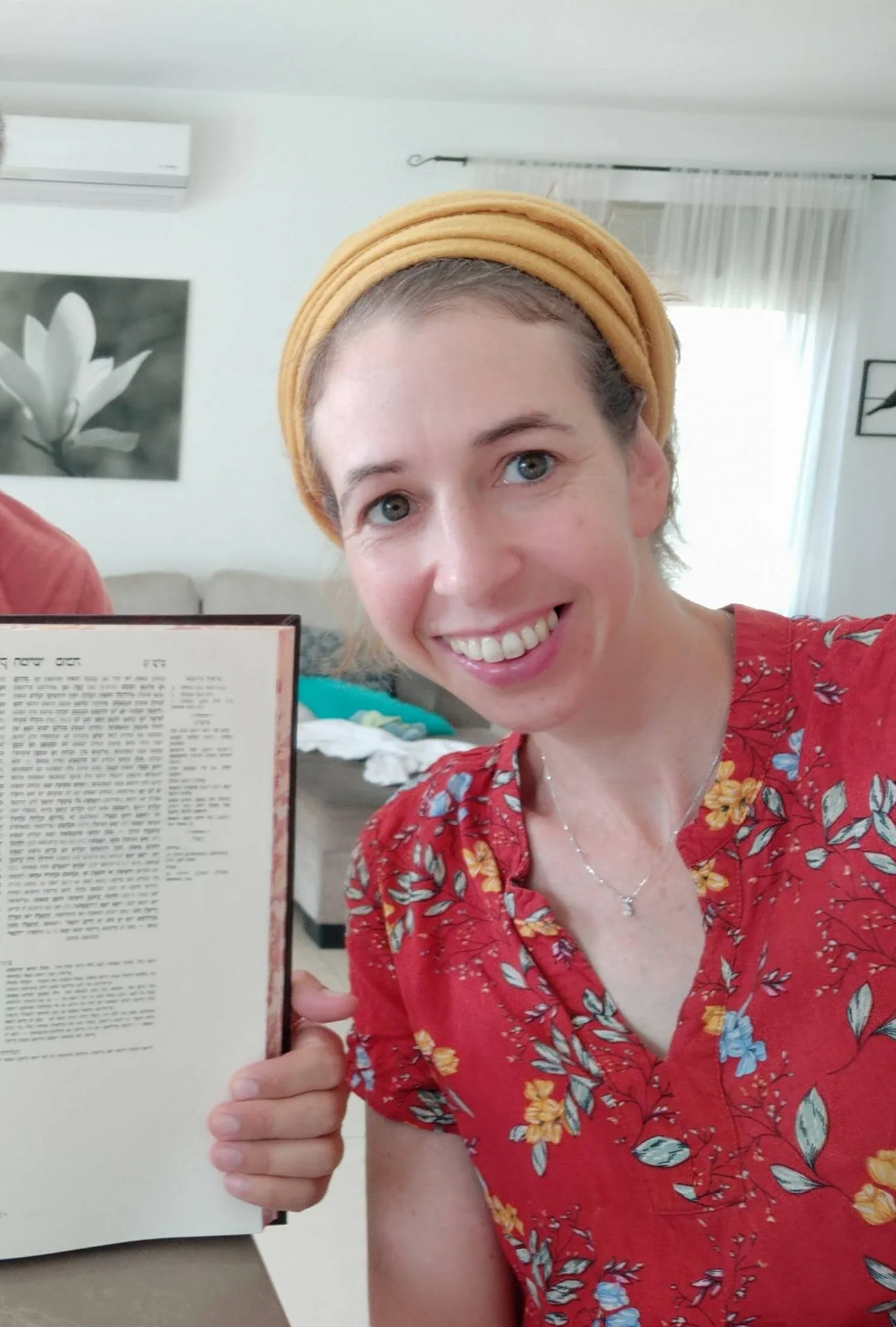
כמו שרואים בתמונה אני ממשיכה ללמוד גם היום ואפילו במחלקת יולדות אחרי לידת ביתי השלישית.

Noa Shiloh
נועה שילה

רבבה, ישראל

"
גם אני התחלתי בסבב הנוכחי וב””ה הצלחתי לסיים את רוב המסכתות . בזכות הרבנית מישל משתדלת לפתוח את היום בשיעור הזום בשעה 6:20 .הלימוד הפך להיות חלק משמעותי בחיי ויש ימים בהם אני מצליחה לחזור על הדף עם מלמדים נוספים ששיעוריהם נמצאים במרשתת. שמחה להיות חלק מקהילת לומדות ברחבי העולם. ובמיוחד לשמש דוגמה לנכדותיי שאי””ה יגדלו לדור שלימוד תורה לנשים יהיה משהו שבשגרה. "

Ronit Shavit
רונית שביט

נתניה, ישראל

התחלתי ללמוד לפני 4.5 שנים, כשהודיה חברה שלי פתחה קבוצת ווטסאפ ללימוד דף יומי בתחילת מסכת סנהדרין. מאז לימוד הדף נכנס לתוך היום-יום שלי והפך לאחד ממגדירי הזהות שלי ממש.

Rosenberg Foundation
קרן רוזנברג

ירושלים, ישראל

התחלתי ללמוד דף יומי כאשר קיבלתי במייל ממכון שטיינזלץ את הדפים הראשונים של מסכת ברכות במייל. קודם לא ידעתי איך לקרוא אותם עד שנתתי להם להדריך אותי. הסביבה שלי לא מודעת לעניין כי אני לא מדברת על כך בפומבי. למדתי מהדפים דברים חדשים, כמו הקשר בין המבנה של בית המקדש והמשכן לגופו של האדם (יומא מה, ע”א) והקשר שלו למשפט מפורסם שמופיע בספר ההינדי "בהגוד-גיתא”. מתברר שזה רעיון כלל עולמי ולא רק יהודי

Elena Arenburg
אלנה ארנבורג

נשר, ישראל

A friend in the SF Bay Area said in Dec 2019 that she might start listening on her morning drive to work. I mentioned to my husband and we decided to try the Daf when it began in Jan 2020 as part of our preparing to make Aliyah in the summer.

Hana Piotrkovsky
חנה פיוטרקובסקי

ירושלים, Israel

סיום השס לנשים נתן לי מוטביציה להתחיל ללמוד דף יומי. עד אז למדתי גמרא בשבתות ועשיתי כמה סיומים. אבל לימוד יומיומי זה שונה לגמרי ופתאום כל דבר שקורה בחיים מתקשר לדף היומי.

Fogel Foundation
קרן פוגל

רתמים, ישראל

בסוף הסבב הקודם ראיתי את השמחה הגדולה שבסיום הלימוד, בעלי סיים כבר בפעם השלישית וכמובן הסיום הנשי בבנייני האומה וחשבתי שאולי זו הזדמנות עבורי למשהו חדש.
למרות שאני שונה בסביבה שלי, מי ששומע על הלימוד שלי מפרגן מאוד.
אני מנסה ללמוד קצת בכל יום, גם אם לא את כל הדף ובסך הכל אני בדרך כלל עומדת בקצב.
הלימוד מעניק המון משמעות ליום יום ועושה סדר בלמוד תורה, שתמיד היה (ועדיין) שאיפה. אבל אין כמו קביעות

Racheli-Mendelson
רחלי מנדלסון

טל מנשה, ישראל

. לא תמיד נהניתי מלימוד גמרא כילדה.,בל כהתבגרתי התחלתי לאהוב את זה שוב. התחלתי ללמוד מסכת סוטה בדף היומי לפני כחמש עשרה שנה ואז הפסקתי.הגעתי לסיום הגדול של הדרן לפני שנתיים וזה נתן לי השראה. והתחלתי ללמוד למשך כמה ימים ואז היתה לי פריצת דיסק והפסקתי…עד אלול השנה. אז התחלתי עם מסכת ביצה וב”ה אני מצליחה לעמוד בקצב. המשפחה מאוד תומכת בי ויש כמה שגם לומדים את זה במקביל. אני אוהבת שיש עוגן כל יום.

Rebecca Darshan
רבקה דרשן

בית שמש, ישראל

הייתי לפני שנתיים בסיום הדרן נשים בבנייני האומה והחלטתי להתחיל. אפילו רק כמה דפים, אולי רק פרק, אולי רק מסכת… בינתיים סיימתי רבע שס ותכף את כל סדר מועד בה.
הסביבה תומכת ומפרגנת. אני בת יחידה עם ארבעה אחים שכולם לומדים דף יומי. מדי פעם אנחנו עושים סיומים יחד באירועים משפחתיים. ממש מרגש. מסכת שבת סיימנו כולנו יחד עם אבא שלנו!
אני שומעת כל יום פודקאסט בהליכה או בנסיעה ואחכ לומדת את הגמרא.

Edna Gross
עדנה גרוס

מרכז שפירא, ישראל

"
גם אני התחלתי בסבב הנוכחי וב””ה הצלחתי לסיים את רוב המסכתות . בזכות הרבנית מישל משתדלת לפתוח את היום בשיעור הזום בשעה 6:20 .הלימוד הפך להיות חלק משמעותי בחיי ויש ימים בהם אני מצליחה לחזור על הדף עם מלמדים נוספים ששיעוריהם נמצאים במרשתת. שמחה להיות חלק מקהילת לומדות ברחבי העולם. ובמיוחד לשמש דוגמה לנכדותיי שאי””ה יגדלו לדור שלימוד תורה לנשים יהיה משהו שבשגרה. "

Ronit Shavit
רונית שביט

נתניה, ישראל

אמא שלי למדה איתי ש”ס משנה, והתחילה ללמוד דף יומי. אני החלטתי שאני רוצה ללמוד גם. בהתחלה למדתי איתה, אח”כ הצטרפתי ללימוד דף יומי שהרב דני וינט מעביר לנוער בנים בעתניאל. במסכת עירובין עוד חברה הצטרפה אלי וכשהתחלנו פסחים הרב דני פתח לנו שעור דף יומי לבנות. מאז אנחנו לומדות איתו קבוע כל יום את הדף היומי (ובשבת אבא שלי מחליף אותו). אני נהנית מהלימוד, הוא מאתגר ומעניין

Renana Hellman
רננה הלמן

עתניאל, ישראל

התחלתי ללמוד דף יומי לפני שנתיים, עם מסכת שבת. בהתחלה ההתמדה היתה קשה אבל בזכות הקורונה והסגרים הצלחתי להדביק את הפערים בשבתות הארוכות, לסיים את מסכת שבת ולהמשיך עם המסכתות הבאות. עכשיו אני מסיימת בהתרגשות רבה את מסכת חגיגה וסדר מועד ומחכה לסדר הבא!

Ilana-Shachnowitz
אילנה שכנוביץ

מודיעין, ישראל

לצערי גדלתי בדור שבו לימוד גמרא לנשים לא היה דבר שבשגרה ושנים שאני חולמת להשלים את הפער הזה.. עד שלפני מספר שבועות, כמעט במקרה, נתקלתי במודעת פרסומת הקוראת להצטרף ללימוד מסכת תענית. כשקראתי את המודעה הרגשתי שהיא כאילו נכתבה עבורי – "תמיד חלמת ללמוד גמרא ולא ידעת איך להתחיל”, "בואי להתנסות במסכת קצרה וקלה” (רק היה חסר שהמודעה תיפתח במילים "מיכי שלום”..). קפצתי למים ו- ב”ה אני בדרך להגשמת החלום:)

Micah Kadosh
מיכי קדוש

מורשת, ישראל

התחלתי להשתתף בשיעור נשים פעם בשבוע, תכננתי ללמוד רק דפים בודדים, לא האמנתי שאצליח יותר מכך.
לאט לאט נשאבתי פנימה לעולם הלימוד .משתדלת ללמוד כל בוקר ומתחילה את היום בתחושה של מלאות ומתוך התכווננות נכונה יותר.
הלימוד של הדף היומי ממלא אותי בתחושה של חיבור עמוק לעם היהודי ולכל הלומדים בעבר ובהווה.

Neely Hayon
נילי חיון

אפרת, ישראל

A life-changing journey started with a Chanukah family tiyul to Zippori, home of the Sanhedrin 2 years ago and continued with the Syum in Binanei Hauma where I was awed by the energy of 3000 women dedicated to learning daf Yomi. Opening my morning daily with a fresh daf, I am excited with the new insights I find enriching my life and opening new and deeper horizons for me.

Becky Goldstein
בקי גולדשטיין

Elazar gush etzion, Israel

My explorations into Gemara started a few days into the present cycle. I binged learnt and become addicted. I’m fascinated by the rich "tapestry” of intertwined themes, connections between Masechtot, conversations between generations of Rabbanim and learners past and present all over the world. My life has acquired a golden thread, linking generations with our amazing heritage.
Thank you.

Susan Kasdan
סוזן כשדן

חשמונאים, Israel

התחלתי ללמוד דף לפני קצת יותר מ-5 שנים, כשלמדתי רבנות בישיבת מהר”ת בניו יורק. בדיעבד, עד אז, הייתי בלימוד הגמרא שלי כמו מישהו שאוסף חרוזים משרשרת שהתפזרה, פה משהו ושם משהו, ומאז נפתח עולם ומלואו…. הדף נותן לי לימוד בצורה מאורגנת, שיטתית, יום-יומית, ומלמד אותי לא רק ידע אלא את השפה ודרך החשיבה שלנו. לשמחתי, יש לי סביבה תומכת וההרגשה שלי היא כמו בציטוט שבחרתי: הדף משפיע לטובה על כל היום שלי.

Michal Kahana
מיכל כהנא

חיפה, ישראל

סיום השס לנשים נתן לי מוטביציה להתחיל ללמוד דף יומי. עד אז למדתי גמרא בשבתות ועשיתי כמה סיומים. אבל לימוד יומיומי זה שונה לגמרי ופתאום כל דבר שקורה בחיים מתקשר לדף היומי.

Fogel Foundation
קרן פוגל

רתמים, ישראל

התחלתי לפני 8 שנים במדרשה. לאחרונה סיימתי מסכת תענית בלמידה עצמית ועכשיו לקראת סיום מסכת מגילה.

Daniela Baruchim
דניאלה ברוכים

רעננה, ישראל

יבמות ה

תִּינַח לְתַנָּא דְּבֵי רַבִּי יִשְׁמָעֵאל. לְרַבָּנַן, מְנָא לְהוּ?

§ The Gemara comments: This works out well with regard to that which the school of Rabbi Yishmael taught, that all garments mentioned in the Torah are composed of linen or wool. However, according to the opinion of the Rabbis, who do not accept this opinion, from where do they derive the principle that a positive mitzva overrides a prohibition? As stated previously, the conclusion that the positive mitzva to place fringes on a garment overrides the prohibition against mixing linen and wool is derived from a free expression in a biblical verse; however, the expression is free for interpretation only in the opinion of the tanna from the school of Rabbi Yishmael.

נָפְקָא לְהוּ מֵ״רֹאשׁוֹ״. דְּתַנְיָא: ״רֹאשׁוֹ״ מָה תַּלְמוּד לוֹמַר? לְפִי שֶׁנֶּאֱמַר: ״לֹא תַקִּיפוּ (אֶת) פְּאַת רֹאשְׁכֶם״, שׁוֹמֵעַ אֲנִי אַף מְצוֹרָע כֵּן,

The Gemara responds: They derive it from the verse mentioned with regard to the halakhot of the purification of a leper from his leprosy [tzara’at]: “And it shall be on the seventh day, that he shall shave all his hair off his head and his beard and his eyebrows, even all his hair he shall shave off” (Leviticus 14:9). As it is taught in a baraita: Since it states “all his hair,” what is the meaning when the verse states “his head”? The baraita explains that as it is stated: “You shall not round the corners of your heads” (Leviticus 19:27), i.e., it is prohibited to shave the corners of the head, I would derive that even a leper is included in this prohibition.

תַּלְמוּד לוֹמַר: ״רֹאשׁוֹ״. וְקָא סָבַר הַאי תַּנָּא הַקָּפַת כׇּל הָרֹאשׁ שְׁמָהּ הַקָּפָה.

Therefore, the verse states explicitly: “His head,” to teach that the mitzva that a leper must shave overrides the prohibition against rounding the corners of one’s head by shaving. The Gemara adds: And this tanna holds that the shaving of the entire head is considered rounding. Some Sages maintain that one violates the prohibition against rounding the corners of his head only when he leaves some hair intact and removes the corners alone. Conversely, this tanna holds that even when one removes all of the hair on the head, as a leper does when he performs his ritual shaving, as this act includes the corners, he thereby transgresses the prohibition against rounding the corners. This demonstrates that a positive mitzva overrides a prohibition.

אִיכָּא לְמִיפְרַךְ: מָה לְלָאו דְּהַקָּפָה, שֶׁכֵּן לָאו שֶׁאֵין שָׁוֶה בַּכֹּל!

The Gemara raises an objection against that claim. This proof can be refuted: What about the fact that the prohibition against rounding is specific in that this prohibition is not equally applicable for all, as it does not apply to women, and therefore other cases cannot be derived from it? One cannot learn from this halakha that a positive mitzva that applies only to some people overrides even a prohibition that applies equally to all people.

אֶלָּא: אָתְיָא מִ״זְּקָנוֹ״. דְּתַנְיָא: ״זְקָנוֹ״ מָה תַּלְמוּד לוֹמַר? לְפִי שֶׁנֶּאֱמַר: ״וּפְאַת זְקָנָם לֹא יְגַלֵּחוּ״, שׁוֹמֵעַ אֲנִי אַף כֹּהֵן מְצוֹרָע כֵּן — תַּלְמוּד לוֹמַר ״זְקָנוֹ״.

Rather, the Gemara provides an alternative suggestion: The principle that a positive mitzva overrides a prohibition is derived from the superfluous phrase: “His beard” (Leviticus 14:9). As it is taught in a different baraita: What is the meaning when the verse states: “His beard”? After all, a beard is already included in the phrase: “All his hair.” The baraita answers: As it is stated with regard to priests: “Neither shall they shave off the corners of their beard” (Leviticus 21:5), I would derive that even a leper who is a priest is included in this prohibition against shaving his beard. Therefore, the verse states “his beard” in the case of a leper.

וְאִם אֵינוֹ עִנְיָן לְלָאו שֶׁאֵין שָׁוֶה בַּכֹּל, תְּנֵהוּ עִנְיָן לְלָאו הַשָּׁוֶה בַּכֹּל.

However, the shaving of one’s beard is also a prohibition that is not equally applicable for all, as it does not apply to women. Therefore, it is necessary to develop this argument further. And if this derivation from the term “his beard” is not referring to the matter of a prohibition that is not equally applicable for all, as the principle that a positive mitzva overrides a prohibition that does not apply equally for all has already been derived from the phrase “his head,” then the repetition of this specific scenario must serve to expand upon the teaching. Consequently, refer it to the matter of a prohibition that is equally applicable for all, i.e., that a positive mitzva that is not equally applicable for all overrides even prohibitions that apply equally to all people.

וְאַכַּתִּי אִיצְטְרִיךְ, סָלְקָא דַּעְתָּךְ אָמֵינָא: שָׁאנֵי כֹּהֲנִים, הוֹאִיל וְרִיבָּה בָּהֶן הַכָּתוּב מִצְוֹת יְתֵירוֹת, אֲפִילּוּ לָאו שֶׁאֵין שָׁוֶה בַּכֹּל לָא דָּחֵי, קָא מַשְׁמַע לַן דְּדָחֵי!

The Gemara rejects this proof: Still, it is necessary for the verse to state: “His beard.” This phrase is not in fact superfluous at all, as it has a novelty: It could enter your mind to say that priests are different; since the verse includes for them additional mitzvot it is appropriate to be more stringent with them, and therefore one might think that a positive mitzva should not even override a prohibition that is not equally applicable for all. Consequently, the verse states: “His beard,” and it thereby teaches us that even with regard to priests a positive mitzva overrides a prohibition that is not equally applicable for all. This means that the principle that a positive mitzva overrides even a prohibition that is equally applicable for all cannot be derived from here.

אֶלָּא, אָתְיָא מֵ״רֹאשׁוֹ״ דְּהָךְ תַּנָּא. דְּתַנְיָא: ״רֹאשׁוֹ״, מָה תַּלְמוּד לוֹמַר? לְפִי שֶׁנֶּאֱמַר ״תַּעַר לֹא יַעֲבוֹר עַל רֹאשׁוֹ״, שׁוֹמֵעַ אֲנִי אַף מְצוֹרָע וְנָזִיר כֵּן, תַּלְמוּד לוֹמַר: ״רֹאשׁוֹ״.

§ Rather, the Gemara rejects this line of reasoning in favor of an alternative answer. The principle that a positive mitzva overrides a prohibition is derived from a different interpretation of the phrase “his head,” cited by this tanna. As it is taught in a baraita with regard to the verse: “He shall shave all his hair off his head” (Leviticus 14:9); what is the meaning when the verse states: “His head”? The baraita explains: As it is stated with regard to a nazirite: “No razor shall come upon his head” (Numbers 6:5), I would derive that even a leper who is a nazirite is prohibited from shaving his head upon purification. Therefore, the verse states: “His head.” This teaches that the positive mitzva for a leper to shave overrides the prohibition of a nazirite.

אִיכָּא לְמִיפְרַךְ: מָה לְנָזִיר מְצוֹרָע שֶׁכֵּן יֶשְׁנוֹ בִּשְׁאֵלָה. דְּאִי לָא תֵּימָא הָכִי — הָא דְּקַיְימָא לַן דְּאֵין עֲשֵׂה דּוֹחֶה לֹא תַעֲשֶׂה וַעֲשֵׂה,

The Gemara responds that this proof can be refuted as well: What about the fact that the prohibition of a nazirite is not especially severe, as a leprous nazirite can request to have his nazirite vow dissolved by a Sage? Since he can nullify the prohibition against shaving, this prohibition is evidently not very severe, and therefore one cannot prove anything with regard to all of the prohibitions of the Torah from this case. The Gemara adds: As, if you do not say this, that the prohibitions of a nazirite are not as severe as other prohibitions, that halakhic ruling that we maintain that a positive mitzva does not override both a prohibition and a positive mitzva would be negated.

לִיגְמַר מִנָּזִיר! אֶלָּא, מִנָּזִיר מַאי טַעְמָא לָא גָּמְרִינַן, דְּאִיכָּא לְמִיפְרַךְ שֶׁכֵּן יֶשְׁנוֹ בִּשְׁאֵלָה. הָכִי נָמֵי אִיכָּא לְמִיפְרַךְ שֶׁכֵּן יֶשְׁנוֹ בִּשְׁאֵלָה.

The Gemara explains the previous claim: Let us derive the opposite of this principle from the case of a nazirite, as in this case the positive mitzva for a leper to shave apparently overrides both the positive mitzva for a nazirite to grow hair and the prohibition against shaving. Rather, what is the reason that we do not derive this principle from the case of a nazirite? The reason is that there is room to refute this proof in the aforementioned manner: One cannot learn from a nazirite, as a leprous nazirite can request to have his nazirite vow dissolved. So too, there is room to refute the proof from the halakha of a nazirite that a positive mitzva overrides a prohibition, as he can request to have his vow dissolved.

אֶלָּא, לְעוֹלָם

§ If so, no proof can be brought from the case of a nazirite. Rather, the Gemara offers a different explanation: Actually,

מִקְּרָא קַמָּא. אִם כֵּן, לֵימָא קְרָא: ״צִיצִית תַּעֲשֶׂה לָּךְ״, ״גְּדִילִים״ לְמָה לִי? שְׁמַע מִינַּהּ לְאַפְנוֹיֵי.

they learn this from the first verse, which permits a mixture of diverse kinds of wool and linen in ritual fringes. As for the previous claim that in the opinion of the Rabbis the phrase “wool and linen” is not superfluous and therefore there is no cause to derive from the juxtaposed verses, the answer is as follows: If so, that no homiletical interpretation can be derived from this source, let the verse say only: You shall make fringes for yourself. Why do I need the expression “twisted fringes” (Deuteronomy 22:12)? Conclude from this that this phrase is free, i.e., a homiletical interpretation can be derived by the juxtaposition of verses due to this superfluous phrase.

הַאי לְשִׁיעוּרָא הוּא דַּאֲתָא: גְּדִיל — ״שְׁנַיִם״, ״גְּדִילִים״ — אַרְבָּעָה: עֲשֵׂה גְּדִיל וּפוֹתְלֵהוּ מִתּוֹכוֹ!

The Gemara raises a difficulty: This term, “twisted fringes,” comes to teach the measure of ritual fringes, i.e., the requisite number of strings for the fringes, as it is taught: Twisted fringe, in the singular, indicates that it is entwined, which requires at least two strings. Consequently, when the verse says “twisted fringes” in the plural, it is referring to four strings. This means that one must prepare a twisted fringe and double it over from the middle, so that there are eight strings. Consequently, the term “twisted fringes” is not superfluous at all.

אִם כֵּן, לֵימָא קְרָא ״לֹא תִלְבַּשׁ שַׁעַטְנֵז״, ״צֶמֶר וּפִשְׁתִּים יַחְדָּו״ לְמָה לִי? שְׁמַע מִינַּהּ לְאַפְנוֹיֵי.

The Gemara responds: If so, that this phrase is not extraneous at all, and therefore it cannot be used as a homiletical interpretation by the juxtaposition of verses, let the verse say merely: You shall not wear diverse kinds [sha’atnez]. Why do I need the verse to add the phrase “wool and linen together”? Conclude from this that this phrase is free, and a homiletical interpretation can be derived from the juxtaposition of verses.

וְאַכַּתִּי מִיבְּעֵי לֵיהּ: לְתוֹכֵף שְׁתֵּי תְכִיפוֹת — חִיבּוּר, וּתְכִיפָה אַחַת — אֵינוֹ חִיבּוּר! אִם כֵּן, לִכְתּוֹב רַחֲמָנָא ״לֹא תִלְבַּשׁ צֶמֶר וּפִשְׁתִּים יַחְדָּו״, ״שַׁעַטְנֵז״ לְמָה לִי? שְׁמַע מִינַּהּ לְאַפְנוֹיֵי.

The Gemara raises a further difficulty: And still, it is necessary for the verse to state “wool and linen together” to teach another halakha concerning diverse kinds: When one combines a woolen garment with a linen garment, if he stitches two stitches with a needle, this is considered attachment, but a single stitch is not attachment. This halakha is derived from the term “together,” which indicates that they are attached as one. The Gemara answers: If so, let the Merciful One write: You shall not wear wool and linen together. Why do I need the verse to add the phrase “diverse kinds”? Conclude from this that this phrase is free.

וְאַכַּתִּי מִיבְּעֵי לֵיהּ, עַד שֶׁיְּהֵא שׁוּעַ טָווּי, וְנוּז! אֶלָּא: כּוּלַּהּ מִ״שַּׁעַטְנֵז״ נָפְקָא.

The Gemara comments: And still, it is necessary for the verse to state “diverse kinds [sha’atnez],” as this is interpreted as an acronym that teaches that the halakha of diverse kinds applies only when it is smooth combed [shoa], spun [tavui] as a thread, and attached [noz], but without these characteristics the connection is not considered diverse kinds. Rather, the Gemara explains that the entire interpretation is derived from the term “diverse kinds.” Since the Torah uses the highly distinctive word “sha’atnez,” in addition to functioning as the above acronym it serves as the source of the verbal analogy with the term in the verse: “Neither shall there come upon you a garment of diverse kinds [sha’atnez] mingled together” (Leviticus 19:19), from which it may be inferred that a positive mitzva overrides a prohibition.

אַשְׁכְּחַן דְּאָתֵי עֲשֵׂה וְדָחֵי לֹא תַעֲשֶׂה גְּרֵידָא, לֹא תַעֲשֶׂה שֶׁיֵּשׁ בּוֹ כָּרֵת — הֵיכָא אַשְׁכְּחַן דְּדָחֵי דְּאִיצְטְרִיךְ ״עָלֶיהָ״ לְמֵיסְרַהּ?

§ The Gemara returns to the issue of a mitzva overriding a prohibition: We have found that a positive mitzva overrides a regular prohibition. However, where do we find that a positive mitzva overrides a prohibition that includes karet, as the phrase “with her” is necessary to prohibit her? It was mentioned previously that the superfluous phrase “with her” teaches that the mitzva of levirate marriage does not override the prohibition against taking a wife’s sister. However, why is this necessary? Why would it have been assumed that a positive mitzva is so powerful that it overrides even a prohibition that is punishable by karet?

וְכִי תֵּימָא נֵילַף מִמִּילָּה: מָה לְמִילָה, שֶׁכֵּן נִכְרְתוּ עָלֶיהָ שְׁלֹשׁ עֶשְׂרֵה בְּרִיתוֹת!

And if you suggest an answer and say: Let us derive this claim from the mitzva of circumcision, as there is a positive mitzva to perform circumcision on the eighth day of the boy’s life even on Shabbat, and this mitzva overrides the prohibition against performing labor on Shabbat, which is punishable by karet, one could respond: What about the fact that circumcision is an extremely important and severe positive mitzva, as thirteen covenants were established over it? The term “covenant” is mentioned thirteen times in the chapter of circumcision (Genesis, chapter 17).

מִפֶּסַח: מָה לְפֶסַח שֶׁכֵּן כָּרֵת!

The Gemara adds: And if you say it is derived from the slaughter of the Paschal lamb, which overrides Shabbat and is therefore a positive mitzva that overrides a prohibition punishable by karet, this too can be rejected: What about the fact that the Paschal lamb is different, as it is a positive mitzva that is so severe that its neglect entails karet for those who do not bring it, unlike all other positive mitzvot?

מִתָּמִיד: מָה לְתָמִיד שֶׁכֵּן תָּדִיר!

The Gemara offers yet another suggestion: Perhaps it is derived from the daily offering, which was slaughtered every day, even on Shabbat. This is a positive mitzva that overrides the prohibition against performing labor on Shabbat, which is punishable by karet. The Gemara rejects this claim as well: What about the fact that the daily offering is special in that it is frequent? Since the mitzva of the daily offering is performed every day, it is perhaps especially important, whereas a positive mitzva that applies only at certain times might not be powerful enough to override a severe prohibition.

מֵחֲדָא לָא אָתְיָא, תֵּיתֵי מִתַּרְתֵּי: מֵהֵי תֵּיתֵי? מִמִּילָה וּפֶסַח — שֶׁכֵּן כָּרֵת! מִפֶּסַח וְתָמִיד — שֶׁכֵּן צוֹרֶךְ גָּבוֹהַּ.

The Gemara says: Clearly, the principle cannot be derived from any single one of these cases. However, let it be derived from two of these cases combined together, by analyzing their common features. The Gemara asks: From which two cases can it be derived? If one would say that it can be derived from circumcision and the Paschal lamb, the factor common to both is their particular severity, as their neglect entails karet. If one would seek to derive this from the Paschal lamb and the daily offering, these have a different common factor, as both are a requirement of the altar in the Temple, not for personal benefit.

מִמִּילָה וְתָמִיד — שֶׁכֵּן יֶשְׁנוֹ לִפְנֵי הַדִּבּוּר, וְאַלִּיבָּא דְּמַאן דְּאָמַר עוֹלָה שֶׁהִקְרִיבוּ יִשְׂרָאֵל בַּמִּדְבָּר — עוֹלַת תָּמִיד הֲוָה. וּמִכּוּלְּהוּ נָמֵי, שֶׁכֵּן יֶשְׁנָן לִפְנֵי הַדִּבּוּר!

Likewise, if one would suggest deriving the principle from circumcision and the daily offering, this too must be rejected, as both of these mitzvot were known by the Jewish people before the word of God was revealed at Mount Sinai. And this is according to the opinion of the one who said that the burnt-offering brought by the Jewish people in the desert was the daily offering. And moreover, from all of these together, i.e., circumcision, the Paschal lamb, and the daily offering, it is also not possible to derive a conclusion, as all three of these were known before the word of God was revealed. If so, no principle can be derived from these three mitzvot.

אֶלָּא, אִיצְטְרִיךְ. סָלְקָא דַּעְתָּךְ אָמֵינָא תֵּיתֵי מִכִּבּוּד אָב וָאֵם.

§ Rather, the Gemara suggests an alternative explanation: The inference from “with her” is necessary, as were it not for this inference it might be assumed that the mitzva of levirate marriage overrides the prohibition against marrying one’s wife’s sister despite the fact that this prohibition incurs karet, since it could enter your mind to say that this halakha is derived from the mitzva of honoring one’s father and mother.

דְּתַנְיָא: יָכוֹל יְהֵא כִּבּוּד אָב וָאֵם דּוֹחֶה שַׁבָּת — תַּלְמוּד לוֹמַר: ״אִישׁ אִמּוֹ וְאָבִיו תִּירָאוּ וְאֶת שַׁבְּתוֹתַי תִּשְׁמוֹרוּ״, כּוּלְּכֶם חַיָּיבִין בִּכְבוֹדִי.

As it is taught in a baraita: One might have thought that honoring one’s father and mother overrides Shabbat; therefore, the verse states: “You shall fear every man his mother and his father and you shall keep My Shabbatot, I am the Lord your God” (Leviticus 19:3). The baraita explains the derivation from the verse: All of you, both parent and child, are obligated in My honor, and therefore honoring one’s parents does not override the honor of God, Who commanded the Jewish people to observe Shabbat.

מַאי לָאו דַּאֲמַר לֵיהּ: שְׁחוֹט לִי, בַּשֵּׁל לִי, וְטַעְמָא דִּכְתַב רַחֲמָנָא ״אֶת שַׁבְּתוֹתַי תִּשְׁמוֹרוּ״, הָא לָאו הָכִי — דָּחֵי? לָא —

The Gemara analyzes this baraita: What, is it not referring to a situation where his father said to him: Slaughter for me, cook for me, or any other labor prohibited on Shabbat on pain of karet? And the reason that the Merciful One specifically writes: “Keep My Shabbatot,” is to warn against violating the prohibition against performing labor on Shabbat, a transgression which incurs karet, for the purpose of honoring one’s parents. It may therefore be inferred that if that was not so, the positive mitzva would override Shabbat. It is therefore possible to deduce from here that in general, positive mitzvot override even prohibitions that entail karet. The Gemara rejects this proof: No,

רוצה לעקוב אחרי התכנים ולהמשיך ללמוד?

ביצירת חשבון עוד היום ניתן לעקוב אחרי ההתקדמות שלך, לסמן מה למדת, ולעקוב אחרי השיעורים שמעניינים אותך.

לנקות את כל הפריטים מהרשימה?

פעולה זו תסיר את כל הפריטים בחלק זה כולל ההתקדמות וההיסטוריה. שימי לב: לא ניתן לשחזר פעולה זו.

ביטול
מחיקה

האם את/ה בטוח/ה שברצונך למחוק פריט זה?

תאבד/י את כל ההתקדמות או ההיסטוריה הקשורות לפריט זה.

ביטול
מחיקה