חיפוש

יבמות צא

רוצה להקדיש שיעור?

podcast placeholder

0:00
0:00


תקציר

המצגת בפורמט pdf

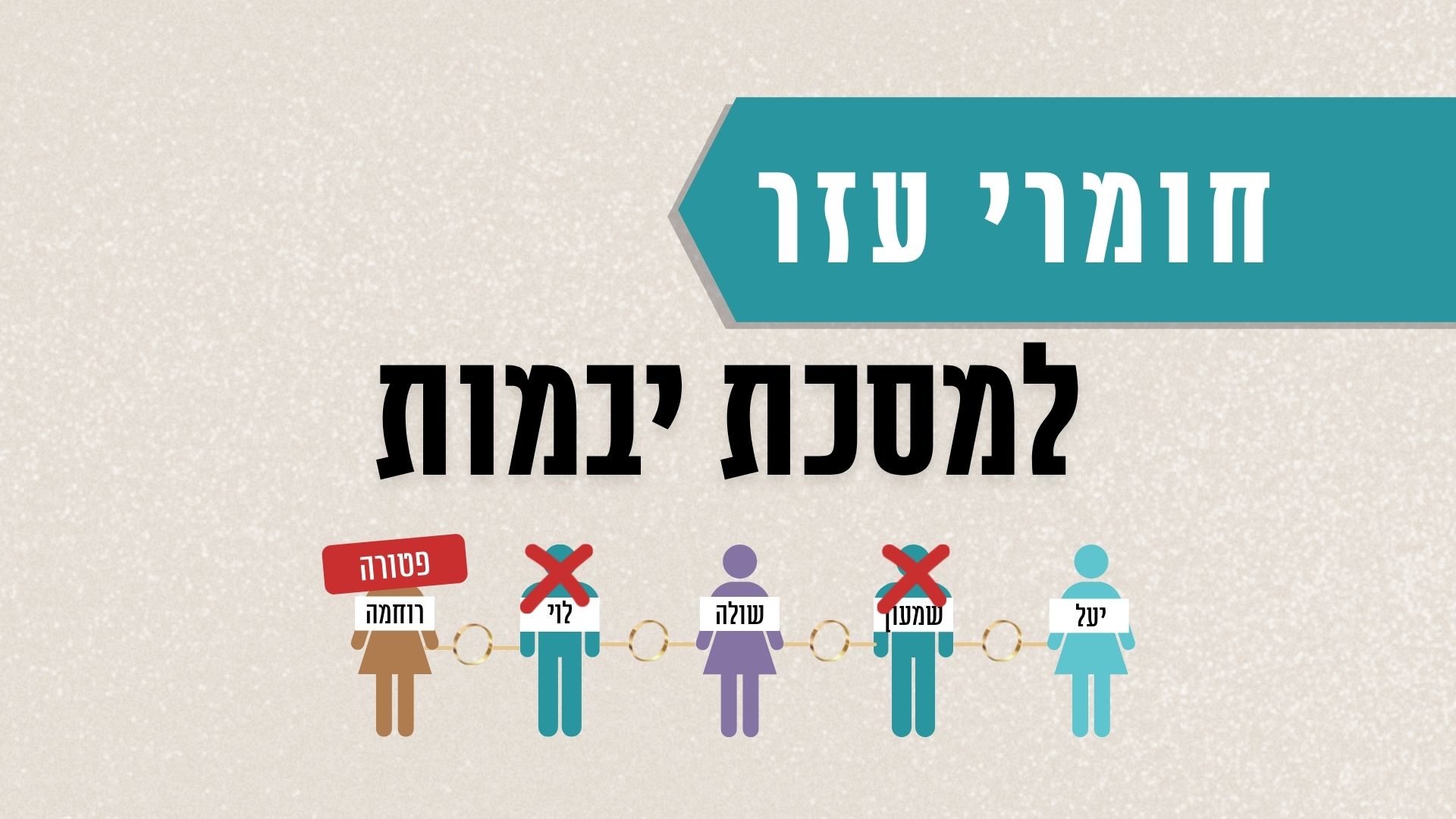
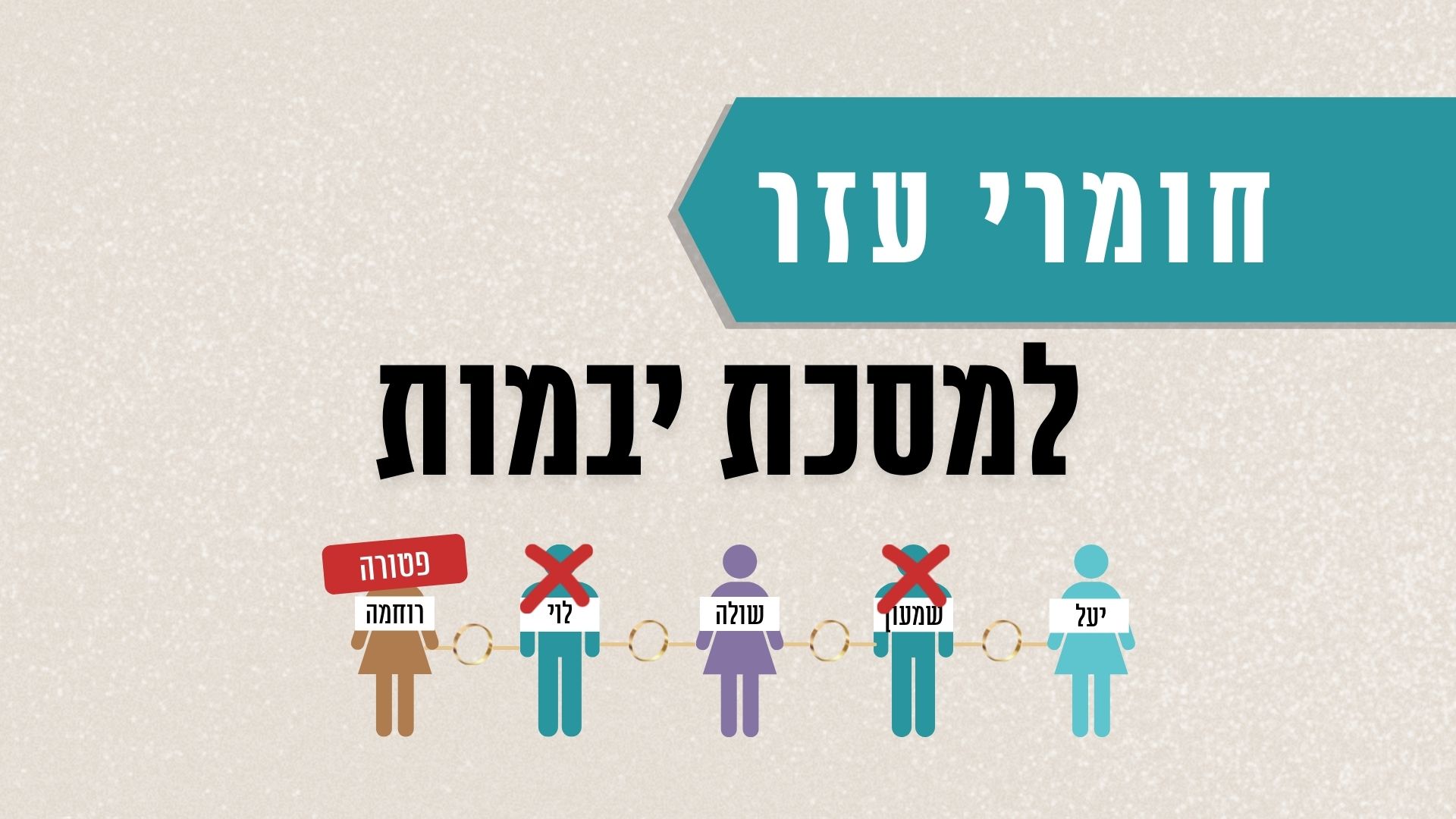
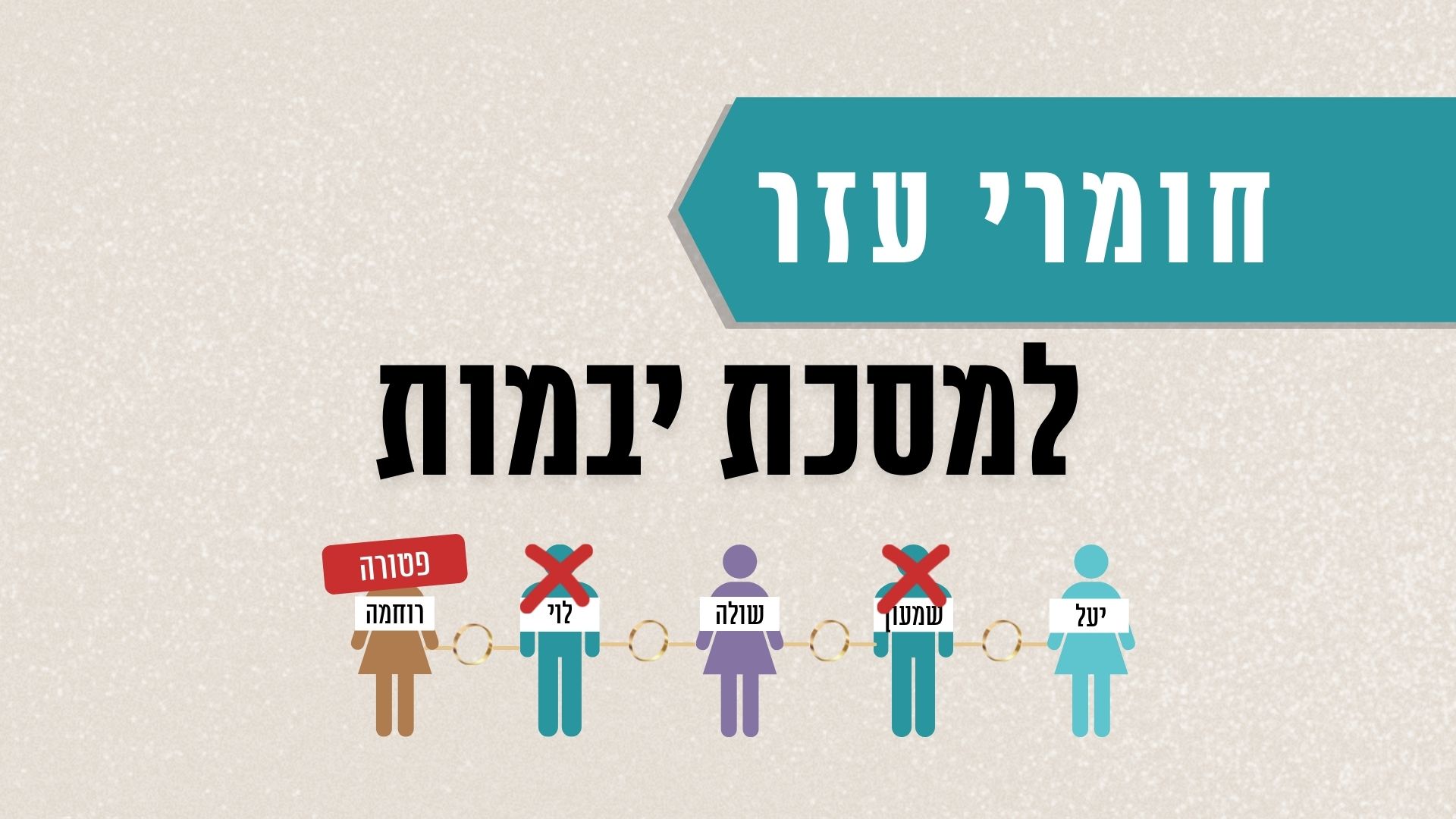
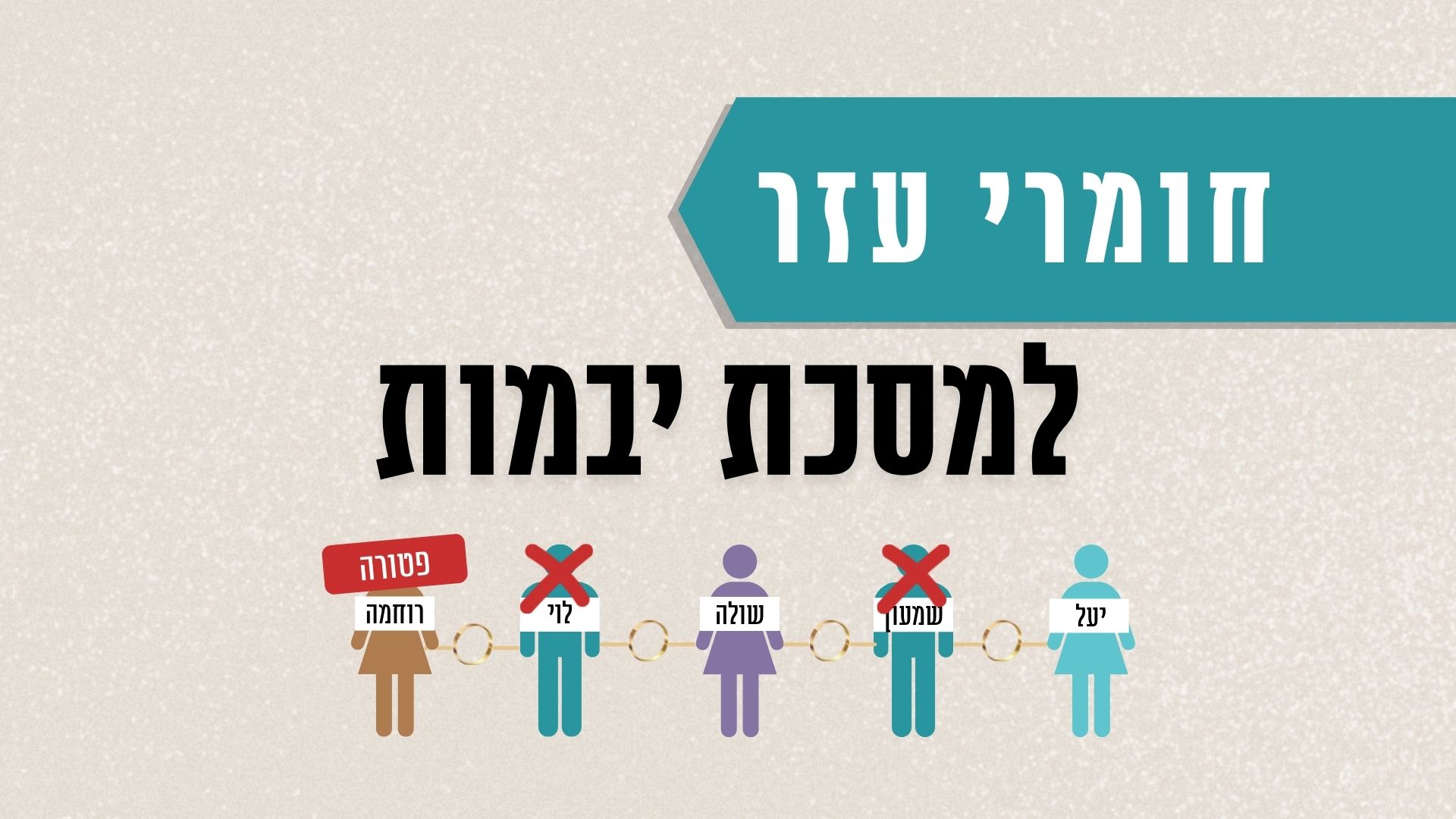
המשנה מנה כמה דעות שונות לגבי הקנסות לאישה שנישאה בשנית על סמך עדות של עד אחד. האם כל אחד מהם בונה על זה שלפניו או על זה שאחריו? מובאות שתי גישות שונות לכך. רב הונא אומר בשם רב שבמקרה של שני עדים שמעידים שהוא מת ובית הדין לא היה מעורב, ההלכה היא לפי המשנה שהיא יכולה להישאר נשואה לבעל הראשון. רב נחמן מוטרד מהאמירה הזו שכן היה צריך לומר "ההלכה כרבי שמעון” כיוון שהוא מניח שהמשנה משקפת את העמדה הזו והחכמים חולקים על כך. רב ששת מקשה את רב מאחר שלדעתו אין ויכוח כלל בנושא זה ולכן אינו מבין מדוע הרב אומר "ההלכה היא כך”. הוא מביא ברייתא לתמוך בטענתו שאין ויכוח, אולם הגמרא מביאה ארבע קריאות חלופיות של אותה ברייתא. עולא גם מעלה שאלה לגבי ההיגיון מאחורי עמדתו של רב ששת (האישה בבירור לא אשמה) משש משניות שונות שבהן קונסים את האישה. אולם לכל אחד מובאות הסברים שכן בכל מקור הייתה סיבה למה האשה אשמה.


יבמות צא

פְּשִׁיטָא! בַּת לֵוִי מִן הַמַּעֲשֵׂר אִיצְטְרִיכָא לֵיהּ.

The Gemara asks: It is obvious that she is disqualified, as she is a zona, a woman who has had sexual relations with a man forbidden to her by the Torah and with whom she cannot establish a marital bond. The Gemara answers: Since it was necessary for the tanna to mention the disqualification of a daughter of a Levite from partaking of the tithe, he added that an Israelite woman is likewise disqualified from marrying into the priesthood.

וּבַת לֵוִי מִן הַמַּעֲשֵׂר מִי מִיפַּסְלָא בִּזְנוּת? וְהָתַנְיָא: לְוִיָּה שֶׁנִּשְׁבֵּית, אוֹ שֶׁנִּבְעֲלָה בְּעִילַת זְנוּת — נוֹתְנִין לָהּ מַעֲשֵׂר וְאוֹכֶלֶת. אָמַר רַב שֵׁשֶׁת: קְנָסָא.

The Gemara asks: And a daughter of a Levite, is she disqualified from partaking of the tithe by licentiousness? But isn’t it taught in a baraita: In the case of a Levite woman who was captured, who may have had intercourse with one of her captors, or even in a case where a Levite woman definitely engaged in licentious sexual relations, we nevertheless give her first tithe and she may eat it? This indicates that an act of fornication does not disqualify a woman from partaking of the tithe. Rav Sheshet said: The disqualification is a penalty imposed by the Sages on this particular woman for not taking sufficient care, as she married without witness testimony as to her first husband’s death.

בַּת כֹּהֵן מִן הַתְּרוּמָה. אֲפִילּוּ בִּתְרוּמָה דְּרַבָּנַן.

§ The mishna further taught that the daughter of a priest in this situation is disqualified from partaking of teruma. The Gemara explains: This statement does not refer to teruma by Torah law, as it is obvious that she is prohibited to eat this produce. Rather, she is barred even from teruma that applies by rabbinic law.

וְאֵין יוֹרְשָׁיו שֶׁל זֶה וְיוֹרְשָׁיו שֶׁל זֶה יוֹרְשִׁין כְּתוּבָּתָהּ וְכוּ׳. כְּתוּבָּה מַאי עֲבִידְתַּהּ! אָמַר רַב פָּפָּא: כְּתוּבַּת בְּנִין דִּיכְרִין.

§ And the mishna also taught: Neither the heirs of this one nor the heirs of that one inherit her marriage contract. The Gemara asks: A marriage contract, what is its purpose; why mention the inheritance of a marriage contract after the mishna has just said that she is not entitled to the payment of a marriage contract at all? The Gemara answers: Rav Pappa said: This is referring to the marriage contract payment of the male sons. One of the conditions of a marriage contract is that any male children born to this woman who inherit from their father will receive the sum of her marriage contract in addition to their share of the inheritance with their other paternal brothers.

פְּשִׁיטָא! מַהוּ דְּתֵימָא: לְדִידַהּ דַּעֲבַדָא אִיסּוּרָא — קַנְסוּהָ רַבָּנַן, לְזַרְעַהּ לָא קְנַסוּ רַבָּנַן — קָא מַשְׁמַע לַן.

The Gemara asks: This is obvious. Since she does not have a claim for the payment of her marriage contract, she is not entitled to the other conditions of a marriage contract either. The Gemara answers: It is necessary. Lest you say that with regard to the woman herself, who committed a prohibition, the Sages penalized her, but with regard to her offspring the Sages did not penalize them, as they did nothing wrong, the tanna therefore teaches us that the entire marriage contract is canceled, along with all its conditions.

אָחִיו שֶׁל זֶה וְאָחִיו שֶׁל זֶה חוֹלְצִין וְלֹא מְיַיבְּמִין. אָחִיו שֶׁל רִאשׁוֹן חוֹלֵץ — מִדְּאוֹרָיְיתָא, וְלָא מְיַיבֵּם — מִדְּרַבָּנַן. אָחִיו שֶׁל שֵׁנִי חוֹלֵץ — מִדְּרַבָּנַן, וְלָא מְיַיבֵּם — לָא מִדְּאוֹרָיְיתָא וְלָא מִדְּרַבָּנַן.

§ The mishna further taught that the brothers of this one and the brothers of that one all perform ḥalitza, and they do not consummate levirate marriage. The Gemara explains: The brother of the first one performs ḥalitza by Torah law, as that woman is legally the wife of the first husband and therefore requires ḥalitza. But he does not consummate levirate marriage by rabbinic law, as the Sages penalized her and prohibited her from returning to the first husband. Conversely, the brother of the second one performs ḥalitza by rabbinic law, so that people do not say that a childless woman can leave her yavam without ḥalitza. But he does not consummate levirate marriage, neither by Torah law nor by rabbinic law, as her marriage to the second man was an error.

רַבִּי יוֹסֵי אוֹמֵר: כְּתוּבָּתָהּ עַל נִכְסֵי בַּעְלָהּ וְכוּ׳. אָמַר רַב הוּנָא: בָּתְרָאֵי מוֹדוּ לְקַמָּאֵי, קַמָּאֵי לָא מוֹדוּ לְבָתְרָאֵי.

§ The mishna taught: Rabbi Yosei says that the obligation of her marriage contract is upon the property of her first husband. Rav Huna said: The last Sages in the mishna, Rabbi Elazar and Rabbi Shimon, concede to the first ones, and merely add to their statement. However, the first ones do not concede to the last Sages. In other words, the second set of Sages extend the rulings of the first Sages beyond the cases to which they specifically referred.

רַבִּי שִׁמְעוֹן מוֹדֵי לֵיהּ לְרַבִּי אֶלְעָזָר: דְּמָה בִּיאָה דְּעִיקַּר אִיסּוּרָא — לָא קָנֵיס, וְכׇל שֶׁכֵּן מְצִיאָתָהּ וּמַעֲשֵׂה יָדֶיהָ — דְּמָמוֹנָא הוּא. וְרַבִּי אֶלְעָזָר לָא מוֹדֵי לֵיהּ לְרַבִּי שִׁמְעוֹן: מְצִיאָתָהּ וּמַעֲשֵׂה יָדֶיהָ דְּמָמוֹנָא הוּא — לָא קָנֵיס, אֲבָל בִּיאָה דְּאִיסּוּרָא הוּא — קָנֵיס.

The Gemara clarifies this statement: Rabbi Shimon concedes to Rabbi Elazar. How so? For if with regard to sexual relations, which is the main prohibition, Rabbi Shimon did not penalize her, as he claims that the intercourse of the yavam, her first husband’s brother, acquires her and exempts her rival wife, all the more so her first husband should be entitled to her found objects and her earnings, which are merely money. And yet Rabbi Elazar does not concede to Rabbi Shimon, as he claims that in the case of her found objects and her earnings, which are only money, the Sages did not penalize her, but with regard to sexual intercourse, which is a prohibition, they did penalize her.

וְתַרְוַיְיהוּ מוֹדוּ לֵיהּ לְרַבִּי יוֹסֵי: הָנֵי דְּיָתְבָא תּוּתֵיהּ לָא קָנֵיס, וְכׇל שֶׁכֵּן כְּתוּבָּה דִּלְמִשְׁקַל וּמִיפַּק קָאֵי. וְרַבִּי יוֹסֵי לָא מוֹדֵי לְהוּ, כְּתוּבָּה דִּלְמִשְׁקַל וּמִיפַּק — הוּא דְּלָא קָנֵיס, אֲבָל הָנֵי דְּיָתְבָא תּוּתֵיהּ — קָנֵיס.

And Rabbi Shimon and Rabbi Elazar both concede to Rabbi Yosei with regard to a marriage contract. If in the case of these matters discussed above, which are relevant when she is living under her husband’s authority and is treated as a married woman, the Sages did not penalize her, but allowed him to retain her found articles and earnings as though she were a full-fledged wife, all the more so they did not make her forfeit the marriage contract, which is designed for her to take and then leave the marriage. And by contrast, Rabbi Yosei does not concede to them. He maintains that in the case of a marriage contract, which is for her to take and leave, the Sages did not penalize her, but with regard to these other conditions, which take effect when she is still living under his authority, they did penalize her.

רַבִּי יוֹחָנָן אָמַר: קַמָּאֵי מוֹדוּ לְבָתְרָאֵי, בָּתְרָאֵי לָא מוֹדוּ לְקַמָּאֵי. רַבִּי יוֹסֵי מוֹדֵי לֵיהּ לְרַבִּי אֶלְעָזָר: כְּתוּבָּה, דְּמִדִּידֵיהּ לְדִידַהּ — לָא קָנֵיס, וְכׇל שֶׁכֵּן מְצִיאָתָהּ וּמַעֲשֵׂה יָדֶיהָ, דְּמִדִּידַהּ לְדִידֵיהּ.

In contrast to Rav Huna, Rabbi Yoḥanan said: The first Sages concede to the last ones, but the last ones do not concede to the first Sages. According to Rabbi Yoḥanan, the statements of the first Sages are more inclusive, whereas the second Sages restrict and limit the previous rulings. How so? Rabbi Yosei concedes to Rabbi Elazar, as he reasons as follows: If with regard to a marriage contract, which is given from him to her, the Sages did not penalize her, as Rabbi Yosei maintains that since she did not sin willfully she is entitled to her marriage contract, all the more so they did not enforce a penalty with regard to her found objects and her earnings, which are from her to him. The Sages certainly did not cause him to forfeit something he has the right to claim from her.

וְרַבִּי אֶלְעָזָר לָא מוֹדֵי לֵיהּ: מְצִיאָתָהּ וּמַעֲשֵׂה יָדֶיהָ הוּא דְּמִדִּידַהּ לְדִידֵיהּ — לָא קָנֵיס, אֲבָל כְּתוּבָה דְּמִדִּידֵיהּ לְדִידַהּ — קָנֵיס.

And Rabbi Elazar does not agree with Rabbi Yosei with regard to a marriage contract. He claims that it is concerning her found objects and her earnings, which are from her to him, that the Sages did not penalize her. However, as pertains to the marriage contract, which is from him to her, the Sages did penalize her, as a punishment.

וְתַרְוַיְיהוּ מוֹדוּ לֵיהּ לְרַבִּי שִׁמְעוֹן: וּמָה הָנֵי, דְּמֵחַיִּים — לָא קָנְסִי, בִּיאָה דִּלְאַחַר מִיתָה — לֹא כׇּל שֶׁכֵּן. וְרַבִּי שִׁמְעוֹן לָא מוֹדֵי לְהוּ: בִּיאָה הוּא דִּלְאַחַר מִיתָה לָא קָנֵיס, אֲבָל הָנֵי דְּמֵחַיִּים — קָנֵיס.

And Rabbi Yosei and Rabbi Elazar both concede to Rabbi Shimon, for the following reason: And if with regard to these, i.e., her found objects and earnings or her marriage contract, which are given in his lifetime, the Sages did not penalize her, then with regard to the sexual relations of the yavam, which occur after the death of the husband, is it not all the more so that they should not penalize her, and she should remain permitted? And Rabbi Shimon does not concede to them, as it is only in the case of sexual relations, which occur after his death, that the Sages did not penalize her. However, with regard to these other matters, which apply during the husband’s lifetime, the Sages did penalize her by depriving her of them.

נִשֵּׂאת שֶׁלֹּא בִּרְשׁוּת וְכוּ׳. אָמַר רַב הוּנָא אֲמַר רַב: הָכִי הִלְכְתָא. אֲמַר לֵיהּ רַב נַחְמָן: גַּנָּבָא גַּנּוֹבֵי לְמָה לָךְ? אִי סְבִירָא לָךְ כְּרַבִּי שִׁמְעוֹן, אֵימָא: הֲלָכָה כְּרַבִּי שִׁמְעוֹן, דִּשְׁמַעְתָּיךְ כְּרַבִּי שִׁמְעוֹן קָאָזְלָה.

§ The mishna taught that if she married without the consent of the court she is permitted to return to her first husband. Rav Huna said that Rav said: This is the halakha. Rav Naḥman said to him: Why do you steal in, i.e., why do you state your opinion in a sneaky manner? If you maintain in accordance with the opinion of Rabbi Shimon, then you should explicitly say: The halakha is in accordance with the opinion of Rabbi Shimon, as your halakha follows the opinion of Rabbi Shimon.

וְכִי תֵּימָא: אִי אָמֵינָא הֲלָכָה כְּרַבִּי שִׁמְעוֹן — מַשְׁמַע אֲפִילּוּ בְּקַמַּיְיתָא, אֵימָא: הֲלָכָה כְּרַבִּי שִׁמְעוֹן בָּאַחֲרוֹנָה! קַשְׁיָא.

And lest you say: If I were to say that the halakha is in accordance with the opinion of Rabbi Shimon, that would erroneously indicate that I agree with him even with regard to the first case, that of a married woman who married another on the basis of one witness. If so, you should say the following: The halakha is in accordance with the opinion of Rabbi Shimon with regard to the last case. The Gemara comments: Indeed, the question of why Rav Huna did not state his ruling in this manner is difficult.

אָמַר רַב שֵׁשֶׁת: אָמֵינָא, כִּי נָיֵים וְשָׁכֵיב רַב אַמְרַהּ לְהָא שְׁמַעְתְּתָא. הֲלָכָה מִכְּלָל דִּפְלִיגִי, מַאי הֲוָה לַהּ לְמִיעְבַּד — מֵיאנָס אֲנִיסָה?

§ Rav Sheshet said: I say that when Rav dozed and was falling asleep he said this halakha. In other words, Rav did not examine the matter carefully, as this ruling is unnecessary. Rav Sheshet explains: From the fact that Rav declared a ruling of halakha, it may be inferred that others disagree with this opinion. However, there is actually no dispute here, as what could she have done? It is as though he raped her. Since she received the testimony of witnesses that her husband was dead, she had no reason to refrain from remarrying. Her actions cannot be considered willing, as why should she refrain from marrying after receiving the testimony of witnesses that her husband was dead? Her lack of knowledge in this matter renders this case analogous to a rape. And as is well known, a woman who was raped is permitted to return to her husband.

וְעוֹד תַּנְיָא: כׇּל עֲרָיוֹת שֶׁבַּתּוֹרָה אֵין צְרִיכוֹת הֵימֶנּוּ גֵּט, חוּץ מֵאֵשֶׁת אִישׁ שֶׁנִּיסֵּת עַל פִּי בֵּית דִּין. עַל פִּי בֵּית דִּין הוּא דְּבָעֲיָא גִּיטָּא, עַל פִּי עֵדִים לָא בָּעֲיָא גִּיטָּא.

And it was further taught in a baraita: Any of those with whom relations are forbidden by Torah law do not require a bill of divorce to dissolve a union, except for a married woman who remarried by permission of the court. The Gemara infers: It is only a woman who married by permission of the court who requires a bill of divorce, but if she married based on testimony of witnesses she does not require a bill of divorce.

מַנִּי? אִילֵימָא רַבִּי שִׁמְעוֹן, עַל פִּי בֵּית דִּין מִי בָּעֲיָא גֵּט? וְהָתַנְיָא, רַבִּי שִׁמְעוֹן אוֹמֵר: עָשׂוּ בֵּית דִּין בְּהוֹרָאָתָן — כִּזְדוֹן אִישׁ בְּאִשָּׁה. עַל פִּי עֵדִים — כְּשִׁגְגַת אִישׁ בְּאִשָּׁה. אִידֵּי וְאִידִי לָא בָּעֲיָא גֵּט.

The Gemara further inquires: Who is the author of this baraita? If we say it is Rabbi Shimon, in his opinion does a woman who married by permission of the court require a bill of divorce from the second man? But isn’t it taught in a baraita that Rabbi Shimon says: If the court acted merely in accordance with their own instruction when they permitted a woman to remarry and her husband later arrived, it is as though this remarriage were a willful act of a man with a woman, and she is penalized like an intentional adulteress. Conversely, if she married based on testimony of witnesses, it is considered like an unwitting act of a man with a woman. Either way, neither in this case nor in that one, i.e., whether the marriage was in accordance with a decision of the court or based on witness testimony, does she require a bill of divorce, as a woman who committed adultery, whether unwittingly or intentionally, does not require a bill of divorce from the adulterer.

אֶלָּא לָאו רַבָּנַן הִיא.

Rather, is it not the case that this baraita, which states that a woman who engaged in forbidden relations, including one who married based on witnesses, does not require a bill of divorce, is in accordance with the opinion of the Rabbis? But if so, there was no need to issue a ruling to this effect, as everyone agrees that the halakha follows the majority opinion.

לְעוֹלָם רַבִּי שִׁמְעוֹן הִיא, וְתָרֵיץ הָכִי: רַבִּי שִׁמְעוֹן אוֹמֵר: עָשׂוּ בֵּית דִּין בְּהוֹרָאָתָן — כְּכַוּוֹנַת אִישׁ בְּאִשָּׁה [וּבָעֲיָא גֵּט], עַל פִּי עֵדִים — כְּשֶׁלֹּא בְּכַוּוֹנַת אִישׁ בְּאִשָּׁה [וְלֹא בָּעֲיָא גֵּט].

The Gemara refutes this suggestion: Actually, the baraita is in accordance with the opinion of Rabbi Shimon, and you should answer the difficulty as follows: Rabbi Shimon says that if the court acted in accordance with their own instruction, it is as though there was the intention of a man with a woman, i.e., as though the man had relations with the woman for the purpose of marriage, and therefore she requires a bill of divorce from him. Conversely, if she married based on testimony of witnesses they considered it as though there was no intention of a man with a woman, as he had relations with her without the intention of marriage, and in that case she does not require a bill of divorce.

רַב אָשֵׁי אָמַר, לְעִנְיַן אִיסּוּרָא קָתָנֵי, וְהָכִי קָאָמַר: עָשׂוּ בֵּית דִּין בְּהוֹרָאָתָן — כִּזְדוֹן אִישׁ בְּאִשָּׁה, וּמִיתַּסְרָא עַל בַּעְלַהּ. עַל פִּי עֵדִים — כְּשִׁגְגַת אִישׁ בְּאִשָּׁה, וְלָא מִיתַּסְרָא עַל בַּעְלַהּ.

Rav Ashi said that there is no difficulty here at all, as Rabbi Shimon’s statement should be explained differently. In fact, Rabbi Shimon taught his ruling with regard to the prohibition involved, not the issue of a bill of divorce, and this is what he said: If the court acted in accordance with their own instruction, it is as though this was a willful act of a man with a woman, and she is therefore forbidden to her husband like a woman who intentionally engaged in relations with another man. However, if she married based on testimony of witnesses, they considered it as though it was an unwitting act of a man with a woman, and she is not forbidden to her husband.

רָבִינָא אָמַר, לְעִנְיַן קׇרְבָּן קָתָנֵי: עָשׂוּ בֵּית דִּין בְּהוֹרָאָתָן — כִּזְדוֹן אִישׁ בָּאִשָּׁה, וְלָא מַתְיָא קׇרְבָּן. עַל פִּי עֵדִים — כְּשִׁגְגַת אִישׁ בְּאִשָּׁה, וּמַתְיָא קׇרְבָּן.

Ravina said that this baraita is taught with regard to an offering, and it should be explained as follows: If the court acted in accordance with their own instruction, it is as though this was a willful act of a man with a woman, and she therefore does not bring an offering, as an individual who followed the ruling of the court is exempt from bringing an offering (see Horayot 2a–b). If she married based on testimony of witnesses, it is considered as though this was an unwitting act of a man with a woman, and therefore she brings an offering.

וְאִיבָּעֵית אֵימָא: הָא קַמַּיְיתָא — רַבָּנַן הִיא, וְתָרֵיץ הָכִי: חוּץ מֵאֵשֶׁת אִישׁ, וְשֶׁנִּיסֵּת עַל פִּי בֵּית דִּין.

And if you wish, say and refute Rav Sheshet’s difficulty in the following manner: This first baraita, which exempts forbidden women from a bill of divorce, is the opinion of the Rabbis, who prohibit a woman in this situation to her husband, even if she had married another based on witnesses. And you should answer the difficulty by reading the relevant clause of the baraita as follows: Apart from a married woman who married on the basis of witness testimony, and this includes one who married by permission of the court, as she too requires a bill of divorce.

מֵתִיב עוּלָּא: מִי אָמְרִינַן מַאי הֲוָה לַהּ לְמִיעְבַּד? וְהָתְנַן: כָּתַב לְשֵׁם מַלְכוּת שֶׁאֵינָהּ הוֹגֶנֶת, לְשֵׁם מַלְכוּת מָדַי, לְשֵׁם מַלְכוּת יָוָן, לְבִנְיַן הַבַּיִת, לְחוּרְבַּן הַבַּיִת, הָיָה בַּמִּזְרָח וְכָתַב בַּמַּעֲרָב, בַּמַּעֲרָב וְכָתַב בַּמִּזְרָח —

§ Ulla raised an objection against Rav Sheshet’s reasoning: Do we say this justification: What could she have done? Is a woman considered to have acted under duress when she had no way to avoid sin? But didn’t we learn in a mishna (Gittin 79b): If a man wrote a bill of divorce and dated it according to a kingdom that is not suitable [hogenet], i.e., one that does not reign over their place of residence; or according to the kingdom of Media or according to the kingdom of Greece, which are no longer in existence; or if he dated it according to the building of the Temple or according to the destruction of the Temple; and similarly if the bill of divorce was given in the east and he wrote in it a place in the west, or in the west and he wrote a place in the east, this bill of divorce is invalid.

תֵּצֵא מִזֶּה וּמִזֶּה, וְכׇל הַדְּרָכִים הָאֵלּוּ בָּהּ. וְאַמַּאי? לֵימָא: מַאי הֲוָה לַהּ לְמִיעְבַּד! אִיבְּעִי לַהּ לְאַקְרוֹיֵי לְגִיטָּא.

Consequently, if she married another man she must leave this one and that one, both the one who gave her the bill of divorce and the new husband. And all these matters mentioned in the mishna here, the penalties imposed on a married woman who remarried unlawfully, apply to her. The Gemara asks: But why? Let us say: What could she have done. She acted under duress, as she married again only because she thought the bill of divorce was valid. The Gemara answers: This woman did not act under duress, as she should have had the bill of divorce read by a scholar, who would have told her that it was invalid.

אָמַר רַב שִׁימִי בַּר אָשֵׁי, תָּא שְׁמַע: הַכּוֹנֵס אֶת יְבִמְתּוֹ וְהָלְכָה צָרָתָהּ וְנִשֵּׂאת, וְנִמְצֵאת זוֹ אַיְלוֹנִית — תֵּצֵא מִזֶּה וּמִזֶּה, וְכׇל הַדְּרָכִים הָאֵלּוּ בָּהּ. וְאַמַּאי? נֵימָא: מַאי הֲוָה לַהּ לְמִיעְבַּד? אִיבְּעִי לַהּ לְאַמְתּוֹנֵי.

Rav Shimi bar Ashi said: Come and hear a different proof. With regard to one who married his yevama, and the rival wife of the yevama went and married someone else, and this yevama was later discovered to be a sexually underdeveloped woman, which means that she was never eligible for levirate marriage and therefore her act of intercourse did not exempt her rival wife from levirate marriage, the rival wife must leave this one and that one, i.e., her husband must give her a bill of divorce and she may not marry the yavam, and all these matters apply to her. But why? Again, let us say: What could she have done. The Gemara answers: This is no proof, as she should have waited until it was clearly established that the other wife was not a sexually underdeveloped woman.

אָמַר אַבָּיֵי, תָּא שְׁמַע: כׇּל עֲרָיוֹת שֶׁאָמְרוּ פּוֹטְרוֹת צָרוֹתֵיהֶן, הָלְכוּ צָרוֹת וְנִישְּׂאוּ וְנִמְצְאוּ אֵלּוּ אַיְלוֹנִיּוֹת — תֵּצֵא מִזֶּה וּמִזֶּה, וְכׇל הַדְּרָכִים הָאֵלּוּ בָּהּ. וְאַמַּאי? נֵימָא: מַאי הֲוָה לַהּ לְמִיעְבַּד? אִיבְּעִי לַהּ לְאַמְתּוֹנֵי.

Abaye said: Come and hear: With regard to all those with whom relations are forbidden, with regard to whom the Sages said that they exempt their rival wives, if these rival wives went and married, and one of these forbidden women was discovered to be a sexually underdeveloped woman, which means that the obligation of levirate marriage did not apply to her at all, and it was the rival wives who should have performed levirate marriage, the rival wife must leave both this and that, and all these matters apply to her. But why? Let us say: What could she have done. The Gemara answers as before: She should have waited.

אָמַר רָבָא, תָּא שְׁמַע: כָּתַב סוֹפֵר גֵּט לָאִישׁ וְשׁוֹבָר לָאִשָּׁה, וְטָעָה וְנָתַן גֵּט לָאִשָּׁה וְשׁוֹבָר לָאִישׁ, וְנָתְנוּ זֶה לָזֶה וְזֶה לָזֶה,

Rava said: Come and hear: A scribe wrote a bill of divorce for the man and a receipt for the woman, so that the man should give the bill of divorce to his wife and she should give him the receipt upon his delivery of the marriage contract. And the scribe erred and gave the bill of divorce to the woman and the receipt to the man, leaving them with the mistaken impression that he had the bill of divorce and she the receipt, and they gave each other the documents, this one to that one and that one to this one.

וּלְאַחַר זְמַן הֲרֵי הַגֵּט יוֹצֵא מִתַּחַת יְדֵי הָאִישׁ, וְשׁוֹבָר מִתַּחַת יְדֵי הָאִשָּׁה — תֵּצֵא מִזֶּה וּמִזֶּה, וְכׇל הַדְּרָכִים הָאֵלּוּ בָּהּ. וְאַמַּאי? נֵימָא: מַאי הֲוָה לַהּ לְמֶיעְבַּד! אִיבְּעִי לַהּ לְאַקְרוֹיֵי לְגִיטָּא.

And after a while it became clear that the bill of divorce is in the man’s possession and the receipt in the woman’s possession, and no act of divorce had been performed at all. If the woman had married someone else in the meantime she must leave both this one and that one, and all these matters apply to her. But why? Let us say: What could she have done. The Gemara answers: Here too, she should have had the bill of divorce read by an expert.

אָמַר רַב אָשֵׁי, תָּא שְׁמַע: שִׁינָּה שְׁמוֹ וּשְׁמָהּ, שֵׁם עִירוֹ וְשֵׁם עִירָהּ — תֵּצֵא מִזֶּה וּמִזֶּה, וְכׇל הַדְּרָכִים הָאֵלּוּ בָּהּ. וְאַמַּאי? נֵימָא: מַאי הֲוָה לַהּ לְמִיעְבַּד! אִיבְּעִי לַהּ לְאַקְרוֹיֵי לְגִיטָּא.

Rav Ashi said: Come and hear: If a man changed his name, or his wife’s name, or the name of his city, or the name of her city, and she remarried, she must leave both this one and that one, and all these matters apply to her. But why? Let us say: What could she have done. The Gemara answers: Once again, she should have had the bill of divorce read by a scholar.

אָמַר רָבִינָא, תָּא שְׁמַע: כְּנָסָהּ בְּגֵט קֵרֵחַ תֵּצֵא מִזֶּה וּמִזֶּה כּוּ׳ — אִיבְּעִי לַהּ לְאַקְרוֹיֵי לְגִיטָּא.

Ravina said: Come and hear: A man married a woman on the basis that she was divorced. However, she had actually received a bare bill of divorce, i.e., missing a signature. This is referring to a special type of bill of divorce, one that was folded and sewn up. It requires as many witnesses as the number of lines it contains. If a bill of divorce of this kind does not have enough witnesses, it is invalid. In the case of the baraita, if this woman married another man after receiving this bill of divorce, she must leave both this one and this one, and all these penalties apply to her. Again, the question is: What could she have done? The Gemara answers, as before: She should have had the bill of divorce read by someone who could have told her it was invalid.

רַב פָּפָּא סָבַר לְמִיעְבַּד עוֹבָדָא בְּמַאי הֲוָה לַהּ לְמִיעְבַּד. אֲמַר לֵיהּ רַב הוּנָא בְּרֵיהּ דְּרַב יְהוֹשֻׁעַ לְרַב פָּפָּא: וְהָתַנְיָא כׇּל הָנֵי מַתְנְיָיתָא!

The Gemara relates: Rav Pappa thought to take action and permit a woman to return to her husband based on the rationale: What could she have done. In a case where she had no means of clarifying the matter, he ruled that she should be considered to have acted under duress. Rav Huna, son of Rav Yehoshua, said to Rav Pappa: But isn’t it taught repeatedly in all these mishnayot that this argument is not accepted?

אֲמַר לֵיהּ: וְלָאו שַׁנִּינְהוּ! אֲמַר לֵיהּ: וְאַשִּׁינּוּיֵי לֵיקוּ וְלִיסְמוֹךְ! (וּפְסַק).

Rav Pappa said to Rav Huna, son of Rav Yehoshua: And did we not resolve these mishnayot, by explaining that in those particular cases she did have the option of clarifying the matter? He said to him: And shall we stand and rely on answers? Admittedly, we found some way of resolving these questions, but the accumulation of difficulties indicates that the rationale: What could she have done, is unacceptable. And indeed, Rav Pappa ceased to follow his original intention and did not issue a lenient ruling.

אָמַר רַב אָשֵׁי, וּלְקָלָא לָא חָיְישִׁינַן. הֵי קָלָא? אִילֵּימָא קָלָא דְּבָתַר נִשּׂוּאִין — הָא אַמְרַהּ רַב אָשֵׁי חֲדָא זִימְנָא, דְּאָמַר רַב אָשֵׁי:

§ The Gemara discusses the case of the mishna from another perspective. Rav Ashi said: And we are not concerned about a rumor. In other words, if there was an unsubstantiated rumor that the husband was alive, the court takes no notice of it. The Gemara asks: Which kind of rumor does he mean? If we say that this is referring to a rumor that spread after the marriage of this woman to another man, Rav Ashi has already said this once, as Rav Ashi said:

העמקה

רוצה להבין מה באמת קורה מתחת לפני השטח של הסוגיה?
שיעורים, פודקאסטים והרחבות של מיטב המורות שלנו יפתחו לך עוד זוויות וכיווני חשיבה.

לשיעורי עוד על הדף באנגלית, לחצי כאן

חדשה בלימוד הגמרא?

זה הדף הראשון שלך? איזו התרגשות עצומה! יש לנו בדיוק את התכנים והכלים שיעזרו לך לעשות את הצעדים הראשונים ללמידה בקצב וברמה שלך, כך תוכלי להרגיש בנוח גם בתוך הסוגיות המורכבות ומאתגרות.

פסיפס הלומדות שלנו

גלי את קהילת הלומדות שלנו, מגוון נשים, רקעים וסיפורים. כולן חלק מתנועה ומסע מרגש ועוצמתי.

ראיתי את הסיום הגדול בבנייני האומה וכל כך התרשמתי ורציתי לקחת חלק.. אבל לקח לי עוד כשנה וחצי )באמצע מסיכת שבת להצטרף..
הלימוד חשוב לי מאוד.. אני תמיד במרדף אחרי הדף וגונבת כל פעם חצי דף כשהילדים עסוקים ומשלימה אח”כ אחרי שכולם הלכו לישון..

Olga Mizrahi
אולגה מזרחי

ירושלים, ישראל

לצערי גדלתי בדור שבו לימוד גמרא לנשים לא היה דבר שבשגרה ושנים שאני חולמת להשלים את הפער הזה.. עד שלפני מספר שבועות, כמעט במקרה, נתקלתי במודעת פרסומת הקוראת להצטרף ללימוד מסכת תענית. כשקראתי את המודעה הרגשתי שהיא כאילו נכתבה עבורי – "תמיד חלמת ללמוד גמרא ולא ידעת איך להתחיל”, "בואי להתנסות במסכת קצרה וקלה” (רק היה חסר שהמודעה תיפתח במילים "מיכי שלום”..). קפצתי למים ו- ב”ה אני בדרך להגשמת החלום:)

Micah Kadosh
מיכי קדוש

מורשת, ישראל

התחלתי בסיום הש”ס, יצאתי באורות. נשברתי פעמיים, ובשתיהם הרבנית מישל עודדה להמשיך איפה שכולם בסבב ולהשלים כשאוכל, וכך עשיתי וכיום השלמתי הכל. מדהים אותי שאני לומדת כל יום קצת, אפילו בחדר הלידה, בבידוד או בחו”ל. לאט לאט יותר נינוחה בסוגיות. לא כולם מבינים את הרצון, בפרט כפמניסטית. חשה סיפוק גדול להכיר את המושגים וצורת החשיבה. החלום זה להמשיך ולהתמיד ובמקביל ללמוד איך מהסוגיות נוצרה והתפתחה ההלכה.

Weingarten Sherrington Foundation
קרן וינגרטן שרינגטון

מודיעין, ישראל

בתחילת הסבב הנוכחי של לימוד הדף היומי, נחשפתי לחגיגות המרגשות באירועי הסיום ברחבי העולם. והבטחתי לעצמי שבקרוב אצטרף גם למעגל הלומדות. הסבב התחיל כאשר הייתי בתחילת דרכי בתוכנית קרן אריאל להכשרת יועצות הלכה של נשמ”ת. לא הצלחתי להוסיף את ההתחייבות לדף היומי על הלימוד האינטנסיבי של תוכנית היועצות. בבוקר למחרת המבחן הסופי בנשמ”ת, התחלתי את לימוד הדף במסכת סוכה ומאז לא הפסקתי.

Hana Shaham-Rozby (Dr.)
חנה שחם-רוזבי (ד”ר)

קרית גת, ישראל

התחלתי מעט לפני תחילת הסבב הנוכחי. אני נהנית מהאתגר של להמשיך להתמיד, מרגעים של "אהה, מפה זה הגיע!” ומהאתגר האינטלקטואלי

Eilat-Chen and Deller
אילת-חן ודלר

לוד, ישראל

התחלתי ללמוד דף לפני קצת יותר מ-5 שנים, כשלמדתי רבנות בישיבת מהר”ת בניו יורק. בדיעבד, עד אז, הייתי בלימוד הגמרא שלי כמו מישהו שאוסף חרוזים משרשרת שהתפזרה, פה משהו ושם משהו, ומאז נפתח עולם ומלואו…. הדף נותן לי לימוד בצורה מאורגנת, שיטתית, יום-יומית, ומלמד אותי לא רק ידע אלא את השפה ודרך החשיבה שלנו. לשמחתי, יש לי סביבה תומכת וההרגשה שלי היא כמו בציטוט שבחרתי: הדף משפיע לטובה על כל היום שלי.

Michal Kahana
מיכל כהנא

חיפה, ישראל

אני לומדת גמרא כעשור במסגרות שונות, ואת הדף היומי התחלתי כשחברה הציעה שאצטרף אליה לסיום בבנייני האומה. מאז אני לומדת עם פודקסט הדרן, משתדלת באופן יומי אך אם לא מספיקה, מדביקה פערים עד ערב שבת. בסבב הזה הלימוד הוא "ממעוף הציפור”, מקשיבה במהירות מוגברת תוך כדי פעילויות כמו בישול או נהיגה, וכך רוכשת היכרות עם הסוגיות ואופן ניתוחם על ידי חז”ל. בע”ה בסבב הבא, ואולי לפני, אצלול לתוכו באופן מעמיק יותר.

Yael Bir
יעל ביר

רמת גן, ישראל

בתחילת הסבב הנוכחי הצטברו אצלי תחושות שאני לא מבינה מספיק מהי ההלכה אותה אני מקיימת בכל יום. כמו כן, כאמא לבנות רציתי לתת להן מודל נשי של לימוד תורה
שתי הסיבות האלו הובילו אותי להתחיל ללמוד. נתקלתי בתגובות מפרגנות וסקרניות איך אישה לומדת גמרא..
כמו שרואים בתמונה אני ממשיכה ללמוד גם היום ואפילו במחלקת יולדות אחרי לידת ביתי השלישית.

Noa Shiloh
נועה שילה

רבבה, ישראל

A friend in the SF Bay Area said in Dec 2019 that she might start listening on her morning drive to work. I mentioned to my husband and we decided to try the Daf when it began in Jan 2020 as part of our preparing to make Aliyah in the summer.

Hana Piotrkovsky
חנה פיוטרקובסקי

ירושלים, Israel

למדתי גמרא מכיתה ז- ט ב Maimonides School ואחרי העליה שלי בגיל 14 לימוד הגמרא, שלא היה כל כך מקובל בימים אלה, היה די ספוראדי. אחרי "ההתגלות” בבנייני האומה התחלתי ללמוד בעיקר בדרך הביתה למדתי מפוקקטסים שונים. לאט לאט ראיתי שאני תמיד חוזרת לרבנית מישל פרבר. באיזה שהוא שלב התחלתי ללמוד בזום בשעה 7:10 .
היום "אין מצב” שאני אתחיל את היום שלי ללא לימוד עם הרבנית מישל עם כוס הקפה שלי!!

selfie-scaled
דבי גביר

חשמונאים, ישראל

לפני 15 שנה, אחרי עשרות שנים של "ג’ינגול” בין משפחה לקריירה תובענית בהייטק, הצטרפתי לשיעורי גמרא במתן רעננה. הלימוד המעמיק והייחודי של הרבנית אושרה קורן יחד עם קבוצת הנשים המגוונת הייתה חוויה מאלפת ומעשירה. לפני כשמונה שנים כאשר מחזור הדף היומי הגיע למסכת תענית הצטרפתי כ”חברותא” לבעלי. זו השעה היומית שלנו ביחד כאשר דפי הגמרא משתלבים בחיי היום יום, משפיעים ומושפעים, וכשלא מספיקים תמיד משלימים בשבת

Yodi Askoff
יודי אסקוף

רעננה, ישראל

התחלתי לפני כמה שנים אבל רק בסבב הזה זכיתי ללמוד יום יום ולסיים מסכתות

Sigal Tel
סיגל טל

רעננה, ישראל

התחלתי ללמוד את הדף היומי מעט אחרי שבני הקטן נולד. בהתחלה בשמיעה ולימוד באמצעות השיעור של הרבנית שפרבר. ובהמשך העזתי וקניתי לעצמי גמרא. מאז ממשיכה יום יום ללמוד עצמאית, ולפעמים בעזרת השיעור של הרבנית, כל יום. כל סיום של מסכת מביא לאושר גדול וסיפוק. הילדים בבית נהיו חלק מהלימוד, אני משתפת בסוגיות מעניינות ונהנית לשמוע את דעתם.

Eliraz Blau
אלירז בלאו

מעלה מכמש, ישראל

התחלתי ללמוד בסבב הנוכחי לפני כשנתיים .הסביבה מתפעלת ותומכת מאוד. אני משתדלת ללמוד מכל ההסכתים הנוספים שיש באתר הדרן. אני עורכת כל סיום מסכת שיעור בביתי לכ20 נשים שמחכות בקוצר רוח למפגשים האלו.

Yael Asher
יעל אשר

יהוד, ישראל

באירוע של הדרן בנייני האומה. בהשראתה של אמי שלי שסיימה את הש”ס בסבב הקודם ובעידוד מאיר , אישי, וילדיי וחברותיי ללימוד במכון למנהיגות הלכתית של רשת אור תורה סטון ומורתיי הרבנית ענת נובוסלסקי והרבנית דבורה עברון, ראש המכון למנהיגות הלכתית.
הלימוד מעשיר את יומי, מחזיר אותי גם למסכתות שכבר סיימתי וידוע שאינו דומה מי ששונה פרקו מאה לשונה פרקו מאה ואחת במיוחד מרתקים אותי החיבורים בין המסכתות

Roit Kalech
רוית קלך

מודיעין, ישראל

הייתי לפני שנתיים בסיום הדרן נשים בבנייני האומה והחלטתי להתחיל. אפילו רק כמה דפים, אולי רק פרק, אולי רק מסכת… בינתיים סיימתי רבע שס ותכף את כל סדר מועד בה.
הסביבה תומכת ומפרגנת. אני בת יחידה עם ארבעה אחים שכולם לומדים דף יומי. מדי פעם אנחנו עושים סיומים יחד באירועים משפחתיים. ממש מרגש. מסכת שבת סיימנו כולנו יחד עם אבא שלנו!
אני שומעת כל יום פודקאסט בהליכה או בנסיעה ואחכ לומדת את הגמרא.

Edna Gross
עדנה גרוס

מרכז שפירא, ישראל

התחלתי ללמוד בעידוד שתי חברות אתן למדתי בעבר את הפרק היומי במסגרת 929.
בבית מתלהבים מאוד ובשבת אני לומדת את הדף עם בעלי שזה מפתיע ומשמח מאוד! לימוד הדף הוא חלק בלתי נפרד מהיום שלי. לומדת בצהריים ומחכה לזמן הזה מידי יום…

Miriam Wengerover
מרים ונגרובר

אפרת, ישראל

התחלתי ללמוד דף לפני קצת יותר מ-5 שנים, כשלמדתי רבנות בישיבת מהר”ת בניו יורק. בדיעבד, עד אז, הייתי בלימוד הגמרא שלי כמו מישהו שאוסף חרוזים משרשרת שהתפזרה, פה משהו ושם משהו, ומאז נפתח עולם ומלואו…. הדף נותן לי לימוד בצורה מאורגנת, שיטתית, יום-יומית, ומלמד אותי לא רק ידע אלא את השפה ודרך החשיבה שלנו. לשמחתי, יש לי סביבה תומכת וההרגשה שלי היא כמו בציטוט שבחרתי: הדף משפיע לטובה על כל היום שלי.

Michal Kahana
מיכל כהנא

חיפה, ישראל

התחלתי ללמוד דף יומי ממסכת נידה כי זה היה חומר הלימוד שלי אז. לאחר הסיום הגדול בבנייני האומה החלטתי להמשיך. וב”ה מאז עם הפסקות קטנות של קורונה ולידה אני משתדלת להמשיך ולהיות חלק.

זה משפיע מאוד על היום יום שלי ועל אף שאני עסוקה בלימודי הלכה ותורה כל יום, זאת המסגרת הקבועה והמחייבת ביותר שיש לי.

Moriah Taesan Michaeli
מוריה תעסן מיכאלי

גבעת הראל, ישראל

A life-changing journey started with a Chanukah family tiyul to Zippori, home of the Sanhedrin 2 years ago and continued with the Syum in Binanei Hauma where I was awed by the energy of 3000 women dedicated to learning daf Yomi. Opening my morning daily with a fresh daf, I am excited with the new insights I find enriching my life and opening new and deeper horizons for me.

Becky Goldstein
בקי גולדשטיין

Elazar gush etzion, Israel

יבמות צא

פְּשִׁיטָא! בַּת לֵוִי מִן הַמַּעֲשֵׂר אִיצְטְרִיכָא לֵיהּ.

The Gemara asks: It is obvious that she is disqualified, as she is a zona, a woman who has had sexual relations with a man forbidden to her by the Torah and with whom she cannot establish a marital bond. The Gemara answers: Since it was necessary for the tanna to mention the disqualification of a daughter of a Levite from partaking of the tithe, he added that an Israelite woman is likewise disqualified from marrying into the priesthood.

וּבַת לֵוִי מִן הַמַּעֲשֵׂר מִי מִיפַּסְלָא בִּזְנוּת? וְהָתַנְיָא: לְוִיָּה שֶׁנִּשְׁבֵּית, אוֹ שֶׁנִּבְעֲלָה בְּעִילַת זְנוּת — נוֹתְנִין לָהּ מַעֲשֵׂר וְאוֹכֶלֶת. אָמַר רַב שֵׁשֶׁת: קְנָסָא.

The Gemara asks: And a daughter of a Levite, is she disqualified from partaking of the tithe by licentiousness? But isn’t it taught in a baraita: In the case of a Levite woman who was captured, who may have had intercourse with one of her captors, or even in a case where a Levite woman definitely engaged in licentious sexual relations, we nevertheless give her first tithe and she may eat it? This indicates that an act of fornication does not disqualify a woman from partaking of the tithe. Rav Sheshet said: The disqualification is a penalty imposed by the Sages on this particular woman for not taking sufficient care, as she married without witness testimony as to her first husband’s death.

בַּת כֹּהֵן מִן הַתְּרוּמָה. אֲפִילּוּ בִּתְרוּמָה דְּרַבָּנַן.

§ The mishna further taught that the daughter of a priest in this situation is disqualified from partaking of teruma. The Gemara explains: This statement does not refer to teruma by Torah law, as it is obvious that she is prohibited to eat this produce. Rather, she is barred even from teruma that applies by rabbinic law.

וְאֵין יוֹרְשָׁיו שֶׁל זֶה וְיוֹרְשָׁיו שֶׁל זֶה יוֹרְשִׁין כְּתוּבָּתָהּ וְכוּ׳. כְּתוּבָּה מַאי עֲבִידְתַּהּ! אָמַר רַב פָּפָּא: כְּתוּבַּת בְּנִין דִּיכְרִין.

§ And the mishna also taught: Neither the heirs of this one nor the heirs of that one inherit her marriage contract. The Gemara asks: A marriage contract, what is its purpose; why mention the inheritance of a marriage contract after the mishna has just said that she is not entitled to the payment of a marriage contract at all? The Gemara answers: Rav Pappa said: This is referring to the marriage contract payment of the male sons. One of the conditions of a marriage contract is that any male children born to this woman who inherit from their father will receive the sum of her marriage contract in addition to their share of the inheritance with their other paternal brothers.

פְּשִׁיטָא! מַהוּ דְּתֵימָא: לְדִידַהּ דַּעֲבַדָא אִיסּוּרָא — קַנְסוּהָ רַבָּנַן, לְזַרְעַהּ לָא קְנַסוּ רַבָּנַן — קָא מַשְׁמַע לַן.

The Gemara asks: This is obvious. Since she does not have a claim for the payment of her marriage contract, she is not entitled to the other conditions of a marriage contract either. The Gemara answers: It is necessary. Lest you say that with regard to the woman herself, who committed a prohibition, the Sages penalized her, but with regard to her offspring the Sages did not penalize them, as they did nothing wrong, the tanna therefore teaches us that the entire marriage contract is canceled, along with all its conditions.

אָחִיו שֶׁל זֶה וְאָחִיו שֶׁל זֶה חוֹלְצִין וְלֹא מְיַיבְּמִין. אָחִיו שֶׁל רִאשׁוֹן חוֹלֵץ — מִדְּאוֹרָיְיתָא, וְלָא מְיַיבֵּם — מִדְּרַבָּנַן. אָחִיו שֶׁל שֵׁנִי חוֹלֵץ — מִדְּרַבָּנַן, וְלָא מְיַיבֵּם — לָא מִדְּאוֹרָיְיתָא וְלָא מִדְּרַבָּנַן.

§ The mishna further taught that the brothers of this one and the brothers of that one all perform ḥalitza, and they do not consummate levirate marriage. The Gemara explains: The brother of the first one performs ḥalitza by Torah law, as that woman is legally the wife of the first husband and therefore requires ḥalitza. But he does not consummate levirate marriage by rabbinic law, as the Sages penalized her and prohibited her from returning to the first husband. Conversely, the brother of the second one performs ḥalitza by rabbinic law, so that people do not say that a childless woman can leave her yavam without ḥalitza. But he does not consummate levirate marriage, neither by Torah law nor by rabbinic law, as her marriage to the second man was an error.

רַבִּי יוֹסֵי אוֹמֵר: כְּתוּבָּתָהּ עַל נִכְסֵי בַּעְלָהּ וְכוּ׳. אָמַר רַב הוּנָא: בָּתְרָאֵי מוֹדוּ לְקַמָּאֵי, קַמָּאֵי לָא מוֹדוּ לְבָתְרָאֵי.

§ The mishna taught: Rabbi Yosei says that the obligation of her marriage contract is upon the property of her first husband. Rav Huna said: The last Sages in the mishna, Rabbi Elazar and Rabbi Shimon, concede to the first ones, and merely add to their statement. However, the first ones do not concede to the last Sages. In other words, the second set of Sages extend the rulings of the first Sages beyond the cases to which they specifically referred.

רַבִּי שִׁמְעוֹן מוֹדֵי לֵיהּ לְרַבִּי אֶלְעָזָר: דְּמָה בִּיאָה דְּעִיקַּר אִיסּוּרָא — לָא קָנֵיס, וְכׇל שֶׁכֵּן מְצִיאָתָהּ וּמַעֲשֵׂה יָדֶיהָ — דְּמָמוֹנָא הוּא. וְרַבִּי אֶלְעָזָר לָא מוֹדֵי לֵיהּ לְרַבִּי שִׁמְעוֹן: מְצִיאָתָהּ וּמַעֲשֵׂה יָדֶיהָ דְּמָמוֹנָא הוּא — לָא קָנֵיס, אֲבָל בִּיאָה דְּאִיסּוּרָא הוּא — קָנֵיס.

The Gemara clarifies this statement: Rabbi Shimon concedes to Rabbi Elazar. How so? For if with regard to sexual relations, which is the main prohibition, Rabbi Shimon did not penalize her, as he claims that the intercourse of the yavam, her first husband’s brother, acquires her and exempts her rival wife, all the more so her first husband should be entitled to her found objects and her earnings, which are merely money. And yet Rabbi Elazar does not concede to Rabbi Shimon, as he claims that in the case of her found objects and her earnings, which are only money, the Sages did not penalize her, but with regard to sexual intercourse, which is a prohibition, they did penalize her.

וְתַרְוַיְיהוּ מוֹדוּ לֵיהּ לְרַבִּי יוֹסֵי: הָנֵי דְּיָתְבָא תּוּתֵיהּ לָא קָנֵיס, וְכׇל שֶׁכֵּן כְּתוּבָּה דִּלְמִשְׁקַל וּמִיפַּק קָאֵי. וְרַבִּי יוֹסֵי לָא מוֹדֵי לְהוּ, כְּתוּבָּה דִּלְמִשְׁקַל וּמִיפַּק — הוּא דְּלָא קָנֵיס, אֲבָל הָנֵי דְּיָתְבָא תּוּתֵיהּ — קָנֵיס.

And Rabbi Shimon and Rabbi Elazar both concede to Rabbi Yosei with regard to a marriage contract. If in the case of these matters discussed above, which are relevant when she is living under her husband’s authority and is treated as a married woman, the Sages did not penalize her, but allowed him to retain her found articles and earnings as though she were a full-fledged wife, all the more so they did not make her forfeit the marriage contract, which is designed for her to take and then leave the marriage. And by contrast, Rabbi Yosei does not concede to them. He maintains that in the case of a marriage contract, which is for her to take and leave, the Sages did not penalize her, but with regard to these other conditions, which take effect when she is still living under his authority, they did penalize her.

רַבִּי יוֹחָנָן אָמַר: קַמָּאֵי מוֹדוּ לְבָתְרָאֵי, בָּתְרָאֵי לָא מוֹדוּ לְקַמָּאֵי. רַבִּי יוֹסֵי מוֹדֵי לֵיהּ לְרַבִּי אֶלְעָזָר: כְּתוּבָּה, דְּמִדִּידֵיהּ לְדִידַהּ — לָא קָנֵיס, וְכׇל שֶׁכֵּן מְצִיאָתָהּ וּמַעֲשֵׂה יָדֶיהָ, דְּמִדִּידַהּ לְדִידֵיהּ.

In contrast to Rav Huna, Rabbi Yoḥanan said: The first Sages concede to the last ones, but the last ones do not concede to the first Sages. According to Rabbi Yoḥanan, the statements of the first Sages are more inclusive, whereas the second Sages restrict and limit the previous rulings. How so? Rabbi Yosei concedes to Rabbi Elazar, as he reasons as follows: If with regard to a marriage contract, which is given from him to her, the Sages did not penalize her, as Rabbi Yosei maintains that since she did not sin willfully she is entitled to her marriage contract, all the more so they did not enforce a penalty with regard to her found objects and her earnings, which are from her to him. The Sages certainly did not cause him to forfeit something he has the right to claim from her.

וְרַבִּי אֶלְעָזָר לָא מוֹדֵי לֵיהּ: מְצִיאָתָהּ וּמַעֲשֵׂה יָדֶיהָ הוּא דְּמִדִּידַהּ לְדִידֵיהּ — לָא קָנֵיס, אֲבָל כְּתוּבָה דְּמִדִּידֵיהּ לְדִידַהּ — קָנֵיס.

And Rabbi Elazar does not agree with Rabbi Yosei with regard to a marriage contract. He claims that it is concerning her found objects and her earnings, which are from her to him, that the Sages did not penalize her. However, as pertains to the marriage contract, which is from him to her, the Sages did penalize her, as a punishment.

וְתַרְוַיְיהוּ מוֹדוּ לֵיהּ לְרַבִּי שִׁמְעוֹן: וּמָה הָנֵי, דְּמֵחַיִּים — לָא קָנְסִי, בִּיאָה דִּלְאַחַר מִיתָה — לֹא כׇּל שֶׁכֵּן. וְרַבִּי שִׁמְעוֹן לָא מוֹדֵי לְהוּ: בִּיאָה הוּא דִּלְאַחַר מִיתָה לָא קָנֵיס, אֲבָל הָנֵי דְּמֵחַיִּים — קָנֵיס.

And Rabbi Yosei and Rabbi Elazar both concede to Rabbi Shimon, for the following reason: And if with regard to these, i.e., her found objects and earnings or her marriage contract, which are given in his lifetime, the Sages did not penalize her, then with regard to the sexual relations of the yavam, which occur after the death of the husband, is it not all the more so that they should not penalize her, and she should remain permitted? And Rabbi Shimon does not concede to them, as it is only in the case of sexual relations, which occur after his death, that the Sages did not penalize her. However, with regard to these other matters, which apply during the husband’s lifetime, the Sages did penalize her by depriving her of them.

נִשֵּׂאת שֶׁלֹּא בִּרְשׁוּת וְכוּ׳. אָמַר רַב הוּנָא אֲמַר רַב: הָכִי הִלְכְתָא. אֲמַר לֵיהּ רַב נַחְמָן: גַּנָּבָא גַּנּוֹבֵי לְמָה לָךְ? אִי סְבִירָא לָךְ כְּרַבִּי שִׁמְעוֹן, אֵימָא: הֲלָכָה כְּרַבִּי שִׁמְעוֹן, דִּשְׁמַעְתָּיךְ כְּרַבִּי שִׁמְעוֹן קָאָזְלָה.

§ The mishna taught that if she married without the consent of the court she is permitted to return to her first husband. Rav Huna said that Rav said: This is the halakha. Rav Naḥman said to him: Why do you steal in, i.e., why do you state your opinion in a sneaky manner? If you maintain in accordance with the opinion of Rabbi Shimon, then you should explicitly say: The halakha is in accordance with the opinion of Rabbi Shimon, as your halakha follows the opinion of Rabbi Shimon.

וְכִי תֵּימָא: אִי אָמֵינָא הֲלָכָה כְּרַבִּי שִׁמְעוֹן — מַשְׁמַע אֲפִילּוּ בְּקַמַּיְיתָא, אֵימָא: הֲלָכָה כְּרַבִּי שִׁמְעוֹן בָּאַחֲרוֹנָה! קַשְׁיָא.

And lest you say: If I were to say that the halakha is in accordance with the opinion of Rabbi Shimon, that would erroneously indicate that I agree with him even with regard to the first case, that of a married woman who married another on the basis of one witness. If so, you should say the following: The halakha is in accordance with the opinion of Rabbi Shimon with regard to the last case. The Gemara comments: Indeed, the question of why Rav Huna did not state his ruling in this manner is difficult.

אָמַר רַב שֵׁשֶׁת: אָמֵינָא, כִּי נָיֵים וְשָׁכֵיב רַב אַמְרַהּ לְהָא שְׁמַעְתְּתָא. הֲלָכָה מִכְּלָל דִּפְלִיגִי, מַאי הֲוָה לַהּ לְמִיעְבַּד — מֵיאנָס אֲנִיסָה?

§ Rav Sheshet said: I say that when Rav dozed and was falling asleep he said this halakha. In other words, Rav did not examine the matter carefully, as this ruling is unnecessary. Rav Sheshet explains: From the fact that Rav declared a ruling of halakha, it may be inferred that others disagree with this opinion. However, there is actually no dispute here, as what could she have done? It is as though he raped her. Since she received the testimony of witnesses that her husband was dead, she had no reason to refrain from remarrying. Her actions cannot be considered willing, as why should she refrain from marrying after receiving the testimony of witnesses that her husband was dead? Her lack of knowledge in this matter renders this case analogous to a rape. And as is well known, a woman who was raped is permitted to return to her husband.

וְעוֹד תַּנְיָא: כׇּל עֲרָיוֹת שֶׁבַּתּוֹרָה אֵין צְרִיכוֹת הֵימֶנּוּ גֵּט, חוּץ מֵאֵשֶׁת אִישׁ שֶׁנִּיסֵּת עַל פִּי בֵּית דִּין. עַל פִּי בֵּית דִּין הוּא דְּבָעֲיָא גִּיטָּא, עַל פִּי עֵדִים לָא בָּעֲיָא גִּיטָּא.

And it was further taught in a baraita: Any of those with whom relations are forbidden by Torah law do not require a bill of divorce to dissolve a union, except for a married woman who remarried by permission of the court. The Gemara infers: It is only a woman who married by permission of the court who requires a bill of divorce, but if she married based on testimony of witnesses she does not require a bill of divorce.

מַנִּי? אִילֵימָא רַבִּי שִׁמְעוֹן, עַל פִּי בֵּית דִּין מִי בָּעֲיָא גֵּט? וְהָתַנְיָא, רַבִּי שִׁמְעוֹן אוֹמֵר: עָשׂוּ בֵּית דִּין בְּהוֹרָאָתָן — כִּזְדוֹן אִישׁ בְּאִשָּׁה. עַל פִּי עֵדִים — כְּשִׁגְגַת אִישׁ בְּאִשָּׁה. אִידֵּי וְאִידִי לָא בָּעֲיָא גֵּט.

The Gemara further inquires: Who is the author of this baraita? If we say it is Rabbi Shimon, in his opinion does a woman who married by permission of the court require a bill of divorce from the second man? But isn’t it taught in a baraita that Rabbi Shimon says: If the court acted merely in accordance with their own instruction when they permitted a woman to remarry and her husband later arrived, it is as though this remarriage were a willful act of a man with a woman, and she is penalized like an intentional adulteress. Conversely, if she married based on testimony of witnesses, it is considered like an unwitting act of a man with a woman. Either way, neither in this case nor in that one, i.e., whether the marriage was in accordance with a decision of the court or based on witness testimony, does she require a bill of divorce, as a woman who committed adultery, whether unwittingly or intentionally, does not require a bill of divorce from the adulterer.

אֶלָּא לָאו רַבָּנַן הִיא.

Rather, is it not the case that this baraita, which states that a woman who engaged in forbidden relations, including one who married based on witnesses, does not require a bill of divorce, is in accordance with the opinion of the Rabbis? But if so, there was no need to issue a ruling to this effect, as everyone agrees that the halakha follows the majority opinion.

לְעוֹלָם רַבִּי שִׁמְעוֹן הִיא, וְתָרֵיץ הָכִי: רַבִּי שִׁמְעוֹן אוֹמֵר: עָשׂוּ בֵּית דִּין בְּהוֹרָאָתָן — כְּכַוּוֹנַת אִישׁ בְּאִשָּׁה [וּבָעֲיָא גֵּט], עַל פִּי עֵדִים — כְּשֶׁלֹּא בְּכַוּוֹנַת אִישׁ בְּאִשָּׁה [וְלֹא בָּעֲיָא גֵּט].

The Gemara refutes this suggestion: Actually, the baraita is in accordance with the opinion of Rabbi Shimon, and you should answer the difficulty as follows: Rabbi Shimon says that if the court acted in accordance with their own instruction, it is as though there was the intention of a man with a woman, i.e., as though the man had relations with the woman for the purpose of marriage, and therefore she requires a bill of divorce from him. Conversely, if she married based on testimony of witnesses they considered it as though there was no intention of a man with a woman, as he had relations with her without the intention of marriage, and in that case she does not require a bill of divorce.

רַב אָשֵׁי אָמַר, לְעִנְיַן אִיסּוּרָא קָתָנֵי, וְהָכִי קָאָמַר: עָשׂוּ בֵּית דִּין בְּהוֹרָאָתָן — כִּזְדוֹן אִישׁ בְּאִשָּׁה, וּמִיתַּסְרָא עַל בַּעְלַהּ. עַל פִּי עֵדִים — כְּשִׁגְגַת אִישׁ בְּאִשָּׁה, וְלָא מִיתַּסְרָא עַל בַּעְלַהּ.

Rav Ashi said that there is no difficulty here at all, as Rabbi Shimon’s statement should be explained differently. In fact, Rabbi Shimon taught his ruling with regard to the prohibition involved, not the issue of a bill of divorce, and this is what he said: If the court acted in accordance with their own instruction, it is as though this was a willful act of a man with a woman, and she is therefore forbidden to her husband like a woman who intentionally engaged in relations with another man. However, if she married based on testimony of witnesses, they considered it as though it was an unwitting act of a man with a woman, and she is not forbidden to her husband.

רָבִינָא אָמַר, לְעִנְיַן קׇרְבָּן קָתָנֵי: עָשׂוּ בֵּית דִּין בְּהוֹרָאָתָן — כִּזְדוֹן אִישׁ בָּאִשָּׁה, וְלָא מַתְיָא קׇרְבָּן. עַל פִּי עֵדִים — כְּשִׁגְגַת אִישׁ בְּאִשָּׁה, וּמַתְיָא קׇרְבָּן.

Ravina said that this baraita is taught with regard to an offering, and it should be explained as follows: If the court acted in accordance with their own instruction, it is as though this was a willful act of a man with a woman, and she therefore does not bring an offering, as an individual who followed the ruling of the court is exempt from bringing an offering (see Horayot 2a–b). If she married based on testimony of witnesses, it is considered as though this was an unwitting act of a man with a woman, and therefore she brings an offering.

וְאִיבָּעֵית אֵימָא: הָא קַמַּיְיתָא — רַבָּנַן הִיא, וְתָרֵיץ הָכִי: חוּץ מֵאֵשֶׁת אִישׁ, וְשֶׁנִּיסֵּת עַל פִּי בֵּית דִּין.

And if you wish, say and refute Rav Sheshet’s difficulty in the following manner: This first baraita, which exempts forbidden women from a bill of divorce, is the opinion of the Rabbis, who prohibit a woman in this situation to her husband, even if she had married another based on witnesses. And you should answer the difficulty by reading the relevant clause of the baraita as follows: Apart from a married woman who married on the basis of witness testimony, and this includes one who married by permission of the court, as she too requires a bill of divorce.

מֵתִיב עוּלָּא: מִי אָמְרִינַן מַאי הֲוָה לַהּ לְמִיעְבַּד? וְהָתְנַן: כָּתַב לְשֵׁם מַלְכוּת שֶׁאֵינָהּ הוֹגֶנֶת, לְשֵׁם מַלְכוּת מָדַי, לְשֵׁם מַלְכוּת יָוָן, לְבִנְיַן הַבַּיִת, לְחוּרְבַּן הַבַּיִת, הָיָה בַּמִּזְרָח וְכָתַב בַּמַּעֲרָב, בַּמַּעֲרָב וְכָתַב בַּמִּזְרָח —

§ Ulla raised an objection against Rav Sheshet’s reasoning: Do we say this justification: What could she have done? Is a woman considered to have acted under duress when she had no way to avoid sin? But didn’t we learn in a mishna (Gittin 79b): If a man wrote a bill of divorce and dated it according to a kingdom that is not suitable [hogenet], i.e., one that does not reign over their place of residence; or according to the kingdom of Media or according to the kingdom of Greece, which are no longer in existence; or if he dated it according to the building of the Temple or according to the destruction of the Temple; and similarly if the bill of divorce was given in the east and he wrote in it a place in the west, or in the west and he wrote a place in the east, this bill of divorce is invalid.

תֵּצֵא מִזֶּה וּמִזֶּה, וְכׇל הַדְּרָכִים הָאֵלּוּ בָּהּ. וְאַמַּאי? לֵימָא: מַאי הֲוָה לַהּ לְמִיעְבַּד! אִיבְּעִי לַהּ לְאַקְרוֹיֵי לְגִיטָּא.

Consequently, if she married another man she must leave this one and that one, both the one who gave her the bill of divorce and the new husband. And all these matters mentioned in the mishna here, the penalties imposed on a married woman who remarried unlawfully, apply to her. The Gemara asks: But why? Let us say: What could she have done. She acted under duress, as she married again only because she thought the bill of divorce was valid. The Gemara answers: This woman did not act under duress, as she should have had the bill of divorce read by a scholar, who would have told her that it was invalid.

אָמַר רַב שִׁימִי בַּר אָשֵׁי, תָּא שְׁמַע: הַכּוֹנֵס אֶת יְבִמְתּוֹ וְהָלְכָה צָרָתָהּ וְנִשֵּׂאת, וְנִמְצֵאת זוֹ אַיְלוֹנִית — תֵּצֵא מִזֶּה וּמִזֶּה, וְכׇל הַדְּרָכִים הָאֵלּוּ בָּהּ. וְאַמַּאי? נֵימָא: מַאי הֲוָה לַהּ לְמִיעְבַּד? אִיבְּעִי לַהּ לְאַמְתּוֹנֵי.

Rav Shimi bar Ashi said: Come and hear a different proof. With regard to one who married his yevama, and the rival wife of the yevama went and married someone else, and this yevama was later discovered to be a sexually underdeveloped woman, which means that she was never eligible for levirate marriage and therefore her act of intercourse did not exempt her rival wife from levirate marriage, the rival wife must leave this one and that one, i.e., her husband must give her a bill of divorce and she may not marry the yavam, and all these matters apply to her. But why? Again, let us say: What could she have done. The Gemara answers: This is no proof, as she should have waited until it was clearly established that the other wife was not a sexually underdeveloped woman.

אָמַר אַבָּיֵי, תָּא שְׁמַע: כׇּל עֲרָיוֹת שֶׁאָמְרוּ פּוֹטְרוֹת צָרוֹתֵיהֶן, הָלְכוּ צָרוֹת וְנִישְּׂאוּ וְנִמְצְאוּ אֵלּוּ אַיְלוֹנִיּוֹת — תֵּצֵא מִזֶּה וּמִזֶּה, וְכׇל הַדְּרָכִים הָאֵלּוּ בָּהּ. וְאַמַּאי? נֵימָא: מַאי הֲוָה לַהּ לְמִיעְבַּד? אִיבְּעִי לַהּ לְאַמְתּוֹנֵי.

Abaye said: Come and hear: With regard to all those with whom relations are forbidden, with regard to whom the Sages said that they exempt their rival wives, if these rival wives went and married, and one of these forbidden women was discovered to be a sexually underdeveloped woman, which means that the obligation of levirate marriage did not apply to her at all, and it was the rival wives who should have performed levirate marriage, the rival wife must leave both this and that, and all these matters apply to her. But why? Let us say: What could she have done. The Gemara answers as before: She should have waited.

אָמַר רָבָא, תָּא שְׁמַע: כָּתַב סוֹפֵר גֵּט לָאִישׁ וְשׁוֹבָר לָאִשָּׁה, וְטָעָה וְנָתַן גֵּט לָאִשָּׁה וְשׁוֹבָר לָאִישׁ, וְנָתְנוּ זֶה לָזֶה וְזֶה לָזֶה,

Rava said: Come and hear: A scribe wrote a bill of divorce for the man and a receipt for the woman, so that the man should give the bill of divorce to his wife and she should give him the receipt upon his delivery of the marriage contract. And the scribe erred and gave the bill of divorce to the woman and the receipt to the man, leaving them with the mistaken impression that he had the bill of divorce and she the receipt, and they gave each other the documents, this one to that one and that one to this one.

וּלְאַחַר זְמַן הֲרֵי הַגֵּט יוֹצֵא מִתַּחַת יְדֵי הָאִישׁ, וְשׁוֹבָר מִתַּחַת יְדֵי הָאִשָּׁה — תֵּצֵא מִזֶּה וּמִזֶּה, וְכׇל הַדְּרָכִים הָאֵלּוּ בָּהּ. וְאַמַּאי? נֵימָא: מַאי הֲוָה לַהּ לְמֶיעְבַּד! אִיבְּעִי לַהּ לְאַקְרוֹיֵי לְגִיטָּא.

And after a while it became clear that the bill of divorce is in the man’s possession and the receipt in the woman’s possession, and no act of divorce had been performed at all. If the woman had married someone else in the meantime she must leave both this one and that one, and all these matters apply to her. But why? Let us say: What could she have done. The Gemara answers: Here too, she should have had the bill of divorce read by an expert.

אָמַר רַב אָשֵׁי, תָּא שְׁמַע: שִׁינָּה שְׁמוֹ וּשְׁמָהּ, שֵׁם עִירוֹ וְשֵׁם עִירָהּ — תֵּצֵא מִזֶּה וּמִזֶּה, וְכׇל הַדְּרָכִים הָאֵלּוּ בָּהּ. וְאַמַּאי? נֵימָא: מַאי הֲוָה לַהּ לְמִיעְבַּד! אִיבְּעִי לַהּ לְאַקְרוֹיֵי לְגִיטָּא.

Rav Ashi said: Come and hear: If a man changed his name, or his wife’s name, or the name of his city, or the name of her city, and she remarried, she must leave both this one and that one, and all these matters apply to her. But why? Let us say: What could she have done. The Gemara answers: Once again, she should have had the bill of divorce read by a scholar.

אָמַר רָבִינָא, תָּא שְׁמַע: כְּנָסָהּ בְּגֵט קֵרֵחַ תֵּצֵא מִזֶּה וּמִזֶּה כּוּ׳ — אִיבְּעִי לַהּ לְאַקְרוֹיֵי לְגִיטָּא.

Ravina said: Come and hear: A man married a woman on the basis that she was divorced. However, she had actually received a bare bill of divorce, i.e., missing a signature. This is referring to a special type of bill of divorce, one that was folded and sewn up. It requires as many witnesses as the number of lines it contains. If a bill of divorce of this kind does not have enough witnesses, it is invalid. In the case of the baraita, if this woman married another man after receiving this bill of divorce, she must leave both this one and this one, and all these penalties apply to her. Again, the question is: What could she have done? The Gemara answers, as before: She should have had the bill of divorce read by someone who could have told her it was invalid.

רַב פָּפָּא סָבַר לְמִיעְבַּד עוֹבָדָא בְּמַאי הֲוָה לַהּ לְמִיעְבַּד. אֲמַר לֵיהּ רַב הוּנָא בְּרֵיהּ דְּרַב יְהוֹשֻׁעַ לְרַב פָּפָּא: וְהָתַנְיָא כׇּל הָנֵי מַתְנְיָיתָא!

The Gemara relates: Rav Pappa thought to take action and permit a woman to return to her husband based on the rationale: What could she have done. In a case where she had no means of clarifying the matter, he ruled that she should be considered to have acted under duress. Rav Huna, son of Rav Yehoshua, said to Rav Pappa: But isn’t it taught repeatedly in all these mishnayot that this argument is not accepted?

אֲמַר לֵיהּ: וְלָאו שַׁנִּינְהוּ! אֲמַר לֵיהּ: וְאַשִּׁינּוּיֵי לֵיקוּ וְלִיסְמוֹךְ! (וּפְסַק).

Rav Pappa said to Rav Huna, son of Rav Yehoshua: And did we not resolve these mishnayot, by explaining that in those particular cases she did have the option of clarifying the matter? He said to him: And shall we stand and rely on answers? Admittedly, we found some way of resolving these questions, but the accumulation of difficulties indicates that the rationale: What could she have done, is unacceptable. And indeed, Rav Pappa ceased to follow his original intention and did not issue a lenient ruling.

אָמַר רַב אָשֵׁי, וּלְקָלָא לָא חָיְישִׁינַן. הֵי קָלָא? אִילֵּימָא קָלָא דְּבָתַר נִשּׂוּאִין — הָא אַמְרַהּ רַב אָשֵׁי חֲדָא זִימְנָא, דְּאָמַר רַב אָשֵׁי:

§ The Gemara discusses the case of the mishna from another perspective. Rav Ashi said: And we are not concerned about a rumor. In other words, if there was an unsubstantiated rumor that the husband was alive, the court takes no notice of it. The Gemara asks: Which kind of rumor does he mean? If we say that this is referring to a rumor that spread after the marriage of this woman to another man, Rav Ashi has already said this once, as Rav Ashi said:

רוצה לעקוב אחרי התכנים ולהמשיך ללמוד?

ביצירת חשבון עוד היום ניתן לעקוב אחרי ההתקדמות שלך, לסמן מה למדת, ולעקוב אחרי השיעורים שמעניינים אותך.

לנקות את כל הפריטים מהרשימה?

פעולה זו תסיר את כל הפריטים בחלק זה כולל ההתקדמות וההיסטוריה. שימי לב: לא ניתן לשחזר פעולה זו.

ביטול
מחיקה

האם את/ה בטוח/ה שברצונך למחוק פריט זה?

תאבד/י את כל ההתקדמות או ההיסטוריה הקשורות לפריט זה.

ביטול
מחיקה