חיפוש

יבמות צ

רוצה להקדיש שיעור?

podcast placeholder

0:00
0:00


תקציר

זה הדף של שבועות. לצפייה בדף של שבת, לחצו כאן.

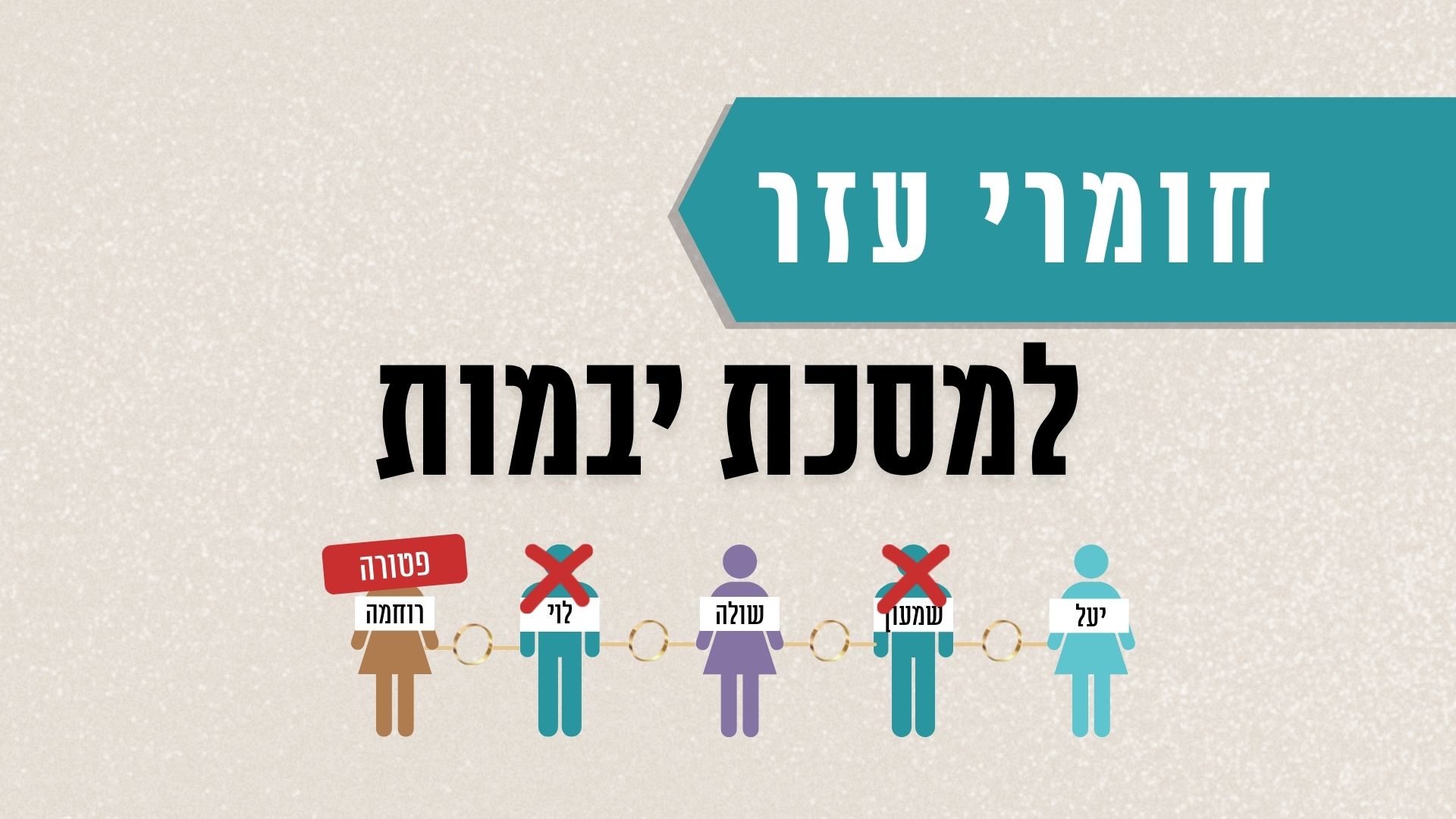
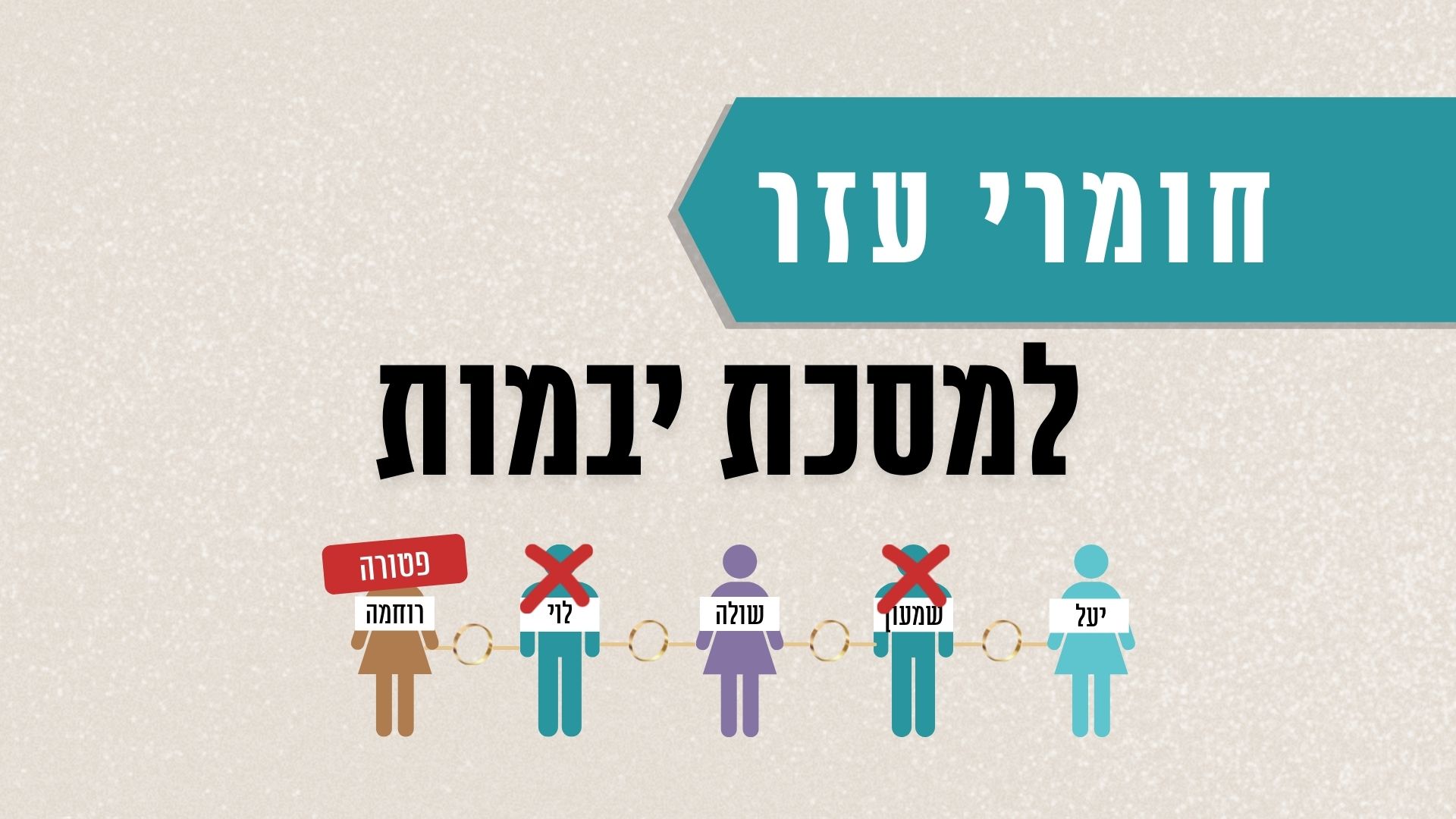
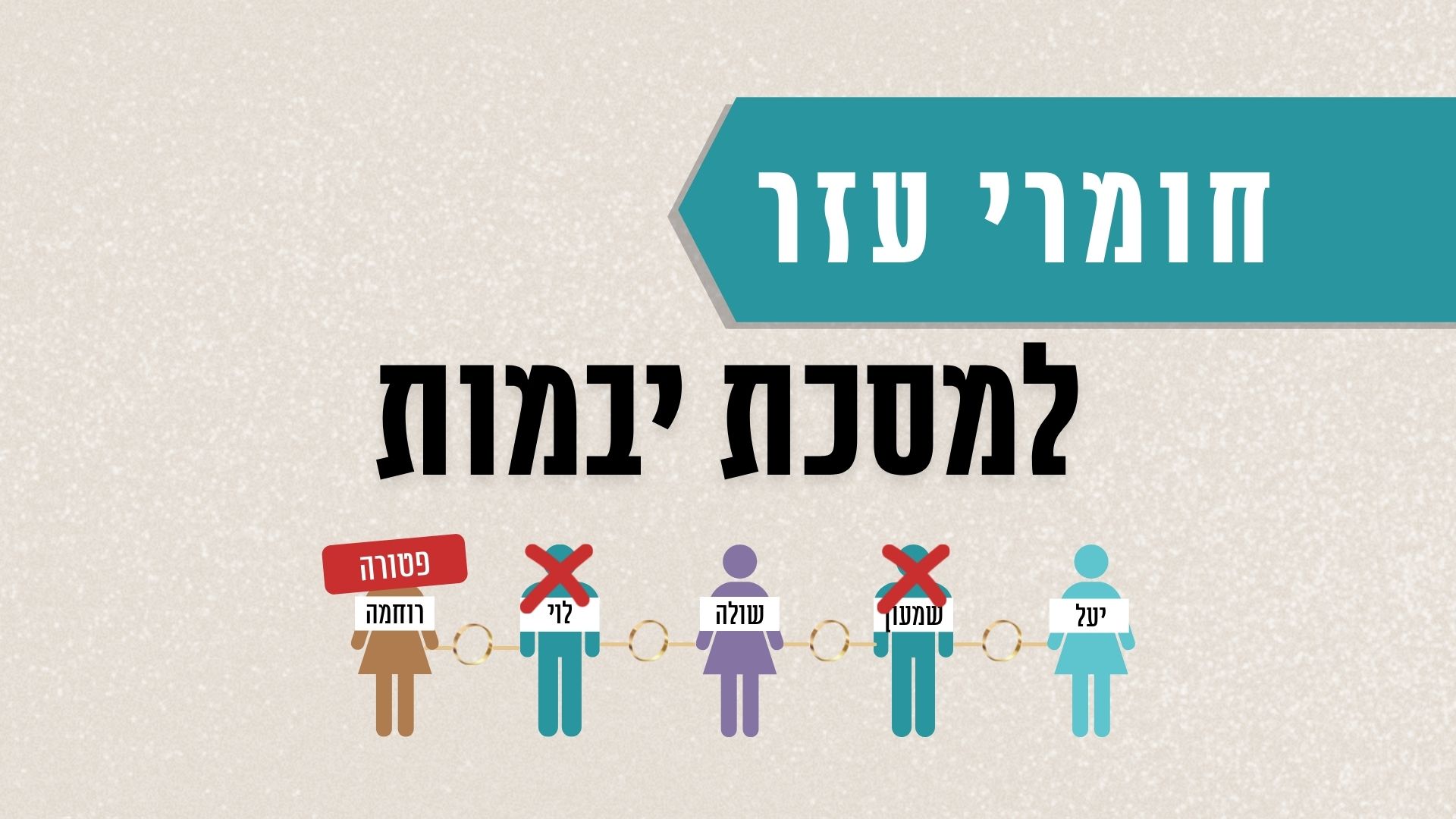
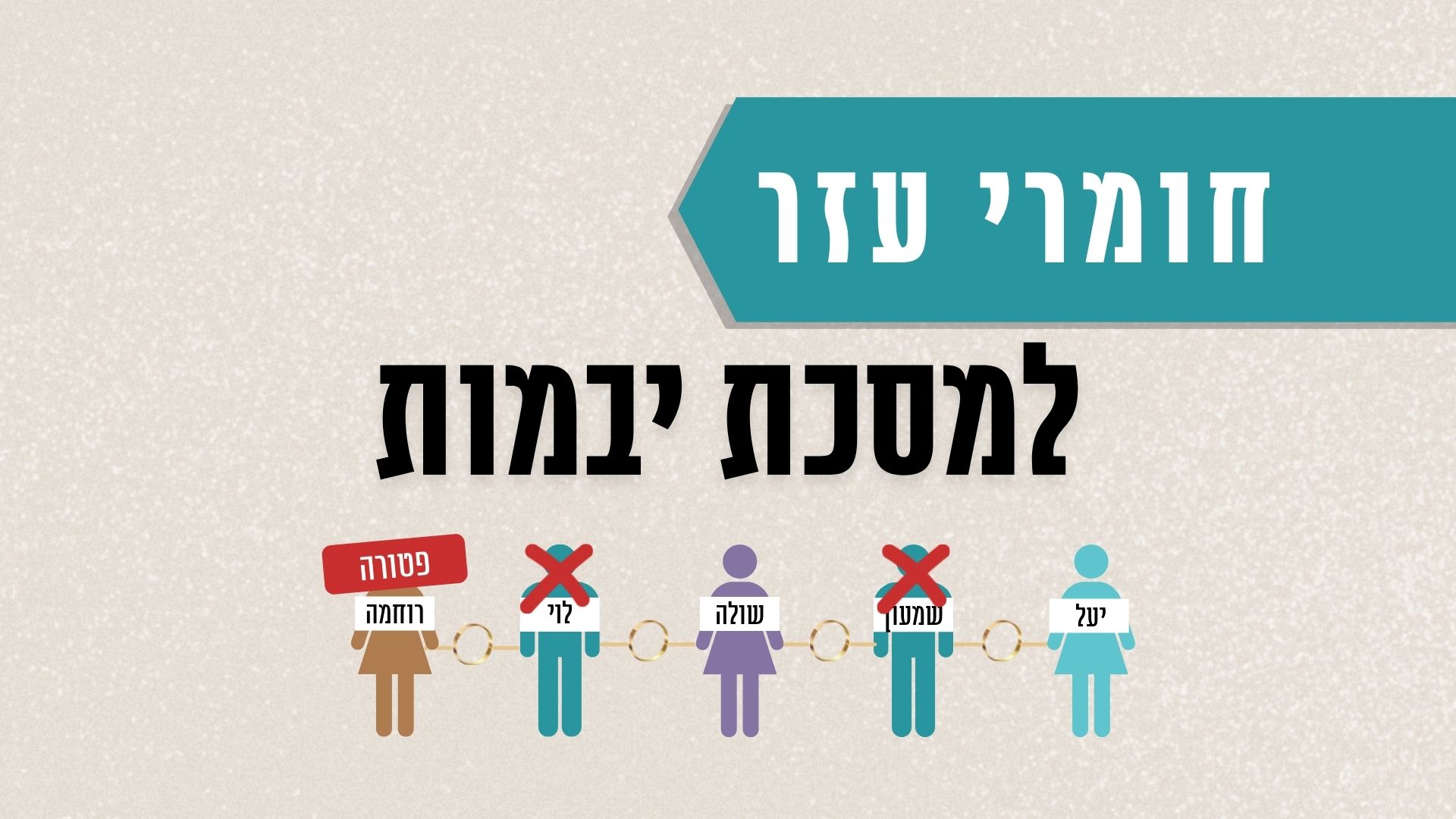
רב חסדא ממשיך להביא שישה ניסיונות נוספים להוכיח שרבנים יכולים לעקור דבר מן התורה. בכל פעם רבא דוחה את טענתו. הראשון הוא מדין תרומה. השני דם טמא שנזרק על המזבח. בשלישי מובא רשימת הלכות שחכמים גזרו גזירה שמנעה קיום מצווה. המקרים הללו והקודמים נדחו על ידי רבא כיוון שאינם מקרים שבהם הותר איסור אלא הוא רק מונע קיום מצוה – "שב ואל תעשה”. ההוכחה הבאה – אם מבטלים גט באופן שתיקן רבן גמליאל שאין לבטל גט בצורה כזאת, רבן שמעון בן גמליאל אומר שהגט אינו בטל – ובכך מוכיח שוב את כוחם של בתי הדין לעקור דין תורה. רבא דוחה זאת כי במקרה זה, החכמים מפקיעים את הקידושין ולא עוקרים דין תורה. המקור האחרון הוא כמה מקרים שבהם חכמים גזרו עונש מוות או מלקות למי שעבר נגד חוק דרבנן. רבא דחה זאת כיוון שכל מקרה יש בו נסיבות ייחודיות. לאחר מכן, הגמרא ממשיכה ברשימת הדינים שבמשנה (שבמקרה שאשה שמעה שבעלה מת והלכה ונישאה לאחר) המושפעים מכך שהיא לא נחשבת אשתו של אחד מהם ומסבירה כל אחד מהם ומדוע הדין כך.

כלים

יבמות צ

וְאוֹכֶלֶת בְּגִינוֹ תְּרוּמָה. בִּתְרוּמָה דְּרַבָּנַן. תָּא שְׁמַע: אָכַל תְּרוּמָה טְמֵאָה — מְשַׁלֵּם חוּלִּין טְהוֹרִים. שִׁילֵּם חוּלִּין טְמֵאִים, סוֹמְכוֹס אוֹמֵר מִשּׁוּם רַבִּי מֵאִיר: בְּשׁוֹגֵג — תַּשְׁלוּמָיו תַּשְׁלוּמִין, בְּמֵזִיד — אֵין תַּשְׁלוּמָיו תַּשְׁלוּמִין. וַחֲכָמִים אוֹמְרִים: אֶחָד זֶה וְאֶחָד זֶה — תַּשְׁלוּמָיו תַּשְׁלוּמִין, וְחוֹזֵר וּמְשַׁלֵּם חוּלִּין טְהוֹרִין.

It was further taught: And she eats teruma on his account. The Gemara explains: This is referring to teruma that applies by rabbinic law, not by Torah law. The Gemara attempts to offer a proof for this claim. Come and hear a baraita: If a non-priest ate ritually impure teruma of a priest, he must pay him with ritually pure, non-sacred produce. In a case where he paid with impure, non-sacred food, Sumakhos says in the name of Rabbi Meir that if he did so unwittingly, his payment is considered payment, but if he acted intentionally, his payment is not payment at all. And the Rabbis say: Both in this case and that one his payment is a valid payment, and the food has the sanctity of teruma, although it is ritually impure, and he must also go back and pay him again with pure, non-sacred food.

וְהָוֵינַן בַּהּ: בְּמֵזִיד אֵין תַּשְׁלוּמָיו תַּשְׁלוּמִין? תָּבֹא עָלָיו בְּרָכָה, דַּאֲכַל מִינֵּיהּ מִידֵּי דְּלָא (קָ)חֲזֵי לֵיהּ בִּימֵי טוּמְאָתוֹ, וְקָא מְשַׁלֵּם מִידֵּי דְּ(קָ)חֲזֵי לֵיהּ בִּימֵי טוּמְאָתוֹ.

And we discussed this baraita with regard to the following question: Why is it that according to the opinion of Rabbi Meir, when the non-priest pays the priest with ritually impure, ordinary food intentionally, his payment is not considered payment? On the contrary, the non-priest should be blessed, as he ate something of his that is not fit for him even during the priest’s days of impurity, as impure teruma must be burned, and he pays him with impure, ordinary food, which is something that is fit for him during his days of impurity. Admittedly, once he gives it to him, the produce becomes impure teruma, but at the time of his payment the food was available to be eaten.

וְאָמַר רָבָא, וְאָמְרִי לַהּ כְּדִי: חַסּוֹרֵי מִיחַסְּרָא וְהָכִי קָתָנֵי: אָכַל תְּרוּמָה טְמֵאָה — מְשַׁלֵּם כָּל דְּהוּ. אָכַל תְּרוּמָה טְהוֹרָה — מְשַׁלֵּם חוּלִּין טְהוֹרִין, שִׁילֵּם חוּלִּין טְמֵאִים — סוֹמְכוֹס אוֹמֵר מִשּׁוּם רַבִּי מֵאִיר: בְּשׁוֹגֵג — תַּשְׁלוּמָיו תַּשְׁלוּמִין, בְּמֵזִיד — אֵין תַּשְׁלוּמָיו תַּשְׁלוּמִין. וַחֲכָמִים אוֹמְרִים: בֵּין בְּשׁוֹגֵג בֵּין בְּמֵזִיד — תַּשְׁלוּמָיו תַּשְׁלוּמִין, וְחוֹזֵר וּמְשַׁלֵּם חוּלִּין טְהוֹרִין.

And Rava said, and some say this statement unattributed to any particular Sage: The baraita is incomplete, and this is what it is teaching: If he ate ritually impure teruma, he pays with anything, even impure, non-sacred produce. If he ate pure teruma he pays with pure, non-sacred food, and if he paid with impure, non-sacred produce, the Sages disagreed about this case: Sumakhos says in the name of Rabbi Meir: If done unwittingly, his payment is payment; if intentionally, his payment is not payment. And the Rabbis say: Whether unwittingly or intentionally, his payment is payment, and he must go back and pay with pure, non-sacred produce.

וְהָא הָכָא, דְּמִדְּאוֹרָיְיתָא תַּשְׁלוּמֵי מְעַלְּיָא הָוֵי, דְּאִי מְקַדֵּשׁ בְּהוּ כֹּהֵן אִשָּׁה — תָּפְסוּ לַהּ קִידּוּשֵׁי, וַאֲמוּר רַבָּנַן אֵין תַּשְׁלוּמָיו תַּשְׁלוּמִין, וְקָשָׁרֵינַן אֵשֶׁת אִישׁ לְעָלְמָא!

The Gemara returns to the issue at hand, whether the court can stipulate to uproot something prohibited by Torah law. And here it is a case where by Torah law the produce he gave him is proper payment, and is fully owned by the priest, to the extent that if a priest betroths a woman with them, the betrothal with her is valid. And yet the Sages said, i.e., it is a rabbinic law, according to Sumakhos in the name of Rabbi Meir, that his payment is not payment. And this means that we permit a married woman to all men, as she is betrothed by Torah law but in practice she is treated as an unmarried woman. Evidently, a rabbinical prohibition overrides a betrothal that is effective by Torah law.

מַאי אֵין תַּשְׁלוּמָיו תַּשְׁלוּמִין דְּקָאָמַר רַבִּי מֵאִיר — דְּבָעֵי לְמֶיהְדַּר שַׁלּוֹמֵי חוּלִּין טְהוֹרִין. אִי הָכִי, סוֹמְכוֹס הַיְינוּ רַבָּנַן!

The Gemara answers: What is the meaning of the phrase: His payment is not payment, that Rabbi Meir said? It means that he is required to go back and pay with ritually pure, non-sacred produce. However, the food he initially gave is also consecrated. The Gemara asks: If so, the opinion of Sumakhos is the same as that of the Rabbis.

אָמַר רַב אַחָא בְּרֵיהּ דְּרַב אִיקָא: קָנְסוּ שׁוֹגֵג אַטּוּ מֵזִיד אִיכָּא בֵּינַיְיהוּ.

The Gemara answers that Rav Aḥa, son of Rav Ika, said: The practical difference between them is whether they decreed against an unwitting sinner due to an intentional sinner. According to Sumakhos, if he unwittingly paid with impure, non-sacred produce his payment is valid and the Sages did not penalize him with a second payment, whereas the Rabbis maintain that even if his sin was accidental he must repay the priest, as the Sages issue the decree in a case of a mistaken transgression due to the case of one who sinned intentionally.

תָּא שְׁמַע: דָּם שֶׁנִּטְמָא וּזְרָקוֹ, בְּשׁוֹגֵג — הוּרְצָה, בְּמֵזִיד — לֹא הוּרְצָה.

The Gemara further suggests: Come and hear another proof. With regard to blood that became ritually impure, and a priest sprinkled it on the altar, the following distinction applies: If he did so unwittingly, the offering is accepted. If he sprinkled the blood intentionally, the offering is not accepted.

וְהָא הָכָא, דְּמִדְּאוֹרָיְיתָא אַרְצוֹיֵי מְרַצֵּה, דְּתַנְיָא: עַל מָה הַצִּיץ מְרַצֶּה — עַל הַדָּם, וְעַל הַבָּשָׂר, וְעַל הַחֵלֶב שֶׁנִּטְמָא, בֵּין בְּשׁוֹגֵג בֵּין בְּמֵזִיד, בֵּין בְּאוֹנֶס בֵּין בְּרָצוֹן, בֵּין בְּיָחִיד בֵּין בְּצִבּוּר. וְאָמְרִי רַבָּנַן: לֹא הוּרְצָה, וְקָא הָדַר מְעַיֵּיל חוּלִּין לָעֲזָרָה!

And here it is a case where by Torah law the blood effects acceptance, as it is taught in a baraita: For what does the High Priest’s frontplate effect acceptance? For blood, for meat, and for fat that became impure, whether unwittingly or intentionally, whether by unavoidable accident or willingly, whether in the case of an individual offering or an offering of the community. And the Sages said that if a priest sprinkled impure blood intentionally the frontplate does not effect acceptance, and its owner must bring another offering. The Gemara infers: Since he is not obligated to bring this extra offering by Torah law, in essence he subsequently brings in a non-sacred animal to the Temple courtyard.

אָמַר רַבִּי יוֹסֵי בַּר חֲנִינָא: מַאי ״לֹא הוּרְצָה״ דְּקָאָמַר — לְהַתִּיר בָּשָׂר בַּאֲכִילָה, אֲבָל בְּעָלִים נִתְכַּפְּרוּ בּוֹ.

Rabbi Yosei bar Ḥanina said that there is no proof from here, as what is the meaning of the phrase: Does not effect acceptance, that the tanna of the baraita said? It means that it does not effect acceptance in the sense that it permits the meat of the offering to be eaten. However, the owners themselves attain atonement through it, and they do not have to bring another offering.

סוֹף סוֹף קָמִתְעַקְּרָא אֲכִילַת בָּשָׂר, וּכְתִיב: ״וְאָכְלוּ אֹתָם אֲשֶׁר כֻּפַּר בָּהֶם״, מְלַמֵּד שֶׁהַכֹּהֲנִים אוֹכְלִים וּבְעָלִים מִתְכַּפְּרִים! אֲמַר לֵיהּ: שֵׁב וְאַל תַּעֲשֶׂה שָׁאנֵי.

The Gemara raises a difficulty: Ultimately, the Torah mitzva of eating the meat of this offering is uprooted, and it is written: “And they shall eat those things with which atonement was made” (Exodus 29:33). This verse teaches that the priests eat the offering and the owner thereby gains atonement. He said to him: The case of sit and refrain from action [shev ve’al ta’aseh] is different. In other words, the Sages can uproot a Torah mitzva by instructing one to sit and refrain from action, i.e., to remain passive and do nothing. They cannot, however, uproot a mitzva by telling him to perform an action.

אֲמַר לֵיהּ, בְּעַאי לְאוֹתוֹבָךְ: עָרֵל, הַזָּאָה.

Rav Ḥisda said to Rabba: I wanted to raise a difficulty against you from the halakha of an uncircumcised man. The Sages decreed that one who converts on the eve of Passover may not partake of the Paschal lamb, due to his ritual impurity. According to Beit Hillel, one who separates from the foreskin by being circumcised is ritually impure like one who separates from the grave (Pesaḥim 92a). This is the halakha despite the fact that by Torah law he is obligated to bring the offering. Rav Ḥisda continued: And I also thought of asking from the case of sprinkling the waters of a purification offering for one who became ritually impure through contact with a corpse, as the Sages rendered it prohibited for one who is impure to receive the sprinkling on the eve of Passover that occurred on Shabbat, although this prevents him from partaking of the Paschal lamb.

וְאִזְמֵל, סָדִין בְּצִיצִית.

And I was likewise going to raise a question from the case of a circumcision knife, which the Sages decreed may not be carried on Shabbat, despite the fact that this entails the neglect of a Torah mitzva. And I also wanted to raise a question from the case of a linen cloak, on which the Sages did not allow one to place ritual fringes made of wool. This is a decree that was issued lest he do the same with a garment worn only at night, which is exempt from fringes, and therefore this would be a mixture of wool and linen that is forbidden, although this means that he is unable to fulfill the mitzva of ritual fringes.

וְכִבְשֵׂי עֲצֶרֶת, וְשׁוֹפָר,

And likewise I wanted to mention a difficulty from the case of the lambs sacrificed on Shavuot. When the festival of Shavuot occurs on Shabbat, the Sages rendered it prohibited to sprinkle the blood of its sacrificial lambs if the offerings had not been slaughtered with the proper intention, despite the fact that the sprinkling itself is not prohibited by Torah law. And similarly, there is a difficulty with regard to the halakha of the shofar, which is sounded on Rosh HaShana, and yet the Sages rendered it prohibited for it to be blown on Shabbat, lest one carry it four cubits in the public domain.

וְלוּלָב. הַשְׁתָּא דְּשַׁנִּית לַן ״שֵׁב וְאַל תַּעֲשֶׂה״ לָא מִיעֲקַר הוּא, כּוּלְּהוּ נָמֵי ״שֵׁב וְאַל תַּעֲשֶׂה״ נִינְהוּ.

And finally I wished to raise a difficulty from the case of a lulav, which may not be carried on the first day of Sukkot that occurred on Shabbat, for the same reason the Sages rendered it prohibited to sound the shofar on Rosh HaShana that occurs on Shabbat. However, now that you have resolved for us that an action defined as a case of: Sit and refrain from action, is not considered uprooting, all these are also cases of sit and refrain from action.

תָּא שְׁמַע: ״אֵלָיו תִּשְׁמָעוּן״ — אֲפִילּוּ אוֹמֵר לְךָ: עֲבוֹר עַל אַחַת מִכׇּל מִצְוֹת שֶׁבַּתּוֹרָה, כְּגוֹן אֵלִיָּהוּ בְּהַר הַכַּרְמֶל, הַכֹּל לְפִי שָׁעָה — שְׁמַע לוֹ.

The Gemara suggests: Come and hear another proof. The verse states with regard to a true prophet: “To him you shall listen” (Deuteronomy 18:15). From here it is derived that even if the prophet says to you: Transgress one of the mitzvot of the Torah, for example, as in the case of Elijah at Mount Carmel, who brought an offering to God on that mountain during a period when it was forbidden on pain of karet to sacrifice offerings outside the Temple, with regard to everything that he permits for the requirement of the hour, you must listen to him. This indicates that a Torah mitzva can indeed be uprooted in an active manner.

שָׁאנֵי הָתָם, דִּכְתִיב: ״אֵלָיו תִּשְׁמָעוּן״. וְלִיגְמַר מִינֵּיהּ! מִיגְדַּר מִילְּתָא שָׁאנֵי.

The Gemara answers: There it is different, as it is written: “To him you shall listen,” which means that it is a positive mitzva to obey a prophet, and a positive mitzva overrides a prohibition. The Gemara asks: And let him derive from this case a principle that the Sages have the same power as a prophet. The Gemara answers: Safeguarding a matter is different. Since Elijah acted with the aim of preventing the Jewish people from worshipping idols, it was temporarily permitted for him to override a mitzva, in order to strengthen Torah observance with regard to a particular matter in which the people are lax.

תָּא שְׁמַע: בִּטְּלוֹ — מְבוּטָּל, דִּבְרֵי רַבִּי. רַבָּן שִׁמְעוֹן בֶּן גַּמְלִיאֵל אוֹמֵר: אֵינוֹ יָכוֹל לֹא לְבַטְּלוֹ, וְלֹא לְהוֹסִיף עַל תְּנָאוֹ. אִם כֵּן — מָה כֹּחַ בֵּית דִּין יָפֶה.

The Gemara suggests another proof. Come and hear: The Sages rendered it prohibited for a man who has sent a bill of divorce to his wife to cancel it in the presence of a court without her knowledge after he has given the bill of divorce to his messenger but before she gets the document. The prohibition was instituted to prevent a situation where the messenger, who is unaware of the cancellation, gives her the bill of divorce and she marries another man under the mistaken impression that she is divorced. If he proceeded to nullify it regardless, it is nullified; this is the statement of Rabbi Yehuda HaNasi. Rabban Shimon ben Gamliel says: He cannot nullify or add to its condition in a case where the bill of divorce included a stipulation. For if so, i.e., if he has the ability to cancel the bill of divorce, what good is the power of the court in their decree that one may not do so?

וְהָא הָכָא, דְּמִדְּאוֹרָיְיתָא בָּטֵל גֵּט, וּמִשּׁוּם ״מָה כֹּחַ בֵּית דִּין״ קָא שָׁרֵינַן אֵשֶׁת אִישׁ לְעָלְמָא! מַאן דִּמְקַדֵּשׁ — אַדַּעְתָּא דְּרַבָּנַן מְקַדֵּשׁ, וְאַפְקְעִינְהוּ רַבָּנַן לְקִידּוּשִׁין,

The Gemara explains the proof from this source: And here it is a case where by Torah law, the bill of divorce is nullified, and yet due to the reason of: What good is the power of the court, his nullification is ineffective, which means that we permit a married woman to all men. The Gemara answers: The halakhot of marriage afford no proof, as with regard to one who betroths a woman, he betroths on the authorization of the Sages, and in this case the Sages nullified the betrothal, which they can do because their consent was required for the betrothal to be effective in the first place.

אֲמַר לֵיהּ רָבִינָא לְרַב אָשֵׁי: הָתִינַח דְּקַדֵּישׁ בְּכַסְפָּא, קַדֵּישׁ בְּבִיאָה מַאי אִיכָּא לְמֵימַר? שַׁוְּיוּהּ רַבָּנַן לִבְעִילָתוֹ בְּעִילַת זְנוּת.

Ravina said to Rav Ashi: This works out well in a case when he betrothed with money, as it can be explained that the Sages declared the money ownerless, thereby negating the betrothal. However, if he betrothed by means of sexual relations, what can be said? The Gemara answers: The Sages equated his relations with this woman with licentious sexual intercourse. Since in this situation as well the acquisition of betrothal is effective only by authorization of the Sages, they have the power to declare it invalid.

תָּא שְׁמַע, אָמַר רַבִּי אֶלְעָזָר בֶּן יַעֲקֹב: שָׁמַעְתִּי שֶׁבֵּית דִּין מַכִּין וְעוֹנְשִׁין שֶׁלֹּא מִן הַתּוֹרָה, וְלֹא לַעֲבוֹר עַל דִּבְרֵי תוֹרָה, אֶלָּא לַעֲשׂוֹת סְיָיג לַתּוֹרָה. וּמַעֲשֶׂה בְּאָדָם אֶחָד שֶׁרָכַב עַל סוּס בַּשַּׁבָּת בִּימֵי יְוָנִים — וֶהֱבִיאוּהוּ לְבֵית דִּין וּסְקָלוּהוּ, לֹא מִפְּנֵי שֶׁרָאוּי לְכָךְ, אֶלָּא שֶׁהַשָּׁעָה צְרִיכָה לְכָךְ.

The Gemara cites yet another relevant source. Come and hear, as Rabbi Elazar ben Ya’akov said: I have heard that the reason why the court may administer lashes and punish not by Torah law, i.e., in response to actions for which one is not liable to receive punishment by Torah law, is not so as to transgress matters of Torah, but to establish a safeguard for the Torah. And an example of this is an incident involving a certain person who rode on a horse on Shabbat in the days of the Greeks, an act that is prohibited by rabbinic law, and they brought him to the court and they stoned him as a desecrator of Shabbat. They did so not because he was deserving of this, as riding a horse is not punishable by stoning by Torah law, but because the hour required it, as at that time Jews were negligent with regard to Shabbat observance.

וְשׁוּב מַעֲשֶׂה בְּאָדָם אֶחָד שֶׁהֵטִיחַ בְּאִשְׁתּוֹ תַּחַת הַתְּאֵנָה, וֶהֱבִיאוּהוּ לְבֵית דִּין וְהִלְקוּהוּ. לֹא מִפְּנֵי שֶׁרָאוּי לְכָךְ, אֶלָּא שֶׁהַשָּׁעָה צְרִיכָה לְכָךְ! מִיגְדַּר מִילְּתָא שָׁאנֵי.

And again, an incident occurred involving a certain person who cohabited with his own wife under a fig tree in plain view, and they brought him to the court and flogged him, not because this punishment was fitting for him, as it is not prohibited by the Torah for one to engage in relations with his wife wherever he chooses, but because the hour required it, to discourage others from engaging in licentious behavior. This shows that the court can uproot a Torah mitzva even by means of a positive action such as stoning. The Gemara answers: Safeguarding a matter is different. As stated above, the court may uproot a Torah mitzva so as to strengthen Torah observance in general, as was the case with the prophet Elijah.

וְלֹא זֶה וָזֶה מְטַמְּאִין לָהּ. מְנָלַן? דִּכְתִיב: ״כִּי אִם לִשְׁאֵרוֹ הַקָּרוֹב אֵלָיו״, וְאָמַר מָר: ״שְׁאֵרוֹ״ — זוֹ אִשְׁתּוֹ,

§ The mishna taught: Neither this one, her first husband, nor that one, her second, may become impure for her, if they were priests. The Gemara asks: From where do we derive this halakha? The Gemara explains that it is written: “But to his relative, who is close to him, for her he may defile himself” (Leviticus 21:2), and the Master said: “His relative” is his wife.

וּכְתִיב: ״לֹא יִטַּמָּא בַּעַל בְּעַמָּיו לְהֵחַלּוֹ״, יֵשׁ בַּעַל שֶׁמִּיטַּמֵּא, וְיֵשׁ בַּעַל שֶׁאֵין מִיטַּמֵּא. הָא כֵּיצַד? מִיטַּמֵּא הוּא לְאִשְׁתּוֹ כְּשֵׁרָה, וְאֵינוֹ מִיטַּמֵּא לְאִשְׁתּוֹ פְּסוּלָה.

And it is further written: “He shall not defile himself, a husband among his people, to profane himself” (Leviticus 21:4). It may be inferred from this apparent contradiction between the verses that there is a husband who becomes impure for his wife, and there is a husband who does not become impure. How so? He becomes impure for his fit wife, but he does not become impure for his disqualified wife. Since in the case of the mishna, the woman in question is disqualified with regard to both men, neither of them may become impure for her.

וְלֹא זֶה וָזֶה זַכָּאִין בִּמְצִיאָתָהּ וְכוּ׳. טַעְמָא מַאי אֲמוּר רַבָּנַן מְצִיאַת אִשָּׁה לְבַעְלָהּ — כִּי הֵיכִי דְּלָא תִּיהְוֵי לֵיהּ אֵיבָה. הָכָא תִּיהְוֵי לֵיהּ אֵיבָה וְאֵיבָה.

§ The mishna further taught: Neither this one nor that one is entitled to her found articles. The Gemara explains: What is the reason that the Sages said that the found object of a wife belongs to her husband? So that he should not harbor enmity toward her, due to her refusal to give him the item she found. Here, however, let him harbor much enmity toward her, as the Sages want him to divorce her.

וּבְמַעֲשֵׂה יָדֶיהָ. טַעְמָא מַאי אָמְרִי רַבָּנַן מַעֲשֵׂה יָדֶיהָ לְבַעְלָהּ — מִשּׁוּם דְּקָאָכְלָה מְזוֹנֵי, הָכָא כֵּיוָן דִּמְזוֹנֵי לֵית לַהּ — מַעֲשֵׂה יָדֶיהָ לָאו דִּידֵיהּ.

§ And the mishna also taught that neither man is entitled to her earnings. The Gemara explains: What is the reason that the Sages said that a wife’s earnings belong to her husband? Because she eats his food. In this case here, since she does not have rights to his food, her earnings are not his either.

וְלֹא מֵיפֵר נְדָרֶיהָ. טַעְמָא מַאי אָמַר רַחֲמָנָא בַּעַל מֵיפֵר — כְּדֵי שֶׁלֹּא תִּתְגַּנֶּה, הָכָא תִּתְגַּנֶּה וְתִתְגַּנֶּה.

§ And the mishna further taught that they may not nullify her vows. The Gemara similarly explains: What is the reason that the Merciful One states that a husband may nullify his wife’s vows? So that she should not have to fulfill a vow that will cause her to become repulsive to him, such as refraining from washing or from applying cosmetics. Here, let her be highly repulsive, as the Sages want their relationship to end.

הָיְתָה בַּת יִשְׂרָאֵל נִפְסְלָה מִן הַכְּהוּנָּה וְכוּ׳.

§ The mishna taught that if she was an Israelite woman, she is disqualified from marrying into the priesthood.

כלים

העמקה

רוצה להבין מה באמת קורה מתחת לפני השטח של הסוגיה?
שיעורים, פודקאסטים והרחבות של מיטב המורות שלנו יפתחו לך עוד זוויות וכיווני חשיבה.

לשיעורי עוד על הדף באנגלית, לחצי כאן

חדשה בלימוד הגמרא?

זה הדף הראשון שלך? איזו התרגשות עצומה! יש לנו בדיוק את התכנים והכלים שיעזרו לך לעשות את הצעדים הראשונים ללמידה בקצב וברמה שלך, כך תוכלי להרגיש בנוח גם בתוך הסוגיות המורכבות ומאתגרות.

פסיפס הלומדות שלנו

גלי את קהילת הלומדות שלנו, מגוון נשים, רקעים וסיפורים. כולן חלק מתנועה ומסע מרגש ועוצמתי.

התחלתי כשהייתי בחופש, עם הפרסומים על תחילת המחזור, הסביבה קיבלה את זה כמשהו מתמיד ומשמעותי ובהערכה, הלימוד זה עוגן יציב ביום יום, יש שבועות יותר ויש שפחות אבל זה משהו שנמצא שם אמין ובעל משמעות בחיים שלי….

Adi Diamant
עדי דיאמנט

גמזו, ישראל

My explorations into Gemara started a few days into the present cycle. I binged learnt and become addicted. I’m fascinated by the rich "tapestry” of intertwined themes, connections between Masechtot, conversations between generations of Rabbanim and learners past and present all over the world. My life has acquired a golden thread, linking generations with our amazing heritage.
Thank you.

Susan Kasdan
סוזן כשדן

חשמונאים, Israel

התחלתי ללמוד דף יומי לפני שנתיים, עם מסכת שבת. בהתחלה ההתמדה היתה קשה אבל בזכות הקורונה והסגרים הצלחתי להדביק את הפערים בשבתות הארוכות, לסיים את מסכת שבת ולהמשיך עם המסכתות הבאות. עכשיו אני מסיימת בהתרגשות רבה את מסכת חגיגה וסדר מועד ומחכה לסדר הבא!

Ilana-Shachnowitz
אילנה שכנוביץ

מודיעין, ישראל

התחלתי לפני כמה שנים אבל רק בסבב הזה זכיתי ללמוד יום יום ולסיים מסכתות

Sigal Tel
סיגל טל

רעננה, ישראל

סיום השס לנשים נתן לי מוטביציה להתחיל ללמוד דף יומי. עד אז למדתי גמרא בשבתות ועשיתי כמה סיומים. אבל לימוד יומיומי זה שונה לגמרי ופתאום כל דבר שקורה בחיים מתקשר לדף היומי.

Fogel Foundation
קרן פוגל

רתמים, ישראל

התחלתי בתחילת הסבב, והתמכרתי. זה נותן משמעות נוספת ליומיום ומאוד מחזק לתת לזה מקום בתוך כל שגרת הבית-עבודה השוטפת.

Reut Abrahami
רעות אברהמי

בית שמש, ישראל

התחלתי מעט לפני תחילת הסבב הנוכחי. אני נהנית מהאתגר של להמשיך להתמיד, מרגעים של "אהה, מפה זה הגיע!” ומהאתגר האינטלקטואלי

Eilat-Chen and Deller
אילת-חן ודלר

לוד, ישראל

שמעתי על הסיום הענק של הדף היומי ע”י נשים בבנייני האומה. רציתי גם.
החלטתי להצטרף. התחלתי ושיכנעתי את בעלי ועוד שתי חברות להצטרף. עכשיו יש לי לימוד משותף איתו בשבת ומפגש חודשי איתן בנושא (והתכתבויות תדירות על דברים מיוחדים שקראנו). הצטרפנו לקבוצות שונות בווטסאפ. אנחנו ממש נהנות. אני שומעת את השיעור מידי יום (בד”כ מהרב יוני גוטמן) וקוראת ומצטרפת לסיומים של הדרן. גם מקפידה על דף משלהן (ונהנית מאד).

Liat Citron
ליאת סיטרון

אפרת, ישראל

לפני 15 שנה, אחרי עשרות שנים של "ג’ינגול” בין משפחה לקריירה תובענית בהייטק, הצטרפתי לשיעורי גמרא במתן רעננה. הלימוד המעמיק והייחודי של הרבנית אושרה קורן יחד עם קבוצת הנשים המגוונת הייתה חוויה מאלפת ומעשירה. לפני כשמונה שנים כאשר מחזור הדף היומי הגיע למסכת תענית הצטרפתי כ”חברותא” לבעלי. זו השעה היומית שלנו ביחד כאשר דפי הגמרא משתלבים בחיי היום יום, משפיעים ומושפעים, וכשלא מספיקים תמיד משלימים בשבת

Yodi Askoff
יודי אסקוף

רעננה, ישראל

כבר סיפרתי בסיום של מועד קטן.
הלימוד מאוד משפיעה על היום שלי כי אני לומדת עם רבנית מישל על הבוקר בזום. זה נותן טון לכל היום – בסיס למחשבות שלי .זה זכות גדול להתחיל את היום בלימוד ובתפילה. תודה רבה !

שרה-ברלוביץ
שרה ברלוביץ

ירושלים, ישראל

A life-changing journey started with a Chanukah family tiyul to Zippori, home of the Sanhedrin 2 years ago and continued with the Syum in Binanei Hauma where I was awed by the energy of 3000 women dedicated to learning daf Yomi. Opening my morning daily with a fresh daf, I am excited with the new insights I find enriching my life and opening new and deeper horizons for me.

Becky Goldstein
בקי גולדשטיין

Elazar gush etzion, Israel

My explorations into Gemara started a few days into the present cycle. I binged learnt and become addicted. I’m fascinated by the rich "tapestry” of intertwined themes, connections between Masechtot, conversations between generations of Rabbanim and learners past and present all over the world. My life has acquired a golden thread, linking generations with our amazing heritage.
Thank you.

Susan Kasdan
סוזן כשדן

חשמונאים, Israel

בתחילת הסבב הנוכחי הצטברו אצלי תחושות שאני לא מבינה מספיק מהי ההלכה אותה אני מקיימת בכל יום. כמו כן, כאמא לבנות רציתי לתת להן מודל נשי של לימוד תורה
שתי הסיבות האלו הובילו אותי להתחיל ללמוד. נתקלתי בתגובות מפרגנות וסקרניות איך אישה לומדת גמרא..
כמו שרואים בתמונה אני ממשיכה ללמוד גם היום ואפילו במחלקת יולדות אחרי לידת ביתי השלישית.

Noa Shiloh
נועה שילה

רבבה, ישראל

בתחילת הסבב הנוכחי של לימוד הדף היומי, נחשפתי לחגיגות המרגשות באירועי הסיום ברחבי העולם. והבטחתי לעצמי שבקרוב אצטרף גם למעגל הלומדות. הסבב התחיל כאשר הייתי בתחילת דרכי בתוכנית קרן אריאל להכשרת יועצות הלכה של נשמ”ת. לא הצלחתי להוסיף את ההתחייבות לדף היומי על הלימוד האינטנסיבי של תוכנית היועצות. בבוקר למחרת המבחן הסופי בנשמ”ת, התחלתי את לימוד הדף במסכת סוכה ומאז לא הפסקתי.

Hana Shaham-Rozby (Dr.)
חנה שחם-רוזבי (ד”ר)

קרית גת, ישראל

הצטרפתי ללומדות בתחילת מסכת תענית. ההתרגשות שלי ושל המשפחה היתה גדולה מאוד, והיא הולכת וגוברת עם כל סיום שאני זוכה לו. במשך שנים רבות רציתי להצטרף ומשום מה זה לא קרה… ב”ה מצאתי לפני מספר חודשים פרסום של הדרן, ומיד הצטרפתי והתאהבתי. הדף היומי שינה את חיי ממש והפך כל יום- ליום של תורה. מודה לכן מקרב ליבי ומאחלת לכולנו לימוד פורה מתוך אהבת התורה ולומדיה.

Noa Rosen
נעה רוזן

חיספין רמת הגולן, ישראל

. לא תמיד נהניתי מלימוד גמרא כילדה.,בל כהתבגרתי התחלתי לאהוב את זה שוב. התחלתי ללמוד מסכת סוטה בדף היומי לפני כחמש עשרה שנה ואז הפסקתי.הגעתי לסיום הגדול של הדרן לפני שנתיים וזה נתן לי השראה. והתחלתי ללמוד למשך כמה ימים ואז היתה לי פריצת דיסק והפסקתי…עד אלול השנה. אז התחלתי עם מסכת ביצה וב”ה אני מצליחה לעמוד בקצב. המשפחה מאוד תומכת בי ויש כמה שגם לומדים את זה במקביל. אני אוהבת שיש עוגן כל יום.

Rebecca Darshan
רבקה דרשן

בית שמש, ישראל

התחלתי בסיום הש”ס, יצאתי באורות. נשברתי פעמיים, ובשתיהם הרבנית מישל עודדה להמשיך איפה שכולם בסבב ולהשלים כשאוכל, וכך עשיתי וכיום השלמתי הכל. מדהים אותי שאני לומדת כל יום קצת, אפילו בחדר הלידה, בבידוד או בחו”ל. לאט לאט יותר נינוחה בסוגיות. לא כולם מבינים את הרצון, בפרט כפמניסטית. חשה סיפוק גדול להכיר את המושגים וצורת החשיבה. החלום זה להמשיך ולהתמיד ובמקביל ללמוד איך מהסוגיות נוצרה והתפתחה ההלכה.

Weingarten Sherrington Foundation
קרן וינגרטן שרינגטון

מודיעין, ישראל

התחלתי בתחילת הסבב, והתמכרתי. זה נותן משמעות נוספת ליומיום ומאוד מחזק לתת לזה מקום בתוך כל שגרת הבית-עבודה השוטפת.

Reut Abrahami
רעות אברהמי

בית שמש, ישראל

התחלתי ללמוד דף יומי ממסכת נידה כי זה היה חומר הלימוד שלי אז. לאחר הסיום הגדול בבנייני האומה החלטתי להמשיך. וב”ה מאז עם הפסקות קטנות של קורונה ולידה אני משתדלת להמשיך ולהיות חלק.

זה משפיע מאוד על היום יום שלי ועל אף שאני עסוקה בלימודי הלכה ותורה כל יום, זאת המסגרת הקבועה והמחייבת ביותר שיש לי.

Moriah Taesan Michaeli
מוריה תעסן מיכאלי

גבעת הראל, ישראל

התחלתי ללמוד את הדף היומי מעט אחרי שבני הקטן נולד. בהתחלה בשמיעה ולימוד באמצעות השיעור של הרבנית שפרבר. ובהמשך העזתי וקניתי לעצמי גמרא. מאז ממשיכה יום יום ללמוד עצמאית, ולפעמים בעזרת השיעור של הרבנית, כל יום. כל סיום של מסכת מביא לאושר גדול וסיפוק. הילדים בבית נהיו חלק מהלימוד, אני משתפת בסוגיות מעניינות ונהנית לשמוע את דעתם.

Eliraz Blau
אלירז בלאו

מעלה מכמש, ישראל

יבמות צ

וְאוֹכֶלֶת בְּגִינוֹ תְּרוּמָה. בִּתְרוּמָה דְּרַבָּנַן. תָּא שְׁמַע: אָכַל תְּרוּמָה טְמֵאָה — מְשַׁלֵּם חוּלִּין טְהוֹרִים. שִׁילֵּם חוּלִּין טְמֵאִים, סוֹמְכוֹס אוֹמֵר מִשּׁוּם רַבִּי מֵאִיר: בְּשׁוֹגֵג — תַּשְׁלוּמָיו תַּשְׁלוּמִין, בְּמֵזִיד — אֵין תַּשְׁלוּמָיו תַּשְׁלוּמִין. וַחֲכָמִים אוֹמְרִים: אֶחָד זֶה וְאֶחָד זֶה — תַּשְׁלוּמָיו תַּשְׁלוּמִין, וְחוֹזֵר וּמְשַׁלֵּם חוּלִּין טְהוֹרִין.

It was further taught: And she eats teruma on his account. The Gemara explains: This is referring to teruma that applies by rabbinic law, not by Torah law. The Gemara attempts to offer a proof for this claim. Come and hear a baraita: If a non-priest ate ritually impure teruma of a priest, he must pay him with ritually pure, non-sacred produce. In a case where he paid with impure, non-sacred food, Sumakhos says in the name of Rabbi Meir that if he did so unwittingly, his payment is considered payment, but if he acted intentionally, his payment is not payment at all. And the Rabbis say: Both in this case and that one his payment is a valid payment, and the food has the sanctity of teruma, although it is ritually impure, and he must also go back and pay him again with pure, non-sacred food.

וְהָוֵינַן בַּהּ: בְּמֵזִיד אֵין תַּשְׁלוּמָיו תַּשְׁלוּמִין? תָּבֹא עָלָיו בְּרָכָה, דַּאֲכַל מִינֵּיהּ מִידֵּי דְּלָא (קָ)חֲזֵי לֵיהּ בִּימֵי טוּמְאָתוֹ, וְקָא מְשַׁלֵּם מִידֵּי דְּ(קָ)חֲזֵי לֵיהּ בִּימֵי טוּמְאָתוֹ.

And we discussed this baraita with regard to the following question: Why is it that according to the opinion of Rabbi Meir, when the non-priest pays the priest with ritually impure, ordinary food intentionally, his payment is not considered payment? On the contrary, the non-priest should be blessed, as he ate something of his that is not fit for him even during the priest’s days of impurity, as impure teruma must be burned, and he pays him with impure, ordinary food, which is something that is fit for him during his days of impurity. Admittedly, once he gives it to him, the produce becomes impure teruma, but at the time of his payment the food was available to be eaten.

וְאָמַר רָבָא, וְאָמְרִי לַהּ כְּדִי: חַסּוֹרֵי מִיחַסְּרָא וְהָכִי קָתָנֵי: אָכַל תְּרוּמָה טְמֵאָה — מְשַׁלֵּם כָּל דְּהוּ. אָכַל תְּרוּמָה טְהוֹרָה — מְשַׁלֵּם חוּלִּין טְהוֹרִין, שִׁילֵּם חוּלִּין טְמֵאִים — סוֹמְכוֹס אוֹמֵר מִשּׁוּם רַבִּי מֵאִיר: בְּשׁוֹגֵג — תַּשְׁלוּמָיו תַּשְׁלוּמִין, בְּמֵזִיד — אֵין תַּשְׁלוּמָיו תַּשְׁלוּמִין. וַחֲכָמִים אוֹמְרִים: בֵּין בְּשׁוֹגֵג בֵּין בְּמֵזִיד — תַּשְׁלוּמָיו תַּשְׁלוּמִין, וְחוֹזֵר וּמְשַׁלֵּם חוּלִּין טְהוֹרִין.

And Rava said, and some say this statement unattributed to any particular Sage: The baraita is incomplete, and this is what it is teaching: If he ate ritually impure teruma, he pays with anything, even impure, non-sacred produce. If he ate pure teruma he pays with pure, non-sacred food, and if he paid with impure, non-sacred produce, the Sages disagreed about this case: Sumakhos says in the name of Rabbi Meir: If done unwittingly, his payment is payment; if intentionally, his payment is not payment. And the Rabbis say: Whether unwittingly or intentionally, his payment is payment, and he must go back and pay with pure, non-sacred produce.

וְהָא הָכָא, דְּמִדְּאוֹרָיְיתָא תַּשְׁלוּמֵי מְעַלְּיָא הָוֵי, דְּאִי מְקַדֵּשׁ בְּהוּ כֹּהֵן אִשָּׁה — תָּפְסוּ לַהּ קִידּוּשֵׁי, וַאֲמוּר רַבָּנַן אֵין תַּשְׁלוּמָיו תַּשְׁלוּמִין, וְקָשָׁרֵינַן אֵשֶׁת אִישׁ לְעָלְמָא!

The Gemara returns to the issue at hand, whether the court can stipulate to uproot something prohibited by Torah law. And here it is a case where by Torah law the produce he gave him is proper payment, and is fully owned by the priest, to the extent that if a priest betroths a woman with them, the betrothal with her is valid. And yet the Sages said, i.e., it is a rabbinic law, according to Sumakhos in the name of Rabbi Meir, that his payment is not payment. And this means that we permit a married woman to all men, as she is betrothed by Torah law but in practice she is treated as an unmarried woman. Evidently, a rabbinical prohibition overrides a betrothal that is effective by Torah law.

מַאי אֵין תַּשְׁלוּמָיו תַּשְׁלוּמִין דְּקָאָמַר רַבִּי מֵאִיר — דְּבָעֵי לְמֶיהְדַּר שַׁלּוֹמֵי חוּלִּין טְהוֹרִין. אִי הָכִי, סוֹמְכוֹס הַיְינוּ רַבָּנַן!

The Gemara answers: What is the meaning of the phrase: His payment is not payment, that Rabbi Meir said? It means that he is required to go back and pay with ritually pure, non-sacred produce. However, the food he initially gave is also consecrated. The Gemara asks: If so, the opinion of Sumakhos is the same as that of the Rabbis.

אָמַר רַב אַחָא בְּרֵיהּ דְּרַב אִיקָא: קָנְסוּ שׁוֹגֵג אַטּוּ מֵזִיד אִיכָּא בֵּינַיְיהוּ.

The Gemara answers that Rav Aḥa, son of Rav Ika, said: The practical difference between them is whether they decreed against an unwitting sinner due to an intentional sinner. According to Sumakhos, if he unwittingly paid with impure, non-sacred produce his payment is valid and the Sages did not penalize him with a second payment, whereas the Rabbis maintain that even if his sin was accidental he must repay the priest, as the Sages issue the decree in a case of a mistaken transgression due to the case of one who sinned intentionally.

תָּא שְׁמַע: דָּם שֶׁנִּטְמָא וּזְרָקוֹ, בְּשׁוֹגֵג — הוּרְצָה, בְּמֵזִיד — לֹא הוּרְצָה.

The Gemara further suggests: Come and hear another proof. With regard to blood that became ritually impure, and a priest sprinkled it on the altar, the following distinction applies: If he did so unwittingly, the offering is accepted. If he sprinkled the blood intentionally, the offering is not accepted.

וְהָא הָכָא, דְּמִדְּאוֹרָיְיתָא אַרְצוֹיֵי מְרַצֵּה, דְּתַנְיָא: עַל מָה הַצִּיץ מְרַצֶּה — עַל הַדָּם, וְעַל הַבָּשָׂר, וְעַל הַחֵלֶב שֶׁנִּטְמָא, בֵּין בְּשׁוֹגֵג בֵּין בְּמֵזִיד, בֵּין בְּאוֹנֶס בֵּין בְּרָצוֹן, בֵּין בְּיָחִיד בֵּין בְּצִבּוּר. וְאָמְרִי רַבָּנַן: לֹא הוּרְצָה, וְקָא הָדַר מְעַיֵּיל חוּלִּין לָעֲזָרָה!

And here it is a case where by Torah law the blood effects acceptance, as it is taught in a baraita: For what does the High Priest’s frontplate effect acceptance? For blood, for meat, and for fat that became impure, whether unwittingly or intentionally, whether by unavoidable accident or willingly, whether in the case of an individual offering or an offering of the community. And the Sages said that if a priest sprinkled impure blood intentionally the frontplate does not effect acceptance, and its owner must bring another offering. The Gemara infers: Since he is not obligated to bring this extra offering by Torah law, in essence he subsequently brings in a non-sacred animal to the Temple courtyard.

אָמַר רַבִּי יוֹסֵי בַּר חֲנִינָא: מַאי ״לֹא הוּרְצָה״ דְּקָאָמַר — לְהַתִּיר בָּשָׂר בַּאֲכִילָה, אֲבָל בְּעָלִים נִתְכַּפְּרוּ בּוֹ.

Rabbi Yosei bar Ḥanina said that there is no proof from here, as what is the meaning of the phrase: Does not effect acceptance, that the tanna of the baraita said? It means that it does not effect acceptance in the sense that it permits the meat of the offering to be eaten. However, the owners themselves attain atonement through it, and they do not have to bring another offering.

סוֹף סוֹף קָמִתְעַקְּרָא אֲכִילַת בָּשָׂר, וּכְתִיב: ״וְאָכְלוּ אֹתָם אֲשֶׁר כֻּפַּר בָּהֶם״, מְלַמֵּד שֶׁהַכֹּהֲנִים אוֹכְלִים וּבְעָלִים מִתְכַּפְּרִים! אֲמַר לֵיהּ: שֵׁב וְאַל תַּעֲשֶׂה שָׁאנֵי.

The Gemara raises a difficulty: Ultimately, the Torah mitzva of eating the meat of this offering is uprooted, and it is written: “And they shall eat those things with which atonement was made” (Exodus 29:33). This verse teaches that the priests eat the offering and the owner thereby gains atonement. He said to him: The case of sit and refrain from action [shev ve’al ta’aseh] is different. In other words, the Sages can uproot a Torah mitzva by instructing one to sit and refrain from action, i.e., to remain passive and do nothing. They cannot, however, uproot a mitzva by telling him to perform an action.

אֲמַר לֵיהּ, בְּעַאי לְאוֹתוֹבָךְ: עָרֵל, הַזָּאָה.

Rav Ḥisda said to Rabba: I wanted to raise a difficulty against you from the halakha of an uncircumcised man. The Sages decreed that one who converts on the eve of Passover may not partake of the Paschal lamb, due to his ritual impurity. According to Beit Hillel, one who separates from the foreskin by being circumcised is ritually impure like one who separates from the grave (Pesaḥim 92a). This is the halakha despite the fact that by Torah law he is obligated to bring the offering. Rav Ḥisda continued: And I also thought of asking from the case of sprinkling the waters of a purification offering for one who became ritually impure through contact with a corpse, as the Sages rendered it prohibited for one who is impure to receive the sprinkling on the eve of Passover that occurred on Shabbat, although this prevents him from partaking of the Paschal lamb.

וְאִזְמֵל, סָדִין בְּצִיצִית.

And I was likewise going to raise a question from the case of a circumcision knife, which the Sages decreed may not be carried on Shabbat, despite the fact that this entails the neglect of a Torah mitzva. And I also wanted to raise a question from the case of a linen cloak, on which the Sages did not allow one to place ritual fringes made of wool. This is a decree that was issued lest he do the same with a garment worn only at night, which is exempt from fringes, and therefore this would be a mixture of wool and linen that is forbidden, although this means that he is unable to fulfill the mitzva of ritual fringes.

וְכִבְשֵׂי עֲצֶרֶת, וְשׁוֹפָר,

And likewise I wanted to mention a difficulty from the case of the lambs sacrificed on Shavuot. When the festival of Shavuot occurs on Shabbat, the Sages rendered it prohibited to sprinkle the blood of its sacrificial lambs if the offerings had not been slaughtered with the proper intention, despite the fact that the sprinkling itself is not prohibited by Torah law. And similarly, there is a difficulty with regard to the halakha of the shofar, which is sounded on Rosh HaShana, and yet the Sages rendered it prohibited for it to be blown on Shabbat, lest one carry it four cubits in the public domain.

וְלוּלָב. הַשְׁתָּא דְּשַׁנִּית לַן ״שֵׁב וְאַל תַּעֲשֶׂה״ לָא מִיעֲקַר הוּא, כּוּלְּהוּ נָמֵי ״שֵׁב וְאַל תַּעֲשֶׂה״ נִינְהוּ.

And finally I wished to raise a difficulty from the case of a lulav, which may not be carried on the first day of Sukkot that occurred on Shabbat, for the same reason the Sages rendered it prohibited to sound the shofar on Rosh HaShana that occurs on Shabbat. However, now that you have resolved for us that an action defined as a case of: Sit and refrain from action, is not considered uprooting, all these are also cases of sit and refrain from action.

תָּא שְׁמַע: ״אֵלָיו תִּשְׁמָעוּן״ — אֲפִילּוּ אוֹמֵר לְךָ: עֲבוֹר עַל אַחַת מִכׇּל מִצְוֹת שֶׁבַּתּוֹרָה, כְּגוֹן אֵלִיָּהוּ בְּהַר הַכַּרְמֶל, הַכֹּל לְפִי שָׁעָה — שְׁמַע לוֹ.

The Gemara suggests: Come and hear another proof. The verse states with regard to a true prophet: “To him you shall listen” (Deuteronomy 18:15). From here it is derived that even if the prophet says to you: Transgress one of the mitzvot of the Torah, for example, as in the case of Elijah at Mount Carmel, who brought an offering to God on that mountain during a period when it was forbidden on pain of karet to sacrifice offerings outside the Temple, with regard to everything that he permits for the requirement of the hour, you must listen to him. This indicates that a Torah mitzva can indeed be uprooted in an active manner.

שָׁאנֵי הָתָם, דִּכְתִיב: ״אֵלָיו תִּשְׁמָעוּן״. וְלִיגְמַר מִינֵּיהּ! מִיגְדַּר מִילְּתָא שָׁאנֵי.

The Gemara answers: There it is different, as it is written: “To him you shall listen,” which means that it is a positive mitzva to obey a prophet, and a positive mitzva overrides a prohibition. The Gemara asks: And let him derive from this case a principle that the Sages have the same power as a prophet. The Gemara answers: Safeguarding a matter is different. Since Elijah acted with the aim of preventing the Jewish people from worshipping idols, it was temporarily permitted for him to override a mitzva, in order to strengthen Torah observance with regard to a particular matter in which the people are lax.

תָּא שְׁמַע: בִּטְּלוֹ — מְבוּטָּל, דִּבְרֵי רַבִּי. רַבָּן שִׁמְעוֹן בֶּן גַּמְלִיאֵל אוֹמֵר: אֵינוֹ יָכוֹל לֹא לְבַטְּלוֹ, וְלֹא לְהוֹסִיף עַל תְּנָאוֹ. אִם כֵּן — מָה כֹּחַ בֵּית דִּין יָפֶה.

The Gemara suggests another proof. Come and hear: The Sages rendered it prohibited for a man who has sent a bill of divorce to his wife to cancel it in the presence of a court without her knowledge after he has given the bill of divorce to his messenger but before she gets the document. The prohibition was instituted to prevent a situation where the messenger, who is unaware of the cancellation, gives her the bill of divorce and she marries another man under the mistaken impression that she is divorced. If he proceeded to nullify it regardless, it is nullified; this is the statement of Rabbi Yehuda HaNasi. Rabban Shimon ben Gamliel says: He cannot nullify or add to its condition in a case where the bill of divorce included a stipulation. For if so, i.e., if he has the ability to cancel the bill of divorce, what good is the power of the court in their decree that one may not do so?

וְהָא הָכָא, דְּמִדְּאוֹרָיְיתָא בָּטֵל גֵּט, וּמִשּׁוּם ״מָה כֹּחַ בֵּית דִּין״ קָא שָׁרֵינַן אֵשֶׁת אִישׁ לְעָלְמָא! מַאן דִּמְקַדֵּשׁ — אַדַּעְתָּא דְּרַבָּנַן מְקַדֵּשׁ, וְאַפְקְעִינְהוּ רַבָּנַן לְקִידּוּשִׁין,

The Gemara explains the proof from this source: And here it is a case where by Torah law, the bill of divorce is nullified, and yet due to the reason of: What good is the power of the court, his nullification is ineffective, which means that we permit a married woman to all men. The Gemara answers: The halakhot of marriage afford no proof, as with regard to one who betroths a woman, he betroths on the authorization of the Sages, and in this case the Sages nullified the betrothal, which they can do because their consent was required for the betrothal to be effective in the first place.

אֲמַר לֵיהּ רָבִינָא לְרַב אָשֵׁי: הָתִינַח דְּקַדֵּישׁ בְּכַסְפָּא, קַדֵּישׁ בְּבִיאָה מַאי אִיכָּא לְמֵימַר? שַׁוְּיוּהּ רַבָּנַן לִבְעִילָתוֹ בְּעִילַת זְנוּת.

Ravina said to Rav Ashi: This works out well in a case when he betrothed with money, as it can be explained that the Sages declared the money ownerless, thereby negating the betrothal. However, if he betrothed by means of sexual relations, what can be said? The Gemara answers: The Sages equated his relations with this woman with licentious sexual intercourse. Since in this situation as well the acquisition of betrothal is effective only by authorization of the Sages, they have the power to declare it invalid.

תָּא שְׁמַע, אָמַר רַבִּי אֶלְעָזָר בֶּן יַעֲקֹב: שָׁמַעְתִּי שֶׁבֵּית דִּין מַכִּין וְעוֹנְשִׁין שֶׁלֹּא מִן הַתּוֹרָה, וְלֹא לַעֲבוֹר עַל דִּבְרֵי תוֹרָה, אֶלָּא לַעֲשׂוֹת סְיָיג לַתּוֹרָה. וּמַעֲשֶׂה בְּאָדָם אֶחָד שֶׁרָכַב עַל סוּס בַּשַּׁבָּת בִּימֵי יְוָנִים — וֶהֱבִיאוּהוּ לְבֵית דִּין וּסְקָלוּהוּ, לֹא מִפְּנֵי שֶׁרָאוּי לְכָךְ, אֶלָּא שֶׁהַשָּׁעָה צְרִיכָה לְכָךְ.

The Gemara cites yet another relevant source. Come and hear, as Rabbi Elazar ben Ya’akov said: I have heard that the reason why the court may administer lashes and punish not by Torah law, i.e., in response to actions for which one is not liable to receive punishment by Torah law, is not so as to transgress matters of Torah, but to establish a safeguard for the Torah. And an example of this is an incident involving a certain person who rode on a horse on Shabbat in the days of the Greeks, an act that is prohibited by rabbinic law, and they brought him to the court and they stoned him as a desecrator of Shabbat. They did so not because he was deserving of this, as riding a horse is not punishable by stoning by Torah law, but because the hour required it, as at that time Jews were negligent with regard to Shabbat observance.

וְשׁוּב מַעֲשֶׂה בְּאָדָם אֶחָד שֶׁהֵטִיחַ בְּאִשְׁתּוֹ תַּחַת הַתְּאֵנָה, וֶהֱבִיאוּהוּ לְבֵית דִּין וְהִלְקוּהוּ. לֹא מִפְּנֵי שֶׁרָאוּי לְכָךְ, אֶלָּא שֶׁהַשָּׁעָה צְרִיכָה לְכָךְ! מִיגְדַּר מִילְּתָא שָׁאנֵי.

And again, an incident occurred involving a certain person who cohabited with his own wife under a fig tree in plain view, and they brought him to the court and flogged him, not because this punishment was fitting for him, as it is not prohibited by the Torah for one to engage in relations with his wife wherever he chooses, but because the hour required it, to discourage others from engaging in licentious behavior. This shows that the court can uproot a Torah mitzva even by means of a positive action such as stoning. The Gemara answers: Safeguarding a matter is different. As stated above, the court may uproot a Torah mitzva so as to strengthen Torah observance in general, as was the case with the prophet Elijah.

וְלֹא זֶה וָזֶה מְטַמְּאִין לָהּ. מְנָלַן? דִּכְתִיב: ״כִּי אִם לִשְׁאֵרוֹ הַקָּרוֹב אֵלָיו״, וְאָמַר מָר: ״שְׁאֵרוֹ״ — זוֹ אִשְׁתּוֹ,

§ The mishna taught: Neither this one, her first husband, nor that one, her second, may become impure for her, if they were priests. The Gemara asks: From where do we derive this halakha? The Gemara explains that it is written: “But to his relative, who is close to him, for her he may defile himself” (Leviticus 21:2), and the Master said: “His relative” is his wife.

וּכְתִיב: ״לֹא יִטַּמָּא בַּעַל בְּעַמָּיו לְהֵחַלּוֹ״, יֵשׁ בַּעַל שֶׁמִּיטַּמֵּא, וְיֵשׁ בַּעַל שֶׁאֵין מִיטַּמֵּא. הָא כֵּיצַד? מִיטַּמֵּא הוּא לְאִשְׁתּוֹ כְּשֵׁרָה, וְאֵינוֹ מִיטַּמֵּא לְאִשְׁתּוֹ פְּסוּלָה.

And it is further written: “He shall not defile himself, a husband among his people, to profane himself” (Leviticus 21:4). It may be inferred from this apparent contradiction between the verses that there is a husband who becomes impure for his wife, and there is a husband who does not become impure. How so? He becomes impure for his fit wife, but he does not become impure for his disqualified wife. Since in the case of the mishna, the woman in question is disqualified with regard to both men, neither of them may become impure for her.

וְלֹא זֶה וָזֶה זַכָּאִין בִּמְצִיאָתָהּ וְכוּ׳. טַעְמָא מַאי אֲמוּר רַבָּנַן מְצִיאַת אִשָּׁה לְבַעְלָהּ — כִּי הֵיכִי דְּלָא תִּיהְוֵי לֵיהּ אֵיבָה. הָכָא תִּיהְוֵי לֵיהּ אֵיבָה וְאֵיבָה.

§ The mishna further taught: Neither this one nor that one is entitled to her found articles. The Gemara explains: What is the reason that the Sages said that the found object of a wife belongs to her husband? So that he should not harbor enmity toward her, due to her refusal to give him the item she found. Here, however, let him harbor much enmity toward her, as the Sages want him to divorce her.

וּבְמַעֲשֵׂה יָדֶיהָ. טַעְמָא מַאי אָמְרִי רַבָּנַן מַעֲשֵׂה יָדֶיהָ לְבַעְלָהּ — מִשּׁוּם דְּקָאָכְלָה מְזוֹנֵי, הָכָא כֵּיוָן דִּמְזוֹנֵי לֵית לַהּ — מַעֲשֵׂה יָדֶיהָ לָאו דִּידֵיהּ.

§ And the mishna also taught that neither man is entitled to her earnings. The Gemara explains: What is the reason that the Sages said that a wife’s earnings belong to her husband? Because she eats his food. In this case here, since she does not have rights to his food, her earnings are not his either.

וְלֹא מֵיפֵר נְדָרֶיהָ. טַעְמָא מַאי אָמַר רַחֲמָנָא בַּעַל מֵיפֵר — כְּדֵי שֶׁלֹּא תִּתְגַּנֶּה, הָכָא תִּתְגַּנֶּה וְתִתְגַּנֶּה.

§ And the mishna further taught that they may not nullify her vows. The Gemara similarly explains: What is the reason that the Merciful One states that a husband may nullify his wife’s vows? So that she should not have to fulfill a vow that will cause her to become repulsive to him, such as refraining from washing or from applying cosmetics. Here, let her be highly repulsive, as the Sages want their relationship to end.

הָיְתָה בַּת יִשְׂרָאֵל נִפְסְלָה מִן הַכְּהוּנָּה וְכוּ׳.

§ The mishna taught that if she was an Israelite woman, she is disqualified from marrying into the priesthood.

רוצה לעקוב אחרי התכנים ולהמשיך ללמוד?

ביצירת חשבון עוד היום ניתן לעקוב אחרי ההתקדמות שלך, לסמן מה למדת, ולעקוב אחרי השיעורים שמעניינים אותך.

לנקות את כל הפריטים מהרשימה?

פעולה זו תסיר את כל הפריטים בחלק זה כולל ההתקדמות וההיסטוריה. שימי לב: לא ניתן לשחזר פעולה זו.

ביטול
מחיקה

האם את/ה בטוח/ה שברצונך למחוק פריט זה?

תאבד/י את כל ההתקדמות או ההיסטוריה הקשורות לפריט זה.

ביטול
מחיקה