חיפוש

יבמות צט

רוצה להקדיש שיעור?

podcast placeholder

0:00
0:00


תקציר

המצגת בפורמט pdf

הדף היום מוקדש להצלחת קמפיין גיוס ההמונים של קהילת שירת התמר באפרת ומתוך הערכה עמוקה לרבנית הקהילה שירה מרילי מירוויס.

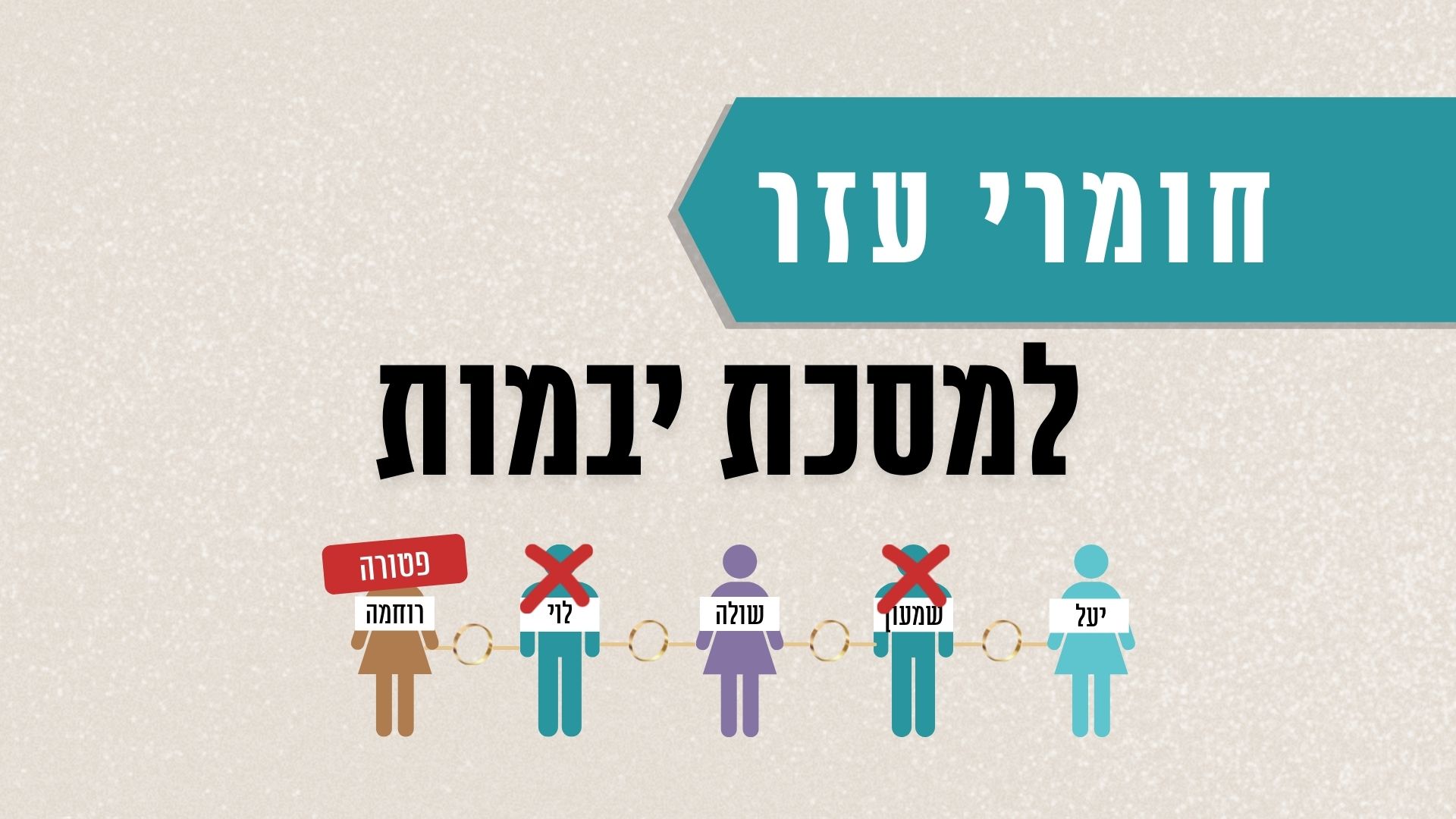
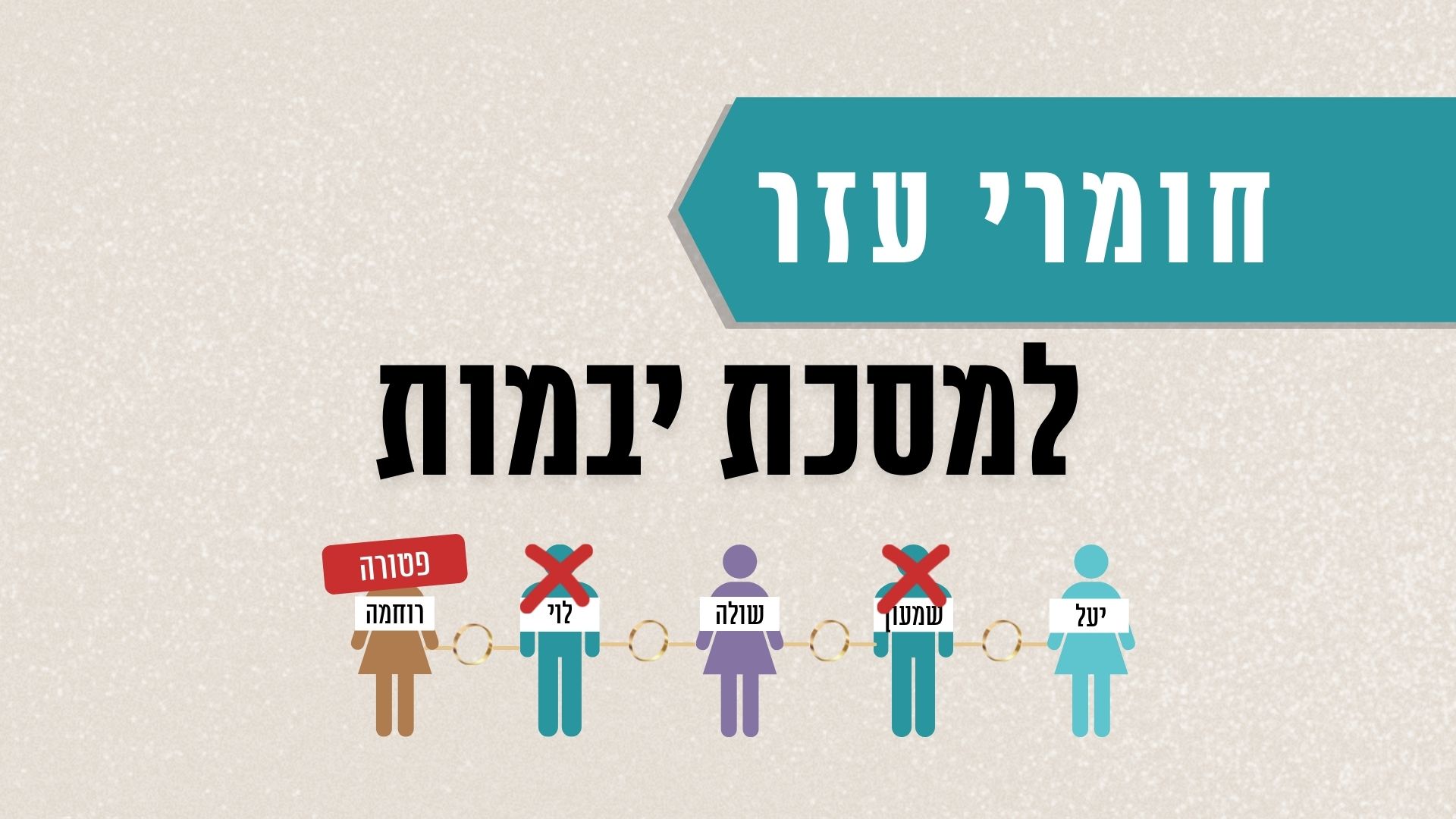
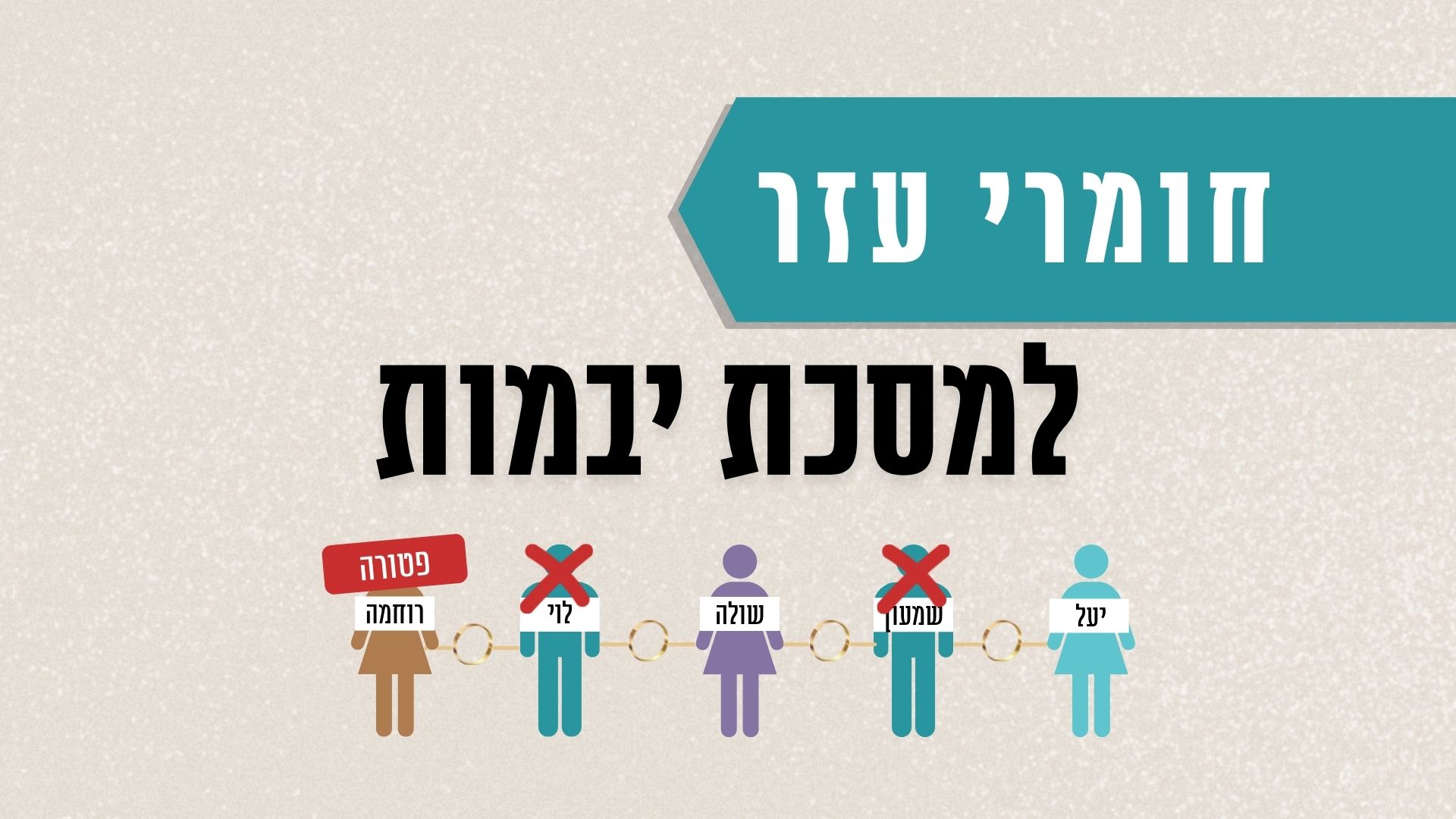
ברייתא מפרטת כמה מקרים שבהם אדם עלול להיות חייב לעשות חליצה ​​לאמו, לאחותו או לבתו מתוך ספק. באילו נסיבות זה יקרה? מצבים ייחודיים נוספים מתוארים בברייתא אחרת – שבהם זוג יכול להביא חמישה ילדים, שלכל אחד מהם מעמד שונה – גר, גוי, עבד, ממזר וישראל. אֵיך? חידה נוספת – יכול להיות מצב שמישהו יצטרף למכור את אביו, שהוא עבד, כדי לקבל את הכתובה של אמו. אֵיך? מה זה מלמד אותך על מעמדם של עבדים והאם הם משועבדים לכתובה? המשנה תיארה עוד מצבים בהם מתערבבים בלידה שני ילדים שאחד הוא אחיינו של השני. מה הם הלכות יבום/חליצה ​​להם ולאחיהם? אם בן אשה נשואה לכהן התערבב עם בן שפחה בביתו, מה מותר/אסור לאותו בן לעשות? הוא נחשב כהן מחמת הספק ולכן הוא צריך להקפיד על חומרות של כהנים, אולם בכל הנוגע לסוגיות כספיות אנו מקילים על בסיס עקרון "המוציא מחברו עליו הראייה”, חובת ההוכחה היא על זה שמנסה לתבוע את הכסף. רבי יוסי ורבי יהודה חלוקים בשאלה האם עבד יכול לאסוף תרומה מהגורן. החשש הוא שאנשים יראו אותו ויחשבו שהוא כהן ויאפשרו לו להתחתן עם יהודיה, בלי להבין שהוא עבד כנעני שלא יכול להתחתן עם יהודיה. רבי יוסי מתיר כי בעירו, הם לא מתירים לאנשים להתחתן על סמך עדות שראו אותו בתור לאסוף תרומה. רבי יהודה כי במקומו היו מקבלים עדות לייחוס אם ראו אותו בתור בבית הגרנות לחלוקת תרומה לצורך נישואין. למי עוד אסור לאסוף תרומה מהגורן?

/


יבמות צט

תָּנוּ רַבָּנַן: יֵשׁ חוֹלֵץ לְאִמּוֹ מִסָּפֵק, לַאֲחוֹתוֹ מִסָּפֵק, לְבִתּוֹ מִסָּפֵק.

§ The Sages taught: There is a case in which one performs ḥalitza with his mother due to uncertainty, or with his sister due to uncertainty, or with his daughter due to uncertainty. This is the halakha despite the fact that a levirate bond cannot be created between these relatives.

כֵּיצַד? אִמּוֹ וְאִשָּׁה אַחֶרֶת, וְלָהֶן שְׁנֵי זְכָרִים, וְחָזְרוּ וְיָלְדוּ שְׁנֵי זְכָרִים בְּמַחֲבֵא, וּבָא בְּנָהּ שֶׁל זוֹ וְנָשָׂא אִמּוֹ שֶׁל זֶה, וּבְנָהּ שֶׁל זוֹ נָשָׂא אִמּוֹ שֶׁל זֶה, וּמֵתוּ בְּלֹא בָּנִים — זֶה חוֹלֵץ לִשְׁתֵּיהֶן, וְזֶה חוֹלֵץ לִשְׁתֵּיהֶן. נִמְצָא כׇּל אֶחָד וְאֶחָד חוֹלֵץ לְאִמּוֹ מִסָּפֵק.

How so? If his mother and another woman had two sons, one each, and they then gave birth to two other sons in hiding, whose identities were confused, such that their lineage was consequently indeterminate, and the known son of this woman came and married the mother of that other known son, and the known son of that woman married this son’s mother, and they died without children, the halakha is that this one of the mixed sons performs ḥalitza with both women, as it is unknown which is his mother and which his yevama, and that one likewise performs ḥalitza with both women. It is therefore found that each one of them performs ḥalitza with his mother, due to the uncertainty.

לַאֲחוֹתוֹ מִסָּפֵק כֵּיצַד? אִמּוֹ וְאִשָּׁה אַחֶרֶת שֶׁיָּלְדוּ שְׁתֵּי נְקֵבוֹת בְּמַחֲבֵא, וּבָאוּ אֲחֵיהֶן שֶׁלֹּא מֵאוֹתָהּ הָאֵם וּנְשָׂאוּם, וּמֵתוּ בְּלֹא בָּנִים — חוֹלֵץ לִשְׁתֵּיהֶן, נִמְצָא חוֹלֵץ לַאֲחוֹתוֹ מִסָּפֵק.

There is a case where a man performs ḥalitza with his sister due to uncertainty. How so? If his mother and another woman gave birth to two females in hiding, and they were mixed, and the paternal, but not maternal, half brothers of this man and of the son of the other woman came and married them, and those half brothers died without children, the halakha is that the living half brothers perform ḥalitza with both wives, each with his half sister-in-law. It is therefore found that one performs ḥalitza with his half sister due to uncertainty.

לְבִתּוֹ מִסָּפֵק כֵּיצַד? אִשְׁתּוֹ וְאִשָּׁה אַחֶרֶת שֶׁיָּלְדוּ שְׁתֵּי נְקֵבוֹת בְּמַחֲבֵא, וּבָאוּ אֲחֵיהֶן וּנְשָׂאוּם, וּמֵתוּ בְּלֹא בָּנִים — זֶה חוֹלֵץ לְבִתּוֹ מִסָּפֵק, וְזֶה חוֹלֵץ לְבִתּוֹ מִסָּפֵק.

There is a case where one performs ḥalitza with his daughter due to uncertainty. How so? If his wife and another woman gave birth to two females in hiding, and they were mixed, and his brothers and the brothers of the other woman’s husband came and married them, and they died without children, then this one performs ḥalitza with his daughter due to uncertainty, and that one also performs ḥalitza with his daughter due to uncertainty.

תַּנְיָא, הָיָה רַבִּי מֵאִיר אוֹמֵר: אִישׁ וְאִשָּׁה פְּעָמִים שֶׁמּוֹלִידִין חָמֵשׁ אוּמּוֹת.

§ Following the previous baraita, the Gemara cites two additional baraitot that discuss unusual family situations. It is taught in a baraita that Rabbi Meir would say: A man and a woman can sometimes bear children of five nations, i.e., of five separate categories of lineage.

כֵּיצַד? יִשְׂרָאֵל שֶׁלָּקַח עֶבֶד וְשִׁפְחָה מִן הַשּׁוּק, וְלָהֶן שְׁנֵי בָנִים, וְנִתְגַּיֵּיר אֶחָד מֵהֶן — נִמְצָא אֶחָד גֵּר וְאֶחָד גּוֹי. הִטְבִּילָן לְשֵׁם עַבְדוּת וְנִזְקְקוּ זֶה לָזֶה, הֲרֵי כָּאן גֵּר וְגוֹי וְעֶבֶד. שִׁחְרֵר אֶת הַשִּׁפְחָה וּבָא עָלֶיהָ הָעֶבֶד, הֲרֵי כָּאן גֵּר וְגוֹי וְעֶבֶד וּמַמְזֵר. שִׁחְרֵר שְׁנֵיהֶם, וְהִשִּׂיאָן זֶה לָזֶה — הֲרֵי כָּאן גֵּר וְגוֹי וְעֶבֶד וּמַמְזֵר וְיִשְׂרָאֵל.

How so? If a Jew bought a slave and a maidservant from the market, and the slave and maidservant had two children at the time, and one of these children converted, it is found that one child is a convert and the other one is a gentile. If the master immersed the slave and maidservant for the sake of giving them the status of slaves, and they engaged in intercourse with each other and had a child, here there are three children in the family who are a convert, and a gentile, and a slave. If he freed the maidservant, which renders her a Jewess, and her husband the slave engaged in intercourse with her, and they had another child, here there are a convert, a gentile, a slave, and a mamzer. The offspring of a slave and a Jewess, according to Rabbi Meir, have the same status as a son born from an incestuous or adulterous relationship. If the master subsequently freed both the maidservant and the slave and married them to each other and they had another child, here there are a convert, a gentile, a slave, a mamzer, and a regular Jew.

מַאי קָא מַשְׁמַע לַן — גּוֹי וְעֶבֶד הַבָּא עַל בַּת יִשְׂרָאֵל הַוָּלָד מַמְזֵר.

The Gemara asks: What is the baraita teaching us? The Gemara answers: It is teaching us that if a gentile or a slave engaged in intercourse with a Jewish woman, their offspring is a mamzer.

תָּנוּ רַבָּנַן: יֵשׁ מוֹכֵר אֶת אָבִיו לְהַגְבּוֹת אִמּוֹ כְּתוּבָּתָהּ. כֵּיצַד? יִשְׂרָאֵל לָקַח עֶבֶד וְשִׁפְחָה מִן הַשּׁוּק וְלָהֶם בֵּן. וְשִׁחְרֵר אֶת הַשִּׁפְחָה וּנְשָׂאָהּ, וְעָמַד וְכָתַב כׇּל נְכָסָיו לִבְנָהּ, נִמְצָא זֶה מוֹכֵר אֶת אָבִיו לְהַגְבּוֹת לְאִמּוֹ כְּתוּבָּתָהּ.

The Sages taught: There is a case in which a man sells his father in order to collect his mother’s marriage contract for her. How so? A Jew bought a slave and a maidservant from the market, and they had a son, and the master freed the maidservant and married her, and he arose and wrote that all his property should go to her son, including her son’s father, the slave. It is found that this son, after receiving the master’s property, might sell his father to collect for his mother her marriage contract.

מַאי קָא מַשְׁמַע לַן? כּוּלַּהּ רַבִּי מֵאִיר הִיא, וְעַבְדָּא מִטַּלְטְלֵי, וּמִטַּלְטְלֵי מִשְׁתַּעְבְּדִי לִכְתוּבָה. וְאִיבָּעֵית אֵימָא: הָא קָמַשְׁמַע לַן עַבְדָּא כִּמְקַרְקַע דָּמֵי.

The Gemara asks: What is the baraita teaching us? The Gemara answers: The entire baraita is the statement of Rabbi Meir, and it is teaching us that although the legal status of a slave is like that of movable property, and there are those who hold that movable property cannot be mortgaged, Rabbi Meir holds that movable property is mortgaged for a marriage contract. This is also Rabbi Meir’s ruling elsewhere. Therefore, one might be obligated to sell his slave to pay a marriage contract. And if you wish, say that it is teaching us this: The legal status of a slave is like that of real estate, and therefore, according to all opinions one is obligated to sell his slave to pay a marriage contract.

מַתְנִי׳ הָאִשָּׁה שֶׁנִּתְעָרֵב וְלָדָהּ בִּוְלַד כַּלָּתָהּ, הִגְדִּילוּ הַתַּעֲרוֹבוֹת וְנָשְׂאוּ נָשִׁים, וּמֵתוּ — בְּנֵי הַכַּלָּה חוֹלְצִין וְלֹא מְיַיבְּמִין, שֶׁהוּא סָפֵק אֵשֶׁת אָחִיו, סָפֵק אֵשֶׁת אֲחִי אָבִיו.

MISHNA: With regard to a woman whose offspring was mixed with the offspring of her daughter-in-law, and their lineage was consequently indeterminate, and the mixed sons matured and married women, and subsequently they died, the certain sons of the daughter-in-law perform ḥalitza with the wives, but not levirate marriage, as with regard to each wife it is uncertain whether she is his brother’s wife, and therefore his yevama, and uncertain whether she is his father’s brother’s wife, who is forbidden to him.

בְּנֵי הַזְּקֵנָה אוֹ חוֹלְצִין אוֹ מְיַיבְּמִין, שֶׁ[הוּא] סָפֵק אֵשֶׁת אָחִיו וְאֵשֶׁת בֶּן אָחִיו.

However, the certain sons of the elder woman, i.e., the mother-in-law, perform either ḥalitza or levirate marriage, as with regard to each wife it is uncertain whether she is his brother’s wife, in which case levirate marriage is valid, or his brother’s son’s wife, in which case she is permitted to him, after having performed ḥalitza with a son of the daughter-in-law.

מֵתוּ הַכְּשֵׁרִים, הַתַּעֲרוֹבוֹת לִבְנֵי הַזְּקֵנָה חוֹלְצִין וְלֹא מְיַיבְּמִין, שֶׁהוּא סָפֵק אֵשֶׁת אָחִיו וְאֵשֶׁת אֲחִי אָבִיו. לִבְנֵי הַכַּלָּה — אֶחָד חוֹלֵץ, וְאֶחָד מְיַיבֵּם.

If the sons of certain, unflawed lineage were the ones who died, then the mixed sons perform ḥalitza with the widows of the elder woman’s sons but not levirate marriage, as it is uncertain whether she is his brother’s wife or his father’s brother’s wife. With the widows of the certain sons of the daughter-in-law, one of the mixed sons performs ḥalitza, in case she is his brother’s wife. And the other one performs levirate marriage, as even if she is his brother’s son’s wife, she is permitted to him.

כֹּהֶנֶת שֶׁנִּתְעָרֵב וְלָדָהּ בִּוְלַד שִׁפְחָתָהּ — הֲרֵי אֵלּוּ אוֹכְלִים בִּתְרוּמָה — וְחוֹלְקִין חֵלֶק אֶחָד בַּגּוֹרֶן,

In the case of a priestess whose offspring was mixed with her maidservant’s offspring, they may partake of teruma, as both a priest and the slave of a priest partake of teruma. And they receive one share of teruma in the granary.

וְאֵינָן מִטַּמְּאִין לְמֵתִים. וְאֵינָן נוֹשְׂאִין נָשִׁים, בֵּין כְּשֵׁרוֹת בֵּין פְּסוּלוֹת. הִגְדִּילוּ הַתַּעֲרוֹבוֹת וְשִׁחְרְרוּ זֶה אֶת זֶה — נוֹשְׂאִין נָשִׁים רְאוּיוֹת לַכְּהוּנָּה.

And they may not become ritually impure with impurity imparted by a corpse, as each of them might be a priest. And they may not marry women, whether unflawed women, who may not marry a slave, or women unfit to marry into the priesthood, as with regard to each of them it is uncertain whether he is a priest or a slave. If the mixed sons matured and freed each other, they may marry women fit to marry into the priesthood, as a freed slave may marry such women. However, neither may marry a woman unfit for the priesthood, in case he is a priest.

וְאֵינָן מְטַמְּאִין לְמֵתִים, וְאִם נִטְמְאוּ — אֵינָן סוֹפְגִין הָאַרְבָּעִים. וְאֵינָן אוֹכְלִין בִּתְרוּמָה, וְאִם אָכְלוּ — אֵינָן מְשַׁלְּמִין קֶרֶן וָחוֹמֶשׁ. וְאֵינָן חוֹלְקִין עַל הַגּוֹרֶן. וּמוֹכְרִין אֶת הַתְּרוּמָה, וְהַדָּמִים שֶׁלָּהֶן.

And they may not become ritually impure with impurity imparted by a corpse, since they are uncertain priests. However, if they became impure, they do not receive the forty lashes, as each of them might not be priest. And they may not partake of teruma, as one of them is not a priest. However, if they ate teruma unwittingly they do not pay the principal and the additional fifth, as each of them might be a priest. And they do not receive a share of teruma in the granary, as neither can prove that he is a priest. However, they may sell the teruma that they remove from their own produce, and although they may not eat it, the money is theirs. Since it cannot be proven with regard to either of them that he is not a priest, teruma cannot be appropriated from them.

וְאֵינָן חוֹלְקִין בְּקׇדְשֵׁי הַמִּקְדָּשׁ, וְאֵין נוֹתְנִים לָהֶם קָדָשִׁים. וְאֵין מוֹצִיאִין שֶׁלָּהֶם מִידֵיהֶם.

And they do not receive a share of the consecrated offerings of the Temple, as each of them might not be a priest. And one may not give them consecrated offerings to sacrifice for the same reason. However, the hides of their own offerings may not be appropriated from their possession, as it cannot be proven with regard to either of them that he is not a priest.

וּפְטוּרִין מִן הַזְּרוֹעַ וּמִן הַלְּחָיַיִם וּמִן הַקֵּיבָה, וּבְכוֹרוֹ יְהֵא רוֹעֶה עַד שֶׁיִּסְתָּאֵב. וְנוֹתְנִין עָלָיו חוּמְרֵי כֹהֲנִים וְחוּמְרֵי יִשְׂרְאֵלִים.

And they are exempt from giving a priest the foreleg, and from giving him the jaw, and from giving him the maw of their non-consecrated kosher animals. And with regard to either of them, the firstling of his kosher animal should graze until it becomes unfit to be sacrificed, i.e., until it gets a blemish. It is against his interest to sacrifice the animal before it gets a blemish, thereby letting it be eaten by the priests. Once it gets a blemish, it cannot be appropriated from him. Since he is possibly a priest, he may claim that the animal is the property of a priest. The animal then becomes his private property, and he may eat it if he wishes. And in general, we place upon him both the stringencies of priests and the stringencies of Israelites.

גְּמָ׳ מֵתוּ הַכְּשֵׁרִים וְכוּ׳. אֶלָּא הָנָךְ, מִשּׁוּם דְּאִיעָרוּב לְהוּ הָווּ לְהוּ פְּסוּלִין? אָמַר רַב פָּפָּא, אֵימָא: וּמֵתוּ הַוַּדָּאִין.

GEMARA: It is stated in the mishna that if the sons of certain, unflawed lineage were the ones who died, the mixed sons perform ḥalitza with the widows of the elder woman’s sons, but not levirate marriage. The Gemara asks: Does this indicate that because these sons were mixed up they are rendered unfit? The fact that their lineage is unclear should not render them unfit. Rava Pappa said: Say that the correct wording is: And if the certain sons were the ones who died.

לִבְנֵי הַכַּלָּה אֶחָד חוֹלֵץ וְכוּ׳. דַּוְקָא מִיחְלָץ וַהֲדַר יַבּוֹמֵי, אֲבָל יַבּוֹמֵי בְּרֵישָׁא — לָא, דְּקָפָגַע בִּיבָמָה לַשּׁוּק.

It is stated in the mishna that with the widows of the certain sons of the daughter-in-law, one of the mixed sons performs ḥalitza and the other one performs levirate marriage. The Gemara comments that ḥalitza is specifically performed first, and afterward levirate marriage. However, levirate marriage is not performed first, because if she is not his own yevama but rather his brother’s daughter-in-law, doing so breaches the prohibition against a yevama engaging in intercourse with a member of the public.

כֹּהֶנֶת שֶׁנִּתְעָרֵב וְכוּ׳. חֵלֶק אֶחָד פְּשִׁיטָא! אֵימָא חֵלֶק כְּאֶחָד.

§ It is stated in the mishna that in the case of a priestess whose offspring was mixed with her maidservant’s offspring, they receive one share of teruma in the granary. The Gemara asks: Isn’t it obvious that they receive one share and no more? Rather, say that they receive a share as one, i.e., they receive a share at the granary only if they come together.

תְּנַן כְּמַאן דְּאָמַר אֵין חוֹלְקִין תְּרוּמָה לְעֶבֶד אֶלָּא אִם כֵּן רַבּוֹ עִמּוֹ. דְּתַנְיָא: אֵין חוֹלְקִין תְּרוּמָה לְעֶבֶד אֶלָּא אִם כֵּן רַבּוֹ עִמּוֹ, דִּבְרֵי רַבִּי יְהוּדָה. רַבִּי יוֹסֵי אוֹמֵר: יָכוֹל שֶׁיֹּאמַר, אִם כֹּהֵן אֲנִי — תְּנוּ לִי בִּשְׁבִיל עַצְמִי, וְאִם עֶבֶד כֹּהֵן אֲנִי — תְּנוּ לִי בִּשְׁבִיל רַבִּי.

The Gemara comments: According to this modification, we have learned in the mishna a ruling that is in accordance with the one who said that one may distribute teruma to a slave only if his master is with him, as it is taught in a baraita: One may distribute teruma to the slave of a priest who is possibly a priest himself only if his master is with him; this is the statement of Rabbi Yehuda. Rabbi Yosei says that teruma is distributed to him alone, even without the accompaniment of his master, as he can say: If I am a priest, give me teruma due to my own priesthood, and if I am the slave of a priest, give me due to my master.

בִּמְקוֹמוֹ שֶׁל רַבִּי יְהוּדָה הָיוּ מַעֲלִין מִתְּרוּמָה לְיוּחֲסִין. בִּמְקוֹמוֹ שֶׁל רַבִּי יוֹסֵי לֹא הָיוּ מַעֲלִין מִתְּרוּמָה לְיוּחֲסִין.

The Gemara explains the background behind this dispute: In Rabbi Yehuda’s place, they would elevate a person to the presumptive status of priesthood for the purpose of lineage on the basis of his having received teruma. If they saw a person receive teruma, they would assume that he is a priest and testify to that effect. Therefore, teruma was not distributed to someone who might be a slave, unless he was accompanied by his master, lest the slave be assumed to be a priest himself. Conversely, in Rabbi Yosei’s place they would not elevate a person to the presumptive status of priestly lineage on the basis of his having received teruma. Therefore, he was allowed to receive teruma independently.

תַּנְיָא, אָמַר רַבִּי אֶלְעָזָר בַּר צָדוֹק: מִיָּמַי לֹא הֵעַדְתִּי אֶלָּא עֵדוּת אֶחָד, וְהֶעֱלוּ עֶבֶד לַכְּהוּנָּה עַל פִּי.

It is taught in a baraita that Rabbi Elazar bar Tzadok said: In all my days I never had the opportunity to testify in court, besides one testimony, and they promoted a slave to the presumptive status of priesthood on the basis of my word. Although they presumably examined the matter carefully, an error occurred.

הֶעֱלוּ סָלְקָא דַּעְתָּךְ?! הַשְׁתָּא בְּהֶמְתָּן שֶׁל צַדִּיקִים אֵין הַקָּדוֹשׁ בָּרוּךְ הוּא מֵבִיא תַּקָּלָה עַל יָדָן, צַדִּיקִים עַצְמָן לֹא כׇּל שֶׁכֵּן!

The Gemara asks: Can it enter your mind that they actually promoted him? Now consider: If, even through the animals of the righteous, the Holy One, Blessed be He, does not bring about a stumbling block, then through the righteous themselves, all the more so is it not so that He does not bring about stumbling blocks?

אֶלָּא אֵימָא: בִּקְּשׁוּ לְהַעֲלוֹת עֶבֶד לַכְּהוּנָּה עַל פִּי. חֲזָא בְּאַתְרֵיהּ דְּרַבִּי יוֹסֵי — וַאֲזַל וְאַסְהֵיד בְּאַתְרֵיהּ דְּרַבִּי יְהוּדָה.

Rather, say that this is what Rabbi Elazar bar Tzadok meant: They sought to promote a slave to the presumptive status of priesthood on the basis of my word. How did this happen? Rabbi Elazar bar Tzadok saw a man receiving teruma in Rabbi Yosei’s locale and went and testified in Rabbi Yehuda’s locale about what he saw, not realizing that this testimony would be sufficient grounds to assume that the man is a priest. Since teruma is distributed there only to priests, the slave was almost promoted to the presumptive status of priesthood erroneously.

תָּנוּ רַבָּנַן: עֲשָׂרָה אֵין חוֹלְקִין לָהֶם תְּרוּמָה בְּבֵית הַגֳּרָנוֹת, וְאֵלּוּ הֵן: חֵרֵשׁ, שׁוֹטֶה, וְקָטָן, טוּמְטוּם, וְאַנְדְּרוֹגִינוֹס, וְהָעֶבֶד, וְהָאִשָּׁה, וְהֶעָרֵל, וְהַטָּמֵא, וְנוֹשֵׂא אִשָּׁה שֶׁאֵינָהּ הוֹגֶנֶת לוֹ. וְכוּלָּן מְשַׁגְּרִין לָהֶם לְבָתֵּיהֶם, חוּץ מִטָּמֵא וְנוֹשֵׂא אִשָּׁה שֶׁאֵינָהּ הוֹגֶנֶת לוֹ.

§ The Sages taught: There are ten types of priests to whom one may not distribute teruma in the granary, and they are: A deaf-mute, an imbecile, and a minor, a person whose sexual organs are concealed [tumtum], and a hermaphrodite, and a slave, and a woman, and an uncircumcised man, and a ritually impure man, and one who marries a woman who is unfit for him, i.e., who is unfit to marry a priest. And with regard to all of them, one may send teruma to them, to their homes, with the exception of a ritually impure man and one who marries a woman who is unfit for him.

בִּשְׁלָמָא חֵרֵשׁ שׁוֹטֶה וְקָטָן — לָאו בְּנֵי דֵּיעָה נִינְהוּ. טוּמְטוּם וְאַנְדְּרוֹגִינוֹס נָמֵי —

The Gemara asks: Granted, teruma may not be distributed to a deaf-mute, an imbecile, and a minor, as they are not competent, and it is unbecoming to give them teruma in public. It is also inappropriate to distribute teruma to a tumtum and a hermaphrodite,

העמקה

רוצה להבין מה באמת קורה מתחת לפני השטח של הסוגיה?
שיעורים, פודקאסטים והרחבות של מיטב המורות שלנו יפתחו לך עוד זוויות וכיווני חשיבה.

לשיעורי עוד על הדף באנגלית, לחצי כאן

חדשה בלימוד הגמרא?

זה הדף הראשון שלך? איזו התרגשות עצומה! יש לנו בדיוק את התכנים והכלים שיעזרו לך לעשות את הצעדים הראשונים ללמידה בקצב וברמה שלך, כך תוכלי להרגיש בנוח גם בתוך הסוגיות המורכבות ומאתגרות.

פסיפס הלומדות שלנו

גלי את קהילת הלומדות שלנו, מגוון נשים, רקעים וסיפורים. כולן חלק מתנועה ומסע מרגש ועוצמתי.

אמא שלי למדה איתי ש”ס משנה, והתחילה ללמוד דף יומי. אני החלטתי שאני רוצה ללמוד גם. בהתחלה למדתי איתה, אח”כ הצטרפתי ללימוד דף יומי שהרב דני וינט מעביר לנוער בנים בעתניאל. במסכת עירובין עוד חברה הצטרפה אלי וכשהתחלנו פסחים הרב דני פתח לנו שעור דף יומי לבנות. מאז אנחנו לומדות איתו קבוע כל יום את הדף היומי (ובשבת אבא שלי מחליף אותו). אני נהנית מהלימוד, הוא מאתגר ומעניין

Renana Hellman
רננה הלמן

עתניאל, ישראל

בתחילת הסבב הנוכחי הצטברו אצלי תחושות שאני לא מבינה מספיק מהי ההלכה אותה אני מקיימת בכל יום. כמו כן, כאמא לבנות רציתי לתת להן מודל נשי של לימוד תורה
שתי הסיבות האלו הובילו אותי להתחיל ללמוד. נתקלתי בתגובות מפרגנות וסקרניות איך אישה לומדת גמרא..
כמו שרואים בתמונה אני ממשיכה ללמוד גם היום ואפילו במחלקת יולדות אחרי לידת ביתי השלישית.

Noa Shiloh
נועה שילה

רבבה, ישראל

התחלתי ללמוד לפני כשנתיים בשאיפה לסיים לראשונה מסכת אחת במהלך חופשת הלידה.
אחרי מסכת אחת כבר היה קשה להפסיק…

Noa Gallant
נעה גלנט

ירוחם, ישראל

באירוע של הדרן בנייני האומה. בהשראתה של אמי שלי שסיימה את הש”ס בסבב הקודם ובעידוד מאיר , אישי, וילדיי וחברותיי ללימוד במכון למנהיגות הלכתית של רשת אור תורה סטון ומורתיי הרבנית ענת נובוסלסקי והרבנית דבורה עברון, ראש המכון למנהיגות הלכתית.
הלימוד מעשיר את יומי, מחזיר אותי גם למסכתות שכבר סיימתי וידוע שאינו דומה מי ששונה פרקו מאה לשונה פרקו מאה ואחת במיוחד מרתקים אותי החיבורים בין המסכתות

Roit Kalech
רוית קלך

מודיעין, ישראל

שמעתי על הסיום הענק של הדף היומי ע”י נשים בבנייני האומה. רציתי גם.
החלטתי להצטרף. התחלתי ושיכנעתי את בעלי ועוד שתי חברות להצטרף. עכשיו יש לי לימוד משותף איתו בשבת ומפגש חודשי איתן בנושא (והתכתבויות תדירות על דברים מיוחדים שקראנו). הצטרפנו לקבוצות שונות בווטסאפ. אנחנו ממש נהנות. אני שומעת את השיעור מידי יום (בד”כ מהרב יוני גוטמן) וקוראת ומצטרפת לסיומים של הדרן. גם מקפידה על דף משלהן (ונהנית מאד).

Liat Citron
ליאת סיטרון

אפרת, ישראל

אני לומדת גמרא כעשור במסגרות שונות, ואת הדף היומי התחלתי כשחברה הציעה שאצטרף אליה לסיום בבנייני האומה. מאז אני לומדת עם פודקסט הדרן, משתדלת באופן יומי אך אם לא מספיקה, מדביקה פערים עד ערב שבת. בסבב הזה הלימוד הוא "ממעוף הציפור”, מקשיבה במהירות מוגברת תוך כדי פעילויות כמו בישול או נהיגה, וכך רוכשת היכרות עם הסוגיות ואופן ניתוחם על ידי חז”ל. בע”ה בסבב הבא, ואולי לפני, אצלול לתוכו באופן מעמיק יותר.

Yael Bir
יעל ביר

רמת גן, ישראל

בסוף הסבב הקודם ראיתי את השמחה הגדולה שבסיום הלימוד, בעלי סיים כבר בפעם השלישית וכמובן הסיום הנשי בבנייני האומה וחשבתי שאולי זו הזדמנות עבורי למשהו חדש.
למרות שאני שונה בסביבה שלי, מי ששומע על הלימוד שלי מפרגן מאוד.
אני מנסה ללמוד קצת בכל יום, גם אם לא את כל הדף ובסך הכל אני בדרך כלל עומדת בקצב.
הלימוד מעניק המון משמעות ליום יום ועושה סדר בלמוד תורה, שתמיד היה (ועדיין) שאיפה. אבל אין כמו קביעות

Racheli-Mendelson
רחלי מנדלסון

טל מנשה, ישראל

התחלתי ללמוד דף יומי בתחילת מסכת ברכות, עוד לא ידעתי כלום. נחשפתי לסיום הש״ס, ובעצם להתחלה מחדש בתקשורת, הפתיע אותי לטובה שהיה מקום לעיסוק בתורה.
את המסכתות הראשונות למדתי, אבל לא סיימתי (חוץ מעירובין איכשהו). השנה כשהגעתי למדרשה, נכנסתי ללופ, ואני מצליחה להיות חלק, סיימתי עם החברותא שלי את כל המסכתות הקצרות, גם כשהיינו חולות קורונה ובבידודים, למדנו לבד, העיקר לא לצבור פער, ומחכות ליבמות 🙂

Eden Yeshuron
עדן ישורון

מזכרת בתיה, ישראל

התחלתי ללמוד בעידוד שתי חברות אתן למדתי בעבר את הפרק היומי במסגרת 929.
בבית מתלהבים מאוד ובשבת אני לומדת את הדף עם בעלי שזה מפתיע ומשמח מאוד! לימוד הדף הוא חלק בלתי נפרד מהיום שלי. לומדת בצהריים ומחכה לזמן הזה מידי יום…

Miriam Wengerover
מרים ונגרובר

אפרת, ישראל

התחלתי ללמוד גמרא בבית הספר בגיל צעיר והתאהבתי. המשכתי בכך כל חיי ואף היייתי מורה לגמרא בבית הספר שקד בשדה אליהו (בית הספר בו למדתי בילדותי)בתחילת מחזור דף יומי הנוכחי החלטתי להצטרף ובע”ה מקווה להתמיד ולהמשיך. אני אוהבת את המפגש עם הדף את "דרישות השלום ” שמקבלת מקשרים עם דפים אחרים שלמדתי את הסנכרון שמתחולל בין התכנים.

Ariela Bigman
אריאלה ביגמן

מעלה גלבוע, ישראל

הצטרפתי ללומדות בתחילת מסכת תענית. ההתרגשות שלי ושל המשפחה היתה גדולה מאוד, והיא הולכת וגוברת עם כל סיום שאני זוכה לו. במשך שנים רבות רציתי להצטרף ומשום מה זה לא קרה… ב”ה מצאתי לפני מספר חודשים פרסום של הדרן, ומיד הצטרפתי והתאהבתי. הדף היומי שינה את חיי ממש והפך כל יום- ליום של תורה. מודה לכן מקרב ליבי ומאחלת לכולנו לימוד פורה מתוך אהבת התורה ולומדיה.

Noa Rosen
נעה רוזן

חיספין רמת הגולן, ישראל

התחלתי מחוג במסכת קידושין שהעבירה הרבנית רייסנר במסגרת בית המדרש כלנה בגבעת שמואל; לאחר מכן התחיל סבב הדף היומי אז הצטרפתי. לסביבה לקח זמן לעכל אבל היום כולם תומכים ומשתתפים איתי. הלימוד לעתים מעניין ומעשיר ולעתים קשה ואף הזוי… אך אני ממשיכה קדימה. הוא משפיע על היומיום שלי קודם כל במרדף אחרי הדף, וגם במושגים הרבים שלמדתי ובידע שהועשרתי בו, חלקו ממש מעשי

Abigail Chrissy
אביגיל כריסי

ראש העין, ישראל

בתחילת הסבב הנוכחי הצטברו אצלי תחושות שאני לא מבינה מספיק מהי ההלכה אותה אני מקיימת בכל יום. כמו כן, כאמא לבנות רציתי לתת להן מודל נשי של לימוד תורה
שתי הסיבות האלו הובילו אותי להתחיל ללמוד. נתקלתי בתגובות מפרגנות וסקרניות איך אישה לומדת גמרא..
כמו שרואים בתמונה אני ממשיכה ללמוד גם היום ואפילו במחלקת יולדות אחרי לידת ביתי השלישית.

Noa Shiloh
נועה שילה

רבבה, ישראל

אחי, שלומד דף יומי ממסכת ברכות, חיפש חברותא ללימוד מסכת ראש השנה והציע לי. החברותא היתה מאתגרת טכנית ורוב הזמן נעשתה דרך הטלפון, כך שבסיום המסכת נפרדו דרכינו. אחי חזר ללמוד לבד, אבל אני כבר נכבשתי בקסם הגמרא ושכנעתי את האיש שלי להצטרף אלי למסכת ביצה. מאז המשכנו הלאה, ועכשיו אנחנו מתרגשים לקראתו של סדר נשים!

Shulamit Saban
שולמית סבן

נוקדים, ישראל

התחלתי ללמוד דף לפני קצת יותר מ-5 שנים, כשלמדתי רבנות בישיבת מהר”ת בניו יורק. בדיעבד, עד אז, הייתי בלימוד הגמרא שלי כמו מישהו שאוסף חרוזים משרשרת שהתפזרה, פה משהו ושם משהו, ומאז נפתח עולם ומלואו…. הדף נותן לי לימוד בצורה מאורגנת, שיטתית, יום-יומית, ומלמד אותי לא רק ידע אלא את השפה ודרך החשיבה שלנו. לשמחתי, יש לי סביבה תומכת וההרגשה שלי היא כמו בציטוט שבחרתי: הדף משפיע לטובה על כל היום שלי.

Michal Kahana
מיכל כהנא

חיפה, ישראל

התחלתי לפני 8 שנים במדרשה. לאחרונה סיימתי מסכת תענית בלמידה עצמית ועכשיו לקראת סיום מסכת מגילה.

Daniela Baruchim
דניאלה ברוכים

רעננה, ישראל

למדתי גמרא מכיתה ז- ט ב Maimonides School ואחרי העליה שלי בגיל 14 לימוד הגמרא, שלא היה כל כך מקובל בימים אלה, היה די ספוראדי. אחרי "ההתגלות” בבנייני האומה התחלתי ללמוד בעיקר בדרך הביתה למדתי מפוקקטסים שונים. לאט לאט ראיתי שאני תמיד חוזרת לרבנית מישל פרבר. באיזה שהוא שלב התחלתי ללמוד בזום בשעה 7:10 .
היום "אין מצב” שאני אתחיל את היום שלי ללא לימוד עם הרבנית מישל עם כוס הקפה שלי!!

selfie-scaled
דבי גביר

חשמונאים, ישראל

התחלתי לפני כמה שנים אבל רק בסבב הזה זכיתי ללמוד יום יום ולסיים מסכתות

Sigal Tel
סיגל טל

רעננה, ישראל

אני לומדת גמרא כעשור במסגרות שונות, ואת הדף היומי התחלתי כשחברה הציעה שאצטרף אליה לסיום בבנייני האומה. מאז אני לומדת עם פודקסט הדרן, משתדלת באופן יומי אך אם לא מספיקה, מדביקה פערים עד ערב שבת. בסבב הזה הלימוד הוא "ממעוף הציפור”, מקשיבה במהירות מוגברת תוך כדי פעילויות כמו בישול או נהיגה, וכך רוכשת היכרות עם הסוגיות ואופן ניתוחם על ידי חז”ל. בע”ה בסבב הבא, ואולי לפני, אצלול לתוכו באופן מעמיק יותר.

Yael Bir
יעל ביר

רמת גן, ישראל

התחלתי בתחילת הסבב, והתמכרתי. זה נותן משמעות נוספת ליומיום ומאוד מחזק לתת לזה מקום בתוך כל שגרת הבית-עבודה השוטפת.

Reut Abrahami
רעות אברהמי

בית שמש, ישראל

יבמות צט

תָּנוּ רַבָּנַן: יֵשׁ חוֹלֵץ לְאִמּוֹ מִסָּפֵק, לַאֲחוֹתוֹ מִסָּפֵק, לְבִתּוֹ מִסָּפֵק.

§ The Sages taught: There is a case in which one performs ḥalitza with his mother due to uncertainty, or with his sister due to uncertainty, or with his daughter due to uncertainty. This is the halakha despite the fact that a levirate bond cannot be created between these relatives.

כֵּיצַד? אִמּוֹ וְאִשָּׁה אַחֶרֶת, וְלָהֶן שְׁנֵי זְכָרִים, וְחָזְרוּ וְיָלְדוּ שְׁנֵי זְכָרִים בְּמַחֲבֵא, וּבָא בְּנָהּ שֶׁל זוֹ וְנָשָׂא אִמּוֹ שֶׁל זֶה, וּבְנָהּ שֶׁל זוֹ נָשָׂא אִמּוֹ שֶׁל זֶה, וּמֵתוּ בְּלֹא בָּנִים — זֶה חוֹלֵץ לִשְׁתֵּיהֶן, וְזֶה חוֹלֵץ לִשְׁתֵּיהֶן. נִמְצָא כׇּל אֶחָד וְאֶחָד חוֹלֵץ לְאִמּוֹ מִסָּפֵק.

How so? If his mother and another woman had two sons, one each, and they then gave birth to two other sons in hiding, whose identities were confused, such that their lineage was consequently indeterminate, and the known son of this woman came and married the mother of that other known son, and the known son of that woman married this son’s mother, and they died without children, the halakha is that this one of the mixed sons performs ḥalitza with both women, as it is unknown which is his mother and which his yevama, and that one likewise performs ḥalitza with both women. It is therefore found that each one of them performs ḥalitza with his mother, due to the uncertainty.

לַאֲחוֹתוֹ מִסָּפֵק כֵּיצַד? אִמּוֹ וְאִשָּׁה אַחֶרֶת שֶׁיָּלְדוּ שְׁתֵּי נְקֵבוֹת בְּמַחֲבֵא, וּבָאוּ אֲחֵיהֶן שֶׁלֹּא מֵאוֹתָהּ הָאֵם וּנְשָׂאוּם, וּמֵתוּ בְּלֹא בָּנִים — חוֹלֵץ לִשְׁתֵּיהֶן, נִמְצָא חוֹלֵץ לַאֲחוֹתוֹ מִסָּפֵק.

There is a case where a man performs ḥalitza with his sister due to uncertainty. How so? If his mother and another woman gave birth to two females in hiding, and they were mixed, and the paternal, but not maternal, half brothers of this man and of the son of the other woman came and married them, and those half brothers died without children, the halakha is that the living half brothers perform ḥalitza with both wives, each with his half sister-in-law. It is therefore found that one performs ḥalitza with his half sister due to uncertainty.

לְבִתּוֹ מִסָּפֵק כֵּיצַד? אִשְׁתּוֹ וְאִשָּׁה אַחֶרֶת שֶׁיָּלְדוּ שְׁתֵּי נְקֵבוֹת בְּמַחֲבֵא, וּבָאוּ אֲחֵיהֶן וּנְשָׂאוּם, וּמֵתוּ בְּלֹא בָּנִים — זֶה חוֹלֵץ לְבִתּוֹ מִסָּפֵק, וְזֶה חוֹלֵץ לְבִתּוֹ מִסָּפֵק.

There is a case where one performs ḥalitza with his daughter due to uncertainty. How so? If his wife and another woman gave birth to two females in hiding, and they were mixed, and his brothers and the brothers of the other woman’s husband came and married them, and they died without children, then this one performs ḥalitza with his daughter due to uncertainty, and that one also performs ḥalitza with his daughter due to uncertainty.

תַּנְיָא, הָיָה רַבִּי מֵאִיר אוֹמֵר: אִישׁ וְאִשָּׁה פְּעָמִים שֶׁמּוֹלִידִין חָמֵשׁ אוּמּוֹת.

§ Following the previous baraita, the Gemara cites two additional baraitot that discuss unusual family situations. It is taught in a baraita that Rabbi Meir would say: A man and a woman can sometimes bear children of five nations, i.e., of five separate categories of lineage.

כֵּיצַד? יִשְׂרָאֵל שֶׁלָּקַח עֶבֶד וְשִׁפְחָה מִן הַשּׁוּק, וְלָהֶן שְׁנֵי בָנִים, וְנִתְגַּיֵּיר אֶחָד מֵהֶן — נִמְצָא אֶחָד גֵּר וְאֶחָד גּוֹי. הִטְבִּילָן לְשֵׁם עַבְדוּת וְנִזְקְקוּ זֶה לָזֶה, הֲרֵי כָּאן גֵּר וְגוֹי וְעֶבֶד. שִׁחְרֵר אֶת הַשִּׁפְחָה וּבָא עָלֶיהָ הָעֶבֶד, הֲרֵי כָּאן גֵּר וְגוֹי וְעֶבֶד וּמַמְזֵר. שִׁחְרֵר שְׁנֵיהֶם, וְהִשִּׂיאָן זֶה לָזֶה — הֲרֵי כָּאן גֵּר וְגוֹי וְעֶבֶד וּמַמְזֵר וְיִשְׂרָאֵל.

How so? If a Jew bought a slave and a maidservant from the market, and the slave and maidservant had two children at the time, and one of these children converted, it is found that one child is a convert and the other one is a gentile. If the master immersed the slave and maidservant for the sake of giving them the status of slaves, and they engaged in intercourse with each other and had a child, here there are three children in the family who are a convert, and a gentile, and a slave. If he freed the maidservant, which renders her a Jewess, and her husband the slave engaged in intercourse with her, and they had another child, here there are a convert, a gentile, a slave, and a mamzer. The offspring of a slave and a Jewess, according to Rabbi Meir, have the same status as a son born from an incestuous or adulterous relationship. If the master subsequently freed both the maidservant and the slave and married them to each other and they had another child, here there are a convert, a gentile, a slave, a mamzer, and a regular Jew.

מַאי קָא מַשְׁמַע לַן — גּוֹי וְעֶבֶד הַבָּא עַל בַּת יִשְׂרָאֵל הַוָּלָד מַמְזֵר.

The Gemara asks: What is the baraita teaching us? The Gemara answers: It is teaching us that if a gentile or a slave engaged in intercourse with a Jewish woman, their offspring is a mamzer.

תָּנוּ רַבָּנַן: יֵשׁ מוֹכֵר אֶת אָבִיו לְהַגְבּוֹת אִמּוֹ כְּתוּבָּתָהּ. כֵּיצַד? יִשְׂרָאֵל לָקַח עֶבֶד וְשִׁפְחָה מִן הַשּׁוּק וְלָהֶם בֵּן. וְשִׁחְרֵר אֶת הַשִּׁפְחָה וּנְשָׂאָהּ, וְעָמַד וְכָתַב כׇּל נְכָסָיו לִבְנָהּ, נִמְצָא זֶה מוֹכֵר אֶת אָבִיו לְהַגְבּוֹת לְאִמּוֹ כְּתוּבָּתָהּ.

The Sages taught: There is a case in which a man sells his father in order to collect his mother’s marriage contract for her. How so? A Jew bought a slave and a maidservant from the market, and they had a son, and the master freed the maidservant and married her, and he arose and wrote that all his property should go to her son, including her son’s father, the slave. It is found that this son, after receiving the master’s property, might sell his father to collect for his mother her marriage contract.

מַאי קָא מַשְׁמַע לַן? כּוּלַּהּ רַבִּי מֵאִיר הִיא, וְעַבְדָּא מִטַּלְטְלֵי, וּמִטַּלְטְלֵי מִשְׁתַּעְבְּדִי לִכְתוּבָה. וְאִיבָּעֵית אֵימָא: הָא קָמַשְׁמַע לַן עַבְדָּא כִּמְקַרְקַע דָּמֵי.

The Gemara asks: What is the baraita teaching us? The Gemara answers: The entire baraita is the statement of Rabbi Meir, and it is teaching us that although the legal status of a slave is like that of movable property, and there are those who hold that movable property cannot be mortgaged, Rabbi Meir holds that movable property is mortgaged for a marriage contract. This is also Rabbi Meir’s ruling elsewhere. Therefore, one might be obligated to sell his slave to pay a marriage contract. And if you wish, say that it is teaching us this: The legal status of a slave is like that of real estate, and therefore, according to all opinions one is obligated to sell his slave to pay a marriage contract.

מַתְנִי׳ הָאִשָּׁה שֶׁנִּתְעָרֵב וְלָדָהּ בִּוְלַד כַּלָּתָהּ, הִגְדִּילוּ הַתַּעֲרוֹבוֹת וְנָשְׂאוּ נָשִׁים, וּמֵתוּ — בְּנֵי הַכַּלָּה חוֹלְצִין וְלֹא מְיַיבְּמִין, שֶׁהוּא סָפֵק אֵשֶׁת אָחִיו, סָפֵק אֵשֶׁת אֲחִי אָבִיו.

MISHNA: With regard to a woman whose offspring was mixed with the offspring of her daughter-in-law, and their lineage was consequently indeterminate, and the mixed sons matured and married women, and subsequently they died, the certain sons of the daughter-in-law perform ḥalitza with the wives, but not levirate marriage, as with regard to each wife it is uncertain whether she is his brother’s wife, and therefore his yevama, and uncertain whether she is his father’s brother’s wife, who is forbidden to him.

בְּנֵי הַזְּקֵנָה אוֹ חוֹלְצִין אוֹ מְיַיבְּמִין, שֶׁ[הוּא] סָפֵק אֵשֶׁת אָחִיו וְאֵשֶׁת בֶּן אָחִיו.

However, the certain sons of the elder woman, i.e., the mother-in-law, perform either ḥalitza or levirate marriage, as with regard to each wife it is uncertain whether she is his brother’s wife, in which case levirate marriage is valid, or his brother’s son’s wife, in which case she is permitted to him, after having performed ḥalitza with a son of the daughter-in-law.

מֵתוּ הַכְּשֵׁרִים, הַתַּעֲרוֹבוֹת לִבְנֵי הַזְּקֵנָה חוֹלְצִין וְלֹא מְיַיבְּמִין, שֶׁהוּא סָפֵק אֵשֶׁת אָחִיו וְאֵשֶׁת אֲחִי אָבִיו. לִבְנֵי הַכַּלָּה — אֶחָד חוֹלֵץ, וְאֶחָד מְיַיבֵּם.

If the sons of certain, unflawed lineage were the ones who died, then the mixed sons perform ḥalitza with the widows of the elder woman’s sons but not levirate marriage, as it is uncertain whether she is his brother’s wife or his father’s brother’s wife. With the widows of the certain sons of the daughter-in-law, one of the mixed sons performs ḥalitza, in case she is his brother’s wife. And the other one performs levirate marriage, as even if she is his brother’s son’s wife, she is permitted to him.

כֹּהֶנֶת שֶׁנִּתְעָרֵב וְלָדָהּ בִּוְלַד שִׁפְחָתָהּ — הֲרֵי אֵלּוּ אוֹכְלִים בִּתְרוּמָה — וְחוֹלְקִין חֵלֶק אֶחָד בַּגּוֹרֶן,

In the case of a priestess whose offspring was mixed with her maidservant’s offspring, they may partake of teruma, as both a priest and the slave of a priest partake of teruma. And they receive one share of teruma in the granary.

וְאֵינָן מִטַּמְּאִין לְמֵתִים. וְאֵינָן נוֹשְׂאִין נָשִׁים, בֵּין כְּשֵׁרוֹת בֵּין פְּסוּלוֹת. הִגְדִּילוּ הַתַּעֲרוֹבוֹת וְשִׁחְרְרוּ זֶה אֶת זֶה — נוֹשְׂאִין נָשִׁים רְאוּיוֹת לַכְּהוּנָּה.

And they may not become ritually impure with impurity imparted by a corpse, as each of them might be a priest. And they may not marry women, whether unflawed women, who may not marry a slave, or women unfit to marry into the priesthood, as with regard to each of them it is uncertain whether he is a priest or a slave. If the mixed sons matured and freed each other, they may marry women fit to marry into the priesthood, as a freed slave may marry such women. However, neither may marry a woman unfit for the priesthood, in case he is a priest.

וְאֵינָן מְטַמְּאִין לְמֵתִים, וְאִם נִטְמְאוּ — אֵינָן סוֹפְגִין הָאַרְבָּעִים. וְאֵינָן אוֹכְלִין בִּתְרוּמָה, וְאִם אָכְלוּ — אֵינָן מְשַׁלְּמִין קֶרֶן וָחוֹמֶשׁ. וְאֵינָן חוֹלְקִין עַל הַגּוֹרֶן. וּמוֹכְרִין אֶת הַתְּרוּמָה, וְהַדָּמִים שֶׁלָּהֶן.

And they may not become ritually impure with impurity imparted by a corpse, since they are uncertain priests. However, if they became impure, they do not receive the forty lashes, as each of them might not be priest. And they may not partake of teruma, as one of them is not a priest. However, if they ate teruma unwittingly they do not pay the principal and the additional fifth, as each of them might be a priest. And they do not receive a share of teruma in the granary, as neither can prove that he is a priest. However, they may sell the teruma that they remove from their own produce, and although they may not eat it, the money is theirs. Since it cannot be proven with regard to either of them that he is not a priest, teruma cannot be appropriated from them.

וְאֵינָן חוֹלְקִין בְּקׇדְשֵׁי הַמִּקְדָּשׁ, וְאֵין נוֹתְנִים לָהֶם קָדָשִׁים. וְאֵין מוֹצִיאִין שֶׁלָּהֶם מִידֵיהֶם.

And they do not receive a share of the consecrated offerings of the Temple, as each of them might not be a priest. And one may not give them consecrated offerings to sacrifice for the same reason. However, the hides of their own offerings may not be appropriated from their possession, as it cannot be proven with regard to either of them that he is not a priest.

וּפְטוּרִין מִן הַזְּרוֹעַ וּמִן הַלְּחָיַיִם וּמִן הַקֵּיבָה, וּבְכוֹרוֹ יְהֵא רוֹעֶה עַד שֶׁיִּסְתָּאֵב. וְנוֹתְנִין עָלָיו חוּמְרֵי כֹהֲנִים וְחוּמְרֵי יִשְׂרְאֵלִים.

And they are exempt from giving a priest the foreleg, and from giving him the jaw, and from giving him the maw of their non-consecrated kosher animals. And with regard to either of them, the firstling of his kosher animal should graze until it becomes unfit to be sacrificed, i.e., until it gets a blemish. It is against his interest to sacrifice the animal before it gets a blemish, thereby letting it be eaten by the priests. Once it gets a blemish, it cannot be appropriated from him. Since he is possibly a priest, he may claim that the animal is the property of a priest. The animal then becomes his private property, and he may eat it if he wishes. And in general, we place upon him both the stringencies of priests and the stringencies of Israelites.

גְּמָ׳ מֵתוּ הַכְּשֵׁרִים וְכוּ׳. אֶלָּא הָנָךְ, מִשּׁוּם דְּאִיעָרוּב לְהוּ הָווּ לְהוּ פְּסוּלִין? אָמַר רַב פָּפָּא, אֵימָא: וּמֵתוּ הַוַּדָּאִין.

GEMARA: It is stated in the mishna that if the sons of certain, unflawed lineage were the ones who died, the mixed sons perform ḥalitza with the widows of the elder woman’s sons, but not levirate marriage. The Gemara asks: Does this indicate that because these sons were mixed up they are rendered unfit? The fact that their lineage is unclear should not render them unfit. Rava Pappa said: Say that the correct wording is: And if the certain sons were the ones who died.

לִבְנֵי הַכַּלָּה אֶחָד חוֹלֵץ וְכוּ׳. דַּוְקָא מִיחְלָץ וַהֲדַר יַבּוֹמֵי, אֲבָל יַבּוֹמֵי בְּרֵישָׁא — לָא, דְּקָפָגַע בִּיבָמָה לַשּׁוּק.

It is stated in the mishna that with the widows of the certain sons of the daughter-in-law, one of the mixed sons performs ḥalitza and the other one performs levirate marriage. The Gemara comments that ḥalitza is specifically performed first, and afterward levirate marriage. However, levirate marriage is not performed first, because if she is not his own yevama but rather his brother’s daughter-in-law, doing so breaches the prohibition against a yevama engaging in intercourse with a member of the public.

כֹּהֶנֶת שֶׁנִּתְעָרֵב וְכוּ׳. חֵלֶק אֶחָד פְּשִׁיטָא! אֵימָא חֵלֶק כְּאֶחָד.

§ It is stated in the mishna that in the case of a priestess whose offspring was mixed with her maidservant’s offspring, they receive one share of teruma in the granary. The Gemara asks: Isn’t it obvious that they receive one share and no more? Rather, say that they receive a share as one, i.e., they receive a share at the granary only if they come together.

תְּנַן כְּמַאן דְּאָמַר אֵין חוֹלְקִין תְּרוּמָה לְעֶבֶד אֶלָּא אִם כֵּן רַבּוֹ עִמּוֹ. דְּתַנְיָא: אֵין חוֹלְקִין תְּרוּמָה לְעֶבֶד אֶלָּא אִם כֵּן רַבּוֹ עִמּוֹ, דִּבְרֵי רַבִּי יְהוּדָה. רַבִּי יוֹסֵי אוֹמֵר: יָכוֹל שֶׁיֹּאמַר, אִם כֹּהֵן אֲנִי — תְּנוּ לִי בִּשְׁבִיל עַצְמִי, וְאִם עֶבֶד כֹּהֵן אֲנִי — תְּנוּ לִי בִּשְׁבִיל רַבִּי.

The Gemara comments: According to this modification, we have learned in the mishna a ruling that is in accordance with the one who said that one may distribute teruma to a slave only if his master is with him, as it is taught in a baraita: One may distribute teruma to the slave of a priest who is possibly a priest himself only if his master is with him; this is the statement of Rabbi Yehuda. Rabbi Yosei says that teruma is distributed to him alone, even without the accompaniment of his master, as he can say: If I am a priest, give me teruma due to my own priesthood, and if I am the slave of a priest, give me due to my master.

בִּמְקוֹמוֹ שֶׁל רַבִּי יְהוּדָה הָיוּ מַעֲלִין מִתְּרוּמָה לְיוּחֲסִין. בִּמְקוֹמוֹ שֶׁל רַבִּי יוֹסֵי לֹא הָיוּ מַעֲלִין מִתְּרוּמָה לְיוּחֲסִין.

The Gemara explains the background behind this dispute: In Rabbi Yehuda’s place, they would elevate a person to the presumptive status of priesthood for the purpose of lineage on the basis of his having received teruma. If they saw a person receive teruma, they would assume that he is a priest and testify to that effect. Therefore, teruma was not distributed to someone who might be a slave, unless he was accompanied by his master, lest the slave be assumed to be a priest himself. Conversely, in Rabbi Yosei’s place they would not elevate a person to the presumptive status of priestly lineage on the basis of his having received teruma. Therefore, he was allowed to receive teruma independently.

תַּנְיָא, אָמַר רַבִּי אֶלְעָזָר בַּר צָדוֹק: מִיָּמַי לֹא הֵעַדְתִּי אֶלָּא עֵדוּת אֶחָד, וְהֶעֱלוּ עֶבֶד לַכְּהוּנָּה עַל פִּי.

It is taught in a baraita that Rabbi Elazar bar Tzadok said: In all my days I never had the opportunity to testify in court, besides one testimony, and they promoted a slave to the presumptive status of priesthood on the basis of my word. Although they presumably examined the matter carefully, an error occurred.

הֶעֱלוּ סָלְקָא דַּעְתָּךְ?! הַשְׁתָּא בְּהֶמְתָּן שֶׁל צַדִּיקִים אֵין הַקָּדוֹשׁ בָּרוּךְ הוּא מֵבִיא תַּקָּלָה עַל יָדָן, צַדִּיקִים עַצְמָן לֹא כׇּל שֶׁכֵּן!

The Gemara asks: Can it enter your mind that they actually promoted him? Now consider: If, even through the animals of the righteous, the Holy One, Blessed be He, does not bring about a stumbling block, then through the righteous themselves, all the more so is it not so that He does not bring about stumbling blocks?

אֶלָּא אֵימָא: בִּקְּשׁוּ לְהַעֲלוֹת עֶבֶד לַכְּהוּנָּה עַל פִּי. חֲזָא בְּאַתְרֵיהּ דְּרַבִּי יוֹסֵי — וַאֲזַל וְאַסְהֵיד בְּאַתְרֵיהּ דְּרַבִּי יְהוּדָה.

Rather, say that this is what Rabbi Elazar bar Tzadok meant: They sought to promote a slave to the presumptive status of priesthood on the basis of my word. How did this happen? Rabbi Elazar bar Tzadok saw a man receiving teruma in Rabbi Yosei’s locale and went and testified in Rabbi Yehuda’s locale about what he saw, not realizing that this testimony would be sufficient grounds to assume that the man is a priest. Since teruma is distributed there only to priests, the slave was almost promoted to the presumptive status of priesthood erroneously.

תָּנוּ רַבָּנַן: עֲשָׂרָה אֵין חוֹלְקִין לָהֶם תְּרוּמָה בְּבֵית הַגֳּרָנוֹת, וְאֵלּוּ הֵן: חֵרֵשׁ, שׁוֹטֶה, וְקָטָן, טוּמְטוּם, וְאַנְדְּרוֹגִינוֹס, וְהָעֶבֶד, וְהָאִשָּׁה, וְהֶעָרֵל, וְהַטָּמֵא, וְנוֹשֵׂא אִשָּׁה שֶׁאֵינָהּ הוֹגֶנֶת לוֹ. וְכוּלָּן מְשַׁגְּרִין לָהֶם לְבָתֵּיהֶם, חוּץ מִטָּמֵא וְנוֹשֵׂא אִשָּׁה שֶׁאֵינָהּ הוֹגֶנֶת לוֹ.

§ The Sages taught: There are ten types of priests to whom one may not distribute teruma in the granary, and they are: A deaf-mute, an imbecile, and a minor, a person whose sexual organs are concealed [tumtum], and a hermaphrodite, and a slave, and a woman, and an uncircumcised man, and a ritually impure man, and one who marries a woman who is unfit for him, i.e., who is unfit to marry a priest. And with regard to all of them, one may send teruma to them, to their homes, with the exception of a ritually impure man and one who marries a woman who is unfit for him.

בִּשְׁלָמָא חֵרֵשׁ שׁוֹטֶה וְקָטָן — לָאו בְּנֵי דֵּיעָה נִינְהוּ. טוּמְטוּם וְאַנְדְּרוֹגִינוֹס נָמֵי —

The Gemara asks: Granted, teruma may not be distributed to a deaf-mute, an imbecile, and a minor, as they are not competent, and it is unbecoming to give them teruma in public. It is also inappropriate to distribute teruma to a tumtum and a hermaphrodite,

רוצה לעקוב אחרי התכנים ולהמשיך ללמוד?

ביצירת חשבון עוד היום ניתן לעקוב אחרי ההתקדמות שלך, לסמן מה למדת, ולעקוב אחרי השיעורים שמעניינים אותך.

לנקות את כל הפריטים מהרשימה?

פעולה זו תסיר את כל הפריטים בחלק זה כולל ההתקדמות וההיסטוריה. שימי לב: לא ניתן לשחזר פעולה זו.

ביטול
מחיקה

האם את/ה בטוח/ה שברצונך למחוק פריט זה?

תאבד/י את כל ההתקדמות או ההיסטוריה הקשורות לפריט זה.

ביטול
מחיקה