







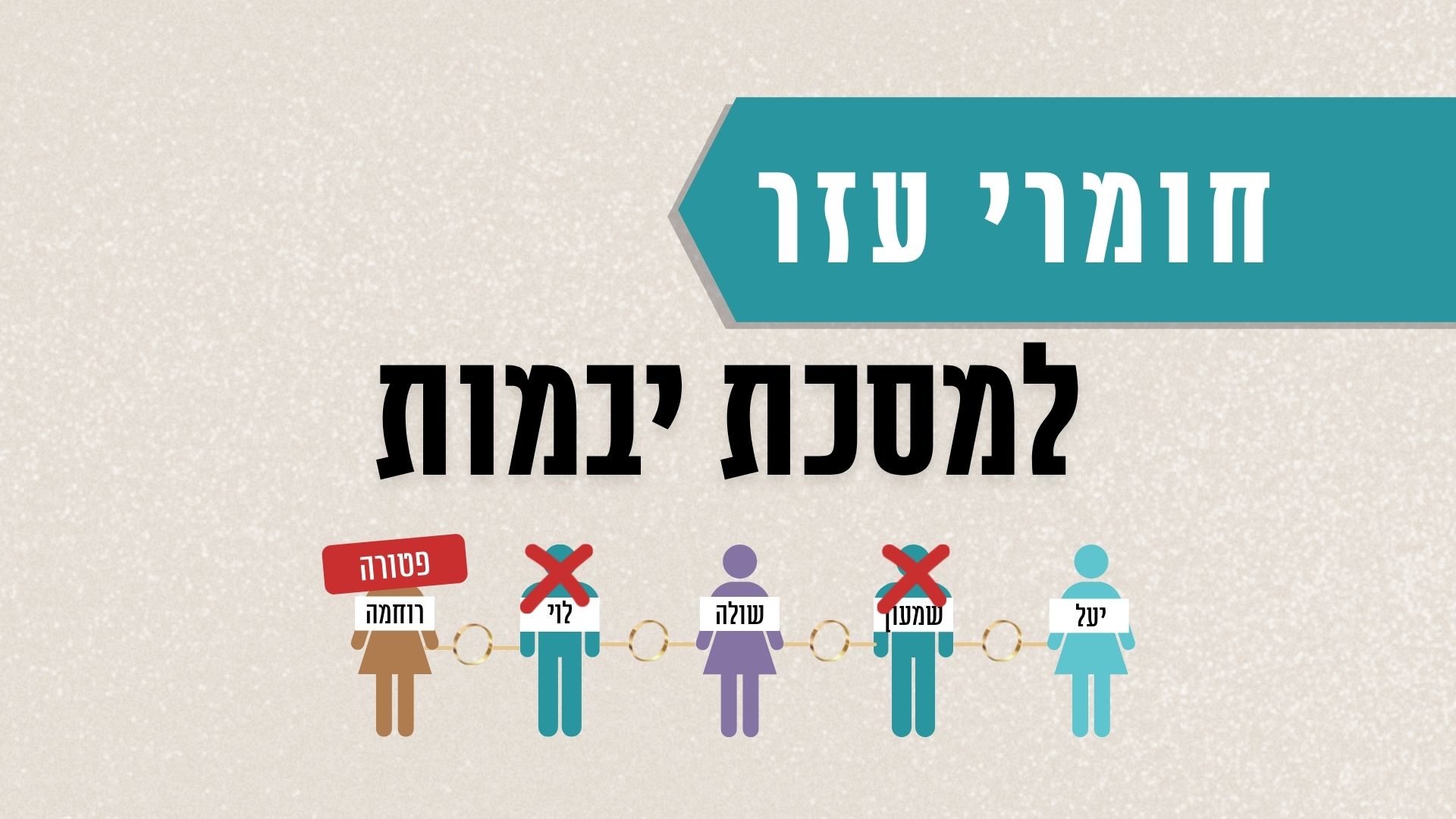
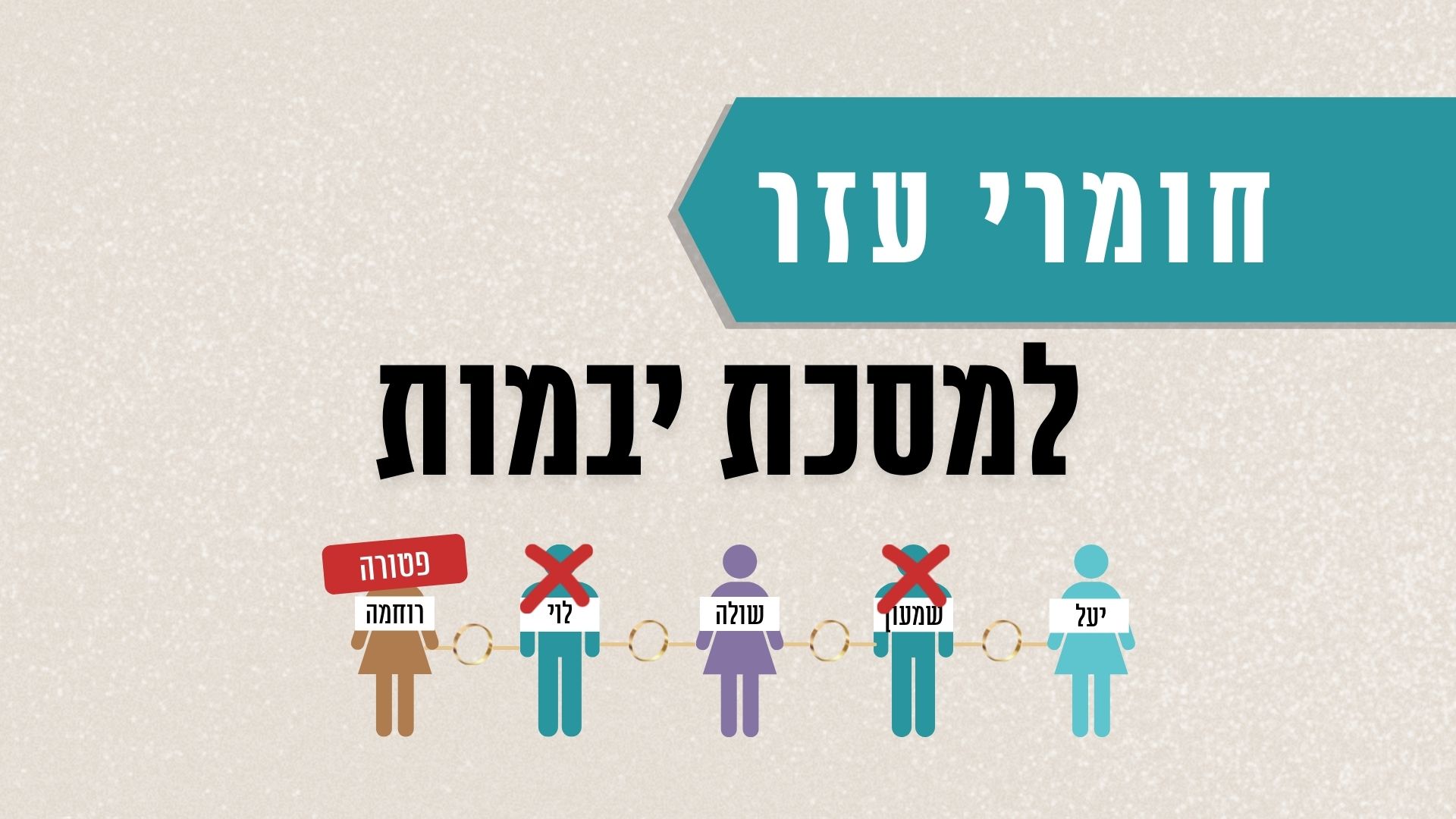
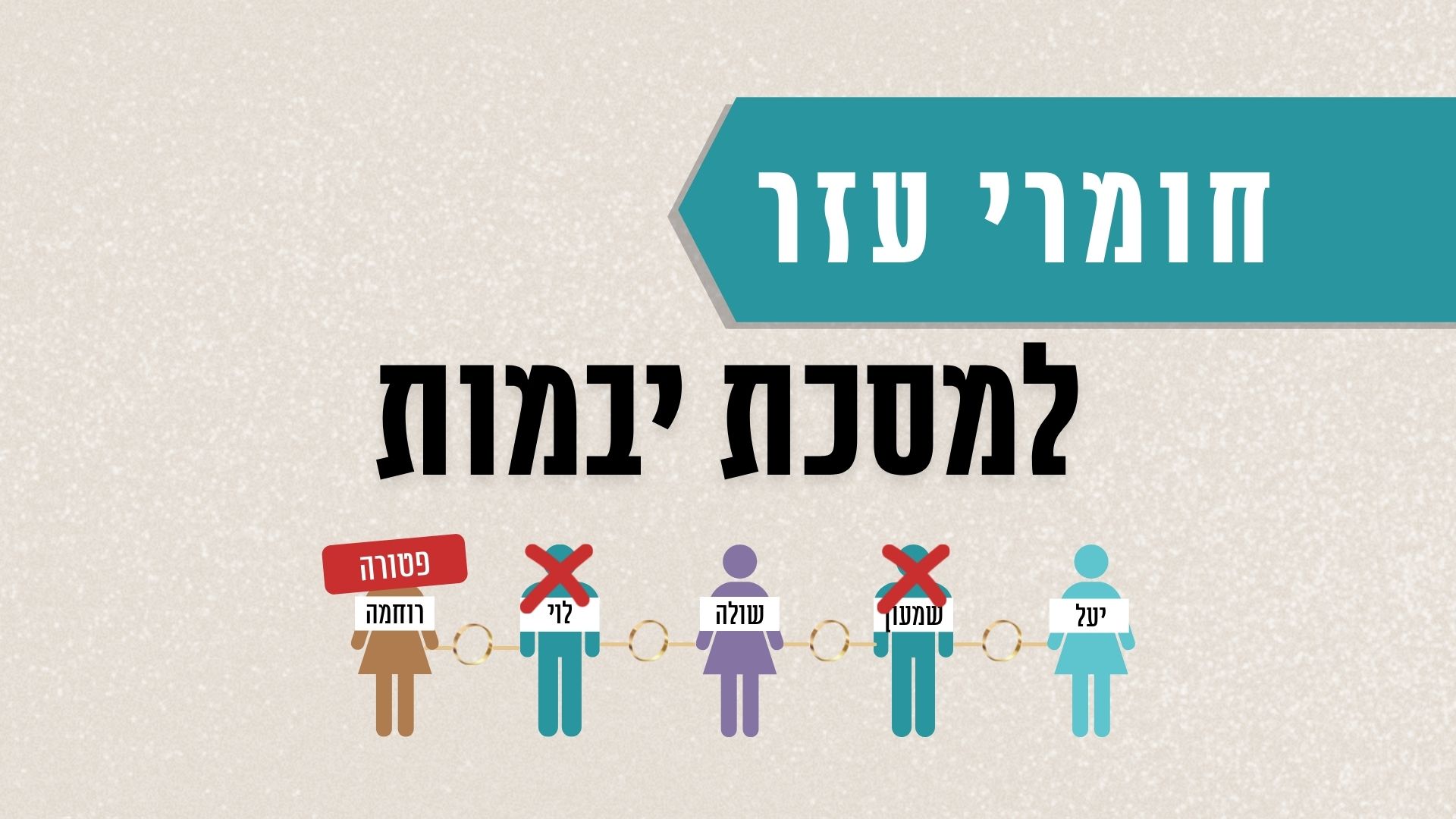
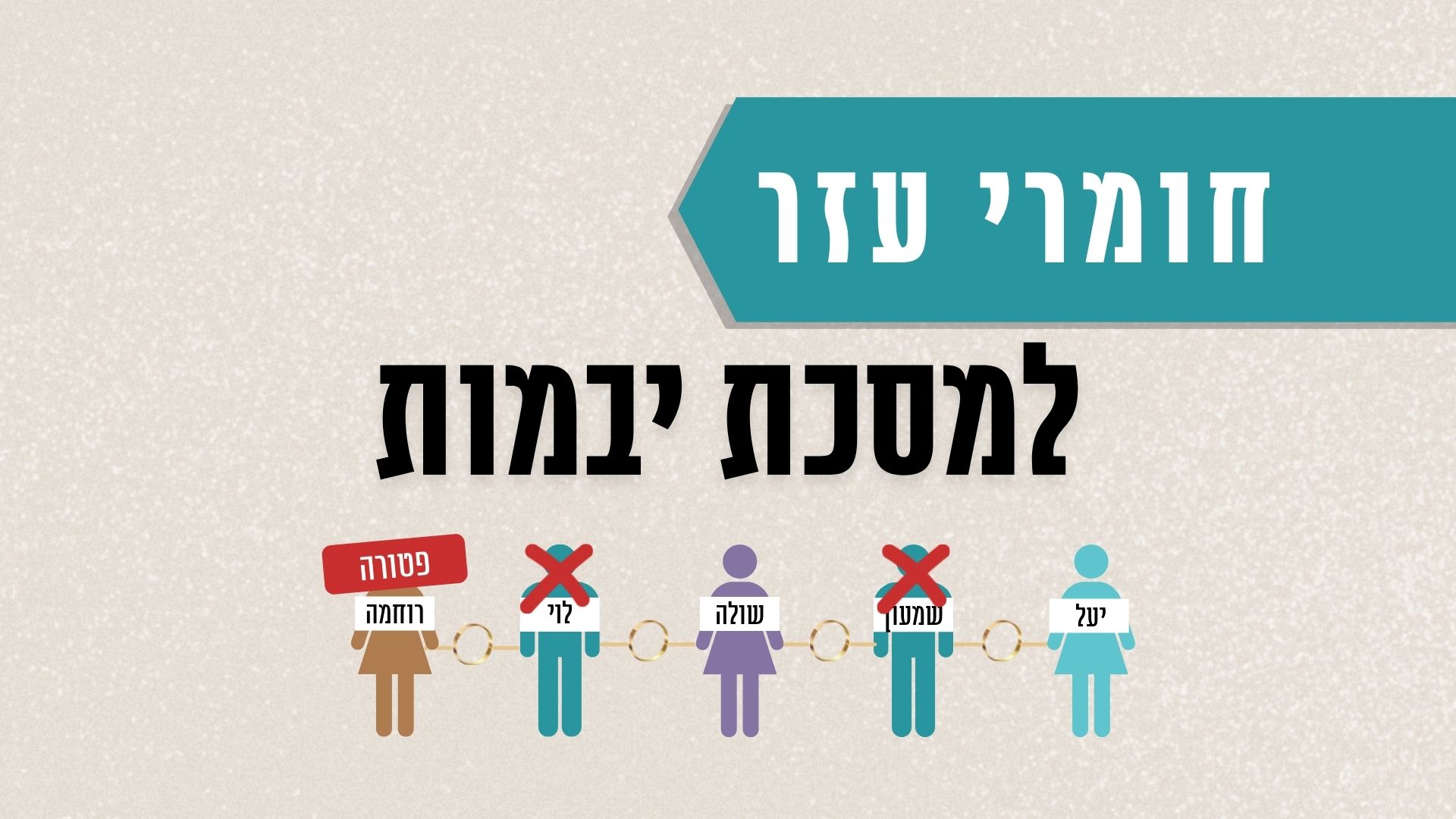
אם אשה היתה בהריון כשהתגיירה, ז”א שהבן הורתו כשהיה גוי ולידתו כיהודי, עם איזה קרוב משפחה מותר/אסור להתחתן? אם התינוקות של חמש נשים התערבבו בלידתם, וכולם גדלו, נישאו ואחר כך מתו בלי ילדים, ולכולם יש אחים מהאב אך אינם יודעים מי האח של מי, כיצד מתקיימת מצוות ייבום?
רוצה להקדיש שיעור?

0:00
0:00
תקציר
יבמות צח
הָא אִיסּוּרָא אִיכָּא! הוּא הַדִּין דַּאֲפִילּוּ אִיסּוּרָא נָמֵי לֵיכָּא, וְאַיְּידֵי דְּבָעֵי לְמִיתְנֵי סֵיפָא ״אֲבָל חַיָּיבִין״, תַּנָּא נָמֵי רֵישָׁא ״אֵין חַיָּיבִין״.
there is a rabbinic prohibition, contrary to Rav Aḥa’s opinion. The Gemara answers: The same is true that there is no prohibition, either. And since the baraita wanted to teach in the latter clause that if they were born in sanctity they are liable, it also taught in the first clause that they are not liable. For this reason, the baraita mentions only the absence of liability.
אָמַר רָבָא, הָא דַּאֲמוּר רַבָּנַן: אֵין אָב לְגוֹי, לָא תֵּימָא מִשּׁוּם דִּשְׁטִופִי בְּזִמָּה, דְּלָא יְדִיעַ, אֲבָל יְדִיעַ — חָיְישִׁינַן, אֶלָּא אֲפִילּוּ דִּידִיעַ — נָמֵי לָא חָיְישִׁינַן.
Rava said: With regard to that which the Sages said, that a gentile has no patrilineage, do not say that it is because they are so steeped in licentiousness that they do not know the identity of their fathers with certainty, but if that identity is known, we are concerned that the paternity is recognized, with regard to the prohibition of intercourse with forbidden paternal relatives and other halakhic issues. Rather, even when it is known, we are still not concerned.
דְּהָא שְׁנֵי אַחִין תְּאוֹמִים, דְּטִפָּה אַחַת הִיא וְנֶחְלְקָה לִשְׁתַּיִם, וְקָתָנֵי סֵיפָא: לֹא חוֹלְצִין וְלֹא מְיַיבְּמִין, שְׁמַע מִינַּהּ: אַפְקוֹרֵי אַפְקְרֵיהּ רַחֲמָנָא לְזַרְעֵיהּ, דִּכְתִיב: ״בְּשַׂר חֲמוֹרִים בְּשָׂרָם וְזִרְמַת סוּסִים זִרְמָתָם״.
The proof is from the case of two identical twin brothers, who were one drop that was divided into two and obviously have the same father, and yet it is taught in the latter clause of the baraita: They do not perform ḥalitza and they do not perform levirate marriage, although they certainly have the same father. Learn from this that the Merciful One dispossesses the male gentile of his offspring, as it is written with regard to Egyptians: “Whose flesh is the flesh of donkeys, and whose semen is the semen of horses” (Ezekiel 23:20), i.e., the offspring of a male gentile is considered no more related to him than the offspring of donkeys and horses.
תָּא שְׁמַע, דְּאָמַר רַבִּי יוֹסֵי: מַעֲשֶׂה בְּנִיפְטַיִים הַגֵּר שֶׁנָּשָׂא אֵשֶׁת אָחִיו מֵאִמּוֹ, וּבָא מַעֲשֶׂה לִפְנֵי חֲכָמִים, וְאָמְרוּ: אֵין אִישׁוּת לַגֵּר. וְאֶלָּא גֵּר דְּקַדֵּישׁ הָכִי נָמֵי לָא תָּפְסִי בַּהּ קִידּוּשִׁין?! אֶלָּא אֵימָא: אֵין אִסּוּר אֵשֶׁת אָח לַגֵּר. מַאי לָאו דְּנַסְבַהּ אַח כְּשֶׁהוּא גֵּר!
The Gemara resumes its discussion of the dispute between Rav Aḥa bar Ya’akov and Rav Sheshet. Come and hear another proof, as Rabbi Yosei said: An incident took place involving Niftayim the convert, who married the wife of his maternal half brother, and the incident came before the Sages, and they said that there is no valid marriage for a convert. The Gemara asks: Is this possible? And if a convert betroths a woman who is not related to him, is his betrothal to her indeed ineffective? Rather, modify the baraita and say that with regard to a convert there is no prohibition proscribing a brother’s wife. The Gemara concludes: What, is the baraita not referring to a case where the brother, her first husband, married her when he was already a convert, thereby proving that a convert is permitted to marry the wife of his deceased brother who was also a convert, even if they were maternal brothers?
לָא, דְּנַסְבַהּ כְּשֶׁהוּא גּוֹי. כְּשֶׁהוּא גּוֹי, מַאי לְמֵימְרָא? מַהוּ דְּתֵימָא: לִיגְזוֹר כְּשֶׁהוּא גּוֹי אַטּוּ כְּשֶׁהוּא גֵּר, קָא מַשְׁמַע לַן.
The Gemara answers: No, the baraita is referring to a case where the brother married her while he was still a gentile, and since he converted they are no longer married. The Gemara asks: If he married her while he was a gentile, what is the purpose of stating this obvious halakha? The Gemara answers: Lest you say the Sages should decree that the marriage is prohibited even in a case where the first husband married her while he was a gentile, due to the prohibition against their marriage if the brother married her when he was already a convert. The baraita therefore teaches us that there is no such decree.
תָּא שְׁמַע, דְּאָמַר בֶּן יָאסְיָין: כְּשֶׁהָלַכְתִּי לִכְרַכֵּי הַיָּם מָצָאתִי גֵּר אֶחָד שֶׁנָּשָׂא אֵשֶׁת אָחִיו מֵאִמּוֹ. אָמַרְתִּי לוֹ: בְּנִי, מִי הִרְשְׁךָ? אָמַר לִי: הֲרֵי אִשָּׁה וְשִׁבְעָה בָּנֶיהָ, עַל סַפְסָל זֶה יָשַׁב רַבִּי עֲקִיבָא וְאָמַר שְׁנֵי דְבָרִים: גֵּר נוֹשֵׂא אֵשֶׁת אָחִיו מֵאִמּוֹ, וְאָמַר: ״וַיְהִי דְבַר ה׳ אֶל יוֹנָה שֵׁנִית לֵאמֹר״ — שֵׁנִית דִּבְּרָה עִמּוֹ שְׁכִינָה, שְׁלִישִׁית לֹא דִּבְּרָה עִמּוֹ שְׁכִינָה. קָתָנֵי מִיהַת גֵּר נוֹשֵׂא אֵשֶׁת אָחִיו מֵאִמּוֹ. מַאי לָאו, דְּנַסְבַהּ אָחִיו כְּשֶׁהוּא גֵּר?
Come and hear another proof, as ben Yasiyan said: When I went to cities overseas, I found one convert who married the wife of his maternal half brother. I said to him: My son, who permitted this to you? He said to me: There is a local woman and her seven sons to whom this was permitted. On this very bench [safsal], Rabbi Akiva sat and said two statements: He said that a convert may marry the former wife of his maternal half brother, and he said that the verse “And the word of the Lord came to Jonah a second time, saying” (Jonah 3:1) implies that the Divine Presence spoke with him only a second time. However, a third time the Divine Presence did not speak with him, i.e., Jonah did not receive any more prophecies. In any event, this baraita teaches that a convert may marry the wife of his maternal brother. What, is it not referring to a case where the convert’s brother married her when he himself was already a convert?
לָא, דְּנַסְבַהּ כְּשֶׁהוּא גּוֹי. מַאי לְמֵימְרָא? מַהוּ דְּתֵימָא: נִגְזוֹר כְּשֶׁהוּא גּוֹי אַטּוּ כְּשֶׁהוּא גֵּר, קָא מַשְׁמַע לַן.
The Gemara answers: No, the baraita is referring to a case where the brother married her while he was still a gentile. The Gemara asks: If so, what is the purpose of stating this obvious halakha? The Gemara answers: Lest you say we should decree that marriage between a convert and the former wife of his brother is prohibited even if the brother married her while he was still a gentile, due to the prohibition against their marrying if the brother married her when he was already a convert. The baraita therefore teaches us that there is no such decree.
וּמִי מְהֵימַן, וְהָאָמַר רַבִּי אַבָּא אָמַר רַב הוּנָא אָמַר רַב: כׇּל תַּלְמִיד חָכָם שֶׁמּוֹרֶה הֲלָכָה וּבָא, אִם קוֹדֶם מַעֲשֶׂה אֲמָרָהּ — שׁוֹמְעִין לוֹ, וְאִם לָאו — אֵין שׁוֹמְעִין לוֹ!
And is that convert who cited Rabbi Akiva a reliable witness, despite the fact that the ruling affects him personally? Didn’t Rabbi Abba say that Rav Huna said that Rav said: With regard to any Torah scholar who teaches a ruling of halakha in a certain case and it comes to be, if he said it before the incident, one listens to him. And if not, if the ruling followed the incident, one does not listen to him.
אִיבָּעֵית אֵימָא: מוֹרֶה וּבָא הָיָה. וְאִיבָּעֵית אֵימָא: מִשּׁוּם דְּקָאָמַר הֲרֵי אִשָּׁה וְשִׁבְעָה בָּנֶיהָ. וְאִיבָּעֵית אֵימָא: שָׁאנֵי הָכָא, דְּקָאָמַר מַעֲשֶׂה אַחֲרִינָא בַּהֲדֵהּ.
The Gemara answers: If you wish, say that the convert taught the ruling, and only afterward it came to be that he himself married his sister-in-law. And if you wish, say that he is reliable because he supported his ruling by stating that there was a practical case involving a woman and her seven sons, in which Rabbi Akiva ruled that this kind of marriage is permitted. And if you wish, say that here it is different, as the convert stated a different incident with it. Since he cited an unrelated teaching of Rabbi Akiva in the same testimony, this teaching is also considered reliable.
אָמַר מָר: ״וַיְהִי דְבַר ה׳ אֶל יוֹנָה שֵׁנִית לֵאמֹר״, שֵׁנִית דִּבְּרָה עִמּוֹ שְׁכִינָה, שְׁלִישִׁית לֹא דִּבְּרָה עִמּוֹ. וְהָא כְּתִיב: ״הוּא הֵשִׁיב [אֶת] גְּבוּל יִשְׂרָאֵל מִלְּבוֹא חֲמָת עַד יָם הָעֲרָבָה כִּדְבַר ה׳ אֲשֶׁר דִּבֶּר בְּיַד עַבְדּוֹ יוֹנָה בֶן אֲמִתַּי הַנָּבִיא״!
The Master said that Rabbi Akiva inferred from the verse “And the word of the Lord came to Jonah a second time, saying” that the Divine Presence spoke with him only a second time. However, a third time the Divine Presence did not speak with him. The Gemara asks: Isn’t it written with regard to King Jeroboam ben Joash: “He restored the border of Israel from the entrance of Hamath to the Sea of the Arabah, according to the word of the Lord, the God of Israel, which He spoke by the hand of His servant Jonah the son of Amittai, the prophet” (II Kings 14:25)? Evidently, Jonah prophesied at least once more.
אָמַר רָבִינָא: עַל עִסְקֵי נִינְוֵה קָאָמַר. רַב נַחְמָן בַּר יִצְחָק אָמַר, הָכִי קָאָמַר: ״כִּדְבַר ה׳ אֲשֶׁר דִּבֶּר בְּיַד עַבְדּוֹ הַנָּבִיא״ — כְּשֵׁם שֶׁנֶּהְפַּךְ לְנִינְוֵה מֵרָעָה לְטוֹבָה, כָּךְ בִּימֵי יָרׇבְעָם בֶּן יוֹאָשׁ נֶהֱפַךְ לָהֶם לְיִשְׂרָאֵל מֵרָעָה לְטוֹבָה.
Ravina said: Rabbi Akiva was saying that Jonah did not prophesize a third time about the issue of Nineveh. Rav Naḥman bar Yitzḥak said that this is the meaning of the phrase “According to the word of the Lord, the God of Israel, which He spoke by the hand of His servant Jonah the son of Amittai, the prophet”: It is not that Jonah had prophesized about the conquests of Jeroboam ben Joash, but rather that just as the fortune of Nineveh turned from bad to good, so too, in the days of Jeroboam ben Joash, Israel’s fortune turned from bad to good.
תָּא שְׁמַע: גֵּר שֶׁהָיָה לֵידָתוֹ בִּקְדוּשָּׁה וְהוֹרָתוֹ שֶׁלֹּא בִּקְדוּשָּׁה — יֵשׁ לוֹ שְׁאֵר הָאֵם, וְאֵין לוֹ שְׁאֵר הָאָב. כֵּיצַד? נָשָׂא אֲחוֹתוֹ מִן הָאֵם — יוֹצִיא. מִן הָאָב — יְקַיֵּים. אֲחוֹת הָאָב מִן הָאֵם — יוֹצִיא,
The Gemara resumes discussion of the dispute between Rav Aḥa bar Ya’akov and Rav Sheshet. Come and hear another proof: A convert whose birth was in sanctity but whose conception was not in sanctity has maternal kinship, i.e., his relationship to his mother’s relatives is recognized. However, he does not have paternal kinship. How so? If he married his maternal half sister, who was born before him and converted, he must divorce her. Although by Torah law they are considered unrelated, the Sages rendered it prohibited for them to marry, lest he marry a maternal half sister who was born after him and is forbidden to him. If she is his paternal half sister, he may maintain her as his wife. If he married his father’s maternal half sister, he must divorce her.
מִן הָאָב — יְקַיֵּים. אָחוֹת הָאֵם מִן הָאֵם — יוֹצִיא, מִן הָאָב — רַבִּי מֵאִיר אוֹמֵר: יוֹצִיא, וַחֲכָמִים אוֹמְרִים: יְקַיֵּים. שֶׁהָיָה רַבִּי מֵאִיר אוֹמֵר: כׇּל עֶרְוָה שֶׁהִיא מִשּׁוּם שְׁאֵר הָאֵם — יוֹצִיא, מִשּׁוּם הָאָב — יְקַיֵּים.
If she is his father’s paternal half sister, he may maintain her as his wife. If she is his mother’s maternal half sister, he must divorce her. If she is his mother’s paternal half sister, Rabbi Meir says he must divorce her, and the Rabbis say he may maintain her. This is as Rabbi Meir would say: Any relative forbidden due to kinship with the mother, whether the woman is his paternal relative, e.g., his father’s maternal half sister, or his maternal relative, he must divorce her. However, if she is forbidden due to the father, he may maintain her.
וּמוּתָּר בְּאֵשֶׁת אָחִיו מֵאִמּוֹ, וּבְאֵשֶׁת אֲחִי אָבִיו. וּשְׁאָר כׇּל הָעֲרָיוֹת מוּתָּרוֹת לוֹ. לְאֵיתוֹיֵי אֵשֶׁת הָאָב.
And he is permitted to marry his maternal brother’s wife and his father’s brother’s wife, and all other forbidden relatives are also permitted to him. The expression: And all other relatives are also permitted to him, is added to include the father’s wife.
נָשָׂא אִשָּׁה וּבִתָּהּ — כּוֹנֵס אַחַת וּמוֹצִיא אַחַת. לְכַתְּחִלָּה לֹא יִכְנוֹס. מֵתָה אִשְׁתּוֹ — מוּתָּר בַּחֲמוֹתוֹ. וְאִיכָּא דְּתָנֵי: אָסוּר בַּחֲמוֹתוֹ.
With regard to one who married a woman and her daughter and they converted, he may remarry one but must divorce the other one. He should not marry her ab initio. If his wife, the daughter, died, he is permitted to maintain his mother-in-law as his wife. And some teach that he is prohibited from maintaining his mother-in-law.
קָתָנֵי מִיהַת: מוּתָּר בְּאֵשֶׁת אָחִיו, מַאי לָאו, דְּנַסְבַהּ אָחִיו כְּשֶׁהוּא גֵּר? לָא, דְּנַסְבַהּ כְּשֶׁהוּא גּוֹי. מַאי לְמֵימְרָא? מַהוּ דְּתֵימָא: לִיגְזוֹר כְּשֶׁהוּא גּוֹי אַטּוּ כְּשֶׁהוּא גֵּר, קָא מַשְׁמַע לַן.
In any event, this baraita teaches that he is permitted to marry his brother’s wife. The Gemara asks: What, is it not referring to a case where his brother married her when he was already a convert? The Gemara answers: No, it is referring to a case where he married her while he was a gentile. The Gemara asks: If so, what is the purpose of stating this obvious halakha? The Gemara answers: Lest you say that the Sages should decree that the marriage is prohibited if the brother married her while he was a gentile, due to the prohibition against their marriage if the brother married her when he was already a convert. The baraita therefore teaches us that there is no such decree.
אָמַר מָר: נָשָׂא אִשָּׁה וּבִתָּהּ — כּוֹנֵס אַחַת וּמוֹצִיא אַחַת. לְכַתְּחִלָּה לֹא יִכְנוֹס. הַשְׁתָּא אַפּוֹקֵי מַפֵּיק — לְכַתְּחִלָּה מִיבַּעְיָא?! הָתָם קָאֵי, וְהָכִי קָאָמַר: הָךְ דַּאֲמוּר רַבָּנַן יְקַיֵּים, לְכַתְּחִלָּה לֹא יִכְנוֹס.
The Master said: If one married a woman and her daughter and they converted, he may remarry one but must divorce the other one. He should not marry her ab initio. The Gemara asks: Now that he must divorce her, is it necessary to state that he should not marry her ab initio? The Gemara answers: That statement is standing there, i.e., it is referring to the previous sentence, and this is what it is saying: Those wives that the Sages said that he may maintain, e.g., his paternal half sister, he should not marry them ab initio.
מֵתָה אִשְׁתּוֹ — מוּתָּר בַּחֲמוֹתוֹ. וְאִיכָּא דְּתָנֵי: אָסוּר בַּחֲמוֹתוֹ. חֲדָא כְּרַבִּי יִשְׁמָעֵאל, וַחֲדָא כְּרַבִּי עֲקִיבָא.
The baraita taught: If his wife, the daughter, died, he is permitted to maintain his mother-in-law as his wife. And some teach that he is prohibited to maintain his mother-in-law. The Gemara comments: One of the teachings is in accordance with the opinion of Rabbi Yishmael, and the other one is in accordance with the opinion of Rabbi Akiva.
מַאן דְּאָסַר, כְּרַבִּי יִשְׁמָעֵאל, דְּאָמַר: חֲמוֹתוֹ לְאַחַר מִיתָה — בְּאִיסּוּרָא קָיְימָא, וְגַבֵּי גֵר גְּזַרוּ בֵּיהּ רַבָּנַן. וּמַאן דְּשָׁרֵי, כְּרַבִּי עֲקִיבָא, דְּאָמַר: חֲמוֹתוֹ לְאַחַר מִיתָה — קְלַשׁ לֵיהּ אִיסּוּרָא, וְגַבֵּי גֵר לָא גְּזַרוּ בֵּיהּ רַבָּנַן.
The one who prohibits the convert from maintaining his mother-in-law is in accordance with the opinion of Rabbi Yishmael, who said that one’s mother-in-law after his wife’s death remains forbidden to him to the same degree as during her lifetime. And therefore, with regard to a convert, the Sages decreed that she is forbidden to him, lest one marry his mother-in-law who is a Jew from birth after his wife’s death. And the one who permits him to maintain her is in accordance with the opinion of Rabbi Akiva, who said that the prohibition against engaging in intercourse with one’s mother-in-law is weakened after his wife’s death, as they are not liable to receive the death penalty. And therefore, with regard to a convert, the Sages did not decree that she is forbidden to him.
מַתְנִי׳ חָמֵשׁ נָשִׁים שֶׁנִּתְעָרְבוּ וַלְדוֹתֵיהֶן, הִגְדִּילוּ הַתַּעֲרוֹבוֹת וְנָשְׂאוּ נָשִׁים, וּמֵתוּ — אַרְבָּעָה חוֹלְצִין לְאַחַת, וְאֶחָד מְיַיבֵּם אוֹתָהּ.
MISHNA: With regard to five women whose offspring were mixed, i.e., their lineage became indeterminate, and they had other sons as well who were not mixed, and the mixed sons matured and married women and subsequently died, then four sons who were not mixed, each one from a different mother, must perform ḥalitza with one of the widows, as she might be the sister-in-law of any of them. And one son of the mother whose sons did not perform ḥalitza may perform levirate marriage with her instead of ḥalitza; even if she is not his sister-in-law, once she has received ḥalitza from the others she may marry any man.
הוּא וּשְׁלֹשָׁה חוֹלְצִין לְאַחַת, וְאֶחָד מְיַיבֵּם. נִמְצְאוּ אַרְבַּע חֲלִיצוֹת וְיִיבּוּם לְכׇל אַחַת וְאַחַת.
Subsequently, he and three of the four other sons must perform ḥalitza with one of the remaining widows, and the other one may perform levirate marriage. When this process has been completed for all the widows, four ḥalitzot and a levirate marriage are found altogether for each and every widow.
גְּמָ׳ וְדַוְקָא מִיחְלָץ וַהֲדַר יַבּוֹמֵי, אֲבָל יַבּוֹמֵי בְּרֵישָׁא — לָא, דְּקָפָגַע בִּיבָמָה לַשּׁוּק.
GEMARA: The Gemara infers from the mishna that ḥalitza specifically is performed first, and afterward levirate marriage. However, levirate marriage may not be performed first, as that would breach the prohibition against a yevama engaging in intercourse with a member of the public, if she is not his sister-in-law.
מַאי הוּא וּשְׁלֹשָׁה חוֹלְצִין לְאַחַת? דְּלָא תֵּימָא לְיַבְּמִינְהוּ חַד לְכוּלְּהוּ, אֶלָּא כֹּל חַד וְחַד מְיַיבֵּם חֲדָא, דִּלְמָא מִתְרַמְיָא לֵיהּ דִּידֵיהּ.
The Gemara asks: What is the reason for the mishna’s ruling that the son who performed levirate marriage and three of the four others must perform ḥalitza with one of the remaining widows, and the remaining son may perform levirate marriage? Why can’t the same son who performed levirate marriage with the first widow be the one to perform levirate marriage with the other widows, too, after the other four sons perform ḥalitza? The Gemara answers: Do not say that one of the brothers may perform levirate marriage with all of them. Rather, each one of them should perform levirate marriage with one, as perhaps one will happen upon his own sister-in-law, whereas if one performs levirate marriage with all of them, the others will not have a chance to perform the mitzva.
מִקְצָתָן אַחִין וּמִקְצָתָן שֶׁאֵין אַחִין — הָאַחִין חוֹלְצִין, וְשֶׁאֵין אַחִין מְיַיבְּמִין. מַאי קָאָמַר? אָמַר רַב סָפְרָא, הָכִי קָאָמַר: מִקְצָתָן אַחִין מִן הָאָב וּמִקְצָתָן אַחִין מִן הָאֵם. אַחִין מִן הָאֵם — חוֹלְצִין, וְאַחִין מִן הָאָב — מְיַיבְּמִין.
§ A continuation of a case in the mishna is stated in a baraita: If some of them are brothers, and some of them are not brothers, the brothers perform ḥalitza and those who are not brothers perform levirate marriage. The Gemara asks: What is the baraita saying? Rav Safra said that this is what it is saying: If some of the sons who were not mixed are only paternal brothers of the mixed sons, and some of them, in addition to being paternal half brothers, are also maternal half brothers of other members of the mixed group, then the maternal half brothers must perform ḥalitza with all of the women, since each of them might be his maternal sister-in-law, who is forbidden to him, as levirate marriage applies only to a paternal sister-in-law. And those who are only paternal brothers perform levirate marriage.
מִקְצָתָן כֹּהֲנִים וּמִקְצָתָן שֶׁאֵינָן כֹּהֲנִים — כֹּהֲנִים חוֹלְצִין, שֶׁאֵינָן כֹּהֲנִים — מְיַיבְּמִין. מִקְצָתָן כֹּהֲנִים וּמִקְצָתָן אַחִין מִן הָאֵם — אֵלּוּ וָאֵלּוּ חוֹלְצִין וְלֹא מְיַיבְּמִין.
The baraita continues: If some of them are priests and some of them are not priests, the priests perform ḥalitza, and those who are not priests perform levirate marriage, as it is prohibited for a priest to marry a woman who underwent ḥalitza. If some of them are priests and some of them are maternal half brothers, both these and those perform ḥalitza and not levirate marriage.
לעקוב 
העמקה
רוצה להבין מה באמת קורה מתחת לפני השטח של הסוגיה?
שיעורים, פודקאסטים והרחבות של מיטב המורות שלנו יפתחו לך עוד זוויות וכיווני חשיבה.

ייבום בשנת 1926 – הסיפור התורשתי של שרה וינברגר, לומדת דף יומי
11.07.2022 | י״ב בתמוז תשפ״ב







חדשה בלימוד הגמרא?
זה הדף הראשון שלך? איזו התרגשות עצומה! יש לנו בדיוק את התכנים והכלים שיעזרו לך לעשות את הצעדים הראשונים ללמידה בקצב וברמה שלך, כך תוכלי להרגיש בנוח גם בתוך הסוגיות המורכבות ומאתגרות.
פסיפס הלומדות שלנו
גלי את קהילת הלומדות שלנו, מגוון נשים, רקעים וסיפורים. כולן חלק מתנועה ומסע מרגש ועוצמתי.
התחלתי לפני 8 שנים במדרשה. לאחרונה סיימתי מסכת תענית בלמידה עצמית ועכשיו לקראת סיום מסכת מגילה.

דניאלה ברוכים
רעננה, ישראל
אחרי שראיתי את הסיום הנשי של הדף היומי בבנייני האומה זה ריגש אותי ועורר בי את הרצון להצטרף. לא למדתי גמרא קודם לכן בכלל, אז הכל היה לי חדש, ולכן אני לומדת בעיקר מהשיעורים פה בהדרן, בשוטנשטיין או בחוברות ושיננתם.

רבקה שלוס
בית שמש, ישראל
אמא שלי למדה איתי ש”ס משנה, והתחילה ללמוד דף יומי. אני החלטתי שאני רוצה ללמוד גם. בהתחלה למדתי איתה, אח”כ הצטרפתי ללימוד דף יומי שהרב דני וינט מעביר לנוער בנים בעתניאל. במסכת עירובין עוד חברה הצטרפה אלי וכשהתחלנו פסחים הרב דני פתח לנו שעור דף יומי לבנות. מאז אנחנו לומדות איתו קבוע כל יום את הדף היומי (ובשבת אבא שלי מחליף אותו). אני נהנית מהלימוד, הוא מאתגר ומעניין

רננה הלמן
עתניאל, ישראל
התחלתי ללמוד דף יומי באמצע תקופת הקורונה, שאבא שלי סיפר לי על קבוצה של בנות שתיפתח ביישוב שלנו ותלמד דף יומי כל יום. הרבה זמן רציתי להצטרף לזה וזאת הייתה ההזדמנות בשבילי. הצטרפתי במסכת שקלים ובאמצע הייתה הפסקה קצרה. כיום אני כבר לומדת באולפנה ולומדת דף יומי לבד מתוך גמרא של טיינזלץ.

שבות בראלי
עתניאל, ישראל
הצטרפתי ללומדות בתחילת מסכת תענית. ההתרגשות שלי ושל המשפחה היתה גדולה מאוד, והיא הולכת וגוברת עם כל סיום שאני זוכה לו. במשך שנים רבות רציתי להצטרף ומשום מה זה לא קרה… ב”ה מצאתי לפני מספר חודשים פרסום של הדרן, ומיד הצטרפתי והתאהבתי. הדף היומי שינה את חיי ממש והפך כל יום- ליום של תורה. מודה לכן מקרב ליבי ומאחלת לכולנו לימוד פורה מתוך אהבת התורה ולומדיה.

נעה רוזן
חיספין רמת הגולן, ישראל
A life-changing journey started with a Chanukah family tiyul to Zippori, home of the Sanhedrin 2 years ago and continued with the Syum in Binanei Hauma where I was awed by the energy of 3000 women dedicated to learning daf Yomi. Opening my morning daily with a fresh daf, I am excited with the new insights I find enriching my life and opening new and deeper horizons for me.

בקי גולדשטיין
Elazar gush etzion, Israel
בתחילת הסבב הנוכחי של לימוד הדף היומי, נחשפתי לחגיגות המרגשות באירועי הסיום ברחבי העולם. והבטחתי לעצמי שבקרוב אצטרף גם למעגל הלומדות. הסבב התחיל כאשר הייתי בתחילת דרכי בתוכנית קרן אריאל להכשרת יועצות הלכה של נשמ”ת. לא הצלחתי להוסיף את ההתחייבות לדף היומי על הלימוד האינטנסיבי של תוכנית היועצות. בבוקר למחרת המבחן הסופי בנשמ”ת, התחלתי את לימוד הדף במסכת סוכה ומאז לא הפסקתי.

חנה שחם-רוזבי (ד”ר)
קרית גת, ישראל
התחלתי ללמוד לפני כשנתיים בשאיפה לסיים לראשונה מסכת אחת במהלך חופשת הלידה.
אחרי מסכת אחת כבר היה קשה להפסיק…

נעה גלנט
ירוחם, ישראל
התחלתי ללמוד גמרא בבית הספר בגיל צעיר והתאהבתי. המשכתי בכך כל חיי ואף היייתי מורה לגמרא בבית הספר שקד בשדה אליהו (בית הספר בו למדתי בילדותי)בתחילת מחזור דף יומי הנוכחי החלטתי להצטרף ובע”ה מקווה להתמיד ולהמשיך. אני אוהבת את המפגש עם הדף את "דרישות השלום ” שמקבלת מקשרים עם דפים אחרים שלמדתי את הסנכרון שמתחולל בין התכנים.

אריאלה ביגמן
מעלה גלבוע, ישראל
אני לומדת גמרא כעשור במסגרות שונות, ואת הדף היומי התחלתי כשחברה הציעה שאצטרף אליה לסיום בבנייני האומה. מאז אני לומדת עם פודקסט הדרן, משתדלת באופן יומי אך אם לא מספיקה, מדביקה פערים עד ערב שבת. בסבב הזה הלימוד הוא "ממעוף הציפור”, מקשיבה במהירות מוגברת תוך כדי פעילויות כמו בישול או נהיגה, וכך רוכשת היכרות עם הסוגיות ואופן ניתוחם על ידי חז”ל. בע”ה בסבב הבא, ואולי לפני, אצלול לתוכו באופן מעמיק יותר.

יעל ביר
רמת גן, ישראל
A friend in the SF Bay Area said in Dec 2019 that she might start listening on her morning drive to work. I mentioned to my husband and we decided to try the Daf when it began in Jan 2020 as part of our preparing to make Aliyah in the summer.

חנה פיוטרקובסקי
ירושלים, Israel
התחלתי ללמוד דף יומי אחרי שחזרתי בתשובה ולמדתי במדרשה במגדל עוז. הלימוד טוב ומספק חומר למחשבה על נושאים הלכתיים ”קטנים” ועד לערכים גדולים ביהדות. חשוב לי להכיר את הגמרא לעומק. והצעד הקטן היום הוא ללמוד אותה בבקיאות, בעזרת השם, ומי יודע אולי גם אגיע לעיון בנושאים מעניינים. נושאים בגמרא מתחברים לחגים, לתפילה, ליחסים שבין אדם לחברו ולמקום ולשאר הדברים שמלווים באורח חיים דתי 🙂

גאיה דיבו
מצפה יריחו, ישראל
התחלתי ללמוד דף יומי באמצע תקופת הקורונה, שאבא שלי סיפר לי על קבוצה של בנות שתיפתח ביישוב שלנו ותלמד דף יומי כל יום. הרבה זמן רציתי להצטרף לזה וזאת הייתה ההזדמנות בשבילי. הצטרפתי במסכת שקלים ובאמצע הייתה הפסקה קצרה. כיום אני כבר לומדת באולפנה ולומדת דף יומי לבד מתוך גמרא של טיינזלץ.
שבות בראלי
עתניאל, ישראל
התחלתי ללמוד דף יומי ממסכת נידה כי זה היה חומר הלימוד שלי אז. לאחר הסיום הגדול בבנייני האומה החלטתי להמשיך. וב”ה מאז עם הפסקות קטנות של קורונה ולידה אני משתדלת להמשיך ולהיות חלק.
זה משפיע מאוד על היום יום שלי ועל אף שאני עסוקה בלימודי הלכה ותורה כל יום, זאת המסגרת הקבועה והמחייבת ביותר שיש לי.

מוריה תעסן מיכאלי
גבעת הראל, ישראל
התחלתי בסיום הש”ס, יצאתי באורות. נשברתי פעמיים, ובשתיהם הרבנית מישל עודדה להמשיך איפה שכולם בסבב ולהשלים כשאוכל, וכך עשיתי וכיום השלמתי הכל. מדהים אותי שאני לומדת כל יום קצת, אפילו בחדר הלידה, בבידוד או בחו”ל. לאט לאט יותר נינוחה בסוגיות. לא כולם מבינים את הרצון, בפרט כפמניסטית. חשה סיפוק גדול להכיר את המושגים וצורת החשיבה. החלום זה להמשיך ולהתמיד ובמקביל ללמוד איך מהסוגיות נוצרה והתפתחה ההלכה.

קרן וינגרטן שרינגטון
מודיעין, ישראל
התחלתי לפני כמה שנים אבל רק בסבב הזה זכיתי ללמוד יום יום ולסיים מסכתות

סיגל טל
רעננה, ישראל
שמעתי על הסיום הענק של הדף היומי ע”י נשים בבנייני האומה. רציתי גם.
החלטתי להצטרף. התחלתי ושיכנעתי את בעלי ועוד שתי חברות להצטרף. עכשיו יש לי לימוד משותף איתו בשבת ומפגש חודשי איתן בנושא (והתכתבויות תדירות על דברים מיוחדים שקראנו). הצטרפנו לקבוצות שונות בווטסאפ. אנחנו ממש נהנות. אני שומעת את השיעור מידי יום (בד”כ מהרב יוני גוטמן) וקוראת ומצטרפת לסיומים של הדרן. גם מקפידה על דף משלהן (ונהנית מאד).

ליאת סיטרון
אפרת, ישראל
בתחילת הסבב הנוכחי של לימוד הדף היומי, נחשפתי לחגיגות המרגשות באירועי הסיום ברחבי העולם. והבטחתי לעצמי שבקרוב אצטרף גם למעגל הלומדות. הסבב התחיל כאשר הייתי בתחילת דרכי בתוכנית קרן אריאל להכשרת יועצות הלכה של נשמ”ת. לא הצלחתי להוסיף את ההתחייבות לדף היומי על הלימוד האינטנסיבי של תוכנית היועצות. בבוקר למחרת המבחן הסופי בנשמ”ת, התחלתי את לימוד הדף במסכת סוכה ומאז לא הפסקתי.
חנה שחם-רוזבי (ד”ר)
קרית גת, ישראל
למדתי גמרא מכיתה ז- ט ב Maimonides School ואחרי העליה שלי בגיל 14 לימוד הגמרא, שלא היה כל כך מקובל בימים אלה, היה די ספוראדי. אחרי "ההתגלות” בבנייני האומה התחלתי ללמוד בעיקר בדרך הביתה למדתי מפוקקטסים שונים. לאט לאט ראיתי שאני תמיד חוזרת לרבנית מישל פרבר. באיזה שהוא שלב התחלתי ללמוד בזום בשעה 7:10 .
היום "אין מצב” שאני אתחיל את היום שלי ללא לימוד עם הרבנית מישל עם כוס הקפה שלי!!

דבי גביר
חשמונאים, ישראל
לצערי גדלתי בדור שבו לימוד גמרא לנשים לא היה דבר שבשגרה ושנים שאני חולמת להשלים את הפער הזה.. עד שלפני מספר שבועות, כמעט במקרה, נתקלתי במודעת פרסומת הקוראת להצטרף ללימוד מסכת תענית. כשקראתי את המודעה הרגשתי שהיא כאילו נכתבה עבורי – "תמיד חלמת ללמוד גמרא ולא ידעת איך להתחיל”, "בואי להתנסות במסכת קצרה וקלה” (רק היה חסר שהמודעה תיפתח במילים "מיכי שלום”..). קפצתי למים ו- ב”ה אני בדרך להגשמת החלום:)

מיכי קדוש
מורשת, ישראל
יבמות צח
הָא אִיסּוּרָא אִיכָּא! הוּא הַדִּין דַּאֲפִילּוּ אִיסּוּרָא נָמֵי לֵיכָּא, וְאַיְּידֵי דְּבָעֵי לְמִיתְנֵי סֵיפָא ״אֲבָל חַיָּיבִין״, תַּנָּא נָמֵי רֵישָׁא ״אֵין חַיָּיבִין״.
there is a rabbinic prohibition, contrary to Rav Aḥa’s opinion. The Gemara answers: The same is true that there is no prohibition, either. And since the baraita wanted to teach in the latter clause that if they were born in sanctity they are liable, it also taught in the first clause that they are not liable. For this reason, the baraita mentions only the absence of liability.
אָמַר רָבָא, הָא דַּאֲמוּר רַבָּנַן: אֵין אָב לְגוֹי, לָא תֵּימָא מִשּׁוּם דִּשְׁטִופִי בְּזִמָּה, דְּלָא יְדִיעַ, אֲבָל יְדִיעַ — חָיְישִׁינַן, אֶלָּא אֲפִילּוּ דִּידִיעַ — נָמֵי לָא חָיְישִׁינַן.
Rava said: With regard to that which the Sages said, that a gentile has no patrilineage, do not say that it is because they are so steeped in licentiousness that they do not know the identity of their fathers with certainty, but if that identity is known, we are concerned that the paternity is recognized, with regard to the prohibition of intercourse with forbidden paternal relatives and other halakhic issues. Rather, even when it is known, we are still not concerned.
דְּהָא שְׁנֵי אַחִין תְּאוֹמִים, דְּטִפָּה אַחַת הִיא וְנֶחְלְקָה לִשְׁתַּיִם, וְקָתָנֵי סֵיפָא: לֹא חוֹלְצִין וְלֹא מְיַיבְּמִין, שְׁמַע מִינַּהּ: אַפְקוֹרֵי אַפְקְרֵיהּ רַחֲמָנָא לְזַרְעֵיהּ, דִּכְתִיב: ״בְּשַׂר חֲמוֹרִים בְּשָׂרָם וְזִרְמַת סוּסִים זִרְמָתָם״.
The proof is from the case of two identical twin brothers, who were one drop that was divided into two and obviously have the same father, and yet it is taught in the latter clause of the baraita: They do not perform ḥalitza and they do not perform levirate marriage, although they certainly have the same father. Learn from this that the Merciful One dispossesses the male gentile of his offspring, as it is written with regard to Egyptians: “Whose flesh is the flesh of donkeys, and whose semen is the semen of horses” (Ezekiel 23:20), i.e., the offspring of a male gentile is considered no more related to him than the offspring of donkeys and horses.
תָּא שְׁמַע, דְּאָמַר רַבִּי יוֹסֵי: מַעֲשֶׂה בְּנִיפְטַיִים הַגֵּר שֶׁנָּשָׂא אֵשֶׁת אָחִיו מֵאִמּוֹ, וּבָא מַעֲשֶׂה לִפְנֵי חֲכָמִים, וְאָמְרוּ: אֵין אִישׁוּת לַגֵּר. וְאֶלָּא גֵּר דְּקַדֵּישׁ הָכִי נָמֵי לָא תָּפְסִי בַּהּ קִידּוּשִׁין?! אֶלָּא אֵימָא: אֵין אִסּוּר אֵשֶׁת אָח לַגֵּר. מַאי לָאו דְּנַסְבַהּ אַח כְּשֶׁהוּא גֵּר!
The Gemara resumes its discussion of the dispute between Rav Aḥa bar Ya’akov and Rav Sheshet. Come and hear another proof, as Rabbi Yosei said: An incident took place involving Niftayim the convert, who married the wife of his maternal half brother, and the incident came before the Sages, and they said that there is no valid marriage for a convert. The Gemara asks: Is this possible? And if a convert betroths a woman who is not related to him, is his betrothal to her indeed ineffective? Rather, modify the baraita and say that with regard to a convert there is no prohibition proscribing a brother’s wife. The Gemara concludes: What, is the baraita not referring to a case where the brother, her first husband, married her when he was already a convert, thereby proving that a convert is permitted to marry the wife of his deceased brother who was also a convert, even if they were maternal brothers?
לָא, דְּנַסְבַהּ כְּשֶׁהוּא גּוֹי. כְּשֶׁהוּא גּוֹי, מַאי לְמֵימְרָא? מַהוּ דְּתֵימָא: לִיגְזוֹר כְּשֶׁהוּא גּוֹי אַטּוּ כְּשֶׁהוּא גֵּר, קָא מַשְׁמַע לַן.
The Gemara answers: No, the baraita is referring to a case where the brother married her while he was still a gentile, and since he converted they are no longer married. The Gemara asks: If he married her while he was a gentile, what is the purpose of stating this obvious halakha? The Gemara answers: Lest you say the Sages should decree that the marriage is prohibited even in a case where the first husband married her while he was a gentile, due to the prohibition against their marriage if the brother married her when he was already a convert. The baraita therefore teaches us that there is no such decree.
תָּא שְׁמַע, דְּאָמַר בֶּן יָאסְיָין: כְּשֶׁהָלַכְתִּי לִכְרַכֵּי הַיָּם מָצָאתִי גֵּר אֶחָד שֶׁנָּשָׂא אֵשֶׁת אָחִיו מֵאִמּוֹ. אָמַרְתִּי לוֹ: בְּנִי, מִי הִרְשְׁךָ? אָמַר לִי: הֲרֵי אִשָּׁה וְשִׁבְעָה בָּנֶיהָ, עַל סַפְסָל זֶה יָשַׁב רַבִּי עֲקִיבָא וְאָמַר שְׁנֵי דְבָרִים: גֵּר נוֹשֵׂא אֵשֶׁת אָחִיו מֵאִמּוֹ, וְאָמַר: ״וַיְהִי דְבַר ה׳ אֶל יוֹנָה שֵׁנִית לֵאמֹר״ — שֵׁנִית דִּבְּרָה עִמּוֹ שְׁכִינָה, שְׁלִישִׁית לֹא דִּבְּרָה עִמּוֹ שְׁכִינָה. קָתָנֵי מִיהַת גֵּר נוֹשֵׂא אֵשֶׁת אָחִיו מֵאִמּוֹ. מַאי לָאו, דְּנַסְבַהּ אָחִיו כְּשֶׁהוּא גֵּר?
Come and hear another proof, as ben Yasiyan said: When I went to cities overseas, I found one convert who married the wife of his maternal half brother. I said to him: My son, who permitted this to you? He said to me: There is a local woman and her seven sons to whom this was permitted. On this very bench [safsal], Rabbi Akiva sat and said two statements: He said that a convert may marry the former wife of his maternal half brother, and he said that the verse “And the word of the Lord came to Jonah a second time, saying” (Jonah 3:1) implies that the Divine Presence spoke with him only a second time. However, a third time the Divine Presence did not speak with him, i.e., Jonah did not receive any more prophecies. In any event, this baraita teaches that a convert may marry the wife of his maternal brother. What, is it not referring to a case where the convert’s brother married her when he himself was already a convert?
לָא, דְּנַסְבַהּ כְּשֶׁהוּא גּוֹי. מַאי לְמֵימְרָא? מַהוּ דְּתֵימָא: נִגְזוֹר כְּשֶׁהוּא גּוֹי אַטּוּ כְּשֶׁהוּא גֵּר, קָא מַשְׁמַע לַן.
The Gemara answers: No, the baraita is referring to a case where the brother married her while he was still a gentile. The Gemara asks: If so, what is the purpose of stating this obvious halakha? The Gemara answers: Lest you say we should decree that marriage between a convert and the former wife of his brother is prohibited even if the brother married her while he was still a gentile, due to the prohibition against their marrying if the brother married her when he was already a convert. The baraita therefore teaches us that there is no such decree.
וּמִי מְהֵימַן, וְהָאָמַר רַבִּי אַבָּא אָמַר רַב הוּנָא אָמַר רַב: כׇּל תַּלְמִיד חָכָם שֶׁמּוֹרֶה הֲלָכָה וּבָא, אִם קוֹדֶם מַעֲשֶׂה אֲמָרָהּ — שׁוֹמְעִין לוֹ, וְאִם לָאו — אֵין שׁוֹמְעִין לוֹ!
And is that convert who cited Rabbi Akiva a reliable witness, despite the fact that the ruling affects him personally? Didn’t Rabbi Abba say that Rav Huna said that Rav said: With regard to any Torah scholar who teaches a ruling of halakha in a certain case and it comes to be, if he said it before the incident, one listens to him. And if not, if the ruling followed the incident, one does not listen to him.
אִיבָּעֵית אֵימָא: מוֹרֶה וּבָא הָיָה. וְאִיבָּעֵית אֵימָא: מִשּׁוּם דְּקָאָמַר הֲרֵי אִשָּׁה וְשִׁבְעָה בָּנֶיהָ. וְאִיבָּעֵית אֵימָא: שָׁאנֵי הָכָא, דְּקָאָמַר מַעֲשֶׂה אַחֲרִינָא בַּהֲדֵהּ.
The Gemara answers: If you wish, say that the convert taught the ruling, and only afterward it came to be that he himself married his sister-in-law. And if you wish, say that he is reliable because he supported his ruling by stating that there was a practical case involving a woman and her seven sons, in which Rabbi Akiva ruled that this kind of marriage is permitted. And if you wish, say that here it is different, as the convert stated a different incident with it. Since he cited an unrelated teaching of Rabbi Akiva in the same testimony, this teaching is also considered reliable.
אָמַר מָר: ״וַיְהִי דְבַר ה׳ אֶל יוֹנָה שֵׁנִית לֵאמֹר״, שֵׁנִית דִּבְּרָה עִמּוֹ שְׁכִינָה, שְׁלִישִׁית לֹא דִּבְּרָה עִמּוֹ. וְהָא כְּתִיב: ״הוּא הֵשִׁיב [אֶת] גְּבוּל יִשְׂרָאֵל מִלְּבוֹא חֲמָת עַד יָם הָעֲרָבָה כִּדְבַר ה׳ אֲשֶׁר דִּבֶּר בְּיַד עַבְדּוֹ יוֹנָה בֶן אֲמִתַּי הַנָּבִיא״!
The Master said that Rabbi Akiva inferred from the verse “And the word of the Lord came to Jonah a second time, saying” that the Divine Presence spoke with him only a second time. However, a third time the Divine Presence did not speak with him. The Gemara asks: Isn’t it written with regard to King Jeroboam ben Joash: “He restored the border of Israel from the entrance of Hamath to the Sea of the Arabah, according to the word of the Lord, the God of Israel, which He spoke by the hand of His servant Jonah the son of Amittai, the prophet” (II Kings 14:25)? Evidently, Jonah prophesied at least once more.
אָמַר רָבִינָא: עַל עִסְקֵי נִינְוֵה קָאָמַר. רַב נַחְמָן בַּר יִצְחָק אָמַר, הָכִי קָאָמַר: ״כִּדְבַר ה׳ אֲשֶׁר דִּבֶּר בְּיַד עַבְדּוֹ הַנָּבִיא״ — כְּשֵׁם שֶׁנֶּהְפַּךְ לְנִינְוֵה מֵרָעָה לְטוֹבָה, כָּךְ בִּימֵי יָרׇבְעָם בֶּן יוֹאָשׁ נֶהֱפַךְ לָהֶם לְיִשְׂרָאֵל מֵרָעָה לְטוֹבָה.
Ravina said: Rabbi Akiva was saying that Jonah did not prophesize a third time about the issue of Nineveh. Rav Naḥman bar Yitzḥak said that this is the meaning of the phrase “According to the word of the Lord, the God of Israel, which He spoke by the hand of His servant Jonah the son of Amittai, the prophet”: It is not that Jonah had prophesized about the conquests of Jeroboam ben Joash, but rather that just as the fortune of Nineveh turned from bad to good, so too, in the days of Jeroboam ben Joash, Israel’s fortune turned from bad to good.
תָּא שְׁמַע: גֵּר שֶׁהָיָה לֵידָתוֹ בִּקְדוּשָּׁה וְהוֹרָתוֹ שֶׁלֹּא בִּקְדוּשָּׁה — יֵשׁ לוֹ שְׁאֵר הָאֵם, וְאֵין לוֹ שְׁאֵר הָאָב. כֵּיצַד? נָשָׂא אֲחוֹתוֹ מִן הָאֵם — יוֹצִיא. מִן הָאָב — יְקַיֵּים. אֲחוֹת הָאָב מִן הָאֵם — יוֹצִיא,
The Gemara resumes discussion of the dispute between Rav Aḥa bar Ya’akov and Rav Sheshet. Come and hear another proof: A convert whose birth was in sanctity but whose conception was not in sanctity has maternal kinship, i.e., his relationship to his mother’s relatives is recognized. However, he does not have paternal kinship. How so? If he married his maternal half sister, who was born before him and converted, he must divorce her. Although by Torah law they are considered unrelated, the Sages rendered it prohibited for them to marry, lest he marry a maternal half sister who was born after him and is forbidden to him. If she is his paternal half sister, he may maintain her as his wife. If he married his father’s maternal half sister, he must divorce her.
מִן הָאָב — יְקַיֵּים. אָחוֹת הָאֵם מִן הָאֵם — יוֹצִיא, מִן הָאָב — רַבִּי מֵאִיר אוֹמֵר: יוֹצִיא, וַחֲכָמִים אוֹמְרִים: יְקַיֵּים. שֶׁהָיָה רַבִּי מֵאִיר אוֹמֵר: כׇּל עֶרְוָה שֶׁהִיא מִשּׁוּם שְׁאֵר הָאֵם — יוֹצִיא, מִשּׁוּם הָאָב — יְקַיֵּים.
If she is his father’s paternal half sister, he may maintain her as his wife. If she is his mother’s maternal half sister, he must divorce her. If she is his mother’s paternal half sister, Rabbi Meir says he must divorce her, and the Rabbis say he may maintain her. This is as Rabbi Meir would say: Any relative forbidden due to kinship with the mother, whether the woman is his paternal relative, e.g., his father’s maternal half sister, or his maternal relative, he must divorce her. However, if she is forbidden due to the father, he may maintain her.
וּמוּתָּר בְּאֵשֶׁת אָחִיו מֵאִמּוֹ, וּבְאֵשֶׁת אֲחִי אָבִיו. וּשְׁאָר כׇּל הָעֲרָיוֹת מוּתָּרוֹת לוֹ. לְאֵיתוֹיֵי אֵשֶׁת הָאָב.
And he is permitted to marry his maternal brother’s wife and his father’s brother’s wife, and all other forbidden relatives are also permitted to him. The expression: And all other relatives are also permitted to him, is added to include the father’s wife.
נָשָׂא אִשָּׁה וּבִתָּהּ — כּוֹנֵס אַחַת וּמוֹצִיא אַחַת. לְכַתְּחִלָּה לֹא יִכְנוֹס. מֵתָה אִשְׁתּוֹ — מוּתָּר בַּחֲמוֹתוֹ. וְאִיכָּא דְּתָנֵי: אָסוּר בַּחֲמוֹתוֹ.
With regard to one who married a woman and her daughter and they converted, he may remarry one but must divorce the other one. He should not marry her ab initio. If his wife, the daughter, died, he is permitted to maintain his mother-in-law as his wife. And some teach that he is prohibited from maintaining his mother-in-law.
קָתָנֵי מִיהַת: מוּתָּר בְּאֵשֶׁת אָחִיו, מַאי לָאו, דְּנַסְבַהּ אָחִיו כְּשֶׁהוּא גֵּר? לָא, דְּנַסְבַהּ כְּשֶׁהוּא גּוֹי. מַאי לְמֵימְרָא? מַהוּ דְּתֵימָא: לִיגְזוֹר כְּשֶׁהוּא גּוֹי אַטּוּ כְּשֶׁהוּא גֵּר, קָא מַשְׁמַע לַן.
In any event, this baraita teaches that he is permitted to marry his brother’s wife. The Gemara asks: What, is it not referring to a case where his brother married her when he was already a convert? The Gemara answers: No, it is referring to a case where he married her while he was a gentile. The Gemara asks: If so, what is the purpose of stating this obvious halakha? The Gemara answers: Lest you say that the Sages should decree that the marriage is prohibited if the brother married her while he was a gentile, due to the prohibition against their marriage if the brother married her when he was already a convert. The baraita therefore teaches us that there is no such decree.
אָמַר מָר: נָשָׂא אִשָּׁה וּבִתָּהּ — כּוֹנֵס אַחַת וּמוֹצִיא אַחַת. לְכַתְּחִלָּה לֹא יִכְנוֹס. הַשְׁתָּא אַפּוֹקֵי מַפֵּיק — לְכַתְּחִלָּה מִיבַּעְיָא?! הָתָם קָאֵי, וְהָכִי קָאָמַר: הָךְ דַּאֲמוּר רַבָּנַן יְקַיֵּים, לְכַתְּחִלָּה לֹא יִכְנוֹס.
The Master said: If one married a woman and her daughter and they converted, he may remarry one but must divorce the other one. He should not marry her ab initio. The Gemara asks: Now that he must divorce her, is it necessary to state that he should not marry her ab initio? The Gemara answers: That statement is standing there, i.e., it is referring to the previous sentence, and this is what it is saying: Those wives that the Sages said that he may maintain, e.g., his paternal half sister, he should not marry them ab initio.
מֵתָה אִשְׁתּוֹ — מוּתָּר בַּחֲמוֹתוֹ. וְאִיכָּא דְּתָנֵי: אָסוּר בַּחֲמוֹתוֹ. חֲדָא כְּרַבִּי יִשְׁמָעֵאל, וַחֲדָא כְּרַבִּי עֲקִיבָא.
The baraita taught: If his wife, the daughter, died, he is permitted to maintain his mother-in-law as his wife. And some teach that he is prohibited to maintain his mother-in-law. The Gemara comments: One of the teachings is in accordance with the opinion of Rabbi Yishmael, and the other one is in accordance with the opinion of Rabbi Akiva.
מַאן דְּאָסַר, כְּרַבִּי יִשְׁמָעֵאל, דְּאָמַר: חֲמוֹתוֹ לְאַחַר מִיתָה — בְּאִיסּוּרָא קָיְימָא, וְגַבֵּי גֵר גְּזַרוּ בֵּיהּ רַבָּנַן. וּמַאן דְּשָׁרֵי, כְּרַבִּי עֲקִיבָא, דְּאָמַר: חֲמוֹתוֹ לְאַחַר מִיתָה — קְלַשׁ לֵיהּ אִיסּוּרָא, וְגַבֵּי גֵר לָא גְּזַרוּ בֵּיהּ רַבָּנַן.
The one who prohibits the convert from maintaining his mother-in-law is in accordance with the opinion of Rabbi Yishmael, who said that one’s mother-in-law after his wife’s death remains forbidden to him to the same degree as during her lifetime. And therefore, with regard to a convert, the Sages decreed that she is forbidden to him, lest one marry his mother-in-law who is a Jew from birth after his wife’s death. And the one who permits him to maintain her is in accordance with the opinion of Rabbi Akiva, who said that the prohibition against engaging in intercourse with one’s mother-in-law is weakened after his wife’s death, as they are not liable to receive the death penalty. And therefore, with regard to a convert, the Sages did not decree that she is forbidden to him.
מַתְנִי׳ חָמֵשׁ נָשִׁים שֶׁנִּתְעָרְבוּ וַלְדוֹתֵיהֶן, הִגְדִּילוּ הַתַּעֲרוֹבוֹת וְנָשְׂאוּ נָשִׁים, וּמֵתוּ — אַרְבָּעָה חוֹלְצִין לְאַחַת, וְאֶחָד מְיַיבֵּם אוֹתָהּ.
MISHNA: With regard to five women whose offspring were mixed, i.e., their lineage became indeterminate, and they had other sons as well who were not mixed, and the mixed sons matured and married women and subsequently died, then four sons who were not mixed, each one from a different mother, must perform ḥalitza with one of the widows, as she might be the sister-in-law of any of them. And one son of the mother whose sons did not perform ḥalitza may perform levirate marriage with her instead of ḥalitza; even if she is not his sister-in-law, once she has received ḥalitza from the others she may marry any man.
הוּא וּשְׁלֹשָׁה חוֹלְצִין לְאַחַת, וְאֶחָד מְיַיבֵּם. נִמְצְאוּ אַרְבַּע חֲלִיצוֹת וְיִיבּוּם לְכׇל אַחַת וְאַחַת.
Subsequently, he and three of the four other sons must perform ḥalitza with one of the remaining widows, and the other one may perform levirate marriage. When this process has been completed for all the widows, four ḥalitzot and a levirate marriage are found altogether for each and every widow.
גְּמָ׳ וְדַוְקָא מִיחְלָץ וַהֲדַר יַבּוֹמֵי, אֲבָל יַבּוֹמֵי בְּרֵישָׁא — לָא, דְּקָפָגַע בִּיבָמָה לַשּׁוּק.
GEMARA: The Gemara infers from the mishna that ḥalitza specifically is performed first, and afterward levirate marriage. However, levirate marriage may not be performed first, as that would breach the prohibition against a yevama engaging in intercourse with a member of the public, if she is not his sister-in-law.
מַאי הוּא וּשְׁלֹשָׁה חוֹלְצִין לְאַחַת? דְּלָא תֵּימָא לְיַבְּמִינְהוּ חַד לְכוּלְּהוּ, אֶלָּא כֹּל חַד וְחַד מְיַיבֵּם חֲדָא, דִּלְמָא מִתְרַמְיָא לֵיהּ דִּידֵיהּ.
The Gemara asks: What is the reason for the mishna’s ruling that the son who performed levirate marriage and three of the four others must perform ḥalitza with one of the remaining widows, and the remaining son may perform levirate marriage? Why can’t the same son who performed levirate marriage with the first widow be the one to perform levirate marriage with the other widows, too, after the other four sons perform ḥalitza? The Gemara answers: Do not say that one of the brothers may perform levirate marriage with all of them. Rather, each one of them should perform levirate marriage with one, as perhaps one will happen upon his own sister-in-law, whereas if one performs levirate marriage with all of them, the others will not have a chance to perform the mitzva.
מִקְצָתָן אַחִין וּמִקְצָתָן שֶׁאֵין אַחִין — הָאַחִין חוֹלְצִין, וְשֶׁאֵין אַחִין מְיַיבְּמִין. מַאי קָאָמַר? אָמַר רַב סָפְרָא, הָכִי קָאָמַר: מִקְצָתָן אַחִין מִן הָאָב וּמִקְצָתָן אַחִין מִן הָאֵם. אַחִין מִן הָאֵם — חוֹלְצִין, וְאַחִין מִן הָאָב — מְיַיבְּמִין.
§ A continuation of a case in the mishna is stated in a baraita: If some of them are brothers, and some of them are not brothers, the brothers perform ḥalitza and those who are not brothers perform levirate marriage. The Gemara asks: What is the baraita saying? Rav Safra said that this is what it is saying: If some of the sons who were not mixed are only paternal brothers of the mixed sons, and some of them, in addition to being paternal half brothers, are also maternal half brothers of other members of the mixed group, then the maternal half brothers must perform ḥalitza with all of the women, since each of them might be his maternal sister-in-law, who is forbidden to him, as levirate marriage applies only to a paternal sister-in-law. And those who are only paternal brothers perform levirate marriage.
מִקְצָתָן כֹּהֲנִים וּמִקְצָתָן שֶׁאֵינָן כֹּהֲנִים — כֹּהֲנִים חוֹלְצִין, שֶׁאֵינָן כֹּהֲנִים — מְיַיבְּמִין. מִקְצָתָן כֹּהֲנִים וּמִקְצָתָן אַחִין מִן הָאֵם — אֵלּוּ וָאֵלּוּ חוֹלְצִין וְלֹא מְיַיבְּמִין.
The baraita continues: If some of them are priests and some of them are not priests, the priests perform ḥalitza, and those who are not priests perform levirate marriage, as it is prohibited for a priest to marry a woman who underwent ḥalitza. If some of them are priests and some of them are maternal half brothers, both these and those perform ḥalitza and not levirate marriage.
לעקוב

