חיפוש

יומא לא

רוצה להקדיש שיעור?

podcast placeholder

0:00
0:00


תקציר

הלימוד החודש מוקדש ע”י ג’וש זוסמן לכבוד יום הולדתה ה50 של אשתו רומי. ולכבוד בנם זלי, אשר בעז”ה יסיים מסכת יומא, לראשונה לבדו, לכבוד בר המצווה שלו השנה. "אנו גאים בו על התמדתו בלימוד הדף היומי.” 

הדף היום מוקדש ע”י דבורה אש חיים וייס. "לרגל יום נישואיה ה39 לרוברט וייס. האיש שיחד איתה גידלה 4 ילדים והצמיחה קריירה מדהימה, ועכשיו מעודד אותה ללמוד את הדף היומי, תודה על היותך שותף מאחלת לנו שותפות ארוכת שנים.”  וע”י לזלי גלסברג נדל ודון ניידל לעילוי נשמת אמה של לסלי, טובה בת צבי הירש.

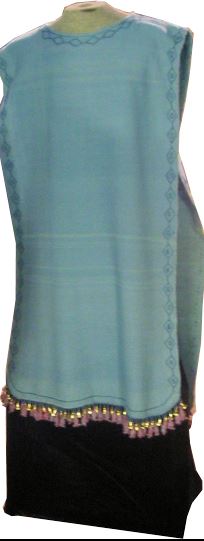
האם ביאה למקדש במקצת נחשבת ביאה או לא (ומצריך טבילה)? האם אפשר לקחת סכין ארוך ולעמוד בחוץ ולשחוט בפנים בלי לטבול? מאחר והיתה מקווה מעל לשער המים, אפשר לשער את הגובה של המים בעין עיטם שמשם זרמו מים למקווה בשער המים. פרסו סדין של פשתן (בוץ) מעל לכניסה למקווה בשעת טבילתו לצניעות – למה דווקא בוץ? המשנה מתארת את מעשיו הראשונים של הכהן גדול באותו בוקר – החל מהטבילה הראשונה והחלפת בגדיו והקרבת קרבן התמיד, מנחתו ונסכיו ומנחת חביתין והקטורת. איך חיממו את המים במקווה אם הכהן היה זקן או איסטניס? המשנה מתארת סדר פשיטת ולבישת הבגדים יחד עם קידוש הידיים ורגליים. לפי המשנה, בטבילה הראשונה, הוא רק קדש ידיו ורגליו פעם אחד – רק על הלבישה כי הפשיטה היתה על בגדי חול. הגמרא מדייקת שהמשנה לא כפי ר’ מאיר שסובר שהחיוב בקידושי ידיים ורגליים הוא על הלבישה – אחד לפני ואחד אחרי לבישה. ולכן נדרש גם בטבילה הראשונה שני קידושי ידיים ורגליים. האם אפשר להסביר המשנה גם לשיטת ר’ מאיר? האם באמת גישת ר’ מאיר ששני הקידושים על הלבישה ולא קשור לפשיטה?

יומא לא

חוֹצֵץ, אוֹ אֵינוֹ חוֹצֵץ? אֲמַר לֵיהּ: כֹּל דְּתַקּוּן רַבָּנַן — כְּעֵין דְּאוֹרָיְיתָא תַּקּוּן.

do items that are generally considered interpositions that invalidate an immersion interpose in this immersion, or do they not interpose, since the immersion is only ancillary and serves as a reminder? Rav Yosef said to him: All ordinances that the Sages instituted, they instituted parallel to Torah law. Therefore, this immersion by rabbinic law has the same basic parameters as immersion by Torah law. There may be no interposition.

אֲמַר לֵיהּ אַבָּיֵי לְרַב יוֹסֵף: בִּיאָה בְּמִקְצָת, שְׁמָהּ בִּיאָה אוֹ לָא? אֲמַר לֵיהּ: בְּהוֹנוֹת יוֹכִיחוּ, שֶׁהֵן בִּיאָה בְּמִקְצָת, וְתַנְיָא: מְצוֹרָע טוֹבֵל וְעוֹמֵד בְּשַׁעַר נִיקָנוֹר. אִיבַּעְיָא לְהוּ: מַהוּ שֶׁיַּעֲשֶׂה סַכִּין אֲרוּכָּה וְיִשְׁחוֹט?

Abaye said to Rav Yosef: Is partial entry, when one enters a certain place with only part of his body, considered entry or not? Rav Yosef said to him: The thumbs of the leper will prove this point, as the leper reaching his thumbs into the Temple constitutes partial entry, and it was taught in a baraita: A leper immerses and stands at the Gate of Nicanor, indicating that immersion is required before even partial entry. A dilemma was raised before the Sages: What is the halakha; may an impure person craft a very long knife and slaughter an animal in the Temple courtyard while remaining outside the courtyard? Is it the essence of the service that requires immersion, or is it entry into the courtyard that requires immersion?

תִּיבְּעֵי לְבֶן זוֹמָא, תִּיבְּעֵי לְרַבָּנַן דִּפְלִיגִי עֲלֵיהּ דְּרַבִּי יְהוּדָה. תִּבְּעֵי לְבֶן זוֹמָא: עַד כָּאן לָא מְחַיֵּיב בֶּן זוֹמָא אֶלָּא לְגַוַּאי, אֲבָל לְבָרַאי — לָא. אוֹ דִילְמָא, אָתֵי לְאִימְּשׁוֹכֵי.

The Gemara comments: Raise the dilemma according to ben Zoma, who rules stringently with regard to immersion; and raise the dilemma according to the Rabbis who disagree with Rabbi Yehuda and do not obligate all people in this immersion. The Gemara elaborates: Raise the dilemma according to ben Zoma: Does ben Zoma require immersion only for entry inside the courtyard; however, for standing outside the courtyard, no, he does not require immersion? Or perhaps even for one standing outside the courtyard ben Zoma requires immersion, lest he inadvertently come to be drawn inside in the course of his service.

תִּיבְּעֵי לְרַבָּנַן דִּפְלִיגִי עֲלֵיהּ דְּרַבִּי יְהוּדָה. עַד כָּאן לָא קָאָמְרִי רַבָּנַן הָתָם, דְּלָא קָא עָבֵיד עֲבוֹדָה, אֲבָל הָכָא דְּקָא עָבֵיד עֲבוֹדָה — לָא. אוֹ דִילְמָא לָא שְׁנָא. תֵּיקוּ.

Similarly, raise the dilemma according to the Rabbis, who disagree with Rabbi Yehuda: How so? Do the Rabbis say that there is no requirement of immersion only there, where he is not performing any Temple service; however, here, where he is performing service, no, they would require immersion? Or perhaps there is no difference, and they would not require immersion under any circumstances. The Gemara concludes: The dilemma shall stand unresolved.

חָמֵשׁ טְבִילוֹת וַעֲשָׂרָה קִידּוּשִׁין טוֹבֵל. תָּנוּ רַבָּנַן: חָמֵשׁ טְבִילוֹת וַעֲשָׂרָה קִידּוּשִׁין טוֹבֵל כֹּהֵן גָּדוֹל וּמְקַדֵּשׁ בּוֹ בַּיּוֹם, וְכוּלָּן בַּקּוֹדֶשׁ בְּבֵית הַפַּרְוָה, חוּץ מֵרִאשׁוֹנָה שֶׁהָיְתָה בַּחוֹל עַל גַּבֵּי שַׁעַר הַמַּיִם, וּבְצַד לִשְׁכָּתוֹ הָיְתָה. אָמַר אַבָּיֵי: שְׁמַע מִינַּיהּ עֵין עֵיטָם גָּבוֹהַּ מִקַּרְקַע עֲזָרָה עֶשְׂרִים וְשָׁלֹשׁ אַמּוֹת.

§ It was taught in the mishna: Five immersions and ten sanctifications the High Priest immerses and sanctifies his hands and feet, respectively. The Sages taught in a baraita: Five immersions and ten sanctifications the High Priest immerses and sanctifies his hands and feet, respectively, on the day of Yom Kippur. And all of these immersions and sanctifications take place in the sacred area, the Temple courtyard, in the Hall of Parva, except for this first immersion, which was in the non-sacred area on the roof of Gate of the Water, and that gate was alongside his chamber. Abaye said: Conclude from that which was taught in this baraita that Ein Eitam, the spring from which water was supplied to the Temple, was twenty-three cubits higher than the ground of the Temple courtyard.

דִּתְנַן: כׇּל הַפְּתָחִים שֶׁהָיוּ שָׁם גּוֹבְהָן עֶשְׂרִים אַמָּה וְרׇחְבָּן עֶשֶׂר אַמּוֹת, חוּץ מִשֶּׁל אוּלָם. וְתַנְיָא: ״וְרָחַץ בְּשָׂרוֹ בְּמַיִם״ — בְּמֵי מִקְוֶה, ״כׇּל בְּשָׂרוֹ״ — מַיִם שֶׁכׇּל גּוּפוֹ עוֹלֶה בָּהֶן. וְכַמָּה הֵן? אַמָּה עַל אַמָּה בְּרוּם שָׁלֹשׁ אַמּוֹת. וְשִׁיעֲרוּ חֲכָמִים מֵי מִקְוֶה אַרְבָּעִים סְאָה.

As we learned in a mishna: All the entrances that were there in the Temple, their height is twenty cubits and their width is ten cubits, except for the entrance to the Entrance Hall of the Sanctuary, which was twice that, i.e., forty cubits high and twenty cubits wide. And it was taught in a baraita that it is stated: “And he shall wash his flesh in water” (Leviticus 15:13), and it is stated in another verse: “And he shall wash all of his flesh in water”(Leviticus 15:16). This refers to water known as the waters of a ritual bath. The verse adds the emphasis: All of his flesh, to say that immersion must be in water that one’s entire body enters at the same time. And how much water is it? It is one cubit length by one cubit width by a height of three cubits. That is sufficient water to cover a person’s height. And the Sages calculated that the volume of the waters of a ritual bath that fit into that space is forty se’a.

וְהָא אִיכָּא אַמָּה תִּקְרָה וְאַמָּה מַעֲזִיבָה! שְׁעָרִים דְּבֵית הַמִּקְדָּשׁ, כֵּיוָן דְּשֵׁישָׁא נִינְהוּ, בְּמַשֶּׁהוּ עָבְדִי לְהוּ. וְהָא אִיכָּא הַאיְךְ מַשֶּׁהוּ! כֵּיוָן דְּלָא הֲוַאי אַמְּתָא — לָא חָשֵׁיב לַהּ.

As the gate is twenty cubits high, and the immersion chamber above it is at least three additional cubits high, the water was twenty-three cubits above the ground of the courtyard. The Gemara asks: How could it be only twenty-three cubits higher? Isn’t there the cubit of the thickness of the ceiling over the gate and the cubit of the thickness of the plaster sealing of the ritual bath floor for a total of at least twenty-five cubits? The Gemara answers: With regard to the Temple gates, since they were constructed of marble, they constructed them with minimal thickness. Neither the thickness of the ceiling nor the thickness of the plaster was a cubit. The Gemara asks: But isn’t there that minimal thickness of the ceiling and the plaster that would nevertheless total more than twenty-three cubits? The Gemara answers: Indeed; however, since the ceiling was not a whole cubit he does not consider it in his calculation.

פֵּרְסוּ סָדִין שֶׁל בּוּץ וְכוּ׳. מַאי שְׁנָא שֶׁל בּוּץ? כִּדְאָמַר רַב כָּהֲנָא: כְּדֵי שֶׁיַּכִּיר שֶׁעֲבוֹדַת הַיּוֹם בְּבִגְדֵי בוּץ. הָכָא נָמֵי: שֶׁיַּכִּיר שֶׁעֲבוֹדַת הַיּוֹם בְּבִגְדֵי בוּץ.

§ We learned in the mishna: They spread a sheet of fine linen between the High Priest and the people in the interest of modesty. The Gemara asks: What is different that they specifically used a sheet of fine linen? The Gemara answers: It is as Rav Kahana said with regard to a related issue: So that he will be aware that the service of the day of Yom Kippur is performed in fine linen garments. Here, too, a linen sheet was used so that he will be aware that the service of the day of Yom Kippur is performed in fine linen garments.

מַתְנִי׳ פָּשַׁט יָרַד וְטָבַל, עָלָה וְנִסְתַּפָּג. הֵבִיאוּ לוֹ בִּגְדֵי זָהָב, וְלָבַשׁ, וְקִידֵּשׁ יָדָיו וְרַגְלָיו. הֵבִיאוּ לוֹ אֶת הַתָּמִיד, קְרָצוֹ וּמֵירַק אַחֵר שְׁחִיטָה עַל יָדוֹ. קִבֵּל אֶת הַדָּם וּזְרָקוֹ.

MISHNA: The High Priest removed the white garments that he was wearing, descended to the ritual bath, and immersed. He ascended and dried himself with a towel. Then they brought him the golden garments of the High Priest, and he dressed in the garments, and he sanctified his hands and his feet. They brought him the sheep for the daily morning offering, which he slaughtered by cutting most of the way through the gullet and the windpipe. And a different priest completed the slaughter on his behalf so that the High Priest could receive the blood in a vessel and proceed with the order of the Yom Kippur service. As soon as the slaughter was completed, the High Priest received the blood in a vessel and sprinkled it on the altar.

נִכְנַס לְהַקְטִיר קְטוֹרֶת שֶׁל שַׁחַר, וּלְהֵיטִיב אֶת הַנֵּרוֹת, וּלְהַקְרִיב אֶת הָרֹאשׁ וְאֶת הָאֵבָרִים וְהַחֲבִיתִּין וְאֶת הַיַּיִן. קְטוֹרֶת שֶׁל שַׁחַר הָיְתָה קְרֵיבָה בֵּין דָּם לְאֵבָרִים, שֶׁל בֵּין הָעַרְבַּיִם בֵּין אֵיבָרִים לִנְסָכִים.

He entered the Sanctuary to burn the morning incense and to remove the ashes from the lamps of the candelabrum; and he left the Sanctuary and returned to the courtyard to sacrifice the head and the limbs of the sheep sacrificed for the daily offering and the High Priest’s daily griddle-cake offering, and the wine libation of the daily offering. The Mishna comments: The morning incense was burned between the receiving and sprinkling of the blood and the burning of the limbs; and the afternoon incense was burned between the taking of the limbs up to the altar and the pouring of the libations that accompanied the offering.

אִם הָיָה כֹּהֵן גָּדוֹל זָקֵן אוֹ אִיסְטְנִיס מְחַמִּין לוֹ חַמִּין, וּמְטִילִין לְתוֹךְ הַצּוֹנֵן כְּדֵי שֶׁתָּפִיג צִינָּתָן.

With regard to the immersion, if the High Priest was old and found it difficult to immerse in cold water, or if he was delicate [istenis], they would heat hot water for him on Yom Kippur eve and place it into the cold water of the ritual bath in order to temper its chill so the High Priest could immerse without discomfort.

גְּמָ׳ אַמְרוּהָ רַבָּנַן קַמֵּיהּ דְּרַב פָּפָּא: הָא דְּלָא כְּרַבִּי מֵאִיר. דְּאִי רַבִּי מֵאִיר, כֵּיוָן דְּאָמַר תְּרֵי קִידּוּשֵׁי אַלְּבִישָׁה עָבֵיד לְהוּ — הָכָא נָמֵי לֶיעְבֵּיד תְּרֵי קִידּוּשֵׁי אַלְּבִישָׁה!

GEMARA: The Sages said this matter before Rav Pappa: This mishna is not in accordance with the opinion of Rabbi Meir, as, if it were in accordance with the opinion of Rabbi Meir, since he said: The High Priest performs two sanctifications of his hands and his feet upon each change of garments, once before donning the garments and once after donning them, here too, in the mishna, let him perform two sanctifications upon the change of garments. However, the description in the mishna indicates that he removes his garments and does not sanctify his hands and feet.

אֲמַר לְהוּ רַב פָּפָּא: בֵּין לְרַבָּנַן בֵּין לְרַבִּי מֵאִיר חַד אַפְּשִׁיטָה דְּבִגְדֵי קוֹדֶשׁ, וְחַד אַלְּבִישָׁה, וְהָכָא בְּהָא קָא מִיפַּלְגִי: ״וּפָשַׁט וְרָחַץ (וְרָחַץ) וְלָבַשׁ״, רַבִּי מֵאִיר סָבַר: מַקִּישׁ פְּשִׁיטָה לִלְבִישָׁה, מָה לְבִישָׁה — לוֹבֵשׁ וְאַחַר כָּךְ מְקַדֵּשׁ, אַף פְּשִׁיטָה — פּוֹשֵׁט וְאַחַר כָּךְ מְקַדֵּשׁ.

Rav Pappa said to them: Both according to the opinion of the Rabbis and according to the opinion of Rabbi Meir, there is one sanctification upon removal of sacred garments, and one sanctification upon donning other sacred garments. And here, it is with regard to this issue that they disagree. It is written: “And he shall remove the linen garments that he put on when he entered the Sanctuary and leave them there. And he shall wash his flesh in water in a sacred place and he shall put on his garments” (Leviticus 16:23–24). Rabbi Meir holds: The Torah juxtaposes removal of garments to donning of garments for the following reason: Just as when donning the garments, he dons the garments and afterward sanctifies his hands and feet, so too, with regard to removal of the garments, he removes the garments and afterward sanctifies his hands and feet.

וְרַבָּנַן סָבְרִי: מַקִּישׁ פְּשִׁיטָה לִלְבִישָׁה, מָה לְבִישָׁה — כְּשֶׁהוּא לָבוּשׁ מְקַדֵּשׁ, אַף פְּשִׁיטָה — כְּשֶׁהוּא לָבוּשׁ מְקַדֵּשׁ.

And the Rabbis hold that the Torah juxtaposes removal of garments to donning of garments for the following reason: Just as when donning the garments, when he is dressed, he sanctifies his hands and feet; so too, for removal of the garments, he sanctifies his hands and feet when he is dressed. Therefore, when he completes the service he sanctifies his hands and feet and only then removes the garments. However, the first time that the High Priest dons the priestly vestments on Yom Kippur he certainly does not require two sanctifications, since at that point he does not remove any other garments.

אֲמַרוּ לֵיהּ רַבָּנַן לְרַב פָּפָּא: וּמִי מָצֵית אָמְרַתְּ הָכִי? וְהָתַנְיָא: פֵּרְסוּ סָדִין שֶׁל בּוּץ בֵּינוֹ לְבֵין הָעָם, פָּשַׁט וְיָרַד וְטָבַל, עָלָה וְנִסְתַּפַּג. הֵבִיאוּ לוֹ בִּגְדֵי זָהָב וְלָבַשׁ, וְקִידֵּשׁ יָדָיו וְרַגְלָיו. רַבִּי מֵאִיר אוֹמֵר: פָּשַׁט וְקִידֵּשׁ יָדָיו וְרַגְלָיו, וְיָרַד וְטָבַל, עָלָה וְנִסְתַּפַּג, הֵבִיאוּ לוֹ בִּגְדֵי זָהָב, וְלָבַשׁ וְקִידֵּשׁ יָדָיו וְרַגְלָיו. אֲמַר לְהוּ: אִי תַּנְיָא תַּנְיָא.

The Sages said to Rav Pappa: And how can you say that according to Rabbi Meir the first time that the High Priest dons the garments he does not require two sanctifications? Wasn’t it taught in a baraita as follows? They spread a sheet of fine linen between him and the people, and he removed his garments and descended and immersed, and he ascended and dried himself. They brought him golden garments, and he donned them, and he sanctified his hands and his feet. Rabbi Meir says: He removed his garments and sanctified his hands and his feet and descended and immersed. He ascended and dried himself. They brought him golden garments and he donned them and sanctified his hands and his feet. Apparently, Rabbi Meir maintains that there is a special sanctification prior to donning the garments. He said to them: If it was taught, it was taught. I will retract my opinion, which was based on logical analysis, in favor of an explicit baraita that contradicts that opinion.

בִּשְׁלָמָא לְרַבִּי מֵאִיר, הַיְינוּ דְּמַשְׁכַּחַתְּ לַהּ

The Gemara asks: Granted, according to the approach of Rabbi Meir, that is how you find that possibility of

העמקה

רוצה להבין מה באמת קורה מתחת לפני השטח של הסוגיה?
שיעורים, פודקאסטים והרחבות של מיטב המורות שלנו יפתחו לך עוד זוויות וכיווני חשיבה.

לשיעורי עוד על הדף באנגלית, לחצי כאן

חדשה בלימוד הגמרא?

זה הדף הראשון שלך? איזו התרגשות עצומה! יש לנו בדיוק את התכנים והכלים שיעזרו לך לעשות את הצעדים הראשונים ללמידה בקצב וברמה שלך, כך תוכלי להרגיש בנוח גם בתוך הסוגיות המורכבות ומאתגרות.

פסיפס הלומדות שלנו

גלי את קהילת הלומדות שלנו, מגוון נשים, רקעים וסיפורים. כולן חלק מתנועה ומסע מרגש ועוצמתי.

התחלתי ללמוד דף יומי ממסכת נידה כי זה היה חומר הלימוד שלי אז. לאחר הסיום הגדול בבנייני האומה החלטתי להמשיך. וב”ה מאז עם הפסקות קטנות של קורונה ולידה אני משתדלת להמשיך ולהיות חלק.

זה משפיע מאוד על היום יום שלי ועל אף שאני עסוקה בלימודי הלכה ותורה כל יום, זאת המסגרת הקבועה והמחייבת ביותר שיש לי.

Moriah Taesan Michaeli
מוריה תעסן מיכאלי

גבעת הראל, ישראל

התחלתי ללמוד דף יומי באמצע תקופת הקורונה, שאבא שלי סיפר לי על קבוצה של בנות שתיפתח ביישוב שלנו ותלמד דף יומי כל יום. הרבה זמן רציתי להצטרף לזה וזאת הייתה ההזדמנות בשבילי. הצטרפתי במסכת שקלים ובאמצע הייתה הפסקה קצרה. כיום אני כבר לומדת באולפנה ולומדת דף יומי לבד מתוך גמרא של טיינזלץ.

Saturdays in Raleigh
שבות בראלי

עתניאל, ישראל

התחלתי להשתתף בשיעור נשים פעם בשבוע, תכננתי ללמוד רק דפים בודדים, לא האמנתי שאצליח יותר מכך.
לאט לאט נשאבתי פנימה לעולם הלימוד .משתדלת ללמוד כל בוקר ומתחילה את היום בתחושה של מלאות ומתוך התכווננות נכונה יותר.
הלימוד של הדף היומי ממלא אותי בתחושה של חיבור עמוק לעם היהודי ולכל הלומדים בעבר ובהווה.

Neely Hayon
נילי חיון

אפרת, ישראל

התחלתי מחוג במסכת קידושין שהעבירה הרבנית רייסנר במסגרת בית המדרש כלנה בגבעת שמואל; לאחר מכן התחיל סבב הדף היומי אז הצטרפתי. לסביבה לקח זמן לעכל אבל היום כולם תומכים ומשתתפים איתי. הלימוד לעתים מעניין ומעשיר ולעתים קשה ואף הזוי… אך אני ממשיכה קדימה. הוא משפיע על היומיום שלי קודם כל במרדף אחרי הדף, וגם במושגים הרבים שלמדתי ובידע שהועשרתי בו, חלקו ממש מעשי

Abigail Chrissy
אביגיל כריסי

ראש העין, ישראל

התחלתי ללמוד דף לפני קצת יותר מ-5 שנים, כשלמדתי רבנות בישיבת מהר”ת בניו יורק. בדיעבד, עד אז, הייתי בלימוד הגמרא שלי כמו מישהו שאוסף חרוזים משרשרת שהתפזרה, פה משהו ושם משהו, ומאז נפתח עולם ומלואו…. הדף נותן לי לימוד בצורה מאורגנת, שיטתית, יום-יומית, ומלמד אותי לא רק ידע אלא את השפה ודרך החשיבה שלנו. לשמחתי, יש לי סביבה תומכת וההרגשה שלי היא כמו בציטוט שבחרתי: הדף משפיע לטובה על כל היום שלי.

Michal Kahana
מיכל כהנא

חיפה, ישראל

התחלתי ללמוד גמרא בבית הספר בגיל צעיר והתאהבתי. המשכתי בכך כל חיי ואף היייתי מורה לגמרא בבית הספר שקד בשדה אליהו (בית הספר בו למדתי בילדותי)בתחילת מחזור דף יומי הנוכחי החלטתי להצטרף ובע”ה מקווה להתמיד ולהמשיך. אני אוהבת את המפגש עם הדף את "דרישות השלום ” שמקבלת מקשרים עם דפים אחרים שלמדתי את הסנכרון שמתחולל בין התכנים.

Ariela Bigman
אריאלה ביגמן

מעלה גלבוע, ישראל

הצטרפתי ללומדות בתחילת מסכת תענית. ההתרגשות שלי ושל המשפחה היתה גדולה מאוד, והיא הולכת וגוברת עם כל סיום שאני זוכה לו. במשך שנים רבות רציתי להצטרף ומשום מה זה לא קרה… ב”ה מצאתי לפני מספר חודשים פרסום של הדרן, ומיד הצטרפתי והתאהבתי. הדף היומי שינה את חיי ממש והפך כל יום- ליום של תורה. מודה לכן מקרב ליבי ומאחלת לכולנו לימוד פורה מתוך אהבת התורה ולומדיה.

Noa Rosen
נעה רוזן

חיספין רמת הגולן, ישראל

בסוף הסבב הקודם ראיתי את השמחה הגדולה שבסיום הלימוד, בעלי סיים כבר בפעם השלישית וכמובן הסיום הנשי בבנייני האומה וחשבתי שאולי זו הזדמנות עבורי למשהו חדש.
למרות שאני שונה בסביבה שלי, מי ששומע על הלימוד שלי מפרגן מאוד.
אני מנסה ללמוד קצת בכל יום, גם אם לא את כל הדף ובסך הכל אני בדרך כלל עומדת בקצב.
הלימוד מעניק המון משמעות ליום יום ועושה סדר בלמוד תורה, שתמיד היה (ועדיין) שאיפה. אבל אין כמו קביעות

Racheli-Mendelson
רחלי מנדלסון

טל מנשה, ישראל

רציתי לקבל ידע בתחום שהרגשתי שהוא גדול וחשוב אך נעלם ממני. הלימוד מעניק אתגר וסיפוק ומעמיק את תחושת השייכות שלי לתורה וליהדות

Ruth Agiv
רות עגיב

עלי זהב – לשם, ישראל

אני לומדת גמרא כעשור במסגרות שונות, ואת הדף היומי התחלתי כשחברה הציעה שאצטרף אליה לסיום בבנייני האומה. מאז אני לומדת עם פודקסט הדרן, משתדלת באופן יומי אך אם לא מספיקה, מדביקה פערים עד ערב שבת. בסבב הזה הלימוד הוא "ממעוף הציפור”, מקשיבה במהירות מוגברת תוך כדי פעילויות כמו בישול או נהיגה, וכך רוכשת היכרות עם הסוגיות ואופן ניתוחם על ידי חז”ל. בע”ה בסבב הבא, ואולי לפני, אצלול לתוכו באופן מעמיק יותר.

Yael Bir
יעל ביר

רמת גן, ישראל

התחלתי ללמוד דף יומי בסבב הקודם. זכיתי לסיים אותו במעמד המרגש של הדרן. בסבב הראשון ליווה אותי הספק, שאולי לא אצליח לעמוד בקצב ולהתמיד. בסבב השני אני לומדת ברוגע, מתוך אמונה ביכולתי ללמוד ולסיים. בסבב הלימוד הראשון ליוותה אותי חוויה מסויימת של בדידות. הדרן העניקה לי קהילת לימוד ואחוות נשים. החוויה של סיום הש”ס במעמד כה גדול כשנשים שאינן מכירות אותי, שמחות ומתרגשות עבורי , היתה חוויה מרוממת נפש

Ilanit Weil
אילנית ווייל

קיבוץ מגדל עוז, ישראל

התחלתי ללמוד דף לפני קצת יותר מ-5 שנים, כשלמדתי רבנות בישיבת מהר”ת בניו יורק. בדיעבד, עד אז, הייתי בלימוד הגמרא שלי כמו מישהו שאוסף חרוזים משרשרת שהתפזרה, פה משהו ושם משהו, ומאז נפתח עולם ומלואו…. הדף נותן לי לימוד בצורה מאורגנת, שיטתית, יום-יומית, ומלמד אותי לא רק ידע אלא את השפה ודרך החשיבה שלנו. לשמחתי, יש לי סביבה תומכת וההרגשה שלי היא כמו בציטוט שבחרתי: הדף משפיע לטובה על כל היום שלי.

Michal Kahana
מיכל כהנא

חיפה, ישראל

באירוע של הדרן בנייני האומה. בהשראתה של אמי שלי שסיימה את הש”ס בסבב הקודם ובעידוד מאיר , אישי, וילדיי וחברותיי ללימוד במכון למנהיגות הלכתית של רשת אור תורה סטון ומורתיי הרבנית ענת נובוסלסקי והרבנית דבורה עברון, ראש המכון למנהיגות הלכתית.
הלימוד מעשיר את יומי, מחזיר אותי גם למסכתות שכבר סיימתי וידוע שאינו דומה מי ששונה פרקו מאה לשונה פרקו מאה ואחת במיוחד מרתקים אותי החיבורים בין המסכתות

Roit Kalech
רוית קלך

מודיעין, ישראל

בתחילת הסבב הנוכחי של לימוד הדף היומי, נחשפתי לחגיגות המרגשות באירועי הסיום ברחבי העולם. והבטחתי לעצמי שבקרוב אצטרף גם למעגל הלומדות. הסבב התחיל כאשר הייתי בתחילת דרכי בתוכנית קרן אריאל להכשרת יועצות הלכה של נשמ”ת. לא הצלחתי להוסיף את ההתחייבות לדף היומי על הלימוד האינטנסיבי של תוכנית היועצות. בבוקר למחרת המבחן הסופי בנשמ”ת, התחלתי את לימוד הדף במסכת סוכה ומאז לא הפסקתי.

Hana Shaham-Rozby (Dr.)
חנה שחם-רוזבי (ד”ר)

קרית גת, ישראל

התחלתי ללמוד דף יומי בתחילת מסכת ברכות, עוד לא ידעתי כלום. נחשפתי לסיום הש״ס, ובעצם להתחלה מחדש בתקשורת, הפתיע אותי לטובה שהיה מקום לעיסוק בתורה.
את המסכתות הראשונות למדתי, אבל לא סיימתי (חוץ מעירובין איכשהו). השנה כשהגעתי למדרשה, נכנסתי ללופ, ואני מצליחה להיות חלק, סיימתי עם החברותא שלי את כל המסכתות הקצרות, גם כשהיינו חולות קורונה ובבידודים, למדנו לבד, העיקר לא לצבור פער, ומחכות ליבמות 🙂

Eden Yeshuron
עדן ישורון

מזכרת בתיה, ישראל

"התחלתי ללמוד דף יומי במחזור הזה, בח’ בטבת תש””ף. לקחתי על עצמי את הלימוד כדי ליצור תחום של התמדה יומיומית בחיים, והצטרפתי לקבוצת הלומדים בבית הכנסת בכפר אדומים. המשפחה והסביבה מתפעלים ותומכים.
בלימוד שלי אני מתפעלת בעיקר מכך שכדי ללמוד גמרא יש לדעת ולהכיר את כל הגמרא. זו מעין צבת בצבת עשויה שהיא עצומה בהיקפה.”

Sarah Fox
שרה פוּקס

כפר אדומים, ישראל

התחלתי לפני כמה שנים אבל רק בסבב הזה זכיתי ללמוד יום יום ולסיים מסכתות

Sigal Tel
סיגל טל

רעננה, ישראל

התחלתי ללמוד דף יומי כאשר קיבלתי במייל ממכון שטיינזלץ את הדפים הראשונים של מסכת ברכות במייל. קודם לא ידעתי איך לקרוא אותם עד שנתתי להם להדריך אותי. הסביבה שלי לא מודעת לעניין כי אני לא מדברת על כך בפומבי. למדתי מהדפים דברים חדשים, כמו הקשר בין המבנה של בית המקדש והמשכן לגופו של האדם (יומא מה, ע”א) והקשר שלו למשפט מפורסם שמופיע בספר ההינדי "בהגוד-גיתא”. מתברר שזה רעיון כלל עולמי ולא רק יהודי

Elena Arenburg
אלנה ארנבורג

נשר, ישראל

שמעתי על הסיום הענק של הדף היומי ע”י נשים בבנייני האומה. רציתי גם.
החלטתי להצטרף. התחלתי ושיכנעתי את בעלי ועוד שתי חברות להצטרף. עכשיו יש לי לימוד משותף איתו בשבת ומפגש חודשי איתן בנושא (והתכתבויות תדירות על דברים מיוחדים שקראנו). הצטרפנו לקבוצות שונות בווטסאפ. אנחנו ממש נהנות. אני שומעת את השיעור מידי יום (בד”כ מהרב יוני גוטמן) וקוראת ומצטרפת לסיומים של הדרן. גם מקפידה על דף משלהן (ונהנית מאד).

Liat Citron
ליאת סיטרון

אפרת, ישראל

התחלתי ללמוד בעידוד שתי חברות אתן למדתי בעבר את הפרק היומי במסגרת 929.
בבית מתלהבים מאוד ובשבת אני לומדת את הדף עם בעלי שזה מפתיע ומשמח מאוד! לימוד הדף הוא חלק בלתי נפרד מהיום שלי. לומדת בצהריים ומחכה לזמן הזה מידי יום…

Miriam Wengerover
מרים ונגרובר

אפרת, ישראל

יומא לא

חוֹצֵץ, אוֹ אֵינוֹ חוֹצֵץ? אֲמַר לֵיהּ: כֹּל דְּתַקּוּן רַבָּנַן — כְּעֵין דְּאוֹרָיְיתָא תַּקּוּן.

do items that are generally considered interpositions that invalidate an immersion interpose in this immersion, or do they not interpose, since the immersion is only ancillary and serves as a reminder? Rav Yosef said to him: All ordinances that the Sages instituted, they instituted parallel to Torah law. Therefore, this immersion by rabbinic law has the same basic parameters as immersion by Torah law. There may be no interposition.

אֲמַר לֵיהּ אַבָּיֵי לְרַב יוֹסֵף: בִּיאָה בְּמִקְצָת, שְׁמָהּ בִּיאָה אוֹ לָא? אֲמַר לֵיהּ: בְּהוֹנוֹת יוֹכִיחוּ, שֶׁהֵן בִּיאָה בְּמִקְצָת, וְתַנְיָא: מְצוֹרָע טוֹבֵל וְעוֹמֵד בְּשַׁעַר נִיקָנוֹר. אִיבַּעְיָא לְהוּ: מַהוּ שֶׁיַּעֲשֶׂה סַכִּין אֲרוּכָּה וְיִשְׁחוֹט?

Abaye said to Rav Yosef: Is partial entry, when one enters a certain place with only part of his body, considered entry or not? Rav Yosef said to him: The thumbs of the leper will prove this point, as the leper reaching his thumbs into the Temple constitutes partial entry, and it was taught in a baraita: A leper immerses and stands at the Gate of Nicanor, indicating that immersion is required before even partial entry. A dilemma was raised before the Sages: What is the halakha; may an impure person craft a very long knife and slaughter an animal in the Temple courtyard while remaining outside the courtyard? Is it the essence of the service that requires immersion, or is it entry into the courtyard that requires immersion?

תִּיבְּעֵי לְבֶן זוֹמָא, תִּיבְּעֵי לְרַבָּנַן דִּפְלִיגִי עֲלֵיהּ דְּרַבִּי יְהוּדָה. תִּבְּעֵי לְבֶן זוֹמָא: עַד כָּאן לָא מְחַיֵּיב בֶּן זוֹמָא אֶלָּא לְגַוַּאי, אֲבָל לְבָרַאי — לָא. אוֹ דִילְמָא, אָתֵי לְאִימְּשׁוֹכֵי.

The Gemara comments: Raise the dilemma according to ben Zoma, who rules stringently with regard to immersion; and raise the dilemma according to the Rabbis who disagree with Rabbi Yehuda and do not obligate all people in this immersion. The Gemara elaborates: Raise the dilemma according to ben Zoma: Does ben Zoma require immersion only for entry inside the courtyard; however, for standing outside the courtyard, no, he does not require immersion? Or perhaps even for one standing outside the courtyard ben Zoma requires immersion, lest he inadvertently come to be drawn inside in the course of his service.

תִּיבְּעֵי לְרַבָּנַן דִּפְלִיגִי עֲלֵיהּ דְּרַבִּי יְהוּדָה. עַד כָּאן לָא קָאָמְרִי רַבָּנַן הָתָם, דְּלָא קָא עָבֵיד עֲבוֹדָה, אֲבָל הָכָא דְּקָא עָבֵיד עֲבוֹדָה — לָא. אוֹ דִילְמָא לָא שְׁנָא. תֵּיקוּ.

Similarly, raise the dilemma according to the Rabbis, who disagree with Rabbi Yehuda: How so? Do the Rabbis say that there is no requirement of immersion only there, where he is not performing any Temple service; however, here, where he is performing service, no, they would require immersion? Or perhaps there is no difference, and they would not require immersion under any circumstances. The Gemara concludes: The dilemma shall stand unresolved.

חָמֵשׁ טְבִילוֹת וַעֲשָׂרָה קִידּוּשִׁין טוֹבֵל. תָּנוּ רַבָּנַן: חָמֵשׁ טְבִילוֹת וַעֲשָׂרָה קִידּוּשִׁין טוֹבֵל כֹּהֵן גָּדוֹל וּמְקַדֵּשׁ בּוֹ בַּיּוֹם, וְכוּלָּן בַּקּוֹדֶשׁ בְּבֵית הַפַּרְוָה, חוּץ מֵרִאשׁוֹנָה שֶׁהָיְתָה בַּחוֹל עַל גַּבֵּי שַׁעַר הַמַּיִם, וּבְצַד לִשְׁכָּתוֹ הָיְתָה. אָמַר אַבָּיֵי: שְׁמַע מִינַּיהּ עֵין עֵיטָם גָּבוֹהַּ מִקַּרְקַע עֲזָרָה עֶשְׂרִים וְשָׁלֹשׁ אַמּוֹת.

§ It was taught in the mishna: Five immersions and ten sanctifications the High Priest immerses and sanctifies his hands and feet, respectively. The Sages taught in a baraita: Five immersions and ten sanctifications the High Priest immerses and sanctifies his hands and feet, respectively, on the day of Yom Kippur. And all of these immersions and sanctifications take place in the sacred area, the Temple courtyard, in the Hall of Parva, except for this first immersion, which was in the non-sacred area on the roof of Gate of the Water, and that gate was alongside his chamber. Abaye said: Conclude from that which was taught in this baraita that Ein Eitam, the spring from which water was supplied to the Temple, was twenty-three cubits higher than the ground of the Temple courtyard.

דִּתְנַן: כׇּל הַפְּתָחִים שֶׁהָיוּ שָׁם גּוֹבְהָן עֶשְׂרִים אַמָּה וְרׇחְבָּן עֶשֶׂר אַמּוֹת, חוּץ מִשֶּׁל אוּלָם. וְתַנְיָא: ״וְרָחַץ בְּשָׂרוֹ בְּמַיִם״ — בְּמֵי מִקְוֶה, ״כׇּל בְּשָׂרוֹ״ — מַיִם שֶׁכׇּל גּוּפוֹ עוֹלֶה בָּהֶן. וְכַמָּה הֵן? אַמָּה עַל אַמָּה בְּרוּם שָׁלֹשׁ אַמּוֹת. וְשִׁיעֲרוּ חֲכָמִים מֵי מִקְוֶה אַרְבָּעִים סְאָה.

As we learned in a mishna: All the entrances that were there in the Temple, their height is twenty cubits and their width is ten cubits, except for the entrance to the Entrance Hall of the Sanctuary, which was twice that, i.e., forty cubits high and twenty cubits wide. And it was taught in a baraita that it is stated: “And he shall wash his flesh in water” (Leviticus 15:13), and it is stated in another verse: “And he shall wash all of his flesh in water”(Leviticus 15:16). This refers to water known as the waters of a ritual bath. The verse adds the emphasis: All of his flesh, to say that immersion must be in water that one’s entire body enters at the same time. And how much water is it? It is one cubit length by one cubit width by a height of three cubits. That is sufficient water to cover a person’s height. And the Sages calculated that the volume of the waters of a ritual bath that fit into that space is forty se’a.

וְהָא אִיכָּא אַמָּה תִּקְרָה וְאַמָּה מַעֲזִיבָה! שְׁעָרִים דְּבֵית הַמִּקְדָּשׁ, כֵּיוָן דְּשֵׁישָׁא נִינְהוּ, בְּמַשֶּׁהוּ עָבְדִי לְהוּ. וְהָא אִיכָּא הַאיְךְ מַשֶּׁהוּ! כֵּיוָן דְּלָא הֲוַאי אַמְּתָא — לָא חָשֵׁיב לַהּ.

As the gate is twenty cubits high, and the immersion chamber above it is at least three additional cubits high, the water was twenty-three cubits above the ground of the courtyard. The Gemara asks: How could it be only twenty-three cubits higher? Isn’t there the cubit of the thickness of the ceiling over the gate and the cubit of the thickness of the plaster sealing of the ritual bath floor for a total of at least twenty-five cubits? The Gemara answers: With regard to the Temple gates, since they were constructed of marble, they constructed them with minimal thickness. Neither the thickness of the ceiling nor the thickness of the plaster was a cubit. The Gemara asks: But isn’t there that minimal thickness of the ceiling and the plaster that would nevertheless total more than twenty-three cubits? The Gemara answers: Indeed; however, since the ceiling was not a whole cubit he does not consider it in his calculation.

פֵּרְסוּ סָדִין שֶׁל בּוּץ וְכוּ׳. מַאי שְׁנָא שֶׁל בּוּץ? כִּדְאָמַר רַב כָּהֲנָא: כְּדֵי שֶׁיַּכִּיר שֶׁעֲבוֹדַת הַיּוֹם בְּבִגְדֵי בוּץ. הָכָא נָמֵי: שֶׁיַּכִּיר שֶׁעֲבוֹדַת הַיּוֹם בְּבִגְדֵי בוּץ.

§ We learned in the mishna: They spread a sheet of fine linen between the High Priest and the people in the interest of modesty. The Gemara asks: What is different that they specifically used a sheet of fine linen? The Gemara answers: It is as Rav Kahana said with regard to a related issue: So that he will be aware that the service of the day of Yom Kippur is performed in fine linen garments. Here, too, a linen sheet was used so that he will be aware that the service of the day of Yom Kippur is performed in fine linen garments.

מַתְנִי׳ פָּשַׁט יָרַד וְטָבַל, עָלָה וְנִסְתַּפָּג. הֵבִיאוּ לוֹ בִּגְדֵי זָהָב, וְלָבַשׁ, וְקִידֵּשׁ יָדָיו וְרַגְלָיו. הֵבִיאוּ לוֹ אֶת הַתָּמִיד, קְרָצוֹ וּמֵירַק אַחֵר שְׁחִיטָה עַל יָדוֹ. קִבֵּל אֶת הַדָּם וּזְרָקוֹ.

MISHNA: The High Priest removed the white garments that he was wearing, descended to the ritual bath, and immersed. He ascended and dried himself with a towel. Then they brought him the golden garments of the High Priest, and he dressed in the garments, and he sanctified his hands and his feet. They brought him the sheep for the daily morning offering, which he slaughtered by cutting most of the way through the gullet and the windpipe. And a different priest completed the slaughter on his behalf so that the High Priest could receive the blood in a vessel and proceed with the order of the Yom Kippur service. As soon as the slaughter was completed, the High Priest received the blood in a vessel and sprinkled it on the altar.

נִכְנַס לְהַקְטִיר קְטוֹרֶת שֶׁל שַׁחַר, וּלְהֵיטִיב אֶת הַנֵּרוֹת, וּלְהַקְרִיב אֶת הָרֹאשׁ וְאֶת הָאֵבָרִים וְהַחֲבִיתִּין וְאֶת הַיַּיִן. קְטוֹרֶת שֶׁל שַׁחַר הָיְתָה קְרֵיבָה בֵּין דָּם לְאֵבָרִים, שֶׁל בֵּין הָעַרְבַּיִם בֵּין אֵיבָרִים לִנְסָכִים.

He entered the Sanctuary to burn the morning incense and to remove the ashes from the lamps of the candelabrum; and he left the Sanctuary and returned to the courtyard to sacrifice the head and the limbs of the sheep sacrificed for the daily offering and the High Priest’s daily griddle-cake offering, and the wine libation of the daily offering. The Mishna comments: The morning incense was burned between the receiving and sprinkling of the blood and the burning of the limbs; and the afternoon incense was burned between the taking of the limbs up to the altar and the pouring of the libations that accompanied the offering.

אִם הָיָה כֹּהֵן גָּדוֹל זָקֵן אוֹ אִיסְטְנִיס מְחַמִּין לוֹ חַמִּין, וּמְטִילִין לְתוֹךְ הַצּוֹנֵן כְּדֵי שֶׁתָּפִיג צִינָּתָן.

With regard to the immersion, if the High Priest was old and found it difficult to immerse in cold water, or if he was delicate [istenis], they would heat hot water for him on Yom Kippur eve and place it into the cold water of the ritual bath in order to temper its chill so the High Priest could immerse without discomfort.

גְּמָ׳ אַמְרוּהָ רַבָּנַן קַמֵּיהּ דְּרַב פָּפָּא: הָא דְּלָא כְּרַבִּי מֵאִיר. דְּאִי רַבִּי מֵאִיר, כֵּיוָן דְּאָמַר תְּרֵי קִידּוּשֵׁי אַלְּבִישָׁה עָבֵיד לְהוּ — הָכָא נָמֵי לֶיעְבֵּיד תְּרֵי קִידּוּשֵׁי אַלְּבִישָׁה!

GEMARA: The Sages said this matter before Rav Pappa: This mishna is not in accordance with the opinion of Rabbi Meir, as, if it were in accordance with the opinion of Rabbi Meir, since he said: The High Priest performs two sanctifications of his hands and his feet upon each change of garments, once before donning the garments and once after donning them, here too, in the mishna, let him perform two sanctifications upon the change of garments. However, the description in the mishna indicates that he removes his garments and does not sanctify his hands and feet.

אֲמַר לְהוּ רַב פָּפָּא: בֵּין לְרַבָּנַן בֵּין לְרַבִּי מֵאִיר חַד אַפְּשִׁיטָה דְּבִגְדֵי קוֹדֶשׁ, וְחַד אַלְּבִישָׁה, וְהָכָא בְּהָא קָא מִיפַּלְגִי: ״וּפָשַׁט וְרָחַץ (וְרָחַץ) וְלָבַשׁ״, רַבִּי מֵאִיר סָבַר: מַקִּישׁ פְּשִׁיטָה לִלְבִישָׁה, מָה לְבִישָׁה — לוֹבֵשׁ וְאַחַר כָּךְ מְקַדֵּשׁ, אַף פְּשִׁיטָה — פּוֹשֵׁט וְאַחַר כָּךְ מְקַדֵּשׁ.

Rav Pappa said to them: Both according to the opinion of the Rabbis and according to the opinion of Rabbi Meir, there is one sanctification upon removal of sacred garments, and one sanctification upon donning other sacred garments. And here, it is with regard to this issue that they disagree. It is written: “And he shall remove the linen garments that he put on when he entered the Sanctuary and leave them there. And he shall wash his flesh in water in a sacred place and he shall put on his garments” (Leviticus 16:23–24). Rabbi Meir holds: The Torah juxtaposes removal of garments to donning of garments for the following reason: Just as when donning the garments, he dons the garments and afterward sanctifies his hands and feet, so too, with regard to removal of the garments, he removes the garments and afterward sanctifies his hands and feet.

וְרַבָּנַן סָבְרִי: מַקִּישׁ פְּשִׁיטָה לִלְבִישָׁה, מָה לְבִישָׁה — כְּשֶׁהוּא לָבוּשׁ מְקַדֵּשׁ, אַף פְּשִׁיטָה — כְּשֶׁהוּא לָבוּשׁ מְקַדֵּשׁ.

And the Rabbis hold that the Torah juxtaposes removal of garments to donning of garments for the following reason: Just as when donning the garments, when he is dressed, he sanctifies his hands and feet; so too, for removal of the garments, he sanctifies his hands and feet when he is dressed. Therefore, when he completes the service he sanctifies his hands and feet and only then removes the garments. However, the first time that the High Priest dons the priestly vestments on Yom Kippur he certainly does not require two sanctifications, since at that point he does not remove any other garments.

אֲמַרוּ לֵיהּ רַבָּנַן לְרַב פָּפָּא: וּמִי מָצֵית אָמְרַתְּ הָכִי? וְהָתַנְיָא: פֵּרְסוּ סָדִין שֶׁל בּוּץ בֵּינוֹ לְבֵין הָעָם, פָּשַׁט וְיָרַד וְטָבַל, עָלָה וְנִסְתַּפַּג. הֵבִיאוּ לוֹ בִּגְדֵי זָהָב וְלָבַשׁ, וְקִידֵּשׁ יָדָיו וְרַגְלָיו. רַבִּי מֵאִיר אוֹמֵר: פָּשַׁט וְקִידֵּשׁ יָדָיו וְרַגְלָיו, וְיָרַד וְטָבַל, עָלָה וְנִסְתַּפַּג, הֵבִיאוּ לוֹ בִּגְדֵי זָהָב, וְלָבַשׁ וְקִידֵּשׁ יָדָיו וְרַגְלָיו. אֲמַר לְהוּ: אִי תַּנְיָא תַּנְיָא.

The Sages said to Rav Pappa: And how can you say that according to Rabbi Meir the first time that the High Priest dons the garments he does not require two sanctifications? Wasn’t it taught in a baraita as follows? They spread a sheet of fine linen between him and the people, and he removed his garments and descended and immersed, and he ascended and dried himself. They brought him golden garments, and he donned them, and he sanctified his hands and his feet. Rabbi Meir says: He removed his garments and sanctified his hands and his feet and descended and immersed. He ascended and dried himself. They brought him golden garments and he donned them and sanctified his hands and his feet. Apparently, Rabbi Meir maintains that there is a special sanctification prior to donning the garments. He said to them: If it was taught, it was taught. I will retract my opinion, which was based on logical analysis, in favor of an explicit baraita that contradicts that opinion.

בִּשְׁלָמָא לְרַבִּי מֵאִיר, הַיְינוּ דְּמַשְׁכַּחַתְּ לַהּ

The Gemara asks: Granted, according to the approach of Rabbi Meir, that is how you find that possibility of

רוצה לעקוב אחרי התכנים ולהמשיך ללמוד?

ביצירת חשבון עוד היום ניתן לעקוב אחרי ההתקדמות שלך, לסמן מה למדת, ולעקוב אחרי השיעורים שמעניינים אותך.

לנקות את כל הפריטים מהרשימה?

פעולה זו תסיר את כל הפריטים בחלק זה כולל ההתקדמות וההיסטוריה. שימי לב: לא ניתן לשחזר פעולה זו.

ביטול
מחיקה

האם את/ה בטוח/ה שברצונך למחוק פריט זה?

תאבד/י את כל ההתקדמות או ההיסטוריה הקשורות לפריט זה.

ביטול
מחיקה