חיפוש

יומא נ

רוצה להקדיש שיעור?

podcast placeholder

0:00
0:00


תקציר

השיעור היום מוקדש על ידי סטייסי גודסטיין אשטמקר לעילוי נשמת מאשה בת רייזל ויצחק, שהפכה להיות סבתא של בנותיה למרות שלא הייתה סבתא שלהן בכלל. עדינותה ורגישותה יחסרו לכולנו.

ר’ יצחק מעלה קושיות נגד שיטת ר’ אמי לגבי "פר” – האם זה כולל דמי פר או לא. יש דיון האם פר יום הכיפורים נחשב קרבן ציבור או קרבן יחיד. מהן הדעות השונות ומאיפה כל אחד מביא חיזוק לדבריהם? האם יש דין מורה בפר של יום הכיפורים? זה תלוי בשאלה הקודמת.

כלים

יומא נ

אֵיתִיבֵיהּ רַבִּי יִצְחָק נַפָּחָא לְרַבִּי אַמֵּי: ״וְהוֹצִיא אֶת כׇּל הַפָּר״! שֶׁיּוֹצִיא אֶת כּוּלּוֹ.

§ Rabbi Yitzḥak Nappaḥa raised an objection to Rabbi Ami: “And he shall remove the entire bull outside the camp” (Leviticus 4:12). This verse speaks of a bull that has been slaughtered and its fats and sacrificial parts have been burned, which proves that even after it has been slaughtered, it is still called a bull. Rabbi Ami replied: The animal itself is not called a bull at this stage; rather, it means that he should remove the entire carcass, all that remains of the bull.

״וְאֵת פַּר הַחַטָּאת וְאֵת שְׂעִיר הַחַטָּאת״, אָמַר רַב פָּפָּא: בְּעוֹר וּבָשָׂר וָפֶרֶשׁ דְּכוּלֵּי עָלְמָא לָא פְּלִיגִי. כִּי פְּלִיגִי בְּדָם. מָר סָבַר: דָּם אִיקְּרִי פַּר, וּמָר סָבַר: דָּם לָא אִיקְּרִי פַּר.

The Gemara raises another difficulty by citing a verse: “And the bull of the sin-offering and the goat of the sin-offering, whose blood was brought in to make atonement in the Sanctuary, shall be taken outside the camp” (Leviticus 16:27). Once again, the verse proves that even after it has been slaughtered and its blood is brought into the Holy of Holies, the animal is still called a bull. Rav Pappa said: Everyone agrees that when it is intact, with its hide, its flesh, and its excrement, it is called a bull. When they disagree is with regard to the blood. One Sage holds that its blood is called a bull, and one Sage holds that blood alone is not called a bull.

אָמַר רַב אָשֵׁי: מִסְתַּבְּרָא כְּמַאן דְּאָמַר דָּם אִיקְּרִי פַּר, דִּכְתִיב: ״בְּזֹאת יָבֹא אַהֲרֹן אֶל הַקֹּדֶשׁ בְּפַר בֶּן בָּקָר״, אַטּוּ בְּקַרְנֵיהּ מְעַיֵּיל לֵיהּ?! אֶלָּא בְּדָמוֹ, וְקָרֵי לֵיהּ ״פַּר״.

Rav Ashi said: It is reasonable to say in accordance with the one who said that blood is called part of the bull, as it is written: “With this Aaron shall come into the sacred place, with a bull” (Leviticus 16:3). Is that to say that he brings it in, to the Holy of Holies, with its horns? Rather, he enters with its blood, and yet the Torah calls that “a bull.” This proves that the blood itself is called a bull.

וְאִידַּךְ? בַּמָּה הוּכְשַׁר אַהֲרֹן לָבֹא אֶל הַקֹּדֶשׁ — בְּפַר בֶּן בָּקָר לְחַטָּאת.

The Gemara asks: And the other one, who maintains that blood is not called a bull, how does he interpret this verse? The Gemara answers that he can explain the verse as follows: With what did Aaron become qualified to enter the sacred place? With his bringing of a young bull for a sin-offering. However, the blood itself, which he brings inside, is not called a bull.

וְתִיפּוֹק לֵיהּ דְּחַטָּאת שֶׁמֵּתוּ בְּעָלֶיהָ הִיא, וְחַטָּאת שֶׁמֵּתוּ בְּעָלֶיהָ לְמִיתָה אָזְלָא! אֲמַר לֵיהּ רָבִין בַּר רַב אַדָּא לְרָבָא: אָמְרִי תַּלְמִידָיךָ, אָמַר רַב עַמְרָם: חַטַּאת צִבּוּר הִיא, וְלָא לְמִיתָה אָזְלָא.

§ The Gemara returns to the issue of a replacement High Priest entering with the blood of the first bull: And let him derive the answer to this problem from the fact that it is a sin-offering whose owners have died. After all, the bull of the first High Priest is a sin-offering and its owner has died. Since there is a principle that a sin-offering whose owners have died is left to die, this should resolve the dilemma. Ravin bar Rav Adda said to Rava: Your students say that Rav Amram said that the sin-offering bull of the High Priest is a communal sin-offering, as the High Priest brings it both on his own behalf and for his fellow priests, and a communal sin-offering is not left to die.

דִּתְנַן, אָמַר לוֹ רַבִּי מֵאִיר: וַהֲלֹא פַּר יוֹם הַכִּפּוּרִים, וַחֲבִיתֵּי כֹּהֵן גָּדוֹל, וּפֶסַח — דְּקָרְבַּן יָחִיד הוּא, וְדוֹחֶה אֶת הַשַּׁבָּת וְאֶת הַטּוּמְאָה. לָאו מִכְּלָל דְּאִיכָּא לְמַאן דְּאָמַר דְּצִבּוּר?

As we learned in a mishna in tractate Temura that tanna’im debate which offerings override Shabbat and ritual impurity. Rabbi Meir said to him: But consider the Yom Kippur bull, and the meal-offering resembling a wafer brought specially by the High Priest, and the Paschal offering, each of which is an individual offering and overrides Shabbat and ritual impurity. Since Rabbi Meir says that these are individual offerings, is it not correct to say by inference that there is one who says that these offerings are communal?

וּלְטַעְמָיךְ, דְּקָתָנֵי: אָמַר לוֹ רַבִּי יַעֲקֹב: וַהֲלֹא פַּר הֶעְלֵם דָּבָר שֶׁל צִבּוּר, וּשְׂעִירֵי עֲבוֹדָה זָרָה, וַחֲגִיגָה — דְּקָרְבַּן צִבּוּר, וְאֵין דּוֹחִין לֹא אֶת הַשַּׁבָּת וְלֹא אֶת הַטּוּמְאָה! מִכְּלָל דְּאִיכָּא לְמַאן דְּאָמַר דְּיָחִיד!

The Gemara rejects this proof. And according to your reasoning, consider that which was taught there: Rabbi Ya’akov said to him: But there are the cases of the bull for an unwitting communal sin, and the goats for a sin of idolatry, and the Festival peace-offering, which are all communal offerings and override neither Shabbat nor ritual impurity. According to the above reasoning, it can be claimed by inference that there is one who says that these are individual offerings, which is incorrect.

אֶלָּא: לְתַנָּא קַמָּא קָא מַהְדַּר לֵיהּ, דְּשַׁמְעֵיהּ דְּקָאָמַר: קׇרְבַּן צִבּוּר דּוֹחֶה אֶת הַשַּׁבָּת וְאֶת הַטּוּמְאָה, וְקָרְבַּן יָחִיד אֵינוֹ דּוֹחֶה לֹא אֶת הַשַּׁבָּת וְלֹא אֶת הַטּוּמְאָה. אָמַר לוֹ רַבִּי מֵאִיר: קׇרְבַּן יָחִיד כְּלָלָא הוּא? וַהֲלֹא פַּר יוֹם הַכִּפּוּרִים, וַחֲבִיתֵּי כֹּהֵן גָּדוֹל, וּפֶסַח — דְּקָרְבַּן יָחִיד הוּא, וְדוֹחִין אֶת הַשַּׁבָּת וְאֶת הַטּוּמְאָה!

Rather, Rabbi Meir responded to the first tanna, as he heard him say in the form of a general principle: Communal sacrifices override Shabbat and ritual impurity, but individual sacrifices override neither Shabbat nor ritual impurity. In response to this claim, Rabbi Meir said to him: Is this statement with regard to an individual offering a general principle? But consider the Yom Kippur bull, and the meal-offering resembling a wafer of the High Priest, and the Paschal offering, each of which is an individual offering and overrides Shabbat and ritual impurity.

וְאָמַר לוֹ רַבִּי יַעֲקֹב: קׇרְבַּן צִבּוּר כְּלָלָא הוּא? וַהֲלֹא פַּר הֶעְלֵם דָּבָר שֶׁל צִבּוּר, וּשְׂעִירֵי עֲבוֹדָה זָרָה, וַחֲגִיגָה — דְּקָרְבַּן צִבּוּר הוּא, וְאֵין דּוֹחִין לֹא אֶת הַשַּׁבָּת וְלֹא אֶת הַטּוּמְאָה!

And Rabbi Ya’akov responded to the first tanna from a different perspective: Is this statement with regard to a communal offering a general principle, which overrides ritual impurity? But there are the cases of the bull for an unwitting communal sin, and the goats for a sin of idolatry, and the Festival peace-offering, which are all communal offerings and override neither Shabbat nor ritual impurity.

אֶלָּא, נְקוֹט הַאי כְּלָלָא בִּידָךְ: כֹּל שֶׁזְּמַנּוֹ קָבוּעַ — דּוֹחֶה אֶת הַשַּׁבָּת וְאֶת הַטּוּמְאָה אֲפִילּוּ בְּיָחִיד, וְכֹל שֶׁאֵין זְמַנּוֹ קָבוּעַ — אֵינוֹ דּוֹחֶה לֹא אֶת הַשַּׁבָּת וְלֹא אֶת הַטּוּמְאָה וַאֲפִילּוּ בְּצִבּוּר.

Rather, grasp this principle: Any offering that has a fixed time for its sacrifice overrides Shabbat and ritual impurity even if it is an individual offering; and any offering of no fixed time overrides neither Shabbat nor ritual impurity, and this is the case even if it is a communal offering. With regard to the issue at hand, as the emphasis of both Rabbi Meir’s and Rabbi Ya’akov’s statements is whether the offerings they referred to override Shabbat and ritual impurity, not their classification as individual or communal offerings, nothing can be inferred from their comments in this regard. Consequently, it remains possible that the bull of the High Priest is an individual offering.

אֵיתִיבֵיהּ אַבָּיֵי: פַּר וְשָׂעִיר שֶׁל יוֹם הַכִּפּוּרִים שֶׁאָבְדוּ, וְהִפְרִישׁ אֲחֵרִים תַּחְתֵּיהֶן — כּוּלָּם יָמוּתוּ. וְכֵן שְׂעִירֵי עֲבוֹדָה זָרָה שֶׁאָבְדוּ, וְהִפְרִישׁ אֲחֵרִים תַּחְתֵּיהֶן — כּוּלָּם יָמוּתוּ, דִּבְרֵי רַבִּי יְהוּדָה. רַבִּי (אֱלִיעֶזֶר) וְרַבִּי שִׁמְעוֹן אוֹמְרִים: יִרְעוּ עַד שֶׁיִּסְתָּאֲבוּ וְיִמָּכְרוּ וְיִפְּלוּ דְּמֵיהֶן לִנְדָבָה, שֶׁאֵין חַטַּאת צִבּוּר מֵתָה.

§ Abaye raised an objection to Rava: Is the bull of the High Priest an individual offering? But we learned in a baraita: With regard to the bull and the goat of Yom Kippur that were lost, and he separated others in their stead, and the first animals were subsequently found, all of the second set shall be left to die. And likewise, goats for a sin of idolatry that were lost and he separated others in their stead, all of them shall be left to die. This is the statement of Rabbi Yehuda. Rabbi Elazar and Rabbi Shimon say: They shall be left to graze until they become unfit, whereupon they are sold and their proceeds go for a free-will offering, as a communal sin-offering is not left to die. This proves that the Yom Kippur bull is called a communal sin-offering.

אֲמַר לֵיהּ: מַאי פַּר — פַּר הֶעְלֵם דָּבָר שֶׁל צִבּוּר. וְהָא ״שֶׁל יוֹם הַכִּפּוּרִים״ קָתָנֵי! כִּי קָתָנֵי — אַדְּשָׂעִיר.

Rava said to Abaye: What bull is referred to here? A bull for an unwitting communal sin. Abaye retorted: But the baraita taught: Of Yom Kippur, which clearly indicates that it is referring to the bull of Yom Kippur. Rava answered: When the tanna of this baraita taught: Of Yom Kippur, he was referring only to the goat. That is, the baraita should be read as follows: The communal bull and the goat of Yom Kippur, which is also a communal offering.

וְהָתַנְיָא: פַּר שֶׁל יוֹם הַכִּפּוּרִים וְשָׂעִיר שֶׁל יוֹם הַכִּפּוּרִים שֶׁאָבְדוּ וְהִפְרִישׁ אֲחֵרִים תַּחְתֵּיהֶן — כּוּלָּם יָמוּתוּ, דִּבְרֵי רַבִּי יְהוּדָה. רַבִּי (אֱלִיעֶזֶר) וְרַבִּי שִׁמְעוֹן אוֹמְרִים: יִרְעוּ עַד שֶׁיִּסְתָּאֲבוּ וְיִמָּכְרוּ וְיִפְּלוּ דְּמֵיהֶן לִנְדָבָה, שֶׁאֵין חַטַּאת צִבּוּר מֵתָה.

Abaye further asks: But wasn’t it taught in a baraita: With regard to the bull of Yom Kippur and the goat of Yom Kippur that were lost and he separated others in their stead, and the first animals were subsequently found, all of the second set shall be left to die. This is the statement of Rabbi Yehuda. Rabbi Elazar and Rabbi Shimon say: They shall be left to graze until they become unfit, whereupon they are sold and their proceeds go for a free-will offering, as a communal sin-offering is not left to die. This baraita explicitly states that the bull of Yom Kippur is considered a communal offering.

לָא תֵּימָא: ״שֶׁאֵין חַטַּאת צִבּוּר מֵתָה״, אֶלָּא אֵימָא: ״שֶׁאֵין חַטַּאת הַשּׁוּתָּפִין מֵתָה״. וּמַאי נָפְקָא מִינַּהּ?

Rava answered him: Do not say: As a communal sin-offering is not left to die. Rather, say: As a sin-offering of partners is not left to die. Since some of the partners are still alive, the sin-offering is not left to die. The bull of the High Priest on Yom Kippur is considered a sin-offering of partners because it atones not only for the High Priest, but for his fellow priests, as well. The Gemara asks: And if ultimately the bull is not left to die, what is the practical difference whether the bull of the High Priest is considered a communal sin-offering or a sin-offering of partners? Why did Rava insist on calling it a sin-offering of partners?

דְּלָא מַיְיתוּ כֹּהֲנִים פַּר בְּהוֹרָאָה.

The Gemara answers that there is a difference between these two categories with regard to a court that issues an incorrect ruling to an entire community, e.g., a tribe of Israel, and the people act in accordance with that ruling. The halakha in this case is that the court must bring a bull for an unwitting communal sin. Rava insisted on referring to the bull that atones for all of the priests on Yom Kippur as a sin-offering of partners, not a communal sin-offering, for the following reason: If a court composed of priests issued a mistaken ruling, and the priests acted in accordance with that teaching, the priests do not bring a bull for this ruling, as they are not considered a community but a large partnership.

תָּא שְׁמַע, דְּבָעֵי רַבִּי (אֱלִיעֶזֶר):

The Gemara offers another solution to the question. Come and hear, as Rabbi Elazar raised the following dilemma:

לְדִבְרֵי הָאוֹמֵר פַּר יוֹם הַכִּפּוּרִים קׇרְבַּן יָחִיד, עוֹשֶׂה תְּמוּרָה אוֹ אֵינוֹ עוֹשֶׂה תְּמוּרָה. לָאו מִכְּלָל דְּאִיכָּא לְמַאן דְּאָמַר דְּצִבּוּר?

According to Rabbi Meir, who says that the bull of Yom Kippur is an offering of an individual, can one perform substitution for this animal or can one not perform substitution in this case? In other words, if the High Priest violated a prohibition and designated a substitute by saying that this bull should be switched with another, does the substitution take effect or not? Is it not correct to say by inference from the wording of Rabbi Elazar’s dilemma that there is one who says that these offerings are communal?

לָא, מִכְּלָל דְּאִיכָּא לְמַאן דְּאָמַר דְּשׁוּתָּפִין.

The Gemara rejects this contention: No, this is no proof, as one can say by inference that there is one who says that these offerings are of partners. There is no definitive proof that the bull of Yom Kippur is a communal sacrifice. In any event, the question of why the bull is not invalidated upon the death of the High Priest has been resolved, as the reason is either because it is a communal sacrifice or because it is a sacrifice of partners.

גּוּפָא. בָּעֵי רַבִּי (אֱלִיעֶזֶר): לְדִבְרֵי הָאוֹמֵר פַּר יוֹם הַכִּפּוּרִים קׇרְבַּן יָחִיד, עוֹשֶׂה תְּמוּרָה אוֹ אֵינוֹ עוֹשֶׂה תְּמוּרָה. מַאי קָא מִיבַּעְיָא לֵיהּ?

§ Since the Gemara has mentioned Rabbi Elazar’s dilemma, the Gemara addresses the matter itself. Rabbi Elazar asked: According to Rabbi Meir, who says that the bull of Yom Kippur is an individual offering, can one perform substitution for this animal or can one not perform substitution? The Gemara asks: What is the dilemma he is raising? What is the basis of his inquiry?

אִי בָּתַר מַקְדִּישׁ אָזְלִינַן, אִי בָּתַר מִתְכַּפֵּר אָזְלִינַן.

The Gemara suggests that his dilemma is as follows: Do we follow the one who consecrates the animal, i.e., the High Priest, as he was the one who paid for it, in which case it is considered an individual sacrifice and his substitution is effective? Or do we follow the one who seeks atonement by the offering, and as this bull atones both for the High Priest and the entire community of his fellow priests, it is considered a communal sacrifice, and therefore his substitution is not effective? The question is: Which party is followed for the purposes of substitution?

פְּשִׁיטָא דְּבָתַר מִתְכַּפֵּר אָזְלִינַן, דְּאָמַר רַבִּי אֲבָהוּ אָמַר רַבִּי יוֹחָנָן: הַמַּקְדִּישׁ — מוֹסִיף חוֹמֶשׁ, וְהַמִּתְכַּפֵּר — עוֹשֶׂה (בָּהּ) תְּמוּרָה.

The Gemara expresses surprise at this possible interpretation of Rabbi Elazar’s dilemma: It is obvious that we follow the one who seeks atonement, as Rabbi Abbahu said that Rabbi Yoḥanan said: With regard to one who consecrates his animal for an offering but intends it for someone else’s atonement, if he subsequently redeems the animal, he adds a fifth to it. This is in accordance with the halakha that one who redeems an animal that he himself dedicated must add a fifth of its value to the redemption, whereas if the person for whom it atones redeems it, he does not add a fifth. And the one for whom the sacrifice atones can perform substitution for it, whereas the one who consecrated the animal cannot effect substitution, as he is not considered its owner for the halakhot of substitution.

וְהַתּוֹרֵם מִשֶּׁלּוֹ עַל שֶׁל חֲבֵירוֹ — טוֹבַת הֲנָאָה שֶׁלּוֹ!

And likewise, with regard to one who separates teruma from his wheat for the wheat of another, to spare his friend from having to separate his own teruma, although the friend’s produce is now exempt from the obligation of teruma, the benefit of discretion is his, the one who separated the teruma. The one who separated the teruma is entitled to determine which priest receives the teruma, despite the fact that the teruma was separated for the crop of another. Similarly, when someone consecrates an animal for another person, it is the one who gains atonement that can perform substitution. If so, there is no place for Rabbi Elazar’s dilemma.

לְעוֹלָם פְּשִׁיטָא לֵיהּ דְּבָתַר מִתְכַּפֵּר אָזְלִינַן, וְהָכִי קָא מִיבַּעְיָא לֵיהּ: אֶחָיו הַכֹּהֲנִים בִּקְבִיעוּתָא מִתְכַּפְּרִי, אוֹ דִילְמָא בְּקוּפְיָא מִתְכַּפְּרִי.

The Gemara rejects this suggested explanation of Rabbi Elazar’s dilemma: Actually, it is obvious to Rabbi Elazar that we follow the one who seeks atonement by the offering, and this is his dilemma: Do his fellow priests achieve atonement by the essence of the offering, i.e., part of the offering is sacrificed on their behalf, which means they are partners in the bull? Or perhaps they achieve atonement incidentally, while the main atonement is that of the High Priest. If the atonement of the other priests is merely incidental, the High Priest can effect substitution with this bull.

תָּא שְׁמַע: חוֹמֶר בְּזֶבַח מִבִּתְמוּרָה, וְחוֹמֶר בִּתְמוּרָה מִבְּזֶבַח. חוֹמֶר בְּזֶבַח: שֶׁהַזֶּבַח נוֹהֵג בְּיָחִיד כִּבְצִבּוּר, וְדוֹחֶה אֶת הַשַּׁבָּת וְאֶת הַטּוּמְאָה, וְעוֹשֶׂה תְּמוּרָה — מַה שֶּׁאֵין כֵּן בִּתְמוּרָה.

The Gemara suggests: Come and hear a resolution to this dilemma: There is a stricture that applies to the initial sacrifice, beyond the strictures that apply to the designated substitute; and there is a stricture that applies to the substitution, beyond the strictures that apply to the sacrifice. The baraita elaborates: There is a stricture that applies to the initial sacrifice, as the sanctity of the sacrifice applies to an individual as it does to a community, and the sacrifice overrides Shabbat and ritual impurity, and one can perform substitution for the original sacrifice, which is not the case with regard to the substitute, to which these halakhot do not apply.

חוֹמֶר בִּתְמוּרָה מִבְּזֶבַח: שֶׁהַתְּמוּרָה חָלָה עַל בַּעַל מוּם קָבוּעַ, וְאֵינָהּ יוֹצְאָה לְחוּלִּין לִיגָּזֵז וְלֵיעָבֵד — מַה שֶּׁאֵין כֵּן בְּזֶבַח.

The baraita continues: There is a stricture that applies to the substitute beyond the strictures that apply to the initial sacrifice, in that the sanctity of the substitution takes effect even on a permanently blemished animal. And the substitute cannot vacate its sanctified status and assume non-sacred status; that is, it may only be sacrificed as an offering and eaten but under no circumstance can it be redeemed for its wool to be sheared and to be worked, which is not the case with regard to the initial sacrifice, as it can be redeemed in certain situations.

הַאי זֶבַח הֵיכִי דָמֵי? אִילֵּימָא דְּיָחִיד — מִי דָּחֵי שַׁבָּת וְטוּמְאָה? אֶלָּא דְּצִבּוּר — מִי עוֹשֶׂה תְּמוּרָה? אֶלָּא לָאו דְּפַר, וְדוֹחֶה אֶת הַשַּׁבָּת וְאֶת הַטּוּמְאָה — דִּקְבִיעַ לֵיהּ זְמַן, וְעוֹשֶׂה תְּמוּרָה — דְּקָרְבַּן יָחִיד הוּא.

The Gemara explains: What are the circumstances of this sacrifice? What exactly is the sacrifice referred to in this baraita? If we say it is the sacrifice of an individual, does the sacrifice of an individual override Shabbat and ritual impurity? Rather, if you say that we are dealing with the sacrifice of a community, can one perform substitution for a communal sacrifice? Rather, is it not the case that we are dealing here with the Yom Kippur bull, which overrides Shabbat and ritual impurity, as it is a sacrifice that has a fixed time? And likewise, one can perform substitution for this offering, as it is an offering of an individual. This interpretation resolves Rabbi Elazar’s dilemma.

אָמַר רַב שֵׁשֶׁת: לָא, בְּאֵילוֹ שֶׁל אַהֲרֹן.

The Gemara rejects this contention. Rav Sheshet said: No, this is no proof, as it can be claimed that the baraita is referring to the ram of Aaron that the High Priest sacrifices as a burnt-offering on Yom Kippur, as the verse states: “With this Aaron shall come into the sacred place, with a young bull for a sin-offering and a ram for a burnt-offering” (Leviticus 16:3). This offering is certainly the High Priest’s alone and is therefore classified as the offering of an individual.

הָכִי נָמֵי מִסְתַּבְּרָא, דְּאִי סָלְקָא דַעְתָּךְ דְּפָרוֹ, תְּמוּרָה דְּפַר שַׁבָּת וְטוּמְאָה הוּא דְּלָא דָּחֲיָא, הָא בְּחוֹל מִיקְרָב קָרְבָה?! הָא תְּמוּרַת חַטָּאת הִיא, וּתְמוּרַת חַטָּאת לְמִיתָה אָזְלָא!

The Gemara comments: So, too, it is reasonable that this is the offering referred to in the baraita, for if it should enter your mind to say that we are dealing with the bull of the High Priest, consider the following: Is it only Shabbat and ritual impurity that the substitution of the bull does not override, which indicates that one may sacrifice this substitute on a weekday? It is a substitute for a sin-offering, and the halakha is that the substitute for a sin-offering is left to die. Rather, we certainly must be dealing with the ram for a burnt-offering, as the substitute for a burnt-offering cannot be sacrificed.

לָא, לְעוֹלָם פָּרוֹ. וּמַאי תְּמוּרָה — שֵׁם תְּמוּרָה.

The Gemara rejects this supporting argument: No, it is actually possible that the offering referred to in the baraita is the Yom Kippur bull of the High Priest, and what is the substitution that was mentioned? It does not refer to a substitution of the bull, but rather the baraita deals with the general category of substitution, i.e., it means that the phenomenon of substitution in general includes halakhot that do not apply to offerings.

אִי הָכִי, זֶבַח נָמֵי — שֵׁם זֶבַח? שֵׁם זֶבַח לָא קָתָנֵי.

The Gemara asks: If so, one can also say that the sacrifice mentioned in the baraita means the general category of sacrifices, rather than a specific offering. The Gemara rejects this suggestion: The baraita is not teaching about a general category of sacrifices, i.e., it is definitely not dealing with the phenomenon of offerings in general.

מִמַּאי — מִדְּקָתָנֵי: חוֹמֶר בִּתְמוּרָה, שֶׁהַתְּמוּרָה חָלָה עַל בַּעַל מוּם קָבוּעַ, וְאֵינָהּ יוֹצְאָה לְחוּלִּין לִיגָּזֵז וְלֵיעָבֵד. וְאִי סָלְקָא דַּעְתָּךְ: מַאי זֶבַח — שֵׁם זֶבַח, וְהָא אִיכָּא

The Gemara continues: From where do I know that this is so? From the fact that it is taught: There is a stricture that applies to the substitution beyond the strictures that apply to the initial offering, in that the sanctity of the substitution takes effect even on a permanently blemished animal, and the substitute cannot vacate its sanctified status and assume non-sacred status for its wool to be sheared and to be worked. And should it enter your mind to say: What is the sacrifice mentioned here, it means the general category of sacrifices; this cannot be the case, as there is an example of an offering to which these halakhot also apply,

כלים

העמקה

רוצה להבין מה באמת קורה מתחת לפני השטח של הסוגיה?
שיעורים, פודקאסטים והרחבות של מיטב המורות שלנו יפתחו לך עוד זוויות וכיווני חשיבה.

לשיעורי עוד על הדף באנגלית, לחצי כאן

חדשה בלימוד הגמרא?

זה הדף הראשון שלך? איזו התרגשות עצומה! יש לנו בדיוק את התכנים והכלים שיעזרו לך לעשות את הצעדים הראשונים ללמידה בקצב וברמה שלך, כך תוכלי להרגיש בנוח גם בתוך הסוגיות המורכבות ומאתגרות.

פסיפס הלומדות שלנו

גלי את קהילת הלומדות שלנו, מגוון נשים, רקעים וסיפורים. כולן חלק מתנועה ומסע מרגש ועוצמתי.

הייתי לפני שנתיים בסיום הדרן נשים בבנייני האומה והחלטתי להתחיל. אפילו רק כמה דפים, אולי רק פרק, אולי רק מסכת… בינתיים סיימתי רבע שס ותכף את כל סדר מועד בה.
הסביבה תומכת ומפרגנת. אני בת יחידה עם ארבעה אחים שכולם לומדים דף יומי. מדי פעם אנחנו עושים סיומים יחד באירועים משפחתיים. ממש מרגש. מסכת שבת סיימנו כולנו יחד עם אבא שלנו!
אני שומעת כל יום פודקאסט בהליכה או בנסיעה ואחכ לומדת את הגמרא.

Edna Gross
עדנה גרוס

מרכז שפירא, ישראל

התחלתי מעט לפני תחילת הסבב הנוכחי. אני נהנית מהאתגר של להמשיך להתמיד, מרגעים של "אהה, מפה זה הגיע!” ומהאתגר האינטלקטואלי

Eilat-Chen and Deller
אילת-חן ודלר

לוד, ישראל

התחלתי ללמוד בשנת המדרשה במגדל עוז, בינתיים נהנית מאוד מהלימוד ומהגמרא, מעניין ומשמח מאוד!
משתדלת להצליח לעקוב כל יום, לפעמים משלימה קצת בהמשך השבוע.. מרגישה שיש עוגן מקובע ביום שלי והוא משמח מאוד!

Uriah Kesner
אוריה קסנר

חיפה , ישראל

התחלתי ללמוד בסבב הנוכחי לפני כשנתיים .הסביבה מתפעלת ותומכת מאוד. אני משתדלת ללמוד מכל ההסכתים הנוספים שיש באתר הדרן. אני עורכת כל סיום מסכת שיעור בביתי לכ20 נשים שמחכות בקוצר רוח למפגשים האלו.

Yael Asher
יעל אשר

יהוד, ישראל

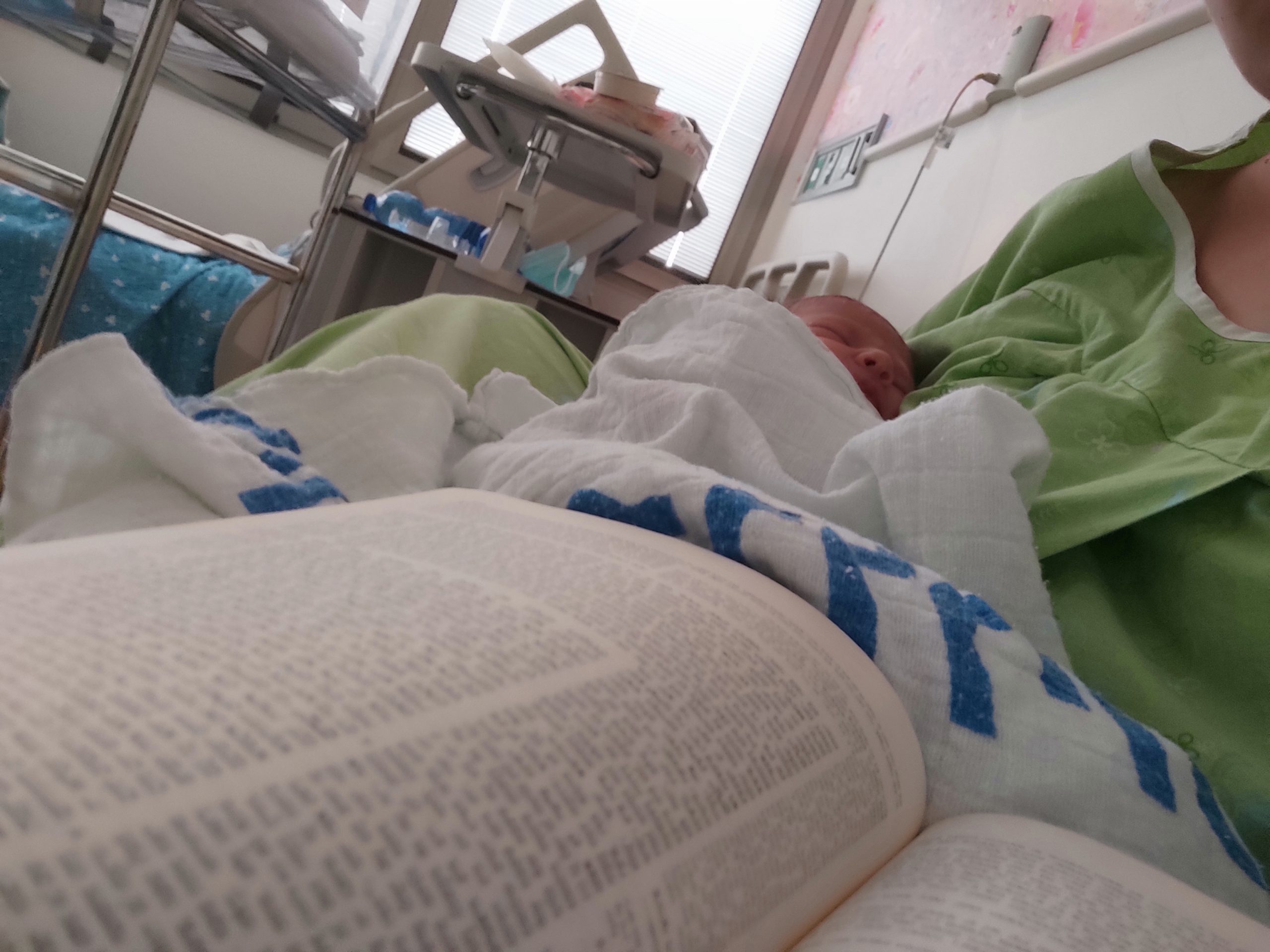
בתחילת הסבב הנוכחי הצטברו אצלי תחושות שאני לא מבינה מספיק מהי ההלכה אותה אני מקיימת בכל יום. כמו כן, כאמא לבנות רציתי לתת להן מודל נשי של לימוד תורה
שתי הסיבות האלו הובילו אותי להתחיל ללמוד. נתקלתי בתגובות מפרגנות וסקרניות איך אישה לומדת גמרא..
כמו שרואים בתמונה אני ממשיכה ללמוד גם היום ואפילו במחלקת יולדות אחרי לידת ביתי השלישית.

Noa Shiloh
נועה שילה

רבבה, ישראל

"
גם אני התחלתי בסבב הנוכחי וב””ה הצלחתי לסיים את רוב המסכתות . בזכות הרבנית מישל משתדלת לפתוח את היום בשיעור הזום בשעה 6:20 .הלימוד הפך להיות חלק משמעותי בחיי ויש ימים בהם אני מצליחה לחזור על הדף עם מלמדים נוספים ששיעוריהם נמצאים במרשתת. שמחה להיות חלק מקהילת לומדות ברחבי העולם. ובמיוחד לשמש דוגמה לנכדותיי שאי””ה יגדלו לדור שלימוד תורה לנשים יהיה משהו שבשגרה. "

Ronit Shavit
רונית שביט

נתניה, ישראל

אני לומדת גמרא כעשור במסגרות שונות, ואת הדף היומי התחלתי כשחברה הציעה שאצטרף אליה לסיום בבנייני האומה. מאז אני לומדת עם פודקסט הדרן, משתדלת באופן יומי אך אם לא מספיקה, מדביקה פערים עד ערב שבת. בסבב הזה הלימוד הוא "ממעוף הציפור”, מקשיבה במהירות מוגברת תוך כדי פעילויות כמו בישול או נהיגה, וכך רוכשת היכרות עם הסוגיות ואופן ניתוחם על ידי חז”ל. בע”ה בסבב הבא, ואולי לפני, אצלול לתוכו באופן מעמיק יותר.

Yael Bir
יעל ביר

רמת גן, ישראל

התחלתי ללמוד לפני 4.5 שנים, כשהודיה חברה שלי פתחה קבוצת ווטסאפ ללימוד דף יומי בתחילת מסכת סנהדרין. מאז לימוד הדף נכנס לתוך היום-יום שלי והפך לאחד ממגדירי הזהות שלי ממש.

Rosenberg Foundation
קרן רוזנברג

ירושלים, ישראל

התחלתי ללמוד לפני כשנתיים בשאיפה לסיים לראשונה מסכת אחת במהלך חופשת הלידה.
אחרי מסכת אחת כבר היה קשה להפסיק…

Noa Gallant
נעה גלנט

ירוחם, ישראל

התחלתי בסיום הש”ס, יצאתי באורות. נשברתי פעמיים, ובשתיהם הרבנית מישל עודדה להמשיך איפה שכולם בסבב ולהשלים כשאוכל, וכך עשיתי וכיום השלמתי הכל. מדהים אותי שאני לומדת כל יום קצת, אפילו בחדר הלידה, בבידוד או בחו”ל. לאט לאט יותר נינוחה בסוגיות. לא כולם מבינים את הרצון, בפרט כפמניסטית. חשה סיפוק גדול להכיר את המושגים וצורת החשיבה. החלום זה להמשיך ולהתמיד ובמקביל ללמוד איך מהסוגיות נוצרה והתפתחה ההלכה.

Weingarten Sherrington Foundation
קרן וינגרטן שרינגטון

מודיעין, ישראל

התחלתי ללמוד את הדף היומי מעט אחרי שבני הקטן נולד. בהתחלה בשמיעה ולימוד באמצעות השיעור של הרבנית שפרבר. ובהמשך העזתי וקניתי לעצמי גמרא. מאז ממשיכה יום יום ללמוד עצמאית, ולפעמים בעזרת השיעור של הרבנית, כל יום. כל סיום של מסכת מביא לאושר גדול וסיפוק. הילדים בבית נהיו חלק מהלימוד, אני משתפת בסוגיות מעניינות ונהנית לשמוע את דעתם.

Eliraz Blau
אלירז בלאו

מעלה מכמש, ישראל

בסוף הסבב הקודם ראיתי את השמחה הגדולה שבסיום הלימוד, בעלי סיים כבר בפעם השלישית וכמובן הסיום הנשי בבנייני האומה וחשבתי שאולי זו הזדמנות עבורי למשהו חדש.
למרות שאני שונה בסביבה שלי, מי ששומע על הלימוד שלי מפרגן מאוד.
אני מנסה ללמוד קצת בכל יום, גם אם לא את כל הדף ובסך הכל אני בדרך כלל עומדת בקצב.
הלימוד מעניק המון משמעות ליום יום ועושה סדר בלמוד תורה, שתמיד היה (ועדיין) שאיפה. אבל אין כמו קביעות

Racheli-Mendelson
רחלי מנדלסון

טל מנשה, ישראל

My explorations into Gemara started a few days into the present cycle. I binged learnt and become addicted. I’m fascinated by the rich "tapestry” of intertwined themes, connections between Masechtot, conversations between generations of Rabbanim and learners past and present all over the world. My life has acquired a golden thread, linking generations with our amazing heritage.
Thank you.

Susan Kasdan
סוזן כשדן

חשמונאים, Israel

אמא שלי למדה איתי ש”ס משנה, והתחילה ללמוד דף יומי. אני החלטתי שאני רוצה ללמוד גם. בהתחלה למדתי איתה, אח”כ הצטרפתי ללימוד דף יומי שהרב דני וינט מעביר לנוער בנים בעתניאל. במסכת עירובין עוד חברה הצטרפה אלי וכשהתחלנו פסחים הרב דני פתח לנו שעור דף יומי לבנות. מאז אנחנו לומדות איתו קבוע כל יום את הדף היומי (ובשבת אבא שלי מחליף אותו). אני נהנית מהלימוד, הוא מאתגר ומעניין

Renana Hellman
רננה הלמן

עתניאל, ישראל

התחלתי ללמוד דף לפני קצת יותר מ-5 שנים, כשלמדתי רבנות בישיבת מהר”ת בניו יורק. בדיעבד, עד אז, הייתי בלימוד הגמרא שלי כמו מישהו שאוסף חרוזים משרשרת שהתפזרה, פה משהו ושם משהו, ומאז נפתח עולם ומלואו…. הדף נותן לי לימוד בצורה מאורגנת, שיטתית, יום-יומית, ומלמד אותי לא רק ידע אלא את השפה ודרך החשיבה שלנו. לשמחתי, יש לי סביבה תומכת וההרגשה שלי היא כמו בציטוט שבחרתי: הדף משפיע לטובה על כל היום שלי.

Michal Kahana
מיכל כהנא

חיפה, ישראל

שמעתי על הסיום הענק של הדף היומי ע”י נשים בבנייני האומה. רציתי גם.
החלטתי להצטרף. התחלתי ושיכנעתי את בעלי ועוד שתי חברות להצטרף. עכשיו יש לי לימוד משותף איתו בשבת ומפגש חודשי איתן בנושא (והתכתבויות תדירות על דברים מיוחדים שקראנו). הצטרפנו לקבוצות שונות בווטסאפ. אנחנו ממש נהנות. אני שומעת את השיעור מידי יום (בד”כ מהרב יוני גוטמן) וקוראת ומצטרפת לסיומים של הדרן. גם מקפידה על דף משלהן (ונהנית מאד).

Liat Citron
ליאת סיטרון

אפרת, ישראל

בתחילת הסבב הנוכחי של לימוד הדף היומי, נחשפתי לחגיגות המרגשות באירועי הסיום ברחבי העולם. והבטחתי לעצמי שבקרוב אצטרף גם למעגל הלומדות. הסבב התחיל כאשר הייתי בתחילת דרכי בתוכנית קרן אריאל להכשרת יועצות הלכה של נשמ”ת. לא הצלחתי להוסיף את ההתחייבות לדף היומי על הלימוד האינטנסיבי של תוכנית היועצות. בבוקר למחרת המבחן הסופי בנשמ”ת, התחלתי את לימוד הדף במסכת סוכה ומאז לא הפסקתי.

Hana Shaham-Rozby (Dr.)
חנה שחם-רוזבי (ד”ר)

קרית גת, ישראל

התחלתי בתחילת הסבב, והתמכרתי. זה נותן משמעות נוספת ליומיום ומאוד מחזק לתת לזה מקום בתוך כל שגרת הבית-עבודה השוטפת.

Reut Abrahami
רעות אברהמי

בית שמש, ישראל

כבר סיפרתי בסיום של מועד קטן.
הלימוד מאוד משפיעה על היום שלי כי אני לומדת עם רבנית מישל על הבוקר בזום. זה נותן טון לכל היום – בסיס למחשבות שלי .זה זכות גדול להתחיל את היום בלימוד ובתפילה. תודה רבה !

שרה-ברלוביץ
שרה ברלוביץ

ירושלים, ישראל

התחלתי ללמוד דף יומי בתחילת מסכת ברכות, עוד לא ידעתי כלום. נחשפתי לסיום הש״ס, ובעצם להתחלה מחדש בתקשורת, הפתיע אותי לטובה שהיה מקום לעיסוק בתורה.
את המסכתות הראשונות למדתי, אבל לא סיימתי (חוץ מעירובין איכשהו). השנה כשהגעתי למדרשה, נכנסתי ללופ, ואני מצליחה להיות חלק, סיימתי עם החברותא שלי את כל המסכתות הקצרות, גם כשהיינו חולות קורונה ובבידודים, למדנו לבד, העיקר לא לצבור פער, ומחכות ליבמות 🙂

Eden Yeshuron
עדן ישורון

מזכרת בתיה, ישראל

יומא נ

אֵיתִיבֵיהּ רַבִּי יִצְחָק נַפָּחָא לְרַבִּי אַמֵּי: ״וְהוֹצִיא אֶת כׇּל הַפָּר״! שֶׁיּוֹצִיא אֶת כּוּלּוֹ.

§ Rabbi Yitzḥak Nappaḥa raised an objection to Rabbi Ami: “And he shall remove the entire bull outside the camp” (Leviticus 4:12). This verse speaks of a bull that has been slaughtered and its fats and sacrificial parts have been burned, which proves that even after it has been slaughtered, it is still called a bull. Rabbi Ami replied: The animal itself is not called a bull at this stage; rather, it means that he should remove the entire carcass, all that remains of the bull.

״וְאֵת פַּר הַחַטָּאת וְאֵת שְׂעִיר הַחַטָּאת״, אָמַר רַב פָּפָּא: בְּעוֹר וּבָשָׂר וָפֶרֶשׁ דְּכוּלֵּי עָלְמָא לָא פְּלִיגִי. כִּי פְּלִיגִי בְּדָם. מָר סָבַר: דָּם אִיקְּרִי פַּר, וּמָר סָבַר: דָּם לָא אִיקְּרִי פַּר.

The Gemara raises another difficulty by citing a verse: “And the bull of the sin-offering and the goat of the sin-offering, whose blood was brought in to make atonement in the Sanctuary, shall be taken outside the camp” (Leviticus 16:27). Once again, the verse proves that even after it has been slaughtered and its blood is brought into the Holy of Holies, the animal is still called a bull. Rav Pappa said: Everyone agrees that when it is intact, with its hide, its flesh, and its excrement, it is called a bull. When they disagree is with regard to the blood. One Sage holds that its blood is called a bull, and one Sage holds that blood alone is not called a bull.

אָמַר רַב אָשֵׁי: מִסְתַּבְּרָא כְּמַאן דְּאָמַר דָּם אִיקְּרִי פַּר, דִּכְתִיב: ״בְּזֹאת יָבֹא אַהֲרֹן אֶל הַקֹּדֶשׁ בְּפַר בֶּן בָּקָר״, אַטּוּ בְּקַרְנֵיהּ מְעַיֵּיל לֵיהּ?! אֶלָּא בְּדָמוֹ, וְקָרֵי לֵיהּ ״פַּר״.

Rav Ashi said: It is reasonable to say in accordance with the one who said that blood is called part of the bull, as it is written: “With this Aaron shall come into the sacred place, with a bull” (Leviticus 16:3). Is that to say that he brings it in, to the Holy of Holies, with its horns? Rather, he enters with its blood, and yet the Torah calls that “a bull.” This proves that the blood itself is called a bull.

וְאִידַּךְ? בַּמָּה הוּכְשַׁר אַהֲרֹן לָבֹא אֶל הַקֹּדֶשׁ — בְּפַר בֶּן בָּקָר לְחַטָּאת.

The Gemara asks: And the other one, who maintains that blood is not called a bull, how does he interpret this verse? The Gemara answers that he can explain the verse as follows: With what did Aaron become qualified to enter the sacred place? With his bringing of a young bull for a sin-offering. However, the blood itself, which he brings inside, is not called a bull.

וְתִיפּוֹק לֵיהּ דְּחַטָּאת שֶׁמֵּתוּ בְּעָלֶיהָ הִיא, וְחַטָּאת שֶׁמֵּתוּ בְּעָלֶיהָ לְמִיתָה אָזְלָא! אֲמַר לֵיהּ רָבִין בַּר רַב אַדָּא לְרָבָא: אָמְרִי תַּלְמִידָיךָ, אָמַר רַב עַמְרָם: חַטַּאת צִבּוּר הִיא, וְלָא לְמִיתָה אָזְלָא.

§ The Gemara returns to the issue of a replacement High Priest entering with the blood of the first bull: And let him derive the answer to this problem from the fact that it is a sin-offering whose owners have died. After all, the bull of the first High Priest is a sin-offering and its owner has died. Since there is a principle that a sin-offering whose owners have died is left to die, this should resolve the dilemma. Ravin bar Rav Adda said to Rava: Your students say that Rav Amram said that the sin-offering bull of the High Priest is a communal sin-offering, as the High Priest brings it both on his own behalf and for his fellow priests, and a communal sin-offering is not left to die.

דִּתְנַן, אָמַר לוֹ רַבִּי מֵאִיר: וַהֲלֹא פַּר יוֹם הַכִּפּוּרִים, וַחֲבִיתֵּי כֹּהֵן גָּדוֹל, וּפֶסַח — דְּקָרְבַּן יָחִיד הוּא, וְדוֹחֶה אֶת הַשַּׁבָּת וְאֶת הַטּוּמְאָה. לָאו מִכְּלָל דְּאִיכָּא לְמַאן דְּאָמַר דְּצִבּוּר?

As we learned in a mishna in tractate Temura that tanna’im debate which offerings override Shabbat and ritual impurity. Rabbi Meir said to him: But consider the Yom Kippur bull, and the meal-offering resembling a wafer brought specially by the High Priest, and the Paschal offering, each of which is an individual offering and overrides Shabbat and ritual impurity. Since Rabbi Meir says that these are individual offerings, is it not correct to say by inference that there is one who says that these offerings are communal?

וּלְטַעְמָיךְ, דְּקָתָנֵי: אָמַר לוֹ רַבִּי יַעֲקֹב: וַהֲלֹא פַּר הֶעְלֵם דָּבָר שֶׁל צִבּוּר, וּשְׂעִירֵי עֲבוֹדָה זָרָה, וַחֲגִיגָה — דְּקָרְבַּן צִבּוּר, וְאֵין דּוֹחִין לֹא אֶת הַשַּׁבָּת וְלֹא אֶת הַטּוּמְאָה! מִכְּלָל דְּאִיכָּא לְמַאן דְּאָמַר דְּיָחִיד!

The Gemara rejects this proof. And according to your reasoning, consider that which was taught there: Rabbi Ya’akov said to him: But there are the cases of the bull for an unwitting communal sin, and the goats for a sin of idolatry, and the Festival peace-offering, which are all communal offerings and override neither Shabbat nor ritual impurity. According to the above reasoning, it can be claimed by inference that there is one who says that these are individual offerings, which is incorrect.

אֶלָּא: לְתַנָּא קַמָּא קָא מַהְדַּר לֵיהּ, דְּשַׁמְעֵיהּ דְּקָאָמַר: קׇרְבַּן צִבּוּר דּוֹחֶה אֶת הַשַּׁבָּת וְאֶת הַטּוּמְאָה, וְקָרְבַּן יָחִיד אֵינוֹ דּוֹחֶה לֹא אֶת הַשַּׁבָּת וְלֹא אֶת הַטּוּמְאָה. אָמַר לוֹ רַבִּי מֵאִיר: קׇרְבַּן יָחִיד כְּלָלָא הוּא? וַהֲלֹא פַּר יוֹם הַכִּפּוּרִים, וַחֲבִיתֵּי כֹּהֵן גָּדוֹל, וּפֶסַח — דְּקָרְבַּן יָחִיד הוּא, וְדוֹחִין אֶת הַשַּׁבָּת וְאֶת הַטּוּמְאָה!

Rather, Rabbi Meir responded to the first tanna, as he heard him say in the form of a general principle: Communal sacrifices override Shabbat and ritual impurity, but individual sacrifices override neither Shabbat nor ritual impurity. In response to this claim, Rabbi Meir said to him: Is this statement with regard to an individual offering a general principle? But consider the Yom Kippur bull, and the meal-offering resembling a wafer of the High Priest, and the Paschal offering, each of which is an individual offering and overrides Shabbat and ritual impurity.

וְאָמַר לוֹ רַבִּי יַעֲקֹב: קׇרְבַּן צִבּוּר כְּלָלָא הוּא? וַהֲלֹא פַּר הֶעְלֵם דָּבָר שֶׁל צִבּוּר, וּשְׂעִירֵי עֲבוֹדָה זָרָה, וַחֲגִיגָה — דְּקָרְבַּן צִבּוּר הוּא, וְאֵין דּוֹחִין לֹא אֶת הַשַּׁבָּת וְלֹא אֶת הַטּוּמְאָה!

And Rabbi Ya’akov responded to the first tanna from a different perspective: Is this statement with regard to a communal offering a general principle, which overrides ritual impurity? But there are the cases of the bull for an unwitting communal sin, and the goats for a sin of idolatry, and the Festival peace-offering, which are all communal offerings and override neither Shabbat nor ritual impurity.

אֶלָּא, נְקוֹט הַאי כְּלָלָא בִּידָךְ: כֹּל שֶׁזְּמַנּוֹ קָבוּעַ — דּוֹחֶה אֶת הַשַּׁבָּת וְאֶת הַטּוּמְאָה אֲפִילּוּ בְּיָחִיד, וְכֹל שֶׁאֵין זְמַנּוֹ קָבוּעַ — אֵינוֹ דּוֹחֶה לֹא אֶת הַשַּׁבָּת וְלֹא אֶת הַטּוּמְאָה וַאֲפִילּוּ בְּצִבּוּר.

Rather, grasp this principle: Any offering that has a fixed time for its sacrifice overrides Shabbat and ritual impurity even if it is an individual offering; and any offering of no fixed time overrides neither Shabbat nor ritual impurity, and this is the case even if it is a communal offering. With regard to the issue at hand, as the emphasis of both Rabbi Meir’s and Rabbi Ya’akov’s statements is whether the offerings they referred to override Shabbat and ritual impurity, not their classification as individual or communal offerings, nothing can be inferred from their comments in this regard. Consequently, it remains possible that the bull of the High Priest is an individual offering.

אֵיתִיבֵיהּ אַבָּיֵי: פַּר וְשָׂעִיר שֶׁל יוֹם הַכִּפּוּרִים שֶׁאָבְדוּ, וְהִפְרִישׁ אֲחֵרִים תַּחְתֵּיהֶן — כּוּלָּם יָמוּתוּ. וְכֵן שְׂעִירֵי עֲבוֹדָה זָרָה שֶׁאָבְדוּ, וְהִפְרִישׁ אֲחֵרִים תַּחְתֵּיהֶן — כּוּלָּם יָמוּתוּ, דִּבְרֵי רַבִּי יְהוּדָה. רַבִּי (אֱלִיעֶזֶר) וְרַבִּי שִׁמְעוֹן אוֹמְרִים: יִרְעוּ עַד שֶׁיִּסְתָּאֲבוּ וְיִמָּכְרוּ וְיִפְּלוּ דְּמֵיהֶן לִנְדָבָה, שֶׁאֵין חַטַּאת צִבּוּר מֵתָה.

§ Abaye raised an objection to Rava: Is the bull of the High Priest an individual offering? But we learned in a baraita: With regard to the bull and the goat of Yom Kippur that were lost, and he separated others in their stead, and the first animals were subsequently found, all of the second set shall be left to die. And likewise, goats for a sin of idolatry that were lost and he separated others in their stead, all of them shall be left to die. This is the statement of Rabbi Yehuda. Rabbi Elazar and Rabbi Shimon say: They shall be left to graze until they become unfit, whereupon they are sold and their proceeds go for a free-will offering, as a communal sin-offering is not left to die. This proves that the Yom Kippur bull is called a communal sin-offering.

אֲמַר לֵיהּ: מַאי פַּר — פַּר הֶעְלֵם דָּבָר שֶׁל צִבּוּר. וְהָא ״שֶׁל יוֹם הַכִּפּוּרִים״ קָתָנֵי! כִּי קָתָנֵי — אַדְּשָׂעִיר.

Rava said to Abaye: What bull is referred to here? A bull for an unwitting communal sin. Abaye retorted: But the baraita taught: Of Yom Kippur, which clearly indicates that it is referring to the bull of Yom Kippur. Rava answered: When the tanna of this baraita taught: Of Yom Kippur, he was referring only to the goat. That is, the baraita should be read as follows: The communal bull and the goat of Yom Kippur, which is also a communal offering.

וְהָתַנְיָא: פַּר שֶׁל יוֹם הַכִּפּוּרִים וְשָׂעִיר שֶׁל יוֹם הַכִּפּוּרִים שֶׁאָבְדוּ וְהִפְרִישׁ אֲחֵרִים תַּחְתֵּיהֶן — כּוּלָּם יָמוּתוּ, דִּבְרֵי רַבִּי יְהוּדָה. רַבִּי (אֱלִיעֶזֶר) וְרַבִּי שִׁמְעוֹן אוֹמְרִים: יִרְעוּ עַד שֶׁיִּסְתָּאֲבוּ וְיִמָּכְרוּ וְיִפְּלוּ דְּמֵיהֶן לִנְדָבָה, שֶׁאֵין חַטַּאת צִבּוּר מֵתָה.

Abaye further asks: But wasn’t it taught in a baraita: With regard to the bull of Yom Kippur and the goat of Yom Kippur that were lost and he separated others in their stead, and the first animals were subsequently found, all of the second set shall be left to die. This is the statement of Rabbi Yehuda. Rabbi Elazar and Rabbi Shimon say: They shall be left to graze until they become unfit, whereupon they are sold and their proceeds go for a free-will offering, as a communal sin-offering is not left to die. This baraita explicitly states that the bull of Yom Kippur is considered a communal offering.

לָא תֵּימָא: ״שֶׁאֵין חַטַּאת צִבּוּר מֵתָה״, אֶלָּא אֵימָא: ״שֶׁאֵין חַטַּאת הַשּׁוּתָּפִין מֵתָה״. וּמַאי נָפְקָא מִינַּהּ?

Rava answered him: Do not say: As a communal sin-offering is not left to die. Rather, say: As a sin-offering of partners is not left to die. Since some of the partners are still alive, the sin-offering is not left to die. The bull of the High Priest on Yom Kippur is considered a sin-offering of partners because it atones not only for the High Priest, but for his fellow priests, as well. The Gemara asks: And if ultimately the bull is not left to die, what is the practical difference whether the bull of the High Priest is considered a communal sin-offering or a sin-offering of partners? Why did Rava insist on calling it a sin-offering of partners?

דְּלָא מַיְיתוּ כֹּהֲנִים פַּר בְּהוֹרָאָה.

The Gemara answers that there is a difference between these two categories with regard to a court that issues an incorrect ruling to an entire community, e.g., a tribe of Israel, and the people act in accordance with that ruling. The halakha in this case is that the court must bring a bull for an unwitting communal sin. Rava insisted on referring to the bull that atones for all of the priests on Yom Kippur as a sin-offering of partners, not a communal sin-offering, for the following reason: If a court composed of priests issued a mistaken ruling, and the priests acted in accordance with that teaching, the priests do not bring a bull for this ruling, as they are not considered a community but a large partnership.

תָּא שְׁמַע, דְּבָעֵי רַבִּי (אֱלִיעֶזֶר):

The Gemara offers another solution to the question. Come and hear, as Rabbi Elazar raised the following dilemma:

לְדִבְרֵי הָאוֹמֵר פַּר יוֹם הַכִּפּוּרִים קׇרְבַּן יָחִיד, עוֹשֶׂה תְּמוּרָה אוֹ אֵינוֹ עוֹשֶׂה תְּמוּרָה. לָאו מִכְּלָל דְּאִיכָּא לְמַאן דְּאָמַר דְּצִבּוּר?

According to Rabbi Meir, who says that the bull of Yom Kippur is an offering of an individual, can one perform substitution for this animal or can one not perform substitution in this case? In other words, if the High Priest violated a prohibition and designated a substitute by saying that this bull should be switched with another, does the substitution take effect or not? Is it not correct to say by inference from the wording of Rabbi Elazar’s dilemma that there is one who says that these offerings are communal?

לָא, מִכְּלָל דְּאִיכָּא לְמַאן דְּאָמַר דְּשׁוּתָּפִין.

The Gemara rejects this contention: No, this is no proof, as one can say by inference that there is one who says that these offerings are of partners. There is no definitive proof that the bull of Yom Kippur is a communal sacrifice. In any event, the question of why the bull is not invalidated upon the death of the High Priest has been resolved, as the reason is either because it is a communal sacrifice or because it is a sacrifice of partners.

גּוּפָא. בָּעֵי רַבִּי (אֱלִיעֶזֶר): לְדִבְרֵי הָאוֹמֵר פַּר יוֹם הַכִּפּוּרִים קׇרְבַּן יָחִיד, עוֹשֶׂה תְּמוּרָה אוֹ אֵינוֹ עוֹשֶׂה תְּמוּרָה. מַאי קָא מִיבַּעְיָא לֵיהּ?

§ Since the Gemara has mentioned Rabbi Elazar’s dilemma, the Gemara addresses the matter itself. Rabbi Elazar asked: According to Rabbi Meir, who says that the bull of Yom Kippur is an individual offering, can one perform substitution for this animal or can one not perform substitution? The Gemara asks: What is the dilemma he is raising? What is the basis of his inquiry?

אִי בָּתַר מַקְדִּישׁ אָזְלִינַן, אִי בָּתַר מִתְכַּפֵּר אָזְלִינַן.

The Gemara suggests that his dilemma is as follows: Do we follow the one who consecrates the animal, i.e., the High Priest, as he was the one who paid for it, in which case it is considered an individual sacrifice and his substitution is effective? Or do we follow the one who seeks atonement by the offering, and as this bull atones both for the High Priest and the entire community of his fellow priests, it is considered a communal sacrifice, and therefore his substitution is not effective? The question is: Which party is followed for the purposes of substitution?

פְּשִׁיטָא דְּבָתַר מִתְכַּפֵּר אָזְלִינַן, דְּאָמַר רַבִּי אֲבָהוּ אָמַר רַבִּי יוֹחָנָן: הַמַּקְדִּישׁ — מוֹסִיף חוֹמֶשׁ, וְהַמִּתְכַּפֵּר — עוֹשֶׂה (בָּהּ) תְּמוּרָה.

The Gemara expresses surprise at this possible interpretation of Rabbi Elazar’s dilemma: It is obvious that we follow the one who seeks atonement, as Rabbi Abbahu said that Rabbi Yoḥanan said: With regard to one who consecrates his animal for an offering but intends it for someone else’s atonement, if he subsequently redeems the animal, he adds a fifth to it. This is in accordance with the halakha that one who redeems an animal that he himself dedicated must add a fifth of its value to the redemption, whereas if the person for whom it atones redeems it, he does not add a fifth. And the one for whom the sacrifice atones can perform substitution for it, whereas the one who consecrated the animal cannot effect substitution, as he is not considered its owner for the halakhot of substitution.

וְהַתּוֹרֵם מִשֶּׁלּוֹ עַל שֶׁל חֲבֵירוֹ — טוֹבַת הֲנָאָה שֶׁלּוֹ!

And likewise, with regard to one who separates teruma from his wheat for the wheat of another, to spare his friend from having to separate his own teruma, although the friend’s produce is now exempt from the obligation of teruma, the benefit of discretion is his, the one who separated the teruma. The one who separated the teruma is entitled to determine which priest receives the teruma, despite the fact that the teruma was separated for the crop of another. Similarly, when someone consecrates an animal for another person, it is the one who gains atonement that can perform substitution. If so, there is no place for Rabbi Elazar’s dilemma.

לְעוֹלָם פְּשִׁיטָא לֵיהּ דְּבָתַר מִתְכַּפֵּר אָזְלִינַן, וְהָכִי קָא מִיבַּעְיָא לֵיהּ: אֶחָיו הַכֹּהֲנִים בִּקְבִיעוּתָא מִתְכַּפְּרִי, אוֹ דִילְמָא בְּקוּפְיָא מִתְכַּפְּרִי.

The Gemara rejects this suggested explanation of Rabbi Elazar’s dilemma: Actually, it is obvious to Rabbi Elazar that we follow the one who seeks atonement by the offering, and this is his dilemma: Do his fellow priests achieve atonement by the essence of the offering, i.e., part of the offering is sacrificed on their behalf, which means they are partners in the bull? Or perhaps they achieve atonement incidentally, while the main atonement is that of the High Priest. If the atonement of the other priests is merely incidental, the High Priest can effect substitution with this bull.

תָּא שְׁמַע: חוֹמֶר בְּזֶבַח מִבִּתְמוּרָה, וְחוֹמֶר בִּתְמוּרָה מִבְּזֶבַח. חוֹמֶר בְּזֶבַח: שֶׁהַזֶּבַח נוֹהֵג בְּיָחִיד כִּבְצִבּוּר, וְדוֹחֶה אֶת הַשַּׁבָּת וְאֶת הַטּוּמְאָה, וְעוֹשֶׂה תְּמוּרָה — מַה שֶּׁאֵין כֵּן בִּתְמוּרָה.

The Gemara suggests: Come and hear a resolution to this dilemma: There is a stricture that applies to the initial sacrifice, beyond the strictures that apply to the designated substitute; and there is a stricture that applies to the substitution, beyond the strictures that apply to the sacrifice. The baraita elaborates: There is a stricture that applies to the initial sacrifice, as the sanctity of the sacrifice applies to an individual as it does to a community, and the sacrifice overrides Shabbat and ritual impurity, and one can perform substitution for the original sacrifice, which is not the case with regard to the substitute, to which these halakhot do not apply.

חוֹמֶר בִּתְמוּרָה מִבְּזֶבַח: שֶׁהַתְּמוּרָה חָלָה עַל בַּעַל מוּם קָבוּעַ, וְאֵינָהּ יוֹצְאָה לְחוּלִּין לִיגָּזֵז וְלֵיעָבֵד — מַה שֶּׁאֵין כֵּן בְּזֶבַח.

The baraita continues: There is a stricture that applies to the substitute beyond the strictures that apply to the initial sacrifice, in that the sanctity of the substitution takes effect even on a permanently blemished animal. And the substitute cannot vacate its sanctified status and assume non-sacred status; that is, it may only be sacrificed as an offering and eaten but under no circumstance can it be redeemed for its wool to be sheared and to be worked, which is not the case with regard to the initial sacrifice, as it can be redeemed in certain situations.

הַאי זֶבַח הֵיכִי דָמֵי? אִילֵּימָא דְּיָחִיד — מִי דָּחֵי שַׁבָּת וְטוּמְאָה? אֶלָּא דְּצִבּוּר — מִי עוֹשֶׂה תְּמוּרָה? אֶלָּא לָאו דְּפַר, וְדוֹחֶה אֶת הַשַּׁבָּת וְאֶת הַטּוּמְאָה — דִּקְבִיעַ לֵיהּ זְמַן, וְעוֹשֶׂה תְּמוּרָה — דְּקָרְבַּן יָחִיד הוּא.

The Gemara explains: What are the circumstances of this sacrifice? What exactly is the sacrifice referred to in this baraita? If we say it is the sacrifice of an individual, does the sacrifice of an individual override Shabbat and ritual impurity? Rather, if you say that we are dealing with the sacrifice of a community, can one perform substitution for a communal sacrifice? Rather, is it not the case that we are dealing here with the Yom Kippur bull, which overrides Shabbat and ritual impurity, as it is a sacrifice that has a fixed time? And likewise, one can perform substitution for this offering, as it is an offering of an individual. This interpretation resolves Rabbi Elazar’s dilemma.

אָמַר רַב שֵׁשֶׁת: לָא, בְּאֵילוֹ שֶׁל אַהֲרֹן.

The Gemara rejects this contention. Rav Sheshet said: No, this is no proof, as it can be claimed that the baraita is referring to the ram of Aaron that the High Priest sacrifices as a burnt-offering on Yom Kippur, as the verse states: “With this Aaron shall come into the sacred place, with a young bull for a sin-offering and a ram for a burnt-offering” (Leviticus 16:3). This offering is certainly the High Priest’s alone and is therefore classified as the offering of an individual.

הָכִי נָמֵי מִסְתַּבְּרָא, דְּאִי סָלְקָא דַעְתָּךְ דְּפָרוֹ, תְּמוּרָה דְּפַר שַׁבָּת וְטוּמְאָה הוּא דְּלָא דָּחֲיָא, הָא בְּחוֹל מִיקְרָב קָרְבָה?! הָא תְּמוּרַת חַטָּאת הִיא, וּתְמוּרַת חַטָּאת לְמִיתָה אָזְלָא!

The Gemara comments: So, too, it is reasonable that this is the offering referred to in the baraita, for if it should enter your mind to say that we are dealing with the bull of the High Priest, consider the following: Is it only Shabbat and ritual impurity that the substitution of the bull does not override, which indicates that one may sacrifice this substitute on a weekday? It is a substitute for a sin-offering, and the halakha is that the substitute for a sin-offering is left to die. Rather, we certainly must be dealing with the ram for a burnt-offering, as the substitute for a burnt-offering cannot be sacrificed.

לָא, לְעוֹלָם פָּרוֹ. וּמַאי תְּמוּרָה — שֵׁם תְּמוּרָה.

The Gemara rejects this supporting argument: No, it is actually possible that the offering referred to in the baraita is the Yom Kippur bull of the High Priest, and what is the substitution that was mentioned? It does not refer to a substitution of the bull, but rather the baraita deals with the general category of substitution, i.e., it means that the phenomenon of substitution in general includes halakhot that do not apply to offerings.

אִי הָכִי, זֶבַח נָמֵי — שֵׁם זֶבַח? שֵׁם זֶבַח לָא קָתָנֵי.

The Gemara asks: If so, one can also say that the sacrifice mentioned in the baraita means the general category of sacrifices, rather than a specific offering. The Gemara rejects this suggestion: The baraita is not teaching about a general category of sacrifices, i.e., it is definitely not dealing with the phenomenon of offerings in general.

מִמַּאי — מִדְּקָתָנֵי: חוֹמֶר בִּתְמוּרָה, שֶׁהַתְּמוּרָה חָלָה עַל בַּעַל מוּם קָבוּעַ, וְאֵינָהּ יוֹצְאָה לְחוּלִּין לִיגָּזֵז וְלֵיעָבֵד. וְאִי סָלְקָא דַּעְתָּךְ: מַאי זֶבַח — שֵׁם זֶבַח, וְהָא אִיכָּא

The Gemara continues: From where do I know that this is so? From the fact that it is taught: There is a stricture that applies to the substitution beyond the strictures that apply to the initial offering, in that the sanctity of the substitution takes effect even on a permanently blemished animal, and the substitute cannot vacate its sanctified status and assume non-sacred status for its wool to be sheared and to be worked. And should it enter your mind to say: What is the sacrifice mentioned here, it means the general category of sacrifices; this cannot be the case, as there is an example of an offering to which these halakhot also apply,

רוצה לעקוב אחרי התכנים ולהמשיך ללמוד?

ביצירת חשבון עוד היום ניתן לעקוב אחרי ההתקדמות שלך, לסמן מה למדת, ולעקוב אחרי השיעורים שמעניינים אותך.

לנקות את כל הפריטים מהרשימה?

פעולה זו תסיר את כל הפריטים בחלק זה כולל ההתקדמות וההיסטוריה. שימי לב: לא ניתן לשחזר פעולה זו.

ביטול
מחיקה

האם את/ה בטוח/ה שברצונך למחוק פריט זה?

תאבד/י את כל ההתקדמות או ההיסטוריה הקשורות לפריט זה.

ביטול
מחיקה