Search

Kiddushin 2

Want to dedicate learning? Get started here:

English
עברית
podcast placeholder

0:00
0:00


podcast placeholder

0:00
0:00


Summary

Kiddushin bookmark and checklist

Masechet Kiddushin is sponsored by Julie and Martin Mendelsohn in honor of our two children who were married this past year and for arranging with our son the successful shidduch of another young couple. May all of our fellow learners and all of Am Yisrael have the zechut to see all of their children under the chuppah! If everyone listening takes the time during these 82 dapim to take action to help just one friend to find his/her shidduch, what an amazing accomplishment we can have together! Looking forward to learning this masechet together and hearing good news!

Today’s daf is sponsored by Joyce Friedman in honor of Gail Licht for finishing Shas on Sunday. 

A woman is betrothed in three ways and gets herself out of it in two ways. She can be betrothed with money, a document or intercourse. Beit Shamai and Beit Hillel disagree the minimum amount of money required. Why is the word kinyan (acquiring) used and not mekudeshet used as appears in the second chapter where it says the man is mekadesh. Why is the subject of the Mishna the woman and not the man? Why does the word three appear in feminine whereas a similarly structured mishna appears in the masculine form?

Today’s daily daf tools:

Kiddushin 2

הָאִשָּׁה נִקְנֵית בְּשָׁלֹשׁ דְּרָכִים, וְקוֹנָה אֶת עַצְמָהּ בִּשְׁתֵּי דְרָכִים. נִקְנֵית בְּכֶסֶף, בִּשְׁטָר, וּבְבִיאָה. בְּכֶסֶף: בֵּית שַׁמַּאי אוֹמְרִים בְּדִינָר וּבְשָׁוֶה דִּינָר, וּבֵית הִלֵּל אוֹמְרִים: בִּפְרוּטָה וּבְשָׁוֶה פְּרוּטָה. וְכַמָּה הִיא פְּרוּטָה – אֶחָד מִשְּׁמֹנָה בָּאִיסָּר הָאִיטַלְקִי.

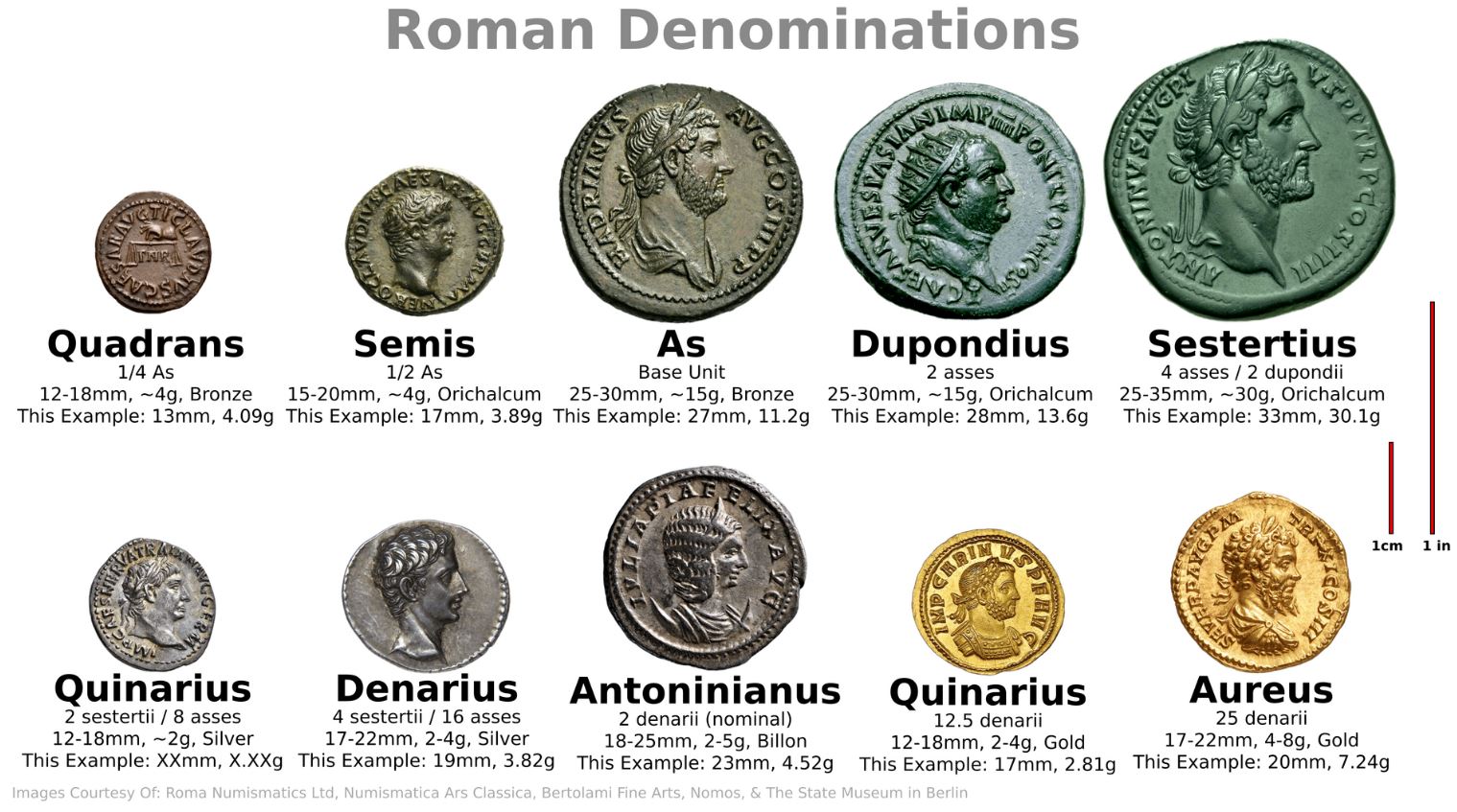
MISHNA: A woman is acquired by, i.e., becomes betrothed to, a man to be his wife in three ways, and she acquires herself, i.e., she terminates her marriage, in two ways. The mishna elaborates: She is acquired through money, through a document, and through sexual intercourse. With regard to a betrothal through money, there is a dispute between tanna’im: Beit Shammai say that she can be acquired with one dinar or with anything that is worth one dinar. And Beit Hillel say: She can be acquired with one peruta, a small copper coin, or with anything that is worth one peruta. The mishna further clarifies: And how much is the value of one peruta, by the fixed value of silver? The mishna explains that it is one-eighth of the Italian issar, which is a small silver coin.

וְקוֹנָה אֶת עַצְמָהּ בְּגֵט וּבְמִיתַת הַבַּעַל. הַיְּבָמָה נִקְנֵית בְּבִיאָה, וְקוֹנָה אֶת עַצְמָהּ בַּחֲלִיצָה וּבְמִיתַת הַיָּבָם.

And a woman acquires herself through a bill of divorce or through the death of the husband. A woman whose husband, who had a brother, died childless [yevama], can be acquired by the deceased husband’s brother, the yavam, only through intercourse. And she acquires herself, i.e., she is released from her levirate bond, through ḥalitza or through the death of the yavam.

גְּמָ׳ הָאִשָּׁה נִקְנֵית. מַאי שְׁנָא הָכָא דְּתָנֵי ״הָאִשָּׁה נִקְנֵית״, וּמַאי שְׁנָא הָתָם דְּתָנֵי ״הָאִישׁ מְקַדֵּשׁ״? מִשּׁוּם דְּקָא בָּעֵי לְמִיתְנֵי כֶּסֶף,

GEMARA: The mishna teaches that a woman can be acquired in three ways. The Gemara asks: What is different here that this mishna teaches: A woman is acquired, using the language of acquisition, and what is different there, in the beginning of the next chapter (42a), which teaches: A man betroths, using the language of betrothal? The Gemara explains: In this mishna the tanna utilized the language of acquisition because he wanted to teach about betrothal through money, which is the standard means of exchange in an act of acquisition.

וְכֶסֶף מְנָא לַן – גָּמַר ״קִיחָה״ ״קִיחָה״ מִשְּׂדֵה עֶפְרוֹן. כְּתִיב הָכָא: ״כִּי יִקַּח אִישׁ אִשָּׁה״, וּכְתִיב הָתָם: ״נָתַתִּי כֶּסֶף הַשָּׂדֶה קַח מִמֶּנִּי״,

The Gemara continues its explanation: And from where do we derive that betrothal is accomplished by means of giving money? It is derived by means of a verbal analogy between the term expressing taking stated with regard to betrothal and from the term expressing taking with regard to the field of Ephron. How so? It is written here, with regard to marriage: “When a man takes a woman” (Deuteronomy 24:1), and it is written there, concerning Abraham’s purchase of the field of the Cave of Machpelah from Ephron the Hittite: “I will give money for the field; take it from me” (Genesis 23:13). This verbal analogy teaches that just as Ephron’s field was acquired with money, so too, a woman can be acquired with money.

וְקִיחָה אִיקְּרִי ״קִנְיָן״, דִּכְתִיב: ״הַשָּׂדֶה אֲשֶׁר קָנָה אַבְרָהָם״.

The Gemara continues: And the taking of Ephron’s field is called an acquisition in the Torah, as it is written with regard to the same issue: “The field which Abraham acquired” (Genesis 25:10).

אִי נָמֵי, ״שָׂדוֹת בַּכֶּסֶף יִקְנוּ״, תָּנֵי ״הָאִשָּׁה נִקְנֵית״.

Alternatively, it can be proven that purchasing a field with money is called an acquisition from the verse: “They shall acquire fields with money” (Jeremiah 32:44). Consequently, as the tanna wanted to teach that a woman can be betrothed with money, he taught: A woman is acquired. This explains why the terminology of acquisition is used in this mishna.

וְנִיתְנֵי הָתָם ״הָאִישׁ קוֹנֶה״! מֵעִיקָּרָא תָּנֵי לִישָּׁנָא דְאוֹרָיְיתָא, וּלְבַסּוֹף תָּנֵי לִישָּׁנָא דְרַבָּנַן, וּמַאי לִישָּׁנָא דְרַבָּנַן? – דְּאָסַר לַהּ אַכּוּלֵּי עָלְמָא כְּהֶקְדֵּשׁ.

The Gemara asks: But let the mishna teach there, in the next chapter: A man acquires. The Gemara explains: Initially, the mishna taught using the language of the Torah, in which betrothal is called taking. And ultimately, in the next chapter, it taught using the language of the Sages. And what is the reason that betrothal is called kiddushin, literally, consecration, in the language of the Sages? The reason is that through betrothal the husband renders her forbidden to everyone like consecrated property. Therefore, this act is referred to as consecration.

וְנִיתְנֵי הָכָא ״הָאִישׁ קוֹנֶה״! מִשּׁוּם דְּקָא בָּעֵי לְמִיתְנָא סֵיפָא: ״וְקוֹנָה אֶת עַצְמָהּ״ בְּדִידַהּ, תְּנָא נָמֵי רֵישָׁא בְּדִידַהּ.

The Gemara asks another question with regard to the difference in wording between the two mishnayot: And let it teach here, as in the following chapter: A man acquires. Why does this mishna teach: The woman is acquired, with the woman as the subject of the sentence? The Gemara answers: This is because the tanna wanted to teach in the latter clause of the mishna: And she acquires herself, which is stated with regard to her. Therefore, the tanna also taught the halakha stated with regard to her in the first clause.

וְנִיתְנֵי ״הָאִישׁ קוֹנֶה וּמַקְנֶה״! מִשּׁוּם דְּאִיכָּא מִיתַת הַבַּעַל, דְּלָאו אִיהוּ קָא מַקְנֵי – מִן שְׁמַיָּא הוּא דְּמַקְנִי לָהּ.

The Gemara further asks: But if this is the reason, the mishna could have been formulated entirely differently. Let it teach: The man can acquire a woman and transfer authority, i.e., grant her the release from marriage in the form of a bill of divorce. The Gemara answers: The mishna could not use the expression: Transfer, because there is the case of the husband’s death, in which it is not he who transfers authority. Rather, it is from Heaven that her freedom is transferred to her. Therefore, the mishna could not issue a general statement that the man can actively transfer to the woman her release from marriage.

וְאִי בָּעֵית אֵימָא: אִי תְּנָא ״קוֹנֶה״, הֲוָה אָמֵינָא אֲפִילּוּ בְּעַל כׇּרְחָהּ – תְּנָא ״הָאִשָּׁה נִקְנֵית״, דְּמִדַּעְתָּהּ – אִין, שֶׁלֹּא מִדַּעְתָּהּ – לָא.

And if you wish, say instead another explanation. If the mishna had taught: The man acquires the woman, I would say that he can acquire her even against her will, as indicated by the expression: He acquires. One might have assumed that the betrothal depends on the husband, without the need for the woman’s consent. Therefore the mishna taught: The woman is acquired, from which it may be inferred that with her consent, yes, he can acquire her as a wife, but when he acts without her consent, no, she is not betrothed to him.

וּמַאי אִירְיָא דְּתָנֵי ״שָׁלֹשׁ״? לִיתְנֵי ״שְׁלֹשָׁה״! מִשּׁוּם דְּקָא בָּעֵי לְמִיתְנֵי ״דֶּרֶךְ״ וְ״דֶרֶךְ״ לְשׁוֹן נְקֵבָה הוּא, דִּכְתִיב: ״וְהוֹדַעְתָּ לָהֶם אֶת הַדֶּרֶךְ יֵלְכוּ בָהּ״.

The Gemara continues to analyze the style of the mishna: And why does the tanna specifically teach: Three [shalosh] ways, formulated in the feminine? Let it teach: Three [shelosha] ways, formulated in the masculine. The Gemara explains: The mishna uses this form because it wants to teach the word way [derekh], and derekh is formulated in the feminine, as it is written: “And you shall show them the way [derekh] in which [bah] they must walk” (Exodus 18:20). The term bah, which is referring to derekh, is formulated in the feminine.

וְאֶלָּא הָא דְּתַנְיָא: ״בְּשִׁבְעָה דְּרָכִים בּוֹדְקִין אֶת הַזָּב״, נִיתְנֵי ״שֶׁבַע״! מִשּׁוּם דְּקָא בָּעֵי לְמִיתְנֵי ״דֶּרֶךְ״, וְאַשְׁכְּחַן ״דֶּרֶךְ״ דְּאִיקְּרִי לְשׁוֹן זָכָר, דִּכְתִיב: ״בְּדֶרֶךְ אֶחָד יֵצְאוּ אֵלֶיךָ וּבְשִׁבְעָה דְרָכִים יָנוּסוּ לְפָנֶיךָ״. אִי הָכִי, קָשׁוּ קְרָאֵי אַהֲדָדֵי! וְקַשְׁיָא נָמֵי מַתְנִיתִין אַהֲדָדֵי!

The Gemara challenges: But with regard to that which is taught in a mishna (Nazir 65b): One examines a zav in seven [shiva] ways [derakhim], where shiva is formulated in the masculine, let it teach: Seven [sheva] ways, formulated in the feminine. The Gemara answers: The mishna uses the masculine formulation of the term seven because it wanted to teach: Derekh, and we find that the word derekh is referred to in the masculine form, as it is written: “They shall come out against you one way [derekh], and shall flee before you seven [shiva] ways” (Deuteronomy 28:7). The Gemara asks: If so, the verses contradict each other, as in one verse the term derekh is masculine, and in the other verse it is feminine. And furthermore, the mishnayot contradict each other, as in one mishna derekh is masculine while in the other it is feminine.

קְרָאֵי אַהֲדָדֵי לָא קַשְׁיָין: הָכָא, דִּבְתוֹרָה קָאֵי, וְתוֹרָה אִיקְּרִי לְשׁוֹן נְקֵבָה, דִּכְתִיב: ״תּוֹרַת ה׳ תְּמִימָה מְשִׁיבַת נָפֶשׁ״ – כָּתַב לָהּ בִּלְשׁוֹן נְקֵבָה. הָתָם, דִּבְמִלְחָמָה קָאֵי, דְּדַרְכּוֹ שֶׁל אִישׁ לַעֲשׂוֹת מִלְחָמָה וְאֵין דַּרְכָּהּ שֶׁל אִשָּׁה לַעֲשׂוֹת מִלְחָמָה – כָּתַב לָהּ בִּלְשׁוֹן זָכָר.

The Gemara answers: The verses do not contradict each other. Here, that verse: “The way in which they must walk” (Exodus 18:20), is referring to the Torah, i.e., the way mentioned here is referring to the path of the Torah, and Torah is referred to in the feminine form, as it is written: “The Torah of the Lord is perfect [temima], restoring the soul” (Psalms 19:8). The word temima is in the feminine. Consequently, in reference to the Torah the verse writes: Derekh, formulated in the feminine. There, that verse: “Shall flee before you seven ways” (Deuteronomy 28:7), is referring to war, and as it is the way of a man to wage war and it is not the way of a woman to wage war, it is appropriate to speak in the masculine. Therefore, the verse writes the word derekh formulated in the masculine.

מַתְנִיתִין אַהֲדָדֵי לָא קַשְׁיָין: הָכָא, דִּלְגַבֵּי אִשָּׁה קָאֵי – קָתָנֵי לַהּ בִּלְשׁוֹן נְקֵבָה. הָתָם, דִּלְגַבֵּי אִישׁ קָאֵי, דְּדַרְכּוֹ שֶׁל אִישׁ לִיבָּדֵק וְאֵין דַּרְכָּהּ שֶׁל אִשָּׁה לִיבָּדֵק, דְּהָא אִשָּׁה נָמֵי בְּאוֹנֶס מִיטַּמְּאָהּ – תָּנֵי לְשׁוֹן זָכָר.

Likewise, the mishnayot do not contradict each other: Here, where it is referring to a woman, the mishna teaches derekh formulated in the feminine. There, with regard to the examination of a zav, where it is referring to a man, as it is common for a man to undergo an examination to determine if his emission has a cause other than a gonorrhea-like discharge [ziva] but it is not common for a woman to undergo an examination, since, unlike a man, a woman is rendered impure even by circumstances beyond her control, it taught and used the word derekh formulated in the masculine. Even if a woman has an emission of blood for a reason other than illness, she is still impure. Consequently, in her case there is no reason for an examination to see what might have caused her discharge.

מַאי טַעְמָא תָּנֵי ״שָׁלֹשׁ״ – מִשּׁוּם ״דְּרָכִים״? נִיתְנֵי ״דְּבָרִים״ וְנִיתְנֵי ״שְׁלֹשָׁה״! מִשּׁוּם דְּקָבָעֵי לְמִיתְנֵי ״בִּיאָה״, וּבִיאָה אִיקְּרִי ״דֶּרֶךְ״, דִּכְתִיב: ״וְדֶרֶךְ גֶּבֶר בְּעַלְמָה כֵּן דֶּרֶךְ אִשָּׁה מְנָאָפֶת״.

The Gemara asks another question with regard to the language of the mishna: What is the reason that the mishna teaches: Three [shalosh], formulated in the feminine? This is because it wanted to teach: Ways. But if so, let it teach instead the word: Matters, i.e., a woman can be acquired through three matters, and as this term is masculine, let it teach three [shelosha], in the masculine. The Gemara answers: The mishna did do so because it wanted to teach intercourse as one of these ways, and intercourse is called a way in the Torah, as it is written: “And the way of a man with a young woman, so is the way of an adulterous woman” (Proverbs 30:19-20). For this reason the mishna used the term ways rather than matters.

הָא תִּינַח ״בִּיאָה״, ״כֶּסֶף״ וּ״שְׁטָר״ מַאי אִיכָּא לְמֵימַר? מִשּׁוּם ״בִּיאָה״.

The Gemara raises a difficulty: This works out well with regard to intercourse, which is referred to as a way. But what is there to say concerning money and a document? The mishna could have used the word matters with regard to these modes of betrothal. The Gemara answers: Because it was necessary to mention intercourse, which is called a way, the mishna used the word way in reference to the other two modes as well.

וְתָנֵי תַּרְתֵּי אַטּוּ חֲדָא? הָנָךְ נָמֵי צוֹרֶךְ בִּיאָה נִינְהוּ.

The Gemara asks: And would the mishna teach two cases in a particular manner due to one? Since the word way suits only one of the three modes of betrothal, why didn’t the mishna use the term: Matters, on account of the other two? The Gemara answers: These, too, are for the sake of sexual intercourse. Since the marital relationship, in which intercourse is paramount, is the ultimate purpose of betrothal, the mishna considers this clause as the most important part of the halakha.

וְאִי בָּעֵית אֵימָא: הָא מַנִּי – רַבִּי שִׁמְעוֹן הִיא, דְּתַנְיָא, רַבִּי שִׁמְעוֹן אוֹמֵר: מִפְּנֵי מָה אָמְרָה תּוֹרָה ״כִּי יִקַּח אִישׁ אִשָּׁה״, וְלֹא כָּתַב ״כִּי תִּלָּקַח אִשָּׁה לְאִישׁ״? – מִפְּנֵי שֶׁדַּרְכּוֹ שֶׁל אִישׁ לְחַזֵּר עַל אִשָּׁה וְאֵין דַּרְכָּהּ שֶׁל אִשָּׁה לְחַזֵּר עַל אִישׁ. מָשָׁל לְאָדָם שֶׁאָבְדָה לוֹ אֲבֵידָה – מִי חוֹזֵר עַל מִי? בַּעַל אֲבֵידָה מְחַזֵּר עַל אֲבֵידָתוֹ.

And if you wish, say instead: In accordance with whose opinion is this mishna, which teaches derekh? It is in accordance with the opinion of Rabbi Shimon, as it is taught in a baraita that Rabbi Shimon says: For what reason did the Torah say: “When a man takes a woman” (Deuteronomy 22:13) and did not write: “When a woman is taken by a man? Because it is the way [derekh] of a man to pursue a woman, and it is not the way of a woman to pursue a man. The Gemara cites a parable of a man who lost an item. Who searches for what? Certainly the owner of the lost item searches for his lost item, not the other way around. Since woman was created from man’s lost side, the man seeks that which he has lost. To allude to this statement of Rabbi Shimon, the mishna employs the term derekh in this context.

וְהָא דִּתְנַן: ״בְּשִׁבְעָה דְּרָכִים בּוֹדְקִין אֶת הַזָּב״, לִיתְנֵי ״דְּבָרִים״! הָתָם הָא קָא מַשְׁמַע לַן, דְּדַרְכָּא דְּמֵיכְלָא יַתִּירָא לְאֵתוֹיֵי לִידֵי זִיבָה, וְדַרְכָּא דְּמִישְׁתְּיָא יַתִּירָא לְאֵתוֹיֵי לִידֵי זִיבָה.

The Gemara asks: But with regard to that which we learned in a mishna: One examines a zav in seven ways, why does it use this phraseology? Let it teach the word: Matters. The Gemara answers that the mishna there teaches us this halakha, that it is the way of excessive eating to lead to ziva, and likewise it is the way of excessive drinking to lead to ziva. Therefore, the mishna uses the phrase: Seven ways, to emphasize that there are ways of behavior that can cause the emission of a zav.

וְהָא דִּתְנַן: ״אֶתְרוֹג שָׁוֶה לָאִילָן בִּשְׁלֹשָׁה דְּרָכִים״, לִיתְנֵי ״דְּבָרִים״! מִשּׁוּם דְּבָעֵינַן מִתְנֵי סֵיפָא: ״וְלַיָּרָק בְּדֶרֶךְ אֶחָד״. סֵיפָא נָמֵי, נִיתְנֵי ״דָּבָר״!

The Gemara further challenges: And with regard to that which we learned in a mishna (Bikkurim 2:6): The halakhot of an etrog tree correspond to those of a tree in three ways. Let it teach instead: Three matters. The Gemara answers: Because it wants to teach in the latter clause: And the halakhot of an etrog tree correspond to those of a vegetable in one way, therefore the mishna uses the term: Ways, in the first clause as well. The Gemara asks: In the latter clause too, let the mishna teach: Matter, rather than: Way.

Today’s daily daf tools:

Delve Deeper

Broaden your understanding of the topics on this daf with classes and podcasts from top women Talmud scholars.

For the Beyond the Daf shiurim offered in Hebrew, see here.

New to Talmud?

Check out our resources designed to help you navigate a page of Talmud – and study at the pace, level and style that fits you. 

The Hadran Women’s Tapestry

Meet the diverse women learning Gemara at Hadran and hear their stories. 

After experiences over the years of asking to join gemara shiurim for men and either being refused by the maggid shiur or being the only women there, sometimes behind a mechitza, I found out about Hadran sometime during the tail end of Masechet Shabbat, I think. Life has been much better since then.

Madeline Cohen
Madeline Cohen

London, United Kingdom

I began learning the daf in January 2022. I initially “flew under the radar,” sharing my journey with my husband and a few close friends. I was apprehensive – who, me? Gemara? Now, 2 years in, I feel changed. The rigor of a daily commitment frames my days. The intellectual engagement enhances my knowledge. And the virtual community of learners has become a new family, weaving a glorious tapestry.

Gitta Jaroslawicz-Neufeld

Far Rockaway, United States

I started learning Daf in Jan 2020 with Brachot b/c I had never seen the Jewish people united around something so positive, and I wanted to be a part of it. Also, I wanted to broaden my background in Torah Shebal Peh- Maayanot gave me a great gemara education, but I knew that I could hold a conversation in most parts of tanach but almost no TSB. I’m so thankful for Daf and have gained immensely.

Meira Shapiro
Meira Shapiro

NJ, United States

When we heard that R. Michelle was starting daf yomi, my 11-year-old suggested that I go. Little did she know that she would lose me every morning from then on. I remember standing at the Farbers’ door, almost too shy to enter. After that first class, I said that I would come the next day but couldn’t commit to more. A decade later, I still look forward to learning from R. Michelle every morning.

Ruth Leah Kahan
Ruth Leah Kahan

Ra’anana, Israel

A friend mentioned that she was starting Daf Yomi in January 2020. I had heard of it and thought, why not? I decided to try it – go day by day and not think about the seven plus year commitment. Fast forward today, over two years in and I can’t imagine my life without Daf Yomi. It’s part of my morning ritual. If I have a busy day ahead of me I set my alarm to get up early to finish the day’s daf
Debbie Fitzerman
Debbie Fitzerman

Ontario, Canada

I started learning when my brother sent me the news clip of the celebration of the last Daf Yomi cycle. I was so floored to see so many women celebrating that I wanted to be a part of it. It has been an enriching experience studying a text in a language I don’t speak, using background knowledge that I don’t have. It is stretching my learning in unexpected ways, bringing me joy and satisfaction.

Jodi Gladstone
Jodi Gladstone

Warwick, Rhode Island, United States

I began to learn this cycle of Daf Yomi after my husband passed away 2 1/2 years ago. It seemed a good way to connect to him. Even though I don’t know whether he would have encouraged women learning Gemara, it would have opened wonderful conversations. It also gives me more depth for understanding my frum children and grandchildren. Thank you Hadran and Rabbanit Michelle Farber!!

Harriet Hartman
Harriet Hartman

Tzur Hadassah, Israel

I started learning Daf Yomi in January 2020 after watching my grandfather, Mayer Penstein z”l, finish shas with the previous cycle. My grandfather made learning so much fun was so proud that his grandchildren wanted to join him. I was also inspired by Ilana Kurshan’s book, If All the Seas Were Ink. Two years in, I can say that it has enriched my life in so many ways.

Leeza Hirt Wilner
Leeza Hirt Wilner

New York, United States

I am a Reform rabbi and took Talmud courses in rabbinical school, but I knew there was so much more to learn. It felt inauthentic to serve as a rabbi without having read the entire Talmud, so when the opportunity arose to start Daf Yomi in 2020, I dove in! Thanks to Hadran, Daf Yomi has enriched my understanding of rabbinic Judaism and deepened my love of Jewish text & tradition. Todah rabbah!

Rabbi Nicki Greninger

California, United States

I started learning at the beginning of this cycle more than 2 years ago, and I have not missed a day or a daf. It’s been challenging and enlightening and even mind-numbing at times, but the learning and the shared experience have all been worth it. If you are open to it, there’s no telling what might come into your life.

Patti Evans
Patti Evans

Phoenix, Arizona, United States

Retirement and Covid converged to provide me with the opportunity to commit to daily Talmud study in October 2020. I dove into the middle of Eruvin and continued to navigate Seder Moed, with Rabannit Michelle as my guide. I have developed more confidence in my learning as I completed each masechet and look forward to completing the Daf Yomi cycle so that I can begin again!

Rhona Fink
Rhona Fink

San Diego, United States

I learned Mishnayot more than twenty years ago and started with Gemara much later in life. Although I never managed to learn Daf Yomi consistently, I am learning since some years Gemara in depth and with much joy. Since last year I am studying at the International Halakha Scholars Program at the WIHL. I often listen to Rabbanit Farbers Gemara shiurim to understand better a specific sugyiah. I am grateful for the help and inspiration!

Shoshana Ruerup
Shoshana Ruerup

Berlin, Germany

I was exposed to Talmud in high school, but I was truly inspired after my daughter and I decided to attend the Women’s Siyum Shas in 2020. We knew that this was a historic moment. We were blown away, overcome with emotion at the euphoria of the revolution. Right then, I knew I would continue. My commitment deepened with the every-morning Virtual Beit Midrash on Zoom with R. Michelle.

Adina Hagege
Adina Hagege

Zichron Yaakov, Israel

When I began the previous cycle, I promised myself that if I stuck with it, I would reward myself with a trip to Israel. Little did I know that the trip would involve attending the first ever women’s siyum and being inspired by so many learners. I am now over 2 years into my second cycle and being part of this large, diverse, fascinating learning family has enhanced my learning exponentially.

Shira Krebs
Shira Krebs

Minnesota, United States

I decided to learn one masechet, Brachot, but quickly fell in love and never stopped! It has been great, everyone is always asking how it’s going and chering me on, and my students are always making sure I did the day’s daf.

Yafit Fishbach
Yafit Fishbach

Memphis, Tennessee, United States

Attending the Siyyum in Jerusalem 26 months ago inspired me to become part of this community of learners. So many aspects of Jewish life have been illuminated by what we have learned in Seder Moed. My day is not complete without daf Yomi. I am so grateful to Rabbanit Michelle and the Hadran Community.

Nancy Kolodny
Nancy Kolodny

Newton, United States

I had tried to start after being inspired by the hadran siyum, but did not manage to stick to it. However, just before masechet taanit, our rav wrote a message to the shul WhatsApp encouraging people to start with masechet taanit, so I did! And this time, I’m hooked! I listen to the shiur every day , and am also trying to improve my skills.

Laura Major
Laura Major

Yad Binyamin, Israel

After reading the book, “ If All The Seas Were Ink “ by Ileana Kurshan I started studying Talmud. I searched and studied with several teachers until I found Michelle Farber. I have been studying with her for two years. I look forward every day to learn from her.

Janine Rubens
Janine Rubens

Virginia, United States

“I got my job through the NY Times” was an ad campaign when I was growing up. I can headline “I got my daily Daf shiur and Hadran through the NY Times”. I read the January 4, 2020 feature on Reb. Michelle Farber and Hadran and I have been participating ever since. Thanks NY Times & Hadran!
Deborah Aschheim
Deborah Aschheim

New York, United States

I decided to give daf yomi a try when I heard about the siyum hashas in 2020. Once the pandemic hit, the daily commitment gave my days some much-needed structure. There have been times when I’ve felt like quitting- especially when encountering very technical details in the text. But then I tell myself, “Look how much you’ve done. You can’t stop now!” So I keep going & my Koren bookshelf grows…

Miriam Eckstein-Koas

Huntington, United States

Kiddushin 2

הָאִשָּׁה נִקְנֵית בְּשָׁלֹשׁ דְּרָכִים, וְקוֹנָה אֶת עַצְמָהּ בִּשְׁתֵּי דְרָכִים. נִקְנֵית בְּכֶסֶף, בִּשְׁטָר, וּבְבִיאָה. בְּכֶסֶף: בֵּית שַׁמַּאי אוֹמְרִים בְּדִינָר וּבְשָׁוֶה דִּינָר, וּבֵית הִלֵּל אוֹמְרִים: בִּפְרוּטָה וּבְשָׁוֶה פְּרוּטָה. וְכַמָּה הִיא פְּרוּטָה – אֶחָד מִשְּׁמֹנָה בָּאִיסָּר הָאִיטַלְקִי.

MISHNA: A woman is acquired by, i.e., becomes betrothed to, a man to be his wife in three ways, and she acquires herself, i.e., she terminates her marriage, in two ways. The mishna elaborates: She is acquired through money, through a document, and through sexual intercourse. With regard to a betrothal through money, there is a dispute between tanna’im: Beit Shammai say that she can be acquired with one dinar or with anything that is worth one dinar. And Beit Hillel say: She can be acquired with one peruta, a small copper coin, or with anything that is worth one peruta. The mishna further clarifies: And how much is the value of one peruta, by the fixed value of silver? The mishna explains that it is one-eighth of the Italian issar, which is a small silver coin.

וְקוֹנָה אֶת עַצְמָהּ בְּגֵט וּבְמִיתַת הַבַּעַל. הַיְּבָמָה נִקְנֵית בְּבִיאָה, וְקוֹנָה אֶת עַצְמָהּ בַּחֲלִיצָה וּבְמִיתַת הַיָּבָם.

And a woman acquires herself through a bill of divorce or through the death of the husband. A woman whose husband, who had a brother, died childless [yevama], can be acquired by the deceased husband’s brother, the yavam, only through intercourse. And she acquires herself, i.e., she is released from her levirate bond, through ḥalitza or through the death of the yavam.

גְּמָ׳ הָאִשָּׁה נִקְנֵית. מַאי שְׁנָא הָכָא דְּתָנֵי ״הָאִשָּׁה נִקְנֵית״, וּמַאי שְׁנָא הָתָם דְּתָנֵי ״הָאִישׁ מְקַדֵּשׁ״? מִשּׁוּם דְּקָא בָּעֵי לְמִיתְנֵי כֶּסֶף,

GEMARA: The mishna teaches that a woman can be acquired in three ways. The Gemara asks: What is different here that this mishna teaches: A woman is acquired, using the language of acquisition, and what is different there, in the beginning of the next chapter (42a), which teaches: A man betroths, using the language of betrothal? The Gemara explains: In this mishna the tanna utilized the language of acquisition because he wanted to teach about betrothal through money, which is the standard means of exchange in an act of acquisition.

וְכֶסֶף מְנָא לַן – גָּמַר ״קִיחָה״ ״קִיחָה״ מִשְּׂדֵה עֶפְרוֹן. כְּתִיב הָכָא: ״כִּי יִקַּח אִישׁ אִשָּׁה״, וּכְתִיב הָתָם: ״נָתַתִּי כֶּסֶף הַשָּׂדֶה קַח מִמֶּנִּי״,

The Gemara continues its explanation: And from where do we derive that betrothal is accomplished by means of giving money? It is derived by means of a verbal analogy between the term expressing taking stated with regard to betrothal and from the term expressing taking with regard to the field of Ephron. How so? It is written here, with regard to marriage: “When a man takes a woman” (Deuteronomy 24:1), and it is written there, concerning Abraham’s purchase of the field of the Cave of Machpelah from Ephron the Hittite: “I will give money for the field; take it from me” (Genesis 23:13). This verbal analogy teaches that just as Ephron’s field was acquired with money, so too, a woman can be acquired with money.

וְקִיחָה אִיקְּרִי ״קִנְיָן״, דִּכְתִיב: ״הַשָּׂדֶה אֲשֶׁר קָנָה אַבְרָהָם״.

The Gemara continues: And the taking of Ephron’s field is called an acquisition in the Torah, as it is written with regard to the same issue: “The field which Abraham acquired” (Genesis 25:10).

אִי נָמֵי, ״שָׂדוֹת בַּכֶּסֶף יִקְנוּ״, תָּנֵי ״הָאִשָּׁה נִקְנֵית״.

Alternatively, it can be proven that purchasing a field with money is called an acquisition from the verse: “They shall acquire fields with money” (Jeremiah 32:44). Consequently, as the tanna wanted to teach that a woman can be betrothed with money, he taught: A woman is acquired. This explains why the terminology of acquisition is used in this mishna.

וְנִיתְנֵי הָתָם ״הָאִישׁ קוֹנֶה״! מֵעִיקָּרָא תָּנֵי לִישָּׁנָא דְאוֹרָיְיתָא, וּלְבַסּוֹף תָּנֵי לִישָּׁנָא דְרַבָּנַן, וּמַאי לִישָּׁנָא דְרַבָּנַן? – דְּאָסַר לַהּ אַכּוּלֵּי עָלְמָא כְּהֶקְדֵּשׁ.

The Gemara asks: But let the mishna teach there, in the next chapter: A man acquires. The Gemara explains: Initially, the mishna taught using the language of the Torah, in which betrothal is called taking. And ultimately, in the next chapter, it taught using the language of the Sages. And what is the reason that betrothal is called kiddushin, literally, consecration, in the language of the Sages? The reason is that through betrothal the husband renders her forbidden to everyone like consecrated property. Therefore, this act is referred to as consecration.

וְנִיתְנֵי הָכָא ״הָאִישׁ קוֹנֶה״! מִשּׁוּם דְּקָא בָּעֵי לְמִיתְנָא סֵיפָא: ״וְקוֹנָה אֶת עַצְמָהּ״ בְּדִידַהּ, תְּנָא נָמֵי רֵישָׁא בְּדִידַהּ.

The Gemara asks another question with regard to the difference in wording between the two mishnayot: And let it teach here, as in the following chapter: A man acquires. Why does this mishna teach: The woman is acquired, with the woman as the subject of the sentence? The Gemara answers: This is because the tanna wanted to teach in the latter clause of the mishna: And she acquires herself, which is stated with regard to her. Therefore, the tanna also taught the halakha stated with regard to her in the first clause.

וְנִיתְנֵי ״הָאִישׁ קוֹנֶה וּמַקְנֶה״! מִשּׁוּם דְּאִיכָּא מִיתַת הַבַּעַל, דְּלָאו אִיהוּ קָא מַקְנֵי – מִן שְׁמַיָּא הוּא דְּמַקְנִי לָהּ.

The Gemara further asks: But if this is the reason, the mishna could have been formulated entirely differently. Let it teach: The man can acquire a woman and transfer authority, i.e., grant her the release from marriage in the form of a bill of divorce. The Gemara answers: The mishna could not use the expression: Transfer, because there is the case of the husband’s death, in which it is not he who transfers authority. Rather, it is from Heaven that her freedom is transferred to her. Therefore, the mishna could not issue a general statement that the man can actively transfer to the woman her release from marriage.

וְאִי בָּעֵית אֵימָא: אִי תְּנָא ״קוֹנֶה״, הֲוָה אָמֵינָא אֲפִילּוּ בְּעַל כׇּרְחָהּ – תְּנָא ״הָאִשָּׁה נִקְנֵית״, דְּמִדַּעְתָּהּ – אִין, שֶׁלֹּא מִדַּעְתָּהּ – לָא.

And if you wish, say instead another explanation. If the mishna had taught: The man acquires the woman, I would say that he can acquire her even against her will, as indicated by the expression: He acquires. One might have assumed that the betrothal depends on the husband, without the need for the woman’s consent. Therefore the mishna taught: The woman is acquired, from which it may be inferred that with her consent, yes, he can acquire her as a wife, but when he acts without her consent, no, she is not betrothed to him.

וּמַאי אִירְיָא דְּתָנֵי ״שָׁלֹשׁ״? לִיתְנֵי ״שְׁלֹשָׁה״! מִשּׁוּם דְּקָא בָּעֵי לְמִיתְנֵי ״דֶּרֶךְ״ וְ״דֶרֶךְ״ לְשׁוֹן נְקֵבָה הוּא, דִּכְתִיב: ״וְהוֹדַעְתָּ לָהֶם אֶת הַדֶּרֶךְ יֵלְכוּ בָהּ״.

The Gemara continues to analyze the style of the mishna: And why does the tanna specifically teach: Three [shalosh] ways, formulated in the feminine? Let it teach: Three [shelosha] ways, formulated in the masculine. The Gemara explains: The mishna uses this form because it wants to teach the word way [derekh], and derekh is formulated in the feminine, as it is written: “And you shall show them the way [derekh] in which [bah] they must walk” (Exodus 18:20). The term bah, which is referring to derekh, is formulated in the feminine.

וְאֶלָּא הָא דְּתַנְיָא: ״בְּשִׁבְעָה דְּרָכִים בּוֹדְקִין אֶת הַזָּב״, נִיתְנֵי ״שֶׁבַע״! מִשּׁוּם דְּקָא בָּעֵי לְמִיתְנֵי ״דֶּרֶךְ״, וְאַשְׁכְּחַן ״דֶּרֶךְ״ דְּאִיקְּרִי לְשׁוֹן זָכָר, דִּכְתִיב: ״בְּדֶרֶךְ אֶחָד יֵצְאוּ אֵלֶיךָ וּבְשִׁבְעָה דְרָכִים יָנוּסוּ לְפָנֶיךָ״. אִי הָכִי, קָשׁוּ קְרָאֵי אַהֲדָדֵי! וְקַשְׁיָא נָמֵי מַתְנִיתִין אַהֲדָדֵי!

The Gemara challenges: But with regard to that which is taught in a mishna (Nazir 65b): One examines a zav in seven [shiva] ways [derakhim], where shiva is formulated in the masculine, let it teach: Seven [sheva] ways, formulated in the feminine. The Gemara answers: The mishna uses the masculine formulation of the term seven because it wanted to teach: Derekh, and we find that the word derekh is referred to in the masculine form, as it is written: “They shall come out against you one way [derekh], and shall flee before you seven [shiva] ways” (Deuteronomy 28:7). The Gemara asks: If so, the verses contradict each other, as in one verse the term derekh is masculine, and in the other verse it is feminine. And furthermore, the mishnayot contradict each other, as in one mishna derekh is masculine while in the other it is feminine.

קְרָאֵי אַהֲדָדֵי לָא קַשְׁיָין: הָכָא, דִּבְתוֹרָה קָאֵי, וְתוֹרָה אִיקְּרִי לְשׁוֹן נְקֵבָה, דִּכְתִיב: ״תּוֹרַת ה׳ תְּמִימָה מְשִׁיבַת נָפֶשׁ״ – כָּתַב לָהּ בִּלְשׁוֹן נְקֵבָה. הָתָם, דִּבְמִלְחָמָה קָאֵי, דְּדַרְכּוֹ שֶׁל אִישׁ לַעֲשׂוֹת מִלְחָמָה וְאֵין דַּרְכָּהּ שֶׁל אִשָּׁה לַעֲשׂוֹת מִלְחָמָה – כָּתַב לָהּ בִּלְשׁוֹן זָכָר.

The Gemara answers: The verses do not contradict each other. Here, that verse: “The way in which they must walk” (Exodus 18:20), is referring to the Torah, i.e., the way mentioned here is referring to the path of the Torah, and Torah is referred to in the feminine form, as it is written: “The Torah of the Lord is perfect [temima], restoring the soul” (Psalms 19:8). The word temima is in the feminine. Consequently, in reference to the Torah the verse writes: Derekh, formulated in the feminine. There, that verse: “Shall flee before you seven ways” (Deuteronomy 28:7), is referring to war, and as it is the way of a man to wage war and it is not the way of a woman to wage war, it is appropriate to speak in the masculine. Therefore, the verse writes the word derekh formulated in the masculine.

מַתְנִיתִין אַהֲדָדֵי לָא קַשְׁיָין: הָכָא, דִּלְגַבֵּי אִשָּׁה קָאֵי – קָתָנֵי לַהּ בִּלְשׁוֹן נְקֵבָה. הָתָם, דִּלְגַבֵּי אִישׁ קָאֵי, דְּדַרְכּוֹ שֶׁל אִישׁ לִיבָּדֵק וְאֵין דַּרְכָּהּ שֶׁל אִשָּׁה לִיבָּדֵק, דְּהָא אִשָּׁה נָמֵי בְּאוֹנֶס מִיטַּמְּאָהּ – תָּנֵי לְשׁוֹן זָכָר.

Likewise, the mishnayot do not contradict each other: Here, where it is referring to a woman, the mishna teaches derekh formulated in the feminine. There, with regard to the examination of a zav, where it is referring to a man, as it is common for a man to undergo an examination to determine if his emission has a cause other than a gonorrhea-like discharge [ziva] but it is not common for a woman to undergo an examination, since, unlike a man, a woman is rendered impure even by circumstances beyond her control, it taught and used the word derekh formulated in the masculine. Even if a woman has an emission of blood for a reason other than illness, she is still impure. Consequently, in her case there is no reason for an examination to see what might have caused her discharge.

מַאי טַעְמָא תָּנֵי ״שָׁלֹשׁ״ – מִשּׁוּם ״דְּרָכִים״? נִיתְנֵי ״דְּבָרִים״ וְנִיתְנֵי ״שְׁלֹשָׁה״! מִשּׁוּם דְּקָבָעֵי לְמִיתְנֵי ״בִּיאָה״, וּבִיאָה אִיקְּרִי ״דֶּרֶךְ״, דִּכְתִיב: ״וְדֶרֶךְ גֶּבֶר בְּעַלְמָה כֵּן דֶּרֶךְ אִשָּׁה מְנָאָפֶת״.

The Gemara asks another question with regard to the language of the mishna: What is the reason that the mishna teaches: Three [shalosh], formulated in the feminine? This is because it wanted to teach: Ways. But if so, let it teach instead the word: Matters, i.e., a woman can be acquired through three matters, and as this term is masculine, let it teach three [shelosha], in the masculine. The Gemara answers: The mishna did do so because it wanted to teach intercourse as one of these ways, and intercourse is called a way in the Torah, as it is written: “And the way of a man with a young woman, so is the way of an adulterous woman” (Proverbs 30:19-20). For this reason the mishna used the term ways rather than matters.

הָא תִּינַח ״בִּיאָה״, ״כֶּסֶף״ וּ״שְׁטָר״ מַאי אִיכָּא לְמֵימַר? מִשּׁוּם ״בִּיאָה״.

The Gemara raises a difficulty: This works out well with regard to intercourse, which is referred to as a way. But what is there to say concerning money and a document? The mishna could have used the word matters with regard to these modes of betrothal. The Gemara answers: Because it was necessary to mention intercourse, which is called a way, the mishna used the word way in reference to the other two modes as well.

וְתָנֵי תַּרְתֵּי אַטּוּ חֲדָא? הָנָךְ נָמֵי צוֹרֶךְ בִּיאָה נִינְהוּ.

The Gemara asks: And would the mishna teach two cases in a particular manner due to one? Since the word way suits only one of the three modes of betrothal, why didn’t the mishna use the term: Matters, on account of the other two? The Gemara answers: These, too, are for the sake of sexual intercourse. Since the marital relationship, in which intercourse is paramount, is the ultimate purpose of betrothal, the mishna considers this clause as the most important part of the halakha.

וְאִי בָּעֵית אֵימָא: הָא מַנִּי – רַבִּי שִׁמְעוֹן הִיא, דְּתַנְיָא, רַבִּי שִׁמְעוֹן אוֹמֵר: מִפְּנֵי מָה אָמְרָה תּוֹרָה ״כִּי יִקַּח אִישׁ אִשָּׁה״, וְלֹא כָּתַב ״כִּי תִּלָּקַח אִשָּׁה לְאִישׁ״? – מִפְּנֵי שֶׁדַּרְכּוֹ שֶׁל אִישׁ לְחַזֵּר עַל אִשָּׁה וְאֵין דַּרְכָּהּ שֶׁל אִשָּׁה לְחַזֵּר עַל אִישׁ. מָשָׁל לְאָדָם שֶׁאָבְדָה לוֹ אֲבֵידָה – מִי חוֹזֵר עַל מִי? בַּעַל אֲבֵידָה מְחַזֵּר עַל אֲבֵידָתוֹ.

And if you wish, say instead: In accordance with whose opinion is this mishna, which teaches derekh? It is in accordance with the opinion of Rabbi Shimon, as it is taught in a baraita that Rabbi Shimon says: For what reason did the Torah say: “When a man takes a woman” (Deuteronomy 22:13) and did not write: “When a woman is taken by a man? Because it is the way [derekh] of a man to pursue a woman, and it is not the way of a woman to pursue a man. The Gemara cites a parable of a man who lost an item. Who searches for what? Certainly the owner of the lost item searches for his lost item, not the other way around. Since woman was created from man’s lost side, the man seeks that which he has lost. To allude to this statement of Rabbi Shimon, the mishna employs the term derekh in this context.

וְהָא דִּתְנַן: ״בְּשִׁבְעָה דְּרָכִים בּוֹדְקִין אֶת הַזָּב״, לִיתְנֵי ״דְּבָרִים״! הָתָם הָא קָא מַשְׁמַע לַן, דְּדַרְכָּא דְּמֵיכְלָא יַתִּירָא לְאֵתוֹיֵי לִידֵי זִיבָה, וְדַרְכָּא דְּמִישְׁתְּיָא יַתִּירָא לְאֵתוֹיֵי לִידֵי זִיבָה.

The Gemara asks: But with regard to that which we learned in a mishna: One examines a zav in seven ways, why does it use this phraseology? Let it teach the word: Matters. The Gemara answers that the mishna there teaches us this halakha, that it is the way of excessive eating to lead to ziva, and likewise it is the way of excessive drinking to lead to ziva. Therefore, the mishna uses the phrase: Seven ways, to emphasize that there are ways of behavior that can cause the emission of a zav.

וְהָא דִּתְנַן: ״אֶתְרוֹג שָׁוֶה לָאִילָן בִּשְׁלֹשָׁה דְּרָכִים״, לִיתְנֵי ״דְּבָרִים״! מִשּׁוּם דְּבָעֵינַן מִתְנֵי סֵיפָא: ״וְלַיָּרָק בְּדֶרֶךְ אֶחָד״. סֵיפָא נָמֵי, נִיתְנֵי ״דָּבָר״!

The Gemara further challenges: And with regard to that which we learned in a mishna (Bikkurim 2:6): The halakhot of an etrog tree correspond to those of a tree in three ways. Let it teach instead: Three matters. The Gemara answers: Because it wants to teach in the latter clause: And the halakhot of an etrog tree correspond to those of a vegetable in one way, therefore the mishna uses the term: Ways, in the first clause as well. The Gemara asks: In the latter clause too, let the mishna teach: Matter, rather than: Way.

Want to follow content and continue where you left off?

Create an account today to track your progress, mark what you’ve learned, and follow the shiurim that speak to you.

Clear all items from this list?

This will remove ALL the items in this section. You will lose any progress or history connected to them. This is irreversible.

Cancel
Yes, clear all

Are you sure you want to delete this item?

You will lose any progress or history connected to this item.

Cancel
Yes, delete