









Masechet Avodah Zarah
Masechet Avodah Zarah is sponsored by the Talmud class of Congregation Beth Jacob in Redwood City, CA, in honor of the Hadran staff who make learning possible.
This week’s learning is sponsored by Tina Lamm for the refuah shleima for מעין ליאורה בת שלומית פייגא. “Our precious Maya”
Want to dedicate learning? Get started here:


Today’s daily daf tools:
Masechet Avodah Zarah
Masechet Avodah Zarah is sponsored by the Talmud class of Congregation Beth Jacob in Redwood City, CA, in honor of the Hadran staff who make learning possible.
This week’s learning is sponsored by Tina Lamm for the refuah shleima for מעין ליאורה בת שלומית פייגא. “Our precious Maya”
Avodah Zarah 40
שׁוֹטְטוֹת בּוֹ. הַשְׁתָּא כִּילְבִּית אַחַת אָמְרַתְּ שְׁרֵי, שְׁתֵּי כִּילְבִּיּוֹת מִבַּעְיָא? לָא קַשְׁיָא: כָּאן בִּפְתוּחוֹת, כָּאן בִּסְתוּמוֹת.
floating in it. The Gemara asks: Now that you have said that brine which has only one kilbit in it is permitted, is it necessary to teach that brine that has two kilbiyot in it is also permitted? The Gemara explains that it is not difficult: Here, two kilbiyot are required to permit the brine, as it is contained in open barrels, but there, only one is required, since it is in sealed barrels.
אִיתְּמַר: רַב הוּנָא אָמַר: עַד (שֶׁתְּהֵא) [שֶׁיְּהֵא] רֹאשׁ וְשִׁדְרָה נִיכָּר, רַב נַחְמָן אָמַר: אוֹ רֹאשׁ אוֹ שִׁדְרָה. מֵתִיב רַב עוּקְבָא בַּר חָמָא: וּבַדָּגִים כֹּל שֶׁיֵּשׁ לוֹ סְנַפִּיר וְקַשְׂקֶשֶׂת! אֲמַר אַבָּיֵי: כִּי תַּנְיָא הָהִיא בְּאָרָא וּפַלְמוּדָא, דְּדָמוּ רֵישַׁיְיהוּ לִטְמֵאִים.
§ It was stated that Rav Huna says: Tarit is not permitted for consumption until its head and spine are recognizable. Rav Naḥman says: It is permitted if either the head or the spine is recognizable. Rav Ukva bar Ḥama raises an objection from a mishna (Ḥullin 59a): And with regard to fish, any that has fins and scales is permitted. Evidently, the kashrut of fish is determined only by its fins and scales, not its head or its spine. Abaye said: When that mishna is taught, it is in reference to the ara’a and falmuda fish, whose heads are similar to the heads of non-kosher fish.
אָמַר רַב יְהוּדָה מִשְּׁמֵיהּ דְּעוּלָּא: מַחְלוֹקֶת לְטַבֵּל בְּצִירָן, אֲבָל בְּגוּפָן — דִּבְרֵי הַכֹּל אָסוּר עַד שֶׁיְּהֵא רֹאשׁ וְשִׁדְרָה נִיכָּר. אָמַר רַבִּי זֵירָא: מֵרֵישׁ הֲוָה מְטַבֵּילְנָא בְּצִירָן, כֵּיוָן דִּשְׁמַעְנָא לְהָא דְּאָמַר רַב יְהוּדָה מִשְּׁמֵיהּ דְּעוּלָּא: מַחְלוֹקֶת לְטַבֵּל בְּצִירָן, אֲבָל בְּגוּפָן — דִּבְרֵי הַכֹּל אָסוּר עַד שֶׁיְּהֵא רֹאשׁ וְשִׁדְרָה נִיכָּר, בְּצִירָן נָמֵי לָא מְטַבֵּילְנָא.
The Gemara analyzes the dispute between Rav Huna and Rav Naḥman. Rav Yehuda said in the name of Ulla: The dispute applies to dipping foods in their brine, but with regard to eating their actual bodies, everyone agrees that it is prohibited until both the head and the spine are recognizable. The Gemara notes that Rabbi Zeira said: Originally, I would dip foods in their brine, but once I heard that which Rav Yehuda said in the name of Ulla: The dispute is only with regard to dipping foods in their brine, but with regard to eating their actual bodies everyone agrees that it is prohibited until both the head and the spine are recognizable; I too no longer dip foods in their brine.
אָמַר רַב פָּפָּא, הִלְכְתָא: עַד שֶׁיְּהֵא רֹאשׁ וְשִׁדְרָה נִיכָּר שֶׁל כׇּל אַחַת וְאַחַת. מֵיתִיבִי: חֲתִיכוֹת שֶׁיֵּשׁ בָּהֶן סִימָן, בֵּין בְּכוּלָּן בֵּין בְּמִקְצָתָן, וַאֲפִילּוּ בְּאֶחָד מִמֵּאָה שֶׁבָּהֶן — כּוּלָּן מוּתָּרוֹת, וּמַעֲשֶׂה בְּגוֹי אֶחָד שֶׁהֵבִיא גָּרָב שֶׁל חֲתִיכוֹת, וְנִמְצָא סִימָן בְּאַחַת מֵהֶן, וְהִתִּיר רַבָּן שִׁמְעוֹן בֶּן גַּמְלִיאֵל אֶת הַגָּרָב כּוּלּוֹ!
Rav Pappa said: The halakha is that tarit is prohibited until the head and spine of each and every fish is recognizable. The Gemara raises an objection to Rav Pappa’s statement from a baraita: With regard to pieces of fish that have a sign of kashrut, whether this sign is present in all of them or only in a minority of them, and even if it is present in only one fish out of one hundred of them, they are all permitted. And there was an incident involving a certain gentile who brought a large jug of pieces of fish, and a sign of kashrut was found in one of them, and Rabban Shimon ben Gamliel permitted the entire jug of fish. This apparently contradicts Rav Pappa’s assertion that all the pieces must be recognizable for them to be permitted.
תַּרְגְּמַהּ רַב פָּפָּא: כְּשֶׁחֲתִיכוֹת שָׁווֹת. אִי הָכִי, מַאי לְמֵימְרָא? מַהוּ דְּתֵימָא נֵיחוּשׁ דִּלְמָא אִתְרְמִי, קָא מַשְׁמַע לַן.
Rav Pappa interpreted that baraita as referring to a case where the pieces correspond to each other, i.e., they fit together so that it is clear that they are all from the same fish. The Gemara raises a difficulty: If that is so, what is the purpose of stating this explicitly? If the pieces correspond it is obvious that they are permitted, as they evidently come from the same kosher fish. The Gemara explains that this was taught lest you say that one should be concerned that perhaps the pieces merely happened to fit together; the baraita therefore teaches us that in such a case the pieces are permitted.
הָהוּא אַרְבָּא דְּצַחַנְתָּא דַּאֲתַי לְסִיכְרָא, נְפַק רַב הוּנָא בַּר חִינָּנָא וַחֲזָא בֵּיהּ קִלְפֵי וְשַׁרְיֵיהּ. אֲמַר לֵיהּ רָבָא: וּמִי אִיכָּא דְּשָׁרֵי כְּהַאי גַּוְונָא בְּאַתְרָא דִּשְׁכִיחִי קִלְפֵי? נָפֵק שִׁיפּוּרֵי דְּרָבָא וְאָסַר, שִׁיפּוּרֵי דְּרַב הוּנָא בַּר חִינָּנָא וְשָׁרֵי.
The Gemara relates that there was a certain ship carrying tzaḥanta which came to the city of Sikhra. Rav Huna bar Ḥinnana went out and saw that the fish had scales on them and permitted them, as any fish with scales is kosher. Rava said to him: But is there anyone who permits tzaḥanta in a case like this, when it is from a land where fish with scales are common and it is very possible that the scales are from kosher fish that had been in the boat previously? Shofarot went out from the court of Rava to herald a declaration promulgating his ruling, and he thereby prohibited all the fish on that boat. And shofarot went out from the court of Rav Huna bar Ḥinnana, and he thereby permitted the fish.
אָמַר רַב יִרְמְיָה מִדִּפְתִּי: לְדִידִי אָמַר לִי רַב פַּפֵּי, כִּי שְׁרָא רַב הוּנָא בַּר חִינָּנָא — בְּצִירָן, אֲבָל בְּגוּפָן לָא. אָמַר רַב אָשֵׁי: לְדִידִי אָמַר לִי רַב פָּפָּא, כִּי שְׁרָא רַב הוּנָא בַּר חִינָּנָא — אֲפִילּוּ בְּגוּפָן.
The Gemara presents two interpretations of the above ruling. Rav Yirmeya of Difti said: Rav Pappi said to me that when Rav Huna bar Ḥinnana permitted the fish on the ship, he was referring only to their brine, but with regard to their bodies, no, he did not permit them. Rav Ashi said: Rav Pappa said to me that when Rav Huna bar Ḥinnana permitted the fish, he was referring even to their bodies.
וַאֲנָא לָא מֵיסָר אָסַרְנָא, דְּקָאָמַר לִי רַב פָּפָּא, וְלָא מִישְׁרֵא שָׁרֵינָא, דְּהָא אָמַר (לִי) רַב יְהוּדָה מִשְּׁמֵיהּ דְּעוּלָּא: מַחְלוֹקֶת לְטַבֵּל בְּצִירָן, אֲבָל בְּגוּפָן — דִּבְרֵי הַכֹּל עַד שֶׁיְּהֵא רֹאשׁ וְשִׁדְרָה נִיכָּר שֶׁל כׇּל אֶחָד וְאֶחָד.
Rav Ashi continued: And I do not prohibit the fish, as Rav Pappa said to me that Rav Huna permitted it, but I also do not permit the fish, as Rav Yehuda said to me in the name of Ulla that the dispute between Rava and Rav Huna bar Ḥinnana is referring to dipping foods in their brine, but with regard to eating their actual bodies, everyone agrees that it is prohibited until both the head and spine of each and every fish are recognizable.
יָתֵיב רַב חִינָּנָא בַּר אִידִי קַמֵּיהּ דְּרַב אַדָּא בַּר אַהֲבָה, וְיָתֵיב וְקָאָמַר: גּוֹי שֶׁהֵבִיא עֲרֵיבָה מְלֵאָה חָבִיּוֹת, וְנִמְצֵאת כִּילְבִּית בְּאַחַת מֵהֶן — פְּתוּחוֹת, כּוּלָּן מוּתָּרוֹת; סְתוּמוֹת, הִיא מוּתֶּרֶת וְכוּלָּן אֲסוּרוֹת. אֲמַר לֵיהּ: מְנָא לָךְ הָא? מִתְּלָתָא קְרָאֵי שְׁמִיעַ לִי, מֵרַב וּשְׁמוּאֵל וְרַבִּי יוֹחָנָן.
Rav Ḥinnana bar Idi sat before Rav Adda bar Ahava, and he sat and said: With regard to a gentile who brought a boat that was full of barrels of fish brine, and a kilbit was found in one of the barrels, the halakha is as follows: If the barrels were open, they are all permitted; if they were closed, then the barrel with the kilbit is permitted, and all the others are prohibited. Rav Adda bar Ahava said to him: From where do you know this? Rav Ḥinnana bar Idi responded: I heard this from three verses, i.e., great Sages upon whom one can rely as though their statements were recorded in verses: From Rav and Shmuel and Rabbi Yoḥanan.
אָמַר רַב בְּרוֹנָא אָמַר רַב: קִירְבֵי דָּגִים וְעוּבָּרָן אֵין נִקָּחִין אֶלָּא מִן הַמּוּמְחֶה. רָמֵי לֵיהּ עוּלָּא לְרַבִּי דּוֹסְתַּאי דְּמִן בֵּירֵי, מִדְּקָאָמַר רַב: קִירְבֵי דָּגִים וְעוּבָּרָן אֵין נִקָּחִין אֶלָּא מִן הַמּוּמְחֶה — מִכְּלָל דְּדָג טָמֵא אִית לֵיהּ עוּבָּר, וּרְמִינְהִי: דָּג טָמֵא מַשְׁרִיץ, דָּג טָהוֹר מֵטִיל בֵּיצִים!
§ The Gemara discusses the halakha with regard to other parts of fish. Rav Beruna says that Rav says: Fish intestines and their roe may be purchased only from an expert. Ulla raises a contradiction to Rabbi Dostai of Biri: From the fact that Rav says: Fish intestines and their roe may be purchased only from an expert, it may be inferred that a non-kosher fish has roe, as otherwise there would be no reason to permit only roe purchased from an expert. And the Gemara raises a contradiction to this claim from the following baraita: A non-kosher fish gives birth whereas a kosher fish lays eggs.
סְמִי מִכָּאן ״עוּבָּרָן״. אֲמַר לֵיהּ רַבִּי זֵירָא: לָא תִּיסְמֵי, תַּרְוַיְיהוּ מְטִילֵי בֵּיצִים נִינְהוּ, אֶלָּא זֶה מַשְׁרִיץ מִבַּחוּץ, וְזֶה מַשְׁרִיץ מִבִּפְנִים.
Rabbi Dostai accepted this opinion and said: Delete the phrase: Their roe, from here. Rabbi Zeira said to him: Do not delete it, as both kosher and non-kosher fish are fish that lay, i.e., produce, eggs, but this kosher fish propagates externally by laying eggs in the water which later hatch, and that non-kosher fish propagates internally by keeping the eggs in its own body until they develop. Nevertheless, both produce roe, and there is therefore reason to be concerned that a Jew might purchase non-kosher roe.
לְמָה לִי מוּמְחֶה? לִבְדּוֹק בְּסִימָנִין! דְּתַנְיָא: כְּסִימָנֵי בֵיצִים כָּךְ סִימָנֵי דָגִים. סִימָנֵי דָגִים סָלְקָא דַּעְתָּךְ? סִימָנֵי דָגִים ״סְנַפִּיר וְקַשְׁקֶשֶׁת״ כְּתִיב בְּהוּ! אֶלָּא, כְּסִימָנֵי בֵיצִים כָּךְ סִימָנֵי עוּבְּרֵי דָגִים.
The Gemara asks: But even so, why do I need an expert? Let one check the signs of kashrut on the roe himself, as it is taught in a baraita: Like the signs of bird eggs, so are the signs of fish. The Gemara interjects: Does it enter your mind to say that the signs of kashrut for fish are the same as the signs of kashrut for eggs? This is not so, as the signs of kosher fish are the possession of fins and scales, as written in the Torah with regard to them. Rather, the baraita means to say: Like the signs of bird eggs, so are the signs of fish roe.
וְאֵלּוּ הֵן סִימָנֵי בֵיצִים: כֹּל שֶׁכּוֹדֶרֶת וַעֲגוּלְגֹּלֶת, רֹאשָׁהּ אֶחָד כַּד וְרֹאשָׁהּ אֶחָד חַד — טְהוֹרָה, שְׁנֵי רָאשֶׁיהָ חַדִּין וּשְׁנֵי רָאשֶׁיהָ כַּדִּין — טְמֵאָה, חֶלְמוֹן מִבַּחוּץ וְחֶלְבּוֹן מִבִּפְנִים — טְמֵאָה, חֶלְבּוֹן מִבַּחוּץ וְחֶלְמוֹן מִבִּפְנִים — טָהוֹר, חֶלְבּוֹן וְחֶלְמוֹן מְעוֹרָבִין זֶה בָּזֶה — זוֹ הִיא בֵּיצַת הַשֶּׁרֶץ. אָמַר רָבָא: כְּשֶׁנִּימּוֹחוּ.
The baraita continues: And these are the signs of bird eggs: Any egg that narrows at the top and is rounded, so that one of its ends is wide and the other one of its ends is pointed is kosher. If both of its ends are sharp or both of its ends are wide, it is non-kosher. If the yolk is on the outside and the albumen is on the inside, it is non-kosher; if the albumen is on the outside and the yolk is on the inside, it is kosher. If the yolk and albumen are mixed with each other, this is the egg of a creeping animal. Considering that one can easily determine the kashrut of such eggs, why are only those purchased from an expert permitted? Rava says: Rav’s ruling refers specifically to a case where the eggs have melted together and it is impossible to determine whether or not they are kosher based on these signs.
וּלְרַבִּי דּוֹסְתַּאי דְּמִן בֵּירֵי, דְּאָמַר: סְמִי מִכָּאן ״עוּבָּרָן״,
The Gemara asks: But according to the opinion of Rabbi Dostai of Biri, who accepted the idea that non-kosher fish do not lay eggs and says: Delete from here the phrase: Their roe, it is difficult.
וְהָתַנְיָא: כְּסִימָנֵי בֵיצִים כָּךְ סִימָנֵי עוּבְּרֵי דָגִים! לָאו תָּרוֹצֵי מְתָרְצַתְּ לַהּ? כָּךְ סִימָנֵי קִירְבֵי דָגִים.
The Gemara elaborates: But isn’t it taught in the baraita, as it was interpreted above: Like the signs of bird eggs, so are the signs of fish roe? Apparently, the baraita assumes that non-kosher fish roe exists. The Gemara answers: Didn’t you yourself find it necessary to explain and reinterpret the baraita, as it cannot be understood according to its straightforward meaning? Rabbi Dostai can also explain the baraita so that it effectively reads: Like the signs of bird eggs, so are the signs of fish intestines. Accordingly, the baraita never actually mentions fish roe at all.
וְהֵיכִי מַשְׁכַּחַתְּ בְּסִימָנֵי קִירְבֵי דָגִים שֶׁיְּהֵא כַּד וְחַד? מַשְׁכַּחַתְּ לַהּ בְּשִׁילְפּוּחָא.
The Gemara raises a difficulty: But where do you find that one of the signs of fish intestines is that they must be round and pointed? The Gemara answers: You find this with regard to the swim bladder of a fish, which is considered to be kosher if it is shaped like a kosher egg.
אִם אֵין שָׁם מוּמְחֶה, מַאי? אָמַר רַב יְהוּדָה: כֵּיוָן דְּאָמַר ״אֲנִי מְלַחְתִּים״ — מוּתָּרִין. רַב נַחְמָן אָמַר: עַד שֶׁיֹּאמַר ״אֵלּוּ דָגִים וְאֵלּוּ קִירְבֵיהֶן״. אוֹרִי לֵיהּ רַב יְהוּדָה לַאֲדָא דַּיָּילָא: כֵּיוָן דְּאָמַר ״אֲנִי מְלַחְתִּים״ — מוּתָּרִין.
The Gemara asks: If there is no expert there, and one cannot determine whether or not the fish roe is kosher, what is the halakha? Rav Yehuda says that once the seller says: I salted the fish from which this roe came and they were kosher, the roe is permitted. Rav Naḥman says: The roe is prohibited until the seller shows kosher fish to the buyer and says: These are the fish, and these are their intestines. That is, the roe is permitted only if the seller can present the fish that produced it. The Gemara relates: Rav Yehuda instructed Adda, his attendant: Once the seller says: I salted them, they are permitted.
וְעָלֶה שֶׁל חִילְתִּית. פְּשִׁיטָא! לֹא נִצְרְכָה אֶלָּא לִקְרָטִין שֶׁבּוֹ. מַהוּ דְּתֵימָא: נֵיחוּשׁ דִּלְמָא מַיְיתֵי וּמְעָרֵב בֵּיהּ, קָא מַשְׁמַע לַן דְּהָא אִישְׁתְּרוֹקֵי הִיא דְּאִישְׁתְּרוּק וַאֲתָא בַּהֲדַהּ.
§ The mishna teaches: And the leaf of a ḥiltit plant is permitted. The Gemara asks: Since the previous mishna (35b) prohibited a sliver of ḥiltit only due to the concern that it might have been sliced with a non-kosher knife, isn’t it obvious that a leaf, which has not been sliced, is permitted? The Gemara answers: It is necessary to teach this only with regard to the slivers of ḥiltit that might be found on the leaf, lest you say that one should be concerned that perhaps a gentile might bring slivers sliced with a non-kosher knife and mix it with the slivers on the leaf. The mishna therefore teaches us that it is assumed that the slivers on the leaf had stuck to it and came off with the plant when it was pulled from the ground.
וְזֵיתֵי גְלוּסְקָאוֹת הַמְגוּלְגָּלִין. פְּשִׁיטָא! לֹא נִצְרְכָא אַף עַל גַּב דְּרָפֵי טוּבָא. מַהוּ דְּתֵימָא: חַמְרָא רְמָא בְּהוּ, קָא מַשְׁמַע לַן: הָנֵי מֵחֲמַת מִישְׁחָא הוּא דִּרְפוּ.
§ The mishna teaches: And rolled olive cakes. The Gemara asks: Isn’t it obvious that these are permitted? For what reason might they be prohibited? The Gemara answers: No, it is necessary to teach that they are permitted even though they are very soft. Lest you say that there is a concern that they softened because a gentile placed wine in them, the mishna therefore teaches us that these olives have softened due to the oil they possess.
וְרַבִּי יוֹסֵי אוֹמֵר: שְׁלָחִין אֲסוּרִין. הֵיכִי דָּמֵי שְׁלָחִין? אָמַר רַבִּי יוֹסֵי בַּר חֲנִינָא: כֹּל שֶׁאוֹחֲזוֹ בְּיָדוֹ וְגַרְעִינָתוֹ נִשְׁמֶטֶת.
§ The mishna further teaches: And Rabbi Yosei says: Overripe olives are prohibited. The Gemara asks: What are overripe olives like? Rabbi Yosei bar Ḥanina says: This is referring to any olive that if one grasps it in his hand, its pit slips out, due to the softness of the olive.
הַחֲגָבִין הַבָּאִין כּוּ׳. תָּנוּ רַבָּנַן: הַחֲגָבִין, וְהַקַּפְרֵיסִין, וְהַקַּפְלוֹטוֹת הַבָּאִין מִן הָאוֹצָר וּמִן הַהֶפְתֵּק וּמִן הַסְּפִינָה — מוּתָּרִין, הַנִּמְכָּרִין בְּקַטְלוּזָא לִפְנֵי חֶנְוָנִי — אֲסוּרִין, מִפְּנֵי שֶׁמְּזַלֵּף יַיִן עֲלֵיהֶן. וְכֵן יֵין תַּפּוּחִים שֶׁל גּוֹיִם הַבָּאִין מִן הָאוֹצָר וּמִן הַהֶפְתֵּק וּמִן הַסְּלוּלָה — מוּתָּרִין, הַנִּמְכָּר בְּקַטְלוּזָא — אָסוּר, מִפְּנֵי שֶׁמְּעָרְבִין בּוֹ יַיִן.
§ The mishna teaches: Locusts that come from a salesman’s basket are prohibited while those that come from the storeroom are permitted. The Sages taught in a baraita: Locusts, and caper buds, and leeks [kaflotot] that come from the storehouse, and from the storeroom, and from a gentile’s ship are all permitted. Those that are sold in the market [bekatluza] from baskets that are in front of the storekeeper are prohibited, because it is assumed that the gentile storekeeper sprinkles wine upon them. And similarly, with regard to apple wine that belongs to gentiles: Those that come from the storehouse or from the storeroom or from a salesman’s basket are permitted. Apple wine that is sold in the market is prohibited, because they mix grape wine of gentiles in it.
תָּנוּ רַבָּנַן: פַּעַם אַחַת חָשׁ רַבִּי בְּמֵעָיו, אָמַר: כְּלוּם יֵשׁ אָדָם שֶׁיּוֹדֵעַ יֵין תַּפּוּחִים שֶׁל גּוֹיִם אָסוּר אוֹ מוּתָּר? אָמַר לְפָנָיו רַבִּי יִשְׁמָעֵאל בֶּן רַבִּי יוֹסֵי: פַּעַם אַחַת חָשׁ אַבָּא בְּמֵעָיו, וְהֵבִיאוּ לוֹ יֵין תַּפּוּחִים שֶׁל גּוֹיִם שֶׁל שִׁבְעִים שָׁנָה, וְשָׁתָה וְנִתְרַפֵּא. אָמַר לוֹ: כׇּל כָּךְ הָיָה בְּיָדְךָ וְאַתָּה מְצַעֲרֵנִי!
The Gemara cites a relevant incident: The Sages taught: Once Rabbi Yehuda HaNasi felt discomfort in his stomach and knew that apple wine would alleviate it. He said: Isn’t there any person who knows whether apple wine of gentiles is prohibited or permitted? Rabbi Yishmael ben Rabbi Yosei said before him: Once my father felt discomfort in his stomach and they brought him apple wine of gentiles that was seventy years old, and he drank it and was cured. Rabbi Yehuda HaNasi said to him: You had so much knowledge in your hand that could have relieved me, and yet you caused me to suffer by withholding it until now.
בָּדְקוּ וּמָצְאוּ גּוֹי אֶחָד שֶׁהָיָה לוֹ שְׁלֹשׁ מֵאוֹת גַּרְבֵי יַיִן שֶׁל תַּפּוּחִים שֶׁל שִׁבְעִים שָׁנָה, וְשָׁתָה וְנִתְרַפֵּא, אָמַר: בָּרוּךְ הַמָּקוֹם שֶׁמָּסַר עוֹלָמוֹ לְשׁוֹמְרִים!
They checked and found one gentile who had three hundred large jugs of apple wine that was seventy years old, and Rabbi Yehuda HaNasi drank from it and was cured. He said: Blessed is the Omnipresent who delivered His universe to keepers. Rabbi Yehuda HaNasi thanked God for causing the gentile to keep the wine for seventy years so that it could be used to heal him.
וְכֵן לִתְרוּמָה. מַאי ״וְכֵן לִתְרוּמָה״? אָמַר רַב שֵׁשֶׁת: וְכֵן לְכֹהֵן הֶחָשׁוּד לִמְכּוֹר תְּרוּמָה לְשֵׁם חוּלִּין, לְפָנָיו הוּא דְּאָסוּר, אֲבָל הַבָּא מִן הָאוֹצָר וּמִן הַהֶפְתֵּק וּמִן הַסְּלוּלָה מוּתָּר, אִירְתוֹתֵי מִירְתַת, סָבַר: שָׁמְעִי בִּי רַבָּנַן (וּמַפְסְדוּ) [וּמַפְסְדִי] לֵיהּ מִינַּאי.
§ The mishna further teaches: And likewise with regard to teruma. The Gemara asks: What is the meaning of the statement: And likewise with regard to teruma? Rav Sheshet says: This means: And likewise the same halakha applies to a priest who is suspected of selling teruma, which is less expensive, as non-sacred food. It is only when the food is in front of the priest that it is prohibited; but food that comes from the storehouse or from the storeroom or from a salesman’s basket is permitted. The reason is that the priest is fearful, because he thinks to himself: If I sell teruma in public, the Sages will hear of it and deprive me of all my wares.
הֲדַרַן עֲלָךְ אֵין מַעֲמִידִין.
מַתְנִי׳ כׇּל הַצְּלָמִים אֲסוּרִין, מִפְּנֵי שֶׁהֵן נֶעֱבָדִין פַּעַם אַחַת בְּשָׁנָה, דִּבְרֵי רַבִּי מֵאִיר. וַחֲכָמִים אוֹמְרִים: אֵינוֹ אָסוּר אֶלָּא כֹּל שֶׁיֵּשׁ בְּיָדוֹ מַקֵּל אוֹ צִפּוֹר אוֹ כַדּוּר. רַבָּן שִׁמְעוֹן בֶּן גַּמְלִיאֵל אוֹמֵר: אַף כֹּל שֶׁיֵּשׁ בְּיָדוֹ כׇּל דָּבָר.
MISHNA: All statues are forbidden, i.e., it is prohibited to derive benefit from them, because they are worshipped at least once a year; this is the statement of Rabbi Meir. And the Rabbis say: The only type of statue that is forbidden is any statue that has in its hand a staff, or a bird, or an orb, as these are indications that this statue is designated for idolatry. If the statue is holding a different item, it may be assumed that the statue was fashioned for ornamental purposes and not for worship. Rabban Shimon ben Gamliel says: It is prohibited to derive benefit even from any statue that has any item whatsoever in its hand.
גְּמָ׳ אִי דְּנֶעֱבָדִין פַּעַם אַחַת בַּשָּׁנָה, מַאי טַעְמָא דְּרַבָּנַן? אָמַר רַבִּי יִצְחָק בַּר יוֹסֵף אָמַר רַבִּי יוֹחָנָן: בִּמְקוֹמוֹ שֶׁל רַבִּי מֵאִיר הָיוּ עוֹבְדִין אוֹתָהּ פַּעַם אַחַת בַּשָּׁנָה, וְרַבִּי מֵאִיר דְּחָיֵישׁ לְמִיעוּטָא — גָּזַר שְׁאָר מְקוֹמוֹת אַטּוּ אוֹתוֹ מָקוֹם, וְרַבָּנַן דְּלָא חָיְישִׁי לְמִיעוּטָא — לָא גָּזְרוּ שְׁאָר מְקוֹמוֹת אַטּוּ אוֹתוֹ מָקוֹם.
GEMARA: If it is true that the statues to which Rabbi Meir is referring are worshipped at least once a year, what is the reason for the opinion of the Rabbis, who permit deriving benefit from them? The Gemara answers: Rabbi Yitzḥak bar Yosef says that Rabbi Yoḥanan says: In Rabbi Meir’s locale, people would worship statues once a year. And therefore, Rabbi Meir, who maintains that one must be concerned for a minority occurrence (see Yevamot 61b), issued a decree that statues are forbidden even in other places, due to that locale where people would worship statues. And the Rabbis, by contrast, who do not maintain that one must be concerned for a minority occurrence, did not issue a decree that statues are forbidden even in other places due to that locale.
אָמַר רַב יְהוּדָה אָמַר שְׁמוּאֵל: בְּאִנְדְּרָטִי שֶׁל מְלָכִים שָׁנִינוּ. אָמַר רַבָּה בַּר בַּר חָנָה אָמַר רַבִּי יוֹחָנָן: וּבְעוֹמְדִין עַל פֶּתַח מְדִינָה שָׁנִינוּ.
Rav Yehuda says that Shmuel says: We learned that this dispute between Rabbi Meir and the Rabbis is only with regard to the statues [be’andartei] of kings. Rabbi Meir decreed that they are forbidden as perhaps they were designated for worship. The Rabbis assumed that they were designed for ornamental purposes, not for worship. Rabba bar bar Ḥana says that Rabbi Yoḥanan says: And furthermore, we learned that the dispute is only with regard to statues that stand at the entrance to the region. Since these statues were erected in an important location, there is concern that they are worshipped.

Today’s daily daf tools:
Delve Deeper
Broaden your understanding of the topics on this daf with classes and podcasts from top women Talmud scholars.
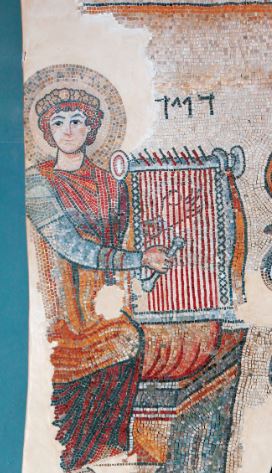

Avodah Zarah 40: Permitted Foods, from Fish to Apple Wine
New to Talmud?
Check out our resources designed to help you navigate a page of Talmud – and study at the pace, level and style that fits you.
The Hadran Women’s Tapestry
Meet the diverse women learning Gemara at Hadran and hear their stories.
I started learning Daf Yomi in January 2020 after watching my grandfather, Mayer Penstein z”l, finish shas with the previous cycle. My grandfather made learning so much fun was so proud that his grandchildren wanted to join him. I was also inspired by Ilana Kurshan’s book, If All the Seas Were Ink. Two years in, I can say that it has enriched my life in so many ways.

New York, United States
After being so inspired by the siyum shas two years ago, I began tentatively learning daf yomi, like Rabbanut Michelle kept saying – taking one daf at a time. I’m still taking it one daf at a time, one masechet at a time, but I’m loving it and am still so inspired by Rabbanit Michelle and the Hadran community, and yes – I am proud to be finishing Seder Mo’ed.

Bet Shemesh, Israel
I began my journey with Rabbanit Michelle more than five years ago. My friend came up with a great idea for about 15 of us to learn the daf and one of us would summarize weekly what we learned.
It was fun but after 2-3 months people began to leave. I have continued. Since the cycle began Again I have joined the Teaneck women.. I find it most rewarding in so many ways. Thank you

New Jersey, United States
Last cycle, I listened to parts of various מסכתות. When the הדרן סיום was advertised, I listened to Michelle on נידה. I knew that בע”ה with the next cycle I was in (ב”נ). As I entered the סיום (early), I saw the signs and was overcome with emotion. I was randomly seated in the front row, and I cried many times that night. My choice to learn דף יומי was affirmed. It is one of the best I have made!

אפרת, Israel
I began my Daf Yomi journey on January 5, 2020. I had never learned Talmud before. Initially it struck me as a bunch of inane and arcane details with mind bending logic. I am now smitten. Rabbanit Farber brings the page to life and I am eager to learn with her every day!

Highland Park, United States
Margo
I started my Talmud journey in 7th grade at Akiba Jewish Day School in Chicago. I started my Daf Yomi journey after hearing Erica Brown speak at the Hadran Siyum about marking the passage of time through Daf Yomi.
Carolyn
I started my Talmud journey post-college in NY with a few classes. I started my Daf Yomi journey after the Hadran Siyum, which inspired both my son and myself.
Merion Station, USA
Beit Shemesh, Israel
In January 2020, my chevruta suggested that we “up our game. Let’s do Daf Yomi” – and she sent me the Hadran link. I lost my job (and went freelance), there was a pandemic, and I am still opening the podcast with my breakfast coffee, or after Shabbat with popcorn. My Aramaic is improving. I will need a new bookcase, though.
Atlanta, Georgia, United States
I started at the beginning of this cycle. No 1 reason, but here’s 5.
In 2019 I read about the upcoming siyum hashas.
There was a sermon at shul about how anyone can learn Talmud.
Talmud references come up when I am studying. I wanted to know more.
Yentl was on telly. Not a great movie but it’s about studying Talmud.
I went to the Hadran website: A new cycle is starting. I’m gonna do this
Cambridge, United Kingdom

Los Angeles, United States
I started to listen to Michelle’s podcasts four years ago. The minute I started I was hooked. I’m so excited to learn the entire Talmud, and think I will continue always. I chose the quote “while a woman is engaged in conversation she also holds the spindle”. (Megillah 14b). It reminds me of all of the amazing women I learn with every day who multi-task, think ahead and accomplish so much.
Zichron Yakov, Israel
Retirement and Covid converged to provide me with the opportunity to commit to daily Talmud study in October 2020. I dove into the middle of Eruvin and continued to navigate Seder Moed, with Rabannit Michelle as my guide. I have developed more confidence in my learning as I completed each masechet and look forward to completing the Daf Yomi cycle so that I can begin again!

San Diego, United States
Shortly after the death of my father, David Malik z”l, I made the commitment to Daf Yomi. While riding to Ben Gurion airport in January, Siyum HaShas was playing on the radio; that was the nudge I needed to get started. The “everyday-ness” of the Daf has been a meaningful spiritual practice, especial after COVID began & I was temporarily unable to say Kaddish at daily in-person minyanim.

Wynnewood, United States
In January 2020, my teaching partner at IDC suggested we do daf yomi. Thanks to her challenge, I started learning daily from Rabbanit Michelle. It’s a joy to be part of the Hadran community. (It’s also a tikkun: in 7th grade, my best friend and I tied for first place in a citywide gemara exam, but we weren’t invited to the celebration because girls weren’t supposed to be learning gemara).

Jerusalem, Israel
Los Angeles, United States
I was inspired to start learning after attending the 2020 siyum in Binyanei Hauma. It has been a great experience for me. It’s amazing to see the origins of stories I’ve heard and rituals I’ve participated in my whole life. Even when I don’t understand the daf itself, I believe that the commitment to learning every day is valuable and has multiple benefits. And there will be another daf tomorrow!

Jerusalem, Israel

Richmond, CA, United States
I tried Daf Yomi in the middle of the last cycle after realizing I could listen to Michelle’s shiurim online. It lasted all of 2 days! Then the new cycle started just days before my father’s first yahrzeit and my youngest daughter’s bat mitzvah. It seemed the right time for a new beginning. My family, friends, colleagues are immensely supportive!

Zichron Yaakov, Israel
I started learning at the beginning of this Daf Yomi cycle because I heard a lot about the previous cycle coming to an end and thought it would be a good thing to start doing. My husband had already bought several of the Koren Talmud Bavli books and they were just sitting on the shelf, not being used, so here was an opportunity to start using them and find out exactly what was in them. Loving it!

Borehamwood, United Kingdom
After all the hype on the 2020 siyum I became inspired by a friend to begin learning as the new cycle began.with no background in studying Talmud it was a bit daunting in the beginning. my husband began at the same time so we decided to study on shabbat together. The reaction from my 3 daughters has been fantastic. They are very proud. It’s been a great challenge for my brain which is so healthy!
Modi’in, Israel

Jerusalem, Israel
Avodah Zarah 40
שׁוֹטְטוֹת בּוֹ. הַשְׁתָּא כִּילְבִּית אַחַת אָמְרַתְּ שְׁרֵי, שְׁתֵּי כִּילְבִּיּוֹת מִבַּעְיָא? לָא קַשְׁיָא: כָּאן בִּפְתוּחוֹת, כָּאן בִּסְתוּמוֹת.
floating in it. The Gemara asks: Now that you have said that brine which has only one kilbit in it is permitted, is it necessary to teach that brine that has two kilbiyot in it is also permitted? The Gemara explains that it is not difficult: Here, two kilbiyot are required to permit the brine, as it is contained in open barrels, but there, only one is required, since it is in sealed barrels.
אִיתְּמַר: רַב הוּנָא אָמַר: עַד (שֶׁתְּהֵא) [שֶׁיְּהֵא] רֹאשׁ וְשִׁדְרָה נִיכָּר, רַב נַחְמָן אָמַר: אוֹ רֹאשׁ אוֹ שִׁדְרָה. מֵתִיב רַב עוּקְבָא בַּר חָמָא: וּבַדָּגִים כֹּל שֶׁיֵּשׁ לוֹ סְנַפִּיר וְקַשְׂקֶשֶׂת! אֲמַר אַבָּיֵי: כִּי תַּנְיָא הָהִיא בְּאָרָא וּפַלְמוּדָא, דְּדָמוּ רֵישַׁיְיהוּ לִטְמֵאִים.
§ It was stated that Rav Huna says: Tarit is not permitted for consumption until its head and spine are recognizable. Rav Naḥman says: It is permitted if either the head or the spine is recognizable. Rav Ukva bar Ḥama raises an objection from a mishna (Ḥullin 59a): And with regard to fish, any that has fins and scales is permitted. Evidently, the kashrut of fish is determined only by its fins and scales, not its head or its spine. Abaye said: When that mishna is taught, it is in reference to the ara’a and falmuda fish, whose heads are similar to the heads of non-kosher fish.
אָמַר רַב יְהוּדָה מִשְּׁמֵיהּ דְּעוּלָּא: מַחְלוֹקֶת לְטַבֵּל בְּצִירָן, אֲבָל בְּגוּפָן — דִּבְרֵי הַכֹּל אָסוּר עַד שֶׁיְּהֵא רֹאשׁ וְשִׁדְרָה נִיכָּר. אָמַר רַבִּי זֵירָא: מֵרֵישׁ הֲוָה מְטַבֵּילְנָא בְּצִירָן, כֵּיוָן דִּשְׁמַעְנָא לְהָא דְּאָמַר רַב יְהוּדָה מִשְּׁמֵיהּ דְּעוּלָּא: מַחְלוֹקֶת לְטַבֵּל בְּצִירָן, אֲבָל בְּגוּפָן — דִּבְרֵי הַכֹּל אָסוּר עַד שֶׁיְּהֵא רֹאשׁ וְשִׁדְרָה נִיכָּר, בְּצִירָן נָמֵי לָא מְטַבֵּילְנָא.
The Gemara analyzes the dispute between Rav Huna and Rav Naḥman. Rav Yehuda said in the name of Ulla: The dispute applies to dipping foods in their brine, but with regard to eating their actual bodies, everyone agrees that it is prohibited until both the head and the spine are recognizable. The Gemara notes that Rabbi Zeira said: Originally, I would dip foods in their brine, but once I heard that which Rav Yehuda said in the name of Ulla: The dispute is only with regard to dipping foods in their brine, but with regard to eating their actual bodies everyone agrees that it is prohibited until both the head and the spine are recognizable; I too no longer dip foods in their brine.
אָמַר רַב פָּפָּא, הִלְכְתָא: עַד שֶׁיְּהֵא רֹאשׁ וְשִׁדְרָה נִיכָּר שֶׁל כׇּל אַחַת וְאַחַת. מֵיתִיבִי: חֲתִיכוֹת שֶׁיֵּשׁ בָּהֶן סִימָן, בֵּין בְּכוּלָּן בֵּין בְּמִקְצָתָן, וַאֲפִילּוּ בְּאֶחָד מִמֵּאָה שֶׁבָּהֶן — כּוּלָּן מוּתָּרוֹת, וּמַעֲשֶׂה בְּגוֹי אֶחָד שֶׁהֵבִיא גָּרָב שֶׁל חֲתִיכוֹת, וְנִמְצָא סִימָן בְּאַחַת מֵהֶן, וְהִתִּיר רַבָּן שִׁמְעוֹן בֶּן גַּמְלִיאֵל אֶת הַגָּרָב כּוּלּוֹ!
Rav Pappa said: The halakha is that tarit is prohibited until the head and spine of each and every fish is recognizable. The Gemara raises an objection to Rav Pappa’s statement from a baraita: With regard to pieces of fish that have a sign of kashrut, whether this sign is present in all of them or only in a minority of them, and even if it is present in only one fish out of one hundred of them, they are all permitted. And there was an incident involving a certain gentile who brought a large jug of pieces of fish, and a sign of kashrut was found in one of them, and Rabban Shimon ben Gamliel permitted the entire jug of fish. This apparently contradicts Rav Pappa’s assertion that all the pieces must be recognizable for them to be permitted.
תַּרְגְּמַהּ רַב פָּפָּא: כְּשֶׁחֲתִיכוֹת שָׁווֹת. אִי הָכִי, מַאי לְמֵימְרָא? מַהוּ דְּתֵימָא נֵיחוּשׁ דִּלְמָא אִתְרְמִי, קָא מַשְׁמַע לַן.
Rav Pappa interpreted that baraita as referring to a case where the pieces correspond to each other, i.e., they fit together so that it is clear that they are all from the same fish. The Gemara raises a difficulty: If that is so, what is the purpose of stating this explicitly? If the pieces correspond it is obvious that they are permitted, as they evidently come from the same kosher fish. The Gemara explains that this was taught lest you say that one should be concerned that perhaps the pieces merely happened to fit together; the baraita therefore teaches us that in such a case the pieces are permitted.
הָהוּא אַרְבָּא דְּצַחַנְתָּא דַּאֲתַי לְסִיכְרָא, נְפַק רַב הוּנָא בַּר חִינָּנָא וַחֲזָא בֵּיהּ קִלְפֵי וְשַׁרְיֵיהּ. אֲמַר לֵיהּ רָבָא: וּמִי אִיכָּא דְּשָׁרֵי כְּהַאי גַּוְונָא בְּאַתְרָא דִּשְׁכִיחִי קִלְפֵי? נָפֵק שִׁיפּוּרֵי דְּרָבָא וְאָסַר, שִׁיפּוּרֵי דְּרַב הוּנָא בַּר חִינָּנָא וְשָׁרֵי.
The Gemara relates that there was a certain ship carrying tzaḥanta which came to the city of Sikhra. Rav Huna bar Ḥinnana went out and saw that the fish had scales on them and permitted them, as any fish with scales is kosher. Rava said to him: But is there anyone who permits tzaḥanta in a case like this, when it is from a land where fish with scales are common and it is very possible that the scales are from kosher fish that had been in the boat previously? Shofarot went out from the court of Rava to herald a declaration promulgating his ruling, and he thereby prohibited all the fish on that boat. And shofarot went out from the court of Rav Huna bar Ḥinnana, and he thereby permitted the fish.
אָמַר רַב יִרְמְיָה מִדִּפְתִּי: לְדִידִי אָמַר לִי רַב פַּפֵּי, כִּי שְׁרָא רַב הוּנָא בַּר חִינָּנָא — בְּצִירָן, אֲבָל בְּגוּפָן לָא. אָמַר רַב אָשֵׁי: לְדִידִי אָמַר לִי רַב פָּפָּא, כִּי שְׁרָא רַב הוּנָא בַּר חִינָּנָא — אֲפִילּוּ בְּגוּפָן.
The Gemara presents two interpretations of the above ruling. Rav Yirmeya of Difti said: Rav Pappi said to me that when Rav Huna bar Ḥinnana permitted the fish on the ship, he was referring only to their brine, but with regard to their bodies, no, he did not permit them. Rav Ashi said: Rav Pappa said to me that when Rav Huna bar Ḥinnana permitted the fish, he was referring even to their bodies.
וַאֲנָא לָא מֵיסָר אָסַרְנָא, דְּקָאָמַר לִי רַב פָּפָּא, וְלָא מִישְׁרֵא שָׁרֵינָא, דְּהָא אָמַר (לִי) רַב יְהוּדָה מִשְּׁמֵיהּ דְּעוּלָּא: מַחְלוֹקֶת לְטַבֵּל בְּצִירָן, אֲבָל בְּגוּפָן — דִּבְרֵי הַכֹּל עַד שֶׁיְּהֵא רֹאשׁ וְשִׁדְרָה נִיכָּר שֶׁל כׇּל אֶחָד וְאֶחָד.
Rav Ashi continued: And I do not prohibit the fish, as Rav Pappa said to me that Rav Huna permitted it, but I also do not permit the fish, as Rav Yehuda said to me in the name of Ulla that the dispute between Rava and Rav Huna bar Ḥinnana is referring to dipping foods in their brine, but with regard to eating their actual bodies, everyone agrees that it is prohibited until both the head and spine of each and every fish are recognizable.
יָתֵיב רַב חִינָּנָא בַּר אִידִי קַמֵּיהּ דְּרַב אַדָּא בַּר אַהֲבָה, וְיָתֵיב וְקָאָמַר: גּוֹי שֶׁהֵבִיא עֲרֵיבָה מְלֵאָה חָבִיּוֹת, וְנִמְצֵאת כִּילְבִּית בְּאַחַת מֵהֶן — פְּתוּחוֹת, כּוּלָּן מוּתָּרוֹת; סְתוּמוֹת, הִיא מוּתֶּרֶת וְכוּלָּן אֲסוּרוֹת. אֲמַר לֵיהּ: מְנָא לָךְ הָא? מִתְּלָתָא קְרָאֵי שְׁמִיעַ לִי, מֵרַב וּשְׁמוּאֵל וְרַבִּי יוֹחָנָן.
Rav Ḥinnana bar Idi sat before Rav Adda bar Ahava, and he sat and said: With regard to a gentile who brought a boat that was full of barrels of fish brine, and a kilbit was found in one of the barrels, the halakha is as follows: If the barrels were open, they are all permitted; if they were closed, then the barrel with the kilbit is permitted, and all the others are prohibited. Rav Adda bar Ahava said to him: From where do you know this? Rav Ḥinnana bar Idi responded: I heard this from three verses, i.e., great Sages upon whom one can rely as though their statements were recorded in verses: From Rav and Shmuel and Rabbi Yoḥanan.
אָמַר רַב בְּרוֹנָא אָמַר רַב: קִירְבֵי דָּגִים וְעוּבָּרָן אֵין נִקָּחִין אֶלָּא מִן הַמּוּמְחֶה. רָמֵי לֵיהּ עוּלָּא לְרַבִּי דּוֹסְתַּאי דְּמִן בֵּירֵי, מִדְּקָאָמַר רַב: קִירְבֵי דָּגִים וְעוּבָּרָן אֵין נִקָּחִין אֶלָּא מִן הַמּוּמְחֶה — מִכְּלָל דְּדָג טָמֵא אִית לֵיהּ עוּבָּר, וּרְמִינְהִי: דָּג טָמֵא מַשְׁרִיץ, דָּג טָהוֹר מֵטִיל בֵּיצִים!
§ The Gemara discusses the halakha with regard to other parts of fish. Rav Beruna says that Rav says: Fish intestines and their roe may be purchased only from an expert. Ulla raises a contradiction to Rabbi Dostai of Biri: From the fact that Rav says: Fish intestines and their roe may be purchased only from an expert, it may be inferred that a non-kosher fish has roe, as otherwise there would be no reason to permit only roe purchased from an expert. And the Gemara raises a contradiction to this claim from the following baraita: A non-kosher fish gives birth whereas a kosher fish lays eggs.
סְמִי מִכָּאן ״עוּבָּרָן״. אֲמַר לֵיהּ רַבִּי זֵירָא: לָא תִּיסְמֵי, תַּרְוַיְיהוּ מְטִילֵי בֵּיצִים נִינְהוּ, אֶלָּא זֶה מַשְׁרִיץ מִבַּחוּץ, וְזֶה מַשְׁרִיץ מִבִּפְנִים.
Rabbi Dostai accepted this opinion and said: Delete the phrase: Their roe, from here. Rabbi Zeira said to him: Do not delete it, as both kosher and non-kosher fish are fish that lay, i.e., produce, eggs, but this kosher fish propagates externally by laying eggs in the water which later hatch, and that non-kosher fish propagates internally by keeping the eggs in its own body until they develop. Nevertheless, both produce roe, and there is therefore reason to be concerned that a Jew might purchase non-kosher roe.
לְמָה לִי מוּמְחֶה? לִבְדּוֹק בְּסִימָנִין! דְּתַנְיָא: כְּסִימָנֵי בֵיצִים כָּךְ סִימָנֵי דָגִים. סִימָנֵי דָגִים סָלְקָא דַּעְתָּךְ? סִימָנֵי דָגִים ״סְנַפִּיר וְקַשְׁקֶשֶׁת״ כְּתִיב בְּהוּ! אֶלָּא, כְּסִימָנֵי בֵיצִים כָּךְ סִימָנֵי עוּבְּרֵי דָגִים.
The Gemara asks: But even so, why do I need an expert? Let one check the signs of kashrut on the roe himself, as it is taught in a baraita: Like the signs of bird eggs, so are the signs of fish. The Gemara interjects: Does it enter your mind to say that the signs of kashrut for fish are the same as the signs of kashrut for eggs? This is not so, as the signs of kosher fish are the possession of fins and scales, as written in the Torah with regard to them. Rather, the baraita means to say: Like the signs of bird eggs, so are the signs of fish roe.
וְאֵלּוּ הֵן סִימָנֵי בֵיצִים: כֹּל שֶׁכּוֹדֶרֶת וַעֲגוּלְגֹּלֶת, רֹאשָׁהּ אֶחָד כַּד וְרֹאשָׁהּ אֶחָד חַד — טְהוֹרָה, שְׁנֵי רָאשֶׁיהָ חַדִּין וּשְׁנֵי רָאשֶׁיהָ כַּדִּין — טְמֵאָה, חֶלְמוֹן מִבַּחוּץ וְחֶלְבּוֹן מִבִּפְנִים — טְמֵאָה, חֶלְבּוֹן מִבַּחוּץ וְחֶלְמוֹן מִבִּפְנִים — טָהוֹר, חֶלְבּוֹן וְחֶלְמוֹן מְעוֹרָבִין זֶה בָּזֶה — זוֹ הִיא בֵּיצַת הַשֶּׁרֶץ. אָמַר רָבָא: כְּשֶׁנִּימּוֹחוּ.
The baraita continues: And these are the signs of bird eggs: Any egg that narrows at the top and is rounded, so that one of its ends is wide and the other one of its ends is pointed is kosher. If both of its ends are sharp or both of its ends are wide, it is non-kosher. If the yolk is on the outside and the albumen is on the inside, it is non-kosher; if the albumen is on the outside and the yolk is on the inside, it is kosher. If the yolk and albumen are mixed with each other, this is the egg of a creeping animal. Considering that one can easily determine the kashrut of such eggs, why are only those purchased from an expert permitted? Rava says: Rav’s ruling refers specifically to a case where the eggs have melted together and it is impossible to determine whether or not they are kosher based on these signs.
וּלְרַבִּי דּוֹסְתַּאי דְּמִן בֵּירֵי, דְּאָמַר: סְמִי מִכָּאן ״עוּבָּרָן״,
The Gemara asks: But according to the opinion of Rabbi Dostai of Biri, who accepted the idea that non-kosher fish do not lay eggs and says: Delete from here the phrase: Their roe, it is difficult.
וְהָתַנְיָא: כְּסִימָנֵי בֵיצִים כָּךְ סִימָנֵי עוּבְּרֵי דָגִים! לָאו תָּרוֹצֵי מְתָרְצַתְּ לַהּ? כָּךְ סִימָנֵי קִירְבֵי דָגִים.
The Gemara elaborates: But isn’t it taught in the baraita, as it was interpreted above: Like the signs of bird eggs, so are the signs of fish roe? Apparently, the baraita assumes that non-kosher fish roe exists. The Gemara answers: Didn’t you yourself find it necessary to explain and reinterpret the baraita, as it cannot be understood according to its straightforward meaning? Rabbi Dostai can also explain the baraita so that it effectively reads: Like the signs of bird eggs, so are the signs of fish intestines. Accordingly, the baraita never actually mentions fish roe at all.
וְהֵיכִי מַשְׁכַּחַתְּ בְּסִימָנֵי קִירְבֵי דָגִים שֶׁיְּהֵא כַּד וְחַד? מַשְׁכַּחַתְּ לַהּ בְּשִׁילְפּוּחָא.
The Gemara raises a difficulty: But where do you find that one of the signs of fish intestines is that they must be round and pointed? The Gemara answers: You find this with regard to the swim bladder of a fish, which is considered to be kosher if it is shaped like a kosher egg.
אִם אֵין שָׁם מוּמְחֶה, מַאי? אָמַר רַב יְהוּדָה: כֵּיוָן דְּאָמַר ״אֲנִי מְלַחְתִּים״ — מוּתָּרִין. רַב נַחְמָן אָמַר: עַד שֶׁיֹּאמַר ״אֵלּוּ דָגִים וְאֵלּוּ קִירְבֵיהֶן״. אוֹרִי לֵיהּ רַב יְהוּדָה לַאֲדָא דַּיָּילָא: כֵּיוָן דְּאָמַר ״אֲנִי מְלַחְתִּים״ — מוּתָּרִין.
The Gemara asks: If there is no expert there, and one cannot determine whether or not the fish roe is kosher, what is the halakha? Rav Yehuda says that once the seller says: I salted the fish from which this roe came and they were kosher, the roe is permitted. Rav Naḥman says: The roe is prohibited until the seller shows kosher fish to the buyer and says: These are the fish, and these are their intestines. That is, the roe is permitted only if the seller can present the fish that produced it. The Gemara relates: Rav Yehuda instructed Adda, his attendant: Once the seller says: I salted them, they are permitted.
וְעָלֶה שֶׁל חִילְתִּית. פְּשִׁיטָא! לֹא נִצְרְכָה אֶלָּא לִקְרָטִין שֶׁבּוֹ. מַהוּ דְּתֵימָא: נֵיחוּשׁ דִּלְמָא מַיְיתֵי וּמְעָרֵב בֵּיהּ, קָא מַשְׁמַע לַן דְּהָא אִישְׁתְּרוֹקֵי הִיא דְּאִישְׁתְּרוּק וַאֲתָא בַּהֲדַהּ.
§ The mishna teaches: And the leaf of a ḥiltit plant is permitted. The Gemara asks: Since the previous mishna (35b) prohibited a sliver of ḥiltit only due to the concern that it might have been sliced with a non-kosher knife, isn’t it obvious that a leaf, which has not been sliced, is permitted? The Gemara answers: It is necessary to teach this only with regard to the slivers of ḥiltit that might be found on the leaf, lest you say that one should be concerned that perhaps a gentile might bring slivers sliced with a non-kosher knife and mix it with the slivers on the leaf. The mishna therefore teaches us that it is assumed that the slivers on the leaf had stuck to it and came off with the plant when it was pulled from the ground.
וְזֵיתֵי גְלוּסְקָאוֹת הַמְגוּלְגָּלִין. פְּשִׁיטָא! לֹא נִצְרְכָא אַף עַל גַּב דְּרָפֵי טוּבָא. מַהוּ דְּתֵימָא: חַמְרָא רְמָא בְּהוּ, קָא מַשְׁמַע לַן: הָנֵי מֵחֲמַת מִישְׁחָא הוּא דִּרְפוּ.
§ The mishna teaches: And rolled olive cakes. The Gemara asks: Isn’t it obvious that these are permitted? For what reason might they be prohibited? The Gemara answers: No, it is necessary to teach that they are permitted even though they are very soft. Lest you say that there is a concern that they softened because a gentile placed wine in them, the mishna therefore teaches us that these olives have softened due to the oil they possess.
וְרַבִּי יוֹסֵי אוֹמֵר: שְׁלָחִין אֲסוּרִין. הֵיכִי דָּמֵי שְׁלָחִין? אָמַר רַבִּי יוֹסֵי בַּר חֲנִינָא: כֹּל שֶׁאוֹחֲזוֹ בְּיָדוֹ וְגַרְעִינָתוֹ נִשְׁמֶטֶת.
§ The mishna further teaches: And Rabbi Yosei says: Overripe olives are prohibited. The Gemara asks: What are overripe olives like? Rabbi Yosei bar Ḥanina says: This is referring to any olive that if one grasps it in his hand, its pit slips out, due to the softness of the olive.
הַחֲגָבִין הַבָּאִין כּוּ׳. תָּנוּ רַבָּנַן: הַחֲגָבִין, וְהַקַּפְרֵיסִין, וְהַקַּפְלוֹטוֹת הַבָּאִין מִן הָאוֹצָר וּמִן הַהֶפְתֵּק וּמִן הַסְּפִינָה — מוּתָּרִין, הַנִּמְכָּרִין בְּקַטְלוּזָא לִפְנֵי חֶנְוָנִי — אֲסוּרִין, מִפְּנֵי שֶׁמְּזַלֵּף יַיִן עֲלֵיהֶן. וְכֵן יֵין תַּפּוּחִים שֶׁל גּוֹיִם הַבָּאִין מִן הָאוֹצָר וּמִן הַהֶפְתֵּק וּמִן הַסְּלוּלָה — מוּתָּרִין, הַנִּמְכָּר בְּקַטְלוּזָא — אָסוּר, מִפְּנֵי שֶׁמְּעָרְבִין בּוֹ יַיִן.
§ The mishna teaches: Locusts that come from a salesman’s basket are prohibited while those that come from the storeroom are permitted. The Sages taught in a baraita: Locusts, and caper buds, and leeks [kaflotot] that come from the storehouse, and from the storeroom, and from a gentile’s ship are all permitted. Those that are sold in the market [bekatluza] from baskets that are in front of the storekeeper are prohibited, because it is assumed that the gentile storekeeper sprinkles wine upon them. And similarly, with regard to apple wine that belongs to gentiles: Those that come from the storehouse or from the storeroom or from a salesman’s basket are permitted. Apple wine that is sold in the market is prohibited, because they mix grape wine of gentiles in it.
תָּנוּ רַבָּנַן: פַּעַם אַחַת חָשׁ רַבִּי בְּמֵעָיו, אָמַר: כְּלוּם יֵשׁ אָדָם שֶׁיּוֹדֵעַ יֵין תַּפּוּחִים שֶׁל גּוֹיִם אָסוּר אוֹ מוּתָּר? אָמַר לְפָנָיו רַבִּי יִשְׁמָעֵאל בֶּן רַבִּי יוֹסֵי: פַּעַם אַחַת חָשׁ אַבָּא בְּמֵעָיו, וְהֵבִיאוּ לוֹ יֵין תַּפּוּחִים שֶׁל גּוֹיִם שֶׁל שִׁבְעִים שָׁנָה, וְשָׁתָה וְנִתְרַפֵּא. אָמַר לוֹ: כׇּל כָּךְ הָיָה בְּיָדְךָ וְאַתָּה מְצַעֲרֵנִי!
The Gemara cites a relevant incident: The Sages taught: Once Rabbi Yehuda HaNasi felt discomfort in his stomach and knew that apple wine would alleviate it. He said: Isn’t there any person who knows whether apple wine of gentiles is prohibited or permitted? Rabbi Yishmael ben Rabbi Yosei said before him: Once my father felt discomfort in his stomach and they brought him apple wine of gentiles that was seventy years old, and he drank it and was cured. Rabbi Yehuda HaNasi said to him: You had so much knowledge in your hand that could have relieved me, and yet you caused me to suffer by withholding it until now.
בָּדְקוּ וּמָצְאוּ גּוֹי אֶחָד שֶׁהָיָה לוֹ שְׁלֹשׁ מֵאוֹת גַּרְבֵי יַיִן שֶׁל תַּפּוּחִים שֶׁל שִׁבְעִים שָׁנָה, וְשָׁתָה וְנִתְרַפֵּא, אָמַר: בָּרוּךְ הַמָּקוֹם שֶׁמָּסַר עוֹלָמוֹ לְשׁוֹמְרִים!
They checked and found one gentile who had three hundred large jugs of apple wine that was seventy years old, and Rabbi Yehuda HaNasi drank from it and was cured. He said: Blessed is the Omnipresent who delivered His universe to keepers. Rabbi Yehuda HaNasi thanked God for causing the gentile to keep the wine for seventy years so that it could be used to heal him.
וְכֵן לִתְרוּמָה. מַאי ״וְכֵן לִתְרוּמָה״? אָמַר רַב שֵׁשֶׁת: וְכֵן לְכֹהֵן הֶחָשׁוּד לִמְכּוֹר תְּרוּמָה לְשֵׁם חוּלִּין, לְפָנָיו הוּא דְּאָסוּר, אֲבָל הַבָּא מִן הָאוֹצָר וּמִן הַהֶפְתֵּק וּמִן הַסְּלוּלָה מוּתָּר, אִירְתוֹתֵי מִירְתַת, סָבַר: שָׁמְעִי בִּי רַבָּנַן (וּמַפְסְדוּ) [וּמַפְסְדִי] לֵיהּ מִינַּאי.
§ The mishna further teaches: And likewise with regard to teruma. The Gemara asks: What is the meaning of the statement: And likewise with regard to teruma? Rav Sheshet says: This means: And likewise the same halakha applies to a priest who is suspected of selling teruma, which is less expensive, as non-sacred food. It is only when the food is in front of the priest that it is prohibited; but food that comes from the storehouse or from the storeroom or from a salesman’s basket is permitted. The reason is that the priest is fearful, because he thinks to himself: If I sell teruma in public, the Sages will hear of it and deprive me of all my wares.
הֲדַרַן עֲלָךְ אֵין מַעֲמִידִין.
מַתְנִי׳ כׇּל הַצְּלָמִים אֲסוּרִין, מִפְּנֵי שֶׁהֵן נֶעֱבָדִין פַּעַם אַחַת בְּשָׁנָה, דִּבְרֵי רַבִּי מֵאִיר. וַחֲכָמִים אוֹמְרִים: אֵינוֹ אָסוּר אֶלָּא כֹּל שֶׁיֵּשׁ בְּיָדוֹ מַקֵּל אוֹ צִפּוֹר אוֹ כַדּוּר. רַבָּן שִׁמְעוֹן בֶּן גַּמְלִיאֵל אוֹמֵר: אַף כֹּל שֶׁיֵּשׁ בְּיָדוֹ כׇּל דָּבָר.
MISHNA: All statues are forbidden, i.e., it is prohibited to derive benefit from them, because they are worshipped at least once a year; this is the statement of Rabbi Meir. And the Rabbis say: The only type of statue that is forbidden is any statue that has in its hand a staff, or a bird, or an orb, as these are indications that this statue is designated for idolatry. If the statue is holding a different item, it may be assumed that the statue was fashioned for ornamental purposes and not for worship. Rabban Shimon ben Gamliel says: It is prohibited to derive benefit even from any statue that has any item whatsoever in its hand.
גְּמָ׳ אִי דְּנֶעֱבָדִין פַּעַם אַחַת בַּשָּׁנָה, מַאי טַעְמָא דְּרַבָּנַן? אָמַר רַבִּי יִצְחָק בַּר יוֹסֵף אָמַר רַבִּי יוֹחָנָן: בִּמְקוֹמוֹ שֶׁל רַבִּי מֵאִיר הָיוּ עוֹבְדִין אוֹתָהּ פַּעַם אַחַת בַּשָּׁנָה, וְרַבִּי מֵאִיר דְּחָיֵישׁ לְמִיעוּטָא — גָּזַר שְׁאָר מְקוֹמוֹת אַטּוּ אוֹתוֹ מָקוֹם, וְרַבָּנַן דְּלָא חָיְישִׁי לְמִיעוּטָא — לָא גָּזְרוּ שְׁאָר מְקוֹמוֹת אַטּוּ אוֹתוֹ מָקוֹם.
GEMARA: If it is true that the statues to which Rabbi Meir is referring are worshipped at least once a year, what is the reason for the opinion of the Rabbis, who permit deriving benefit from them? The Gemara answers: Rabbi Yitzḥak bar Yosef says that Rabbi Yoḥanan says: In Rabbi Meir’s locale, people would worship statues once a year. And therefore, Rabbi Meir, who maintains that one must be concerned for a minority occurrence (see Yevamot 61b), issued a decree that statues are forbidden even in other places, due to that locale where people would worship statues. And the Rabbis, by contrast, who do not maintain that one must be concerned for a minority occurrence, did not issue a decree that statues are forbidden even in other places due to that locale.
אָמַר רַב יְהוּדָה אָמַר שְׁמוּאֵל: בְּאִנְדְּרָטִי שֶׁל מְלָכִים שָׁנִינוּ. אָמַר רַבָּה בַּר בַּר חָנָה אָמַר רַבִּי יוֹחָנָן: וּבְעוֹמְדִין עַל פֶּתַח מְדִינָה שָׁנִינוּ.
Rav Yehuda says that Shmuel says: We learned that this dispute between Rabbi Meir and the Rabbis is only with regard to the statues [be’andartei] of kings. Rabbi Meir decreed that they are forbidden as perhaps they were designated for worship. The Rabbis assumed that they were designed for ornamental purposes, not for worship. Rabba bar bar Ḥana says that Rabbi Yoḥanan says: And furthermore, we learned that the dispute is only with regard to statues that stand at the entrance to the region. Since these statues were erected in an important location, there is concern that they are worshipped.

