










Why can courtyard residents prevent each other from turning their house into a store (first part of the Mishna) but not from loud noises of children, hammers, and a millstone (second part of the Mishna)? Abaye suggests that the second part of the Mishna refers to a different situation – residents of a different courtyard complaining about noise from a neighboring courtyard, but not their own. Rava rejects this suggestion and explains the second part of the Mishna as referring to creating a school in one’s house to teach children Torah, as Rabbi Yehoshua ben Gamla established the importance of having schools in local communities. The Gemara discusses several issues regarding education – what type is the best type of teacher (more knowledge vs. patience to correct mistakes of the children), how many children should be in a class, the responsibility of the city to set up teachers, does one fire a less good teacher for one who is better, etc. Can one open a store in an alleyway of the same type of store as another member of the alleyway? On what does it depend?
Bava Batra
Masechet Bava Batra is sponsored by Lori Stark in loving memory of her mother in law, Sara Shapiro z”l and her father Nehemiah Sosewitz z”l.
This month’s learning is sponsored by Marci Glazer in loving memory of her teacher and chevruta, Rachel Brodie, Rachel Aviva bat Devora Chana, on her 4th yahrzeit. “She brought her love of Torah to thousands of people in her all-too-short life. A lover of Midrash, she still invited me on this Daf Yomi journey.”
Want to dedicate learning? Get started here:

Today’s daily daf tools:
Bava Batra
Masechet Bava Batra is sponsored by Lori Stark in loving memory of her mother in law, Sara Shapiro z”l and her father Nehemiah Sosewitz z”l.
This month’s learning is sponsored by Marci Glazer in loving memory of her teacher and chevruta, Rachel Brodie, Rachel Aviva bat Devora Chana, on her 4th yahrzeit. “She brought her love of Torah to thousands of people in her all-too-short life. A lover of Midrash, she still invited me on this Daf Yomi journey.”
Bava Batra 21
סֵיפָא אֲתָאן לְתִינוֹקוֹת שֶׁל בֵּית רַבָּן, וּמִתַּקָּנַת יְהוֹשֻׁעַ בֶּן גַּמְלָא וְאֵילָךְ –
In the latter clause we arrive at the case of schoolchildren who come to learn Torah in his house, and this ruling applies from the time of the ordinance of Yehoshua ben Gamla and onward.
דְּאָמַר רַב יְהוּדָה אָמַר רַב: בְּרַם, זָכוּר אוֹתוֹ הָאִישׁ לַטּוֹב – וִיהוֹשֻׁעַ בֶּן גַּמְלָא שְׁמוֹ, שֶׁאִלְמָלֵא הוּא, נִשְׁתַּכַּח תּוֹרָה מִיִּשְׂרָאֵל. שֶׁבִּתְחִלָּה, מִי שֶׁיֵּשׁ לוֹ אָב – מְלַמְּדוֹ תּוֹרָה, מִי שֶׁאֵין לוֹ אָב – לֹא הָיָה לָמֵד תּוֹרָה. מַאי דְּרוּשׁ? ״וְלִמַּדְתֶּם אֹתָם״ – וְלִמַּדְתֶּם אַתֶּם.
What was this ordinance? As Rav Yehuda says that Rav says: Truly, that man is remembered for the good, and his name is Yehoshua ben Gamla. If not for him the Torah would have been forgotten from the Jewish people. Initially, whoever had a father would have his father teach him Torah, and whoever did not have a father would not learn Torah at all. The Gemara explains: What verse did they interpret homiletically that allowed them to conduct themselves in this manner? They interpreted the verse that states: “And you shall teach them [otam] to your sons” (Deuteronomy 11:19), to mean: And you yourselves [atem] shall teach, i.e., you fathers shall teach your sons.
הִתְקִינוּ שֶׁיְּהוּ מוֹשִׁיבִין מְלַמְּדֵי תִינוֹקוֹת בִּירוּשָׁלַיִם. מַאי דְּרוּשׁ? ״כִּי מִצִּיּוֹן תֵּצֵא תוֹרָה״. וַעֲדַיִין מִי שֶׁיֵּשׁ לוֹ אָב – הָיָה מַעֲלוֹ וּמְלַמְּדוֹ, מִי שֶׁאֵין לוֹ אָב – לֹא הָיָה עוֹלֶה וְלָמֵד. הִתְקִינוּ שֶׁיְּהוּ מוֹשִׁיבִין בְּכׇל פֶּלֶךְ וּפֶלֶךְ. וּמַכְנִיסִין אוֹתָן כְּבֶן שֵׁשׁ עֶשְׂרֵה כְּבֶן שְׁבַע עֶשְׂרֵה,
When the Sages saw that not everyone was capable of teaching their children and Torah study was declining, they instituted an ordinance that teachers of children should be established in Jerusalem. The Gemara explains: What verse did they interpret homiletically that enabled them to do this? They interpreted the verse: “For Torah emerges from Zion” (Isaiah 2:3). But still, whoever had a father, his father ascended with him to Jerusalem and had him taught, but whoever did not have a father, he did not ascend and learn. Therefore, the Sages instituted an ordinance that teachers of children should be established in one city in each and every region [pelekh]. And they brought the students in at the age of sixteen and at the age of seventeen.
וּמִי שֶׁהָיָה רַבּוֹ כּוֹעֵס עָלָיו – מְבַעֵיט בּוֹ וְיֹצֵא. עַד שֶׁבָּא יְהוֹשֻׁעַ בֶּן גַּמְלָא וְתִיקֵּן, שֶׁיְּהוּ מוֹשִׁיבִין מְלַמְּדֵי תִינוֹקוֹת בְּכׇל מְדִינָה וּמְדִינָה וּבְכׇל עִיר וָעִיר, וּמַכְנִיסִין אוֹתָן כְּבֶן שֵׁשׁ כְּבֶן שֶׁבַע.
But as the students were old and had not yet had any formal education, a student whose teacher grew angry at him would rebel against him and leave. It was impossible to hold the youths there against their will. This state of affairs continued until Yehoshua ben Gamla came and instituted an ordinance that teachers of children should be established in each and every province and in each and every town, and they would bring the children in to learn at the age of six and at the age of seven. With regard to the matter at hand, since this system was established for the masses, the neighbors cannot prevent a scholar from teaching Torah in the courtyard.
אֲמַר לֵיהּ רַב לְרַב שְׁמוּאֵל בַּר שִׁילַת: עַד שֵׁית לָא תְּקַבֵּיל, מִכָּאן וְאֵילָךְ – קַבֵּיל, וְאַסְפִּי לֵיהּ כְּתוֹרָא. וַאֲמַר לֵיהּ רַב לְרַב שְׁמוּאֵל בַּר שִׁילַת: כִּי מָחֵית לְיָנוֹקָא, לָא תִּימְחֵי אֶלָּא בְּעַרְקְתָא דִמְסָנָא. דְּקָארֵי – קָארֵי, דְּלָא קָארֵי – לֶיהֱוֵי צַוְותָּא לְחַבְרֵיהּ.
Concerning that same issue, Rav said to Rav Shmuel bar Sheilat, a teacher of children: Do not accept a student before the age of six, as he is too young, and it is difficult for him to learn in a steady manner. From this point forward, accept him and stuff him with Torah like an ox. And Rav further said to Rav Shmuel bar Sheilat: When you strike a child for educational purposes, hit him only with the strap of a sandal, which is small and does not cause pain. Rav further advised him: He who reads, let him read on his own; whoever does not read, let him be a companion to his friends, which will encourage him to learn to read.
מֵיתִיבִי: אֶחָד מִבְּנֵי חָצֵר שֶׁבִּיקֵּשׁ לֵעָשׂוֹת רוֹפֵא, אוּמָּן, וְגַרְדִּי, וּמְלַמֵּד תִּינוֹקוֹת – בְּנֵי חָצֵר מְעַכְּבִין עָלָיו! הָכָא בְּמַאי עָסְקִינַן – בְּתִינוֹקוֹת דְּגוֹיִם.
With regard to a courtyard, the Gemara concluded that it is permitted for one to establish an elementary school to teach Torah and the neighbors cannot protest. The Gemara raises an objection to this ruling from a baraita: With regard to one member of a courtyard who wishes to become a doctor, a bloodletter, a weaver [vegardi], or a teacher of children, the other members of the courtyard can prevent him from doing so. This indicates that neighbors can protest the teaching of children in their shared courtyard. The Gemara answers: With what are we dealing here, i.e., when can they protest his teaching children? We are dealing with a case of gentile children, as there is no mitzva to educate them. In this situation, the neighbors can protest about the noise.
תָּא שְׁמַע: שְׁנַיִם שֶׁיּוֹשְׁבִין בְּחָצֵר, וּבִיקֵּשׁ אֶחָד מֵהֶן לֵעָשׂוֹת רוֹפֵא, וְאוּמָּן, וְגַרְדִּי, וּמְלַמֵּד תִּינוֹקוֹת – חֲבֵירוֹ מְעַכֵּב עָלָיו! הָכָא נָמֵי בְּתִינוֹקוֹת דְּגוֹיִם.
Come and hear another baraita: With regard to two people who are residing in one courtyard, and one of them sought to become a doctor, a bloodletter, a weaver, or a teacher of children, the other can prevent him from doing so. The Gemara answers: Here too, we are dealing with a case of gentile children.
תָּא שְׁמַע: מִי שֶׁיֵּשׁ לוֹ בַּיִת בַּחֲצַר הַשּׁוּתָּפִין – הֲרֵי זֶה לֹא יַשְׂכִּירֶנּוּ לֹא לְרוֹפֵא, וְלֹא לְאוּמָּן, וְלֹא לְגַרְדִּי, וְלֹא לְסוֹפֵר יְהוּדִי, וְלֹא לְסוֹפֵר אַרְמַאי! הָכָא בְּמַאי עָסְקִינַן – בְּסוֹפֵר מָתָא.
The Gemara suggests: Come and hear another baraita: One who has a house in a jointly owned courtyard may not rent it to a doctor, nor to a bloodletter, nor to a weaver, nor to a Jewish teacher [sofer], nor to a gentile teacher. This indicates that one’s neighbors can prevent him from teaching Jewish children. The Gemara answers: With what are we dealing here? We are dealing with the scribe [sofer] of the town, who does not teach children but writes documents and letters for residents of the town. This type of work is not a mitzva, and since many people seek his services, the residents of the courtyard can prevent him from performing this job near their houses.
אָמַר רָבָא: מִתַּקָּנַת יְהוֹשֻׁעַ בֶּן גַּמְלָא וְאֵילָךְ, לָא מַמְטִינַן יָנוֹקָא מִמָּתָא לְמָתָא; אֲבָל מִבֵּי כְנִישְׁתָּא לְבֵי כְנִישְׁתָּא – מַמְטִינַן. וְאִי מַפְסֵק נַהֲרָא – לָא מַמְטִינַן. וְאִי אִיכָּא תִּיתּוּרָא – מַמְטִינַן. וְאִי אִיכָּא גַּמְלָא – לָא מַמְטִינַן.
§ With regard to the ordinance of Yehoshua ben Gamla, and concerning teaching children in general, Rava says: From the time of the ordinance of Yehoshua ben Gamla, that schoolteachers must be established in each town, and onward, one does not bring a child from one town to another. Rather, each child is educated where he resides. But one does bring them from one synagogue where they learn to another synagogue. And if a river separates the areas one does not bring the children across, lest they fall into the river. And if there is a bridge spanning the river one may bring them across the river. But if there is only a narrow bridge [gamla] one does not bring them.
וְאָמַר רָבָא: סַךְ מַקְרֵי דַרְדְּקֵי – עֶשְׂרִין וְחַמְשָׁה יָנוֹקֵי. וְאִי אִיכָּא חַמְשִׁין – מוֹתְבִינַן תְּרֵי; וְאִי אִיכָּא אַרְבְּעִין – מוֹקְמִינַן רֵישׁ דּוּכְנָא, וּמְסַיְּיעִין לֵיהּ מִמָּתָא.
And Rava said: The maximum number of students for one teacher of children is twenty-five children. And if there are fifty children in a single place, one establishes two teachers, so that each one teaches twenty-five students. And if there are forty children, one establishes an assistant, and the teacher receives help from the residents of the town to pay the salary of the assistant.
וְאָמַר רָבָא: הַאי מַקְרֵי יָנוֹקֵי דְּגָרֵיס, וְאִיכָּא אַחֲרִינָא דְּגָרֵיס טְפֵי מִינֵּיהּ – לָא מְסַלְּקִינַן לֵיהּ, דִּלְמָא אָתֵי לְאִיתְרַשּׁוֹלֵי. רַב דִּימִי מִנְּהַרְדְּעָא אָמַר: כׇּל שֶׁכֵּן דְּגָרֵיס טְפֵי – קִנְאַת סוֹפְרִים תַּרְבֶּה חָכְמָה.
And Rava said: If there is a teacher of children who teaches a few subjects, and there is another who teaches more subjects than him, one does not remove the first teacher from his position to hire the second, as perhaps the other teacher will come to be negligent due to the lack of competition. Rav Dimi from Neharde’a said: On the contrary, all the more so is it the case that he will teach in a better manner if he knows that he is the sole instructor in the place, as jealousy among teachers increases wisdom. The one who was dismissed will try to refine his skills so that he will be rehired, and this will prevent negligence on the part of the other teacher.
וְאָמַר רָבָא: הָנֵי תְּרֵי מַקְרֵי דַרְדְּקֵי – חַד גָּרֵיס וְלָא דָּיֵיק, וְחַד דָּיֵיק וְלָא גָּרֵיס – מוֹתְבִינַן הָהוּא דְּגָרֵיס וְלָא דָּיֵיק; שַׁבֶּשְׁתָּא מִמֵּילָא נָפְקָא. רַב דִּימִי מִנְּהַרְדְּעָא אָמַר: מוֹתְבִינַן דְּדָיֵיק וְלָא גָּרֵיס; שַׁבֶּשְׁתָּא, כֵּיוָן דְּעָל – עָל;
And Rava said: If there are two teachers of children, one who teaches a lot of material but is not precise in his statements, and one who is precise but does not teach a lot of material, one hires the one who teaches a lot of material but is not precise. Why is this? Errors will be corrected by themselves, and no lasting harm will be caused. By contrast, Rav Dimi of Neharde’a said: One hires the instructor who is precise and does not teach a lot of material, as once an error is taught, it is taught, and cannot be easily corrected.
דִּכְתִיב: ״כִּי שֵׁשֶׁת חֳדָשִׁים יָשַׁב שָׁם יוֹאָב וְכׇל יִשְׂרָאֵל, עַד הִכְרִית כׇּל זָכָר בֶּאֱדוֹם״. כִּי אֲתָא לְקַמֵּיהּ דְּדָוִד, אֲמַר לֵיהּ:
The Gemara cites a proof for the opinion of Rav Dimi of Neharde’a: This is as it is written: “For Joab and all Israel remained there six months until he had cut off every male in Edom” (I Kings 11:16). When Joab came before King David after this episode, David said to him:
מַאי טַעְמָא עֲבַדְתְּ הָכִי? אֲמַר לֵיהּ, דִּכְתִיב: ״תִּמְחֶה אֶת זְכַר עֲמָלֵק״. אֲמַר לֵיהּ: וְהָא אֲנַן ״זֵכֶר״ קָרֵינַן! אֲמַר לֵיהּ: אֲנָא ״זְכַר״ אַקְרְיוּן. אֲזַל שַׁיְילֵיהּ לְרַבֵּיהּ, אֲמַר לֵיהּ: הֵיאַךְ אַקְרִיתַן? אֲמַר לֵיהּ: ״זֵכֶר״.
What is the reason that you did that? Why did you kill only the males? Joab said to him: As it is written: You shall blot out the males [zakhar] of Amalek, i.e., the male descendants of Amalek, who descend from Edom. David said to him: But we read the verse as stating: “You shall blot out the remembrance [zekher] of Amalek” (Deuteronomy 25:19). Joab said to him: I was taught to read it as zakhar. Joab went and asked his childhood Bible teacher. Joab said to him: How did you read this word to us? The teacher said to him: I read it as zekher. The teacher had read it the proper way, but he failed to notice that his student had learned it incorrectly.
שְׁקַל סַפְסִירָא לְמִיקְטְלֵיהּ. אֲמַר לֵיהּ: אַמַּאי? אֲמַר לֵיהּ, דִּכְתִיב: ״אָרוּר עֹשֶׂה מְלֶאכֶת ה׳ רְמִיָּה״. אֲמַר לֵיהּ: שִׁבְקֵיהּ לְהָהוּא גַּבְרָא דְּלֵיקוּם בְּאָרוּר! אֲמַר לֵיהּ, כְּתִיב: ״וְאָרוּר מֹנֵעַ חַרְבּוֹ מִדָּם״! אִיכָּא דְּאָמְרִי: קַטְלֵיהּ, וְאִיכָּא דְאָמְרִי: לָא קַטְלֵיהּ.
Joab took a sword to kill him. The teacher said to him: Why do you want to kill me? Joab said to him: As it is written: “Cursed is he who does the work of the Lord with a slack hand” (Jeremiah 48:10), and you taught me incorrectly. The teacher said to him: Leave that man to remain as cursed. This is a sufficient punishment; there is no need to kill me. Joab said to him: It is also written: “And cursed is he who keeps back his sword from blood” (Jeremiah 48:10). There are those who say that Joab killed him, and there are those who say that he did not kill him. In any event, this episode demonstrates that an error learned in one’s childhood stays with him his whole life.
וְאָמַר רָבָא: מַקְרֵי יָנוֹקָא, שַׁתָּלָא, טַבָּחָא, וְאוּמָּנָא, וְסוֹפֵר מָתָא – כּוּלָּן כְּמוּתְרִין וְעוֹמְדִין נִינְהוּ. כְּלָלָא דְּמִילְּתָא: כׇּל פְּסֵידָא דְּלָא הָדַר – מוּתְרֶה וְעוֹמֵד הוּא.
And Rava says: With regard to a teacher of children, a professional tree planter, a butcher, a bloodletter, and a town scribe, all these are considered forewarned. In other words, they need not be exhorted to perform their jobs correctly, as if they err in the performance of their duties they can be dismissed immediately. The principle of the matter is: With regard to any case where loss is irreversible, the individual is considered forewarned.
אָמַר רַב הוּנָא: הַאי בַּר מְבוֹאָה דְּאוֹקִי רִיחְיָא, וַאֲתָא בַּר מְבוֹאָה חַבְרֵיהּ וְקָמוֹקֵי גַּבֵּיהּ – דִּינָא הוּא דִּמְעַכֵּב עִילָּוֵיהּ. דְּאָמַר לֵיהּ: קָא פָּסְקַתְּ לֵיהּ לְחַיּוּתִי.
§ Rav Huna said: There was a certain resident of an alleyway who set up a mill in the alleyway and earned his living grinding grain for people. And subsequently another resident of the alleyway came and set up a mill next to his. The halakha is that the first one may prevent him from doing so if he wishes, as he can say to him: You are disrupting my livelihood by taking my customers.
לֵימָא מְסַיַּיע לֵיהּ: מַרְחִיקִים מְצוּדַת הַדָּג מִן הַדָּג – כִּמְלֹא רִיצַת הַדָּג. וְכַמָּה? אָמַר רַבָּה בַּר רַב הוּנָא: עַד פַּרְסָה. שָׁאנֵי דָּגִים, דְּיָהֲבִי סְיָיארָא.
The Gemara suggests: Let us say that a baraita supports his opinion: One must distance fish traps from fish, i.e., from other fish traps, as far as the fish travels, i.e., the distance from which the fish will travel. The Gemara asks: And how much is this distance? Rabba bar Rav Huna says: Up to a parasang [parsa]. This indicates that one must distance himself from the place where another has established his business. The Gemara responds that this is no proof: Perhaps fish are different, as they look around. One fish explores the area ahead of the others, indicating to them where to go. Once they encounter the first trap they will not approach the second.
אֲמַר לֵיהּ רָבִינָא לְרָבָא: לֵימָא רַב הוּנָא דְּאָמַר כְּרַבִּי יְהוּדָה – דִּתְנַן, רַבִּי יְהוּדָה אוֹמֵר: לֹא יְחַלֵּק חֶנְוָנִי קְלָיוֹת וֶאֱגוֹזִין לְתִינוֹקוֹת, מִפְּנֵי שֶׁמֵּרְגִילָן אֶצְלוֹ. וַחֲכָמִים מַתִּירִין.
Ravina said to Rava: Shall we say that Rav Huna spoke in accordance with the opinion of Rabbi Yehuda? As we learned in a mishna (Bava Metzia 60a): Rabbi Yehuda says: A storekeeper may not hand out toasted grain and nuts to children who patronize his store, due to the fact that he thereby accustoms them to come to him at the expense of competing storekeepers. And the Rabbis permit doing so. This indicates that according to the opinion of Rabbi Yehuda, all forms of competition are prohibited, which would include the scenario concerning the mill.
אֲפִילּוּ תֵּימָא רַבָּנַן; עַד כָּאן לָא פְּלִיגִי רַבָּנַן עֲלֵיהּ דְּרַבִּי יְהוּדָה הָתָם – אֶלָּא דַּאֲמַר לֵיהּ: אֲנָא קָמְפַלֵּגְינָא אַמְגּוֹזֵי, אַתְּ פְּלוֹג שְׁיוּסְקֵי. אֲבָל הָכָא – אֲפִילּוּ רַבָּנַן מוֹדוּ, דַּאֲמַר לֵיהּ: קָא פָּסְקַתְּ לֵיהּ לְחַיּוּתִי.
The Gemara rejects this suggestion: You may even say that Rav Huna holds in accordance with the opinion of the Rabbis. The Rabbis disagree with Rabbi Yehuda only there, as the storekeeper can say to his competitor: If I distribute walnuts, you can distribute almonds [shiyuskei]. But here, with regard to a resident of an alleyway who sets up a mill in that alleyway where another mill already exists, even the Rabbis concede that the owner of the first mill can say to him: You are disrupting my livelihood, as beforehand whoever required grinding came to me, and you have provided them with another option.
מֵיתִיבִי: עוֹשֶׂה אָדָם חֲנוּת בְּצַד חֲנוּתוֹ שֶׁל חֲבֵירוֹ, וּמֶרְחָץ בְּצַד מֶרְחָצוֹ שֶׁל חֲבֵירוֹ; וְאֵינוֹ יָכוֹל לִמְחוֹת בְּיָדוֹ, מִפְּנֵי שֶׁיָּכוֹל לוֹמַר לוֹ: אַתָּה עוֹשֶׂה בְּתוֹךְ שֶׁלְּךָ, וַאֲנִי עוֹשֶׂה בְּתוֹךְ שֶׁלִּי!
The Gemara raises an objection from a baraita: A man may establish a shop alongside the shop of another, and a bathhouse alongside the bathhouse of another, and the other cannot protest, because the newcomer can say to him: You operate in your space, and I operate in my space.
תַּנָּאֵי הִיא, דְּתַנְיָא: כּוֹפִין בְּנֵי מְבוֹאוֹת זֶה אֶת זֶה – שֶׁלֹּא לְהוֹשִׁיב בֵּינֵיהֶן לֹא חַיָּיט, וְלֹא בּוּרְסְקִי, וְלֹא מְלַמֵּד תִּינוֹקוֹת, וְלֹא אֶחָד מִבְּנֵי בַּעֲלֵי אוּמָּנִיּוֹת; וְלִשְׁכֵנוֹ אֵינוֹ כּוֹפֵיהוּ. רַבָּן שִׁמְעוֹן בֶּן גַּמְלִיאֵל אוֹמֵר: אַף לִשְׁכֵנוֹ כּוֹפֵיהוּ.
The Gemara answers: This entire matter is a dispute between tanna’im, as it is taught in a baraita: The residents of an alleyway can compel one another to agree not to allow among them in that alleyway a tailor, a tanner, a teacher of children, nor any type of craftsman. They can bar outside craftsmen from plying their trade in that alleyway. But one cannot compel his neighbor, i.e., one who already lives in the alleyway, to refrain from practicing a particular occupation there. Rabban Shimon ben Gamliel says: One can even compel his neighbor not to conduct such work in the alleyway. Rav Huna holds in accordance with the opinion of Rabban Shimon ben Gamliel.
אָמַר רַב הוּנָא בְּרֵיהּ דְּרַב יְהוֹשֻׁעַ: פְּשִׁיטָא לִי – בַּר מָתָא אַבַּר מָתָא אַחֲרִיתִי, מָצֵי מְעַכֵּב. וְאִי שָׁיֵיךְ בִּכְרָגָא דְּהָכָא, לָא מָצֵי מְעַכֵּב. בַּר מְבוֹאָה אַבַּר מְבוֹאָה דְּנַפְשֵׁיהּ – לָא מָצֵי מְעַכֵּב.
Rav Huna, son of Rav Yehoshua, says: It is obvious to me that a resident of one town can prevent a resident of another town from establishing a similar business in the locale of the first individual. But if he pays the tax of that first town, he cannot prevent him from doing business there, as he too is considered a resident of the town. The resident of an alleyway cannot prevent a resident of his alleyway from practicing a particular trade there, in accordance with the opinion of the Rabbis in the baraita, and contrary to the opinion of Rabban Shimon ben Gamliel.
בָּעֵי רַב הוּנָא בְּרֵיהּ דְּרַב יְהוֹשֻׁעַ: בַּר מְבוֹאָה אַבַּר מְבוֹאָה אַחֲרִינָא, מַאי? תֵּיקוּ. אָמַר רַב יוֹסֵף: וּמוֹדֵי רַב הוּנָא בְּמַקְרֵי דַרְדְּקֵי – דְּלָא מָצֵי מְעַכֵּב, דְּאָמַר מָר: עֶזְרָא תִּיקֵּן לָהֶן לְיִשְׂרָאֵל שֶׁיְּהוּ מוֹשִׁיבִין סוֹפֵר בְּצַד סוֹפֵר.
With these conclusions in mind, Rav Huna, son of Rav Yehoshua, raises a dilemma: With regard to a resident of one alleyway protesting about a resident of another alleyway conducting business there, what is the halakha? No answer was found, and the Gemara states that the dilemma shall stand unresolved. Rav Yosef said: And Rav Huna, who said that a resident of an alleyway can prevent another from setting up an additional mill, concedes with regard to those who teach children that one cannot prevent him from working, as the Master said: Ezra instituted an ordinance for the Jewish people requiring that they establish one teacher alongside another teacher, to raise the standard of teaching.
וְנֵיחוּשׁ דִּילְמָא אָתֵי לְאִיתְרַשּׁוֹלֵי! אֲמַר לֵיהּ:
The Gemara challenges: And let us be concerned lest the teachers will thereby come to be negligent. Rav Yosef said to the Sage who raised this objection:

Today’s daily daf tools:
Delve Deeper
Broaden your understanding of the topics on this daf with classes and podcasts from top women Talmud scholars.

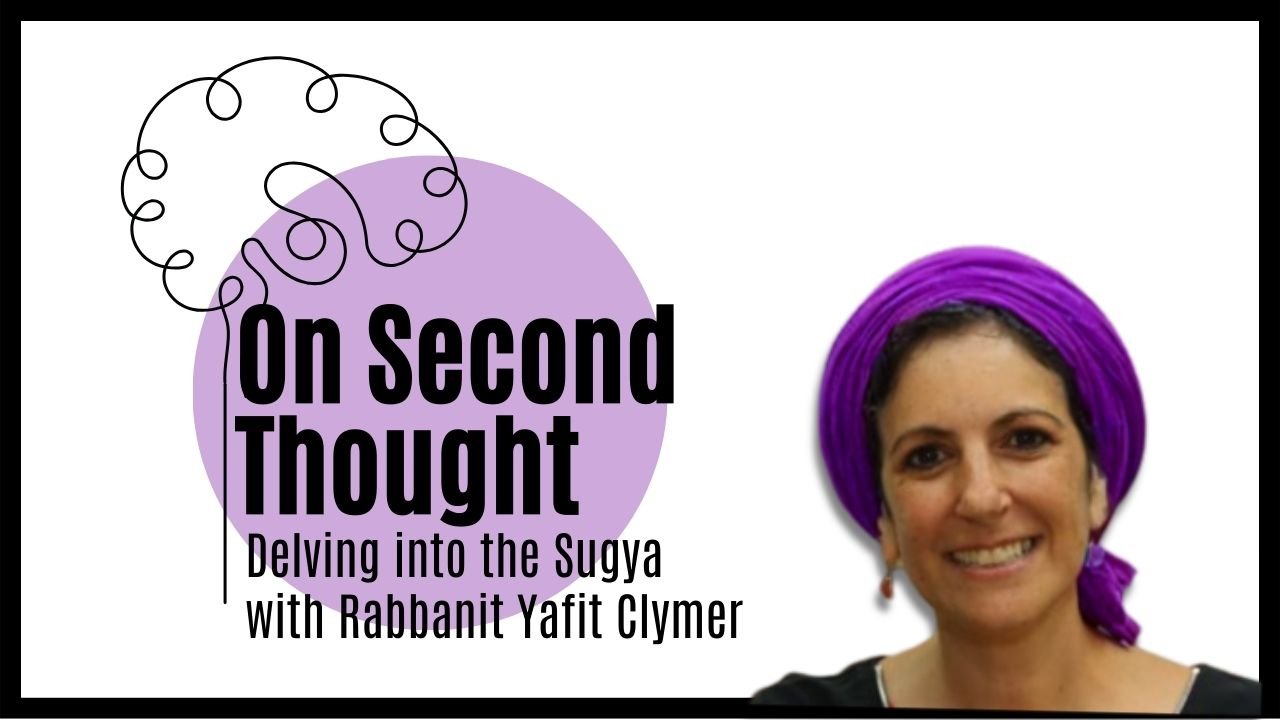
It Takes a Village: Communal Responsibility in Children’s Education – On Second Thought
New to Talmud?
Check out our resources designed to help you navigate a page of Talmud – and study at the pace, level and style that fits you.
The Hadran Women’s Tapestry
Meet the diverse women learning Gemara at Hadran and hear their stories.
Last cycle, I listened to parts of various מסכתות. When the הדרן סיום was advertised, I listened to Michelle on נידה. I knew that בע”ה with the next cycle I was in (ב”נ). As I entered the סיום (early), I saw the signs and was overcome with emotion. I was randomly seated in the front row, and I cried many times that night. My choice to learn דף יומי was affirmed. It is one of the best I have made!

אפרת, Israel
I started learning daf yomi at the beginning of this cycle. As the pandemic evolved, it’s been so helpful to me to have this discipline every morning to listen to the daf podcast after I’ve read the daf; learning about the relationships between the rabbis and the ways they were constructing our Jewish religion after the destruction of the Temple. I’m grateful to be on this journey!
Teaneck NJ, United States
Since I started in January of 2020, Daf Yomi has changed my life. It connects me to Jews all over the world, especially learned women. It makes cooking, gardening, and folding laundry into acts of Torah study. Daf Yomi enables me to participate in a conversation with and about our heritage that has been going on for more than 2000 years.
Skokie, IL, United States
I had tried to start after being inspired by the hadran siyum, but did not manage to stick to it. However, just before masechet taanit, our rav wrote a message to the shul WhatsApp encouraging people to start with masechet taanit, so I did! And this time, I’m hooked! I listen to the shiur every day , and am also trying to improve my skills.

Yad Binyamin, Israel

Jerusalem, Israel
In January 2020, my chevruta suggested that we “up our game. Let’s do Daf Yomi” – and she sent me the Hadran link. I lost my job (and went freelance), there was a pandemic, and I am still opening the podcast with my breakfast coffee, or after Shabbat with popcorn. My Aramaic is improving. I will need a new bookcase, though.
Atlanta, Georgia, United States
I started learning after the siyum hashas for women and my daily learning has been a constant over the last two years. It grounded me during the chaos of Corona while providing me with a community of fellow learners. The Daf can be challenging but it’s filled with life’s lessons, struggles and hope for a better world. It’s not about the destination but rather about the journey. Thank you Hadran!

אפרת, Israel
The first month I learned Daf Yomi by myself in secret, because I wasn’t sure how my husband would react, but after the siyyum on Masechet Brachot I discovered Hadran and now sometimes my husband listens to the daf with me. He and I also learn mishnayot together and are constantly finding connections between the different masechtot.
Silver Spring, Maryland, United States
I started learning Dec 2019 after reading “If all the Seas Were Ink”. I found
Daily daf sessions of Rabbanit Michelle in her house teaching, I then heard about the siyum and a new cycle starting wow I am in! Afternoon here in Sydney, my family and friends know this is my sacred time to hide away to live zoom and learn. Often it’s hard to absorb and relate then a gem shines touching my heart.

Dover Heights, Australia
Retirement and Covid converged to provide me with the opportunity to commit to daily Talmud study in October 2020. I dove into the middle of Eruvin and continued to navigate Seder Moed, with Rabannit Michelle as my guide. I have developed more confidence in my learning as I completed each masechet and look forward to completing the Daf Yomi cycle so that I can begin again!

San Diego, United States
A beautiful world of Talmudic sages now fill my daily life with discussion and debate.
bringing alive our traditions and texts that has brought new meaning to my life.
I am a מגילת אסתר reader for women . the words in the Mishna of מסכת megillah 17a
הקורא את המגילה למפרע לא יצא were powerful to me.
I hope to have the zchut to complete the cycle for my 70th birthday.

Jerusalem, Israel
Palo Alto, CA, United States
My husband learns Daf, my son learns Daf, my son-in-law learns Daf.
When I read about Hadran’s Siyyum HaShas 2 years ago, I thought- I can learn Daf too!
I had learned Gemara in Hillel HS in NJ, & I remembered loving it.
Rabbanit Michelle & Hadran have opened my eyes & expanding my learning so much in the past few years. We can now discuss Gemara as a family.
This was a life saver during Covid

Brooklyn, NY, United States
When I began the previous cycle, I promised myself that if I stuck with it, I would reward myself with a trip to Israel. Little did I know that the trip would involve attending the first ever women’s siyum and being inspired by so many learners. I am now over 2 years into my second cycle and being part of this large, diverse, fascinating learning family has enhanced my learning exponentially.

Minnesota, United States
I never thought I’d be able to do Daf Yomi till I saw the video of Hadran’s Siyum HaShas. Now, 2 years later, I’m about to participate in Siyum Seder Mo’ed with my Hadran community. It has been an incredible privilege to learn with Rabbanit Michelle and to get to know so many caring, talented and knowledgeable women. I look forward with great anticipation and excitement to learning Seder Nashim.
Karmiel, Israel
In early January of 2020, I learned about Siyyum HaShas and Daf Yomi via Tablet Magazine’s brief daily podcast about the Daf. I found it compelling and fascinating. Soon I discovered Hadran; since then I have learned the Daf daily with Rabbanit Michelle Cohen Farber. The Daf has permeated my every hour, and has transformed and magnified my place within the Jewish Universe.

San Francisco, CA , United States

Berlin, Germany
I am a Reform rabbi and took Talmud courses in rabbinical school, but I knew there was so much more to learn. It felt inauthentic to serve as a rabbi without having read the entire Talmud, so when the opportunity arose to start Daf Yomi in 2020, I dove in! Thanks to Hadran, Daf Yomi has enriched my understanding of rabbinic Judaism and deepened my love of Jewish text & tradition. Todah rabbah!
California, United States
I learned daf more off than on 40 years ago. At the beginning of the current cycle, I decided to commit to learning daf regularly. Having Rabanit Michelle available as a learning partner has been amazing. Sometimes I learn with Hadran, sometimes with my husband, and sometimes on my own. It’s been fun to be part of an extended learning community.

Honolulu, Hawaii, United States
I started learning Gemara at the Yeshivah of Flatbush. And I resumed ‘ברוך ה decades later with Rabbanit Michele at Hadran. I started from Brachot and have had an exciting, rewarding experience throughout seder Moed!

Maale Adumim, Israel
Bava Batra 21
סֵיפָא אֲתָאן לְתִינוֹקוֹת שֶׁל בֵּית רַבָּן, וּמִתַּקָּנַת יְהוֹשֻׁעַ בֶּן גַּמְלָא וְאֵילָךְ –
In the latter clause we arrive at the case of schoolchildren who come to learn Torah in his house, and this ruling applies from the time of the ordinance of Yehoshua ben Gamla and onward.
דְּאָמַר רַב יְהוּדָה אָמַר רַב: בְּרַם, זָכוּר אוֹתוֹ הָאִישׁ לַטּוֹב – וִיהוֹשֻׁעַ בֶּן גַּמְלָא שְׁמוֹ, שֶׁאִלְמָלֵא הוּא, נִשְׁתַּכַּח תּוֹרָה מִיִּשְׂרָאֵל. שֶׁבִּתְחִלָּה, מִי שֶׁיֵּשׁ לוֹ אָב – מְלַמְּדוֹ תּוֹרָה, מִי שֶׁאֵין לוֹ אָב – לֹא הָיָה לָמֵד תּוֹרָה. מַאי דְּרוּשׁ? ״וְלִמַּדְתֶּם אֹתָם״ – וְלִמַּדְתֶּם אַתֶּם.
What was this ordinance? As Rav Yehuda says that Rav says: Truly, that man is remembered for the good, and his name is Yehoshua ben Gamla. If not for him the Torah would have been forgotten from the Jewish people. Initially, whoever had a father would have his father teach him Torah, and whoever did not have a father would not learn Torah at all. The Gemara explains: What verse did they interpret homiletically that allowed them to conduct themselves in this manner? They interpreted the verse that states: “And you shall teach them [otam] to your sons” (Deuteronomy 11:19), to mean: And you yourselves [atem] shall teach, i.e., you fathers shall teach your sons.
הִתְקִינוּ שֶׁיְּהוּ מוֹשִׁיבִין מְלַמְּדֵי תִינוֹקוֹת בִּירוּשָׁלַיִם. מַאי דְּרוּשׁ? ״כִּי מִצִּיּוֹן תֵּצֵא תוֹרָה״. וַעֲדַיִין מִי שֶׁיֵּשׁ לוֹ אָב – הָיָה מַעֲלוֹ וּמְלַמְּדוֹ, מִי שֶׁאֵין לוֹ אָב – לֹא הָיָה עוֹלֶה וְלָמֵד. הִתְקִינוּ שֶׁיְּהוּ מוֹשִׁיבִין בְּכׇל פֶּלֶךְ וּפֶלֶךְ. וּמַכְנִיסִין אוֹתָן כְּבֶן שֵׁשׁ עֶשְׂרֵה כְּבֶן שְׁבַע עֶשְׂרֵה,
When the Sages saw that not everyone was capable of teaching their children and Torah study was declining, they instituted an ordinance that teachers of children should be established in Jerusalem. The Gemara explains: What verse did they interpret homiletically that enabled them to do this? They interpreted the verse: “For Torah emerges from Zion” (Isaiah 2:3). But still, whoever had a father, his father ascended with him to Jerusalem and had him taught, but whoever did not have a father, he did not ascend and learn. Therefore, the Sages instituted an ordinance that teachers of children should be established in one city in each and every region [pelekh]. And they brought the students in at the age of sixteen and at the age of seventeen.
וּמִי שֶׁהָיָה רַבּוֹ כּוֹעֵס עָלָיו – מְבַעֵיט בּוֹ וְיֹצֵא. עַד שֶׁבָּא יְהוֹשֻׁעַ בֶּן גַּמְלָא וְתִיקֵּן, שֶׁיְּהוּ מוֹשִׁיבִין מְלַמְּדֵי תִינוֹקוֹת בְּכׇל מְדִינָה וּמְדִינָה וּבְכׇל עִיר וָעִיר, וּמַכְנִיסִין אוֹתָן כְּבֶן שֵׁשׁ כְּבֶן שֶׁבַע.
But as the students were old and had not yet had any formal education, a student whose teacher grew angry at him would rebel against him and leave. It was impossible to hold the youths there against their will. This state of affairs continued until Yehoshua ben Gamla came and instituted an ordinance that teachers of children should be established in each and every province and in each and every town, and they would bring the children in to learn at the age of six and at the age of seven. With regard to the matter at hand, since this system was established for the masses, the neighbors cannot prevent a scholar from teaching Torah in the courtyard.
אֲמַר לֵיהּ רַב לְרַב שְׁמוּאֵל בַּר שִׁילַת: עַד שֵׁית לָא תְּקַבֵּיל, מִכָּאן וְאֵילָךְ – קַבֵּיל, וְאַסְפִּי לֵיהּ כְּתוֹרָא. וַאֲמַר לֵיהּ רַב לְרַב שְׁמוּאֵל בַּר שִׁילַת: כִּי מָחֵית לְיָנוֹקָא, לָא תִּימְחֵי אֶלָּא בְּעַרְקְתָא דִמְסָנָא. דְּקָארֵי – קָארֵי, דְּלָא קָארֵי – לֶיהֱוֵי צַוְותָּא לְחַבְרֵיהּ.
Concerning that same issue, Rav said to Rav Shmuel bar Sheilat, a teacher of children: Do not accept a student before the age of six, as he is too young, and it is difficult for him to learn in a steady manner. From this point forward, accept him and stuff him with Torah like an ox. And Rav further said to Rav Shmuel bar Sheilat: When you strike a child for educational purposes, hit him only with the strap of a sandal, which is small and does not cause pain. Rav further advised him: He who reads, let him read on his own; whoever does not read, let him be a companion to his friends, which will encourage him to learn to read.
מֵיתִיבִי: אֶחָד מִבְּנֵי חָצֵר שֶׁבִּיקֵּשׁ לֵעָשׂוֹת רוֹפֵא, אוּמָּן, וְגַרְדִּי, וּמְלַמֵּד תִּינוֹקוֹת – בְּנֵי חָצֵר מְעַכְּבִין עָלָיו! הָכָא בְּמַאי עָסְקִינַן – בְּתִינוֹקוֹת דְּגוֹיִם.
With regard to a courtyard, the Gemara concluded that it is permitted for one to establish an elementary school to teach Torah and the neighbors cannot protest. The Gemara raises an objection to this ruling from a baraita: With regard to one member of a courtyard who wishes to become a doctor, a bloodletter, a weaver [vegardi], or a teacher of children, the other members of the courtyard can prevent him from doing so. This indicates that neighbors can protest the teaching of children in their shared courtyard. The Gemara answers: With what are we dealing here, i.e., when can they protest his teaching children? We are dealing with a case of gentile children, as there is no mitzva to educate them. In this situation, the neighbors can protest about the noise.
תָּא שְׁמַע: שְׁנַיִם שֶׁיּוֹשְׁבִין בְּחָצֵר, וּבִיקֵּשׁ אֶחָד מֵהֶן לֵעָשׂוֹת רוֹפֵא, וְאוּמָּן, וְגַרְדִּי, וּמְלַמֵּד תִּינוֹקוֹת – חֲבֵירוֹ מְעַכֵּב עָלָיו! הָכָא נָמֵי בְּתִינוֹקוֹת דְּגוֹיִם.
Come and hear another baraita: With regard to two people who are residing in one courtyard, and one of them sought to become a doctor, a bloodletter, a weaver, or a teacher of children, the other can prevent him from doing so. The Gemara answers: Here too, we are dealing with a case of gentile children.
תָּא שְׁמַע: מִי שֶׁיֵּשׁ לוֹ בַּיִת בַּחֲצַר הַשּׁוּתָּפִין – הֲרֵי זֶה לֹא יַשְׂכִּירֶנּוּ לֹא לְרוֹפֵא, וְלֹא לְאוּמָּן, וְלֹא לְגַרְדִּי, וְלֹא לְסוֹפֵר יְהוּדִי, וְלֹא לְסוֹפֵר אַרְמַאי! הָכָא בְּמַאי עָסְקִינַן – בְּסוֹפֵר מָתָא.
The Gemara suggests: Come and hear another baraita: One who has a house in a jointly owned courtyard may not rent it to a doctor, nor to a bloodletter, nor to a weaver, nor to a Jewish teacher [sofer], nor to a gentile teacher. This indicates that one’s neighbors can prevent him from teaching Jewish children. The Gemara answers: With what are we dealing here? We are dealing with the scribe [sofer] of the town, who does not teach children but writes documents and letters for residents of the town. This type of work is not a mitzva, and since many people seek his services, the residents of the courtyard can prevent him from performing this job near their houses.
אָמַר רָבָא: מִתַּקָּנַת יְהוֹשֻׁעַ בֶּן גַּמְלָא וְאֵילָךְ, לָא מַמְטִינַן יָנוֹקָא מִמָּתָא לְמָתָא; אֲבָל מִבֵּי כְנִישְׁתָּא לְבֵי כְנִישְׁתָּא – מַמְטִינַן. וְאִי מַפְסֵק נַהֲרָא – לָא מַמְטִינַן. וְאִי אִיכָּא תִּיתּוּרָא – מַמְטִינַן. וְאִי אִיכָּא גַּמְלָא – לָא מַמְטִינַן.
§ With regard to the ordinance of Yehoshua ben Gamla, and concerning teaching children in general, Rava says: From the time of the ordinance of Yehoshua ben Gamla, that schoolteachers must be established in each town, and onward, one does not bring a child from one town to another. Rather, each child is educated where he resides. But one does bring them from one synagogue where they learn to another synagogue. And if a river separates the areas one does not bring the children across, lest they fall into the river. And if there is a bridge spanning the river one may bring them across the river. But if there is only a narrow bridge [gamla] one does not bring them.
וְאָמַר רָבָא: סַךְ מַקְרֵי דַרְדְּקֵי – עֶשְׂרִין וְחַמְשָׁה יָנוֹקֵי. וְאִי אִיכָּא חַמְשִׁין – מוֹתְבִינַן תְּרֵי; וְאִי אִיכָּא אַרְבְּעִין – מוֹקְמִינַן רֵישׁ דּוּכְנָא, וּמְסַיְּיעִין לֵיהּ מִמָּתָא.
And Rava said: The maximum number of students for one teacher of children is twenty-five children. And if there are fifty children in a single place, one establishes two teachers, so that each one teaches twenty-five students. And if there are forty children, one establishes an assistant, and the teacher receives help from the residents of the town to pay the salary of the assistant.
וְאָמַר רָבָא: הַאי מַקְרֵי יָנוֹקֵי דְּגָרֵיס, וְאִיכָּא אַחֲרִינָא דְּגָרֵיס טְפֵי מִינֵּיהּ – לָא מְסַלְּקִינַן לֵיהּ, דִּלְמָא אָתֵי לְאִיתְרַשּׁוֹלֵי. רַב דִּימִי מִנְּהַרְדְּעָא אָמַר: כׇּל שֶׁכֵּן דְּגָרֵיס טְפֵי – קִנְאַת סוֹפְרִים תַּרְבֶּה חָכְמָה.
And Rava said: If there is a teacher of children who teaches a few subjects, and there is another who teaches more subjects than him, one does not remove the first teacher from his position to hire the second, as perhaps the other teacher will come to be negligent due to the lack of competition. Rav Dimi from Neharde’a said: On the contrary, all the more so is it the case that he will teach in a better manner if he knows that he is the sole instructor in the place, as jealousy among teachers increases wisdom. The one who was dismissed will try to refine his skills so that he will be rehired, and this will prevent negligence on the part of the other teacher.
וְאָמַר רָבָא: הָנֵי תְּרֵי מַקְרֵי דַרְדְּקֵי – חַד גָּרֵיס וְלָא דָּיֵיק, וְחַד דָּיֵיק וְלָא גָּרֵיס – מוֹתְבִינַן הָהוּא דְּגָרֵיס וְלָא דָּיֵיק; שַׁבֶּשְׁתָּא מִמֵּילָא נָפְקָא. רַב דִּימִי מִנְּהַרְדְּעָא אָמַר: מוֹתְבִינַן דְּדָיֵיק וְלָא גָּרֵיס; שַׁבֶּשְׁתָּא, כֵּיוָן דְּעָל – עָל;
And Rava said: If there are two teachers of children, one who teaches a lot of material but is not precise in his statements, and one who is precise but does not teach a lot of material, one hires the one who teaches a lot of material but is not precise. Why is this? Errors will be corrected by themselves, and no lasting harm will be caused. By contrast, Rav Dimi of Neharde’a said: One hires the instructor who is precise and does not teach a lot of material, as once an error is taught, it is taught, and cannot be easily corrected.
דִּכְתִיב: ״כִּי שֵׁשֶׁת חֳדָשִׁים יָשַׁב שָׁם יוֹאָב וְכׇל יִשְׂרָאֵל, עַד הִכְרִית כׇּל זָכָר בֶּאֱדוֹם״. כִּי אֲתָא לְקַמֵּיהּ דְּדָוִד, אֲמַר לֵיהּ:
The Gemara cites a proof for the opinion of Rav Dimi of Neharde’a: This is as it is written: “For Joab and all Israel remained there six months until he had cut off every male in Edom” (I Kings 11:16). When Joab came before King David after this episode, David said to him:
מַאי טַעְמָא עֲבַדְתְּ הָכִי? אֲמַר לֵיהּ, דִּכְתִיב: ״תִּמְחֶה אֶת זְכַר עֲמָלֵק״. אֲמַר לֵיהּ: וְהָא אֲנַן ״זֵכֶר״ קָרֵינַן! אֲמַר לֵיהּ: אֲנָא ״זְכַר״ אַקְרְיוּן. אֲזַל שַׁיְילֵיהּ לְרַבֵּיהּ, אֲמַר לֵיהּ: הֵיאַךְ אַקְרִיתַן? אֲמַר לֵיהּ: ״זֵכֶר״.
What is the reason that you did that? Why did you kill only the males? Joab said to him: As it is written: You shall blot out the males [zakhar] of Amalek, i.e., the male descendants of Amalek, who descend from Edom. David said to him: But we read the verse as stating: “You shall blot out the remembrance [zekher] of Amalek” (Deuteronomy 25:19). Joab said to him: I was taught to read it as zakhar. Joab went and asked his childhood Bible teacher. Joab said to him: How did you read this word to us? The teacher said to him: I read it as zekher. The teacher had read it the proper way, but he failed to notice that his student had learned it incorrectly.
שְׁקַל סַפְסִירָא לְמִיקְטְלֵיהּ. אֲמַר לֵיהּ: אַמַּאי? אֲמַר לֵיהּ, דִּכְתִיב: ״אָרוּר עֹשֶׂה מְלֶאכֶת ה׳ רְמִיָּה״. אֲמַר לֵיהּ: שִׁבְקֵיהּ לְהָהוּא גַּבְרָא דְּלֵיקוּם בְּאָרוּר! אֲמַר לֵיהּ, כְּתִיב: ״וְאָרוּר מֹנֵעַ חַרְבּוֹ מִדָּם״! אִיכָּא דְּאָמְרִי: קַטְלֵיהּ, וְאִיכָּא דְאָמְרִי: לָא קַטְלֵיהּ.
Joab took a sword to kill him. The teacher said to him: Why do you want to kill me? Joab said to him: As it is written: “Cursed is he who does the work of the Lord with a slack hand” (Jeremiah 48:10), and you taught me incorrectly. The teacher said to him: Leave that man to remain as cursed. This is a sufficient punishment; there is no need to kill me. Joab said to him: It is also written: “And cursed is he who keeps back his sword from blood” (Jeremiah 48:10). There are those who say that Joab killed him, and there are those who say that he did not kill him. In any event, this episode demonstrates that an error learned in one’s childhood stays with him his whole life.
וְאָמַר רָבָא: מַקְרֵי יָנוֹקָא, שַׁתָּלָא, טַבָּחָא, וְאוּמָּנָא, וְסוֹפֵר מָתָא – כּוּלָּן כְּמוּתְרִין וְעוֹמְדִין נִינְהוּ. כְּלָלָא דְּמִילְּתָא: כׇּל פְּסֵידָא דְּלָא הָדַר – מוּתְרֶה וְעוֹמֵד הוּא.
And Rava says: With regard to a teacher of children, a professional tree planter, a butcher, a bloodletter, and a town scribe, all these are considered forewarned. In other words, they need not be exhorted to perform their jobs correctly, as if they err in the performance of their duties they can be dismissed immediately. The principle of the matter is: With regard to any case where loss is irreversible, the individual is considered forewarned.
אָמַר רַב הוּנָא: הַאי בַּר מְבוֹאָה דְּאוֹקִי רִיחְיָא, וַאֲתָא בַּר מְבוֹאָה חַבְרֵיהּ וְקָמוֹקֵי גַּבֵּיהּ – דִּינָא הוּא דִּמְעַכֵּב עִילָּוֵיהּ. דְּאָמַר לֵיהּ: קָא פָּסְקַתְּ לֵיהּ לְחַיּוּתִי.
§ Rav Huna said: There was a certain resident of an alleyway who set up a mill in the alleyway and earned his living grinding grain for people. And subsequently another resident of the alleyway came and set up a mill next to his. The halakha is that the first one may prevent him from doing so if he wishes, as he can say to him: You are disrupting my livelihood by taking my customers.
לֵימָא מְסַיַּיע לֵיהּ: מַרְחִיקִים מְצוּדַת הַדָּג מִן הַדָּג – כִּמְלֹא רִיצַת הַדָּג. וְכַמָּה? אָמַר רַבָּה בַּר רַב הוּנָא: עַד פַּרְסָה. שָׁאנֵי דָּגִים, דְּיָהֲבִי סְיָיארָא.
The Gemara suggests: Let us say that a baraita supports his opinion: One must distance fish traps from fish, i.e., from other fish traps, as far as the fish travels, i.e., the distance from which the fish will travel. The Gemara asks: And how much is this distance? Rabba bar Rav Huna says: Up to a parasang [parsa]. This indicates that one must distance himself from the place where another has established his business. The Gemara responds that this is no proof: Perhaps fish are different, as they look around. One fish explores the area ahead of the others, indicating to them where to go. Once they encounter the first trap they will not approach the second.
אֲמַר לֵיהּ רָבִינָא לְרָבָא: לֵימָא רַב הוּנָא דְּאָמַר כְּרַבִּי יְהוּדָה – דִּתְנַן, רַבִּי יְהוּדָה אוֹמֵר: לֹא יְחַלֵּק חֶנְוָנִי קְלָיוֹת וֶאֱגוֹזִין לְתִינוֹקוֹת, מִפְּנֵי שֶׁמֵּרְגִילָן אֶצְלוֹ. וַחֲכָמִים מַתִּירִין.
Ravina said to Rava: Shall we say that Rav Huna spoke in accordance with the opinion of Rabbi Yehuda? As we learned in a mishna (Bava Metzia 60a): Rabbi Yehuda says: A storekeeper may not hand out toasted grain and nuts to children who patronize his store, due to the fact that he thereby accustoms them to come to him at the expense of competing storekeepers. And the Rabbis permit doing so. This indicates that according to the opinion of Rabbi Yehuda, all forms of competition are prohibited, which would include the scenario concerning the mill.
אֲפִילּוּ תֵּימָא רַבָּנַן; עַד כָּאן לָא פְּלִיגִי רַבָּנַן עֲלֵיהּ דְּרַבִּי יְהוּדָה הָתָם – אֶלָּא דַּאֲמַר לֵיהּ: אֲנָא קָמְפַלֵּגְינָא אַמְגּוֹזֵי, אַתְּ פְּלוֹג שְׁיוּסְקֵי. אֲבָל הָכָא – אֲפִילּוּ רַבָּנַן מוֹדוּ, דַּאֲמַר לֵיהּ: קָא פָּסְקַתְּ לֵיהּ לְחַיּוּתִי.
The Gemara rejects this suggestion: You may even say that Rav Huna holds in accordance with the opinion of the Rabbis. The Rabbis disagree with Rabbi Yehuda only there, as the storekeeper can say to his competitor: If I distribute walnuts, you can distribute almonds [shiyuskei]. But here, with regard to a resident of an alleyway who sets up a mill in that alleyway where another mill already exists, even the Rabbis concede that the owner of the first mill can say to him: You are disrupting my livelihood, as beforehand whoever required grinding came to me, and you have provided them with another option.
מֵיתִיבִי: עוֹשֶׂה אָדָם חֲנוּת בְּצַד חֲנוּתוֹ שֶׁל חֲבֵירוֹ, וּמֶרְחָץ בְּצַד מֶרְחָצוֹ שֶׁל חֲבֵירוֹ; וְאֵינוֹ יָכוֹל לִמְחוֹת בְּיָדוֹ, מִפְּנֵי שֶׁיָּכוֹל לוֹמַר לוֹ: אַתָּה עוֹשֶׂה בְּתוֹךְ שֶׁלְּךָ, וַאֲנִי עוֹשֶׂה בְּתוֹךְ שֶׁלִּי!
The Gemara raises an objection from a baraita: A man may establish a shop alongside the shop of another, and a bathhouse alongside the bathhouse of another, and the other cannot protest, because the newcomer can say to him: You operate in your space, and I operate in my space.
תַּנָּאֵי הִיא, דְּתַנְיָא: כּוֹפִין בְּנֵי מְבוֹאוֹת זֶה אֶת זֶה – שֶׁלֹּא לְהוֹשִׁיב בֵּינֵיהֶן לֹא חַיָּיט, וְלֹא בּוּרְסְקִי, וְלֹא מְלַמֵּד תִּינוֹקוֹת, וְלֹא אֶחָד מִבְּנֵי בַּעֲלֵי אוּמָּנִיּוֹת; וְלִשְׁכֵנוֹ אֵינוֹ כּוֹפֵיהוּ. רַבָּן שִׁמְעוֹן בֶּן גַּמְלִיאֵל אוֹמֵר: אַף לִשְׁכֵנוֹ כּוֹפֵיהוּ.
The Gemara answers: This entire matter is a dispute between tanna’im, as it is taught in a baraita: The residents of an alleyway can compel one another to agree not to allow among them in that alleyway a tailor, a tanner, a teacher of children, nor any type of craftsman. They can bar outside craftsmen from plying their trade in that alleyway. But one cannot compel his neighbor, i.e., one who already lives in the alleyway, to refrain from practicing a particular occupation there. Rabban Shimon ben Gamliel says: One can even compel his neighbor not to conduct such work in the alleyway. Rav Huna holds in accordance with the opinion of Rabban Shimon ben Gamliel.
אָמַר רַב הוּנָא בְּרֵיהּ דְּרַב יְהוֹשֻׁעַ: פְּשִׁיטָא לִי – בַּר מָתָא אַבַּר מָתָא אַחֲרִיתִי, מָצֵי מְעַכֵּב. וְאִי שָׁיֵיךְ בִּכְרָגָא דְּהָכָא, לָא מָצֵי מְעַכֵּב. בַּר מְבוֹאָה אַבַּר מְבוֹאָה דְּנַפְשֵׁיהּ – לָא מָצֵי מְעַכֵּב.
Rav Huna, son of Rav Yehoshua, says: It is obvious to me that a resident of one town can prevent a resident of another town from establishing a similar business in the locale of the first individual. But if he pays the tax of that first town, he cannot prevent him from doing business there, as he too is considered a resident of the town. The resident of an alleyway cannot prevent a resident of his alleyway from practicing a particular trade there, in accordance with the opinion of the Rabbis in the baraita, and contrary to the opinion of Rabban Shimon ben Gamliel.
בָּעֵי רַב הוּנָא בְּרֵיהּ דְּרַב יְהוֹשֻׁעַ: בַּר מְבוֹאָה אַבַּר מְבוֹאָה אַחֲרִינָא, מַאי? תֵּיקוּ. אָמַר רַב יוֹסֵף: וּמוֹדֵי רַב הוּנָא בְּמַקְרֵי דַרְדְּקֵי – דְּלָא מָצֵי מְעַכֵּב, דְּאָמַר מָר: עֶזְרָא תִּיקֵּן לָהֶן לְיִשְׂרָאֵל שֶׁיְּהוּ מוֹשִׁיבִין סוֹפֵר בְּצַד סוֹפֵר.
With these conclusions in mind, Rav Huna, son of Rav Yehoshua, raises a dilemma: With regard to a resident of one alleyway protesting about a resident of another alleyway conducting business there, what is the halakha? No answer was found, and the Gemara states that the dilemma shall stand unresolved. Rav Yosef said: And Rav Huna, who said that a resident of an alleyway can prevent another from setting up an additional mill, concedes with regard to those who teach children that one cannot prevent him from working, as the Master said: Ezra instituted an ordinance for the Jewish people requiring that they establish one teacher alongside another teacher, to raise the standard of teaching.
וְנֵיחוּשׁ דִּילְמָא אָתֵי לְאִיתְרַשּׁוֹלֵי! אֲמַר לֵיהּ:
The Gemara challenges: And let us be concerned lest the teachers will thereby come to be negligent. Rav Yosef said to the Sage who raised this objection:

