Search

Bava Kamma 70

Want to dedicate learning? Get started here:

English
עברית
podcast placeholder

0:00
0:00


podcast placeholder

0:00
0:00


Summary

Today’s daf is sponsored by Randi Shuster in loving memory of her father. “He taught me to love Israel and love learning. He died too young but left a lasting impression on me and many generations to come.” 

Today’s daf is sponsored by Judy Auerbach in loving memory of her father’s 35th yahrzeit. “His wisdom, advice, love of Judaism, and general daily behavior still guide me all these years later.”

Based on the principle of Rabbi Yochanan that one cannot sanctify an item that was stolen from him/her as it is not currently in their possession, the rabbi in Nehardea ruled that one cannot write a document allowing another to seize moveable property of theirs (orkheta) that is currently possessed by another (power of attorney). Some hold that the rabbis of Nehardea only forbade this in a case where the one in possession of the item denies the claim, as giving the power to another to collect it would look like a false document. The orkheta needs to be written in a way that the representative is given legal writes to the money/property in the claim, otherwise, the other side can argue that he/she has no legal connection to the case. Is the representative considered a messenger or a partner in the claim? The Mishna rules that if there were two witnesses for the theft and two others for the sale/slaughter of the animal, these can be combined to convict the thief. Does this Mishna not follow Rabbi Akiva who holds that witnesses on half (or part of) an act are not accepted? Or can one distinguish between this case and the case where Rabbi Akiva holds that way (chazaka on land – each set testifies about one year). The Mishna rules that if one sold the animal on Shabbat, one would still be obligated in the four/five payment. But a braita rules the opposite. Rami bar Hama and Rav Papa each bring different explanations of the case in the braita to find a way that one could be obligated the death penalty for a melacha on Shabbat at the same time as the sale took effect.

Today’s daily daf tools:

Bava Kamma 70

כִּסְתָם יְחִידָאָה לָא אָמַר.

did not say to apply his principle, that the halakha is always in accordance with an unattributed mishna, in a case where the mishna expresses the opinion of an individual Sage. According to this interpretation Rabbi Yoḥanan does not rule in accordance with the mishna, due to the fact that it represents the opinion of an individual Sage, Rabbi Dosa. Rather, he follows the majority opinion. Yet now that Rabbi Yoḥanan said that the pious ones and Rabbi Dosa said the same thing, it cannot be claimed that they are one and the same Sage. Consequently, the ruling of the mishna is evidently accepted by at least two Sages, and therefore the difficulty from the mishna cannot be resolved by assigning it to a single Sage.

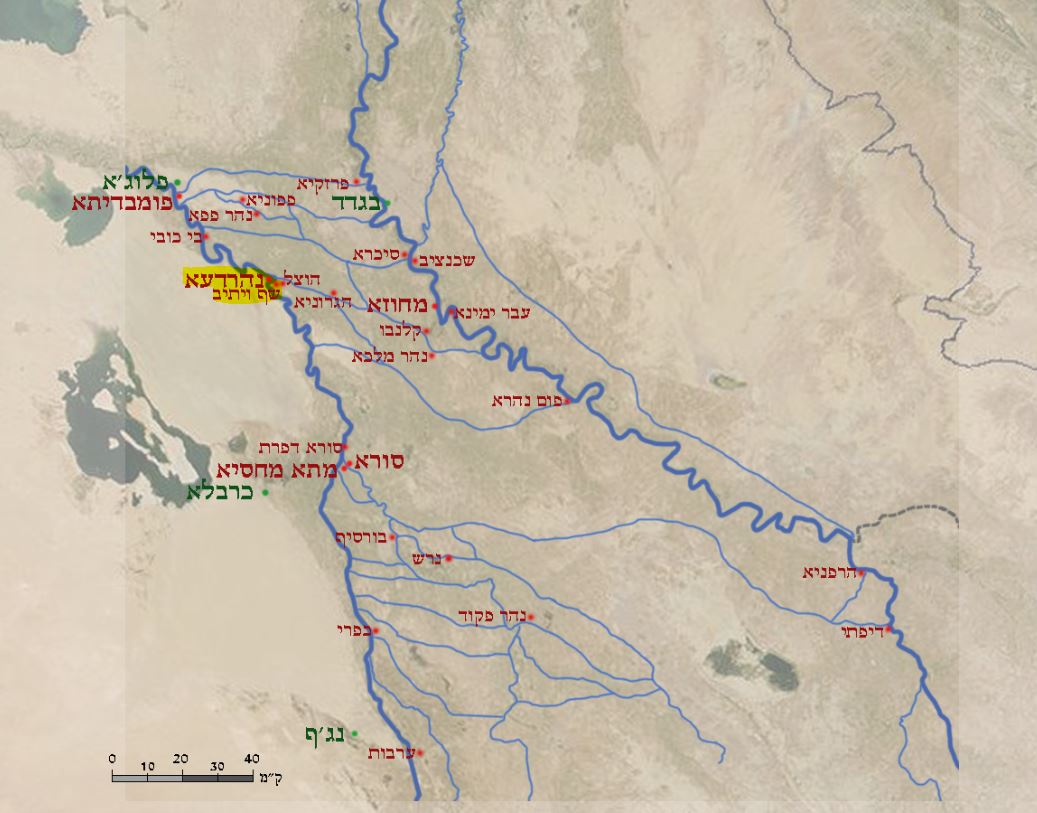
אָמְרִי נְהַרְדָּעֵי: לָא כָּתְבִינַן אוֹרָכְתָּא אַמִּטַּלְטְלִי. אָמַר רַב אָשֵׁי לְאַמֵּימָר: מַאי טַעְמָא? אֲמַר לֵיהּ: מִשּׁוּם דְּרַבִּי יוֹחָנָן,

§ The Sages of Neharde’a say: One cannot write a document of authorization [orakhta] to assign another to collect a debt or a deposit of movable property on his behalf. Rav Ashi said to Ameimar: What is the reason for this halakha? Ameimar said to him: It is due to a principle stated by Rabbi Yoḥanan.

דְּאָמַר רַבִּי יוֹחָנָן: גָּזַל וְלֹא נִתְיָיאֲשׁוּ הַבְּעָלִים – שְׁנֵיהֶם אֵינָן יְכוֹלִין לְהַקְדִּישׁ; זֶה לְפִי שֶׁאֵינוֹ שֶׁלּוֹ, וְזֶה לְפִי שֶׁאֵינוֹ בִּרְשׁוּתוֹ.

As Rabbi Yoḥanan says: If one stole an item and the owners have not yet despaired of recovering it, neither of them is able to consecrate it: This one, the thief, cannot consecrate the item because it does not belong to him, and that one, the owner, cannot consecrate it because it is not in his possession. The granting of authority to collect a debt involves the transfer of ownership of the item or money from the owner to the collector; otherwise the debtor could refuse to convey it to the collector. In the case of movable property, as it is being held by another, it is not in the possession of the owner; just as the owner cannot consecrate this item he cannot transfer ownership of it.

אִיכָּא דְּאָמְרִי, אָמְרִי נְהַרְדָּעֵי: לָא כָּתְבִינַן אוֹרָכְתָּא אַמִּטַּלְטְלִי דְּכַפְרֵיהּ. טַעְמָא דְּכַפְרֵיהּ, דְּמִיחֲזֵי כְּשִׁיקְרָא; אֲבָל לָא כַּפְרֵיהּ – כָּתְבִינַן.

There are those who state a different version of this halakha. The Sages of Neharde’a say: One cannot write a document of authorization for the collection of movable property that the bailee or debtor has denied owing. The Gemara infers: According to this version, the only reason the document cannot be written is that the bailee or debtor has denied owing the item, as a document written under these circumstances has the appearance of falsehood, since the purported owner is transferring ownership of an item over which his own ownership is in doubt. But it can be inferred that if the bailee or debtor did not deny owing the item, one can write a document of authorization.

וְאָמְרִי נְהַרְדָּעֵי: אוֹרָכְתָּא דְּלָא כְּתִיב בֵּיהּ ״זִיל דּוּן וּזְכִי וְאַפֵּיק לְנַפְשָׁךְ״ – לֵית בֵּיהּ מְשָׁשָׁא. מַאי טַעְמָא? מִשּׁוּם דְּאָמַר לֵיהּ הַאיְךְ: לָאו בַּעַל דְּבָרִים דִּידִי אַתְּ.

And the Sages of Neharde’a state another halakha with regard to this kind of document: A document of authorization in which it is not written: Go and take legal action against so-and-so and take possession of the owed property and collect it from him for yourself, has no substance, i.e., it is not a valid document. What is the reason for this? It is because the other party, the bailee or debtor, can say to the collector who presents a document without this clause: I am not legally answerable to you; I am willing to deal only with the person to whom the item is owed. To avoid this situation, the authorization document must transfer actual ownership of the item to the collector, who is now claiming it for himself.

אָמַר אַבָּיֵי: וְאִי כְּתִיב בֵּיהּ לְמֶחֱצָה לִשְׁלִישׁ וְלִרְבִיעַ, מִיגּוֹ דְּמִשְׁתַּעֵי דִּינָא אַפַּלְגָא, מִשְׁתַּעֵי דִּינָא אַכּוּלֵּהּ.

Abaye said: And if it is written in the document that the owner transferred ownership of only half of the item to the collector, or a third or a quarter of it, this is sufficient. The reason is that since the bailee or debtor must relate to the judgment, i.e., engage in litigation with the collector, over the half or third or quarter of the item that has been transferred to the collector, he must relate to the judgment concerning all of it.

אָמַר אַמֵּימָר: אִי תְּפַס – לָא מַפְּקִינַן מִינֵּיהּ. רַב אָשֵׁי אָמַר: כֵּיוָן דְּכַתְבֵיהּ לֵיהּ ״כֹּל דְּמִתְעֲנֵי מִן דִּינָא קַבֵּילִית עֲלַי״ – שָׁלִיחַ שַׁוְּיֵהּ.

Ameimar said: If the collector who is empowered by the authorization seized the item he collected and kept it for himself, the court does not take it away from him, as the owner transferred ownership of the item to him in the document of authorization, as explained above. Rav Ashi disagreed with Ameimar and said: Since the owner wrote to the collector: I accept upon myself anything that develops as a result of this legal process, he has in effect rendered the collector an agent to act on his behalf, and therefore the agent cannot seize the item for himself.

וְאִיכָּא דְּאָמַר: שׁוּתָּפָא שַׁוְּיֵהּ. לְמַאי נָפְקָא מִינַּהּ? לְמִיתְפַּס פַּלְגָא. וְהִלְכְתָא: שָׁלִיחַ שַׁוְּיֵהּ.

And there is another opinion that states: The owner renders the collector a partner in the collected item, transferring ownership of half of it to him while maintaining ownership over the other half. The Gemara asks: What is the practical difference between this opinion and that of Rav Ashi? The Gemara answers: The difference is whether the collector has the power to seize half of the collected item for himself. If he is merely an agent of the owner, he cannot seize anything; if he is a partner he can seize up to half. The Gemara concludes: And the halakha is that the owner renders the collector his agent, and therefore this agent may not seize any portion of the collected item for himself.

מַתְנִי׳ גָּנַב עַל פִּי שְׁנַיִם, וְטָבַח וּמָכַר עַל פִּיהֶם, אוֹ עַל פִּי שְׁנַיִם אֲחֵרִים – מְשַׁלֵּם תַּשְׁלוּמֵי אַרְבָּעָה וַחֲמִשָּׁה.

MISHNA: The mishna lists a series of cases in which a thief is required to pay the fourfold or fivefold penalty. If one stole an animal, as established based on the testimony of two witnesses, and he subsequently slaughtered the animal or sold it, also based on the testimony of the same witnesses, or based on the testimony of two other witnesses, he pays the fourfold or fivefold payment.

גָּנַב וּמָכַר בְּשַׁבָּת; גָּנַב וּמָכַר לַעֲבוֹדָה זָרָה; גָּנַב וְטָבַח בְּיוֹם הַכִּפּוּרִים;

If one stole an animal and sold it on Shabbat, or if he stole it and sold it for idol worship, or if he stole it and slaughtered it on Yom Kippur, he pays the fourfold or fivefold payment. Although his sale or slaughter in these circumstances involved a sin, he is not liable to receive the death penalty for the sale and must consequently pay the fourfold or fivefold payment.

גָּנַב מִשֶּׁל אָבִיו וְטָבַח וּמָכַר, וְאַחַר כָּךְ מֵת אָבִיו; גָּנַב וְטָבַח, וְאַחַר כָּךְ הִקְדִּישׁ – מְשַׁלֵּם תַּשְׁלוּמֵי אַרְבָּעָה וַחֲמִשָּׁה.

If one stole an animal of his father’s and then slaughtered it or sold it, and afterward his father died and he inherited his father’s estate either on his own or in partnership with his brothers, or if he stole an animal and slaughtered it and afterward he consecrated it, he pays the fourfold or fivefold payment.

גָּנַב וְטָבַח לִרְפוּאָה אוֹ לִכְלָבִים; הַשּׁוֹחֵט וְנִמְצֵאת טְרֵיפָה; הַשּׁוֹחֵט חוּלִּין בַּעֲזָרָה – מְשַׁלֵּם תַּשְׁלוּמֵי אַרְבָּעָה וַחֲמִשָּׁה.

In the case of one who stole an animal and slaughtered it, not for the purpose of eating its meat, but to use it for medicinal purposes or to feed the meat to dogs, and likewise a thief who slaughters the animal to eat its meat but it was found to be an animal with a condition that will cause it to die within twelve months [tereifa], or a thief who slaughters a non-sacred animal in the Temple courtyard, he pays the fourfold or fivefold payment.

רַבִּי שִׁמְעוֹן פּוֹטֵר בִּשְׁנֵי אֵלּוּ.

Rabbi Shimon exempts the thief from the fourfold or fivefold payment in these last two cases, as he maintains that the legal status of an act of slaughter that is not fit for accomplishing its full ritual purpose is not considered an act of slaughter.

גְּמָ׳ לֵימָא מַתְנִיתִין דְּלָא כְּרַבִּי עֲקִיבָא?

GEMARA: The mishna teaches that if two witnesses testify about the theft of an animal and two others testify about its slaughter or sale, the thief pays the fourfold or fivefold payment. The Gemara suggests: Let us say that the mishna is not in accordance with the opinion of Rabbi Akiva, in his exposition of the verse: “Based on the testimony of two witnesses or on the testimony of three witnesses shall a matter be established” (Deuteronomy 19:15).

דְּאִי רַבִּי עֲקִיבָא, הָאָמַר: ״דָּבָר״ – וְלֹא חֲצִי דָבָר!

The Gemara elaborates: As, if it is in accordance with the opinion of Rabbi Akiva, the thief would be exempt from the fourfold or fivefold payment, as doesn’t Rabbi Akiva say that this verse teaches that witnesses’ testimony must refer to an entire matter, and not part of a matter? In the case discussed by the mishna the second set of witnesses testifies only that this man slaughtered or sold an ox or sheep, not that he stole it, and therefore their testimony alone would not render the thief liable to pay anything.

דְּתַנְיָא, אָמַר רַבִּי יוֹסֵי: כְּשֶׁהָלַךְ אַבָּא חֲלַפְתָּא אֵצֶל רַבִּי יוֹחָנָן בֶּן נוּרִי לִלְמוֹד תּוֹרָה, וְאָמְרִי לַהּ: רַבִּי יוֹחָנָן בֶּן נוּרִי אֵצֶל אַבָּא

As it is taught in the Tosefta (Bava Batra 2:4) that Rabbi Yosei said: When father Ḥalafta went to study Torah with Rabbi Yoḥanan ben Nuri, and some say that he said: When Rabbi Yoḥanan ben Nuri went to study Torah with father

חֲלַפְתָּא, אָמַר לוֹ:

Ḥalafta, he said to him the following in the course of their discussion of the halakhot of possession.

הֲרֵי שֶׁאֲכָלָהּ שָׁנָה רִאשׁוֹנָה בִּפְנֵי שְׁנַיִם, שְׁנִיָּה בִּפְנֵי שְׁנַיִם, שְׁלִישִׁית בִּפְנֵי שְׁנַיִם, מַהוּ?

If one has been in possession of real estate for three years, this serves as proof of his claim that he is the legal owner. One who is able to prove uninterrupted possession for the necessary period is not required to produce documentary evidence of his legal title to the property. Rabbi Yoḥanan ben Nuri or father Ḥalafta asked: If one harvested and ate the produce of a field that he claims as his own the first year of the three years required for establishing possession of the land in the presence of two witnesses, and subsequently ate the produce of the second year in the presence of two other witnesses, and finally ate the produce of the third year in the presence of yet two other witnesses, what is the halakha? Can the three testimonies combine to establish full testimony that he ate the produce of three years, thereby confirming his ownership of the field?

אָמַר לוֹ: הֲרֵי זוֹ חֲזָקָה. אָמַר לוֹ: אַף אֲנִי אוֹמֵר כֵּן, אֶלָּא שֶׁרַבִּי עֲקִיבָא חוֹלֵק בַּדָּבָר. שֶׁהָיָה רַבִּי עֲקִיבָא אוֹמֵר: ״דָּבָר״ – וְלֹא חֲצִי דָבָר.

Rabbi Ḥalafta said to Rabbi Yoḥanan ben Nuri, or vice versa: This is considered to establish presumptive ownership by the one who ate the produce. The other Sage said to him: I too say that this is so, but Rabbi Akiva disputes this matter, as Rabbi Akiva would say: The Torah requires that witnesses must testify with regard to a complete matter and not part of a matter. Since there must be testimony concerning consumption of the produce over three years, and each set of witnesses establishes only that it took place for one year, their separate testimonies do not combine. If so, the mishna is apparently not in accordance with the opinion of Rabbi Akiva.

אָמַר אַבָּיֵי: אֲפִילּוּ תֵּימָא רַבִּי עֲקִיבָא – מִי לָא מוֹדֶה רַבִּי עֲקִיבָא בִּשְׁנַיִם אוֹמְרִים ״קִידֵּשׁ״ וּשְׁנַיִם אוֹמְרִים ״בָּעַל״,

The Gemara rejects this assertion. Abaye said: You can even say that the mishna is in accordance with the opinion of Rabbi Akiva. Doesn’t Rabbi Akiva concede that in a case where two witnesses say: So-and-so betrothed a certain woman, and two other witnesses say: Someone else subsequently engaged in sexual intercourse with that same woman, this is proof that the act of intercourse was adulterous?

דְּאַף עַל גַּב דְּעֵדֵי בִיאָה צְרִיכִי לְעֵדֵי קִדּוּשִׁין – כֵּיוָן דְּעֵדֵי קִדּוּשִׁין לָא צְרִיכִי לְעֵדֵי בִיאָה, ״דָּבָר״ קָרֵינָא בֵּיהּ?

The reason for this is that even though the witnesses testifying about the intercourse require the witnesses who testify about the betrothal, i.e., the testimony of the second set of witnesses is meaningless without the testimony of the first witnesses, nevertheless, since the witnesses testifying about the betrothal do not require the witnesses who testify about the intercourse, i.e., their testimony by itself establishes a halakhic status, we call the testimony of each pair a complete matter.

הָכָא נָמֵי, אַף עַל גַּב דְּעֵדֵי טְבִיחָה צְרִיכִי לְעֵדֵי גְנֵיבָה – כֵּיוָן דְּעֵדֵי גְנֵיבָה לָא צְרִיכִי לְעֵדֵי טְבִיחָה, ״דָּבָר״ קָרֵינָא בֵּיהּ.

Here too, the same logic applies in the case of a thief who steals an animal and subsequently slaughters or sells it: Even though the witnesses who testify about the slaughter require the testimony of the witnesses about the theft in order for their testimony to have any halakhic significance, since the witnesses testifying about the theft do not require the testimony of the witnesses who testify about the slaughter, as their testimony alone establishes that person as a thief who is liable to pay the double payment, we call the testimony of each pair a complete matter.

וְרַבָּנַן – הַאי ״דָּבָר״ וְלֹא חֲצִי דָבָר, לְמַעוֹטֵי מַאי? לְמַעוֹטֵי אֶחָד אוֹמֵר אֶחָד בְּגַבָּהּ, וְאֶחָד אוֹמֵר אֶחָד בִּכְרֵיסָהּ.

The Gemara asks: And according to the opinion of the Rabbis, who disagree with Rabbi Akiva that the Torah stipulates that testimony must be about a matter and not half of a matter, the term “matter” (Deuteronomy 19:15) serves to exclude what? The Gemara answers: It serves to exclude a case involving testimony that a girl has reached majority, in which one witness says that he saw one hair on her lower back, and one witness says that he saw one hair on her lower abdomen. A girl is considered to have reached maturity when she has two pubic hairs. In this case, two witnesses separately testify that they have each seen one hair, and therefore each testimony is halakhically meaningless on its own. The Rabbis derive from the verse that these testimonies do not combine.

הַאי חֲצִי דָבָר וַחֲצִי עֵדוּת הוּא!

The Gemara raises a difficulty: In this case each testimony is obviously invalid, as it is half a matter and also half a testimony. Not only does each testimony refer to one hair, which is half a matter, it is submitted by one witness, which is half a testimony. Consequently, it is obvious that the girl is not considered of age in this case.

אֶלָּא לְמַעוֹטֵי שְׁנַיִם אוֹמְרִים אֶחָד בְּגַבָּהּ, וּשְׁנַיִם אוֹמְרִים אֶחָד בִּכְרֵיסָהּ – הָנֵי אָמְרִי קְטַנָּה הִיא, וְהָנֵי אָמְרִי קְטַנָּה הִיא.

The Gemara therefore rejects this explanation. Rather, the Rabbis maintain that the term “matter” serves to exclude a case in which two witnesses say that they saw one hair on a girl’s back, and two other witnesses say that they saw one hair on her lower abdomen. In this case the testimony of either set of witnesses concerns only one hair, and therefore these witnesses are essentially saying that she is still a minor and those witnesses are saying that she is still a minor. Therefore, each testimony concerns only half of a matter.

גָּנַב וּמָכַר בְּשַׁבָּת [וְכוּ׳]. וְהָתַנְיָא: פָּטוּר!

§ The mishna teaches: If one stole an animal and sold it on Shabbat, he pays the fourfold or fivefold payment. The Gemara asks: But isn’t it taught in a baraita that in this case he is exempt from the fourfold or fivefold payment?

אָמַר רָמֵי בַּר חָמָא: כִּי תַּנְיָא הָהִיא דְּפָטוּר – בְּאוֹמֵר לוֹ: ״עֲקוֹץ לְךָ תְּאֵינָה מִתְּאֵינָתִי, וְתִיקְּנֵי לִי גְּנֵיבוּתָיךְ״.

Rami bar Ḥama said: When it is taught in that baraita that he is exempt, this is referring to a case where the purchaser says to the thief: Pick off a fig for yourself from my fig tree on Shabbat, and through performing this act your stolen animal shall be acquired by me. Since the act of acquisition of the animal involved the type of Shabbat desecration for which one is liable to receive the death penalty, the thief is exempt from the monetary obligations he would ordinarily incur from this act, i.e., the fourfold or fivefold payment to the animal’s prior owner. This is in accordance with the principle that one who commits two or more transgressions by means of a single act, both of which entail punishment, is exempt from the lesser punishment.

אָמְרִי: וְכֵיוָן דְּכִי תָבַע לֵיהּ קַמַּן בְּדִינָא לָא אָמְרִינַן לֵיהּ: ״זִיל שַׁלֵּים״ – דְּמִחַיַּיב בְּנַפְשׁוֹ הוּא; הָא מְכִירָה נָמֵי לָאו מְכִירָה הִיא!

The Sages say, questioning this explanation of the baraita: But since, if the purchaser would bring a legal claim against the thief before us, to force him to deliver the animal acquired by means of picking the fig, the court would not say to the thief: Go and pay him the animal you owe him, because the thief is liable to receive the death penalty for his desecration of Shabbat, this shows that the sale is not a valid sale at all. Therefore, the baraita would not call this exchange a sale and this interpretation of the baraita cannot be correct.

אֶלָּא אָמַר רַב פָּפָּא, בְּאוֹמֵר לוֹ: ״זְרוֹק גְּנֵיבוּתָיךְ לַחֲצֵרִי, וְתִיקְּנֵי לִי גְּנֵיבוּתָיךְ״.

Rather, Rav Pappa said: The baraita is discussing a case where the purchaser said to the thief: Throw your stolen animal from the public domain into my enclosed courtyard, and your stolen animal will thereby be acquired by me. One can acquire an item if it is placed on his property. In this case, when the thief places the animal on the purchaser’s property he moves it from the public domain into the private domain, which is a desecration of Shabbat that entails the death penalty. Consequently, he is exempt from the fourfold or fivefold payment.

כְּמַאן? כְּרַבִּי עֲקִיבָא, דְּאָמַר: קְלוּטָה – כְּמִי שֶׁהוּנְּחָה דָּמְיָא.

The Gemara asks: If this is the correct explanation of the baraita, in accordance with whose opinion is the baraita taught? It is in accordance with the opinion of Rabbi Akiva, who says: An item in the airspace of a certain area is considered as though it were at rest in that area.

דְּאִי כְּרַבָּנַן, כֵּיוָן דְּמָטְיָא לַחֲצַר בֵּיתוֹ – קָנָה, לְעִנְיַן שַׁבָּת – לָא מְחַיַּיב עַד דְּמָטְיָא לְאַרְעָא!

As, if the baraita is in accordance with the opinion of the Rabbis, who hold that an item in the airspace of a certain area is not considered as though it were at rest in that area, once the animal reaches the airspace of the courtyard of the purchaser’s house he has acquired it, as one can acquire items that are in the airspace of his courtyard just like those on its ground, whereas with regard to moving an item from one domain to another on Shabbat the thief is not liable for Shabbat desecration until it reaches the ground. Since the thief’s monetary liability is not simultaneous with his incurring of the death penalty, he would not be exempt from payment.

בְּאוֹמֵר: ״לֹא תִּיקְּנֵי לִי גְּנֵיבוּתָיךְ עַד שֶׁתָּנוּחַ״.

The Gemara answers: It is possible that the baraita is in accordance with the opinion of the Rabbis as well, as one can explain that it is speaking of a case in which the purchaser says to the thief: Your stolen animal shall not be acquired by me until it rests on the ground. In that case, the acquisition of the animal and the Shabbat desecration are simultaneous.

רָבָא אָמַר: לְעוֹלָם כְּרָמֵי בַּר חָמָא; אֶתְנַן אָסְרָה תּוֹרָה – וַאֲפִילּוּ בָּא עַל אִמּוֹ; וְאִי תָּבְעָה לֵיהּ קַמַּן בְּדִינָא, מִי אָמְרִינַן לֵיהּ: ״קוּם הַב לַהּ אֶתְנַן״?!

Rava said: Actually, it is possible to explain the baraita as Rami bar Ḥama did, that the animal was acquired through the picking of a fig on Shabbat. And the objection raised earlier, that this act should not be considered a sale at all, is incorrect. This can be demonstrated by the fact that the Torah prohibits one to bring as an offering an animal given as the payment to a prostitute for services rendered (Deuteronomy 23:19). And this prohibition applies even if the man in question engaged in intercourse with his own mother, which is a capital offense. But if she would bring a legal claim before us, demanding the payment of the animal that was agreed upon as her fee, would we say to him: Arise and pay her the animal? The court would not say this, as the monetary liability was incurred simultaneously with the commission of a capital crime.

אֶלָּא אַף עַל גַּב דְּכִי קָא תָבְעָה לֵיהּ בְּדִינָא – לָא אָמְרִינַן לֵיהּ ״זִיל הַב לָהּ״, כֵּיוָן דְּכִי יָהֵיב לַהּ – הָוֵי אֶתְנַן; הָכָא נָמֵי, אַף עַל גַּב דִּלְעִנְיַן תַּשְׁלוּמִין – אִי תָּבַע [לֵיהּ] בְּדִינָא קַמַּן לָא אָמְרִינַן לֵיהּ ״זִיל שַׁלֵּים״,

Rather, one must say that even though if she brings a legal claim against him demanding the payment of the animal that was agreed upon as her fee we do not say to him: Go and pay her, nevertheless, since if he does give it to her it is considered payment to a prostitute, it cannot be used as an offering. Here too, in the case of the acquisition of the animal through picking a fig, even though with regard to payment, if the purchaser would bring a legal claim before us against the thief, seeking to force him to deliver the animal, we would not say to him: Go pay,

Today’s daily daf tools:

Delve Deeper

Broaden your understanding of the topics on this daf with classes and podcasts from top women Talmud scholars.

For the Beyond the Daf shiurim offered in Hebrew, see here.

New to Talmud?

Check out our resources designed to help you navigate a page of Talmud – and study at the pace, level and style that fits you. 

The Hadran Women’s Tapestry

Meet the diverse women learning Gemara at Hadran and hear their stories. 

It happened without intent (so am I yotzei?!) – I watched the women’s siyum live and was so moved by it that the next morning, I tuned in to Rabbanit Michelle’s shiur, and here I am, still learning every day, over 2 years later. Some days it all goes over my head, but others I grasp onto an idea or a story, and I ‘get it’ and that’s the best feeling in the world. So proud to be a Hadran learner.

Jeanne Yael Klempner

Zichron Yaakov, Israel

I started my journey on the day I realized that the Siyum was happening in Yerushalayim and I was missing out. What? I told myself. How could I have not known about this? How can I have missed out on this opportunity? I decided that moment, I would start Daf Yomi and Nach Yomi the very next day. I am so grateful to Hadran. I am changed forever because I learn Gemara with women. Thank you.

Linda Brownstein
Linda Brownstein

Mitspe, Israel

I heard the new Daf Yomi cycle was starting and I was curious, so I searched online for a women’s class and was pleasently surprised to find Rabanit Michelle’s great class reviews in many online articles. It has been a splendid journey. It is a way to fill my days with Torah, learning so many amazing things I have never heard before during my Tanach learning at High School. Thanks so much .

Martha Tarazi
Martha Tarazi

Panama, Panama

Geri Goldstein got me started learning daf yomi when I was in Israel 2 years ago. It’s been a challenge and I’ve learned a lot though I’m sure I miss a lot. I quilt as I listen and I want to share what I’ve been working on.

Rebecca Stulberg
Rebecca Stulberg

Ottawa, Canada

A few years back, after reading Ilana Kurshan’s book, “If All The Seas Were Ink,” I began pondering the crazy, outlandish idea of beginning the Daf Yomi cycle. Beginning in December, 2019, a month before the previous cycle ended, I “auditioned” 30 different podcasts in 30 days, and ultimately chose to take the plunge with Hadran and Rabbanit Michelle. Such joy!

Cindy Dolgin
Cindy Dolgin

HUNTINGTON, United States

I started learning Dec 2019 after reading “If all the Seas Were Ink”. I found
Daily daf sessions of Rabbanit Michelle in her house teaching, I then heard about the siyum and a new cycle starting wow I am in! Afternoon here in Sydney, my family and friends know this is my sacred time to hide away to live zoom and learn. Often it’s hard to absorb and relate then a gem shines touching my heart.

Dianne Kuchar
Dianne Kuchar

Dover Heights, Australia

I began my Daf Yomi journey on January 5, 2020. I had never learned Talmud before. Initially it struck me as a bunch of inane and arcane details with mind bending logic. I am now smitten. Rabbanit Farber brings the page to life and I am eager to learn with her every day!

Lori Stark
Lori Stark

Highland Park, United States

A beautiful world of Talmudic sages now fill my daily life with discussion and debate.
bringing alive our traditions and texts that has brought new meaning to my life.
I am a מגילת אסתר reader for women . the words in the Mishna of מסכת megillah 17a
הקורא את המגילה למפרע לא יצא were powerful to me.
I hope to have the zchut to complete the cycle for my 70th birthday.

Sheila Hauser
Sheila Hauser

Jerusalem, Israel

I have joined the community of daf yomi learners at the start of this cycle. I have studied in different ways – by reading the page, translating the page, attending a local shiur and listening to Rabbanit Farber’s podcasts, depending on circumstances and where I was at the time. The reactions have been positive throughout – with no exception!

Silke Goldberg
Silke Goldberg

Guildford, United Kingdom

I started learning Daf in Jan 2020 with Brachot b/c I had never seen the Jewish people united around something so positive, and I wanted to be a part of it. Also, I wanted to broaden my background in Torah Shebal Peh- Maayanot gave me a great gemara education, but I knew that I could hold a conversation in most parts of tanach but almost no TSB. I’m so thankful for Daf and have gained immensely.

Meira Shapiro
Meira Shapiro

NJ, United States

I began learning the daf in January 2022. I initially “flew under the radar,” sharing my journey with my husband and a few close friends. I was apprehensive – who, me? Gemara? Now, 2 years in, I feel changed. The rigor of a daily commitment frames my days. The intellectual engagement enhances my knowledge. And the virtual community of learners has become a new family, weaving a glorious tapestry.

Gitta Jaroslawicz-Neufeld

Far Rockaway, United States

What a great experience to learn with Rabbanit Michelle Farber. I began with this cycle in January 2020 and have been comforted by the consistency and energy of this process throughout the isolation period of Covid. Week by week, I feel like I am exploring a treasure chest with sparkling gems and puzzling antiquities. The hunt is exhilarating.

Marian Frankston
Marian Frankston

Pennsylvania, United States

I started learning Daf Yomi to fill what I saw as a large gap in my Jewish education. I also hope to inspire my three daughters to ensure that they do not allow the same Talmud-sized gap to form in their own educations. I am so proud to be a part of the Hadran community, and I have loved learning so many of the stories and halachot that we have seen so far. I look forward to continuing!
Dora Chana Haar
Dora Chana Haar

Oceanside NY, United States

A beautiful world of Talmudic sages now fill my daily life with discussion and debate.
bringing alive our traditions and texts that has brought new meaning to my life.
I am a מגילת אסתר reader for women . the words in the Mishna of מסכת megillah 17a
הקורא את המגילה למפרע לא יצא were powerful to me.
I hope to have the zchut to complete the cycle for my 70th birthday.

Sheila Hauser
Sheila Hauser

Jerusalem, Israel

I started learning at the beginning of this Daf Yomi cycle because I heard a lot about the previous cycle coming to an end and thought it would be a good thing to start doing. My husband had already bought several of the Koren Talmud Bavli books and they were just sitting on the shelf, not being used, so here was an opportunity to start using them and find out exactly what was in them. Loving it!

Caroline Levison
Caroline Levison

Borehamwood, United Kingdom

It’s hard to believe it has been over two years. Daf yomi has changed my life in so many ways and has been sustaining during this global sea change. Each day means learning something new, digging a little deeper, adding another lens, seeing worlds with new eyes. Daf has also fostered new friendships and deepened childhood connections, as long time friends have unexpectedly become havruta.

Joanna Rom
Joanna Rom

Northwest Washington, United States

I’ve been studying Talmud since the ’90s, and decided to take on Daf Yomi two years ago. I wanted to attempt the challenge of a day-to-day, very Jewish activity. Some days are so interesting and some days are so boring. But I’m still here.
Wendy Rozov
Wendy Rozov

Phoenix, AZ, United States

Since I started in January of 2020, Daf Yomi has changed my life. It connects me to Jews all over the world, especially learned women. It makes cooking, gardening, and folding laundry into acts of Torah study. Daf Yomi enables me to participate in a conversation with and about our heritage that has been going on for more than 2000 years.

Shira Eliaser
Shira Eliaser

Skokie, IL, United States

I started learning daf in January, 2020, being inspired by watching the Siyyum Hashas in Binyanei Haumah. I wasn’t sure I would be able to keep up with the task. When I went to school, Gemara was not an option. Fast forward to March, 2022, and each day starts with the daf. The challenge is now learning the intricacies of delving into the actual learning. Hadran community, thank you!

Rochel Cheifetz
Rochel Cheifetz

Riverdale, NY, United States

My family recently made Aliyah, because we believe the next chapter in the story of the Jewish people is being written here, and we want to be a part of it. Daf Yomi, on the other hand, connects me BACK, to those who wrote earlier chapters thousands of years ago. So, I feel like I’m living in the middle of this epic story. I’m learning how it all began, and looking ahead to see where it goes!
Tina Lamm
Tina Lamm

Jerusalem, Israel

Bava Kamma 70

כִּסְתָם יְחִידָאָה לָא אָמַר.

did not say to apply his principle, that the halakha is always in accordance with an unattributed mishna, in a case where the mishna expresses the opinion of an individual Sage. According to this interpretation Rabbi Yoḥanan does not rule in accordance with the mishna, due to the fact that it represents the opinion of an individual Sage, Rabbi Dosa. Rather, he follows the majority opinion. Yet now that Rabbi Yoḥanan said that the pious ones and Rabbi Dosa said the same thing, it cannot be claimed that they are one and the same Sage. Consequently, the ruling of the mishna is evidently accepted by at least two Sages, and therefore the difficulty from the mishna cannot be resolved by assigning it to a single Sage.

אָמְרִי נְהַרְדָּעֵי: לָא כָּתְבִינַן אוֹרָכְתָּא אַמִּטַּלְטְלִי. אָמַר רַב אָשֵׁי לְאַמֵּימָר: מַאי טַעְמָא? אֲמַר לֵיהּ: מִשּׁוּם דְּרַבִּי יוֹחָנָן,

§ The Sages of Neharde’a say: One cannot write a document of authorization [orakhta] to assign another to collect a debt or a deposit of movable property on his behalf. Rav Ashi said to Ameimar: What is the reason for this halakha? Ameimar said to him: It is due to a principle stated by Rabbi Yoḥanan.

דְּאָמַר רַבִּי יוֹחָנָן: גָּזַל וְלֹא נִתְיָיאֲשׁוּ הַבְּעָלִים – שְׁנֵיהֶם אֵינָן יְכוֹלִין לְהַקְדִּישׁ; זֶה לְפִי שֶׁאֵינוֹ שֶׁלּוֹ, וְזֶה לְפִי שֶׁאֵינוֹ בִּרְשׁוּתוֹ.

As Rabbi Yoḥanan says: If one stole an item and the owners have not yet despaired of recovering it, neither of them is able to consecrate it: This one, the thief, cannot consecrate the item because it does not belong to him, and that one, the owner, cannot consecrate it because it is not in his possession. The granting of authority to collect a debt involves the transfer of ownership of the item or money from the owner to the collector; otherwise the debtor could refuse to convey it to the collector. In the case of movable property, as it is being held by another, it is not in the possession of the owner; just as the owner cannot consecrate this item he cannot transfer ownership of it.

אִיכָּא דְּאָמְרִי, אָמְרִי נְהַרְדָּעֵי: לָא כָּתְבִינַן אוֹרָכְתָּא אַמִּטַּלְטְלִי דְּכַפְרֵיהּ. טַעְמָא דְּכַפְרֵיהּ, דְּמִיחֲזֵי כְּשִׁיקְרָא; אֲבָל לָא כַּפְרֵיהּ – כָּתְבִינַן.

There are those who state a different version of this halakha. The Sages of Neharde’a say: One cannot write a document of authorization for the collection of movable property that the bailee or debtor has denied owing. The Gemara infers: According to this version, the only reason the document cannot be written is that the bailee or debtor has denied owing the item, as a document written under these circumstances has the appearance of falsehood, since the purported owner is transferring ownership of an item over which his own ownership is in doubt. But it can be inferred that if the bailee or debtor did not deny owing the item, one can write a document of authorization.

וְאָמְרִי נְהַרְדָּעֵי: אוֹרָכְתָּא דְּלָא כְּתִיב בֵּיהּ ״זִיל דּוּן וּזְכִי וְאַפֵּיק לְנַפְשָׁךְ״ – לֵית בֵּיהּ מְשָׁשָׁא. מַאי טַעְמָא? מִשּׁוּם דְּאָמַר לֵיהּ הַאיְךְ: לָאו בַּעַל דְּבָרִים דִּידִי אַתְּ.

And the Sages of Neharde’a state another halakha with regard to this kind of document: A document of authorization in which it is not written: Go and take legal action against so-and-so and take possession of the owed property and collect it from him for yourself, has no substance, i.e., it is not a valid document. What is the reason for this? It is because the other party, the bailee or debtor, can say to the collector who presents a document without this clause: I am not legally answerable to you; I am willing to deal only with the person to whom the item is owed. To avoid this situation, the authorization document must transfer actual ownership of the item to the collector, who is now claiming it for himself.

אָמַר אַבָּיֵי: וְאִי כְּתִיב בֵּיהּ לְמֶחֱצָה לִשְׁלִישׁ וְלִרְבִיעַ, מִיגּוֹ דְּמִשְׁתַּעֵי דִּינָא אַפַּלְגָא, מִשְׁתַּעֵי דִּינָא אַכּוּלֵּהּ.

Abaye said: And if it is written in the document that the owner transferred ownership of only half of the item to the collector, or a third or a quarter of it, this is sufficient. The reason is that since the bailee or debtor must relate to the judgment, i.e., engage in litigation with the collector, over the half or third or quarter of the item that has been transferred to the collector, he must relate to the judgment concerning all of it.

אָמַר אַמֵּימָר: אִי תְּפַס – לָא מַפְּקִינַן מִינֵּיהּ. רַב אָשֵׁי אָמַר: כֵּיוָן דְּכַתְבֵיהּ לֵיהּ ״כֹּל דְּמִתְעֲנֵי מִן דִּינָא קַבֵּילִית עֲלַי״ – שָׁלִיחַ שַׁוְּיֵהּ.

Ameimar said: If the collector who is empowered by the authorization seized the item he collected and kept it for himself, the court does not take it away from him, as the owner transferred ownership of the item to him in the document of authorization, as explained above. Rav Ashi disagreed with Ameimar and said: Since the owner wrote to the collector: I accept upon myself anything that develops as a result of this legal process, he has in effect rendered the collector an agent to act on his behalf, and therefore the agent cannot seize the item for himself.

וְאִיכָּא דְּאָמַר: שׁוּתָּפָא שַׁוְּיֵהּ. לְמַאי נָפְקָא מִינַּהּ? לְמִיתְפַּס פַּלְגָא. וְהִלְכְתָא: שָׁלִיחַ שַׁוְּיֵהּ.

And there is another opinion that states: The owner renders the collector a partner in the collected item, transferring ownership of half of it to him while maintaining ownership over the other half. The Gemara asks: What is the practical difference between this opinion and that of Rav Ashi? The Gemara answers: The difference is whether the collector has the power to seize half of the collected item for himself. If he is merely an agent of the owner, he cannot seize anything; if he is a partner he can seize up to half. The Gemara concludes: And the halakha is that the owner renders the collector his agent, and therefore this agent may not seize any portion of the collected item for himself.

מַתְנִי׳ גָּנַב עַל פִּי שְׁנַיִם, וְטָבַח וּמָכַר עַל פִּיהֶם, אוֹ עַל פִּי שְׁנַיִם אֲחֵרִים – מְשַׁלֵּם תַּשְׁלוּמֵי אַרְבָּעָה וַחֲמִשָּׁה.

MISHNA: The mishna lists a series of cases in which a thief is required to pay the fourfold or fivefold penalty. If one stole an animal, as established based on the testimony of two witnesses, and he subsequently slaughtered the animal or sold it, also based on the testimony of the same witnesses, or based on the testimony of two other witnesses, he pays the fourfold or fivefold payment.

גָּנַב וּמָכַר בְּשַׁבָּת; גָּנַב וּמָכַר לַעֲבוֹדָה זָרָה; גָּנַב וְטָבַח בְּיוֹם הַכִּפּוּרִים;

If one stole an animal and sold it on Shabbat, or if he stole it and sold it for idol worship, or if he stole it and slaughtered it on Yom Kippur, he pays the fourfold or fivefold payment. Although his sale or slaughter in these circumstances involved a sin, he is not liable to receive the death penalty for the sale and must consequently pay the fourfold or fivefold payment.

גָּנַב מִשֶּׁל אָבִיו וְטָבַח וּמָכַר, וְאַחַר כָּךְ מֵת אָבִיו; גָּנַב וְטָבַח, וְאַחַר כָּךְ הִקְדִּישׁ – מְשַׁלֵּם תַּשְׁלוּמֵי אַרְבָּעָה וַחֲמִשָּׁה.

If one stole an animal of his father’s and then slaughtered it or sold it, and afterward his father died and he inherited his father’s estate either on his own or in partnership with his brothers, or if he stole an animal and slaughtered it and afterward he consecrated it, he pays the fourfold or fivefold payment.

גָּנַב וְטָבַח לִרְפוּאָה אוֹ לִכְלָבִים; הַשּׁוֹחֵט וְנִמְצֵאת טְרֵיפָה; הַשּׁוֹחֵט חוּלִּין בַּעֲזָרָה – מְשַׁלֵּם תַּשְׁלוּמֵי אַרְבָּעָה וַחֲמִשָּׁה.

In the case of one who stole an animal and slaughtered it, not for the purpose of eating its meat, but to use it for medicinal purposes or to feed the meat to dogs, and likewise a thief who slaughters the animal to eat its meat but it was found to be an animal with a condition that will cause it to die within twelve months [tereifa], or a thief who slaughters a non-sacred animal in the Temple courtyard, he pays the fourfold or fivefold payment.

רַבִּי שִׁמְעוֹן פּוֹטֵר בִּשְׁנֵי אֵלּוּ.

Rabbi Shimon exempts the thief from the fourfold or fivefold payment in these last two cases, as he maintains that the legal status of an act of slaughter that is not fit for accomplishing its full ritual purpose is not considered an act of slaughter.

גְּמָ׳ לֵימָא מַתְנִיתִין דְּלָא כְּרַבִּי עֲקִיבָא?

GEMARA: The mishna teaches that if two witnesses testify about the theft of an animal and two others testify about its slaughter or sale, the thief pays the fourfold or fivefold payment. The Gemara suggests: Let us say that the mishna is not in accordance with the opinion of Rabbi Akiva, in his exposition of the verse: “Based on the testimony of two witnesses or on the testimony of three witnesses shall a matter be established” (Deuteronomy 19:15).

דְּאִי רַבִּי עֲקִיבָא, הָאָמַר: ״דָּבָר״ – וְלֹא חֲצִי דָבָר!

The Gemara elaborates: As, if it is in accordance with the opinion of Rabbi Akiva, the thief would be exempt from the fourfold or fivefold payment, as doesn’t Rabbi Akiva say that this verse teaches that witnesses’ testimony must refer to an entire matter, and not part of a matter? In the case discussed by the mishna the second set of witnesses testifies only that this man slaughtered or sold an ox or sheep, not that he stole it, and therefore their testimony alone would not render the thief liable to pay anything.

דְּתַנְיָא, אָמַר רַבִּי יוֹסֵי: כְּשֶׁהָלַךְ אַבָּא חֲלַפְתָּא אֵצֶל רַבִּי יוֹחָנָן בֶּן נוּרִי לִלְמוֹד תּוֹרָה, וְאָמְרִי לַהּ: רַבִּי יוֹחָנָן בֶּן נוּרִי אֵצֶל אַבָּא

As it is taught in the Tosefta (Bava Batra 2:4) that Rabbi Yosei said: When father Ḥalafta went to study Torah with Rabbi Yoḥanan ben Nuri, and some say that he said: When Rabbi Yoḥanan ben Nuri went to study Torah with father

חֲלַפְתָּא, אָמַר לוֹ:

Ḥalafta, he said to him the following in the course of their discussion of the halakhot of possession.

הֲרֵי שֶׁאֲכָלָהּ שָׁנָה רִאשׁוֹנָה בִּפְנֵי שְׁנַיִם, שְׁנִיָּה בִּפְנֵי שְׁנַיִם, שְׁלִישִׁית בִּפְנֵי שְׁנַיִם, מַהוּ?

If one has been in possession of real estate for three years, this serves as proof of his claim that he is the legal owner. One who is able to prove uninterrupted possession for the necessary period is not required to produce documentary evidence of his legal title to the property. Rabbi Yoḥanan ben Nuri or father Ḥalafta asked: If one harvested and ate the produce of a field that he claims as his own the first year of the three years required for establishing possession of the land in the presence of two witnesses, and subsequently ate the produce of the second year in the presence of two other witnesses, and finally ate the produce of the third year in the presence of yet two other witnesses, what is the halakha? Can the three testimonies combine to establish full testimony that he ate the produce of three years, thereby confirming his ownership of the field?

אָמַר לוֹ: הֲרֵי זוֹ חֲזָקָה. אָמַר לוֹ: אַף אֲנִי אוֹמֵר כֵּן, אֶלָּא שֶׁרַבִּי עֲקִיבָא חוֹלֵק בַּדָּבָר. שֶׁהָיָה רַבִּי עֲקִיבָא אוֹמֵר: ״דָּבָר״ – וְלֹא חֲצִי דָבָר.

Rabbi Ḥalafta said to Rabbi Yoḥanan ben Nuri, or vice versa: This is considered to establish presumptive ownership by the one who ate the produce. The other Sage said to him: I too say that this is so, but Rabbi Akiva disputes this matter, as Rabbi Akiva would say: The Torah requires that witnesses must testify with regard to a complete matter and not part of a matter. Since there must be testimony concerning consumption of the produce over three years, and each set of witnesses establishes only that it took place for one year, their separate testimonies do not combine. If so, the mishna is apparently not in accordance with the opinion of Rabbi Akiva.

אָמַר אַבָּיֵי: אֲפִילּוּ תֵּימָא רַבִּי עֲקִיבָא – מִי לָא מוֹדֶה רַבִּי עֲקִיבָא בִּשְׁנַיִם אוֹמְרִים ״קִידֵּשׁ״ וּשְׁנַיִם אוֹמְרִים ״בָּעַל״,

The Gemara rejects this assertion. Abaye said: You can even say that the mishna is in accordance with the opinion of Rabbi Akiva. Doesn’t Rabbi Akiva concede that in a case where two witnesses say: So-and-so betrothed a certain woman, and two other witnesses say: Someone else subsequently engaged in sexual intercourse with that same woman, this is proof that the act of intercourse was adulterous?

דְּאַף עַל גַּב דְּעֵדֵי בִיאָה צְרִיכִי לְעֵדֵי קִדּוּשִׁין – כֵּיוָן דְּעֵדֵי קִדּוּשִׁין לָא צְרִיכִי לְעֵדֵי בִיאָה, ״דָּבָר״ קָרֵינָא בֵּיהּ?

The reason for this is that even though the witnesses testifying about the intercourse require the witnesses who testify about the betrothal, i.e., the testimony of the second set of witnesses is meaningless without the testimony of the first witnesses, nevertheless, since the witnesses testifying about the betrothal do not require the witnesses who testify about the intercourse, i.e., their testimony by itself establishes a halakhic status, we call the testimony of each pair a complete matter.

הָכָא נָמֵי, אַף עַל גַּב דְּעֵדֵי טְבִיחָה צְרִיכִי לְעֵדֵי גְנֵיבָה – כֵּיוָן דְּעֵדֵי גְנֵיבָה לָא צְרִיכִי לְעֵדֵי טְבִיחָה, ״דָּבָר״ קָרֵינָא בֵּיהּ.

Here too, the same logic applies in the case of a thief who steals an animal and subsequently slaughters or sells it: Even though the witnesses who testify about the slaughter require the testimony of the witnesses about the theft in order for their testimony to have any halakhic significance, since the witnesses testifying about the theft do not require the testimony of the witnesses who testify about the slaughter, as their testimony alone establishes that person as a thief who is liable to pay the double payment, we call the testimony of each pair a complete matter.

וְרַבָּנַן – הַאי ״דָּבָר״ וְלֹא חֲצִי דָבָר, לְמַעוֹטֵי מַאי? לְמַעוֹטֵי אֶחָד אוֹמֵר אֶחָד בְּגַבָּהּ, וְאֶחָד אוֹמֵר אֶחָד בִּכְרֵיסָהּ.

The Gemara asks: And according to the opinion of the Rabbis, who disagree with Rabbi Akiva that the Torah stipulates that testimony must be about a matter and not half of a matter, the term “matter” (Deuteronomy 19:15) serves to exclude what? The Gemara answers: It serves to exclude a case involving testimony that a girl has reached majority, in which one witness says that he saw one hair on her lower back, and one witness says that he saw one hair on her lower abdomen. A girl is considered to have reached maturity when she has two pubic hairs. In this case, two witnesses separately testify that they have each seen one hair, and therefore each testimony is halakhically meaningless on its own. The Rabbis derive from the verse that these testimonies do not combine.

הַאי חֲצִי דָבָר וַחֲצִי עֵדוּת הוּא!

The Gemara raises a difficulty: In this case each testimony is obviously invalid, as it is half a matter and also half a testimony. Not only does each testimony refer to one hair, which is half a matter, it is submitted by one witness, which is half a testimony. Consequently, it is obvious that the girl is not considered of age in this case.

אֶלָּא לְמַעוֹטֵי שְׁנַיִם אוֹמְרִים אֶחָד בְּגַבָּהּ, וּשְׁנַיִם אוֹמְרִים אֶחָד בִּכְרֵיסָהּ – הָנֵי אָמְרִי קְטַנָּה הִיא, וְהָנֵי אָמְרִי קְטַנָּה הִיא.

The Gemara therefore rejects this explanation. Rather, the Rabbis maintain that the term “matter” serves to exclude a case in which two witnesses say that they saw one hair on a girl’s back, and two other witnesses say that they saw one hair on her lower abdomen. In this case the testimony of either set of witnesses concerns only one hair, and therefore these witnesses are essentially saying that she is still a minor and those witnesses are saying that she is still a minor. Therefore, each testimony concerns only half of a matter.

גָּנַב וּמָכַר בְּשַׁבָּת [וְכוּ׳]. וְהָתַנְיָא: פָּטוּר!

§ The mishna teaches: If one stole an animal and sold it on Shabbat, he pays the fourfold or fivefold payment. The Gemara asks: But isn’t it taught in a baraita that in this case he is exempt from the fourfold or fivefold payment?

אָמַר רָמֵי בַּר חָמָא: כִּי תַּנְיָא הָהִיא דְּפָטוּר – בְּאוֹמֵר לוֹ: ״עֲקוֹץ לְךָ תְּאֵינָה מִתְּאֵינָתִי, וְתִיקְּנֵי לִי גְּנֵיבוּתָיךְ״.

Rami bar Ḥama said: When it is taught in that baraita that he is exempt, this is referring to a case where the purchaser says to the thief: Pick off a fig for yourself from my fig tree on Shabbat, and through performing this act your stolen animal shall be acquired by me. Since the act of acquisition of the animal involved the type of Shabbat desecration for which one is liable to receive the death penalty, the thief is exempt from the monetary obligations he would ordinarily incur from this act, i.e., the fourfold or fivefold payment to the animal’s prior owner. This is in accordance with the principle that one who commits two or more transgressions by means of a single act, both of which entail punishment, is exempt from the lesser punishment.

אָמְרִי: וְכֵיוָן דְּכִי תָבַע לֵיהּ קַמַּן בְּדִינָא לָא אָמְרִינַן לֵיהּ: ״זִיל שַׁלֵּים״ – דְּמִחַיַּיב בְּנַפְשׁוֹ הוּא; הָא מְכִירָה נָמֵי לָאו מְכִירָה הִיא!

The Sages say, questioning this explanation of the baraita: But since, if the purchaser would bring a legal claim against the thief before us, to force him to deliver the animal acquired by means of picking the fig, the court would not say to the thief: Go and pay him the animal you owe him, because the thief is liable to receive the death penalty for his desecration of Shabbat, this shows that the sale is not a valid sale at all. Therefore, the baraita would not call this exchange a sale and this interpretation of the baraita cannot be correct.

אֶלָּא אָמַר רַב פָּפָּא, בְּאוֹמֵר לוֹ: ״זְרוֹק גְּנֵיבוּתָיךְ לַחֲצֵרִי, וְתִיקְּנֵי לִי גְּנֵיבוּתָיךְ״.

Rather, Rav Pappa said: The baraita is discussing a case where the purchaser said to the thief: Throw your stolen animal from the public domain into my enclosed courtyard, and your stolen animal will thereby be acquired by me. One can acquire an item if it is placed on his property. In this case, when the thief places the animal on the purchaser’s property he moves it from the public domain into the private domain, which is a desecration of Shabbat that entails the death penalty. Consequently, he is exempt from the fourfold or fivefold payment.

כְּמַאן? כְּרַבִּי עֲקִיבָא, דְּאָמַר: קְלוּטָה – כְּמִי שֶׁהוּנְּחָה דָּמְיָא.

The Gemara asks: If this is the correct explanation of the baraita, in accordance with whose opinion is the baraita taught? It is in accordance with the opinion of Rabbi Akiva, who says: An item in the airspace of a certain area is considered as though it were at rest in that area.

דְּאִי כְּרַבָּנַן, כֵּיוָן דְּמָטְיָא לַחֲצַר בֵּיתוֹ – קָנָה, לְעִנְיַן שַׁבָּת – לָא מְחַיַּיב עַד דְּמָטְיָא לְאַרְעָא!

As, if the baraita is in accordance with the opinion of the Rabbis, who hold that an item in the airspace of a certain area is not considered as though it were at rest in that area, once the animal reaches the airspace of the courtyard of the purchaser’s house he has acquired it, as one can acquire items that are in the airspace of his courtyard just like those on its ground, whereas with regard to moving an item from one domain to another on Shabbat the thief is not liable for Shabbat desecration until it reaches the ground. Since the thief’s monetary liability is not simultaneous with his incurring of the death penalty, he would not be exempt from payment.

בְּאוֹמֵר: ״לֹא תִּיקְּנֵי לִי גְּנֵיבוּתָיךְ עַד שֶׁתָּנוּחַ״.

The Gemara answers: It is possible that the baraita is in accordance with the opinion of the Rabbis as well, as one can explain that it is speaking of a case in which the purchaser says to the thief: Your stolen animal shall not be acquired by me until it rests on the ground. In that case, the acquisition of the animal and the Shabbat desecration are simultaneous.

רָבָא אָמַר: לְעוֹלָם כְּרָמֵי בַּר חָמָא; אֶתְנַן אָסְרָה תּוֹרָה – וַאֲפִילּוּ בָּא עַל אִמּוֹ; וְאִי תָּבְעָה לֵיהּ קַמַּן בְּדִינָא, מִי אָמְרִינַן לֵיהּ: ״קוּם הַב לַהּ אֶתְנַן״?!

Rava said: Actually, it is possible to explain the baraita as Rami bar Ḥama did, that the animal was acquired through the picking of a fig on Shabbat. And the objection raised earlier, that this act should not be considered a sale at all, is incorrect. This can be demonstrated by the fact that the Torah prohibits one to bring as an offering an animal given as the payment to a prostitute for services rendered (Deuteronomy 23:19). And this prohibition applies even if the man in question engaged in intercourse with his own mother, which is a capital offense. But if she would bring a legal claim before us, demanding the payment of the animal that was agreed upon as her fee, would we say to him: Arise and pay her the animal? The court would not say this, as the monetary liability was incurred simultaneously with the commission of a capital crime.

אֶלָּא אַף עַל גַּב דְּכִי קָא תָבְעָה לֵיהּ בְּדִינָא – לָא אָמְרִינַן לֵיהּ ״זִיל הַב לָהּ״, כֵּיוָן דְּכִי יָהֵיב לַהּ – הָוֵי אֶתְנַן; הָכָא נָמֵי, אַף עַל גַּב דִּלְעִנְיַן תַּשְׁלוּמִין – אִי תָּבַע [לֵיהּ] בְּדִינָא קַמַּן לָא אָמְרִינַן לֵיהּ ״זִיל שַׁלֵּים״,

Rather, one must say that even though if she brings a legal claim against him demanding the payment of the animal that was agreed upon as her fee we do not say to him: Go and pay her, nevertheless, since if he does give it to her it is considered payment to a prostitute, it cannot be used as an offering. Here too, in the case of the acquisition of the animal through picking a fig, even though with regard to payment, if the purchaser would bring a legal claim before us against the thief, seeking to force him to deliver the animal, we would not say to him: Go pay,

Want to follow content and continue where you left off?

Create an account today to track your progress, mark what you’ve learned, and follow the shiurim that speak to you.

Clear all items from this list?

This will remove ALL the items in this section. You will lose any progress or history connected to them. This is irreversible.

Cancel
Yes, clear all

Are you sure you want to delete this item?

You will lose any progress or history connected to this item.

Cancel
Yes, delete