








Bekhorot 17

Share this shiur:
Masechet Bekhorot is sponsored by Ahava Leibtag in loving memory of her father, Arthur Aaron, Asher ben Yaakov Yehuda v’Esther on his first yahrzeit. “You always said Talmud Torah was the best s’char. This one’s for you, Daddy.”
This week’s learning is sponsored by Tina Lamm for the refuah shleima for מעין ליאורה בת שלומית פייגא. “Our precious Maya”
Want to dedicate learning? Get started here:

Summary

The Gemara continues to analyze the dispute between Rav Huna and Rav Yehuda regarding the offspring generations of guaranteed livestock (tzon barzel) that one received from a non-Jew. It evaluates their views against the ruling of Rabban Shimon ben Gamliel in the Mishna and against the statement of the tanna kamma in the first clause (reisha) of the Mishna, demonstrating how each Amora reinterprets the words of both Rabban Shimon ben Gamliel and the tanna kamma.
Regarding a ewe that gives birth to a goat-like species or a goat that gives birth to a sheep-like species (nidmeh), a braita brought by Rav Oshaya from Nehardea records that Rabbi Meir obligates the offspring while the Sages exempt it. The Gemara clarifies the subject of their dispute. After rejecting the possibilities that it concerns firstborn status (bekhorah), first shearings (reishit hagez), or slaughtering a mother and child on the same day (oto veet beno), the Gemara returns to state that it indeed concerns firstborn status, but under special circumstances—presenting three options to explain the specific case in which they disagree and the precise point of dispute.
Rabbi Yochanan notes that Rabbi Meir agrees that the Rosh Chodesh goat offering (se’ir shel rosh chodesh) must come from a female goat born to a goat and not from a hybrid offspring (nidmeh). An objection is raised against him: no sacrifice may come from a nidmeh, as derived from an explicit exposition! To resolve this, the Gemara explains that both verse derivations are necessary.
The Gemara discusses the status of wool that came from a nidmeh (such as a ewe born to a goat). Such wool is exempt from the prohibition of mixed species (kilayim/ shaatnez), invalid for tekhelet threads in tzitzit, and immune to garment leprosy (nega’im), as derived by an analogy to flax (pishtan), which cannot have a nidmeh counterpart. Similarly, Rav Ashi rules that wine from a vine draped over a fig tree is invalid for altar libations (nesakhim).
The Mishna addresses a ewe that gives birth to two male lambs whose heads emerge simultaneously. Rabbi Yosi HaGelili holds both go to the kohen based on the plural verse “the males belong to Hashem”, whereas the Sages hold exact simultaneity is impossible (i efshar letzamtzem), so one belongs to the owner and one to the kohen. Rabbi Tarfon lets the kohen choose the better lamb, while Rabbi Akiva rules that the kohen receives the leaner one, with the second lamb grazing until it contracts a blemish; it remains liable for priestly gifts (matanot), whereas Rabbi Yosi exempts it. If one lamb dies, Rabbi Akiva rules that the burden of proof rests on the claimant (hamotzi mechavero alav hare’aya) and the animal remains with the owner.
In analyzing the principle of simultaneity/exactness (tzimtzum), the school of Rav Yannai asks whether human precision (beyedei adam) is possible according to the Sages, even if exact simultaneity at birth is impossible. They bring four examples—the red line on the Altar (chut hasikra), the dimensions of Sanctuary vessels, impurity in equal halves of a broken earthenware vessel, and a corpse found equidistant between two cities—to reach a conclusion, but each possibility is rejected.
Today’s daily daf tools:
Masechet Bekhorot is sponsored by Ahava Leibtag in loving memory of her father, Arthur Aaron, Asher ben Yaakov Yehuda v’Esther on his first yahrzeit. “You always said Talmud Torah was the best s’char. This one’s for you, Daddy.”
This week’s learning is sponsored by Tina Lamm for the refuah shleima for מעין ליאורה בת שלומית פייגא. “Our precious Maya”
Bekhorot 17
הַיְינוּ דַּאֲמַר לֵיהּ רַבָּן שִׁמְעוֹן בֶּן גַּמְלִיאֵל: אֲפִילּוּ עַד עֲשָׂרָה דּוֹרוֹת פְּטוּרִין. אֶלָּא לְרַב הוּנָא דְּאָמַר: לָא נָחֵית תַּנָּא קַמָּא לְדָרֵי, מַאי ״אֲפִילּוּ עַד עֲשָׂרָה דּוֹרוֹת״? אָמַר לְךָ רַב הוּנָא: רַבָּן שִׁמְעוֹן בֶּן גַּמְלִיאֵל אַ״הֶעֱמִיד״ קָאֵי דְּנָחֵית לְדָרֵי.
this is what Rabban Shimon ben Gamliel said to him: Even until ten generations, the offspring are exempt. But according to Rav Huna, who says that the first tanna did not descend to any generational levels, what is the meaning of the phrase: Even until ten generations? The Gemara responds: Rav Huna could have said to you that the statement of Rabban Shimon ben Gamliel is referring to the second case of the mishna, where the Jew established the offspring in place of the mothers, as in that case the first tanna also descends to generational levels.
תָּא שְׁמַע: הַמְקַבֵּל צֹאן בַּרְזֶל מִן הַגּוֹי — וְלָדוֹת פְּטוּרִין, וַולְדֵי וְלָדוֹת לֹא. תְּיוּבְתָּא דְרַב יְהוּדָה! אָמַר לָךְ רַב יְהוּדָה, אֵימָא: הֵן וּוַלְדוֹתֵיהֶן.
The Gemara comments: Come and hear an objection to the opinion of Rav Yehuda from the mishna: With regard to one who accepts animals as part of a guaranteed investment from a gentile, the direct offspring are exempt, and the offspring of the direct offspring are not exempt. This is apparently a conclusive refutation of the opinion of Rav Yehuda, who said that the offspring of the direct offspring are also exempt. The Gemara explains that Rav Yehuda could have said to you: I will say that the mishna means that they, the direct offspring, and their offspring are exempt. When the mishna said: The offspring are exempt, it was referring not to the offspring of the original animals given to the Jew, but to the offspring of those offspring.
אִיכָּא דְּאָמְרִי: הֵן וּוַלְדוֹתֵיהֶן פְּטוּרִין, תְּיוּבְתָּא דְּרַב הוּנָא! אָמַר לְךָ רַב הוּנָא: אֵימָא הֵן וְולָדוֹת — פָּטוּר, וַולְדֵי וְלָדוֹת — חַיָּיב.
The Gemara notes that there are those who say that there is a different version of this exchange: The mishna is actually written as: They, the direct offspring, and their offspring are exempt, which is apparently a conclusive refutation of the opinion of Rav Huna. The Gemara explains that Rav Huna could have said to you: One can say that the mishna means that they, i.e., the original animals given to the Jew, and their offspring are exempt. But the offspring of their direct offspring are obligated.
רָחֵל שֶׁיָּלְדָה מִין עֵז כּוּ׳. אֲתָא רַב אוֹשַׁעְיָא מִנְּהַרְדְּעָא, וְאַיְיתִי מַתְנִיתָא בִּידֵיהּ: רָחֵל בַּת עֵז, וְעֵז בַּת רָחֵל — רַבִּי מֵאִיר מְחַיֵּיב, וַחֲכָמִים פּוֹטְרִין.
§ The mishna teaches: A ewe that gave birth to a goat of sorts and a goat that gave birth to a ewe of sorts are not subject to the obligation of a firstborn. Rav Oshaya came from Neharde’a and brought a baraita in his hand: With regard to an animal that has the appearance of a ewe and that was born to a goat, or a goat that was born to a ewe, Rabbi Meir deems it obligated, and the Rabbis deem it exempt.
אֲמַר לֵיהּ רַב הוֹשַׁעְיָא לְרַבָּה: כִּי עָיְילַתְּ לְקַמֵּיהּ דְּרַב הוּנָא, בְּעִי מִינֵּיהּ: רַבִּי מֵאִיר מְחַיֵּיב לְמַאי? אִילֵימָא לִבְכוֹרָה — וְלֵית לֵיהּ לְרַבִּי מֵאִיר ״אַךְ בְּכוֹר שׁוֹר״ עַד שֶׁיְּהֵא הוּא שׁוֹר וּבְכוֹרוֹ שׁוֹר?
Rav Hoshaya said to Rabba: When you go before Rav Huna, ask him: With regard to what does Rabbi Meir deem it obligated? If we say that it is with regard to the mitzva of a firstborn, that is difficult: But doesn’t Rabbi Meir agree that the verse: “But the firstborn of an ox” (Numbers 18:17), teaches that an animal is included in the mitzva of a firstborn only if it is an ox and its firstborn is an ox? In other words, the mitzva of the firstborn applies only if the offspring has the appearance of its mother.
אֶלָּא לְרֵאשִׁית הַגֵּז, וְלֵית לֵיהּ הָא דְּתָנָא דְּבֵי רַבִּי יִשְׁמָעֵאל: כְּבָשִׂים שֶׁצַּמְרָן קָשֶׁה פְּטוּרִין מֵרֵאשִׁית הַגֵּז, שֶׁנֶּאֱמַר: ״וּמִגֵּז כְּבָשַׂי יִתְחַמָּם״?
Rather, Rabbi Meir’s ruling was with regard to the obligation of giving the first shearing of wool to the priest. The Gemara asks: But if so, doesn’t Rabbi Meir agree with that which the school of Rabbi Yishmael taught: Lambs whose fleece is tough are exempt from, i.e., not subject to giving, the first shearing of wool to the priest, as it is stated: “And if he were not warmed with the fleece of my sheep” (Job 31:20)? It is derived from this verse that only a fleece which is fit to warm a person, i.e., fleece that is soft, is classified as wool that must be given to the priest. Since the fleece of the goat-like offspring of a ewe is tough, it should be excluded from the mitzva of the first shearing.
אֲמַר לֵיהּ: נִיחְזֵי אֲנַן, הָכָא בְּמַאי עָסְקִינַן? בְּרָחֵל שֶׁיָּלְדָה מִין עֵז, וְאָבִיו תַּיִישׁ, וּבְחוֹשְׁשִׁין לְזֶרַע הָאָב לְעִנְיַן אוֹתוֹ וְאֶת בְּנוֹ קָמִיפַּלְגִי, דְּרַבִּי מֵאִיר סָבַר: חוֹשְׁשִׁין לְזֶרַע הָאָב, וְרַבָּנַן סָבְרִי: אֵין חוֹשְׁשִׁין לְזֶרַע הָאָב.
Rabba said to Rav Hoshaya: Let us see; what are we dealing with here? We are dealing with a ewe that gave birth to a goat of sorts and its father was a goat. And they disagree as to whether or not one needs to be concerned with the offspring’s paternity in terms of the matter of the prohibition against slaughtering itself and its offspring on the same day. As Rabbi Meir holds that one needs to be concerned with its paternity, and therefore one is liable for slaughtering the male goat and its goat-like offspring in a single day, and the Rabbis hold that one need not be concerned with its paternity.
אִי הָכִי, לִיפַּלְגוּ בְּחוֹשְׁשִׁין לְזֶרַע הָאָב בְּעָלְמָא, בִּפְלוּגְתָּא דַּחֲנַנְיָה וְרַבָּנַן!
The Gemara objects: But if that is so, then let us say that they disagree on whether or not one needs to be concerned with the offspring’s paternity in general, i.e., with regard to the prohibition against slaughtering an animal and its offspring on the same day, which is the subject of the dispute of Ḥananya and the Rabbis (see Ḥullin 78b). Instead of citing a dispute in the unusual case of a ewe that gave birth to a goat of sorts, the baraita should have simply stated that Rabbi Meir agrees with the opinion of Ḥananya that the prohibition against slaughtering an animal and its offspring applies even to a father and its offspring.
אֶלָּא, לְעוֹלָם לִבְכוֹרָה, וְהָכָא בְּמַאי עָסְקִינַן — בְּרָחֵל בַּת רָחֵל בַּת עֵז. מָר סָבַר: זִיל בָּתַר אִימֵּיהּ, וְהַאי לָאו נִדְמֶה הוּא.
Rather, Rabbi Meir’s ruling is actually with regard to the obligation of a firstborn, and here we are dealing with a ewe born to a ewe born to a goat, which means that the offspring is similar in appearance to its mother, but not to its grandmother. One Sage, Rabbi Meir, holds: Follow the appearance of an offspring’s mother to determine whether or not the mitzva of a firstborn applies, and as this offspring has the appearance of its mother, it does not have the status of an animal that resembles a different species. Accordingly, the mitzva of firstborn applies.
וּמָר סָבַר: זִיל בָּתַר אִימַּיהּ דְּאִימֵּיהּ, וְהַאי נִדְמֶה הוּא.
And one Sage, the Rabbis, holds: Follow the appearance of the mother of its mother to determine whether or not the mitzva of firstborn applies, and as this offspring does not have the appearance of its mother’s mother, it does have the status of an animal that resembles a different species. Consequently, the mitzva of firstborn does not apply.
וְאִיבָּעֵית אֵימָא, בְּרָחֵל בַּת עֵז בַּת רָחֵל, מָר סָבַר: חָזְרוּ שֵׂיֻיוֹת לִמְקוֹמָן, וּמָר סָבַר: לֹא חָזְרוּ שֵׂיֻיוֹת לִמְקוֹמָן.
And if you wish, say instead that we are dealing with a ewe born to a goat born to a ewe. One Sage, Rabbi Meir, holds: Its ovine nature was restored to its original state. That is, since the offspring resembles its older progenitor, the mitzva of firstborn applies. And one Sage, the Rabbis, holds: Its ovine nature was not restored to its original state, and in any case where the offspring is not like its mother, it is exempt from the mitzva of firstborn.
רַב אָשֵׁי אָמַר: כְּגוֹן שֶׁיֵּשׁ בּוֹ מִקְצָת סִימָנִין, וּמַאן חֲכָמִים? רַבִּי שִׁמְעוֹן, דְּאָמַר: עַד שֶׁיְּהֵא רֹאשׁוֹ וְרוּבּוֹ דּוֹמֶה לְאִמּוֹ.
The Gemara cites another interpretation of the baraita. Rav Ashi says: The baraita is referring to a case where the offspring has some of the characteristics of its mother, and the opinion of Rabbi Meir is that of the mishna here, which rules that the mitzva of firstborn applies to an offspring that has some of its mother’s characteristics. And who are the Rabbis who disagree with Rabbi Meir? It is Rabbi Shimon, who says: The offspring does not have firstborn status unless its head and the majority of its body are similar to the appearance of its mother.
אָמַר רַבִּי יוֹחָנָן: מוֹדֶה רַבִּי מֵאִיר בְּשָׂעִיר שֶׁל רֹאשׁ חֹדֶשׁ דְּבָעֵינַן בֶּן שְׂעִירָה, מַאי טַעְמָא? אָמַר קְרָא: ״אֶחָד״ הַמְיוּחָד וּבָא מִשֵּׁשֶׁת יְמֵי בְּרֵאשִׁית.
According to the second explanation of the baraita, Rabbi Meir maintains that a ewe born to a goat born to a ewe is counted a firstborn despite the fact that it does not resemble its mother. Rabbi Yoḥanan says: Nevertheless, Rabbi Meir concedes with regard to the goat of the New Moon offering that we require the son of a female goat. What is the reason? With regard to the New Moon offering the verse states: “And one male goat for a sin offering unto the Lord” (Numbers 28:15). The superfluous word “one” teaches that the offering must be particularly a goat, as it has been since the six days of Creation.
וְהָא מֵהָכָא נָפְקָא? מֵהָתָם נָפְקָא — ״שׁוֹר אוֹ כֶשֶׂב״ — פְּרָט לְכִלְאַיִם, ״אוֹ עֵז״ — פְּרָט לְנִדְמֶה.
The Gemara asks: But is this derived from here? Isn’t it derived from there: “When a bull, or a sheep, or a goat, is brought forth” (Leviticus 22:27), as the phrase “a bull, or a sheep” serves to exclude diverse kinds, i.e., an animal born from two different species of animals, while the phrase “or a goat” serves to exclude an animal that resembles a different species?
צְרִיכָא, דְּאִי מֵהָתָם הֲוָה אָמֵינָא: הָנֵי מִילֵּי הֵיכָא דְּלָא נְחַת לְדָרֵי, אֲבָל הֵיכָא דִּנְחַת — אֵימָא לָא. וְאִי מֵהָכָא הֲוָה אָמֵינָא: הָנֵי מִילֵּי לְגַבֵּי קׇרְבַּן חוֹבָה, אֲבָל נְדָבָה — לָא, צְרִיכָא.
The Gemara answers that both verses are necessary, as, had the halakha been derived only from there, the verse in Leviticus, I would say: That statement applies only where the resemblance to another species does not trace back to earlier generations, i.e., the animal does not resemble any of its progenitors, but in a case where it does trace back, I would say: No, the animal is fit for sacrifice. Therefore, it is derived from the verse in Numbers that the animal must be as it has been since the six days of Creation. And had it been derived only from here, the verse in Numbers, I would say: That statement applies only with regard to an obligatory offering, which is the subject of that verse, but in the case of a gift offering, the animal does not need to resemble its mother. Therefore, both verses are necessary.
אָמַר רַבִּי אַחָא בַּר יַעֲקֹב: הַכֹּל מוֹדִים דְּאֵין לוֹקִין עַל צַמְרוֹ מִשּׁוּם כִּלְאַיִם, שֶׁנֶּאֱמַר: ״לֹא תִלְבַּשׁ שַׁעַטְנֵז״, מָה פִּשְׁתָּן שֶׁלֹּא נִשְׁתַּנָּה — אַף צֶמֶר שֶׁלֹּא נִשְׁתַּנָּה.
The Gemara cites a series of statements discussing an animal that resembles another species. Rabbi Aḥa bar Yaakov says: Everyone concedes that one is not flogged due to the prohibition of diverse kinds for wearing its wool together with linen, as it is stated: “You shall not wear diverse kinds, wool and linen together” (Deuteronomy 22:11). Just as linen is a material that has not changed, so too, one is liable only for wearing wool from an animal that has not changed, i.e., an animal whose appearance does not differ from that of its progenitors.
אָמַר רַב פָּפָּא: הַכֹּל מוֹדִים שֶׁצַּמְרוֹ פָּסוּל לִתְכֵלֶת, שֶׁנֶּאֱמַר: ״לֹא תִלְבַּשׁ שַׁעַטְנֵז… גְּדִילִים תַּעֲשֶׂה לָךְ״, מָה פִּשְׁתָּן שֶׁלֹּא נִשְׁתַּנָּה — אַף צֶמֶר שֶׁלֹּא נִשְׁתַּנָּה.
Rav Pappa similarly says: Everyone concedes that the wool of an animal that resembles another species is unfit to be used as the sky-blue wool of ritual fringes, as it is stated: “You shall not wear diverse kinds…you shall make yourself twisted cords” (Deuteronomy 22:11–12). Just as linen is a material that has not changed, so too, only wool from an animal that has not changed may be used as the sky-blue wool.
אָמַר רַב נַחְמָן בַּר יִצְחָק: הַכֹּל מוֹדִים שֶׁאֵין צַמְרוֹ מִטַּמֵּא בִּנְגָעִים, שֶׁנֶּאֱמַר: ״בְּבֶגֶד צֶמֶר אוֹ בְּבֶגֶד פִּשְׁתִּים״, מָה פִּשְׁתִּים שֶׁלֹּא נִשְׁתַּנָּה — אַף צֶמֶר שֶׁלֹּא נִשְׁתַּנָּה.
Rav Naḥman bar Yitzḥak likewise says: Everyone concedes that its wool does not become ritually impure with leprous marks, as it is stated: “And when the mark of leprosy is in a garment, whether it be a woolen garment, or a linen garment” (Leviticus 13:47). Just as the linen of a garment has not changed, so too, only a garment made of wool from an animal that has not changed can become impure with leprous marks.
אָמַר רַב אָשֵׁי: אַף אָנוּ נֹאמַר, הִדְלָה הַגֶּפֶן עַל גַּבֵּי תְּאֵינָה — יֵינוֹ פָּסוּל לִנְסָכִים. מַאי טַעְמָא? ״זֶבַח וּנְסָכִים״ — מָה זֶבַח שֶׁלֹּא נִשְׁתַּנָּה, אַף נְסָכִים שֶׁלֹּא נִשְׁתַּנּוּ.
Rav Ashi says: Along these lines, we can say also that if one trellised a grapevine over a fig tree, its wine is unfit to be used for libations. What is the reason? The verse states: “An offering, and libations” (Leviticus 23:37). Just as an offering must be an animal that has not changed, so too, libations must come from wine produced by vines that were not changed.
מַתְקֵיף לַהּ רָבִינָא: הִדְלָה פִּשְׁתָּן עַל גַּבֵּי הִיגָא — הָכִי נָמֵי דְּלִישְׁתַּנֵּי? אִם כֵּן לָא מָצֵית אָמְרַתְּ ״מָה פִּשְׁתָּן שֶׁלֹּא נִשְׁתַּנָּה״, דְּהָא פִּשְׁתָּן נָמֵי מִשְׁתַּנֵּי! אֲמַר לֵיהּ: זֶה נִשְׁתַּנָּה רֵיחוֹ, וְזֶה לֹא נִשְׁתַּנָּה רֵיחוֹ.
Ravina objects to this suggestion: By that reasoning, if one trellised flax over a shrub, it should also be considered a changed product. But if so, you cannot say what Rabbi Aḥa bar Yaakov said in his earlier statement: Just as linen is a material that has not changed, as linen also changes according to Rav Ashi’s reasoning. Rav Ashi said to Ravina: With regard to this wine, its scent has changed, but with regard to that flax, its scent has not changed, and therefore its alteration is considered inconsequential.
מַתְנִי׳ רָחֵל שֶׁלֹּא בִּיכְּרָה וְיָלְדָה שְׁנֵי זְכָרִים, וְיָצְאוּ שְׁנֵי רָאשֵׁיהֶן כְּאַחַת — רַבִּי יוֹסֵי הַגְּלִילִי אוֹמֵר: שְׁנֵיהֶן לַכֹּהֵן, שֶׁנֶּאֱמַר: ״הַזְּכָרִים לַה׳״, וַחֲכָמִים אוֹמְרִים: אִי אֶפְשָׁר לְצַמְצֵם, אֶלָּא אֶחָד לוֹ וְאֶחָד לַכֹּהֵן.
MISHNA: In the case of a ewe that had not previously given birth, and it gave birth to two males and both their heads emerged as one, Rabbi Yosei HaGelili says: Both of them are given to the priest, as it is stated in the plural: “Every firstborn that you have of animals, the males shall be to the Lord” (Exodus 13:12). And the Rabbis say: It is impossible for two events to coincide precisely, i.e., their births were not at precisely the same time. Rather, one preceded the other, and therefore one of the males is given to the owner and one to the priest.
רַבִּי טַרְפוֹן אוֹמֵר: הַכֹּהֵן בּוֹרֵר לוֹ אֶת הַיָּפֶה. רַבִּי עֲקִיבָא אוֹמֵר: מְשַׁמְּנִין בֵּינֵיהֶן, וְהַשֵּׁנִי יִרְעֶה עַד שֶׁיִּסְתָּאֵב.
Rabbi Tarfon says: The priest chooses the better of the two. Rabbi Akiva says: They assess the value of the lambs between them and the priest takes the leaner of the two, as will be explained in the Gemara. And with regard to the second lamb that remains in the possession of the owner, since he may not partake of it due to its uncertain status as a firstborn, it must graze until it becomes blemished, at which point he may slaughter and eat it.
וְחַיָּיב בַּמַּתָּנוֹת, וְרַבִּי יוֹסֵי פּוֹטֵר. מֵת אֶחָד מֵהֶן — רַבִּי טַרְפוֹן אוֹמֵר: יַחְלוֹקוּ, רַבִּי עֲקִיבָא אוֹמֵר: הַמּוֹצִיא מֵחֲבֵירוֹ עָלָיו הָרְאָיָה. זָכָר וּנְקֵבָה — אֵין כָּאן לַכֹּהֵן כְּלוּם.
And when he slaughters the animal he is obligated to have the gifts of the priesthood taken from it, i.e., the gifts that one is required to give a priest from a non-sacred animal: The foreleg, the jaw, and the maw. And Rabbi Yosei deems him exempt from giving those gifts. If one of the two born together died, Rabbi Tarfon says: The priest and the owner divide the remaining lamb. Rabbi Akiva says: Since there is uncertainty to whom it belongs, it remains in the possession of the owner, as the burden of proof rests upon the claimant. If a male and a female offspring were born together, everyone agrees that the priest has nothing here.
גְּמָ׳ אָמְרִי דְּבֵי רַבִּי יַנַּאי: לְרַבִּי יוֹסֵי הַגְּלִילִי שָׁמְעִינַן לֵיהּ דְּאָמַר אֶפְשָׁר לְצַמְצֵם בִּידֵי שָׁמַיִם, וְכׇל שֶׁכֵּן בִּידֵי אָדָם, וְרַבָּנַן — בִּידֵי שָׁמַיִם אִי אֶפְשָׁר לְצַמְצֵם, בִּידֵי אָדָם מַאי?
GEMARA: The mishna teaches that the Rabbis disagree with Rabbi Yosei HaGelili, maintaining that it is impossible for the time of twins’ births to coincide precisely. They said in the school of Rabbi Yannai: According to Rabbi Yosei HaGelili, we heard in the mishna that he says: It is possible for two events that are in the hands of Heaven to coincide precisely, and all the more so it is clear that it is possible for two events that are in human hands to coincide precisely, as they are intended to be simultaneous. But according to the Rabbis, evidently they maintain that it is impossible for two matters that are in the hands of Heaven to coincide precisely, but with regard to events that are in human hands, what is their opinion?
תָּא שְׁמַע: חוּט שֶׁל סִיקְרָא חוֹגְרוֹ בָּאֶמְצַע, לְהַבְדִּיל בֵּין דָּמִים הָעֶלְיוֹנִים וּבֵין דָּמִים הַתַּחְתּוֹנִים. וְאִי אָמְרַתְּ אִי אֶפְשָׁר לְצַמְצֵם בִּידֵי אָדָם, זִימְנִין דְּקָא יָהֵיב עֶלְיוֹנִים לְמַטָּה וְתַחְתּוֹנִים לְמַעְלָה! דְּמַרְוַוח בָּהּ פּוּרְתָּא.
The Gemara suggests: Come and hear a proof from a mishna (Middot 3:1): A red line encircled the altar in the middle, to separate between the blood that must be presented on the upper part of the altar and the blood that must be presented on the lower section of the altar. And if you say that it is impossible for two matters that are in human hands to coincide precisely, i.e., that people cannot measure the precise midpoint of an area, then that line will not be precisely in the middle, which means that there will be times when the priest puts blood meant for the upper part of the altar upon the lower section, and blood meant for the lower section above. The Gemara rejects this proof: In that case, one widens the line a little so that it certainly covers the middle part of the altar.
תָּא שְׁמַע מִמִּדַּת כֵּלִים, מִמִּדַּת מִזְבֵּחַ. שָׁאנֵי הָתָם, דְּרַחֲמָנָא אָמַר עֲבֵיד, וּבְכֹל הֵיכִי דְּמָצֵית לְמִיעְבַּד נִיחָא לֵיהּ, ״הַכֹּל בִּכְתָב מִיַּד ה׳ עָלַי הִשְׂכִּיל״.
The Gemara suggests: Come and hear a proof from the measurements of the vessels and from the measurements of the altar of the Temple. Since the Torah gives precise measurements for them, this indicates that it is possible to measure precisely. The Gemara rejects this proof as well: It is different there, as the Merciful One says: Do it, and to whatever extent you can fulfill His directives, this finds favor in His eyes, as the verse states: “All this in writing, as the Lord has made me wise by His hand upon me, even all the works of this pattern” (I Chronicles 28:19).
אָמַר רַב קַטִּינָא, תָּא שְׁמַע: חִלְּקוֹ לִשְׁנַיִם וְהֵן שָׁוִין — שְׁנֵיהֶן טְמֵאִים, לְפִי שֶׁאִי אֶפְשָׁר לְצַמְצֵם. אָמַר רַב כָּהֲנָא: שָׁאנֵי כְּלִי חֶרֶס הוֹאִיל וְיֵשׁ בּוֹ גּוּמּוֹת.
Rav Ketina said: Come and hear a different proof from a baraita: An earthenware vessel that became ritually impure can be purified only by being broken. If it is broken in two, the larger piece remains impure while the smaller piece becomes pure. If one divided an impure earthenware oven into two pieces and they are equal in size, both are ritually impure, because it is impossible for the two to coincide precisely, i.e., one cannot measure exactly. Rav Kahana said, in rejection of this proof: An earthenware vessel is different, since it has indentations in it, i.e., the place of the break is uneven and is therefore particularly difficult to measure precisely.
תָּא שְׁמַע: נִמְצָא מְכוּוָּן בֵּין שְׁתֵּי עֲיָירוֹת, שְׁתֵּיהֶן מְבִיאוֹת שְׁתֵּי עֲגָלוֹת, דִּבְרֵי רַבִּי אֱלִיעֶזֶר. מַאי טַעְמָא?
The Gemara suggests: Come and hear another proof from a mishna (Sota 45b): With regard to a case involving the heifer whose neck is broken, if the slain person was found precisely between two towns, the two towns bring two heifers between them; this is the statement of Rabbi Eliezer. What is the reason that each town must bring a heifer?
לָאו מִשּׁוּם דְּקָסָבַר בִּידֵי אָדָם אֶפְשָׁר לְצַמְצֵם, וּקְרוֹבָה — וַאֲפִילּוּ קְרוֹבוֹת?
Is it not because Rabbi Eliezer holds: With regard to matters that are in human hands, it is possible for two matters to coincide precisely? And Rabbi Eliezer also holds that when the verse states, in the singular: “And it shall be that the town which is nearest to the slain man, even the elders of that town shall take a heifer of the herd” (Deuteronomy 21:3), it is not necessarily referring to only one town, but even to the two nearest towns, if they are equidistant from the corpse. If it were impossible for both towns to be measured as precisely the same distance from the corpse, they would not bring two heifers but one in partnership, stipulating that it belongs to the town that is actually closer.
לָא, רַבִּי אֱלִיעֶזֶר
The Gemara rejects this: No, Rabbi Eliezer

Today’s daily daf tools:
Delve Deeper
Broaden your understanding of the topics on this daf with classes and podcasts from top women Talmud scholars.
Bekhorot: Daf 12-18 Daf Yomi: One Week at a Time
New to Talmud?
Check out our resources designed to help you navigate a page of Talmud – and study at the pace, level and style that fits you.
The Hadran Women’s Tapestry
Meet the diverse women learning Gemara at Hadran and hear their stories.
I started learning the daf during Covid. I’d always wanted to learn Talmud but that wasn’t an option for girls in the small town I grew up in and I struggled to help my younger kids with Hebrew homework let alone read a Hebrew text. I decided to start small by listening to the daf podcast on the way to work each morning. Then I joined the Long Island WhatsApp group. Now I go to the siyyums.

Long Island, United States
3 years ago, I joined Rabbanit Michelle to organize the unprecedented Siyum HaShas event in Jerusalem for thousands of women. The whole experience was so inspiring that I decided then to start learning the daf and see how I would go…. and I’m still at it. I often listen to the Daf on my bike in mornings, surrounded by both the external & the internal beauty of Eretz Yisrael & Am Yisrael!

Raanana, Israel
I started learning Talmud with R’ Haramati in Yeshivah of Flatbush. But after a respite of 60 years, Rabbanit Michelle lit my fire – after attending the last three world siyumim in Miami Beach, Meadowlands and Boca Raton, and now that I’m retired, I decided – “I can do this!” It has been an incredible journey so far, and I look forward to learning Daf everyday – Mazal Tov to everyone!

Florida, United States
When I was working and taking care of my children, learning was never on the list. Now that I have more time I have two different Gemora classes and the nach yomi as well as the mishna yomi daily.

Jerusalem, Israel
Having never learned Talmud before, I started Daf Yomi in hopes of connecting to the Rabbinic tradition, sharing a daily idea on Instagram (@dafyomiadventures). With Hadran and Sefaria, I slowly gained confidence in my skills and understanding. Now, part of the Pardes Jewish Educators Program, I can’t wait to bring this love of learning with me as I continue to pass it on to my future students.

Pennsylvania, United States
I began daf yomi in January 2020 with Brachot. I had made aliya 6 months before, and one of my post-aliya goals was to complete a full cycle. As a life-long Tanach teacher, I wanted to swim from one side of the Yam shel Torah to the other. Daf yomi was also my sanity through COVID. It was the way to marking the progression of time, and feel that I could grow and accomplish while time stopped.

Givat Zev, Israel
I have joined the community of daf yomi learners at the start of this cycle. I have studied in different ways – by reading the page, translating the page, attending a local shiur and listening to Rabbanit Farber’s podcasts, depending on circumstances and where I was at the time. The reactions have been positive throughout – with no exception!

Guildford, United Kingdom
A beautiful world of Talmudic sages now fill my daily life with discussion and debate.
bringing alive our traditions and texts that has brought new meaning to my life.
I am a מגילת אסתר reader for women . the words in the Mishna of מסכת megillah 17a
הקורא את המגילה למפרע לא יצא were powerful to me.
I hope to have the zchut to complete the cycle for my 70th birthday.

Jerusalem, Israel
I began Daf Yomi with the last cycle. I was inspired by the Hadran Siyum in Yerushalayim to continue with this cycle. I have learned Daf Yomi with Rabanit Michelle in over 25 countries on 6 continents ( missing Australia)

Silver Spring, MD, United States
Attending the Siyyum in Jerusalem 26 months ago inspired me to become part of this community of learners. So many aspects of Jewish life have been illuminated by what we have learned in Seder Moed. My day is not complete without daf Yomi. I am so grateful to Rabbanit Michelle and the Hadran Community.

Newton, United States
I decided to learn one masechet, Brachot, but quickly fell in love and never stopped! It has been great, everyone is always asking how it’s going and chering me on, and my students are always making sure I did the day’s daf.
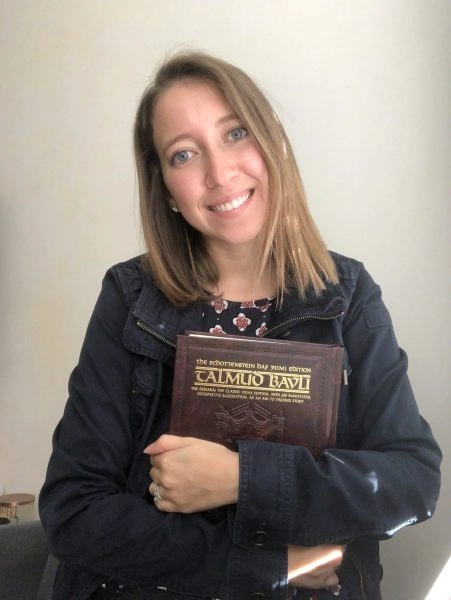
Memphis, Tennessee, United States
I started my Daf Yomi journey at the beginning of the COVID19 pandemic.

Los Angeles, United States

Jerusalem, Israel
I started learning Dec 2019 after reading “If all the Seas Were Ink”. I found
Daily daf sessions of Rabbanit Michelle in her house teaching, I then heard about the siyum and a new cycle starting wow I am in! Afternoon here in Sydney, my family and friends know this is my sacred time to hide away to live zoom and learn. Often it’s hard to absorb and relate then a gem shines touching my heart.

Dover Heights, Australia
I began my journey with Rabbanit Michelle more than five years ago. My friend came up with a great idea for about 15 of us to learn the daf and one of us would summarize weekly what we learned.
It was fun but after 2-3 months people began to leave. I have continued. Since the cycle began Again I have joined the Teaneck women.. I find it most rewarding in so many ways. Thank you

New Jersey, United States
In January 2020, my teaching partner at IDC suggested we do daf yomi. Thanks to her challenge, I started learning daily from Rabbanit Michelle. It’s a joy to be part of the Hadran community. (It’s also a tikkun: in 7th grade, my best friend and I tied for first place in a citywide gemara exam, but we weren’t invited to the celebration because girls weren’t supposed to be learning gemara).

Jerusalem, Israel
Hearing and reading about the siyumim at the completion of the 13 th cycle Daf Yomi asked our shul rabbi about starting the Daf – he directed me to another shiur in town he thought would allow a woman to join, and so I did! Love seeing the sources for the Divrei Torah I’ve been hearing for the past decades of living an observant life and raising 5 children .

Pittsburgh, Pennsylvania, United States
I started learning at the start of this cycle, and quickly fell in love. It has become such an important part of my day, enriching every part of my life.

Toronto, Canada
Margo
I started my Talmud journey in 7th grade at Akiba Jewish Day School in Chicago. I started my Daf Yomi journey after hearing Erica Brown speak at the Hadran Siyum about marking the passage of time through Daf Yomi.
Carolyn
I started my Talmud journey post-college in NY with a few classes. I started my Daf Yomi journey after the Hadran Siyum, which inspired both my son and myself.
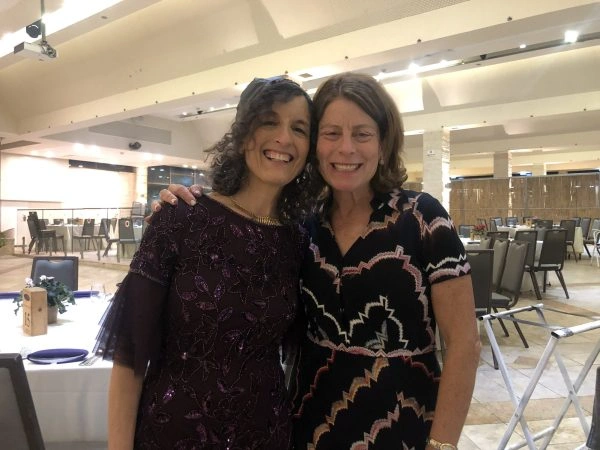
Merion Station, USA
Beit Shemesh, Israel
After enthusing to my friend Ruth Kahan about how much I had enjoyed remote Jewish learning during the earlier part of the pandemic, she challenged me to join her in learning the daf yomi cycle. I had always wanted to do daf yomi but now had no excuse. The beginning was particularly hard as I had never studied Talmud but has become easier, as I have gained some familiarity with it.

Brookline, United States
Bekhorot 17
הַיְינוּ דַּאֲמַר לֵיהּ רַבָּן שִׁמְעוֹן בֶּן גַּמְלִיאֵל: אֲפִילּוּ עַד עֲשָׂרָה דּוֹרוֹת פְּטוּרִין. אֶלָּא לְרַב הוּנָא דְּאָמַר: לָא נָחֵית תַּנָּא קַמָּא לְדָרֵי, מַאי ״אֲפִילּוּ עַד עֲשָׂרָה דּוֹרוֹת״? אָמַר לְךָ רַב הוּנָא: רַבָּן שִׁמְעוֹן בֶּן גַּמְלִיאֵל אַ״הֶעֱמִיד״ קָאֵי דְּנָחֵית לְדָרֵי.
this is what Rabban Shimon ben Gamliel said to him: Even until ten generations, the offspring are exempt. But according to Rav Huna, who says that the first tanna did not descend to any generational levels, what is the meaning of the phrase: Even until ten generations? The Gemara responds: Rav Huna could have said to you that the statement of Rabban Shimon ben Gamliel is referring to the second case of the mishna, where the Jew established the offspring in place of the mothers, as in that case the first tanna also descends to generational levels.
תָּא שְׁמַע: הַמְקַבֵּל צֹאן בַּרְזֶל מִן הַגּוֹי — וְלָדוֹת פְּטוּרִין, וַולְדֵי וְלָדוֹת לֹא. תְּיוּבְתָּא דְרַב יְהוּדָה! אָמַר לָךְ רַב יְהוּדָה, אֵימָא: הֵן וּוַלְדוֹתֵיהֶן.
The Gemara comments: Come and hear an objection to the opinion of Rav Yehuda from the mishna: With regard to one who accepts animals as part of a guaranteed investment from a gentile, the direct offspring are exempt, and the offspring of the direct offspring are not exempt. This is apparently a conclusive refutation of the opinion of Rav Yehuda, who said that the offspring of the direct offspring are also exempt. The Gemara explains that Rav Yehuda could have said to you: I will say that the mishna means that they, the direct offspring, and their offspring are exempt. When the mishna said: The offspring are exempt, it was referring not to the offspring of the original animals given to the Jew, but to the offspring of those offspring.
אִיכָּא דְּאָמְרִי: הֵן וּוַלְדוֹתֵיהֶן פְּטוּרִין, תְּיוּבְתָּא דְּרַב הוּנָא! אָמַר לְךָ רַב הוּנָא: אֵימָא הֵן וְולָדוֹת — פָּטוּר, וַולְדֵי וְלָדוֹת — חַיָּיב.
The Gemara notes that there are those who say that there is a different version of this exchange: The mishna is actually written as: They, the direct offspring, and their offspring are exempt, which is apparently a conclusive refutation of the opinion of Rav Huna. The Gemara explains that Rav Huna could have said to you: One can say that the mishna means that they, i.e., the original animals given to the Jew, and their offspring are exempt. But the offspring of their direct offspring are obligated.
רָחֵל שֶׁיָּלְדָה מִין עֵז כּוּ׳. אֲתָא רַב אוֹשַׁעְיָא מִנְּהַרְדְּעָא, וְאַיְיתִי מַתְנִיתָא בִּידֵיהּ: רָחֵל בַּת עֵז, וְעֵז בַּת רָחֵל — רַבִּי מֵאִיר מְחַיֵּיב, וַחֲכָמִים פּוֹטְרִין.
§ The mishna teaches: A ewe that gave birth to a goat of sorts and a goat that gave birth to a ewe of sorts are not subject to the obligation of a firstborn. Rav Oshaya came from Neharde’a and brought a baraita in his hand: With regard to an animal that has the appearance of a ewe and that was born to a goat, or a goat that was born to a ewe, Rabbi Meir deems it obligated, and the Rabbis deem it exempt.
אֲמַר לֵיהּ רַב הוֹשַׁעְיָא לְרַבָּה: כִּי עָיְילַתְּ לְקַמֵּיהּ דְּרַב הוּנָא, בְּעִי מִינֵּיהּ: רַבִּי מֵאִיר מְחַיֵּיב לְמַאי? אִילֵימָא לִבְכוֹרָה — וְלֵית לֵיהּ לְרַבִּי מֵאִיר ״אַךְ בְּכוֹר שׁוֹר״ עַד שֶׁיְּהֵא הוּא שׁוֹר וּבְכוֹרוֹ שׁוֹר?
Rav Hoshaya said to Rabba: When you go before Rav Huna, ask him: With regard to what does Rabbi Meir deem it obligated? If we say that it is with regard to the mitzva of a firstborn, that is difficult: But doesn’t Rabbi Meir agree that the verse: “But the firstborn of an ox” (Numbers 18:17), teaches that an animal is included in the mitzva of a firstborn only if it is an ox and its firstborn is an ox? In other words, the mitzva of the firstborn applies only if the offspring has the appearance of its mother.
אֶלָּא לְרֵאשִׁית הַגֵּז, וְלֵית לֵיהּ הָא דְּתָנָא דְּבֵי רַבִּי יִשְׁמָעֵאל: כְּבָשִׂים שֶׁצַּמְרָן קָשֶׁה פְּטוּרִין מֵרֵאשִׁית הַגֵּז, שֶׁנֶּאֱמַר: ״וּמִגֵּז כְּבָשַׂי יִתְחַמָּם״?
Rather, Rabbi Meir’s ruling was with regard to the obligation of giving the first shearing of wool to the priest. The Gemara asks: But if so, doesn’t Rabbi Meir agree with that which the school of Rabbi Yishmael taught: Lambs whose fleece is tough are exempt from, i.e., not subject to giving, the first shearing of wool to the priest, as it is stated: “And if he were not warmed with the fleece of my sheep” (Job 31:20)? It is derived from this verse that only a fleece which is fit to warm a person, i.e., fleece that is soft, is classified as wool that must be given to the priest. Since the fleece of the goat-like offspring of a ewe is tough, it should be excluded from the mitzva of the first shearing.
אֲמַר לֵיהּ: נִיחְזֵי אֲנַן, הָכָא בְּמַאי עָסְקִינַן? בְּרָחֵל שֶׁיָּלְדָה מִין עֵז, וְאָבִיו תַּיִישׁ, וּבְחוֹשְׁשִׁין לְזֶרַע הָאָב לְעִנְיַן אוֹתוֹ וְאֶת בְּנוֹ קָמִיפַּלְגִי, דְּרַבִּי מֵאִיר סָבַר: חוֹשְׁשִׁין לְזֶרַע הָאָב, וְרַבָּנַן סָבְרִי: אֵין חוֹשְׁשִׁין לְזֶרַע הָאָב.
Rabba said to Rav Hoshaya: Let us see; what are we dealing with here? We are dealing with a ewe that gave birth to a goat of sorts and its father was a goat. And they disagree as to whether or not one needs to be concerned with the offspring’s paternity in terms of the matter of the prohibition against slaughtering itself and its offspring on the same day. As Rabbi Meir holds that one needs to be concerned with its paternity, and therefore one is liable for slaughtering the male goat and its goat-like offspring in a single day, and the Rabbis hold that one need not be concerned with its paternity.
אִי הָכִי, לִיפַּלְגוּ בְּחוֹשְׁשִׁין לְזֶרַע הָאָב בְּעָלְמָא, בִּפְלוּגְתָּא דַּחֲנַנְיָה וְרַבָּנַן!
The Gemara objects: But if that is so, then let us say that they disagree on whether or not one needs to be concerned with the offspring’s paternity in general, i.e., with regard to the prohibition against slaughtering an animal and its offspring on the same day, which is the subject of the dispute of Ḥananya and the Rabbis (see Ḥullin 78b). Instead of citing a dispute in the unusual case of a ewe that gave birth to a goat of sorts, the baraita should have simply stated that Rabbi Meir agrees with the opinion of Ḥananya that the prohibition against slaughtering an animal and its offspring applies even to a father and its offspring.
אֶלָּא, לְעוֹלָם לִבְכוֹרָה, וְהָכָא בְּמַאי עָסְקִינַן — בְּרָחֵל בַּת רָחֵל בַּת עֵז. מָר סָבַר: זִיל בָּתַר אִימֵּיהּ, וְהַאי לָאו נִדְמֶה הוּא.
Rather, Rabbi Meir’s ruling is actually with regard to the obligation of a firstborn, and here we are dealing with a ewe born to a ewe born to a goat, which means that the offspring is similar in appearance to its mother, but not to its grandmother. One Sage, Rabbi Meir, holds: Follow the appearance of an offspring’s mother to determine whether or not the mitzva of a firstborn applies, and as this offspring has the appearance of its mother, it does not have the status of an animal that resembles a different species. Accordingly, the mitzva of firstborn applies.
וּמָר סָבַר: זִיל בָּתַר אִימַּיהּ דְּאִימֵּיהּ, וְהַאי נִדְמֶה הוּא.
And one Sage, the Rabbis, holds: Follow the appearance of the mother of its mother to determine whether or not the mitzva of firstborn applies, and as this offspring does not have the appearance of its mother’s mother, it does have the status of an animal that resembles a different species. Consequently, the mitzva of firstborn does not apply.
וְאִיבָּעֵית אֵימָא, בְּרָחֵל בַּת עֵז בַּת רָחֵל, מָר סָבַר: חָזְרוּ שֵׂיֻיוֹת לִמְקוֹמָן, וּמָר סָבַר: לֹא חָזְרוּ שֵׂיֻיוֹת לִמְקוֹמָן.
And if you wish, say instead that we are dealing with a ewe born to a goat born to a ewe. One Sage, Rabbi Meir, holds: Its ovine nature was restored to its original state. That is, since the offspring resembles its older progenitor, the mitzva of firstborn applies. And one Sage, the Rabbis, holds: Its ovine nature was not restored to its original state, and in any case where the offspring is not like its mother, it is exempt from the mitzva of firstborn.
רַב אָשֵׁי אָמַר: כְּגוֹן שֶׁיֵּשׁ בּוֹ מִקְצָת סִימָנִין, וּמַאן חֲכָמִים? רַבִּי שִׁמְעוֹן, דְּאָמַר: עַד שֶׁיְּהֵא רֹאשׁוֹ וְרוּבּוֹ דּוֹמֶה לְאִמּוֹ.
The Gemara cites another interpretation of the baraita. Rav Ashi says: The baraita is referring to a case where the offspring has some of the characteristics of its mother, and the opinion of Rabbi Meir is that of the mishna here, which rules that the mitzva of firstborn applies to an offspring that has some of its mother’s characteristics. And who are the Rabbis who disagree with Rabbi Meir? It is Rabbi Shimon, who says: The offspring does not have firstborn status unless its head and the majority of its body are similar to the appearance of its mother.
אָמַר רַבִּי יוֹחָנָן: מוֹדֶה רַבִּי מֵאִיר בְּשָׂעִיר שֶׁל רֹאשׁ חֹדֶשׁ דְּבָעֵינַן בֶּן שְׂעִירָה, מַאי טַעְמָא? אָמַר קְרָא: ״אֶחָד״ הַמְיוּחָד וּבָא מִשֵּׁשֶׁת יְמֵי בְּרֵאשִׁית.
According to the second explanation of the baraita, Rabbi Meir maintains that a ewe born to a goat born to a ewe is counted a firstborn despite the fact that it does not resemble its mother. Rabbi Yoḥanan says: Nevertheless, Rabbi Meir concedes with regard to the goat of the New Moon offering that we require the son of a female goat. What is the reason? With regard to the New Moon offering the verse states: “And one male goat for a sin offering unto the Lord” (Numbers 28:15). The superfluous word “one” teaches that the offering must be particularly a goat, as it has been since the six days of Creation.
וְהָא מֵהָכָא נָפְקָא? מֵהָתָם נָפְקָא — ״שׁוֹר אוֹ כֶשֶׂב״ — פְּרָט לְכִלְאַיִם, ״אוֹ עֵז״ — פְּרָט לְנִדְמֶה.
The Gemara asks: But is this derived from here? Isn’t it derived from there: “When a bull, or a sheep, or a goat, is brought forth” (Leviticus 22:27), as the phrase “a bull, or a sheep” serves to exclude diverse kinds, i.e., an animal born from two different species of animals, while the phrase “or a goat” serves to exclude an animal that resembles a different species?
צְרִיכָא, דְּאִי מֵהָתָם הֲוָה אָמֵינָא: הָנֵי מִילֵּי הֵיכָא דְּלָא נְחַת לְדָרֵי, אֲבָל הֵיכָא דִּנְחַת — אֵימָא לָא. וְאִי מֵהָכָא הֲוָה אָמֵינָא: הָנֵי מִילֵּי לְגַבֵּי קׇרְבַּן חוֹבָה, אֲבָל נְדָבָה — לָא, צְרִיכָא.
The Gemara answers that both verses are necessary, as, had the halakha been derived only from there, the verse in Leviticus, I would say: That statement applies only where the resemblance to another species does not trace back to earlier generations, i.e., the animal does not resemble any of its progenitors, but in a case where it does trace back, I would say: No, the animal is fit for sacrifice. Therefore, it is derived from the verse in Numbers that the animal must be as it has been since the six days of Creation. And had it been derived only from here, the verse in Numbers, I would say: That statement applies only with regard to an obligatory offering, which is the subject of that verse, but in the case of a gift offering, the animal does not need to resemble its mother. Therefore, both verses are necessary.
אָמַר רַבִּי אַחָא בַּר יַעֲקֹב: הַכֹּל מוֹדִים דְּאֵין לוֹקִין עַל צַמְרוֹ מִשּׁוּם כִּלְאַיִם, שֶׁנֶּאֱמַר: ״לֹא תִלְבַּשׁ שַׁעַטְנֵז״, מָה פִּשְׁתָּן שֶׁלֹּא נִשְׁתַּנָּה — אַף צֶמֶר שֶׁלֹּא נִשְׁתַּנָּה.
The Gemara cites a series of statements discussing an animal that resembles another species. Rabbi Aḥa bar Yaakov says: Everyone concedes that one is not flogged due to the prohibition of diverse kinds for wearing its wool together with linen, as it is stated: “You shall not wear diverse kinds, wool and linen together” (Deuteronomy 22:11). Just as linen is a material that has not changed, so too, one is liable only for wearing wool from an animal that has not changed, i.e., an animal whose appearance does not differ from that of its progenitors.
אָמַר רַב פָּפָּא: הַכֹּל מוֹדִים שֶׁצַּמְרוֹ פָּסוּל לִתְכֵלֶת, שֶׁנֶּאֱמַר: ״לֹא תִלְבַּשׁ שַׁעַטְנֵז… גְּדִילִים תַּעֲשֶׂה לָךְ״, מָה פִּשְׁתָּן שֶׁלֹּא נִשְׁתַּנָּה — אַף צֶמֶר שֶׁלֹּא נִשְׁתַּנָּה.
Rav Pappa similarly says: Everyone concedes that the wool of an animal that resembles another species is unfit to be used as the sky-blue wool of ritual fringes, as it is stated: “You shall not wear diverse kinds…you shall make yourself twisted cords” (Deuteronomy 22:11–12). Just as linen is a material that has not changed, so too, only wool from an animal that has not changed may be used as the sky-blue wool.
אָמַר רַב נַחְמָן בַּר יִצְחָק: הַכֹּל מוֹדִים שֶׁאֵין צַמְרוֹ מִטַּמֵּא בִּנְגָעִים, שֶׁנֶּאֱמַר: ״בְּבֶגֶד צֶמֶר אוֹ בְּבֶגֶד פִּשְׁתִּים״, מָה פִּשְׁתִּים שֶׁלֹּא נִשְׁתַּנָּה — אַף צֶמֶר שֶׁלֹּא נִשְׁתַּנָּה.
Rav Naḥman bar Yitzḥak likewise says: Everyone concedes that its wool does not become ritually impure with leprous marks, as it is stated: “And when the mark of leprosy is in a garment, whether it be a woolen garment, or a linen garment” (Leviticus 13:47). Just as the linen of a garment has not changed, so too, only a garment made of wool from an animal that has not changed can become impure with leprous marks.
אָמַר רַב אָשֵׁי: אַף אָנוּ נֹאמַר, הִדְלָה הַגֶּפֶן עַל גַּבֵּי תְּאֵינָה — יֵינוֹ פָּסוּל לִנְסָכִים. מַאי טַעְמָא? ״זֶבַח וּנְסָכִים״ — מָה זֶבַח שֶׁלֹּא נִשְׁתַּנָּה, אַף נְסָכִים שֶׁלֹּא נִשְׁתַּנּוּ.
Rav Ashi says: Along these lines, we can say also that if one trellised a grapevine over a fig tree, its wine is unfit to be used for libations. What is the reason? The verse states: “An offering, and libations” (Leviticus 23:37). Just as an offering must be an animal that has not changed, so too, libations must come from wine produced by vines that were not changed.
מַתְקֵיף לַהּ רָבִינָא: הִדְלָה פִּשְׁתָּן עַל גַּבֵּי הִיגָא — הָכִי נָמֵי דְּלִישְׁתַּנֵּי? אִם כֵּן לָא מָצֵית אָמְרַתְּ ״מָה פִּשְׁתָּן שֶׁלֹּא נִשְׁתַּנָּה״, דְּהָא פִּשְׁתָּן נָמֵי מִשְׁתַּנֵּי! אֲמַר לֵיהּ: זֶה נִשְׁתַּנָּה רֵיחוֹ, וְזֶה לֹא נִשְׁתַּנָּה רֵיחוֹ.
Ravina objects to this suggestion: By that reasoning, if one trellised flax over a shrub, it should also be considered a changed product. But if so, you cannot say what Rabbi Aḥa bar Yaakov said in his earlier statement: Just as linen is a material that has not changed, as linen also changes according to Rav Ashi’s reasoning. Rav Ashi said to Ravina: With regard to this wine, its scent has changed, but with regard to that flax, its scent has not changed, and therefore its alteration is considered inconsequential.
מַתְנִי׳ רָחֵל שֶׁלֹּא בִּיכְּרָה וְיָלְדָה שְׁנֵי זְכָרִים, וְיָצְאוּ שְׁנֵי רָאשֵׁיהֶן כְּאַחַת — רַבִּי יוֹסֵי הַגְּלִילִי אוֹמֵר: שְׁנֵיהֶן לַכֹּהֵן, שֶׁנֶּאֱמַר: ״הַזְּכָרִים לַה׳״, וַחֲכָמִים אוֹמְרִים: אִי אֶפְשָׁר לְצַמְצֵם, אֶלָּא אֶחָד לוֹ וְאֶחָד לַכֹּהֵן.
MISHNA: In the case of a ewe that had not previously given birth, and it gave birth to two males and both their heads emerged as one, Rabbi Yosei HaGelili says: Both of them are given to the priest, as it is stated in the plural: “Every firstborn that you have of animals, the males shall be to the Lord” (Exodus 13:12). And the Rabbis say: It is impossible for two events to coincide precisely, i.e., their births were not at precisely the same time. Rather, one preceded the other, and therefore one of the males is given to the owner and one to the priest.
רַבִּי טַרְפוֹן אוֹמֵר: הַכֹּהֵן בּוֹרֵר לוֹ אֶת הַיָּפֶה. רַבִּי עֲקִיבָא אוֹמֵר: מְשַׁמְּנִין בֵּינֵיהֶן, וְהַשֵּׁנִי יִרְעֶה עַד שֶׁיִּסְתָּאֵב.
Rabbi Tarfon says: The priest chooses the better of the two. Rabbi Akiva says: They assess the value of the lambs between them and the priest takes the leaner of the two, as will be explained in the Gemara. And with regard to the second lamb that remains in the possession of the owner, since he may not partake of it due to its uncertain status as a firstborn, it must graze until it becomes blemished, at which point he may slaughter and eat it.
וְחַיָּיב בַּמַּתָּנוֹת, וְרַבִּי יוֹסֵי פּוֹטֵר. מֵת אֶחָד מֵהֶן — רַבִּי טַרְפוֹן אוֹמֵר: יַחְלוֹקוּ, רַבִּי עֲקִיבָא אוֹמֵר: הַמּוֹצִיא מֵחֲבֵירוֹ עָלָיו הָרְאָיָה. זָכָר וּנְקֵבָה — אֵין כָּאן לַכֹּהֵן כְּלוּם.
And when he slaughters the animal he is obligated to have the gifts of the priesthood taken from it, i.e., the gifts that one is required to give a priest from a non-sacred animal: The foreleg, the jaw, and the maw. And Rabbi Yosei deems him exempt from giving those gifts. If one of the two born together died, Rabbi Tarfon says: The priest and the owner divide the remaining lamb. Rabbi Akiva says: Since there is uncertainty to whom it belongs, it remains in the possession of the owner, as the burden of proof rests upon the claimant. If a male and a female offspring were born together, everyone agrees that the priest has nothing here.
גְּמָ׳ אָמְרִי דְּבֵי רַבִּי יַנַּאי: לְרַבִּי יוֹסֵי הַגְּלִילִי שָׁמְעִינַן לֵיהּ דְּאָמַר אֶפְשָׁר לְצַמְצֵם בִּידֵי שָׁמַיִם, וְכׇל שֶׁכֵּן בִּידֵי אָדָם, וְרַבָּנַן — בִּידֵי שָׁמַיִם אִי אֶפְשָׁר לְצַמְצֵם, בִּידֵי אָדָם מַאי?
GEMARA: The mishna teaches that the Rabbis disagree with Rabbi Yosei HaGelili, maintaining that it is impossible for the time of twins’ births to coincide precisely. They said in the school of Rabbi Yannai: According to Rabbi Yosei HaGelili, we heard in the mishna that he says: It is possible for two events that are in the hands of Heaven to coincide precisely, and all the more so it is clear that it is possible for two events that are in human hands to coincide precisely, as they are intended to be simultaneous. But according to the Rabbis, evidently they maintain that it is impossible for two matters that are in the hands of Heaven to coincide precisely, but with regard to events that are in human hands, what is their opinion?
תָּא שְׁמַע: חוּט שֶׁל סִיקְרָא חוֹגְרוֹ בָּאֶמְצַע, לְהַבְדִּיל בֵּין דָּמִים הָעֶלְיוֹנִים וּבֵין דָּמִים הַתַּחְתּוֹנִים. וְאִי אָמְרַתְּ אִי אֶפְשָׁר לְצַמְצֵם בִּידֵי אָדָם, זִימְנִין דְּקָא יָהֵיב עֶלְיוֹנִים לְמַטָּה וְתַחְתּוֹנִים לְמַעְלָה! דְּמַרְוַוח בָּהּ פּוּרְתָּא.
The Gemara suggests: Come and hear a proof from a mishna (Middot 3:1): A red line encircled the altar in the middle, to separate between the blood that must be presented on the upper part of the altar and the blood that must be presented on the lower section of the altar. And if you say that it is impossible for two matters that are in human hands to coincide precisely, i.e., that people cannot measure the precise midpoint of an area, then that line will not be precisely in the middle, which means that there will be times when the priest puts blood meant for the upper part of the altar upon the lower section, and blood meant for the lower section above. The Gemara rejects this proof: In that case, one widens the line a little so that it certainly covers the middle part of the altar.
תָּא שְׁמַע מִמִּדַּת כֵּלִים, מִמִּדַּת מִזְבֵּחַ. שָׁאנֵי הָתָם, דְּרַחֲמָנָא אָמַר עֲבֵיד, וּבְכֹל הֵיכִי דְּמָצֵית לְמִיעְבַּד נִיחָא לֵיהּ, ״הַכֹּל בִּכְתָב מִיַּד ה׳ עָלַי הִשְׂכִּיל״.
The Gemara suggests: Come and hear a proof from the measurements of the vessels and from the measurements of the altar of the Temple. Since the Torah gives precise measurements for them, this indicates that it is possible to measure precisely. The Gemara rejects this proof as well: It is different there, as the Merciful One says: Do it, and to whatever extent you can fulfill His directives, this finds favor in His eyes, as the verse states: “All this in writing, as the Lord has made me wise by His hand upon me, even all the works of this pattern” (I Chronicles 28:19).
אָמַר רַב קַטִּינָא, תָּא שְׁמַע: חִלְּקוֹ לִשְׁנַיִם וְהֵן שָׁוִין — שְׁנֵיהֶן טְמֵאִים, לְפִי שֶׁאִי אֶפְשָׁר לְצַמְצֵם. אָמַר רַב כָּהֲנָא: שָׁאנֵי כְּלִי חֶרֶס הוֹאִיל וְיֵשׁ בּוֹ גּוּמּוֹת.
Rav Ketina said: Come and hear a different proof from a baraita: An earthenware vessel that became ritually impure can be purified only by being broken. If it is broken in two, the larger piece remains impure while the smaller piece becomes pure. If one divided an impure earthenware oven into two pieces and they are equal in size, both are ritually impure, because it is impossible for the two to coincide precisely, i.e., one cannot measure exactly. Rav Kahana said, in rejection of this proof: An earthenware vessel is different, since it has indentations in it, i.e., the place of the break is uneven and is therefore particularly difficult to measure precisely.
תָּא שְׁמַע: נִמְצָא מְכוּוָּן בֵּין שְׁתֵּי עֲיָירוֹת, שְׁתֵּיהֶן מְבִיאוֹת שְׁתֵּי עֲגָלוֹת, דִּבְרֵי רַבִּי אֱלִיעֶזֶר. מַאי טַעְמָא?
The Gemara suggests: Come and hear another proof from a mishna (Sota 45b): With regard to a case involving the heifer whose neck is broken, if the slain person was found precisely between two towns, the two towns bring two heifers between them; this is the statement of Rabbi Eliezer. What is the reason that each town must bring a heifer?
לָאו מִשּׁוּם דְּקָסָבַר בִּידֵי אָדָם אֶפְשָׁר לְצַמְצֵם, וּקְרוֹבָה — וַאֲפִילּוּ קְרוֹבוֹת?
Is it not because Rabbi Eliezer holds: With regard to matters that are in human hands, it is possible for two matters to coincide precisely? And Rabbi Eliezer also holds that when the verse states, in the singular: “And it shall be that the town which is nearest to the slain man, even the elders of that town shall take a heifer of the herd” (Deuteronomy 21:3), it is not necessarily referring to only one town, but even to the two nearest towns, if they are equidistant from the corpse. If it were impossible for both towns to be measured as precisely the same distance from the corpse, they would not bring two heifers but one in partnership, stipulating that it belongs to the town that is actually closer.
לָא, רַבִּי אֱלִיעֶזֶר
The Gemara rejects this: No, Rabbi Eliezer

