









Masechet Chullin is sponsored by Judi Felber in honor of the Hadran Community. “During my first cycle of Daf Yomi, just as we began Masechet Chullin, my son was injured while serving in the IDF. Throughout those two and a half months of difficulty and uncertainty, my fellow learners never left my side. With profound gratitude to the community that held me, encouraged me, and ensured I could keep up with the Daf during those trying times.”
Want to dedicate learning? Get started here:

Summary

The obligation of reshit ha’gez (first shearing) applies exclusively to sheep. Although the Gemara initially suggests a gezeira shava comparing “gez” in Deuteronomy 18:5 to Job 31:20 (“m’gez kvasai yitchamam”), it ultimately derives the requirement from the phrase “l’amod l’sharet”, establishing that the material must be fit for priestly service. This excludes goat hair – which is used for sackcloth rather than garments – as well as coarse wool.
Washing sheep, which causes some wool to be removed, is subject to a Tannaitic debate: Rabbi Yosi exempts washing from the commandment to give the first shearing because it is not the typical method of shearing, whereas the rabbis obligate it as it does remove the wool.
The Tannaim dispute the minimum flock size required: Beit Shammai require two sheep based on the plural “tzon”, Beit Hillel require five (“chamesh tzon asuyot”), and Rabbi Yishmael b’Rabbi Yosi requires four based on the laws of theft of “tzon” where the penalty is four “tzon”. Rebbi shows preference to the ruling of Rabbi Yishmael b’Rabbi Yosi for a number of reasons, and Rabbi Yochanan explains that there is an established tradition from Haggai, Zechariah, and Malachi to hold like him.
Addressing fleece quantities, the rabbis disagree with Rabbi Dosa ben Harkinas, ruling that any amount of shearing from five sheep triggers liability, which the Amoraim quantify through various minimum amounts, and only one of the three positions takes their words literally that there is no minimum. Rav requires 37.5 sela’im, Shmuel requires sixty, while requiring 1:60 for the kohen, Rabbi Yochanan requires six sela’im with five going to the kohen. The Gemara tries to reconcile these views with the Mishna’s rule requiring five sela’im given to the kohen.
Rav and Shmuel compare this rabbinic 1:60 baseline to the standards for teruma and peah, prompting a discussion in the Gemara reconciling these baselines against conflicting sources.
When Isi bar Hini travels to Eretz Yisrael, Rabbi Yochanan criticizes him both for errors in his text of the Mishna and for not demonstrating enough respect toward Rav. Rabbi Yochanan also presents his position on the Rabbis’ view of “any amount” (kol shehu), which initially appears to contradict his earlier statement in the sugya. When Rav Dimi arrives from Eretz Yisrael and transmits Rabbi Yochanan’s teaching, Abaye deduces from it how to resolve the contradiction.
Today’s daily daf tools:
Masechet Chullin is sponsored by Judi Felber in honor of the Hadran Community. “During my first cycle of Daf Yomi, just as we began Masechet Chullin, my son was injured while serving in the IDF. Throughout those two and a half months of difficulty and uncertainty, my fellow learners never left my side. With profound gratitude to the community that held me, encouraged me, and ensured I could keep up with the Daf during those trying times.”
Chullin 137
בִּקְדוּשָּׁה, וּמְכִירָה – וְהָנָךְ נְפִישִׁין!
The Gemara further states that the matter of consecration applies neither to the mitzva of the first sheared wool nor to the firstborn animal. The firstborn is consecrated from the womb, while the first sheared wool is non-sacred. By contrast, the animal tithe is consecrated by the owner when passed under the rod. And finally, the option of sale by the priest applies to the first sheared wool and the firstborn animal after the priest receives them, whereas the animal tithe may not be sold. The Gemara adds: And these halakhot common to the first sheared wool and the firstborn are more numerous than the halakhot shared by the first sheared wool and the animal tithe. Therefore, Rabbi Shimon should derive the verbal analogy between the first sheared wool and the firstborn.
פָּשׁוּט מִפָּשׁוּט עֲדִיף לֵיהּ.
The Gemara answers: Even so, Rabbi Shimon prefers to derive the halakhot of the first sheared wool, which apply to an ordinary non-firstborn animal, from those of animal tithe, which also apply to an ordinary animal. Rabbi Shimon maintains that the shared factor that the first sheared wool and the animal tithe apply to all animals, not only the first to emerge from the womb, is decisive and overrides the other shared halakhot.
רֵאשִׁית הַגֵּז אֵינוֹ נוֹהֵג אֶלָּא בִּרְחֵלִים. מְנָא הָנֵי מִילֵּי? אָמַר רַב חִסְדָּא: אָתְיָא גִּיזָּה גִּיזָּה, כְּתִיב הָכָא ״רֵאשִׁית גֵּז צֹאנְךָ תִּתֶּן לוֹ״, וּכְתִיב הָתָם ״וּמִגֵּז כְּבָשַׂי יִתְחַמָּם״, מָה לְהַלָּן כְּבָשִׂים, אַף כָּאן כְּבָשִׂים.
§ The mishna states: The first sheared wool is in effect only with regard to sheep. The Gemara asks: From where are these matters derived? Rav Ḥisda said: It is derived by means of a verbal analogy between shearing mentioned in this context and shearing mentioned elsewhere. It is written here: “The first sheared wool of your flock [tzonekha], shall you give him” (Deuteronomy 18:4), and it is written there that Job says concerning the needy: “And he was warmed with the shearing of my sheep [kevasai]” (Job 31:20). Just as there, the verse is referring specifically to the shearing of sheep, as the term keves is used only with regard to a sheep, so too here, with regard to the first sheared wool, the verse is referring to sheep, despite the fact that the term tzon can be interpreted as referring also to goats.
וְנֵילַף ״גִּיזָּה״ ״גִּיזָּה״ מִבְּכוֹר, דְּתַנְיָא: ״לֹא תַעֲבֹד בִּבְכֹר שׁוֹרֶךָ וְלֹא תָגֹז בְּכוֹר צֹאנֶךָ״ – אֵין לִי אֶלָּא שׁוֹר בַּעֲבוֹדָה וְצֹאן בְּגִיזָּה.
The Gemara objects: But derive instead a verbal analogy concerning shearing mentioned in this context from shearing mentioned in the case of the firstborn animal: Just as the prohibition against shearing the firstborn also applies to a firstborn ox, so too, the halakhot of the first sheared wool should also apply to oxen. It is prohibited to shear a firstborn ox, as it is taught in a baraita: The verse states: “You shall do no work with the firstborn of your ox, and you shall not shear the firstborn of your flock” (Deuteronomy 15:19). From a straightforward reading of the verse, I have derived only that a firstborn ox may not be used for labor and that a firstborn of an animal from the flock may not be used for shearing.
מִנַּיִן לִיתֵּן הָאָמוּר שֶׁל זֶה בָּזֶה, וְאֶת הָאָמוּר שֶׁל זֶה בָּזֶה? תַּלְמוּד לוֹמַר ״לֹא תַעֲבוֹד וְלֹא תָגוֹז״.
The baraita continues: From where is it derived to apply the prohibition that was stated about that animal to this one, and the prohibition that was stated about this animal to that one? The verse states: “You shall do no work…and you shall not shear.” The conjunction “and” indicates that the two parts of the verse apply to both animals.
אָמַר קְרָא: ״תִּתֵּן לוֹ״, וְלֹא לְשַׂקּוֹ.
The Gemara explains: One cannot say that oxen are subject to the mitzva of first sheared wool, as the verse states with regard to this mitzva: “Shall you give him,” which indicates that the shearing is given to the priest himself, i.e., for him to wear, and not for use as his sack. The shearing of oxen is fit for use only as sackcloth, not as clothing.
אֶלָּא מֵעַתָּה, נוֹצָה שֶׁל עִזִּים לִיחַיַּיב? בָּעֵינַן גִּיזָּה, וְלֵיכָּא!
The Gemara objects: If that is so, let one be obligated in the mitzva of the first sheared wool in the case of goats’ hair, as it too can be used for clothing. The Gemara explains: To be obligated in the first sheared wool we require an act of shearing, and goats’ hair is plucked, not sheared.
מַאן שָׁמְעַתְּ לֵיהּ הַאי סְבָרָא? רַבִּי יוֹסֵי – הָא מוֹדֵי רַבִּי יוֹסֵי בְּמִידֵּי דְּאוֹרְחֵיהּ!
The Gemara asks: Who did you hear who accepts this reasoning that only an act of shearing renders one obligated in the mitzva of the first sheared wool? This is the opinion of Rabbi Yosei, which the Gemara will soon cite. But Rabbi Yosei concedes that the obligation does exist without the act of shearing in a case where the usual manner of removing the wool is not by shearing. Since goats’ hair is not commonly shorn, the obligation of the first sheared wool should apply.
אֶלָּא, כִּדְאָמַר רַבִּי יְהוֹשֻׁעַ בֶּן לֵוִי: ״לַעֲמוֹד לְשָׁרֵת״ – דָּבָר הָרָאוּי לְשֵׁירוּת, הָכָא נָמֵי – דָּבָר הָרָאוּי לְשֵׁירוּת.
Rather, the Gemara provides a different source for the mishna’s statement. The reason that the mitzva of first sheared wool applies only to sheep is as Rabbi Yehoshua ben Levi said: It is stated in the verse following the source for the mitzva of first sheared wool: “For the Lord your God has chosen him out of all your tribes, to stand to serve in the name of the Lord, he and his sons forever” (Deuteronomy 18:5). The term “to serve” indicates that the first sheared wool that is given to the priest must consist of a matter fit for the Temple service, i.e., its size must be large enough for use for the priestly garments. Here too, the first sheared wool must be of a matter fit for Temple service, i.e., sheep’s wool, from which the priestly garments are woven.
אֶלָּא ״גִּיזָּה״ ״גִּיזָּה״ לְמַאי אֲתָא? לְכִדְתָנָא דְּבֵי רַבִּי יִשְׁמָעֵאל, דְּתָנָא דְּבֵי רַבִּי יִשְׁמָעֵאל: כְּבָשִׂים שֶׁצַּמְרָן קָשֶׁה פְּטוּרִים מֵרֵאשִׁית הַגֵּז, שֶׁנֶּאֱמַר ״וּמִגֵּז כְּבָשַׂי יִתְחַמָּם״.
The Gemara asks: But if so, for what purpose does the verbal analogy between shearing mentioned with regard to the first sheared wool and shearing mentioned with regard to the flock come? The Gemara answers: It is necessary for that which was taught in the school of Rabbi Yishmael. As the school of Rabbi Yishmael taught: In the case of sheep whose wool is hard, the owner is exempt from the first sheared wool, as it is stated: “And he was warmed with the shearing of my sheep” (Job 31:20). Since hard wool does not provide warmth, the mitzva of the first sheared wool does not apply to this wool.
תָּנֵי חֲדָא: גּוֹזֵז אֶת הָעִזִּים וְשׁוֹטֵף אֶת הָרְחֵלִים – פָּטוּר, וְתַנְיָא אִידַּךְ: הַגּוֹזֵז אֶת הָעִזִּים – פָּטוּר, וְשׁוֹטֵף אֶת הָרְחֵלִים – חַיָּיב. לָא קַשְׁיָא: הָא רַבָּנַן, וְהָא רַבִּי יוֹסֵי.
§ It is taught in one baraita: If one shears goats, or washes sheep, which causes some of their wool to be detached, he is exempt from the obligation of first sheared wool with regard to this wool. And it is taught in another baraita: One who shears goats is exempt but one who washes the sheep is obligated to separate the first sheared wool from the wool that was washed off. The Gemara resolves this apparent contradiction: It is not difficult, as this baraita, which requires one to separate the first sheared wool from the washed-off wool, is in accordance with the opinion of the Rabbis, and that baraita, which exempts the washed off wool, is in accordance with the opinion of Rabbi Yosei.
דְּתַנְיָא: ״לֶקֶט קְצִירְךָ״ – וְלֹא לֶקֶט קִיטּוּף. רַבִּי יוֹסֵי אוֹמֵר: אֵין לֶקֶט אֶלָּא הַבָּא מֵחֲמַת קָצִיר.
The Gemara cites the source of this dispute. As it is taught in a baraita with regard to the verse: “And when you reap the harvest of your land, you shall not completely remove the corner of your field when you reap, and you shall not gather the gleaning of your harvest; you shall leave them for the poor” (Leviticus 23:22). The phrase “the gleaning of your harvest” indicates that only such a gleaning is included, and not gleaning from picking. If one picks the crop by hand rather than harvesting it using agricultural tools, he is exempt from the mitzva to leave the gleanings for the poor. Rabbi Yosei says: Gleanings are only those that come due to harvesting using agricultural tools.
רַבִּי יוֹסֵי הַיְינוּ תַּנָּא קַמָּא? כּוּלָּהּ רַבִּי יוֹסֵי הִיא, וְהָכִי קָתָנֵי: שֶׁרַבִּי יוֹסֵי אוֹמֵר, אֵין לֶקֶט אֶלָּא הַבָּא מֵחֲמַת קָצִיר.
The Gemara expresses puzzlement at this baraita: The opinion of Rabbi Yosei is identical to the opinion of the first tanna. The Gemara explains: The entire baraita is in accordance with the opinion of Rabbi Yosei, and this is what the baraita is teaching: The phrase “the gleaning of your harvest” teaches that crops picked by hand are exempt from the mitzva, as Rabbi Yosei says: Gleanings are only those that come due to harvesting. The Gemara infers that just as Rabbi Yosei interprets the term “harvest” as exempting crops that were picked by hand, so too he derives from the term “shearing” that the mitzva of the first sheared wool does not apply to fleece that was washed off. The Rabbis, who disagree with Rabbi Yosei with regard to the gleanings, likewise disagree with regard to the first sheared wool.
אֲמַר לֵיהּ רַב אַחָא בְּרֵיהּ דְּרָבָא לְרַב אָשֵׁי: מוֹדֶה רַבִּי יוֹסֵי בְּמִידֵּי דְּאוֹרְחֵיהּ, דְּתַנְיָא: רַבִּי יוֹסֵי אוֹמֵר: ״קָצִיר״ – אֵין לִי אֶלָּא קָצִיר, עוֹקֵר מִנַּיִן?
Rav Aḥa, son of Rava, said to Rav Ashi: Rabbi Yosei concedes that the mitzva of gleanings applies to a case where the usual manner of harvesting is by picking, as it is taught in a baraita with regard to the verse cited above that Rabbi Yosei says: From the term “harvest” I have derived only the obligation of gleanings with regard to harvest. From where do I derive the obligation of gleanings with regard to one who uproots the crop?
תַּלְמוּד לוֹמַר ״לִקְצוֹר״, תּוֹלֵשׁ מִנַּיִן? תַּלְמוּד לוֹמַר ״בְּקוּצְרֶךָ״.
The verse states: “And when you reap the harvest of your land, you shall not completely remove the corner of your field by reaping, and you shall not gather the gleaning of your harvest” (Leviticus 19:9). The superfluous term “by reaping” includes uprooting the crop. From where is it derived that the obligation extends to one who picked the crop by hand? The verse states: “When you reap” (Leviticus 23:22), which is also superfluous. It is derived from here that the mitzva applies to all ways of gathering the crop, provided they are the usual manner of harvesting that particular crop.
אֲמַר לֵיהּ רָבִינָא לְרַב אָשֵׁי: אַף אֲנַן נָמֵי תְּנֵינָא: מַלְבְּנוֹת בְּצָלִים שֶׁבֵּין הַיָּרָק, רַבִּי יוֹסֵי אוֹמֵר: פֵּאָה מִכׇּל אֶחָד וְאֶחָד, וַחֲכָמִים אוֹמְרִים: מֵאַחַת עַל הַכֹּל.
Ravina said to Rav Ashi: We learn as well in a mishna (Pe’a 3:4) that discusses the mitzva to leave produce in the corner of the field for the poor [pe’a]: If one has garden beds of onions that are among the vegetables, Rabbi Yosei says that one leaves separate pe’a from each and every one of the beds. And the Rabbis say that one leaves pe’a from one garden bed for all of them. This indicates that Rabbi Yosei concedes that one is obligated to leave pe’a and gleanings from onions, despite the fact that they are picked by hand rather than harvested with tools. The reason is that this is the usual manner of gathering onions.
וְכַמָּה הוּא מְרוּבֶּה? בִּשְׁלָמָא לְבֵית שַׁמַּאי – תַּרְתֵּי נָמֵי אִיקְּרוֹ ״צֹאן״, אֶלָּא לְבֵית הִלֵּל – מַאי טַעְמָא?
§ The mishna states: And how many is numerous? Beit Shammai say: It is at least two sheep, and Beit Hillel say: It is at least five sheep. The Gemara objects: Granted, according to the opinion of Beit Shammai, two sheep are also called tzon, as in the verse cited by Beit Shammai: “That a man shall rear a young cow and two sheep [tzon]” (Isaiah 7:21). Since the mitzva of the first sheared wool is written with regard to tzon, it is logical that it applies to two sheep. But what is the reasoning of Beit Hillel, who hold that the mitzva applies only to five sheep, due to the verse: “And five sheep [tzon] made” (I Samuel 25:18)? Why do they not apply the obligation using the broader criterion of two sheep, as the verse quoted by Beit Shammai clearly indicates that two sheep are also called tzon?
אָמַר רַב כָּהֲנָא: אָמַר קְרָא ״עֲשׂוּיוֹת״, שֶׁעוֹשׂוֹת שְׁתֵּי מִצְוֹת: רֵאשִׁית הַגֵּז וּמַתָּנוֹת. אֵימָא בְּכוֹרָה וּמַתָּנוֹת?
Rav Kahana said: The verse states: “Five sheep made [asuyot],” in plural. The plural form indicates that two mitzvot have been made, i.e., performed, with them. The two mitzvot are the first sheared wool and the gifts of the priesthood, a mitzva that applies to a single animal. If the two mitzvot have been performed only when there are five sheep, evidently the mitzva of the first sheared wool applies only to five sheep. The Gemara asks: Why can’t one say that the two mitzvot are the firstborn animal and the gifts of the priesthood?
בְּכוֹרָה, חֲדָא מִי לָא מִיחַיְּיבָא? וּלְטַעְמָיךְ, מַתָּנוֹת, חֲדָא מִי לָא מִיחַיְּיבָא? אֶלָּא אָמַר רַב אָשֵׁי: ״עֲשׂוּיוֹת״ – שֶׁמְּעַשּׂוֹת אֶת בַּעֲלֵיהֶן, וְאוֹמְרוֹת לוֹ: ״קוּם עֲשֵׂה מִצְוָה״.
The Gemara answers: The other mitzva cannot be the firstborn animal, as with regard to the firstborn, isn’t one animal obligated, i.e., doesn’t one animal render its owner obligated? Yet the verse states that one performs the two mitzvot only with five sheep. The Gemara asks: And according to your reasoning, with regard to the gifts of the priesthood, isn’t one animal obligated, i.e., doesn’t one animal render its owner obligated?Rather, Rav Ashi says: The term “made” should be understood as meaning that five sheep make their owner perform the first sheared wool and figuratively say to him: Stand and fulfill a mitzva, whereas less than five sheep do not obligate their owner in the mitzva of first sheared wool.
תַּנְיָא דְּבֵי רַבִּי יִשְׁמָעֵאל בְּרַבִּי יוֹסֵי אוֹמֵר מִשּׁוּם אָבִיו: אַרְבַּע, שֶׁנֶּאֱמַר: ״וְאַרְבַּע צֹאן תַּחַת הַשֶּׂה״.
It was taught in a baraita of the school of Rabbi Yishmael, son of Rabbi Yosei, that he says in the name of his father: The obligation of the first sheared wool applies to one who owns four sheep, since a verse calls four sheep tzon, as it is stated: “If a man steals an ox or a sheep, and kills it or sells it, he shall pay five oxen for the ox, and four sheep [tzon] for a sheep” (Exodus 21:37).
תַּנְיָא, אָמַר רַבִּי: אִלְמָלֵא דִּבְרֵיהֶן דִּבְרֵי תוֹרָה, וְדִבְרֵי בְּרִיבִּי קַבָּלָה – אֲנַן דִּבְרֵי בְּרִיבִּי שׁוֹמְעִין, וְכׇל שֶׁכֵּן שֶׁדִּבְרֵיהֶם דִּבְרֵי קַבָּלָה, וְדִבְרֵי בְּרִיבִּי דִּבְרֵי תוֹרָה.
It is taught in a baraita that Rabbi Yehuda HaNasi says: Had their statements, i.e., the opinions of Beit Shammai and Beit Hillel, been based on statements of the Torah, and the statement of the Distinguished One [Beribbi], Rabbi Yosei, based on the texts of the tradition [kabbala], the Prophets and Writings, even so we would listen to the statement of the Distinguished One, Rabbi Yosei. All the more so now that their statements are based on texts of the tradition, as both Beit Shammai and Beit Hillel derived their rulings from verses from the Prophets, while the statement of the Distinguished One, Rabbi Yosei, is based on the statements of the Torah.
וְהָאָמַר מָר: אֵין הַכְרָעָה שְׁלִישִׁית מַכְרַעַת!
The Gemara objects: But didn’t the Master say: The decision of a third opinion that compromises between the first two opinions is not considered decisive if it is based on considerations that were not mentioned by the other two opinions. Although Rabbi Yosei’s opinion is a compromise between the opinions of Beit Shammai and Beit Hillel, it is based on a different source.
אָמַר רַבִּי יוֹחָנָן: מִפִּי שְׁמוּעָה אָמְרָה, מִפִּי חַגַּי זְכַרְיָה וּמַלְאָכִי.
Rabbi Yoḥanan says in response: Rabbi Yehuda HaNasi accepted Rabbi Yosei’s opinion not because it was a compromise, but rather because he said it according to a tradition he had from the prophets Haggai, Zechariah, and Malachi.
רַבִּי דּוֹסָא בֶּן הַרְכִּינָס אוֹמֵר וְכוּ׳. וְכַמָּה ״כׇּל שֶׁהֵן״? אָמַר רַב: מָנֶה וּפְרָס, וּבִלְבַד שֶׁיְּהוּ מְחוּמָּשׁוֹת, וּשְׁמוּאֵל אָמַר: שִׁשִּׁים, וְנוֹתֵן סֶלַע אַחַת לְכֹהֵן.
§ The mishna states: Rabbi Dosa ben Harkinas says that the mitzva of the first sheared wool applies to five sheep, each of whose shearing weighs one hundred and fifty dinars, whereas the Rabbis say: Five sheep, each of whose shearing is any amount. The Gemara asks: And how much is signified by the phrase: Any amount? Rav says: It is a total weight of one hundred dinars [maneh] and half of one hundred dinars [peras], provided that they are divided equally between the five sheep. And Shmuel says: It is a total weight of sixty sela, of which he gives the weight of one sela to the priest.
רַבָּה בַּר בַּר חָנָה אָמַר רַבִּי יוֹחָנָן: שֵׁשׁ – לְכֹהֵן חָמֵשׁ, וְאַחַת לוֹ. עוּלָּא אָמַר רַבִּי אֶלְעָזָר: ״כׇּל שֶׁהֵן״ שָׁנִינוּ.
Rabba bar bar Ḥana says that Rabbi Yoḥanan says: It is a total weight of six sela, of which he gives to the priest the weight of five sela, and he leaves one sela for himself. Ulla says that Rabbi Elazar says: We learned in the mishna that according to the Rabbis the obligation of the first sheared wool applies to any amount, even if the total weight is only one sela.
תְּנַן: וְכַמָּה נוֹתֵן לוֹ? מִשְׁקַל חֲמֵשׁ סְלָעִים בִּיהוּדָה, שֶׁהֵן עֶשֶׂר סְלָעִים בַּגָּלִיל. בִּשְׁלָמָא לְרַב וְרַבִּי יוֹחָנָן – נִיחָא, אֶלָּא לִשְׁמוּאֵל וְרַבִּי אֶלְעָזָר – קַשְׁיָא!
We learned in the mishna (135a): And how much does one give to the priest? One gives him sheared wool of the weight of five sela in Judea, which are the equivalent of ten sela in the Galilee. Granted, according to the opinions of Rav and Rabbi Yoḥanan, the mishna works out well, as their statements do not contradict the mishna. Rav does not discuss the amount one is required to give the priest, and Rabbi Yoḥanan states that one gives the priest five sela. But according to Shmuel and Rabbi Elazar, the mishna is difficult, as Shmuel states that one is required to give one sela, while Rabbi Elazar states that the obligation of the first sheared wool applies even for a weight of less than five sela.
וְלִיטַעְמָיךְ, וּלְרַב מִי נִיחָא? וְהָא רַב וּשְׁמוּאֵל דְּאָמְרִי תַּרְוַיְיהוּ: רֵאשִׁית הַגֵּז בְּשִׁשִּׁים!
The Gemara responds: And according to your reasoning, does it work out well according to the opinion of Rav? But Rav and Shmuel both say that the first sheared wool given to the priest is one part in sixty. Rav holds that the weight of one hundred and fifty dinars renders one obligated in the first sheared wool, and one-sixtieth of this weight is less than one sela. Therefore, Rav’s opinion is also not in accordance with the mishna.
הָא אִיתְּמַר עֲלַהּ דְּהַהִיא, רַב וּשְׁמוּאֵל דְּאָמְרִי תַּרְוַיְיהוּ: בְּיִשְׂרָאֵל שֶׁיֵּשׁ לוֹ גִּיזִּין הַרְבֵּה עָסְקִינַן, וּמְבַקֵּשׁ לִיתְּנָן לְכֹהֵן, וְאָמְרִינַן לֵיהּ: כֹּל חַד וְחַד לָא תְּבַצַּר לֵיהּ מֵחֲמֵשֶׁת סְלָעִים.
The Gemara answers: It was stated with regard to that mishna that Rav and Shmuel both say: The five sela stated in the mishna is not referring to the total amount given from the sheared wool. Rather, in the mishna we are dealing with a Jew who has a large amount of shearing, and he wishes to give them to the priest, i.e., to several priests. And we say to him: With regard to each and every one of the priests, do not give him less than five sela. But if one has only a small amount of shearing, he gives the priest one-sixtieth of the shearing, even if it is less than five sela.
גּוּפָא: רַב וּשְׁמוּאֵל דְּאָמְרִי תַּרְוַיְיהוּ: רֵאשִׁית הַגֵּז בְּשִׁשִּׁים, תְּרוּמָה בְּשִׁשִּׁים, פֵּאָה בְּשִׁשִּׁים.
§ The Gemara mentioned a ruling of Rav and Shmuel with regard to the amount that one is required to give as the first sheared wool. The Gemara discusses the matter itself. Rav and Shmuel both say: The first sheared wool given to the priest is one part of sixty. Likewise, the amount one is required to separate as teruma is one part of sixty, and the amount one must leave in his field as pe’a is one part of sixty.
תְּרוּמָה בְּשִׁשִּׁים? וְהָא אֲנַן תְּנַן: תְּרוּמָה עַיִן יָפָה – אֶחָד מֵאַרְבָּעִים! דְּאוֹרָיְיתָא – בְּשִׁשִּׁים, דְּרַבָּנַן – בְּאַרְבָּעִים.
The Gemara asks: Is the amount one is required to separate as teruma one part of sixty? But didn’t we learn in a mishna (Terumot 4:3): With regard to the measure one should separate as teruma, if one is of generous disposition he gives one-fortieth. The Gemara answers: By Torah law, it is sufficient to give one part of sixty; by rabbinic law the requisite amount is one part of forty.
דְּאוֹרָיְיתָא בְּשִׁשִּׁים? וְהָאָמַר שְׁמוּאֵל: חִטָּה אַחַת פּוֹטֶרֶת אֶת הַכְּרִי! דְּאוֹרָיְיתָא – כְּדִשְׁמוּאֵל, דְּרַבָּנַן בִּדְאוֹרָיְיתָא – אַחַת מֵאַרְבָּעִים, דְּרַבָּנַן בִּדְרַבָּנַן – בְּשִׁשִּׁים.
The Gemara asks: Is the measure of teruma by Torah law one part of sixty? But doesn’t Shmuel say: By Torah law, even one grain of wheat given as teruma exempts the entire pile [keri] of grain? The Gemara answers: By Torah law the measure is as stated by Shmuel, that even one grain of wheat is sufficient. By rabbinic law, with regard to produce that is obligated in teruma by Torah law the measure is one-fortieth, whereas by rabbinic law, with regard to produce obligated in teruma by rabbinic law the measure is one part of sixty.
פֵּאָה בְּשִׁשִּׁים, וְהָתְנַן: אֵלּוּ דְּבָרִים שֶׁאֵין לָהֶן שִׁיעוּר: הַפֵּאָה, וְהַבִּכּוּרִים, וְהָרֵאָיוֹן. דְּאוֹרָיְיתָא – אֵין לָהּ שִׁיעוּר, דְּרַבָּנַן – בְּשִׁשִּׁים.
Rav and Shmuel said above that the amount one is required to leave in his field as pe’a is one part out of sixty. The Gemara raises a difficulty: But didn’t we learn in a mishna (Pe’a 1:1): These are the matters, i.e., mitzvot, that have no measure: Pe’a, and the first fruits, and the burnt offering of appearance sacrificed on the pilgrimage Festivals. The Gemara answers: By Torah law, pe’a has no fixed measure; by rabbinic law the measure is one part of sixty.
מַאי קָא מַשְׁמַע לַן? תְּנֵינָא: אֵין פּוֹחֲתִין לַפֵּאָה מִשִּׁשִּׁים, אַף עַל פִּי שֶׁאָמְרוּ הַפֵּאָה אֵין לָהּ שִׁיעוּר! הָתָם בָּאָרֶץ, הָכָא בְּחוּצָה לָאָרֶץ.
The Gemara asks: What is the statement of Rav and Shmuel teaching us? We already learn in the subsequent mishna (Pe’a 1:2): One should not give for pe’a less than one part of sixty, even though they said that the mitzva of pe’a has no measure. The Gemara answers: The mishna there is referring to the obligation to leave pe’a in Eretz Yisrael, whereas here, the statement of Rav and Shmuel is referring to the obligation of pe’a outside of Eretz Yisrael.
כִּי סְלֵיק אִיסִי בַּר הִינִי, אַשְׁכְּחֵיהּ (לְרַבִּי) [רַבִּי] יוֹחָנָן דְּקָא מַתְנֵי לֵיהּ לִבְרֵיהּ ״רְחֵלִים״, אֲמַר לֵיהּ: אַתְנְיֵיהּ ״רְחֵלוֹת״, אֲמַר לֵיהּ: כְּדִכְתִיב ״רְחֵלִים מָאתַיִם״, אֲמַר לֵיהּ: לְשׁוֹן תּוֹרָה לְעַצְמָהּ, לְשׁוֹן חֲכָמִים לְעַצְמָן.
§ When Isi bar Hini ascended from Babylonia to Eretz Yisrael, Rabbi Yoḥanan found him teaching the mishna to his son. Isi taught that the obligation of the first sheared wool applies only in the case of sheep [reḥelim], the masculine plural form of raḥel, meaning a sheep. Rabbi Yoḥanan said to Isi: You should teach him using the term reḥelot, the feminine plural form. Isi said to him in reply: I teach the mishna in accordance with that which is written: “Two hundred reḥelim” (Genesis 32:15). Rabbi Yoḥanan said to Isi: The language of the Torah is distinct and the language of the Sages is distinct, i.e., these are like two separate languages, and the Sages do not always use the same forms that appear in the Bible. In this case, they use reḥelot rather than reḥelim.
אֲמַר לֵיהּ: מַאן רֵישׁ סִדְרָא בְּבָבֶל? אֲמַר לֵיהּ: אַבָּא אֲרִיכָא. אֲמַר לֵיהּ: אַבָּא אֲרִיכָא קָרֵית לֵיהּ?! דְּכִירְנָא כַּד הֲוָה יָתֵיבְנָא אַחַר שְׁבַע עֶשְׂרֵה שׁוּרָן אֲחוֹרֵיהּ דְּרַב קַמֵּיהּ דְּרַבִּי, וְנָפְקִי זִיקּוּקִין דְּנוּר מִפּוּמֵּיהּ דְּרַב לְפוּמֵּיהּ דְּרַבִּי, וּמִפּוּמֵּיהּ דְּרַבִּי לְפוּמֵּיהּ דְּרַב, וְלֵית אֲנָא יָדַע מָה הֵן אָמְרִין, וְאַתְּ ״אַבָּא אֲרִיכָא״ קָרֵית לֵיהּ?!
Rabbi Yoḥanan said to Isi: Who is the head of the yeshiva [reish sidra] in Babylonia? Isi said to Rabbi Yoḥanan: It is Abba the tall, i.e., the amora Rav. Rabbi Yoḥanan said to Isi: You call him Abba the tall, in such a familiar manner? I remember when I sat seventeen rows behind Rav, who sat before Rabbi Yehuda HaNasi, and fiery sparks emerged from the mouth of Rav to the mouth of Rabbi Yehuda HaNasi, and from the mouth of Rabbi Yehuda HaNasi to the mouth of Rav, and I did not know what they said, due to the profundity of their discussion. And yet you call him Abba the tall?
אֲמַר לֵיהּ אִיהוּ: רֵאשִׁית הַגֵּז בְּכַמָּה? אֲמַר לֵיהּ רַבִּי יוֹחָנָן: בְּשִׁשִּׁים. וְהָאֲנַן ״בְּכׇל שֶׁהֵן״ תְּנַן! אֲמַר לֵיהּ: אִם כֵּן, מָה בֵּין לִי וְלָךְ?
Isi said to Rabbi Yoḥanan: With regard to the first sheared wool, to how much fleece does the mitzva apply? Rabbi Yoḥanan said to him: The first sheared wool applies to fleece weighing sixty sela. Isi asked: But didn’t we learn in the mishna (135a) that the first sheared wool applies to any amount of fleece? Rabbi Yoḥanan said to him in reply: If so, i.e., if the halakha could be understood by a simple reading of the mishna, what is the difference between my knowledge and yours? In fact, you know only the mishna’s statement, whereas I know the halakhic conclusion in this matter.
כִּי אֲתָא רַב דִּימִי, אָמַר: רֵאשִׁית הַגֵּז – רַב אָמַר בְּשִׁשִּׁים, וְרַבִּי יוֹחָנָן מִשּׁוּם רַבִּי יַנַּאי אָמַר בְּשֵׁשׁ. אֲמַר לֵיהּ אַבָּיֵי לְרַב דִּימִי: אַנַּחְתְּ לַן חֲדָא וְאַקְשֵׁת לַן חֲדָא.
§ When Rav Dimi came from Eretz Yisrael to Babylonia, he said: With regard to the first sheared wool, Rav says that the mitzva applies to sixty sela, and Rabbi Yoḥanan in the name of Rabbi Yannai says that the mitzva applies to six sela. Abaye said to Rav Dimi: You have made one statement work out well for us, but you have made another statement difficult for us.
בִּשְׁלָמָא דְּרַבִּי יוֹחָנָן אַדְּרַבִּי יוֹחָנָן לָא קַשְׁיָא: הָא דִידֵיהּ, הָא דְרַבֵּיהּ.
Abaye elaborates: Granted, you have resolved a contradiction between two statements of Rabbi Yoḥanan. Rabbi Yoḥanan said above that the amount of fleece to which the obligation of the first sheared wool applies is six sela, whereas in his answer to Isi he stated that the amount is sixty sela. According to Rav Dimi, the apparent contradiction between one statement of Rabbi Yoḥanan and the other statement of Rabbi Yoḥanan is not difficult, as this statement is his and that statement is his teacher’s. Rabbi Yoḥanan holds that the obligation applies to sixty sela, whereas his teacher Rabbi Yannai maintains that it applies to six sela.
אֶלָּא דְּרַב אַדְּרַב קַשְׁיָא, דְּהָא אָמַר רַב מָנֶה וּפְרָס! דְּרַב אַדְּרַב נָמֵי לָא קַשְׁיָא, מַאי מָנֶה דְּקָאָמַר? בֶּן אַרְבָּעִים סְלָעִים, דַּהֲוָה לֵיהּ
But the contradiction between one statement of Rav and another statement of Rav poses a difficulty, as Rav said that fleece weighing one hundred dinars [maneh] and half of one hundred dinars [maneh] is obligated in the first sheared wool, whereas Rav Dimi stated that according to Rav the obligation applies to sixty sela, which are 240 dinars. The Gemara answers: The apparent contradiction between the one statement of Rav and the other statement of Rav is also not difficult, as what is the maneh of which Rav said that a maneh and a half are obligated? Rav was referring not to a maneh of one hundred dinars but to a maneh of forty sela, i.e., 160 dinars, a maneh and a half of which is

Today’s daily daf tools:
Delve Deeper
Broaden your understanding of the topics on this daf with classes and podcasts from top women Talmud scholars.

Chullin Daf 132-138-Daf Yomi: One Week at a Time

New to Talmud?
Check out our resources designed to help you navigate a page of Talmud – and study at the pace, level and style that fits you.
The Hadran Women’s Tapestry
Meet the diverse women learning Gemara at Hadran and hear their stories.
After being so inspired by the siyum shas two years ago, I began tentatively learning daf yomi, like Rabbanut Michelle kept saying – taking one daf at a time. I’m still taking it one daf at a time, one masechet at a time, but I’m loving it and am still so inspired by Rabbanit Michelle and the Hadran community, and yes – I am proud to be finishing Seder Mo’ed.

Bet Shemesh, Israel
Last cycle, I listened to parts of various מסכתות. When the הדרן סיום was advertised, I listened to Michelle on נידה. I knew that בע”ה with the next cycle I was in (ב”נ). As I entered the סיום (early), I saw the signs and was overcome with emotion. I was randomly seated in the front row, and I cried many times that night. My choice to learn דף יומי was affirmed. It is one of the best I have made!

אפרת, Israel

Minnesota, United States
I went to day school in Toronto but really began to learn when I attended Brovenders back in the early 1980’s. Last year after talking to my sister who was learning Daf Yomi, inspired, I looked on the computer and the Hadran site came up. I have been listening to each days shiur in the morning as I work. I emphasis listening since I am not sitting with a Gamara. I listen while I work in my studio.

Tekoa, Israel
A beautiful world of Talmudic sages now fill my daily life with discussion and debate.
bringing alive our traditions and texts that has brought new meaning to my life.
I am a מגילת אסתר reader for women . the words in the Mishna of מסכת megillah 17a
הקורא את המגילה למפרע לא יצא were powerful to me.
I hope to have the zchut to complete the cycle for my 70th birthday.

Jerusalem, Israel
I was inspired to start learning after attending the 2020 siyum in Binyanei Hauma. It has been a great experience for me. It’s amazing to see the origins of stories I’ve heard and rituals I’ve participated in my whole life. Even when I don’t understand the daf itself, I believe that the commitment to learning every day is valuable and has multiple benefits. And there will be another daf tomorrow!

Jerusalem, Israel
I had never heard of Daf Yomi and after reading the book, The Weight of Ink, I explored more about it. I discovered that it was only 6 months before a whole new cycle started and I was determined to give it a try. I tried to get a friend to join me on the journey but after the first few weeks they all dropped it. I haven’t missed a day of reading and of listening to the podcast.

Elkins Park, United States
What a great experience to learn with Rabbanit Michelle Farber. I began with this cycle in January 2020 and have been comforted by the consistency and energy of this process throughout the isolation period of Covid. Week by week, I feel like I am exploring a treasure chest with sparkling gems and puzzling antiquities. The hunt is exhilarating.

Pennsylvania, United States
I’ve been wanting to do Daf Yomi for years, but always wanted to start at the beginning and not in the middle of things. When the opportunity came in 2020, I decided: “this is now the time!” I’ve been posting my journey daily on social media, tracking my progress (#DafYomi); now it’s fully integrated into my daily routines. I’ve also inspired my partner to join, too!

Teaneck, United States
I started learning Jan 2020 when I heard the new cycle was starting. I had tried during the last cycle and didn’t make it past a few weeks. Learning online from old men didn’t speak to my soul and I knew Talmud had to be a soul journey for me. Enter Hadran! Talmud from Rabbanit Michelle Farber from a woman’s perspective, a mother’s perspective and a modern perspective. Motivated to continue!

Brentwood, California, United States
In January 2020, my teaching partner at IDC suggested we do daf yomi. Thanks to her challenge, I started learning daily from Rabbanit Michelle. It’s a joy to be part of the Hadran community. (It’s also a tikkun: in 7th grade, my best friend and I tied for first place in a citywide gemara exam, but we weren’t invited to the celebration because girls weren’t supposed to be learning gemara).

Jerusalem, Israel
I began my Daf Yomi journey on January 5, 2020. I had never learned Talmud before. Initially it struck me as a bunch of inane and arcane details with mind bending logic. I am now smitten. Rabbanit Farber brings the page to life and I am eager to learn with her every day!

Highland Park, United States
I started learning daf yomi at the beginning of this cycle. As the pandemic evolved, it’s been so helpful to me to have this discipline every morning to listen to the daf podcast after I’ve read the daf; learning about the relationships between the rabbis and the ways they were constructing our Jewish religion after the destruction of the Temple. I’m grateful to be on this journey!

Teaneck NJ, United States
Inspired by Hadran’s first Siyum ha Shas L’Nashim two years ago, I began daf yomi right after for the next cycle. As to this extraordinary journey together with Hadran..as TS Eliot wrote “We must not cease from exploration and the end of all our exploring will be to arrive where we began and to know the place for the first time.

Jerusalem, Israel
I began learning with Rabbanit Michelle’s wonderful Talmud Skills class on Pesachim, which really enriched my Pesach seder, and I have been learning Daf Yomi off and on over the past year. Because I’m relatively new at this, there is a “chiddush” for me every time I learn, and the knowledge and insights of the group members add so much to my experience. I feel very lucky to be a part of this.

Karmiel, Israel
I was inspired to start learning after attending the 2020 siyum in Binyanei Hauma. It has been a great experience for me. It’s amazing to see the origins of stories I’ve heard and rituals I’ve participated in my whole life. Even when I don’t understand the daf itself, I believe that the commitment to learning every day is valuable and has multiple benefits. And there will be another daf tomorrow!
Jerusalem, Israel
I had no formal learning in Talmud until I began my studies in the Joint Program where in 1976 I was one of the few, if not the only, woman talmud major. It was superior training for law school and enabled me to approach my legal studies with a foundation . In 2018, I began daf yomi listening to Rabbanit MIchelle’s pod cast and my daily talmud studies are one of the highlights of my life.

Minneapolis, United States
As Jewish educator and as a woman, I’m mindful that Talmud has been kept from women for many centuries. Now that we are privileged to learn, and learning is so accessible, it’s my intent to complete Daf Yomi. I am so excited to keep learning with my Hadran community.
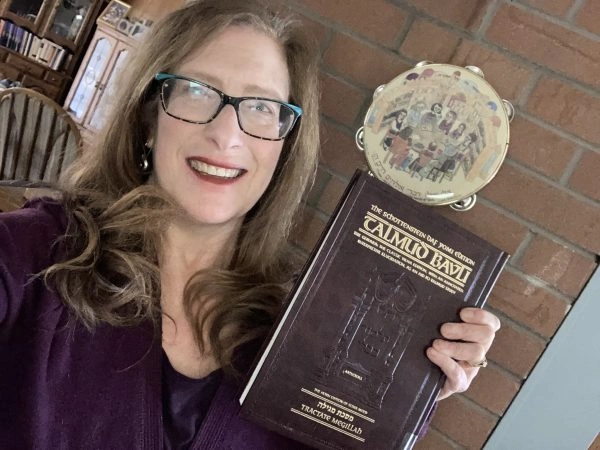
Denver, United States
Hadran entered my life after the last Siyum Hashaas, January 2020. I was inspired and challenged simultaneously, having never thought of learning Gemara. With my family’s encouragement, I googled “daf yomi for women”. A perfecr fit!
I especially enjoy when Rabbanit Michelle connects the daf to contemporary issues to share at the shabbat table e.g: looking at the Kohen during duchaning. Toda rabba

Jerusalem, Israel
I have joined the community of daf yomi learners at the start of this cycle. I have studied in different ways – by reading the page, translating the page, attending a local shiur and listening to Rabbanit Farber’s podcasts, depending on circumstances and where I was at the time. The reactions have been positive throughout – with no exception!

Guildford, United Kingdom
Chullin 137
בִּקְדוּשָּׁה, וּמְכִירָה – וְהָנָךְ נְפִישִׁין!
The Gemara further states that the matter of consecration applies neither to the mitzva of the first sheared wool nor to the firstborn animal. The firstborn is consecrated from the womb, while the first sheared wool is non-sacred. By contrast, the animal tithe is consecrated by the owner when passed under the rod. And finally, the option of sale by the priest applies to the first sheared wool and the firstborn animal after the priest receives them, whereas the animal tithe may not be sold. The Gemara adds: And these halakhot common to the first sheared wool and the firstborn are more numerous than the halakhot shared by the first sheared wool and the animal tithe. Therefore, Rabbi Shimon should derive the verbal analogy between the first sheared wool and the firstborn.
פָּשׁוּט מִפָּשׁוּט עֲדִיף לֵיהּ.
The Gemara answers: Even so, Rabbi Shimon prefers to derive the halakhot of the first sheared wool, which apply to an ordinary non-firstborn animal, from those of animal tithe, which also apply to an ordinary animal. Rabbi Shimon maintains that the shared factor that the first sheared wool and the animal tithe apply to all animals, not only the first to emerge from the womb, is decisive and overrides the other shared halakhot.
רֵאשִׁית הַגֵּז אֵינוֹ נוֹהֵג אֶלָּא בִּרְחֵלִים. מְנָא הָנֵי מִילֵּי? אָמַר רַב חִסְדָּא: אָתְיָא גִּיזָּה גִּיזָּה, כְּתִיב הָכָא ״רֵאשִׁית גֵּז צֹאנְךָ תִּתֶּן לוֹ״, וּכְתִיב הָתָם ״וּמִגֵּז כְּבָשַׂי יִתְחַמָּם״, מָה לְהַלָּן כְּבָשִׂים, אַף כָּאן כְּבָשִׂים.
§ The mishna states: The first sheared wool is in effect only with regard to sheep. The Gemara asks: From where are these matters derived? Rav Ḥisda said: It is derived by means of a verbal analogy between shearing mentioned in this context and shearing mentioned elsewhere. It is written here: “The first sheared wool of your flock [tzonekha], shall you give him” (Deuteronomy 18:4), and it is written there that Job says concerning the needy: “And he was warmed with the shearing of my sheep [kevasai]” (Job 31:20). Just as there, the verse is referring specifically to the shearing of sheep, as the term keves is used only with regard to a sheep, so too here, with regard to the first sheared wool, the verse is referring to sheep, despite the fact that the term tzon can be interpreted as referring also to goats.
וְנֵילַף ״גִּיזָּה״ ״גִּיזָּה״ מִבְּכוֹר, דְּתַנְיָא: ״לֹא תַעֲבֹד בִּבְכֹר שׁוֹרֶךָ וְלֹא תָגֹז בְּכוֹר צֹאנֶךָ״ – אֵין לִי אֶלָּא שׁוֹר בַּעֲבוֹדָה וְצֹאן בְּגִיזָּה.
The Gemara objects: But derive instead a verbal analogy concerning shearing mentioned in this context from shearing mentioned in the case of the firstborn animal: Just as the prohibition against shearing the firstborn also applies to a firstborn ox, so too, the halakhot of the first sheared wool should also apply to oxen. It is prohibited to shear a firstborn ox, as it is taught in a baraita: The verse states: “You shall do no work with the firstborn of your ox, and you shall not shear the firstborn of your flock” (Deuteronomy 15:19). From a straightforward reading of the verse, I have derived only that a firstborn ox may not be used for labor and that a firstborn of an animal from the flock may not be used for shearing.
מִנַּיִן לִיתֵּן הָאָמוּר שֶׁל זֶה בָּזֶה, וְאֶת הָאָמוּר שֶׁל זֶה בָּזֶה? תַּלְמוּד לוֹמַר ״לֹא תַעֲבוֹד וְלֹא תָגוֹז״.
The baraita continues: From where is it derived to apply the prohibition that was stated about that animal to this one, and the prohibition that was stated about this animal to that one? The verse states: “You shall do no work…and you shall not shear.” The conjunction “and” indicates that the two parts of the verse apply to both animals.
אָמַר קְרָא: ״תִּתֵּן לוֹ״, וְלֹא לְשַׂקּוֹ.
The Gemara explains: One cannot say that oxen are subject to the mitzva of first sheared wool, as the verse states with regard to this mitzva: “Shall you give him,” which indicates that the shearing is given to the priest himself, i.e., for him to wear, and not for use as his sack. The shearing of oxen is fit for use only as sackcloth, not as clothing.
אֶלָּא מֵעַתָּה, נוֹצָה שֶׁל עִזִּים לִיחַיַּיב? בָּעֵינַן גִּיזָּה, וְלֵיכָּא!
The Gemara objects: If that is so, let one be obligated in the mitzva of the first sheared wool in the case of goats’ hair, as it too can be used for clothing. The Gemara explains: To be obligated in the first sheared wool we require an act of shearing, and goats’ hair is plucked, not sheared.
מַאן שָׁמְעַתְּ לֵיהּ הַאי סְבָרָא? רַבִּי יוֹסֵי – הָא מוֹדֵי רַבִּי יוֹסֵי בְּמִידֵּי דְּאוֹרְחֵיהּ!
The Gemara asks: Who did you hear who accepts this reasoning that only an act of shearing renders one obligated in the mitzva of the first sheared wool? This is the opinion of Rabbi Yosei, which the Gemara will soon cite. But Rabbi Yosei concedes that the obligation does exist without the act of shearing in a case where the usual manner of removing the wool is not by shearing. Since goats’ hair is not commonly shorn, the obligation of the first sheared wool should apply.
אֶלָּא, כִּדְאָמַר רַבִּי יְהוֹשֻׁעַ בֶּן לֵוִי: ״לַעֲמוֹד לְשָׁרֵת״ – דָּבָר הָרָאוּי לְשֵׁירוּת, הָכָא נָמֵי – דָּבָר הָרָאוּי לְשֵׁירוּת.
Rather, the Gemara provides a different source for the mishna’s statement. The reason that the mitzva of first sheared wool applies only to sheep is as Rabbi Yehoshua ben Levi said: It is stated in the verse following the source for the mitzva of first sheared wool: “For the Lord your God has chosen him out of all your tribes, to stand to serve in the name of the Lord, he and his sons forever” (Deuteronomy 18:5). The term “to serve” indicates that the first sheared wool that is given to the priest must consist of a matter fit for the Temple service, i.e., its size must be large enough for use for the priestly garments. Here too, the first sheared wool must be of a matter fit for Temple service, i.e., sheep’s wool, from which the priestly garments are woven.
אֶלָּא ״גִּיזָּה״ ״גִּיזָּה״ לְמַאי אֲתָא? לְכִדְתָנָא דְּבֵי רַבִּי יִשְׁמָעֵאל, דְּתָנָא דְּבֵי רַבִּי יִשְׁמָעֵאל: כְּבָשִׂים שֶׁצַּמְרָן קָשֶׁה פְּטוּרִים מֵרֵאשִׁית הַגֵּז, שֶׁנֶּאֱמַר ״וּמִגֵּז כְּבָשַׂי יִתְחַמָּם״.
The Gemara asks: But if so, for what purpose does the verbal analogy between shearing mentioned with regard to the first sheared wool and shearing mentioned with regard to the flock come? The Gemara answers: It is necessary for that which was taught in the school of Rabbi Yishmael. As the school of Rabbi Yishmael taught: In the case of sheep whose wool is hard, the owner is exempt from the first sheared wool, as it is stated: “And he was warmed with the shearing of my sheep” (Job 31:20). Since hard wool does not provide warmth, the mitzva of the first sheared wool does not apply to this wool.
תָּנֵי חֲדָא: גּוֹזֵז אֶת הָעִזִּים וְשׁוֹטֵף אֶת הָרְחֵלִים – פָּטוּר, וְתַנְיָא אִידַּךְ: הַגּוֹזֵז אֶת הָעִזִּים – פָּטוּר, וְשׁוֹטֵף אֶת הָרְחֵלִים – חַיָּיב. לָא קַשְׁיָא: הָא רַבָּנַן, וְהָא רַבִּי יוֹסֵי.
§ It is taught in one baraita: If one shears goats, or washes sheep, which causes some of their wool to be detached, he is exempt from the obligation of first sheared wool with regard to this wool. And it is taught in another baraita: One who shears goats is exempt but one who washes the sheep is obligated to separate the first sheared wool from the wool that was washed off. The Gemara resolves this apparent contradiction: It is not difficult, as this baraita, which requires one to separate the first sheared wool from the washed-off wool, is in accordance with the opinion of the Rabbis, and that baraita, which exempts the washed off wool, is in accordance with the opinion of Rabbi Yosei.
דְּתַנְיָא: ״לֶקֶט קְצִירְךָ״ – וְלֹא לֶקֶט קִיטּוּף. רַבִּי יוֹסֵי אוֹמֵר: אֵין לֶקֶט אֶלָּא הַבָּא מֵחֲמַת קָצִיר.
The Gemara cites the source of this dispute. As it is taught in a baraita with regard to the verse: “And when you reap the harvest of your land, you shall not completely remove the corner of your field when you reap, and you shall not gather the gleaning of your harvest; you shall leave them for the poor” (Leviticus 23:22). The phrase “the gleaning of your harvest” indicates that only such a gleaning is included, and not gleaning from picking. If one picks the crop by hand rather than harvesting it using agricultural tools, he is exempt from the mitzva to leave the gleanings for the poor. Rabbi Yosei says: Gleanings are only those that come due to harvesting using agricultural tools.
רַבִּי יוֹסֵי הַיְינוּ תַּנָּא קַמָּא? כּוּלָּהּ רַבִּי יוֹסֵי הִיא, וְהָכִי קָתָנֵי: שֶׁרַבִּי יוֹסֵי אוֹמֵר, אֵין לֶקֶט אֶלָּא הַבָּא מֵחֲמַת קָצִיר.
The Gemara expresses puzzlement at this baraita: The opinion of Rabbi Yosei is identical to the opinion of the first tanna. The Gemara explains: The entire baraita is in accordance with the opinion of Rabbi Yosei, and this is what the baraita is teaching: The phrase “the gleaning of your harvest” teaches that crops picked by hand are exempt from the mitzva, as Rabbi Yosei says: Gleanings are only those that come due to harvesting. The Gemara infers that just as Rabbi Yosei interprets the term “harvest” as exempting crops that were picked by hand, so too he derives from the term “shearing” that the mitzva of the first sheared wool does not apply to fleece that was washed off. The Rabbis, who disagree with Rabbi Yosei with regard to the gleanings, likewise disagree with regard to the first sheared wool.
אֲמַר לֵיהּ רַב אַחָא בְּרֵיהּ דְּרָבָא לְרַב אָשֵׁי: מוֹדֶה רַבִּי יוֹסֵי בְּמִידֵּי דְּאוֹרְחֵיהּ, דְּתַנְיָא: רַבִּי יוֹסֵי אוֹמֵר: ״קָצִיר״ – אֵין לִי אֶלָּא קָצִיר, עוֹקֵר מִנַּיִן?
Rav Aḥa, son of Rava, said to Rav Ashi: Rabbi Yosei concedes that the mitzva of gleanings applies to a case where the usual manner of harvesting is by picking, as it is taught in a baraita with regard to the verse cited above that Rabbi Yosei says: From the term “harvest” I have derived only the obligation of gleanings with regard to harvest. From where do I derive the obligation of gleanings with regard to one who uproots the crop?
תַּלְמוּד לוֹמַר ״לִקְצוֹר״, תּוֹלֵשׁ מִנַּיִן? תַּלְמוּד לוֹמַר ״בְּקוּצְרֶךָ״.
The verse states: “And when you reap the harvest of your land, you shall not completely remove the corner of your field by reaping, and you shall not gather the gleaning of your harvest” (Leviticus 19:9). The superfluous term “by reaping” includes uprooting the crop. From where is it derived that the obligation extends to one who picked the crop by hand? The verse states: “When you reap” (Leviticus 23:22), which is also superfluous. It is derived from here that the mitzva applies to all ways of gathering the crop, provided they are the usual manner of harvesting that particular crop.
אֲמַר לֵיהּ רָבִינָא לְרַב אָשֵׁי: אַף אֲנַן נָמֵי תְּנֵינָא: מַלְבְּנוֹת בְּצָלִים שֶׁבֵּין הַיָּרָק, רַבִּי יוֹסֵי אוֹמֵר: פֵּאָה מִכׇּל אֶחָד וְאֶחָד, וַחֲכָמִים אוֹמְרִים: מֵאַחַת עַל הַכֹּל.
Ravina said to Rav Ashi: We learn as well in a mishna (Pe’a 3:4) that discusses the mitzva to leave produce in the corner of the field for the poor [pe’a]: If one has garden beds of onions that are among the vegetables, Rabbi Yosei says that one leaves separate pe’a from each and every one of the beds. And the Rabbis say that one leaves pe’a from one garden bed for all of them. This indicates that Rabbi Yosei concedes that one is obligated to leave pe’a and gleanings from onions, despite the fact that they are picked by hand rather than harvested with tools. The reason is that this is the usual manner of gathering onions.
וְכַמָּה הוּא מְרוּבֶּה? בִּשְׁלָמָא לְבֵית שַׁמַּאי – תַּרְתֵּי נָמֵי אִיקְּרוֹ ״צֹאן״, אֶלָּא לְבֵית הִלֵּל – מַאי טַעְמָא?
§ The mishna states: And how many is numerous? Beit Shammai say: It is at least two sheep, and Beit Hillel say: It is at least five sheep. The Gemara objects: Granted, according to the opinion of Beit Shammai, two sheep are also called tzon, as in the verse cited by Beit Shammai: “That a man shall rear a young cow and two sheep [tzon]” (Isaiah 7:21). Since the mitzva of the first sheared wool is written with regard to tzon, it is logical that it applies to two sheep. But what is the reasoning of Beit Hillel, who hold that the mitzva applies only to five sheep, due to the verse: “And five sheep [tzon] made” (I Samuel 25:18)? Why do they not apply the obligation using the broader criterion of two sheep, as the verse quoted by Beit Shammai clearly indicates that two sheep are also called tzon?
אָמַר רַב כָּהֲנָא: אָמַר קְרָא ״עֲשׂוּיוֹת״, שֶׁעוֹשׂוֹת שְׁתֵּי מִצְוֹת: רֵאשִׁית הַגֵּז וּמַתָּנוֹת. אֵימָא בְּכוֹרָה וּמַתָּנוֹת?
Rav Kahana said: The verse states: “Five sheep made [asuyot],” in plural. The plural form indicates that two mitzvot have been made, i.e., performed, with them. The two mitzvot are the first sheared wool and the gifts of the priesthood, a mitzva that applies to a single animal. If the two mitzvot have been performed only when there are five sheep, evidently the mitzva of the first sheared wool applies only to five sheep. The Gemara asks: Why can’t one say that the two mitzvot are the firstborn animal and the gifts of the priesthood?
בְּכוֹרָה, חֲדָא מִי לָא מִיחַיְּיבָא? וּלְטַעְמָיךְ, מַתָּנוֹת, חֲדָא מִי לָא מִיחַיְּיבָא? אֶלָּא אָמַר רַב אָשֵׁי: ״עֲשׂוּיוֹת״ – שֶׁמְּעַשּׂוֹת אֶת בַּעֲלֵיהֶן, וְאוֹמְרוֹת לוֹ: ״קוּם עֲשֵׂה מִצְוָה״.
The Gemara answers: The other mitzva cannot be the firstborn animal, as with regard to the firstborn, isn’t one animal obligated, i.e., doesn’t one animal render its owner obligated? Yet the verse states that one performs the two mitzvot only with five sheep. The Gemara asks: And according to your reasoning, with regard to the gifts of the priesthood, isn’t one animal obligated, i.e., doesn’t one animal render its owner obligated?Rather, Rav Ashi says: The term “made” should be understood as meaning that five sheep make their owner perform the first sheared wool and figuratively say to him: Stand and fulfill a mitzva, whereas less than five sheep do not obligate their owner in the mitzva of first sheared wool.
תַּנְיָא דְּבֵי רַבִּי יִשְׁמָעֵאל בְּרַבִּי יוֹסֵי אוֹמֵר מִשּׁוּם אָבִיו: אַרְבַּע, שֶׁנֶּאֱמַר: ״וְאַרְבַּע צֹאן תַּחַת הַשֶּׂה״.
It was taught in a baraita of the school of Rabbi Yishmael, son of Rabbi Yosei, that he says in the name of his father: The obligation of the first sheared wool applies to one who owns four sheep, since a verse calls four sheep tzon, as it is stated: “If a man steals an ox or a sheep, and kills it or sells it, he shall pay five oxen for the ox, and four sheep [tzon] for a sheep” (Exodus 21:37).
תַּנְיָא, אָמַר רַבִּי: אִלְמָלֵא דִּבְרֵיהֶן דִּבְרֵי תוֹרָה, וְדִבְרֵי בְּרִיבִּי קַבָּלָה – אֲנַן דִּבְרֵי בְּרִיבִּי שׁוֹמְעִין, וְכׇל שֶׁכֵּן שֶׁדִּבְרֵיהֶם דִּבְרֵי קַבָּלָה, וְדִבְרֵי בְּרִיבִּי דִּבְרֵי תוֹרָה.
It is taught in a baraita that Rabbi Yehuda HaNasi says: Had their statements, i.e., the opinions of Beit Shammai and Beit Hillel, been based on statements of the Torah, and the statement of the Distinguished One [Beribbi], Rabbi Yosei, based on the texts of the tradition [kabbala], the Prophets and Writings, even so we would listen to the statement of the Distinguished One, Rabbi Yosei. All the more so now that their statements are based on texts of the tradition, as both Beit Shammai and Beit Hillel derived their rulings from verses from the Prophets, while the statement of the Distinguished One, Rabbi Yosei, is based on the statements of the Torah.
וְהָאָמַר מָר: אֵין הַכְרָעָה שְׁלִישִׁית מַכְרַעַת!
The Gemara objects: But didn’t the Master say: The decision of a third opinion that compromises between the first two opinions is not considered decisive if it is based on considerations that were not mentioned by the other two opinions. Although Rabbi Yosei’s opinion is a compromise between the opinions of Beit Shammai and Beit Hillel, it is based on a different source.
אָמַר רַבִּי יוֹחָנָן: מִפִּי שְׁמוּעָה אָמְרָה, מִפִּי חַגַּי זְכַרְיָה וּמַלְאָכִי.
Rabbi Yoḥanan says in response: Rabbi Yehuda HaNasi accepted Rabbi Yosei’s opinion not because it was a compromise, but rather because he said it according to a tradition he had from the prophets Haggai, Zechariah, and Malachi.
רַבִּי דּוֹסָא בֶּן הַרְכִּינָס אוֹמֵר וְכוּ׳. וְכַמָּה ״כׇּל שֶׁהֵן״? אָמַר רַב: מָנֶה וּפְרָס, וּבִלְבַד שֶׁיְּהוּ מְחוּמָּשׁוֹת, וּשְׁמוּאֵל אָמַר: שִׁשִּׁים, וְנוֹתֵן סֶלַע אַחַת לְכֹהֵן.
§ The mishna states: Rabbi Dosa ben Harkinas says that the mitzva of the first sheared wool applies to five sheep, each of whose shearing weighs one hundred and fifty dinars, whereas the Rabbis say: Five sheep, each of whose shearing is any amount. The Gemara asks: And how much is signified by the phrase: Any amount? Rav says: It is a total weight of one hundred dinars [maneh] and half of one hundred dinars [peras], provided that they are divided equally between the five sheep. And Shmuel says: It is a total weight of sixty sela, of which he gives the weight of one sela to the priest.
רַבָּה בַּר בַּר חָנָה אָמַר רַבִּי יוֹחָנָן: שֵׁשׁ – לְכֹהֵן חָמֵשׁ, וְאַחַת לוֹ. עוּלָּא אָמַר רַבִּי אֶלְעָזָר: ״כׇּל שֶׁהֵן״ שָׁנִינוּ.
Rabba bar bar Ḥana says that Rabbi Yoḥanan says: It is a total weight of six sela, of which he gives to the priest the weight of five sela, and he leaves one sela for himself. Ulla says that Rabbi Elazar says: We learned in the mishna that according to the Rabbis the obligation of the first sheared wool applies to any amount, even if the total weight is only one sela.
תְּנַן: וְכַמָּה נוֹתֵן לוֹ? מִשְׁקַל חֲמֵשׁ סְלָעִים בִּיהוּדָה, שֶׁהֵן עֶשֶׂר סְלָעִים בַּגָּלִיל. בִּשְׁלָמָא לְרַב וְרַבִּי יוֹחָנָן – נִיחָא, אֶלָּא לִשְׁמוּאֵל וְרַבִּי אֶלְעָזָר – קַשְׁיָא!
We learned in the mishna (135a): And how much does one give to the priest? One gives him sheared wool of the weight of five sela in Judea, which are the equivalent of ten sela in the Galilee. Granted, according to the opinions of Rav and Rabbi Yoḥanan, the mishna works out well, as their statements do not contradict the mishna. Rav does not discuss the amount one is required to give the priest, and Rabbi Yoḥanan states that one gives the priest five sela. But according to Shmuel and Rabbi Elazar, the mishna is difficult, as Shmuel states that one is required to give one sela, while Rabbi Elazar states that the obligation of the first sheared wool applies even for a weight of less than five sela.
וְלִיטַעְמָיךְ, וּלְרַב מִי נִיחָא? וְהָא רַב וּשְׁמוּאֵל דְּאָמְרִי תַּרְוַיְיהוּ: רֵאשִׁית הַגֵּז בְּשִׁשִּׁים!
The Gemara responds: And according to your reasoning, does it work out well according to the opinion of Rav? But Rav and Shmuel both say that the first sheared wool given to the priest is one part in sixty. Rav holds that the weight of one hundred and fifty dinars renders one obligated in the first sheared wool, and one-sixtieth of this weight is less than one sela. Therefore, Rav’s opinion is also not in accordance with the mishna.
הָא אִיתְּמַר עֲלַהּ דְּהַהִיא, רַב וּשְׁמוּאֵל דְּאָמְרִי תַּרְוַיְיהוּ: בְּיִשְׂרָאֵל שֶׁיֵּשׁ לוֹ גִּיזִּין הַרְבֵּה עָסְקִינַן, וּמְבַקֵּשׁ לִיתְּנָן לְכֹהֵן, וְאָמְרִינַן לֵיהּ: כֹּל חַד וְחַד לָא תְּבַצַּר לֵיהּ מֵחֲמֵשֶׁת סְלָעִים.
The Gemara answers: It was stated with regard to that mishna that Rav and Shmuel both say: The five sela stated in the mishna is not referring to the total amount given from the sheared wool. Rather, in the mishna we are dealing with a Jew who has a large amount of shearing, and he wishes to give them to the priest, i.e., to several priests. And we say to him: With regard to each and every one of the priests, do not give him less than five sela. But if one has only a small amount of shearing, he gives the priest one-sixtieth of the shearing, even if it is less than five sela.
גּוּפָא: רַב וּשְׁמוּאֵל דְּאָמְרִי תַּרְוַיְיהוּ: רֵאשִׁית הַגֵּז בְּשִׁשִּׁים, תְּרוּמָה בְּשִׁשִּׁים, פֵּאָה בְּשִׁשִּׁים.
§ The Gemara mentioned a ruling of Rav and Shmuel with regard to the amount that one is required to give as the first sheared wool. The Gemara discusses the matter itself. Rav and Shmuel both say: The first sheared wool given to the priest is one part of sixty. Likewise, the amount one is required to separate as teruma is one part of sixty, and the amount one must leave in his field as pe’a is one part of sixty.
תְּרוּמָה בְּשִׁשִּׁים? וְהָא אֲנַן תְּנַן: תְּרוּמָה עַיִן יָפָה – אֶחָד מֵאַרְבָּעִים! דְּאוֹרָיְיתָא – בְּשִׁשִּׁים, דְּרַבָּנַן – בְּאַרְבָּעִים.
The Gemara asks: Is the amount one is required to separate as teruma one part of sixty? But didn’t we learn in a mishna (Terumot 4:3): With regard to the measure one should separate as teruma, if one is of generous disposition he gives one-fortieth. The Gemara answers: By Torah law, it is sufficient to give one part of sixty; by rabbinic law the requisite amount is one part of forty.
דְּאוֹרָיְיתָא בְּשִׁשִּׁים? וְהָאָמַר שְׁמוּאֵל: חִטָּה אַחַת פּוֹטֶרֶת אֶת הַכְּרִי! דְּאוֹרָיְיתָא – כְּדִשְׁמוּאֵל, דְּרַבָּנַן בִּדְאוֹרָיְיתָא – אַחַת מֵאַרְבָּעִים, דְּרַבָּנַן בִּדְרַבָּנַן – בְּשִׁשִּׁים.
The Gemara asks: Is the measure of teruma by Torah law one part of sixty? But doesn’t Shmuel say: By Torah law, even one grain of wheat given as teruma exempts the entire pile [keri] of grain? The Gemara answers: By Torah law the measure is as stated by Shmuel, that even one grain of wheat is sufficient. By rabbinic law, with regard to produce that is obligated in teruma by Torah law the measure is one-fortieth, whereas by rabbinic law, with regard to produce obligated in teruma by rabbinic law the measure is one part of sixty.
פֵּאָה בְּשִׁשִּׁים, וְהָתְנַן: אֵלּוּ דְּבָרִים שֶׁאֵין לָהֶן שִׁיעוּר: הַפֵּאָה, וְהַבִּכּוּרִים, וְהָרֵאָיוֹן. דְּאוֹרָיְיתָא – אֵין לָהּ שִׁיעוּר, דְּרַבָּנַן – בְּשִׁשִּׁים.
Rav and Shmuel said above that the amount one is required to leave in his field as pe’a is one part out of sixty. The Gemara raises a difficulty: But didn’t we learn in a mishna (Pe’a 1:1): These are the matters, i.e., mitzvot, that have no measure: Pe’a, and the first fruits, and the burnt offering of appearance sacrificed on the pilgrimage Festivals. The Gemara answers: By Torah law, pe’a has no fixed measure; by rabbinic law the measure is one part of sixty.
מַאי קָא מַשְׁמַע לַן? תְּנֵינָא: אֵין פּוֹחֲתִין לַפֵּאָה מִשִּׁשִּׁים, אַף עַל פִּי שֶׁאָמְרוּ הַפֵּאָה אֵין לָהּ שִׁיעוּר! הָתָם בָּאָרֶץ, הָכָא בְּחוּצָה לָאָרֶץ.
The Gemara asks: What is the statement of Rav and Shmuel teaching us? We already learn in the subsequent mishna (Pe’a 1:2): One should not give for pe’a less than one part of sixty, even though they said that the mitzva of pe’a has no measure. The Gemara answers: The mishna there is referring to the obligation to leave pe’a in Eretz Yisrael, whereas here, the statement of Rav and Shmuel is referring to the obligation of pe’a outside of Eretz Yisrael.
כִּי סְלֵיק אִיסִי בַּר הִינִי, אַשְׁכְּחֵיהּ (לְרַבִּי) [רַבִּי] יוֹחָנָן דְּקָא מַתְנֵי לֵיהּ לִבְרֵיהּ ״רְחֵלִים״, אֲמַר לֵיהּ: אַתְנְיֵיהּ ״רְחֵלוֹת״, אֲמַר לֵיהּ: כְּדִכְתִיב ״רְחֵלִים מָאתַיִם״, אֲמַר לֵיהּ: לְשׁוֹן תּוֹרָה לְעַצְמָהּ, לְשׁוֹן חֲכָמִים לְעַצְמָן.
§ When Isi bar Hini ascended from Babylonia to Eretz Yisrael, Rabbi Yoḥanan found him teaching the mishna to his son. Isi taught that the obligation of the first sheared wool applies only in the case of sheep [reḥelim], the masculine plural form of raḥel, meaning a sheep. Rabbi Yoḥanan said to Isi: You should teach him using the term reḥelot, the feminine plural form. Isi said to him in reply: I teach the mishna in accordance with that which is written: “Two hundred reḥelim” (Genesis 32:15). Rabbi Yoḥanan said to Isi: The language of the Torah is distinct and the language of the Sages is distinct, i.e., these are like two separate languages, and the Sages do not always use the same forms that appear in the Bible. In this case, they use reḥelot rather than reḥelim.
אֲמַר לֵיהּ: מַאן רֵישׁ סִדְרָא בְּבָבֶל? אֲמַר לֵיהּ: אַבָּא אֲרִיכָא. אֲמַר לֵיהּ: אַבָּא אֲרִיכָא קָרֵית לֵיהּ?! דְּכִירְנָא כַּד הֲוָה יָתֵיבְנָא אַחַר שְׁבַע עֶשְׂרֵה שׁוּרָן אֲחוֹרֵיהּ דְּרַב קַמֵּיהּ דְּרַבִּי, וְנָפְקִי זִיקּוּקִין דְּנוּר מִפּוּמֵּיהּ דְּרַב לְפוּמֵּיהּ דְּרַבִּי, וּמִפּוּמֵּיהּ דְּרַבִּי לְפוּמֵּיהּ דְּרַב, וְלֵית אֲנָא יָדַע מָה הֵן אָמְרִין, וְאַתְּ ״אַבָּא אֲרִיכָא״ קָרֵית לֵיהּ?!
Rabbi Yoḥanan said to Isi: Who is the head of the yeshiva [reish sidra] in Babylonia? Isi said to Rabbi Yoḥanan: It is Abba the tall, i.e., the amora Rav. Rabbi Yoḥanan said to Isi: You call him Abba the tall, in such a familiar manner? I remember when I sat seventeen rows behind Rav, who sat before Rabbi Yehuda HaNasi, and fiery sparks emerged from the mouth of Rav to the mouth of Rabbi Yehuda HaNasi, and from the mouth of Rabbi Yehuda HaNasi to the mouth of Rav, and I did not know what they said, due to the profundity of their discussion. And yet you call him Abba the tall?
אֲמַר לֵיהּ אִיהוּ: רֵאשִׁית הַגֵּז בְּכַמָּה? אֲמַר לֵיהּ רַבִּי יוֹחָנָן: בְּשִׁשִּׁים. וְהָאֲנַן ״בְּכׇל שֶׁהֵן״ תְּנַן! אֲמַר לֵיהּ: אִם כֵּן, מָה בֵּין לִי וְלָךְ?
Isi said to Rabbi Yoḥanan: With regard to the first sheared wool, to how much fleece does the mitzva apply? Rabbi Yoḥanan said to him: The first sheared wool applies to fleece weighing sixty sela. Isi asked: But didn’t we learn in the mishna (135a) that the first sheared wool applies to any amount of fleece? Rabbi Yoḥanan said to him in reply: If so, i.e., if the halakha could be understood by a simple reading of the mishna, what is the difference between my knowledge and yours? In fact, you know only the mishna’s statement, whereas I know the halakhic conclusion in this matter.
כִּי אֲתָא רַב דִּימִי, אָמַר: רֵאשִׁית הַגֵּז – רַב אָמַר בְּשִׁשִּׁים, וְרַבִּי יוֹחָנָן מִשּׁוּם רַבִּי יַנַּאי אָמַר בְּשֵׁשׁ. אֲמַר לֵיהּ אַבָּיֵי לְרַב דִּימִי: אַנַּחְתְּ לַן חֲדָא וְאַקְשֵׁת לַן חֲדָא.
§ When Rav Dimi came from Eretz Yisrael to Babylonia, he said: With regard to the first sheared wool, Rav says that the mitzva applies to sixty sela, and Rabbi Yoḥanan in the name of Rabbi Yannai says that the mitzva applies to six sela. Abaye said to Rav Dimi: You have made one statement work out well for us, but you have made another statement difficult for us.
בִּשְׁלָמָא דְּרַבִּי יוֹחָנָן אַדְּרַבִּי יוֹחָנָן לָא קַשְׁיָא: הָא דִידֵיהּ, הָא דְרַבֵּיהּ.
Abaye elaborates: Granted, you have resolved a contradiction between two statements of Rabbi Yoḥanan. Rabbi Yoḥanan said above that the amount of fleece to which the obligation of the first sheared wool applies is six sela, whereas in his answer to Isi he stated that the amount is sixty sela. According to Rav Dimi, the apparent contradiction between one statement of Rabbi Yoḥanan and the other statement of Rabbi Yoḥanan is not difficult, as this statement is his and that statement is his teacher’s. Rabbi Yoḥanan holds that the obligation applies to sixty sela, whereas his teacher Rabbi Yannai maintains that it applies to six sela.
אֶלָּא דְּרַב אַדְּרַב קַשְׁיָא, דְּהָא אָמַר רַב מָנֶה וּפְרָס! דְּרַב אַדְּרַב נָמֵי לָא קַשְׁיָא, מַאי מָנֶה דְּקָאָמַר? בֶּן אַרְבָּעִים סְלָעִים, דַּהֲוָה לֵיהּ
But the contradiction between one statement of Rav and another statement of Rav poses a difficulty, as Rav said that fleece weighing one hundred dinars [maneh] and half of one hundred dinars [maneh] is obligated in the first sheared wool, whereas Rav Dimi stated that according to Rav the obligation applies to sixty sela, which are 240 dinars. The Gemara answers: The apparent contradiction between the one statement of Rav and the other statement of Rav is also not difficult, as what is the maneh of which Rav said that a maneh and a half are obligated? Rav was referring not to a maneh of one hundred dinars but to a maneh of forty sela, i.e., 160 dinars, a maneh and a half of which is

