Search

Gittin 19

Want to dedicate learning? Get started here:

English
עברית
podcast placeholder

0:00
0:00


podcast placeholder

0:00
0:00


Summary

This week’s learning is sponsored by Bob & Paula Cohen in loving memory of Henna bat Yitzchak Nechemia. 

Today’s learning is dedicated in memory of the three soldiers killed yesterday on the Egyptian border – Ori Yitzchak Iluz, Lia Ben Nun and Ohad Dahan. Yehi Zichram Baruch.

With what types of ink can you write a get? I get can be written on a leaf that is detached from the ground, a horn of a cow and an arm of a slave, in which case the husband would give the cow/slave to the wife. If one writes with ink on top of other ink, does it work? In a case where one can’t find witnesses who know how to sign, what possible solutions are there? Reish Lakish asked Rabbi Yochanan if one writes out their names in red ink and the witnesses go over letters with black ink, does that count? When Rabbi Yochanan says no, Reish Lakish questions him from laws of Shabbat as one who does that is liable for erasing |(the red ink) and for writing (with the black ink). Rabbi Yochanan responds that just because we are concerned it may be considered writing on Shabbat, it doesn’t mean we should act upon it and permit a get signed in that manner! If witnesses do not know how to read or write, can they sign a regular document or a get? Is the law the same for both a get and other documents? If one gives a blank piece of paper to a woman saying, “This is your get,” and then it gets destroyed and he claims it was not a get, is he believed?

Today’s daily daf tools:

Gittin 19

כְּדַאי הוּא רַבִּי שִׁמְעוֹן לִסְמוֹךְ עָלָיו בִּשְׁעַת הַדְּחָק.

Rabbi Shimon, who permitted using a bill of divorce that was written during the day and signed at night, is worthy of being relied upon in exigent circumstances. Therefore, once such a bill of divorce has been written and given, the woman is divorced.

וְהָאָמַר רֵישׁ לָקִישׁ: לֹא הִכְשִׁיר רַבִּי שִׁמְעוֹן אֶלָּא לְאַלְתַּר, אֲבָל מִכָּאן וְעַד עֲשָׂרָה יָמִים – לָא! בְּהַהִיא, כְּרַבִּי יוֹחָנָן סְבִירָא לֵיהּ.

The Gemara challenges: But didn’t Reish Lakish say: Rabbi Shimon deemed such a bill of divorce valid only if it was signed immediately, but after a delay from now until ten days, no. The Gemara answers: With regard to that question, whether the others must sign immediately, Rabbi Yehoshua ben Levi holds in accordance with the opinion of Rabbi Yoḥanan, who holds that they may sign after a delay.

וְהָאָמַר רַבִּי יוֹחָנָן: שְׁנַיִם מִשּׁוּם עֵדִים, וְכוּלָּן מִשּׁוּם תְּנַאי! בְּהָהִיא, כְּרֵישׁ לָקִישׁ סְבִירָא לֵיהּ.

The Gemara challenges: But didn’t Rabbi Yoḥanan say: Two of them function as witnesses, and all the rest of them sign the bill of divorce only due to the stipulation? It is clear that Rabbi Yehoshua ben Levi does not hold in accordance with the opinion of Rabbi Yoḥanan, as Rabbi Yehoshua ben Levi is concerned about the other witnesses and deems the bill of divorce valid only due to exigent circumstances. The Gemara answers: With regard to this, i.e., why the additional people must sign, he holds in accordance with the opinion of Reish Lakish that all of them function as witnesses.

מַתְנִי׳ בַּכֹּל כּוֹתְבִים – בִּדְיוֹ, בְּסַם, בְּסִיקְרָא, וּבְקוֹמוֹס, וּבְקַנְקַנְתּוֹם, וּבְכׇל דָּבָר שֶׁהוּא שֶׁל קַיָּימָא. אֵין כּוֹתְבִין לֹא בְּמַשְׁקִין, וְלֹא בְּמֵי פֵירוֹת, וְלֹא בְּכׇל דָּבָר שֶׁאֵינוֹ מִתְקַיֵּים.

MISHNA: One may write a bill of divorce with any material that can be used for writing: With deyo, with paint [sam], with sikra, with komos, with kankantom or with anything that produces permanent writing. However, one may not write with other liquids, nor with fruit juice, nor with anything that does not produce permanent writing.

עַל הַכֹּל כּוֹתְבִין – עַל הֶעָלֶה שֶׁל זַיִת; וְעַל הַקֶּרֶן שֶׁל פָּרָה – וְנוֹתֵן לָהּ אֶת הַפָּרָה; עַל יָד שֶׁל עֶבֶד – וְנוֹתֵן לָהּ אֶת הָעֶבֶד. רַבִּי יוֹסֵי הַגְּלִילִי אוֹמֵר: אֵין כּוֹתְבִין לֹא עַל דָּבָר שֶׁיֵּשׁ בּוֹ רוּחַ חַיִּים, וְלֹא עַל הָאוֹכָלִים.

Similarly, with regard to the document itself, one may write on anything, even on an olive leaf, or on the horn of a cow. And the latter is valid if he gives her the entire cow. Likewise, one may write a bill of divorce on the hand of a slave, and that is valid if he gives her the slave. Rabbi Yosei HaGelili disagrees and says: One may not write a bill of divorce on any living thing, nor may it be written on food.

גְּמָ׳ דְּיוֹ – דְּיוֹתָא. סַם – סַמָּא. סִיקְרָא – אָמַר רַבָּה בַּר בַּר חָנָה: סְקַרְתָּא שְׁמַהּ. קוֹמוֹס – קוֹמָא. קַנְקַנְתּוֹם – אָמַר רַבָּה בַּר בַּר חָנָה אָמַר שְׁמוּאֵל: חַרְתָּא דְאוּשְׁכָּפֵי.

GEMARA: The Gemara begins by explaining the terms used in the mishna: Deyo refers to what is called deyota, ink, in Aramaic. Sam refers to samma, arsenic. With regard to sikra, Rabba bar bar Ḥana said: Its name in Aramaic is sikreta, red dye, derived from minium, which is also known as red lead. Komos, tree resin, is known as kuma in Aramaic. With regard to kankantom, Rabba bar bar Ḥana said that Shmuel said: This is the black substance used by cobblers, iron sulfate.

וּבְכׇל דָּבָר שֶׁהוּא מִתְקַיֵּים וְכוּ׳: לְאֵתוֹיֵי מַאי? לְאֵתוֹיֵי הָא דְתָנֵי רַבִּי חֲנִינָא: כְּתָבוֹ בְּמֵי טַרְיָא וְאַפְצָא – כָּשֵׁר. תָּנֵי רַבִּי חִיָּיא: כְּתָבוֹ בַּאֲבָר, בִּשְׁחוֹר וּבְשִׁיחוֹר – כָּשֵׁר.

The mishna taught that one is allowed to write a bill of divorce with anything that produces permanent writing. The Gemara asks: This statement is meant to add what? The Gemara answers: To add what Rabbi Ḥanina taught: If he wrote it with mei teriya or water in which gallnuts [aftza] were soaked, then it is valid, as the writing is permanent. Rabbi Ḥiyya teaches: If he wrote it with lead, with coals, or with black paint then it is valid.

אִיתְּמַר: הַמַּעֲבִיר דְּיוֹ עַל גַּבֵּי סִיקְרָא, בַּשַּׁבָּת; רַבִּי יוֹחָנָן וְרֵישׁ לָקִישׁ דְּאָמְרִי תַּרְוַיְיהוּ – חַיָּיב שְׁתַּיִם: אַחַת מִשּׁוּם כּוֹתֵב, וְאַחַת מִשּׁוּם מוֹחֵק. דְּיוֹ עַל גַּבֵּי דְּיוֹ, סִיקְרָא עַל גַּבֵּי סִיקְרָא – פָּטוּר. סִיקְרָא עַל גַּבֵּי דְּיוֹ – אָמְרִי לַהּ: חַיָּיב, וְאָמְרִי לַהּ: פָּטוּר.

§ It was stated that there was a related discussion about different types of writing: In the case of one who passes ink over letters written in red dye on Shabbat, Rabbi Yoḥanan and Reish Lakish both say that he is liable to bring two sin-offerings for this: One due to violating the prohibition against writing on Shabbat, because he is now writing letters in ink, and one due to violating the prohibition against erasing on Shabbat, because as he writes he erases what is written in red dye. They also agree in the case of ink written on top of ink, or red dye on top of red dye, that according to everyone he is exempt, because he changed nothing with his writing. However, if he wrote with red dye on top of ink, then some say that he is liable and some say that he is exempt.

אָמְרִי לַהּ חַיָּיב – מוֹחֵק הוּא. אָמְרִי לַהּ פָּטוּר – מְקַלְקֵל הוּא.

The Gemara explains these opinions: Some say that he is liable because it is erasing, as he erases the higher-quality, original writing. Some say that he is exempt because he is destroying and one who acts destructively is exempt, as he has not performed planned, constructive labor on Shabbat.

בְּעָא מִינֵּיהּ רֵישׁ לָקִישׁ מֵרַבִּי יוֹחָנָן: עֵדִים שֶׁאֵין יוֹדְעִים לַחְתּוֹם; מַהוּ שֶׁיִּכְתְּבוּ לָהֶם בְּסִיקְרָא, וְיַחְתְּמוּ כְּתָב עֶלְיוֹן? כְּתָב, אוֹ אֵינוֹ כְּתָב? אֲמַר לֵיהּ: אֵינוֹ כְּתָב.

This dispute pertains to the halakhot of Shabbat. With regard to the signing of documents, Reish Lakish raised a dilemma before Rabbi Yoḥanan: If there are witnesses who do not know how to sign their names, what is the halakha: May their names be written for them with red dye, and afterward they will sign on top of it in ink? The question is: Is the upper writing, which was not directly on the document but on top of other ink, considered to be writing, or is it not writing? He said to him: It is not writing. Consequently, this may not be done for witnesses who do not know how to sign.

אֲמַר לֵיהּ: וַהֲלֹא לִימַּדְתָּנוּ רַבֵּינוּ, כְּתָב עֶלְיוֹן – כְּתָב לְעִנְיַן שַׁבָּת! אֲמַר לֵיהּ: וְכִי מִפְּנֵי שֶׁאָנוּ מְדַמִּין נַעֲשֶׂה מַעֲשֶׂה?!

Reish Lakish said to him: Didn’t our master, i.e., Rabbi Yoḥanan, teach us that the upper writing is considered to be writing with regard to the halakhot of Shabbat? Rabbi Yoḥanan said to him: And because we compare the halakhot pertaining to bills of divorce to the halakhot of Shabbat, shall we perform an action and teach that a bill of divorce may be written in this manner?

אִיתְּמַר: עֵדִים שֶׁאֵין יוֹדְעִים לַחְתּוֹם; רַב אָמַר: מְקָרְעִין לָהֶם נְיָיר חָלָק, וּמְמַלְּאִים אֶת הַקְּרָעִים דְּיוֹ. וּשְׁמוּאֵל אָמַר: בַּאֲבָר.

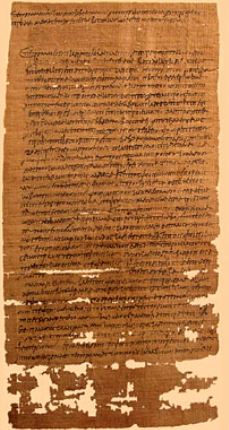
§ It was stated that there was a dispute with regard to the following question: What should be done for witnesses who do not know how to sign? Rav says: One tears blank paper for them, meaning that a stencil of their names is fashioned from blank paper and placed on the bill of divorce. The witnesses then fill in the gaps with ink so that their names appear on the document. And Shmuel says: One first writes their names on the document with lead, and the witnesses write over those letters.

בַּאֲבָר סָלְקָא דַּעְתָּךְ?! וְהָתָנֵי רַבִּי חִיָּיא: כְּתָבוֹ בַּאֲבָר, בִּשְׁחוֹר וּבְשִׁיחוֹר – כָּשֵׁר! לָא קַשְׁיָא: הָא – בַּאֲבָרָא, הָא – בְּמַיָּא דַאֲבָרָא.

The Gemara asks: Would it enter your mind to say that they actually write for them with lead? But didn’t Rabbi Ḥiyya teach: If he wrote it with lead, with coals, or with black paint, then it is valid? It can be seen from this baraita that writing with lead is considered to be a valid form of writing, and, as Rabbi Yoḥanan taught, if one writes on top of other writing then the second writing is not accepted for the signing of documents. The Gemara answers: This is not difficult: This, that Shmuel allowed the witnesses to sign on top of lead writing, applies only when the first writing was done with lead itself, which is not considered to be writing on its own. That, Rabbi Ḥiyya’s statement that it is valid for writing a bill of divorce, applies only when the first writing was done using lead water, i.e., water colored black with lead.

רַבִּי אֲבָהוּ אָמַר: בְּמֵי מֵילִין. וְהָתָנֵי רַבִּי חֲנִינָא: כְּתָבוֹ בְּמֵי טַרְיָא וְאַפְצָא – כָּשֵׁר!

Rabbi Abbahu said: A solution would be to write the names for these witnesses with gall water [mei milin] and have them trace their names with ink. The Gemara challenges: But didn’t Rabbi Ḥanina teach that if he wrote a bill of divorce with mei teriya or water in which gallnuts were soaked it is valid? As this is so, any additional writing over the writing in gall water should not be accepted as a valid signature.

לָא קַשְׁיָא: הָא דַּאֲפִיץ, הָא דְּלָא אֲפִיץ; שֶׁאֵין מֵי מֵילִין עַל גַּבֵּי מֵי מֵילִין.

The Gemara answers: This is not difficult. This suggestion of Rabbi Abbahu, that the document be prepared with the names of the witnesses written with gall water, refers to a case where the parchment was processed with gallnuts. That statement of Rabbi Ḥanina, that gall water may be used on its own to write a bill of divorce, refers to a case where the parchment was not processed with gallnuts. The reason for the difference is because gall water is not permanent when applied on top of gall water, i.e., on parchment that was processed with gallnuts. Therefore, if the parchment was processed using gallnuts, the writing of the names of the witnesses, done with gall water, will not be permanent, and the witnesses may sign their names on top of that writing. When the baraita states that witnesses may sign their names with gall water, it is referring to a case where the parchment was not processed with gallnuts, so the gall water signature will be permanent.

רַב פָּפָּא אָמַר: בְּרוֹק. וְכֵן אוֹרִי לֵיהּ רַב פָּפָּא לְפָפָּא תּוֹרָאָה: בְּרוֹק. וְהָנֵי מִילֵּי בְּגִיטִּין, אֲבָל בִּשְׁטָרוֹת – לָא,

Rav Pappa said: A solution would be to write the names for these witnesses with saliva and have them trace their names with ink. And so Rav Pappa instructed Pappa the ox herder, who did not know how to sign his name, that the court should write his name with saliva and he should trace it with ink. The Gemara comments: This matter, the leniency to have the witnesses trace their names, applies only to bills of divorce, as there is a concern that witnesses will not be found, and the woman will be unable to remarry. However, for financial documents, the Sages did not allow this, and one must instead find witnesses who know how to sign their names.

דְּהָהוּא דַּעֲבַד עוֹבָדָא בִּשְׁאָר שְׁטָרוֹת, וְנַגְּדֵיהּ רַב כָּהֲנָא.

It is told that there was a certain person who performed an action and allowed witnesses to trace their names in a case of other documents, which were not bills of divorce, and Rav Kahana ordered that he be flogged for doing so.

תַּנְיָא כְּווֹתֵיהּ דְּרַב: עֵדִים שֶׁאֵין יוֹדְעִין לַחְתּוֹם, מְקָרְעִין לָהֶן נְיָיר חָלָק וּמְמַלְּאִים אֶת הַקְּרָעִים דְּיוֹ.

It is taught in a baraita in accordance with the opinion of Rav: In the case of witnesses who do not know how to sign, one tears a blank piece of paper for them, and they fill in the gaps with ink.

אָמַר רַבָּן שִׁמְעוֹן בֶּן גַּמְלִיאֵל: בַּמֶּה דְּבָרִים אֲמוּרִים – בְּגִיטֵּי נָשִׁים; אֲבָל בְּשִׁחְרוּרֵי עֲבָדִים וּשְׁאָר כׇּל הַשְּׁטָרוֹת, אִם יוֹדְעִין לִקְרוֹת וְלַחְתּוֹם – חוֹתְמִין, וְאִם לָאו – אֵין חוֹתְמִין.

Rabban Shimon ben Gamliel said: In what case is this statement said? For bills of divorce. However, for bills of manumission and for all other documents, if the witnesses know how to read and how to sign, then they sign, and if they do not know how to read and sign they do not sign.

קְרִיָּיה מַאן דְּכַר שְׁמַהּ? חַסּוֹרֵי מִיחַסְּרָא, וְהָכִי קָתָנֵי: עֵדִים שֶׁאֵין יוֹדְעִין לִקְרוֹת – קוֹרִין לִפְנֵיהֶם וְחוֹתְמִים, וְשֶׁאֵין יוֹדְעִין לַחְתּוֹם כּוּ׳. אָמַר רַבִּי שִׁמְעוֹן בֶּן גַּמְלִיאֵל: בַּמֶּה דְּבָרִים אֲמוּרִים, בְּגִיטֵּי נָשִׁים; אֲבָל שִׁחְרוּרֵי עֲבָדִים וּשְׁאָר כׇּל הַשְּׁטָרוֹת, אִם יוֹדְעִין לִקְרוֹת וְלַחְתּוֹם – חוֹתְמִין, וְאִם לָאו – אֵין חוֹתְמִין.

The Gemara asks: With regard to reading, who mentioned anything about it? Why does Rabban Shimon ben Gamliel mention the need for witnesses to be able to read when the discussion is about a witness who does not know how to sign? The Gemara answers: The baraita is incomplete, and this is what it is teaching: In the case of witnesses who do not know how to read, one reads the document in their presence and they sign. And in the case where they do not know how to sign, then one tears paper in the form of a stencil and they fill in the gaps with ink. With regard to this, Rabban Shimon ben Gamliel said: In what case is this statement said? For bills of divorce. However, for bills of manumission and for all other documents, if the witnesses know how to read and how to sign, then they sign, and if not they do not sign.

אָמַר רַבִּי אֶלְעָזָר: מַאי טַעְמָא דְּרַבָּן שִׁמְעוֹן בֶּן גַּמְלִיאֵל? שֶׁלֹּא יְהוּ בְּנוֹת יִשְׂרָאֵל עֲגוּנוֹת.

Rabbi Elazar says: What is the reason of Rabban Shimon ben Gamliel, who permitted this only for bills of divorce? He holds that there is reason to be lenient with bills of divorce, so that the daughters of Israel should not be deserted. Requiring literate witnesses for bills of divorce could lead to a scenario in which a husband wishes to travel and wants to give his wife a bill of divorce in case he shall not return, but if he does not find literate witnesses he may leave without divorcing her, leaving her unable to remarry.

אָמַר רָבָא: הֲלָכָה כְּרַבָּן שִׁמְעוֹן בֶּן גַּמְלִיאֵל. וְרַב גַּמָּדָא מִשְּׁמֵיהּ דְּרָבָא אָמַר: אֵין הֲלָכָה. וְאֶלָּא כְּמַאן, כְּרַבָּנַן?!

Rava says: The halakha is in accordance with Rabban Shimon ben Gamliel. And Rav Gamda said in the name of Rava: The halakha is not in accordance with Rabban Shimon ben Gamliel. The Gemara asks: Rather, in accordance with whose opinion is the halakha? Is it in accordance with the opinion of the Rabbis, and it is permitted to do this for any document?

וְהָא הָהוּא דַּעֲבַד עוֹבָדָא בִּשְׁאָר שְׁטָרוֹת, וְנַגְּדֵיהּ רַב כָּהֲנָא! תַּרְגְּמַהּ אַקְּרִיאָה.

But wasn’t there a certain person who performed an action, and allowed witnesses to trace their names in a case of other documents that were not bills of divorce, and Rav Kahana ordered that he be flogged for doing so? The Gemara answers: Rav Gamda interpreted the statement of Rava only with regard to reading, meaning that the halakha is in accordance with the Rabbis and not Rabban Shimon ben Gamliel only with regard to the question of whether other documents may be read to the witnesses, but not with regard to whether they may sign other documents by means of a stencil.

רַב יְהוּדָה מִיצְטַעַר קָרֵי וְחָתֵים. אֲמַר לֵיהּ עוּלָּא: לָא צְרִיכַתְּ, דְּהָא רַבִּי אֶלְעָזָר מָרָא דְּאֶרֶץ יִשְׂרָאֵל – קָרוּ קַמֵּיהּ וְחָתֵים, וְרַב נַחְמָן – קָרוּ קַמֵּיהּ סָפְרֵי דַּיָּינֵי וְחָתֵים. וְדַוְוקָא רַב נַחְמָן וְסָפְרֵי דַּיָּינֵי, דְּאִית לְהוּ אֵימְתָא, אֲבָל רַב נַחְמָן וְסָפְרֵי אַחֲרִינֵי, סָפְרֵי דַּיָּינֵי וְאִינִישׁ אַחֲרִינָא – לָא.

It is told that Rav Yehuda was nearly blind in his old age. He could barely read and he took great pains to read and sign documents as a witness or a judge. Ulla said to him: It is not necessary for you to do this, as the court scribes would read in the presence of Rabbi Elazar the master, i.e., the halakhic authority of Eretz Yisrael, and he would sign; and the court scribes would read documents before Rav Naḥman and he would sign; and you may do the same. The Gemara notes: And this was done specifically in a case like that of Rav Naḥman and the court scribes, as they had fear of him because he was a great man and a judge to whom they were subservient. Therefore, there was no concern that they would not read it correctly. However, for Rav Naḥman and other scribes, or the court scribes and another person, no; the document may not be read to the witness, as the scribes may read it incorrectly to him.

רַב פָּפָּא, כִּי הֲוָה אָתֵי לְקַמֵּיהּ שְׁטָרָא פָּרְסָאָה דַּעֲבִיד בְּעַרְכָּאוֹת שֶׁל גּוֹיִם, מַקְרֵי לְהוּ לִשְׁנֵי גוֹיִם זֶה שֶׁלֹּא בִּפְנֵי זֶה בְּמֵסִיחַ לְפִי תּוּמּוֹ, וּמַגְבֵּי בֵּיהּ מִמְּשַׁעְבְּדִי.

The Gemara recounts the behavior of another amora who had documents read to him: When documents that were written in Persian and that were produced in gentile courts came before Rav Pappa, who did not know how to read Persian, he would have it be read by two gentiles, each one not in the presence of the other and in a way that each one would speak offhandedly, without knowing that they were giving testimony. Once he clarified what was written in the document he would collect payment with it even from liened property that had been sold, as he held that such a document is entirely valid with regard to monetary law.

אָמַר רַב אָשֵׁי: אָמַר לִי רַב הוּנָא בַּר נָתָן, הָכִי אָמַר אַמֵּימָר: הַאי שְׁטָרָא פָּרְסָאָה דַּחֲתִימִי עֲלֵיהּ סָהֲדִי יִשְׂרָאֵל, מַגְבֵּינַן בֵּיהּ מִמְּשַׁעְבְּדִי.

Rav Ashi said that Rav Huna bar Natan said to me that so said Ameimar: With regard to this Persian document, on which Jews are signed as witnesses, the court is able to collect payment with it, even from liened property that had been sold.

וְהָא לָא יָדְעִי לְמִיקְרֵי! בִּדְיָדְעִי. וְהָא בָּעֵינַן כְּתָב שֶׁאֵינוֹ יָכוֹל לְהִזְדַּיֵּיף, וְלֵיכָּא! בְּדַאֲפִיצָן. וְהָא בָּעֵינַן ״צָרִיךְ לַחֲזוֹר מֵעִנְיָנוֹ שֶׁל שְׁטָר בְּשִׁיטָה אַחֲרוֹנָה״, וְלֵיכָּא! בִּדְמַהְדַּר.

The Gemara asks: But they don’t know how to read, as most Jews did not read Persian. The Gemara answers: Ameimar’s statement applies when they know how to read Persian. The Gemara questions how the court can rely upon such a document: But don’t we require all legal documents to be written in a writing that cannot be forged; and it is not so in documents produced by Persians, as the Persians were not particular about this when writing their legal documents. The Gemara answers: His statement applies in a case where the paper of the documents was processed with gall. Consequently, it is not possible to forge the writing. But we require a document to recap the essential topic of the document in its last line; and it is not so in the case of Persian documents. The Gemara answers: Ameimar’s statement applies in a case where the document recapped the essential topic of the document in the final line.

וְאֶלָּא מַאי קָא מַשְׁמַע לַן – דְּכׇל לָשׁוֹן כָּשֵׁר?! תְּנֵינָא: גֵּט שֶׁכְּתָבוֹ עִבְרִית וְעֵדָיו יְוָנִית, יְוָנִית וְעֵדָיו עִבְרִית – כָּשֵׁר!

The Gemara asks: But if Ameimar’s statement applies only when all these conditions are met, then what is he teaching us, that a document that is properly written in any language is valid? We already learned in a mishna (87b): In the case of a bill of divorce that he wrote in Hebrew and its witnesses signed in Greek, or one that he wrote in Greek and its witnesses signed in Hebrew, it is valid. If this is written in the mishna, Ameimar’s statement would not simply repeat it.

אִי מֵהַהִיא, הֲוָה אָמֵינָא: הָנֵי מִילֵּי בְּגִיטִּין, אֲבָל בִּשְׁאָר שְׁטָרוֹת – לָא, קָא מַשְׁמַע לַן.

The Gemara answers: This cannot serve as a clear proof, because if the only source for this halakha were from that mishna then I would say: This statement applies only for bills of divorce, where the Sages were lenient so that a woman would not be unable to remarry. However, for other documents, no. Consequently, Ameimar teaches us that other types of documents are valid if they are written in other languages as well.

אָמַר שְׁמוּאֵל: נָתַן לָהּ נְיָיר חָלָק, וְאָמַר לַהּ: ״הֲרֵי זֶה גִּיטֵּיךְ״ – מְגוֹרֶשֶׁת; חָיְישִׁינַן שֶׁמָּא בְּמֵי מֵילִין כְּתָבוֹ.

§ Shmuel says: If a man gave his wife a blank piece of paper and said to her: This is hereby your bill of divorce, then she is divorced. Why? We are concerned that perhaps he wrote it with gall water, rendering it a valid bill of divorce, and the writing was subsequently absorbed into the paper so that it was no longer visible.

מֵיתִיבִי: ״הֲרֵי זֶה גִּיטֵּךְ״; וּנְטָלַתּוּ וּזְרָקַתּוּ לַיָּם, אוֹ לָאוּר, אוֹ לְכׇל דָּבָר הָאָבֵד; וְחָזַר וְאָמַר: ״שְׁטַר פַּסִּים הוּא״, ״שְׁטַר אֲמָנָה הוּא״ – מְגוֹרֶשֶׁת, וְלֹא כׇּל הֵימֶנּוּ לְאוֹסְרָהּ.

The Gemara raises an objection based on what was taught in a baraita (Tosefta 8:2): If a husband said to his wife: This is hereby your bill of divorce, and instead of opening it and looking at it she took it and threw it into the sea, or into a fire, or into anything that destroys it; and he later said: It wasn’t actually a bill of divorce, rather it is a document of appeasement [shetar passim], a symbolic promissory note meant only for display so that the person holding it will be considered to be wealthy; or he said: It is a document of trust, which is a false promissory note given by one person to another, trusting that he will not make use of it until there has been an actual loan; then she is divorced. And he does not have the power to make her forbidden to everyone else as a married woman by saying that it was not a bill of divorce and they are still married.

טַעְמָא דְּאִיכָּא כְּתָב, הָא לֵיכָּא כְּתָב – לָא! כִּי קָאָמַר שְׁמוּאֵל, דְּבָדְקִינַן לֵיהּ בְּמַיָּא דְנָרָא; אִי פָּלֵיט – פָּלֵיט, וְאִי לָא פָּלֵיט – לָאו כְּלוּם הוּא.

The Gemara makes an inference from the baraita: The reason she is divorced is because this bill of divorce has writing, and there is no way to ascertain what was written, but if it did not have writing, then no, there is no concern that perhaps it was a valid bill of divorce written with gall water. This runs counter to the statement of Shmuel. The Gemara answers: When Shmuel said that the woman was divorced with a blank piece of paper, it was in a case where we check the paper with a colored liquid [maya denara]. If the paper expels the writing, then it expels it and it is a valid bill of divorce. And if it does not expel it, then the document is nothing and she is not divorced.

וְכִי פָּלֵיט מַאי הָוֵי? הַשְׁתָּא הוּא דְּפָלֵיט! שְׁמוּאֵל נָמֵי, ״חָיְישִׁינַן״ קָאָמַר.

The Gemara asks: And if the paper expels the writing, what of it? It is possible that only now it expels the writing and the letters become visible, but from the beginning there was no legible writing and therefore the document should be considered invalid. The Gemara answers that even Shmuel said only: We are concerned, and he does not hold that it is a valid bill of divorce. Rather, the court takes into account the possibility that what he gave her in the beginning was a valid bill of divorce, and the halakha is that it is uncertain if she is divorced.

אָמַר רָבִינָא: אֲמַר לִי אַמֵּימָר, הָכִי אָמַר מָרִימָר מִשְּׁמֵיהּ דְּרַב דִּימִי: הָנֵי בֵּי תְרֵי דְּיָהֵיב גִּיטָּא קַמַּיְיהוּ, צְרִיכִי לְמִיקְרְיֵיהּ. מֵיתִיבִי: ״הֲרֵי זֶה גִּיטֵּךְ״; וּנְטָלַתּוּ וּזְרָקַתּוּ לַיָּם, אוֹ לָאוּר, אוֹ לְכׇל דָּבָר הָאָבֵד; וְחָזַר וְאָמַר ״שְׁטַר פַּסִּים הוּא״, ״שְׁטַר אֲמָנָה הוּא״ – מְגוֹרֶשֶׁת, וְלֹא כׇל הֵימֶנּוּ לְאוֹסְרָהּ. וְאִי אָמְרַתְּ צְרִיכִי לְמִיקְרְיֵיהּ, בָּתַר דְּקַרְיוּהּ מִי מָצֵי אָמַר לַהּ הָכִי?!

Ravina said: Ameimar said to me that so said Mareimar in the name of Rav Dimi: These two witnesses who testify that the bill of divorce was given in their presence are required to read it. The Gemara raises an objection to this based on what was taught in a baraita: If a man says to a woman: This is hereby your bill of divorce, and instead of opening it and looking at it she took it and threw it into the sea, or into a fire, or into anything that destroys it, and he later said: It wasn’t actually a bill of divorce, but rather, it is a document of appeasement, or it is a document of trust; then she is divorced, and he does not have the power to make her forbidden to everyone else as a married woman by saying that it was not a bill of divorce and they are still married. And if you say that the witnesses need to read the bill of divorce, then is the husband able to say this to her after they read it?

לָא צְרִיכָא, דְּבָתַר דְּקַרְיוּהּ עַיְּילֵיהּ לְבֵי יְדֵיהּ וְאַפְּקֵיהּ, מַהוּ דְּתֵימָא: חַלּוֹפֵי חַלְּפֵיהּ, קָא מַשְׁמַע לַן.

The Gemara answers: No, it is necessary for Rav Dimi to teach his halakha in a case where after they read it, the husband placed it under his arm, and later took it out, and gave it to the woman without it being read again. Lest you say that he switched it with another document, and what he gave her was not a bill of divorce but a document of appeasement or trust as he claims, Rav Dimi teaches us that the court need not be concerned that he switched it.

הָהוּא גַּבְרָא דִּזְרַק לָהּ גִּיטָּא לִדְבֵיתְהוּ לְבֵינֵי דַנֵּי, אִשְׁתְּכַח מְזוּזְתָּא. אָמַר רַב נַחְמָן: מְזוּזְתָּא בֵּינֵי דַנֵּי לָא שְׁכִיחָא.

The Gemara tells: There was a certain man who threw what he claimed was a bill of divorce to his wife, into her courtyard, among the barrels, and in the end a mezuza was found there. The question is: Is there a concern that he threw her a bill of divorce, and the bill of divorce was destroyed, and the mezuza happened to be in the same location? Or perhaps he threw her the mezuza and only claimed that it was a bill of divorce. Rav Naḥman said: A mezuza is infrequently placed among the barrels, and it can be assumed that he threw the mezuza and not a bill of divorce.

וְהָנֵי מִילֵּי דְּאִשְׁתְּכַח חֲדָא, אֲבָל שְׁנַיִם שְׁלֹשָׁה – מִדְּהָא הֲוַאי, הָא נָמֵי הֲוַאי; וְגִיטָּא – אֵימוֹר עַכְבָּרִים שַׁקְלוּהּ.

The Gemara comments: And this statement applies only when one mezuza was found. However, if two or three mezuzot were found, then the assumption is that as this, the other mezuza, was there, this mezuza was also there before the husband came, and as to the bill of divorce, say that the mice later took it, and the woman was already divorced from the moment it reached her courtyard.

הָהוּא גַּבְרָא דְּעָל לְבֵי כְנִישְׁתָּא, שְׁקַל סֵפֶר תּוֹרָה יְהַב לָהּ לִדְבֵיתְהוּ, וַאֲמַר לַהּ: הֵא גִּיטִּיךְ. אֲמַר רַב יוֹסֵף: לְמַאי לֵיחוּשׁ לַהּ? אִי מִשּׁוּם מֵי מֵילִין – אֵין מֵי מֵילִין עַל גַּבֵּי מֵי מֵילִין;

It is told: There was a certain man who entered the synagogue, took a Torah scroll, and gave it to his wife. And he said to her: This is your bill of divorce. Rav Yosef said: For what is there to be concerned for it? If you say that there should be a concern due to gall water, that perhaps he wrote a bill of divorce on the outside of the Torah scroll’s parchment with gall water, and this writing is now invisible, gall water is not permanent when applied on top of gall water. Since parchment for the Torah scroll is processed with gall water, it is not possible to write something with gall water that will remain permanently on the parchment itself. Therefore, there is no concern that he wrote a bill of divorce on the parchment.

Today’s daily daf tools:

Delve Deeper

Broaden your understanding of the topics on this daf with classes and podcasts from top women Talmud scholars.

For the Beyond the Daf shiurim offered in Hebrew, see here.

New to Talmud?

Check out our resources designed to help you navigate a page of Talmud – and study at the pace, level and style that fits you. 

The Hadran Women’s Tapestry

Meet the diverse women learning Gemara at Hadran and hear their stories. 

I started learning Dec 2019 after reading “If all the Seas Were Ink”. I found
Daily daf sessions of Rabbanit Michelle in her house teaching, I then heard about the siyum and a new cycle starting wow I am in! Afternoon here in Sydney, my family and friends know this is my sacred time to hide away to live zoom and learn. Often it’s hard to absorb and relate then a gem shines touching my heart.

Dianne Kuchar
Dianne Kuchar

Dover Heights, Australia

It’s hard to believe it has been over two years. Daf yomi has changed my life in so many ways and has been sustaining during this global sea change. Each day means learning something new, digging a little deeper, adding another lens, seeing worlds with new eyes. Daf has also fostered new friendships and deepened childhood connections, as long time friends have unexpectedly become havruta.

Joanna Rom
Joanna Rom

Northwest Washington, United States

I heard about the syium in January 2020 & I was excited to start learning then the pandemic started. Learning Daf became something to focus on but also something stressful. As the world changed around me & my family I had to adjust my expectations for myself & the world. Daf Yomi & the Hadran podcast has been something I look forward to every day. It gives me a moment of centering & Judaism daily.

Talia Haykin
Talia Haykin

Denver, United States

In January 2020, my chevruta suggested that we “up our game. Let’s do Daf Yomi” – and she sent me the Hadran link. I lost my job (and went freelance), there was a pandemic, and I am still opening the podcast with my breakfast coffee, or after Shabbat with popcorn. My Aramaic is improving. I will need a new bookcase, though.

Rhondda May
Rhondda May

Atlanta, Georgia, United States

I started learning daf in January, 2020, being inspired by watching the Siyyum Hashas in Binyanei Haumah. I wasn’t sure I would be able to keep up with the task. When I went to school, Gemara was not an option. Fast forward to March, 2022, and each day starts with the daf. The challenge is now learning the intricacies of delving into the actual learning. Hadran community, thank you!

Rochel Cheifetz
Rochel Cheifetz

Riverdale, NY, United States

In January 2020, my teaching partner at IDC suggested we do daf yomi. Thanks to her challenge, I started learning daily from Rabbanit Michelle. It’s a joy to be part of the Hadran community. (It’s also a tikkun: in 7th grade, my best friend and I tied for first place in a citywide gemara exam, but we weren’t invited to the celebration because girls weren’t supposed to be learning gemara).

Sara-Averick-photo-scaled
Sara Averick

Jerusalem, Israel

תמיד רציתי. למדתי גמרא בבית ספר בטורונטו קנדה. עליתי ארצה ולמדתי שזה לא מקובל. הופתעתי.
יצאתי לגימלאות לפני שנתיים וזה מאפשר את המחוייבות לדף יומי.
עבורי ההתמדה בלימוד מעגן אותי בקשר שלי ליהדות. אני תמיד מחפשת ותמיד. מוצאת מקור לקשר. ללימוד חדש ומחדש. קשר עם נשים לומדות מעמיק את החוויה ומשמעותית מאוד.

Vitti Kones
Vitti Kones

מיתר, ישראל

I’ve been studying Talmud since the ’90s, and decided to take on Daf Yomi two years ago. I wanted to attempt the challenge of a day-to-day, very Jewish activity. Some days are so interesting and some days are so boring. But I’m still here.
Wendy Rozov
Wendy Rozov

Phoenix, AZ, United States

When I started studying Hebrew at Brown University’s Hillel, I had no idea that almost 38 years later, I’m doing Daf Yomi. My Shabbat haburah is led by Rabbanit Leah Sarna. The women are a hoot. I’m tracking the completion of each tractate by reading Ilana Kurshan’s memoir, If All the Seas Were Ink.

Hannah Lee
Hannah Lee

Pennsylvania, United States

After all the hype on the 2020 siyum I became inspired by a friend to begin learning as the new cycle began.with no background in studying Talmud it was a bit daunting in the beginning. my husband began at the same time so we decided to study on shabbat together. The reaction from my 3 daughters has been fantastic. They are very proud. It’s been a great challenge for my brain which is so healthy!

Stacey Goodstein Ashtamker

Modi’in, Israel

I had tried to start after being inspired by the hadran siyum, but did not manage to stick to it. However, just before masechet taanit, our rav wrote a message to the shul WhatsApp encouraging people to start with masechet taanit, so I did! And this time, I’m hooked! I listen to the shiur every day , and am also trying to improve my skills.

Laura Major
Laura Major

Yad Binyamin, Israel

Hearing and reading about the siyumim at the completion of the 13 th cycle Daf Yomi asked our shul rabbi about starting the Daf – he directed me to another shiur in town he thought would allow a woman to join, and so I did! Love seeing the sources for the Divrei Torah I’ve been hearing for the past decades of living an observant life and raising 5 children .

Jill Felder
Jill Felder

Pittsburgh, Pennsylvania, United States

I started with Ze Kollel in Berlin, directed by Jeremy Borowitz for Hillel Deutschland. We read Masechet Megillah chapter 4 and each participant wrote his commentary on a Sugia that particularly impressed him. I wrote six poems about different Sugiot! Fascinated by the discussions on Talmud I continued to learn with Rabanit Michelle Farber and am currently taking part in the Tikun Olam course.
Yael Merlini
Yael Merlini

Berlin, Germany

After being so inspired by the siyum shas two years ago, I began tentatively learning daf yomi, like Rabbanut Michelle kept saying – taking one daf at a time. I’m still taking it one daf at a time, one masechet at a time, but I’m loving it and am still so inspired by Rabbanit Michelle and the Hadran community, and yes – I am proud to be finishing Seder Mo’ed.

Caroline Graham-Ofstein

Bet Shemesh, Israel

After experiences over the years of asking to join gemara shiurim for men and either being refused by the maggid shiur or being the only women there, sometimes behind a mechitza, I found out about Hadran sometime during the tail end of Masechet Shabbat, I think. Life has been much better since then.

Madeline Cohen
Madeline Cohen

London, United Kingdom

I started learning Daf Yomi to fill what I saw as a large gap in my Jewish education. I also hope to inspire my three daughters to ensure that they do not allow the same Talmud-sized gap to form in their own educations. I am so proud to be a part of the Hadran community, and I have loved learning so many of the stories and halachot that we have seen so far. I look forward to continuing!
Dora Chana Haar
Dora Chana Haar

Oceanside NY, United States

I began my journey two years ago at the beginning of this cycle of the daf yomi. It has been an incredible, challenging experience and has given me a new perspective of Torah Sh’baal Peh and the role it plays in our lives

linda kalish-marcus
linda kalish-marcus

Efrat, Israel

I started to listen to Michelle’s podcasts four years ago. The minute I started I was hooked. I’m so excited to learn the entire Talmud, and think I will continue always. I chose the quote “while a woman is engaged in conversation she also holds the spindle”. (Megillah 14b). It reminds me of all of the amazing women I learn with every day who multi-task, think ahead and accomplish so much.

Julie Mendelsohn
Julie Mendelsohn

Zichron Yakov, Israel

The start of my journey is not so exceptional. I was between jobs and wanted to be sure to get out every day (this was before corona). Well, I was hooked after about a month and from then on only looked for work-from-home jobs so I could continue learning the Daf. Daf has been a constant in my life, though hurricanes, death, illness/injury, weddings. My new friends are Rav, Shmuel, Ruth, Joanna.
Judi Felber
Judi Felber

Raanana, Israel

Geri Goldstein got me started learning daf yomi when I was in Israel 2 years ago. It’s been a challenge and I’ve learned a lot though I’m sure I miss a lot. I quilt as I listen and I want to share what I’ve been working on.

Rebecca Stulberg
Rebecca Stulberg

Ottawa, Canada

Gittin 19

כְּדַאי הוּא רַבִּי שִׁמְעוֹן לִסְמוֹךְ עָלָיו בִּשְׁעַת הַדְּחָק.

Rabbi Shimon, who permitted using a bill of divorce that was written during the day and signed at night, is worthy of being relied upon in exigent circumstances. Therefore, once such a bill of divorce has been written and given, the woman is divorced.

וְהָאָמַר רֵישׁ לָקִישׁ: לֹא הִכְשִׁיר רַבִּי שִׁמְעוֹן אֶלָּא לְאַלְתַּר, אֲבָל מִכָּאן וְעַד עֲשָׂרָה יָמִים – לָא! בְּהַהִיא, כְּרַבִּי יוֹחָנָן סְבִירָא לֵיהּ.

The Gemara challenges: But didn’t Reish Lakish say: Rabbi Shimon deemed such a bill of divorce valid only if it was signed immediately, but after a delay from now until ten days, no. The Gemara answers: With regard to that question, whether the others must sign immediately, Rabbi Yehoshua ben Levi holds in accordance with the opinion of Rabbi Yoḥanan, who holds that they may sign after a delay.

וְהָאָמַר רַבִּי יוֹחָנָן: שְׁנַיִם מִשּׁוּם עֵדִים, וְכוּלָּן מִשּׁוּם תְּנַאי! בְּהָהִיא, כְּרֵישׁ לָקִישׁ סְבִירָא לֵיהּ.

The Gemara challenges: But didn’t Rabbi Yoḥanan say: Two of them function as witnesses, and all the rest of them sign the bill of divorce only due to the stipulation? It is clear that Rabbi Yehoshua ben Levi does not hold in accordance with the opinion of Rabbi Yoḥanan, as Rabbi Yehoshua ben Levi is concerned about the other witnesses and deems the bill of divorce valid only due to exigent circumstances. The Gemara answers: With regard to this, i.e., why the additional people must sign, he holds in accordance with the opinion of Reish Lakish that all of them function as witnesses.

מַתְנִי׳ בַּכֹּל כּוֹתְבִים – בִּדְיוֹ, בְּסַם, בְּסִיקְרָא, וּבְקוֹמוֹס, וּבְקַנְקַנְתּוֹם, וּבְכׇל דָּבָר שֶׁהוּא שֶׁל קַיָּימָא. אֵין כּוֹתְבִין לֹא בְּמַשְׁקִין, וְלֹא בְּמֵי פֵירוֹת, וְלֹא בְּכׇל דָּבָר שֶׁאֵינוֹ מִתְקַיֵּים.

MISHNA: One may write a bill of divorce with any material that can be used for writing: With deyo, with paint [sam], with sikra, with komos, with kankantom or with anything that produces permanent writing. However, one may not write with other liquids, nor with fruit juice, nor with anything that does not produce permanent writing.

עַל הַכֹּל כּוֹתְבִין – עַל הֶעָלֶה שֶׁל זַיִת; וְעַל הַקֶּרֶן שֶׁל פָּרָה – וְנוֹתֵן לָהּ אֶת הַפָּרָה; עַל יָד שֶׁל עֶבֶד – וְנוֹתֵן לָהּ אֶת הָעֶבֶד. רַבִּי יוֹסֵי הַגְּלִילִי אוֹמֵר: אֵין כּוֹתְבִין לֹא עַל דָּבָר שֶׁיֵּשׁ בּוֹ רוּחַ חַיִּים, וְלֹא עַל הָאוֹכָלִים.

Similarly, with regard to the document itself, one may write on anything, even on an olive leaf, or on the horn of a cow. And the latter is valid if he gives her the entire cow. Likewise, one may write a bill of divorce on the hand of a slave, and that is valid if he gives her the slave. Rabbi Yosei HaGelili disagrees and says: One may not write a bill of divorce on any living thing, nor may it be written on food.

גְּמָ׳ דְּיוֹ – דְּיוֹתָא. סַם – סַמָּא. סִיקְרָא – אָמַר רַבָּה בַּר בַּר חָנָה: סְקַרְתָּא שְׁמַהּ. קוֹמוֹס – קוֹמָא. קַנְקַנְתּוֹם – אָמַר רַבָּה בַּר בַּר חָנָה אָמַר שְׁמוּאֵל: חַרְתָּא דְאוּשְׁכָּפֵי.

GEMARA: The Gemara begins by explaining the terms used in the mishna: Deyo refers to what is called deyota, ink, in Aramaic. Sam refers to samma, arsenic. With regard to sikra, Rabba bar bar Ḥana said: Its name in Aramaic is sikreta, red dye, derived from minium, which is also known as red lead. Komos, tree resin, is known as kuma in Aramaic. With regard to kankantom, Rabba bar bar Ḥana said that Shmuel said: This is the black substance used by cobblers, iron sulfate.

וּבְכׇל דָּבָר שֶׁהוּא מִתְקַיֵּים וְכוּ׳: לְאֵתוֹיֵי מַאי? לְאֵתוֹיֵי הָא דְתָנֵי רַבִּי חֲנִינָא: כְּתָבוֹ בְּמֵי טַרְיָא וְאַפְצָא – כָּשֵׁר. תָּנֵי רַבִּי חִיָּיא: כְּתָבוֹ בַּאֲבָר, בִּשְׁחוֹר וּבְשִׁיחוֹר – כָּשֵׁר.

The mishna taught that one is allowed to write a bill of divorce with anything that produces permanent writing. The Gemara asks: This statement is meant to add what? The Gemara answers: To add what Rabbi Ḥanina taught: If he wrote it with mei teriya or water in which gallnuts [aftza] were soaked, then it is valid, as the writing is permanent. Rabbi Ḥiyya teaches: If he wrote it with lead, with coals, or with black paint then it is valid.

אִיתְּמַר: הַמַּעֲבִיר דְּיוֹ עַל גַּבֵּי סִיקְרָא, בַּשַּׁבָּת; רַבִּי יוֹחָנָן וְרֵישׁ לָקִישׁ דְּאָמְרִי תַּרְוַיְיהוּ – חַיָּיב שְׁתַּיִם: אַחַת מִשּׁוּם כּוֹתֵב, וְאַחַת מִשּׁוּם מוֹחֵק. דְּיוֹ עַל גַּבֵּי דְּיוֹ, סִיקְרָא עַל גַּבֵּי סִיקְרָא – פָּטוּר. סִיקְרָא עַל גַּבֵּי דְּיוֹ – אָמְרִי לַהּ: חַיָּיב, וְאָמְרִי לַהּ: פָּטוּר.

§ It was stated that there was a related discussion about different types of writing: In the case of one who passes ink over letters written in red dye on Shabbat, Rabbi Yoḥanan and Reish Lakish both say that he is liable to bring two sin-offerings for this: One due to violating the prohibition against writing on Shabbat, because he is now writing letters in ink, and one due to violating the prohibition against erasing on Shabbat, because as he writes he erases what is written in red dye. They also agree in the case of ink written on top of ink, or red dye on top of red dye, that according to everyone he is exempt, because he changed nothing with his writing. However, if he wrote with red dye on top of ink, then some say that he is liable and some say that he is exempt.

אָמְרִי לַהּ חַיָּיב – מוֹחֵק הוּא. אָמְרִי לַהּ פָּטוּר – מְקַלְקֵל הוּא.

The Gemara explains these opinions: Some say that he is liable because it is erasing, as he erases the higher-quality, original writing. Some say that he is exempt because he is destroying and one who acts destructively is exempt, as he has not performed planned, constructive labor on Shabbat.

בְּעָא מִינֵּיהּ רֵישׁ לָקִישׁ מֵרַבִּי יוֹחָנָן: עֵדִים שֶׁאֵין יוֹדְעִים לַחְתּוֹם; מַהוּ שֶׁיִּכְתְּבוּ לָהֶם בְּסִיקְרָא, וְיַחְתְּמוּ כְּתָב עֶלְיוֹן? כְּתָב, אוֹ אֵינוֹ כְּתָב? אֲמַר לֵיהּ: אֵינוֹ כְּתָב.

This dispute pertains to the halakhot of Shabbat. With regard to the signing of documents, Reish Lakish raised a dilemma before Rabbi Yoḥanan: If there are witnesses who do not know how to sign their names, what is the halakha: May their names be written for them with red dye, and afterward they will sign on top of it in ink? The question is: Is the upper writing, which was not directly on the document but on top of other ink, considered to be writing, or is it not writing? He said to him: It is not writing. Consequently, this may not be done for witnesses who do not know how to sign.

אֲמַר לֵיהּ: וַהֲלֹא לִימַּדְתָּנוּ רַבֵּינוּ, כְּתָב עֶלְיוֹן – כְּתָב לְעִנְיַן שַׁבָּת! אֲמַר לֵיהּ: וְכִי מִפְּנֵי שֶׁאָנוּ מְדַמִּין נַעֲשֶׂה מַעֲשֶׂה?!

Reish Lakish said to him: Didn’t our master, i.e., Rabbi Yoḥanan, teach us that the upper writing is considered to be writing with regard to the halakhot of Shabbat? Rabbi Yoḥanan said to him: And because we compare the halakhot pertaining to bills of divorce to the halakhot of Shabbat, shall we perform an action and teach that a bill of divorce may be written in this manner?

אִיתְּמַר: עֵדִים שֶׁאֵין יוֹדְעִים לַחְתּוֹם; רַב אָמַר: מְקָרְעִין לָהֶם נְיָיר חָלָק, וּמְמַלְּאִים אֶת הַקְּרָעִים דְּיוֹ. וּשְׁמוּאֵל אָמַר: בַּאֲבָר.

§ It was stated that there was a dispute with regard to the following question: What should be done for witnesses who do not know how to sign? Rav says: One tears blank paper for them, meaning that a stencil of their names is fashioned from blank paper and placed on the bill of divorce. The witnesses then fill in the gaps with ink so that their names appear on the document. And Shmuel says: One first writes their names on the document with lead, and the witnesses write over those letters.

בַּאֲבָר סָלְקָא דַּעְתָּךְ?! וְהָתָנֵי רַבִּי חִיָּיא: כְּתָבוֹ בַּאֲבָר, בִּשְׁחוֹר וּבְשִׁיחוֹר – כָּשֵׁר! לָא קַשְׁיָא: הָא – בַּאֲבָרָא, הָא – בְּמַיָּא דַאֲבָרָא.

The Gemara asks: Would it enter your mind to say that they actually write for them with lead? But didn’t Rabbi Ḥiyya teach: If he wrote it with lead, with coals, or with black paint, then it is valid? It can be seen from this baraita that writing with lead is considered to be a valid form of writing, and, as Rabbi Yoḥanan taught, if one writes on top of other writing then the second writing is not accepted for the signing of documents. The Gemara answers: This is not difficult: This, that Shmuel allowed the witnesses to sign on top of lead writing, applies only when the first writing was done with lead itself, which is not considered to be writing on its own. That, Rabbi Ḥiyya’s statement that it is valid for writing a bill of divorce, applies only when the first writing was done using lead water, i.e., water colored black with lead.

רַבִּי אֲבָהוּ אָמַר: בְּמֵי מֵילִין. וְהָתָנֵי רַבִּי חֲנִינָא: כְּתָבוֹ בְּמֵי טַרְיָא וְאַפְצָא – כָּשֵׁר!

Rabbi Abbahu said: A solution would be to write the names for these witnesses with gall water [mei milin] and have them trace their names with ink. The Gemara challenges: But didn’t Rabbi Ḥanina teach that if he wrote a bill of divorce with mei teriya or water in which gallnuts were soaked it is valid? As this is so, any additional writing over the writing in gall water should not be accepted as a valid signature.

לָא קַשְׁיָא: הָא דַּאֲפִיץ, הָא דְּלָא אֲפִיץ; שֶׁאֵין מֵי מֵילִין עַל גַּבֵּי מֵי מֵילִין.

The Gemara answers: This is not difficult. This suggestion of Rabbi Abbahu, that the document be prepared with the names of the witnesses written with gall water, refers to a case where the parchment was processed with gallnuts. That statement of Rabbi Ḥanina, that gall water may be used on its own to write a bill of divorce, refers to a case where the parchment was not processed with gallnuts. The reason for the difference is because gall water is not permanent when applied on top of gall water, i.e., on parchment that was processed with gallnuts. Therefore, if the parchment was processed using gallnuts, the writing of the names of the witnesses, done with gall water, will not be permanent, and the witnesses may sign their names on top of that writing. When the baraita states that witnesses may sign their names with gall water, it is referring to a case where the parchment was not processed with gallnuts, so the gall water signature will be permanent.

רַב פָּפָּא אָמַר: בְּרוֹק. וְכֵן אוֹרִי לֵיהּ רַב פָּפָּא לְפָפָּא תּוֹרָאָה: בְּרוֹק. וְהָנֵי מִילֵּי בְּגִיטִּין, אֲבָל בִּשְׁטָרוֹת – לָא,

Rav Pappa said: A solution would be to write the names for these witnesses with saliva and have them trace their names with ink. And so Rav Pappa instructed Pappa the ox herder, who did not know how to sign his name, that the court should write his name with saliva and he should trace it with ink. The Gemara comments: This matter, the leniency to have the witnesses trace their names, applies only to bills of divorce, as there is a concern that witnesses will not be found, and the woman will be unable to remarry. However, for financial documents, the Sages did not allow this, and one must instead find witnesses who know how to sign their names.

דְּהָהוּא דַּעֲבַד עוֹבָדָא בִּשְׁאָר שְׁטָרוֹת, וְנַגְּדֵיהּ רַב כָּהֲנָא.

It is told that there was a certain person who performed an action and allowed witnesses to trace their names in a case of other documents, which were not bills of divorce, and Rav Kahana ordered that he be flogged for doing so.

תַּנְיָא כְּווֹתֵיהּ דְּרַב: עֵדִים שֶׁאֵין יוֹדְעִין לַחְתּוֹם, מְקָרְעִין לָהֶן נְיָיר חָלָק וּמְמַלְּאִים אֶת הַקְּרָעִים דְּיוֹ.

It is taught in a baraita in accordance with the opinion of Rav: In the case of witnesses who do not know how to sign, one tears a blank piece of paper for them, and they fill in the gaps with ink.

אָמַר רַבָּן שִׁמְעוֹן בֶּן גַּמְלִיאֵל: בַּמֶּה דְּבָרִים אֲמוּרִים – בְּגִיטֵּי נָשִׁים; אֲבָל בְּשִׁחְרוּרֵי עֲבָדִים וּשְׁאָר כׇּל הַשְּׁטָרוֹת, אִם יוֹדְעִין לִקְרוֹת וְלַחְתּוֹם – חוֹתְמִין, וְאִם לָאו – אֵין חוֹתְמִין.

Rabban Shimon ben Gamliel said: In what case is this statement said? For bills of divorce. However, for bills of manumission and for all other documents, if the witnesses know how to read and how to sign, then they sign, and if they do not know how to read and sign they do not sign.

קְרִיָּיה מַאן דְּכַר שְׁמַהּ? חַסּוֹרֵי מִיחַסְּרָא, וְהָכִי קָתָנֵי: עֵדִים שֶׁאֵין יוֹדְעִין לִקְרוֹת – קוֹרִין לִפְנֵיהֶם וְחוֹתְמִים, וְשֶׁאֵין יוֹדְעִין לַחְתּוֹם כּוּ׳. אָמַר רַבִּי שִׁמְעוֹן בֶּן גַּמְלִיאֵל: בַּמֶּה דְּבָרִים אֲמוּרִים, בְּגִיטֵּי נָשִׁים; אֲבָל שִׁחְרוּרֵי עֲבָדִים וּשְׁאָר כׇּל הַשְּׁטָרוֹת, אִם יוֹדְעִין לִקְרוֹת וְלַחְתּוֹם – חוֹתְמִין, וְאִם לָאו – אֵין חוֹתְמִין.

The Gemara asks: With regard to reading, who mentioned anything about it? Why does Rabban Shimon ben Gamliel mention the need for witnesses to be able to read when the discussion is about a witness who does not know how to sign? The Gemara answers: The baraita is incomplete, and this is what it is teaching: In the case of witnesses who do not know how to read, one reads the document in their presence and they sign. And in the case where they do not know how to sign, then one tears paper in the form of a stencil and they fill in the gaps with ink. With regard to this, Rabban Shimon ben Gamliel said: In what case is this statement said? For bills of divorce. However, for bills of manumission and for all other documents, if the witnesses know how to read and how to sign, then they sign, and if not they do not sign.

אָמַר רַבִּי אֶלְעָזָר: מַאי טַעְמָא דְּרַבָּן שִׁמְעוֹן בֶּן גַּמְלִיאֵל? שֶׁלֹּא יְהוּ בְּנוֹת יִשְׂרָאֵל עֲגוּנוֹת.

Rabbi Elazar says: What is the reason of Rabban Shimon ben Gamliel, who permitted this only for bills of divorce? He holds that there is reason to be lenient with bills of divorce, so that the daughters of Israel should not be deserted. Requiring literate witnesses for bills of divorce could lead to a scenario in which a husband wishes to travel and wants to give his wife a bill of divorce in case he shall not return, but if he does not find literate witnesses he may leave without divorcing her, leaving her unable to remarry.

אָמַר רָבָא: הֲלָכָה כְּרַבָּן שִׁמְעוֹן בֶּן גַּמְלִיאֵל. וְרַב גַּמָּדָא מִשְּׁמֵיהּ דְּרָבָא אָמַר: אֵין הֲלָכָה. וְאֶלָּא כְּמַאן, כְּרַבָּנַן?!

Rava says: The halakha is in accordance with Rabban Shimon ben Gamliel. And Rav Gamda said in the name of Rava: The halakha is not in accordance with Rabban Shimon ben Gamliel. The Gemara asks: Rather, in accordance with whose opinion is the halakha? Is it in accordance with the opinion of the Rabbis, and it is permitted to do this for any document?

וְהָא הָהוּא דַּעֲבַד עוֹבָדָא בִּשְׁאָר שְׁטָרוֹת, וְנַגְּדֵיהּ רַב כָּהֲנָא! תַּרְגְּמַהּ אַקְּרִיאָה.

But wasn’t there a certain person who performed an action, and allowed witnesses to trace their names in a case of other documents that were not bills of divorce, and Rav Kahana ordered that he be flogged for doing so? The Gemara answers: Rav Gamda interpreted the statement of Rava only with regard to reading, meaning that the halakha is in accordance with the Rabbis and not Rabban Shimon ben Gamliel only with regard to the question of whether other documents may be read to the witnesses, but not with regard to whether they may sign other documents by means of a stencil.

רַב יְהוּדָה מִיצְטַעַר קָרֵי וְחָתֵים. אֲמַר לֵיהּ עוּלָּא: לָא צְרִיכַתְּ, דְּהָא רַבִּי אֶלְעָזָר מָרָא דְּאֶרֶץ יִשְׂרָאֵל – קָרוּ קַמֵּיהּ וְחָתֵים, וְרַב נַחְמָן – קָרוּ קַמֵּיהּ סָפְרֵי דַּיָּינֵי וְחָתֵים. וְדַוְוקָא רַב נַחְמָן וְסָפְרֵי דַּיָּינֵי, דְּאִית לְהוּ אֵימְתָא, אֲבָל רַב נַחְמָן וְסָפְרֵי אַחֲרִינֵי, סָפְרֵי דַּיָּינֵי וְאִינִישׁ אַחֲרִינָא – לָא.

It is told that Rav Yehuda was nearly blind in his old age. He could barely read and he took great pains to read and sign documents as a witness or a judge. Ulla said to him: It is not necessary for you to do this, as the court scribes would read in the presence of Rabbi Elazar the master, i.e., the halakhic authority of Eretz Yisrael, and he would sign; and the court scribes would read documents before Rav Naḥman and he would sign; and you may do the same. The Gemara notes: And this was done specifically in a case like that of Rav Naḥman and the court scribes, as they had fear of him because he was a great man and a judge to whom they were subservient. Therefore, there was no concern that they would not read it correctly. However, for Rav Naḥman and other scribes, or the court scribes and another person, no; the document may not be read to the witness, as the scribes may read it incorrectly to him.

רַב פָּפָּא, כִּי הֲוָה אָתֵי לְקַמֵּיהּ שְׁטָרָא פָּרְסָאָה דַּעֲבִיד בְּעַרְכָּאוֹת שֶׁל גּוֹיִם, מַקְרֵי לְהוּ לִשְׁנֵי גוֹיִם זֶה שֶׁלֹּא בִּפְנֵי זֶה בְּמֵסִיחַ לְפִי תּוּמּוֹ, וּמַגְבֵּי בֵּיהּ מִמְּשַׁעְבְּדִי.

The Gemara recounts the behavior of another amora who had documents read to him: When documents that were written in Persian and that were produced in gentile courts came before Rav Pappa, who did not know how to read Persian, he would have it be read by two gentiles, each one not in the presence of the other and in a way that each one would speak offhandedly, without knowing that they were giving testimony. Once he clarified what was written in the document he would collect payment with it even from liened property that had been sold, as he held that such a document is entirely valid with regard to monetary law.

אָמַר רַב אָשֵׁי: אָמַר לִי רַב הוּנָא בַּר נָתָן, הָכִי אָמַר אַמֵּימָר: הַאי שְׁטָרָא פָּרְסָאָה דַּחֲתִימִי עֲלֵיהּ סָהֲדִי יִשְׂרָאֵל, מַגְבֵּינַן בֵּיהּ מִמְּשַׁעְבְּדִי.

Rav Ashi said that Rav Huna bar Natan said to me that so said Ameimar: With regard to this Persian document, on which Jews are signed as witnesses, the court is able to collect payment with it, even from liened property that had been sold.

וְהָא לָא יָדְעִי לְמִיקְרֵי! בִּדְיָדְעִי. וְהָא בָּעֵינַן כְּתָב שֶׁאֵינוֹ יָכוֹל לְהִזְדַּיֵּיף, וְלֵיכָּא! בְּדַאֲפִיצָן. וְהָא בָּעֵינַן ״צָרִיךְ לַחֲזוֹר מֵעִנְיָנוֹ שֶׁל שְׁטָר בְּשִׁיטָה אַחֲרוֹנָה״, וְלֵיכָּא! בִּדְמַהְדַּר.

The Gemara asks: But they don’t know how to read, as most Jews did not read Persian. The Gemara answers: Ameimar’s statement applies when they know how to read Persian. The Gemara questions how the court can rely upon such a document: But don’t we require all legal documents to be written in a writing that cannot be forged; and it is not so in documents produced by Persians, as the Persians were not particular about this when writing their legal documents. The Gemara answers: His statement applies in a case where the paper of the documents was processed with gall. Consequently, it is not possible to forge the writing. But we require a document to recap the essential topic of the document in its last line; and it is not so in the case of Persian documents. The Gemara answers: Ameimar’s statement applies in a case where the document recapped the essential topic of the document in the final line.

וְאֶלָּא מַאי קָא מַשְׁמַע לַן – דְּכׇל לָשׁוֹן כָּשֵׁר?! תְּנֵינָא: גֵּט שֶׁכְּתָבוֹ עִבְרִית וְעֵדָיו יְוָנִית, יְוָנִית וְעֵדָיו עִבְרִית – כָּשֵׁר!

The Gemara asks: But if Ameimar’s statement applies only when all these conditions are met, then what is he teaching us, that a document that is properly written in any language is valid? We already learned in a mishna (87b): In the case of a bill of divorce that he wrote in Hebrew and its witnesses signed in Greek, or one that he wrote in Greek and its witnesses signed in Hebrew, it is valid. If this is written in the mishna, Ameimar’s statement would not simply repeat it.

אִי מֵהַהִיא, הֲוָה אָמֵינָא: הָנֵי מִילֵּי בְּגִיטִּין, אֲבָל בִּשְׁאָר שְׁטָרוֹת – לָא, קָא מַשְׁמַע לַן.

The Gemara answers: This cannot serve as a clear proof, because if the only source for this halakha were from that mishna then I would say: This statement applies only for bills of divorce, where the Sages were lenient so that a woman would not be unable to remarry. However, for other documents, no. Consequently, Ameimar teaches us that other types of documents are valid if they are written in other languages as well.

אָמַר שְׁמוּאֵל: נָתַן לָהּ נְיָיר חָלָק, וְאָמַר לַהּ: ״הֲרֵי זֶה גִּיטֵּיךְ״ – מְגוֹרֶשֶׁת; חָיְישִׁינַן שֶׁמָּא בְּמֵי מֵילִין כְּתָבוֹ.

§ Shmuel says: If a man gave his wife a blank piece of paper and said to her: This is hereby your bill of divorce, then she is divorced. Why? We are concerned that perhaps he wrote it with gall water, rendering it a valid bill of divorce, and the writing was subsequently absorbed into the paper so that it was no longer visible.

מֵיתִיבִי: ״הֲרֵי זֶה גִּיטֵּךְ״; וּנְטָלַתּוּ וּזְרָקַתּוּ לַיָּם, אוֹ לָאוּר, אוֹ לְכׇל דָּבָר הָאָבֵד; וְחָזַר וְאָמַר: ״שְׁטַר פַּסִּים הוּא״, ״שְׁטַר אֲמָנָה הוּא״ – מְגוֹרֶשֶׁת, וְלֹא כׇּל הֵימֶנּוּ לְאוֹסְרָהּ.

The Gemara raises an objection based on what was taught in a baraita (Tosefta 8:2): If a husband said to his wife: This is hereby your bill of divorce, and instead of opening it and looking at it she took it and threw it into the sea, or into a fire, or into anything that destroys it; and he later said: It wasn’t actually a bill of divorce, rather it is a document of appeasement [shetar passim], a symbolic promissory note meant only for display so that the person holding it will be considered to be wealthy; or he said: It is a document of trust, which is a false promissory note given by one person to another, trusting that he will not make use of it until there has been an actual loan; then she is divorced. And he does not have the power to make her forbidden to everyone else as a married woman by saying that it was not a bill of divorce and they are still married.

טַעְמָא דְּאִיכָּא כְּתָב, הָא לֵיכָּא כְּתָב – לָא! כִּי קָאָמַר שְׁמוּאֵל, דְּבָדְקִינַן לֵיהּ בְּמַיָּא דְנָרָא; אִי פָּלֵיט – פָּלֵיט, וְאִי לָא פָּלֵיט – לָאו כְּלוּם הוּא.

The Gemara makes an inference from the baraita: The reason she is divorced is because this bill of divorce has writing, and there is no way to ascertain what was written, but if it did not have writing, then no, there is no concern that perhaps it was a valid bill of divorce written with gall water. This runs counter to the statement of Shmuel. The Gemara answers: When Shmuel said that the woman was divorced with a blank piece of paper, it was in a case where we check the paper with a colored liquid [maya denara]. If the paper expels the writing, then it expels it and it is a valid bill of divorce. And if it does not expel it, then the document is nothing and she is not divorced.

וְכִי פָּלֵיט מַאי הָוֵי? הַשְׁתָּא הוּא דְּפָלֵיט! שְׁמוּאֵל נָמֵי, ״חָיְישִׁינַן״ קָאָמַר.

The Gemara asks: And if the paper expels the writing, what of it? It is possible that only now it expels the writing and the letters become visible, but from the beginning there was no legible writing and therefore the document should be considered invalid. The Gemara answers that even Shmuel said only: We are concerned, and he does not hold that it is a valid bill of divorce. Rather, the court takes into account the possibility that what he gave her in the beginning was a valid bill of divorce, and the halakha is that it is uncertain if she is divorced.

אָמַר רָבִינָא: אֲמַר לִי אַמֵּימָר, הָכִי אָמַר מָרִימָר מִשְּׁמֵיהּ דְּרַב דִּימִי: הָנֵי בֵּי תְרֵי דְּיָהֵיב גִּיטָּא קַמַּיְיהוּ, צְרִיכִי לְמִיקְרְיֵיהּ. מֵיתִיבִי: ״הֲרֵי זֶה גִּיטֵּךְ״; וּנְטָלַתּוּ וּזְרָקַתּוּ לַיָּם, אוֹ לָאוּר, אוֹ לְכׇל דָּבָר הָאָבֵד; וְחָזַר וְאָמַר ״שְׁטַר פַּסִּים הוּא״, ״שְׁטַר אֲמָנָה הוּא״ – מְגוֹרֶשֶׁת, וְלֹא כׇל הֵימֶנּוּ לְאוֹסְרָהּ. וְאִי אָמְרַתְּ צְרִיכִי לְמִיקְרְיֵיהּ, בָּתַר דְּקַרְיוּהּ מִי מָצֵי אָמַר לַהּ הָכִי?!

Ravina said: Ameimar said to me that so said Mareimar in the name of Rav Dimi: These two witnesses who testify that the bill of divorce was given in their presence are required to read it. The Gemara raises an objection to this based on what was taught in a baraita: If a man says to a woman: This is hereby your bill of divorce, and instead of opening it and looking at it she took it and threw it into the sea, or into a fire, or into anything that destroys it, and he later said: It wasn’t actually a bill of divorce, but rather, it is a document of appeasement, or it is a document of trust; then she is divorced, and he does not have the power to make her forbidden to everyone else as a married woman by saying that it was not a bill of divorce and they are still married. And if you say that the witnesses need to read the bill of divorce, then is the husband able to say this to her after they read it?

לָא צְרִיכָא, דְּבָתַר דְּקַרְיוּהּ עַיְּילֵיהּ לְבֵי יְדֵיהּ וְאַפְּקֵיהּ, מַהוּ דְּתֵימָא: חַלּוֹפֵי חַלְּפֵיהּ, קָא מַשְׁמַע לַן.

The Gemara answers: No, it is necessary for Rav Dimi to teach his halakha in a case where after they read it, the husband placed it under his arm, and later took it out, and gave it to the woman without it being read again. Lest you say that he switched it with another document, and what he gave her was not a bill of divorce but a document of appeasement or trust as he claims, Rav Dimi teaches us that the court need not be concerned that he switched it.

הָהוּא גַּבְרָא דִּזְרַק לָהּ גִּיטָּא לִדְבֵיתְהוּ לְבֵינֵי דַנֵּי, אִשְׁתְּכַח מְזוּזְתָּא. אָמַר רַב נַחְמָן: מְזוּזְתָּא בֵּינֵי דַנֵּי לָא שְׁכִיחָא.

The Gemara tells: There was a certain man who threw what he claimed was a bill of divorce to his wife, into her courtyard, among the barrels, and in the end a mezuza was found there. The question is: Is there a concern that he threw her a bill of divorce, and the bill of divorce was destroyed, and the mezuza happened to be in the same location? Or perhaps he threw her the mezuza and only claimed that it was a bill of divorce. Rav Naḥman said: A mezuza is infrequently placed among the barrels, and it can be assumed that he threw the mezuza and not a bill of divorce.

וְהָנֵי מִילֵּי דְּאִשְׁתְּכַח חֲדָא, אֲבָל שְׁנַיִם שְׁלֹשָׁה – מִדְּהָא הֲוַאי, הָא נָמֵי הֲוַאי; וְגִיטָּא – אֵימוֹר עַכְבָּרִים שַׁקְלוּהּ.

The Gemara comments: And this statement applies only when one mezuza was found. However, if two or three mezuzot were found, then the assumption is that as this, the other mezuza, was there, this mezuza was also there before the husband came, and as to the bill of divorce, say that the mice later took it, and the woman was already divorced from the moment it reached her courtyard.

הָהוּא גַּבְרָא דְּעָל לְבֵי כְנִישְׁתָּא, שְׁקַל סֵפֶר תּוֹרָה יְהַב לָהּ לִדְבֵיתְהוּ, וַאֲמַר לַהּ: הֵא גִּיטִּיךְ. אֲמַר רַב יוֹסֵף: לְמַאי לֵיחוּשׁ לַהּ? אִי מִשּׁוּם מֵי מֵילִין – אֵין מֵי מֵילִין עַל גַּבֵּי מֵי מֵילִין;

It is told: There was a certain man who entered the synagogue, took a Torah scroll, and gave it to his wife. And he said to her: This is your bill of divorce. Rav Yosef said: For what is there to be concerned for it? If you say that there should be a concern due to gall water, that perhaps he wrote a bill of divorce on the outside of the Torah scroll’s parchment with gall water, and this writing is now invisible, gall water is not permanent when applied on top of gall water. Since parchment for the Torah scroll is processed with gall water, it is not possible to write something with gall water that will remain permanently on the parchment itself. Therefore, there is no concern that he wrote a bill of divorce on the parchment.

Want to follow content and continue where you left off?

Create an account today to track your progress, mark what you’ve learned, and follow the shiurim that speak to you.
Clear all items from this list?

This will remove ALL the items in this section. You will lose any progress or history connected to them. This is irreversible.

Cancel
Yes, clear all

Are you sure you want to delete this item?

You will lose any progress or history connected to this item.

Cancel
Yes, delete