Search

Gittin 46

Want to dedicate learning? Get started here:

English
עברית
podcast placeholder

0:00
0:00


podcast placeholder

0:00
0:00


Summary

Today’s daf is dedicated by Hadran Women of Long Island for a refuah shleima for their fearless leader and inspiring daf sister, Gitta Neufeld, Gittel Rivka bat Golda Mariam. “We need you back here in good health quickly!!”

The rabbis instituted a takana that if a man divorces his wife due to suspicions about her promiscuous behavior or because of a vow she made, he is unable to remarry her. There are two different reasons given for the takana.  The tannaim also disagree as to which types of vows are referred to here. There is a tannaitic debate about a man who divorces his wife because she is an aylonit (a woman who can’t have children because she never fully develops), can he remarry her? The opinions of the tannaim here seem to contradict their opinions in the previous Mishna and the amoraim try to resolve these contradictions. The Mishna rules that we do not redeem one who sells himself or his son to gentiles. But we do redeem the sons after the death of their father. Rav Asi limits the first part of the Mishna and a story is brought to support his ruling.

Today’s daily daf tools:

Gittin 46

״מִשּׁוּם נֶדֶר אֲנִי מוֹצִיאֵךְ״ – קָסָבַר: טַעְמָא מַאי – מִשּׁוּם קִלְקוּלָא; אִי אָמַר לַהּ הָכִי – מָצֵי מְקַלְקֵל לַהּ, וְאִי לָא – לָא מָצֵי מְקַלְקֵל לַהּ.

or: I am removing you from the house due to a vow. The Gemara explains that Rav Naḥman holds: What is the reason that he is prohibited from remarrying her? This is due to potential harm caused to her. If he would wish to remarry her after she had married someone else, he may cast aspersions on the validity of the bill of divorce by claiming that he gave it under a false impression. This may lead to her child from her second marriage to be considered a mamzer. Therefore, if he said to her at the time of the divorce that this is the reason he is divorcing her, then he will be able to cause this harm to her, but if he did not state this explicitly at the time of the divorce, he will not be able to cause this harm to her, as his claim will be disregarded.

אִיכָּא דְּאָמְרִי, אָמַר רַב יוֹסֵף בַּר מִנְיוֹמֵי אָמַר רַב נַחְמָן: צָרִיךְ שֶׁיֹּאמַר לָהּ: ״הֱוִי יוֹדַעַת שֶׁמִּשּׁוּם שֵׁם רַע אֲנִי מוֹצִיאֵךְ וּמִשּׁוּם נֶדֶר אֲנִי מוֹצִיאֵךְ״ – קָסָבַר: טַעְמָא מַאי – כְּדֵי שֶׁלֹּא יְהוּ בְּנוֹת יִשְׂרָאֵל פְּרוּצוֹת בַּעֲרָיוֹת וּבִנְדָרִים; הִלְכָּךְ צָרִיךְ לְמֵימַר לַהּ הָכִי.

There are those who say a different version of Rav Yosef bar Minyumi’s statement. Rav Yosef bar Minyumi said that Rav Naḥman said: He must say to her: Be aware that I am removing you from the house due to your bad reputation, or: Be aware that I am removing you from the house due to a vow. The Gemara explains that Rav Naḥman holds: What is the reason that he is prohibited from remarrying her? So that Jewish women will not be promiscuous with regard to forbidden sexual relations or lax with regard to vows. The Sages penalized these women who acted improperly by instituting that if they were divorced due to their actions, they cannot return to their husbands. Therefore he must say this to her: Be aware. It will therefore serve as a warning for other women.

תַּנְיָא כְּלִישָּׁנָא קַמָּא, וְתַנְיָא כְּלִישָּׁנָא בָּתְרָא.

The Gemara comments: It is taught in a baraita in accordance with the first version of Rav Yosef bar Minyumi’s statement citing Rav Naḥman, and it is taught in another baraita in accordance with the latter version.

תַּנְיָא כְּלִישָּׁנָא קַמָּא – אָמַר רַבִּי מֵאִיר: מִפְּנֵי מָה אָמְרוּ הַמּוֹצִיא אֶת אִשְׁתּוֹ מִשּׁוּם שֵׁם רַע לֹא יַחְזִיר, וּמִשּׁוּם נֶדֶר לֹא יַחְזִיר? שֶׁמָּא תֵּלֵךְ וְתִנָּשֵׂא לְאַחֵר, וְנִמְצְאוּ דְּבָרִים בַּדָּאִין, וְיֹאמַר: ״אִילּוּ הָיִיתִי יוֹדֵעַ שֶׁכֵּן הוּא, אֲפִילּוּ אִם הָיוּ נוֹתְנִים לִי מֵאָה מָנֶה – לֹא הָיִיתִי מְגָרְשָׁהּ״; וְנִמְצָא גֵּט בָּטֵל וּבָנֶיהָ מַמְזֵרִין; לְפִיכָךְ אוֹמְרִים לוֹ: הֱוֵי יוֹדֵעַ, שֶׁהַמּוֹצִיא אֶת אִשְׁתּוֹ מִשּׁוּם שֵׁם רַע – לֹא יַחְזִיר, וּמִשּׁוּם נֶדֶר – לֹא יַחְזִיר.

It is taught in a baraita (Tosefta 3:4) in accordance with the first version: Rabbi Meir said: For what reason did they say that a man who divorces his wife due to her bad reputation may not remarry her, and one who divorces his wife due to a vow may not remarry her? Perhaps she will go and marry another man, and later the matter will be found to have been fabricated, i.e., he will find that the rumor was false or that it was possible to dissolve the vow, and he will say: If I would have known that it is like this, then even if they would have given me one hundred times one hundred dinars to divorce her I would not have divorced her; and the bill of divorce will be found to be void, and her children from her second husband will be considered mamzerim. Therefore, one says to him from the outset: Be aware that a man who divorces his wife due to her bad reputation may not remarry her, and one who divorces his wife due to a vow may not remarry her.

תַּנְיָא כְּלִישָּׁנָא בָּתְרָא – אָמַר רַבִּי אֶלְעָזָר בְּרַבִּי יוֹסֵי: מִפְּנֵי מָה אָמְרוּ הַמּוֹצִיא אֶת אִשְׁתּוֹ מִשּׁוּם שֵׁם רַע לֹא יַחְזִיר, וּמִשּׁוּם נֶדֶר לֹא יַחְזִיר? שֶׁלֹּא יְהוּ בְּנוֹת יִשְׂרָאֵל פְּרוּצוֹת בַּעֲרָיוֹת וּבִנְדָרִים. לְפִיכָךְ אוֹמְרִים לוֹ, אֱמוֹר לָהּ: ״הָוֵי יוֹדַעַת שֶׁמִּשּׁוּם שֵׁם רַע אֲנִי מוֹצִיאֵךְ וּמִשּׁוּם נֶדֶר אֲנִי מוֹצִיאֵךְ״.

It is taught in a baraita (Tosefta 3:4) in accordance with the latter version: Rabbi Elazar, son of Rabbi Yosei, said: For what reason did they say that a man who divorces his wife due to her bad reputation may not remarry her, and one who divorces his wife due to a vow may not remarry her? So that Jewish women will not be licentious with regard to forbidden sexual relations or lax with regard to vows. Therefore, in order to publicize this matter, one says to him upon divorcing his wife: Say to her: Be aware that I am removing you from the house due to your bad reputation, or: I am removing you from the house due to a vow.

רַבִּי יְהוּדָה אוֹמֵר: כׇּל נֶדֶר שֶׁיֵּדְעוּ בּוֹ רַבִּים – לֹא יַחְזִיר, וְשֶׁלֹּא יָדְעוּ בּוֹ רַבִּים – יַחְזִיר: אָמַר רַבִּי יְהוֹשֻׁעַ בֶּן לֵוִי: מַאי טַעְמָא דְּרַבִּי יְהוּדָה? דִּכְתִיב: ״וְלֹא הִכּוּם בְּנֵי יִשְׂרָאֵל כִּי נִשְׁבְּעוּ לָהֶם נְשִׂיאֵי הָעֵדָה״.

§ The mishna taught that Rabbi Yehuda says: If he divorced her due to any vow that the public was aware of, he may not remarry her, but if he divorced her due to a vow that the public was not aware of, he may remarry her. Rabbi Yehoshua ben Levi said: What is the reason of Rabbi Yehuda? Based on what does he make the distinction of whether the public is aware of the vow or not? As it is written in the Torah portion describing the interaction of the Jews with the people of Gibeon: “And the children of Israel did not strike them, for the leaders of the congregation swore to them” (Joshua 9:18). This teaches that a vow taken in the presence of the public cannot be dissolved. In this case as well, if she took an oath that is known by the public, it cannot be dissolved.

וְרַבָּנַן: הָתָם, מִי חָלָה שְׁבוּעָה עִילָּוַיְיהוּ כְּלָל?! כֵּיוָן דַּאֲמַרוּ לְהוּ: ״מֵאֶרֶץ רְחוֹקָה בָּאנוּ״ – וְלֹא בָּאוּ, לָא חָיְילָה שְׁבוּעָה עִילָּוַיְיהוּ כְּלָל; וְהַאי דְּלָא קַטְלִינְהוּ – מִשּׁוּם קְדוּשַּׁת הַשֵּׁם.

And the Rabbis, who hold that such a vow can also be dissolved, respond to this claim in the following manner: There, did the oath take effect with regard to them at all? Since the people of Gibeon said to them: “We came from a far country” (Joshua 9:6), and they did not come from a far country, the oath did not take effect with regard to the Jewish people at all, as it was taken under false pretenses. And this, that the Jewish people did not kill the Gibeonites, like they did to the other nations who resided in the land of Canaan, despite the fact that the vow did not take effect, was due to the sanctity of God’s name. If they would have killed them, they would have desecrated God’s name by not fulfilling their word, although this vow did not take effect.

וְכַמָּה רַבִּים? רַב נַחְמָן אָמַר שְׁלֹשָׁה, רַבִּי יִצְחָק אָמַר עֲשָׂרָה.

The Gemara asks: And how many people constitute the public with regard to this halakha? Rav Naḥman says: Three people. Rabbi Yitzḥak says: Ten people. The Gemara explains their opinions.

רַב נַחְמָן אָמַר שְׁלֹשָׁה, ״יָמִים״ – שְׁנַיִם, ״רַבִּים״ – שְׁלֹשָׁה. רַבִּי יִצְחָק אָמַר עֲשָׂרָה, דִּכְתִיב: ״עֵדָה״.

Rav Naḥman says: Three, and he derives this from a verse written with regard to a zava. The verse states: “And if a woman has an issue of her blood for many days [yamim rabbim]” (Leviticus 15:25). Rav Naḥman holds that “days” are a minimum of two, so the addition of the word “many” indicates that it means three days. Here too, where the mishna uses the term many [rabbim], it is a minimum of three people. Rabbi Yitzḥak says: The halakha that a vow taken in the presence of the public cannot be dissolved is referring to a vow taken in the presence of at least ten people, as it is written in the Torah portion discussing the people of Gibeon, which is the source for this halakha: “For the leaders of the congregation swore to them,” and a congregation consists of at least ten people, as is derived from the episode concerning the spies.

רַבִּי מֵאִיר אוֹמֵר: כׇּל נֶדֶר שֶׁצָּרִיךְ וְכוּ׳: תַּנְיָא, רַבִּי אֶלְעָזָר אוֹמֵר: לֹא אָסְרוּ ״צָרִיךְ״ אֶלָּא מִפְּנֵי ״שֶׁאֵינוֹ צָרִיךְ״.

§ The mishna taught that Rabbi Meir says: If he divorced her due to any vow that requires investigation and dissolution by a halakhic authority, he may not remarry her; however, if he divorced her due to a vow that does not require investigation and dissolution by a halakhic authority, he may remarry her. It is taught in a baraita that Rabbi Elazar says: They prohibited him from remarrying her in the case where she stated a vow that requires dissolution by a halakhic authority only due to a case where she stated a vow that does not require dissolution by a halakhic authority.

בְּמַאי קָמִיפַּלְגִי? רַבִּי מֵאִיר סָבַר: אָדָם רוֹצֶה, שֶׁתִּתְבַּזֶּה אִשְׁתּוֹ בְּבֵית דִּין;

The Gemara asks: With regard to what principle do they disagree? The Gemara explains that Rabbi Meir holds: A man desires, i.e., does not mind, that his wife should be disgraced in court. Even though her vow would necessitate dissolution by a halakhic authority, the husband may still claim that had he known that it could be dissolved, he would not have divorced her. However, with regard to a vow that did not require dissolution by a halakhic authority but could have been nullified by the husband, he would not be deemed credible to state that he was not aware that he had the ability to nullify it. In such a case, if he were to claim that the divorce was in error, his claim would be disregarded.

וְרַבִּי אֶלְעָזָר סָבַר: אֵין אָדָם רוֹצֶה שֶׁתִּתְבַּזֶּה אִשְׁתּוֹ בְּבֵית דִּין.

And Rabbi Elazar holds: A man does not desire that his wife should be disgraced in court. Therefore, if he were to claim that had he known that her vow could have been dissolved by a halakhic authority he would not have divorced her, his claim would have been disregarded. He is, however, deemed credible if he were to state that he did not know that he had the ability to nullify her vow. Therefore, in the case of a vow that does not require dissolution by a halakhic authority, the Sages instituted that he would not be permitted to remarry her, lest he bring the validity of the divorce into question, as explained earlier. Rabbi Elazar also holds that once the Sages instituted this ordinance with regard to vows that do not require dissolution by a halakhic authority, they applied this ordinance with regard to vows that do require dissolution by a halakhic authority as well.

אָמַר רַבִּי יוֹסֵי בְּרַבִּי יְהוּדָה: מַעֲשֶׂה בְּצַיְדָּן וְכוּ׳: מַאי תַּנָּא דְּקָתָנֵי מַעֲשֶׂה?

Rabbi Yosei, son of Rabbi Yehuda, said: There was an incident in Tzaidan involving one man who said to his wife: It is konam if I do not divorce you, and he divorced her; and the Sages permitted him to remarry her, for the betterment of the world. What did the mishna teach that causes Rabbi Yosei, son of Rabbi Yehuda to teach this incident? The mishna had just discussed a case where the woman took a vow, and it relates an incident where the man took a vow.

חַסּוֹרֵי מִיחַסְּרָא וְהָכִי קָתָנֵי: בַּמֶּה דְּבָרִים אֲמוּרִים – כְּשֶׁנָּדְרָה הִיא, אֲבָל נָדַר אִיהוּ – יַחְזִיר; וְאָמַר רַבִּי יוֹסֵי בְּרַבִּי יְהוּדָה: מַעֲשֶׂה נָמֵי בְּצַיְדָּן, בְּאֶחָד שֶׁאָמַר לְאִשְׁתּוֹ: ״קוּנָּם אִם אֵינִי מְגָרְשִׁיךְ״, וְגֵירְשָׁהּ, וְהִתִּירוּ לוֹ חֲכָמִים שֶׁיַּחְזִירֶנָּה – מִפְּנֵי תִּיקּוּן הָעוֹלָם.

The Gemara answers: The mishna is incomplete and this is what it is teaching: In what case is this statement said? When she took a vow, since he may not remarry her in that case. However, if he took a vow, he may remarry her. And Rabbi Yosei, son of Rabbi Yehuda, said: There was also an incident in Tzaidan involving one man that said to his wife: It is konam if I do not divorce you, and he divorced her; and the Sages permitted him to remarry her, for the betterment of the world.

מַאי ״קֻוֽנָּם״? אָמַר רַב הוּנָא, בְּאוֹמֵר: ״יֵאָסְרוּ כׇּל פֵּירוֹת שֶׁבָּעוֹלָם עָלַי אִם אֵינִי מְגָרְשָׁהּ״.

The Gemara discusses the formulation of the vow taken by the husband: What is meant by the expression: Konam, as stated by the husband? Generally this term is used when stating a vow of consecration; how does such a vow render her forbidden to him? Rav Huna said that the case is when he says: All the produce that is in the world will become forbidden to me if I do not divorce you.

וְהִתִּירוּ לוֹ שֶׁיַּחְזִירֶנָּה: פְּשִׁיטָא! מַהוּ דְּתֵימָא לִיגְזוֹר מִשּׁוּם דְּרַבִּי נָתָן – דְּתַנְיָא, רַבִּי נָתָן אוֹמֵר: הַנּוֹדֵר – כְּאִילּוּ בָּנָה בָּמָה, וְהַמְקַיְּימוֹ – כְּאִילּוּ הִקְרִיב עָלֶיהָ קׇרְבָּן; קָא מַשְׁמַע לַן.

The mishna taught: And they permitted him to remarry her. The Gemara asks: It is obvious that this is the case, as why shouldn’t he be able to remarry her? The Gemara answers that lest you say: Let us institute a decree due to the statement of Rabbi Natan. As it is taught in a baraita that Rabbi Natan said: One who vows, it is as if he built a personal altar during the time the Temple stood, when it became prohibited to build a personal altar to God outside the Temple. And one who fulfills a vow, it is as if he sacrificed an offering on this personal altar, thereby doubling his sin. Therefore, it would be possible to suggest that the husband is penalized and prohibited from remarrying her because he sinned by taking a vow and fulfilling it. Therefore, it teaches us that this is not the case.

מִפְּנֵי תִּיקּוּן הָעוֹלָם: מַאי תִּיקּוּן הָעוֹלָם אִיכָּא? אָמַר רַב שֵׁשֶׁת: אַרֵישָׁא.

The end of the mishna stated that the reason for this halakha was for the betterment of the world. The Gemara asks: What betterment of the world is there in allowing him to remarry her? Rav Sheshet said: This statement refers back to the first clause of the mishna. The expression: For the betterment of the world, is not an explanation of Rabbi Yosei bar Yehuda’s statement, but rather, it is meant to explain why there is a penalty that one may not remarry a woman whom he divorced due to her bad reputation or due to a vow she had taken.

רָבִינָא אָמַר: לְעוֹלָם אַסֵּיפָא, וְהָכִי קָתָנֵי: אֵין בָּזוֹ מִפְּנֵי תִּיקּוּן הָעוֹלָם.

Ravina said: Actually, this expression applies to the latter clause of the mishna, and this is what it taught: This is not for the betterment of the world. In other words, when they instituted that he may not remarry her for the betterment of the world, it is only with regard to a case where the woman has taken a vow. However, when the husband takes a vow, there is no element of the betterment of the world and he is permitted to remarry her in that case.

מַתְנִי׳ הַמּוֹצִיא אֶת אִשְׁתּוֹ מִשּׁוּם אַיְלוֹנִית, רַבִּי יְהוּדָה אוֹמֵר: לֹא יַחְזִיר. וַחֲכָמִים אוֹמְרִים: יַחְזִיר.

MISHNA: With regard to one who divorces his wife because she is a sexually underdeveloped woman who is incapable of bearing children [ailonit], meaning that after their marriage it became clear that she was sexually underdeveloped, Rabbi Yehuda says: He may not remarry her, and the Rabbis say: He may remarry her.

נִישֵּׂאת לְאַחֵר וְהָיוּ לָהּ בָּנִים הֵימֶנּוּ, וְהִיא תּוֹבַעַת כְּתוּבָּתָהּ; אָמַר רַבִּי יְהוּדָה, אוֹמֵר לַהּ: שְׁתִיקוּתִיךְ יָפָה מִדִּיבּוּרִיךְ.

If, after he divorced her, this ailonit married another man and had children from him, meaning that she was not actually an ailonit, and she is demanding payment of her marriage contract from her first husband, claiming that he unlawfully divorced her without paying her marriage contract as he claimed that she was an ailonit and their marriage was a mistaken transaction, Rabbi Yehuda said that he may say to her: Your silence is preferable to your speech, meaning that it is preferable for her to withdraw her claim. If she persists, he may say that he divorced her only because he believed her to be an ailonit, casting aspersions on the validity of the divorce and the status of her children. Therefore, it would be wise of her to withdraw her claim.

גְּמָ׳ לְמֵימְרָא דְּרַבִּי יְהוּדָה חָיֵישׁ לְקִלְקוּלָא, וְרַבָּנַן לָא חָיְישִׁי לְקִלְקוּלָא?! וְהָא אִיפְּכָא שָׁמְעִינַן לְהוּ!

GEMARA: The Gemara clarifies the dispute in the mishna: Is this to say that Rabbi Yehuda is concerned about potential harm, i.e., the harm that she may later incur if he casts aspersions on the validity of the divorce, and therefore rules that he may not remarry her, ensuring that he will divorce her only if he is absolutely certain that he wishes to do so, and the Rabbis are not concerned about potential harm? But didn’t we learn that they each said the opposite?

דִּתְנַן: הַמּוֹצִיא אֶת אִשְׁתּוֹ מִשּׁוּם שֵׁם רַע – לֹא יַחְזִיר, וּמִשּׁוּם נֶדֶר – לֹא יַחְזִיר. רַבִּי יְהוּדָה אוֹמֵר: כׇּל נֶדֶר שֶׁיָּדְעוּ בּוֹ רַבִּים – לֹא יַחְזִיר, וְשֶׁלֹּא יָדְעוּ בּוֹ רַבִּים – יַחְזִיר. אַלְמָא [רַבָּנַן חָיְישִׁי לְקִלְקוּלָא], וְרַבִּי יְהוּדָה לָא חָיֵישׁ לְקִלְקוּלָא!

As we learned in the previous mishna (45b): A man who divorces his wife due to her bad reputation may not remarry her. And if one divorces his wife due to a vow that she stated, and he could not live with her under the conditions of the vow, he may not remarry her. Rabbi Yehuda says: If he divorced her due to any vow that the public was aware of, he may not remarry her, but if he divorced her due to a vow that the public was not aware of, he may remarry her. Apparently, the Rabbis are concerned about potential harm, and consequently, they do not make a distinction between one vow and another; and Rabbi Yehuda is not concerned about potential harm, and he makes a distinction between a vow that may lead to permissiveness and one that does not.

אָמַר שְׁמוּאֵל: אֵיפוֹךְ.

Shmuel said: Reverse the opinions in this mishna. Rather, say that it is Rabbi Yehuda who says that he may remarry her, and he is not concerned about potential harm, while the Rabbis say he may not remarry her, and they are concerned about potential harm.

וְהָא מִדְּקָתָנֵי סֵיפָא: נִישֵּׂאת לְאַחֵר וְהָיוּ לָהּ בָּנִים הֵימֶנּוּ, וְהִיא תּוֹבַעַת כְּתוּבָּתָהּ; אָמַר רַבִּי יְהוּדָה, אוֹמֵר לָהּ: ״שְׁתִיקוּתִיךְ יָפָה מִדִּיבּוּרִיךְ״ – מִכְּלָל דְּרַבִּי יְהוּדָה חָיֵישׁ לְקִלְקוּלָא! הָא נָמֵי אֵיפוֹךְ.

The Gemara challenges: But from the fact that it teaches in the last clause of the mishna: If, after he divorced her, this ailonit married another man and had children from him, and she is demanding payment of her marriage contract from her first husband, Rabbi Yehuda said that he may say to her: Your silence is preferable to your speech, and one can learn by inference that Rabbi Yehuda is concerned about potential harm. The Gemara answers: Here too, reverse the opinions, and it is the Rabbis who stated the last case of the mishna.

אַבָּיֵי אָמַר: לְעוֹלָם לָא תֵּיפוֹךְ, וְרַבִּי יְהוּדָה בְּהָהִיא סָבַר לַהּ כְּרַבִּי מֵאִיר וְסָבַר לַהּ כְּרַבִּי אֶלְעָזָר – בְּצָרִיךְ סָבַר לַהּ כְּרַבִּי אֶלְעָזָר, בְּשֶׁאֵינוֹ צָרִיךְ סָבַר לַהּ כְּרַבִּי מֵאִיר.

Abaye said: Actually, do not reverse the opinions, and say that Rabbi Yehuda is concerned about potential harm. The distinction is that in that mishna, which discussed a woman who took a vow, he holds in one matter in accordance with the opinion of Rabbi Meir, and he holds in another matter in accordance with the opinion of Rabbi Elazar. In the case of a vow that requires dissolution by a halakhic authority he holds in accordance with the opinion of Rabbi Elazar that there is no concern about potential harm in such a case, as a husband would not desire that his wife be disgraced before the court. In the case of a vow that does not require dissolution by a halakhic authority he holds in accordance with the opinion of Rabbi Meir, who maintains that the husband would not be deemed credible if he were to state that he was unaware that he could nullify her vow.

אָמַר רָבָא: דְּרַבִּי יְהוּדָה אַדְּרַבִּי יְהוּדָה קַשְׁיָא, דְּרַבָּנַן אַדְּרַבָּנַן לָא קַשְׁיָא?!

Rava said: Is it difficult to reconcile the statement of Rabbi Yehuda in this mishna with the statement of Rabbi Yehuda in the previous mishna, but it is not difficult to reconcile the statement of the Rabbis in this mishna with the statement of the Rabbis in the previous mishna? Abaye only addressed how to explain the contradiction between the statements of Rabbi Yehuda.

אֶלָּא אָמַר רָבָא: דְּרַבִּי יְהוּדָה אַדְּרַבִּי יְהוּדָה לָא קַשְׁיָא – כִּדְשַׁנִּינַן. דְּרַבָּנַן אַדְּרַבָּנַן לָא קַשְׁיָא, מַאן חֲכָמִים – רַבִּי מֵאִיר, דְּאָמַר: בָּעֵינַן תְּנַאי כָּפוּל, וְהָכָא בְּמַאי עָסְקִינַן – בִּדְלָא כַּפְלֵיהּ לִתְנָאֵיהּ.

Rather, Rava said: It is not difficult to reconcile the statement of Rabbi Yehuda in this mishna with the statement of Rabbi Yehuda in the previous mishna, as we answered. Additionally, it is not difficult to reconcile the statement of the Rabbis in this mishna with the statement of the Rabbis in the previous mishna, as who are the Rabbis in this mishna? It is Rabbi Meir, who said: We require a compound condition stipulating both positive and negative outcomes. And with what are we dealing here? We are dealing with a situation where he did not compound his condition, as he stated only that he is divorcing her because she is an ailonit, but did not state that he would not divorce her if she were not an ailonit. Therefore, his condition is disregarded, and he may remarry her.

מַתְנִי׳ הַמּוֹכֵר אֶת עַצְמוֹ וְאֶת בָּנָיו לַגּוֹיִם – אֵין פּוֹדִין אוֹתוֹ, אֲבָל פּוֹדִין אֶת הַבָּנִים לְאַחַר מִיתַת אֲבִיהֶן.

MISHNA: With regard to one who sells himself and his children as slaves to gentiles, he is not redeemed, but the children are redeemed after their father’s death, as there is no reason to penalize them.

גְּמָ׳ אָמַר רַב אַסִּי: וְהוּא שֶׁמָּכַר וְשָׁנָה וְשִׁילֵּשׁ.

GEMARA: Rav Asi says: And this halakha, that he is not redeemed, applies only when he sold himself for a first time and was redeemed, and repeated his action by selling himself a second time and was redeemed, and repeated his action by selling himself a third time. Since he sold himself repeatedly, the Sages penalized him by instituting that he may not be redeemed.

הָנְהוּ בְּנֵי בֵּי מִיכְסֵי, דְּיָזְפִי זוּזֵי מִגּוֹיִם וְלָא הֲוָה לְהוּ לְמִפְרְעִינְהוּ. אָתוּ וְקָא גָרְבִי לְהוּ, אֲתוֹ לְקַמֵּיהּ דְּרַב הוּנָא. אֲמַר לְהוּ: מַאי אֶיעְבֵּיד לְכוּ, דִּתְנַן: הַמּוֹכֵר אֶת עַצְמוֹ וְאֶת בָּנָיו לַגּוֹיִם – אֵין פּוֹדִין אוֹתוֹ.

The Gemara relates: There were those residents of Bei Mikhsi who borrowed money from gentiles, and they did not have sufficient funds to repay them. As a result, the gentiles came and seized them as slaves. They came before Rav Huna and requested that he instruct the Jews to redeem them. Rav Huna said to them: What can I do for you, as we learned in a mishna: With regard to one who sells himself and his children as slaves to gentiles, he is not redeemed.

אֲמַר לֵיהּ רַבִּי אַבָּא: לִימַּדְתַּנִי רַבֵּינוּ, וְהוּא שֶׁמָּכַר וְשָׁנָה וְשִׁילֵּשׁ! אֲמַר לֵיהּ: הָנֵי מִרְגָּל רְגִילִי דְּעָבְדִי הָכִי.

Rabbi Abba said to Rav Huna: Our master taught me: And this halakha applies only when he sold himself, and repeated a second time, and repeated a third time, which was not the case in this incident. Rav Huna said to him: These people do this habitually, and it is as though they sold themselves for a second and third time.

הָהוּא גַּבְרָא דְּזַבֵּין נַפְשֵׁיהּ לְלוּדָאֵי. אֲתָא לְקַמֵּיהּ דְּרַבִּי אַמֵּי, אֲמַר לֵיהּ:

The Gemara relates: A certain man sold himself to gladiators [luda’ei]. He came before Rabbi Ami and said to him:

Today’s daily daf tools:

Delve Deeper

Broaden your understanding of the topics on this daf with classes and podcasts from top women Talmud scholars.

For the Beyond the Daf shiurim offered in Hebrew, see here.

New to Talmud?

Check out our resources designed to help you navigate a page of Talmud – and study at the pace, level and style that fits you. 

The Hadran Women’s Tapestry

Meet the diverse women learning Gemara at Hadran and hear their stories. 

I started learning after the siyum hashas for women and my daily learning has been a constant over the last two years. It grounded me during the chaos of Corona while providing me with a community of fellow learners. The Daf can be challenging but it’s filled with life’s lessons, struggles and hope for a better world. It’s not about the destination but rather about the journey. Thank you Hadran!

Dena Lehrman
Dena Lehrman

אפרת, Israel

I read Ilana Kurshan’s “If All the Seas Were Ink” which inspired me. Then the Women’s Siyum in Jerusalem in 2020 convinced me, I knew I had to join! I have loved it- it’s been a constant in my life daily, many of the sugiyot connect to our lives. My family and friends all are so supportive. It’s incredible being part of this community and love how diverse it is! I am so excited to learn more!

Shira Jacobowitz
Shira Jacobowitz

Jerusalem, Israel

When the new cycle began, I thought, If not now, when? I’d just turned 72. I feel like a tourist on a tour bus passing astonishing scenery each day. Rabbanit Michelle is my beloved tour guide. When the cycle ends, I’ll be 80. I pray that I’ll have strength and mind to continue the journey to glimpse a little more. My grandchildren think having a daf-learning savta is cool!

Wendy Dickstein
Wendy Dickstein

Jerusalem, Israel

Inspired by Hadran’s first Siyum ha Shas L’Nashim two years ago, I began daf yomi right after for the next cycle. As to this extraordinary journey together with Hadran..as TS Eliot wrote “We must not cease from exploration and the end of all our exploring will be to arrive where we began and to know the place for the first time.

Susan Handelman
Susan Handelman

Jerusalem, Israel

I started learning Jan 2020 when I heard the new cycle was starting. I had tried during the last cycle and didn’t make it past a few weeks. Learning online from old men didn’t speak to my soul and I knew Talmud had to be a soul journey for me. Enter Hadran! Talmud from Rabbanit Michelle Farber from a woman’s perspective, a mother’s perspective and a modern perspective. Motivated to continue!

Keren Carter
Keren Carter

Brentwood, California, United States

The first month I learned Daf Yomi by myself in secret, because I wasn’t sure how my husband would react, but after the siyyum on Masechet Brachot I discovered Hadran and now sometimes my husband listens to the daf with me. He and I also learn mishnayot together and are constantly finding connections between the different masechtot.

Laura Warshawsky
Laura Warshawsky

Silver Spring, Maryland, United States

Last cycle, I listened to parts of various מסכתות. When the הדרן סיום was advertised, I listened to Michelle on נידה. I knew that בע”ה with the next cycle I was in (ב”נ). As I entered the סיום (early), I saw the signs and was overcome with emotion. I was randomly seated in the front row, and I cried many times that night. My choice to learn דף יומי was affirmed. It is one of the best I have made!

Miriam Tannenbaum
Miriam Tannenbaum

אפרת, Israel

Having never learned Talmud before, I started Daf Yomi in hopes of connecting to the Rabbinic tradition, sharing a daily idea on Instagram (@dafyomiadventures). With Hadran and Sefaria, I slowly gained confidence in my skills and understanding. Now, part of the Pardes Jewish Educators Program, I can’t wait to bring this love of learning with me as I continue to pass it on to my future students.

Hannah-G-pic
Hannah Greenberg

Pennsylvania, United States

I began Daf Yomi with the last cycle. I was inspired by the Hadran Siyum in Yerushalayim to continue with this cycle. I have learned Daf Yomi with Rabanit Michelle in over 25 countries on 6 continents ( missing Australia)

Barbara-Goldschlag
Barbara Goldschlag

Silver Spring, MD, United States

I learned Mishnayot more than twenty years ago and started with Gemara much later in life. Although I never managed to learn Daf Yomi consistently, I am learning since some years Gemara in depth and with much joy. Since last year I am studying at the International Halakha Scholars Program at the WIHL. I often listen to Rabbanit Farbers Gemara shiurim to understand better a specific sugyiah. I am grateful for the help and inspiration!

Shoshana Ruerup
Shoshana Ruerup

Berlin, Germany

I started learning Gemara at the Yeshivah of Flatbush. And I resumed ‘ברוך ה decades later with Rabbanit Michele at Hadran. I started from Brachot and have had an exciting, rewarding experience throughout seder Moed!

Anne Mirsky (1)
Anne Mirsky

Maale Adumim, Israel

I heard about the syium in January 2020 & I was excited to start learning then the pandemic started. Learning Daf became something to focus on but also something stressful. As the world changed around me & my family I had to adjust my expectations for myself & the world. Daf Yomi & the Hadran podcast has been something I look forward to every day. It gives me a moment of centering & Judaism daily.

Talia Haykin
Talia Haykin

Denver, United States

I had no formal learning in Talmud until I began my studies in the Joint Program where in 1976 I was one of the few, if not the only, woman talmud major. It was superior training for law school and enabled me to approach my legal studies with a foundation . In 2018, I began daf yomi listening to Rabbanit MIchelle’s pod cast and my daily talmud studies are one of the highlights of my life.

Krivosha_Terri_Bio
Terri Krivosha

Minneapolis, United States

I’ve been learning since January 2020, and in June I started drawing a phrase from each daf. Sometimes it’s easy (e.g. plants), sometimes it’s very hard (e.g. korbanot), and sometimes it’s loads of fun (e.g. bird racing) to find something to draw. I upload my pictures from each masechet to #DafYomiArt. I am enjoying every step of the journey.

Gila Loike
Gila Loike

Ashdod, Israel

I had dreamed of doing daf yomi since I had my first serious Talmud class 18 years ago at Pardes with Rahel Berkovitz, and then a couple of summers with Leah Rosenthal. There is no way I would be able to do it without another wonderful teacher, Michelle, and the Hadran organization. I wake up and am excited to start each day with the next daf.

Beth Elster
Beth Elster

Irvine, United States

Geri Goldstein got me started learning daf yomi when I was in Israel 2 years ago. It’s been a challenge and I’ve learned a lot though I’m sure I miss a lot. I quilt as I listen and I want to share what I’ve been working on.

Rebecca Stulberg
Rebecca Stulberg

Ottawa, Canada

When the new cycle began, I thought, If not now, when? I’d just turned 72. I feel like a tourist on a tour bus passing astonishing scenery each day. Rabbanit Michelle is my beloved tour guide. When the cycle ends, I’ll be 80. I pray that I’ll have strength and mind to continue the journey to glimpse a little more. My grandchildren think having a daf-learning savta is cool!

Wendy Dickstein
Wendy Dickstein

Jerusalem, Israel

My Daf journey began in August 2012 after participating in the Siyum Hashas where I was blessed as an “enabler” of others.  Galvanized into my own learning I recited the Hadran on Shas in January 2020 with Rabbanit Michelle. That Siyum was a highlight in my life.  Now, on round two, Daf has become my spiritual anchor to which I attribute manifold blessings.

Rina Goldberg
Rina Goldberg

Englewood NJ, United States

I tried Daf Yomi in the middle of the last cycle after realizing I could listen to Michelle’s shiurim online. It lasted all of 2 days! Then the new cycle started just days before my father’s first yahrzeit and my youngest daughter’s bat mitzvah. It seemed the right time for a new beginning. My family, friends, colleagues are immensely supportive!

Catriella-Freedman-jpeg
Catriella Freedman

Zichron Yaakov, Israel

When we heard that R. Michelle was starting daf yomi, my 11-year-old suggested that I go. Little did she know that she would lose me every morning from then on. I remember standing at the Farbers’ door, almost too shy to enter. After that first class, I said that I would come the next day but couldn’t commit to more. A decade later, I still look forward to learning from R. Michelle every morning.

Ruth Leah Kahan
Ruth Leah Kahan

Ra’anana, Israel

Gittin 46

״מִשּׁוּם נֶדֶר אֲנִי מוֹצִיאֵךְ״ – קָסָבַר: טַעְמָא מַאי – מִשּׁוּם קִלְקוּלָא; אִי אָמַר לַהּ הָכִי – מָצֵי מְקַלְקֵל לַהּ, וְאִי לָא – לָא מָצֵי מְקַלְקֵל לַהּ.

or: I am removing you from the house due to a vow. The Gemara explains that Rav Naḥman holds: What is the reason that he is prohibited from remarrying her? This is due to potential harm caused to her. If he would wish to remarry her after she had married someone else, he may cast aspersions on the validity of the bill of divorce by claiming that he gave it under a false impression. This may lead to her child from her second marriage to be considered a mamzer. Therefore, if he said to her at the time of the divorce that this is the reason he is divorcing her, then he will be able to cause this harm to her, but if he did not state this explicitly at the time of the divorce, he will not be able to cause this harm to her, as his claim will be disregarded.

אִיכָּא דְּאָמְרִי, אָמַר רַב יוֹסֵף בַּר מִנְיוֹמֵי אָמַר רַב נַחְמָן: צָרִיךְ שֶׁיֹּאמַר לָהּ: ״הֱוִי יוֹדַעַת שֶׁמִּשּׁוּם שֵׁם רַע אֲנִי מוֹצִיאֵךְ וּמִשּׁוּם נֶדֶר אֲנִי מוֹצִיאֵךְ״ – קָסָבַר: טַעְמָא מַאי – כְּדֵי שֶׁלֹּא יְהוּ בְּנוֹת יִשְׂרָאֵל פְּרוּצוֹת בַּעֲרָיוֹת וּבִנְדָרִים; הִלְכָּךְ צָרִיךְ לְמֵימַר לַהּ הָכִי.

There are those who say a different version of Rav Yosef bar Minyumi’s statement. Rav Yosef bar Minyumi said that Rav Naḥman said: He must say to her: Be aware that I am removing you from the house due to your bad reputation, or: Be aware that I am removing you from the house due to a vow. The Gemara explains that Rav Naḥman holds: What is the reason that he is prohibited from remarrying her? So that Jewish women will not be promiscuous with regard to forbidden sexual relations or lax with regard to vows. The Sages penalized these women who acted improperly by instituting that if they were divorced due to their actions, they cannot return to their husbands. Therefore he must say this to her: Be aware. It will therefore serve as a warning for other women.

תַּנְיָא כְּלִישָּׁנָא קַמָּא, וְתַנְיָא כְּלִישָּׁנָא בָּתְרָא.

The Gemara comments: It is taught in a baraita in accordance with the first version of Rav Yosef bar Minyumi’s statement citing Rav Naḥman, and it is taught in another baraita in accordance with the latter version.

תַּנְיָא כְּלִישָּׁנָא קַמָּא – אָמַר רַבִּי מֵאִיר: מִפְּנֵי מָה אָמְרוּ הַמּוֹצִיא אֶת אִשְׁתּוֹ מִשּׁוּם שֵׁם רַע לֹא יַחְזִיר, וּמִשּׁוּם נֶדֶר לֹא יַחְזִיר? שֶׁמָּא תֵּלֵךְ וְתִנָּשֵׂא לְאַחֵר, וְנִמְצְאוּ דְּבָרִים בַּדָּאִין, וְיֹאמַר: ״אִילּוּ הָיִיתִי יוֹדֵעַ שֶׁכֵּן הוּא, אֲפִילּוּ אִם הָיוּ נוֹתְנִים לִי מֵאָה מָנֶה – לֹא הָיִיתִי מְגָרְשָׁהּ״; וְנִמְצָא גֵּט בָּטֵל וּבָנֶיהָ מַמְזֵרִין; לְפִיכָךְ אוֹמְרִים לוֹ: הֱוֵי יוֹדֵעַ, שֶׁהַמּוֹצִיא אֶת אִשְׁתּוֹ מִשּׁוּם שֵׁם רַע – לֹא יַחְזִיר, וּמִשּׁוּם נֶדֶר – לֹא יַחְזִיר.

It is taught in a baraita (Tosefta 3:4) in accordance with the first version: Rabbi Meir said: For what reason did they say that a man who divorces his wife due to her bad reputation may not remarry her, and one who divorces his wife due to a vow may not remarry her? Perhaps she will go and marry another man, and later the matter will be found to have been fabricated, i.e., he will find that the rumor was false or that it was possible to dissolve the vow, and he will say: If I would have known that it is like this, then even if they would have given me one hundred times one hundred dinars to divorce her I would not have divorced her; and the bill of divorce will be found to be void, and her children from her second husband will be considered mamzerim. Therefore, one says to him from the outset: Be aware that a man who divorces his wife due to her bad reputation may not remarry her, and one who divorces his wife due to a vow may not remarry her.

תַּנְיָא כְּלִישָּׁנָא בָּתְרָא – אָמַר רַבִּי אֶלְעָזָר בְּרַבִּי יוֹסֵי: מִפְּנֵי מָה אָמְרוּ הַמּוֹצִיא אֶת אִשְׁתּוֹ מִשּׁוּם שֵׁם רַע לֹא יַחְזִיר, וּמִשּׁוּם נֶדֶר לֹא יַחְזִיר? שֶׁלֹּא יְהוּ בְּנוֹת יִשְׂרָאֵל פְּרוּצוֹת בַּעֲרָיוֹת וּבִנְדָרִים. לְפִיכָךְ אוֹמְרִים לוֹ, אֱמוֹר לָהּ: ״הָוֵי יוֹדַעַת שֶׁמִּשּׁוּם שֵׁם רַע אֲנִי מוֹצִיאֵךְ וּמִשּׁוּם נֶדֶר אֲנִי מוֹצִיאֵךְ״.

It is taught in a baraita (Tosefta 3:4) in accordance with the latter version: Rabbi Elazar, son of Rabbi Yosei, said: For what reason did they say that a man who divorces his wife due to her bad reputation may not remarry her, and one who divorces his wife due to a vow may not remarry her? So that Jewish women will not be licentious with regard to forbidden sexual relations or lax with regard to vows. Therefore, in order to publicize this matter, one says to him upon divorcing his wife: Say to her: Be aware that I am removing you from the house due to your bad reputation, or: I am removing you from the house due to a vow.

רַבִּי יְהוּדָה אוֹמֵר: כׇּל נֶדֶר שֶׁיֵּדְעוּ בּוֹ רַבִּים – לֹא יַחְזִיר, וְשֶׁלֹּא יָדְעוּ בּוֹ רַבִּים – יַחְזִיר: אָמַר רַבִּי יְהוֹשֻׁעַ בֶּן לֵוִי: מַאי טַעְמָא דְּרַבִּי יְהוּדָה? דִּכְתִיב: ״וְלֹא הִכּוּם בְּנֵי יִשְׂרָאֵל כִּי נִשְׁבְּעוּ לָהֶם נְשִׂיאֵי הָעֵדָה״.

§ The mishna taught that Rabbi Yehuda says: If he divorced her due to any vow that the public was aware of, he may not remarry her, but if he divorced her due to a vow that the public was not aware of, he may remarry her. Rabbi Yehoshua ben Levi said: What is the reason of Rabbi Yehuda? Based on what does he make the distinction of whether the public is aware of the vow or not? As it is written in the Torah portion describing the interaction of the Jews with the people of Gibeon: “And the children of Israel did not strike them, for the leaders of the congregation swore to them” (Joshua 9:18). This teaches that a vow taken in the presence of the public cannot be dissolved. In this case as well, if she took an oath that is known by the public, it cannot be dissolved.

וְרַבָּנַן: הָתָם, מִי חָלָה שְׁבוּעָה עִילָּוַיְיהוּ כְּלָל?! כֵּיוָן דַּאֲמַרוּ לְהוּ: ״מֵאֶרֶץ רְחוֹקָה בָּאנוּ״ – וְלֹא בָּאוּ, לָא חָיְילָה שְׁבוּעָה עִילָּוַיְיהוּ כְּלָל; וְהַאי דְּלָא קַטְלִינְהוּ – מִשּׁוּם קְדוּשַּׁת הַשֵּׁם.

And the Rabbis, who hold that such a vow can also be dissolved, respond to this claim in the following manner: There, did the oath take effect with regard to them at all? Since the people of Gibeon said to them: “We came from a far country” (Joshua 9:6), and they did not come from a far country, the oath did not take effect with regard to the Jewish people at all, as it was taken under false pretenses. And this, that the Jewish people did not kill the Gibeonites, like they did to the other nations who resided in the land of Canaan, despite the fact that the vow did not take effect, was due to the sanctity of God’s name. If they would have killed them, they would have desecrated God’s name by not fulfilling their word, although this vow did not take effect.

וְכַמָּה רַבִּים? רַב נַחְמָן אָמַר שְׁלֹשָׁה, רַבִּי יִצְחָק אָמַר עֲשָׂרָה.

The Gemara asks: And how many people constitute the public with regard to this halakha? Rav Naḥman says: Three people. Rabbi Yitzḥak says: Ten people. The Gemara explains their opinions.

רַב נַחְמָן אָמַר שְׁלֹשָׁה, ״יָמִים״ – שְׁנַיִם, ״רַבִּים״ – שְׁלֹשָׁה. רַבִּי יִצְחָק אָמַר עֲשָׂרָה, דִּכְתִיב: ״עֵדָה״.

Rav Naḥman says: Three, and he derives this from a verse written with regard to a zava. The verse states: “And if a woman has an issue of her blood for many days [yamim rabbim]” (Leviticus 15:25). Rav Naḥman holds that “days” are a minimum of two, so the addition of the word “many” indicates that it means three days. Here too, where the mishna uses the term many [rabbim], it is a minimum of three people. Rabbi Yitzḥak says: The halakha that a vow taken in the presence of the public cannot be dissolved is referring to a vow taken in the presence of at least ten people, as it is written in the Torah portion discussing the people of Gibeon, which is the source for this halakha: “For the leaders of the congregation swore to them,” and a congregation consists of at least ten people, as is derived from the episode concerning the spies.

רַבִּי מֵאִיר אוֹמֵר: כׇּל נֶדֶר שֶׁצָּרִיךְ וְכוּ׳: תַּנְיָא, רַבִּי אֶלְעָזָר אוֹמֵר: לֹא אָסְרוּ ״צָרִיךְ״ אֶלָּא מִפְּנֵי ״שֶׁאֵינוֹ צָרִיךְ״.

§ The mishna taught that Rabbi Meir says: If he divorced her due to any vow that requires investigation and dissolution by a halakhic authority, he may not remarry her; however, if he divorced her due to a vow that does not require investigation and dissolution by a halakhic authority, he may remarry her. It is taught in a baraita that Rabbi Elazar says: They prohibited him from remarrying her in the case where she stated a vow that requires dissolution by a halakhic authority only due to a case where she stated a vow that does not require dissolution by a halakhic authority.

בְּמַאי קָמִיפַּלְגִי? רַבִּי מֵאִיר סָבַר: אָדָם רוֹצֶה, שֶׁתִּתְבַּזֶּה אִשְׁתּוֹ בְּבֵית דִּין;

The Gemara asks: With regard to what principle do they disagree? The Gemara explains that Rabbi Meir holds: A man desires, i.e., does not mind, that his wife should be disgraced in court. Even though her vow would necessitate dissolution by a halakhic authority, the husband may still claim that had he known that it could be dissolved, he would not have divorced her. However, with regard to a vow that did not require dissolution by a halakhic authority but could have been nullified by the husband, he would not be deemed credible to state that he was not aware that he had the ability to nullify it. In such a case, if he were to claim that the divorce was in error, his claim would be disregarded.

וְרַבִּי אֶלְעָזָר סָבַר: אֵין אָדָם רוֹצֶה שֶׁתִּתְבַּזֶּה אִשְׁתּוֹ בְּבֵית דִּין.

And Rabbi Elazar holds: A man does not desire that his wife should be disgraced in court. Therefore, if he were to claim that had he known that her vow could have been dissolved by a halakhic authority he would not have divorced her, his claim would have been disregarded. He is, however, deemed credible if he were to state that he did not know that he had the ability to nullify her vow. Therefore, in the case of a vow that does not require dissolution by a halakhic authority, the Sages instituted that he would not be permitted to remarry her, lest he bring the validity of the divorce into question, as explained earlier. Rabbi Elazar also holds that once the Sages instituted this ordinance with regard to vows that do not require dissolution by a halakhic authority, they applied this ordinance with regard to vows that do require dissolution by a halakhic authority as well.

אָמַר רַבִּי יוֹסֵי בְּרַבִּי יְהוּדָה: מַעֲשֶׂה בְּצַיְדָּן וְכוּ׳: מַאי תַּנָּא דְּקָתָנֵי מַעֲשֶׂה?

Rabbi Yosei, son of Rabbi Yehuda, said: There was an incident in Tzaidan involving one man who said to his wife: It is konam if I do not divorce you, and he divorced her; and the Sages permitted him to remarry her, for the betterment of the world. What did the mishna teach that causes Rabbi Yosei, son of Rabbi Yehuda to teach this incident? The mishna had just discussed a case where the woman took a vow, and it relates an incident where the man took a vow.

חַסּוֹרֵי מִיחַסְּרָא וְהָכִי קָתָנֵי: בַּמֶּה דְּבָרִים אֲמוּרִים – כְּשֶׁנָּדְרָה הִיא, אֲבָל נָדַר אִיהוּ – יַחְזִיר; וְאָמַר רַבִּי יוֹסֵי בְּרַבִּי יְהוּדָה: מַעֲשֶׂה נָמֵי בְּצַיְדָּן, בְּאֶחָד שֶׁאָמַר לְאִשְׁתּוֹ: ״קוּנָּם אִם אֵינִי מְגָרְשִׁיךְ״, וְגֵירְשָׁהּ, וְהִתִּירוּ לוֹ חֲכָמִים שֶׁיַּחְזִירֶנָּה – מִפְּנֵי תִּיקּוּן הָעוֹלָם.

The Gemara answers: The mishna is incomplete and this is what it is teaching: In what case is this statement said? When she took a vow, since he may not remarry her in that case. However, if he took a vow, he may remarry her. And Rabbi Yosei, son of Rabbi Yehuda, said: There was also an incident in Tzaidan involving one man that said to his wife: It is konam if I do not divorce you, and he divorced her; and the Sages permitted him to remarry her, for the betterment of the world.

מַאי ״קֻוֽנָּם״? אָמַר רַב הוּנָא, בְּאוֹמֵר: ״יֵאָסְרוּ כׇּל פֵּירוֹת שֶׁבָּעוֹלָם עָלַי אִם אֵינִי מְגָרְשָׁהּ״.

The Gemara discusses the formulation of the vow taken by the husband: What is meant by the expression: Konam, as stated by the husband? Generally this term is used when stating a vow of consecration; how does such a vow render her forbidden to him? Rav Huna said that the case is when he says: All the produce that is in the world will become forbidden to me if I do not divorce you.

וְהִתִּירוּ לוֹ שֶׁיַּחְזִירֶנָּה: פְּשִׁיטָא! מַהוּ דְּתֵימָא לִיגְזוֹר מִשּׁוּם דְּרַבִּי נָתָן – דְּתַנְיָא, רַבִּי נָתָן אוֹמֵר: הַנּוֹדֵר – כְּאִילּוּ בָּנָה בָּמָה, וְהַמְקַיְּימוֹ – כְּאִילּוּ הִקְרִיב עָלֶיהָ קׇרְבָּן; קָא מַשְׁמַע לַן.

The mishna taught: And they permitted him to remarry her. The Gemara asks: It is obvious that this is the case, as why shouldn’t he be able to remarry her? The Gemara answers that lest you say: Let us institute a decree due to the statement of Rabbi Natan. As it is taught in a baraita that Rabbi Natan said: One who vows, it is as if he built a personal altar during the time the Temple stood, when it became prohibited to build a personal altar to God outside the Temple. And one who fulfills a vow, it is as if he sacrificed an offering on this personal altar, thereby doubling his sin. Therefore, it would be possible to suggest that the husband is penalized and prohibited from remarrying her because he sinned by taking a vow and fulfilling it. Therefore, it teaches us that this is not the case.

מִפְּנֵי תִּיקּוּן הָעוֹלָם: מַאי תִּיקּוּן הָעוֹלָם אִיכָּא? אָמַר רַב שֵׁשֶׁת: אַרֵישָׁא.

The end of the mishna stated that the reason for this halakha was for the betterment of the world. The Gemara asks: What betterment of the world is there in allowing him to remarry her? Rav Sheshet said: This statement refers back to the first clause of the mishna. The expression: For the betterment of the world, is not an explanation of Rabbi Yosei bar Yehuda’s statement, but rather, it is meant to explain why there is a penalty that one may not remarry a woman whom he divorced due to her bad reputation or due to a vow she had taken.

רָבִינָא אָמַר: לְעוֹלָם אַסֵּיפָא, וְהָכִי קָתָנֵי: אֵין בָּזוֹ מִפְּנֵי תִּיקּוּן הָעוֹלָם.

Ravina said: Actually, this expression applies to the latter clause of the mishna, and this is what it taught: This is not for the betterment of the world. In other words, when they instituted that he may not remarry her for the betterment of the world, it is only with regard to a case where the woman has taken a vow. However, when the husband takes a vow, there is no element of the betterment of the world and he is permitted to remarry her in that case.

מַתְנִי׳ הַמּוֹצִיא אֶת אִשְׁתּוֹ מִשּׁוּם אַיְלוֹנִית, רַבִּי יְהוּדָה אוֹמֵר: לֹא יַחְזִיר. וַחֲכָמִים אוֹמְרִים: יַחְזִיר.

MISHNA: With regard to one who divorces his wife because she is a sexually underdeveloped woman who is incapable of bearing children [ailonit], meaning that after their marriage it became clear that she was sexually underdeveloped, Rabbi Yehuda says: He may not remarry her, and the Rabbis say: He may remarry her.

נִישֵּׂאת לְאַחֵר וְהָיוּ לָהּ בָּנִים הֵימֶנּוּ, וְהִיא תּוֹבַעַת כְּתוּבָּתָהּ; אָמַר רַבִּי יְהוּדָה, אוֹמֵר לַהּ: שְׁתִיקוּתִיךְ יָפָה מִדִּיבּוּרִיךְ.

If, after he divorced her, this ailonit married another man and had children from him, meaning that she was not actually an ailonit, and she is demanding payment of her marriage contract from her first husband, claiming that he unlawfully divorced her without paying her marriage contract as he claimed that she was an ailonit and their marriage was a mistaken transaction, Rabbi Yehuda said that he may say to her: Your silence is preferable to your speech, meaning that it is preferable for her to withdraw her claim. If she persists, he may say that he divorced her only because he believed her to be an ailonit, casting aspersions on the validity of the divorce and the status of her children. Therefore, it would be wise of her to withdraw her claim.

גְּמָ׳ לְמֵימְרָא דְּרַבִּי יְהוּדָה חָיֵישׁ לְקִלְקוּלָא, וְרַבָּנַן לָא חָיְישִׁי לְקִלְקוּלָא?! וְהָא אִיפְּכָא שָׁמְעִינַן לְהוּ!

GEMARA: The Gemara clarifies the dispute in the mishna: Is this to say that Rabbi Yehuda is concerned about potential harm, i.e., the harm that she may later incur if he casts aspersions on the validity of the divorce, and therefore rules that he may not remarry her, ensuring that he will divorce her only if he is absolutely certain that he wishes to do so, and the Rabbis are not concerned about potential harm? But didn’t we learn that they each said the opposite?

דִּתְנַן: הַמּוֹצִיא אֶת אִשְׁתּוֹ מִשּׁוּם שֵׁם רַע – לֹא יַחְזִיר, וּמִשּׁוּם נֶדֶר – לֹא יַחְזִיר. רַבִּי יְהוּדָה אוֹמֵר: כׇּל נֶדֶר שֶׁיָּדְעוּ בּוֹ רַבִּים – לֹא יַחְזִיר, וְשֶׁלֹּא יָדְעוּ בּוֹ רַבִּים – יַחְזִיר. אַלְמָא [רַבָּנַן חָיְישִׁי לְקִלְקוּלָא], וְרַבִּי יְהוּדָה לָא חָיֵישׁ לְקִלְקוּלָא!

As we learned in the previous mishna (45b): A man who divorces his wife due to her bad reputation may not remarry her. And if one divorces his wife due to a vow that she stated, and he could not live with her under the conditions of the vow, he may not remarry her. Rabbi Yehuda says: If he divorced her due to any vow that the public was aware of, he may not remarry her, but if he divorced her due to a vow that the public was not aware of, he may remarry her. Apparently, the Rabbis are concerned about potential harm, and consequently, they do not make a distinction between one vow and another; and Rabbi Yehuda is not concerned about potential harm, and he makes a distinction between a vow that may lead to permissiveness and one that does not.

אָמַר שְׁמוּאֵל: אֵיפוֹךְ.

Shmuel said: Reverse the opinions in this mishna. Rather, say that it is Rabbi Yehuda who says that he may remarry her, and he is not concerned about potential harm, while the Rabbis say he may not remarry her, and they are concerned about potential harm.

וְהָא מִדְּקָתָנֵי סֵיפָא: נִישֵּׂאת לְאַחֵר וְהָיוּ לָהּ בָּנִים הֵימֶנּוּ, וְהִיא תּוֹבַעַת כְּתוּבָּתָהּ; אָמַר רַבִּי יְהוּדָה, אוֹמֵר לָהּ: ״שְׁתִיקוּתִיךְ יָפָה מִדִּיבּוּרִיךְ״ – מִכְּלָל דְּרַבִּי יְהוּדָה חָיֵישׁ לְקִלְקוּלָא! הָא נָמֵי אֵיפוֹךְ.

The Gemara challenges: But from the fact that it teaches in the last clause of the mishna: If, after he divorced her, this ailonit married another man and had children from him, and she is demanding payment of her marriage contract from her first husband, Rabbi Yehuda said that he may say to her: Your silence is preferable to your speech, and one can learn by inference that Rabbi Yehuda is concerned about potential harm. The Gemara answers: Here too, reverse the opinions, and it is the Rabbis who stated the last case of the mishna.

אַבָּיֵי אָמַר: לְעוֹלָם לָא תֵּיפוֹךְ, וְרַבִּי יְהוּדָה בְּהָהִיא סָבַר לַהּ כְּרַבִּי מֵאִיר וְסָבַר לַהּ כְּרַבִּי אֶלְעָזָר – בְּצָרִיךְ סָבַר לַהּ כְּרַבִּי אֶלְעָזָר, בְּשֶׁאֵינוֹ צָרִיךְ סָבַר לַהּ כְּרַבִּי מֵאִיר.

Abaye said: Actually, do not reverse the opinions, and say that Rabbi Yehuda is concerned about potential harm. The distinction is that in that mishna, which discussed a woman who took a vow, he holds in one matter in accordance with the opinion of Rabbi Meir, and he holds in another matter in accordance with the opinion of Rabbi Elazar. In the case of a vow that requires dissolution by a halakhic authority he holds in accordance with the opinion of Rabbi Elazar that there is no concern about potential harm in such a case, as a husband would not desire that his wife be disgraced before the court. In the case of a vow that does not require dissolution by a halakhic authority he holds in accordance with the opinion of Rabbi Meir, who maintains that the husband would not be deemed credible if he were to state that he was unaware that he could nullify her vow.

אָמַר רָבָא: דְּרַבִּי יְהוּדָה אַדְּרַבִּי יְהוּדָה קַשְׁיָא, דְּרַבָּנַן אַדְּרַבָּנַן לָא קַשְׁיָא?!

Rava said: Is it difficult to reconcile the statement of Rabbi Yehuda in this mishna with the statement of Rabbi Yehuda in the previous mishna, but it is not difficult to reconcile the statement of the Rabbis in this mishna with the statement of the Rabbis in the previous mishna? Abaye only addressed how to explain the contradiction between the statements of Rabbi Yehuda.

אֶלָּא אָמַר רָבָא: דְּרַבִּי יְהוּדָה אַדְּרַבִּי יְהוּדָה לָא קַשְׁיָא – כִּדְשַׁנִּינַן. דְּרַבָּנַן אַדְּרַבָּנַן לָא קַשְׁיָא, מַאן חֲכָמִים – רַבִּי מֵאִיר, דְּאָמַר: בָּעֵינַן תְּנַאי כָּפוּל, וְהָכָא בְּמַאי עָסְקִינַן – בִּדְלָא כַּפְלֵיהּ לִתְנָאֵיהּ.

Rather, Rava said: It is not difficult to reconcile the statement of Rabbi Yehuda in this mishna with the statement of Rabbi Yehuda in the previous mishna, as we answered. Additionally, it is not difficult to reconcile the statement of the Rabbis in this mishna with the statement of the Rabbis in the previous mishna, as who are the Rabbis in this mishna? It is Rabbi Meir, who said: We require a compound condition stipulating both positive and negative outcomes. And with what are we dealing here? We are dealing with a situation where he did not compound his condition, as he stated only that he is divorcing her because she is an ailonit, but did not state that he would not divorce her if she were not an ailonit. Therefore, his condition is disregarded, and he may remarry her.

מַתְנִי׳ הַמּוֹכֵר אֶת עַצְמוֹ וְאֶת בָּנָיו לַגּוֹיִם – אֵין פּוֹדִין אוֹתוֹ, אֲבָל פּוֹדִין אֶת הַבָּנִים לְאַחַר מִיתַת אֲבִיהֶן.

MISHNA: With regard to one who sells himself and his children as slaves to gentiles, he is not redeemed, but the children are redeemed after their father’s death, as there is no reason to penalize them.

גְּמָ׳ אָמַר רַב אַסִּי: וְהוּא שֶׁמָּכַר וְשָׁנָה וְשִׁילֵּשׁ.

GEMARA: Rav Asi says: And this halakha, that he is not redeemed, applies only when he sold himself for a first time and was redeemed, and repeated his action by selling himself a second time and was redeemed, and repeated his action by selling himself a third time. Since he sold himself repeatedly, the Sages penalized him by instituting that he may not be redeemed.

הָנְהוּ בְּנֵי בֵּי מִיכְסֵי, דְּיָזְפִי זוּזֵי מִגּוֹיִם וְלָא הֲוָה לְהוּ לְמִפְרְעִינְהוּ. אָתוּ וְקָא גָרְבִי לְהוּ, אֲתוֹ לְקַמֵּיהּ דְּרַב הוּנָא. אֲמַר לְהוּ: מַאי אֶיעְבֵּיד לְכוּ, דִּתְנַן: הַמּוֹכֵר אֶת עַצְמוֹ וְאֶת בָּנָיו לַגּוֹיִם – אֵין פּוֹדִין אוֹתוֹ.

The Gemara relates: There were those residents of Bei Mikhsi who borrowed money from gentiles, and they did not have sufficient funds to repay them. As a result, the gentiles came and seized them as slaves. They came before Rav Huna and requested that he instruct the Jews to redeem them. Rav Huna said to them: What can I do for you, as we learned in a mishna: With regard to one who sells himself and his children as slaves to gentiles, he is not redeemed.

אֲמַר לֵיהּ רַבִּי אַבָּא: לִימַּדְתַּנִי רַבֵּינוּ, וְהוּא שֶׁמָּכַר וְשָׁנָה וְשִׁילֵּשׁ! אֲמַר לֵיהּ: הָנֵי מִרְגָּל רְגִילִי דְּעָבְדִי הָכִי.

Rabbi Abba said to Rav Huna: Our master taught me: And this halakha applies only when he sold himself, and repeated a second time, and repeated a third time, which was not the case in this incident. Rav Huna said to him: These people do this habitually, and it is as though they sold themselves for a second and third time.

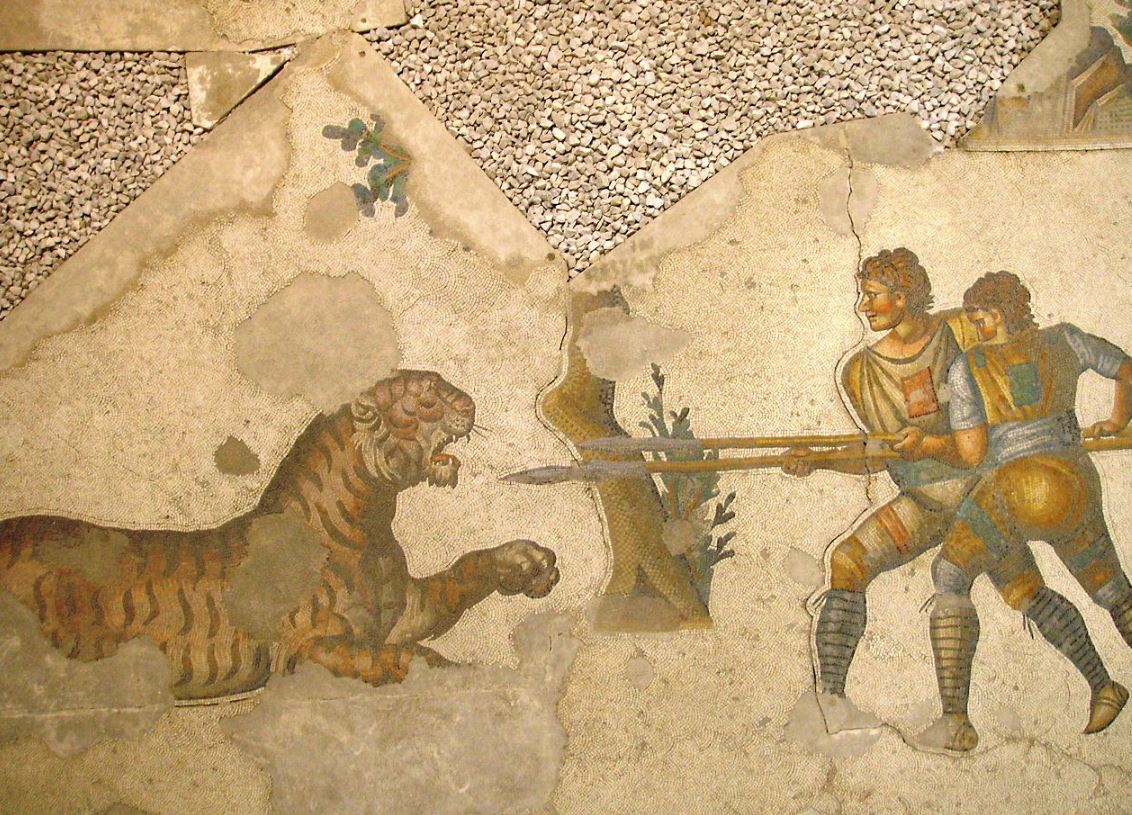
הָהוּא גַּבְרָא דְּזַבֵּין נַפְשֵׁיהּ לְלוּדָאֵי. אֲתָא לְקַמֵּיהּ דְּרַבִּי אַמֵּי, אֲמַר לֵיהּ:

The Gemara relates: A certain man sold himself to gladiators [luda’ei]. He came before Rabbi Ami and said to him:

Want to follow content and continue where you left off?

Create an account today to track your progress, mark what you’ve learned, and follow the shiurim that speak to you.

Clear all items from this list?

This will remove ALL the items in this section. You will lose any progress or history connected to them. This is irreversible.

Cancel
Yes, clear all

Are you sure you want to delete this item?

You will lose any progress or history connected to this item.

Cancel
Yes, delete