Search

Gittin 66

Want to dedicate learning? Get started here:

English
עברית
podcast placeholder

0:00
0:00


podcast placeholder

0:00
0:00


Summary

Today’s daf is sponsored by the Hadran LI group in memory of Eliezer Kessler a”h, beloved father of their daf colleague Tzippy Wolkenfeld. “May our learning be a zechut for his neshama and may his family – and the Jewish nation – merit to see נחמת ציון וירושלים.”

What are laws regarding one who says to others to write a get for him but doesn’t say to deliver it. In which circumstances do we think he meant to deliver it and in which do we not assume that? What if he told a group of people? Depending what wording he used and what he commanded them, they may have to all sign, and they may not be able to appoint others in place of them.

Today’s daily daf tools:

Gittin 66

דְּרָא רַבִּי אֲבִינָא לְסִילְּתֵיהּ, וַאֲזַל לְגַבֵּי דְּרַב הוּנָא רַבֵּיהּ – דְּאָמַר רַב הוּנָא: גִּיטּוֹ כְּמַתְּנָתוֹ, מַה מַתְּנָתוֹ, אִם עָמַד – חוֹזֵר, אַף גִּיטּוֹ, אִם עָמַד – חוֹזֵר.

Let Rabbi Avina lift his basket and go to Rav Huna his teacher, as in order to acquire the item he must rely on the opinion of his teacher, as Rav Huna said: The legal status of one’s bill of divorce is like that of his gift. Just as with regard to a gift given by one on his deathbed, if he recovered from his illness and arose from his deathbed, he revokes his gift, so too, with regard to his bill of divorce given by one on his deathbed, if he recovered from his illness and arose from his deathbed, he revokes the bill of divorce.

וּמָה גִּיטּוֹ, אַף עַל גַּב דְּלָא פָּרֵישׁ, כֵּיוָן דְּאָמַר ״כִּתְבוּ״ – אַף עַל גַּב דְּלָא אָמַר ״תְּנוּ״; אַף מַתְּנָתוֹ, כֵּיוָן דְּאָמַר ״תְּנוּ״ – אַף עַל גַּב דְּלָא קְנוֹ מִינֵּיהּ.

And just as with regard to the bill of divorce of one on his deathbed, even though he did not specify, once he said: Write the bill of divorce, even though he did not say: Give it to my wife, they write and give it to his wife, as it was taught in the mishna. So too, with regard to a gift given by one on his deathbed, once he said: Give the gift, even though the recipients did not acquire the item from him by means of an act of acquisition, the one on his deathbed has given the gift. Based on the parallel drawn by Rav Huna between a bill of divorce and a gift, Rabbi Avina can go and collect the gift given him by Geneiva.

מַתְקֵיף לַהּ רַבִּי אַבָּא: אִי – מָה מַתָּנָה יֶשְׁנָהּ לְאַחַר מִיתָה, אַף גֵּט יֶשְׁנוֹ לְאַחַר מִיתָה?! הָכִי הַשְׁתָּא?! בִּשְׁלָמָא מַתָּנָה – אִיתַהּ לְאַחַר מִיתָה, אֶלָּא גֵּט – לְאַחַר מִיתָה מִי אִיכָּא?!

Rabbi Abba objects to that conclusion. If that parallel is valid, extend it and say: Just as a gift is valid after death, so too, a bill of divorce is valid after death. The Gemara rejects this: How can these cases be compared? Granted, a gift is valid after death; however, is a bill of divorce valid after death? A bill of divorce severs the bond between husband and wife. After the husband dies, the bill of divorce is pointless. Therefore, the parallel certainly does not extend to after death.

אֶלָּא רַבִּי אַבָּא, הָכִי קָא קַשְׁיָא לֵיהּ: מַתְּנַת שְׁכִיב מְרַע בְּמִקְצָת הִיא, וּמַתְּנַת שְׁכִיב מְרַע בְּמִקְצָת בָּעֲיָא קִנְיָן! מִכְּלָל דְּרַב הוּנָא סָבַר לָא בָּעֲיָא קִנְיָן?! וְהָא קַיְימָא לַן דְּבָעֲיָא קִנְיָן! שָׁאנֵי הָכָא דְּמְצַוֶּה מֵחֲמַת מִיתָה הוּא.

Rather, this is what is difficult according to Rabbi Abba: Geneiva’s instruction is the gift of a person on his deathbed of a portion of his estate, and the gift of a person on his deathbed of a portion of his estate requires an act of acquisition. The Gemara asks: Is that to say, by inference, that Rav Huna, according to whose opinion Rabbi Avina acquired the gift, holds that the gift of a person on his deathbed of a portion of his estate does not require an act of acquisition? But don’t we maintain that the gift of a person on his deathbed of a portion of his estate requires an act of acquisition? The Gemara answers: It is different here, as this is not a standard case of the gift of a person on his deathbed. This is a case where one issues an instruction to give the gift due to his imminent death. In that case, the principle: It is a mitzva to fulfill the statement of the deceased, applies even if it is a gift of a portion of his estate.

מִכְּלָל דְּרַבִּי אַבָּא סָבַר: מְצַוֶּה מֵחֲמַת מִיתָה בָּעֲיָא קִנְיָן?! וְהָא קַיְימָא לַן דְּלָא בָּעֵי קִנְיָן!

The Gemara asks: Is that to say by inference that Rabbi Abba holds that one who issues an instruction to give the gift due to his imminent death requires an act of acquisition? But don’t we maintain that one who issues an instruction to give the gift due to his imminent death does not require an act of acquisition? What, then, is difficult for Rabbi Abba?

אֶלָּא רַבִּי אַבָּא, הָכִי קָא קַשְׁיָא לֵיהּ: ״חַמְרָא״ – לָא קָאָמַר, ״דְּמֵי חַמְרָא״ – לָא קָאָמַר, ״מֵחַמְרָא״ קָאָמַר! וְאִידַּךְ, ״מֵחַמְרָא״ – כְּדֵי לְיַיפּוֹת אֶת כֹּחוֹ. שְׁלַחוּ מִתָּם: ״מֵחַמְרָא״ – כְּדֵי לְיַיפּוֹת אֶת כֹּחוֹ.

Rather, this is what is difficult according to Rabbi Abba: Geneiva did not say to give four hundred dinars of wine to Rabbi Avina, and he did not say: The monetary value of four hundred dinars of wine. He said: Four hundred dinars from wine. The question is: What did Geneiva seek to convey with that ambiguous expression? And the other amora, Rabbi Zeira, who does not find this difficult, holds that when Geneiva said: Four hundred dinars from wine, it was in order to enhance Rabbi Avina’s ability to collect the gift. Geneiva sought to give him a gift of value; in order to guarantee that Rabbi Avina would have access to his property and that the heirs would not be able to prevent him from receiving the gift with various claims, he specifically designated from which property Rabbi Avina could collect the gift. The Gemara notes: They sent a message from there, i.e., Eretz Yisrael, that the term: From wine, is in order to enhance Rabbi Avina’s ability to collect the gift.

מַתְנִי׳ מִי שֶׁהָיָה מוּשְׁלָךְ לְבוֹר, וְאָמַר: כׇּל הַשּׁוֹמֵעַ אֶת קוֹלוֹ יִכְתּוֹב גֵּט לְאִשְׁתּוֹ, הֲרֵי אֵלּוּ יִכְתְּבוּ וְיִתְּנוּ.

MISHNA: With regard to one who was thrown into a pit and thought that he would die there, and he said that anyone who hears his voice should write a bill of divorce for his wife, and he specified his name, her name, and all relevant details, those who hear him should write this bill of divorce and give it to his wife, even though they do not see the man and do not know him.

גְּמָ׳ וְלֵיחוּשׁ שֶׁמָּא שֵׁד הוּא! אָמַר רַב יְהוּדָה: כְּשֶׁרָאוּ לוֹ דְּמוּת אָדָם.

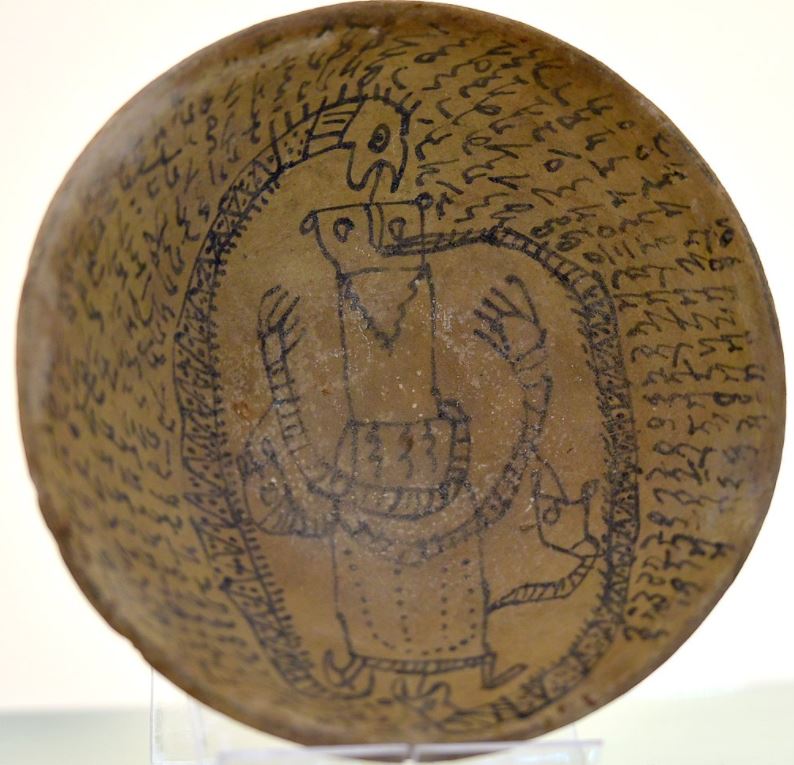
GEMARA: The Gemara asks: But let us be concerned that perhaps the source of the voice in the pit is a demon, as no one saw the person in the pit. Rav Yehuda says: It is referring to a case where they saw that the being in the pit has human form.

אִינְהוּ נָמֵי אִידְּמוֹיֵי אִידְּמוֹ! דַּחֲזוֹ לֵיהּ בָּבוּאָה. אִינְהוּ נָמֵי אִית לְהוּ בָּבוּאָה! דַּחֲזוֹ לֵיהּ בָּבוּאָה דְבָבוּאָה. וְדִלְמָא אִינְהוּ נָמֵי אִית לְהוּ? אָמַר רַבִּי חֲנִינָא: לִימְּדַנִי יוֹנָתָן בְּנִי: בָּבוּאָה אִית לְהוּ, בָּבוּאָה דְבָבוּאָה לֵית לְהוּ.

The Gemara objects: Demons too can appear in human form, and therefore the fact that the being looked human is not a proof that it is not a demon. The Gemara explains: It is a case where they saw that he has a shadow [bavua]. The Gemara objects: Demons also have a shadow. The Gemara explains: It is a case where they saw that he has the shadow of a shadow. The Gemara objects: And perhaps demons too have the shadow of a shadow? Rabbi Ḥanina says: Yonatan my son taught me that demons have a shadow but they do not have the shadow of a shadow.

וְדִלְמָא צָרָה הִיא! תָּנָא דְּבֵי רַבִּי יִשְׁמָעֵאל: בִּשְׁעַת הַסַּכָּנָה, כּוֹתְבִין וְנוֹתְנִין אַף עַל פִּי שֶׁאֵין מַכִּירִין.

The Gemara asks: But perhaps the source of the voice in the pit is a rival wife of the woman who is to be divorced. She seeks to cause her rival to receive a bill of divorce under false pretenses, leading her to believe that she is divorced. Based on that mistaken belief, she will remarry without a divorce and will then be forbidden to both her first and second husband. The Gemara answers: A Sage from the school of Rabbi Yishmael taught: During a time of danger, when there is the likelihood that the wife would assume deserted wife status, one writes and gives a bill of divorce even though the people instructed to do so are not familiar with the man who gave the instructions. Here too, when a voice is heard from a pit, one writes and gives the bill of divorce, as there is no possibility of properly clarifying the issue.

מַתְנִי׳ הַבָּרִיא שֶׁאָמַר: ״כִּתְבוּ גֵּט לְאִשְׁתִּי״ – רָצָה לְשַׂחֶק בָּהּ.

MISHNA: A healthy man who said: Write a bill of divorce for my wife, but did not say to give it to her, presumably sought to mock her. Since he told them to write the bill of divorce and not to give it, it is not a valid bill of divorce.

מַעֲשֶׂה בְּבָרִיא אֶחָד שֶׁאָמַר: ״כִּתְבוּ גֵּט לְאִשְׁתִּי״, וְעָלָה לְרֹאשׁ הַגָּג וְנָפַל וָמֵת; אָמַר רַבָּן שִׁמְעוֹן בֶּן גַּמְלִיאֵל: אִם מֵעַצְמוֹ נָפַל, הֲרֵי זֶה גֵּט, אִם הָרוּחַ דָּחַתּוּ – אֵינוֹ גֵּט.

The mishna relates: There was an incident involving a healthy man who said: Write a bill of divorce for my wife, and then ascended to the roof and fell, and died. Rabban Shimon ben Gamliel said: If he fell at his own initiative, taking his own life, it is a valid bill of divorce, as it is clear that he anticipated his death and instructed those listening to write the bill of divorce with the intent of giving it to her. However, if the wind forced him to fall, it is not a valid bill of divorce, as there was no clear intent to give her the bill of divorce.

גְּמָ׳ מַעֲשֶׂה לִסְתּוֹר?!

GEMARA: The Gemara asks: Was an incident cited to contradict the halakha stated in the mishna? The halakha is that in a case where a healthy man said: Write a bill of divorce for my wife, the bill of divorce is not valid. From the incident it is clear that under certain circumstances when a healthy man said: Write a bill of divorce for my wife, the bill of divorce is valid.

חַסּוֹרֵי מִיחַסְּרָא, וְהָכִי קָתָנֵי: אִם הוֹכִיחַ סוֹפוֹ עַל תְּחִילָּתוֹ – הֲרֵי זֶה גֵּט; וּמַעֲשֶׂה נָמֵי בְּבָרִיא שֶׁאָמַר: ״כִּתְבוּ גֵּט לְאִשְׁתִּי״, וְעָלָה לְרֹאשׁ הַגָּג וְנָפַל וָמֵת, וְאָמַר רַבָּן שִׁמְעוֹן בֶּן גַּמְלִיאֵל: אִם מֵעַצְמוֹ נָפַל – הֲרֵי זֶה גֵּט, אִם הָרוּחַ דָּחַתּוּ – אֵינוֹ גֵּט.

The Gemara answers: The mishna is incomplete and this is what it is teaching: In the case of a healthy man who said: Write a bill of divorce for my wife, but he did not say to give it to her, presumably sought to mock her. However, if his ultimate actions prove the nature of his initial intent, that he seeks to give the bill of divorce because he is about to die, it is a valid bill of divorce. And there was an incident involving a healthy man who said: Write a bill of divorce for my wife, and he then ascended to the roof and fell and died. Rabban Shimon ben Gamliel said: If he fell at his own initiative, it is a valid bill of divorce. However, if the wind forced him to fall, it is not a valid bill of divorce.

הָהוּא גַּבְרָא דְּעָל לְבֵי כְנִישְׁתָּא, אַשְׁכַּח מַקְרֵי יָנוֹקָא וּבְרֵיהּ דְּיָתְבִי, וְיָתֵיב אִינִישׁ אַחֲרִינָא גַּבַּיְיהוּ, אֲמַר לְהוּ: בֵּי תְרֵי מִינַּיְיכוּ נִכְתְּבוּ גִּיטָּא לִדְבֵיתְהוּ. לְסוֹף שְׁכֵיב מַקְרֵי יָנוֹקָא, מִי מְשַׁוּוּ אִינָשֵׁי בְּרָא שְׁלִיחָא בִּמְקוֹם אַבָּא, אוֹ לָא?

The Gemara relates: There was a certain man who entered the synagogue and found a schoolteacher and his son who were sitting there, and another person also sat with them. The man said to them: Two of you should write a bill of divorce for my wife. Ultimately, the schoolteacher died. The Sages considered the following question: Do people designate a son as an agent in the presence of his father, even though the two of them could not serve together as witnesses because they are relatives, or not? As the man’s intent was to designate two people who could serve as witnesses, the schoolteacher and the other person, the question is whether the son of the schoolteacher and the other person are agents and eligible to write and give the bill of divorce.

רַב נַחְמָן אָמַר: לָא מְשַׁוּוּ אִינָשֵׁי בְּרָא שְׁלִיחָא בִּמְקוֹם אַבָּא; וְרַב פַּפֵּי אָמַר: מְשַׁוּוּ אִינָשֵׁי בְּרָא שְׁלִיחָא בִּמְקוֹם אַבָּא. אָמַר רָבָא, הִילְכְתָא: מְשַׁוּוּ אִינָשֵׁי בְּרָא שְׁלִיחָא בִּמְקוֹם אַבָּא.

Rav Naḥman said: People do not designate a son as an agent in the presence of his father. And Rav Pappi said: People designate a son as an agent in the presence of his father. Rava said that the halakha is: People designate a son as an agent in the presence of his father.

מַתְנִי׳ אָמַר לִשְׁנַיִם: ״תְּנוּ גֵּט לְאִשְׁתִּי״,

MISHNA: If a man said to two people: Give a bill of divorce to my wife,

אוֹ לִשְׁלֹשָׁה: ״כִּתְבוּ גֵּט, וּתְנוּ לְאִשְׁתִּי״, הֲרֵי אֵלּוּ יִכְתְּבוּ וְיִתְּנוּ. אָמַר לִשְׁלֹשָׁה: ״תְּנוּ גֵּט לְאִשְׁתִּי״, הֲרֵי אֵלּוּ יֹאמְרוּ לַאֲחֵרִים וְיִכְתְּבוּ, מִפְּנֵי שֶׁעֲשָׂאָן בֵּית דִּין; דִּבְרֵי רַבִּי מֵאִיר.

or if a man said to three people: Write a bill of divorce and give it to my wife, these people should write the document themselves and give it to her. If he said to three people: Give a bill of divorce to my wife, these people should tell others, and those others will write the document, because he designated the three people as a court. This is the statement of Rabbi Meir.

וְזוֹ הֲלָכָה הֶעֱלָה רַבִּי חֲנִינָא אִישׁ אוֹנוֹ מִבֵּית הָאֲסוּרִין: מְקוּבָּל אֲנִי בְּאוֹמֵר לִשְׁלֹשָׁה: ״תְּנוּ גֵּט לְאִשְׁתִּי״ – שֶׁיֹּאמְרוּ לַאֲחֵרִים וְיִכְתְּבוּ, מִפְּנֵי שֶׁעֲשָׂאָן בֵּית דִּין,

And it is that halakha that Rabbi Ḥanina of Ono brought up from prison in the name of Rabbi Akiva, who was incarcerated there: I received a tradition from my teachers that in a case where a man says to three people: Give a bill of divorce to my wife, that these people should tell others and those others will write the document, because he designated the three people as a court.

אָמַר רַבִּי יוֹסֵי, נוּמֵינוּ לַשָּׁלִיחַ: אַף אָנוּ מְקוּבָּלִין, שֶׁאֲפִילּוּ אָמַר לְבֵית דִּין הַגָּדוֹל שֶׁבִּירוּשָׁלַיִם: ״תְּנוּ גֵּט לְאִשְׁתִּי״ – שֶׁיִּלְמְדוּ וְיִכְתְּבוּ וְיִתְּנוּ.

Rabbi Yosei said: We said [nomeinu] to the agent, Rabbi Ḥanina of Ono: We too received a tradition. However, it is a different one, that even if a man said to the High Court [Sanhedrin] in Jerusalem: Give a bill of divorce to my wife, that the members of the court should learn to write, and should write the document themselves, and give it to his wife.

אָמַר לַעֲשָׂרָה: ״כִּתְבוּ וּתְנוּ גֵּט לְאִשְׁתִּי״ – אֶחָד כּוֹתֵב, וּשְׁנַיִם חוֹתְמִין. ״כּוּלְּכֶם כְּתוֹבוּ״ – אֶחָד כּוֹתֵב, וְכוּלָּם חוֹתְמִין; לְפִיכָךְ אִם מֵת אֶחָד מֵהֶן – הֲרֵי זֶה גֵּט בָּטֵל.

If a man said to ten people: Write and give a bill of divorce to my wife, one of the ten writes the bill of divorce and two sign it. If he said: All of you write the document, one of them writes the bill of divorce and all of them sign it. Therefore, if one of them died, then this is a bill of divorce that is null and void, as he directed all of them to participate in the process.

גְּמָ׳ אָמַר רַבִּי יִרְמְיָה בַּר אַבָּא: שְׁלַחוּ לֵיהּ מִבֵּי רַב לִשְׁמוּאֵל: יְלַמְּדֵנוּ רַבֵּינוּ; אָמַר לִשְׁנַיִם: ״כִּתְבוּ וּתְנוּ גֵּט לְאִשְׁתִּי״, וְאָמְרוּ לְסוֹפֵר וְכָתַב, וְחָתְמוּ הֵן, מַהוּ? שְׁלַח לְהוּ: תֵּצֵא, וְהַדָּבָר צָרִיךְ תַּלְמוּד.

GEMARA: Rabbi Yirmeya bar Abba says: After Rav’s death, they sent a question from the study hall of Rav to Shmuel: Let our teacher teach us: In a case where a man said to two people: Write and give a bill of divorce to my wife, and they told the scribe and he wrote the bill of divorce and they signed it, what is the halakha? He sent this response to them: If the woman remarried on the basis of this bill of divorce, she should leave her second husband, and the matter requires study. It is necessary to clarify the halakha, as there is fundamental uncertainty with regard to this matter.

מַאי ״הַדָּבָר צָרִיךְ תַּלְמוּד״? אִילֵּימָא מִשּׁוּם דְּהָווּ לְהוּ מִילֵּי; וּמְסַפְּקָא לֵיהּ מִילֵּי – אִי מִימַּסְרָן לְשָׁלִיחַ, אִי לָא מִימַּסְרָן לְשָׁלִיחַ;

The Gemara asks: What is the meaning of: The matter requires study? What aspect of this question requires study? If we say that the uncertainty arises due to the fact that these are verbal directives, as the husband merely gave them instructions and did not hand them anything tangible, and Shmuel is uncertain whether verbal directives, instructions given to one agent, are transferred to another agent or whether verbal directives are not transferred to another agent; this leads to the question of whether the agents designated by the husband to write the bill of divorce can designate the scribe to write it. That cannot be the question.

וְהָאָמַר שְׁמוּאֵל אָמַר רַבִּי: הֲלָכָה כְּרַבִּי יוֹסֵי, דְּאָמַר מִילֵּי לָא מִימַּסְרָן לְשָׁלִיחַ!

The Gemara explains why not: But didn’t Shmuel say that Rabbi Yehuda HaNasi says: The halakha is in accordance with the opinion of Rabbi Yosei, who said: Verbal directives cannot be delegated to an agent, i.e., an agent cannot be deputized to give instructions on behalf of another. Shmuel was not uncertain concerning this issue.

אֶלָּא לִשְׁמוּאֵל – הָא קָא מִיבַּעְיָא לֵיהּ: הַאי ״כְּתוֹבוּ״ – אִי כְּתַב יָדָן, אִי כְּתַב הַגֵּט?

Rather, this is the dilemma that Shmuel is raising: When the man told the two people: Write the bill of divorce, the question is whether he was referring to their signatures, in which case they could designate the scribe to write the document, or whether he was referring to writing the text of the bill of divorce, in which case it would be incumbent upon them alone to write and sign the document.

וְתִיפְשׁוֹט לֵיהּ מִמַּתְנִיתִין: אָמַר לִשְׁנַיִם: ״תְּנוּ גֵּט לְאִשְׁתִּי״, אוֹ לִשְׁלֹשָׁה: ״כִּתְבוּ גֵּט וּתְנוּ לְאִשְׁתִּי״ – הֲרֵי אֵלּוּ יִכְתְּבוּ וְיִתְּנוּ.

The Gemara asks: But let Shmuel resolve the dilemma from the mishna: If a man said to two people: Give a bill of divorce to my wife, or if a man said to three people: Write a bill of divorce and give it to my wife, these people should write the document themselves and give it to her. Apparently, they must write the bill of divorce themselves.

הִיא גּוּפָא קָא מִיבַּעְיָא לֵיהּ, ״כְּתוֹבוּ״ – כְּתַב יָדָן הוּא, אוֹ כְּתַב הַגֵּט הוּא? פְּשִׁיטָא דִּכְתַב הַגֵּט הוּא, דְּקָתָנֵי סֵיפָא: אָמַר רַבִּי יוֹסֵי, נוּמֵינוּ לַשָּׁלִיחַ: אַף אָנוּ מְקוּבָּלִין, שֶׁאֲפִילּוּ אָמַר לְבֵית דִּין הַגָּדוֹל שֶׁבִּירוּשָׁלַיִם: ״תְּנוּ גֵּט לְאִשְׁתִּי״ – שֶׁיִּלְמְדוּ וְיִכְתְּבוּ וְיִתְּנוּ לָהּ.

The Gemara answers: The proper interpretation of the mishna itself is the dilemma that Shmuel is raising: When the man told the two people: Write the bill of divorce, was he referring to their signatures, or was he referring to writing the text of the bill of divorce? The Gemara explains: It is obvious that it is referring to the writing of the bill of divorce, as it is taught in the latter clause of the mishna: Rabbi Yosei said: We said to the agent, Rabbi Ḥanina of Ono: We too received a tradition; that even if a man said to the High Court in Jerusalem: Give a bill of divorce to my wife, that the members of the court should learn to write, and should write the document themselves, and give it to his wife.

אִי אָמְרַתְּ בִּשְׁלָמָא כְּתַב הַגֵּט הוּא, שַׁפִּיר; אֶלָּא אִי אָמְרַתְּ כְּתַב יָדָן הוּא, מִי אִיכָּא בֵּי דִינָא דְּלָא יָדְעִי מִחְתָּם חֲתִימַת יְדַיְיהוּ?! אִין, אִיכָּא בֵּי דִינָא חַדְתָּא.

Granted, if you say it means the writing of the bill of divorce, that they must write the actual bill of divorce, this works out well, as a certain degree of expertise is necessary in order to write a bill of divorce correctly. However, if you say that it means their signatures, is there a court whose members do not know how to sign their signatures? The Gemara responds: Yes, there is a new court, whose members have not yet learned to sign a unique signature that will be recognizable to the public.

וְאִי סְבִירָא לַן דְּהַאי ״כְּתוֹבוּ״ – כְּתַב יָדָן הוּא; הָא כְּתַב הַגֵּט – כָּשֵׁר?! וְהָאָמַר שְׁמוּאֵל, אָמַר רַבִּי: הֲלָכָה כְּרַבִּי יוֹסֵי, דְּאָמַר מִילֵּי לָא מִימַּסְרָן לְשָׁלִיחַ!

The Gemara asks: But if we hold that this instruction: Write the bill of divorce, is a reference to their signatures, is the writing of the bill of divorce by a scribe valid? But didn’t Shmuel say that Rabbi Yehuda HaNasi says: The halakha is in accordance with the opinion of Rabbi Yosei, who says: Verbal directives cannot be delegated to an agent.

אָמְרִי: אִי סְבִירִי לַן דִּ״כְתוֹבוּ״ – כְּתַב יָדָן הוּא; כְּתַב הַגֵּט – נַעֲשָׂה כְּאוֹמֵר: ״אִמְרוּ״, וּמוֹדֶה רַבִּי יוֹסֵי בְּאוֹמֵר ״אִמְרוּ״. וּמִי מוֹדֶה רַבִּי יוֹסֵי בְּאוֹמֵר: ״אִמְרוּ״?! וְהָתְנַן: ״כָּתַב סוֹפֵר וְעֵד – כָּשֵׁר״, וְאָמַר רַבִּי יִרְמְיָה: ״חָתַם סוֹפֵר״ שָׁנִינוּ;

The Sages say in response that if we hold that the phrase: Write the bill of divorce, is a reference to their signatures, the writing of the bill of divorce becomes as one who says to those agents: Tell another to write it. And Rabbi Yosei concedes in the case of one who says: Tell another to write it, that the agent can designate another to write the document. The Gemara asks: And does Rabbi Yosei concede in the case of one who says: Tell another to write it? But didn’t we learn in a mishna (87b): If a bill of divorce has the writing of a scribe, and the scribe identifies his handwriting, and one witness verifies his signature, it is valid as though two witnesses testified to ratify their signatures. And Rabbi Yirmeya said: We learned in the mishna that this is the halakha with regard to the scribe’s signature and not the scribe’s writing.

וְאָמַר רַב חִסְדָּא: מַתְנִיתִין מַנִּי – רַבִּי יוֹסֵי הִיא, דְּאָמַר: מִילֵּי לָא מִימַּסְרָן לְשָׁלִיחַ.

And Rav Ḥisda said: Whose opinion is expressed in the mishna? It is that of Rabbi Yosei, who said: Verbal directives cannot be delegated to an agent, and there is no concern that the scribe signed the document without the husband instructing him to do so.

וְאִי סָלְקָא דַעְתָּךְ מוֹדֶה רַבִּי יוֹסֵי בְּאוֹמֵר ״אִמְרוּ״, נָפֵיק מִינַּהּ חוּרְבָּה – דְּזִימְנִין דְּאָמַר לְהוּ לִשְׁנַיִם:

And if it enters your mind to say that Rabbi Yosei concedes in the case of one who says: Tell another to write it, a pitfall will result from it. As sometimes, it happens that one said to two people:

Today’s daily daf tools:

Delve Deeper

Broaden your understanding of the topics on this daf with classes and podcasts from top women Talmud scholars.

For the Beyond the Daf shiurim offered in Hebrew, see here.

New to Talmud?

Check out our resources designed to help you navigate a page of Talmud – and study at the pace, level and style that fits you. 

The Hadran Women’s Tapestry

Meet the diverse women learning Gemara at Hadran and hear their stories. 

My Daf journey began in August 2012 after participating in the Siyum Hashas where I was blessed as an “enabler” of others.  Galvanized into my own learning I recited the Hadran on Shas in January 2020 with Rabbanit Michelle. That Siyum was a highlight in my life.  Now, on round two, Daf has become my spiritual anchor to which I attribute manifold blessings.

Rina Goldberg
Rina Goldberg

Englewood NJ, United States

I started to listen to Michelle’s podcasts four years ago. The minute I started I was hooked. I’m so excited to learn the entire Talmud, and think I will continue always. I chose the quote “while a woman is engaged in conversation she also holds the spindle”. (Megillah 14b). It reminds me of all of the amazing women I learn with every day who multi-task, think ahead and accomplish so much.

Julie Mendelsohn
Julie Mendelsohn

Zichron Yakov, Israel

When we heard that R. Michelle was starting daf yomi, my 11-year-old suggested that I go. Little did she know that she would lose me every morning from then on. I remember standing at the Farbers’ door, almost too shy to enter. After that first class, I said that I would come the next day but couldn’t commit to more. A decade later, I still look forward to learning from R. Michelle every morning.

Ruth Leah Kahan
Ruth Leah Kahan

Ra’anana, Israel

Shortly after the death of my father, David Malik z”l, I made the commitment to Daf Yomi. While riding to Ben Gurion airport in January, Siyum HaShas was playing on the radio; that was the nudge I needed to get started. The “everyday-ness” of the Daf has been a meaningful spiritual practice, especial after COVID began & I was temporarily unable to say Kaddish at daily in-person minyanim.

Lisa S. Malik
Lisa S. Malik

Wynnewood, United States

תמיד רציתי. למדתי גמרא בבית ספר בטורונטו קנדה. עליתי ארצה ולמדתי שזה לא מקובל. הופתעתי.
יצאתי לגימלאות לפני שנתיים וזה מאפשר את המחוייבות לדף יומי.
עבורי ההתמדה בלימוד מעגן אותי בקשר שלי ליהדות. אני תמיד מחפשת ותמיד. מוצאת מקור לקשר. ללימוד חדש ומחדש. קשר עם נשים לומדות מעמיק את החוויה ומשמעותית מאוד.

Vitti Kones
Vitti Kones

מיתר, ישראל

I began my Daf Yomi journey on January 5, 2020. I had never learned Talmud before. Initially it struck me as a bunch of inane and arcane details with mind bending logic. I am now smitten. Rabbanit Farber brings the page to life and I am eager to learn with her every day!

Lori Stark
Lori Stark

Highland Park, United States

I started learning Dec 2019 after reading “If all the Seas Were Ink”. I found
Daily daf sessions of Rabbanit Michelle in her house teaching, I then heard about the siyum and a new cycle starting wow I am in! Afternoon here in Sydney, my family and friends know this is my sacred time to hide away to live zoom and learn. Often it’s hard to absorb and relate then a gem shines touching my heart.

Dianne Kuchar
Dianne Kuchar

Dover Heights, Australia

I had dreamed of doing daf yomi since I had my first serious Talmud class 18 years ago at Pardes with Rahel Berkovitz, and then a couple of summers with Leah Rosenthal. There is no way I would be able to do it without another wonderful teacher, Michelle, and the Hadran organization. I wake up and am excited to start each day with the next daf.

Beth Elster
Beth Elster

Irvine, United States

In early January of 2020, I learned about Siyyum HaShas and Daf Yomi via Tablet Magazine’s brief daily podcast about the Daf. I found it compelling and fascinating. Soon I discovered Hadran; since then I have learned the Daf daily with Rabbanit Michelle Cohen Farber. The Daf has permeated my every hour, and has transformed and magnified my place within the Jewish Universe.

Lisa Berkelhammer
Lisa Berkelhammer

San Francisco, CA , United States

I began Daf Yomi with the last cycle. I was inspired by the Hadran Siyum in Yerushalayim to continue with this cycle. I have learned Daf Yomi with Rabanit Michelle in over 25 countries on 6 continents ( missing Australia)

Barbara-Goldschlag
Barbara Goldschlag

Silver Spring, MD, United States

תמיד רציתי. למדתי גמרא בבית ספר בטורונטו קנדה. עליתי ארצה ולמדתי שזה לא מקובל. הופתעתי.
יצאתי לגימלאות לפני שנתיים וזה מאפשר את המחוייבות לדף יומי.
עבורי ההתמדה בלימוד מעגן אותי בקשר שלי ליהדות. אני תמיד מחפשת ותמיד. מוצאת מקור לקשר. ללימוד חדש ומחדש. קשר עם נשים לומדות מעמיק את החוויה ומשמעותית מאוד.

Vitti Kones
Vitti Kones

מיתר, ישראל

I had no formal learning in Talmud until I began my studies in the Joint Program where in 1976 I was one of the few, if not the only, woman talmud major. It was superior training for law school and enabled me to approach my legal studies with a foundation . In 2018, I began daf yomi listening to Rabbanit MIchelle’s pod cast and my daily talmud studies are one of the highlights of my life.

Krivosha_Terri_Bio
Terri Krivosha

Minneapolis, United States

Hearing and reading about the siyumim at the completion of the 13 th cycle Daf Yomi asked our shul rabbi about starting the Daf – he directed me to another shiur in town he thought would allow a woman to join, and so I did! Love seeing the sources for the Divrei Torah I’ve been hearing for the past decades of living an observant life and raising 5 children .

Jill Felder
Jill Felder

Pittsburgh, Pennsylvania, United States

I started at the beginning of this cycle. No 1 reason, but here’s 5.
In 2019 I read about the upcoming siyum hashas.
There was a sermon at shul about how anyone can learn Talmud.
Talmud references come up when I am studying. I wanted to know more.
Yentl was on telly. Not a great movie but it’s about studying Talmud.
I went to the Hadran website: A new cycle is starting. I’m gonna do this

Denise Neapolitan
Denise Neapolitan

Cambridge, United Kingdom

I began Daf Yomi with the last cycle. I was inspired by the Hadran Siyum in Yerushalayim to continue with this cycle. I have learned Daf Yomi with Rabanit Michelle in over 25 countries on 6 continents ( missing Australia)

Barbara-Goldschlag
Barbara Goldschlag

Silver Spring, MD, United States

I was inspired to start learning after attending the 2020 siyum in Binyanei Hauma. It has been a great experience for me. It’s amazing to see the origins of stories I’ve heard and rituals I’ve participated in my whole life. Even when I don’t understand the daf itself, I believe that the commitment to learning every day is valuable and has multiple benefits. And there will be another daf tomorrow!

Khaya Eisenberg
Khaya Eisenberg

Jerusalem, Israel

In early 2020, I began the process of a stem cell transplant. The required extreme isolation forced me to leave work and normal life but gave me time to delve into Jewish text study. I did not feel isolated. I began Daf Yomi at the start of this cycle, with family members joining me online from my hospital room. I’ve used my newly granted time to to engage, grow and connect through this learning.

Reena Slovin
Reena Slovin

Worcester, United States

About a year into learning more about Judaism on a path to potential conversion, I saw an article about the upcoming Siyum HaShas in January of 2020. My curiosity was piqued and I immediately started investigating what learning the Daf actually meant. Daily learning? Just what I wanted. Seven and a half years? I love a challenge! So I dove in head first and I’ve enjoyed every moment!!
Nickie Matthews
Nickie Matthews

Blacksburg, United States

I started learning Daf Yomi to fill what I saw as a large gap in my Jewish education. I also hope to inspire my three daughters to ensure that they do not allow the same Talmud-sized gap to form in their own educations. I am so proud to be a part of the Hadran community, and I have loved learning so many of the stories and halachot that we have seen so far. I look forward to continuing!
Dora Chana Haar
Dora Chana Haar

Oceanside NY, United States

Last cycle, I listened to parts of various מסכתות. When the הדרן סיום was advertised, I listened to Michelle on נידה. I knew that בע”ה with the next cycle I was in (ב”נ). As I entered the סיום (early), I saw the signs and was overcome with emotion. I was randomly seated in the front row, and I cried many times that night. My choice to learn דף יומי was affirmed. It is one of the best I have made!

Miriam Tannenbaum
Miriam Tannenbaum

אפרת, Israel

Gittin 66

דְּרָא רַבִּי אֲבִינָא לְסִילְּתֵיהּ, וַאֲזַל לְגַבֵּי דְּרַב הוּנָא רַבֵּיהּ – דְּאָמַר רַב הוּנָא: גִּיטּוֹ כְּמַתְּנָתוֹ, מַה מַתְּנָתוֹ, אִם עָמַד – חוֹזֵר, אַף גִּיטּוֹ, אִם עָמַד – חוֹזֵר.

Let Rabbi Avina lift his basket and go to Rav Huna his teacher, as in order to acquire the item he must rely on the opinion of his teacher, as Rav Huna said: The legal status of one’s bill of divorce is like that of his gift. Just as with regard to a gift given by one on his deathbed, if he recovered from his illness and arose from his deathbed, he revokes his gift, so too, with regard to his bill of divorce given by one on his deathbed, if he recovered from his illness and arose from his deathbed, he revokes the bill of divorce.

וּמָה גִּיטּוֹ, אַף עַל גַּב דְּלָא פָּרֵישׁ, כֵּיוָן דְּאָמַר ״כִּתְבוּ״ – אַף עַל גַּב דְּלָא אָמַר ״תְּנוּ״; אַף מַתְּנָתוֹ, כֵּיוָן דְּאָמַר ״תְּנוּ״ – אַף עַל גַּב דְּלָא קְנוֹ מִינֵּיהּ.

And just as with regard to the bill of divorce of one on his deathbed, even though he did not specify, once he said: Write the bill of divorce, even though he did not say: Give it to my wife, they write and give it to his wife, as it was taught in the mishna. So too, with regard to a gift given by one on his deathbed, once he said: Give the gift, even though the recipients did not acquire the item from him by means of an act of acquisition, the one on his deathbed has given the gift. Based on the parallel drawn by Rav Huna between a bill of divorce and a gift, Rabbi Avina can go and collect the gift given him by Geneiva.

מַתְקֵיף לַהּ רַבִּי אַבָּא: אִי – מָה מַתָּנָה יֶשְׁנָהּ לְאַחַר מִיתָה, אַף גֵּט יֶשְׁנוֹ לְאַחַר מִיתָה?! הָכִי הַשְׁתָּא?! בִּשְׁלָמָא מַתָּנָה – אִיתַהּ לְאַחַר מִיתָה, אֶלָּא גֵּט – לְאַחַר מִיתָה מִי אִיכָּא?!

Rabbi Abba objects to that conclusion. If that parallel is valid, extend it and say: Just as a gift is valid after death, so too, a bill of divorce is valid after death. The Gemara rejects this: How can these cases be compared? Granted, a gift is valid after death; however, is a bill of divorce valid after death? A bill of divorce severs the bond between husband and wife. After the husband dies, the bill of divorce is pointless. Therefore, the parallel certainly does not extend to after death.

אֶלָּא רַבִּי אַבָּא, הָכִי קָא קַשְׁיָא לֵיהּ: מַתְּנַת שְׁכִיב מְרַע בְּמִקְצָת הִיא, וּמַתְּנַת שְׁכִיב מְרַע בְּמִקְצָת בָּעֲיָא קִנְיָן! מִכְּלָל דְּרַב הוּנָא סָבַר לָא בָּעֲיָא קִנְיָן?! וְהָא קַיְימָא לַן דְּבָעֲיָא קִנְיָן! שָׁאנֵי הָכָא דְּמְצַוֶּה מֵחֲמַת מִיתָה הוּא.

Rather, this is what is difficult according to Rabbi Abba: Geneiva’s instruction is the gift of a person on his deathbed of a portion of his estate, and the gift of a person on his deathbed of a portion of his estate requires an act of acquisition. The Gemara asks: Is that to say, by inference, that Rav Huna, according to whose opinion Rabbi Avina acquired the gift, holds that the gift of a person on his deathbed of a portion of his estate does not require an act of acquisition? But don’t we maintain that the gift of a person on his deathbed of a portion of his estate requires an act of acquisition? The Gemara answers: It is different here, as this is not a standard case of the gift of a person on his deathbed. This is a case where one issues an instruction to give the gift due to his imminent death. In that case, the principle: It is a mitzva to fulfill the statement of the deceased, applies even if it is a gift of a portion of his estate.

מִכְּלָל דְּרַבִּי אַבָּא סָבַר: מְצַוֶּה מֵחֲמַת מִיתָה בָּעֲיָא קִנְיָן?! וְהָא קַיְימָא לַן דְּלָא בָּעֵי קִנְיָן!

The Gemara asks: Is that to say by inference that Rabbi Abba holds that one who issues an instruction to give the gift due to his imminent death requires an act of acquisition? But don’t we maintain that one who issues an instruction to give the gift due to his imminent death does not require an act of acquisition? What, then, is difficult for Rabbi Abba?

אֶלָּא רַבִּי אַבָּא, הָכִי קָא קַשְׁיָא לֵיהּ: ״חַמְרָא״ – לָא קָאָמַר, ״דְּמֵי חַמְרָא״ – לָא קָאָמַר, ״מֵחַמְרָא״ קָאָמַר! וְאִידַּךְ, ״מֵחַמְרָא״ – כְּדֵי לְיַיפּוֹת אֶת כֹּחוֹ. שְׁלַחוּ מִתָּם: ״מֵחַמְרָא״ – כְּדֵי לְיַיפּוֹת אֶת כֹּחוֹ.

Rather, this is what is difficult according to Rabbi Abba: Geneiva did not say to give four hundred dinars of wine to Rabbi Avina, and he did not say: The monetary value of four hundred dinars of wine. He said: Four hundred dinars from wine. The question is: What did Geneiva seek to convey with that ambiguous expression? And the other amora, Rabbi Zeira, who does not find this difficult, holds that when Geneiva said: Four hundred dinars from wine, it was in order to enhance Rabbi Avina’s ability to collect the gift. Geneiva sought to give him a gift of value; in order to guarantee that Rabbi Avina would have access to his property and that the heirs would not be able to prevent him from receiving the gift with various claims, he specifically designated from which property Rabbi Avina could collect the gift. The Gemara notes: They sent a message from there, i.e., Eretz Yisrael, that the term: From wine, is in order to enhance Rabbi Avina’s ability to collect the gift.

מַתְנִי׳ מִי שֶׁהָיָה מוּשְׁלָךְ לְבוֹר, וְאָמַר: כׇּל הַשּׁוֹמֵעַ אֶת קוֹלוֹ יִכְתּוֹב גֵּט לְאִשְׁתּוֹ, הֲרֵי אֵלּוּ יִכְתְּבוּ וְיִתְּנוּ.

MISHNA: With regard to one who was thrown into a pit and thought that he would die there, and he said that anyone who hears his voice should write a bill of divorce for his wife, and he specified his name, her name, and all relevant details, those who hear him should write this bill of divorce and give it to his wife, even though they do not see the man and do not know him.

גְּמָ׳ וְלֵיחוּשׁ שֶׁמָּא שֵׁד הוּא! אָמַר רַב יְהוּדָה: כְּשֶׁרָאוּ לוֹ דְּמוּת אָדָם.

GEMARA: The Gemara asks: But let us be concerned that perhaps the source of the voice in the pit is a demon, as no one saw the person in the pit. Rav Yehuda says: It is referring to a case where they saw that the being in the pit has human form.

אִינְהוּ נָמֵי אִידְּמוֹיֵי אִידְּמוֹ! דַּחֲזוֹ לֵיהּ בָּבוּאָה. אִינְהוּ נָמֵי אִית לְהוּ בָּבוּאָה! דַּחֲזוֹ לֵיהּ בָּבוּאָה דְבָבוּאָה. וְדִלְמָא אִינְהוּ נָמֵי אִית לְהוּ? אָמַר רַבִּי חֲנִינָא: לִימְּדַנִי יוֹנָתָן בְּנִי: בָּבוּאָה אִית לְהוּ, בָּבוּאָה דְבָבוּאָה לֵית לְהוּ.

The Gemara objects: Demons too can appear in human form, and therefore the fact that the being looked human is not a proof that it is not a demon. The Gemara explains: It is a case where they saw that he has a shadow [bavua]. The Gemara objects: Demons also have a shadow. The Gemara explains: It is a case where they saw that he has the shadow of a shadow. The Gemara objects: And perhaps demons too have the shadow of a shadow? Rabbi Ḥanina says: Yonatan my son taught me that demons have a shadow but they do not have the shadow of a shadow.

וְדִלְמָא צָרָה הִיא! תָּנָא דְּבֵי רַבִּי יִשְׁמָעֵאל: בִּשְׁעַת הַסַּכָּנָה, כּוֹתְבִין וְנוֹתְנִין אַף עַל פִּי שֶׁאֵין מַכִּירִין.

The Gemara asks: But perhaps the source of the voice in the pit is a rival wife of the woman who is to be divorced. She seeks to cause her rival to receive a bill of divorce under false pretenses, leading her to believe that she is divorced. Based on that mistaken belief, she will remarry without a divorce and will then be forbidden to both her first and second husband. The Gemara answers: A Sage from the school of Rabbi Yishmael taught: During a time of danger, when there is the likelihood that the wife would assume deserted wife status, one writes and gives a bill of divorce even though the people instructed to do so are not familiar with the man who gave the instructions. Here too, when a voice is heard from a pit, one writes and gives the bill of divorce, as there is no possibility of properly clarifying the issue.

מַתְנִי׳ הַבָּרִיא שֶׁאָמַר: ״כִּתְבוּ גֵּט לְאִשְׁתִּי״ – רָצָה לְשַׂחֶק בָּהּ.

MISHNA: A healthy man who said: Write a bill of divorce for my wife, but did not say to give it to her, presumably sought to mock her. Since he told them to write the bill of divorce and not to give it, it is not a valid bill of divorce.

מַעֲשֶׂה בְּבָרִיא אֶחָד שֶׁאָמַר: ״כִּתְבוּ גֵּט לְאִשְׁתִּי״, וְעָלָה לְרֹאשׁ הַגָּג וְנָפַל וָמֵת; אָמַר רַבָּן שִׁמְעוֹן בֶּן גַּמְלִיאֵל: אִם מֵעַצְמוֹ נָפַל, הֲרֵי זֶה גֵּט, אִם הָרוּחַ דָּחַתּוּ – אֵינוֹ גֵּט.

The mishna relates: There was an incident involving a healthy man who said: Write a bill of divorce for my wife, and then ascended to the roof and fell, and died. Rabban Shimon ben Gamliel said: If he fell at his own initiative, taking his own life, it is a valid bill of divorce, as it is clear that he anticipated his death and instructed those listening to write the bill of divorce with the intent of giving it to her. However, if the wind forced him to fall, it is not a valid bill of divorce, as there was no clear intent to give her the bill of divorce.

גְּמָ׳ מַעֲשֶׂה לִסְתּוֹר?!

GEMARA: The Gemara asks: Was an incident cited to contradict the halakha stated in the mishna? The halakha is that in a case where a healthy man said: Write a bill of divorce for my wife, the bill of divorce is not valid. From the incident it is clear that under certain circumstances when a healthy man said: Write a bill of divorce for my wife, the bill of divorce is valid.

חַסּוֹרֵי מִיחַסְּרָא, וְהָכִי קָתָנֵי: אִם הוֹכִיחַ סוֹפוֹ עַל תְּחִילָּתוֹ – הֲרֵי זֶה גֵּט; וּמַעֲשֶׂה נָמֵי בְּבָרִיא שֶׁאָמַר: ״כִּתְבוּ גֵּט לְאִשְׁתִּי״, וְעָלָה לְרֹאשׁ הַגָּג וְנָפַל וָמֵת, וְאָמַר רַבָּן שִׁמְעוֹן בֶּן גַּמְלִיאֵל: אִם מֵעַצְמוֹ נָפַל – הֲרֵי זֶה גֵּט, אִם הָרוּחַ דָּחַתּוּ – אֵינוֹ גֵּט.

The Gemara answers: The mishna is incomplete and this is what it is teaching: In the case of a healthy man who said: Write a bill of divorce for my wife, but he did not say to give it to her, presumably sought to mock her. However, if his ultimate actions prove the nature of his initial intent, that he seeks to give the bill of divorce because he is about to die, it is a valid bill of divorce. And there was an incident involving a healthy man who said: Write a bill of divorce for my wife, and he then ascended to the roof and fell and died. Rabban Shimon ben Gamliel said: If he fell at his own initiative, it is a valid bill of divorce. However, if the wind forced him to fall, it is not a valid bill of divorce.

הָהוּא גַּבְרָא דְּעָל לְבֵי כְנִישְׁתָּא, אַשְׁכַּח מַקְרֵי יָנוֹקָא וּבְרֵיהּ דְּיָתְבִי, וְיָתֵיב אִינִישׁ אַחֲרִינָא גַּבַּיְיהוּ, אֲמַר לְהוּ: בֵּי תְרֵי מִינַּיְיכוּ נִכְתְּבוּ גִּיטָּא לִדְבֵיתְהוּ. לְסוֹף שְׁכֵיב מַקְרֵי יָנוֹקָא, מִי מְשַׁוּוּ אִינָשֵׁי בְּרָא שְׁלִיחָא בִּמְקוֹם אַבָּא, אוֹ לָא?

The Gemara relates: There was a certain man who entered the synagogue and found a schoolteacher and his son who were sitting there, and another person also sat with them. The man said to them: Two of you should write a bill of divorce for my wife. Ultimately, the schoolteacher died. The Sages considered the following question: Do people designate a son as an agent in the presence of his father, even though the two of them could not serve together as witnesses because they are relatives, or not? As the man’s intent was to designate two people who could serve as witnesses, the schoolteacher and the other person, the question is whether the son of the schoolteacher and the other person are agents and eligible to write and give the bill of divorce.

רַב נַחְמָן אָמַר: לָא מְשַׁוּוּ אִינָשֵׁי בְּרָא שְׁלִיחָא בִּמְקוֹם אַבָּא; וְרַב פַּפֵּי אָמַר: מְשַׁוּוּ אִינָשֵׁי בְּרָא שְׁלִיחָא בִּמְקוֹם אַבָּא. אָמַר רָבָא, הִילְכְתָא: מְשַׁוּוּ אִינָשֵׁי בְּרָא שְׁלִיחָא בִּמְקוֹם אַבָּא.

Rav Naḥman said: People do not designate a son as an agent in the presence of his father. And Rav Pappi said: People designate a son as an agent in the presence of his father. Rava said that the halakha is: People designate a son as an agent in the presence of his father.

מַתְנִי׳ אָמַר לִשְׁנַיִם: ״תְּנוּ גֵּט לְאִשְׁתִּי״,

MISHNA: If a man said to two people: Give a bill of divorce to my wife,

אוֹ לִשְׁלֹשָׁה: ״כִּתְבוּ גֵּט, וּתְנוּ לְאִשְׁתִּי״, הֲרֵי אֵלּוּ יִכְתְּבוּ וְיִתְּנוּ. אָמַר לִשְׁלֹשָׁה: ״תְּנוּ גֵּט לְאִשְׁתִּי״, הֲרֵי אֵלּוּ יֹאמְרוּ לַאֲחֵרִים וְיִכְתְּבוּ, מִפְּנֵי שֶׁעֲשָׂאָן בֵּית דִּין; דִּבְרֵי רַבִּי מֵאִיר.

or if a man said to three people: Write a bill of divorce and give it to my wife, these people should write the document themselves and give it to her. If he said to three people: Give a bill of divorce to my wife, these people should tell others, and those others will write the document, because he designated the three people as a court. This is the statement of Rabbi Meir.

וְזוֹ הֲלָכָה הֶעֱלָה רַבִּי חֲנִינָא אִישׁ אוֹנוֹ מִבֵּית הָאֲסוּרִין: מְקוּבָּל אֲנִי בְּאוֹמֵר לִשְׁלֹשָׁה: ״תְּנוּ גֵּט לְאִשְׁתִּי״ – שֶׁיֹּאמְרוּ לַאֲחֵרִים וְיִכְתְּבוּ, מִפְּנֵי שֶׁעֲשָׂאָן בֵּית דִּין,

And it is that halakha that Rabbi Ḥanina of Ono brought up from prison in the name of Rabbi Akiva, who was incarcerated there: I received a tradition from my teachers that in a case where a man says to three people: Give a bill of divorce to my wife, that these people should tell others and those others will write the document, because he designated the three people as a court.

אָמַר רַבִּי יוֹסֵי, נוּמֵינוּ לַשָּׁלִיחַ: אַף אָנוּ מְקוּבָּלִין, שֶׁאֲפִילּוּ אָמַר לְבֵית דִּין הַגָּדוֹל שֶׁבִּירוּשָׁלַיִם: ״תְּנוּ גֵּט לְאִשְׁתִּי״ – שֶׁיִּלְמְדוּ וְיִכְתְּבוּ וְיִתְּנוּ.

Rabbi Yosei said: We said [nomeinu] to the agent, Rabbi Ḥanina of Ono: We too received a tradition. However, it is a different one, that even if a man said to the High Court [Sanhedrin] in Jerusalem: Give a bill of divorce to my wife, that the members of the court should learn to write, and should write the document themselves, and give it to his wife.

אָמַר לַעֲשָׂרָה: ״כִּתְבוּ וּתְנוּ גֵּט לְאִשְׁתִּי״ – אֶחָד כּוֹתֵב, וּשְׁנַיִם חוֹתְמִין. ״כּוּלְּכֶם כְּתוֹבוּ״ – אֶחָד כּוֹתֵב, וְכוּלָּם חוֹתְמִין; לְפִיכָךְ אִם מֵת אֶחָד מֵהֶן – הֲרֵי זֶה גֵּט בָּטֵל.

If a man said to ten people: Write and give a bill of divorce to my wife, one of the ten writes the bill of divorce and two sign it. If he said: All of you write the document, one of them writes the bill of divorce and all of them sign it. Therefore, if one of them died, then this is a bill of divorce that is null and void, as he directed all of them to participate in the process.

גְּמָ׳ אָמַר רַבִּי יִרְמְיָה בַּר אַבָּא: שְׁלַחוּ לֵיהּ מִבֵּי רַב לִשְׁמוּאֵל: יְלַמְּדֵנוּ רַבֵּינוּ; אָמַר לִשְׁנַיִם: ״כִּתְבוּ וּתְנוּ גֵּט לְאִשְׁתִּי״, וְאָמְרוּ לְסוֹפֵר וְכָתַב, וְחָתְמוּ הֵן, מַהוּ? שְׁלַח לְהוּ: תֵּצֵא, וְהַדָּבָר צָרִיךְ תַּלְמוּד.

GEMARA: Rabbi Yirmeya bar Abba says: After Rav’s death, they sent a question from the study hall of Rav to Shmuel: Let our teacher teach us: In a case where a man said to two people: Write and give a bill of divorce to my wife, and they told the scribe and he wrote the bill of divorce and they signed it, what is the halakha? He sent this response to them: If the woman remarried on the basis of this bill of divorce, she should leave her second husband, and the matter requires study. It is necessary to clarify the halakha, as there is fundamental uncertainty with regard to this matter.

מַאי ״הַדָּבָר צָרִיךְ תַּלְמוּד״? אִילֵּימָא מִשּׁוּם דְּהָווּ לְהוּ מִילֵּי; וּמְסַפְּקָא לֵיהּ מִילֵּי – אִי מִימַּסְרָן לְשָׁלִיחַ, אִי לָא מִימַּסְרָן לְשָׁלִיחַ;

The Gemara asks: What is the meaning of: The matter requires study? What aspect of this question requires study? If we say that the uncertainty arises due to the fact that these are verbal directives, as the husband merely gave them instructions and did not hand them anything tangible, and Shmuel is uncertain whether verbal directives, instructions given to one agent, are transferred to another agent or whether verbal directives are not transferred to another agent; this leads to the question of whether the agents designated by the husband to write the bill of divorce can designate the scribe to write it. That cannot be the question.

וְהָאָמַר שְׁמוּאֵל אָמַר רַבִּי: הֲלָכָה כְּרַבִּי יוֹסֵי, דְּאָמַר מִילֵּי לָא מִימַּסְרָן לְשָׁלִיחַ!

The Gemara explains why not: But didn’t Shmuel say that Rabbi Yehuda HaNasi says: The halakha is in accordance with the opinion of Rabbi Yosei, who said: Verbal directives cannot be delegated to an agent, i.e., an agent cannot be deputized to give instructions on behalf of another. Shmuel was not uncertain concerning this issue.

אֶלָּא לִשְׁמוּאֵל – הָא קָא מִיבַּעְיָא לֵיהּ: הַאי ״כְּתוֹבוּ״ – אִי כְּתַב יָדָן, אִי כְּתַב הַגֵּט?

Rather, this is the dilemma that Shmuel is raising: When the man told the two people: Write the bill of divorce, the question is whether he was referring to their signatures, in which case they could designate the scribe to write the document, or whether he was referring to writing the text of the bill of divorce, in which case it would be incumbent upon them alone to write and sign the document.

וְתִיפְשׁוֹט לֵיהּ מִמַּתְנִיתִין: אָמַר לִשְׁנַיִם: ״תְּנוּ גֵּט לְאִשְׁתִּי״, אוֹ לִשְׁלֹשָׁה: ״כִּתְבוּ גֵּט וּתְנוּ לְאִשְׁתִּי״ – הֲרֵי אֵלּוּ יִכְתְּבוּ וְיִתְּנוּ.

The Gemara asks: But let Shmuel resolve the dilemma from the mishna: If a man said to two people: Give a bill of divorce to my wife, or if a man said to three people: Write a bill of divorce and give it to my wife, these people should write the document themselves and give it to her. Apparently, they must write the bill of divorce themselves.

הִיא גּוּפָא קָא מִיבַּעְיָא לֵיהּ, ״כְּתוֹבוּ״ – כְּתַב יָדָן הוּא, אוֹ כְּתַב הַגֵּט הוּא? פְּשִׁיטָא דִּכְתַב הַגֵּט הוּא, דְּקָתָנֵי סֵיפָא: אָמַר רַבִּי יוֹסֵי, נוּמֵינוּ לַשָּׁלִיחַ: אַף אָנוּ מְקוּבָּלִין, שֶׁאֲפִילּוּ אָמַר לְבֵית דִּין הַגָּדוֹל שֶׁבִּירוּשָׁלַיִם: ״תְּנוּ גֵּט לְאִשְׁתִּי״ – שֶׁיִּלְמְדוּ וְיִכְתְּבוּ וְיִתְּנוּ לָהּ.

The Gemara answers: The proper interpretation of the mishna itself is the dilemma that Shmuel is raising: When the man told the two people: Write the bill of divorce, was he referring to their signatures, or was he referring to writing the text of the bill of divorce? The Gemara explains: It is obvious that it is referring to the writing of the bill of divorce, as it is taught in the latter clause of the mishna: Rabbi Yosei said: We said to the agent, Rabbi Ḥanina of Ono: We too received a tradition; that even if a man said to the High Court in Jerusalem: Give a bill of divorce to my wife, that the members of the court should learn to write, and should write the document themselves, and give it to his wife.

אִי אָמְרַתְּ בִּשְׁלָמָא כְּתַב הַגֵּט הוּא, שַׁפִּיר; אֶלָּא אִי אָמְרַתְּ כְּתַב יָדָן הוּא, מִי אִיכָּא בֵּי דִינָא דְּלָא יָדְעִי מִחְתָּם חֲתִימַת יְדַיְיהוּ?! אִין, אִיכָּא בֵּי דִינָא חַדְתָּא.

Granted, if you say it means the writing of the bill of divorce, that they must write the actual bill of divorce, this works out well, as a certain degree of expertise is necessary in order to write a bill of divorce correctly. However, if you say that it means their signatures, is there a court whose members do not know how to sign their signatures? The Gemara responds: Yes, there is a new court, whose members have not yet learned to sign a unique signature that will be recognizable to the public.

וְאִי סְבִירָא לַן דְּהַאי ״כְּתוֹבוּ״ – כְּתַב יָדָן הוּא; הָא כְּתַב הַגֵּט – כָּשֵׁר?! וְהָאָמַר שְׁמוּאֵל, אָמַר רַבִּי: הֲלָכָה כְּרַבִּי יוֹסֵי, דְּאָמַר מִילֵּי לָא מִימַּסְרָן לְשָׁלִיחַ!

The Gemara asks: But if we hold that this instruction: Write the bill of divorce, is a reference to their signatures, is the writing of the bill of divorce by a scribe valid? But didn’t Shmuel say that Rabbi Yehuda HaNasi says: The halakha is in accordance with the opinion of Rabbi Yosei, who says: Verbal directives cannot be delegated to an agent.

אָמְרִי: אִי סְבִירִי לַן דִּ״כְתוֹבוּ״ – כְּתַב יָדָן הוּא; כְּתַב הַגֵּט – נַעֲשָׂה כְּאוֹמֵר: ״אִמְרוּ״, וּמוֹדֶה רַבִּי יוֹסֵי בְּאוֹמֵר ״אִמְרוּ״. וּמִי מוֹדֶה רַבִּי יוֹסֵי בְּאוֹמֵר: ״אִמְרוּ״?! וְהָתְנַן: ״כָּתַב סוֹפֵר וְעֵד – כָּשֵׁר״, וְאָמַר רַבִּי יִרְמְיָה: ״חָתַם סוֹפֵר״ שָׁנִינוּ;

The Sages say in response that if we hold that the phrase: Write the bill of divorce, is a reference to their signatures, the writing of the bill of divorce becomes as one who says to those agents: Tell another to write it. And Rabbi Yosei concedes in the case of one who says: Tell another to write it, that the agent can designate another to write the document. The Gemara asks: And does Rabbi Yosei concede in the case of one who says: Tell another to write it? But didn’t we learn in a mishna (87b): If a bill of divorce has the writing of a scribe, and the scribe identifies his handwriting, and one witness verifies his signature, it is valid as though two witnesses testified to ratify their signatures. And Rabbi Yirmeya said: We learned in the mishna that this is the halakha with regard to the scribe’s signature and not the scribe’s writing.

וְאָמַר רַב חִסְדָּא: מַתְנִיתִין מַנִּי – רַבִּי יוֹסֵי הִיא, דְּאָמַר: מִילֵּי לָא מִימַּסְרָן לְשָׁלִיחַ.

And Rav Ḥisda said: Whose opinion is expressed in the mishna? It is that of Rabbi Yosei, who said: Verbal directives cannot be delegated to an agent, and there is no concern that the scribe signed the document without the husband instructing him to do so.

וְאִי סָלְקָא דַעְתָּךְ מוֹדֶה רַבִּי יוֹסֵי בְּאוֹמֵר ״אִמְרוּ״, נָפֵיק מִינַּהּ חוּרְבָּה – דְּזִימְנִין דְּאָמַר לְהוּ לִשְׁנַיִם:

And if it enters your mind to say that Rabbi Yosei concedes in the case of one who says: Tell another to write it, a pitfall will result from it. As sometimes, it happens that one said to two people:

Want to follow content and continue where you left off?

Create an account today to track your progress, mark what you’ve learned, and follow the shiurim that speak to you.

Clear all items from this list?

This will remove ALL the items in this section. You will lose any progress or history connected to them. This is irreversible.

Cancel
Yes, clear all

Are you sure you want to delete this item?

You will lose any progress or history connected to this item.

Cancel
Yes, delete