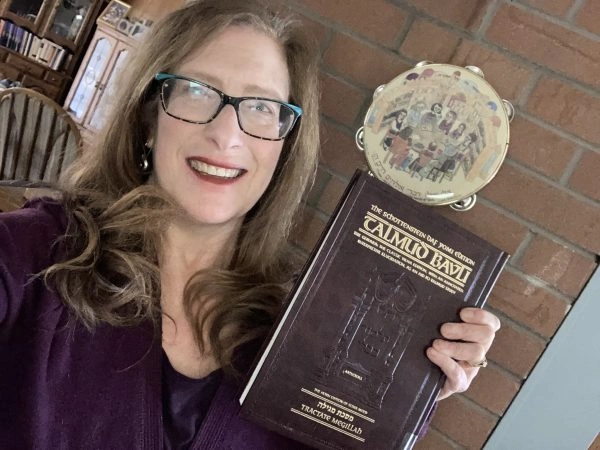
Ketubot 63
קָא מִדַּבְּרַתְּ אַלְמְנוּת חַיִּים?! אֲמַרָה לֵיהּ: אִי לְדִידִי צָיֵית — יָתֵיב תְּרֵי סְרֵי שְׁנֵי אַחְרָינְיָי[תָא]. אָמַר: בִּרְשׁוּת קָא עָבֵידְנָא. הֲדַר אָזֵיל וְיָתֵיב תְּרֵי סְרֵי שְׁנֵי אַחְרָינְיָי[תָא] בְּבֵי רַב. כִּי אֲתָא אַיְיתִי בַּהֲדֵיהּ עֶשְׂרִין וְאַרְבְּעָה אַלְפֵי תַּלְמִידֵי, שְׁמַעָה דְּבֵיתְהוּ, הֲוָת קָא נָפְקָא לְאַפֵּיהּ. אֲמַרוּ לַהּ שִׁיבָבָתָא: שְׁאִילִי מָאנֵי לְבוֹשׁ וְאִיכַּסַּאי. אֲמַרָה לְהוּ: ״יוֹדֵעַ צַדִּיק נֶפֶשׁ בְּהֶמְתּוֹ״. כִּי מָטְיָא לְגַבֵּיהּ, נְפַלָה עַל אַפַּהּ, קָא מְנַשְּׁקָא לֵיהּ לְכַרְעֵיהּ. הֲווֹ קָא מְדַחֲפִי לַהּ שַׁמָּעֵיהּ. אֲמַר לְהוּ: שִׁבְקוּהָ, שֶׁלִּי וְשֶׁלָּכֶם — שֶׁלָּהּ הוּא.
will you lead the life of a widow of a living man, living alone while your husband is in another place? She said to him: If he would listen to me, he would sit and study for another twelve years. When Rabbi Akiva heard this he said: I have permission to do this. He went back and sat for another twelve years in the study hall. When he came back he brought twenty-four thousand students with him. His wife heard and went out toward him to greet him. Her neighbors said: Borrow some clothes and wear them, as your current apparel is not appropriate to meet an important person. She said to them: “A righteous man understands the life of his beast” (Proverbs 12:10). When she came to him she fell on her face and kissed his feet. His attendants pushed her away as they did not know who she was, and he said to them: Leave her alone, as my Torah knowledge and yours is actually hers.
שְׁמַע אֲבוּהָ דַּאֲתָא גַּבְרָא רַבָּה לְמָתָא, אָמַר: אֵיזִיל לְגַבֵּיהּ, אֶפְשָׁר דְּמֵפַר נִדְרַאי. אֲתָא לְגַבֵּיהּ, אֲמַר לֵיהּ: אַדַּעְתָּא דְּגַבְרָא רַבָּה מִי נְדַרְתְּ? אָמַר לוֹ: אֲפִילּוּ פֶּרֶק אֶחָד, וַאֲפִילּוּ הֲלָכָה אַחַת. אֲמַר לֵיהּ: אֲנָא הוּא. נְפַל עַל אַפֵּיהּ וְנַשְּׁקֵיהּ עַל כַּרְעֵיהּ וִיהַב לֵיהּ פַּלְגָא מָמוֹנֵיהּ. בְּרַתֵּיה דְּרַבִּי עֲקִיבָא עֲבַדָא לֵיהּ לְבֶן עַזַּאי הָכִי. וְהַיְינוּ דְּאָמְרִי אִינָשֵׁי: רְחֵילָא בָּתַר רְחֵילָא אָזְלָא, כְּעוֹבָדֵי אִמָּא כָּךְ עוֹבָדֵי בְּרַתָּא.
In the meantime her father heard that a great man came to the town. He said: I will go to him. Maybe he will nullify my vow and I will be able to support my daughter. He came to him to ask about nullifying his vow, and Rabbi Akiva said to him: Did you vow thinking that this Akiva would become a great man? He said to him: If I had believed he would know even one chapter or even one halakha I would not have been so harsh. He said to him: I am he. Ben Kalba Savua fell on his face and kissed his feet and gave him half of his money. The Gemara relates: Rabbi Akiva’s daughter did the same thing for ben Azzai, who was also a simple person, and she caused him to learn Torah in a similar way, by betrothing herself to him and sending him off to study. This explains the folk saying that people say: The ewe follows the ewe; the daughter’s actions are the same as her mother’s.
רַב יוֹסֵף בְּרֵיהּ דְּרָבָא שַׁדְּרֵיהּ אֲבוּהִי לְבֵי רַב לְקַמֵּיהּ דְּרַב יוֹסֵף. פְּסַקוּ לֵיהּ שֵׁית שְׁנֵי. כִּי הֲוָה תְּלָת שְׁנֵי, מְטָא מַעֲלֵי יוֹמָא דְכִפּוּרֵי, אָמַר: אֵיזִיל וְאֶיחְזִינְהוּ לְאִינָשֵׁי בֵּיתִי. שְׁמַע אֲבוּהִי, שְׁקַל מָנָא וּנְפַק לְאַפֵּיהּ. אֲמַר לֵיהּ: זוֹנָתְךָ נִזְכַּרְתָּ? אִיכָּא דְאָמְרִי אֲמַר לֵיהּ: יוֹנָתְךָ נִזְכַּרְתָּ? אִיטְּרוּד. לָא מָר אִיפְּסִיק, וְלָא מָר אִיפְּסִיק.
On the same subject it is related: Rav Yosef, son of Rava, was sent by his father to the study hall to learn before the great Sage Rav Yosef. They agreed that he should sit for six years in the study hall. When three years had passed, the eve of Yom Kippur arrived and he said: I will go and see the members of my household, meaning his wife. His father heard and took a weapon, as if he were going to war, and went to meet him. According to one version he said to him: Did you remember your mistress, as you are abandoning your studies to see a woman? There are those who say that he said to him: Did you remember your dove? Since both father and son were involved in an argument, they were preoccupied and this Master did not eat the cessation meal before Yom Kippur and that Master also did not eat the cessation meal that day.
מַתְנִי׳ הַמּוֹרֶדֶת עַל בַּעְלָהּ — פּוֹחֲתִין לָהּ מִכְּתוּבָּתָהּ שִׁבְעָה דִּינָרִין בַּשַּׁבָּת. רַבִּי יְהוּדָה אוֹמֵר: שִׁבְעָה טַרְפְּעִיקִין. עַד מָתַי הוּא פּוֹחֵת — עַד כְּנֶגֶד כְּתוּבָּתָהּ. רַבִּי יוֹסֵי אוֹמֵר: לְעוֹלָם הוּא פּוֹחֵת וְהוֹלֵךְ, עַד שֶׁאִם תִּפּוֹל לָהּ יְרוּשָּׁה מִמָּקוֹם אַחֵר, גּוֹבָה הֵימֶנָּה. וְכֵן, הַמּוֹרֵד עַל אִשְׁתּוֹ — מוֹסִיפִין עַל כְּתוּבָּתָהּ שְׁלֹשָׁה דִּינָרִין בְּשַׁבָּת. רַבִּי יְהוּדָה אוֹמֵר: שְׁלֹשָׁה טַרְפְּעִיקִין.
MISHNA: A woman who rebels against her husband is fined; her marriage contract is reduced by seven dinars each week. Rabbi Yehuda says: Seven half-dinars [terapa’ikin] each week. Until when does he reduce her marriage contract? Until the reductions are equivalent to her marriage contract, i.e., until he no longer owes her any money, at which point he divorces her without any payment. Rabbi Yosei says: He can always continue to deduct from the sum, even beyond that which is owed to her due to her marriage contract, so that if she will receive an inheritance from another source, he can collect the extra amount from her. And similarly, if a man rebels against his wife, he is fined and an extra three dinars a week are added to her marriage contract. Rabbi Yehuda says: Three terapa’ikin.
גְּמָ׳ מוֹרֶדֶת מִמַּאי? רַב הוּנָא אָמַר: מִתַּשְׁמִישׁ הַמִּטָּה. רַבִּי יוֹסֵי בְּרַבִּי חֲנִינָא אָמַר: מִמְּלָאכָה. תְּנַן: וְכֵן הַמּוֹרֵד עַל אִשְׁתּוֹ. בִּשְׁלָמָא לְמַאן דְּאָמַר מִתַּשְׁמִישׁ, לְחַיֵּי. אֶלָּא לְמַאן דְּאָמַר מִמְּלָאכָה, מִי מְשׁוּעְבָּד לַהּ? אִין, בְּאוֹמֵר ״אֵינִי זָן וְאֵינִי מְפַרְנֵס״.
GEMARA: The Gemara asks: Against what does she rebel; what is the nature of the rebellion discussed in the mishna? Rav Huna said: Against engaging in marital relations. Rabbi Yosei, son of Rabbi Ḥanina, said: Against the tasks she is obligated to perform for her husband. The Gemara clarifies this dispute. The mishna states: Similarly, if a man rebels against his wife. Granted, according to the one who says that the rebellion is against marital relations, it is well, as this type of rebellion can apply equally to a husband. However, according to the one who says that she rebels against performing tasks, is he subjugated to her to perform tasks? The Gemara answers: Yes, he is, as the mishna is discussing someone who says: I will not sustain and I will not support my wife.
וְהָאָמַר רַב: הָאוֹמֵר ״אֵינִי זָן וְאֵינִי מְפַרְנֵס״ — יוֹצִיא וְיִתֵּן כְּתוּבָּה! וְלָאו לְאִמְּלוֹכֵי בֵּיהּ בָּעֵי?
The Gemara asks: But didn’t Rav say: One who says: I will not sustain and I will not support my wife must immediately divorce her and give her the payment for her marriage contract? What relevance is there to a discussion of a weekly fine? The Gemara answers: Shouldn’t he be consulted to investigate whether he will retract his decision? In the interim, while the court discusses the issue with him and explains that he must divorce his wife if he does not retract his decision, he is fined by the addition of three dinars per week to her marriage contract.
מֵיתִבִי: אַחַת לִי אֲרוּסָה, וּנְשׂוּאָה, וַאֲפִילּוּ נִדָּה, וַאֲפִילּוּ חוֹלָה, וַאֲפִילּוּ שׁוֹמֶרֶת יָבָם.
The Gemara raises an objection from a baraita with regard to a rebellious woman: It is the same to me, i.e., the same halakha applies, if the woman who rebelled is a betrothed woman, or a married woman, or even a menstruating woman, or even if she is ill, or even if she is a widow waiting for her yavam to perform levirate marriage.
בִּשְׁלָמָא לְמַאן דְּאָמַר מִמְּלָאכָה, שַׁפִּיר. אֶלָּא לְמַאן דְּאָמַר מִתַּשְׁמִישׁ — נִדָּה בַּת תַּשְׁמִישׁ הִיא? אָמַר לָךְ: אֵינוֹ דּוֹמֶה מִי שֶׁיֵּשׁ לוֹ פַּת בְּסַלּוֹ לְמִי שֶׁאֵין לוֹ.
The Gemara discusses the baraita. Granted, according to the one who says that her rebelliousness is referring to performing tasks, it is well. However, according to the one who says that she rebels against engaging in marital relations, is a menstruating woman fit to engage in marital relations? She is not, and therefore there would be no significance to her refusal. The Gemara answers: The one who advocates that opinion could have said to you: One who has bread in his basket, i.e., one who has engaged in marital relations with his wife in the past, is not comparable to one who does not have bread in his basket. Since she declares her refusal to engage in marital relations, he suffers from this refusal even when she is menstruating or ill.
אִיכָּא דְּאָמְרִי: בִּשְׁלָמָא לְמַאן דְּאָמַר מִתַּשְׁמִישׁ, הַיְינוּ דְּקָתָנֵי חוֹלָה.
There are those who say that the objection was phrased differently. Granted, according to the one who says that the rebellion discussed in the mishna is referring to engaging in marital relations, this explanation is consistent with that which is taught with regard to an ill woman, that she be fined as a rebellious woman, as even if she is not capable of working, she can still be rebellious with regard to marital relations.
אֶלָּא לְמַאן דְּאָמַר מִמְּלָאכָה, חוֹלָה בַּת מְלָאכָה הִיא? אֶלָּא: מִתַּשְׁמִישׁ כּוּלֵּי עָלְמָא לָא פְּלִיגִי דְּהָוְיָא מוֹרֶדֶת. כִּי פְּלִיגִי מִמְּלָאכָה, מָר סָבַר: מִמְּלָאכָה — לָא הָוְיָא מוֹרֶדֶת, וּמָר סָבַר: מִמְּלָאכָה — נָמֵי הָוְיָא מוֹרֶדֶת.
However, according to the one who says the rebellion is against performing tasks, is an ill woman fit to perform tasks? Since she is ill, she has no obligation to perform tasks and this is not deemed rebellious behavior. Rather, one must explain this as follows: If she rebelled against engaging in marital relations, everyone agrees that she is defined as a rebellious woman. They disagree with regard to one who rebels against performing tasks. One Sage, Rav Huna, holds that one who rebels against performing tasks is not a rebellious woman, and one Sage, Rabbi Yosei, son of Rabbi Ḥanina, holds that one who rebels against performing tasks is also considered a rebellious woman.
גּוּפָא: הַמּוֹרֶדֶת עַל בַּעֲלָהּ — פּוֹחֲתִין לָהּ מִכְּתוּבָּתָהּ שִׁבְעָה דִּינָרִים בְּשַׁבָּת. רַבִּי יְהוּדָה אוֹמֵר: שִׁבְעָה טַרְפְּעִיקִין. רַבּוֹתֵינוּ חָזְרוּ וְנִמְנוּ, שֶׁיְּהוּ מַכְרִיזִין עָלֶיהָ אַרְבַּע שַׁבָּתוֹת זוֹ אַחַר זוֹ, וְשׁוֹלְחִין לָהּ בֵּית דִּין: הֱוִי יוֹדַעַת שֶׁאֲפִילּוּ כְּתוּבָּתִיךְ מֵאָה מָנֶה הִפְסַדְתְּ. אַחַת לִי אֲרוּסָה וּנְשׂוּאָה, אֲפִילּוּ נִדָּה, אֲפִילּוּ חוֹלָה, וַאֲפִילּוּ שׁוֹמֶרֶת יָבָם.
§ With regard to the matter itself: A woman who rebels against her husband is fined; we reduce her marriage contract by seven dinars each week, and Rabbi Yehuda says: Seven terapa’ikin. Our Sages went back and were counted again, meaning they voted and decided that instead of deducting a small amount from her marriage contract each week, they would make public announcements about her for four consecutive Shabbatot. And they decided that the court would send messengers to her to inform her: Be aware that even if your marriage contract is worth ten thousand dinars, you will lose it all if you continue your rebellion. If she does not retract her rebellion, she forfeits her entire marriage contract. With regard to this enactment, it is the same to me, meaning the halakha does not change, if she is a betrothed woman or a married woman, and even if she is a menstruating woman, and even if she is ill, and even if she is a widow awaiting her yavam to perform levirate marriage.
אֲמַר לֵיהּ רַבִּי חִיָּיא בַּר יוֹסֵף לִשְׁמוּאֵל: נִדָּה בַּת תַּשְׁמִישׁ הִיא? אֲמַר לֵיהּ: אֵינוֹ דּוֹמֶה מִי שֶׁיֵּשׁ לוֹ פַּת בְּסַלּוֹ לְמִי שֶׁאֵין לוֹ פַּת בְּסַלּוֹ.
Rabbi Ḥiyya bar Yosef said to Shmuel: Is a menstruating woman fit to engage in conjugal relations? He said to him: One who has bread in his basket, i.e., one who knows that he will be able to engage in relations with his wife after her period of menstrual impurity ends, is not comparable to one who does not have bread in his basket.
אָמַר רָמֵי בַּר חָמָא: אֵין מַכְרִיזִין עָלֶיהָ אֶלָּא בְּבָתֵּי כְנֵסִיּוֹת וּבְבָתֵּי מִדְרָשׁוֹת. אָמַר רָבָא: דַּיְקָא נָמֵי, דְּקָתָנֵי: אַרְבַּע שַׁבָּתוֹת זוֹ אַחַר זוֹ. שְׁמַע מִינַּהּ. אָמַר רָמֵי בַּר חָמָא: פַּעֲמַיִם שׁוֹלְחִין לָהּ מִבֵּית דִּין, אַחַת קוֹדֶם הַכְרָזָה, וְאַחַת לְאַחַר הַכְרָזָה.
Rami bar Ḥama said: We make announcements about her only in synagogues and study halls, but not in the street. Rava said: The language of the baraita is also precise, as it teaches: They would make announcements on four consecutive Shabbatot, which are days when no labor is performed and people are not to be found in the streets, but rather in synagogues and study halls. The Gemara summarizes: Conclude from this that this is the case. Rami bar Ḥama said: The court sends people to talk with her twice, once before the announcement and once after the announcement.
דָּרַשׁ רַב נַחְמָן בַּר רַב חִסְדָּא: הֲלָכָה כְּרַבּוֹתֵינוּ. אָמַר רָבָא: הַאי בּוּרְכָא. אֲמַר לֵיהּ רַב נַחְמָן בַּר יִצְחָק: מַאי בּוּרְכָתֵיהּ? אֲנָא אַמְרִיתַהּ נִיהֲלֵיהּ, וּמִשְּׁמֵיהּ דְּגַבְרָא רַבָּה אַמְרִיתַהּ נִיהֲלֵיהּ, וּמַנּוּ, רַבִּי יוֹסֵי בְּרַבִּי חֲנִינָא.
Rav Naḥman bar Rav Ḥisda taught with regard to this: The halakha is in accordance with the decision of our Sages. Rava said: This is an absurdity [burkha]. Rav Naḥman bar Yitzḥak said to him: What is absurd about this? I said this to him, and I said it to him in the name of a great man. And who is the great man who ruled this way? Rabbi Yosei, son of Rabbi Ḥanina.
וְאִיהוּ כְּמַאן סָבַר? כִּי הָא דְּאִתְּמַר: רָבָא אָמַר רַב שֵׁשֶׁת: הֲלָכָה, נִמְלָכִין בָּהּ. רַב הוּנָא בַּר יְהוּדָה אָמַר רַב שֵׁשֶׁת: הֲלָכָה, אֵין נִמְלָכִין בָּהּ.
The Gemara asks: And in accordance with whose opinion does Rava hold? The Gemara answers: In accordance with that which was stated: Rava said that Rav Sheshet said: The halakha is that she is consulted in an attempt to convince her to retract her decision, and while doing so deductions are made from her marriage contract. But Rav Huna bar Yehuda said that Rav Sheshet said: The halakha is that we do not consult with her. According to both versions of Rav Sheshet’s ruling, she does not lose her marriage contract immediately but rather it is reduced every week. This is the source for Rava’s opinion.
הֵיכִי דָּמְיָא מוֹרֶדֶת? אָמַר אַמֵּימָר: דְּאָמְרָה ״בָּעֵינָא לֵיהּ וּמְצַעַרְנָא לֵיהּ״. אֲבָל אָמְרָה ״מְאִיס עֲלַי״ — לָא כָּיְיפִינַן לַהּ. מָר זוּטְרָא אָמַר: כָּיְיפִינַן לָהּ.
§ With regard to this halakha, the Gemara asks: What are the circumstances in which the halakha of a rebellious woman applies? Ameimar said: The case is where she says: I want to be married to him, but I am currently refusing him because I want to cause him anguish due to a dispute between us. However, if she said: I am disgusted with him, we do not compel her to remain with him, as one should not be compelled to live with someone who disgusts her. Mar Zutra said: We do compel her to stay with him.
הֲוָה עוֹבָדָא וְאַכְפְּיַהּ מָר זוּטְרָא, וּנְפַק מִינֵּיהּ רַבִּי חֲנִינָא מִסּוּרָא. וְלָא הִיא: הָתָם סִיַּיעְתָּא דִשְׁמַיָּא הֲוָה.
It is related: There was an incident in which a woman rebelled, claiming that she was disgusted with her husband, and Mar Zutra compelled her to stay with him. And from this couple issued Rabbi Ḥanina of Sura. This demonstrates that even such coercion can cause a blessing. However, the Gemara concludes: That is not so. That case should not serve as a precedent, as there the positive outcome was due to heavenly assistance. Ordinarily, nothing good results from conjugal relations that the wife does not desire.
כַּלְּתֵיהּ דְּרַב זְבִיד אִימְּרַדָא, הֲוָה תְּפִיסָא חַד שֵׁירָא. יְתֵיב אַמֵּימָר וּמָר זוּטְרָא וְרַב אָשֵׁי, וִיתֵיב רַב גַּמָּדָא גַּבַּיְיהוּ. יָתְבִי וְקָאָמְרִי: מָרְדָה — הִפְסִידָה בְּלָאוֹתֶיהָ קַיָּימִין. אֲמַר לְהוּ רַב גַּמָּדָא: מִשּׁוּם דְּרַב זְבִיד גַּבְרָא רַבָּה, מַחְנִיפִיתוּ לֵיהּ? וְהָאָמַר רַב כָּהֲנָא: מִיבַּעְיָא בָּעֵי רָבָא, וְלָא פְּשִׁיט? אִיכָּא דְּאָמְרִי, יָתְבִי וְקָאָמְרִי, מָרְדָה — לֹא הִפְסִידָה בְּלָאוֹתֶיהָ קַיָּימִין. אֲמַר לְהוּ רַב גַּמָּדָא:
It is related that the daughter-in-law of Rav Zevid rebelled against her husband. She was holding a certain garment in her hands. Ameimar, Mar Zutra, and Rav Ashi were sitting, and Rav Gamda was sitting with them. They sat and said: If a woman rebelled, she lost her right to her worn clothes, meaning she has forfeited the clothes she brought with her for her dowry even if they are still in existence. Rav Gamda said to them: Because Rav Zevid is a great man, are you willing to flatter him with regard to this halakha? Didn’t Rav Kahana say: Rava raises a dilemma about this issue with regard to worn clothes, and he did not resolve it? Yet you reached a decision out of respect for Rav Zevid. This is inappropriate. There are those who say that this incident happened differently, as these three Sages sat and said: If she rebelled, she did not lose her right to her worn clothes. Rav Gamda said to them: