Search

Kiddushin 11

Want to dedicate learning? Get started here:

English
עברית
podcast placeholder

0:00
0:00


podcast placeholder

0:00
0:00


Summary

Today’s daf is sponsored by Betsy Frank in honor of Penny’s Daf Yomi Salon.

Today’s daf is sponsored by Marilyn Katz in honor of Rebecca Koenigsberg. “She is a constant source for me of inspiration and knowledge, and whose constant observation of the mitzva of hachnassat orchim extends to regularly serving as the siyum mesaderet for our small local group of daf-yomi-ers.”

Why does Beit Shammai hold that the money required for betrothal is significantly higher than the amount Beit Hillel says? Several answers are suggested.

Today’s daily daf tools:

Kiddushin 11

עַד שֶׁתִּכָּנֵס לַחוּפָּה, מִשּׁוּם דְּעוּלָּא.

until she enters the wedding canopy, due to the reason of Ulla, lest she feed her non-priestly family members the teruma that her husband has given her.

וּבֶן בַּג בַּג? סִימְפּוֹן, בַּעֲבָדִים לֵית לֵיהּ. אִי מוּמִין שֶׁבַּגָּלוּי הוּא – הָא קָא חָזֵי לֵיהּ. אִי מִשּׁוּם מוּמִין שֶׁבַּסֵּתֶר – מַאי נָפְקָא לֵיהּ מִינֵּיהּ? לִמְלָאכָה קָא בָעֵי לֵיהּ לָא אִיכְפַּת לֵיהּ.

The Gemara asks: And ben Bag Bag, what does he say about this a fortiori inference? The Gemara answers that he maintains that this a fortiori inference is invalid because he does not accept that there can be a claim of simfon with regard to the acquisition of slaves. The reason is that if it is an exposed blemish that the master found on the slave, he saw the blemish and purchased him regardless. Therefore, he cannot later claim that the transaction was unfair. If it is due to hidden blemishes on his slave, what difference does that make to him? Why should it matter if a slave has hidden blemishes? He needs him only for labor, and he does not care if he has hidden blemishes that do not impair his ability to perform labor.

נִמְצָא גַּנָּב אוֹ קוּבְיוּסְטוּס – הִגִּיעוֹ. מַאי אָמְרַתְּ, לִסְטִים מְזוּיָּין אוֹ (נִכְתַּב) [מוּכְתָּב] לַמַּלְכוּת? הָנְהוּ קָלָא אִית לְהוּ!

And even if this slave is discovered to be a thief or a gambler [kuvyustus], which are considered hidden blemishes that affect his work, it has come to him, i.e., the slave is acquired by the one who purchased him and the transaction is non-refundable. The reason is that the buyer should have suspected behavior of this kind, which is common among slaves, and therefore he suffers the loss. What do you say? Perhaps he discovered that the slave is an armed bandit and subject to be killed by the government for this, or sentenced to death by the government for another reason, and is sought by the authorities. This is not a valid claim, since these matters generate publicity, and therefore he is assumed to have taken the risk into consideration.

מִכְּדִי, בֵּין לְמָר וּבֵין לְמָר לָא אָכְלָה, מַאי בֵּינַיְיהוּ?

The Gemara asks: Now, both according to the one Master, Yoḥanan ben Bag Bag, and according to the other Master, Rabbi Yehuda ben Beteira, the daughter of a non-priest betrothed to a priest may not partake of teruma by rabbinic decree. What, then, is the difference between them?

אִיכָּא בֵּינַיְיהוּ: קִיבֵּל, מָסַר, וְהָלַךְ.

The Gemara answers: The difference between them involves three cases. The Gemara elaborates: If the husband initially accepted her blemishes, there is no concern that an annulling factor might lead to the nullification of the betrothal, but there is still concern that she might feed teruma to the members of her family. If her father transferred her to the betrothed husband’s agents, or if the father’s agents walked with the husband’s messenger, and therefore she is no longer in her father’s house, there is no concern that she might feed her family members teruma, but it remains possible that the betrothal will be nullified.

בְּכֶסֶף, בֵּית שַׁמַּאי אוֹמְרִים בְּדִינָר וְכו׳. מַאי טַעְמַיְיהוּ דְּבֵית שַׁמַּאי? אָמַר רַבִּי זֵירָא: שֶׁכֵּן אִשָּׁה מַקְפֶּדֶת עַל עַצְמָהּ, וְאֵין מִתְקַדֶּשֶׁת בְּפָחוֹת מִדִּינָר.

§ The Gemara returns to the halakhot of the mishna. The mishna teaches that if one betroths a woman with money, Beit Shammai say he must betroth her with at least one dinar, whereas according to the opinion of Beit Hillel even one peruta is sufficient. The Gemara asks: What is the reasoning of Beit Shammai? Rabbi Zeira says: Their reasoning is that a woman is particular about herself and considers it beneath her dignity to be acquired with a paltry sum, and therefore she will not agree to be betrothed with less than one dinar.

אֲמַר לֵיהּ אַבָּיֵי: אֶלָּא מֵעַתָּה, כְּגוֹן בְּנָתֵיהּ דְּרַבִּי יַנַּאי, דְּקָפְדָן אַנַּפְשַׁיְיהוּ, וְלָא מִקַּדְּשָׁן בְּפָחוֹת מִתַּרְקְבָא דְּדִינָרֵי, הָכִי נָמֵי דְּאִי פָּשְׁטָה יָדָהּ וְקִבְּלָה חַד זוּזָא מֵאַחֵר, הָכִי נָמֵי דְּלָא הָווּ קִדּוּשִׁין?

Abaye said to him: If that is so, with regard to Rabbi Yannai’s daughters, for example, who are very particular about themselves and their honor, and they will not agree to be betrothed with less than three kav of dinars due to their status, so too will you say that if she reaches out her hand and accepts one dinar from another man, so too, this is not a betrothal?

אֲמַר לֵיהּ: פָּשְׁטָה יָדָהּ וְקִבְּלָהּ לָא קָאָמֵינָא, כִּי קָאָמֵינָא, דְּקַדְּשַׁהּ בְּלֵילְיָא, אִי נָמֵי דְּשַׁוִּיָה שָׁלִיחַ.

Rabbi Zeira said to Abaye: I did not say that this halakha includes a case where she reached out her hand and accepted a betrothal. She has the right to willingly relinquish her dignity. When I said this halakha I was referring to a case where he betrothed her at night and she did not see what she was being given. Alternatively, where she appointed an agent to betroth her but did not explicitly tell him how much she wished to receive for her betrothal. In these cases it is assumed that she is particular about her honor and will not agree to be betrothed for less than one dinar.

רַב יוֹסֵף אָמַר: טַעְמַיְהוּ דְּבֵית שַׁמַּאי כִּדְרַב יְהוּדָה אָמַר רַב אַסִּי. דְּאָמַר רַב יְהוּדָה אָמַר רַב אַסִּי: כׇּל כֶּסֶף הָאָמוּר בַּתּוֹרָה – כֶּסֶף צוֹרִי, וְשֶׁל דִּבְרֵיהֶם – כֶּסֶף מְדִינָה.

Rav Yosef said a different explanation: The reasoning of Beit Shammai is in accordance with that which Rav Yehuda says that Rav Asi says. As Rav Yehuda says that Rav Asi says: Every sum of money mentioned in the Torah is in Tyrian coinage, i.e., dinars from Tyre, which have a high value. And any amount of money set by rabbinic law is measured by provincial coinage. Local currency, i.e., that which existed at the time of the Sages of the Mishna, was worth about one-eighth of the value of Tyrian coinage. Beit Shammai follow the standard sum of the Torah, and the smallest possible amount in Tyrian currency is the silver coin, which is worth one dinar.

גּוּפָא, אָמַר רַב יְהוּדָה אָמַר רַב אַסִּי: כׇּל כֶּסֶף הָאָמוּר בַּתּוֹרָה – כֶּסֶף צוֹרִי, וְשֶׁל דִּבְרֵיהֶם – כֶּסֶף מְדִינָה. וּכְלָלָא הוּא?

The Gemara discusses the matter itself. Rav Yehuda says that Rav Asi says: Every sum of money mentioned in the Torah is Tyrian coinage, and any amount of money set by rabbinic law is measured by provincial coinage. The Gemara asks: And is it an established principle that any mention of money in the Torah is referring to a silver coin worth at least one dinar?

וַהֲרֵי טַעֲנָה, דִּכְתִיב: ״כִּי יִתֵּן אִישׁ אֶל רֵעֵהוּ כֶּסֶף אוֹ כֵלִים לִשְׁמֹר״, וּתְנַן: שְׁבוּעַת הַדַּיָּינִין, הַטַּעֲנָה – שְׁתֵּי כֶּסֶף, וְהַהוֹדָאָה – שָׁוֶה פְרוּטָה.

But with regard to a claim that someone has not returned a deposit or loan, when the defendant admits that only part of the claim is true, it is written: “If a man deliver to his neighbor money or vessels to guard and it be stolen out of the man’s house” (Exodus 22:6). The following verses teach that if the thief is not found, the case is brought to a court, where the defendant must take an oath. And we learned in a mishna with regard to one who admits to part of a claim (Shevuot 38b): The oath administered by the judges to one who admits to part of a claim is administered only when the claim is for at least two silver ma’a, and the defendant’s admission is to at least the value of one peruta. If every sum of money mentioned in the Torah is referring to Tyrian coinage, how did the Sages arrive at the amount of two ma’a in this case?

הָתָם דּוּמְיָא דְּכֵלִים, מָה כֵּלִים שְׁנַיִם – אַף כֶּסֶף שְׁנַיִם, וּמָה כֶּסֶף דָּבָר חָשׁוּב – אַף כֵּלִים דָּבָר חָשׁוּב.

The Gemara explains: There, the halakha is derived from a juxtaposition, as the “money” mentioned in the verse is similar to “vessels”: Just as the word “vessels” indicates at least two, so too “money” is referring to at least two coins. And just as money is a significant item, so too the vessels must be a significant item.

וַהֲרֵי מַעֲשֵׂר, דִּכְתִיב: ״וְצַרְתָּ הַכֶּסֶף בְּיָדְךָ״, וּתְנַן: הַפּוֹרֵט סֶלַע מִמְּעוֹת מַעֲשֵׂר שֵׁנִי! ״כֶּסֶף״ ״הַכֶּסֶף״ – רִיבָּה.

The Gemara asks: But there is the case of the redemption of second tithe, as it is written: “And bind up the money in your hand” (Deuteronomy 14:25). And yet we learned in a mishna (Ma’aser Sheni 2:8): With regard to one who exchanges copper coins of second-tithe money for a sela, Beit Shammai say: He may exchange the copper coins for the entire silver sela. This mishna indicates that second-tithe money, mentioned in the Torah, can be in the form of copper coins, and it is not required to be in the form of silver coins. The Gemara explains that the verse does not say money, but “the money.” The addition of the article serves as an amplification. In other words, this addition teaches that second-tithe money can be in any coinage, including copper coins.

וַהֲרֵי הֶקְדֵּשׁ, דִּכְתִיב: ״וְנָתַן הַכֶּסֶף וְקָם לוֹ״, וְאָמַר שְׁמוּאֵל: הֶקְדֵּשׁ שָׁוֶה מָנֶה שֶׁחִילְּלוֹ עַל שָׁוֶה פְרוּטָה – מְחוּלָּל! הָתָם נָמֵי, ״כֶּסֶף״ ״כֶּסֶף״ יָלֵיף מִמַּעֲשֵׂר.

The Gemara asks: But there is the case of consecrated property, as it is written: “And he will give the money and it will be assured to him” (see Leviticus 27:19). And Shmuel says: With regard to consecrated property worth one hundred dinars, which was redeemed for an item worth one peruta, it is redeemed. Although the word “money” is stated in the Torah, a copper peruta may be used. The Gemara answers: There too, there is a reason for this unusual halakha, as he derives this ruling from a verbal analogy of the terms “money” mentioned here and “money” from tithes. Consequently, one may use any type of coin in this case as well.

וַהֲרֵי קִידּוּשֵׁי אִשָּׁה, דִּכְתִיב: ״כִּי יִקַּח אִישׁ אִשָּׁה וּבְעָלָהּ״, וְגָמַר ״קִיחָה״ ״קִיחָה״ מִשְּׂדֵה עֶפְרוֹן, וּתְנַן: בֵּית הִלֵּל אוֹמְרִים: בִּפְרוּטָה וּבְשָׁוֶה פְרוּטָה. נֵימָא רַב אַסִּי דְּאָמַר כְּבֵית שַׁמַּאי?!

The Gemara asks: But there is the case of the betrothal of a woman, as it is written: “When a man takes a woman and engages in sexual intercourse with her” (Deuteronomy 24:1), and one derives betrothal through money by a verbal analogy of the term “taking” used here and “taking” from the case of the field of Ephron. And yet we learned in the mishna that Beit Hillel say one can betroth a woman with one peruta or with any item that is worth one peruta. If so, shall we say that Rav Asi, who claims that all sums of money mentioned in the Torah are in Tyrian coinage, stated his opinion in accordance with the opinion of Beit Shammai?

אֶלָּא אִי אִיתְּמַר, הָכִי אִיתְּמַר: אָמַר רַב יְהוּדָה אָמַר רַב אַסִּי: כׇּל כֶּסֶף קָצוּב הָאָמוּר בַּתּוֹרָה – כֶּסֶף צוֹרִי, וְשֶׁל דִּבְרֵיהֶם – כֶּסֶף מְדִינָה.

Rather, the Gemara suggests an alternative explanation: If this was stated, it was stated like this: Rav Yehuda says that Rav Asi says: Every set amount of money stated in the Torah, i.e., when a specific amount is mentioned, is referring to Tyrian coinage, and any amount of money set by rabbinic law is in provincial coinage.

מַאי קָא מַשְׁמַע לַן? תְּנֵינָא: חָמֵשׁ סְלָעִים שֶׁל בֵּן, שְׁלֹשִׁים שֶׁל עֶבֶד, חֲמִשִּׁים שֶׁל אוֹנֶס וְשֶׁל מְפַתֶּה, מֵאָה שֶׁל מוֹצִיא שֵׁם רַע – כּוּלָּם בְּשֶׁקֶל הַקּוֹדֶשׁ, בְּמָנֶה צוֹרִי!

The Gemara asks: If so, what is Rav Asi teaching us? We have already learned all of these halakhot explicitly (Bekhorot 49b): The payment of five sela for the redemption of a firstborn son (Numbers 18:16); the payment of thirty sela for a slave, paid by the owner of the ox that killed the slave (Exodus 21:32); the fifty sela paid by a rapist and by a seducer (Deuteronomy 22:29); the one hundred sela paid by a defamer (Deuteronomy 22:19); all of these are paid in the sacred shekel, which is one hundred dinars in Tyrian coinage. All of the cases in which a defined amount is mentioned by the Torah have already been taught, and it is unclear what Rav Asi adds.

״וְשֶׁל דִּבְרֵיהֶם כֶּסֶף מְדִינָה״ אִיצְטְרִיכָא לֵיהּ, דְּלָא תְּנַן. דְּתַנְיָא: הַתּוֹקֵעַ לַחֲבֵירוֹ – נוֹתֵן לוֹ סֶלַע. וְלָא תֵּימָא מַאי סֶלַע – אַרְבְּעָה זוּזֵי, אֶלָּא מַאי סֶלַע – פַּלְגָא דְזוּזָא, דַּעֲבִידִי אִינָשֵׁי דְּקָרוּ לְפַלְגָא דְזוּזָא אִיסְתֵּירָא.

The Gemara answers: It was necessary for Rav Asi to teach: And any amount of money set by rabbinic law is in provincial coinage, as we did not learn that halakha in that mishna. As it is taught in a baraita: The Sages established that one who strikes another as an act of disrespect must give him one sela as a fine. And Rav Asi is teaching that one should not say: What is the meaning of one sela? It is a Tyrian sela worth four dinar. Rather, what is the meaning of one sela? This is the sela of provincial coinage, which is worth half a dinar, as people commonly call half a dinar by the name sela [isteira].

רַבִּי שִׁמְעוֹן בֶּן לָקִישׁ אוֹמֵר: טַעְמַיְיהוּ דְּבֵית שַׁמַּאי, כִּדְחִזְקִיָּה. דְּאָמַר חִזְקִיָּה: אָמַר קְרָא: ״וְהֶפְדָּהּ״ – מְלַמֵּד שֶׁמְּגָרַעַת מִפִּדְיוֹנָהּ, וְיוֹצְאָה.

Rabbi Shimon ben Lakish says a different explanation: The reasoning of Beit Shammai, that the minimum amount with which a woman can be betrothed is one dinar, is in accordance with the opinion of Ḥizkiyya. As Ḥizkiyya says that the verse states with regard to a Hebrew maidservant: “Then he shall let her be redeemed” (Exodus 21:8), which teaches that she can deduct an amount from the price of her redemption and leave before her time of slavery is complete. If she comes into possession of money, she can pay the master for her value, less the work she has performed. Beit Shammai derive the halakhot of regular betrothal from the case of a Hebrew maidservant, as explained below.

אִי אָמְרַתְּ בִּשְׁלָמָא דִּיהַב לַהּ דִּינָר – הַיְינוּ דִּמְגָרְעָה וְאָזְלָה עַד פְּרוּטָה, אֶלָּא אִי אָמְרַתְּ דִּיהַב לַהּ פְּרוּטָה, מִפְּרוּטָה מִי מְגָרְעָה? וְדִלְמָא הָכִי קָאָמַר רַחֲמָנָא: הֵיכָא דִּיהַב לַהּ דִּינָר – תְּיגָרַע עַד פְּרוּטָה, הֵיכָא דִּיהַב לַהּ פְּרוּטָה – לָא תְּיגָרַע כְּלָל!

Granted, if you say that when she was acquired he gave her at least one dinar, this is the meaning of the statement that she may continually deduct from that amount up to one peruta. But if you say that he gave her one peruta when he purchased her as a maidservant, can she deduct from one peruta? One peruta is already the smallest possible sum of money. The Gemara rejects this argument: But perhaps this is what the Merciful One is saying: In a case where he gave her one dinar, she deducts from that amount up to one peruta; in a case where he gave her one peruta she cannot deduct at all. If he paid one peruta for her, the option of redemption does not apply.

Today’s daily daf tools:

Delve Deeper

Broaden your understanding of the topics on this daf with classes and podcasts from top women Talmud scholars.

For the Beyond the Daf shiurim offered in Hebrew, see here.

New to Talmud?

Check out our resources designed to help you navigate a page of Talmud – and study at the pace, level and style that fits you. 

The Hadran Women’s Tapestry

Meet the diverse women learning Gemara at Hadran and hear their stories. 

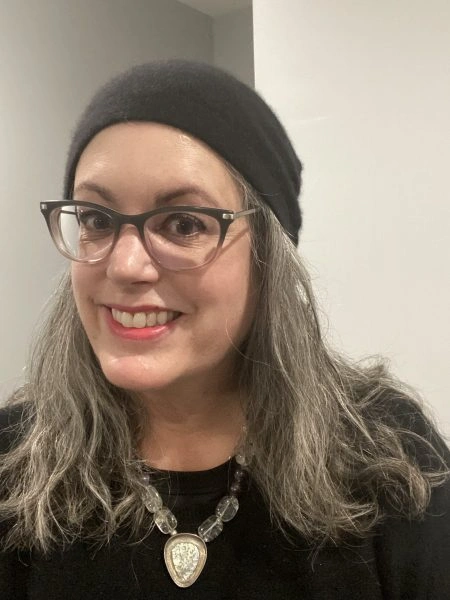
I had no formal learning in Talmud until I began my studies in the Joint Program where in 1976 I was one of the few, if not the only, woman talmud major. It was superior training for law school and enabled me to approach my legal studies with a foundation . In 2018, I began daf yomi listening to Rabbanit MIchelle’s pod cast and my daily talmud studies are one of the highlights of my life.

Krivosha_Terri_Bio
Terri Krivosha

Minneapolis, United States

A beautiful world of Talmudic sages now fill my daily life with discussion and debate.
bringing alive our traditions and texts that has brought new meaning to my life.
I am a מגילת אסתר reader for women . the words in the Mishna of מסכת megillah 17a
הקורא את המגילה למפרע לא יצא were powerful to me.
I hope to have the zchut to complete the cycle for my 70th birthday.

Sheila Hauser
Sheila Hauser

Jerusalem, Israel

I started learning with rabbis. I needed to know more than the stories. My first teacher to show me “the way of the Talmud” as well as the stories was Samara Schwartz.
Michelle Farber started the new cycle 2 yrs ago and I jumped on for the ride.
I do not look back.

Jenifer Nech
Jenifer Nech

Houston, United States

Ive been learning Gmara since 5th grade and always loved it. Have always wanted to do Daf Yomi and now with Michelle Farber’s online classes it made it much easier to do! Really enjoying the experience thank you!!

Lisa Lawrence
Lisa Lawrence

Neve Daniel, Israel

“I got my job through the NY Times” was an ad campaign when I was growing up. I can headline “I got my daily Daf shiur and Hadran through the NY Times”. I read the January 4, 2020 feature on Reb. Michelle Farber and Hadran and I have been participating ever since. Thanks NY Times & Hadran!
Deborah Aschheim
Deborah Aschheim

New York, United States

My family recently made Aliyah, because we believe the next chapter in the story of the Jewish people is being written here, and we want to be a part of it. Daf Yomi, on the other hand, connects me BACK, to those who wrote earlier chapters thousands of years ago. So, I feel like I’m living in the middle of this epic story. I’m learning how it all began, and looking ahead to see where it goes!
Tina Lamm
Tina Lamm

Jerusalem, Israel

I never thought I’d be able to do Daf Yomi till I saw the video of Hadran’s Siyum HaShas. Now, 2 years later, I’m about to participate in Siyum Seder Mo’ed with my Hadran community. It has been an incredible privilege to learn with Rabbanit Michelle and to get to know so many caring, talented and knowledgeable women. I look forward with great anticipation and excitement to learning Seder Nashim.

Caroline-Ben-Ari-Tapestry
Caroline Ben-Ari

Karmiel, Israel

In early 2020, I began the process of a stem cell transplant. The required extreme isolation forced me to leave work and normal life but gave me time to delve into Jewish text study. I did not feel isolated. I began Daf Yomi at the start of this cycle, with family members joining me online from my hospital room. I’ve used my newly granted time to to engage, grow and connect through this learning.

Reena Slovin
Reena Slovin

Worcester, United States

I started learning Daf Yomi because my sister, Ruth Leah Kahan, attended Michelle’s class in person and suggested I listen remotely. She always sat near Michelle and spoke up during class so that I could hear her voice. Our mom had just died unexpectedly and it made me feel connected to hear Ruth Leah’s voice, and now to know we are both listening to the same thing daily, continents apart.
Jessica Shklar
Jessica Shklar

Philadelphia, United States

I attended the Siyum so that I could tell my granddaughter that I had been there. Then I decided to listen on Spotify and after the siyum of Brachot, Covid and zoom began. It gave structure to my day. I learn with people from all over the world who are now my friends – yet most of us have never met. I can’t imagine life without it. Thank you Rabbanit Michelle.

Emma Rinberg
Emma Rinberg

Raanana, Israel

Hearing and reading about the siyumim at the completion of the 13 th cycle Daf Yomi asked our shul rabbi about starting the Daf – he directed me to another shiur in town he thought would allow a woman to join, and so I did! Love seeing the sources for the Divrei Torah I’ve been hearing for the past decades of living an observant life and raising 5 children .

Jill Felder
Jill Felder

Pittsburgh, Pennsylvania, United States

I started to listen to Michelle’s podcasts four years ago. The minute I started I was hooked. I’m so excited to learn the entire Talmud, and think I will continue always. I chose the quote “while a woman is engaged in conversation she also holds the spindle”. (Megillah 14b). It reminds me of all of the amazing women I learn with every day who multi-task, think ahead and accomplish so much.

Julie Mendelsohn
Julie Mendelsohn

Zichron Yakov, Israel

In early January of 2020, I learned about Siyyum HaShas and Daf Yomi via Tablet Magazine’s brief daily podcast about the Daf. I found it compelling and fascinating. Soon I discovered Hadran; since then I have learned the Daf daily with Rabbanit Michelle Cohen Farber. The Daf has permeated my every hour, and has transformed and magnified my place within the Jewish Universe.

Lisa Berkelhammer
Lisa Berkelhammer

San Francisco, CA , United States

Jill Shames
Jill Shames

Jerusalem, Israel

The start of my journey is not so exceptional. I was between jobs and wanted to be sure to get out every day (this was before corona). Well, I was hooked after about a month and from then on only looked for work-from-home jobs so I could continue learning the Daf. Daf has been a constant in my life, though hurricanes, death, illness/injury, weddings. My new friends are Rav, Shmuel, Ruth, Joanna.
Judi Felber
Judi Felber

Raanana, Israel

When I began learning Daf Yomi at the beginning of the current cycle, I was preparing for an upcoming surgery and thought that learning the Daf would be something positive I could do each day during my recovery, even if I accomplished nothing else. I had no idea what a lifeline learning the Daf would turn out to be in so many ways.

Laura Shechter
Laura Shechter

Lexington, MA, United States

I started last year after completing the Pesach Sugiyot class. Masechet Yoma might seem like a difficult set of topics, but for me made Yom Kippur and the Beit HaMikdash come alive. Liturgy I’d always had trouble connecting with took on new meaning as I gained a sense of real people moving through specific spaces in particular ways. It was the perfect introduction; I am so grateful for Hadran!

Debbie Engelen-Eigles

Minnesota, United States

A friend mentioned that she was starting Daf Yomi in January 2020. I had heard of it and thought, why not? I decided to try it – go day by day and not think about the seven plus year commitment. Fast forward today, over two years in and I can’t imagine my life without Daf Yomi. It’s part of my morning ritual. If I have a busy day ahead of me I set my alarm to get up early to finish the day’s daf
Debbie Fitzerman
Debbie Fitzerman

Ontario, Canada

I started my journey on the day I realized that the Siyum was happening in Yerushalayim and I was missing out. What? I told myself. How could I have not known about this? How can I have missed out on this opportunity? I decided that moment, I would start Daf Yomi and Nach Yomi the very next day. I am so grateful to Hadran. I am changed forever because I learn Gemara with women. Thank you.

Linda Brownstein
Linda Brownstein

Mitspe, Israel

I started learning Talmud with R’ Haramati in Yeshivah of Flatbush. But after a respite of 60 years, Rabbanit Michelle lit my fire – after attending the last three world siyumim in Miami Beach, Meadowlands and Boca Raton, and now that I’m retired, I decided – “I can do this!” It has been an incredible journey so far, and I look forward to learning Daf everyday – Mazal Tov to everyone!

Roslyn Jaffe
Roslyn Jaffe

Florida, United States

Kiddushin 11

עַד שֶׁתִּכָּנֵס לַחוּפָּה, מִשּׁוּם דְּעוּלָּא.

until she enters the wedding canopy, due to the reason of Ulla, lest she feed her non-priestly family members the teruma that her husband has given her.

וּבֶן בַּג בַּג? סִימְפּוֹן, בַּעֲבָדִים לֵית לֵיהּ. אִי מוּמִין שֶׁבַּגָּלוּי הוּא – הָא קָא חָזֵי לֵיהּ. אִי מִשּׁוּם מוּמִין שֶׁבַּסֵּתֶר – מַאי נָפְקָא לֵיהּ מִינֵּיהּ? לִמְלָאכָה קָא בָעֵי לֵיהּ לָא אִיכְפַּת לֵיהּ.

The Gemara asks: And ben Bag Bag, what does he say about this a fortiori inference? The Gemara answers that he maintains that this a fortiori inference is invalid because he does not accept that there can be a claim of simfon with regard to the acquisition of slaves. The reason is that if it is an exposed blemish that the master found on the slave, he saw the blemish and purchased him regardless. Therefore, he cannot later claim that the transaction was unfair. If it is due to hidden blemishes on his slave, what difference does that make to him? Why should it matter if a slave has hidden blemishes? He needs him only for labor, and he does not care if he has hidden blemishes that do not impair his ability to perform labor.

נִמְצָא גַּנָּב אוֹ קוּבְיוּסְטוּס – הִגִּיעוֹ. מַאי אָמְרַתְּ, לִסְטִים מְזוּיָּין אוֹ (נִכְתַּב) [מוּכְתָּב] לַמַּלְכוּת? הָנְהוּ קָלָא אִית לְהוּ!

And even if this slave is discovered to be a thief or a gambler [kuvyustus], which are considered hidden blemishes that affect his work, it has come to him, i.e., the slave is acquired by the one who purchased him and the transaction is non-refundable. The reason is that the buyer should have suspected behavior of this kind, which is common among slaves, and therefore he suffers the loss. What do you say? Perhaps he discovered that the slave is an armed bandit and subject to be killed by the government for this, or sentenced to death by the government for another reason, and is sought by the authorities. This is not a valid claim, since these matters generate publicity, and therefore he is assumed to have taken the risk into consideration.

מִכְּדִי, בֵּין לְמָר וּבֵין לְמָר לָא אָכְלָה, מַאי בֵּינַיְיהוּ?

The Gemara asks: Now, both according to the one Master, Yoḥanan ben Bag Bag, and according to the other Master, Rabbi Yehuda ben Beteira, the daughter of a non-priest betrothed to a priest may not partake of teruma by rabbinic decree. What, then, is the difference between them?

אִיכָּא בֵּינַיְיהוּ: קִיבֵּל, מָסַר, וְהָלַךְ.

The Gemara answers: The difference between them involves three cases. The Gemara elaborates: If the husband initially accepted her blemishes, there is no concern that an annulling factor might lead to the nullification of the betrothal, but there is still concern that she might feed teruma to the members of her family. If her father transferred her to the betrothed husband’s agents, or if the father’s agents walked with the husband’s messenger, and therefore she is no longer in her father’s house, there is no concern that she might feed her family members teruma, but it remains possible that the betrothal will be nullified.

בְּכֶסֶף, בֵּית שַׁמַּאי אוֹמְרִים בְּדִינָר וְכו׳. מַאי טַעְמַיְיהוּ דְּבֵית שַׁמַּאי? אָמַר רַבִּי זֵירָא: שֶׁכֵּן אִשָּׁה מַקְפֶּדֶת עַל עַצְמָהּ, וְאֵין מִתְקַדֶּשֶׁת בְּפָחוֹת מִדִּינָר.

§ The Gemara returns to the halakhot of the mishna. The mishna teaches that if one betroths a woman with money, Beit Shammai say he must betroth her with at least one dinar, whereas according to the opinion of Beit Hillel even one peruta is sufficient. The Gemara asks: What is the reasoning of Beit Shammai? Rabbi Zeira says: Their reasoning is that a woman is particular about herself and considers it beneath her dignity to be acquired with a paltry sum, and therefore she will not agree to be betrothed with less than one dinar.

אֲמַר לֵיהּ אַבָּיֵי: אֶלָּא מֵעַתָּה, כְּגוֹן בְּנָתֵיהּ דְּרַבִּי יַנַּאי, דְּקָפְדָן אַנַּפְשַׁיְיהוּ, וְלָא מִקַּדְּשָׁן בְּפָחוֹת מִתַּרְקְבָא דְּדִינָרֵי, הָכִי נָמֵי דְּאִי פָּשְׁטָה יָדָהּ וְקִבְּלָה חַד זוּזָא מֵאַחֵר, הָכִי נָמֵי דְּלָא הָווּ קִדּוּשִׁין?

Abaye said to him: If that is so, with regard to Rabbi Yannai’s daughters, for example, who are very particular about themselves and their honor, and they will not agree to be betrothed with less than three kav of dinars due to their status, so too will you say that if she reaches out her hand and accepts one dinar from another man, so too, this is not a betrothal?

אֲמַר לֵיהּ: פָּשְׁטָה יָדָהּ וְקִבְּלָהּ לָא קָאָמֵינָא, כִּי קָאָמֵינָא, דְּקַדְּשַׁהּ בְּלֵילְיָא, אִי נָמֵי דְּשַׁוִּיָה שָׁלִיחַ.

Rabbi Zeira said to Abaye: I did not say that this halakha includes a case where she reached out her hand and accepted a betrothal. She has the right to willingly relinquish her dignity. When I said this halakha I was referring to a case where he betrothed her at night and she did not see what she was being given. Alternatively, where she appointed an agent to betroth her but did not explicitly tell him how much she wished to receive for her betrothal. In these cases it is assumed that she is particular about her honor and will not agree to be betrothed for less than one dinar.

רַב יוֹסֵף אָמַר: טַעְמַיְהוּ דְּבֵית שַׁמַּאי כִּדְרַב יְהוּדָה אָמַר רַב אַסִּי. דְּאָמַר רַב יְהוּדָה אָמַר רַב אַסִּי: כׇּל כֶּסֶף הָאָמוּר בַּתּוֹרָה – כֶּסֶף צוֹרִי, וְשֶׁל דִּבְרֵיהֶם – כֶּסֶף מְדִינָה.

Rav Yosef said a different explanation: The reasoning of Beit Shammai is in accordance with that which Rav Yehuda says that Rav Asi says. As Rav Yehuda says that Rav Asi says: Every sum of money mentioned in the Torah is in Tyrian coinage, i.e., dinars from Tyre, which have a high value. And any amount of money set by rabbinic law is measured by provincial coinage. Local currency, i.e., that which existed at the time of the Sages of the Mishna, was worth about one-eighth of the value of Tyrian coinage. Beit Shammai follow the standard sum of the Torah, and the smallest possible amount in Tyrian currency is the silver coin, which is worth one dinar.

גּוּפָא, אָמַר רַב יְהוּדָה אָמַר רַב אַסִּי: כׇּל כֶּסֶף הָאָמוּר בַּתּוֹרָה – כֶּסֶף צוֹרִי, וְשֶׁל דִּבְרֵיהֶם – כֶּסֶף מְדִינָה. וּכְלָלָא הוּא?

The Gemara discusses the matter itself. Rav Yehuda says that Rav Asi says: Every sum of money mentioned in the Torah is Tyrian coinage, and any amount of money set by rabbinic law is measured by provincial coinage. The Gemara asks: And is it an established principle that any mention of money in the Torah is referring to a silver coin worth at least one dinar?

וַהֲרֵי טַעֲנָה, דִּכְתִיב: ״כִּי יִתֵּן אִישׁ אֶל רֵעֵהוּ כֶּסֶף אוֹ כֵלִים לִשְׁמֹר״, וּתְנַן: שְׁבוּעַת הַדַּיָּינִין, הַטַּעֲנָה – שְׁתֵּי כֶּסֶף, וְהַהוֹדָאָה – שָׁוֶה פְרוּטָה.

But with regard to a claim that someone has not returned a deposit or loan, when the defendant admits that only part of the claim is true, it is written: “If a man deliver to his neighbor money or vessels to guard and it be stolen out of the man’s house” (Exodus 22:6). The following verses teach that if the thief is not found, the case is brought to a court, where the defendant must take an oath. And we learned in a mishna with regard to one who admits to part of a claim (Shevuot 38b): The oath administered by the judges to one who admits to part of a claim is administered only when the claim is for at least two silver ma’a, and the defendant’s admission is to at least the value of one peruta. If every sum of money mentioned in the Torah is referring to Tyrian coinage, how did the Sages arrive at the amount of two ma’a in this case?

הָתָם דּוּמְיָא דְּכֵלִים, מָה כֵּלִים שְׁנַיִם – אַף כֶּסֶף שְׁנַיִם, וּמָה כֶּסֶף דָּבָר חָשׁוּב – אַף כֵּלִים דָּבָר חָשׁוּב.

The Gemara explains: There, the halakha is derived from a juxtaposition, as the “money” mentioned in the verse is similar to “vessels”: Just as the word “vessels” indicates at least two, so too “money” is referring to at least two coins. And just as money is a significant item, so too the vessels must be a significant item.

וַהֲרֵי מַעֲשֵׂר, דִּכְתִיב: ״וְצַרְתָּ הַכֶּסֶף בְּיָדְךָ״, וּתְנַן: הַפּוֹרֵט סֶלַע מִמְּעוֹת מַעֲשֵׂר שֵׁנִי! ״כֶּסֶף״ ״הַכֶּסֶף״ – רִיבָּה.

The Gemara asks: But there is the case of the redemption of second tithe, as it is written: “And bind up the money in your hand” (Deuteronomy 14:25). And yet we learned in a mishna (Ma’aser Sheni 2:8): With regard to one who exchanges copper coins of second-tithe money for a sela, Beit Shammai say: He may exchange the copper coins for the entire silver sela. This mishna indicates that second-tithe money, mentioned in the Torah, can be in the form of copper coins, and it is not required to be in the form of silver coins. The Gemara explains that the verse does not say money, but “the money.” The addition of the article serves as an amplification. In other words, this addition teaches that second-tithe money can be in any coinage, including copper coins.

וַהֲרֵי הֶקְדֵּשׁ, דִּכְתִיב: ״וְנָתַן הַכֶּסֶף וְקָם לוֹ״, וְאָמַר שְׁמוּאֵל: הֶקְדֵּשׁ שָׁוֶה מָנֶה שֶׁחִילְּלוֹ עַל שָׁוֶה פְרוּטָה – מְחוּלָּל! הָתָם נָמֵי, ״כֶּסֶף״ ״כֶּסֶף״ יָלֵיף מִמַּעֲשֵׂר.

The Gemara asks: But there is the case of consecrated property, as it is written: “And he will give the money and it will be assured to him” (see Leviticus 27:19). And Shmuel says: With regard to consecrated property worth one hundred dinars, which was redeemed for an item worth one peruta, it is redeemed. Although the word “money” is stated in the Torah, a copper peruta may be used. The Gemara answers: There too, there is a reason for this unusual halakha, as he derives this ruling from a verbal analogy of the terms “money” mentioned here and “money” from tithes. Consequently, one may use any type of coin in this case as well.

וַהֲרֵי קִידּוּשֵׁי אִשָּׁה, דִּכְתִיב: ״כִּי יִקַּח אִישׁ אִשָּׁה וּבְעָלָהּ״, וְגָמַר ״קִיחָה״ ״קִיחָה״ מִשְּׂדֵה עֶפְרוֹן, וּתְנַן: בֵּית הִלֵּל אוֹמְרִים: בִּפְרוּטָה וּבְשָׁוֶה פְרוּטָה. נֵימָא רַב אַסִּי דְּאָמַר כְּבֵית שַׁמַּאי?!

The Gemara asks: But there is the case of the betrothal of a woman, as it is written: “When a man takes a woman and engages in sexual intercourse with her” (Deuteronomy 24:1), and one derives betrothal through money by a verbal analogy of the term “taking” used here and “taking” from the case of the field of Ephron. And yet we learned in the mishna that Beit Hillel say one can betroth a woman with one peruta or with any item that is worth one peruta. If so, shall we say that Rav Asi, who claims that all sums of money mentioned in the Torah are in Tyrian coinage, stated his opinion in accordance with the opinion of Beit Shammai?

אֶלָּא אִי אִיתְּמַר, הָכִי אִיתְּמַר: אָמַר רַב יְהוּדָה אָמַר רַב אַסִּי: כׇּל כֶּסֶף קָצוּב הָאָמוּר בַּתּוֹרָה – כֶּסֶף צוֹרִי, וְשֶׁל דִּבְרֵיהֶם – כֶּסֶף מְדִינָה.

Rather, the Gemara suggests an alternative explanation: If this was stated, it was stated like this: Rav Yehuda says that Rav Asi says: Every set amount of money stated in the Torah, i.e., when a specific amount is mentioned, is referring to Tyrian coinage, and any amount of money set by rabbinic law is in provincial coinage.

מַאי קָא מַשְׁמַע לַן? תְּנֵינָא: חָמֵשׁ סְלָעִים שֶׁל בֵּן, שְׁלֹשִׁים שֶׁל עֶבֶד, חֲמִשִּׁים שֶׁל אוֹנֶס וְשֶׁל מְפַתֶּה, מֵאָה שֶׁל מוֹצִיא שֵׁם רַע – כּוּלָּם בְּשֶׁקֶל הַקּוֹדֶשׁ, בְּמָנֶה צוֹרִי!

The Gemara asks: If so, what is Rav Asi teaching us? We have already learned all of these halakhot explicitly (Bekhorot 49b): The payment of five sela for the redemption of a firstborn son (Numbers 18:16); the payment of thirty sela for a slave, paid by the owner of the ox that killed the slave (Exodus 21:32); the fifty sela paid by a rapist and by a seducer (Deuteronomy 22:29); the one hundred sela paid by a defamer (Deuteronomy 22:19); all of these are paid in the sacred shekel, which is one hundred dinars in Tyrian coinage. All of the cases in which a defined amount is mentioned by the Torah have already been taught, and it is unclear what Rav Asi adds.

״וְשֶׁל דִּבְרֵיהֶם כֶּסֶף מְדִינָה״ אִיצְטְרִיכָא לֵיהּ, דְּלָא תְּנַן. דְּתַנְיָא: הַתּוֹקֵעַ לַחֲבֵירוֹ – נוֹתֵן לוֹ סֶלַע. וְלָא תֵּימָא מַאי סֶלַע – אַרְבְּעָה זוּזֵי, אֶלָּא מַאי סֶלַע – פַּלְגָא דְזוּזָא, דַּעֲבִידִי אִינָשֵׁי דְּקָרוּ לְפַלְגָא דְזוּזָא אִיסְתֵּירָא.

The Gemara answers: It was necessary for Rav Asi to teach: And any amount of money set by rabbinic law is in provincial coinage, as we did not learn that halakha in that mishna. As it is taught in a baraita: The Sages established that one who strikes another as an act of disrespect must give him one sela as a fine. And Rav Asi is teaching that one should not say: What is the meaning of one sela? It is a Tyrian sela worth four dinar. Rather, what is the meaning of one sela? This is the sela of provincial coinage, which is worth half a dinar, as people commonly call half a dinar by the name sela [isteira].

רַבִּי שִׁמְעוֹן בֶּן לָקִישׁ אוֹמֵר: טַעְמַיְיהוּ דְּבֵית שַׁמַּאי, כִּדְחִזְקִיָּה. דְּאָמַר חִזְקִיָּה: אָמַר קְרָא: ״וְהֶפְדָּהּ״ – מְלַמֵּד שֶׁמְּגָרַעַת מִפִּדְיוֹנָהּ, וְיוֹצְאָה.

Rabbi Shimon ben Lakish says a different explanation: The reasoning of Beit Shammai, that the minimum amount with which a woman can be betrothed is one dinar, is in accordance with the opinion of Ḥizkiyya. As Ḥizkiyya says that the verse states with regard to a Hebrew maidservant: “Then he shall let her be redeemed” (Exodus 21:8), which teaches that she can deduct an amount from the price of her redemption and leave before her time of slavery is complete. If she comes into possession of money, she can pay the master for her value, less the work she has performed. Beit Shammai derive the halakhot of regular betrothal from the case of a Hebrew maidservant, as explained below.

אִי אָמְרַתְּ בִּשְׁלָמָא דִּיהַב לַהּ דִּינָר – הַיְינוּ דִּמְגָרְעָה וְאָזְלָה עַד פְּרוּטָה, אֶלָּא אִי אָמְרַתְּ דִּיהַב לַהּ פְּרוּטָה, מִפְּרוּטָה מִי מְגָרְעָה? וְדִלְמָא הָכִי קָאָמַר רַחֲמָנָא: הֵיכָא דִּיהַב לַהּ דִּינָר – תְּיגָרַע עַד פְּרוּטָה, הֵיכָא דִּיהַב לַהּ פְּרוּטָה – לָא תְּיגָרַע כְּלָל!

Granted, if you say that when she was acquired he gave her at least one dinar, this is the meaning of the statement that she may continually deduct from that amount up to one peruta. But if you say that he gave her one peruta when he purchased her as a maidservant, can she deduct from one peruta? One peruta is already the smallest possible sum of money. The Gemara rejects this argument: But perhaps this is what the Merciful One is saying: In a case where he gave her one dinar, she deducts from that amount up to one peruta; in a case where he gave her one peruta she cannot deduct at all. If he paid one peruta for her, the option of redemption does not apply.

Want to follow content and continue where you left off?

Create an account today to track your progress, mark what you’ve learned, and follow the shiurim that speak to you.

Clear all items from this list?

This will remove ALL the items in this section. You will lose any progress or history connected to them. This is irreversible.

Cancel
Yes, clear all

Are you sure you want to delete this item?

You will lose any progress or history connected to this item.

Cancel
Yes, delete