










Can the blood of a sheretz combine with its meat for impurities? Under what conditions? From where do we derive that the blood of a sheretz is impure? Because of this question that was asked of Rabbi Shimon bar Yochai, the gemara brings a story regarding of Rabbi Shimon bar Yochai and Rabbi Elazar the son of Rabbi Yosi who went to the Romans to ask to repeal a decree not allowing the Jews to keep Shabbat, cimcumcise and keep laws of family purity. On the way an evil spirit names ben Tradion joins to help them. Can pigul and notar join together for creating impurity in the hands of one who touches them or for getting lashes for eating them? The mishna gives a long list of items that can join together for various issues.
This month’s learning is sponsored by Marci Glazer in loving memory of her teacher and chevruta, Rachel Brodie, Rachel Aviva bat Devora Chana, on her 4th yahrzeit. “She brought her love of Torah to thousands of people in her all-too-short life. A lover of Midrash, she still invited me on this Daf Yomi journey.”
Want to dedicate learning? Get started here:
English
עברית

0:00
0:00
0:00
0:00
Today’s daily daf tools:
This month’s learning is sponsored by Marci Glazer in loving memory of her teacher and chevruta, Rachel Brodie, Rachel Aviva bat Devora Chana, on her 4th yahrzeit. “She brought her love of Torah to thousands of people in her all-too-short life. A lover of Midrash, she still invited me on this Daf Yomi journey.”
Meilah 17
אֲמַר לֵיהּ: כִּי קָא מַקֵּישׁ רַחֲמָנָא – לְבַל תְּשַׁקְּצוּ, אֲבָל לְשִׁיעוּרִין – לָא.
Rava said to Rav Adda bar Ahava: When the Merciful One juxtaposes kosher and non-kosher animals to creeping animals, this is referring to the prohibition of: “You shall not make your souls detestable” (Leviticus 20:25), teaching that they are all included in that prohibition. But with regard to measures the Torah does not juxtapose those animals to creeping animals. For this reason there is no difference between the measure of impurity of carcasses of kosher animals and non-kosher animals.
מַתְנִי׳ דַּם הַשֶּׁרֶץ וְהַבָּשָׂר – מִצְטָרְפִין זֶה עִם זֶה. כְּלָל אָמַר רַבִּי יְהוֹשֻׁעַ: כֹּל שֶׁטּוּמְאָתוֹ וְשִׁיעוּרוֹ שָׁוִין – מִצְטָרְפִין.
MISHNA: The blood of one of the eight creeping animals listed in the Torah and their flesh join together to constitute the lentil-bulk measure to impart impurity. Rabbi Yehoshua stated a principle: With regard to any items whose impurity, in terms of degree and duration, and measure to impart impurity, are equal, e.g., two halves of an olive-bulk from two corpses or two animal carcasses or two halves of a lentil-bulk from two creeping animals, they join together to constitute the requisite measure.
טוּמְאָתוֹ וְלֹא שִׁיעוּרוֹ, שִׁיעוּרוֹ וְלֹא טוּמְאָתוֹ, לֹא טוּמְאָתוֹ [וְלֹא] שִׁיעוּרוֹ – אֵין מִצְטָרְפִין.
Rabbi Yehoshua continued: By contrast, with regard to items whose impurity is equal but their measure is not equal, e.g., a creeping animal and an animal carcass, each of which renders one impure until the evening, but the measure of a creeping animal is a lentil-bulk, whereas that of an animal carcass is an olive-bulk; or items whose measure is equal but whose impurity is not equal, e.g., a corpse and an animal carcass, with regard to which the measure of each is an olive-bulk, but the duration of the impurity imparted by a corpse is one week and the duration of the impurity imparted by an animal carcass is until the evening; or items that are equal neither in terms of their impurity nor in terms of their measure, they do not join together to constitute the requisite measure.
גְּמָ׳ אָמַר רַב חָנִין אָמַר רַב זְעֵירָא,
GEMARA: The mishna teaches that the blood of one of the eight creeping animals listed in the Torah and the flesh of those animals join together to constitute the lentil-bulk measure required to impart impurity. Rav Ḥanin says that Rav Zeira says: The blood and flesh join together only if the blood is from the same animal as the flesh, but not if it is from a different animal.
וְכֵן אָמַר רַבִּי יוֹסֵי בַּר רַבִּי חֲנִינָא: ״הַטְּמֵאִין״ – מְלַמֵּד שֶׁהֵן מִצְטָרְפִין, וַאֲפִילּוּ שֶׁרֶץ וָשֶׁרֶץ, שֶׁרֶץ וָדָם, בֵּין מִשֵּׁם אֶחָד, בֵּין מִשְּׁנֵי שֵׁמוֹת!
And similarly, Rabbi Yosei bar Rabbi Ḥanina says, in rejection of Rav Zeira’s statement: It is taught in a baraita: The verse states: “These are the impure [hateme’in] to you among all that creep; whoever touches them when they are dead, shall be impure until the evening” (Leviticus 11:31). This plural form of “hateme’in” teaches that they join together to impart ritual impurity. And this applies even to the flesh of a creeping animal and the flesh of another creeping animal, or the flesh of a creeping animal and the blood of another creeping animal, whether they are from one category, i.e., one type of creeping animal, or from two categories of creeping animal.
אָמַר רַב יוֹסֵף: לָא קַשְׁיָא, כָּאן – בְּכוּלּוֹ. כָּאן – בְּמִקְצָתוֹ.
Rav Yosef says: This is not difficult. Here, the baraita is referring to a case where the half-measure of flesh and the half-measure of blood both came from an entire animal, and therefore the two half-measures combine, due to the significance of an entire animal. There, in the statement of Rav Zeira, he is speaking of a case where the half-measure of flesh and the half-measure of blood each come from part of an animal.
וּמְנָא תֵּימְרָא? מִדְּתַנְיָא: נִשְׁפַּךְ עַל הָרִצְפָּה וְהָיָה מְקוֹמָהּ קָטַפְרֵס, אִיהֵל עַל מִקְצָתוֹ – טָהוֹר, אִיהֵל עַל כּוּלּוֹ – טָמֵא.
And from where do you say that there is a distinction between a case where the flesh and blood come from an entire animal and a case where they come from part of an animal? From that which is taught in a baraita: In a case where one quarter-log of blood from a corpse was spilled on the floor, and its place was a slope [ketafres], so that the blood trickles down, and someone leaned over so that he covered part of it, he remains ritually pure. If he covered all of it, he is rendered impure.
מַאי ״מִקְצָתוֹ״? אִילֵּימָא מִקְצָת דָּם, וְהָא אָמַר רַבִּי חֲנִינָא אָמַר רַבִּי: רְבִיעִית דָּם שֶׁהֵגִיס בָּהּ – טְהוֹרָה!
The Gemara clarifies the halakha: What does the phrase: Part of it, mean in this context? If we say that it is referring to part of the one quarter-log of blood, whereas if it is a full quarter-log then he is impure, that is difficult: But doesn’t Rabbi Ḥanina say that Rabbi Yehuda HaNasi says: If there was exactly one quarter-log of blood in a pot that one stirred without touching the blood, he remains pure, despite the fact that his body must have overshadowed all the blood at the time, and would therefore have had the status of a tent over it. The reason is that some of the blood must have been absorbed into the spoon with which he stirred, and therefore there no longer remains an entire connected quarter-log. This shows that the entire quarter-log must be together, as one unit, in order to impart impurity.
אֶלָּא לָאו שְׁמַע מִינַּהּ: כָּאן – בְּכוּלּוֹ, כָּאן – בְּמִקְצָתוֹ? שְׁמַע מִינַּהּ.
Rather, isn’t it correct to conclude from this baraita that there is a distinction between a case where the blood came from an entire corpse, and where it came from part of a corpse? In other words, if the blood came from one body it need not be together as a single unit, whereas if it came from more than one body, it must all be joined together, as in the case mentioned by Rabbi Yehuda HaNasi. Similarly, with regard to the statements of Rav Zeira and the baraita, here the baraita is referring to a situation where the half-measure of flesh and the half-measure of blood came from an entire animal, and due to the significance of an entire animal the two half-measures combine. There, Rav Zeira is referring to a case where the half-measure of flesh and the half-measure of blood come from part of the animal. The Gemara notes that one should indeed conclude from it that this is the correct distinction.
שָׁאַל רַבִּי מַתְיָא בֶּן חָרָשׁ אֶת רַבִּי שִׁמְעוֹן בֶּן יוֹחַאי בָּעִיר רוֹמִי: מִנַּיִן לְדַם שְׁרָצִים שֶׁהוּא טָמֵא? אֲמַר לֵיהּ: דְּאָמַר קְרָא: ״וְזֶה לָכֶם הַטָּמֵא״.
§ The Gemara relates that Rabbi Matya ben Ḥarash asked Rabbi Shimon ben Yoḥai in the city of Rome: From where is it derived with regard to the blood of creeping animals that it is impure? Rabbi Shimon ben Yoḥai said to him: It is derived from the fact that the verse states: “And these are they that are impure for you among the creeping animals” (Leviticus 11:29). Since a similar phrase already appears in Leviticus 11:31, it is derived from here that the blood of creeping animals is impure.
אָמְרוּ לוֹ תַּלְמִידָיו: חֲכֵים לֵיהּ בֶּן יוֹחַאי. אָמַר לָהֶם: תַּלְמוּד עָרוּךְ בְּפִיו שֶׁל רַבִּי אֶלְעָזָר בַּר רַבִּי יוֹסֵי. שֶׁפַּעַם אַחַת גָּזְרָה הַמַּלְכוּת גְּזֵרָה שֶׁלֹּא יִשְׁמְרוּ אֶת הַשַּׁבָּת, וְשֶׁלֹּא יָמוּלוּ אֶת בְּנֵיהֶם, וְשֶׁיִּבְעֲלוּ אֶת נִדּוֹת.
Rabbi Matya ben Ḥarash’s students said to him in amazement: How wise is Rabbi Shimon ben Yoḥai! Rabbi Matya ben Ḥarash said to them: This source is not his own, as it is a set tradition in the mouth of Rabbi Elazar bar Rabbi Yosei, and Rabbi Shimon ben Yoḥai learned it from him. Rabbi Matya ben Ḥarash provided the background for this claim. As, on one occasion the gentile monarchy issued a decree that the Jewish people may not observe Shabbat, and that they may not circumcise their sons, and that they must engage in intercourse with their wives when they are menstruating.
הָלַךְ רַבִּי רְאוּבֵן בֶּן אִיסְטְרוֹבָּלִי, וְסִיפֵּר קוֹמֵי, וְהָלַךְ וְיָשַׁב עִמָּהֶם. אָמַר לָהֶם: מִי שֶׁיֵּשׁ לוֹ אוֹיֵב, יַעֲנִי אוֹ יַעֲשִׁיר? אָמְרוּ לוֹ: יַעֲנִי. אָמַר לָהֶם: אִם כֵּן, לֹא יַעֲשׂוּ מְלָאכָה בַּשַּׁבָּת, כְּדֵי שֶׁיַּעֲנוּ! אָמְרוּ: טָבֵית אָמַר, לִיבְטַל, וּבִטְּלוּהָ.
Rabbi Reuven ben Isterobeli went and cut his hair in a komei hairstyle,which was common only among the gentiles, and he went and sat with the gentiles when they were discussing these three decrees. He said to them: One who has an enemy, does he want his enemy to become poor or to become rich? They said to him: He wants his enemy to become poor. Rabbi Reuven ben Isterobeli said to them: If so, with regard to the Jewish people as well, isn’t it better that they will not perform labor on Shabbat in order that they will become poor? The gentiles said: That is a good claim that he said; let us nullify our decree. And they indeed nullified it.
חָזַר וְאָמַר לָהֶם: מִי שֶׁיֵּשׁ לוֹ אוֹיֵב, יַכְחִישׁ אוֹ יַבְרִיא? אָמְרוּ לוֹ: יַכְחִישׁ. אָמַר לָהֶם: אִם כֵּן, יָמוּלוּ בְּנֵיהֶם לִשְׁמוֹנָה יָמִים וְיַכְחִישׁוּ. אָמְרוּ: טָבֵית אָמַר, וּבִטְּלוּהָ.
Again Rabbi Reuven ben Isterobeli spoke to them and said: One who has an enemy, does he want his enemy to become weak or to become healthy? They said to him: He wants his enemy to become weak. Rabbi Reuven ben Isterobeli said to them: If so, with regard to the Jewish people as well, isn’t it better that they circumcise their sons after eight days and thereby cause them to become weak? The gentiles said: That is a good claim that he said, and they nullified their decree.
חָזַר וְאָמַר לָהֶם: מִי שֶׁיֵּשׁ לוֹ אוֹיֵב, יִרְבֶּה אוֹ יִתְמַעֵט? אָמְרוּ לוֹ: יִתְמַעֵט. אִם כֵּן, לֹא יִבְעֲלוּ נִדּוֹת. אָמְרוּ: טָבֵית אָמַר, וּבִטְּלוּהָ.
Once again Rabbi Reuven ben Isterobeli spoke to them and said: One who has an enemy, does he want his enemy to multiply or to decrease? They said to him: He wants his enemy to decrease. Rabbi Reuven ben Isterobeli said to them: If so, with regard to the Jewish people as well, isn’t it better that they do not engage in intercourse with their wives when they are menstruating? The gentiles said: That is a good claim that he said, and they nullified their decree.
הִכִּירוּ בּוֹ שֶׁהוּא יְהוּדִי, הֶחֱזִירוּם. אָמְרוּ: מִי יֵלֵךְ וִיבַטֵּל הַגְּזֵרוֹת?
A short time later they recognized that Rabbi Reuven ben Isterobeli was a Jew, and they realized that he had fooled them to the advantage of the Jewish people. They therefore arose and reinstated all of their decrees. The Sages then said: Who will go and nullify these decrees?
יֵלֵךְ רַבִּי שִׁמְעוֹן בֶּן יוֹחַאי, שֶׁהוּא מְלוּמָּד בְּנִסִּים. וְאַחֲרָיו מִי יֵלֵךְ? רַבִּי אֶלְעָזָר בַּר רַבִּי יוֹסֵי.
Let Rabbi Shimon ben Yoḥai go to Rome, as he is accustomed to experiencing miracles. And who shall go after him, i.e., with him? Rabbi Elazar bar Rabbi Yosei.
אָמַר לָהֶם רַבִּי יוֹסֵי: וְאִילּוּ הָיָה אַבָּא חֲלַפְתָּא קַיָּים, יְכוֹלִין אַתֶּם לוֹמַר לוֹ: תֵּן בִּנְךָ לַהֲרִיגָה? אָמַר לָהֶם ר׳ שִׁמְעוֹן: אִילּוּ הָיָה יוֹחַאי אַבָּא קַיָּים, יְכוֹלִין אַתֶּם לוֹמַר לוֹ: תֵּן בִּנְךָ לַהֲרִיגָה?
When Rabbi Yosei, Rabbi Elazar’s father, heard this suggestion, he said to the Sages: But if Abba Ḥalafta, my father, were alive, would you be able to say to him: Give your son to be killed? If so, how can you ask me to send my son to Rome, where he is likely to be killed? Rabbi Shimon said to the Sages: If Yoḥai, my father, were alive, would you be able to say to him: Give your son to be killed? Nevertheless, I am prepared to risk my life and go to Rome, and if so, Rabbi Elazar bar Rabbi Yosei should accompany me.
אֲמַר לְהוּ רַבִּי יוֹסֵי: אֲנָא אָזְלִין, דִּלְמָא עָנֵישׁ לֵיהּ רַבִּי שִׁמְעוֹן, דְּקָא מִסְתְּפֵינָא. קַבֵּיל עֲלֵיהּ דְּלָא לִיעְנְשֵׁיהּ. אֲפִילּוּ הָכִי, עַנְשֵׁיהּ.
Upon hearing this, Rabbi Yosei said to the Sages: If so, I will go in place of my son. I do not want him to go with Rabbi Shimon ben Yoḥai, as this is what I fear: My son Elazar is young and quick to answer, and I am concerned lest Rabbi Shimon, who is hot-tempered, will become angry with him and punish him. Rabbi Shimon accepted upon himself that he would not punish Rabbi Elazar. The Gemara notes that even so, Rabbi Shimon did punish him while they were on their journey.
כְּשֶׁהָיוּ מְהַלְּכִין בַּדֶּרֶךְ, נִשְׁאֲלָה שְׁאֵלָה זוֹ בִּפְנֵיהֶם: מִנַּיִן לְדַם הַשֶּׁרֶץ שֶׁהוּא טָמֵא? עִקֵּם פִּיו רַבִּי אֶלְעָזָר בַּר רַבִּי יוֹסֵי, וְאָמַר: ״וְזֶה לָכֶם הַטָּמֵא״. אֲמַר לֵיהּ רַבִּי שִׁמְעוֹן: מֵעֲקִימַת שְׂפָתֶיךָ אַתָּה נִיכָּר שֶׁתַּלְמִיד חָכָם אַתָּה, אַל יַחְזוֹר הַבֵּן אֵצֶל אָבִיו.
Why did Rabbi Shimon end up punishing Rabbi Elazar? When they were walking on the road, this following question was asked before them: From where is it derived with regard to blood of a creeping animal that it is impure? Rabbi Elazar bar Rabbi Yosei twisted his mouth to whisper and said: It is derived from the verse: “And these are they that are impure for you among the creeping animals” (Leviticus 11:29). Although Rabbi Elazar tried to whisper so that Rabbi Shimon would not hear, Rabbi Shimon said to him: From the twisting of your mouth and your answer it is clear that you are a Torah scholar. Nevertheless, it is prohibited for a student to issue a ruling of halakha in the presence of his teacher. Therefore, I curse you that the son will not return from this journey to his father.
יָצָא לִקְרָאתוֹ בֶּן תְּמַלְיוֹן: רְצוֹנְכֶם אָבוֹא עִמָּכֶם? בָּכָה רַבִּי שִׁמְעוֹן וְאָמַר: מַה שִּׁפְחָה שֶׁל בֵּית אַבָּא, נִזְדַּמֵּן לָהּ מַלְאָךְ שָׁלֹשׁ פְּעָמִים. וַאֲנִי, לֹא פַּעַם אַחַת? יָבֹא הַנֵּס מִכׇּל מָקוֹם.
The Gemara continues the story: As they were journeying, a demon named ben Temalyon emerged to greet them. He said to them: Do you wish that I will join you and come with you in order to help nullify this decree? When he saw that a demon was coming to help save the Jewish people, Rabbi Shimon cried and said: What, even for a maidservant of my father’s home, Hagar the Egyptian, who was Abraham’s handmaid, an angel was made available to appear to her three times to help her. Each of the three mentions of “and the angel of the Lord said unto her” (Genesis 16:9–11) in the story of Hagar is understood as a reference to a different angel. But I apparently do not deserve assistance from an angel even one time, but only help from a demon. In any case, let the miracle come and save the Jewish people, even if only through a demon.
קְדֵים הוּא, עַל בִּבְרַתֵּיהּ דְּקֵיסָר. כִּי מְטָא הָתָם, אָמַר: בֶּן תְּמַלְיוֹן, צֵא! בֶּן תְּמַלְיוֹן, צֵא! וְכֵיוָן דִּקְרוֹ לֵיהּ, נְפַק אֲזַל. אֲמַר לְהוֹן: שְׁאִילוּ כׇּל מָה דְּאִית לְכוֹן לְמִישְׁאַל. וְעַיְּילִינְהוּ לְגִנְזֵיהּ לִשְׁקוֹל כֹּל דְּבָעוּ. אַשְׁכַּחוּ הָהוּא אִיגְּרָא, שַׁקְלוּהָ וּקְרָעוּהָ.
The demon ben Temalyon went before them and ascended into the emperor’s daughter and possessed her. When Rabbi Shimon ben Yoḥai arrived there, the emperor’s palace, he said: Ben Temalyon, emerge! Ben Temalyon, emerge! And once Rabbi Shimon called to him, ben Temalyon emerged and left the emperor’s daughter, and she was cured. When the emperor saw that Rabbi Shimon had cured his daughter, he said to them: Ask from me any reward that you want to ask. And he took them up to his treasury to take whatever they wanted. They found that letter there that contained the decrees against the Jewish people, and they took it and tore it up, and thereby nullified the decrees.
וְהַיְינוּ דְּאָמַר רַבִּי אֶלְעָזָר בַּר רַבִּי יוֹסֵי: אֲנִי רְאִיתִיהָ בָּעִיר רוֹמִי, וַהֲווֹ עָלֶיהָ כַּמָּה טִיפֵּי דָמִים.
The Gemara adds: And this is the background for that which Rabbi Elazar bar Rabbi Yosei said (Yoma 57a): I saw the Curtain of the Sanctuary in the city of Rome, and on the Curtain were several drops of blood from the bull and the goat of Yom Kippur. When the emperor took them into his treasury Rabbi Elazar saw the Temple vessels that the Romans had captured when they conquered Jerusalem, including the Curtain.
מַתְנִי׳ הַפִּיגּוּל וְהַנּוֹתָר – אֵין מִצְטָרְפִין, מִפְּנֵי שֶׁהֵן שְׁנֵי שֵׁמוֹת. הַשֶּׁרֶץ וְהַנְּבֵלָה, וְכֵן הַנְּבֵלָה וּבְשַׂר הַמֵּת – אֵין מִצְטָרְפִין זֶה עִם זֶה לְטַמֵּא, אֲפִילּוּ בַּקַּל שֶׁבִּשְׁנֵיהֶן.
MISHNA: Sacrificial meat that is piggul and sacrificial meat that is notar do not join together to constitute the requisite measure of an olive-bulk, due to the fact that they belong to two separate categories of prohibition. The flesh of the carcass of the creeping animal and the flesh of the animal carcass, and likewise the flesh of the animal carcass and the flesh of the corpse, do not join together to transmit ritual impurity, not even for the more lenient of the two impurities, i.e., the impurity that requires the greater measure.
גְּמָ׳ אָמַר רַב יְהוּדָה אָמַר שְׁמוּאֵל: לֹא שָׁנוּ אֶלָּא לְטוּמְאַת הַיָּדַיִם, דְּמִדְּרַבָּנַן הִיא. אֲבָל לְעִנְיַן אֲכִילָה – מִצְטָרְפִין. דְּתַנְיָא, רַבִּי אֱלִיעֶזֶר אוֹמֵר: ״לֹא יֵאָכֵל כִּי קֹדֶשׁ הוּא״ – כֹּל שֶׁבַּקֹּדֶשׁ פָּסוּל, בָּא הַכָּתוּב לִיתֵּן לֹא תַעֲשֶׂה עַל אֲכִילָתוֹ.
GEMARA: Rav Yehuda says that Shmuel says: The mishna taught that piggul and notar do not join together only with regard to the ritual impurity of the hands if one touched them, which is by rabbinic law. But with regard to the matter of eating, they do join together. As it is taught in a baraita that Rabbi Eliezer says: The verse states with regard to leftover sacrificial food from meat and bread: “It shall not be eaten because it is sacred” (Exodus 29:34). This teaches with regard to anything sacred that has been disqualified for whatever reason, that the verse comes to apply a prohibition with regard to its consumption.
מַתְנִי׳ הָאוֹכֶל שֶׁנִּטְמָא בְּאַב הַטּוּמְאָה, וְשֶׁנִּטְמָא בִּוְלַד הַטּוּמְאָה – מִצְטָרְפִין זֶה עִם זֶה לְטַמֵּא בַּקַּל שֶׁבִּשְׁנֵיהֶם. כׇּל הָאוֹכָלִים מִצְטָרְפִין זֶה עִם זֶה לִפְסוֹל הַגְּוִיָּיה כְּבַחֲצִי פְרָס.
MISHNA: The food that became ritually impure through contact with a primary source of ritual impurity, thereby assuming first-degree ritual impurity, and the food that became ritually impure through contact with a secondary source of ritual impurity, thereby assuming second-degree ritual impurity, join together to constitute the requisite measure of an egg-bulk to transmit impurity in accordance with the more lenient of the two, i.e., second-degree ritual impurity. All the ritually impure foods join together to constitute the requisite measure to disqualify the body [hageviyya] of one who eats half of a half-loaf-bulk [peras] of the impure foods from partaking of teruma.
כְּבִמְזוֹן שְׁתֵּי סְעוּדוֹת לְעֵירוּב, וּכְבֵיצָה לְטַמֵּא טוּמְאַת אוֹכָלִין, וְכִגְרוֹגֶרֶת לְהוֹצָאַת שַׁבָּת, וּכְכוֹתֶבֶת בְּיוֹם הַכִּפּוּרִים. כׇּל הַמַּשְׁקִין מִצְטָרְפִין זוֹ עִם זוֹ לִפְסוֹל אֶת הַגְּוִיָּיה בִּרְבִיעִית, וְכִמְלֹא לוּגְמָא בְּיוֹם הַכִּפּוּרִים.
Likewise, all foods join together to constitute the requisite measure of food sufficient for two meals, to establish a joining of Shabbat boundaries; and to form the requisite measure of an egg-bulk, to render an item impure with the ritual impurity of food; and to form the measure of a dried fig-bulk, which establishes liability for carrying out food on Shabbat; and to form the volume of a large date, which establishes liability for eating on Yom Kippur. All the liquids join together to constitute the requisite measure to disqualify the body of one who drinks a quarter-log of ritually impure liquid from partaking of teruma; and to constitute the measure of a cheekful, which establishes liability for drinking on Yom Kippur.
גְּמָ׳ תַּנְיָא, רַבִּי שִׁמְעוֹן אוֹמֵר: מָה טַעַם? שֶׁאֶפְשָׁר לַשֵּׁנִי שֶׁיֵּעָשֶׂה רִאשׁוֹן. וּמִי קָא עָבֵיד שֵׁנִי רִאשׁוֹן? הָא לָא אֶפְשָׁר!
GEMARA: It is taught in a baraita that Rabbi Shimon says: What is the reason that food with first-degree ritual impurity joins together with food that has second-degree ritual impurity? The reason is that it is possible for the food with second-degree impurity to render another food impure with first-degree impurity. The Gemara asks: But can a food with second-degree impurity render another food impure with first-degree impurity? That is not possible. If food impure with second-degree impurity touches other food, it renders that food impure with third-degree impurity, not first-degree impurity.
אָמַר רָבָא, הָכִי קָאָמַר: מִי גָּרַם לַשֵּׁנִי? לָאו רִאשׁוֹן?! רַב אָשֵׁי אָמַר: רִאשׁוֹן וְשֵׁנִי, לְגַבֵּי שְׁלִישִׁי – בְּנֵי חֲדָא בִּיקְתָּא אִינּוּן.
Rava said that this is what Rabbi Shimon is saying: What caused that food to become impure with second-degree impurity? Is it not that it was touched by food with first-degree impurity? Since they share a common source, they join together. Rav Ashi similarly said: Food impure with first-degree impurity and food impure with second-degree impurity, with regard to food impure with third-degree impurity, are considered like members of one house, i.e., they both lead to third-degree impurity, either directly or indirectly, and for this reason they join together.
Follow 
Today’s daily daf tools:
Delve Deeper
Broaden your understanding of the topics on this daf with classes and podcasts from top women Talmud scholars.







Those who are insulted but do not insult – On Second Thought
06.22.2023 | ג׳ בתמוז תשפ״ג





Introduction to Masechet Sukkah by Gitta Jaroslawicz-Neufeld
07.08.2021 | כ״ח בתמוז תשפ״א







New to Talmud?
Check out our resources designed to help you navigate a page of Talmud – and study at the pace, level and style that fits you.
The Hadran Women’s Tapestry
Meet the diverse women learning Gemara at Hadran and hear their stories.
Hadran entered my life after the last Siyum Hashaas, January 2020. I was inspired and challenged simultaneously, having never thought of learning Gemara. With my family’s encouragement, I googled “daf yomi for women”. A perfecr fit!
I especially enjoy when Rabbanit Michelle connects the daf to contemporary issues to share at the shabbat table e.g: looking at the Kohen during duchaning. Toda rabba

Marsha Wasserman
Jerusalem, Israel
I learned Talmud as a student in Yeshivat Ramaz and felt at the time that Talmud wasn’t for me. After reading Ilana Kurshan’s book I was intrigued and after watching the great siyum in Yerushalayim it ignited the spark to begin this journey. It has been a transformative life experience for me as a wife, mother, Savta and member of Klal Yisrael.

Elana Storch
Phoenix, Arizona, United States
Hearing and reading about the siyumim at the completion of the 13 th cycle Daf Yomi asked our shul rabbi about starting the Daf – he directed me to another shiur in town he thought would allow a woman to join, and so I did! Love seeing the sources for the Divrei Torah I’ve been hearing for the past decades of living an observant life and raising 5 children .

Jill Felder
Pittsburgh, Pennsylvania, United States
Since I started in January of 2020, Daf Yomi has changed my life. It connects me to Jews all over the world, especially learned women. It makes cooking, gardening, and folding laundry into acts of Torah study. Daf Yomi enables me to participate in a conversation with and about our heritage that has been going on for more than 2000 years.
Shira Eliaser
Skokie, IL, United States
Years ago, I attended the local Siyum HaShas with my high school class. It was inspiring! Through that cycle and the next one, I studied masekhtot on my own and then did “daf yomi practice.” The amazing Hadran Siyum HaShas event firmed my resolve to “really do” Daf Yomi this time. It has become a family goal. We’ve supported each other through challenges, and now we’re at the Siyum of Seder Moed!

Elisheva Brauner
Jerusalem, Israel
I attended the Siyum so that I could tell my granddaughter that I had been there. Then I decided to listen on Spotify and after the siyum of Brachot, Covid and zoom began. It gave structure to my day. I learn with people from all over the world who are now my friends – yet most of us have never met. I can’t imagine life without it. Thank you Rabbanit Michelle.
Emma Rinberg
Raanana, Israel
I’ve been studying Talmud since the ’90s, and decided to take on Daf Yomi two years ago. I wanted to attempt the challenge of a day-to-day, very Jewish activity. Some days are so interesting and some days are so boring. But I’m still here.

Wendy Rozov
Phoenix, AZ, United States
I began daf yomi in January 2020 with Brachot. I had made aliya 6 months before, and one of my post-aliya goals was to complete a full cycle. As a life-long Tanach teacher, I wanted to swim from one side of the Yam shel Torah to the other. Daf yomi was also my sanity through COVID. It was the way to marking the progression of time, and feel that I could grow and accomplish while time stopped.

Leah Herzog
Givat Zev, Israel
A Gemara shiur previous to the Hadran Siyum, was the impetus to attend it.It was highly inspirational and I was smitten. The message for me was התלמוד בידינו. I had decided along with my Chahsmonaim group to to do the daf and take it one daf at time- without any expectations at all. There has been a wealth of information, insights and halachik ideas. It is truly exercise of the mind, heart & Soul
Phyllis Hecht
Hashmonaim, Israel
It has been a pleasure keeping pace with this wonderful and scholarly group of women.

Janice Block
Beit Shemesh, Israel
I learned Mishnayot more than twenty years ago and started with Gemara much later in life. Although I never managed to learn Daf Yomi consistently, I am learning since some years Gemara in depth and with much joy. Since last year I am studying at the International Halakha Scholars Program at the WIHL. I often listen to Rabbanit Farbers Gemara shiurim to understand better a specific sugyiah. I am grateful for the help and inspiration!

Shoshana Ruerup
Berlin, Germany
Margo
I started my Talmud journey in 7th grade at Akiba Jewish Day School in Chicago. I started my Daf Yomi journey after hearing Erica Brown speak at the Hadran Siyum about marking the passage of time through Daf Yomi.
Carolyn
I started my Talmud journey post-college in NY with a few classes. I started my Daf Yomi journey after the Hadran Siyum, which inspired both my son and myself.
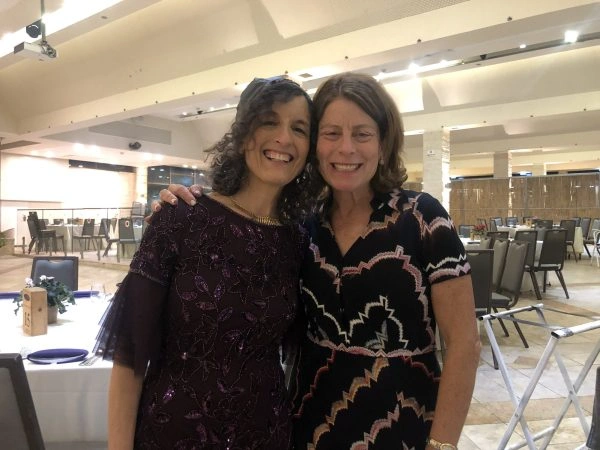
Carolyn Hochstadter and Margo Kossoff Shizgal
Merion Station, USA
Beit Shemesh, Israel
As Jewish educator and as a woman, I’m mindful that Talmud has been kept from women for many centuries. Now that we are privileged to learn, and learning is so accessible, it’s my intent to complete Daf Yomi. I am so excited to keep learning with my Hadran community.
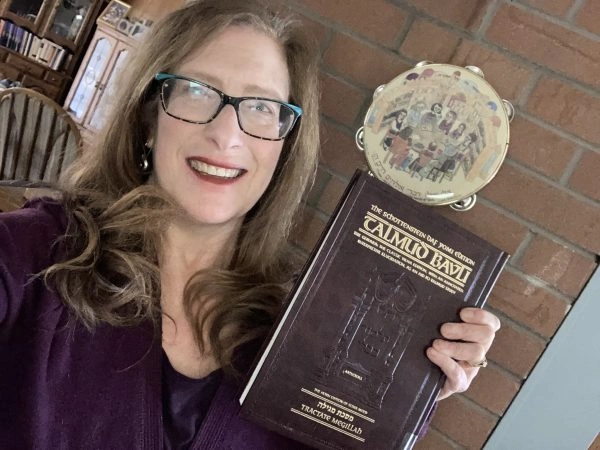
Sue Parker Gerson
Denver, United States
After experiences over the years of asking to join gemara shiurim for men and either being refused by the maggid shiur or being the only women there, sometimes behind a mechitza, I found out about Hadran sometime during the tail end of Masechet Shabbat, I think. Life has been much better since then.
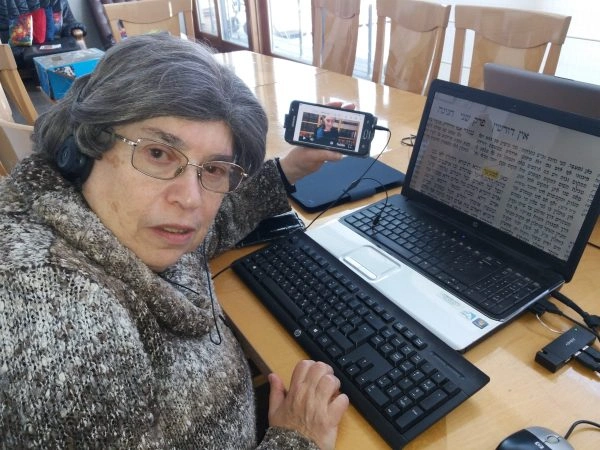
Madeline Cohen
London, United Kingdom
I’ve been learning since January 2020, and in June I started drawing a phrase from each daf. Sometimes it’s easy (e.g. plants), sometimes it’s very hard (e.g. korbanot), and sometimes it’s loads of fun (e.g. bird racing) to find something to draw. I upload my pictures from each masechet to #DafYomiArt. I am enjoying every step of the journey.

Gila Loike
Ashdod, Israel
I began my Daf Yomi journey on January 5, 2020. I had never learned Talmud before. Initially it struck me as a bunch of inane and arcane details with mind bending logic. I am now smitten. Rabbanit Farber brings the page to life and I am eager to learn with her every day!
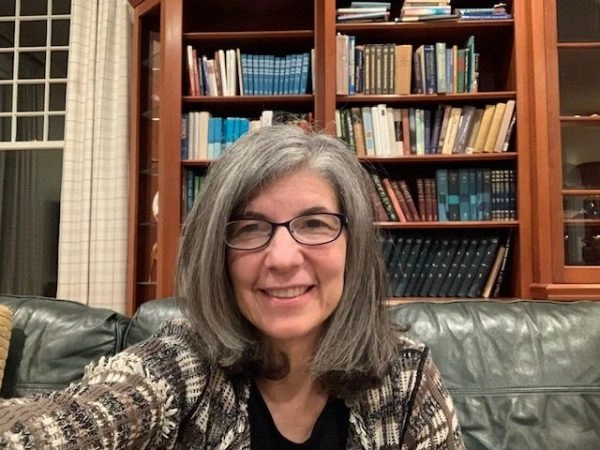
Lori Stark
Highland Park, United States
I read Ilana Kurshan’s “If All the Seas Were Ink” which inspired me. Then the Women’s Siyum in Jerusalem in 2020 convinced me, I knew I had to join! I have loved it- it’s been a constant in my life daily, many of the sugiyot connect to our lives. My family and friends all are so supportive. It’s incredible being part of this community and love how diverse it is! I am so excited to learn more!

Shira Jacobowitz
Jerusalem, Israel
I am a Reform rabbi and took Talmud courses in rabbinical school, but I knew there was so much more to learn. It felt inauthentic to serve as a rabbi without having read the entire Talmud, so when the opportunity arose to start Daf Yomi in 2020, I dove in! Thanks to Hadran, Daf Yomi has enriched my understanding of rabbinic Judaism and deepened my love of Jewish text & tradition. Todah rabbah!

Rabbi Nicki Greninger
California, United States
After being so inspired by the siyum shas two years ago, I began tentatively learning daf yomi, like Rabbanut Michelle kept saying – taking one daf at a time. I’m still taking it one daf at a time, one masechet at a time, but I’m loving it and am still so inspired by Rabbanit Michelle and the Hadran community, and yes – I am proud to be finishing Seder Mo’ed.

Caroline Graham-Ofstein
Bet Shemesh, Israel
I attended the Siyum so that I could tell my granddaughter that I had been there. Then I decided to listen on Spotify and after the siyum of Brachot, Covid and zoom began. It gave structure to my day. I learn with people from all over the world who are now my friends – yet most of us have never met. I can’t imagine life without it. Thank you Rabbanit Michelle.
Emma Rinberg
Raanana, Israel
Meilah 17
אֲמַר לֵיהּ: כִּי קָא מַקֵּישׁ רַחֲמָנָא – לְבַל תְּשַׁקְּצוּ, אֲבָל לְשִׁיעוּרִין – לָא.
Rava said to Rav Adda bar Ahava: When the Merciful One juxtaposes kosher and non-kosher animals to creeping animals, this is referring to the prohibition of: “You shall not make your souls detestable” (Leviticus 20:25), teaching that they are all included in that prohibition. But with regard to measures the Torah does not juxtapose those animals to creeping animals. For this reason there is no difference between the measure of impurity of carcasses of kosher animals and non-kosher animals.
מַתְנִי׳ דַּם הַשֶּׁרֶץ וְהַבָּשָׂר – מִצְטָרְפִין זֶה עִם זֶה. כְּלָל אָמַר רַבִּי יְהוֹשֻׁעַ: כֹּל שֶׁטּוּמְאָתוֹ וְשִׁיעוּרוֹ שָׁוִין – מִצְטָרְפִין.
MISHNA: The blood of one of the eight creeping animals listed in the Torah and their flesh join together to constitute the lentil-bulk measure to impart impurity. Rabbi Yehoshua stated a principle: With regard to any items whose impurity, in terms of degree and duration, and measure to impart impurity, are equal, e.g., two halves of an olive-bulk from two corpses or two animal carcasses or two halves of a lentil-bulk from two creeping animals, they join together to constitute the requisite measure.
טוּמְאָתוֹ וְלֹא שִׁיעוּרוֹ, שִׁיעוּרוֹ וְלֹא טוּמְאָתוֹ, לֹא טוּמְאָתוֹ [וְלֹא] שִׁיעוּרוֹ – אֵין מִצְטָרְפִין.
Rabbi Yehoshua continued: By contrast, with regard to items whose impurity is equal but their measure is not equal, e.g., a creeping animal and an animal carcass, each of which renders one impure until the evening, but the measure of a creeping animal is a lentil-bulk, whereas that of an animal carcass is an olive-bulk; or items whose measure is equal but whose impurity is not equal, e.g., a corpse and an animal carcass, with regard to which the measure of each is an olive-bulk, but the duration of the impurity imparted by a corpse is one week and the duration of the impurity imparted by an animal carcass is until the evening; or items that are equal neither in terms of their impurity nor in terms of their measure, they do not join together to constitute the requisite measure.
גְּמָ׳ אָמַר רַב חָנִין אָמַר רַב זְעֵירָא,
GEMARA: The mishna teaches that the blood of one of the eight creeping animals listed in the Torah and the flesh of those animals join together to constitute the lentil-bulk measure required to impart impurity. Rav Ḥanin says that Rav Zeira says: The blood and flesh join together only if the blood is from the same animal as the flesh, but not if it is from a different animal.
וְכֵן אָמַר רַבִּי יוֹסֵי בַּר רַבִּי חֲנִינָא: ״הַטְּמֵאִין״ – מְלַמֵּד שֶׁהֵן מִצְטָרְפִין, וַאֲפִילּוּ שֶׁרֶץ וָשֶׁרֶץ, שֶׁרֶץ וָדָם, בֵּין מִשֵּׁם אֶחָד, בֵּין מִשְּׁנֵי שֵׁמוֹת!
And similarly, Rabbi Yosei bar Rabbi Ḥanina says, in rejection of Rav Zeira’s statement: It is taught in a baraita: The verse states: “These are the impure [hateme’in] to you among all that creep; whoever touches them when they are dead, shall be impure until the evening” (Leviticus 11:31). This plural form of “hateme’in” teaches that they join together to impart ritual impurity. And this applies even to the flesh of a creeping animal and the flesh of another creeping animal, or the flesh of a creeping animal and the blood of another creeping animal, whether they are from one category, i.e., one type of creeping animal, or from two categories of creeping animal.
אָמַר רַב יוֹסֵף: לָא קַשְׁיָא, כָּאן – בְּכוּלּוֹ. כָּאן – בְּמִקְצָתוֹ.
Rav Yosef says: This is not difficult. Here, the baraita is referring to a case where the half-measure of flesh and the half-measure of blood both came from an entire animal, and therefore the two half-measures combine, due to the significance of an entire animal. There, in the statement of Rav Zeira, he is speaking of a case where the half-measure of flesh and the half-measure of blood each come from part of an animal.
וּמְנָא תֵּימְרָא? מִדְּתַנְיָא: נִשְׁפַּךְ עַל הָרִצְפָּה וְהָיָה מְקוֹמָהּ קָטַפְרֵס, אִיהֵל עַל מִקְצָתוֹ – טָהוֹר, אִיהֵל עַל כּוּלּוֹ – טָמֵא.
And from where do you say that there is a distinction between a case where the flesh and blood come from an entire animal and a case where they come from part of an animal? From that which is taught in a baraita: In a case where one quarter-log of blood from a corpse was spilled on the floor, and its place was a slope [ketafres], so that the blood trickles down, and someone leaned over so that he covered part of it, he remains ritually pure. If he covered all of it, he is rendered impure.
מַאי ״מִקְצָתוֹ״? אִילֵּימָא מִקְצָת דָּם, וְהָא אָמַר רַבִּי חֲנִינָא אָמַר רַבִּי: רְבִיעִית דָּם שֶׁהֵגִיס בָּהּ – טְהוֹרָה!
The Gemara clarifies the halakha: What does the phrase: Part of it, mean in this context? If we say that it is referring to part of the one quarter-log of blood, whereas if it is a full quarter-log then he is impure, that is difficult: But doesn’t Rabbi Ḥanina say that Rabbi Yehuda HaNasi says: If there was exactly one quarter-log of blood in a pot that one stirred without touching the blood, he remains pure, despite the fact that his body must have overshadowed all the blood at the time, and would therefore have had the status of a tent over it. The reason is that some of the blood must have been absorbed into the spoon with which he stirred, and therefore there no longer remains an entire connected quarter-log. This shows that the entire quarter-log must be together, as one unit, in order to impart impurity.
אֶלָּא לָאו שְׁמַע מִינַּהּ: כָּאן – בְּכוּלּוֹ, כָּאן – בְּמִקְצָתוֹ? שְׁמַע מִינַּהּ.
Rather, isn’t it correct to conclude from this baraita that there is a distinction between a case where the blood came from an entire corpse, and where it came from part of a corpse? In other words, if the blood came from one body it need not be together as a single unit, whereas if it came from more than one body, it must all be joined together, as in the case mentioned by Rabbi Yehuda HaNasi. Similarly, with regard to the statements of Rav Zeira and the baraita, here the baraita is referring to a situation where the half-measure of flesh and the half-measure of blood came from an entire animal, and due to the significance of an entire animal the two half-measures combine. There, Rav Zeira is referring to a case where the half-measure of flesh and the half-measure of blood come from part of the animal. The Gemara notes that one should indeed conclude from it that this is the correct distinction.
שָׁאַל רַבִּי מַתְיָא בֶּן חָרָשׁ אֶת רַבִּי שִׁמְעוֹן בֶּן יוֹחַאי בָּעִיר רוֹמִי: מִנַּיִן לְדַם שְׁרָצִים שֶׁהוּא טָמֵא? אֲמַר לֵיהּ: דְּאָמַר קְרָא: ״וְזֶה לָכֶם הַטָּמֵא״.
§ The Gemara relates that Rabbi Matya ben Ḥarash asked Rabbi Shimon ben Yoḥai in the city of Rome: From where is it derived with regard to the blood of creeping animals that it is impure? Rabbi Shimon ben Yoḥai said to him: It is derived from the fact that the verse states: “And these are they that are impure for you among the creeping animals” (Leviticus 11:29). Since a similar phrase already appears in Leviticus 11:31, it is derived from here that the blood of creeping animals is impure.
אָמְרוּ לוֹ תַּלְמִידָיו: חֲכֵים לֵיהּ בֶּן יוֹחַאי. אָמַר לָהֶם: תַּלְמוּד עָרוּךְ בְּפִיו שֶׁל רַבִּי אֶלְעָזָר בַּר רַבִּי יוֹסֵי. שֶׁפַּעַם אַחַת גָּזְרָה הַמַּלְכוּת גְּזֵרָה שֶׁלֹּא יִשְׁמְרוּ אֶת הַשַּׁבָּת, וְשֶׁלֹּא יָמוּלוּ אֶת בְּנֵיהֶם, וְשֶׁיִּבְעֲלוּ אֶת נִדּוֹת.
Rabbi Matya ben Ḥarash’s students said to him in amazement: How wise is Rabbi Shimon ben Yoḥai! Rabbi Matya ben Ḥarash said to them: This source is not his own, as it is a set tradition in the mouth of Rabbi Elazar bar Rabbi Yosei, and Rabbi Shimon ben Yoḥai learned it from him. Rabbi Matya ben Ḥarash provided the background for this claim. As, on one occasion the gentile monarchy issued a decree that the Jewish people may not observe Shabbat, and that they may not circumcise their sons, and that they must engage in intercourse with their wives when they are menstruating.
הָלַךְ רַבִּי רְאוּבֵן בֶּן אִיסְטְרוֹבָּלִי, וְסִיפֵּר קוֹמֵי, וְהָלַךְ וְיָשַׁב עִמָּהֶם. אָמַר לָהֶם: מִי שֶׁיֵּשׁ לוֹ אוֹיֵב, יַעֲנִי אוֹ יַעֲשִׁיר? אָמְרוּ לוֹ: יַעֲנִי. אָמַר לָהֶם: אִם כֵּן, לֹא יַעֲשׂוּ מְלָאכָה בַּשַּׁבָּת, כְּדֵי שֶׁיַּעֲנוּ! אָמְרוּ: טָבֵית אָמַר, לִיבְטַל, וּבִטְּלוּהָ.
Rabbi Reuven ben Isterobeli went and cut his hair in a komei hairstyle,which was common only among the gentiles, and he went and sat with the gentiles when they were discussing these three decrees. He said to them: One who has an enemy, does he want his enemy to become poor or to become rich? They said to him: He wants his enemy to become poor. Rabbi Reuven ben Isterobeli said to them: If so, with regard to the Jewish people as well, isn’t it better that they will not perform labor on Shabbat in order that they will become poor? The gentiles said: That is a good claim that he said; let us nullify our decree. And they indeed nullified it.
חָזַר וְאָמַר לָהֶם: מִי שֶׁיֵּשׁ לוֹ אוֹיֵב, יַכְחִישׁ אוֹ יַבְרִיא? אָמְרוּ לוֹ: יַכְחִישׁ. אָמַר לָהֶם: אִם כֵּן, יָמוּלוּ בְּנֵיהֶם לִשְׁמוֹנָה יָמִים וְיַכְחִישׁוּ. אָמְרוּ: טָבֵית אָמַר, וּבִטְּלוּהָ.
Again Rabbi Reuven ben Isterobeli spoke to them and said: One who has an enemy, does he want his enemy to become weak or to become healthy? They said to him: He wants his enemy to become weak. Rabbi Reuven ben Isterobeli said to them: If so, with regard to the Jewish people as well, isn’t it better that they circumcise their sons after eight days and thereby cause them to become weak? The gentiles said: That is a good claim that he said, and they nullified their decree.
חָזַר וְאָמַר לָהֶם: מִי שֶׁיֵּשׁ לוֹ אוֹיֵב, יִרְבֶּה אוֹ יִתְמַעֵט? אָמְרוּ לוֹ: יִתְמַעֵט. אִם כֵּן, לֹא יִבְעֲלוּ נִדּוֹת. אָמְרוּ: טָבֵית אָמַר, וּבִטְּלוּהָ.
Once again Rabbi Reuven ben Isterobeli spoke to them and said: One who has an enemy, does he want his enemy to multiply or to decrease? They said to him: He wants his enemy to decrease. Rabbi Reuven ben Isterobeli said to them: If so, with regard to the Jewish people as well, isn’t it better that they do not engage in intercourse with their wives when they are menstruating? The gentiles said: That is a good claim that he said, and they nullified their decree.
הִכִּירוּ בּוֹ שֶׁהוּא יְהוּדִי, הֶחֱזִירוּם. אָמְרוּ: מִי יֵלֵךְ וִיבַטֵּל הַגְּזֵרוֹת?
A short time later they recognized that Rabbi Reuven ben Isterobeli was a Jew, and they realized that he had fooled them to the advantage of the Jewish people. They therefore arose and reinstated all of their decrees. The Sages then said: Who will go and nullify these decrees?
יֵלֵךְ רַבִּי שִׁמְעוֹן בֶּן יוֹחַאי, שֶׁהוּא מְלוּמָּד בְּנִסִּים. וְאַחֲרָיו מִי יֵלֵךְ? רַבִּי אֶלְעָזָר בַּר רַבִּי יוֹסֵי.
Let Rabbi Shimon ben Yoḥai go to Rome, as he is accustomed to experiencing miracles. And who shall go after him, i.e., with him? Rabbi Elazar bar Rabbi Yosei.
אָמַר לָהֶם רַבִּי יוֹסֵי: וְאִילּוּ הָיָה אַבָּא חֲלַפְתָּא קַיָּים, יְכוֹלִין אַתֶּם לוֹמַר לוֹ: תֵּן בִּנְךָ לַהֲרִיגָה? אָמַר לָהֶם ר׳ שִׁמְעוֹן: אִילּוּ הָיָה יוֹחַאי אַבָּא קַיָּים, יְכוֹלִין אַתֶּם לוֹמַר לוֹ: תֵּן בִּנְךָ לַהֲרִיגָה?
When Rabbi Yosei, Rabbi Elazar’s father, heard this suggestion, he said to the Sages: But if Abba Ḥalafta, my father, were alive, would you be able to say to him: Give your son to be killed? If so, how can you ask me to send my son to Rome, where he is likely to be killed? Rabbi Shimon said to the Sages: If Yoḥai, my father, were alive, would you be able to say to him: Give your son to be killed? Nevertheless, I am prepared to risk my life and go to Rome, and if so, Rabbi Elazar bar Rabbi Yosei should accompany me.
אֲמַר לְהוּ רַבִּי יוֹסֵי: אֲנָא אָזְלִין, דִּלְמָא עָנֵישׁ לֵיהּ רַבִּי שִׁמְעוֹן, דְּקָא מִסְתְּפֵינָא. קַבֵּיל עֲלֵיהּ דְּלָא לִיעְנְשֵׁיהּ. אֲפִילּוּ הָכִי, עַנְשֵׁיהּ.
Upon hearing this, Rabbi Yosei said to the Sages: If so, I will go in place of my son. I do not want him to go with Rabbi Shimon ben Yoḥai, as this is what I fear: My son Elazar is young and quick to answer, and I am concerned lest Rabbi Shimon, who is hot-tempered, will become angry with him and punish him. Rabbi Shimon accepted upon himself that he would not punish Rabbi Elazar. The Gemara notes that even so, Rabbi Shimon did punish him while they were on their journey.
כְּשֶׁהָיוּ מְהַלְּכִין בַּדֶּרֶךְ, נִשְׁאֲלָה שְׁאֵלָה זוֹ בִּפְנֵיהֶם: מִנַּיִן לְדַם הַשֶּׁרֶץ שֶׁהוּא טָמֵא? עִקֵּם פִּיו רַבִּי אֶלְעָזָר בַּר רַבִּי יוֹסֵי, וְאָמַר: ״וְזֶה לָכֶם הַטָּמֵא״. אֲמַר לֵיהּ רַבִּי שִׁמְעוֹן: מֵעֲקִימַת שְׂפָתֶיךָ אַתָּה נִיכָּר שֶׁתַּלְמִיד חָכָם אַתָּה, אַל יַחְזוֹר הַבֵּן אֵצֶל אָבִיו.
Why did Rabbi Shimon end up punishing Rabbi Elazar? When they were walking on the road, this following question was asked before them: From where is it derived with regard to blood of a creeping animal that it is impure? Rabbi Elazar bar Rabbi Yosei twisted his mouth to whisper and said: It is derived from the verse: “And these are they that are impure for you among the creeping animals” (Leviticus 11:29). Although Rabbi Elazar tried to whisper so that Rabbi Shimon would not hear, Rabbi Shimon said to him: From the twisting of your mouth and your answer it is clear that you are a Torah scholar. Nevertheless, it is prohibited for a student to issue a ruling of halakha in the presence of his teacher. Therefore, I curse you that the son will not return from this journey to his father.
יָצָא לִקְרָאתוֹ בֶּן תְּמַלְיוֹן: רְצוֹנְכֶם אָבוֹא עִמָּכֶם? בָּכָה רַבִּי שִׁמְעוֹן וְאָמַר: מַה שִּׁפְחָה שֶׁל בֵּית אַבָּא, נִזְדַּמֵּן לָהּ מַלְאָךְ שָׁלֹשׁ פְּעָמִים. וַאֲנִי, לֹא פַּעַם אַחַת? יָבֹא הַנֵּס מִכׇּל מָקוֹם.
The Gemara continues the story: As they were journeying, a demon named ben Temalyon emerged to greet them. He said to them: Do you wish that I will join you and come with you in order to help nullify this decree? When he saw that a demon was coming to help save the Jewish people, Rabbi Shimon cried and said: What, even for a maidservant of my father’s home, Hagar the Egyptian, who was Abraham’s handmaid, an angel was made available to appear to her three times to help her. Each of the three mentions of “and the angel of the Lord said unto her” (Genesis 16:9–11) in the story of Hagar is understood as a reference to a different angel. But I apparently do not deserve assistance from an angel even one time, but only help from a demon. In any case, let the miracle come and save the Jewish people, even if only through a demon.
קְדֵים הוּא, עַל בִּבְרַתֵּיהּ דְּקֵיסָר. כִּי מְטָא הָתָם, אָמַר: בֶּן תְּמַלְיוֹן, צֵא! בֶּן תְּמַלְיוֹן, צֵא! וְכֵיוָן דִּקְרוֹ לֵיהּ, נְפַק אֲזַל. אֲמַר לְהוֹן: שְׁאִילוּ כׇּל מָה דְּאִית לְכוֹן לְמִישְׁאַל. וְעַיְּילִינְהוּ לְגִנְזֵיהּ לִשְׁקוֹל כֹּל דְּבָעוּ. אַשְׁכַּחוּ הָהוּא אִיגְּרָא, שַׁקְלוּהָ וּקְרָעוּהָ.
The demon ben Temalyon went before them and ascended into the emperor’s daughter and possessed her. When Rabbi Shimon ben Yoḥai arrived there, the emperor’s palace, he said: Ben Temalyon, emerge! Ben Temalyon, emerge! And once Rabbi Shimon called to him, ben Temalyon emerged and left the emperor’s daughter, and she was cured. When the emperor saw that Rabbi Shimon had cured his daughter, he said to them: Ask from me any reward that you want to ask. And he took them up to his treasury to take whatever they wanted. They found that letter there that contained the decrees against the Jewish people, and they took it and tore it up, and thereby nullified the decrees.
וְהַיְינוּ דְּאָמַר רַבִּי אֶלְעָזָר בַּר רַבִּי יוֹסֵי: אֲנִי רְאִיתִיהָ בָּעִיר רוֹמִי, וַהֲווֹ עָלֶיהָ כַּמָּה טִיפֵּי דָמִים.
The Gemara adds: And this is the background for that which Rabbi Elazar bar Rabbi Yosei said (Yoma 57a): I saw the Curtain of the Sanctuary in the city of Rome, and on the Curtain were several drops of blood from the bull and the goat of Yom Kippur. When the emperor took them into his treasury Rabbi Elazar saw the Temple vessels that the Romans had captured when they conquered Jerusalem, including the Curtain.
מַתְנִי׳ הַפִּיגּוּל וְהַנּוֹתָר – אֵין מִצְטָרְפִין, מִפְּנֵי שֶׁהֵן שְׁנֵי שֵׁמוֹת. הַשֶּׁרֶץ וְהַנְּבֵלָה, וְכֵן הַנְּבֵלָה וּבְשַׂר הַמֵּת – אֵין מִצְטָרְפִין זֶה עִם זֶה לְטַמֵּא, אֲפִילּוּ בַּקַּל שֶׁבִּשְׁנֵיהֶן.
MISHNA: Sacrificial meat that is piggul and sacrificial meat that is notar do not join together to constitute the requisite measure of an olive-bulk, due to the fact that they belong to two separate categories of prohibition. The flesh of the carcass of the creeping animal and the flesh of the animal carcass, and likewise the flesh of the animal carcass and the flesh of the corpse, do not join together to transmit ritual impurity, not even for the more lenient of the two impurities, i.e., the impurity that requires the greater measure.
גְּמָ׳ אָמַר רַב יְהוּדָה אָמַר שְׁמוּאֵל: לֹא שָׁנוּ אֶלָּא לְטוּמְאַת הַיָּדַיִם, דְּמִדְּרַבָּנַן הִיא. אֲבָל לְעִנְיַן אֲכִילָה – מִצְטָרְפִין. דְּתַנְיָא, רַבִּי אֱלִיעֶזֶר אוֹמֵר: ״לֹא יֵאָכֵל כִּי קֹדֶשׁ הוּא״ – כֹּל שֶׁבַּקֹּדֶשׁ פָּסוּל, בָּא הַכָּתוּב לִיתֵּן לֹא תַעֲשֶׂה עַל אֲכִילָתוֹ.
GEMARA: Rav Yehuda says that Shmuel says: The mishna taught that piggul and notar do not join together only with regard to the ritual impurity of the hands if one touched them, which is by rabbinic law. But with regard to the matter of eating, they do join together. As it is taught in a baraita that Rabbi Eliezer says: The verse states with regard to leftover sacrificial food from meat and bread: “It shall not be eaten because it is sacred” (Exodus 29:34). This teaches with regard to anything sacred that has been disqualified for whatever reason, that the verse comes to apply a prohibition with regard to its consumption.
מַתְנִי׳ הָאוֹכֶל שֶׁנִּטְמָא בְּאַב הַטּוּמְאָה, וְשֶׁנִּטְמָא בִּוְלַד הַטּוּמְאָה – מִצְטָרְפִין זֶה עִם זֶה לְטַמֵּא בַּקַּל שֶׁבִּשְׁנֵיהֶם. כׇּל הָאוֹכָלִים מִצְטָרְפִין זֶה עִם זֶה לִפְסוֹל הַגְּוִיָּיה כְּבַחֲצִי פְרָס.
MISHNA: The food that became ritually impure through contact with a primary source of ritual impurity, thereby assuming first-degree ritual impurity, and the food that became ritually impure through contact with a secondary source of ritual impurity, thereby assuming second-degree ritual impurity, join together to constitute the requisite measure of an egg-bulk to transmit impurity in accordance with the more lenient of the two, i.e., second-degree ritual impurity. All the ritually impure foods join together to constitute the requisite measure to disqualify the body [hageviyya] of one who eats half of a half-loaf-bulk [peras] of the impure foods from partaking of teruma.
כְּבִמְזוֹן שְׁתֵּי סְעוּדוֹת לְעֵירוּב, וּכְבֵיצָה לְטַמֵּא טוּמְאַת אוֹכָלִין, וְכִגְרוֹגֶרֶת לְהוֹצָאַת שַׁבָּת, וּכְכוֹתֶבֶת בְּיוֹם הַכִּפּוּרִים. כׇּל הַמַּשְׁקִין מִצְטָרְפִין זוֹ עִם זוֹ לִפְסוֹל אֶת הַגְּוִיָּיה בִּרְבִיעִית, וְכִמְלֹא לוּגְמָא בְּיוֹם הַכִּפּוּרִים.
Likewise, all foods join together to constitute the requisite measure of food sufficient for two meals, to establish a joining of Shabbat boundaries; and to form the requisite measure of an egg-bulk, to render an item impure with the ritual impurity of food; and to form the measure of a dried fig-bulk, which establishes liability for carrying out food on Shabbat; and to form the volume of a large date, which establishes liability for eating on Yom Kippur. All the liquids join together to constitute the requisite measure to disqualify the body of one who drinks a quarter-log of ritually impure liquid from partaking of teruma; and to constitute the measure of a cheekful, which establishes liability for drinking on Yom Kippur.
גְּמָ׳ תַּנְיָא, רַבִּי שִׁמְעוֹן אוֹמֵר: מָה טַעַם? שֶׁאֶפְשָׁר לַשֵּׁנִי שֶׁיֵּעָשֶׂה רִאשׁוֹן. וּמִי קָא עָבֵיד שֵׁנִי רִאשׁוֹן? הָא לָא אֶפְשָׁר!
GEMARA: It is taught in a baraita that Rabbi Shimon says: What is the reason that food with first-degree ritual impurity joins together with food that has second-degree ritual impurity? The reason is that it is possible for the food with second-degree impurity to render another food impure with first-degree impurity. The Gemara asks: But can a food with second-degree impurity render another food impure with first-degree impurity? That is not possible. If food impure with second-degree impurity touches other food, it renders that food impure with third-degree impurity, not first-degree impurity.
אָמַר רָבָא, הָכִי קָאָמַר: מִי גָּרַם לַשֵּׁנִי? לָאו רִאשׁוֹן?! רַב אָשֵׁי אָמַר: רִאשׁוֹן וְשֵׁנִי, לְגַבֵּי שְׁלִישִׁי – בְּנֵי חֲדָא בִּיקְתָּא אִינּוּן.
Rava said that this is what Rabbi Shimon is saying: What caused that food to become impure with second-degree impurity? Is it not that it was touched by food with first-degree impurity? Since they share a common source, they join together. Rav Ashi similarly said: Food impure with first-degree impurity and food impure with second-degree impurity, with regard to food impure with third-degree impurity, are considered like members of one house, i.e., they both lead to third-degree impurity, either directly or indirectly, and for this reason they join together.
Follow

