









Masechet Zevachim
Masechet Zevachim is sponsored by Esther Kremer in loving memory of her father, Manny Gross on his third yahrzeit. “He exemplified a path of holiness and purity, living with kedushah in his everyday life.”
This month’s learning is sponsored by Adam, Carolyn, Michal, Josh, Benny, Izzy, Gali, Shim, Zoe, Zachy and Yehuda in loving memory of Fred Hochstadter, Ephraim ben Kayla veBaruch on his 18th yahrzeit on ח׳ אלול. “We continue to be inspired by his dedication to daily learning, from the Daf and beyond, to its surrounding philosophical, historical and legal nuances. We miss him greatly and can only strive to emulate his wise, kind and elegant ways.”
Want to dedicate learning? Get started here:

Summary

A sin offering that is slaughtered for the sake of a non-sacred animal, the sacrifice is valid. However, if the owner slaughtered it thinking that the animal was not sacred, it is disqualified. The second category is called mitasek, one who did not at all intend to do the act. The source for this disqualification is brought from two verses, as two are necessary to prove that the intention for the act of slaughtering a sacrifice is an essential component.
The Gemara explains that both tanna kama in the Mishna and Rabbi Yosi hold that the intention that is necessary, and can disqualify, is that of the kohen performing the sacrificial rites (or non-kohen who slaughtered). However, Rabbi Elazar b’Rabbi Yosi holds that the owner’s intention can disqualify a sacrifice.
Abaye brings two others who seem to have a similar opinion to Rabbi Elazar regarding other areas of halakha. Each case involves an instance where one person is performing an action on someone else’s item, and the owner’s intent can determine the status of the item. One case deals with slaughtering for idol worship, and the other is whether or not an item is considered significant enough to be liable for carrying on Shabbat.
The fifth perek specifies details relating to all the sacrifices, including the location of the slaughtering and acceptance of the blood, where the blood is placed, etc. It begins with kodshei kodashim, a higher level of sanctity. The slaughtering of these sacrifices must take place on the northern side of the Azara.
Before the Mishna details each of the offerings, it begins with a general statement about all kodshei kodashim and says their slaughtering is performed in the North. Why didn’t it also mention another issue that is true for all of them – that their blood is collected in a sacred vessel? The Gemara explains that at first, they thought the blood of the leper could be collected in the kohen’s hand, but they then realized that his hand can be used only for the blood going on the leper’s ear, finger, and toe. The blood that is placed on the altar must first be placed in a sacred vessel. Since they originally thought otherwise, and two kohanim accept blood, each in a different manner, this is omitted from the opening line of the Mishna.
Today’s daily daf tools:
Masechet Zevachim
Masechet Zevachim is sponsored by Esther Kremer in loving memory of her father, Manny Gross on his third yahrzeit. “He exemplified a path of holiness and purity, living with kedushah in his everyday life.”
This month’s learning is sponsored by Adam, Carolyn, Michal, Josh, Benny, Izzy, Gali, Shim, Zoe, Zachy and Yehuda in loving memory of Fred Hochstadter, Ephraim ben Kayla veBaruch on his 18th yahrzeit on ח׳ אלול. “We continue to be inspired by his dedication to daily learning, from the Daf and beyond, to its surrounding philosophical, historical and legal nuances. We miss him greatly and can only strive to emulate his wise, kind and elegant ways.”
Zevachim 47
מִנַּיִן לַמִּתְעַסֵּק בְּקָדָשִׁים שֶׁהוּא פָּסוּל? שֶׁנֶּאֱמַר ״וְשָׁחַט אֶת בֶּן הַבָּקָר לִפְנֵי ה׳״ – עַד שֶׁתְּהֵא שְׁחִיטָה לְשֵׁם בֶּן בָּקָר.
From where is it derived with regard to one who acts unawares in the case of consecrated items, i.e., if one slaughtered an offering without intending to perform the act of slaughter at all, but rather like one occupied with other matters, that the offering is disqualified? Rav Huna said to Shmuel: It is derived from a verse, as it is stated: “And he shall slaughter the young bull before the Lord” (Leviticus 1:5), teaching that the mitzva is not performed properly unless the slaughter is for the sake of a young bull, i.e., knowing that he is performing an act of slaughter.
אֲמַר לֵיהּ: זוֹ בְּיָדֵינוּ הִיא; לְעַכֵּב מִנַּיִן? אֲמַר לֵיהּ: ״לִרְצֹנְכֶם תִּזְבָּחֻהוּ״ – לְדַעְתְּכֶם זְבֻיחוּ.
Shmuel said to Rav Huna: We have this as an established halakha already, that it is a mitzva to slaughter the offering for the sake of a bull, but from where is it derived that this requirement is indispensable? Rav Huna said to him that the verse states: “With your will you shall slaughter it” (Leviticus 19:5), i.e., with your full awareness you shall slaughter it, in the form of a purposeful action.
שֶׁאֵין הַמַּחְשָׁבָה הוֹלֶכֶת אֶלָּא אַחַר הָעוֹבֵד. מַתְנִיתִין דְּלָא כִּי הַאי תַּנָּא – דְּתַנְיָא, אָמַר רַבִּי אֶלְעָזָר בְּרַבִּי יוֹסֵי: שָׁמַעְתִּי שֶׁהַבְּעָלִים מְפַגְּלִין. אָמַר רָבָא: מַאי טַעְמָא דְּרַבִּי אֶלְעָזָר בְּרַבִּי יוֹסֵי? דְּאָמַר קְרָא: ״וְהִקְרִיב הַמַּקְרִיב״.
§ The mishna teaches: Because the intent follows only the one performing the sacrificial rite. The Gemara comments: The mishna is not in accordance with the opinion of this tanna, as it is taught in a baraita that Rabbi Elazar, son of Rabbi Yosei, says: I heard that even the owner of an offering can render it piggul through improper intention. Rava says: What is the reason of Rabbi Elazar, son of Rabbi Yosei? As the verse states: “Then he who sacrifices shall sacrifice his offering to the Lord” (Numbers 15:4). The term “he who sacrifices” is a reference to the owner; since the owner is considered one who sacrifices, he too can render his offering piggul with an improper intention.
אָמַר אַבָּיֵי: רַבִּי אֶלְעָזָר בְּרַבִּי יוֹסֵי וְרַבִּי אֱלִיעֶזֶר וְרַבִּי שִׁמְעוֹן בֶּן אֶלְעָזָר כּוּלְּהוּ סְבִירָא לְהוּ: זֶה מְחַשֵּׁב וְזֶה עוֹבֵד – הָוְיָא מַחְשָׁבָה. רַבִּי אֶלְעָזָר בְּרַבִּי יוֹסֵי – הָא דַּאֲמַרַן.
Abaye says: Rabbi Elazar, son of Rabbi Yosei, and Rabbi Eliezer, and Rabbi Shimon ben Elazar all hold that even in a case involving two people, where this one has intention and that one performs the service, it is the intention that is relevant, i.e., it is as though the one performing the service had the intention. The Gemara explains: The statement of Rabbi Elazar, son of Rabbi Yosei, is that which we just said, that the owner can render his offering piggul through improper intention despite the fact that it is the priest who performs the service.
רַבִּי אֱלִיעֶזֶר – דִּתְנַן: הַשּׁוֹחֵט לְגוֹי – שְׁחִיטָתוֹ כְּשֵׁרָה, וְרַבִּי אֱלִיעֶזֶר פּוֹסֵל.
The statement of Rabbi Eliezer is as we learned in a mishna (Ḥullin 38b): With regard to one who slaughters an animal on behalf of a gentile, his slaughter is valid and a Jew may eat the meat of this animal. But Rabbi Eliezer deems it unfit, as the intention of the gentile, which is presumably to use the animal for idol worship, invalidates the act of slaughter performed by the Jew.
רַבִּי שִׁמְעוֹן בֶּן אֶלְעָזָר – דִּתְנַן, כְּלָל אָמַר רַבִּי שִׁמְעוֹן בֶּן אֶלְעָזָר: כֹּל שֶׁאֵין כָּשֵׁר לְהַצְנִיעַ, וְאֵין מַצְנִיעִין כָּמוֹהוּ; הוּכְשַׁר לָזֶה וְהִצְנִיעוֹ, וּבָא אַחֵר וְהוֹצִיאוֹ – נִתְחַיֵּיב זֶה בְּמַחְשָׁבָה שֶׁל זֶה.
The statement of Rabbi Shimon ben Elazar is as we learned in a baraita: Rabbi Shimon ben Elazar stated a principle: In the case of any item that is not fit to be stored, and therefore people do not typically store items like it, but it was deemed fit for storage by this person and he stored it, and another person came and carried out on Shabbat the item that was stored, that one who carried it out is rendered liable by the thought of this one who stored it.
תַּרְוַיְיהוּ אִית לְהוּ דְּרַבִּי אֶלְעָזָר בְּרַבִּי יוֹסֵי – הַשְׁתָּא בַּחוּץ אָמְרִינַן, בִּפְנִים מִיבַּעְיָא?!
The Gemara notes: These two Sages, Rabbi Eliezer and Rabbi Shimon ben Elazar, although their rulings are stated in the context of entirely different matters, accept as halakha the ruling of Rabbi Elazar, son of Rabbi Yosei. The Gemara explains: Now that concerning matters outside the Temple, i.e., non-sacred slaughter and carrying on Shabbat, with regard to which the Torah makes no reference to intention, we say that the intention of one person is effective for the action of another, is it necessary to state that the same halakha applies to matters inside the Temple, i.e., offerings, with regard to which it is explicitly stated that intention is effective, as indicated by the verse: “With your will you shall slaughter it” (Leviticus 19:5)?
רַבִּי אֶלְעָזָר בְּרַבִּי יוֹסֵי לֵית לְהוּ דְּתַרְוַיְיהוּ – דִּלְמָא בִּפְנִים הוּא דְּאָמְרִינַן, בַּחוּץ לָא אָמְרִינַן.
But Rabbi Elazar, son of Rabbi Yosei, does not necessarily accept as halakha the rulings of these two Sages, Rabbi Eliezer and Rabbi Shimon ben Elazar. The Gemara explains: Perhaps it is only concerning inside the Temple that we say that one person’s intention is effective for the action of another, whereas concerning outside the Temple, we do not say this.
רַבִּי שִׁמְעוֹן בֶּן אֶלְעָזָר אִית לֵיהּ דְּרַבִּי אֱלִיעֶזֶר – הַשְׁתָּא בְּשַׁבָּת אָמְרִינַן, בַּעֲבוֹדָה זָרָה מִיבַּעְיָא?!
The Gemara further differentiates between the opinions of those two Sages themselves. Rabbi Shimon ben Elazar accepts as halakha the ruling of Rabbi Eliezer: Now that with regard to Shabbat we say that the intention of one person is effective for the action of another, is it necessary to say that the same applies concerning idol worship, where the actions are somewhat similar to those performed in the Temple?
רַבִּי אֱלִיעֶזֶר לֵית לֵיהּ דְּרַבִּי שִׁמְעוֹן בֶּן אֶלְעָזָר – דִּלְמָא בַּעֲבוֹדָה זָרָה הוּא דְּאָמְרַתְּ כְּעֵין בִּפְנִים, אֲבָל שַׁבָּת – מְלֶאכֶת מַחְשֶׁבֶת אָסְרָה תּוֹרָה.
But Rabbi Eliezer does not necessarily accept as halakha the ruling of Rabbi Shimon ben Elazar: Perhaps it is only with regard to idol worship that you say that one person’s intention is effective for the action of another, as idol worship is somewhat similar to service performed inside the Temple. Consequently, it is reasonable that one person’s intention is effective for the action of another in the case of idolatry, as it does for offerings. But with regard to Shabbat, the Torah prohibited only planned, constructive labor, i.e., one is liable only for an action that includes the creative intent of the doer, and here the one who took the item out did not intend to perform a labor.
הֲדַרַן עֲלָךְ בֵּית שַׁמַּאי
מַתְנִי׳ אֵיזֶהוּ מְקוֹמָן שֶׁל זְבָחִים? קׇדְשֵׁי קָדָשִׁים – שְׁחִיטָתָן בַּצָּפוֹן.
MISHNA: What is the location of the slaughtering and consumption of offerings? The principle is that with regard to offerings of the most sacred order, their slaughter is in the north of the Temple courtyard.
פַּר וְשָׂעִיר שֶׁל יוֹם הַכִּיפּוּרִים – שְׁחִיטָתָן בַּצָּפוֹן, וְקִיבּוּל דָּמָן בִּכְלֵי שָׁרֵת בַּצָּפוֹן; וְדָמָן טָעוּן הַזָּיָה עַל בֵּין הַבַּדִּים, וְעַל הַפָּרוֹכֶת, וְעַל מִזְבַּח הַזָּהָב – מַתָּנָה אַחַת מֵהֶן מְעַכֶּבֶת. שְׁיָרֵי הַדָּם הָיָה שׁוֹפֵךְ עַל יְסוֹד מַעֲרָבִי שֶׁל מִזְבֵּחַ הַחִיצוֹן, וְאִם לֹא נָתַן לֹא עִכֵּב.
Specifically, with regard to the bull and the goat of Yom Kippur, their slaughter is in the north and the collection of their blood in a service vessel is in the north, and their blood requires sprinkling between the staves of the Ark in the Holy of Holies, and upon the Curtain separating the Sanctuary and Holy of Holies, and on the golden altar. Concerning all those sprinklings, failure to perform even one placement of their blood disqualifies the offering. As to the remainder of the blood, which is left after those sprinklings, a priest would pour it onto the western base of the external altar. But if he did not place the remainder of the blood on the western base, it does not disqualify the offering.
פָּרִים הַנִּשְׂרָפִים וּשְׂעִירִים הַנִּשְׂרָפִים – שְׁחִיטָתָן בַּצָּפוֹן, וְקִיבּוּל דָּמָן בִּכְלִי שָׁרֵת בַּצָּפוֹן; וְדָמָן טָעוּן הַזָּיָה עַל הַפָּרוֹכֶת וְעַל מִזְבַּח הַזָּהָב –
With regard to bulls that are burned and goats that are burned, their slaughter is in the north of the Temple courtyard, and the collection of their blood in a service vessel is in the north, and their blood requires sprinkling upon the Curtain separating the Sanctuary and Holy of Holies, and upon the golden altar,
מַתָּנָה אַחַת מֵהֶן מְעַכֶּבֶת. שְׁיָרֵי הַדָּם הָיָה שׁוֹפֵךְ עַל יְסוֹד מַעֲרָבִי שֶׁל מִזְבֵּחַ הַחִיצוֹן, וְאִם לֹא נָתַן לֹא עִיכֵּב. אֵלּוּ וָאֵלּוּ נִשְׂרָפִין אַבֵּית הַדֶּשֶׁן.
and failure to perform even one placement of their blood disqualifies the offering. As for the remainder of the blood that is left after those sprinklings, a priest would pour it onto the western base of the external altar, but if he did not pour the remainder it does not disqualify the offering. These, the bull and the goat of Yom Kippur, and those, the bulls and the goats that are burned, are then burned in the place of the ashes, a place outside of Jerusalem where the priests would bring the ashes from the altar.
גְּמָ׳ וְנִיתְנֵי נָמֵי: וְקִיבּוּל דָּמָן בִּכְלִי שָׁרֵת בַּצָּפוֹן! כֵּיוָן דְּאִיכָּא אֲשַׁם מְצוֹרָע דְּקִיבּוּל דָּמוֹ בַּיָּד הוּא – שַׁיְּירֵיהּ.
GEMARA: The mishna opens with a principle that the slaughter of offerings of the most sacred order is in the north of the Temple courtyard. The Gemara inquires: And let the mishna also teach as a principle: And the collection of their blood in a service vessel is in the north of the Temple courtyard. Since collecting the blood is an indispensable part of the service, why is it not listed in this clause of the mishna? The Gemara explains: Since there is among the offerings of the most sacred order the guilt offering of a leper, for which the collection of its blood is in the hand, the mishna could not state this as a principle. Therefore, the tanna omitted this from the requirements for offerings of the most sacred order.
וְלָא?! וְהָא קָתָנֵי לַהּ לְקַמַּן: אֲשַׁם נָזִיר וַאֲשַׁם מְצוֹרָע – שְׁחִיטָתָן בַּצָּפוֹן, וְקִבּוּל דָּמָן בִּכְלִי שָׁרֵת בַּצָּפוֹן!
The Gemara challenges: And is the blood of the guilt offering of a leper not collected in a service vessel? But the mishna teaches this halakha later (54b): With regard to the guilt offering of a nazirite brought for his purification and the guilt offering of a leper brought for his purification, their slaughter is in the north of the Temple courtyard and collection of their blood in a service vessel is in the north. Apparently, the tanna maintains that the blood of the guilt offering of a leper must be collected in a service vessel.
מֵעִיקָּרָא סָבַר קִיבּוּל דָּמוֹ בַּיָּד הוּא; שַׁיְּירֵיהּ. וְכֵיוָן דְּלָא סַגִּי לֵיהּ אֶלָּא בִּכְלִי – הֲדַר תַּנְיֵיהּ.
The Gemara answers: Initially, the tanna held that since collection of the blood of the guilt offering of a leper must also be in the priest’s hand, not exclusively in a service vessel, he omitted it. But since it is the case that it is possible for one to collect some of the blood only in a service vessel, the tanna subsequently taught it.
דְּתַנְיָא: ״וְלָקַח״ – יָכוֹל בִּכְלִי? תַּלְמוּד לוֹמַר: ״וְנָתַן״ – מָה נְתִינָה בְּעַצְמוֹ שֶׁל כֹּהֵן, אַף לְקִיחָה בְּעַצְמוֹ שֶׁל כֹּהֵן.
This is as it is taught in a baraita (Tosefta, Nega’im 9:2): The Torah states with regard to the guilt offering of a leper: “And the priest shall take of the blood of the guilt offering, and the priest shall put it upon the tip of the right ear of him who is to be purified, and upon the thumb of his right hand, and upon the big toe of his right foot” (Leviticus 14:14). One might have thought that he should take it in a vessel; therefore, the verse states: “And the priest shall put.” Just as putting the blood on the ear, thumb, and big toe must be performed with the priest’s own body, so too, taking of the blood is performed with the priest’s own body, not with a service vessel.
יָכוֹל אַף לְמִזְבֵּחַ כֵּן? תַּלְמוּד לוֹמַר: ״כִּי כַּחַטָּאת הָאָשָׁם הוּא״ – מָה חַטָּאת טְעוּנָה כְּלִי, אַף אָשָׁם טָעוּן כְּלִי. נִמְצֵאתָ אַתָּה אוֹמֵר: אֲשַׁם מְצוֹרָע – שְׁנֵי כֹּהֲנִים מְקַבְּלִין אֶת דָּמוֹ, אֶחָד בַּיָּד וְאֶחָד בִּכְלִי. זֶה שֶׁקִּיבְּלוֹ בִּכְלִי – בָּא לוֹ אֵצֶל מִזְבֵּחַ, וְזֶה שֶׁקִּיבְּלוֹ בַּיָּד – בָּא לוֹ אֵצֶל מְצוֹרָע.
The baraita continues: One might have thought that even with regard to the blood of the leper’s guilt offering that he presents on the altar, like the blood of other guilt offerings, it is so, that he collects the blood in his hand rather than with a vessel. To counter this, the verse states: “For as the sin offering is, so is the guilt offering” (Leviticus 14:13). This teaches that just as a sin offering requires a vessel for collection of its blood, so too, the blood of a guilt offering requires a vessel for collection of its blood. You consequently say: In the case of a leper’s guilt offering, two priests collect its blood; one collects the blood by hand, and the other one collects the blood in a vessel. This one, who collected the blood in a vessel, comes to the altar and sprinkles some of the blood on it. And that one, who collected the blood by hand, comes to the leper and places some of the blood on his right ear, right thumb, and right big toe.

Today’s daily daf tools:
Delve Deeper
Broaden your understanding of the topics on this daf with classes and podcasts from top women Talmud scholars.

Zevachim Daf 46-51 – Daf Yomi: One Week at a Time

New to Talmud?
Check out our resources designed to help you navigate a page of Talmud – and study at the pace, level and style that fits you.
The Hadran Women’s Tapestry
Meet the diverse women learning Gemara at Hadran and hear their stories.
I read Ilana Kurshan’s “If All the Seas Were Ink” which inspired me. Then the Women’s Siyum in Jerusalem in 2020 convinced me, I knew I had to join! I have loved it- it’s been a constant in my life daily, many of the sugiyot connect to our lives. My family and friends all are so supportive. It’s incredible being part of this community and love how diverse it is! I am so excited to learn more!

Jerusalem, Israel

Berlin, Germany
Margo
I started my Talmud journey in 7th grade at Akiba Jewish Day School in Chicago. I started my Daf Yomi journey after hearing Erica Brown speak at the Hadran Siyum about marking the passage of time through Daf Yomi.
Carolyn
I started my Talmud journey post-college in NY with a few classes. I started my Daf Yomi journey after the Hadran Siyum, which inspired both my son and myself.

Merion Station, USA
Beit Shemesh, Israel
I started learning at the beginning of the cycle after a friend persuaded me that it would be right up my alley. I was lucky enough to learn at Rabbanit Michelle’s house before it started on zoom and it was quickly part of my daily routine. I find it so important to see for myself where halachot were derived, where stories were told and to get more insight into how the Rabbis interacted.

Ra’anana, Israel

Tel Aviv, Israel
Years ago, I attended the local Siyum HaShas with my high school class. It was inspiring! Through that cycle and the next one, I studied masekhtot on my own and then did “daf yomi practice.” The amazing Hadran Siyum HaShas event firmed my resolve to “really do” Daf Yomi this time. It has become a family goal. We’ve supported each other through challenges, and now we’re at the Siyum of Seder Moed!

Jerusalem, Israel
Hearing and reading about the siyumim at the completion of the 13 th cycle Daf Yomi asked our shul rabbi about starting the Daf – he directed me to another shiur in town he thought would allow a woman to join, and so I did! Love seeing the sources for the Divrei Torah I’ve been hearing for the past decades of living an observant life and raising 5 children .

Pittsburgh, Pennsylvania, United States
I began my journey two years ago at the beginning of this cycle of the daf yomi. It has been an incredible, challenging experience and has given me a new perspective of Torah Sh’baal Peh and the role it plays in our lives

Efrat, Israel
After experiences over the years of asking to join gemara shiurim for men and either being refused by the maggid shiur or being the only women there, sometimes behind a mechitza, I found out about Hadran sometime during the tail end of Masechet Shabbat, I think. Life has been much better since then.
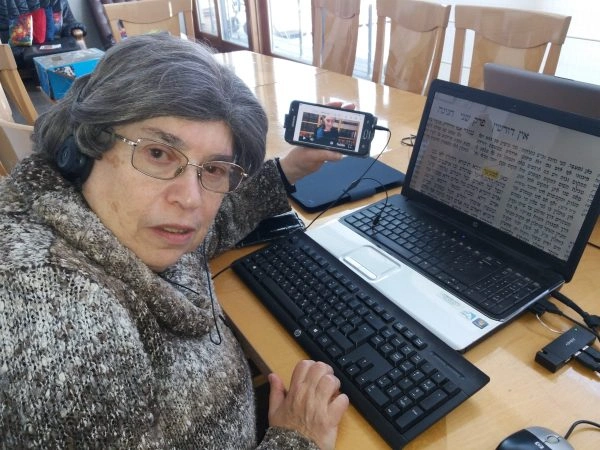
London, United Kingdom
I had tried to start after being inspired by the hadran siyum, but did not manage to stick to it. However, just before masechet taanit, our rav wrote a message to the shul WhatsApp encouraging people to start with masechet taanit, so I did! And this time, I’m hooked! I listen to the shiur every day , and am also trying to improve my skills.

Yad Binyamin, Israel
I started learning after the siyum hashas for women and my daily learning has been a constant over the last two years. It grounded me during the chaos of Corona while providing me with a community of fellow learners. The Daf can be challenging but it’s filled with life’s lessons, struggles and hope for a better world. It’s not about the destination but rather about the journey. Thank you Hadran!

אפרת, Israel
Margo
I started my Talmud journey in 7th grade at Akiba Jewish Day School in Chicago. I started my Daf Yomi journey after hearing Erica Brown speak at the Hadran Siyum about marking the passage of time through Daf Yomi.
Carolyn
I started my Talmud journey post-college in NY with a few classes. I started my Daf Yomi journey after the Hadran Siyum, which inspired both my son and myself.
Merion Station, USA
Beit Shemesh, Israel
After enthusing to my friend Ruth Kahan about how much I had enjoyed remote Jewish learning during the earlier part of the pandemic, she challenged me to join her in learning the daf yomi cycle. I had always wanted to do daf yomi but now had no excuse. The beginning was particularly hard as I had never studied Talmud but has become easier, as I have gained some familiarity with it.

Brookline, United States
I started learning at the beginning of this Daf Yomi cycle because I heard a lot about the previous cycle coming to an end and thought it would be a good thing to start doing. My husband had already bought several of the Koren Talmud Bavli books and they were just sitting on the shelf, not being used, so here was an opportunity to start using them and find out exactly what was in them. Loving it!

Borehamwood, United Kingdom
תמיד רציתי. למדתי גמרא בבית ספר בטורונטו קנדה. עליתי ארצה ולמדתי שזה לא מקובל. הופתעתי.
יצאתי לגימלאות לפני שנתיים וזה מאפשר את המחוייבות לדף יומי.
עבורי ההתמדה בלימוד מעגן אותי בקשר שלי ליהדות. אני תמיד מחפשת ותמיד. מוצאת מקור לקשר. ללימוד חדש ומחדש. קשר עם נשים לומדות מעמיק את החוויה ומשמעותית מאוד.

מיתר, ישראל
With Rabbanit Dr. Naomi Cohen in the Women’s Talmud class, over 30 years ago. It was a “known” class and it was accepted, because of who taught. Since then I have also studied with Avigail Gross-Gelman and Dr. Gabriel Hazut for about a year). Years ago, in a shiur in my shul, I did know about Persians doing 3 things with their clothes on. They opened the shiur to woman after that!

Haifa, Israel
Having never learned Talmud before, I started Daf Yomi in hopes of connecting to the Rabbinic tradition, sharing a daily idea on Instagram (@dafyomiadventures). With Hadran and Sefaria, I slowly gained confidence in my skills and understanding. Now, part of the Pardes Jewish Educators Program, I can’t wait to bring this love of learning with me as I continue to pass it on to my future students.

Pennsylvania, United States
I had tried to start after being inspired by the hadran siyum, but did not manage to stick to it. However, just before masechet taanit, our rav wrote a message to the shul WhatsApp encouraging people to start with masechet taanit, so I did! And this time, I’m hooked! I listen to the shiur every day , and am also trying to improve my skills.
Yad Binyamin, Israel
In January 2020, my chevruta suggested that we “up our game. Let’s do Daf Yomi” – and she sent me the Hadran link. I lost my job (and went freelance), there was a pandemic, and I am still opening the podcast with my breakfast coffee, or after Shabbat with popcorn. My Aramaic is improving. I will need a new bookcase, though.

Atlanta, Georgia, United States
When I began the previous cycle, I promised myself that if I stuck with it, I would reward myself with a trip to Israel. Little did I know that the trip would involve attending the first ever women’s siyum and being inspired by so many learners. I am now over 2 years into my second cycle and being part of this large, diverse, fascinating learning family has enhanced my learning exponentially.

Minnesota, United States
Zevachim 47
מִנַּיִן לַמִּתְעַסֵּק בְּקָדָשִׁים שֶׁהוּא פָּסוּל? שֶׁנֶּאֱמַר ״וְשָׁחַט אֶת בֶּן הַבָּקָר לִפְנֵי ה׳״ – עַד שֶׁתְּהֵא שְׁחִיטָה לְשֵׁם בֶּן בָּקָר.
From where is it derived with regard to one who acts unawares in the case of consecrated items, i.e., if one slaughtered an offering without intending to perform the act of slaughter at all, but rather like one occupied with other matters, that the offering is disqualified? Rav Huna said to Shmuel: It is derived from a verse, as it is stated: “And he shall slaughter the young bull before the Lord” (Leviticus 1:5), teaching that the mitzva is not performed properly unless the slaughter is for the sake of a young bull, i.e., knowing that he is performing an act of slaughter.
אֲמַר לֵיהּ: זוֹ בְּיָדֵינוּ הִיא; לְעַכֵּב מִנַּיִן? אֲמַר לֵיהּ: ״לִרְצֹנְכֶם תִּזְבָּחֻהוּ״ – לְדַעְתְּכֶם זְבֻיחוּ.
Shmuel said to Rav Huna: We have this as an established halakha already, that it is a mitzva to slaughter the offering for the sake of a bull, but from where is it derived that this requirement is indispensable? Rav Huna said to him that the verse states: “With your will you shall slaughter it” (Leviticus 19:5), i.e., with your full awareness you shall slaughter it, in the form of a purposeful action.
שֶׁאֵין הַמַּחְשָׁבָה הוֹלֶכֶת אֶלָּא אַחַר הָעוֹבֵד. מַתְנִיתִין דְּלָא כִּי הַאי תַּנָּא – דְּתַנְיָא, אָמַר רַבִּי אֶלְעָזָר בְּרַבִּי יוֹסֵי: שָׁמַעְתִּי שֶׁהַבְּעָלִים מְפַגְּלִין. אָמַר רָבָא: מַאי טַעְמָא דְּרַבִּי אֶלְעָזָר בְּרַבִּי יוֹסֵי? דְּאָמַר קְרָא: ״וְהִקְרִיב הַמַּקְרִיב״.
§ The mishna teaches: Because the intent follows only the one performing the sacrificial rite. The Gemara comments: The mishna is not in accordance with the opinion of this tanna, as it is taught in a baraita that Rabbi Elazar, son of Rabbi Yosei, says: I heard that even the owner of an offering can render it piggul through improper intention. Rava says: What is the reason of Rabbi Elazar, son of Rabbi Yosei? As the verse states: “Then he who sacrifices shall sacrifice his offering to the Lord” (Numbers 15:4). The term “he who sacrifices” is a reference to the owner; since the owner is considered one who sacrifices, he too can render his offering piggul with an improper intention.
אָמַר אַבָּיֵי: רַבִּי אֶלְעָזָר בְּרַבִּי יוֹסֵי וְרַבִּי אֱלִיעֶזֶר וְרַבִּי שִׁמְעוֹן בֶּן אֶלְעָזָר כּוּלְּהוּ סְבִירָא לְהוּ: זֶה מְחַשֵּׁב וְזֶה עוֹבֵד – הָוְיָא מַחְשָׁבָה. רַבִּי אֶלְעָזָר בְּרַבִּי יוֹסֵי – הָא דַּאֲמַרַן.
Abaye says: Rabbi Elazar, son of Rabbi Yosei, and Rabbi Eliezer, and Rabbi Shimon ben Elazar all hold that even in a case involving two people, where this one has intention and that one performs the service, it is the intention that is relevant, i.e., it is as though the one performing the service had the intention. The Gemara explains: The statement of Rabbi Elazar, son of Rabbi Yosei, is that which we just said, that the owner can render his offering piggul through improper intention despite the fact that it is the priest who performs the service.
רַבִּי אֱלִיעֶזֶר – דִּתְנַן: הַשּׁוֹחֵט לְגוֹי – שְׁחִיטָתוֹ כְּשֵׁרָה, וְרַבִּי אֱלִיעֶזֶר פּוֹסֵל.
The statement of Rabbi Eliezer is as we learned in a mishna (Ḥullin 38b): With regard to one who slaughters an animal on behalf of a gentile, his slaughter is valid and a Jew may eat the meat of this animal. But Rabbi Eliezer deems it unfit, as the intention of the gentile, which is presumably to use the animal for idol worship, invalidates the act of slaughter performed by the Jew.
רַבִּי שִׁמְעוֹן בֶּן אֶלְעָזָר – דִּתְנַן, כְּלָל אָמַר רַבִּי שִׁמְעוֹן בֶּן אֶלְעָזָר: כֹּל שֶׁאֵין כָּשֵׁר לְהַצְנִיעַ, וְאֵין מַצְנִיעִין כָּמוֹהוּ; הוּכְשַׁר לָזֶה וְהִצְנִיעוֹ, וּבָא אַחֵר וְהוֹצִיאוֹ – נִתְחַיֵּיב זֶה בְּמַחְשָׁבָה שֶׁל זֶה.
The statement of Rabbi Shimon ben Elazar is as we learned in a baraita: Rabbi Shimon ben Elazar stated a principle: In the case of any item that is not fit to be stored, and therefore people do not typically store items like it, but it was deemed fit for storage by this person and he stored it, and another person came and carried out on Shabbat the item that was stored, that one who carried it out is rendered liable by the thought of this one who stored it.
תַּרְוַיְיהוּ אִית לְהוּ דְּרַבִּי אֶלְעָזָר בְּרַבִּי יוֹסֵי – הַשְׁתָּא בַּחוּץ אָמְרִינַן, בִּפְנִים מִיבַּעְיָא?!
The Gemara notes: These two Sages, Rabbi Eliezer and Rabbi Shimon ben Elazar, although their rulings are stated in the context of entirely different matters, accept as halakha the ruling of Rabbi Elazar, son of Rabbi Yosei. The Gemara explains: Now that concerning matters outside the Temple, i.e., non-sacred slaughter and carrying on Shabbat, with regard to which the Torah makes no reference to intention, we say that the intention of one person is effective for the action of another, is it necessary to state that the same halakha applies to matters inside the Temple, i.e., offerings, with regard to which it is explicitly stated that intention is effective, as indicated by the verse: “With your will you shall slaughter it” (Leviticus 19:5)?
רַבִּי אֶלְעָזָר בְּרַבִּי יוֹסֵי לֵית לְהוּ דְּתַרְוַיְיהוּ – דִּלְמָא בִּפְנִים הוּא דְּאָמְרִינַן, בַּחוּץ לָא אָמְרִינַן.
But Rabbi Elazar, son of Rabbi Yosei, does not necessarily accept as halakha the rulings of these two Sages, Rabbi Eliezer and Rabbi Shimon ben Elazar. The Gemara explains: Perhaps it is only concerning inside the Temple that we say that one person’s intention is effective for the action of another, whereas concerning outside the Temple, we do not say this.
רַבִּי שִׁמְעוֹן בֶּן אֶלְעָזָר אִית לֵיהּ דְּרַבִּי אֱלִיעֶזֶר – הַשְׁתָּא בְּשַׁבָּת אָמְרִינַן, בַּעֲבוֹדָה זָרָה מִיבַּעְיָא?!
The Gemara further differentiates between the opinions of those two Sages themselves. Rabbi Shimon ben Elazar accepts as halakha the ruling of Rabbi Eliezer: Now that with regard to Shabbat we say that the intention of one person is effective for the action of another, is it necessary to say that the same applies concerning idol worship, where the actions are somewhat similar to those performed in the Temple?
רַבִּי אֱלִיעֶזֶר לֵית לֵיהּ דְּרַבִּי שִׁמְעוֹן בֶּן אֶלְעָזָר – דִּלְמָא בַּעֲבוֹדָה זָרָה הוּא דְּאָמְרַתְּ כְּעֵין בִּפְנִים, אֲבָל שַׁבָּת – מְלֶאכֶת מַחְשֶׁבֶת אָסְרָה תּוֹרָה.
But Rabbi Eliezer does not necessarily accept as halakha the ruling of Rabbi Shimon ben Elazar: Perhaps it is only with regard to idol worship that you say that one person’s intention is effective for the action of another, as idol worship is somewhat similar to service performed inside the Temple. Consequently, it is reasonable that one person’s intention is effective for the action of another in the case of idolatry, as it does for offerings. But with regard to Shabbat, the Torah prohibited only planned, constructive labor, i.e., one is liable only for an action that includes the creative intent of the doer, and here the one who took the item out did not intend to perform a labor.
הֲדַרַן עֲלָךְ בֵּית שַׁמַּאי
מַתְנִי׳ אֵיזֶהוּ מְקוֹמָן שֶׁל זְבָחִים? קׇדְשֵׁי קָדָשִׁים – שְׁחִיטָתָן בַּצָּפוֹן.
MISHNA: What is the location of the slaughtering and consumption of offerings? The principle is that with regard to offerings of the most sacred order, their slaughter is in the north of the Temple courtyard.
פַּר וְשָׂעִיר שֶׁל יוֹם הַכִּיפּוּרִים – שְׁחִיטָתָן בַּצָּפוֹן, וְקִיבּוּל דָּמָן בִּכְלֵי שָׁרֵת בַּצָּפוֹן; וְדָמָן טָעוּן הַזָּיָה עַל בֵּין הַבַּדִּים, וְעַל הַפָּרוֹכֶת, וְעַל מִזְבַּח הַזָּהָב – מַתָּנָה אַחַת מֵהֶן מְעַכֶּבֶת. שְׁיָרֵי הַדָּם הָיָה שׁוֹפֵךְ עַל יְסוֹד מַעֲרָבִי שֶׁל מִזְבֵּחַ הַחִיצוֹן, וְאִם לֹא נָתַן לֹא עִכֵּב.
Specifically, with regard to the bull and the goat of Yom Kippur, their slaughter is in the north and the collection of their blood in a service vessel is in the north, and their blood requires sprinkling between the staves of the Ark in the Holy of Holies, and upon the Curtain separating the Sanctuary and Holy of Holies, and on the golden altar. Concerning all those sprinklings, failure to perform even one placement of their blood disqualifies the offering. As to the remainder of the blood, which is left after those sprinklings, a priest would pour it onto the western base of the external altar. But if he did not place the remainder of the blood on the western base, it does not disqualify the offering.
פָּרִים הַנִּשְׂרָפִים וּשְׂעִירִים הַנִּשְׂרָפִים – שְׁחִיטָתָן בַּצָּפוֹן, וְקִיבּוּל דָּמָן בִּכְלִי שָׁרֵת בַּצָּפוֹן; וְדָמָן טָעוּן הַזָּיָה עַל הַפָּרוֹכֶת וְעַל מִזְבַּח הַזָּהָב –
With regard to bulls that are burned and goats that are burned, their slaughter is in the north of the Temple courtyard, and the collection of their blood in a service vessel is in the north, and their blood requires sprinkling upon the Curtain separating the Sanctuary and Holy of Holies, and upon the golden altar,
מַתָּנָה אַחַת מֵהֶן מְעַכֶּבֶת. שְׁיָרֵי הַדָּם הָיָה שׁוֹפֵךְ עַל יְסוֹד מַעֲרָבִי שֶׁל מִזְבֵּחַ הַחִיצוֹן, וְאִם לֹא נָתַן לֹא עִיכֵּב. אֵלּוּ וָאֵלּוּ נִשְׂרָפִין אַבֵּית הַדֶּשֶׁן.
and failure to perform even one placement of their blood disqualifies the offering. As for the remainder of the blood that is left after those sprinklings, a priest would pour it onto the western base of the external altar, but if he did not pour the remainder it does not disqualify the offering. These, the bull and the goat of Yom Kippur, and those, the bulls and the goats that are burned, are then burned in the place of the ashes, a place outside of Jerusalem where the priests would bring the ashes from the altar.
גְּמָ׳ וְנִיתְנֵי נָמֵי: וְקִיבּוּל דָּמָן בִּכְלִי שָׁרֵת בַּצָּפוֹן! כֵּיוָן דְּאִיכָּא אֲשַׁם מְצוֹרָע דְּקִיבּוּל דָּמוֹ בַּיָּד הוּא – שַׁיְּירֵיהּ.
GEMARA: The mishna opens with a principle that the slaughter of offerings of the most sacred order is in the north of the Temple courtyard. The Gemara inquires: And let the mishna also teach as a principle: And the collection of their blood in a service vessel is in the north of the Temple courtyard. Since collecting the blood is an indispensable part of the service, why is it not listed in this clause of the mishna? The Gemara explains: Since there is among the offerings of the most sacred order the guilt offering of a leper, for which the collection of its blood is in the hand, the mishna could not state this as a principle. Therefore, the tanna omitted this from the requirements for offerings of the most sacred order.
וְלָא?! וְהָא קָתָנֵי לַהּ לְקַמַּן: אֲשַׁם נָזִיר וַאֲשַׁם מְצוֹרָע – שְׁחִיטָתָן בַּצָּפוֹן, וְקִבּוּל דָּמָן בִּכְלִי שָׁרֵת בַּצָּפוֹן!
The Gemara challenges: And is the blood of the guilt offering of a leper not collected in a service vessel? But the mishna teaches this halakha later (54b): With regard to the guilt offering of a nazirite brought for his purification and the guilt offering of a leper brought for his purification, their slaughter is in the north of the Temple courtyard and collection of their blood in a service vessel is in the north. Apparently, the tanna maintains that the blood of the guilt offering of a leper must be collected in a service vessel.
מֵעִיקָּרָא סָבַר קִיבּוּל דָּמוֹ בַּיָּד הוּא; שַׁיְּירֵיהּ. וְכֵיוָן דְּלָא סַגִּי לֵיהּ אֶלָּא בִּכְלִי – הֲדַר תַּנְיֵיהּ.
The Gemara answers: Initially, the tanna held that since collection of the blood of the guilt offering of a leper must also be in the priest’s hand, not exclusively in a service vessel, he omitted it. But since it is the case that it is possible for one to collect some of the blood only in a service vessel, the tanna subsequently taught it.
דְּתַנְיָא: ״וְלָקַח״ – יָכוֹל בִּכְלִי? תַּלְמוּד לוֹמַר: ״וְנָתַן״ – מָה נְתִינָה בְּעַצְמוֹ שֶׁל כֹּהֵן, אַף לְקִיחָה בְּעַצְמוֹ שֶׁל כֹּהֵן.
This is as it is taught in a baraita (Tosefta, Nega’im 9:2): The Torah states with regard to the guilt offering of a leper: “And the priest shall take of the blood of the guilt offering, and the priest shall put it upon the tip of the right ear of him who is to be purified, and upon the thumb of his right hand, and upon the big toe of his right foot” (Leviticus 14:14). One might have thought that he should take it in a vessel; therefore, the verse states: “And the priest shall put.” Just as putting the blood on the ear, thumb, and big toe must be performed with the priest’s own body, so too, taking of the blood is performed with the priest’s own body, not with a service vessel.
יָכוֹל אַף לְמִזְבֵּחַ כֵּן? תַּלְמוּד לוֹמַר: ״כִּי כַּחַטָּאת הָאָשָׁם הוּא״ – מָה חַטָּאת טְעוּנָה כְּלִי, אַף אָשָׁם טָעוּן כְּלִי. נִמְצֵאתָ אַתָּה אוֹמֵר: אֲשַׁם מְצוֹרָע – שְׁנֵי כֹּהֲנִים מְקַבְּלִין אֶת דָּמוֹ, אֶחָד בַּיָּד וְאֶחָד בִּכְלִי. זֶה שֶׁקִּיבְּלוֹ בִּכְלִי – בָּא לוֹ אֵצֶל מִזְבֵּחַ, וְזֶה שֶׁקִּיבְּלוֹ בַּיָּד – בָּא לוֹ אֵצֶל מְצוֹרָע.
The baraita continues: One might have thought that even with regard to the blood of the leper’s guilt offering that he presents on the altar, like the blood of other guilt offerings, it is so, that he collects the blood in his hand rather than with a vessel. To counter this, the verse states: “For as the sin offering is, so is the guilt offering” (Leviticus 14:13). This teaches that just as a sin offering requires a vessel for collection of its blood, so too, the blood of a guilt offering requires a vessel for collection of its blood. You consequently say: In the case of a leper’s guilt offering, two priests collect its blood; one collects the blood by hand, and the other one collects the blood in a vessel. This one, who collected the blood in a vessel, comes to the altar and sprinkles some of the blood on it. And that one, who collected the blood by hand, comes to the leper and places some of the blood on his right ear, right thumb, and right big toe.

