Search

Kiddushin 2

Want to dedicate learning? Get started here:

English
עברית
podcast placeholder

0:00
0:00


podcast placeholder

0:00
0:00


Summary

Kiddushin bookmark and checklist

Masechet Kiddushin is sponsored by Julie and Martin Mendelsohn in honor of our two children who were married this past year and for arranging with our son the successful shidduch of another young couple. May all of our fellow learners and all of Am Yisrael have the zechut to see all of their children under the chuppah! If everyone listening takes the time during these 82 dapim to take action to help just one friend to find his/her shidduch, what an amazing accomplishment we can have together! Looking forward to learning this masechet together and hearing good news!

Today’s daf is sponsored by Joyce Friedman in honor of Gail Licht for finishing Shas on Sunday. 

A woman is betrothed in three ways and gets herself out of it in two ways. She can be betrothed with money, a document or intercourse. Beit Shamai and Beit Hillel disagree the minimum amount of money required. Why is the word kinyan (acquiring) used and not mekudeshet used as appears in the second chapter where it says the man is mekadesh. Why is the subject of the Mishna the woman and not the man? Why does the word three appear in feminine whereas a similarly structured mishna appears in the masculine form?

Today’s daily daf tools:

Kiddushin 2

הָאִשָּׁה נִקְנֵית בְּשָׁלֹשׁ דְּרָכִים, וְקוֹנָה אֶת עַצְמָהּ בִּשְׁתֵּי דְרָכִים. נִקְנֵית בְּכֶסֶף, בִּשְׁטָר, וּבְבִיאָה. בְּכֶסֶף: בֵּית שַׁמַּאי אוֹמְרִים בְּדִינָר וּבְשָׁוֶה דִּינָר, וּבֵית הִלֵּל אוֹמְרִים: בִּפְרוּטָה וּבְשָׁוֶה פְּרוּטָה. וְכַמָּה הִיא פְּרוּטָה – אֶחָד מִשְּׁמֹנָה בָּאִיסָּר הָאִיטַלְקִי.

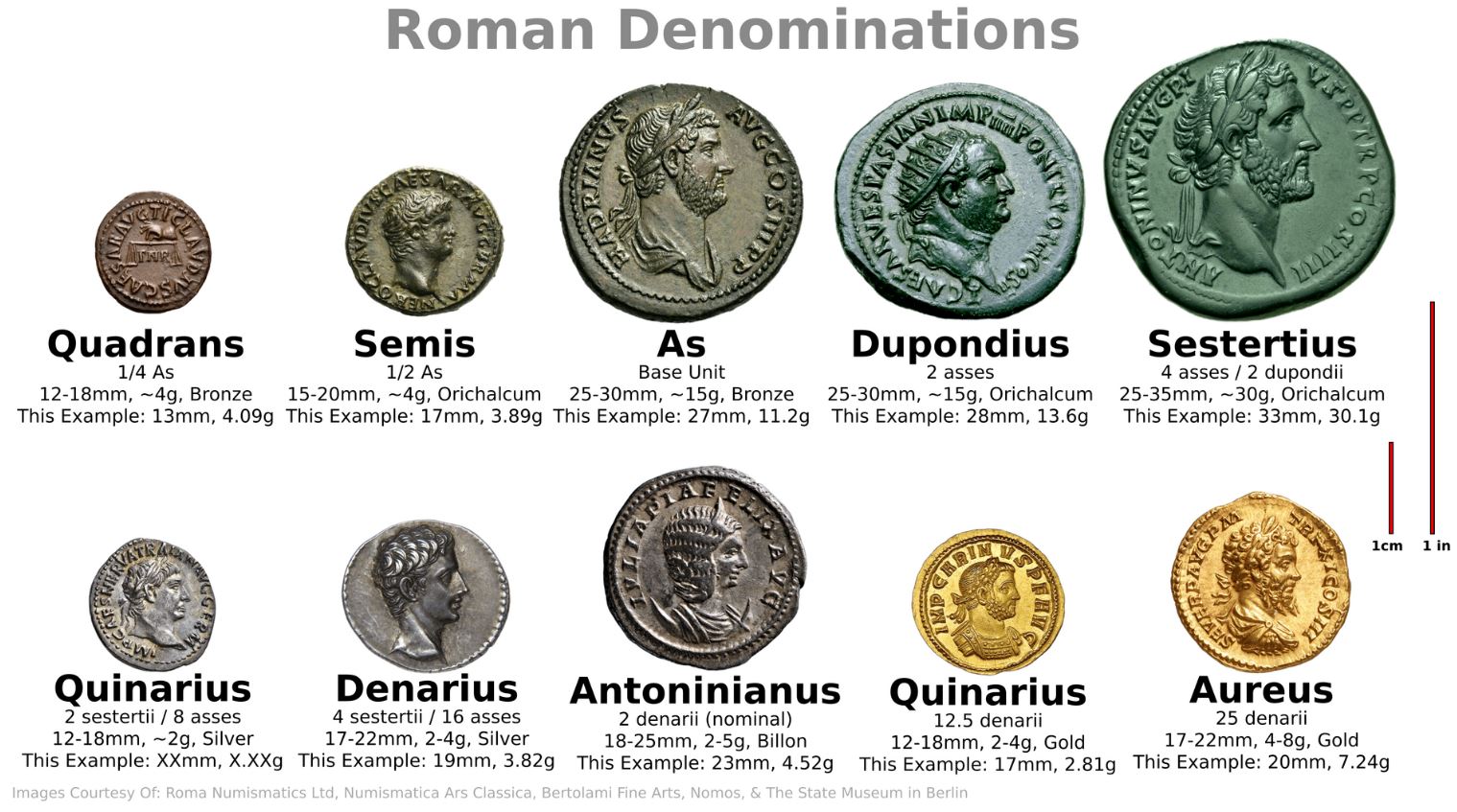
MISHNA: A woman is acquired by, i.e., becomes betrothed to, a man to be his wife in three ways, and she acquires herself, i.e., she terminates her marriage, in two ways. The mishna elaborates: She is acquired through money, through a document, and through sexual intercourse. With regard to a betrothal through money, there is a dispute between tanna’im: Beit Shammai say that she can be acquired with one dinar or with anything that is worth one dinar. And Beit Hillel say: She can be acquired with one peruta, a small copper coin, or with anything that is worth one peruta. The mishna further clarifies: And how much is the value of one peruta, by the fixed value of silver? The mishna explains that it is one-eighth of the Italian issar, which is a small silver coin.

וְקוֹנָה אֶת עַצְמָהּ בְּגֵט וּבְמִיתַת הַבַּעַל. הַיְּבָמָה נִקְנֵית בְּבִיאָה, וְקוֹנָה אֶת עַצְמָהּ בַּחֲלִיצָה וּבְמִיתַת הַיָּבָם.

And a woman acquires herself through a bill of divorce or through the death of the husband. A woman whose husband, who had a brother, died childless [yevama], can be acquired by the deceased husband’s brother, the yavam, only through intercourse. And she acquires herself, i.e., she is released from her levirate bond, through ḥalitza or through the death of the yavam.

גְּמָ׳ הָאִשָּׁה נִקְנֵית. מַאי שְׁנָא הָכָא דְּתָנֵי ״הָאִשָּׁה נִקְנֵית״, וּמַאי שְׁנָא הָתָם דְּתָנֵי ״הָאִישׁ מְקַדֵּשׁ״? מִשּׁוּם דְּקָא בָּעֵי לְמִיתְנֵי כֶּסֶף,

GEMARA: The mishna teaches that a woman can be acquired in three ways. The Gemara asks: What is different here that this mishna teaches: A woman is acquired, using the language of acquisition, and what is different there, in the beginning of the next chapter (42a), which teaches: A man betroths, using the language of betrothal? The Gemara explains: In this mishna the tanna utilized the language of acquisition because he wanted to teach about betrothal through money, which is the standard means of exchange in an act of acquisition.

וְכֶסֶף מְנָא לַן – גָּמַר ״קִיחָה״ ״קִיחָה״ מִשְּׂדֵה עֶפְרוֹן. כְּתִיב הָכָא: ״כִּי יִקַּח אִישׁ אִשָּׁה״, וּכְתִיב הָתָם: ״נָתַתִּי כֶּסֶף הַשָּׂדֶה קַח מִמֶּנִּי״,

The Gemara continues its explanation: And from where do we derive that betrothal is accomplished by means of giving money? It is derived by means of a verbal analogy between the term expressing taking stated with regard to betrothal and from the term expressing taking with regard to the field of Ephron. How so? It is written here, with regard to marriage: “When a man takes a woman” (Deuteronomy 24:1), and it is written there, concerning Abraham’s purchase of the field of the Cave of Machpelah from Ephron the Hittite: “I will give money for the field; take it from me” (Genesis 23:13). This verbal analogy teaches that just as Ephron’s field was acquired with money, so too, a woman can be acquired with money.

וְקִיחָה אִיקְּרִי ״קִנְיָן״, דִּכְתִיב: ״הַשָּׂדֶה אֲשֶׁר קָנָה אַבְרָהָם״.

The Gemara continues: And the taking of Ephron’s field is called an acquisition in the Torah, as it is written with regard to the same issue: “The field which Abraham acquired” (Genesis 25:10).

אִי נָמֵי, ״שָׂדוֹת בַּכֶּסֶף יִקְנוּ״, תָּנֵי ״הָאִשָּׁה נִקְנֵית״.

Alternatively, it can be proven that purchasing a field with money is called an acquisition from the verse: “They shall acquire fields with money” (Jeremiah 32:44). Consequently, as the tanna wanted to teach that a woman can be betrothed with money, he taught: A woman is acquired. This explains why the terminology of acquisition is used in this mishna.

וְנִיתְנֵי הָתָם ״הָאִישׁ קוֹנֶה״! מֵעִיקָּרָא תָּנֵי לִישָּׁנָא דְאוֹרָיְיתָא, וּלְבַסּוֹף תָּנֵי לִישָּׁנָא דְרַבָּנַן, וּמַאי לִישָּׁנָא דְרַבָּנַן? – דְּאָסַר לַהּ אַכּוּלֵּי עָלְמָא כְּהֶקְדֵּשׁ.

The Gemara asks: But let the mishna teach there, in the next chapter: A man acquires. The Gemara explains: Initially, the mishna taught using the language of the Torah, in which betrothal is called taking. And ultimately, in the next chapter, it taught using the language of the Sages. And what is the reason that betrothal is called kiddushin, literally, consecration, in the language of the Sages? The reason is that through betrothal the husband renders her forbidden to everyone like consecrated property. Therefore, this act is referred to as consecration.

וְנִיתְנֵי הָכָא ״הָאִישׁ קוֹנֶה״! מִשּׁוּם דְּקָא בָּעֵי לְמִיתְנָא סֵיפָא: ״וְקוֹנָה אֶת עַצְמָהּ״ בְּדִידַהּ, תְּנָא נָמֵי רֵישָׁא בְּדִידַהּ.

The Gemara asks another question with regard to the difference in wording between the two mishnayot: And let it teach here, as in the following chapter: A man acquires. Why does this mishna teach: The woman is acquired, with the woman as the subject of the sentence? The Gemara answers: This is because the tanna wanted to teach in the latter clause of the mishna: And she acquires herself, which is stated with regard to her. Therefore, the tanna also taught the halakha stated with regard to her in the first clause.

וְנִיתְנֵי ״הָאִישׁ קוֹנֶה וּמַקְנֶה״! מִשּׁוּם דְּאִיכָּא מִיתַת הַבַּעַל, דְּלָאו אִיהוּ קָא מַקְנֵי – מִן שְׁמַיָּא הוּא דְּמַקְנִי לָהּ.

The Gemara further asks: But if this is the reason, the mishna could have been formulated entirely differently. Let it teach: The man can acquire a woman and transfer authority, i.e., grant her the release from marriage in the form of a bill of divorce. The Gemara answers: The mishna could not use the expression: Transfer, because there is the case of the husband’s death, in which it is not he who transfers authority. Rather, it is from Heaven that her freedom is transferred to her. Therefore, the mishna could not issue a general statement that the man can actively transfer to the woman her release from marriage.

וְאִי בָּעֵית אֵימָא: אִי תְּנָא ״קוֹנֶה״, הֲוָה אָמֵינָא אֲפִילּוּ בְּעַל כׇּרְחָהּ – תְּנָא ״הָאִשָּׁה נִקְנֵית״, דְּמִדַּעְתָּהּ – אִין, שֶׁלֹּא מִדַּעְתָּהּ – לָא.

And if you wish, say instead another explanation. If the mishna had taught: The man acquires the woman, I would say that he can acquire her even against her will, as indicated by the expression: He acquires. One might have assumed that the betrothal depends on the husband, without the need for the woman’s consent. Therefore the mishna taught: The woman is acquired, from which it may be inferred that with her consent, yes, he can acquire her as a wife, but when he acts without her consent, no, she is not betrothed to him.

וּמַאי אִירְיָא דְּתָנֵי ״שָׁלֹשׁ״? לִיתְנֵי ״שְׁלֹשָׁה״! מִשּׁוּם דְּקָא בָּעֵי לְמִיתְנֵי ״דֶּרֶךְ״ וְ״דֶרֶךְ״ לְשׁוֹן נְקֵבָה הוּא, דִּכְתִיב: ״וְהוֹדַעְתָּ לָהֶם אֶת הַדֶּרֶךְ יֵלְכוּ בָהּ״.

The Gemara continues to analyze the style of the mishna: And why does the tanna specifically teach: Three [shalosh] ways, formulated in the feminine? Let it teach: Three [shelosha] ways, formulated in the masculine. The Gemara explains: The mishna uses this form because it wants to teach the word way [derekh], and derekh is formulated in the feminine, as it is written: “And you shall show them the way [derekh] in which [bah] they must walk” (Exodus 18:20). The term bah, which is referring to derekh, is formulated in the feminine.

וְאֶלָּא הָא דְּתַנְיָא: ״בְּשִׁבְעָה דְּרָכִים בּוֹדְקִין אֶת הַזָּב״, נִיתְנֵי ״שֶׁבַע״! מִשּׁוּם דְּקָא בָּעֵי לְמִיתְנֵי ״דֶּרֶךְ״, וְאַשְׁכְּחַן ״דֶּרֶךְ״ דְּאִיקְּרִי לְשׁוֹן זָכָר, דִּכְתִיב: ״בְּדֶרֶךְ אֶחָד יֵצְאוּ אֵלֶיךָ וּבְשִׁבְעָה דְרָכִים יָנוּסוּ לְפָנֶיךָ״. אִי הָכִי, קָשׁוּ קְרָאֵי אַהֲדָדֵי! וְקַשְׁיָא נָמֵי מַתְנִיתִין אַהֲדָדֵי!

The Gemara challenges: But with regard to that which is taught in a mishna (Nazir 65b): One examines a zav in seven [shiva] ways [derakhim], where shiva is formulated in the masculine, let it teach: Seven [sheva] ways, formulated in the feminine. The Gemara answers: The mishna uses the masculine formulation of the term seven because it wanted to teach: Derekh, and we find that the word derekh is referred to in the masculine form, as it is written: “They shall come out against you one way [derekh], and shall flee before you seven [shiva] ways” (Deuteronomy 28:7). The Gemara asks: If so, the verses contradict each other, as in one verse the term derekh is masculine, and in the other verse it is feminine. And furthermore, the mishnayot contradict each other, as in one mishna derekh is masculine while in the other it is feminine.

קְרָאֵי אַהֲדָדֵי לָא קַשְׁיָין: הָכָא, דִּבְתוֹרָה קָאֵי, וְתוֹרָה אִיקְּרִי לְשׁוֹן נְקֵבָה, דִּכְתִיב: ״תּוֹרַת ה׳ תְּמִימָה מְשִׁיבַת נָפֶשׁ״ – כָּתַב לָהּ בִּלְשׁוֹן נְקֵבָה. הָתָם, דִּבְמִלְחָמָה קָאֵי, דְּדַרְכּוֹ שֶׁל אִישׁ לַעֲשׂוֹת מִלְחָמָה וְאֵין דַּרְכָּהּ שֶׁל אִשָּׁה לַעֲשׂוֹת מִלְחָמָה – כָּתַב לָהּ בִּלְשׁוֹן זָכָר.

The Gemara answers: The verses do not contradict each other. Here, that verse: “The way in which they must walk” (Exodus 18:20), is referring to the Torah, i.e., the way mentioned here is referring to the path of the Torah, and Torah is referred to in the feminine form, as it is written: “The Torah of the Lord is perfect [temima], restoring the soul” (Psalms 19:8). The word temima is in the feminine. Consequently, in reference to the Torah the verse writes: Derekh, formulated in the feminine. There, that verse: “Shall flee before you seven ways” (Deuteronomy 28:7), is referring to war, and as it is the way of a man to wage war and it is not the way of a woman to wage war, it is appropriate to speak in the masculine. Therefore, the verse writes the word derekh formulated in the masculine.

מַתְנִיתִין אַהֲדָדֵי לָא קַשְׁיָין: הָכָא, דִּלְגַבֵּי אִשָּׁה קָאֵי – קָתָנֵי לַהּ בִּלְשׁוֹן נְקֵבָה. הָתָם, דִּלְגַבֵּי אִישׁ קָאֵי, דְּדַרְכּוֹ שֶׁל אִישׁ לִיבָּדֵק וְאֵין דַּרְכָּהּ שֶׁל אִשָּׁה לִיבָּדֵק, דְּהָא אִשָּׁה נָמֵי בְּאוֹנֶס מִיטַּמְּאָהּ – תָּנֵי לְשׁוֹן זָכָר.

Likewise, the mishnayot do not contradict each other: Here, where it is referring to a woman, the mishna teaches derekh formulated in the feminine. There, with regard to the examination of a zav, where it is referring to a man, as it is common for a man to undergo an examination to determine if his emission has a cause other than a gonorrhea-like discharge [ziva] but it is not common for a woman to undergo an examination, since, unlike a man, a woman is rendered impure even by circumstances beyond her control, it taught and used the word derekh formulated in the masculine. Even if a woman has an emission of blood for a reason other than illness, she is still impure. Consequently, in her case there is no reason for an examination to see what might have caused her discharge.

מַאי טַעְמָא תָּנֵי ״שָׁלֹשׁ״ – מִשּׁוּם ״דְּרָכִים״? נִיתְנֵי ״דְּבָרִים״ וְנִיתְנֵי ״שְׁלֹשָׁה״! מִשּׁוּם דְּקָבָעֵי לְמִיתְנֵי ״בִּיאָה״, וּבִיאָה אִיקְּרִי ״דֶּרֶךְ״, דִּכְתִיב: ״וְדֶרֶךְ גֶּבֶר בְּעַלְמָה כֵּן דֶּרֶךְ אִשָּׁה מְנָאָפֶת״.

The Gemara asks another question with regard to the language of the mishna: What is the reason that the mishna teaches: Three [shalosh], formulated in the feminine? This is because it wanted to teach: Ways. But if so, let it teach instead the word: Matters, i.e., a woman can be acquired through three matters, and as this term is masculine, let it teach three [shelosha], in the masculine. The Gemara answers: The mishna did do so because it wanted to teach intercourse as one of these ways, and intercourse is called a way in the Torah, as it is written: “And the way of a man with a young woman, so is the way of an adulterous woman” (Proverbs 30:19-20). For this reason the mishna used the term ways rather than matters.

הָא תִּינַח ״בִּיאָה״, ״כֶּסֶף״ וּ״שְׁטָר״ מַאי אִיכָּא לְמֵימַר? מִשּׁוּם ״בִּיאָה״.

The Gemara raises a difficulty: This works out well with regard to intercourse, which is referred to as a way. But what is there to say concerning money and a document? The mishna could have used the word matters with regard to these modes of betrothal. The Gemara answers: Because it was necessary to mention intercourse, which is called a way, the mishna used the word way in reference to the other two modes as well.

וְתָנֵי תַּרְתֵּי אַטּוּ חֲדָא? הָנָךְ נָמֵי צוֹרֶךְ בִּיאָה נִינְהוּ.

The Gemara asks: And would the mishna teach two cases in a particular manner due to one? Since the word way suits only one of the three modes of betrothal, why didn’t the mishna use the term: Matters, on account of the other two? The Gemara answers: These, too, are for the sake of sexual intercourse. Since the marital relationship, in which intercourse is paramount, is the ultimate purpose of betrothal, the mishna considers this clause as the most important part of the halakha.

וְאִי בָּעֵית אֵימָא: הָא מַנִּי – רַבִּי שִׁמְעוֹן הִיא, דְּתַנְיָא, רַבִּי שִׁמְעוֹן אוֹמֵר: מִפְּנֵי מָה אָמְרָה תּוֹרָה ״כִּי יִקַּח אִישׁ אִשָּׁה״, וְלֹא כָּתַב ״כִּי תִּלָּקַח אִשָּׁה לְאִישׁ״? – מִפְּנֵי שֶׁדַּרְכּוֹ שֶׁל אִישׁ לְחַזֵּר עַל אִשָּׁה וְאֵין דַּרְכָּהּ שֶׁל אִשָּׁה לְחַזֵּר עַל אִישׁ. מָשָׁל לְאָדָם שֶׁאָבְדָה לוֹ אֲבֵידָה – מִי חוֹזֵר עַל מִי? בַּעַל אֲבֵידָה מְחַזֵּר עַל אֲבֵידָתוֹ.

And if you wish, say instead: In accordance with whose opinion is this mishna, which teaches derekh? It is in accordance with the opinion of Rabbi Shimon, as it is taught in a baraita that Rabbi Shimon says: For what reason did the Torah say: “When a man takes a woman” (Deuteronomy 22:13) and did not write: “When a woman is taken by a man? Because it is the way [derekh] of a man to pursue a woman, and it is not the way of a woman to pursue a man. The Gemara cites a parable of a man who lost an item. Who searches for what? Certainly the owner of the lost item searches for his lost item, not the other way around. Since woman was created from man’s lost side, the man seeks that which he has lost. To allude to this statement of Rabbi Shimon, the mishna employs the term derekh in this context.

וְהָא דִּתְנַן: ״בְּשִׁבְעָה דְּרָכִים בּוֹדְקִין אֶת הַזָּב״, לִיתְנֵי ״דְּבָרִים״! הָתָם הָא קָא מַשְׁמַע לַן, דְּדַרְכָּא דְּמֵיכְלָא יַתִּירָא לְאֵתוֹיֵי לִידֵי זִיבָה, וְדַרְכָּא דְּמִישְׁתְּיָא יַתִּירָא לְאֵתוֹיֵי לִידֵי זִיבָה.

The Gemara asks: But with regard to that which we learned in a mishna: One examines a zav in seven ways, why does it use this phraseology? Let it teach the word: Matters. The Gemara answers that the mishna there teaches us this halakha, that it is the way of excessive eating to lead to ziva, and likewise it is the way of excessive drinking to lead to ziva. Therefore, the mishna uses the phrase: Seven ways, to emphasize that there are ways of behavior that can cause the emission of a zav.

וְהָא דִּתְנַן: ״אֶתְרוֹג שָׁוֶה לָאִילָן בִּשְׁלֹשָׁה דְּרָכִים״, לִיתְנֵי ״דְּבָרִים״! מִשּׁוּם דְּבָעֵינַן מִתְנֵי סֵיפָא: ״וְלַיָּרָק בְּדֶרֶךְ אֶחָד״. סֵיפָא נָמֵי, נִיתְנֵי ״דָּבָר״!

The Gemara further challenges: And with regard to that which we learned in a mishna (Bikkurim 2:6): The halakhot of an etrog tree correspond to those of a tree in three ways. Let it teach instead: Three matters. The Gemara answers: Because it wants to teach in the latter clause: And the halakhot of an etrog tree correspond to those of a vegetable in one way, therefore the mishna uses the term: Ways, in the first clause as well. The Gemara asks: In the latter clause too, let the mishna teach: Matter, rather than: Way.

Today’s daily daf tools:

Delve Deeper

Broaden your understanding of the topics on this daf with classes and podcasts from top women Talmud scholars.

For the Beyond the Daf shiurim offered in Hebrew, see here.

New to Talmud?

Check out our resources designed to help you navigate a page of Talmud – and study at the pace, level and style that fits you. 

The Hadran Women’s Tapestry

Meet the diverse women learning Gemara at Hadran and hear their stories. 

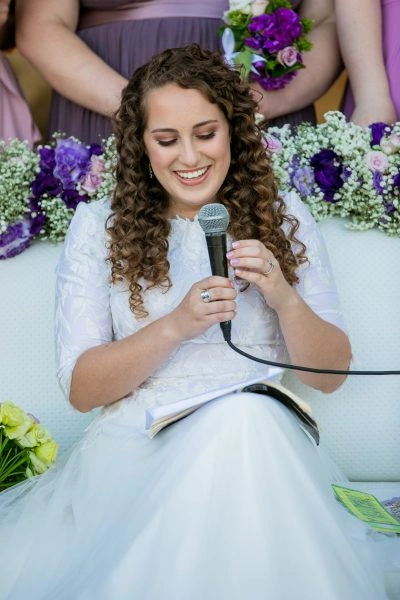
In my Shana bet at Migdal Oz I attended the Hadran siyum hash”as. Witnessing so many women so passionate about their Torah learning and connection to God, I knew I had to begin with the coming cycle. My wedding (June 24) was two weeks before the siyum of mesechet yoma so I went a little ahead and was able to make a speech and siyum at my kiseh kallah on my wedding day!

Sharona Guggenheim Plumb

Givat Shmuel, Israel

Hadran entered my life after the last Siyum Hashaas, January 2020. I was inspired and challenged simultaneously, having never thought of learning Gemara. With my family’s encouragement, I googled “daf yomi for women”. A perfecr fit!
I especially enjoy when Rabbanit Michelle connects the daf to contemporary issues to share at the shabbat table e.g: looking at the Kohen during duchaning. Toda rabba

Marsha Wasserman
Marsha Wasserman

Jerusalem, Israel

I started learning Daf Yomi to fill what I saw as a large gap in my Jewish education. I also hope to inspire my three daughters to ensure that they do not allow the same Talmud-sized gap to form in their own educations. I am so proud to be a part of the Hadran community, and I have loved learning so many of the stories and halachot that we have seen so far. I look forward to continuing!
Dora Chana Haar
Dora Chana Haar

Oceanside NY, United States

My first Talmud class experience was a weekly group in 1971 studying Taanit. In 2007 I resumed Talmud study with a weekly group I continue learning with. January 2020, I was inspired to try learning Daf Yomi. A friend introduced me to Daf Yomi for Women and Rabbanit Michelle Farber, I have kept with this program and look forward, G- willing, to complete the entire Shas with Hadran.
Lorri Lewis
Lorri Lewis

Palo Alto, CA, United States

I started learning daf yomi at the beginning of this cycle. As the pandemic evolved, it’s been so helpful to me to have this discipline every morning to listen to the daf podcast after I’ve read the daf; learning about the relationships between the rabbis and the ways they were constructing our Jewish religion after the destruction of the Temple. I’m grateful to be on this journey!

Mona Fishbane
Mona Fishbane

Teaneck NJ, United States

Retirement and Covid converged to provide me with the opportunity to commit to daily Talmud study in October 2020. I dove into the middle of Eruvin and continued to navigate Seder Moed, with Rabannit Michelle as my guide. I have developed more confidence in my learning as I completed each masechet and look forward to completing the Daf Yomi cycle so that I can begin again!

Rhona Fink
Rhona Fink

San Diego, United States

Jill Shames
Jill Shames

Jerusalem, Israel

With Rabbanit Dr. Naomi Cohen in the Women’s Talmud class, over 30 years ago. It was a “known” class and it was accepted, because of who taught. Since then I have also studied with Avigail Gross-Gelman and Dr. Gabriel Hazut for about a year). Years ago, in a shiur in my shul, I did know about Persians doing 3 things with their clothes on. They opened the shiur to woman after that!

Sharon Mink
Sharon Mink

Haifa, Israel

I tried Daf Yomi in the middle of the last cycle after realizing I could listen to Michelle’s shiurim online. It lasted all of 2 days! Then the new cycle started just days before my father’s first yahrzeit and my youngest daughter’s bat mitzvah. It seemed the right time for a new beginning. My family, friends, colleagues are immensely supportive!

Catriella-Freedman-jpeg
Catriella Freedman

Zichron Yaakov, Israel

I began learning with Rabbanit Michelle’s wonderful Talmud Skills class on Pesachim, which really enriched my Pesach seder, and I have been learning Daf Yomi off and on over the past year. Because I’m relatively new at this, there is a “chiddush” for me every time I learn, and the knowledge and insights of the group members add so much to my experience. I feel very lucky to be a part of this.

Julie-Landau-Photo
Julie Landau

Karmiel, Israel

Robin Zeiger
Robin Zeiger

Tel Aviv, Israel

In early 2020, I began the process of a stem cell transplant. The required extreme isolation forced me to leave work and normal life but gave me time to delve into Jewish text study. I did not feel isolated. I began Daf Yomi at the start of this cycle, with family members joining me online from my hospital room. I’ve used my newly granted time to to engage, grow and connect through this learning.

Reena Slovin
Reena Slovin

Worcester, United States

I’ve been wanting to do Daf Yomi for years, but always wanted to start at the beginning and not in the middle of things. When the opportunity came in 2020, I decided: “this is now the time!” I’ve been posting my journey daily on social media, tracking my progress (#DafYomi); now it’s fully integrated into my daily routines. I’ve also inspired my partner to join, too!

Joséphine Altzman
Joséphine Altzman

Teaneck, United States

I had dreamed of doing daf yomi since I had my first serious Talmud class 18 years ago at Pardes with Rahel Berkovitz, and then a couple of summers with Leah Rosenthal. There is no way I would be able to do it without another wonderful teacher, Michelle, and the Hadran organization. I wake up and am excited to start each day with the next daf.

Beth Elster
Beth Elster

Irvine, United States

My curiosity was peaked after seeing posts about the end of the last cycle. I am always looking for opportunities to increase my Jewish literacy & I am someone that is drawn to habit and consistency. Dinnertime includes a “Guess what I learned on the daf” segment for my husband and 18 year old twins. I also love the feelings of connection with my colleagues who are also learning.

Diana Bloom
Diana Bloom

Tampa, United States

A friend mentioned that she was starting Daf Yomi in January 2020. I had heard of it and thought, why not? I decided to try it – go day by day and not think about the seven plus year commitment. Fast forward today, over two years in and I can’t imagine my life without Daf Yomi. It’s part of my morning ritual. If I have a busy day ahead of me I set my alarm to get up early to finish the day’s daf
Debbie Fitzerman
Debbie Fitzerman

Ontario, Canada

Hadran entered my life after the last Siyum Hashaas, January 2020. I was inspired and challenged simultaneously, having never thought of learning Gemara. With my family’s encouragement, I googled “daf yomi for women”. A perfecr fit!
I especially enjoy when Rabbanit Michelle connects the daf to contemporary issues to share at the shabbat table e.g: looking at the Kohen during duchaning. Toda rabba

Marsha Wasserman
Marsha Wasserman

Jerusalem, Israel

After all the hype on the 2020 siyum I became inspired by a friend to begin learning as the new cycle began.with no background in studying Talmud it was a bit daunting in the beginning. my husband began at the same time so we decided to study on shabbat together. The reaction from my 3 daughters has been fantastic. They are very proud. It’s been a great challenge for my brain which is so healthy!

Stacey Goodstein Ashtamker

Modi’in, Israel

I started to listen to Michelle’s podcasts four years ago. The minute I started I was hooked. I’m so excited to learn the entire Talmud, and think I will continue always. I chose the quote “while a woman is engaged in conversation she also holds the spindle”. (Megillah 14b). It reminds me of all of the amazing women I learn with every day who multi-task, think ahead and accomplish so much.

Julie Mendelsohn
Julie Mendelsohn

Zichron Yakov, Israel

I tried Daf Yomi in the middle of the last cycle after realizing I could listen to Michelle’s shiurim online. It lasted all of 2 days! Then the new cycle started just days before my father’s first yahrzeit and my youngest daughter’s bat mitzvah. It seemed the right time for a new beginning. My family, friends, colleagues are immensely supportive!

Catriella-Freedman-jpeg
Catriella Freedman

Zichron Yaakov, Israel

Kiddushin 2

הָאִשָּׁה נִקְנֵית בְּשָׁלֹשׁ דְּרָכִים, וְקוֹנָה אֶת עַצְמָהּ בִּשְׁתֵּי דְרָכִים. נִקְנֵית בְּכֶסֶף, בִּשְׁטָר, וּבְבִיאָה. בְּכֶסֶף: בֵּית שַׁמַּאי אוֹמְרִים בְּדִינָר וּבְשָׁוֶה דִּינָר, וּבֵית הִלֵּל אוֹמְרִים: בִּפְרוּטָה וּבְשָׁוֶה פְּרוּטָה. וְכַמָּה הִיא פְּרוּטָה – אֶחָד מִשְּׁמֹנָה בָּאִיסָּר הָאִיטַלְקִי.

MISHNA: A woman is acquired by, i.e., becomes betrothed to, a man to be his wife in three ways, and she acquires herself, i.e., she terminates her marriage, in two ways. The mishna elaborates: She is acquired through money, through a document, and through sexual intercourse. With regard to a betrothal through money, there is a dispute between tanna’im: Beit Shammai say that she can be acquired with one dinar or with anything that is worth one dinar. And Beit Hillel say: She can be acquired with one peruta, a small copper coin, or with anything that is worth one peruta. The mishna further clarifies: And how much is the value of one peruta, by the fixed value of silver? The mishna explains that it is one-eighth of the Italian issar, which is a small silver coin.

וְקוֹנָה אֶת עַצְמָהּ בְּגֵט וּבְמִיתַת הַבַּעַל. הַיְּבָמָה נִקְנֵית בְּבִיאָה, וְקוֹנָה אֶת עַצְמָהּ בַּחֲלִיצָה וּבְמִיתַת הַיָּבָם.

And a woman acquires herself through a bill of divorce or through the death of the husband. A woman whose husband, who had a brother, died childless [yevama], can be acquired by the deceased husband’s brother, the yavam, only through intercourse. And she acquires herself, i.e., she is released from her levirate bond, through ḥalitza or through the death of the yavam.

גְּמָ׳ הָאִשָּׁה נִקְנֵית. מַאי שְׁנָא הָכָא דְּתָנֵי ״הָאִשָּׁה נִקְנֵית״, וּמַאי שְׁנָא הָתָם דְּתָנֵי ״הָאִישׁ מְקַדֵּשׁ״? מִשּׁוּם דְּקָא בָּעֵי לְמִיתְנֵי כֶּסֶף,

GEMARA: The mishna teaches that a woman can be acquired in three ways. The Gemara asks: What is different here that this mishna teaches: A woman is acquired, using the language of acquisition, and what is different there, in the beginning of the next chapter (42a), which teaches: A man betroths, using the language of betrothal? The Gemara explains: In this mishna the tanna utilized the language of acquisition because he wanted to teach about betrothal through money, which is the standard means of exchange in an act of acquisition.

וְכֶסֶף מְנָא לַן – גָּמַר ״קִיחָה״ ״קִיחָה״ מִשְּׂדֵה עֶפְרוֹן. כְּתִיב הָכָא: ״כִּי יִקַּח אִישׁ אִשָּׁה״, וּכְתִיב הָתָם: ״נָתַתִּי כֶּסֶף הַשָּׂדֶה קַח מִמֶּנִּי״,

The Gemara continues its explanation: And from where do we derive that betrothal is accomplished by means of giving money? It is derived by means of a verbal analogy between the term expressing taking stated with regard to betrothal and from the term expressing taking with regard to the field of Ephron. How so? It is written here, with regard to marriage: “When a man takes a woman” (Deuteronomy 24:1), and it is written there, concerning Abraham’s purchase of the field of the Cave of Machpelah from Ephron the Hittite: “I will give money for the field; take it from me” (Genesis 23:13). This verbal analogy teaches that just as Ephron’s field was acquired with money, so too, a woman can be acquired with money.

וְקִיחָה אִיקְּרִי ״קִנְיָן״, דִּכְתִיב: ״הַשָּׂדֶה אֲשֶׁר קָנָה אַבְרָהָם״.

The Gemara continues: And the taking of Ephron’s field is called an acquisition in the Torah, as it is written with regard to the same issue: “The field which Abraham acquired” (Genesis 25:10).

אִי נָמֵי, ״שָׂדוֹת בַּכֶּסֶף יִקְנוּ״, תָּנֵי ״הָאִשָּׁה נִקְנֵית״.

Alternatively, it can be proven that purchasing a field with money is called an acquisition from the verse: “They shall acquire fields with money” (Jeremiah 32:44). Consequently, as the tanna wanted to teach that a woman can be betrothed with money, he taught: A woman is acquired. This explains why the terminology of acquisition is used in this mishna.

וְנִיתְנֵי הָתָם ״הָאִישׁ קוֹנֶה״! מֵעִיקָּרָא תָּנֵי לִישָּׁנָא דְאוֹרָיְיתָא, וּלְבַסּוֹף תָּנֵי לִישָּׁנָא דְרַבָּנַן, וּמַאי לִישָּׁנָא דְרַבָּנַן? – דְּאָסַר לַהּ אַכּוּלֵּי עָלְמָא כְּהֶקְדֵּשׁ.

The Gemara asks: But let the mishna teach there, in the next chapter: A man acquires. The Gemara explains: Initially, the mishna taught using the language of the Torah, in which betrothal is called taking. And ultimately, in the next chapter, it taught using the language of the Sages. And what is the reason that betrothal is called kiddushin, literally, consecration, in the language of the Sages? The reason is that through betrothal the husband renders her forbidden to everyone like consecrated property. Therefore, this act is referred to as consecration.

וְנִיתְנֵי הָכָא ״הָאִישׁ קוֹנֶה״! מִשּׁוּם דְּקָא בָּעֵי לְמִיתְנָא סֵיפָא: ״וְקוֹנָה אֶת עַצְמָהּ״ בְּדִידַהּ, תְּנָא נָמֵי רֵישָׁא בְּדִידַהּ.

The Gemara asks another question with regard to the difference in wording between the two mishnayot: And let it teach here, as in the following chapter: A man acquires. Why does this mishna teach: The woman is acquired, with the woman as the subject of the sentence? The Gemara answers: This is because the tanna wanted to teach in the latter clause of the mishna: And she acquires herself, which is stated with regard to her. Therefore, the tanna also taught the halakha stated with regard to her in the first clause.

וְנִיתְנֵי ״הָאִישׁ קוֹנֶה וּמַקְנֶה״! מִשּׁוּם דְּאִיכָּא מִיתַת הַבַּעַל, דְּלָאו אִיהוּ קָא מַקְנֵי – מִן שְׁמַיָּא הוּא דְּמַקְנִי לָהּ.

The Gemara further asks: But if this is the reason, the mishna could have been formulated entirely differently. Let it teach: The man can acquire a woman and transfer authority, i.e., grant her the release from marriage in the form of a bill of divorce. The Gemara answers: The mishna could not use the expression: Transfer, because there is the case of the husband’s death, in which it is not he who transfers authority. Rather, it is from Heaven that her freedom is transferred to her. Therefore, the mishna could not issue a general statement that the man can actively transfer to the woman her release from marriage.

וְאִי בָּעֵית אֵימָא: אִי תְּנָא ״קוֹנֶה״, הֲוָה אָמֵינָא אֲפִילּוּ בְּעַל כׇּרְחָהּ – תְּנָא ״הָאִשָּׁה נִקְנֵית״, דְּמִדַּעְתָּהּ – אִין, שֶׁלֹּא מִדַּעְתָּהּ – לָא.

And if you wish, say instead another explanation. If the mishna had taught: The man acquires the woman, I would say that he can acquire her even against her will, as indicated by the expression: He acquires. One might have assumed that the betrothal depends on the husband, without the need for the woman’s consent. Therefore the mishna taught: The woman is acquired, from which it may be inferred that with her consent, yes, he can acquire her as a wife, but when he acts without her consent, no, she is not betrothed to him.

וּמַאי אִירְיָא דְּתָנֵי ״שָׁלֹשׁ״? לִיתְנֵי ״שְׁלֹשָׁה״! מִשּׁוּם דְּקָא בָּעֵי לְמִיתְנֵי ״דֶּרֶךְ״ וְ״דֶרֶךְ״ לְשׁוֹן נְקֵבָה הוּא, דִּכְתִיב: ״וְהוֹדַעְתָּ לָהֶם אֶת הַדֶּרֶךְ יֵלְכוּ בָהּ״.

The Gemara continues to analyze the style of the mishna: And why does the tanna specifically teach: Three [shalosh] ways, formulated in the feminine? Let it teach: Three [shelosha] ways, formulated in the masculine. The Gemara explains: The mishna uses this form because it wants to teach the word way [derekh], and derekh is formulated in the feminine, as it is written: “And you shall show them the way [derekh] in which [bah] they must walk” (Exodus 18:20). The term bah, which is referring to derekh, is formulated in the feminine.

וְאֶלָּא הָא דְּתַנְיָא: ״בְּשִׁבְעָה דְּרָכִים בּוֹדְקִין אֶת הַזָּב״, נִיתְנֵי ״שֶׁבַע״! מִשּׁוּם דְּקָא בָּעֵי לְמִיתְנֵי ״דֶּרֶךְ״, וְאַשְׁכְּחַן ״דֶּרֶךְ״ דְּאִיקְּרִי לְשׁוֹן זָכָר, דִּכְתִיב: ״בְּדֶרֶךְ אֶחָד יֵצְאוּ אֵלֶיךָ וּבְשִׁבְעָה דְרָכִים יָנוּסוּ לְפָנֶיךָ״. אִי הָכִי, קָשׁוּ קְרָאֵי אַהֲדָדֵי! וְקַשְׁיָא נָמֵי מַתְנִיתִין אַהֲדָדֵי!

The Gemara challenges: But with regard to that which is taught in a mishna (Nazir 65b): One examines a zav in seven [shiva] ways [derakhim], where shiva is formulated in the masculine, let it teach: Seven [sheva] ways, formulated in the feminine. The Gemara answers: The mishna uses the masculine formulation of the term seven because it wanted to teach: Derekh, and we find that the word derekh is referred to in the masculine form, as it is written: “They shall come out against you one way [derekh], and shall flee before you seven [shiva] ways” (Deuteronomy 28:7). The Gemara asks: If so, the verses contradict each other, as in one verse the term derekh is masculine, and in the other verse it is feminine. And furthermore, the mishnayot contradict each other, as in one mishna derekh is masculine while in the other it is feminine.

קְרָאֵי אַהֲדָדֵי לָא קַשְׁיָין: הָכָא, דִּבְתוֹרָה קָאֵי, וְתוֹרָה אִיקְּרִי לְשׁוֹן נְקֵבָה, דִּכְתִיב: ״תּוֹרַת ה׳ תְּמִימָה מְשִׁיבַת נָפֶשׁ״ – כָּתַב לָהּ בִּלְשׁוֹן נְקֵבָה. הָתָם, דִּבְמִלְחָמָה קָאֵי, דְּדַרְכּוֹ שֶׁל אִישׁ לַעֲשׂוֹת מִלְחָמָה וְאֵין דַּרְכָּהּ שֶׁל אִשָּׁה לַעֲשׂוֹת מִלְחָמָה – כָּתַב לָהּ בִּלְשׁוֹן זָכָר.

The Gemara answers: The verses do not contradict each other. Here, that verse: “The way in which they must walk” (Exodus 18:20), is referring to the Torah, i.e., the way mentioned here is referring to the path of the Torah, and Torah is referred to in the feminine form, as it is written: “The Torah of the Lord is perfect [temima], restoring the soul” (Psalms 19:8). The word temima is in the feminine. Consequently, in reference to the Torah the verse writes: Derekh, formulated in the feminine. There, that verse: “Shall flee before you seven ways” (Deuteronomy 28:7), is referring to war, and as it is the way of a man to wage war and it is not the way of a woman to wage war, it is appropriate to speak in the masculine. Therefore, the verse writes the word derekh formulated in the masculine.

מַתְנִיתִין אַהֲדָדֵי לָא קַשְׁיָין: הָכָא, דִּלְגַבֵּי אִשָּׁה קָאֵי – קָתָנֵי לַהּ בִּלְשׁוֹן נְקֵבָה. הָתָם, דִּלְגַבֵּי אִישׁ קָאֵי, דְּדַרְכּוֹ שֶׁל אִישׁ לִיבָּדֵק וְאֵין דַּרְכָּהּ שֶׁל אִשָּׁה לִיבָּדֵק, דְּהָא אִשָּׁה נָמֵי בְּאוֹנֶס מִיטַּמְּאָהּ – תָּנֵי לְשׁוֹן זָכָר.

Likewise, the mishnayot do not contradict each other: Here, where it is referring to a woman, the mishna teaches derekh formulated in the feminine. There, with regard to the examination of a zav, where it is referring to a man, as it is common for a man to undergo an examination to determine if his emission has a cause other than a gonorrhea-like discharge [ziva] but it is not common for a woman to undergo an examination, since, unlike a man, a woman is rendered impure even by circumstances beyond her control, it taught and used the word derekh formulated in the masculine. Even if a woman has an emission of blood for a reason other than illness, she is still impure. Consequently, in her case there is no reason for an examination to see what might have caused her discharge.

מַאי טַעְמָא תָּנֵי ״שָׁלֹשׁ״ – מִשּׁוּם ״דְּרָכִים״? נִיתְנֵי ״דְּבָרִים״ וְנִיתְנֵי ״שְׁלֹשָׁה״! מִשּׁוּם דְּקָבָעֵי לְמִיתְנֵי ״בִּיאָה״, וּבִיאָה אִיקְּרִי ״דֶּרֶךְ״, דִּכְתִיב: ״וְדֶרֶךְ גֶּבֶר בְּעַלְמָה כֵּן דֶּרֶךְ אִשָּׁה מְנָאָפֶת״.

The Gemara asks another question with regard to the language of the mishna: What is the reason that the mishna teaches: Three [shalosh], formulated in the feminine? This is because it wanted to teach: Ways. But if so, let it teach instead the word: Matters, i.e., a woman can be acquired through three matters, and as this term is masculine, let it teach three [shelosha], in the masculine. The Gemara answers: The mishna did do so because it wanted to teach intercourse as one of these ways, and intercourse is called a way in the Torah, as it is written: “And the way of a man with a young woman, so is the way of an adulterous woman” (Proverbs 30:19-20). For this reason the mishna used the term ways rather than matters.

הָא תִּינַח ״בִּיאָה״, ״כֶּסֶף״ וּ״שְׁטָר״ מַאי אִיכָּא לְמֵימַר? מִשּׁוּם ״בִּיאָה״.

The Gemara raises a difficulty: This works out well with regard to intercourse, which is referred to as a way. But what is there to say concerning money and a document? The mishna could have used the word matters with regard to these modes of betrothal. The Gemara answers: Because it was necessary to mention intercourse, which is called a way, the mishna used the word way in reference to the other two modes as well.

וְתָנֵי תַּרְתֵּי אַטּוּ חֲדָא? הָנָךְ נָמֵי צוֹרֶךְ בִּיאָה נִינְהוּ.

The Gemara asks: And would the mishna teach two cases in a particular manner due to one? Since the word way suits only one of the three modes of betrothal, why didn’t the mishna use the term: Matters, on account of the other two? The Gemara answers: These, too, are for the sake of sexual intercourse. Since the marital relationship, in which intercourse is paramount, is the ultimate purpose of betrothal, the mishna considers this clause as the most important part of the halakha.

וְאִי בָּעֵית אֵימָא: הָא מַנִּי – רַבִּי שִׁמְעוֹן הִיא, דְּתַנְיָא, רַבִּי שִׁמְעוֹן אוֹמֵר: מִפְּנֵי מָה אָמְרָה תּוֹרָה ״כִּי יִקַּח אִישׁ אִשָּׁה״, וְלֹא כָּתַב ״כִּי תִּלָּקַח אִשָּׁה לְאִישׁ״? – מִפְּנֵי שֶׁדַּרְכּוֹ שֶׁל אִישׁ לְחַזֵּר עַל אִשָּׁה וְאֵין דַּרְכָּהּ שֶׁל אִשָּׁה לְחַזֵּר עַל אִישׁ. מָשָׁל לְאָדָם שֶׁאָבְדָה לוֹ אֲבֵידָה – מִי חוֹזֵר עַל מִי? בַּעַל אֲבֵידָה מְחַזֵּר עַל אֲבֵידָתוֹ.

And if you wish, say instead: In accordance with whose opinion is this mishna, which teaches derekh? It is in accordance with the opinion of Rabbi Shimon, as it is taught in a baraita that Rabbi Shimon says: For what reason did the Torah say: “When a man takes a woman” (Deuteronomy 22:13) and did not write: “When a woman is taken by a man? Because it is the way [derekh] of a man to pursue a woman, and it is not the way of a woman to pursue a man. The Gemara cites a parable of a man who lost an item. Who searches for what? Certainly the owner of the lost item searches for his lost item, not the other way around. Since woman was created from man’s lost side, the man seeks that which he has lost. To allude to this statement of Rabbi Shimon, the mishna employs the term derekh in this context.

וְהָא דִּתְנַן: ״בְּשִׁבְעָה דְּרָכִים בּוֹדְקִין אֶת הַזָּב״, לִיתְנֵי ״דְּבָרִים״! הָתָם הָא קָא מַשְׁמַע לַן, דְּדַרְכָּא דְּמֵיכְלָא יַתִּירָא לְאֵתוֹיֵי לִידֵי זִיבָה, וְדַרְכָּא דְּמִישְׁתְּיָא יַתִּירָא לְאֵתוֹיֵי לִידֵי זִיבָה.

The Gemara asks: But with regard to that which we learned in a mishna: One examines a zav in seven ways, why does it use this phraseology? Let it teach the word: Matters. The Gemara answers that the mishna there teaches us this halakha, that it is the way of excessive eating to lead to ziva, and likewise it is the way of excessive drinking to lead to ziva. Therefore, the mishna uses the phrase: Seven ways, to emphasize that there are ways of behavior that can cause the emission of a zav.

וְהָא דִּתְנַן: ״אֶתְרוֹג שָׁוֶה לָאִילָן בִּשְׁלֹשָׁה דְּרָכִים״, לִיתְנֵי ״דְּבָרִים״! מִשּׁוּם דְּבָעֵינַן מִתְנֵי סֵיפָא: ״וְלַיָּרָק בְּדֶרֶךְ אֶחָד״. סֵיפָא נָמֵי, נִיתְנֵי ״דָּבָר״!

The Gemara further challenges: And with regard to that which we learned in a mishna (Bikkurim 2:6): The halakhot of an etrog tree correspond to those of a tree in three ways. Let it teach instead: Three matters. The Gemara answers: Because it wants to teach in the latter clause: And the halakhot of an etrog tree correspond to those of a vegetable in one way, therefore the mishna uses the term: Ways, in the first clause as well. The Gemara asks: In the latter clause too, let the mishna teach: Matter, rather than: Way.

Want to follow content and continue where you left off?

Create an account today to track your progress, mark what you’ve learned, and follow the shiurim that speak to you.

Clear all items from this list?

This will remove ALL the items in this section. You will lose any progress or history connected to them. This is irreversible.

Cancel
Yes, clear all

Are you sure you want to delete this item?

You will lose any progress or history connected to this item.

Cancel
Yes, delete