









Bava Batra
Masechet Bava Batra is sponsored by Lori Stark in loving memory of her mother in law, Sara Shapiro z”l and her father Nehemiah Sosewitz z”l.
This month’s learning is sponsored by Marci Glazer in loving memory of her teacher and chevruta, Rachel Brodie, Rachel Aviva bat Devora Chana, on her 4th yahrzeit. “She brought her love of Torah to thousands of people in her all-too-short life. A lover of Midrash, she still invited me on this Daf Yomi journey.”
Want to dedicate learning? Get started here:


Today’s daily daf tools:
Bava Batra
Masechet Bava Batra is sponsored by Lori Stark in loving memory of her mother in law, Sara Shapiro z”l and her father Nehemiah Sosewitz z”l.
This month’s learning is sponsored by Marci Glazer in loving memory of her teacher and chevruta, Rachel Brodie, Rachel Aviva bat Devora Chana, on her 4th yahrzeit. “She brought her love of Torah to thousands of people in her all-too-short life. A lover of Midrash, she still invited me on this Daf Yomi journey.”
Bava Batra 172
וְהָא הָאִידָּנָא – דְּלָא קָעָבְדִינַן הָכִי! אֲמַר לֵיהּ: רַבָּנַן תַּקּוֹנֵי תַּקִּינוּ; מַאן דְּעָבֵיד – עָבֵיד, מַאן דְּלָא עָבֵיד – אִיהוּ הוּא דְּאַפְסֵיד אַנַּפְשֵׁיהּ.
But today, when we do not do this either when writing receipts, how can we avoid double collection of a loan? Rav Kahana said to him: The Sages instituted taking this precaution. One who does what the Sages instituted does it and protects himself from loss; and as for one who does not do so, he has brought the loss upon himself, and will suffer the consequences if the promissory note is found and presented in the future.
אֲמַר לְהוּ רָבָא בַּר רַב שֵׁילָא לְהָנְהוּ כָּתְבֵי שְׁטָרֵי אַקְנְיָאתָא: כִּי כָּתְבִיתוּ שְׁטָרֵי אַקְנְיָאתָא; אִי יָדְעִיתוּ יוֹמָא דִּקְנֵיתוּ בֵּיהּ – כְּתֻבוּ, וְאִי לָא – כְּתֻבוּ יוֹמָא דְּקָיְימִיתוּ בֵּיהּ, כִּי הֵיכִי דְּלָא מִתְחֲזֵי כְּשִׁקְרָא.
Rava bar Rav Sheila said to those who wrote deeds of acquisition, i.e., deeds of sale or deeds of gifts for property they acquired: When you write deeds of acquisition after the acquisition was performed, if you know the day on which you effected the acquisition, write that date on the document. But if you do not know the day on which you effected the acquisition, write the date on which you are currently writing the document. You should follow this procedure, and not write an approximate or estimated date, so that the document shall not appear as a falsehood.
אֲמַר לְהוּ רַב לְסָפְרֵיהּ, וְכֵן אֲמַר לְהוּ רַב הוּנָא לְסָפְרֵיהּ: כִּי קָיְימִיתוּ בְּשִׁילֵי – כְּתֻבוּ בְּשִׁילֵי, וְאַף עַל גַּב דִּמְסִירָן לְכוּ מִילֵּי בְּהִינֵי; כִּי קָיְימִיתוּ בְּהִינֵי – כְּתֻבוּ בְּהִינֵי, וְאַף עַל גַּב דִּמְסִירָן לְכוּ מִילֵּי בְּשִׁילֵי.
Rav said to his scribe, and Rav Huna said similarly to his scribe: When you are writing a document and you are situated in Shili, write that the document was written in Shili, and you should do so even if the matters were given over to you, i.e., the transaction attested to in the document took place, in Hini. When you are situated in Hini, write that the document was written in Hini, even if the matters were given over to you in Shili.
אָמַר רָבָא: הַאי מַאן דִּנְקִיט שְׁטָרָא בַּר מְאָה זוּזֵי, וְאָמַר: שַׁוְּיֻהּ נִיהֲלִי תְּרֵי בְּנֵי חַמְשִׁין חַמְשִׁין, לָא מְשַׁוֵּינַן לְהוּ.
§ Rava said: With regard to this one who is holding a promissory note of one hundred dinars, and he says to the court: Prepare this note for me, i.e., exchange it, for two notes of fifty dinars each, so that if the debtor pays half the debt I will be able to give him one document and keep the other, we do not prepare the new notes for him.
מַאי טַעְמָא? עֲבַדוּ רַבָּנַן מִילְּתָא דְּנִיחָא לֵיהּ לְמַלְוֶה, וְנִיחָא לֵיהּ לְלֹוֶה; נִיחָא לֵיהּ לְמַלְוֶה – כְּדֵי שֶׁיָּכוֹף לְפוֹרְעוֹ, וְנִיחָא לְלֹוֶה – כִּי הֵיכִי דְּנִיפְגֹּם שְׁטָרֵיהּ.
What is the reason? The Sages have performed a matter here that is beneficial to the creditor and is beneficial to the debtor as well. It is beneficial to the creditor to keep the promissory note with the larger sum so that he can coerce the debtor to repay him, as there is a greater incentive to pay off a larger promissory note than a smaller one. And it is beneficial to the debtor, so that when he pays half the debt his promissory note becomes vitiated, and the remainder of the sum written in the vitiated promissory note can be collected only if the creditor takes an oath that he has not received the entire sum.
וְאָמַר רָבָא: הַאי מַאן דִּנְקִיט תְּרֵי שְׁטָרֵי בְּנֵי חַמְשִׁין חַמְשִׁין, וְאָמַר: שַׁוִּינְהוּ נִיהֲלִי חַד בַּר מְאָה – לָא מְשַׁוֵּינַן לֵיהּ.
And Rava said further: With regard to this one who is holding two promissory notes, each of fifty dinars, owed by the same person, and he says to the court: Prepare this note for me into a single note of one hundred dinars, we do not prepare the new note for him.
עֲבוּד רַבָּנַן מִילְּתָא דְּנִיחָא לֵיהּ לְמַלְוֶה, וְנִיחָא לֵיהּ לְלֹוֶה; נִיחָא לֵיהּ לְמַלְוֶה – כִּי הֵיכִי דְּלָא נִיפְגּוֹם שְׁטָרֵיהּ, וְנִיחָא לֵיהּ לְלֹוֶה – כְּדֵי שֶׁלֹּא יָכוֹף לְפוֹרְעוֹ.
What is the reason? The Sages have performed a matter here that is beneficial to the creditor and is beneficial to the debtor as well. It is beneficial to the creditor to keep the smaller notes, so that if the debtor pays fifty dinars, his promissory note will not become vitiated, which would require the creditor to take an oath before collecting the remainder. And it is beneficial to the debtor, so that the creditor will not be able to coerce him to repay the debt quickly, as there is a greater incentive to repay a larger sum than a smaller one.
אָמַר רַב אָשֵׁי: הַאי מַאן דִּנְקִיט שְׁטָרָא בַּר מְאָה זוּזֵי, וְאָמַר: שַׁוּוֹנְהִי נִיהֲלִי חַד בַּר חַמְשִׁין – לָא מְשַׁוֵּינָא לֵיהּ.
Rav Ashi says: With regard to this one who is holding a promissory note of one hundred dinars, and he said to the court: Prepare this note for me into one note of fifty dinars, as the debtor has paid me half, we do not prepare the new note for him.
מַאי טַעְמָא? אָמְרִינַן: הַאי מִיפְרָע פַּרְעֵיהּ, וַאֲמַר לֵיהּ: הַב לִי שְׁטָרַאי, וַאֲמַר לֵיהּ: אִירְכַס לִי, וּכְתַיב לֵיהּ תְּבָרָא; וּמַפֵּיק לֵיהּ הַאי, וְאָמַר לֵיהּ: הַאי אַחֲרִינָא הוּא.
What is the reason? We say, i.e., we are concerned, that the following may have happened: This debtor actually repaid all one hundred dinars, and when he did so he said to the creditor: Give me back my promissory note. And the creditor said to him: I lost it. And the creditor wrote a receipt for him in lieu of handing over the promissory note. And now, if we write a new promissory note of fifty dinars for the creditor, he will present this note and say to the debtor, who presents his receipt for a hundred dinars: That receipt is for a different loan that you repaid.
מַתְנִי׳ שְׁנֵי אַחִין – אֶחָד עָנִי וְאֶחָד עָשִׁיר, וְהִנִּיחַ לָהֶן אֲבִיהֶן מֶרְחָץ וּבֵית הַבַּד; עֲשָׂאָן לְשָׂכָר – הַשָּׂכָר לָאֶמְצַע. עֲשָׂאָן לְעַצְמוֹ – הֲרֵי הֶעָשִׁיר אוֹמֵר לֶעָנִי: ״קַח לְךָ עֲבָדִים וְיִרְחֲצוּ בַּמֶּרְחָץ, קַח לְךָ זֵיתִים וּבֹא וַעֲשֵׂה בְּבֵית הַבַּד״.
MISHNA: In a case where there are two brothers, one poor and one rich, and their father left them a bathhouse or an olive press as an inheritance, if the father had built these facilities for profit, i.e., to charge others for using them, the profit that accrues after the father’s death is shared equally by the two brothers. If the father had built them for himself and for the members of his household to use, the poor brother, who has little use for these amenities, cannot force the rich brother to convert the facilities to commercial use; rather, the rich brother can say to the poor brother: Go take servants for yourself, and they will bathe in the bathhouse. Or he can say: Go take olives for yourself, and come and make them into oil in the olive press.
שְׁנַיִם שֶׁהָיוּ בְּעִיר אַחַת, שֵׁם אֶחָד ״יוֹסֵף בֶּן שִׁמְעוֹן״ וְשֵׁם אַחֵר ״יוֹסֵף בֶּן שִׁמְעוֹן״ – אֵין יְכוֹלִין לְהוֹצִיא שְׁטַר חוֹב זֶה עַל זֶה, וְלֹא אַחֵר יָכוֹל לְהוֹצִיא עֲלֵיהֶן שְׁטַר חוֹב.
If there are two people who were living in one city, one named Yosef ben Shimon and the other also named Yosef ben Shimon, one cannot present a promissory note against the other, as the purported debtor can claim: On the contrary, it is you who owed me money; you repaid me and I returned this note to you upon payment. Nor can another, third person, present a promissory note against either of them, as each one can claim: It is not I but the other Yosef ben Shimon who owes you money.
נִמְצָא לְאֶחָד בֵּין שְׁטָרוֹתָיו ״שְׁטָרוֹ שֶׁל יוֹסֵף בֶּן שִׁמְעוֹן פָּרוּעַ״ – שְׁטָרוֹת שְׁנֵיהֶן פְּרוּעִין.
If a document is found among one’s documents stating: The promissory note against Yosef ben Shimon is repaid, and both men named Yosef ben Shimon owed this man money, the promissory notes of both of them are considered repaid, as it cannot be determined which debt was repaid and which is outstanding.
כֵּיצַד יַעֲשׂוּ? יְשַׁלְּשׁוּ, וְאִם הָיוּ מְשׁוּלָּשִׁין – יִכְתְּבוּ סִימָן, וְאִם הָיוּ מְסוּמָּנִין – יִכְתְּבוּ כֹּהֵן.
What should two people with the same name in a single city do in order to conduct their business? They should triple their names by writing three generations: Yosef ben Shimon ben so-and-so. And if they have identical triple names, i.e., not only their fathers but their grandfathers had identical names, they should write an indication as to which one is referred to, such as: The short Yosef ben Shimon or the dark Yosef ben Shimon. And if they have identical indications, they should write: Yosef ben Shimon the priest, if one of them is a priest.
גְּמָ׳ הָהוּא שְׁטָרָא דִּנְפַק לְבֵי דִינָא דְּרַב הוּנָא, דַּהֲוָה כְּתִיב בֵּיהּ: ״אֲנִי פְּלוֹנִי בַּר פְּלוֹנִי לָוִיתִי מָנֶה מִמְּךָ״.
GEMARA: There was a certain promissory note that was presented at the court of Rav Huna, in which it was written: I, so-and-so son of so-and-so, borrowed one hundred dinars from you. No name was given as the creditor, but the one presenting the document claimed that the money was owed to him.
אָמַר רַב הוּנָא: ״מִמְּךָ״ – אֲפִילּוּ מֵרֵישׁ גָּלוּתָא, וַאֲפִילּוּ מִשַּׁבּוּר מַלְכָּא.
Rav Huna said: The term: From you, in the document does not identify anyone in particular, and can mean even: From the Exilarch, or even: From King Shapur.
אֲמַר לֵיהּ רַב חִסְדָּא לְרַבָּה: פּוֹק עַיֵּין בָּהּ, דִּלְאוּרְתָּא בָּעֵי לַהּ רַב הוּנָא מִינָּךְ.
Rav Ḥisda said to Rabba: Go out and investigate this matter, as tonight Rav Huna will ask this question of you.
נְפַק דָּק וְאַשְׁכַּח – דְּתַנְיָא: גֵּט שֶׁיֵּשׁ עָלָיו עֵדִים וְאֵין בּוֹ זְמַן, אַבָּא שָׁאוּל אוֹמֵר: אִם כָּתוּב בּוֹ ״גֵּרַשְׁתִּיהָ הַיּוֹם״ – כָּשֵׁר.
Rabba went out, examined the matter, and discovered a relevant source. As it is taught in a baraita: Concerning a bill of divorce in which there are the signatures of witnesses on the document but there is no date written on it, Abba Shaul says that if it is written in it: I divorced her today, it is valid.
אַלְמָא ״הַיּוֹם״ – הַהוּא יוֹמָא דְּנָפֵיק בֵּיהּ מַשְׁמַע; הָכָא נָמֵי, מִמְּךָ – מֵהָהוּא גַּבְרָא דְּנָפֵיק מִתּוּתֵי יְדֵיהּ מַשְׁמַע.
Rabba concludes: Apparently, the term: Today, indicates that day on which the bill of divorce emerges in the presence of the court. Here too, the term: From you, in a promissory note indicates that man from whose possession it emerges.
אֲמַר לֵיהּ אַבָּיֵי: וְדִלְמָא אַבָּא שָׁאוּל כְּרַבִּי אֱלִיעֶזֶר סְבִירָא לֵיהּ, דְּאָמַר: עֵדֵי מְסִירָה כָּרְתִי; אֲבָל הָכָא לֵיחוּשׁ לִנְפִילָה!
Abaye said to him: But this is not a valid proof, as perhaps Abba Shaul holds in accordance with the opinion of Rabbi Eliezer, who says that witnesses of the transmission of the bill of divorce effect the divorce. But here, let there be a concern for the possibility of the promissory note falling from its rightful owner and being found by the present holder of the document.
אֲמַר לֵיהּ: לִנְפִילָה לָא חָיְישִׁינַן. וּמְנָא תֵּימְרָא דְּלָא חָיְישִׁינַן לִנְפִילָה?
Rabba said to Abaye: We are not concerned for the possibility of a promissory note falling from its rightful owner and being found by another. And from where do you say, i.e., from where can it be proven, that we are not concerned for the possibility of a promissory note falling and being found by another?
דִּתְנַן: שְׁנַיִם שֶׁהָיוּ בְּעִיר אַחַת, שֵׁם אֶחָד יוֹסֵף בֶּן שִׁמְעוֹן וְשֵׁם אַחֵר יוֹסֵף בֶּן שִׁמְעוֹן – אֵינָן יְכוֹלִין לְהוֹצִיא שְׁטַר חוֹב זֶה עַל זֶה, וְלֹא אַחֵר יָכוֹל לְהוֹצִיא עֲלֵיהֶן שְׁטַר חוֹב. הָא הֵם עַל אֲחֵרִים – יְכוֹלִין; וְאַמַּאי? לֵיחוּשׁ לִנְפִילָה! אֶלָּא לָאו שְׁמַע מִינַּהּ לִנְפִילָה לָא חָיְישִׁינַן?
As we learned in the mishna: If there are two people who were living in one city, one named Yosef ben Shimon and the other also named Yosef ben Shimon, one cannot present a promissory note against the other, as the purported debtor can claim: On the contrary, it is you who owed me money; you repaid me and I returned this note to you upon payment. Nor can another, third person, present a promissory note against either of them. This indicates that one of them can present a promissory note against others. But why can they do so? Let there be a concern for the possibility of the promissory note falling from one Yosef ben Shimon and being found by the other. Rather, must one not conclude from this mishna that we are not concerned for the possibility of the promissory note falling from one Yosef ben Shimon and being found by the other?
וְאַבָּיֵי – לִנְפִילָה דְחַד לָא חָיְישִׁינַן, לִנְפִילָה דְרַבִּים חָיְישִׁינַן.
The Gemara asks: And why did Abaye, who is concerned for this possibility, not see a proof to the contrary from the mishna? He would counter: We are not concerned for the possibility of a promissory note falling from one particular person and being found by the other person with the same name, which is the case in the mishna, as that is extremely unlikely. We are concerned for the possibility of a promissory note falling from one of the general public and being found by someone else.

Today’s daily daf tools:
Delve Deeper
Broaden your understanding of the topics on this daf with classes and podcasts from top women Talmud scholars.


New to Talmud?
Check out our resources designed to help you navigate a page of Talmud – and study at the pace, level and style that fits you.
The Hadran Women’s Tapestry
Meet the diverse women learning Gemara at Hadran and hear their stories.
I began my journey with Rabbanit Michelle more than five years ago. My friend came up with a great idea for about 15 of us to learn the daf and one of us would summarize weekly what we learned.
It was fun but after 2-3 months people began to leave. I have continued. Since the cycle began Again I have joined the Teaneck women.. I find it most rewarding in so many ways. Thank you

New Jersey, United States
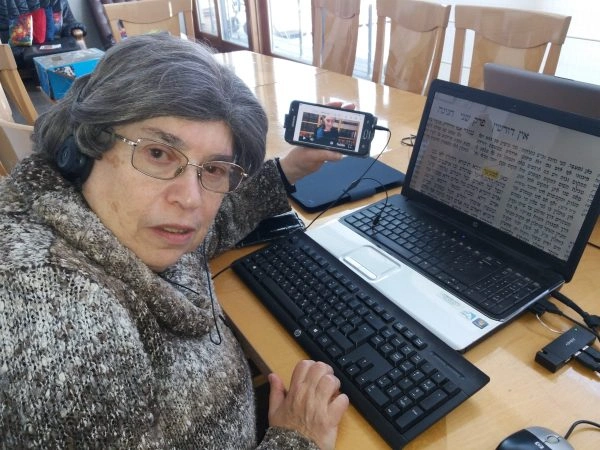
After experiences over the years of asking to join gemara shiurim for men and either being refused by the maggid shiur or being the only women there, sometimes behind a mechitza, I found out about Hadran sometime during the tail end of Masechet Shabbat, I think. Life has been much better since then.
London, United Kingdom
3 years ago, I joined Rabbanit Michelle to organize the unprecedented Siyum HaShas event in Jerusalem for thousands of women. The whole experience was so inspiring that I decided then to start learning the daf and see how I would go…. and I’m still at it. I often listen to the Daf on my bike in mornings, surrounded by both the external & the internal beauty of Eretz Yisrael & Am Yisrael!

Raanana, Israel
I started last year after completing the Pesach Sugiyot class. Masechet Yoma might seem like a difficult set of topics, but for me made Yom Kippur and the Beit HaMikdash come alive. Liturgy I’d always had trouble connecting with took on new meaning as I gained a sense of real people moving through specific spaces in particular ways. It was the perfect introduction; I am so grateful for Hadran!

Minnesota, United States
When the new cycle began, I thought, If not now, when? I’d just turned 72. I feel like a tourist on a tour bus passing astonishing scenery each day. Rabbanit Michelle is my beloved tour guide. When the cycle ends, I’ll be 80. I pray that I’ll have strength and mind to continue the journey to glimpse a little more. My grandchildren think having a daf-learning savta is cool!

Jerusalem, Israel
Inspired by Hadran’s first Siyum ha Shas L’Nashim two years ago, I began daf yomi right after for the next cycle. As to this extraordinary journey together with Hadran..as TS Eliot wrote “We must not cease from exploration and the end of all our exploring will be to arrive where we began and to know the place for the first time.
Jerusalem, Israel
Palo Alto, CA, United States
A beautiful world of Talmudic sages now fill my daily life with discussion and debate.
bringing alive our traditions and texts that has brought new meaning to my life.
I am a מגילת אסתר reader for women . the words in the Mishna of מסכת megillah 17a
הקורא את המגילה למפרע לא יצא were powerful to me.
I hope to have the zchut to complete the cycle for my 70th birthday.

Jerusalem, Israel

Raanana, Israel
I started learning at the beginning of the cycle after a friend persuaded me that it would be right up my alley. I was lucky enough to learn at Rabbanit Michelle’s house before it started on zoom and it was quickly part of my daily routine. I find it so important to see for myself where halachot were derived, where stories were told and to get more insight into how the Rabbis interacted.

Ra’anana, Israel

Mamaroneck, NY, United States

Berlin, Germany
I decided to learn one masechet, Brachot, but quickly fell in love and never stopped! It has been great, everyone is always asking how it’s going and chering me on, and my students are always making sure I did the day’s daf.
Memphis, Tennessee, United States
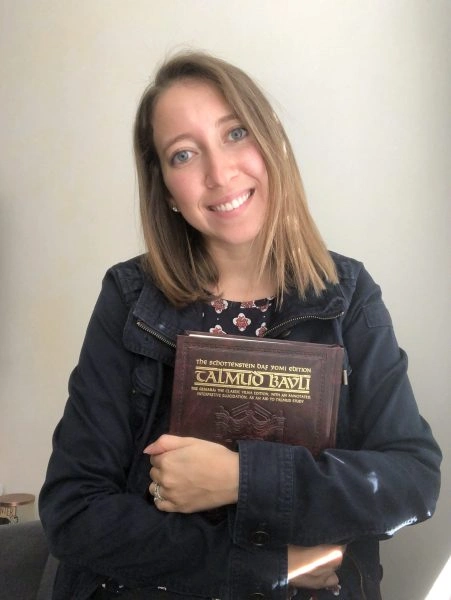
I started learning Daf Yomi in January 2020 after watching my grandfather, Mayer Penstein z”l, finish shas with the previous cycle. My grandfather made learning so much fun was so proud that his grandchildren wanted to join him. I was also inspired by Ilana Kurshan’s book, If All the Seas Were Ink. Two years in, I can say that it has enriched my life in so many ways.

New York, United States
I started my journey on the day I realized that the Siyum was happening in Yerushalayim and I was missing out. What? I told myself. How could I have not known about this? How can I have missed out on this opportunity? I decided that moment, I would start Daf Yomi and Nach Yomi the very next day. I am so grateful to Hadran. I am changed forever because I learn Gemara with women. Thank you.

Mitspe, Israel
I started at the beginning of this cycle. No 1 reason, but here’s 5.
In 2019 I read about the upcoming siyum hashas.
There was a sermon at shul about how anyone can learn Talmud.
Talmud references come up when I am studying. I wanted to know more.
Yentl was on telly. Not a great movie but it’s about studying Talmud.
I went to the Hadran website: A new cycle is starting. I’m gonna do this
Cambridge, United Kingdom
My Daf journey began in August 2012 after participating in the Siyum Hashas where I was blessed as an “enabler” of others. Galvanized into my own learning I recited the Hadran on Shas in January 2020 with Rabbanit Michelle. That Siyum was a highlight in my life. Now, on round two, Daf has become my spiritual anchor to which I attribute manifold blessings.

Englewood NJ, United States
I started learning Jan 2020 when I heard the new cycle was starting. I had tried during the last cycle and didn’t make it past a few weeks. Learning online from old men didn’t speak to my soul and I knew Talmud had to be a soul journey for me. Enter Hadran! Talmud from Rabbanit Michelle Farber from a woman’s perspective, a mother’s perspective and a modern perspective. Motivated to continue!

Brentwood, California, United States
I began learning with Rabbanit Michelle’s wonderful Talmud Skills class on Pesachim, which really enriched my Pesach seder, and I have been learning Daf Yomi off and on over the past year. Because I’m relatively new at this, there is a “chiddush” for me every time I learn, and the knowledge and insights of the group members add so much to my experience. I feel very lucky to be a part of this.
Karmiel, Israel
I started Daf during the pandemic. I listened to a number of podcasts by various Rebbeim until one day, I discovered Rabbanit Farbers podcast. Subsequently I joined the Hadran family in Eruvin. Not the easiest place to begin, Rabbanit Farber made it all understandable and fun. The online live group has bonded together and have really become a supportive, encouraging family.

Edmonton, Alberta, Canada
Bava Batra 172
וְהָא הָאִידָּנָא – דְּלָא קָעָבְדִינַן הָכִי! אֲמַר לֵיהּ: רַבָּנַן תַּקּוֹנֵי תַּקִּינוּ; מַאן דְּעָבֵיד – עָבֵיד, מַאן דְּלָא עָבֵיד – אִיהוּ הוּא דְּאַפְסֵיד אַנַּפְשֵׁיהּ.
But today, when we do not do this either when writing receipts, how can we avoid double collection of a loan? Rav Kahana said to him: The Sages instituted taking this precaution. One who does what the Sages instituted does it and protects himself from loss; and as for one who does not do so, he has brought the loss upon himself, and will suffer the consequences if the promissory note is found and presented in the future.
אֲמַר לְהוּ רָבָא בַּר רַב שֵׁילָא לְהָנְהוּ כָּתְבֵי שְׁטָרֵי אַקְנְיָאתָא: כִּי כָּתְבִיתוּ שְׁטָרֵי אַקְנְיָאתָא; אִי יָדְעִיתוּ יוֹמָא דִּקְנֵיתוּ בֵּיהּ – כְּתֻבוּ, וְאִי לָא – כְּתֻבוּ יוֹמָא דְּקָיְימִיתוּ בֵּיהּ, כִּי הֵיכִי דְּלָא מִתְחֲזֵי כְּשִׁקְרָא.
Rava bar Rav Sheila said to those who wrote deeds of acquisition, i.e., deeds of sale or deeds of gifts for property they acquired: When you write deeds of acquisition after the acquisition was performed, if you know the day on which you effected the acquisition, write that date on the document. But if you do not know the day on which you effected the acquisition, write the date on which you are currently writing the document. You should follow this procedure, and not write an approximate or estimated date, so that the document shall not appear as a falsehood.
אֲמַר לְהוּ רַב לְסָפְרֵיהּ, וְכֵן אֲמַר לְהוּ רַב הוּנָא לְסָפְרֵיהּ: כִּי קָיְימִיתוּ בְּשִׁילֵי – כְּתֻבוּ בְּשִׁילֵי, וְאַף עַל גַּב דִּמְסִירָן לְכוּ מִילֵּי בְּהִינֵי; כִּי קָיְימִיתוּ בְּהִינֵי – כְּתֻבוּ בְּהִינֵי, וְאַף עַל גַּב דִּמְסִירָן לְכוּ מִילֵּי בְּשִׁילֵי.
Rav said to his scribe, and Rav Huna said similarly to his scribe: When you are writing a document and you are situated in Shili, write that the document was written in Shili, and you should do so even if the matters were given over to you, i.e., the transaction attested to in the document took place, in Hini. When you are situated in Hini, write that the document was written in Hini, even if the matters were given over to you in Shili.
אָמַר רָבָא: הַאי מַאן דִּנְקִיט שְׁטָרָא בַּר מְאָה זוּזֵי, וְאָמַר: שַׁוְּיֻהּ נִיהֲלִי תְּרֵי בְּנֵי חַמְשִׁין חַמְשִׁין, לָא מְשַׁוֵּינַן לְהוּ.
§ Rava said: With regard to this one who is holding a promissory note of one hundred dinars, and he says to the court: Prepare this note for me, i.e., exchange it, for two notes of fifty dinars each, so that if the debtor pays half the debt I will be able to give him one document and keep the other, we do not prepare the new notes for him.
מַאי טַעְמָא? עֲבַדוּ רַבָּנַן מִילְּתָא דְּנִיחָא לֵיהּ לְמַלְוֶה, וְנִיחָא לֵיהּ לְלֹוֶה; נִיחָא לֵיהּ לְמַלְוֶה – כְּדֵי שֶׁיָּכוֹף לְפוֹרְעוֹ, וְנִיחָא לְלֹוֶה – כִּי הֵיכִי דְּנִיפְגֹּם שְׁטָרֵיהּ.
What is the reason? The Sages have performed a matter here that is beneficial to the creditor and is beneficial to the debtor as well. It is beneficial to the creditor to keep the promissory note with the larger sum so that he can coerce the debtor to repay him, as there is a greater incentive to pay off a larger promissory note than a smaller one. And it is beneficial to the debtor, so that when he pays half the debt his promissory note becomes vitiated, and the remainder of the sum written in the vitiated promissory note can be collected only if the creditor takes an oath that he has not received the entire sum.
וְאָמַר רָבָא: הַאי מַאן דִּנְקִיט תְּרֵי שְׁטָרֵי בְּנֵי חַמְשִׁין חַמְשִׁין, וְאָמַר: שַׁוִּינְהוּ נִיהֲלִי חַד בַּר מְאָה – לָא מְשַׁוֵּינַן לֵיהּ.
And Rava said further: With regard to this one who is holding two promissory notes, each of fifty dinars, owed by the same person, and he says to the court: Prepare this note for me into a single note of one hundred dinars, we do not prepare the new note for him.
עֲבוּד רַבָּנַן מִילְּתָא דְּנִיחָא לֵיהּ לְמַלְוֶה, וְנִיחָא לֵיהּ לְלֹוֶה; נִיחָא לֵיהּ לְמַלְוֶה – כִּי הֵיכִי דְּלָא נִיפְגּוֹם שְׁטָרֵיהּ, וְנִיחָא לֵיהּ לְלֹוֶה – כְּדֵי שֶׁלֹּא יָכוֹף לְפוֹרְעוֹ.
What is the reason? The Sages have performed a matter here that is beneficial to the creditor and is beneficial to the debtor as well. It is beneficial to the creditor to keep the smaller notes, so that if the debtor pays fifty dinars, his promissory note will not become vitiated, which would require the creditor to take an oath before collecting the remainder. And it is beneficial to the debtor, so that the creditor will not be able to coerce him to repay the debt quickly, as there is a greater incentive to repay a larger sum than a smaller one.
אָמַר רַב אָשֵׁי: הַאי מַאן דִּנְקִיט שְׁטָרָא בַּר מְאָה זוּזֵי, וְאָמַר: שַׁוּוֹנְהִי נִיהֲלִי חַד בַּר חַמְשִׁין – לָא מְשַׁוֵּינָא לֵיהּ.
Rav Ashi says: With regard to this one who is holding a promissory note of one hundred dinars, and he said to the court: Prepare this note for me into one note of fifty dinars, as the debtor has paid me half, we do not prepare the new note for him.
מַאי טַעְמָא? אָמְרִינַן: הַאי מִיפְרָע פַּרְעֵיהּ, וַאֲמַר לֵיהּ: הַב לִי שְׁטָרַאי, וַאֲמַר לֵיהּ: אִירְכַס לִי, וּכְתַיב לֵיהּ תְּבָרָא; וּמַפֵּיק לֵיהּ הַאי, וְאָמַר לֵיהּ: הַאי אַחֲרִינָא הוּא.
What is the reason? We say, i.e., we are concerned, that the following may have happened: This debtor actually repaid all one hundred dinars, and when he did so he said to the creditor: Give me back my promissory note. And the creditor said to him: I lost it. And the creditor wrote a receipt for him in lieu of handing over the promissory note. And now, if we write a new promissory note of fifty dinars for the creditor, he will present this note and say to the debtor, who presents his receipt for a hundred dinars: That receipt is for a different loan that you repaid.
מַתְנִי׳ שְׁנֵי אַחִין – אֶחָד עָנִי וְאֶחָד עָשִׁיר, וְהִנִּיחַ לָהֶן אֲבִיהֶן מֶרְחָץ וּבֵית הַבַּד; עֲשָׂאָן לְשָׂכָר – הַשָּׂכָר לָאֶמְצַע. עֲשָׂאָן לְעַצְמוֹ – הֲרֵי הֶעָשִׁיר אוֹמֵר לֶעָנִי: ״קַח לְךָ עֲבָדִים וְיִרְחֲצוּ בַּמֶּרְחָץ, קַח לְךָ זֵיתִים וּבֹא וַעֲשֵׂה בְּבֵית הַבַּד״.
MISHNA: In a case where there are two brothers, one poor and one rich, and their father left them a bathhouse or an olive press as an inheritance, if the father had built these facilities for profit, i.e., to charge others for using them, the profit that accrues after the father’s death is shared equally by the two brothers. If the father had built them for himself and for the members of his household to use, the poor brother, who has little use for these amenities, cannot force the rich brother to convert the facilities to commercial use; rather, the rich brother can say to the poor brother: Go take servants for yourself, and they will bathe in the bathhouse. Or he can say: Go take olives for yourself, and come and make them into oil in the olive press.
שְׁנַיִם שֶׁהָיוּ בְּעִיר אַחַת, שֵׁם אֶחָד ״יוֹסֵף בֶּן שִׁמְעוֹן״ וְשֵׁם אַחֵר ״יוֹסֵף בֶּן שִׁמְעוֹן״ – אֵין יְכוֹלִין לְהוֹצִיא שְׁטַר חוֹב זֶה עַל זֶה, וְלֹא אַחֵר יָכוֹל לְהוֹצִיא עֲלֵיהֶן שְׁטַר חוֹב.
If there are two people who were living in one city, one named Yosef ben Shimon and the other also named Yosef ben Shimon, one cannot present a promissory note against the other, as the purported debtor can claim: On the contrary, it is you who owed me money; you repaid me and I returned this note to you upon payment. Nor can another, third person, present a promissory note against either of them, as each one can claim: It is not I but the other Yosef ben Shimon who owes you money.
נִמְצָא לְאֶחָד בֵּין שְׁטָרוֹתָיו ״שְׁטָרוֹ שֶׁל יוֹסֵף בֶּן שִׁמְעוֹן פָּרוּעַ״ – שְׁטָרוֹת שְׁנֵיהֶן פְּרוּעִין.
If a document is found among one’s documents stating: The promissory note against Yosef ben Shimon is repaid, and both men named Yosef ben Shimon owed this man money, the promissory notes of both of them are considered repaid, as it cannot be determined which debt was repaid and which is outstanding.
כֵּיצַד יַעֲשׂוּ? יְשַׁלְּשׁוּ, וְאִם הָיוּ מְשׁוּלָּשִׁין – יִכְתְּבוּ סִימָן, וְאִם הָיוּ מְסוּמָּנִין – יִכְתְּבוּ כֹּהֵן.
What should two people with the same name in a single city do in order to conduct their business? They should triple their names by writing three generations: Yosef ben Shimon ben so-and-so. And if they have identical triple names, i.e., not only their fathers but their grandfathers had identical names, they should write an indication as to which one is referred to, such as: The short Yosef ben Shimon or the dark Yosef ben Shimon. And if they have identical indications, they should write: Yosef ben Shimon the priest, if one of them is a priest.
גְּמָ׳ הָהוּא שְׁטָרָא דִּנְפַק לְבֵי דִינָא דְּרַב הוּנָא, דַּהֲוָה כְּתִיב בֵּיהּ: ״אֲנִי פְּלוֹנִי בַּר פְּלוֹנִי לָוִיתִי מָנֶה מִמְּךָ״.
GEMARA: There was a certain promissory note that was presented at the court of Rav Huna, in which it was written: I, so-and-so son of so-and-so, borrowed one hundred dinars from you. No name was given as the creditor, but the one presenting the document claimed that the money was owed to him.
אָמַר רַב הוּנָא: ״מִמְּךָ״ – אֲפִילּוּ מֵרֵישׁ גָּלוּתָא, וַאֲפִילּוּ מִשַּׁבּוּר מַלְכָּא.
Rav Huna said: The term: From you, in the document does not identify anyone in particular, and can mean even: From the Exilarch, or even: From King Shapur.
אֲמַר לֵיהּ רַב חִסְדָּא לְרַבָּה: פּוֹק עַיֵּין בָּהּ, דִּלְאוּרְתָּא בָּעֵי לַהּ רַב הוּנָא מִינָּךְ.
Rav Ḥisda said to Rabba: Go out and investigate this matter, as tonight Rav Huna will ask this question of you.
נְפַק דָּק וְאַשְׁכַּח – דְּתַנְיָא: גֵּט שֶׁיֵּשׁ עָלָיו עֵדִים וְאֵין בּוֹ זְמַן, אַבָּא שָׁאוּל אוֹמֵר: אִם כָּתוּב בּוֹ ״גֵּרַשְׁתִּיהָ הַיּוֹם״ – כָּשֵׁר.
Rabba went out, examined the matter, and discovered a relevant source. As it is taught in a baraita: Concerning a bill of divorce in which there are the signatures of witnesses on the document but there is no date written on it, Abba Shaul says that if it is written in it: I divorced her today, it is valid.
אַלְמָא ״הַיּוֹם״ – הַהוּא יוֹמָא דְּנָפֵיק בֵּיהּ מַשְׁמַע; הָכָא נָמֵי, מִמְּךָ – מֵהָהוּא גַּבְרָא דְּנָפֵיק מִתּוּתֵי יְדֵיהּ מַשְׁמַע.
Rabba concludes: Apparently, the term: Today, indicates that day on which the bill of divorce emerges in the presence of the court. Here too, the term: From you, in a promissory note indicates that man from whose possession it emerges.
אֲמַר לֵיהּ אַבָּיֵי: וְדִלְמָא אַבָּא שָׁאוּל כְּרַבִּי אֱלִיעֶזֶר סְבִירָא לֵיהּ, דְּאָמַר: עֵדֵי מְסִירָה כָּרְתִי; אֲבָל הָכָא לֵיחוּשׁ לִנְפִילָה!
Abaye said to him: But this is not a valid proof, as perhaps Abba Shaul holds in accordance with the opinion of Rabbi Eliezer, who says that witnesses of the transmission of the bill of divorce effect the divorce. But here, let there be a concern for the possibility of the promissory note falling from its rightful owner and being found by the present holder of the document.
אֲמַר לֵיהּ: לִנְפִילָה לָא חָיְישִׁינַן. וּמְנָא תֵּימְרָא דְּלָא חָיְישִׁינַן לִנְפִילָה?
Rabba said to Abaye: We are not concerned for the possibility of a promissory note falling from its rightful owner and being found by another. And from where do you say, i.e., from where can it be proven, that we are not concerned for the possibility of a promissory note falling and being found by another?
דִּתְנַן: שְׁנַיִם שֶׁהָיוּ בְּעִיר אַחַת, שֵׁם אֶחָד יוֹסֵף בֶּן שִׁמְעוֹן וְשֵׁם אַחֵר יוֹסֵף בֶּן שִׁמְעוֹן – אֵינָן יְכוֹלִין לְהוֹצִיא שְׁטַר חוֹב זֶה עַל זֶה, וְלֹא אַחֵר יָכוֹל לְהוֹצִיא עֲלֵיהֶן שְׁטַר חוֹב. הָא הֵם עַל אֲחֵרִים – יְכוֹלִין; וְאַמַּאי? לֵיחוּשׁ לִנְפִילָה! אֶלָּא לָאו שְׁמַע מִינַּהּ לִנְפִילָה לָא חָיְישִׁינַן?
As we learned in the mishna: If there are two people who were living in one city, one named Yosef ben Shimon and the other also named Yosef ben Shimon, one cannot present a promissory note against the other, as the purported debtor can claim: On the contrary, it is you who owed me money; you repaid me and I returned this note to you upon payment. Nor can another, third person, present a promissory note against either of them. This indicates that one of them can present a promissory note against others. But why can they do so? Let there be a concern for the possibility of the promissory note falling from one Yosef ben Shimon and being found by the other. Rather, must one not conclude from this mishna that we are not concerned for the possibility of the promissory note falling from one Yosef ben Shimon and being found by the other?
וְאַבָּיֵי – לִנְפִילָה דְחַד לָא חָיְישִׁינַן, לִנְפִילָה דְרַבִּים חָיְישִׁינַן.
The Gemara asks: And why did Abaye, who is concerned for this possibility, not see a proof to the contrary from the mishna? He would counter: We are not concerned for the possibility of a promissory note falling from one particular person and being found by the other person with the same name, which is the case in the mishna, as that is extremely unlikely. We are concerned for the possibility of a promissory note falling from one of the general public and being found by someone else.

