Search

Bava Batra 68

Want to dedicate learning? Get started here:

podcast placeholder

0:00
0:00


Summary

Today’s daf is sponsored by Rikki and Alan Zibitt in loving memory of Rikki’s father, Mickey Carlin, Shevach ben Avraham z”l on his 20th yahrzeit. “We miss his energy, his vibrant smile, and his fierce love of his children and grandchildren. May his neshama have an aliya.”

Today’s daf is dedicated to all the teachers and students returning to school!

Does the sale of an olive press include stores that sell other items and are also used for drying out sesame seeds before making sesame oil? On what does it depend? What is included in the sale of a privately owned city? Are Caananite slaves considered like land or movable property? Can we derive an answer to that question from the Mishna? Rabban Shimon ben Gamliel included a santer in the sale of a city. There are two possible definitions for a santer – either a registrar who keeps track of the boundaries of the properties or fields outside the city. The Gemara attempts to resolve which definition is right from the case of beit hashlachin mentioned in the Mishna. However, this suggestion is rejected as there are two different ways to interpret the term beit hashlachin. Another source is brought to determine the correct definition for santer, but that attempt is also rejected. Which types of enclosures for animals are included in the sale of a city and which are not? What does the sale of a field include/not include?

Today’s daily daf tools:

Bava Batra 68

בִּימוֹת הַחַמָּה וּבִימוֹת הַגְּשָׁמִים, וְלֹא בֵּית כִּינּוּס הָעֵצִים. וְאִם אָמַר לוֹ: ״בֵּית הַמֶּרְחָץ וְכׇל תַּשְׁמִישָׁיו אֲנִי מוֹכֵר לָךְ״ – כּוּלָּן מְכוּרִין.

in the summer season or in the rainy season, nor has he sold him the storeroom for the wood. But if the seller says to the buyer: I am selling you the bathhouse and all of its accompaniments, all these components are sold.

הָהוּא דַּאֲמַר לֵיהּ לְחַבְרֵיהּ: ״בֵּית הַבַּד וְכׇל תַּשְׁמִישָׁיו אֲנִי מוֹכֵר לָךְ״. הֲוַיָא הָנְהוּ חַנְוָאתָא אַבָּרַאי, דַּהֲווֹ שָׁטְחוּ בְּהוּ שׁוּמְשְׁמֵי. אֲתָא לְקַמֵּיהּ דְּרַב יוֹסֵף,

The Gemara relates: There was a certain person who said to another: I am selling you this olive press and all of its accompaniments. There were certain stores outside of the olive press, where, in addition to the ordinary services that these stores provided, sesame seeds would also be spread out to dry before they would be pressed for their oil. The seller and the buyer disagreed about whether these stores were included in the sale, and the buyer came before Rav Yosef, presenting him with his claim to ownership of the stores.

אֲמַר לֵיהּ: תְּנֵינָא, אִם אָמַר: ״בֵּית הַמֶּרְחָץ וְכׇל תַּשְׁמִישָׁיו אֲנִי מוֹכֵר לָךְ״ – הֲרֵי כּוּלָּן מְכוּרִין. אֲמַר לֵיהּ אַבָּיֵי, וְהָא תָּנֵי רַבִּי חִיָּיא: אֵין כּוּלָּן מְכוּרִין! אֶלָּא אָמַר רַב אָשֵׁי: חָזֵינַן – אִי אֲמַר לֵיהּ: ״בֵּית הַבַּד וְכׇל תַּשְׁמִישָׁיו, וְאִלֵּין מִצְרָנַהָא״ – קָנֵי, וְאִי לָא – לָא קָנֵי.

Rav Yosef said to him: We learned in the previously cited baraita that if the seller says to the buyer: I am selling you the bathhouse and all of its accompaniments, all these components are sold. Rav Yosef held that in this case too, the disputed stores were sold. Abaye said to Rav Yosef: But didn’t Rabbi Ḥiyya teach in a baraita: They are not all sold? Rather, the issue should be resolved as Rav Ashi said: We consider the seller’s statement, and if he said to the buyer: I am selling you the olive press and all of its accompaniments, and these are its boundaries, and he included the area of the stores within those boundaries, the buyer has acquired those stores, but if the seller does not say this, he has not acquired them, as they are not actually part of the olive press.

מַתְנִי׳ הַמּוֹכֵר אֶת הָעִיר – מָכַר בָּתִּים; בּוֹרוֹת, שִׁיחִין וּמְעָרוֹת; מֶרְחֲצָאוֹת וְשׁוֹבָכוֹת; בֵּית הַבַּדִּין וּבֵית הַשְּׁלָחִין; אֲבָל לֹא אֶת הַמִּטַּלְטְלִין. וּבִזְמַן שֶׁאָמַר לוֹ: ״הִיא וְכׇל מַה שֶּׁבְּתוֹכָהּ״ – אֲפִילּוּ הָיוּ בָּהּ בְּהֵמָה וַעֲבָדִים, הֲרֵי כּוּלָּן מְכוּרִין. רַבָּן שִׁמְעוֹן בֶּן גַּמְלִיאֵל אוֹמֵר: הַמּוֹכֵר אֶת הָעִיר – מָכַר אֶת הַסַּנְטֵר.

MISHNA: One who sells a city without specifying what is included in the sale has sold with it the houses, the pits, the ditches and caves, the bathhouses and the dovecotes, and the olive presses and beit hashelaḥin, as will be explained in the Gemara, but he has not sold the movable property in the city. But when the seller says to the buyer: I am selling you it and everything that is in it, even if there were cattle and Canaanite slaves in the city, all these entities are sold. Rabban Shimon ben Gamliel says: One who sells a city has sold with it the santar, the meaning of which will be explained in the Gemara.

גְּמָ׳ אֲמַר לֵיהּ רַב אַחָא בְּרֵיהּ דְּרַב אַוְיָא לְרַב אָשֵׁי: שָׁמְעַתְּ מִינַּהּ, עַבְדָּא כְּמִטַּלְטְלָא דָּמֵי; דְּאִי כִּמְקַרְקַע דָּמֵי, נִיזְדַּבַּן אַגַּב מָתָא! וְאֶלָּא מַאי, עַבְדָּא כְּמִטַּלְטְלָא דָּמֵי?! מַאי אֲפִילּוּ?

GEMARA: Rav Aḥa, son of Rav Avya, said to Rav Ashi: Learn from the mishna that the legal status of a Canaanite slave is like that of movable property, as if it is like that of land, the slave should be sold along with the city. Rav Ashi responded: Rather, what do you claim, that the legal status of a Canaanite slave is like that of movable property? If that is the case, what is the meaning of the mishna’s statement that even if there were cattle and Canaanite slaves in the city, they are all sold? This is obvious, as the slaves should be treated no differently than the rest of the city’s movable property.

אֶלָּא מַאי אִית לָךְ לְמֵימַר – שָׁאנֵי בֵּין מִטַּלְטְלָא דְנָיֵיד מִמִּטַּלְטְלָא דְּלָא נָיֵיד; אֲפִילּוּ תֵּימָא עַבְדָּא כִּמְקַרְקַע דָּמֵי – שָׁאנֵי בֵּין מְקַרְקַע דְּנָיֵיד, לִמְקַרְקַע דְּלָא נָיֵיד.

Rather, what have you to say? You must explain that there is a difference between movable property that moves about by itself, such as slaves, and movable property that does not move about by itself, i.e., inanimate objects. In exactly the same manner, one can claim that even if you say that the legal status of a Canaanite slave is like that of land, there is a difference between land that moves about by itself, i.e., slaves, and land that does not move about by itself.

רַבָּן שִׁמְעוֹן בֶּן גַּמְלִיאֵל אוֹמֵר: הַמּוֹכֵר אֶת הָעִיר – מָכַר אֶת הַסַּנְטֵר. מַאי ״סַנְטֵר״? הָכָא תַּרְגִּימוּ: בַּר מַחְווֹנִיתָא. שִׁמְעוֹן בֶּן אַבְטוּלְמוֹס אוֹמֵר: בָּאגֵי. מַאן דְּאָמַר בַּר מַחְווֹנִיתָא – כׇּל שֶׁכֵּן בָּאגֵי; מַאן דְּאָמַר בָּאגֵי – אֲבָל בַּר מַחְווֹנִיתָא לָא מִיזְדַּבַּן.

§ The mishna teaches: Rabban Shimon ben Gamliel says: One who sells a city has sold with it the santar. The Gemara asks: What is the meaning of the term santar? Here in Babylonia they interpreted it to mean the land registrar [bar maḥavanita] in charge of keeping track of property boundaries. Shimon ben Avtolemos disagrees and says that it is referring to the fields that surround the city. The Gemara comments: The one who says that santar means the land registrar understands that according to Rabban Shimon ben Gamliel, when one sells a city, all the more so are the fields that surround the city included in the sale. But the one who says that it means the fields that surround the city holds that the land registrar is not sold with the city.

תְּנַן: בֵּית הַבַּדִּים וּבֵית הַשְּׁלָחִין. סַבְרוּהָ, מַאי ״שְׁלָחִין״ – בָּאגֵי, דִּכְתִיב: ״וְשֹׁלֵחַ מַיִם עַל פְּנֵי חוּצוֹת״; בִּשְׁלָמָא לְמַאן דְּאָמַר בַּר מַחְווֹנִיתָא – אֲמַר תַּנָּא קַמָּא: בָּאגֵי מִיזְדַּבְּנִי, בַּר מַחְווֹנִיתָא לָא מִיזְדַּבַּן; וַאֲתָא רַבָּן שִׁמְעוֹן בֶּן גַּמְלִיאֵל לְמֵימַר: אֲפִילּוּ בַּר מַחְווֹנִיתָא נָמֵי מִיזְדַּבַּן. אֶלָּא לְמַאן דְּאָמַר בָּאגֵי – תַּנָּא קַמָּא נָמֵי הָכִי קָאָמַר!

The Gemara attempts to adduce proof in support of one of the opinions: We learned in the mishna here that the olive presses and beit hashelaḥin are sold along with the city. The Sages initially maintained: What is meant by shelaḥin? This is referring to irrigated fields, fields that require additional irrigation to supplement the rain that they receive. As it is written: “Who gives rain upon the earth and sends [shole’aḥ] water upon the fields” (Job 5:10). Granted, according to the one who says that santar means the land registrar, the first tanna of the mishna said that the fields that surround the city are sold with the city, but the land registrar is not sold, and Rabban Shimon ben Gamliel comes to say that even the land registrar is sold. But according to the one who says that santar means fields, this is what the first tanna is saying as well. In what way, then, does Rabban Shimon ben Gamliel disagree with the first tanna?

מִי סָבְרַתְּ מַאי ״שְׁלָחִין״ – בָּאגֵי?! לָא; מַאי ״שְׁלָחִין״ – גִּינוּנְיָיתָא, שֶׁנֶּאֱמַר: ״שְׁלָחַיִךְ פַּרְדֵּס רִמּוֹנִים״; אֲבָל בָּאגֵי – לָא מִיזְדַּבְּנִי. וַאֲתָא רַבָּן שִׁמְעוֹן בֶּן גַּמְלִיאֵל לְמֵימַר: אֲפִילּוּ בָּאגֵי נָמֵי מִזְדַּבְּנִי.

The Gemara rejects this proof: Do you maintain that what is meant by shelaḥin is irrigated fields? This is not the case. Rather, what is meant by shelaḥin? This is referring to gardens found within the city, as it is stated: “Your shoots [shelaḥayikh] are an orchard of pomegranates” (Song of Songs 4:13). But the fields that surround the city are not sold. And Rabban Shimon ben Gamliel comes to say that even the fields are sold as well. This is one version of the discussion.

אִיכָּא דְּאָמְרִי: סַבְרוּהָ, מַאי ״שְׁלָחִין״ – גִּינוּנְיָאתָא; בִּשְׁלָמָא לְמַאן דְּאָמַר בָּאגֵי – אָמַר תַּנָּא קַמָּא: גְּנוּנָיְיָתָא מִיזְדַּבַּן, בָּאגֵי לָא מִיזְדַּבְּנִי; וַאֲתָא רַבָּן שִׁמְעוֹן בֶּן גַּמְלִיאֵל לְמֵימַר: אֲפִילּוּ בָּאגֵי מִיזְדַּבְּנִי.

Some say that the discussion took place as follows: The Sages initially assumed that what is meant by shelaḥin? This is referring to gardens found within the city. Granted, according to the one who said that santar means the fields that surround the city, the first tanna of the mishna said that the gardens found within the city are sold along with the city, but the fields that surround the city are not sold, and Rabban Shimon ben Gamliel comes to say that even the fields that surround the city are sold.

אֶלָּא לְמַאן דְּאָמַר בַּר מַחְווֹנִיתָא – אָמַר תַּנָּא קַמָּא: גִּינוּנְיָיתָא; וּמַהְדַּר לֵיהּ רַבָּן שִׁמְעוֹן בֶּן גַּמְלִיאֵל: בַּר מַחְווֹנִיתָא?! מִי סָבְרַתְּ מַאי ״שְׁלָחִין״ – גִּינוּנְיָיתָא?! לָא; מַאי ״שְׁלָחִין״ – בָּגֵי, דִּכְתִיב: ״וְשֹׁלֵחַ מַיִם עַל פְּנֵי חוּצוֹת״; אֲבָל בַּר מַחְווֹנִיתָא – לָא מִזְדַּבַּן. וַאֲתָא רַבָּן שִׁמְעוֹן בֶּן גַּמְלִיאֵל לְמֵימַר, דַּאֲפִילּוּ בַּר מַחְווֹנִיתָא נָמֵי מִזְדַּבַּן.

But according to the one who says that santar means the land registrar, is it reasonable that the first tanna of the mishna said that the gardens within the city are included in the sale of the city, and Rabban Shimon ben Gamliel responded to him that the land registrar is included? How are the two connected? The Gemara answers: Do you maintain that what is meant by shelaḥin is gardens? This is not the case. Rather, what is meant by shelaḥin? This is referring to the fields that surround the city, as it is written: “Who gives rain upon the earth and sends [sholeaḥ] waters upon the fields” (Job 5:10). According to the first tanna, it is specifically the fields that are sold with the city, but the land registrar is not sold. And Rabban Shimon ben Gamliel comes to say that even the land registrar is also sold.

תָּא שְׁמַע, רַבִּי יְהוּדָה אוֹמֵר: סַנְטֵר אֵינוֹ מָכוּר, אַנְקוּלְמוּס מָכוּר. מַאי, לָאו מִדְּאַנְקוּלְמוּס גַּבְרָא, סַנְטֵר נָמֵי גַּבְרָא? מִידֵּי אִירְיָא?! הָא כִּדְאִיתָא וְהָא כִּדְאִיתָא.

The Gemara suggests: Come and hear a proof from the following baraita: Rabbi Yehuda says: The santar is not sold with the city, but the city scribe [ankolemus] is sold with it. What, is it not clear from the fact that the city scribe is a man that the santar is also a man? The Gemara rejects this proof: Are the cases comparable? This case is as it is, and that case is as it is, and santar means fields, and not the land registrar.

וּמִי מָצֵית אָמְרַתְּ הָכִי? וְהָא קָתָנֵי סֵיפָא: אֲבָל לֹא שְׁיָירֶיהָ וְלֹא בְּנוֹתֶיהָ, וְלֹא חוֹרָשִׁין הַמּוּקְצִין לָהּ, וְלֹא בֵּיבָרִין שֶׁל חַיָּה וְשֶׁל עוֹפוֹת וְשֶׁל דָּגִים. וְאָמְרִינַן: מַאי ״שְׁיָירֶיהָ״? בִּיזְלֵי. מַאי בִּיזְלֵי? אָמַר רַבִּי אַבָּא: פִּיסְקֵי בָּגֵי. פִּיסְקֵי בָּגֵי הוּא דְּלָא מִזְדַּבְּנִי, הָא בָּגֵי עַצְמָן – מִזְדַּבְּנִי!

The Gemara asks: How can you say that according to Rabbi Yehuda the fields surrounding the city are not sold along with it? But isn’t it taught in the latter clause of this baraita: But when one sells a city he has not sold its remnants, and not its daughters, i.e., the nearby rural villages, and not the woods that are set aside and designated for the city, and not the enclosures [beivarin] for animals, for birds, and for fish. And we said in explanation: What is meant by its remnants? Bizlei. The Gemara asks: What is the meaning of bizlei? Rabbi Abba said: The strips of the fields that are separated from the main fields by a stretch that cannot be cultivated. From here, it may be inferred that it is the strips of the fields that are not sold with the city, but the fields themselves are sold with it.

אֵיפוֹךְ – רַבִּי יְהוּדָה אוֹמֵר: סַנְטֵר – מָכוּר, אַנְקוּלְמוֹס – אֵינוֹ מָכוּר.

The Gemara suggests: Reverse the statement found in the baraita so that Rabbi Yehuda says that the santar, now understood to mean fields, is sold with the city, but the city scribe is not sold with it.

וּמִי מָצֵית אָמְרַתְּ רַבִּי יְהוּדָה – כְּרַבָּן שִׁמְעוֹן בֶּן גַּמְלִיאֵל סְבִירָא לֵיהּ? וְהָא רַבִּי יְהוּדָה כְּרַבָּנַן סְבִירָא לֵיהּ! דְּקָתָנֵי סֵיפָא: אֲבָל לֹא שְׁיָירֶיהָ וְלֹא בְּנוֹתֶיהָ. וְאִילּוּ רַבָּן שִׁמְעוֹן בֶּן גַּמְלִיאֵל, הָאָמַר: מָכַר אֶת הָעִיר – מָכַר בְּנוֹתֶיהָ! דְּתַנְיָא: הַמּוֹכֵר אֶת הָעִיר – לָא מָכַר אֶת בְּנוֹתֶיהָ. רַבָּן שִׁמְעוֹן בֶּן גַּמְלִיאֵל אוֹמֵר: הַמּוֹכֵר אֶת הָעִיר – מָכַר בְּנוֹתֶיהָ!

The Gemara asks: How can you say that Rabbi Yehuda holds in accordance with the opinion of Rabban Shimon ben Gamliel, to the point that you adduce proof from the words of Rabbi Yehuda with regard to the opinion of Rabban Shimon ben Gamliel? But doesn’t Rabbi Yehuda hold in accordance with the opinion of the Rabbis? As it is taught in the latter clause of that same baraita: But when one sells a city he does not sell its remnants, and he does not sell its daughters, i.e., the nearby rural villages. Whereas with regard to Rabban Shimon ben Gamliel, doesn’t he say that one who sold a city sold its daughters along with it, i.e., the nearby rural villages, as it is taught in a baraita: One who sells a city has not sold its daughters; Rabban Shimon ben Gamliel disagrees and says: One who sells a city has sold its daughters.

רַבִּי יְהוּדָה סָבַר לֵיהּ כְּווֹתֵיהּ בַּחֲדָא, וּפְלִיג עֲלֵיהּ בַּחֲדָא.

The Gemara answers: This does not prove that Rabbi Yehuda disagrees with Rabban Shimon ben Gamliel, as it may be suggested that Rabbi Yehuda holds in accordance with the opinion of Rabban Shimon ben Gamliel with regard to one issue, that the fields that surround the city are included in the sale, and disagrees with him with regard to another issue, as according to Rabbi Yehuda the nearby villages are not sold along with the city.

וְלֹא בֵּיבָרִין שֶׁל חַיָּה וְשֶׁל עוֹפוֹת וְשֶׁל דָּגִים. וּרְמִינְהִי: הָיוּ לָהּ בָּנוֹת – אֵין נִמְכָּרוֹת עִמָּהּ. הָיָה לָהּ חֵלֶק אֶחָד בַּיָּם וְחֵלֶק אֶחָד בַּיַּבָּשָׁה; בֵּיבָרִים שֶׁל חַיָּה וְשֶׁל עוֹפוֹת וְשֶׁל דָּגִים – הֲרֵי אֵלּוּ נִמְכָּרִים עִמָּהּ!

§ The baraita teaches: When one sells a city he has not sold, among other things, the enclosures for animals, for birds, and for fish. And the Gemara raises a contradiction from another baraita: If the city has daughters, i.e., nearby villages, they are not sold along with it. If it has one part on the sea and one part on dry land, or if it has enclosures for animals, for birds, or for fish, these are all sold along with the city.

לָא קַשְׁיָא; הָא דִּנְגִיחַ קַאיְהִי לְגָו, וְהָא דִּנְגִיחַ קַאיְהִי לְבַר. וְהָא קָא תָנֵי: וְלֹא אֶת חוֹרָשִׁין הַמּוּקְצִין לָהּ! אֵימָא: הַמּוּקְצִין הֵימֶנָּה.

The Gemara answers that this is not difficult, as a distinction can be made between different cases: Here, the one baraita addresses animal enclosures whose openings face inward, i.e., toward the city, and they are therefore considered a part of the city, whereas there, the other baraita addresses animal enclosures whose openings face outward, i.e., away from the city, and therefore they are not included in its sale. The Gemara raises a difficulty: But doesn’t the baraita teach: And he has not sold the woods that are set aside for the city, indicating that they face the city, and nevertheless they are not sold along with the city? The Gemara answers: Say that the baraita should be emended so that it reads instead: And he has not sold the woods that are set apart from the city, i.e., that are at a distance and do not face the city.

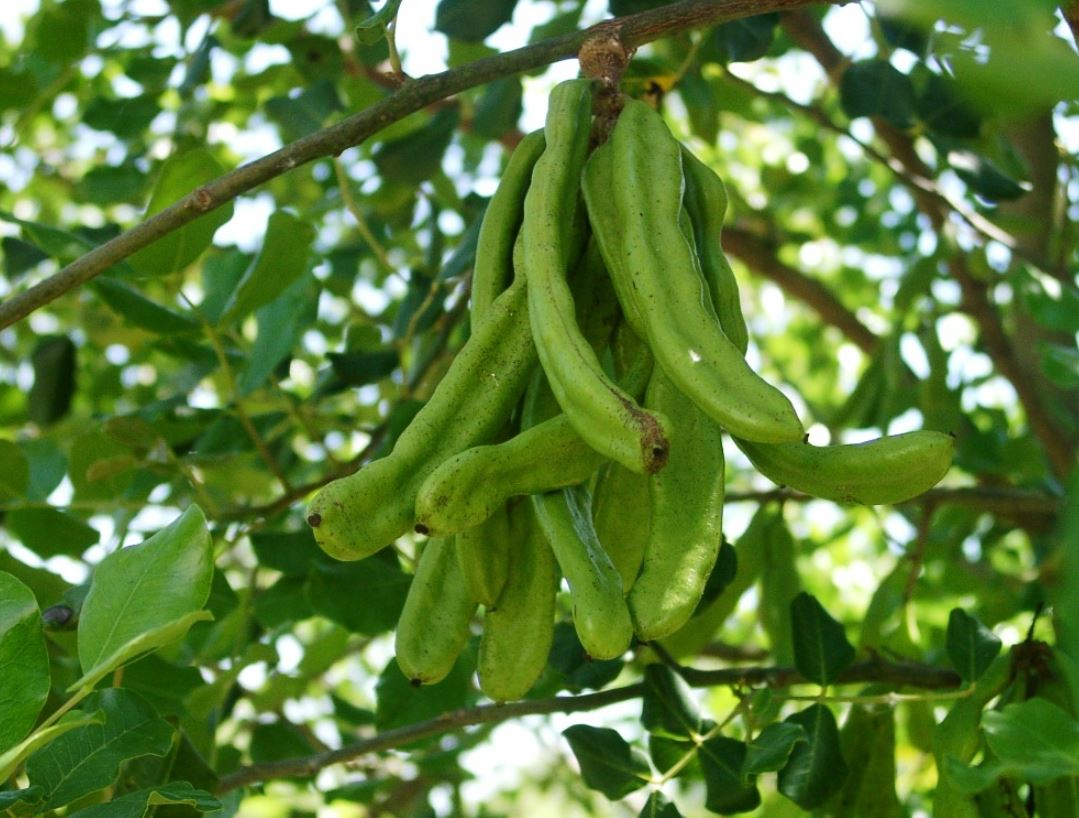
מַתְנִי׳ הַמּוֹכֵר אֶת הַשָּׂדֶה – מָכַר אֶת הָאֲבָנִים שֶׁהֵם לְצׇרְכָּהּ, וְאֶת הַקָּנִים שֶׁבַּכֶּרֶם שֶׁהֵם לְצׇרְכּוֹ, וְאֶת הַתְּבוּאָה שֶׁהִיא מְחוּבֶּרֶת לַקַּרְקַע, וְאֶת חִיצַת הַקָּנִים שֶׁהִיא פְּחוּתָה מִבֵּית רוֹבַע, וְאֶת הַשּׁוֹמֵירָה שֶׁאֵינָהּ עֲשׂוּיָה בְּטִיט, וְאֶת הֶחָרוּב שֶׁאֵינוֹ מוּרְכָּב, וְאֶת בְּתוּלַת הַשִּׁקְמָה.

MISHNA: One who sells a field without specifying what is included in the sale has sold the stones in the field that are for its use, and the reeds in the vineyard that are for its use, and the produce that is still attached to the ground, and the cluster of reeds that occupy less than the area required for sowing a quarter-kav of seed [beit rova], and the watch station that is not plastered with clay, and the young carob tree that has not yet been grafted, and the untrimmed sycamore that is still young.

אֲבָל לֹא מָכַר לֹא אֶת הָאֲבָנִים שֶׁאֵינָן לְצׇרְכָּהּ, וְלֹא אֶת הַקָּנִים שֶׁבַּכֶּרֶם שֶׁאֵינָן לְצׇרְכּוֹ, וְלֹא אֶת הַתְּבוּאָה שֶׁהִיא תְּלוּשָׁה מִן הַקַּרְקַע. בִּזְמַן שֶׁאָמַר לוֹ: ״הִיא וְכׇל מַה שֶּׁבְּתוֹכָהּ״ – הֲרֵי כּוּלָּן מְכוּרִין. בֵּין כָּךְ וּבֵין כָּךְ – לֹא מָכַר לֹא אֶת חִיצַת הַקָּנִים שֶׁהִיא בֵּית רוֹבַע, וְלֹא אֶת הַשּׁוֹמֵירָה שֶׁהִיא עֲשׂוּיָה בְּטִיט, וְלֹא אֶת הֶחָרוּב הַמּוּרְכָּב, וְלֹא אֶת סַדַּן הַשִּׁקְמָה.

But he has not sold along with the field the stones that are not designated for use in the field, and not the reeds in the vineyard that are not designated for its use, and not the produce that is already detached from the ground. When the seller says to the buyer: I am selling you it and everything that is in it, all these components are sold along with the field. Both in this case, where he executes the sale without specification, and in that case, where he adds the phrase that he is selling everything that is in the field, he has not sold the cluster of reeds that occupy a beit rova or more, as they are considered a separate field, and he has not sold the watch station that is plastered with clay, and not the carob tree that has been grafted, and not the sycamore trunk. All of these entities are significant in their own right and have a status independent from that of the fields, and they are therefore not included in the sale of the field.

Today’s daily daf tools:

Delve Deeper

Broaden your understanding of the topics on this daf with classes and podcasts from top women Talmud scholars.

For the Beyond the Daf shiurim offered in Hebrew, see here.

New to Talmud?

Check out our resources designed to help you navigate a page of Talmud – and study at the pace, level and style that fits you. 

The Hadran Women’s Tapestry

Meet the diverse women learning Gemara at Hadran and hear their stories. 

I had dreamed of doing daf yomi since I had my first serious Talmud class 18 years ago at Pardes with Rahel Berkovitz, and then a couple of summers with Leah Rosenthal. There is no way I would be able to do it without another wonderful teacher, Michelle, and the Hadran organization. I wake up and am excited to start each day with the next daf.

Beth Elster
Beth Elster

Irvine, United States

I attended the Siyum so that I could tell my granddaughter that I had been there. Then I decided to listen on Spotify and after the siyum of Brachot, Covid and zoom began. It gave structure to my day. I learn with people from all over the world who are now my friends – yet most of us have never met. I can’t imagine life without it. Thank you Rabbanit Michelle.

Emma Rinberg
Emma Rinberg

Raanana, Israel

I started my Daf Yomi journey at the beginning of the COVID19 pandemic.

Karena Perry
Karena Perry

Los Angeles, United States

I started learning at the beginning of the cycle after a friend persuaded me that it would be right up my alley. I was lucky enough to learn at Rabbanit Michelle’s house before it started on zoom and it was quickly part of my daily routine. I find it so important to see for myself where halachot were derived, where stories were told and to get more insight into how the Rabbis interacted.

Deborah Dickson
Deborah Dickson

Ra’anana, Israel

3 years ago, I joined Rabbanit Michelle to organize the unprecedented Siyum HaShas event in Jerusalem for thousands of women. The whole experience was so inspiring that I decided then to start learning the daf and see how I would go…. and I’m still at it. I often listen to the Daf on my bike in mornings, surrounded by both the external & the internal beauty of Eretz Yisrael & Am Yisrael!

Lisa Kolodny
Lisa Kolodny

Raanana, Israel

In January 2020, my teaching partner at IDC suggested we do daf yomi. Thanks to her challenge, I started learning daily from Rabbanit Michelle. It’s a joy to be part of the Hadran community. (It’s also a tikkun: in 7th grade, my best friend and I tied for first place in a citywide gemara exam, but we weren’t invited to the celebration because girls weren’t supposed to be learning gemara).

Sara-Averick-photo-scaled
Sara Averick

Jerusalem, Israel

I had no formal learning in Talmud until I began my studies in the Joint Program where in 1976 I was one of the few, if not the only, woman talmud major. It was superior training for law school and enabled me to approach my legal studies with a foundation . In 2018, I began daf yomi listening to Rabbanit MIchelle’s pod cast and my daily talmud studies are one of the highlights of my life.

Krivosha_Terri_Bio
Terri Krivosha

Minneapolis, United States

My husband learns Daf, my son learns Daf, my son-in-law learns Daf.
When I read about Hadran’s Siyyum HaShas 2 years ago, I thought- I can learn Daf too!
I had learned Gemara in Hillel HS in NJ, & I remembered loving it.
Rabbanit Michelle & Hadran have opened my eyes & expanding my learning so much in the past few years. We can now discuss Gemara as a family.
This was a life saver during Covid

Renee Braha
Renee Braha

Brooklyn, NY, United States

I heard about the syium in January 2020 & I was excited to start learning then the pandemic started. Learning Daf became something to focus on but also something stressful. As the world changed around me & my family I had to adjust my expectations for myself & the world. Daf Yomi & the Hadran podcast has been something I look forward to every day. It gives me a moment of centering & Judaism daily.

Talia Haykin
Talia Haykin

Denver, United States

It’s hard to believe it has been over two years. Daf yomi has changed my life in so many ways and has been sustaining during this global sea change. Each day means learning something new, digging a little deeper, adding another lens, seeing worlds with new eyes. Daf has also fostered new friendships and deepened childhood connections, as long time friends have unexpectedly become havruta.

Joanna Rom
Joanna Rom

Northwest Washington, United States

I began daf yomi in January 2020 with Brachot. I had made aliya 6 months before, and one of my post-aliya goals was to complete a full cycle. As a life-long Tanach teacher, I wanted to swim from one side of the Yam shel Torah to the other. Daf yomi was also my sanity through COVID. It was the way to marking the progression of time, and feel that I could grow and accomplish while time stopped.

Leah Herzog
Leah Herzog

Givat Zev, Israel

I started to listen to Michelle’s podcasts four years ago. The minute I started I was hooked. I’m so excited to learn the entire Talmud, and think I will continue always. I chose the quote “while a woman is engaged in conversation she also holds the spindle”. (Megillah 14b). It reminds me of all of the amazing women I learn with every day who multi-task, think ahead and accomplish so much.

Julie Mendelsohn
Julie Mendelsohn

Zichron Yakov, Israel

I began my journey two years ago at the beginning of this cycle of the daf yomi. It has been an incredible, challenging experience and has given me a new perspective of Torah Sh’baal Peh and the role it plays in our lives

linda kalish-marcus
linda kalish-marcus

Efrat, Israel

My family recently made Aliyah, because we believe the next chapter in the story of the Jewish people is being written here, and we want to be a part of it. Daf Yomi, on the other hand, connects me BACK, to those who wrote earlier chapters thousands of years ago. So, I feel like I’m living in the middle of this epic story. I’m learning how it all began, and looking ahead to see where it goes!
Tina Lamm
Tina Lamm

Jerusalem, Israel

I started learning at the start of this cycle, and quickly fell in love. It has become such an important part of my day, enriching every part of my life.

Naomi Niederhoffer
Naomi Niederhoffer

Toronto, Canada

I started learning when my brother sent me the news clip of the celebration of the last Daf Yomi cycle. I was so floored to see so many women celebrating that I wanted to be a part of it. It has been an enriching experience studying a text in a language I don’t speak, using background knowledge that I don’t have. It is stretching my learning in unexpected ways, bringing me joy and satisfaction.

Jodi Gladstone
Jodi Gladstone

Warwick, Rhode Island, United States

I decided to give daf yomi a try when I heard about the siyum hashas in 2020. Once the pandemic hit, the daily commitment gave my days some much-needed structure. There have been times when I’ve felt like quitting- especially when encountering very technical details in the text. But then I tell myself, “Look how much you’ve done. You can’t stop now!” So I keep going & my Koren bookshelf grows…

Miriam Eckstein-Koas

Huntington, United States

I started learning Daf Yomi because my sister, Ruth Leah Kahan, attended Michelle’s class in person and suggested I listen remotely. She always sat near Michelle and spoke up during class so that I could hear her voice. Our mom had just died unexpectedly and it made me feel connected to hear Ruth Leah’s voice, and now to know we are both listening to the same thing daily, continents apart.
Jessica Shklar
Jessica Shklar

Philadelphia, United States

When I began the previous cycle, I promised myself that if I stuck with it, I would reward myself with a trip to Israel. Little did I know that the trip would involve attending the first ever women’s siyum and being inspired by so many learners. I am now over 2 years into my second cycle and being part of this large, diverse, fascinating learning family has enhanced my learning exponentially.

Shira Krebs
Shira Krebs

Minnesota, United States

I decided to learn one masechet, Brachot, but quickly fell in love and never stopped! It has been great, everyone is always asking how it’s going and chering me on, and my students are always making sure I did the day’s daf.

Yafit Fishbach
Yafit Fishbach

Memphis, Tennessee, United States

Bava Batra 68

בִּימוֹת הַחַמָּה וּבִימוֹת הַגְּשָׁמִים, וְלֹא בֵּית כִּינּוּס הָעֵצִים. וְאִם אָמַר לוֹ: ״בֵּית הַמֶּרְחָץ וְכׇל תַּשְׁמִישָׁיו אֲנִי מוֹכֵר לָךְ״ – כּוּלָּן מְכוּרִין.

in the summer season or in the rainy season, nor has he sold him the storeroom for the wood. But if the seller says to the buyer: I am selling you the bathhouse and all of its accompaniments, all these components are sold.

הָהוּא דַּאֲמַר לֵיהּ לְחַבְרֵיהּ: ״בֵּית הַבַּד וְכׇל תַּשְׁמִישָׁיו אֲנִי מוֹכֵר לָךְ״. הֲוַיָא הָנְהוּ חַנְוָאתָא אַבָּרַאי, דַּהֲווֹ שָׁטְחוּ בְּהוּ שׁוּמְשְׁמֵי. אֲתָא לְקַמֵּיהּ דְּרַב יוֹסֵף,

The Gemara relates: There was a certain person who said to another: I am selling you this olive press and all of its accompaniments. There were certain stores outside of the olive press, where, in addition to the ordinary services that these stores provided, sesame seeds would also be spread out to dry before they would be pressed for their oil. The seller and the buyer disagreed about whether these stores were included in the sale, and the buyer came before Rav Yosef, presenting him with his claim to ownership of the stores.

אֲמַר לֵיהּ: תְּנֵינָא, אִם אָמַר: ״בֵּית הַמֶּרְחָץ וְכׇל תַּשְׁמִישָׁיו אֲנִי מוֹכֵר לָךְ״ – הֲרֵי כּוּלָּן מְכוּרִין. אֲמַר לֵיהּ אַבָּיֵי, וְהָא תָּנֵי רַבִּי חִיָּיא: אֵין כּוּלָּן מְכוּרִין! אֶלָּא אָמַר רַב אָשֵׁי: חָזֵינַן – אִי אֲמַר לֵיהּ: ״בֵּית הַבַּד וְכׇל תַּשְׁמִישָׁיו, וְאִלֵּין מִצְרָנַהָא״ – קָנֵי, וְאִי לָא – לָא קָנֵי.

Rav Yosef said to him: We learned in the previously cited baraita that if the seller says to the buyer: I am selling you the bathhouse and all of its accompaniments, all these components are sold. Rav Yosef held that in this case too, the disputed stores were sold. Abaye said to Rav Yosef: But didn’t Rabbi Ḥiyya teach in a baraita: They are not all sold? Rather, the issue should be resolved as Rav Ashi said: We consider the seller’s statement, and if he said to the buyer: I am selling you the olive press and all of its accompaniments, and these are its boundaries, and he included the area of the stores within those boundaries, the buyer has acquired those stores, but if the seller does not say this, he has not acquired them, as they are not actually part of the olive press.

מַתְנִי׳ הַמּוֹכֵר אֶת הָעִיר – מָכַר בָּתִּים; בּוֹרוֹת, שִׁיחִין וּמְעָרוֹת; מֶרְחֲצָאוֹת וְשׁוֹבָכוֹת; בֵּית הַבַּדִּין וּבֵית הַשְּׁלָחִין; אֲבָל לֹא אֶת הַמִּטַּלְטְלִין. וּבִזְמַן שֶׁאָמַר לוֹ: ״הִיא וְכׇל מַה שֶּׁבְּתוֹכָהּ״ – אֲפִילּוּ הָיוּ בָּהּ בְּהֵמָה וַעֲבָדִים, הֲרֵי כּוּלָּן מְכוּרִין. רַבָּן שִׁמְעוֹן בֶּן גַּמְלִיאֵל אוֹמֵר: הַמּוֹכֵר אֶת הָעִיר – מָכַר אֶת הַסַּנְטֵר.

MISHNA: One who sells a city without specifying what is included in the sale has sold with it the houses, the pits, the ditches and caves, the bathhouses and the dovecotes, and the olive presses and beit hashelaḥin, as will be explained in the Gemara, but he has not sold the movable property in the city. But when the seller says to the buyer: I am selling you it and everything that is in it, even if there were cattle and Canaanite slaves in the city, all these entities are sold. Rabban Shimon ben Gamliel says: One who sells a city has sold with it the santar, the meaning of which will be explained in the Gemara.

גְּמָ׳ אֲמַר לֵיהּ רַב אַחָא בְּרֵיהּ דְּרַב אַוְיָא לְרַב אָשֵׁי: שָׁמְעַתְּ מִינַּהּ, עַבְדָּא כְּמִטַּלְטְלָא דָּמֵי; דְּאִי כִּמְקַרְקַע דָּמֵי, נִיזְדַּבַּן אַגַּב מָתָא! וְאֶלָּא מַאי, עַבְדָּא כְּמִטַּלְטְלָא דָּמֵי?! מַאי אֲפִילּוּ?

GEMARA: Rav Aḥa, son of Rav Avya, said to Rav Ashi: Learn from the mishna that the legal status of a Canaanite slave is like that of movable property, as if it is like that of land, the slave should be sold along with the city. Rav Ashi responded: Rather, what do you claim, that the legal status of a Canaanite slave is like that of movable property? If that is the case, what is the meaning of the mishna’s statement that even if there were cattle and Canaanite slaves in the city, they are all sold? This is obvious, as the slaves should be treated no differently than the rest of the city’s movable property.

אֶלָּא מַאי אִית לָךְ לְמֵימַר – שָׁאנֵי בֵּין מִטַּלְטְלָא דְנָיֵיד מִמִּטַּלְטְלָא דְּלָא נָיֵיד; אֲפִילּוּ תֵּימָא עַבְדָּא כִּמְקַרְקַע דָּמֵי – שָׁאנֵי בֵּין מְקַרְקַע דְּנָיֵיד, לִמְקַרְקַע דְּלָא נָיֵיד.

Rather, what have you to say? You must explain that there is a difference between movable property that moves about by itself, such as slaves, and movable property that does not move about by itself, i.e., inanimate objects. In exactly the same manner, one can claim that even if you say that the legal status of a Canaanite slave is like that of land, there is a difference between land that moves about by itself, i.e., slaves, and land that does not move about by itself.

רַבָּן שִׁמְעוֹן בֶּן גַּמְלִיאֵל אוֹמֵר: הַמּוֹכֵר אֶת הָעִיר – מָכַר אֶת הַסַּנְטֵר. מַאי ״סַנְטֵר״? הָכָא תַּרְגִּימוּ: בַּר מַחְווֹנִיתָא. שִׁמְעוֹן בֶּן אַבְטוּלְמוֹס אוֹמֵר: בָּאגֵי. מַאן דְּאָמַר בַּר מַחְווֹנִיתָא – כׇּל שֶׁכֵּן בָּאגֵי; מַאן דְּאָמַר בָּאגֵי – אֲבָל בַּר מַחְווֹנִיתָא לָא מִיזְדַּבַּן.

§ The mishna teaches: Rabban Shimon ben Gamliel says: One who sells a city has sold with it the santar. The Gemara asks: What is the meaning of the term santar? Here in Babylonia they interpreted it to mean the land registrar [bar maḥavanita] in charge of keeping track of property boundaries. Shimon ben Avtolemos disagrees and says that it is referring to the fields that surround the city. The Gemara comments: The one who says that santar means the land registrar understands that according to Rabban Shimon ben Gamliel, when one sells a city, all the more so are the fields that surround the city included in the sale. But the one who says that it means the fields that surround the city holds that the land registrar is not sold with the city.

תְּנַן: בֵּית הַבַּדִּים וּבֵית הַשְּׁלָחִין. סַבְרוּהָ, מַאי ״שְׁלָחִין״ – בָּאגֵי, דִּכְתִיב: ״וְשֹׁלֵחַ מַיִם עַל פְּנֵי חוּצוֹת״; בִּשְׁלָמָא לְמַאן דְּאָמַר בַּר מַחְווֹנִיתָא – אֲמַר תַּנָּא קַמָּא: בָּאגֵי מִיזְדַּבְּנִי, בַּר מַחְווֹנִיתָא לָא מִיזְדַּבַּן; וַאֲתָא רַבָּן שִׁמְעוֹן בֶּן גַּמְלִיאֵל לְמֵימַר: אֲפִילּוּ בַּר מַחְווֹנִיתָא נָמֵי מִיזְדַּבַּן. אֶלָּא לְמַאן דְּאָמַר בָּאגֵי – תַּנָּא קַמָּא נָמֵי הָכִי קָאָמַר!

The Gemara attempts to adduce proof in support of one of the opinions: We learned in the mishna here that the olive presses and beit hashelaḥin are sold along with the city. The Sages initially maintained: What is meant by shelaḥin? This is referring to irrigated fields, fields that require additional irrigation to supplement the rain that they receive. As it is written: “Who gives rain upon the earth and sends [shole’aḥ] water upon the fields” (Job 5:10). Granted, according to the one who says that santar means the land registrar, the first tanna of the mishna said that the fields that surround the city are sold with the city, but the land registrar is not sold, and Rabban Shimon ben Gamliel comes to say that even the land registrar is sold. But according to the one who says that santar means fields, this is what the first tanna is saying as well. In what way, then, does Rabban Shimon ben Gamliel disagree with the first tanna?

מִי סָבְרַתְּ מַאי ״שְׁלָחִין״ – בָּאגֵי?! לָא; מַאי ״שְׁלָחִין״ – גִּינוּנְיָיתָא, שֶׁנֶּאֱמַר: ״שְׁלָחַיִךְ פַּרְדֵּס רִמּוֹנִים״; אֲבָל בָּאגֵי – לָא מִיזְדַּבְּנִי. וַאֲתָא רַבָּן שִׁמְעוֹן בֶּן גַּמְלִיאֵל לְמֵימַר: אֲפִילּוּ בָּאגֵי נָמֵי מִזְדַּבְּנִי.

The Gemara rejects this proof: Do you maintain that what is meant by shelaḥin is irrigated fields? This is not the case. Rather, what is meant by shelaḥin? This is referring to gardens found within the city, as it is stated: “Your shoots [shelaḥayikh] are an orchard of pomegranates” (Song of Songs 4:13). But the fields that surround the city are not sold. And Rabban Shimon ben Gamliel comes to say that even the fields are sold as well. This is one version of the discussion.

אִיכָּא דְּאָמְרִי: סַבְרוּהָ, מַאי ״שְׁלָחִין״ – גִּינוּנְיָאתָא; בִּשְׁלָמָא לְמַאן דְּאָמַר בָּאגֵי – אָמַר תַּנָּא קַמָּא: גְּנוּנָיְיָתָא מִיזְדַּבַּן, בָּאגֵי לָא מִיזְדַּבְּנִי; וַאֲתָא רַבָּן שִׁמְעוֹן בֶּן גַּמְלִיאֵל לְמֵימַר: אֲפִילּוּ בָּאגֵי מִיזְדַּבְּנִי.

Some say that the discussion took place as follows: The Sages initially assumed that what is meant by shelaḥin? This is referring to gardens found within the city. Granted, according to the one who said that santar means the fields that surround the city, the first tanna of the mishna said that the gardens found within the city are sold along with the city, but the fields that surround the city are not sold, and Rabban Shimon ben Gamliel comes to say that even the fields that surround the city are sold.

אֶלָּא לְמַאן דְּאָמַר בַּר מַחְווֹנִיתָא – אָמַר תַּנָּא קַמָּא: גִּינוּנְיָיתָא; וּמַהְדַּר לֵיהּ רַבָּן שִׁמְעוֹן בֶּן גַּמְלִיאֵל: בַּר מַחְווֹנִיתָא?! מִי סָבְרַתְּ מַאי ״שְׁלָחִין״ – גִּינוּנְיָיתָא?! לָא; מַאי ״שְׁלָחִין״ – בָּגֵי, דִּכְתִיב: ״וְשֹׁלֵחַ מַיִם עַל פְּנֵי חוּצוֹת״; אֲבָל בַּר מַחְווֹנִיתָא – לָא מִזְדַּבַּן. וַאֲתָא רַבָּן שִׁמְעוֹן בֶּן גַּמְלִיאֵל לְמֵימַר, דַּאֲפִילּוּ בַּר מַחְווֹנִיתָא נָמֵי מִזְדַּבַּן.

But according to the one who says that santar means the land registrar, is it reasonable that the first tanna of the mishna said that the gardens within the city are included in the sale of the city, and Rabban Shimon ben Gamliel responded to him that the land registrar is included? How are the two connected? The Gemara answers: Do you maintain that what is meant by shelaḥin is gardens? This is not the case. Rather, what is meant by shelaḥin? This is referring to the fields that surround the city, as it is written: “Who gives rain upon the earth and sends [sholeaḥ] waters upon the fields” (Job 5:10). According to the first tanna, it is specifically the fields that are sold with the city, but the land registrar is not sold. And Rabban Shimon ben Gamliel comes to say that even the land registrar is also sold.

תָּא שְׁמַע, רַבִּי יְהוּדָה אוֹמֵר: סַנְטֵר אֵינוֹ מָכוּר, אַנְקוּלְמוּס מָכוּר. מַאי, לָאו מִדְּאַנְקוּלְמוּס גַּבְרָא, סַנְטֵר נָמֵי גַּבְרָא? מִידֵּי אִירְיָא?! הָא כִּדְאִיתָא וְהָא כִּדְאִיתָא.

The Gemara suggests: Come and hear a proof from the following baraita: Rabbi Yehuda says: The santar is not sold with the city, but the city scribe [ankolemus] is sold with it. What, is it not clear from the fact that the city scribe is a man that the santar is also a man? The Gemara rejects this proof: Are the cases comparable? This case is as it is, and that case is as it is, and santar means fields, and not the land registrar.

וּמִי מָצֵית אָמְרַתְּ הָכִי? וְהָא קָתָנֵי סֵיפָא: אֲבָל לֹא שְׁיָירֶיהָ וְלֹא בְּנוֹתֶיהָ, וְלֹא חוֹרָשִׁין הַמּוּקְצִין לָהּ, וְלֹא בֵּיבָרִין שֶׁל חַיָּה וְשֶׁל עוֹפוֹת וְשֶׁל דָּגִים. וְאָמְרִינַן: מַאי ״שְׁיָירֶיהָ״? בִּיזְלֵי. מַאי בִּיזְלֵי? אָמַר רַבִּי אַבָּא: פִּיסְקֵי בָּגֵי. פִּיסְקֵי בָּגֵי הוּא דְּלָא מִזְדַּבְּנִי, הָא בָּגֵי עַצְמָן – מִזְדַּבְּנִי!

The Gemara asks: How can you say that according to Rabbi Yehuda the fields surrounding the city are not sold along with it? But isn’t it taught in the latter clause of this baraita: But when one sells a city he has not sold its remnants, and not its daughters, i.e., the nearby rural villages, and not the woods that are set aside and designated for the city, and not the enclosures [beivarin] for animals, for birds, and for fish. And we said in explanation: What is meant by its remnants? Bizlei. The Gemara asks: What is the meaning of bizlei? Rabbi Abba said: The strips of the fields that are separated from the main fields by a stretch that cannot be cultivated. From here, it may be inferred that it is the strips of the fields that are not sold with the city, but the fields themselves are sold with it.

אֵיפוֹךְ – רַבִּי יְהוּדָה אוֹמֵר: סַנְטֵר – מָכוּר, אַנְקוּלְמוֹס – אֵינוֹ מָכוּר.

The Gemara suggests: Reverse the statement found in the baraita so that Rabbi Yehuda says that the santar, now understood to mean fields, is sold with the city, but the city scribe is not sold with it.

וּמִי מָצֵית אָמְרַתְּ רַבִּי יְהוּדָה – כְּרַבָּן שִׁמְעוֹן בֶּן גַּמְלִיאֵל סְבִירָא לֵיהּ? וְהָא רַבִּי יְהוּדָה כְּרַבָּנַן סְבִירָא לֵיהּ! דְּקָתָנֵי סֵיפָא: אֲבָל לֹא שְׁיָירֶיהָ וְלֹא בְּנוֹתֶיהָ. וְאִילּוּ רַבָּן שִׁמְעוֹן בֶּן גַּמְלִיאֵל, הָאָמַר: מָכַר אֶת הָעִיר – מָכַר בְּנוֹתֶיהָ! דְּתַנְיָא: הַמּוֹכֵר אֶת הָעִיר – לָא מָכַר אֶת בְּנוֹתֶיהָ. רַבָּן שִׁמְעוֹן בֶּן גַּמְלִיאֵל אוֹמֵר: הַמּוֹכֵר אֶת הָעִיר – מָכַר בְּנוֹתֶיהָ!

The Gemara asks: How can you say that Rabbi Yehuda holds in accordance with the opinion of Rabban Shimon ben Gamliel, to the point that you adduce proof from the words of Rabbi Yehuda with regard to the opinion of Rabban Shimon ben Gamliel? But doesn’t Rabbi Yehuda hold in accordance with the opinion of the Rabbis? As it is taught in the latter clause of that same baraita: But when one sells a city he does not sell its remnants, and he does not sell its daughters, i.e., the nearby rural villages. Whereas with regard to Rabban Shimon ben Gamliel, doesn’t he say that one who sold a city sold its daughters along with it, i.e., the nearby rural villages, as it is taught in a baraita: One who sells a city has not sold its daughters; Rabban Shimon ben Gamliel disagrees and says: One who sells a city has sold its daughters.

רַבִּי יְהוּדָה סָבַר לֵיהּ כְּווֹתֵיהּ בַּחֲדָא, וּפְלִיג עֲלֵיהּ בַּחֲדָא.

The Gemara answers: This does not prove that Rabbi Yehuda disagrees with Rabban Shimon ben Gamliel, as it may be suggested that Rabbi Yehuda holds in accordance with the opinion of Rabban Shimon ben Gamliel with regard to one issue, that the fields that surround the city are included in the sale, and disagrees with him with regard to another issue, as according to Rabbi Yehuda the nearby villages are not sold along with the city.

וְלֹא בֵּיבָרִין שֶׁל חַיָּה וְשֶׁל עוֹפוֹת וְשֶׁל דָּגִים. וּרְמִינְהִי: הָיוּ לָהּ בָּנוֹת – אֵין נִמְכָּרוֹת עִמָּהּ. הָיָה לָהּ חֵלֶק אֶחָד בַּיָּם וְחֵלֶק אֶחָד בַּיַּבָּשָׁה; בֵּיבָרִים שֶׁל חַיָּה וְשֶׁל עוֹפוֹת וְשֶׁל דָּגִים – הֲרֵי אֵלּוּ נִמְכָּרִים עִמָּהּ!

§ The baraita teaches: When one sells a city he has not sold, among other things, the enclosures for animals, for birds, and for fish. And the Gemara raises a contradiction from another baraita: If the city has daughters, i.e., nearby villages, they are not sold along with it. If it has one part on the sea and one part on dry land, or if it has enclosures for animals, for birds, or for fish, these are all sold along with the city.

לָא קַשְׁיָא; הָא דִּנְגִיחַ קַאיְהִי לְגָו, וְהָא דִּנְגִיחַ קַאיְהִי לְבַר. וְהָא קָא תָנֵי: וְלֹא אֶת חוֹרָשִׁין הַמּוּקְצִין לָהּ! אֵימָא: הַמּוּקְצִין הֵימֶנָּה.

The Gemara answers that this is not difficult, as a distinction can be made between different cases: Here, the one baraita addresses animal enclosures whose openings face inward, i.e., toward the city, and they are therefore considered a part of the city, whereas there, the other baraita addresses animal enclosures whose openings face outward, i.e., away from the city, and therefore they are not included in its sale. The Gemara raises a difficulty: But doesn’t the baraita teach: And he has not sold the woods that are set aside for the city, indicating that they face the city, and nevertheless they are not sold along with the city? The Gemara answers: Say that the baraita should be emended so that it reads instead: And he has not sold the woods that are set apart from the city, i.e., that are at a distance and do not face the city.

מַתְנִי׳ הַמּוֹכֵר אֶת הַשָּׂדֶה – מָכַר אֶת הָאֲבָנִים שֶׁהֵם לְצׇרְכָּהּ, וְאֶת הַקָּנִים שֶׁבַּכֶּרֶם שֶׁהֵם לְצׇרְכּוֹ, וְאֶת הַתְּבוּאָה שֶׁהִיא מְחוּבֶּרֶת לַקַּרְקַע, וְאֶת חִיצַת הַקָּנִים שֶׁהִיא פְּחוּתָה מִבֵּית רוֹבַע, וְאֶת הַשּׁוֹמֵירָה שֶׁאֵינָהּ עֲשׂוּיָה בְּטִיט, וְאֶת הֶחָרוּב שֶׁאֵינוֹ מוּרְכָּב, וְאֶת בְּתוּלַת הַשִּׁקְמָה.

MISHNA: One who sells a field without specifying what is included in the sale has sold the stones in the field that are for its use, and the reeds in the vineyard that are for its use, and the produce that is still attached to the ground, and the cluster of reeds that occupy less than the area required for sowing a quarter-kav of seed [beit rova], and the watch station that is not plastered with clay, and the young carob tree that has not yet been grafted, and the untrimmed sycamore that is still young.

אֲבָל לֹא מָכַר לֹא אֶת הָאֲבָנִים שֶׁאֵינָן לְצׇרְכָּהּ, וְלֹא אֶת הַקָּנִים שֶׁבַּכֶּרֶם שֶׁאֵינָן לְצׇרְכּוֹ, וְלֹא אֶת הַתְּבוּאָה שֶׁהִיא תְּלוּשָׁה מִן הַקַּרְקַע. בִּזְמַן שֶׁאָמַר לוֹ: ״הִיא וְכׇל מַה שֶּׁבְּתוֹכָהּ״ – הֲרֵי כּוּלָּן מְכוּרִין. בֵּין כָּךְ וּבֵין כָּךְ – לֹא מָכַר לֹא אֶת חִיצַת הַקָּנִים שֶׁהִיא בֵּית רוֹבַע, וְלֹא אֶת הַשּׁוֹמֵירָה שֶׁהִיא עֲשׂוּיָה בְּטִיט, וְלֹא אֶת הֶחָרוּב הַמּוּרְכָּב, וְלֹא אֶת סַדַּן הַשִּׁקְמָה.

But he has not sold along with the field the stones that are not designated for use in the field, and not the reeds in the vineyard that are not designated for its use, and not the produce that is already detached from the ground. When the seller says to the buyer: I am selling you it and everything that is in it, all these components are sold along with the field. Both in this case, where he executes the sale without specification, and in that case, where he adds the phrase that he is selling everything that is in the field, he has not sold the cluster of reeds that occupy a beit rova or more, as they are considered a separate field, and he has not sold the watch station that is plastered with clay, and not the carob tree that has been grafted, and not the sycamore trunk. All of these entities are significant in their own right and have a status independent from that of the fields, and they are therefore not included in the sale of the field.

Want to follow content and continue where you left off?

Create an account today to track your progress, mark what you’ve learned, and follow the shiurim that speak to you.
Clear all items from this list?

This will remove ALL the items in this section. You will lose any progress or history connected to them. This is irreversible.

Cancel
Yes, clear all

Are you sure you want to delete this item?

You will lose any progress or history connected to this item.

Cancel
Yes, delete