Search

Bava Batra 77

Want to dedicate learning? Get started here:

podcast placeholder

0:00
0:00


Summary

Ameimar rules on how one can transfer a promissory note to another. There are two different versions of the text – each reaching the opposite conclusion. Although Amerimar explains that his ruling was learned by tradition, Rav Ashi explains the logic behind the ruling. The Gemara raises a difficulty with Rav Ashi’s logical argument but then resolves the difficulty.

The Mishna continues with other purchases related to wagons and animals and rules on what items are included/not included in the sale. Rabbi Yehuda and the rabbis disagree about whether the amount of money spent on the item can be a determining factor about what is included/not included in a purchase. The Gemara limits their debate to a more specific case.

Today’s daily daf tools:

Bava Batra 77

אָמַר אַמֵּימָר, הִלְכְתָא: אוֹתִיּוֹת נִקְנוֹת בִּמְסִירָה, כְּרַבִּי. אָמַר לֵיהּ רַב אָשֵׁי לְאַמֵּימָר: גְּמָרָא, אוֹ סְבָרָא? אָמַר לֵיהּ: גְּמָרָא. אָמַר רַב אָשֵׁי: סְבָרָא נָמֵי הוּא – דְּאוֹתִיּוֹת מִילֵּי נִינְהוּ, וּמִילֵּי בְּמִילֵּי לָא מִיקַּנְיָן.

Ameimar says: The halakha is that letters are acquired by merely transferring the document to the buyer, in accordance with the opinion of Rabbi Yehuda HaNasi. Rav Ashi said to Ameimar: Is your ruling based on a tradition or on your own logical reasoning? Ameimar said to him: It is based on a tradition. Rav Ashi said: It also stands to reason that the contents of a promissory note are acquired through transferring, as letters, i.e., the contents of a promissory note, are words, i.e., the buyer is acquiring the right to a monetary obligation, not a physical item, and words cannot be acquired through other words.

וְלָא?! וְהָאָמַר רַבָּה בַּר יִצְחָק אָמַר רַב: שְׁנֵי שְׁטָרוֹת הֵם – ״זְכוּ בְּשָׂדֶה לִפְלוֹנִי וְכִתְבוּ לוֹ אֶת הַשְּׁטָר״ – חוֹזֵר בַּשְּׁטָר, וְאֵינוֹ חוֹזֵר בַּשָּׂדֶה.

The Gemara asks: And is it true that documents cannot be acquired through words? But doesn’t Rabba bar Yitzḥak say that Rav says: There are two types of documents. The first type is where one says to others: Take possession of this field for so-and-so and write the document for him as proof of the sale of the field. In this case, he may renege with regard to the document, i.e., he may change his mind and tell them not to write it. But he may not renege with regard to the field, as the buyer has already acquired it.

״עַל מְנָת שֶׁתִּכְתְּבוּ לוֹ אֶת הַשְּׁטָר״ – חוֹזֵר בֵּין בַּשְּׁטָר בֵּין בַּשָּׂדֶה.

The second type of document is where he said: Take possession of this field for so-and-so on the condition that you write him a document. If the document has not yet been delivered he can retract his instruction both with regard to the document and with regard to the field, as the transfer of the field is dependent on the writing of the document.

וְרַב חִיָּיא בַּר אָבִין אָמַר רַב הוּנָא: שְׁלֹשָׁה שְׁטָרוֹת הֵן; תְּרֵי – הָא דַּאֲמַרַן, אִידַּךְ – אִם קָדַם מוֹכֵר וְכָתַב אֶת הַשְּׁטָר.

And Rav Ḥiyya bar Avin says that Rav Huna says: There are actually three types of documents. Two are those that we stated above, and the other is if the seller wrote the document in advance.

כְּאוֹתָהּ שֶׁשָּׁנִינוּ: כּוֹתְבִין שְׁטָר לַמּוֹכֵר אַף עַל פִּי שֶׁאֵין לוֹקֵחַ עִמּוֹ. כֵּיוָן שֶׁהֶחְזִיק זֶה בַּקַּרְקַע – נִקְנָה שְׁטָר בְּכׇל מָקוֹם שֶׁהוּא; וְזוֹ הִיא שֶׁשָּׁנִינוּ: נְכָסִים שֶׁאֵין לָהֶן אַחְרָיוּת נִקְנִין עִם נְכָסִים שֶׁיֵּשׁ לָהֶן אַחְרָיוּת, בְּכֶסֶף וּשְׁטָר וַחֲזָקָה!

This is like that which we learned in a mishna (167b): A scribe may write a bill of sale for the seller even if the buyer is not with him when the seller presents his request. In a case of this kind, once this buyer takes possession of the land the deed is acquired wherever it is. And this is that which we learned in another mishna (Kiddushin 26a): Property that does not serve as a guarantee, i.e., movable property, can be acquired together with property that serves as a guarantee, i.e., land, when the land is acquired by means of giving money, or by means of giving a document, or by means of taking possession. This shows that a bill of sale can be transferred without any act of acquisition performed for the document, and certainly through words, which presents a difficulty to Rav Ashi’s opinion.

אַגַּב שָׁאנֵי; דְּהָא מַטְבֵּעַ – דְּלָא נִיקְנֵי בַּחֲלִיפִין, וְאַגַּב אַרְעָא נִיקְנֵי.

The Gemara answers: Acquiring a bill of sale by means of acquisition of land is different, as it is similar to acquisition through an item, not by means of words. The reason is that money, which cannot be acquired through symbolic exchange, a pro forma act of acquisition effecting the transfer of ownership of an item, nevertheless can be acquired by means of land.

כִּי הָא דְּרַב פָּפָּא הֲווֹ לֵיהּ תְּרֵיסַר אַלְפֵי זוּזֵי בֵּי חוֹזָאֵי, אַקְנִינְהוּ נִיהֲלֵיהּ לְרַב שְׁמוּאֵל בַּר אַחָא אַגַּב אַסִּיפָּא דְבֵיתֵיהּ. כִּי אֲתָא, נְפַק לְאַפֵּיהּ עַד תְּווֹךְ.

This is like that incident where Rav Pappa had deposited twelve thousand dinars with bailees in Bei Ḥozai. He transferred ownership of the money in Bei Ḥozai to his agent Rav Shmuel bar Aḥa by means of the threshold of his house. The Gemara adds: When Rav Shmuel bar Aḥa came from Bei Ḥozai with the money, Rav Pappa was so happy that he was bringing him his money that he went out all the way until Tavakh to greet him.

אֲבָל לֹא מָכַר לֹא אֶת הָעֲבָדִים וְלֹא אֶת הַמַּרְצוּפִין וְלֹא אֶת הָאַנְתִיקֵי וְכוּ׳. מַאי ״אַנְתִיקֵי״? אָמַר רַב פָּפָּא: עִיסְקָא דִּבְגַוַּוהּ.

§ The mishna teaches that when one sells a ship he has sold various other items; but he has not sold the slaves, nor the packing bags, nor the antikei. But when one said to the buyer: You are purchasing the ship and all that it contains, all of these are sold as well. The Gemara asks: What is the meaning of antikei? Rav Pappa said: It means the merchandise that is on the ship. This merchandise is not sold together with the ship.

מַתְנִי׳ מָכַר אֶת הַקָּרוֹן – לֹא מָכַר אֶת הַפְּרָדוֹת, מָכַר אֶת הַפְּרָדוֹת – לֹא מָכַר אֶת הַקָּרוֹן. מָכַר אֶת הַצֶּמֶד – לֹא מָכַר אֶת הַבָּקָר, מָכַר אֶת הַבָּקָר – לֹא מָכַר אֶת הַצֶּמֶד. רַבִּי יְהוּדָה אוֹמֵר: הַדָּמִים מוֹדִיעִין. כֵּיצַד? אָמַר לוֹ: ״מְכוֹר לִי צִימְדָּךְ בְּמָאתַיִם זוּז״ – הַדָּבָר יָדוּעַ שֶׁאֵין הַצֶּמֶד בְּמָאתַיִם זוּז. וַחֲכָמִים אוֹמְרִים: אֵין הַדָּמִים רְאָיָה.

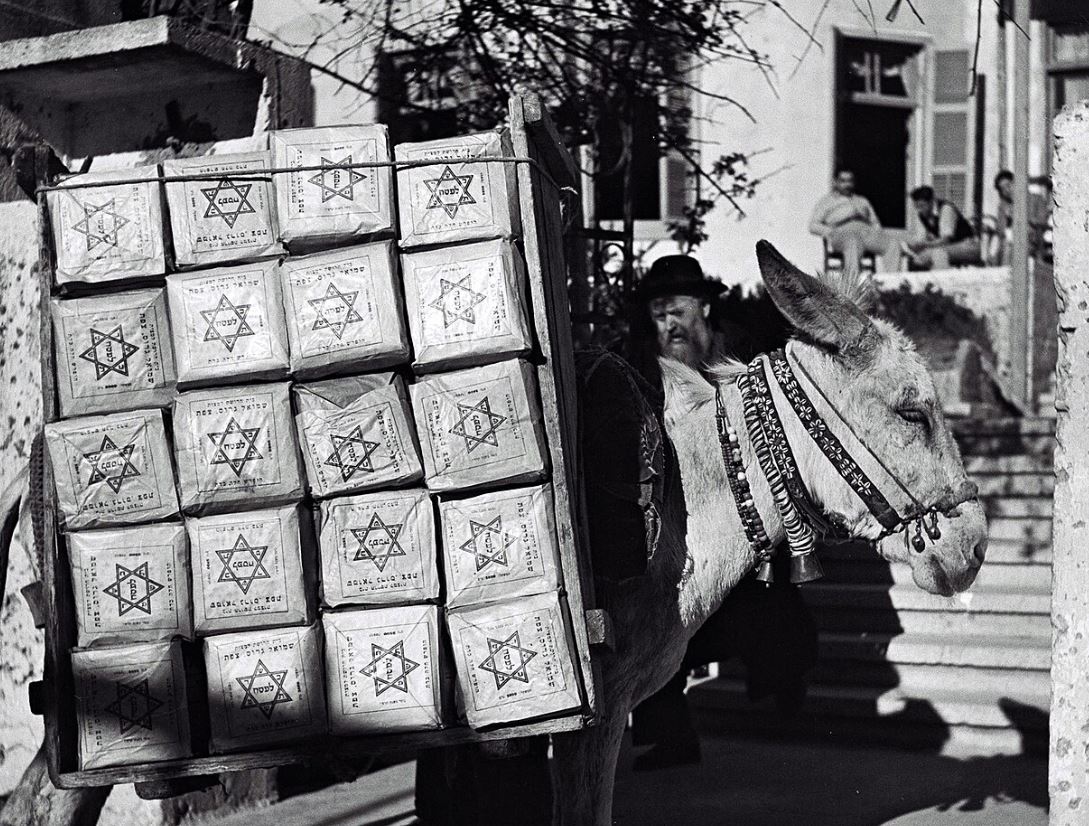
MISHNA: One who sold a wagon [hakkaron] has not sold the mules that pull the wagon. Similarly, if one sold the mules, he has not sold the wagon. One who sold a yoke [hatzemed] has not sold the oxen, and one who sold the oxen has not sold the yoke. Rabbi Yehuda says: The sum of money indicates what one has sold. How so? If the buyer said to the seller: Sell me your yoke for two hundred dinars, since it is a known matter that a yoke is not sold for two hundred dinars he clearly intended to purchase the oxen as well. And the Rabbis say: The sum of money is not proof.

גְּמָ׳ תָּנֵי רַב תַּחְלִיפָא בַּר מַעְרְבָא קַמֵּיהּ דְּרַבִּי אֲבָהוּ: מָכַר אֶת הַקָּרוֹן – מָכַר אֶת הַפְּרָדוֹת. וְהָא אֲנַן ״לֹא מָכַר״ תְּנַן! אֲמַר לֵיהּ: אִיסְמְיַיהּ? אֲמַר לֵיהּ: לָא, תִּיתַּרְגֵּם מַתְנִיתָיךְ בַּאֲדוּקִין בּוֹ.

GEMARA: Rav Taḥlifa, from the West, i.e., Eretz Yisrael, taught a baraita before Rabbi Abbahu. If one sold a wagon, he has sold the mules together with it. Rabbi Abbahu asked: But didn’t we learn in the mishna that he has not sold the mules? Rav Taḥlifa said to him: Should I erase this baraita, as it is incorrect? Rabbi Abbahu said to him: No, do not erase it; you should explain that your baraita is referring to a case where the mules are fastened to the wagon. In that situation, one who purchases the wagon receives the mules as well.

מָכַר אֶת הַצֶּמֶד – לֹא מָכַר אֶת הַבָּקָר וְכוּ׳. הֵיכִי דָמֵי? אִילֵּימָא דְּקָרוּ לְצִימְדָּא ״צִימְדָּא״ וּלְבָקָר ״בָּקָר״ – פְּשִׁיטָא; צִימְדָּא זַבֵּין לֵיהּ, בָּקָר לָא זַבֵּין לֵיהּ! וְאֶלָּא דְּקָרוּ לֵיהּ נָמֵי לְבָקָר ״צִימְדָּא״? כּוּלֵּיהּ זַבֵּין לֵיהּ!

The mishna teaches: One who sold a yoke has not sold the oxen; and the Rabbis and Rabbi Yehuda disagree over whether the sum of money proves exactly what was sold. The Gemara analyzes their disagreement: What are the circumstances? If we say that the mishna is referring to a place where they call a yoke: Tzimda, and they call oxen: Bakar, it is obvious that he sold him a yoke and did not sell him the oxen. But if the mishna is referring to a place where they also call oxen: Tzimda, then the seller sold him everything.

לָא צְרִיכָא, בְּאַתְרָא דְּקָרוּ לֵיהּ לְצִימְדָּא ״צִימְדָּא״ וּלְבָקָר ״בָּקָר״, וְאִיכָּא נָמֵי דְּקָרוּ לְבָקָר ״צִימְדָּא״; רַבִּי יְהוּדָה סָבַר: הַדָּמִים מוֹדִיעִין, וְרַבָּנַן סָבְרִי: אֵין הַדָּמִים רְאָיָה. וְאִי אֵין הַדָּמִים רְאָיָה, לֶיהֱוֵי בִּיטּוּל מִקָּח!

The Gemara explains: No, their dispute is necessary in a place where they call a yoke: Tzimda, and call oxen: Bakar, but there are also those who call oxen: Tzimda. Since it is unclear what is meant by the term: Tzimda, Rabbi Yehuda holds that the sum of money indicates whether he purchased a yoke or oxen, and the Rabbis hold that the amount of money does not serve as proof. The Gemara asks: But if the amount of money does not serve as proof, then in a case where the buyer paid two hundred dinars and received only a yoke, let the transaction be nullified.

Today’s daily daf tools:

Delve Deeper

Broaden your understanding of the topics on this daf with classes and podcasts from top women Talmud scholars.

For the Beyond the Daf shiurim offered in Hebrew, see here.

New to Talmud?

Check out our resources designed to help you navigate a page of Talmud – and study at the pace, level and style that fits you. 

The Hadran Women’s Tapestry

Meet the diverse women learning Gemara at Hadran and hear their stories. 

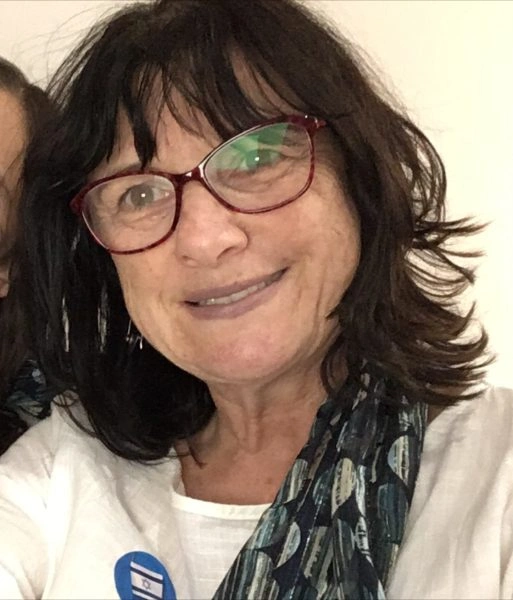
After being so inspired by the siyum shas two years ago, I began tentatively learning daf yomi, like Rabbanut Michelle kept saying – taking one daf at a time. I’m still taking it one daf at a time, one masechet at a time, but I’m loving it and am still so inspired by Rabbanit Michelle and the Hadran community, and yes – I am proud to be finishing Seder Mo’ed.

Caroline Graham-Ofstein

Bet Shemesh, Israel

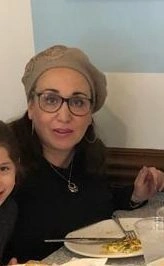
With Rabbanit Dr. Naomi Cohen in the Women’s Talmud class, over 30 years ago. It was a “known” class and it was accepted, because of who taught. Since then I have also studied with Avigail Gross-Gelman and Dr. Gabriel Hazut for about a year). Years ago, in a shiur in my shul, I did know about Persians doing 3 things with their clothes on. They opened the shiur to woman after that!

Sharon Mink
Sharon Mink

Haifa, Israel

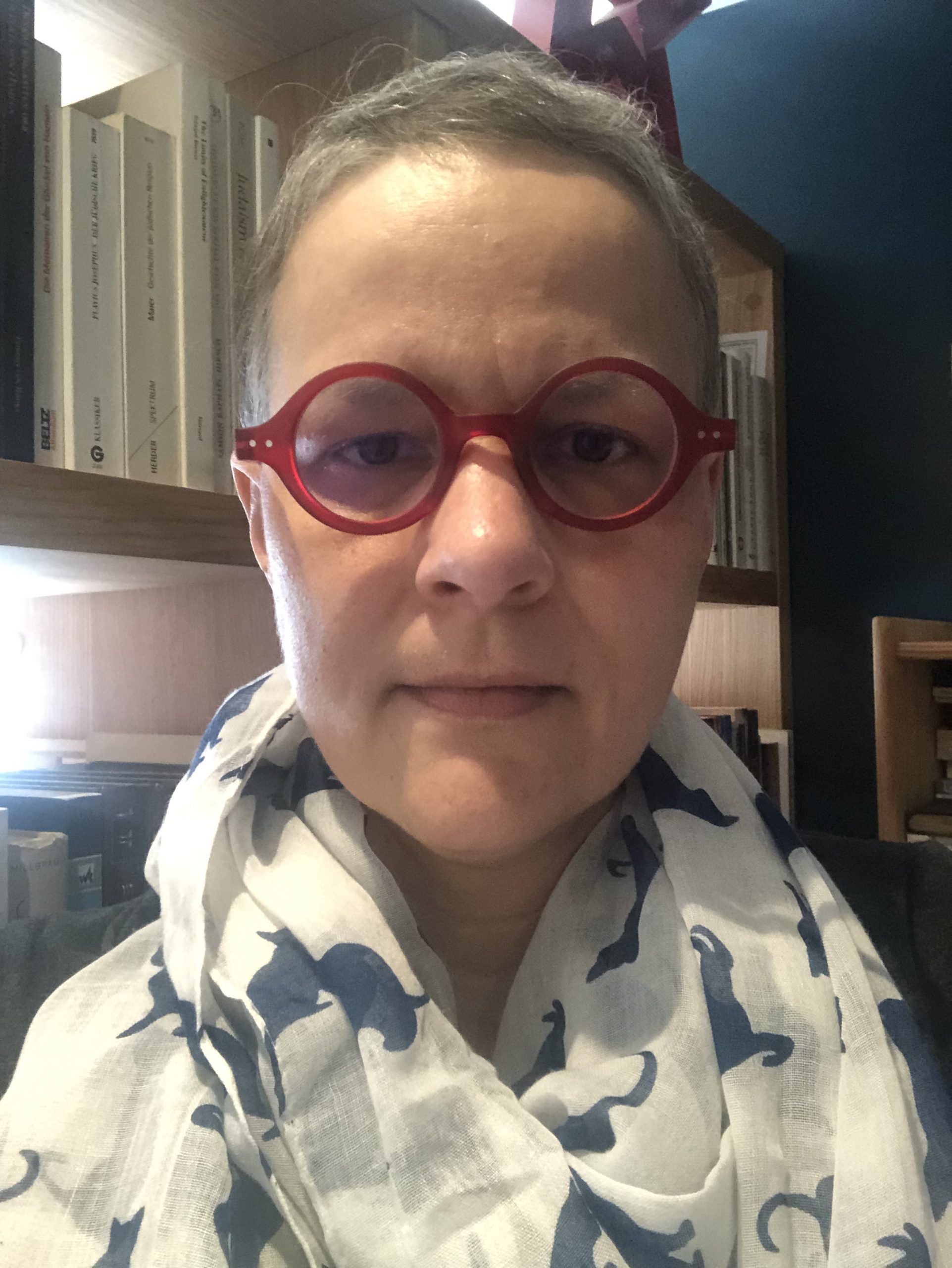
I had tried to start after being inspired by the hadran siyum, but did not manage to stick to it. However, just before masechet taanit, our rav wrote a message to the shul WhatsApp encouraging people to start with masechet taanit, so I did! And this time, I’m hooked! I listen to the shiur every day , and am also trying to improve my skills.

Laura Major
Laura Major

Yad Binyamin, Israel

What a great experience to learn with Rabbanit Michelle Farber. I began with this cycle in January 2020 and have been comforted by the consistency and energy of this process throughout the isolation period of Covid. Week by week, I feel like I am exploring a treasure chest with sparkling gems and puzzling antiquities. The hunt is exhilarating.

Marian Frankston
Marian Frankston

Pennsylvania, United States

I had no formal learning in Talmud until I began my studies in the Joint Program where in 1976 I was one of the few, if not the only, woman talmud major. It was superior training for law school and enabled me to approach my legal studies with a foundation . In 2018, I began daf yomi listening to Rabbanit MIchelle’s pod cast and my daily talmud studies are one of the highlights of my life.

Krivosha_Terri_Bio
Terri Krivosha

Minneapolis, United States

תמיד רציתי. למדתי גמרא בבית ספר בטורונטו קנדה. עליתי ארצה ולמדתי שזה לא מקובל. הופתעתי.
יצאתי לגימלאות לפני שנתיים וזה מאפשר את המחוייבות לדף יומי.
עבורי ההתמדה בלימוד מעגן אותי בקשר שלי ליהדות. אני תמיד מחפשת ותמיד. מוצאת מקור לקשר. ללימוד חדש ומחדש. קשר עם נשים לומדות מעמיק את החוויה ומשמעותית מאוד.

Vitti Kones
Vitti Kones

מיתר, ישראל

I heard about the syium in January 2020 & I was excited to start learning then the pandemic started. Learning Daf became something to focus on but also something stressful. As the world changed around me & my family I had to adjust my expectations for myself & the world. Daf Yomi & the Hadran podcast has been something I look forward to every day. It gives me a moment of centering & Judaism daily.

Talia Haykin
Talia Haykin

Denver, United States

Last cycle, I listened to parts of various מסכתות. When the הדרן סיום was advertised, I listened to Michelle on נידה. I knew that בע”ה with the next cycle I was in (ב”נ). As I entered the סיום (early), I saw the signs and was overcome with emotion. I was randomly seated in the front row, and I cried many times that night. My choice to learn דף יומי was affirmed. It is one of the best I have made!

Miriam Tannenbaum
Miriam Tannenbaum

אפרת, Israel

Hadran entered my life after the last Siyum Hashaas, January 2020. I was inspired and challenged simultaneously, having never thought of learning Gemara. With my family’s encouragement, I googled “daf yomi for women”. A perfecr fit!
I especially enjoy when Rabbanit Michelle connects the daf to contemporary issues to share at the shabbat table e.g: looking at the Kohen during duchaning. Toda rabba

Marsha Wasserman
Marsha Wasserman

Jerusalem, Israel

Attending the Siyyum in Jerusalem 26 months ago inspired me to become part of this community of learners. So many aspects of Jewish life have been illuminated by what we have learned in Seder Moed. My day is not complete without daf Yomi. I am so grateful to Rabbanit Michelle and the Hadran Community.

Nancy Kolodny
Nancy Kolodny

Newton, United States

Hearing and reading about the siyumim at the completion of the 13 th cycle Daf Yomi asked our shul rabbi about starting the Daf – he directed me to another shiur in town he thought would allow a woman to join, and so I did! Love seeing the sources for the Divrei Torah I’ve been hearing for the past decades of living an observant life and raising 5 children .

Jill Felder
Jill Felder

Pittsburgh, Pennsylvania, United States

In January 2020 on a Shabbaton to Baltimore I heard about the new cycle of Daf Yomi after the siyum celebration in NYC stadium. I started to read “ a daily dose of Talmud “ and really enjoyed it . It led me to google “ do Orthodox women study Talmud? “ and found HADRAN! Since then I listen to the podcast every morning, participate in classes and siyum. I love to learn, this is amazing! Thank you

Sandrine Simons
Sandrine Simons

Atlanta, United States

I started learning with rabbis. I needed to know more than the stories. My first teacher to show me “the way of the Talmud” as well as the stories was Samara Schwartz.
Michelle Farber started the new cycle 2 yrs ago and I jumped on for the ride.
I do not look back.

Jenifer Nech
Jenifer Nech

Houston, United States

I am a Reform rabbi and took Talmud courses in rabbinical school, but I knew there was so much more to learn. It felt inauthentic to serve as a rabbi without having read the entire Talmud, so when the opportunity arose to start Daf Yomi in 2020, I dove in! Thanks to Hadran, Daf Yomi has enriched my understanding of rabbinic Judaism and deepened my love of Jewish text & tradition. Todah rabbah!

Rabbi Nicki Greninger

California, United States

I started learning Dec 2019 after reading “If all the Seas Were Ink”. I found
Daily daf sessions of Rabbanit Michelle in her house teaching, I then heard about the siyum and a new cycle starting wow I am in! Afternoon here in Sydney, my family and friends know this is my sacred time to hide away to live zoom and learn. Often it’s hard to absorb and relate then a gem shines touching my heart.

Dianne Kuchar
Dianne Kuchar

Dover Heights, Australia

I began learning the daf in January 2022. I initially “flew under the radar,” sharing my journey with my husband and a few close friends. I was apprehensive – who, me? Gemara? Now, 2 years in, I feel changed. The rigor of a daily commitment frames my days. The intellectual engagement enhances my knowledge. And the virtual community of learners has become a new family, weaving a glorious tapestry.

Gitta Jaroslawicz-Neufeld

Far Rockaway, United States

About a year into learning more about Judaism on a path to potential conversion, I saw an article about the upcoming Siyum HaShas in January of 2020. My curiosity was piqued and I immediately started investigating what learning the Daf actually meant. Daily learning? Just what I wanted. Seven and a half years? I love a challenge! So I dove in head first and I’ve enjoyed every moment!!
Nickie Matthews
Nickie Matthews

Blacksburg, United States

I have joined the community of daf yomi learners at the start of this cycle. I have studied in different ways – by reading the page, translating the page, attending a local shiur and listening to Rabbanit Farber’s podcasts, depending on circumstances and where I was at the time. The reactions have been positive throughout – with no exception!

Silke Goldberg
Silke Goldberg

Guildford, United Kingdom

I began Daf Yomi with the last cycle. I was inspired by the Hadran Siyum in Yerushalayim to continue with this cycle. I have learned Daf Yomi with Rabanit Michelle in over 25 countries on 6 continents ( missing Australia)

Barbara-Goldschlag
Barbara Goldschlag

Silver Spring, MD, United States

At almost 70 I am just beginning my journey with Talmud and Hadran. I began not late, but right when I was called to learn. It is never too late to begin! The understanding patience of staff and participants with more experience and knowledge has been fabulous. The joy of learning never stops and for me. It is a new life, a new light, a new depth of love of The Holy One, Blessed be He.
Deborah Hoffman-Wade

Richmond, CA, United States

Bava Batra 77

אָמַר אַמֵּימָר, הִלְכְתָא: אוֹתִיּוֹת נִקְנוֹת בִּמְסִירָה, כְּרַבִּי. אָמַר לֵיהּ רַב אָשֵׁי לְאַמֵּימָר: גְּמָרָא, אוֹ סְבָרָא? אָמַר לֵיהּ: גְּמָרָא. אָמַר רַב אָשֵׁי: סְבָרָא נָמֵי הוּא – דְּאוֹתִיּוֹת מִילֵּי נִינְהוּ, וּמִילֵּי בְּמִילֵּי לָא מִיקַּנְיָן.

Ameimar says: The halakha is that letters are acquired by merely transferring the document to the buyer, in accordance with the opinion of Rabbi Yehuda HaNasi. Rav Ashi said to Ameimar: Is your ruling based on a tradition or on your own logical reasoning? Ameimar said to him: It is based on a tradition. Rav Ashi said: It also stands to reason that the contents of a promissory note are acquired through transferring, as letters, i.e., the contents of a promissory note, are words, i.e., the buyer is acquiring the right to a monetary obligation, not a physical item, and words cannot be acquired through other words.

וְלָא?! וְהָאָמַר רַבָּה בַּר יִצְחָק אָמַר רַב: שְׁנֵי שְׁטָרוֹת הֵם – ״זְכוּ בְּשָׂדֶה לִפְלוֹנִי וְכִתְבוּ לוֹ אֶת הַשְּׁטָר״ – חוֹזֵר בַּשְּׁטָר, וְאֵינוֹ חוֹזֵר בַּשָּׂדֶה.

The Gemara asks: And is it true that documents cannot be acquired through words? But doesn’t Rabba bar Yitzḥak say that Rav says: There are two types of documents. The first type is where one says to others: Take possession of this field for so-and-so and write the document for him as proof of the sale of the field. In this case, he may renege with regard to the document, i.e., he may change his mind and tell them not to write it. But he may not renege with regard to the field, as the buyer has already acquired it.

״עַל מְנָת שֶׁתִּכְתְּבוּ לוֹ אֶת הַשְּׁטָר״ – חוֹזֵר בֵּין בַּשְּׁטָר בֵּין בַּשָּׂדֶה.

The second type of document is where he said: Take possession of this field for so-and-so on the condition that you write him a document. If the document has not yet been delivered he can retract his instruction both with regard to the document and with regard to the field, as the transfer of the field is dependent on the writing of the document.

וְרַב חִיָּיא בַּר אָבִין אָמַר רַב הוּנָא: שְׁלֹשָׁה שְׁטָרוֹת הֵן; תְּרֵי – הָא דַּאֲמַרַן, אִידַּךְ – אִם קָדַם מוֹכֵר וְכָתַב אֶת הַשְּׁטָר.

And Rav Ḥiyya bar Avin says that Rav Huna says: There are actually three types of documents. Two are those that we stated above, and the other is if the seller wrote the document in advance.

כְּאוֹתָהּ שֶׁשָּׁנִינוּ: כּוֹתְבִין שְׁטָר לַמּוֹכֵר אַף עַל פִּי שֶׁאֵין לוֹקֵחַ עִמּוֹ. כֵּיוָן שֶׁהֶחְזִיק זֶה בַּקַּרְקַע – נִקְנָה שְׁטָר בְּכׇל מָקוֹם שֶׁהוּא; וְזוֹ הִיא שֶׁשָּׁנִינוּ: נְכָסִים שֶׁאֵין לָהֶן אַחְרָיוּת נִקְנִין עִם נְכָסִים שֶׁיֵּשׁ לָהֶן אַחְרָיוּת, בְּכֶסֶף וּשְׁטָר וַחֲזָקָה!

This is like that which we learned in a mishna (167b): A scribe may write a bill of sale for the seller even if the buyer is not with him when the seller presents his request. In a case of this kind, once this buyer takes possession of the land the deed is acquired wherever it is. And this is that which we learned in another mishna (Kiddushin 26a): Property that does not serve as a guarantee, i.e., movable property, can be acquired together with property that serves as a guarantee, i.e., land, when the land is acquired by means of giving money, or by means of giving a document, or by means of taking possession. This shows that a bill of sale can be transferred without any act of acquisition performed for the document, and certainly through words, which presents a difficulty to Rav Ashi’s opinion.

אַגַּב שָׁאנֵי; דְּהָא מַטְבֵּעַ – דְּלָא נִיקְנֵי בַּחֲלִיפִין, וְאַגַּב אַרְעָא נִיקְנֵי.

The Gemara answers: Acquiring a bill of sale by means of acquisition of land is different, as it is similar to acquisition through an item, not by means of words. The reason is that money, which cannot be acquired through symbolic exchange, a pro forma act of acquisition effecting the transfer of ownership of an item, nevertheless can be acquired by means of land.

כִּי הָא דְּרַב פָּפָּא הֲווֹ לֵיהּ תְּרֵיסַר אַלְפֵי זוּזֵי בֵּי חוֹזָאֵי, אַקְנִינְהוּ נִיהֲלֵיהּ לְרַב שְׁמוּאֵל בַּר אַחָא אַגַּב אַסִּיפָּא דְבֵיתֵיהּ. כִּי אֲתָא, נְפַק לְאַפֵּיהּ עַד תְּווֹךְ.

This is like that incident where Rav Pappa had deposited twelve thousand dinars with bailees in Bei Ḥozai. He transferred ownership of the money in Bei Ḥozai to his agent Rav Shmuel bar Aḥa by means of the threshold of his house. The Gemara adds: When Rav Shmuel bar Aḥa came from Bei Ḥozai with the money, Rav Pappa was so happy that he was bringing him his money that he went out all the way until Tavakh to greet him.

אֲבָל לֹא מָכַר לֹא אֶת הָעֲבָדִים וְלֹא אֶת הַמַּרְצוּפִין וְלֹא אֶת הָאַנְתִיקֵי וְכוּ׳. מַאי ״אַנְתִיקֵי״? אָמַר רַב פָּפָּא: עִיסְקָא דִּבְגַוַּוהּ.

§ The mishna teaches that when one sells a ship he has sold various other items; but he has not sold the slaves, nor the packing bags, nor the antikei. But when one said to the buyer: You are purchasing the ship and all that it contains, all of these are sold as well. The Gemara asks: What is the meaning of antikei? Rav Pappa said: It means the merchandise that is on the ship. This merchandise is not sold together with the ship.

מַתְנִי׳ מָכַר אֶת הַקָּרוֹן – לֹא מָכַר אֶת הַפְּרָדוֹת, מָכַר אֶת הַפְּרָדוֹת – לֹא מָכַר אֶת הַקָּרוֹן. מָכַר אֶת הַצֶּמֶד – לֹא מָכַר אֶת הַבָּקָר, מָכַר אֶת הַבָּקָר – לֹא מָכַר אֶת הַצֶּמֶד. רַבִּי יְהוּדָה אוֹמֵר: הַדָּמִים מוֹדִיעִין. כֵּיצַד? אָמַר לוֹ: ״מְכוֹר לִי צִימְדָּךְ בְּמָאתַיִם זוּז״ – הַדָּבָר יָדוּעַ שֶׁאֵין הַצֶּמֶד בְּמָאתַיִם זוּז. וַחֲכָמִים אוֹמְרִים: אֵין הַדָּמִים רְאָיָה.

MISHNA: One who sold a wagon [hakkaron] has not sold the mules that pull the wagon. Similarly, if one sold the mules, he has not sold the wagon. One who sold a yoke [hatzemed] has not sold the oxen, and one who sold the oxen has not sold the yoke. Rabbi Yehuda says: The sum of money indicates what one has sold. How so? If the buyer said to the seller: Sell me your yoke for two hundred dinars, since it is a known matter that a yoke is not sold for two hundred dinars he clearly intended to purchase the oxen as well. And the Rabbis say: The sum of money is not proof.

גְּמָ׳ תָּנֵי רַב תַּחְלִיפָא בַּר מַעְרְבָא קַמֵּיהּ דְּרַבִּי אֲבָהוּ: מָכַר אֶת הַקָּרוֹן – מָכַר אֶת הַפְּרָדוֹת. וְהָא אֲנַן ״לֹא מָכַר״ תְּנַן! אֲמַר לֵיהּ: אִיסְמְיַיהּ? אֲמַר לֵיהּ: לָא, תִּיתַּרְגֵּם מַתְנִיתָיךְ בַּאֲדוּקִין בּוֹ.

GEMARA: Rav Taḥlifa, from the West, i.e., Eretz Yisrael, taught a baraita before Rabbi Abbahu. If one sold a wagon, he has sold the mules together with it. Rabbi Abbahu asked: But didn’t we learn in the mishna that he has not sold the mules? Rav Taḥlifa said to him: Should I erase this baraita, as it is incorrect? Rabbi Abbahu said to him: No, do not erase it; you should explain that your baraita is referring to a case where the mules are fastened to the wagon. In that situation, one who purchases the wagon receives the mules as well.

מָכַר אֶת הַצֶּמֶד – לֹא מָכַר אֶת הַבָּקָר וְכוּ׳. הֵיכִי דָמֵי? אִילֵּימָא דְּקָרוּ לְצִימְדָּא ״צִימְדָּא״ וּלְבָקָר ״בָּקָר״ – פְּשִׁיטָא; צִימְדָּא זַבֵּין לֵיהּ, בָּקָר לָא זַבֵּין לֵיהּ! וְאֶלָּא דְּקָרוּ לֵיהּ נָמֵי לְבָקָר ״צִימְדָּא״? כּוּלֵּיהּ זַבֵּין לֵיהּ!

The mishna teaches: One who sold a yoke has not sold the oxen; and the Rabbis and Rabbi Yehuda disagree over whether the sum of money proves exactly what was sold. The Gemara analyzes their disagreement: What are the circumstances? If we say that the mishna is referring to a place where they call a yoke: Tzimda, and they call oxen: Bakar, it is obvious that he sold him a yoke and did not sell him the oxen. But if the mishna is referring to a place where they also call oxen: Tzimda, then the seller sold him everything.

לָא צְרִיכָא, בְּאַתְרָא דְּקָרוּ לֵיהּ לְצִימְדָּא ״צִימְדָּא״ וּלְבָקָר ״בָּקָר״, וְאִיכָּא נָמֵי דְּקָרוּ לְבָקָר ״צִימְדָּא״; רַבִּי יְהוּדָה סָבַר: הַדָּמִים מוֹדִיעִין, וְרַבָּנַן סָבְרִי: אֵין הַדָּמִים רְאָיָה. וְאִי אֵין הַדָּמִים רְאָיָה, לֶיהֱוֵי בִּיטּוּל מִקָּח!

The Gemara explains: No, their dispute is necessary in a place where they call a yoke: Tzimda, and call oxen: Bakar, but there are also those who call oxen: Tzimda. Since it is unclear what is meant by the term: Tzimda, Rabbi Yehuda holds that the sum of money indicates whether he purchased a yoke or oxen, and the Rabbis hold that the amount of money does not serve as proof. The Gemara asks: But if the amount of money does not serve as proof, then in a case where the buyer paid two hundred dinars and received only a yoke, let the transaction be nullified.

Want to follow content and continue where you left off?

Create an account today to track your progress, mark what you’ve learned, and follow the shiurim that speak to you.

Clear all items from this list?

This will remove ALL the items in this section. You will lose any progress or history connected to them. This is irreversible.

Cancel
Yes, clear all

Are you sure you want to delete this item?

You will lose any progress or history connected to this item.

Cancel
Yes, delete