Search

Bava Batra 79

Want to dedicate learning? Get started here:

podcast placeholder

0:00
0:00


Summary

Today’s daf is sponsored by the Hadran zoom family in loving memory of the beloved mother of their dear Hadran learner and friend, Rhona Fink – Millie Laxer, Malka bat Sarah v’Avraham z”l, who passed away yesterday. “May her family be comforted among aveilei Zion v’Yerushalayim.

What is the punishment for those who separate themselves from the words of Torah?

A Mishna in Meila is brought which discusses one who consecrates an item that generally holds something else like a pit with water, or a field with crops. If one consecrates the pit, is the water consecrated as well? Does it depend on whether it was full of water when it was consecrated or if it was empty? In which items do Rabbi Yehuda and Rabbi Yosi disagree? After reconciling the disagreement between them with the words of Rebbi in a braita, the Gemara proceeds to bring a different braita also regarding this issue. In that braita, there is a debate between the rabbis and Rabbi Elazar b’Rabbi Shimon. First Raba explains the debate to be parallel to that of Rabbi Yehuda and Rabbi Yosi, but this is rejected in light of the latter case in the braita where Rabbi Elazar. In conclusion, they explain the debate differently. The debate in the first part of the braita is based on a debate between Rabbi Meir and the rabbis about whether one can acquire items that are not yet in existence. A difficulty is raised, but it is resolved. The debate in the second part depends on whether we learn laws of consecrated items from laws of sales. A difficulty is raised with the explanations of each of these. A difficulty is raised on this explanation, as well, from our Mishna but it is resolved, as is proven from a braita, that the position in our Mishna is a minority opinion.

Today’s daily daf tools:

Bava Batra 79

עַד נֹפַח״ – עַד שֶׁתָּבֹא אֵשׁ שֶׁאֵינָהּ צְרִיכָה נִיפּוּחַ, ״עַד מֵידְבָא״ – עַד שֶׁתַּדְאִיב נִשְׁמָתָן. וְאָמְרִי לַהּ: עַד דְּעָבֵיד מַאי דְּבָעֵי.

even until Nophah,” meaning until the fire comes that does not require fanning [nippuaḥ], i.e., the fire of Gehenna, which will consume them. “Until Medeba [Medeva]”; this means until their souls are pained [tadiv]. And some say an alternative explanation: It means until God does what He wishes [mai deva’ei] with them and punishes them as they deserve.

אָמַר רַב יְהוּדָה אָמַר רַב: כׇּל הַפּוֹרֵשׁ מִדִּבְרֵי תוֹרָה – אֵשׁ אוֹכַלְתּוֹ, שֶׁנֶּאֱמַר: ״וְנָתַתִּי [אֶת] פָּנַי בָּהֶם, מֵהָאֵשׁ יָצָאוּ וְהָאֵשׁ תֹּאכְלֵם״.

Rav Yehuda says that Rav says: With regard to anyone who separates himself from matters of Torah, a fire consumes him, as it is stated: “And I will set My face against them; out of the fire they come forth, and the fire shall devour them” (Ezekiel 15:7). The Torah is likened to fire in the verse: “Is not My word like fire?” (Jeremiah 23:29). The verse in Ezekiel teaches: “Out of the fire they come forth,” referring to those who separate themselves from the fire of Torah; “and the fire shall devour them,” i.e., they are consumed by the fire of Gehenna.

כִּי אֲתָא רַב דִּימִי, אָמַר רַבִּי יוֹנָתָן: כׇּל הַפּוֹרֵשׁ עַצְמוֹ מִדִּבְרֵי תוֹרָה – נוֹפֵל בְּגֵיהִנָּם, שֶׁנֶּאֱמַר: ״אָדָם תּוֹעֶה מִדֶּרֶךְ הַשְׂכֵּל, בִּקְהַל רְפָאִים יָנוּחַ״. וְאֵין רְפָאִים אֶלָּא גֵּיהִנָּם – שֶׁנֶּאֱמַר: ״וְלֹא יָדַע כִּי רְפָאִים שָׁם, בְּעִמְקֵי שְׁאוֹל קְרֻאֶיהָ.

When Rav Dimi came from Eretz Yisrael to Babylonia, he said that Rabbi Yonatan says: Anyone who separates himself from the matters of Torah falls into Gehenna. As it is stated: “The man who strays out of the way of understanding shall rest in the congregation of the spirits” (Proverbs 21:16). “The way of understanding” is the way of the Torah. And one who departs from the Torah arrives in the place of the spirits, which is nothing other than Gehenna, as it is stated: “But he does not know that the spirits are there; that those whom she has called are in the depths of the netherworld” (Proverbs 9:18).

מָכַר אַשְׁפָּה – מָכַר זִבְלָהּ וְכוּ׳. תְּנַן הָתָם: כׇּל הָרָאוּי לַמִּזְבֵּחַ וְלֹא לְבֶדֶק הַבַּיִת; לְבֶדֶק הַבַּיִת וְלֹא לַמִּזְבֵּחַ; לֹא לַמִּזְבֵּחַ וְלֹא לְבֶדֶק הַבַּיִת – מוֹעֲלִין בָּהֶן וּבְמַה שֶּׁבְּתוֹכָן.

§ The mishna teaches: One who sold a dunghill has sold its manure, and one who sold a cistern has sold its water. We learned in a mishna elsewhere (Me’ila 12b): With regard to any item that is fit to be sacrificed on the altar but is not fit for Temple maintenance, or is fit for Temple maintenance but not for the altar, or items that are fit neither for the altar nor for Temple maintenance in their current state and are slated to be sold with the profit used for the Temple, in all these cases if one consecrates these items and then derives benefit from them or their contents for a non-sacred purpose, he thereby is liable for misuse of consecrated property and is obligated to bring an offering as atonement.

כֵּיצַד? הִקְדִּישׁ בּוֹר מְלֵאָה מַיִם; אַשְׁפּוֹת מְלֵאוֹת זֶבֶל; שׁוֹבָךְ מָלֵא יוֹנִים; שָׂדֶה מְלֵאָה עֲשָׂבִים; אִילָן נָשׂוּי פֵּירוֹת – מוֹעֲלִין בָּהֶן וּבְמַה שֶּׁבְּתוֹכָן.

How so? One who consecrated a cistern filled with water, dunghills filled with manure, a dovecote filled with doves, a field filled with plants, or a tree bearing fruit, and subsequently derived benefit from them or their contents is liable for misuse of consecrated property.

אֲבָל הִקְדִּישׁ בּוֹר וְאַחַר כָּךְ נִתְמַלֵּא מַיִם; אַשְׁפָּה וְאַחַר כָּךְ נִתְמַלְּאָה זֶבֶל; שׁוֹבָךְ וְאַחַר כָּךְ נִתְמַלֵּא יוֹנִים; אִילָן וְאַחַר כָּךְ נָשָׂא פֵּירוֹת; שָׂדֶה וְאַחַר כָּךְ נִתְמַלְּאָה עֲשָׂבִים – מוֹעֲלִין בָּהֶן, וְאֵין מוֹעֲלִין בְּמַה שֶּׁבְּתוֹכָן; דִּבְרֵי רַבִּי יְהוּדָה. רַבִּי יוֹסֵי אוֹמֵר: הִקְדִּישׁ אֶת הַשָּׂדֶה וְאֶת הָאִילָן – מוֹעֲלִין בָּהֶן וּבְגִידּוּלֵיהֶם, מִפְּנֵי שֶׁהֵן גִּידּוּלֵי הֶקְדֵּשׁ.

But with regard to one who consecrated a cistern and it was later filled with water, a dunghill and it was later filled with manure, a dovecote and it later was filled with doves, a tree and it later bore fruit, or a field and it was later filled with plants, if he derives benefit from them he is liable for misuse of consecrated property but he is not liable for misuse of consecrated property by deriving benefit from its contents. This is the statement of Rabbi Yehuda. Rabbi Yosei says: With regard to one who consecrated a field or a tree, he is liable for misuse of consecrated property if he derives benefit from them or that which grows from them, because they are growths of consecrated property.

תַּנְיָא, אָמַר רַבִּי: נִרְאִין דִּבְרֵי רַבִּי יְהוּדָה – בְּבוֹר וְשׁוֹבָךְ, וְדִבְרֵי רַבִּי יוֹסֵי – בְּשָׂדֶה וְאִילָן. הַאי מַאי? בִּשְׁלָמָא ״נִרְאִין דִּבְרֵי רַבִּי יְהוּדָה בְּבוֹר וְשׁוֹבָךְ״ – מִכְּלָל דִּפְלִיג אַשָּׂדֶה וְאִילָן,

It is taught in a baraita that Rabbi Yehuda HaNasi said: The statement of Rabbi Yehuda appears to be correct in the cases of a cistern and a dovecote, i.e., if one consecrated an empty cistern or dovecote, the water or doves that later fill it do not become consecrated. And the statement of Rabbi Yosei appears to be correct in the cases of a field and a tree. The Gemara asks: What is the meaning of this statement of Rabbi Yehuda HaNasi? Granted, when he says that the statement of Rabbi Yehuda appears to be correct in the cases of a cistern and a dovecote, by inference this means that Rabbi Yehuda disagrees with Rabbi Yosei in the cases of a field and a tree, and Rabbi Yehuda does explicitly disagree in those cases.

אֶלָּא ״נִרְאִין דִּבְרֵי רַבִּי יוֹסֵי בְּשָׂדֶה וְאִילָן״ – מִכְּלָל דִּפְלִיג בְּבוֹר וְשׁוֹבָךְ?! וְהָא רַבִּי יוֹסֵי ״שָׂדֶה וְאִילָן״ קָאָמַר!

But when Rabbi Yehuda HaNasi says that the statement of Rabbi Yosei appears to be correct in the cases of a field and a tree, this indicates by inference that Rabbi Yosei disagrees with Rabbi Yehuda in the cases of a cistern and a dovecote. But Rabbi Yosei stated his opinion solely in the cases of a field and a tree, as only plants and fruit grow directly from consecrated property, and this reasoning is not relevant in the case of a cistern or dovecote.

וְכִי תֵּימָא: לִדְבָרָיו דְּרַבִּי יְהוּדָה קָאָמַר; וְהַתַּנְיָא, אָמַר רַבִּי יוֹסֵי: אֵין אֲנִי רוֹאֶה דְּבָרָיו שֶׁל רַבִּי יְהוּדָה בְּשָׂדֶה וְאִילָן, מִפְּנֵי שֶׁהֵן גִּידּוּלֵי הֶקְדֵּשׁ. בְּשָׂדֶה וְאִילָן הוּא דְּאֵינוֹ רוֹאֶה, הָא בְּבוֹר וְשׁוֹבָךְ – רוֹאֶה!

And if you would say that Rabbi Yosei stated his opinion in accordance with the statement of Rabbi Yehuda, whereas he himself holds that even the items found in a dovecote or a cistern are consecrated, this is difficult: But isn’t it taught in a baraita that Rabbi Yosei said: I do not see the statement of Rabbi Yehuda as correct in the cases of a field and a tree, because the plants and the fruit are the growths of consecrated property? Infer from here that it is in the cases of a field and a tree that Rabbi Yosei does not see and accept the opinion of Rabbi Yehuda. But in the cases of a cistern and a dovecote, he does see and accept his opinion.

הָכִי קָאָמַר: נִרְאִין דִּבְרֵי רַבִּי יְהוּדָה לְרַבִּי יוֹסֵי, בְּבוֹר וְשׁוֹבָךְ – שֶׁאַף רַבִּי יוֹסֵי לֹא נֶחְלַק עָלָיו אֶלָּא בְּשָׂדֶה וְאִילָן, אֲבָל בְּבוֹר וְשׁוֹבָךְ מוֹדֵי לֵיהּ.

The Gemara answers that this is what Rabbi Yehuda HaNasi is saying: The statement of Rabbi Yehuda appears to Rabbi Yosei to be correct in the cases of a cistern and a dovecote. In other words, Rabbi Yehuda HaNasi is saying that even Rabbi Yosei disagrees with Rabbi Yehuda only in the cases of a field and a tree. But in the cases of a cistern and a dovecote, he concedes to him that the prohibition against misuse of consecrated property does not apply to items that were added afterward and were not present at the time of the consecration.

תָּנוּ רַבָּנַן: הִקְדִּישָׁן רֵיקָנִין וְאַחַר כָּךְ נִתְמַלְּאוּ – מוֹעֲלִין בָּהֶן, וְאֵין מוֹעֲלִין בְּמַה שֶּׁבְּתוֹכָן. רַבִּי אֶלְעָזָר בְּרַבִּי שִׁמְעוֹן אוֹמֵר: אַף מוֹעֲלִין בְּמַה שֶּׁבְּתוֹכָן.

The Sages taught: In the case of cisterns, with regard to one who consecrated them when they were empty and they were later filled, if one derives benefit from them he is liable for misuse of consecrated property, but he is not liable for misuse of consecrated property if he derives benefit from their contents. This ruling will be clarified below. Rabbi Elazar, son of Rabbi Shimon, says: One is liable for misuse of consecrated property even by deriving benefit from their contents.

אָמַר רַבָּה: מַחֲלוֹקֶת בְּשָׂדֶה וְאִילָן – דְּתַנָּא קַמָּא סָבַר לַהּ כְּרַבִּי יְהוּדָה, וְרַבִּי אֶלְעָזָר בְּרַבִּי שִׁמְעוֹן סָבַר לַהּ כְּרַבִּי יוֹסֵי; אֲבָל בְּבוֹר וְשׁוֹבָךְ – דִּבְרֵי הַכֹּל מוֹעֲלִין בָּהֶן וְאֵין מוֹעֲלִין בְּמַה שֶּׁבְּתוֹכָן.

Rabba says: This dispute in the baraita applies only in the cases of a field and a tree, as the first tanna holds in accordance with the opinion of Rabbi Yehuda, and Rabbi Elazar, son of Rabbi Shimon, holds in accordance with the opinion of Rabbi Yosei. But in the cases of a cistern and a dovecote, everyone agrees that if one derives benefit from them he is liable for misuse of consecrated property but he is not liable for misuse of consecrated property if he derives benefit from their contents.

אֲמַר לֵיהּ אַבָּיֵי, וְאֶלָּא הָא דְּתַנְיָא: הִקְדִּישָׁן מְלֵאִין – מוֹעֲלִין בָּהֶן וּבְמַה שֶּׁבְּתוֹכָן, וְרַבִּי אֶלְעָזָר בְּרַבִּי שִׁמְעוֹן מַחְלִיף;

Abaye said to him: But consider that which is taught in the continuation of the baraita: If one consecrated them when they were full and then derives benefit from them or from their contents, he is liable for misuse of consecrated property. And Rabbi Elazar, son of Rabbi Shimon, reverses his previous ruling in this case and holds that if the items were consecrated when full their contents are not subject to the prohibition against misuse of consecrated property.

וְאִי בְּשָׂדֶה וְאִילָן, אַמַּאי מַחְלִיף? אֶלָּא אָמַר רַבָּה: מַחֲלוֹקֶת בְּבוֹר וְשׁוֹבָךְ, אֲבָל בְּשָׂדֶה וְאִילָן – דִּבְרֵי הַכֹּל מוֹעֲלִין בָּהֶן וּבְמַה שֶּׁבְּתוֹכָן.

And if their dispute is referring to a field and a tree, why does Rabbi Elazar, son of Rabbi Shimon, reverse his opinion? Rather, Rabba’s statement must be adjusted, and this is what Rabba said: This dispute between the first tanna and Rabbi Elazar, son of Rabbi Shimon, applies only in the cases of a cistern and a dovecote. But in the cases of a field and a tree, everyone agrees that one is liable for misuse of consecrated property if one derives benefit from them or their contents.

וּבְבוֹר וְשׁוֹבָךְ – בְּרֵיקָנִין בְּמַאי פְּלִיגִי, וּבִמְלֵאִין בְּמַאי פְּלִיגִי? בְּרֵיקָנִין – פְּלִיגִי בִּפְלוּגְתָּא דְּרַבִּי מֵאִיר וְרַבָּנַן;

The Gemara asks: And in the cases of a cistern and a dovecote, where the cistern and the dovecote are empty, with regard to what matter do they disagree? And similarly, where the cistern and the dovecote are full, with regard to what do they disagree? The Gemara answers: In the cases of a cistern and a dovecote that are empty, they disagree with regard to the matter that is the subject of the dispute between Rabbi Meir and the Rabbis.

דְּתַנָּא קַמָּא סָבַר לַהּ כְּרַבָּנַן, דְּאָמְרִי: אֵין אָדָם מַקְנֶה דָּבָר שֶׁלֹּא בָּא לָעוֹלָם; וְרַבִּי אֶלְעָזָר בְּרַבִּי שִׁמְעוֹן סָבַר כְּרַבִּי מֵאִיר, דְּאָמַר: אָדָם מַקְנֶה דָּבָר שֶׁלֹּא בָּא לָעוֹלָם.

The first tanna and Rabbi Elazar, son of Rabbi Shimon, disagree because the first tanna holds in accordance with the opinion of the Rabbis, who say: A person cannot transfer ownership of an object that has not yet come into the world, i.e., that one does not currently own. Therefore, one cannot consecrate water or doves that will enter the cistern or dovecote only in the future. And Rabbi Elazar, son of Rabbi Shimon, holds in accordance with the opinion of Rabbi Meir, who says: A person can transfer ownership of an object that has not yet come into the world.

אֵימוֹר דְּשָׁמְעַתְּ לֵיהּ לְרַבִּי מֵאִיר – כְּגוֹן פֵּירוֹת דֶּקֶל, דַּעֲבִידִי דְּאָתוּ; הָנֵי – מִי יֵימַר דְּאָתוּ? אָמַר רָבָא: מַשְׁכַּחַתְּ לַהּ בְּמַיִם הַבָּאִין דֶּרֶךְ חֲצֵרוֹ לַבּוֹר, וְיוֹנִים הַבָּאִין דֶּרֶךְ שׁוֹבָכוֹ לַשּׁוֹבָךְ.

The Gemara raises a difficulty with regard to this answer: You can say that you heard Rabbi Meir express this opinion in a case such as the fruit of palm trees, which are likely to come into existence, as the trees naturally produce fruit. But with regard to these doves and water, who can say that they will come? Rava said: You can find cases where one consecrates water or doves that are likely to arrive, e.g., in the case of water that comes by way of his courtyard into the cistern when it rains, so that he does not need to fill the cistern. And similarly with regard to doves that come by way of his other, full dovecote into this empty dovecote.

וּבִמְלֵאִים בְּמַאי פְּלִיגִי? אָמַר רָבָא: כְּגוֹן שֶׁהִקְדִּישׁ בּוֹר סְתָם; וְרַבִּי אֶלְעָזָר בְּרַבִּי שִׁמְעוֹן סָבַר לַהּ כַּאֲבוּהּ, דְּאָמַר: דָּנִין דִּין גָּבוֹהַּ מִדִּין הֶדְיוֹט,

The Gemara asks: And in cases where the cistern and the dovecote are full, with regard to what matter do they disagree? Rava said: This dispute concerns a case where he consecrated a cistern without specification. And Rabbi Elazar, son of Rabbi Shimon, holds in accordance with the opinion of his father, who says: One infers the halakha of consecration to the Most High from the halakha of transactions between one ordinary person [hedyot] and another.

מָה דִּין הֶדְיוֹט – מָצֵי אֲמַר: בֵּירָא זַבֵּינִי לָךְ, מַיָּא לָא זַבֵּינִי לָךְ; אַף דִּין גָּבוֹהַּ – בֵּירָא אַקְדֵּישׁ, מַיָּא לָא אַקְדֵּישׁ. וְתַנָּא קַמָּא סָבַר: אֵין דָּנִין דִּין גָּבוֹהַּ מִדִּין הֶדְיוֹט.

The Gemara elaborates: Just as the halakha with regard to transactions between one ordinary person and another is that one can say: I sold you the cistern but I did not sell you the water it contains, so too, the halakha in the case of consecration to the Most High is that one can say: I consecrated the cistern but I did not consecrate the water within it. And the first tanna holds that one does not infer the halakha of consecration to the Most High from the halakha of transactions between one ordinary person and another. Rather, one who consecrates property does so generously, i.e., the most expansive meaning is assumed for his vow of consecration, and therefore even if he did not say so explicitly, he consecrated the water together with the cistern.

וְדִין הֶדְיוֹט לָא?! וְהָתְנַן: מָכַר בּוֹר – מָכַר מֵימָיו! אָמַר רָבָא: מַתְנִיתִין יְחִידָאָה הִיא – דְּתַנְיָא: מָכַר בּוֹר – לֹא מָכַר מֵימָיו. רַבִּי נָתָן אוֹמֵר: מָכַר בּוֹר – מָכַר מֵימָיו.

The Gemara asks: And does the halakha concerning a transaction with an ordinary person say that one does not sell the water along with the cistern? But didn’t we learn in the mishna (78b) that one who sold a cistern has sold its water? Rava said: The ruling in the mishna is an individual opinion, as it is taught in a baraita: One who sold a cistern has not sold its water. Rabbi Natan says: One who sold a cistern has sold its water.

Today’s daily daf tools:

Delve Deeper

Broaden your understanding of the topics on this daf with classes and podcasts from top women Talmud scholars.

For the Beyond the Daf shiurim offered in Hebrew, see here.

New to Talmud?

Check out our resources designed to help you navigate a page of Talmud – and study at the pace, level and style that fits you. 

The Hadran Women’s Tapestry

Meet the diverse women learning Gemara at Hadran and hear their stories. 

I heard the new Daf Yomi cycle was starting and I was curious, so I searched online for a women’s class and was pleasently surprised to find Rabanit Michelle’s great class reviews in many online articles. It has been a splendid journey. It is a way to fill my days with Torah, learning so many amazing things I have never heard before during my Tanach learning at High School. Thanks so much .

Martha Tarazi
Martha Tarazi

Panama, Panama

3 years ago, I joined Rabbanit Michelle to organize the unprecedented Siyum HaShas event in Jerusalem for thousands of women. The whole experience was so inspiring that I decided then to start learning the daf and see how I would go…. and I’m still at it. I often listen to the Daf on my bike in mornings, surrounded by both the external & the internal beauty of Eretz Yisrael & Am Yisrael!

Lisa Kolodny
Lisa Kolodny

Raanana, Israel

Margo
I started my Talmud journey in 7th grade at Akiba Jewish Day School in Chicago. I started my Daf Yomi journey after hearing Erica Brown speak at the Hadran Siyum about marking the passage of time through Daf Yomi.

Carolyn
I started my Talmud journey post-college in NY with a few classes. I started my Daf Yomi journey after the Hadran Siyum, which inspired both my son and myself.

Carolyn Hochstadter and Margo Kossoff Shizgal

Merion Station,  USA

Beit Shemesh, Israel

I start learning Daf Yomi in January 2020. The daily learning with Rabbanit Michelle has kept me grounded in this very uncertain time. Despite everything going on – the Pandemic, my personal life, climate change, war, etc… I know I can count on Hadran’s podcast to bring a smile to my face.
Deb Engel
Deb Engel

Los Angeles, United States

Last cycle, I listened to parts of various מסכתות. When the הדרן סיום was advertised, I listened to Michelle on נידה. I knew that בע”ה with the next cycle I was in (ב”נ). As I entered the סיום (early), I saw the signs and was overcome with emotion. I was randomly seated in the front row, and I cried many times that night. My choice to learn דף יומי was affirmed. It is one of the best I have made!

Miriam Tannenbaum
Miriam Tannenbaum

אפרת, Israel

Since I started in January of 2020, Daf Yomi has changed my life. It connects me to Jews all over the world, especially learned women. It makes cooking, gardening, and folding laundry into acts of Torah study. Daf Yomi enables me to participate in a conversation with and about our heritage that has been going on for more than 2000 years.

Shira Eliaser
Shira Eliaser

Skokie, IL, United States

Jill Shames
Jill Shames

Jerusalem, Israel

I began to learn this cycle of Daf Yomi after my husband passed away 2 1/2 years ago. It seemed a good way to connect to him. Even though I don’t know whether he would have encouraged women learning Gemara, it would have opened wonderful conversations. It also gives me more depth for understanding my frum children and grandchildren. Thank you Hadran and Rabbanit Michelle Farber!!

Harriet Hartman
Harriet Hartman

Tzur Hadassah, Israel

I started my Daf Yomi journey at the beginning of the COVID19 pandemic.

Karena Perry
Karena Perry

Los Angeles, United States

See video

Susan Fisher
Susan Fisher

Raanana, Israel

About a year into learning more about Judaism on a path to potential conversion, I saw an article about the upcoming Siyum HaShas in January of 2020. My curiosity was piqued and I immediately started investigating what learning the Daf actually meant. Daily learning? Just what I wanted. Seven and a half years? I love a challenge! So I dove in head first and I’ve enjoyed every moment!!
Nickie Matthews
Nickie Matthews

Blacksburg, United States

I started learning Daf Yomi because my sister, Ruth Leah Kahan, attended Michelle’s class in person and suggested I listen remotely. She always sat near Michelle and spoke up during class so that I could hear her voice. Our mom had just died unexpectedly and it made me feel connected to hear Ruth Leah’s voice, and now to know we are both listening to the same thing daily, continents apart.
Jessica Shklar
Jessica Shklar

Philadelphia, United States

I started learning at the start of this cycle, and quickly fell in love. It has become such an important part of my day, enriching every part of my life.

Naomi Niederhoffer
Naomi Niederhoffer

Toronto, Canada

I started to listen to Michelle’s podcasts four years ago. The minute I started I was hooked. I’m so excited to learn the entire Talmud, and think I will continue always. I chose the quote “while a woman is engaged in conversation she also holds the spindle”. (Megillah 14b). It reminds me of all of the amazing women I learn with every day who multi-task, think ahead and accomplish so much.

Julie Mendelsohn
Julie Mendelsohn

Zichron Yakov, Israel

I started learning Daf Yomi to fill what I saw as a large gap in my Jewish education. I also hope to inspire my three daughters to ensure that they do not allow the same Talmud-sized gap to form in their own educations. I am so proud to be a part of the Hadran community, and I have loved learning so many of the stories and halachot that we have seen so far. I look forward to continuing!
Dora Chana Haar
Dora Chana Haar

Oceanside NY, United States

I began my Daf Yomi journey on January 5, 2020. I had never learned Talmud before. Initially it struck me as a bunch of inane and arcane details with mind bending logic. I am now smitten. Rabbanit Farber brings the page to life and I am eager to learn with her every day!

Lori Stark
Lori Stark

Highland Park, United States

Michelle has been an inspiration for years, but I only really started this cycle after the moving and uplifting siyum in Jerusalem. It’s been an wonderful to learn and relearn the tenets of our religion and to understand how the extraordinary efforts of a band of people to preserve Judaism after the fall of the beit hamikdash is still bearing fruits today. I’m proud to be part of the chain!

Judith Weil
Judith Weil

Raanana, Israel

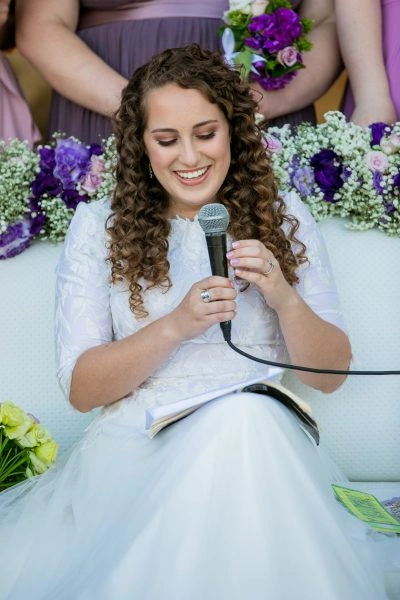
In my Shana bet at Migdal Oz I attended the Hadran siyum hash”as. Witnessing so many women so passionate about their Torah learning and connection to God, I knew I had to begin with the coming cycle. My wedding (June 24) was two weeks before the siyum of mesechet yoma so I went a little ahead and was able to make a speech and siyum at my kiseh kallah on my wedding day!

Sharona Guggenheim Plumb

Givat Shmuel, Israel

Years ago, I attended the local Siyum HaShas with my high school class. It was inspiring! Through that cycle and the next one, I studied masekhtot on my own and then did “daf yomi practice.” The amazing Hadran Siyum HaShas event firmed my resolve to “really do” Daf Yomi this time. It has become a family goal. We’ve supported each other through challenges, and now we’re at the Siyum of Seder Moed!

Elisheva Brauner
Elisheva Brauner

Jerusalem, Israel

I started learning daf yomi at the beginning of this cycle. As the pandemic evolved, it’s been so helpful to me to have this discipline every morning to listen to the daf podcast after I’ve read the daf; learning about the relationships between the rabbis and the ways they were constructing our Jewish religion after the destruction of the Temple. I’m grateful to be on this journey!

Mona Fishbane
Mona Fishbane

Teaneck NJ, United States

Bava Batra 79

עַד נֹפַח״ – עַד שֶׁתָּבֹא אֵשׁ שֶׁאֵינָהּ צְרִיכָה נִיפּוּחַ, ״עַד מֵידְבָא״ – עַד שֶׁתַּדְאִיב נִשְׁמָתָן. וְאָמְרִי לַהּ: עַד דְּעָבֵיד מַאי דְּבָעֵי.

even until Nophah,” meaning until the fire comes that does not require fanning [nippuaḥ], i.e., the fire of Gehenna, which will consume them. “Until Medeba [Medeva]”; this means until their souls are pained [tadiv]. And some say an alternative explanation: It means until God does what He wishes [mai deva’ei] with them and punishes them as they deserve.

אָמַר רַב יְהוּדָה אָמַר רַב: כׇּל הַפּוֹרֵשׁ מִדִּבְרֵי תוֹרָה – אֵשׁ אוֹכַלְתּוֹ, שֶׁנֶּאֱמַר: ״וְנָתַתִּי [אֶת] פָּנַי בָּהֶם, מֵהָאֵשׁ יָצָאוּ וְהָאֵשׁ תֹּאכְלֵם״.

Rav Yehuda says that Rav says: With regard to anyone who separates himself from matters of Torah, a fire consumes him, as it is stated: “And I will set My face against them; out of the fire they come forth, and the fire shall devour them” (Ezekiel 15:7). The Torah is likened to fire in the verse: “Is not My word like fire?” (Jeremiah 23:29). The verse in Ezekiel teaches: “Out of the fire they come forth,” referring to those who separate themselves from the fire of Torah; “and the fire shall devour them,” i.e., they are consumed by the fire of Gehenna.

כִּי אֲתָא רַב דִּימִי, אָמַר רַבִּי יוֹנָתָן: כׇּל הַפּוֹרֵשׁ עַצְמוֹ מִדִּבְרֵי תוֹרָה – נוֹפֵל בְּגֵיהִנָּם, שֶׁנֶּאֱמַר: ״אָדָם תּוֹעֶה מִדֶּרֶךְ הַשְׂכֵּל, בִּקְהַל רְפָאִים יָנוּחַ״. וְאֵין רְפָאִים אֶלָּא גֵּיהִנָּם – שֶׁנֶּאֱמַר: ״וְלֹא יָדַע כִּי רְפָאִים שָׁם, בְּעִמְקֵי שְׁאוֹל קְרֻאֶיהָ.

When Rav Dimi came from Eretz Yisrael to Babylonia, he said that Rabbi Yonatan says: Anyone who separates himself from the matters of Torah falls into Gehenna. As it is stated: “The man who strays out of the way of understanding shall rest in the congregation of the spirits” (Proverbs 21:16). “The way of understanding” is the way of the Torah. And one who departs from the Torah arrives in the place of the spirits, which is nothing other than Gehenna, as it is stated: “But he does not know that the spirits are there; that those whom she has called are in the depths of the netherworld” (Proverbs 9:18).

מָכַר אַשְׁפָּה – מָכַר זִבְלָהּ וְכוּ׳. תְּנַן הָתָם: כׇּל הָרָאוּי לַמִּזְבֵּחַ וְלֹא לְבֶדֶק הַבַּיִת; לְבֶדֶק הַבַּיִת וְלֹא לַמִּזְבֵּחַ; לֹא לַמִּזְבֵּחַ וְלֹא לְבֶדֶק הַבַּיִת – מוֹעֲלִין בָּהֶן וּבְמַה שֶּׁבְּתוֹכָן.

§ The mishna teaches: One who sold a dunghill has sold its manure, and one who sold a cistern has sold its water. We learned in a mishna elsewhere (Me’ila 12b): With regard to any item that is fit to be sacrificed on the altar but is not fit for Temple maintenance, or is fit for Temple maintenance but not for the altar, or items that are fit neither for the altar nor for Temple maintenance in their current state and are slated to be sold with the profit used for the Temple, in all these cases if one consecrates these items and then derives benefit from them or their contents for a non-sacred purpose, he thereby is liable for misuse of consecrated property and is obligated to bring an offering as atonement.

כֵּיצַד? הִקְדִּישׁ בּוֹר מְלֵאָה מַיִם; אַשְׁפּוֹת מְלֵאוֹת זֶבֶל; שׁוֹבָךְ מָלֵא יוֹנִים; שָׂדֶה מְלֵאָה עֲשָׂבִים; אִילָן נָשׂוּי פֵּירוֹת – מוֹעֲלִין בָּהֶן וּבְמַה שֶּׁבְּתוֹכָן.

How so? One who consecrated a cistern filled with water, dunghills filled with manure, a dovecote filled with doves, a field filled with plants, or a tree bearing fruit, and subsequently derived benefit from them or their contents is liable for misuse of consecrated property.

אֲבָל הִקְדִּישׁ בּוֹר וְאַחַר כָּךְ נִתְמַלֵּא מַיִם; אַשְׁפָּה וְאַחַר כָּךְ נִתְמַלְּאָה זֶבֶל; שׁוֹבָךְ וְאַחַר כָּךְ נִתְמַלֵּא יוֹנִים; אִילָן וְאַחַר כָּךְ נָשָׂא פֵּירוֹת; שָׂדֶה וְאַחַר כָּךְ נִתְמַלְּאָה עֲשָׂבִים – מוֹעֲלִין בָּהֶן, וְאֵין מוֹעֲלִין בְּמַה שֶּׁבְּתוֹכָן; דִּבְרֵי רַבִּי יְהוּדָה. רַבִּי יוֹסֵי אוֹמֵר: הִקְדִּישׁ אֶת הַשָּׂדֶה וְאֶת הָאִילָן – מוֹעֲלִין בָּהֶן וּבְגִידּוּלֵיהֶם, מִפְּנֵי שֶׁהֵן גִּידּוּלֵי הֶקְדֵּשׁ.

But with regard to one who consecrated a cistern and it was later filled with water, a dunghill and it was later filled with manure, a dovecote and it later was filled with doves, a tree and it later bore fruit, or a field and it was later filled with plants, if he derives benefit from them he is liable for misuse of consecrated property but he is not liable for misuse of consecrated property by deriving benefit from its contents. This is the statement of Rabbi Yehuda. Rabbi Yosei says: With regard to one who consecrated a field or a tree, he is liable for misuse of consecrated property if he derives benefit from them or that which grows from them, because they are growths of consecrated property.

תַּנְיָא, אָמַר רַבִּי: נִרְאִין דִּבְרֵי רַבִּי יְהוּדָה – בְּבוֹר וְשׁוֹבָךְ, וְדִבְרֵי רַבִּי יוֹסֵי – בְּשָׂדֶה וְאִילָן. הַאי מַאי? בִּשְׁלָמָא ״נִרְאִין דִּבְרֵי רַבִּי יְהוּדָה בְּבוֹר וְשׁוֹבָךְ״ – מִכְּלָל דִּפְלִיג אַשָּׂדֶה וְאִילָן,

It is taught in a baraita that Rabbi Yehuda HaNasi said: The statement of Rabbi Yehuda appears to be correct in the cases of a cistern and a dovecote, i.e., if one consecrated an empty cistern or dovecote, the water or doves that later fill it do not become consecrated. And the statement of Rabbi Yosei appears to be correct in the cases of a field and a tree. The Gemara asks: What is the meaning of this statement of Rabbi Yehuda HaNasi? Granted, when he says that the statement of Rabbi Yehuda appears to be correct in the cases of a cistern and a dovecote, by inference this means that Rabbi Yehuda disagrees with Rabbi Yosei in the cases of a field and a tree, and Rabbi Yehuda does explicitly disagree in those cases.

אֶלָּא ״נִרְאִין דִּבְרֵי רַבִּי יוֹסֵי בְּשָׂדֶה וְאִילָן״ – מִכְּלָל דִּפְלִיג בְּבוֹר וְשׁוֹבָךְ?! וְהָא רַבִּי יוֹסֵי ״שָׂדֶה וְאִילָן״ קָאָמַר!

But when Rabbi Yehuda HaNasi says that the statement of Rabbi Yosei appears to be correct in the cases of a field and a tree, this indicates by inference that Rabbi Yosei disagrees with Rabbi Yehuda in the cases of a cistern and a dovecote. But Rabbi Yosei stated his opinion solely in the cases of a field and a tree, as only plants and fruit grow directly from consecrated property, and this reasoning is not relevant in the case of a cistern or dovecote.

וְכִי תֵּימָא: לִדְבָרָיו דְּרַבִּי יְהוּדָה קָאָמַר; וְהַתַּנְיָא, אָמַר רַבִּי יוֹסֵי: אֵין אֲנִי רוֹאֶה דְּבָרָיו שֶׁל רַבִּי יְהוּדָה בְּשָׂדֶה וְאִילָן, מִפְּנֵי שֶׁהֵן גִּידּוּלֵי הֶקְדֵּשׁ. בְּשָׂדֶה וְאִילָן הוּא דְּאֵינוֹ רוֹאֶה, הָא בְּבוֹר וְשׁוֹבָךְ – רוֹאֶה!

And if you would say that Rabbi Yosei stated his opinion in accordance with the statement of Rabbi Yehuda, whereas he himself holds that even the items found in a dovecote or a cistern are consecrated, this is difficult: But isn’t it taught in a baraita that Rabbi Yosei said: I do not see the statement of Rabbi Yehuda as correct in the cases of a field and a tree, because the plants and the fruit are the growths of consecrated property? Infer from here that it is in the cases of a field and a tree that Rabbi Yosei does not see and accept the opinion of Rabbi Yehuda. But in the cases of a cistern and a dovecote, he does see and accept his opinion.

הָכִי קָאָמַר: נִרְאִין דִּבְרֵי רַבִּי יְהוּדָה לְרַבִּי יוֹסֵי, בְּבוֹר וְשׁוֹבָךְ – שֶׁאַף רַבִּי יוֹסֵי לֹא נֶחְלַק עָלָיו אֶלָּא בְּשָׂדֶה וְאִילָן, אֲבָל בְּבוֹר וְשׁוֹבָךְ מוֹדֵי לֵיהּ.

The Gemara answers that this is what Rabbi Yehuda HaNasi is saying: The statement of Rabbi Yehuda appears to Rabbi Yosei to be correct in the cases of a cistern and a dovecote. In other words, Rabbi Yehuda HaNasi is saying that even Rabbi Yosei disagrees with Rabbi Yehuda only in the cases of a field and a tree. But in the cases of a cistern and a dovecote, he concedes to him that the prohibition against misuse of consecrated property does not apply to items that were added afterward and were not present at the time of the consecration.

תָּנוּ רַבָּנַן: הִקְדִּישָׁן רֵיקָנִין וְאַחַר כָּךְ נִתְמַלְּאוּ – מוֹעֲלִין בָּהֶן, וְאֵין מוֹעֲלִין בְּמַה שֶּׁבְּתוֹכָן. רַבִּי אֶלְעָזָר בְּרַבִּי שִׁמְעוֹן אוֹמֵר: אַף מוֹעֲלִין בְּמַה שֶּׁבְּתוֹכָן.

The Sages taught: In the case of cisterns, with regard to one who consecrated them when they were empty and they were later filled, if one derives benefit from them he is liable for misuse of consecrated property, but he is not liable for misuse of consecrated property if he derives benefit from their contents. This ruling will be clarified below. Rabbi Elazar, son of Rabbi Shimon, says: One is liable for misuse of consecrated property even by deriving benefit from their contents.

אָמַר רַבָּה: מַחֲלוֹקֶת בְּשָׂדֶה וְאִילָן – דְּתַנָּא קַמָּא סָבַר לַהּ כְּרַבִּי יְהוּדָה, וְרַבִּי אֶלְעָזָר בְּרַבִּי שִׁמְעוֹן סָבַר לַהּ כְּרַבִּי יוֹסֵי; אֲבָל בְּבוֹר וְשׁוֹבָךְ – דִּבְרֵי הַכֹּל מוֹעֲלִין בָּהֶן וְאֵין מוֹעֲלִין בְּמַה שֶּׁבְּתוֹכָן.

Rabba says: This dispute in the baraita applies only in the cases of a field and a tree, as the first tanna holds in accordance with the opinion of Rabbi Yehuda, and Rabbi Elazar, son of Rabbi Shimon, holds in accordance with the opinion of Rabbi Yosei. But in the cases of a cistern and a dovecote, everyone agrees that if one derives benefit from them he is liable for misuse of consecrated property but he is not liable for misuse of consecrated property if he derives benefit from their contents.

אֲמַר לֵיהּ אַבָּיֵי, וְאֶלָּא הָא דְּתַנְיָא: הִקְדִּישָׁן מְלֵאִין – מוֹעֲלִין בָּהֶן וּבְמַה שֶּׁבְּתוֹכָן, וְרַבִּי אֶלְעָזָר בְּרַבִּי שִׁמְעוֹן מַחְלִיף;

Abaye said to him: But consider that which is taught in the continuation of the baraita: If one consecrated them when they were full and then derives benefit from them or from their contents, he is liable for misuse of consecrated property. And Rabbi Elazar, son of Rabbi Shimon, reverses his previous ruling in this case and holds that if the items were consecrated when full their contents are not subject to the prohibition against misuse of consecrated property.

וְאִי בְּשָׂדֶה וְאִילָן, אַמַּאי מַחְלִיף? אֶלָּא אָמַר רַבָּה: מַחֲלוֹקֶת בְּבוֹר וְשׁוֹבָךְ, אֲבָל בְּשָׂדֶה וְאִילָן – דִּבְרֵי הַכֹּל מוֹעֲלִין בָּהֶן וּבְמַה שֶּׁבְּתוֹכָן.

And if their dispute is referring to a field and a tree, why does Rabbi Elazar, son of Rabbi Shimon, reverse his opinion? Rather, Rabba’s statement must be adjusted, and this is what Rabba said: This dispute between the first tanna and Rabbi Elazar, son of Rabbi Shimon, applies only in the cases of a cistern and a dovecote. But in the cases of a field and a tree, everyone agrees that one is liable for misuse of consecrated property if one derives benefit from them or their contents.

וּבְבוֹר וְשׁוֹבָךְ – בְּרֵיקָנִין בְּמַאי פְּלִיגִי, וּבִמְלֵאִין בְּמַאי פְּלִיגִי? בְּרֵיקָנִין – פְּלִיגִי בִּפְלוּגְתָּא דְּרַבִּי מֵאִיר וְרַבָּנַן;

The Gemara asks: And in the cases of a cistern and a dovecote, where the cistern and the dovecote are empty, with regard to what matter do they disagree? And similarly, where the cistern and the dovecote are full, with regard to what do they disagree? The Gemara answers: In the cases of a cistern and a dovecote that are empty, they disagree with regard to the matter that is the subject of the dispute between Rabbi Meir and the Rabbis.

דְּתַנָּא קַמָּא סָבַר לַהּ כְּרַבָּנַן, דְּאָמְרִי: אֵין אָדָם מַקְנֶה דָּבָר שֶׁלֹּא בָּא לָעוֹלָם; וְרַבִּי אֶלְעָזָר בְּרַבִּי שִׁמְעוֹן סָבַר כְּרַבִּי מֵאִיר, דְּאָמַר: אָדָם מַקְנֶה דָּבָר שֶׁלֹּא בָּא לָעוֹלָם.

The first tanna and Rabbi Elazar, son of Rabbi Shimon, disagree because the first tanna holds in accordance with the opinion of the Rabbis, who say: A person cannot transfer ownership of an object that has not yet come into the world, i.e., that one does not currently own. Therefore, one cannot consecrate water or doves that will enter the cistern or dovecote only in the future. And Rabbi Elazar, son of Rabbi Shimon, holds in accordance with the opinion of Rabbi Meir, who says: A person can transfer ownership of an object that has not yet come into the world.

אֵימוֹר דְּשָׁמְעַתְּ לֵיהּ לְרַבִּי מֵאִיר – כְּגוֹן פֵּירוֹת דֶּקֶל, דַּעֲבִידִי דְּאָתוּ; הָנֵי – מִי יֵימַר דְּאָתוּ? אָמַר רָבָא: מַשְׁכַּחַתְּ לַהּ בְּמַיִם הַבָּאִין דֶּרֶךְ חֲצֵרוֹ לַבּוֹר, וְיוֹנִים הַבָּאִין דֶּרֶךְ שׁוֹבָכוֹ לַשּׁוֹבָךְ.

The Gemara raises a difficulty with regard to this answer: You can say that you heard Rabbi Meir express this opinion in a case such as the fruit of palm trees, which are likely to come into existence, as the trees naturally produce fruit. But with regard to these doves and water, who can say that they will come? Rava said: You can find cases where one consecrates water or doves that are likely to arrive, e.g., in the case of water that comes by way of his courtyard into the cistern when it rains, so that he does not need to fill the cistern. And similarly with regard to doves that come by way of his other, full dovecote into this empty dovecote.

וּבִמְלֵאִים בְּמַאי פְּלִיגִי? אָמַר רָבָא: כְּגוֹן שֶׁהִקְדִּישׁ בּוֹר סְתָם; וְרַבִּי אֶלְעָזָר בְּרַבִּי שִׁמְעוֹן סָבַר לַהּ כַּאֲבוּהּ, דְּאָמַר: דָּנִין דִּין גָּבוֹהַּ מִדִּין הֶדְיוֹט,

The Gemara asks: And in cases where the cistern and the dovecote are full, with regard to what matter do they disagree? Rava said: This dispute concerns a case where he consecrated a cistern without specification. And Rabbi Elazar, son of Rabbi Shimon, holds in accordance with the opinion of his father, who says: One infers the halakha of consecration to the Most High from the halakha of transactions between one ordinary person [hedyot] and another.

מָה דִּין הֶדְיוֹט – מָצֵי אֲמַר: בֵּירָא זַבֵּינִי לָךְ, מַיָּא לָא זַבֵּינִי לָךְ; אַף דִּין גָּבוֹהַּ – בֵּירָא אַקְדֵּישׁ, מַיָּא לָא אַקְדֵּישׁ. וְתַנָּא קַמָּא סָבַר: אֵין דָּנִין דִּין גָּבוֹהַּ מִדִּין הֶדְיוֹט.

The Gemara elaborates: Just as the halakha with regard to transactions between one ordinary person and another is that one can say: I sold you the cistern but I did not sell you the water it contains, so too, the halakha in the case of consecration to the Most High is that one can say: I consecrated the cistern but I did not consecrate the water within it. And the first tanna holds that one does not infer the halakha of consecration to the Most High from the halakha of transactions between one ordinary person and another. Rather, one who consecrates property does so generously, i.e., the most expansive meaning is assumed for his vow of consecration, and therefore even if he did not say so explicitly, he consecrated the water together with the cistern.

וְדִין הֶדְיוֹט לָא?! וְהָתְנַן: מָכַר בּוֹר – מָכַר מֵימָיו! אָמַר רָבָא: מַתְנִיתִין יְחִידָאָה הִיא – דְּתַנְיָא: מָכַר בּוֹר – לֹא מָכַר מֵימָיו. רַבִּי נָתָן אוֹמֵר: מָכַר בּוֹר – מָכַר מֵימָיו.

The Gemara asks: And does the halakha concerning a transaction with an ordinary person say that one does not sell the water along with the cistern? But didn’t we learn in the mishna (78b) that one who sold a cistern has sold its water? Rava said: The ruling in the mishna is an individual opinion, as it is taught in a baraita: One who sold a cistern has not sold its water. Rabbi Natan says: One who sold a cistern has sold its water.

Want to follow content and continue where you left off?

Create an account today to track your progress, mark what you’ve learned, and follow the shiurim that speak to you.

Clear all items from this list?

This will remove ALL the items in this section. You will lose any progress or history connected to them. This is irreversible.

Cancel
Yes, clear all

Are you sure you want to delete this item?

You will lose any progress or history connected to this item.

Cancel
Yes, delete