







רבא הגביל את הבנת רבי אמי במשנה בו האישה אכלה כל תמר כפי שניתן לה, למקרה של "בזו ובזו ובזו”, אבל לא למקרה שאמר לה "באלו”. ברייתא מובאת כדי לתמוך בדברי רבא. לאחר שמסבירים איך הברייתא תומכת בדברי רבא צריך להסביר איך קוראים את המשפט האחרון בברייתא גם לפי הבנת רב ושמואל בדברי משנתינו וגם לפי רבי אמי. רב סובר שלא ניתן לבצע קידושין על ידי ביטול הלוואה שהאשה חייבת לגבר משום שהלוואה נועדה להוצאה ולכן הכסף שחייבת לו אינו נחשב בבעלות הגבר כדי להעביר לאשה. האם זה מחלוקת תנאים? שלוש ברייתות מובאות (אחת מהם קודם הובא כקושי על רב) כדי לנסות להראות שמה שאמר רב הוא ויכוח תנאי. עם זאת, הם דוחים את ההצעות שכן ניתן להסביר שכל ברייתא מתייחסת למחלוקת בנושא אחר.
הלימוד השבוע מוקדש ע”י טינה לם לרפואת מעין ליאורה בת שלומית פייגא
רוצה להקדיש שיעור?

0:00
0:00
כלים
הלימוד השבוע מוקדש ע”י טינה לם לרפואת מעין ליאורה בת שלומית פייגא
קידושין מז
לֹא שָׁנוּ אֶלָּא דְּאָמַר לָהּ: ״בָּזוֹ וּבָזוֹ וּבָזוֹ״. אֲבָל אָמַר לָהּ: ״בְּאֵלּוּ״ – אֲפִילּוּ אוֹכֶלֶת נָמֵי מְקוּדֶּשֶׁת, כִּי קָא אָכְלָה – מִדְּנַפְשַׁהּ קָאָכְלָה.
The mishna taught that if she ate the dates one by one their value is not added together only if he said to her that she is betrothed: With this one, and with this one, and with this one, which indicates that she is not betrothed until she has received them all. But if he said to her that he is betrothing her: With these, i.e., with all of them together, even if she is eating them one by one she is also betrothed if their combined value is one peruta. The reason is that when she eats, she eats of her own food. Once she has accepted the dates as money for betrothal, they become her own property and she is betrothed.
תַּנְיָא כְּוָתֵיהּ דְּרָבָא: ״הִתְקַדְּשִׁי לִי בְּאַלּוֹן בְּרִמּוֹן וּבֶאֱגוֹז״ אוֹ שֶׁאָמַר לָהּ: ״הִתְקַדְּשִׁי לִי בְּאֵלּוּ״, אִם יֵשׁ בְּכוּלָּן שָׁוֶה פְּרוּטָה – מְקוּדֶּשֶׁת, וְאִם לָאו – אֵינָהּ מְקוּדֶּשֶׁת. ״בָּזוֹ וּבָזוֹ וּבָזוֹ״, אִם יֵשׁ בְּכוּלָּם שָׁוֶה פְּרוּטָה – מְקוּדֶּשֶׁת, וְאִם לָאו – אֵינָהּ מְקוּדֶּשֶׁת. ״בָּזוֹ״ – נְטָלַתּוּ וַאֲכָלַתּוּ, ״בָּזוֹ״ – נְטָלַתּוּ וַאֲכָלַתּוּ, וְעוֹד ״בָּזוֹ״ וְעוֹד ״בָּזוֹ״ – אֵינָהּ מְקוּדֶּשֶׁת עַד שֶׁיְּהֵא בְּאַחַת מֵהֶן שָׁוֶה פְּרוּטָה.
The Gemara comments: It is taught in a baraita in accordance with the opinion of Rava: If one said to a woman: Be betrothed to me with the fruit of an oak tree, i.e., an acorn, with a pomegranate, and with a nut, or if he said to her: Be betrothed to me with these, if combined they are worth one peruta, she is betrothed. But if not, she is not betrothed. If he said to her: Be betrothed to me with this one, and with this one, and with this one, if combined they are worth one peruta, she is betrothed. But if not, she is not betrothed. If he said to her: Be betrothed to me with this one, and she took it and ate it; with this one, and she took it and ate it; and also with this one and also with this one, she is not betrothed unless one of them is worth one peruta. This concludes the baraita.
הַאי ״בְּאַלּוֹן בְּרִמּוֹן בֶּאֱגוֹז״, הֵיכִי דָּמֵי? אִילֵימָא דְּאָמַר לַהּ: ״אוֹ בְּאַלּוֹן, אוֹ בְּרִמּוֹן, אוֹ בֶּאֱגוֹז״, אִם יֵשׁ בְּכוּלָּן שָׁוֶה פְּרוּטָה מְקוּדֶּשֶׁת? וְהָא ״אוֹ״ קָאָמַר! וְאֶלָּא ״בְּאַלּוֹן וּבְרִמּוֹן וּבֶאֱגוֹז״ – הַיְינוּ ״בָּזוֹ וּבָזוֹ וּבָזוֹ״! אֶלָּא לָאו דַּאֲמַר לַהּ: ״בְּאֵלּוּ״, הָא מִדְּקָתָנֵי סֵיפָא: אוֹ שֶׁאָמַר לָהּ ״הִתְקַדְּשִׁי לִי בְּאֵלּוּ״ – מִכְּלָל דְּרֵישָׁא לָאו בְּ״אֵלּוּ״ עָסְקִינַן.
The Gemara proceeds to prove Rava’s ruling from the baraita. What are the circumstances in this first case, where he said: With the fruit of an oak tree, with a pomegranate, with a nut? If we say that he said to her: Either with the fruit of an oak tree, or with a pomegranate, or with a nut, why is the halakha that if combined they are worth one peruta she is betrothed? But didn’t he say: Or, which indicates that she is betrothed with only one of them, and that one item should need to be worth one peruta? But rather, if we say that he said to her: With the fruit of an oak tree, and with a pomegranate, and with a nut together, that is the same as saying: With this one, and with this one, and with this one. That halakha is stated in the subsequent clause of the baraita, and would be redundant. Rather, is it not referring to a case where he said to her: Be betrothed to me with these? But from the fact that the latter clause teaches: Or if he said to her: Be betrothed to me with these, it may be inferred that in the first clause we are not dealing with a situation where he said: These.
פָּירוּשֵׁי קָא מְפָרֵשׁ: ״הִתְקַדְּשִׁי לִי בְּאַלּוֹן בְּרִמּוֹן בֶּאֱגוֹז״, כֵּיצַד? כְּגוֹן דְּאָמַר לַהּ ״הִתְקַדְּשִׁי לִי בְּאֵלּוּ״.
The Gemara continues with the explication of the baraita: Rather, it is to be understood as an initial, general statement, which the tanna is then explaining, as follows: If one says to a woman: Be betrothed to me with the fruit of an oak tree, with a pomegranate, with a nut; the baraita pauses and explains the circumstances of the case: How so? For example, when he gave her these three items and said to her: Be betrothed to me with these.
וְקָתָנֵי סֵיפָא ״בָּזוֹ״ נְטָלַתּוּ וַאֲכָלַתּוּ, אִם יֵשׁ בְּאַחַת מֵהֶם שָׁוֶה פְּרוּטָה – מְקוּדֶּשֶׁת, וְאִם לָאו – אֵינָהּ מְקוּדֶּשֶׁת.
The Gemara continues with its proof: And the latter clause of the baraita teaches a second possibility: If he said to her that she is betrothed: With this one, and she took it and ate it, then if one of them is worth one peruta, she is betrothed. And if not, she is not betrothed.
וְאִילּוּ רֵישָׁא, לָא קָא מְפַלֵּיג בֵּין אוֹכֶלֶת לְמַנַּחַת. שְׁמַע מִינַּהּ: כֹּל הֵיכָא דַּאֲמַר לַהּ ״בְּאֵלּוּ״ כִּי קָא אָכְלָה – מִנַּפְשַׁהּ קָא אָכְלָה, שְׁמַע מִינַּהּ.
While in contrast to this, in the first clause of the baraita the tanna does not distinguish between a woman who is eating the items and one who is placing them in her possession. In either case, she is betrothed. You can conclude from the baraita that any case where he said to her: With these, if they were worth one peruta combined, then when she is eating them she is eating of her own food. It is not considered a loan. The Gemara affirms: Conclude from the baraita that Rava’s statement is correct.
הָנִיחָא לְמַאן דְּאָמַר אַסֵּיפָא קָאֵי, וּמַאי ״עַד שֶׁיְּהֵא בְּאַחַת מֵהֶן שָׁוֶה פְּרוּטָה״ – עַד שֶׁיְּהֵא בָּאַחֲרוֹנָה שָׁוֶה פְּרוּטָה, הָכִי נָמֵי: עַד שֶׁיְּהֵא בָּאַחֲרוֹנָה שָׁוֶה פְּרוּטָה.
The Gemara asks: This works out well according to the one, i.e., Rabbi Ami, who says that the case of the woman eating the dates one by one is referring to the latter clause of the mishna, where he said: Be betrothed to me with this and with that, and who explained: What is the meaning of: She is not betrothed unless one of them is worth one peruta? Unless the last one is worth one peruta. So too, the baraita can be explained: Unless the last one is worth one peruta.
אֶלָּא לְרַב וּשְׁמוּאֵל דְּאָמְרִי תַּרְוַיְיהוּ: אַרֵישָׁא קָאֵי, וְאוֹכֶלֶת אִיצְטְרִיכָא לֵיהּ – הָכָא כְּלָלֵי קָחָשֵׁיב, פְּרָטֵי לָא קָא חָשֵׁיב.
But according to Rav and Shmuel, who both say that the case of the woman eating the dates one by one is referring to the first clause of the mishna, how would they explain the statement of the baraita? In the first clause of the mishna, one said: Be betrothed to me with this, be betrothed to me with that, and if one of them is worth one peruta she is betrothed. And Rav and Shmuel explained that it was necessary for the tanna to mention the case of a woman who is eating to teach that despite her immediate benefit, one of the dates must be worth one peruta for her to be betrothed. The phrase: Unless one of them is worth one peruta, indicates that one alone must be worth one peruta. But here the baraita lists only groupings; it does not list individual items. The baraita states a case where he said to her: Be betrothed to me, only once, followed by a statement that the three items should serve as the betrothal money. Why, then, does one of them need to be worth one peruta?
הָא מַנִּי – רַבִּי הִיא, דַּאֲמַר: לָא שְׁנָא ״כְּזַיִת כְּזַיִת״, וְלָא שְׁנָא ״כְּזַיִת וּכְזַיִת״, פְּרָטָא הָוֵי.
The Gemara answers: In accordance with whose opinion is this halakha of the baraita taught? It is that of Rabbi Yehuda HaNasi, who says with regard to the laws of piggul, which is an offering that was sacrificed with the intent to consume an olive-bulk of it after its appointed time or outside the boundaries of where it must be consumed: There is no difference whether he says that he intends to consume: An olive-bulk after its time, an olive-bulk outside its boundaries, i.e., without employing the word: And; or whether he said that he intends to consume an olive-bulk after its time and an olive-bulk outside its boundaries, i.e., employing the word: And. Both expressions are considered individual statements, since he is treating each statement separately, and in neither case does he intend to combine the two amounts. According to Rabbi Yehuda HaNasi, when one says: With this and with this, each statement is distinct. Consequently, although she derives immediate benefit by eating the dates she receives, she is betrothed only if one of them is worth one peruta on its own.
אָמַר רַב: הַמְקַדֵּשׁ בְּמִלְוֶה – אֵינָהּ מְקוּדֶּשֶׁת, מִלְוָה לְהוֹצָאָה נִיתְּנָה. נֵימָא כְּתַנָּאֵי: הַמְקַדֵּשׁ בְּמִלְוֶה – אֵינָהּ מְקוּדֶּשֶׁת, וְיֵשׁ אוֹמְרִים: מְקוּדֶּשֶׁת. מַאי לָאו בְּהָא קָמִיפַּלְגִי, דְּמָר סָבַר מִלְוָה לְהוֹצָאָה נִיתְּנָה, וּמָר סָבַר מִלְוָה לָאו לְהוֹצָאָה נִיתְּנָה?
§ Rav says: With regard to one who betroths a woman with a loan, she is not betrothed, since a loan is given to be spent. Consequently, from the moment the money is lent it no longer belongs to the lender, and he cannot betroth a woman with it. The Gemara suggests: Let us say that this is subject to a dispute between tanna’im, as it was taught in a baraita: With regard to one who betroths a woman with a loan, she is not betrothed, and some say she is betrothed. What, is it not that they disagree with regard to this: One Sage holds that a loan is given to be spent, and one Sage holds that a loan is not given to be spent?
וְתִסְבְּרָא?! אֵימָא סֵיפָא: וְשָׁוִים בְּמֶכֶר שֶׁזֶּה קָנָה. אִי אָמְרַתְּ מִלְוָה לְהוֹצָאָה נִיתְּנָה, בְּמַאי קָנֵי?!
The Gemara questions this suggestion: And how can you understand it that way? Say the latter clause of that same baraita: And they agree with regard to the case of a sale that he acquires it. Although they disagree as to whether one can betroth a woman with a loan he has given her, they agree that a lender can purchase an item from the debtor in exchange for forgiving the money he has lent him. If you say that a loan is given to be spent, with what has he acquired it? There is no money with which to effect an acquisition. No proof can be derived from this baraita, which cannot be understood as stated.
אָמַר רַב נַחְמָן: הוּנָא חַבְרִין מוֹקֵים לַהּ בְּמִילֵּי אוּחְרֵי, וְהָכָא בְּמַאי עָסְקִינַן — כְּגוֹן שֶׁאָמַר לַהּ: ״הִתְקַדְּשִׁי לִי בְּמָנֶה״ וְנִמְצָא מָנֶה חָסֵר דִּינָר. מָר סָבַר: כְּסִיפָא לַהּ מִילְּתָא לְמִיתְבְּעֵיהּ. וּמָר סָבַר: לָא כְּסִיפָא לַהּ מִילְּתָא לְמִיתְבְּעֵיהּ.
Rav Naḥman says: Our colleague Rav Huna interprets the baraita as referring to other matters and not as referring to a straightforward case of a loan. And with what are we dealing here? A case where he said to her: Be betrothed to me with one hundred dinars, and it was found to be one hundred dinars less one dinar, the missing dinar is considered to be a loan that he has taken from her. One Sage, who said the woman is not betrothed, holds that the matter is embarrassing for her, preventing her from claiming the final dinar from him, and since he has failed to fulfill his statement she is not betrothed. And one Sage, who said that she is betrothed, holds that the matter is not embarrassing for her and is not preventing her from claiming the final dinar. He is therefore considered to have fulfilled his statement and borrowed one dinar from her, which he will repay in due course, but she is nevertheless betrothed.
וְאֶלָּא הָא דְּאָמַר רַבִּי אֶלְעָזָר: ״הִתְקַדְּשִׁי לִי בְּמָנֶה״ וְנָתַן לָהּ דִּינָר – הֲרֵי זוֹ מְקוּדֶּשֶׁת וְיַשְׁלִים, לֵימָא כְּתַנָּאֵי אַמְרַהּ לִשְׁמַעְתֵּיהּ? אָמְרִי: מָנֶה חָסֵר דִּינָר כְּסִיפָא לַהּ מִילְּתָא לְמִיתְבְּעֵיהּ, מָנֶה חָסֵר תִּשְׁעִים וָתֵשַׁע לָא כְּסִיפָא לַהּ מִילְּתָא לְמִיתְבְּעֵיהּ.
The Gemara asks: But rather, with regard to that which Rabbi Elazar says: If one said to a woman: Be betrothed to me with one hundred dinars, and he gave her one dinar, she is betrothed and he must later finish giving the full sum; let us say that his statement is parallel to a dispute between tanna’im. The Sages say to distinguish between the cases: Where he gave her one hundred dinars less a dinar, the matter is embarrassing for her, preventing her from claiming the final dinar from him, since he has given her almost the entire sum. But if he gave her one hundred dinars less ninety-nine, the matter is not embarrassing for her and is not preventing her from claiming the rest of the dinars. Therefore, all would agree that she is betrothed in the latter case.
מֵיתִיבִי: הָאוֹמֵר לְאִשָּׁה ״הִתְקַדְּשִׁי לִי בְּפִקָּדוֹן שֶׁיֵּשׁ לִי בְּיָדֵךְ״ וְהָלְכָה וּמְצָאַתּוּ שֶׁנִּגְנַב אוֹ שֶׁאָבַד, אִם נִשְׁתַּיֵּיר הֵימֶנּוּ שָׁוֶה פְּרוּטָה – מְקוּדֶּשֶׁת, וְאִם לָאו – אֵינָהּ מְקוּדֶּשֶׁת. וּבְמִלְוָה, אַף עַל פִּי שֶׁלֹּא נִשְׁתַּיֵּיר הֵימֶנּוּ שָׁוֶה פְּרוּטָה – מְקוּדֶּשֶׁת. רַבִּי שִׁמְעוֹן בֶּן אֶלְעָזָר אוֹמֵר מִשּׁוּם רַבִּי מֵאִיר: מִלְוָה
The Gemara raises an objection to the statement of Rav from a baraita: In the case of one who says to a woman: Be betrothed to me with the deposit that I have in your possession, and she went and found that the deposit had been stolen or that it had been lost, if the value of one peruta of it remains she is betrothed with that amount. And if not, she is not betrothed, since there is nothing to effect the betrothal. But if he said to her that he is betrothing her with a loan that he had given her, she is betrothed, even though the value of one peruta of it does not remain. Rabbi Shimon ben Elazar says in the name of Rabbi Meir: A loan
הֲרֵי הִיא כְּפִקָּדוֹן. עַד כָּאן לָא פְּלִיגִי אֶלָּא דְּמָר סָבַר: מִלְוָה, אַף עַל גַּב דְּלֹא נִשְׁתַּיֵּיר הֵימֶנָּה שָׁוֶה פְּרוּטָה, וּמָר סָבַר: נִשְׁתַּיֵּיר הֵימֶנָּה שָׁוֶה פְּרוּטָה – אִין, וְאִי לָא נִשְׁתַּיֵּיר הֵימֶנָּה שָׁוֶה פְּרוּטָה – לָא. אֲבָל דְּכוּלֵּי עָלְמָא מְקַדֵּשׁ בְּמִלְוָה מְקוּדֶּשֶׁת!
is like a deposit. The Gemara analyzes this: They disagree only with regard to this: There is one Sage who holds that one can betroth a woman with a loan, even though the value of one peruta does not remain of it. And one Sage holds that if the value of one peruta remains from it, yes, he can betroth her with it, but if the value of one peruta does not remain of it, he cannot. But everyone agrees that if one betroths a woman with a loan, she is betrothed. This presents a difficulty for Rav, who stated that one cannot betroth a woman with a loan.
אֲמַר לֵיהּ רָבָא: וְתִסְבְּרַאּ הָא מְתָרַצְתָּא? הָא מְשַׁבַּשְׁתָּא הִיא.
Rava said to him: And how can you understand it that way? Is this baraita fully explainable? It is corrupted and cannot be cited as a proof.
הַאי פִּקָּדוֹן הֵיכִי דָמֵי? אִי דְּקַבִּיל עֲלַיהּ אַחְרָיוּת, הַיְינוּ מִלְוָה. אִי דְּלָא קַבִּיל עֲלַיהּ אַחְרָיוּת – אִי הָכִי אַדְּתָנֵי סֵיפָא: וּבְמִלְוָה, אַף עַל פִּי שֶׁלֹּא נִשְׁתַּיֵּיר הֵימֶנָּה שָׁוֶה פְּרוּטָה – מְקוּדֶּשֶׁת, נִיפְלוֹג וְנִיתְנֵי בְּדִידַהּ: בַּמֶּה דְּבָרִים אֲמוּרִים – שֶׁלֹּא קִבְּלָה עָלֶיהָ אַחְרָיוּת, אֲבָל קִבְּלָה עָלֶיהָ אַחְרָיוּת, אַף עַל גַּב דְּלֹא נִשְׁתַּיֵּיר הֵימֶנָּה שָׁוֶה פְּרוּטָה מְקוּדֶּשֶׁת!
He explains why the baraita must be corrupted: What are the circumstances of this deposit discussed in the baraita? If she assumed financial responsibility to repay the owner for it if it is stolen or lost, it is the same as a loan, as even if it is entirely lost she must still repay its value. If she did not assume financial responsibility for it, then if so, rather than teaching in the latter clause of the baraita: But if he betroths her with a loan that he had given her, she is betrothed despite the fact that the value of one peruta of it does not remain; let him distinguish and teach the distinction within the case itself, as follows: In what case is this statement said, that she is not betrothed if less than the value of one peruta remains from the deposit? If she did not assume financial responsibility upon herself for it. But if she assumed financial responsibility upon herself, even though the value of one peruta did not remain from it, she is betrothed.
אֶלָּא, תָּרֵיץ הָכִי: וּבְמִלְוָה, אַף עַל פִּי שֶׁנִּשְׁתַּיֵּיר הֵימֶנָּה שָׁוֶה פְּרוּטָה – אֵינָהּ מְקוּדֶּשֶׁת.
Rather, since the wording of the baraita cannot remain as is, answer this way: But if he betroths her with a loan that he had given her, she is not betrothed, despite the fact that the value of one peruta of it remains.
רַבִּי שִׁמְעוֹן בֶּן אֶלְעָזָר אוֹמֵר מִשּׁוּם רַבִּי מֵאִיר: מִלְוָה הֲרֵי הִיא כְּפִקָּדוֹן. בְּמַאי קָמִיפַּלְגִי? אָמַר רַבָּה: אַשְׁכַּחְתִּינְהוּ לְרַבָּנַן בְּבֵי רַב דְּיָתְבִי וְקָאָמְרִי: בְּמִלְוָה בִּרְשׁוּת בְּעָלִים לַחֲזָרָה וְהוּא הַדִּין לְאוּנְסִין קָמִיפַּלְגִי,
The baraita stated that Rabbi Shimon ben Elazar says in the name of Rabbi Meir: A loan is like a deposit. The Gemara asks: With regard to what principle do they disagree? Rabba said: I found the scholars in the study hall of Rav who were sitting and saying: They disagree with regard to the issue of whether a loan the debtor had not yet begun to spend is in the possession of the owner with regard to the possibility of retraction of the loan by the lender. And the same is true, i.e., they also disagree, with regard to who bears responsibility for accidents.
דְּמָר סָבַר: מִלְוָה בִּרְשׁוּת לֹוֶה קָיְימָא, וְהוּא הַדִּין לָאוֹנָסִים. וּמָר סָבַר: מִלְוָה בִּרְשׁוּת בְּעָלִים קָיְימָא, וְהוּא הַדִּין לָאוֹנָסִים.
As one Sage, the first tanna, holds: A loan stands in the possession of the debtor, i.e., even if it has not been spent, the lender cannot demand the return of the money. And the same is true with regard to responsibility for accidents, i.e., if the money is lost, it is considered lost from the debtor’s possession and he bears responsibility for it. And one Sage, Rabbi Shimon ben Elazar, holds: A loan that the debtor has not yet begun to spend stands in the possession of the owner, and the same is true with regard to responsibility for accidents. He can therefore betroth a woman with the money he has already lent her, provided that she has not yet begun to spend it.
וְאָמֵינָא לְהוּ: לָאוֹנָסִים – כּוּלֵּי עָלְמָא לָא פְּלִיגִי דְּבִרְשׁוּת לֹוֶה קָיְימִי, מַאי טַעְמָא – לָא גָּרְעָא מִשְּׁאֵלָה, מָה שְׁאֵלָה דְּהָדְרָה בְּעֵינַהּ חַיָּיב בָּאוֹנָסִים, מִלְוָה לֹא כׇּל שֶׁכֵּן. אֶלָּא הָכָא מִלְוָה בִּרְשׁוּת בְּעָלִים לַחֲזָרָה אִיכָּא בֵּינַיְיהוּ.
Rabba continues: And I said to them: With regard to accidents, everyone agrees that it stands in the possession of the debtor and he is responsible for the money. What is the reason? A loan of money is no worse than borrowing an item. Just as in the case of borrowing an item, whereby the item is returned to its owner intact and yet the debtor is liable for accidents, as explicitly stated in the Torah, is it not all the more so that with regard to a loan, which the debtor spends and repays with other money, it should be considered in the debtor’s possession and he should bear responsibility for it? Rather, here the practical difference between them concerns the question of a loan in the possession of the owner with regard to the possibility of retraction of the loan. The first tanna is of the opinion that he cannot retract the loan, whereas Rabbi Shimon ben Elazar holds that he can do so.
וְאֶלָּא הָא דְּאָמַר רַב הוּנָא: הַשּׁוֹאֵל קוּרְדּוֹם מֵחֲבֵירוֹ, בִּיקַּע בּוֹ – קְנָאוֹ. לֹא בִּיקַּע בּוֹ – לֹא קְנָאוֹ. לֵימָא כְּתַנָּאֵי אַמְרַהּ לִשְׁמַעְתֵּיהּ?
The Gemara asks: But rather, with regard to that which Rav Huna says: In the case of one who borrows an ax from his friend for a certain period of time, if he chops wood with it he has acquired it in the sense that the lender cannot demand its immediate return. If he has not chopped wood with it he has not acquired it. Let us say that this halakha that Rav Huna stated is parallel to a dispute between tanna’im. According to the explanation of Rabba, it would be a dispute between the first tanna and Rabbi Shimon ben Elazar.
לָא, עַד כָּאן לָא פְּלִיגִי אֶלָּא בְּמִלְוָה, דְּלָא הָדְרָה בְּעֵינַהּ. אֲבָל בִּשְׁאֵלָה, דְּהָדְרָה בְּעֵינַהּ, דִּבְרֵי הַכֹּל בִּיקַּע בּוֹ – אִין, לֹא בִּיקַּע בּוֹ – לֹא קְנָאוֹ.
The Gemara rejects this suggestion: No, they disagree only with regard to a loan, which is not returned intact. Since there is no need for the debtor to return the same money to the lender, this means that the money has been transferred to the debtor’s domain, and the first tanna holds that the lender may not retract the loan. But with regard to the borrowing of an item, for example the ax, which is returned intact, everyone agrees that if one chopped with it, yes, he has acquired it and is responsible for it. If he has not chopped with it, he has not acquired it.
נֵימָא כְּתַנָּאֵי? ״הִתְקַדְּשִׁי לִי בִּשְׁטַר חוֹב״, אוֹ שֶׁהָיָה לוֹ מִלְוָה בְּיַד אֲחֵרִים וְהִירְשָׁהּ עֲלֵיהֶם, רַבִּי מֵאִיר אוֹמֵר: מְקוּדֶּשֶׁת, וַחֲכָמִים אוֹמְרִים: אֵינָהּ מְקוּדֶּשֶׁת. הַאי שְׁטַר חוֹב הֵיכִי דָמֵי? אִילֵּימָא שְׁטַר חוֹב דַּאֲחֵרִים – הַיְינוּ מִלְוָה בְּיַד אֲחֵרִים! אֶלָּא לָאו שְׁטַר חוֹב דִּידַהּ, וּבִמְקַדֵּשׁ בְּמִלְוָה קָמִיפַּלְגִי?
The Gemara suggests: Let us say that Rav’s statement that one cannot betroth a woman with a loan is subject to a dispute between tanna’im. The baraita teaches: If one says to a woman: Be betrothed to me with a promissory note, or if he had a loan in the possession of others and he authorized her to collect the money for herself, Rabbi Meir says she is betrothed and the Rabbis say she is not betrothed. The Gemara clarifies: What are the circumstances of this promissory note? If we say it is a promissory note of others who owe him money, this is the same as a loan in the possession of others, and why would the baraita state it twice? Rather, is it not referring to her promissory note, i.e., a loan she has taken from him, and they disagree with regard to one who betroths a woman with a loan, whether forgiving the debt by returning the promissory note counts as betrothal money?
לְעוֹלָם שְׁטַר חוֹב דַּאֲחֵרִים, וְהָכָא בְּמִלְוָה בִּשְׁטָר וּבְמִלְוָה עַל פֶּה קָא מִיפַּלְגִי.
The Gemara rejects this suggestion: Actually, the baraita is referring to a promissory note of others, and here they disagree in two cases: In the case of a loan with a promissory note and in the case of a loan by oral agreement.
בְּמִלְוָה בִּשְׁטָר בְּמַאי פְּלִיגִי – בִּפְלוּגְתָּא דְּרַבִּי וְרַבָּנַן קָמִיפַּלְגִי. דְּתַנְיָא: אוֹתִיּוֹת נִקְנוֹת בִּמְסִירָה, דִּבְרֵי רַבִּי. וַחֲכָמִים אוֹמְרִים: בֵּין שֶׁכָּתַב וְלֹא מָסַר, בֵּין שֶׁמָּסַר וְלָא כָּתַב – לֹא קָנָה עַד שֶׁיִּכְתּוֹב וְיִמְסוֹר.
The Gemara explains: With regard to a loan with a promissory note, concerning what matter do they disagree? They disagree concerning the dispute between Rabbi Yehuda HaNasi and the Rabbis, as it is taught in a baraita: Letters, i.e., the content of a promissory note, are acquired by merely transferring the document. If the lender hands over a promissory note to a third party, the latter can collect the debt. This is the statement of Rabbi Yehuda HaNasi. And the Rabbis say: Whether one wrote a document of sale for the promissory note but did not transfer the promissory note itself, or whether he transferred the promissory note but did not write a document of sale for it, the recipient has not acquired the promissory note. The recipient acquires it only once the other writes a document of sale and transfers the promissory note.
מָר אִית לֵיהּ דְּרַבִּי וּמָר לֵית לֵיהּ דְּרַבִּי.
The suggestion is that one Sage, Rabbi Meir, is of the opinion that the halakha is in accordance with the opinion of Rabbi Yehuda HaNasi, and therefore one can betroth a woman by giving her a promissory note even without writing a document of sale for it. And one Sage, i.e., the Rabbis, is not of the opinion that the halakha is in accordance with the opinion of Rabbi Yehuda HaNasi, and she is not betrothed because she has not received anything.
וְאִיבָּעֵית אֵימָא: דְּכוּלֵּי עָלְמָא לֵית לְהוּ דְּרַבִּי, וְהָכָא בִּדְרַב פָּפָּא קָמִיפַּלְגִי, דְּאָמַר רַב פָּפָּא: הַאי מַאן דְּזָבֵין שְׁטָרָא לְחַבְרֵיהּ, צָרִיךְ לְמִיכְתַּב לֵיהּ: ״קְנִי לָךְ הוּא וְכׇל שִׁעְבּוּדֵיהּ״. מָר אִית לֵיהּ דְּרַב פָּפָּא, וּמָר לֵית לֵיהּ דְּרַב פָּפָּא.
And if you wish, say instead the following answer: No one is of the opinion that the halakha is in accordance with the opinion of Rabbi Yehuda HaNasi, and here they disagree with regard to the statement of Rav Pappa, as Rav Pappa says: This one who sells a promissory note to his friend must write the following formula for him: Let it be acquired by you, it and all its liens. Otherwise, the debt discussed in the promissory note is not transferred. One Sage, i.e., the Rabbis, is of the opinion that the halakha is in accordance with the opinion of Rav Pappa. And one Sage, Rabbi Meir, is not of the opinion that the halakha is in accordance with the opinion of Rav Pappa. He holds that the debt is acquired even if one did not write this phrase, and a man can betroth a woman by giving a promissory note to her.
וְאִיבָּעֵית אֵימָא: דְּכוּלֵּי עָלְמָא אִית לְהוּ דְּרַב פָּפָּא וְהָכָא בְּדִשְׁמוּאֵל קָמִיפַּלְגִי. דְּאָמַר שְׁמוּאֵל:
And if you wish, say instead: Everyone is of the opinion that the halakha is in accordance with the opinion of Rav Pappa, and even Rabbi Meir agrees that she is betrothed only if he wrote in the document: Let it be acquired by you, it and all its liens. And here they disagree with regard to the statement of Shmuel, as Shmuel says:
לעקוב 
כלים
העמקה
רוצה להבין מה באמת קורה מתחת לפני השטח של הסוגיה?
שיעורים, פודקאסטים והרחבות של מיטב המורות שלנו יפתחו לך עוד זוויות וכיווני חשיבה.

לימוד תורה לנשים:(ה) פסיקות האחרונים חב”ד, הרב אריאל וחיתום- נשים עם בפני עצמן: עולמן ההלכתי של נשים
27.10.2025 | ה׳ בחשון תשפ״ו








מצווה בו יותר מבשלוחו: האם מישהי אחרת יכולה להיות אני? – שבט שיעור 3
20.01.2022 | י״ח בשבט תשפ״ב

שליחות במצוות: האם מישהי אחרת יכולה להיות אני? – שבט שיעור 2
13.01.2022 | י״א בשבט תשפ״ב

Extempore Effusions — Kidushin Perek Bet — האיש מקדש
11.05.2016 | ג׳ באייר תשע״ו
חדשה בלימוד הגמרא?
זה הדף הראשון שלך? איזו התרגשות עצומה! יש לנו בדיוק את התכנים והכלים שיעזרו לך לעשות את הצעדים הראשונים ללמידה בקצב וברמה שלך, כך תוכלי להרגיש בנוח גם בתוך הסוגיות המורכבות ומאתגרות.
פסיפס הלומדות שלנו
גלי את קהילת הלומדות שלנו, מגוון נשים, רקעים וסיפורים. כולן חלק מתנועה ומסע מרגש ועוצמתי.
שמעתי על הסיום הענק של הדף היומי ע”י נשים בבנייני האומה. רציתי גם.
החלטתי להצטרף. התחלתי ושיכנעתי את בעלי ועוד שתי חברות להצטרף. עכשיו יש לי לימוד משותף איתו בשבת ומפגש חודשי איתן בנושא (והתכתבויות תדירות על דברים מיוחדים שקראנו). הצטרפנו לקבוצות שונות בווטסאפ. אנחנו ממש נהנות. אני שומעת את השיעור מידי יום (בד”כ מהרב יוני גוטמן) וקוראת ומצטרפת לסיומים של הדרן. גם מקפידה על דף משלהן (ונהנית מאד).

ליאת סיטרון
אפרת, ישראל
לצערי גדלתי בדור שבו לימוד גמרא לנשים לא היה דבר שבשגרה ושנים שאני חולמת להשלים את הפער הזה.. עד שלפני מספר שבועות, כמעט במקרה, נתקלתי במודעת פרסומת הקוראת להצטרף ללימוד מסכת תענית. כשקראתי את המודעה הרגשתי שהיא כאילו נכתבה עבורי – "תמיד חלמת ללמוד גמרא ולא ידעת איך להתחיל”, "בואי להתנסות במסכת קצרה וקלה” (רק היה חסר שהמודעה תיפתח במילים "מיכי שלום”..). קפצתי למים ו- ב”ה אני בדרך להגשמת החלום:)

מיכי קדוש
מורשת, ישראל
התחלתי ללמוד את הדף היומי מעט אחרי שבני הקטן נולד. בהתחלה בשמיעה ולימוד באמצעות השיעור של הרבנית שפרבר. ובהמשך העזתי וקניתי לעצמי גמרא. מאז ממשיכה יום יום ללמוד עצמאית, ולפעמים בעזרת השיעור של הרבנית, כל יום. כל סיום של מסכת מביא לאושר גדול וסיפוק. הילדים בבית נהיו חלק מהלימוד, אני משתפת בסוגיות מעניינות ונהנית לשמוע את דעתם.

אלירז בלאו
מעלה מכמש, ישראל
התחלתי ללמוד דף יומי ממסכת נידה כי זה היה חומר הלימוד שלי אז. לאחר הסיום הגדול בבנייני האומה החלטתי להמשיך. וב”ה מאז עם הפסקות קטנות של קורונה ולידה אני משתדלת להמשיך ולהיות חלק.
זה משפיע מאוד על היום יום שלי ועל אף שאני עסוקה בלימודי הלכה ותורה כל יום, זאת המסגרת הקבועה והמחייבת ביותר שיש לי.

מוריה תעסן מיכאלי
גבעת הראל, ישראל
התחלתי בתחילת הסבב, והתמכרתי. זה נותן משמעות נוספת ליומיום ומאוד מחזק לתת לזה מקום בתוך כל שגרת הבית-עבודה השוטפת.

רעות אברהמי
בית שמש, ישראל
A life-changing journey started with a Chanukah family tiyul to Zippori, home of the Sanhedrin 2 years ago and continued with the Syum in Binanei Hauma where I was awed by the energy of 3000 women dedicated to learning daf Yomi. Opening my morning daily with a fresh daf, I am excited with the new insights I find enriching my life and opening new and deeper horizons for me.

בקי גולדשטיין
Elazar gush etzion, Israel
אני לומדת גמרא כעשור במסגרות שונות, ואת הדף היומי התחלתי כשחברה הציעה שאצטרף אליה לסיום בבנייני האומה. מאז אני לומדת עם פודקסט הדרן, משתדלת באופן יומי אך אם לא מספיקה, מדביקה פערים עד ערב שבת. בסבב הזה הלימוד הוא "ממעוף הציפור”, מקשיבה במהירות מוגברת תוך כדי פעילויות כמו בישול או נהיגה, וכך רוכשת היכרות עם הסוגיות ואופן ניתוחם על ידי חז”ל. בע”ה בסבב הבא, ואולי לפני, אצלול לתוכו באופן מעמיק יותר.
יעל ביר
רמת גן, ישראל
התחלתי ללמוד דף יומי בתחילת מסכת ברכות, עוד לא ידעתי כלום. נחשפתי לסיום הש״ס, ובעצם להתחלה מחדש בתקשורת, הפתיע אותי לטובה שהיה מקום לעיסוק בתורה.
את המסכתות הראשונות למדתי, אבל לא סיימתי (חוץ מעירובין איכשהו). השנה כשהגעתי למדרשה, נכנסתי ללופ, ואני מצליחה להיות חלק, סיימתי עם החברותא שלי את כל המסכתות הקצרות, גם כשהיינו חולות קורונה ובבידודים, למדנו לבד, העיקר לא לצבור פער, ומחכות ליבמות 🙂

עדן ישורון
מזכרת בתיה, ישראל
התחלתי לפני כמה שנים אבל רק בסבב הזה זכיתי ללמוד יום יום ולסיים מסכתות

סיגל טל
רעננה, ישראל
התחלתי ללמוד דף לפני קצת יותר מ-5 שנים, כשלמדתי רבנות בישיבת מהר”ת בניו יורק. בדיעבד, עד אז, הייתי בלימוד הגמרא שלי כמו מישהו שאוסף חרוזים משרשרת שהתפזרה, פה משהו ושם משהו, ומאז נפתח עולם ומלואו…. הדף נותן לי לימוד בצורה מאורגנת, שיטתית, יום-יומית, ומלמד אותי לא רק ידע אלא את השפה ודרך החשיבה שלנו. לשמחתי, יש לי סביבה תומכת וההרגשה שלי היא כמו בציטוט שבחרתי: הדף משפיע לטובה על כל היום שלי.
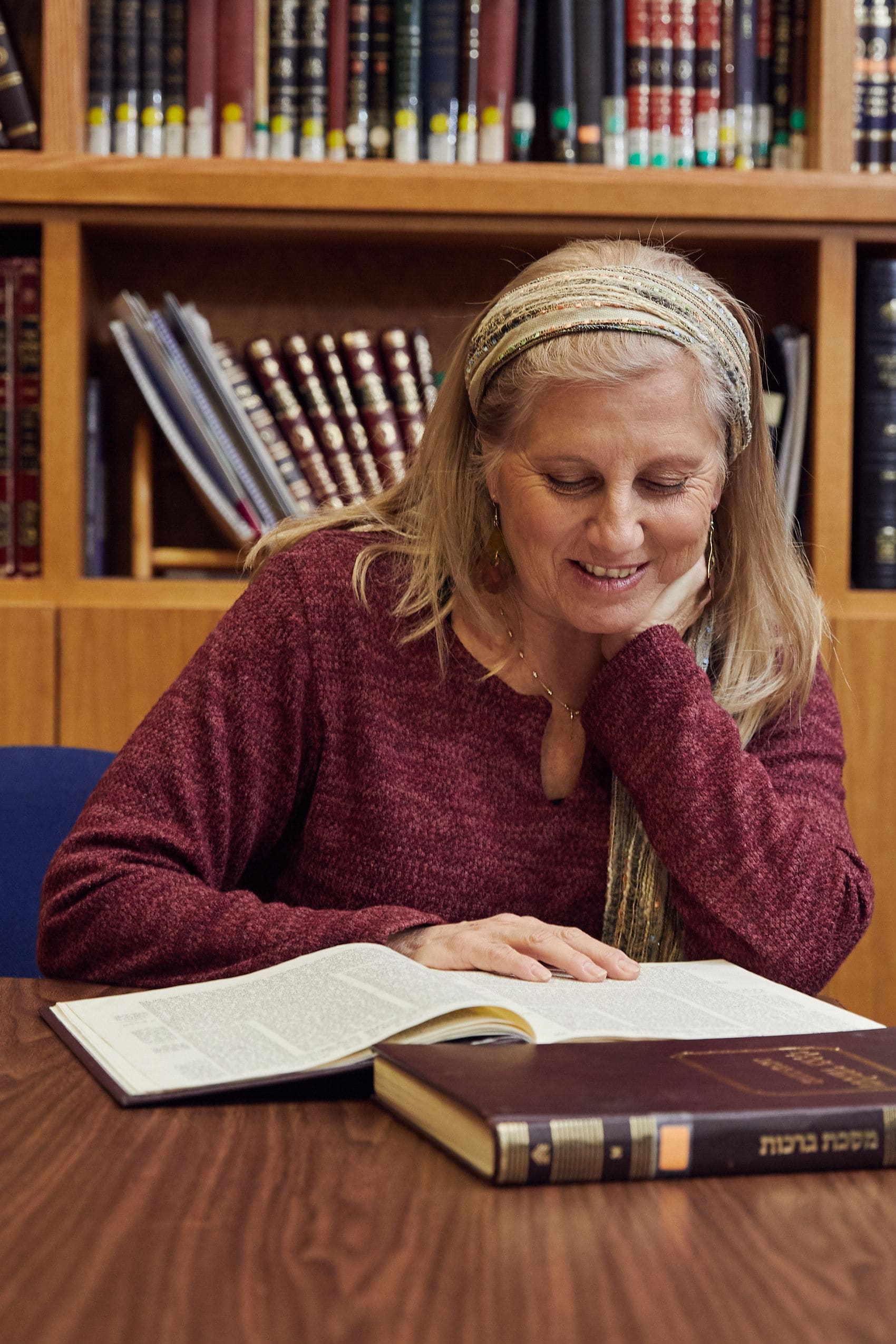
מיכל כהנא
חיפה, ישראל
בתחילת הסבב הנוכחי הצטברו אצלי תחושות שאני לא מבינה מספיק מהי ההלכה אותה אני מקיימת בכל יום. כמו כן, כאמא לבנות רציתי לתת להן מודל נשי של לימוד תורה
שתי הסיבות האלו הובילו אותי להתחיל ללמוד. נתקלתי בתגובות מפרגנות וסקרניות איך אישה לומדת גמרא..
כמו שרואים בתמונה אני ממשיכה ללמוד גם היום ואפילו במחלקת יולדות אחרי לידת ביתי השלישית.
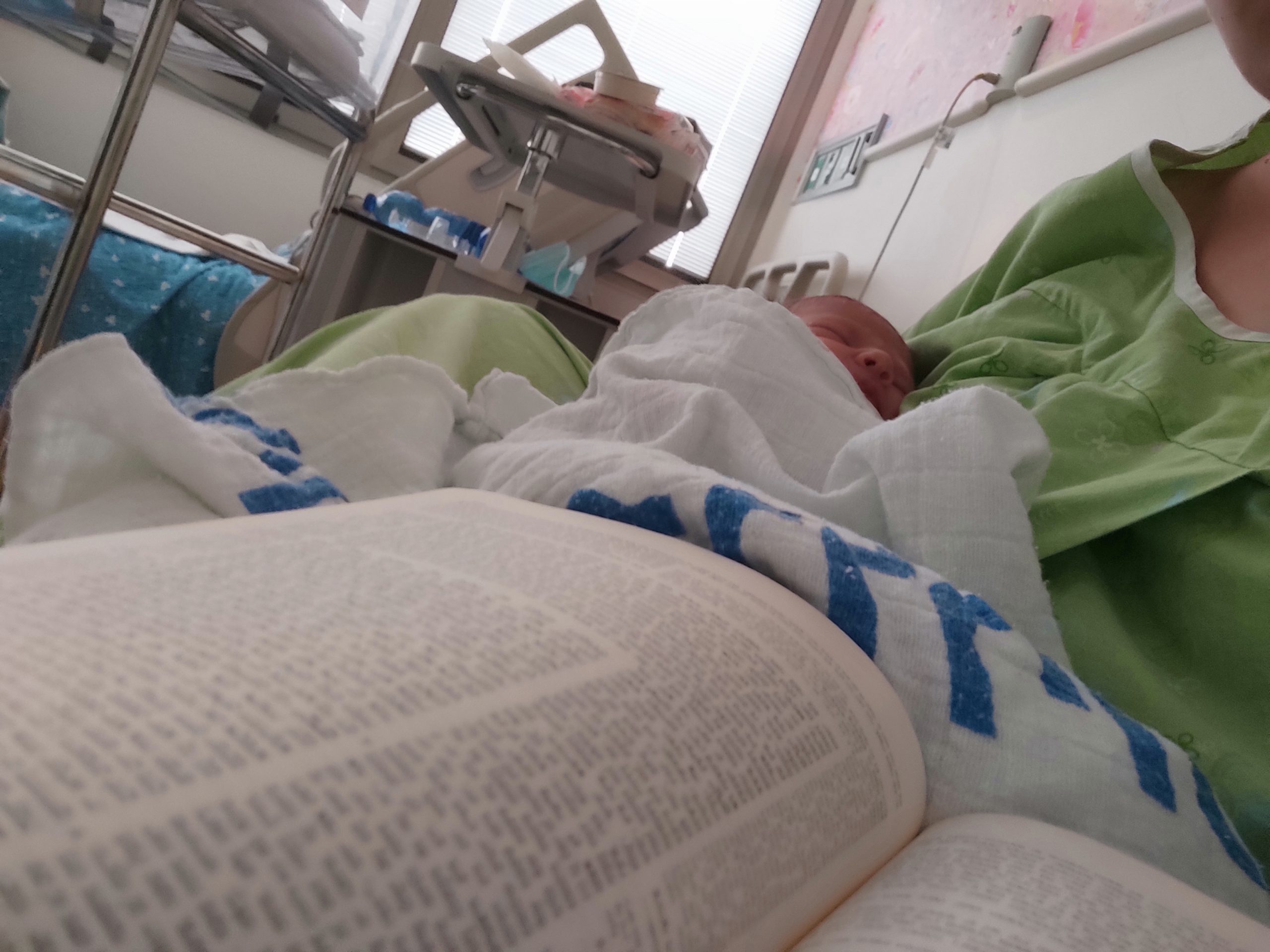
נועה שילה
רבבה, ישראל
לפני 15 שנה, אחרי עשרות שנים של "ג’ינגול” בין משפחה לקריירה תובענית בהייטק, הצטרפתי לשיעורי גמרא במתן רעננה. הלימוד המעמיק והייחודי של הרבנית אושרה קורן יחד עם קבוצת הנשים המגוונת הייתה חוויה מאלפת ומעשירה. לפני כשמונה שנים כאשר מחזור הדף היומי הגיע למסכת תענית הצטרפתי כ”חברותא” לבעלי. זו השעה היומית שלנו ביחד כאשר דפי הגמרא משתלבים בחיי היום יום, משפיעים ומושפעים, וכשלא מספיקים תמיד משלימים בשבת

יודי אסקוף
רעננה, ישראל
התחלתי ללמוד דף יומי ממסכת נידה כי זה היה חומר הלימוד שלי אז. לאחר הסיום הגדול בבנייני האומה החלטתי להמשיך. וב”ה מאז עם הפסקות קטנות של קורונה ולידה אני משתדלת להמשיך ולהיות חלק.
זה משפיע מאוד על היום יום שלי ועל אף שאני עסוקה בלימודי הלכה ותורה כל יום, זאת המסגרת הקבועה והמחייבת ביותר שיש לי.
מוריה תעסן מיכאלי
גבעת הראל, ישראל
התחלתי ללמוד את הדף היומי מעט אחרי שבני הקטן נולד. בהתחלה בשמיעה ולימוד באמצעות השיעור של הרבנית שפרבר. ובהמשך העזתי וקניתי לעצמי גמרא. מאז ממשיכה יום יום ללמוד עצמאית, ולפעמים בעזרת השיעור של הרבנית, כל יום. כל סיום של מסכת מביא לאושר גדול וסיפוק. הילדים בבית נהיו חלק מהלימוד, אני משתפת בסוגיות מעניינות ונהנית לשמוע את דעתם.
אלירז בלאו
מעלה מכמש, ישראל
"התחלתי ללמוד דף יומי במחזור הזה, בח’ בטבת תש””ף. לקחתי על עצמי את הלימוד כדי ליצור תחום של התמדה יומיומית בחיים, והצטרפתי לקבוצת הלומדים בבית הכנסת בכפר אדומים. המשפחה והסביבה מתפעלים ותומכים.
בלימוד שלי אני מתפעלת בעיקר מכך שכדי ללמוד גמרא יש לדעת ולהכיר את כל הגמרא. זו מעין צבת בצבת עשויה שהיא עצומה בהיקפה.”

שרה פוּקס
כפר אדומים, ישראל
למדתי גמרא מכיתה ז- ט ב Maimonides School ואחרי העליה שלי בגיל 14 לימוד הגמרא, שלא היה כל כך מקובל בימים אלה, היה די ספוראדי. אחרי "ההתגלות” בבנייני האומה התחלתי ללמוד בעיקר בדרך הביתה למדתי מפוקקטסים שונים. לאט לאט ראיתי שאני תמיד חוזרת לרבנית מישל פרבר. באיזה שהוא שלב התחלתי ללמוד בזום בשעה 7:10 .
היום "אין מצב” שאני אתחיל את היום שלי ללא לימוד עם הרבנית מישל עם כוס הקפה שלי!!

דבי גביר
חשמונאים, ישראל
התחלתי כשהייתי בחופש, עם הפרסומים על תחילת המחזור, הסביבה קיבלה את זה כמשהו מתמיד ומשמעותי ובהערכה, הלימוד זה עוגן יציב ביום יום, יש שבועות יותר ויש שפחות אבל זה משהו שנמצא שם אמין ובעל משמעות בחיים שלי….
עדי דיאמנט
גמזו, ישראל
הצטרפתי ללומדות בתחילת מסכת תענית. ההתרגשות שלי ושל המשפחה היתה גדולה מאוד, והיא הולכת וגוברת עם כל סיום שאני זוכה לו. במשך שנים רבות רציתי להצטרף ומשום מה זה לא קרה… ב”ה מצאתי לפני מספר חודשים פרסום של הדרן, ומיד הצטרפתי והתאהבתי. הדף היומי שינה את חיי ממש והפך כל יום- ליום של תורה. מודה לכן מקרב ליבי ומאחלת לכולנו לימוד פורה מתוך אהבת התורה ולומדיה.

נעה רוזן
חיספין רמת הגולן, ישראל
כבר סיפרתי בסיום של מועד קטן.
הלימוד מאוד משפיעה על היום שלי כי אני לומדת עם רבנית מישל על הבוקר בזום. זה נותן טון לכל היום – בסיס למחשבות שלי .זה זכות גדול להתחיל את היום בלימוד ובתפילה. תודה רבה !

שרה ברלוביץ
ירושלים, ישראל
התחלתי מעט לפני תחילת הסבב הנוכחי. אני נהנית מהאתגר של להמשיך להתמיד, מרגעים של "אהה, מפה זה הגיע!” ומהאתגר האינטלקטואלי

אילת-חן ודלר
לוד, ישראל
קידושין מז
לֹא שָׁנוּ אֶלָּא דְּאָמַר לָהּ: ״בָּזוֹ וּבָזוֹ וּבָזוֹ״. אֲבָל אָמַר לָהּ: ״בְּאֵלּוּ״ – אֲפִילּוּ אוֹכֶלֶת נָמֵי מְקוּדֶּשֶׁת, כִּי קָא אָכְלָה – מִדְּנַפְשַׁהּ קָאָכְלָה.
The mishna taught that if she ate the dates one by one their value is not added together only if he said to her that she is betrothed: With this one, and with this one, and with this one, which indicates that she is not betrothed until she has received them all. But if he said to her that he is betrothing her: With these, i.e., with all of them together, even if she is eating them one by one she is also betrothed if their combined value is one peruta. The reason is that when she eats, she eats of her own food. Once she has accepted the dates as money for betrothal, they become her own property and she is betrothed.
תַּנְיָא כְּוָתֵיהּ דְּרָבָא: ״הִתְקַדְּשִׁי לִי בְּאַלּוֹן בְּרִמּוֹן וּבֶאֱגוֹז״ אוֹ שֶׁאָמַר לָהּ: ״הִתְקַדְּשִׁי לִי בְּאֵלּוּ״, אִם יֵשׁ בְּכוּלָּן שָׁוֶה פְּרוּטָה – מְקוּדֶּשֶׁת, וְאִם לָאו – אֵינָהּ מְקוּדֶּשֶׁת. ״בָּזוֹ וּבָזוֹ וּבָזוֹ״, אִם יֵשׁ בְּכוּלָּם שָׁוֶה פְּרוּטָה – מְקוּדֶּשֶׁת, וְאִם לָאו – אֵינָהּ מְקוּדֶּשֶׁת. ״בָּזוֹ״ – נְטָלַתּוּ וַאֲכָלַתּוּ, ״בָּזוֹ״ – נְטָלַתּוּ וַאֲכָלַתּוּ, וְעוֹד ״בָּזוֹ״ וְעוֹד ״בָּזוֹ״ – אֵינָהּ מְקוּדֶּשֶׁת עַד שֶׁיְּהֵא בְּאַחַת מֵהֶן שָׁוֶה פְּרוּטָה.
The Gemara comments: It is taught in a baraita in accordance with the opinion of Rava: If one said to a woman: Be betrothed to me with the fruit of an oak tree, i.e., an acorn, with a pomegranate, and with a nut, or if he said to her: Be betrothed to me with these, if combined they are worth one peruta, she is betrothed. But if not, she is not betrothed. If he said to her: Be betrothed to me with this one, and with this one, and with this one, if combined they are worth one peruta, she is betrothed. But if not, she is not betrothed. If he said to her: Be betrothed to me with this one, and she took it and ate it; with this one, and she took it and ate it; and also with this one and also with this one, she is not betrothed unless one of them is worth one peruta. This concludes the baraita.
הַאי ״בְּאַלּוֹן בְּרִמּוֹן בֶּאֱגוֹז״, הֵיכִי דָּמֵי? אִילֵימָא דְּאָמַר לַהּ: ״אוֹ בְּאַלּוֹן, אוֹ בְּרִמּוֹן, אוֹ בֶּאֱגוֹז״, אִם יֵשׁ בְּכוּלָּן שָׁוֶה פְּרוּטָה מְקוּדֶּשֶׁת? וְהָא ״אוֹ״ קָאָמַר! וְאֶלָּא ״בְּאַלּוֹן וּבְרִמּוֹן וּבֶאֱגוֹז״ – הַיְינוּ ״בָּזוֹ וּבָזוֹ וּבָזוֹ״! אֶלָּא לָאו דַּאֲמַר לַהּ: ״בְּאֵלּוּ״, הָא מִדְּקָתָנֵי סֵיפָא: אוֹ שֶׁאָמַר לָהּ ״הִתְקַדְּשִׁי לִי בְּאֵלּוּ״ – מִכְּלָל דְּרֵישָׁא לָאו בְּ״אֵלּוּ״ עָסְקִינַן.
The Gemara proceeds to prove Rava’s ruling from the baraita. What are the circumstances in this first case, where he said: With the fruit of an oak tree, with a pomegranate, with a nut? If we say that he said to her: Either with the fruit of an oak tree, or with a pomegranate, or with a nut, why is the halakha that if combined they are worth one peruta she is betrothed? But didn’t he say: Or, which indicates that she is betrothed with only one of them, and that one item should need to be worth one peruta? But rather, if we say that he said to her: With the fruit of an oak tree, and with a pomegranate, and with a nut together, that is the same as saying: With this one, and with this one, and with this one. That halakha is stated in the subsequent clause of the baraita, and would be redundant. Rather, is it not referring to a case where he said to her: Be betrothed to me with these? But from the fact that the latter clause teaches: Or if he said to her: Be betrothed to me with these, it may be inferred that in the first clause we are not dealing with a situation where he said: These.
פָּירוּשֵׁי קָא מְפָרֵשׁ: ״הִתְקַדְּשִׁי לִי בְּאַלּוֹן בְּרִמּוֹן בֶּאֱגוֹז״, כֵּיצַד? כְּגוֹן דְּאָמַר לַהּ ״הִתְקַדְּשִׁי לִי בְּאֵלּוּ״.
The Gemara continues with the explication of the baraita: Rather, it is to be understood as an initial, general statement, which the tanna is then explaining, as follows: If one says to a woman: Be betrothed to me with the fruit of an oak tree, with a pomegranate, with a nut; the baraita pauses and explains the circumstances of the case: How so? For example, when he gave her these three items and said to her: Be betrothed to me with these.
וְקָתָנֵי סֵיפָא ״בָּזוֹ״ נְטָלַתּוּ וַאֲכָלַתּוּ, אִם יֵשׁ בְּאַחַת מֵהֶם שָׁוֶה פְּרוּטָה – מְקוּדֶּשֶׁת, וְאִם לָאו – אֵינָהּ מְקוּדֶּשֶׁת.
The Gemara continues with its proof: And the latter clause of the baraita teaches a second possibility: If he said to her that she is betrothed: With this one, and she took it and ate it, then if one of them is worth one peruta, she is betrothed. And if not, she is not betrothed.
וְאִילּוּ רֵישָׁא, לָא קָא מְפַלֵּיג בֵּין אוֹכֶלֶת לְמַנַּחַת. שְׁמַע מִינַּהּ: כֹּל הֵיכָא דַּאֲמַר לַהּ ״בְּאֵלּוּ״ כִּי קָא אָכְלָה – מִנַּפְשַׁהּ קָא אָכְלָה, שְׁמַע מִינַּהּ.
While in contrast to this, in the first clause of the baraita the tanna does not distinguish between a woman who is eating the items and one who is placing them in her possession. In either case, she is betrothed. You can conclude from the baraita that any case where he said to her: With these, if they were worth one peruta combined, then when she is eating them she is eating of her own food. It is not considered a loan. The Gemara affirms: Conclude from the baraita that Rava’s statement is correct.
הָנִיחָא לְמַאן דְּאָמַר אַסֵּיפָא קָאֵי, וּמַאי ״עַד שֶׁיְּהֵא בְּאַחַת מֵהֶן שָׁוֶה פְּרוּטָה״ – עַד שֶׁיְּהֵא בָּאַחֲרוֹנָה שָׁוֶה פְּרוּטָה, הָכִי נָמֵי: עַד שֶׁיְּהֵא בָּאַחֲרוֹנָה שָׁוֶה פְּרוּטָה.
The Gemara asks: This works out well according to the one, i.e., Rabbi Ami, who says that the case of the woman eating the dates one by one is referring to the latter clause of the mishna, where he said: Be betrothed to me with this and with that, and who explained: What is the meaning of: She is not betrothed unless one of them is worth one peruta? Unless the last one is worth one peruta. So too, the baraita can be explained: Unless the last one is worth one peruta.
אֶלָּא לְרַב וּשְׁמוּאֵל דְּאָמְרִי תַּרְוַיְיהוּ: אַרֵישָׁא קָאֵי, וְאוֹכֶלֶת אִיצְטְרִיכָא לֵיהּ – הָכָא כְּלָלֵי קָחָשֵׁיב, פְּרָטֵי לָא קָא חָשֵׁיב.
But according to Rav and Shmuel, who both say that the case of the woman eating the dates one by one is referring to the first clause of the mishna, how would they explain the statement of the baraita? In the first clause of the mishna, one said: Be betrothed to me with this, be betrothed to me with that, and if one of them is worth one peruta she is betrothed. And Rav and Shmuel explained that it was necessary for the tanna to mention the case of a woman who is eating to teach that despite her immediate benefit, one of the dates must be worth one peruta for her to be betrothed. The phrase: Unless one of them is worth one peruta, indicates that one alone must be worth one peruta. But here the baraita lists only groupings; it does not list individual items. The baraita states a case where he said to her: Be betrothed to me, only once, followed by a statement that the three items should serve as the betrothal money. Why, then, does one of them need to be worth one peruta?
הָא מַנִּי – רַבִּי הִיא, דַּאֲמַר: לָא שְׁנָא ״כְּזַיִת כְּזַיִת״, וְלָא שְׁנָא ״כְּזַיִת וּכְזַיִת״, פְּרָטָא הָוֵי.
The Gemara answers: In accordance with whose opinion is this halakha of the baraita taught? It is that of Rabbi Yehuda HaNasi, who says with regard to the laws of piggul, which is an offering that was sacrificed with the intent to consume an olive-bulk of it after its appointed time or outside the boundaries of where it must be consumed: There is no difference whether he says that he intends to consume: An olive-bulk after its time, an olive-bulk outside its boundaries, i.e., without employing the word: And; or whether he said that he intends to consume an olive-bulk after its time and an olive-bulk outside its boundaries, i.e., employing the word: And. Both expressions are considered individual statements, since he is treating each statement separately, and in neither case does he intend to combine the two amounts. According to Rabbi Yehuda HaNasi, when one says: With this and with this, each statement is distinct. Consequently, although she derives immediate benefit by eating the dates she receives, she is betrothed only if one of them is worth one peruta on its own.
אָמַר רַב: הַמְקַדֵּשׁ בְּמִלְוֶה – אֵינָהּ מְקוּדֶּשֶׁת, מִלְוָה לְהוֹצָאָה נִיתְּנָה. נֵימָא כְּתַנָּאֵי: הַמְקַדֵּשׁ בְּמִלְוֶה – אֵינָהּ מְקוּדֶּשֶׁת, וְיֵשׁ אוֹמְרִים: מְקוּדֶּשֶׁת. מַאי לָאו בְּהָא קָמִיפַּלְגִי, דְּמָר סָבַר מִלְוָה לְהוֹצָאָה נִיתְּנָה, וּמָר סָבַר מִלְוָה לָאו לְהוֹצָאָה נִיתְּנָה?
§ Rav says: With regard to one who betroths a woman with a loan, she is not betrothed, since a loan is given to be spent. Consequently, from the moment the money is lent it no longer belongs to the lender, and he cannot betroth a woman with it. The Gemara suggests: Let us say that this is subject to a dispute between tanna’im, as it was taught in a baraita: With regard to one who betroths a woman with a loan, she is not betrothed, and some say she is betrothed. What, is it not that they disagree with regard to this: One Sage holds that a loan is given to be spent, and one Sage holds that a loan is not given to be spent?
וְתִסְבְּרָא?! אֵימָא סֵיפָא: וְשָׁוִים בְּמֶכֶר שֶׁזֶּה קָנָה. אִי אָמְרַתְּ מִלְוָה לְהוֹצָאָה נִיתְּנָה, בְּמַאי קָנֵי?!
The Gemara questions this suggestion: And how can you understand it that way? Say the latter clause of that same baraita: And they agree with regard to the case of a sale that he acquires it. Although they disagree as to whether one can betroth a woman with a loan he has given her, they agree that a lender can purchase an item from the debtor in exchange for forgiving the money he has lent him. If you say that a loan is given to be spent, with what has he acquired it? There is no money with which to effect an acquisition. No proof can be derived from this baraita, which cannot be understood as stated.
אָמַר רַב נַחְמָן: הוּנָא חַבְרִין מוֹקֵים לַהּ בְּמִילֵּי אוּחְרֵי, וְהָכָא בְּמַאי עָסְקִינַן — כְּגוֹן שֶׁאָמַר לַהּ: ״הִתְקַדְּשִׁי לִי בְּמָנֶה״ וְנִמְצָא מָנֶה חָסֵר דִּינָר. מָר סָבַר: כְּסִיפָא לַהּ מִילְּתָא לְמִיתְבְּעֵיהּ. וּמָר סָבַר: לָא כְּסִיפָא לַהּ מִילְּתָא לְמִיתְבְּעֵיהּ.
Rav Naḥman says: Our colleague Rav Huna interprets the baraita as referring to other matters and not as referring to a straightforward case of a loan. And with what are we dealing here? A case where he said to her: Be betrothed to me with one hundred dinars, and it was found to be one hundred dinars less one dinar, the missing dinar is considered to be a loan that he has taken from her. One Sage, who said the woman is not betrothed, holds that the matter is embarrassing for her, preventing her from claiming the final dinar from him, and since he has failed to fulfill his statement she is not betrothed. And one Sage, who said that she is betrothed, holds that the matter is not embarrassing for her and is not preventing her from claiming the final dinar. He is therefore considered to have fulfilled his statement and borrowed one dinar from her, which he will repay in due course, but she is nevertheless betrothed.
וְאֶלָּא הָא דְּאָמַר רַבִּי אֶלְעָזָר: ״הִתְקַדְּשִׁי לִי בְּמָנֶה״ וְנָתַן לָהּ דִּינָר – הֲרֵי זוֹ מְקוּדֶּשֶׁת וְיַשְׁלִים, לֵימָא כְּתַנָּאֵי אַמְרַהּ לִשְׁמַעְתֵּיהּ? אָמְרִי: מָנֶה חָסֵר דִּינָר כְּסִיפָא לַהּ מִילְּתָא לְמִיתְבְּעֵיהּ, מָנֶה חָסֵר תִּשְׁעִים וָתֵשַׁע לָא כְּסִיפָא לַהּ מִילְּתָא לְמִיתְבְּעֵיהּ.
The Gemara asks: But rather, with regard to that which Rabbi Elazar says: If one said to a woman: Be betrothed to me with one hundred dinars, and he gave her one dinar, she is betrothed and he must later finish giving the full sum; let us say that his statement is parallel to a dispute between tanna’im. The Sages say to distinguish between the cases: Where he gave her one hundred dinars less a dinar, the matter is embarrassing for her, preventing her from claiming the final dinar from him, since he has given her almost the entire sum. But if he gave her one hundred dinars less ninety-nine, the matter is not embarrassing for her and is not preventing her from claiming the rest of the dinars. Therefore, all would agree that she is betrothed in the latter case.
מֵיתִיבִי: הָאוֹמֵר לְאִשָּׁה ״הִתְקַדְּשִׁי לִי בְּפִקָּדוֹן שֶׁיֵּשׁ לִי בְּיָדֵךְ״ וְהָלְכָה וּמְצָאַתּוּ שֶׁנִּגְנַב אוֹ שֶׁאָבַד, אִם נִשְׁתַּיֵּיר הֵימֶנּוּ שָׁוֶה פְּרוּטָה – מְקוּדֶּשֶׁת, וְאִם לָאו – אֵינָהּ מְקוּדֶּשֶׁת. וּבְמִלְוָה, אַף עַל פִּי שֶׁלֹּא נִשְׁתַּיֵּיר הֵימֶנּוּ שָׁוֶה פְּרוּטָה – מְקוּדֶּשֶׁת. רַבִּי שִׁמְעוֹן בֶּן אֶלְעָזָר אוֹמֵר מִשּׁוּם רַבִּי מֵאִיר: מִלְוָה
The Gemara raises an objection to the statement of Rav from a baraita: In the case of one who says to a woman: Be betrothed to me with the deposit that I have in your possession, and she went and found that the deposit had been stolen or that it had been lost, if the value of one peruta of it remains she is betrothed with that amount. And if not, she is not betrothed, since there is nothing to effect the betrothal. But if he said to her that he is betrothing her with a loan that he had given her, she is betrothed, even though the value of one peruta of it does not remain. Rabbi Shimon ben Elazar says in the name of Rabbi Meir: A loan
הֲרֵי הִיא כְּפִקָּדוֹן. עַד כָּאן לָא פְּלִיגִי אֶלָּא דְּמָר סָבַר: מִלְוָה, אַף עַל גַּב דְּלֹא נִשְׁתַּיֵּיר הֵימֶנָּה שָׁוֶה פְּרוּטָה, וּמָר סָבַר: נִשְׁתַּיֵּיר הֵימֶנָּה שָׁוֶה פְּרוּטָה – אִין, וְאִי לָא נִשְׁתַּיֵּיר הֵימֶנָּה שָׁוֶה פְּרוּטָה – לָא. אֲבָל דְּכוּלֵּי עָלְמָא מְקַדֵּשׁ בְּמִלְוָה מְקוּדֶּשֶׁת!
is like a deposit. The Gemara analyzes this: They disagree only with regard to this: There is one Sage who holds that one can betroth a woman with a loan, even though the value of one peruta does not remain of it. And one Sage holds that if the value of one peruta remains from it, yes, he can betroth her with it, but if the value of one peruta does not remain of it, he cannot. But everyone agrees that if one betroths a woman with a loan, she is betrothed. This presents a difficulty for Rav, who stated that one cannot betroth a woman with a loan.
אֲמַר לֵיהּ רָבָא: וְתִסְבְּרַאּ הָא מְתָרַצְתָּא? הָא מְשַׁבַּשְׁתָּא הִיא.
Rava said to him: And how can you understand it that way? Is this baraita fully explainable? It is corrupted and cannot be cited as a proof.
הַאי פִּקָּדוֹן הֵיכִי דָמֵי? אִי דְּקַבִּיל עֲלַיהּ אַחְרָיוּת, הַיְינוּ מִלְוָה. אִי דְּלָא קַבִּיל עֲלַיהּ אַחְרָיוּת – אִי הָכִי אַדְּתָנֵי סֵיפָא: וּבְמִלְוָה, אַף עַל פִּי שֶׁלֹּא נִשְׁתַּיֵּיר הֵימֶנָּה שָׁוֶה פְּרוּטָה – מְקוּדֶּשֶׁת, נִיפְלוֹג וְנִיתְנֵי בְּדִידַהּ: בַּמֶּה דְּבָרִים אֲמוּרִים – שֶׁלֹּא קִבְּלָה עָלֶיהָ אַחְרָיוּת, אֲבָל קִבְּלָה עָלֶיהָ אַחְרָיוּת, אַף עַל גַּב דְּלֹא נִשְׁתַּיֵּיר הֵימֶנָּה שָׁוֶה פְּרוּטָה מְקוּדֶּשֶׁת!
He explains why the baraita must be corrupted: What are the circumstances of this deposit discussed in the baraita? If she assumed financial responsibility to repay the owner for it if it is stolen or lost, it is the same as a loan, as even if it is entirely lost she must still repay its value. If she did not assume financial responsibility for it, then if so, rather than teaching in the latter clause of the baraita: But if he betroths her with a loan that he had given her, she is betrothed despite the fact that the value of one peruta of it does not remain; let him distinguish and teach the distinction within the case itself, as follows: In what case is this statement said, that she is not betrothed if less than the value of one peruta remains from the deposit? If she did not assume financial responsibility upon herself for it. But if she assumed financial responsibility upon herself, even though the value of one peruta did not remain from it, she is betrothed.
אֶלָּא, תָּרֵיץ הָכִי: וּבְמִלְוָה, אַף עַל פִּי שֶׁנִּשְׁתַּיֵּיר הֵימֶנָּה שָׁוֶה פְּרוּטָה – אֵינָהּ מְקוּדֶּשֶׁת.
Rather, since the wording of the baraita cannot remain as is, answer this way: But if he betroths her with a loan that he had given her, she is not betrothed, despite the fact that the value of one peruta of it remains.
רַבִּי שִׁמְעוֹן בֶּן אֶלְעָזָר אוֹמֵר מִשּׁוּם רַבִּי מֵאִיר: מִלְוָה הֲרֵי הִיא כְּפִקָּדוֹן. בְּמַאי קָמִיפַּלְגִי? אָמַר רַבָּה: אַשְׁכַּחְתִּינְהוּ לְרַבָּנַן בְּבֵי רַב דְּיָתְבִי וְקָאָמְרִי: בְּמִלְוָה בִּרְשׁוּת בְּעָלִים לַחֲזָרָה וְהוּא הַדִּין לְאוּנְסִין קָמִיפַּלְגִי,
The baraita stated that Rabbi Shimon ben Elazar says in the name of Rabbi Meir: A loan is like a deposit. The Gemara asks: With regard to what principle do they disagree? Rabba said: I found the scholars in the study hall of Rav who were sitting and saying: They disagree with regard to the issue of whether a loan the debtor had not yet begun to spend is in the possession of the owner with regard to the possibility of retraction of the loan by the lender. And the same is true, i.e., they also disagree, with regard to who bears responsibility for accidents.
דְּמָר סָבַר: מִלְוָה בִּרְשׁוּת לֹוֶה קָיְימָא, וְהוּא הַדִּין לָאוֹנָסִים. וּמָר סָבַר: מִלְוָה בִּרְשׁוּת בְּעָלִים קָיְימָא, וְהוּא הַדִּין לָאוֹנָסִים.
As one Sage, the first tanna, holds: A loan stands in the possession of the debtor, i.e., even if it has not been spent, the lender cannot demand the return of the money. And the same is true with regard to responsibility for accidents, i.e., if the money is lost, it is considered lost from the debtor’s possession and he bears responsibility for it. And one Sage, Rabbi Shimon ben Elazar, holds: A loan that the debtor has not yet begun to spend stands in the possession of the owner, and the same is true with regard to responsibility for accidents. He can therefore betroth a woman with the money he has already lent her, provided that she has not yet begun to spend it.
וְאָמֵינָא לְהוּ: לָאוֹנָסִים – כּוּלֵּי עָלְמָא לָא פְּלִיגִי דְּבִרְשׁוּת לֹוֶה קָיְימִי, מַאי טַעְמָא – לָא גָּרְעָא מִשְּׁאֵלָה, מָה שְׁאֵלָה דְּהָדְרָה בְּעֵינַהּ חַיָּיב בָּאוֹנָסִים, מִלְוָה לֹא כׇּל שֶׁכֵּן. אֶלָּא הָכָא מִלְוָה בִּרְשׁוּת בְּעָלִים לַחֲזָרָה אִיכָּא בֵּינַיְיהוּ.
Rabba continues: And I said to them: With regard to accidents, everyone agrees that it stands in the possession of the debtor and he is responsible for the money. What is the reason? A loan of money is no worse than borrowing an item. Just as in the case of borrowing an item, whereby the item is returned to its owner intact and yet the debtor is liable for accidents, as explicitly stated in the Torah, is it not all the more so that with regard to a loan, which the debtor spends and repays with other money, it should be considered in the debtor’s possession and he should bear responsibility for it? Rather, here the practical difference between them concerns the question of a loan in the possession of the owner with regard to the possibility of retraction of the loan. The first tanna is of the opinion that he cannot retract the loan, whereas Rabbi Shimon ben Elazar holds that he can do so.
וְאֶלָּא הָא דְּאָמַר רַב הוּנָא: הַשּׁוֹאֵל קוּרְדּוֹם מֵחֲבֵירוֹ, בִּיקַּע בּוֹ – קְנָאוֹ. לֹא בִּיקַּע בּוֹ – לֹא קְנָאוֹ. לֵימָא כְּתַנָּאֵי אַמְרַהּ לִשְׁמַעְתֵּיהּ?
The Gemara asks: But rather, with regard to that which Rav Huna says: In the case of one who borrows an ax from his friend for a certain period of time, if he chops wood with it he has acquired it in the sense that the lender cannot demand its immediate return. If he has not chopped wood with it he has not acquired it. Let us say that this halakha that Rav Huna stated is parallel to a dispute between tanna’im. According to the explanation of Rabba, it would be a dispute between the first tanna and Rabbi Shimon ben Elazar.
לָא, עַד כָּאן לָא פְּלִיגִי אֶלָּא בְּמִלְוָה, דְּלָא הָדְרָה בְּעֵינַהּ. אֲבָל בִּשְׁאֵלָה, דְּהָדְרָה בְּעֵינַהּ, דִּבְרֵי הַכֹּל בִּיקַּע בּוֹ – אִין, לֹא בִּיקַּע בּוֹ – לֹא קְנָאוֹ.
The Gemara rejects this suggestion: No, they disagree only with regard to a loan, which is not returned intact. Since there is no need for the debtor to return the same money to the lender, this means that the money has been transferred to the debtor’s domain, and the first tanna holds that the lender may not retract the loan. But with regard to the borrowing of an item, for example the ax, which is returned intact, everyone agrees that if one chopped with it, yes, he has acquired it and is responsible for it. If he has not chopped with it, he has not acquired it.
נֵימָא כְּתַנָּאֵי? ״הִתְקַדְּשִׁי לִי בִּשְׁטַר חוֹב״, אוֹ שֶׁהָיָה לוֹ מִלְוָה בְּיַד אֲחֵרִים וְהִירְשָׁהּ עֲלֵיהֶם, רַבִּי מֵאִיר אוֹמֵר: מְקוּדֶּשֶׁת, וַחֲכָמִים אוֹמְרִים: אֵינָהּ מְקוּדֶּשֶׁת. הַאי שְׁטַר חוֹב הֵיכִי דָמֵי? אִילֵּימָא שְׁטַר חוֹב דַּאֲחֵרִים – הַיְינוּ מִלְוָה בְּיַד אֲחֵרִים! אֶלָּא לָאו שְׁטַר חוֹב דִּידַהּ, וּבִמְקַדֵּשׁ בְּמִלְוָה קָמִיפַּלְגִי?
The Gemara suggests: Let us say that Rav’s statement that one cannot betroth a woman with a loan is subject to a dispute between tanna’im. The baraita teaches: If one says to a woman: Be betrothed to me with a promissory note, or if he had a loan in the possession of others and he authorized her to collect the money for herself, Rabbi Meir says she is betrothed and the Rabbis say she is not betrothed. The Gemara clarifies: What are the circumstances of this promissory note? If we say it is a promissory note of others who owe him money, this is the same as a loan in the possession of others, and why would the baraita state it twice? Rather, is it not referring to her promissory note, i.e., a loan she has taken from him, and they disagree with regard to one who betroths a woman with a loan, whether forgiving the debt by returning the promissory note counts as betrothal money?
לְעוֹלָם שְׁטַר חוֹב דַּאֲחֵרִים, וְהָכָא בְּמִלְוָה בִּשְׁטָר וּבְמִלְוָה עַל פֶּה קָא מִיפַּלְגִי.
The Gemara rejects this suggestion: Actually, the baraita is referring to a promissory note of others, and here they disagree in two cases: In the case of a loan with a promissory note and in the case of a loan by oral agreement.
בְּמִלְוָה בִּשְׁטָר בְּמַאי פְּלִיגִי – בִּפְלוּגְתָּא דְּרַבִּי וְרַבָּנַן קָמִיפַּלְגִי. דְּתַנְיָא: אוֹתִיּוֹת נִקְנוֹת בִּמְסִירָה, דִּבְרֵי רַבִּי. וַחֲכָמִים אוֹמְרִים: בֵּין שֶׁכָּתַב וְלֹא מָסַר, בֵּין שֶׁמָּסַר וְלָא כָּתַב – לֹא קָנָה עַד שֶׁיִּכְתּוֹב וְיִמְסוֹר.
The Gemara explains: With regard to a loan with a promissory note, concerning what matter do they disagree? They disagree concerning the dispute between Rabbi Yehuda HaNasi and the Rabbis, as it is taught in a baraita: Letters, i.e., the content of a promissory note, are acquired by merely transferring the document. If the lender hands over a promissory note to a third party, the latter can collect the debt. This is the statement of Rabbi Yehuda HaNasi. And the Rabbis say: Whether one wrote a document of sale for the promissory note but did not transfer the promissory note itself, or whether he transferred the promissory note but did not write a document of sale for it, the recipient has not acquired the promissory note. The recipient acquires it only once the other writes a document of sale and transfers the promissory note.
מָר אִית לֵיהּ דְּרַבִּי וּמָר לֵית לֵיהּ דְּרַבִּי.
The suggestion is that one Sage, Rabbi Meir, is of the opinion that the halakha is in accordance with the opinion of Rabbi Yehuda HaNasi, and therefore one can betroth a woman by giving her a promissory note even without writing a document of sale for it. And one Sage, i.e., the Rabbis, is not of the opinion that the halakha is in accordance with the opinion of Rabbi Yehuda HaNasi, and she is not betrothed because she has not received anything.
וְאִיבָּעֵית אֵימָא: דְּכוּלֵּי עָלְמָא לֵית לְהוּ דְּרַבִּי, וְהָכָא בִּדְרַב פָּפָּא קָמִיפַּלְגִי, דְּאָמַר רַב פָּפָּא: הַאי מַאן דְּזָבֵין שְׁטָרָא לְחַבְרֵיהּ, צָרִיךְ לְמִיכְתַּב לֵיהּ: ״קְנִי לָךְ הוּא וְכׇל שִׁעְבּוּדֵיהּ״. מָר אִית לֵיהּ דְּרַב פָּפָּא, וּמָר לֵית לֵיהּ דְּרַב פָּפָּא.
And if you wish, say instead the following answer: No one is of the opinion that the halakha is in accordance with the opinion of Rabbi Yehuda HaNasi, and here they disagree with regard to the statement of Rav Pappa, as Rav Pappa says: This one who sells a promissory note to his friend must write the following formula for him: Let it be acquired by you, it and all its liens. Otherwise, the debt discussed in the promissory note is not transferred. One Sage, i.e., the Rabbis, is of the opinion that the halakha is in accordance with the opinion of Rav Pappa. And one Sage, Rabbi Meir, is not of the opinion that the halakha is in accordance with the opinion of Rav Pappa. He holds that the debt is acquired even if one did not write this phrase, and a man can betroth a woman by giving a promissory note to her.
וְאִיבָּעֵית אֵימָא: דְּכוּלֵּי עָלְמָא אִית לְהוּ דְּרַב פָּפָּא וְהָכָא בְּדִשְׁמוּאֵל קָמִיפַּלְגִי. דְּאָמַר שְׁמוּאֵל:
And if you wish, say instead: Everyone is of the opinion that the halakha is in accordance with the opinion of Rav Pappa, and even Rabbi Meir agrees that she is betrothed only if he wrote in the document: Let it be acquired by you, it and all its liens. And here they disagree with regard to the statement of Shmuel, as Shmuel says:
לעקוב

