Search

Kiddushin 71

Want to dedicate learning? Get started here:

English
עברית
podcast placeholder

0:00
0:00


podcast placeholder

0:00
0:00


Summary

Today’s daf is dedicated to the safe return of the hostages, the safety of our soldiers, the residents of the South and the North, and the whole country, and in memory of those who were murdered and for a refuah shleima to all those injured. 

A verse from Malachi 3:3 is explained in two different ways – that in the time of the Messiah, God will separate out all those from the tribe of Levi that have problematic lineage or that on account of wealth, mamzerim will intermarry and ultimately will be purified as no one will know who is a mamzer. According to the second interpretation, God will permit those mixed in to remain part of the nation and marry whomever they wish. Babylonia was known to have people of better lineage than in Israel, and in Israel it was better than outside of Israel. At certain times, some suggested that Jews in Israel had better lineage than in Babylonia but they were overruled. Rabbi Yochanan held that one should not try to find families with problematic lineage as even the leaders of the generation would be among them. There were some who told their children and students once or twice every seven years about which families one should not marry into. Another secret that was only revealed once or twice every seven years was the name of God with four letters. From where do we learn that it needs to be kept a secret? There are two other names of God – one with twelve letters and one with forty-two that were also kept a secret and only revealed to certain types of people. Can one rely on the presumptive status of ‘kosher’/disqualified in Israel, in Babylonia, and in other places? What were methods used to determine if one was Babylonian in order to know their lineage was good? Zeira avoided Rabbi Yochanan as Rabbi Yochanan wanted to marry him to his daughter and Zeira didn’t trust his lineage as he was from Israel. Rav Yehuda avoided marrying off his son as he was also concerned about marrying him off to a woman with a bad lineage. Ulla recommended he judge by the family’s demeanor – if they are quiet and give in while arguing, it is a sign of a good family. Babylonia was known for good lineage, but the rabbis debated what are considered the borders of Babylonia for these purposes.

Today’s daily daf tools:

Kiddushin 71

מְטַהֵר שְׁבָטִים, שִׁבְטוֹ שֶׁל לֵוִי מְטַהֵר תְּחִילָּה, שֶׁנֶּאֱמַר: ״וַיֵּשֶׁב מְצָרֵף וּמְטַהֵר כֶּסֶף וְטִהַר אֶת בְּנֵי לֵוִי וְזִקַּק אֹתָם כַּזָּהָב וְכַכָּסֶף וְהָיוּ לַה׳ מַגִּישֵׁי מִנְחָה בִּצְדָקָה״.

purifies the tribes, i.e., clarifies their lineage, He will purify that of the tribe of Levi first, as it is stated with regard to the angel sent forth by God: “And he shall sit as a refiner and purifier of silver; and he shall purify the sons of Levi, and purge them as gold and silver; and there shall be they that shall offer to the Lord offerings in righteousness” (Malachi 3:3).

אָמַר רַבִּי יְהוֹשֻׁעַ בֶּן לֵוִי: כֶּסֶף מְטַהֵר מַמְזֵרִים, שֶׁנֶּאֱמַר: ״וַיֵּשֶׁב מְצָרֵף וּמְטַהֵר כֶּסֶף״. מַאי ״מַגִּישֵׁי מִנְחָה בִּצְדָקָה״? אָמַר רַבִּי יִצְחָק: צְדָקָה עָשָׂה הַקָּדוֹשׁ בָּרוּךְ הוּא עִם יִשְׂרָאֵל, שֶׁמִּשְׁפָּחָה שֶׁנִּטְמְעָה – נִטְמְעָה.

Rabbi Yehoshua ben Levi says: Money purifies mamzerim. Money causes rich mamzerim to become assimilated with Jews of unflawed lineage, since other families marry them despite their flawed lineage. In the future, God will not single them out as mamzerim, as it is stated: “And he shall sit as a refiner and purifier of silver,” which teaches that money, i.e., silver, purifies them. What, then, is the connection to the next part of the verse: “They that shall offer to the Lord offerings in righteousness”? Rabbi Yitzḥak says: The Holy One, Blessed be He, performed an act of righteousness with the Jewish people by establishing that a family that has become assimilated with Jews of unflawed lineage remains assimilated. They are not removed from their tribe despite their flawed lineage.

גּוּפָא, אָמַר רַב יְהוּדָה אָמַר שְׁמוּאֵל: כׇּל אֲרָצוֹת עִיסָּה לְאֶרֶץ יִשְׂרָאֵל, וְאֶרֶץ יִשְׂרָאֵל עִיסָּה לְבָבֶל. בִּימֵי רַבִּי בִּקְּשׁוּ לַעֲשׂוֹת בָּבֶל עִיסָּה לְאֶרֶץ יִשְׂרָאֵל. אָמַר לָהֶן: קוֹצִים אַתֶּם מְשִׂימִים לִי בֵּין עֵינַי? רְצוֹנְכֶם, יִטָּפֵל עִמָּכֶם רַבִּי חֲנִינָא בַּר חָמָא.

§ With regard to the matter itself that was discussed earlier, the lineage of the Jews in various lands, Rav Yehuda says that Shmuel says: The lineage of residents of all lands is muddled compared to that of the residents of Eretz Yisrael, and the lineage of residents of Eretz Yisrael is muddled compared to that of Babylonia. The Gemara relates: In the days of Rabbi Yehuda HaNasi, they sought to establish the lineage of the Jews in Babylonia as muddled relative to that of Eretz Yisrael. In other words, the people of Eretz Yisrael wanted their lineage to be considered superior to that of the residents of Babylonia, so that if people from Eretz Yisrael would wish to marry Babylonians, they would have to investigate the lineage of the Babylonians. Rabbi Yehuda HaNasi was descended from Hillel, a Babylonian, so he said to those who put forth this suggestion: Are you placing thorns between my eyes? Do you wish to insult me? If you wish, Rabbi Ḥanina bar Ḥama will join you and explain it to you.

נִטְפַּל עִמָּהֶם רַבִּי חֲנִינָא בַּר חָמָא, אָמַר לָהֶם: כָּךְ מְקוּבְּלַנִי מֵרַבִּי יִשְׁמָעֵאל בְּרַבִּי יוֹסֵי שֶׁאָמַר מִשּׁוּם אָבִיו: כׇּל אֲרָצוֹת עִיסָּה לְאֶרֶץ יִשְׂרָאֵל וְאֶרֶץ יִשְׂרָאֵל עִיסָּה לְבָבֶל.

Rabbi Ḥanina bar Ḥama joined them and said to them: This is the tradition that I received from Rabbi Yishmael, son of Rabbi Yosei, who says in the name of his father, who was from Eretz Yisrael: The lineage of residents of all lands is muddled compared to that of Eretz Yisrael, and the lineage of residents of Eretz Yisrael is muddled compared to that of Babylonia.

בִּימֵי רַבִּי פִּנְחָס בִּקְּשׁוּ לַעֲשׂוֹת בָּבֶל עִיסָּה לְאֶרֶץ יִשְׂרָאֵל. אָמַר לָהֶם לַעֲבָדָיו: כְּשֶׁאֲנִי אוֹמֵר שְׁנֵי דְבָרִים בְּבֵית הַמִּדְרָשׁ טְלוּנִי בַּעֲרִיסָה וְרוּצוּ. כִּי עָיֵיל אָמַר לָהֶם: אֵין שְׁחִיטָה לָעוֹף מִן הַתּוֹרָה.

The Gemara further relates with regard to the same issue: In the days of Rabbi Pineḥas, they sought to establish the lineage of Babylonia as muddled relative to that of Eretz Yisrael. He said to his servants: When I have said two statements in the house of study, pick me up on a stretcher and run, so that I will not be attacked for my statements. When he entered the house of study he said to those studying there: Slaughter of a bird is not obligatory by Torah law.

אַדְּיָתְבִי וְקָמְעַיְּינִי בַּהּ, אֲמַר לְהוּ: כׇּל אֲרָצוֹת עִיסָּה לְאֶרֶץ יִשְׂרָאֵל, וְאֶרֶץ יִשְׂרָאֵל עִיסָּה לְבָבֶל. נְטָלוּהוּ בַּעֲרִיסָה וְרָצוּ. רָצוּ אַחֲרָיו וְלֹא הִגִּיעוּהוּ. יָשְׁבוּ וּבָדְקוּ עַד שֶׁהִגִּיעוּ לְסַכָּנָה וּפֵירְשׁוּ.

While they were sitting and scrutinizing this novel halakha, he said to them: The lineage of residents of all lands is muddled compared to that of Eretz Yisrael, and the lineage of residents of Eretz Yisrael is muddled compared to that of Babylonia. His servants picked him up on a stretcher and ran. Those that were in the house of study pursued him but could not catch him. Nevertheless, they sat and examined the lineage of various families in order to determine whether in fact the lineage of the residents of Eretz Yisrael was problematic, until they reached powerful families. It was dangerous to accuse them of flaws due to their power, and they withdrew from their inspections.

אָמַר רַבִּי יוֹחָנָן: הֵיכְלָא, בְּיָדֵינוּ הִיא, אֲבָל מָה אֶעֱשֶׂה שֶׁהֲרֵי גְּדוֹלֵי הַדּוֹר נִטְמְעוּ בָּהּ. סָבַר לַהּ כְּרַבִּי יִצְחָק, דְּאָמַר רַבִּי יִצְחָק: מִשְׁפָּחָה שֶׁנִּטְמְעָה – נִטְמְעָה.

Rabbi Yoḥanan says as an oath: By the Sanctuary! It is in our power to reveal the identity of a family that has a flawed lineage, but what can I do, as the greatest of the generation are assimilated into it? Consequently, I will not reveal its name. The Gemara comments: Rabbi Yoḥanan holds in accordance with the opinion of Rabbi Yitzḥak, as Rabbi Yitzḥak says: A family that has become assimilated remains assimilated, and one should not reveal their flawed status.

אָמַר אַבָּיֵי: אַף אֲנַן נָמֵי תְּנֵינָא: מִשְׁפַּחַת בֵּית הַצְּרִיפָה הָיְתָה בְּעֵבֶר הַיַּרְדֵּן וְרִיחֲקָהּ בֶּן צִיּוֹן בִּזְרוֹעַ. עוֹד אַחֶרֶת הָיְתָה וְקֵירְבָהּ בֶּן צִיּוֹן בִּזְרוֹעַ. כְּגוֹן אֵלּוּ – אֵלִיָּהוּ בָּא לְטַמֵּא וּלְטַהֵר, לְרַחֵק וּלְקָרֵב – כְּגוֹן אֵלּוּ דְּיָדְעִין, אֲבָל מִשְׁפָּחָה שֶׁנִּטְמְעָה – נִטְמְעָה.

Abaye said: We too learn in the mishna (Eduyyot 8:7): There was a family known as Beit HaTzerifa in Transjordan, and a person called ben Tziyyon forcefully distanced it and proclaimed that its lineage was flawed, although its lineage was unflawed. There was another one that ben Tziyyon forcefully drew near, although its lineage was flawed. The mishna adds: Known families such as these, Elijah comes to declare impure and to declare pure, to distance and to draw near. Abaye continues: When the mishna states: Such as these, it means those whose status we know. But a family that has become assimilated, whose flawed lineage is unknown to the public, has already become assimilated, and not even Elijah will publicize its flaw.

תָּאנָא: עוֹד אַחֶרֶת הָיְתָה, וְלֹא רָצוּ חֲכָמִים לְגַלּוֹתָהּ. אֲבָל חֲכָמִים מוֹסְרִים אוֹתוֹ לִבְנֵיהֶם וּלְתַלְמִידֵיהֶן פַּעַם אַחַת בְּשָׁבוּעַ, וְאָמְרִי לַהּ פַּעֲמַיִם בְּשָׁבוּעַ. אָמַר רַב נַחְמָן בַּר יִצְחָק: מִסְתַּבְּרָא כְּמַאן דְּאָמַר פַּעַם אַחַת בְּשָׁבוּעַ. כִּדְתַנְיָא: ״הֲרֵינִי נָזִיר אִם לֹא אֲגַלֶּה מִשְׁפָּחוֹת״ – יִהְיֶה נָזִיר, וְלֹא יְגַלֶּה מִשְׁפָּחוֹת.

The Sage taught (Tosefta, Eduyyot 3:4): There was another family with flawed lineage, but the Sages did not want to reveal its identity to all. But the Sages transmit its name to their children and to their students once every seven years, and some say twice every seven years, to prevent them from marrying into their family. Rav Naḥman bar Yitzḥak says: It stands to reason in accordance with the one who says that they transmit it once every seven years, as it is taught in a baraita (Tosefta, Nazir 1:2): One who says: I am hereby a nazirite if I do not reveal the names of families of flawed lineage among the Jewish people, he should be a nazirite and not reveal the identity of such families. This shows that such information should be kept secret as much as possible.

אָמַר רַבָּה בַּר בַּר חָנָה, אָמַר רַבִּי יוֹחָנָן: שֵׁם בֶּן אַרְבַּע אוֹתִיּוֹת חֲכָמִים מוֹסְרִין אוֹתוֹ לְתַלְמִידֵיהֶן פַּעַם אַחַת בְּשָׁבוּעַ, וְאָמְרִי לַהּ פַּעֲמַיִם בְּשָׁבוּעַ. אָמַר רַב נַחְמָן בַּר יִצְחָק: מִסְתַּבְּרָא כְּמַאן דְּאָמַר פַּעַם אַחַת בְּשָׁבוּעַ, דִּכְתִיב: ״זֶה שְּׁמִי לְעֹלָם״, ״לְעַלֵּם״ כְּתִיב. רָבָא סָבַר לְמִידְרְשֵׁיהּ בְּפִירְקָא. אֲמַר לֵיהּ הָהוּא סָבָא: ״לְעַלֵּם״ כְּתִיב.

§ The above statement, concerning a matter that the Sages transmitted privately and infrequently, leads the Gemara to teach a similar halakha: Rabba bar bar Ḥana says that Rabbi Yoḥanan says: The Sages transmit the correct pronunciation of the four-letter name of God to their students once every seven years, and some say twice every seven years. Rav Naḥman bar Yitzḥak says: It stands to reason in accordance with the one who says that they transmit it once every seven years, as it is written: “This is My name forever [le’olam]” (Exodus 3:15), which is written so that it can be read le’alem, to hide. This indicates that the Divine Name must remain hidden. The Gemara relates: Rava planned to expound and explain the proper way to say the name in a public discourse. A certain elder said to him: It is written so that it can be read le’alem, indicating that it must stay hidden.

רַבִּי אֲבִינָא רָמֵי: כְּתִיב ״זֶה שְּׁמִי״, וּכְתִיב ״זֶה זִכְרִי״. אָמַר הַקָּדוֹשׁ בָּרוּךְ הוּא: לֹא כְּשֶׁאֲנִי נִכְתָּב אֲנִי נִקְרָא, נִכְתָּב אֲנִי בְּיוֹד הֵי וְנִקְרָא בְּאָלֶף דָּלֶית.

Rabbi Avina raised a contradiction: It is written: “This is My name,” indicating that the name as written is that of God; and it is written: “This is My remembrance” (Exodus 3:15), which indicates that it is not God’s actual name but merely a way of remembering His name. The explanation is as follows: The Holy One, Blessed be He, said: Not as I am written am I pronounced. I am written with the letters yod, heh, vav, heh, while My name is pronounced with the letters alef, dalet, nun, yod.

תָּנוּ רַבָּנַן: בָּרִאשׁוֹנָה, שֵׁם בֶּן שְׁתֵּים עֶשְׂרֵה אוֹתִיּוֹת הָיוּ מוֹסְרִין אוֹתוֹ לְכׇל אָדָם, מִשֶּׁרַבּוּ הַפָּרִיצִים – הָיוּ מוֹסְרִים אוֹתוֹ לִצְנוּעִים שֶׁבַּכְּהוּנָּה, וְהַצְּנוּעִים שֶׁבַּכְּהוּנָּה מַבְלִיעִים אוֹתוֹ בִּנְעִימַת אֲחֵיהֶם הַכֹּהֲנִים. תַּנְיָא אָמַר רַבִּי טַרְפוֹן: פַּעַם אַחַת עָלִיתִי אַחַר אֲחִי אִמִּי לַדּוּכָן, וְהִטֵּיתִי אָזְנִי אֵצֶל כֹּהֵן גָּדוֹל וְשָׁמַעְתִּי שֶׁהִבְלִיעַ שֵׁם בִּנְעִימַת אֶחָיו הַכֹּהֲנִים.

The Sages taught: Initially, the Sages would transmit the twelve-letter name of God to any person. When the uninhibited ones who used the name disrespectfully increased, they would transmit it only to discreet members of the priesthood, and the discreet members of the priesthood would pronounce the name during the Priestly Benediction. They would conceal it by saying it during the sweet melody of their priestly brothers, so that it would not become publicly known. It is taught in a baraita: Rabbi Tarfon, who was himself a priest, said: On one occasion I ascended after my mother’s brother to the platform to give the Priestly Benediction, and I inclined my ear near the High Priest, and I heard him conceal the name during the sweet melody of his priestly brothers.

אָמַר רַב יְהוּדָה אָמַר רַב: שֵׁם בֶּן אַרְבָּעִים וּשְׁתַּיִם אוֹתִיּוֹת אֵין מוֹסְרִין אוֹתוֹ אֶלָּא לְמִי שֶׁצָּנוּעַ וְעָנָיו, וְעוֹמֵד בַּחֲצִי יָמָיו, וְאֵינוֹ כּוֹעֵס, וְאֵינוֹ מִשְׁתַּכֵּר, וְאֵינוֹ מַעֲמִיד עַל מִדּוֹתָיו. וְכׇל הַיּוֹדְעוֹ, וְהַזָּהִיר בּוֹ וְהַמְשַׁמְּרוֹ בְּטׇהֳרָה – אָהוּב לְמַעְלָה, וְנֶחְמָד לְמַטָּה, וְאֵימָתוֹ מוּטֶּלֶת עַל הַבְּרִיּוֹת, וְנוֹחֵל שְׁנֵי עוֹלָמִים – הָעוֹלָם הַזֶּה וְהָעוֹלָם הַבָּא.

Rav Yehuda says that Rav says: The forty-two-letter name of God may be transmitted only to one who is discreet, and humble, and stands at at least half his life, and does not get angry, and does not get drunk, and does not insist upon his rights but is willing to yield. There is no concern that such a person might reveal the name in a fit of anger or drunkenness. And anyone who knows this name and is careful with it and guards it in purity is beloved above and treasured below; and fear of him is cast upon the creatures; and he inherits two worlds, this world and the World-to-Come.

אָמַר שְׁמוּאֵל מִשְּׁמֵיהּ דְּסָבָא: בָּבֶל בְּחֶזְקַת כְּשֵׁרָה עוֹמֶדֶת, עַד שֶׁיִּוָּדַע לָךְ בַּמֶּה נִפְסְלָה. שְׁאָר אֲרָצוֹת – בְּחֶזְקַת פְּסוּל הֵן עוֹמְדוֹת, עַד שֶׁיִּוָּדַע לָךְ בַּמֶּה נִכְשְׁרָה. אֶרֶץ יִשְׂרָאֵל מוּחְזָק לְפָסוּל – פָּסוּל, מוּחְזָק לְכָשֵׁר – כָּשֵׁר.

§ The Gemara returns to the issue of lineage: Shmuel says in the name of a certain elder: A family in Babylonia has a presumptive status of unflawed lineage until it becomes known to you in what way it was rendered of flawed lineage. Conversely, a family from other lands has a presumptive status of flawed lineage until it becomes known to you in what way it was rendered unflawed. As for families in Eretz Yisrael, one who has a presumptive status of flawed lineage is of flawed lineage, whereas one who has presumptive status of unflawed lineage is of unflawed lineage.

הָא גוּפַאּ קַשְׁיָא: אָמְרַתְּ מוּחְזָק לְפָסוּל – פָּסוּל. הָא סְתָמָא – כָּשֵׁר. וַהֲדַר תָּנֵי: מוּחְזָק לְכָשֵׁר – כָּשֵׁר. הָא סְתָמָא – פָּסוּל! אָמַר רַב הוּנָא בַּר תַּחְלִיפָא מִשְּׁמֵיהּ דְּרַב: לָא קַשְׁיָא,

The Gemara is puzzled by this last statement: This matter itself is difficult: First, you said that a family that has a presumptive status of flawed lineage is of flawed lineage, indicating that a family with unspecified status is of unflawed lineage. And then you teach: A family that has a presumptive status of unflawed lineage is of unflawed lineage, indicating that a family with unspecified status is of flawed lineage. Rav Huna bar Taḥalifa said in the name of Rav: This is not difficult.

כָּאן – לְהַשִּׂיאוֹ אִשָּׁה, כָּאן – לְהוֹצִיא אִשָּׁה מִיָּדוֹ.

Here, in the final clause, it is referring to marrying a woman to him, and the halakha is that a family with no presumptive status requires investigation before one of them marries. There, in the penultimate clause, it is referring to the court removing a woman from him. The husband is not forced to divorce her unless it has been proven that they may not remain married.

אָמַר רַב יוֹסֵף: כֹּל שֶׁסִּיחָתוֹ בְּבָבֶל, מַשִּׂיאִין לוֹ אִשָּׁה. וְהָאִידָּנָא דְּאִיכָּא רַמָּאֵי, חָיְישִׁינַן.

Rav Yosef says: Anyone whose speech is Babylonian, i.e., anyone who speaks the Babylonian language with a Babylonian accent, is allowed to marry a woman without having his lineage examined. The presumption is that he is Babylonian, and the lineage of Babylonian families is unflawed. The Gemara comments: But nowadays, when there are swindlers who may speak with Babylonian accents in order to avoid scrutiny, we are concerned even about those who speak like Babylonians.

זְעֵירִי הֲוָה קָא מִישְׁתְּמִיט מִינֵּיהּ דְּרַבִּי יוֹחָנָן דַּהֲוָה אָמַר לֵיהּ: נְסֵיב בְּרַתִּי. יוֹמָא חַד הֲווֹ קָאָזְלִי בְּאוֹרְחָא, מְטוֹ לְעוּרְקְמָא דְמַיָּא, אַרְכְּבֵיהּ לְרַבִּי יוֹחָנָן אַכַּתְפֵּיהּ וְקָא מְעַבַּר לֵיהּ. אֲמַר לֵיהּ: אוֹרָיְיתַן כְּשֵׁרָה, בְּנָתִין לָא כְּשֵׁרָן? מַאי דַּעְתָּיךְ,

The Gemara relates: The Sage Ze’eiri, a Babylonian, was avoiding Rabbi Yoḥanan, who was from Eretz Yisrael, since the latter kept saying to him: Marry my daughter. One day, when they were walking along the way, they arrived at a large puddle of water. Ze’eiri lifted Rabbi Yoḥanan upon his shoulders and carried him over the puddle out of respect. Rabbi Yoḥanan said to him: Our Torah is fit and worthy of honor in your eyes, and yet our daughters are not fit? What is your reason for not wanting to marry my daughter?

אִילֵּימָא מִדִּתְנַן: עֲשָׂרָה יוּחֲסִין עָלוּ מִבָּבֶל כָּהֲנֵי לְוִיֵּי – אַטּוּ כָּהֲנֵי לְוִיֵּי וְיִשְׂרְאֵלֵי כּוּלְּהוּ סְלִיקוּ? כִּי הֵיכִי דְּאִישְׁתְּיוּר מֵהָנֵי אִישְׁתְּיוּר נָמֵי מֵהָנֵי! אִישְׁתְּמִיטְתֵּיהּ הָא דְּאָמַר רַבִּי אֶלְעָזָר: לֹא עָלָה עֶזְרָא מִבָּבֶל עַד שֶׁעֲשָׂאָהּ כְּסוֹלֶת נְקִיָּיה וְעָלָה.

Rabbi Yoḥanan continued: If we say a reason not to marry my daughter is from that which we learned in a mishna (69a): There were ten categories of lineage among the Jews who ascended from Babylonia: Priests, Levites, Israelites, as well as many of flawed lineage, and you are concerned about the mamzerim among those who live in Eretz Yisrael, is that to say that all of the priests, Levites, and Israelites ascended to Eretz Yisrael? Certainly, Jews of unflawed lineage remained in Babylonia. Just as there remained from these unflawed categories in Babylonia, there also remained individuals from these, the flawed categories. Therefore, marrying only Babylonians will not alleviate your concern. The Gemara comments: In fact, this statement of Rabbi Elazar escaped Rabbi Yoḥanan: Ezra did not ascend from Babylonia until he made it like fine flour, and then he ascended. Accordingly, the people who remained in Babylonia were all of unflawed lineage.

עוּלָּא אִיקְּלַע לְפוּמְבְּדִיתָא לְבֵי רַב יְהוּדָה, חַזְיֵיהּ לְרַב יִצְחָק בְּרֵיהּ דְּרַב יְהוּדָה דְּגָדֵל וְלָא נָסֵיב. אֲמַר לֵיהּ: מַאי טַעְמָא לָא קָא מַנְסֵיב לֵיהּ מָר אִיתְּתָא לִבְרֵיהּ? אֲמַר לֵיהּ: מִי יָדַעְנָא מֵהֵיכָא אֶנְסְבַיהּ? אֲמַר לֵיהּ: אַטּוּ אֲנַן מִי יָדְעִינַן מֵהֵיכָא קָאָתֵינַן? דִּילְמָא מֵהָנָךְ דִּכְתִיב: ״נָשִׁים בְּצִיּוֹן עִנּוּ בְּתֻלֹת בְּעָרֵי יְהוּדָה״.

The Gemara relates another incident: Ulla arrived in Pumbedita to the house of Rav Yehuda. He observed that Rav Yitzḥak, son of Rav Yehuda, was grown up and was unmarried. Ulla said to Rav Yehuda: What is the reason that the Master does not marry a woman to his son? Rav Yehuda said to him: Do I know from where I can find a woman to marry him? I am concerned about flawed lineage. Ulla said to him: Is that to say that we know where we come from? Can we be sure that our lineage is unflawed? Perhaps we are from those about whom it is written: “They have ravished the women in Zion, the maidens in the cities of Judah (Lamentations 5:11). Perhaps we are descended from women ravished by gentiles.

וְכִי תֵּימָא נׇכְרִי וְעֶבֶד הַבָּא עַל בַּת יִשְׂרָאֵל הַוָּלָד כָּשֵׁר, וְדִילְמָא מֵהָנָךְ דִּכְתִיב בְּהוּ: ״הַשֹּׁכְבִים עַל מִטּוֹת שֵׁן וּסְרֻחִים עַל עַרְשׂוֹתָם״. וְאָמַר רַבִּי יוֹסֵי בְּרַבִּי חֲנִינָא: אֵלּוּ בְּנֵי אָדָם הַמַּשְׁתִּינִים מַיִם בִּפְנֵי מִטּוֹתֵיהֶם עֲרוּמִּים.

And if you would say that you are not concerned about that possibility, since you maintain that in the case of a gentile or a slave who engaged in sexual intercourse with a Jewish woman, the lineage of the offspring is unflawed, perhaps we come from those about whom it is written: “That lie upon beds of ivory, and stretch themselves upon their couches” (Amos 6:4), and Rabbi Yosei, son of Rabbi Ḥanina, says in explanation of this verse: These are people who urinate naked before their couches.

וּמְגַדֵּף בַּהּ רַבִּי אֲבָהוּ: אִי הָכִי הַיְינוּ דִּכְתִיב: ״לָכֵן עַתָּה יִגְלוּ בְּרֹאשׁ גֹּלִים״ – מִשּׁוּם דְּמַשְׁתִּינִים מַיִם בִּפְנֵי מִטּוֹתֵיהֶם עֲרוּמִּים, ״יִגְלוּ בְּרֹאשׁ גּוֹלִים״.

And Rabbi Abbahu ridiculed this interpretation and said: If so, if this was their sin, is this what is written: “Therefore now shall they go captive at the head of them that go captive” (Amos 6:7)? Could it be that because they urinated naked before their couches that they go captive at the head of them that go captive? That act is admittedly distasteful, but it is not so severe a transgression to warrant such a punishment.

אֶלָּא אָמַר רַבִּי אֲבָהוּ: אֵלּוּ בְּנֵי אָדָם שֶׁאוֹכְלִין וְשׁוֹתִין זֶה עִם זֶה, וּמַדְבִּיקִין מִטּוֹתֵיהֶם זוֹ בָּזוֹ, וּמַחֲלִיפִין נְשׁוֹתֵיהֶם זֶה לָזֶה, וּמַסְרִיחִים עַרְסוֹתָם בְּשִׁכְבַת זֶרַע שֶׁאֵינָהּ שֶׁלָּהֶם.

Rather, Rabbi Abbahu says: These are people who eat and drink together, and attach their beds together, and exchange their wives with each other, and befoul their couches with semen that is not theirs. The Jewish people include the descendants of such people, who are full-fledged mamzerim.

אֲמַר לֵיהּ: הֵיכִי נַעֲבֵיד? אֲמַר לֵיהּ: זִיל בָּתַר שְׁתִיקוּתָא, כִּי הַאי דְּבָדְקִי בְּנֵי מַעְרְבָא: כִּי מִינְּצוּ בֵּי תְרֵי בַּהֲדֵי הֲדָדֵי חָזוּ הֵי מִנַּיְיהוּ דְּקָדֵים וְשָׁתֵיק – אָמְרִי: הַאי מְיוּחָס טְפֵי.

Rav Yehuda said to Ulla: If so, what shall we do? How can we clarify which families are of unflawed lineage? Ulla said to him: Go after the silence, like the way the people of the West, Eretz Yisrael, examine: When two people quarrel with each other, they observe which of them becomes silent first. Then they say: This silent party is of finer lineage.

אָמַר רַב: שְׁתִיקוּתֵיהּ דְּבָבֶל – הַיְינוּ יִחוּסָא. אִינִי? וְהָא אִיקְּלַע רַב לְבֵי בַּר שָׁפֵי חַלָּא וּבְדַק בְּהוּ, מַאי לָאו בְּיַחֲסוּתָא? לָא, בִּשְׁתִיקוּתָא. הָכִי קָאָמַר לְהוּ: בְּדוּקוּ אִי שָׁתְקִי אִי לָא שָׁתְקִי.

Rav says: The silence of Babylonia is its lineage. In other words, this is an effective method of examining a person’s lineage in Babylonia as well. The Gemara asks: Is that so? But Rav arrived at the house of the son of a vinegar strainer and examined them. What, is it not that he conducted an examination into their lineage? The Gemara answers: No, he conducted an examination into their silence. This is what Rav said to those conducting the examination: Examine whether they become silent when they quarrel or whether they do not become silent.

אָמַר רַב יְהוּדָה אָמַר רַב: אִם רָאִיתָ שְׁנֵי בְּנֵי אָדָם שֶׁמִּתְגָּרִים זֶה בָּזֶה – שֶׁמֶץ פְּסוּל יֵשׁ בְּאֶחָד מֵהֶן, וְאֵין מַנִּיחִין אוֹתוֹ לִידַּבֵּק אֶחָד בַּחֲבֵירוֹ. אָמַר רַבִּי יְהוֹשֻׁעַ בֶּן לֵוִי: אִם רָאִיתָ שְׁתֵּי מִשְׁפָּחוֹת הַמִּתְגָּרוֹת זוֹ בָּזוֹ – שֶׁמֶץ פְּסוּל יֵשׁ בְּאַחַת מֵהֶן, וְאֵין מַנִּיחִין אוֹתָהּ לִידַּבֵּק בַּחֲבֶרְתָּהּ.

Rav Yehuda says that Rav says: If you see two people feuding with each other, there is a trace of unfitness in one of them. In other words, there are grounds to suspect that the lineage of one of them is flawed. Consequently, that one is prevented by Heaven from joining the other through marriage, and that leads them to feud with each other. Rabbi Yehoshua ben Levi says: If you see two families feuding with each other, there is a trace of unfitness in one of them, and that family is prevented by Heaven from joining the other.

אָמַר רַב פָּפָּא סָבָא מִשְּׁמֵיהּ דְּרַב: בָּבֶל – בְּרִיאָה. מֵישׁוֹן – מֵיתָה. מָדַי – חוֹלָה. עֵילָם – גּוֹסֶסֶת. וּמָה בֵּין חוֹלִין לְגוֹסְסִין? רוֹב חוֹלִין לְחַיִּים, רוֹב גּוֹסְסִים לְמִיתָה.

Rav Pappa the Elder says in the name of Rav: Babylonia is healthy with regard to lineage and clear of suspicion. Mishon is dead, meaning that all its inhabitants have flawed lineage. Media is sick, and Eilam is moribund. The Gemara clarifies: And what is the difference between sick and moribund? Most sick people recover to a healthy life, whereas most of those who are moribund are destined for death. Likewise, the majority of the residents of Media had unflawed lineage, while the majority of those living in Eilam had flawed lineage.

עַד הֵיכָן הִיא בָּבֶל? רַב אָמַר: עַד נָהָר עֲזָק, וּשְׁמוּאֵל אָמַר: עַד נְהַר יוּאָנִי. לְעֵיל בְּדִיגְלַת עַד הֵיכָא? רַב אָמַר: עַד בַּגְדָּא וְאַוְונָא. וּשְׁמוּאֵל אָמַר: עַד מוּשְׁכְּנֵי. וְלֹא מוּשְׁכְּנֵי בַּכְּלָל? וְהָאָמַר רַבִּי חִיָּיא בַּר אַבָּא אָמַר שְׁמוּאֵל: מוּשְׁכְּנֵי הֲרֵי הִיא כַּגּוֹלָה לְיוּחֲסִין! אֶלָּא: עַד מוּשְׁכְּנֵי, וּמוּשְׁכְּנֵי בַּכְּלָל.

After having determined that those from Babylonia are presumed to have unflawed lineage, the Gemara clarifies what the borders of Babylonia are with regard to this issue. Until where does the width of Babylonia extend? Rav said: Until the River Azak, which empties into the Euphrates. And Shmuel said: Until the River Yo’ani, which also empties into the Euphrates. The Gemara asks: Until where does the border extend upward, meaning northward, on the Tigris? Rav said: Until the places called Bagda and Avna. And Shmuel said: Until Mushekanei. The Gemara asks: But according to Shmuel, isn’t Mushekanei included in Babylonia? But didn’t Rabbi Ḥiyya bar Abba say that Shmuel says: Mushekanei is like the exile, meaning it is like Pumbedita in central Babylonia, with regard to lineage? Rather, Shmuel meant: Until and including Mushekanei.

לְתַחְתִּית בְּדִיגְלַת עַד הֵיכָא? אָמַר רַב שְׁמוּאֵל: עַד אַפַּמֵיָיא תַּתָּאָה. תַּרְתֵּי אַפַּמֵיָיא הָוְיָין: חֲדָא עִילִּיתָא וַחֲדָא תַּתַּיְיתָא, חֲדָא כְּשֵׁירָה וַחֲדָא פְּסוּלָה, וּבֵין חֲדָא לַחֲדָא פַּרְסָה, וְקָא קָפְדִי אַהֲדָדֵי וַאֲפִילּוּ נוּרָא לָא מוֹשְׁלִי אַהֲדָדֵי. וְסִימָנָיךְ דִּפְסוּלְתָּא הָא דְּמִישְׁתַּעֲיָא מֵישָׁנִית.

The Gemara asks: How far does the border extend downward, meaning southward, on the Tigris? Rav Shmuel said: Until the city of Lower Appamya. The Gemara comments: There are two cities called Appamya, the upper one and the lower one. In terms of the lineage of their residents, one is unflawed and the other is flawed, and they are separated by a distance of a parasang [parsa]. And they are particular with regard to one another. The residents of the two cities avoid each other to the extent that they do not even loan each other fire, to prevent them from developing a closeness with each other. And your mnemonic to remember which is which is that the unfit one is that one that speaks the Mishon dialect. As stated above, Mishon is considered dead with regard to lineage.

לְעֵיל בִּפְרָת עַד הֵיכָא? רַב אָמַר: עַד אַקְרָא דְתוּלְבַּקְנֵי. וּשְׁמוּאֵל אָמַר: עַד גִּישְׁרָא דְּבֵי פְרָת. וְרַבִּי יוֹחָנָן אָמַר: עַד מַעַבַּרְתָּ[א] דְגִיזְמָא. לָיֵיט אַבָּיֵי וְאִיתֵּימָא רַב יוֹסֵף אַדְּרַב.

The Gemara further clarifies: How far does the border extend upward, meaning northward, on the Euphrates? Rav said: Until the fortress of Tulbaknei. And Shmuel said: Until the bridge over the Euphrates. And Rabbi Yoḥanan said: Until the crossing at Gizma. The Gemara relates: Abaye would curse, and some say it was Rav Yosef that would curse, one who ruled in accordance with the opinion of Rav, as he held that Rav extended the border too far north.

אַדְּרַב לָיֵיט, אַדִּשְׁמוּאֵל לָא לָיֵיט? אֶלָּא לָיֵיט אַדְּרַב, וְכׇל שֶׁכֵּן אַדִּשְׁמוּאֵל. וְאִיבָּעֵית אֵימָא: לְעוֹלָם אַדְּרַב לָיֵיט, אַדִּשְׁמוּאֵל לָא לָיֵיט, וְגִישְׁרָא דְּבֵי פְרָת לְתַתַּאיה הֲוָה קָאֵי.

The Gemara is puzzled by this statement: Why did he curse one who ruled in accordance with the opinion of Rav, but he did not curse one who ruled in accordance with the opinion of Shmuel? But the bridge over the Euphrates is further north than the fortress of Tulbaknei. Rather, he would curse one who ruled in accordance with the opinion of Rav, and all the more so one who ruled in accordance with the opinion of Shmuel. And if you wish, say: In fact, he cursed one who ruled in accordance with the opinion of Rav, but he did not curse one who ruled in accordance with the opinion of Shmuel, and the bridge over the Euphrates actually stood lower down, i.e., farther south. In their times the bridge was to the south of Tulbaknei, and Abaye agreed that it was in Babylonia.

Today’s daily daf tools:

Delve Deeper

Broaden your understanding of the topics on this daf with classes and podcasts from top women Talmud scholars.

For the Beyond the Daf shiurim offered in Hebrew, see here.

New to Talmud?

Check out our resources designed to help you navigate a page of Talmud – and study at the pace, level and style that fits you. 

The Hadran Women’s Tapestry

Meet the diverse women learning Gemara at Hadran and hear their stories. 

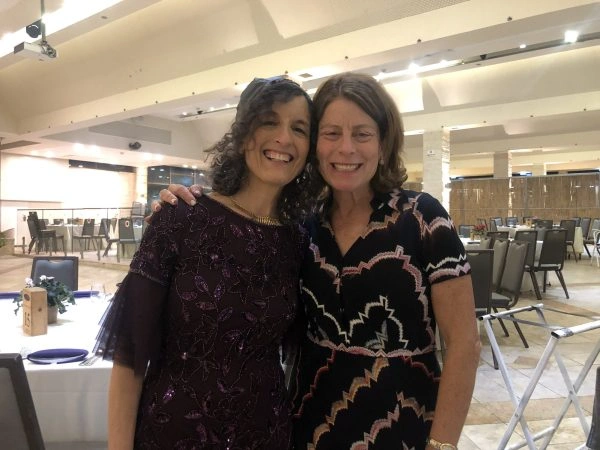
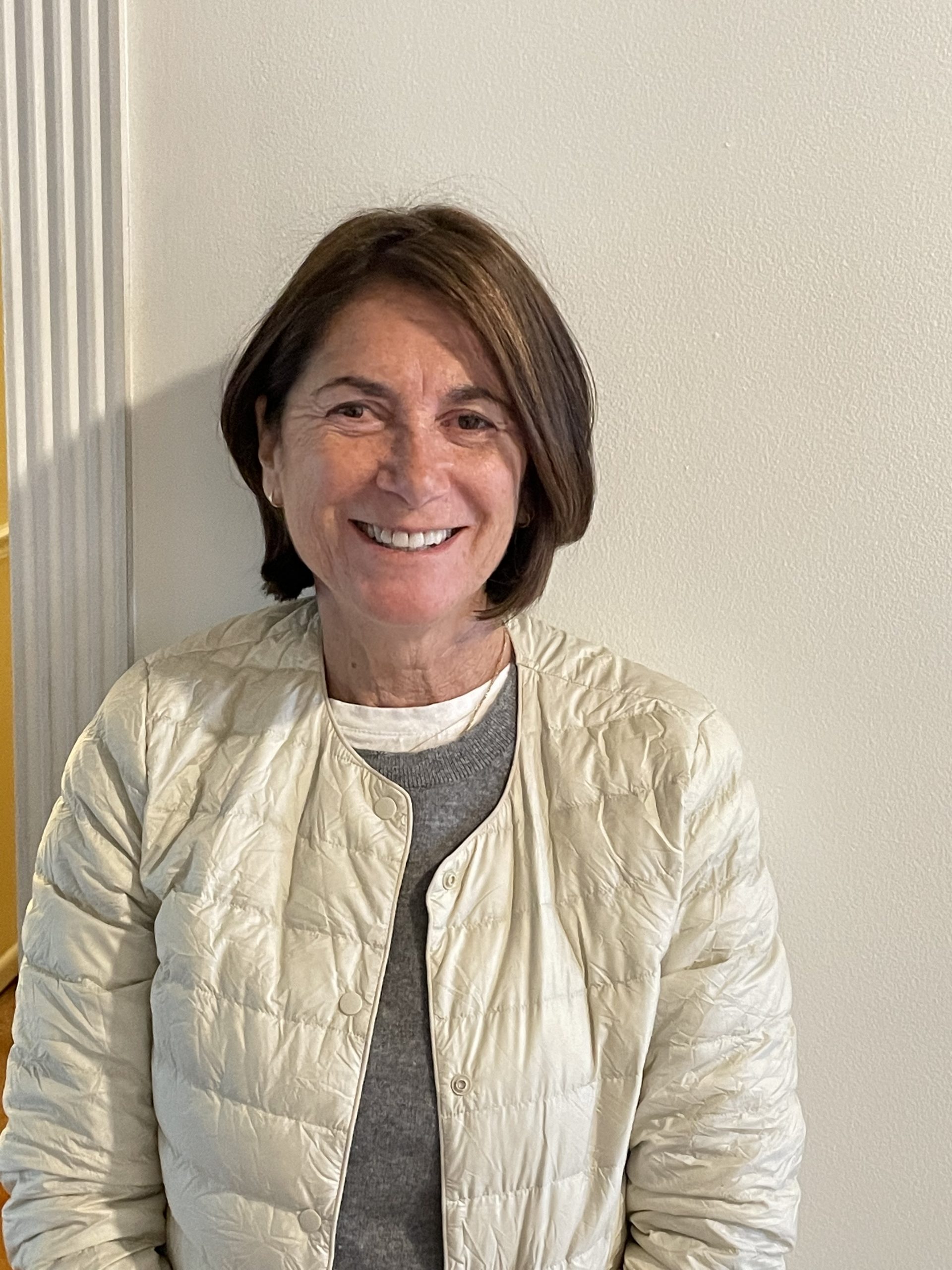
Margo
I started my Talmud journey in 7th grade at Akiba Jewish Day School in Chicago. I started my Daf Yomi journey after hearing Erica Brown speak at the Hadran Siyum about marking the passage of time through Daf Yomi.

Carolyn
I started my Talmud journey post-college in NY with a few classes. I started my Daf Yomi journey after the Hadran Siyum, which inspired both my son and myself.

Carolyn Hochstadter and Margo Kossoff Shizgal

Merion Station,  USA

Beit Shemesh, Israel

In July, 2012 I wrote for Tablet about the first all women’s siyum at Matan in Jerusalem, with 100 women. At the time, I thought, I would like to start with the next cycle – listening to a podcast at different times of day makes it possible. It is incredible that after 10 years, so many women are so engaged!

Beth Kissileff
Beth Kissileff

Pittsburgh, United States

I’ve been wanting to do Daf Yomi for years, but always wanted to start at the beginning and not in the middle of things. When the opportunity came in 2020, I decided: “this is now the time!” I’ve been posting my journey daily on social media, tracking my progress (#DafYomi); now it’s fully integrated into my daily routines. I’ve also inspired my partner to join, too!

Joséphine Altzman
Joséphine Altzman

Teaneck, United States

I LOVE learning the Daf. I started with Shabbat. I join the morning Zoom with Reb Michelle and it totally grounds my day. When Corona hit us in Israel, I decided that I would use the Daf to keep myself sane, especially during the days when we could not venture out more than 300 m from our home. Now my husband and I have so much new material to talk about! It really is the best part of my day!

Batsheva Pava
Batsheva Pava

Hashmonaim, Israel

When we heard that R. Michelle was starting daf yomi, my 11-year-old suggested that I go. Little did she know that she would lose me every morning from then on. I remember standing at the Farbers’ door, almost too shy to enter. After that first class, I said that I would come the next day but couldn’t commit to more. A decade later, I still look forward to learning from R. Michelle every morning.

Ruth Leah Kahan
Ruth Leah Kahan

Ra’anana, Israel

I had tried to start after being inspired by the hadran siyum, but did not manage to stick to it. However, just before masechet taanit, our rav wrote a message to the shul WhatsApp encouraging people to start with masechet taanit, so I did! And this time, I’m hooked! I listen to the shiur every day , and am also trying to improve my skills.

Laura Major
Laura Major

Yad Binyamin, Israel

I learned Talmud as a student in Yeshivat Ramaz and felt at the time that Talmud wasn’t for me. After reading Ilana Kurshan’s book I was intrigued and after watching the great siyum in Yerushalayim it ignited the spark to begin this journey. It has been a transformative life experience for me as a wife, mother, Savta and member of Klal Yisrael.
Elana Storch
Elana Storch

Phoenix, Arizona, United States

I decided to give daf yomi a try when I heard about the siyum hashas in 2020. Once the pandemic hit, the daily commitment gave my days some much-needed structure. There have been times when I’ve felt like quitting- especially when encountering very technical details in the text. But then I tell myself, “Look how much you’ve done. You can’t stop now!” So I keep going & my Koren bookshelf grows…

Miriam Eckstein-Koas

Huntington, United States

I started learning at the beginning of this Daf Yomi cycle because I heard a lot about the previous cycle coming to an end and thought it would be a good thing to start doing. My husband had already bought several of the Koren Talmud Bavli books and they were just sitting on the shelf, not being used, so here was an opportunity to start using them and find out exactly what was in them. Loving it!

Caroline Levison
Caroline Levison

Borehamwood, United Kingdom

Hearing and reading about the siyumim at the completion of the 13 th cycle Daf Yomi asked our shul rabbi about starting the Daf – he directed me to another shiur in town he thought would allow a woman to join, and so I did! Love seeing the sources for the Divrei Torah I’ve been hearing for the past decades of living an observant life and raising 5 children .

Jill Felder
Jill Felder

Pittsburgh, Pennsylvania, United States

My curiosity was peaked after seeing posts about the end of the last cycle. I am always looking for opportunities to increase my Jewish literacy & I am someone that is drawn to habit and consistency. Dinnertime includes a “Guess what I learned on the daf” segment for my husband and 18 year old twins. I also love the feelings of connection with my colleagues who are also learning.

Diana Bloom
Diana Bloom

Tampa, United States

I decided to give daf yomi a try when I heard about the siyum hashas in 2020. Once the pandemic hit, the daily commitment gave my days some much-needed structure. There have been times when I’ve felt like quitting- especially when encountering very technical details in the text. But then I tell myself, “Look how much you’ve done. You can’t stop now!” So I keep going & my Koren bookshelf grows…

Miriam Eckstein-Koas

Huntington, United States

I started the daf at the beginning of this cycle in January 2020. My husband, my children, grandchildren and siblings have been very supportive. As someone who learned and taught Tanach and mefarshim for many years, it has been an amazing adventure to complete the six sedarim of Mishnah, and now to study Talmud on a daily basis along with Rabbanit Michelle and the wonderful women of Hadran.

Rookie Billet
Rookie Billet

Jerusalem, Israel

I began learning the daf in January 2022. I initially “flew under the radar,” sharing my journey with my husband and a few close friends. I was apprehensive – who, me? Gemara? Now, 2 years in, I feel changed. The rigor of a daily commitment frames my days. The intellectual engagement enhances my knowledge. And the virtual community of learners has become a new family, weaving a glorious tapestry.

Gitta Jaroslawicz-Neufeld

Far Rockaway, United States

Having never learned Talmud before, I started Daf Yomi in hopes of connecting to the Rabbinic tradition, sharing a daily idea on Instagram (@dafyomiadventures). With Hadran and Sefaria, I slowly gained confidence in my skills and understanding. Now, part of the Pardes Jewish Educators Program, I can’t wait to bring this love of learning with me as I continue to pass it on to my future students.

Hannah-G-pic
Hannah Greenberg

Pennsylvania, United States

When we heard that R. Michelle was starting daf yomi, my 11-year-old suggested that I go. Little did she know that she would lose me every morning from then on. I remember standing at the Farbers’ door, almost too shy to enter. After that first class, I said that I would come the next day but couldn’t commit to more. A decade later, I still look forward to learning from R. Michelle every morning.

Ruth Leah Kahan
Ruth Leah Kahan

Ra’anana, Israel

I began Daf Yomi with the last cycle. I was inspired by the Hadran Siyum in Yerushalayim to continue with this cycle. I have learned Daf Yomi with Rabanit Michelle in over 25 countries on 6 continents ( missing Australia)

Barbara-Goldschlag
Barbara Goldschlag

Silver Spring, MD, United States

I LOVE learning the Daf. I started with Shabbat. I join the morning Zoom with Reb Michelle and it totally grounds my day. When Corona hit us in Israel, I decided that I would use the Daf to keep myself sane, especially during the days when we could not venture out more than 300 m from our home. Now my husband and I have so much new material to talk about! It really is the best part of my day!

Batsheva Pava
Batsheva Pava

Hashmonaim, Israel

I started learning daf in January, 2020, being inspired by watching the Siyyum Hashas in Binyanei Haumah. I wasn’t sure I would be able to keep up with the task. When I went to school, Gemara was not an option. Fast forward to March, 2022, and each day starts with the daf. The challenge is now learning the intricacies of delving into the actual learning. Hadran community, thank you!

Rochel Cheifetz
Rochel Cheifetz

Riverdale, NY, United States

I learned Mishnayot more than twenty years ago and started with Gemara much later in life. Although I never managed to learn Daf Yomi consistently, I am learning since some years Gemara in depth and with much joy. Since last year I am studying at the International Halakha Scholars Program at the WIHL. I often listen to Rabbanit Farbers Gemara shiurim to understand better a specific sugyiah. I am grateful for the help and inspiration!

Shoshana Ruerup
Shoshana Ruerup

Berlin, Germany

Kiddushin 71

מְטַהֵר שְׁבָטִים, שִׁבְטוֹ שֶׁל לֵוִי מְטַהֵר תְּחִילָּה, שֶׁנֶּאֱמַר: ״וַיֵּשֶׁב מְצָרֵף וּמְטַהֵר כֶּסֶף וְטִהַר אֶת בְּנֵי לֵוִי וְזִקַּק אֹתָם כַּזָּהָב וְכַכָּסֶף וְהָיוּ לַה׳ מַגִּישֵׁי מִנְחָה בִּצְדָקָה״.

purifies the tribes, i.e., clarifies their lineage, He will purify that of the tribe of Levi first, as it is stated with regard to the angel sent forth by God: “And he shall sit as a refiner and purifier of silver; and he shall purify the sons of Levi, and purge them as gold and silver; and there shall be they that shall offer to the Lord offerings in righteousness” (Malachi 3:3).

אָמַר רַבִּי יְהוֹשֻׁעַ בֶּן לֵוִי: כֶּסֶף מְטַהֵר מַמְזֵרִים, שֶׁנֶּאֱמַר: ״וַיֵּשֶׁב מְצָרֵף וּמְטַהֵר כֶּסֶף״. מַאי ״מַגִּישֵׁי מִנְחָה בִּצְדָקָה״? אָמַר רַבִּי יִצְחָק: צְדָקָה עָשָׂה הַקָּדוֹשׁ בָּרוּךְ הוּא עִם יִשְׂרָאֵל, שֶׁמִּשְׁפָּחָה שֶׁנִּטְמְעָה – נִטְמְעָה.

Rabbi Yehoshua ben Levi says: Money purifies mamzerim. Money causes rich mamzerim to become assimilated with Jews of unflawed lineage, since other families marry them despite their flawed lineage. In the future, God will not single them out as mamzerim, as it is stated: “And he shall sit as a refiner and purifier of silver,” which teaches that money, i.e., silver, purifies them. What, then, is the connection to the next part of the verse: “They that shall offer to the Lord offerings in righteousness”? Rabbi Yitzḥak says: The Holy One, Blessed be He, performed an act of righteousness with the Jewish people by establishing that a family that has become assimilated with Jews of unflawed lineage remains assimilated. They are not removed from their tribe despite their flawed lineage.

גּוּפָא, אָמַר רַב יְהוּדָה אָמַר שְׁמוּאֵל: כׇּל אֲרָצוֹת עִיסָּה לְאֶרֶץ יִשְׂרָאֵל, וְאֶרֶץ יִשְׂרָאֵל עִיסָּה לְבָבֶל. בִּימֵי רַבִּי בִּקְּשׁוּ לַעֲשׂוֹת בָּבֶל עִיסָּה לְאֶרֶץ יִשְׂרָאֵל. אָמַר לָהֶן: קוֹצִים אַתֶּם מְשִׂימִים לִי בֵּין עֵינַי? רְצוֹנְכֶם, יִטָּפֵל עִמָּכֶם רַבִּי חֲנִינָא בַּר חָמָא.

§ With regard to the matter itself that was discussed earlier, the lineage of the Jews in various lands, Rav Yehuda says that Shmuel says: The lineage of residents of all lands is muddled compared to that of the residents of Eretz Yisrael, and the lineage of residents of Eretz Yisrael is muddled compared to that of Babylonia. The Gemara relates: In the days of Rabbi Yehuda HaNasi, they sought to establish the lineage of the Jews in Babylonia as muddled relative to that of Eretz Yisrael. In other words, the people of Eretz Yisrael wanted their lineage to be considered superior to that of the residents of Babylonia, so that if people from Eretz Yisrael would wish to marry Babylonians, they would have to investigate the lineage of the Babylonians. Rabbi Yehuda HaNasi was descended from Hillel, a Babylonian, so he said to those who put forth this suggestion: Are you placing thorns between my eyes? Do you wish to insult me? If you wish, Rabbi Ḥanina bar Ḥama will join you and explain it to you.

נִטְפַּל עִמָּהֶם רַבִּי חֲנִינָא בַּר חָמָא, אָמַר לָהֶם: כָּךְ מְקוּבְּלַנִי מֵרַבִּי יִשְׁמָעֵאל בְּרַבִּי יוֹסֵי שֶׁאָמַר מִשּׁוּם אָבִיו: כׇּל אֲרָצוֹת עִיסָּה לְאֶרֶץ יִשְׂרָאֵל וְאֶרֶץ יִשְׂרָאֵל עִיסָּה לְבָבֶל.

Rabbi Ḥanina bar Ḥama joined them and said to them: This is the tradition that I received from Rabbi Yishmael, son of Rabbi Yosei, who says in the name of his father, who was from Eretz Yisrael: The lineage of residents of all lands is muddled compared to that of Eretz Yisrael, and the lineage of residents of Eretz Yisrael is muddled compared to that of Babylonia.

בִּימֵי רַבִּי פִּנְחָס בִּקְּשׁוּ לַעֲשׂוֹת בָּבֶל עִיסָּה לְאֶרֶץ יִשְׂרָאֵל. אָמַר לָהֶם לַעֲבָדָיו: כְּשֶׁאֲנִי אוֹמֵר שְׁנֵי דְבָרִים בְּבֵית הַמִּדְרָשׁ טְלוּנִי בַּעֲרִיסָה וְרוּצוּ. כִּי עָיֵיל אָמַר לָהֶם: אֵין שְׁחִיטָה לָעוֹף מִן הַתּוֹרָה.

The Gemara further relates with regard to the same issue: In the days of Rabbi Pineḥas, they sought to establish the lineage of Babylonia as muddled relative to that of Eretz Yisrael. He said to his servants: When I have said two statements in the house of study, pick me up on a stretcher and run, so that I will not be attacked for my statements. When he entered the house of study he said to those studying there: Slaughter of a bird is not obligatory by Torah law.

אַדְּיָתְבִי וְקָמְעַיְּינִי בַּהּ, אֲמַר לְהוּ: כׇּל אֲרָצוֹת עִיסָּה לְאֶרֶץ יִשְׂרָאֵל, וְאֶרֶץ יִשְׂרָאֵל עִיסָּה לְבָבֶל. נְטָלוּהוּ בַּעֲרִיסָה וְרָצוּ. רָצוּ אַחֲרָיו וְלֹא הִגִּיעוּהוּ. יָשְׁבוּ וּבָדְקוּ עַד שֶׁהִגִּיעוּ לְסַכָּנָה וּפֵירְשׁוּ.

While they were sitting and scrutinizing this novel halakha, he said to them: The lineage of residents of all lands is muddled compared to that of Eretz Yisrael, and the lineage of residents of Eretz Yisrael is muddled compared to that of Babylonia. His servants picked him up on a stretcher and ran. Those that were in the house of study pursued him but could not catch him. Nevertheless, they sat and examined the lineage of various families in order to determine whether in fact the lineage of the residents of Eretz Yisrael was problematic, until they reached powerful families. It was dangerous to accuse them of flaws due to their power, and they withdrew from their inspections.

אָמַר רַבִּי יוֹחָנָן: הֵיכְלָא, בְּיָדֵינוּ הִיא, אֲבָל מָה אֶעֱשֶׂה שֶׁהֲרֵי גְּדוֹלֵי הַדּוֹר נִטְמְעוּ בָּהּ. סָבַר לַהּ כְּרַבִּי יִצְחָק, דְּאָמַר רַבִּי יִצְחָק: מִשְׁפָּחָה שֶׁנִּטְמְעָה – נִטְמְעָה.

Rabbi Yoḥanan says as an oath: By the Sanctuary! It is in our power to reveal the identity of a family that has a flawed lineage, but what can I do, as the greatest of the generation are assimilated into it? Consequently, I will not reveal its name. The Gemara comments: Rabbi Yoḥanan holds in accordance with the opinion of Rabbi Yitzḥak, as Rabbi Yitzḥak says: A family that has become assimilated remains assimilated, and one should not reveal their flawed status.

אָמַר אַבָּיֵי: אַף אֲנַן נָמֵי תְּנֵינָא: מִשְׁפַּחַת בֵּית הַצְּרִיפָה הָיְתָה בְּעֵבֶר הַיַּרְדֵּן וְרִיחֲקָהּ בֶּן צִיּוֹן בִּזְרוֹעַ. עוֹד אַחֶרֶת הָיְתָה וְקֵירְבָהּ בֶּן צִיּוֹן בִּזְרוֹעַ. כְּגוֹן אֵלּוּ – אֵלִיָּהוּ בָּא לְטַמֵּא וּלְטַהֵר, לְרַחֵק וּלְקָרֵב – כְּגוֹן אֵלּוּ דְּיָדְעִין, אֲבָל מִשְׁפָּחָה שֶׁנִּטְמְעָה – נִטְמְעָה.

Abaye said: We too learn in the mishna (Eduyyot 8:7): There was a family known as Beit HaTzerifa in Transjordan, and a person called ben Tziyyon forcefully distanced it and proclaimed that its lineage was flawed, although its lineage was unflawed. There was another one that ben Tziyyon forcefully drew near, although its lineage was flawed. The mishna adds: Known families such as these, Elijah comes to declare impure and to declare pure, to distance and to draw near. Abaye continues: When the mishna states: Such as these, it means those whose status we know. But a family that has become assimilated, whose flawed lineage is unknown to the public, has already become assimilated, and not even Elijah will publicize its flaw.

תָּאנָא: עוֹד אַחֶרֶת הָיְתָה, וְלֹא רָצוּ חֲכָמִים לְגַלּוֹתָהּ. אֲבָל חֲכָמִים מוֹסְרִים אוֹתוֹ לִבְנֵיהֶם וּלְתַלְמִידֵיהֶן פַּעַם אַחַת בְּשָׁבוּעַ, וְאָמְרִי לַהּ פַּעֲמַיִם בְּשָׁבוּעַ. אָמַר רַב נַחְמָן בַּר יִצְחָק: מִסְתַּבְּרָא כְּמַאן דְּאָמַר פַּעַם אַחַת בְּשָׁבוּעַ. כִּדְתַנְיָא: ״הֲרֵינִי נָזִיר אִם לֹא אֲגַלֶּה מִשְׁפָּחוֹת״ – יִהְיֶה נָזִיר, וְלֹא יְגַלֶּה מִשְׁפָּחוֹת.

The Sage taught (Tosefta, Eduyyot 3:4): There was another family with flawed lineage, but the Sages did not want to reveal its identity to all. But the Sages transmit its name to their children and to their students once every seven years, and some say twice every seven years, to prevent them from marrying into their family. Rav Naḥman bar Yitzḥak says: It stands to reason in accordance with the one who says that they transmit it once every seven years, as it is taught in a baraita (Tosefta, Nazir 1:2): One who says: I am hereby a nazirite if I do not reveal the names of families of flawed lineage among the Jewish people, he should be a nazirite and not reveal the identity of such families. This shows that such information should be kept secret as much as possible.

אָמַר רַבָּה בַּר בַּר חָנָה, אָמַר רַבִּי יוֹחָנָן: שֵׁם בֶּן אַרְבַּע אוֹתִיּוֹת חֲכָמִים מוֹסְרִין אוֹתוֹ לְתַלְמִידֵיהֶן פַּעַם אַחַת בְּשָׁבוּעַ, וְאָמְרִי לַהּ פַּעֲמַיִם בְּשָׁבוּעַ. אָמַר רַב נַחְמָן בַּר יִצְחָק: מִסְתַּבְּרָא כְּמַאן דְּאָמַר פַּעַם אַחַת בְּשָׁבוּעַ, דִּכְתִיב: ״זֶה שְּׁמִי לְעֹלָם״, ״לְעַלֵּם״ כְּתִיב. רָבָא סָבַר לְמִידְרְשֵׁיהּ בְּפִירְקָא. אֲמַר לֵיהּ הָהוּא סָבָא: ״לְעַלֵּם״ כְּתִיב.

§ The above statement, concerning a matter that the Sages transmitted privately and infrequently, leads the Gemara to teach a similar halakha: Rabba bar bar Ḥana says that Rabbi Yoḥanan says: The Sages transmit the correct pronunciation of the four-letter name of God to their students once every seven years, and some say twice every seven years. Rav Naḥman bar Yitzḥak says: It stands to reason in accordance with the one who says that they transmit it once every seven years, as it is written: “This is My name forever [le’olam]” (Exodus 3:15), which is written so that it can be read le’alem, to hide. This indicates that the Divine Name must remain hidden. The Gemara relates: Rava planned to expound and explain the proper way to say the name in a public discourse. A certain elder said to him: It is written so that it can be read le’alem, indicating that it must stay hidden.

רַבִּי אֲבִינָא רָמֵי: כְּתִיב ״זֶה שְּׁמִי״, וּכְתִיב ״זֶה זִכְרִי״. אָמַר הַקָּדוֹשׁ בָּרוּךְ הוּא: לֹא כְּשֶׁאֲנִי נִכְתָּב אֲנִי נִקְרָא, נִכְתָּב אֲנִי בְּיוֹד הֵי וְנִקְרָא בְּאָלֶף דָּלֶית.

Rabbi Avina raised a contradiction: It is written: “This is My name,” indicating that the name as written is that of God; and it is written: “This is My remembrance” (Exodus 3:15), which indicates that it is not God’s actual name but merely a way of remembering His name. The explanation is as follows: The Holy One, Blessed be He, said: Not as I am written am I pronounced. I am written with the letters yod, heh, vav, heh, while My name is pronounced with the letters alef, dalet, nun, yod.

תָּנוּ רַבָּנַן: בָּרִאשׁוֹנָה, שֵׁם בֶּן שְׁתֵּים עֶשְׂרֵה אוֹתִיּוֹת הָיוּ מוֹסְרִין אוֹתוֹ לְכׇל אָדָם, מִשֶּׁרַבּוּ הַפָּרִיצִים – הָיוּ מוֹסְרִים אוֹתוֹ לִצְנוּעִים שֶׁבַּכְּהוּנָּה, וְהַצְּנוּעִים שֶׁבַּכְּהוּנָּה מַבְלִיעִים אוֹתוֹ בִּנְעִימַת אֲחֵיהֶם הַכֹּהֲנִים. תַּנְיָא אָמַר רַבִּי טַרְפוֹן: פַּעַם אַחַת עָלִיתִי אַחַר אֲחִי אִמִּי לַדּוּכָן, וְהִטֵּיתִי אָזְנִי אֵצֶל כֹּהֵן גָּדוֹל וְשָׁמַעְתִּי שֶׁהִבְלִיעַ שֵׁם בִּנְעִימַת אֶחָיו הַכֹּהֲנִים.

The Sages taught: Initially, the Sages would transmit the twelve-letter name of God to any person. When the uninhibited ones who used the name disrespectfully increased, they would transmit it only to discreet members of the priesthood, and the discreet members of the priesthood would pronounce the name during the Priestly Benediction. They would conceal it by saying it during the sweet melody of their priestly brothers, so that it would not become publicly known. It is taught in a baraita: Rabbi Tarfon, who was himself a priest, said: On one occasion I ascended after my mother’s brother to the platform to give the Priestly Benediction, and I inclined my ear near the High Priest, and I heard him conceal the name during the sweet melody of his priestly brothers.

אָמַר רַב יְהוּדָה אָמַר רַב: שֵׁם בֶּן אַרְבָּעִים וּשְׁתַּיִם אוֹתִיּוֹת אֵין מוֹסְרִין אוֹתוֹ אֶלָּא לְמִי שֶׁצָּנוּעַ וְעָנָיו, וְעוֹמֵד בַּחֲצִי יָמָיו, וְאֵינוֹ כּוֹעֵס, וְאֵינוֹ מִשְׁתַּכֵּר, וְאֵינוֹ מַעֲמִיד עַל מִדּוֹתָיו. וְכׇל הַיּוֹדְעוֹ, וְהַזָּהִיר בּוֹ וְהַמְשַׁמְּרוֹ בְּטׇהֳרָה – אָהוּב לְמַעְלָה, וְנֶחְמָד לְמַטָּה, וְאֵימָתוֹ מוּטֶּלֶת עַל הַבְּרִיּוֹת, וְנוֹחֵל שְׁנֵי עוֹלָמִים – הָעוֹלָם הַזֶּה וְהָעוֹלָם הַבָּא.

Rav Yehuda says that Rav says: The forty-two-letter name of God may be transmitted only to one who is discreet, and humble, and stands at at least half his life, and does not get angry, and does not get drunk, and does not insist upon his rights but is willing to yield. There is no concern that such a person might reveal the name in a fit of anger or drunkenness. And anyone who knows this name and is careful with it and guards it in purity is beloved above and treasured below; and fear of him is cast upon the creatures; and he inherits two worlds, this world and the World-to-Come.

אָמַר שְׁמוּאֵל מִשְּׁמֵיהּ דְּסָבָא: בָּבֶל בְּחֶזְקַת כְּשֵׁרָה עוֹמֶדֶת, עַד שֶׁיִּוָּדַע לָךְ בַּמֶּה נִפְסְלָה. שְׁאָר אֲרָצוֹת – בְּחֶזְקַת פְּסוּל הֵן עוֹמְדוֹת, עַד שֶׁיִּוָּדַע לָךְ בַּמֶּה נִכְשְׁרָה. אֶרֶץ יִשְׂרָאֵל מוּחְזָק לְפָסוּל – פָּסוּל, מוּחְזָק לְכָשֵׁר – כָּשֵׁר.

§ The Gemara returns to the issue of lineage: Shmuel says in the name of a certain elder: A family in Babylonia has a presumptive status of unflawed lineage until it becomes known to you in what way it was rendered of flawed lineage. Conversely, a family from other lands has a presumptive status of flawed lineage until it becomes known to you in what way it was rendered unflawed. As for families in Eretz Yisrael, one who has a presumptive status of flawed lineage is of flawed lineage, whereas one who has presumptive status of unflawed lineage is of unflawed lineage.

הָא גוּפַאּ קַשְׁיָא: אָמְרַתְּ מוּחְזָק לְפָסוּל – פָּסוּל. הָא סְתָמָא – כָּשֵׁר. וַהֲדַר תָּנֵי: מוּחְזָק לְכָשֵׁר – כָּשֵׁר. הָא סְתָמָא – פָּסוּל! אָמַר רַב הוּנָא בַּר תַּחְלִיפָא מִשְּׁמֵיהּ דְּרַב: לָא קַשְׁיָא,

The Gemara is puzzled by this last statement: This matter itself is difficult: First, you said that a family that has a presumptive status of flawed lineage is of flawed lineage, indicating that a family with unspecified status is of unflawed lineage. And then you teach: A family that has a presumptive status of unflawed lineage is of unflawed lineage, indicating that a family with unspecified status is of flawed lineage. Rav Huna bar Taḥalifa said in the name of Rav: This is not difficult.

כָּאן – לְהַשִּׂיאוֹ אִשָּׁה, כָּאן – לְהוֹצִיא אִשָּׁה מִיָּדוֹ.

Here, in the final clause, it is referring to marrying a woman to him, and the halakha is that a family with no presumptive status requires investigation before one of them marries. There, in the penultimate clause, it is referring to the court removing a woman from him. The husband is not forced to divorce her unless it has been proven that they may not remain married.

אָמַר רַב יוֹסֵף: כֹּל שֶׁסִּיחָתוֹ בְּבָבֶל, מַשִּׂיאִין לוֹ אִשָּׁה. וְהָאִידָּנָא דְּאִיכָּא רַמָּאֵי, חָיְישִׁינַן.

Rav Yosef says: Anyone whose speech is Babylonian, i.e., anyone who speaks the Babylonian language with a Babylonian accent, is allowed to marry a woman without having his lineage examined. The presumption is that he is Babylonian, and the lineage of Babylonian families is unflawed. The Gemara comments: But nowadays, when there are swindlers who may speak with Babylonian accents in order to avoid scrutiny, we are concerned even about those who speak like Babylonians.

זְעֵירִי הֲוָה קָא מִישְׁתְּמִיט מִינֵּיהּ דְּרַבִּי יוֹחָנָן דַּהֲוָה אָמַר לֵיהּ: נְסֵיב בְּרַתִּי. יוֹמָא חַד הֲווֹ קָאָזְלִי בְּאוֹרְחָא, מְטוֹ לְעוּרְקְמָא דְמַיָּא, אַרְכְּבֵיהּ לְרַבִּי יוֹחָנָן אַכַּתְפֵּיהּ וְקָא מְעַבַּר לֵיהּ. אֲמַר לֵיהּ: אוֹרָיְיתַן כְּשֵׁרָה, בְּנָתִין לָא כְּשֵׁרָן? מַאי דַּעְתָּיךְ,

The Gemara relates: The Sage Ze’eiri, a Babylonian, was avoiding Rabbi Yoḥanan, who was from Eretz Yisrael, since the latter kept saying to him: Marry my daughter. One day, when they were walking along the way, they arrived at a large puddle of water. Ze’eiri lifted Rabbi Yoḥanan upon his shoulders and carried him over the puddle out of respect. Rabbi Yoḥanan said to him: Our Torah is fit and worthy of honor in your eyes, and yet our daughters are not fit? What is your reason for not wanting to marry my daughter?

אִילֵּימָא מִדִּתְנַן: עֲשָׂרָה יוּחֲסִין עָלוּ מִבָּבֶל כָּהֲנֵי לְוִיֵּי – אַטּוּ כָּהֲנֵי לְוִיֵּי וְיִשְׂרְאֵלֵי כּוּלְּהוּ סְלִיקוּ? כִּי הֵיכִי דְּאִישְׁתְּיוּר מֵהָנֵי אִישְׁתְּיוּר נָמֵי מֵהָנֵי! אִישְׁתְּמִיטְתֵּיהּ הָא דְּאָמַר רַבִּי אֶלְעָזָר: לֹא עָלָה עֶזְרָא מִבָּבֶל עַד שֶׁעֲשָׂאָהּ כְּסוֹלֶת נְקִיָּיה וְעָלָה.

Rabbi Yoḥanan continued: If we say a reason not to marry my daughter is from that which we learned in a mishna (69a): There were ten categories of lineage among the Jews who ascended from Babylonia: Priests, Levites, Israelites, as well as many of flawed lineage, and you are concerned about the mamzerim among those who live in Eretz Yisrael, is that to say that all of the priests, Levites, and Israelites ascended to Eretz Yisrael? Certainly, Jews of unflawed lineage remained in Babylonia. Just as there remained from these unflawed categories in Babylonia, there also remained individuals from these, the flawed categories. Therefore, marrying only Babylonians will not alleviate your concern. The Gemara comments: In fact, this statement of Rabbi Elazar escaped Rabbi Yoḥanan: Ezra did not ascend from Babylonia until he made it like fine flour, and then he ascended. Accordingly, the people who remained in Babylonia were all of unflawed lineage.

עוּלָּא אִיקְּלַע לְפוּמְבְּדִיתָא לְבֵי רַב יְהוּדָה, חַזְיֵיהּ לְרַב יִצְחָק בְּרֵיהּ דְּרַב יְהוּדָה דְּגָדֵל וְלָא נָסֵיב. אֲמַר לֵיהּ: מַאי טַעְמָא לָא קָא מַנְסֵיב לֵיהּ מָר אִיתְּתָא לִבְרֵיהּ? אֲמַר לֵיהּ: מִי יָדַעְנָא מֵהֵיכָא אֶנְסְבַיהּ? אֲמַר לֵיהּ: אַטּוּ אֲנַן מִי יָדְעִינַן מֵהֵיכָא קָאָתֵינַן? דִּילְמָא מֵהָנָךְ דִּכְתִיב: ״נָשִׁים בְּצִיּוֹן עִנּוּ בְּתֻלֹת בְּעָרֵי יְהוּדָה״.

The Gemara relates another incident: Ulla arrived in Pumbedita to the house of Rav Yehuda. He observed that Rav Yitzḥak, son of Rav Yehuda, was grown up and was unmarried. Ulla said to Rav Yehuda: What is the reason that the Master does not marry a woman to his son? Rav Yehuda said to him: Do I know from where I can find a woman to marry him? I am concerned about flawed lineage. Ulla said to him: Is that to say that we know where we come from? Can we be sure that our lineage is unflawed? Perhaps we are from those about whom it is written: “They have ravished the women in Zion, the maidens in the cities of Judah (Lamentations 5:11). Perhaps we are descended from women ravished by gentiles.

וְכִי תֵּימָא נׇכְרִי וְעֶבֶד הַבָּא עַל בַּת יִשְׂרָאֵל הַוָּלָד כָּשֵׁר, וְדִילְמָא מֵהָנָךְ דִּכְתִיב בְּהוּ: ״הַשֹּׁכְבִים עַל מִטּוֹת שֵׁן וּסְרֻחִים עַל עַרְשׂוֹתָם״. וְאָמַר רַבִּי יוֹסֵי בְּרַבִּי חֲנִינָא: אֵלּוּ בְּנֵי אָדָם הַמַּשְׁתִּינִים מַיִם בִּפְנֵי מִטּוֹתֵיהֶם עֲרוּמִּים.

And if you would say that you are not concerned about that possibility, since you maintain that in the case of a gentile or a slave who engaged in sexual intercourse with a Jewish woman, the lineage of the offspring is unflawed, perhaps we come from those about whom it is written: “That lie upon beds of ivory, and stretch themselves upon their couches” (Amos 6:4), and Rabbi Yosei, son of Rabbi Ḥanina, says in explanation of this verse: These are people who urinate naked before their couches.

וּמְגַדֵּף בַּהּ רַבִּי אֲבָהוּ: אִי הָכִי הַיְינוּ דִּכְתִיב: ״לָכֵן עַתָּה יִגְלוּ בְּרֹאשׁ גֹּלִים״ – מִשּׁוּם דְּמַשְׁתִּינִים מַיִם בִּפְנֵי מִטּוֹתֵיהֶם עֲרוּמִּים, ״יִגְלוּ בְּרֹאשׁ גּוֹלִים״.

And Rabbi Abbahu ridiculed this interpretation and said: If so, if this was their sin, is this what is written: “Therefore now shall they go captive at the head of them that go captive” (Amos 6:7)? Could it be that because they urinated naked before their couches that they go captive at the head of them that go captive? That act is admittedly distasteful, but it is not so severe a transgression to warrant such a punishment.

אֶלָּא אָמַר רַבִּי אֲבָהוּ: אֵלּוּ בְּנֵי אָדָם שֶׁאוֹכְלִין וְשׁוֹתִין זֶה עִם זֶה, וּמַדְבִּיקִין מִטּוֹתֵיהֶם זוֹ בָּזוֹ, וּמַחֲלִיפִין נְשׁוֹתֵיהֶם זֶה לָזֶה, וּמַסְרִיחִים עַרְסוֹתָם בְּשִׁכְבַת זֶרַע שֶׁאֵינָהּ שֶׁלָּהֶם.

Rather, Rabbi Abbahu says: These are people who eat and drink together, and attach their beds together, and exchange their wives with each other, and befoul their couches with semen that is not theirs. The Jewish people include the descendants of such people, who are full-fledged mamzerim.

אֲמַר לֵיהּ: הֵיכִי נַעֲבֵיד? אֲמַר לֵיהּ: זִיל בָּתַר שְׁתִיקוּתָא, כִּי הַאי דְּבָדְקִי בְּנֵי מַעְרְבָא: כִּי מִינְּצוּ בֵּי תְרֵי בַּהֲדֵי הֲדָדֵי חָזוּ הֵי מִנַּיְיהוּ דְּקָדֵים וְשָׁתֵיק – אָמְרִי: הַאי מְיוּחָס טְפֵי.

Rav Yehuda said to Ulla: If so, what shall we do? How can we clarify which families are of unflawed lineage? Ulla said to him: Go after the silence, like the way the people of the West, Eretz Yisrael, examine: When two people quarrel with each other, they observe which of them becomes silent first. Then they say: This silent party is of finer lineage.

אָמַר רַב: שְׁתִיקוּתֵיהּ דְּבָבֶל – הַיְינוּ יִחוּסָא. אִינִי? וְהָא אִיקְּלַע רַב לְבֵי בַּר שָׁפֵי חַלָּא וּבְדַק בְּהוּ, מַאי לָאו בְּיַחֲסוּתָא? לָא, בִּשְׁתִיקוּתָא. הָכִי קָאָמַר לְהוּ: בְּדוּקוּ אִי שָׁתְקִי אִי לָא שָׁתְקִי.

Rav says: The silence of Babylonia is its lineage. In other words, this is an effective method of examining a person’s lineage in Babylonia as well. The Gemara asks: Is that so? But Rav arrived at the house of the son of a vinegar strainer and examined them. What, is it not that he conducted an examination into their lineage? The Gemara answers: No, he conducted an examination into their silence. This is what Rav said to those conducting the examination: Examine whether they become silent when they quarrel or whether they do not become silent.

אָמַר רַב יְהוּדָה אָמַר רַב: אִם רָאִיתָ שְׁנֵי בְּנֵי אָדָם שֶׁמִּתְגָּרִים זֶה בָּזֶה – שֶׁמֶץ פְּסוּל יֵשׁ בְּאֶחָד מֵהֶן, וְאֵין מַנִּיחִין אוֹתוֹ לִידַּבֵּק אֶחָד בַּחֲבֵירוֹ. אָמַר רַבִּי יְהוֹשֻׁעַ בֶּן לֵוִי: אִם רָאִיתָ שְׁתֵּי מִשְׁפָּחוֹת הַמִּתְגָּרוֹת זוֹ בָּזוֹ – שֶׁמֶץ פְּסוּל יֵשׁ בְּאַחַת מֵהֶן, וְאֵין מַנִּיחִין אוֹתָהּ לִידַּבֵּק בַּחֲבֶרְתָּהּ.

Rav Yehuda says that Rav says: If you see two people feuding with each other, there is a trace of unfitness in one of them. In other words, there are grounds to suspect that the lineage of one of them is flawed. Consequently, that one is prevented by Heaven from joining the other through marriage, and that leads them to feud with each other. Rabbi Yehoshua ben Levi says: If you see two families feuding with each other, there is a trace of unfitness in one of them, and that family is prevented by Heaven from joining the other.

אָמַר רַב פָּפָּא סָבָא מִשְּׁמֵיהּ דְּרַב: בָּבֶל – בְּרִיאָה. מֵישׁוֹן – מֵיתָה. מָדַי – חוֹלָה. עֵילָם – גּוֹסֶסֶת. וּמָה בֵּין חוֹלִין לְגוֹסְסִין? רוֹב חוֹלִין לְחַיִּים, רוֹב גּוֹסְסִים לְמִיתָה.

Rav Pappa the Elder says in the name of Rav: Babylonia is healthy with regard to lineage and clear of suspicion. Mishon is dead, meaning that all its inhabitants have flawed lineage. Media is sick, and Eilam is moribund. The Gemara clarifies: And what is the difference between sick and moribund? Most sick people recover to a healthy life, whereas most of those who are moribund are destined for death. Likewise, the majority of the residents of Media had unflawed lineage, while the majority of those living in Eilam had flawed lineage.

עַד הֵיכָן הִיא בָּבֶל? רַב אָמַר: עַד נָהָר עֲזָק, וּשְׁמוּאֵל אָמַר: עַד נְהַר יוּאָנִי. לְעֵיל בְּדִיגְלַת עַד הֵיכָא? רַב אָמַר: עַד בַּגְדָּא וְאַוְונָא. וּשְׁמוּאֵל אָמַר: עַד מוּשְׁכְּנֵי. וְלֹא מוּשְׁכְּנֵי בַּכְּלָל? וְהָאָמַר רַבִּי חִיָּיא בַּר אַבָּא אָמַר שְׁמוּאֵל: מוּשְׁכְּנֵי הֲרֵי הִיא כַּגּוֹלָה לְיוּחֲסִין! אֶלָּא: עַד מוּשְׁכְּנֵי, וּמוּשְׁכְּנֵי בַּכְּלָל.

After having determined that those from Babylonia are presumed to have unflawed lineage, the Gemara clarifies what the borders of Babylonia are with regard to this issue. Until where does the width of Babylonia extend? Rav said: Until the River Azak, which empties into the Euphrates. And Shmuel said: Until the River Yo’ani, which also empties into the Euphrates. The Gemara asks: Until where does the border extend upward, meaning northward, on the Tigris? Rav said: Until the places called Bagda and Avna. And Shmuel said: Until Mushekanei. The Gemara asks: But according to Shmuel, isn’t Mushekanei included in Babylonia? But didn’t Rabbi Ḥiyya bar Abba say that Shmuel says: Mushekanei is like the exile, meaning it is like Pumbedita in central Babylonia, with regard to lineage? Rather, Shmuel meant: Until and including Mushekanei.

לְתַחְתִּית בְּדִיגְלַת עַד הֵיכָא? אָמַר רַב שְׁמוּאֵל: עַד אַפַּמֵיָיא תַּתָּאָה. תַּרְתֵּי אַפַּמֵיָיא הָוְיָין: חֲדָא עִילִּיתָא וַחֲדָא תַּתַּיְיתָא, חֲדָא כְּשֵׁירָה וַחֲדָא פְּסוּלָה, וּבֵין חֲדָא לַחֲדָא פַּרְסָה, וְקָא קָפְדִי אַהֲדָדֵי וַאֲפִילּוּ נוּרָא לָא מוֹשְׁלִי אַהֲדָדֵי. וְסִימָנָיךְ דִּפְסוּלְתָּא הָא דְּמִישְׁתַּעֲיָא מֵישָׁנִית.

The Gemara asks: How far does the border extend downward, meaning southward, on the Tigris? Rav Shmuel said: Until the city of Lower Appamya. The Gemara comments: There are two cities called Appamya, the upper one and the lower one. In terms of the lineage of their residents, one is unflawed and the other is flawed, and they are separated by a distance of a parasang [parsa]. And they are particular with regard to one another. The residents of the two cities avoid each other to the extent that they do not even loan each other fire, to prevent them from developing a closeness with each other. And your mnemonic to remember which is which is that the unfit one is that one that speaks the Mishon dialect. As stated above, Mishon is considered dead with regard to lineage.

לְעֵיל בִּפְרָת עַד הֵיכָא? רַב אָמַר: עַד אַקְרָא דְתוּלְבַּקְנֵי. וּשְׁמוּאֵל אָמַר: עַד גִּישְׁרָא דְּבֵי פְרָת. וְרַבִּי יוֹחָנָן אָמַר: עַד מַעַבַּרְתָּ[א] דְגִיזְמָא. לָיֵיט אַבָּיֵי וְאִיתֵּימָא רַב יוֹסֵף אַדְּרַב.

The Gemara further clarifies: How far does the border extend upward, meaning northward, on the Euphrates? Rav said: Until the fortress of Tulbaknei. And Shmuel said: Until the bridge over the Euphrates. And Rabbi Yoḥanan said: Until the crossing at Gizma. The Gemara relates: Abaye would curse, and some say it was Rav Yosef that would curse, one who ruled in accordance with the opinion of Rav, as he held that Rav extended the border too far north.

אַדְּרַב לָיֵיט, אַדִּשְׁמוּאֵל לָא לָיֵיט? אֶלָּא לָיֵיט אַדְּרַב, וְכׇל שֶׁכֵּן אַדִּשְׁמוּאֵל. וְאִיבָּעֵית אֵימָא: לְעוֹלָם אַדְּרַב לָיֵיט, אַדִּשְׁמוּאֵל לָא לָיֵיט, וְגִישְׁרָא דְּבֵי פְרָת לְתַתַּאיה הֲוָה קָאֵי.

The Gemara is puzzled by this statement: Why did he curse one who ruled in accordance with the opinion of Rav, but he did not curse one who ruled in accordance with the opinion of Shmuel? But the bridge over the Euphrates is further north than the fortress of Tulbaknei. Rather, he would curse one who ruled in accordance with the opinion of Rav, and all the more so one who ruled in accordance with the opinion of Shmuel. And if you wish, say: In fact, he cursed one who ruled in accordance with the opinion of Rav, but he did not curse one who ruled in accordance with the opinion of Shmuel, and the bridge over the Euphrates actually stood lower down, i.e., farther south. In their times the bridge was to the south of Tulbaknei, and Abaye agreed that it was in Babylonia.

Want to follow content and continue where you left off?

Create an account today to track your progress, mark what you’ve learned, and follow the shiurim that speak to you.

Clear all items from this list?

This will remove ALL the items in this section. You will lose any progress or history connected to them. This is irreversible.

Cancel
Yes, clear all

Are you sure you want to delete this item?

You will lose any progress or history connected to this item.

Cancel
Yes, delete