חיפוש

יבמות נז

רוצה להקדיש שיעור?

podcast placeholder

0:00
0:00


תקציר

הדף היום מוקדש ע”י אבי יוניצמן לזכר נשמת אלברט קובני בן אדל ולאריכות ימים ובריאות איתנה לסרינה קובני בת רחל.

הדף היום מוקדש ע”י משפחת כהן, ריי ומייבאום לזכר נשמת אמן, אלישבע בת יהודה.

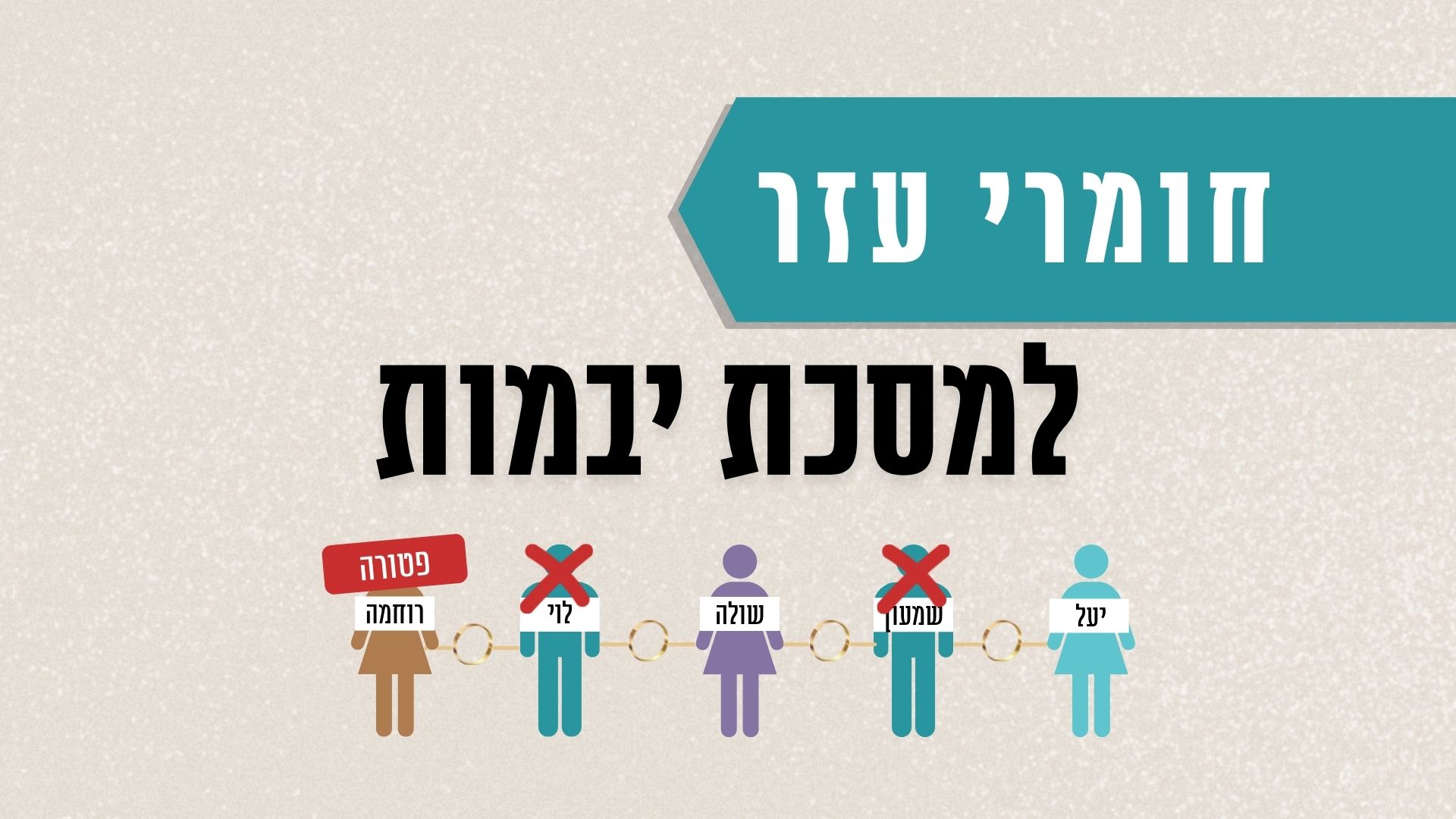
האם המחלוקת במשנה – האם קידושין של איסורי לאוים לכהן פוסלים בת כהן מלאכול בתרומה – דומה למקרה של פצוע דכא כהן שהתחתן עם בת ישראל? הגמרא מנסה להבחין בין המקרים, אז רבא ואביי מוכיחים (כל אחד בדרך אחרת) שהם דומים. למה כל אחד לא פירש כפי הדעה של האחר? ר’ יוחנן שאל את ר’ אושעיא שאלה שלא ידע לענות עליו – פצוע דכא שנשא בת גרים – האם היא יכולה לאכול תרומה? מובא מחלוקת בין שלושה תנאים בעניין בת גרים – האם היא פסולה לכהונה ואם כן, באיזה מקרה? והאם היא נחשבת כחלק מקהל ה’ ובכך אסורה לפצוע דכא?  והגמרא בררת כפי איזה דעה תנאית נשאלה השאלה. מהי התשובה לשאלה? רב ושמואל חולקים בעניין האם יש חופה לפסולות, כלומר האם על ידי חופה אסורה, בת כהן תיפסל מאכילת תרומה?

יבמות נז

הָא נָמֵי אָכְלָה. מִמַּאי? דִּלְמָא עַד כָּאן לָא קָאָמְרִי רַבִּי אֶלְעָזָר וְרַבִּי שִׁמְעוֹן הָתָם, אֶלָּא דְּיֵשׁ לוֹ לְהַאֲכִיל בְּמָקוֹם אַחֵר. אֲבָל הָכָא, דְּאֵין לוֹ לְהַאֲכִיל בְּמָקוֹם אַחֵר — לָא.

this one may also partake of teruma until that time. The Gemara refutes this argument: From where do we know that this is correct? Perhaps Rabbi Elazar and Rabbi Shimon stated their opinion there only with regard to a priest whose status can entitle her to partake of teruma in another case, but here, in the case of a priest with crushed testicles, whose status cannot entitle her to partake of teruma in another case, as it is forbidden for him to marry a woman who was born Jewish, no, they did not state their opinion.

וְכִי תֵּימָא: הָכָא נָמֵי יֵשׁ לוֹ לְהַאֲכִיל בְּבַת גֵּרִים, וְהָא מִיבַּעְיָא בְּעָא לַהּ רַבִּי יוֹחָנָן מֵרַבִּי אוֹשַׁעְיָא, וְלָא פְּשַׁיט לֵיהּ.

And if you say that here too, his status can at least entitle his wife to partake of teruma if he marries the daughter of converts, wasn’t it already raised as a dilemma by Rabbi Yoḥanan before Rabbi Oshaya whether the daughter of converts who married a priest with crushed testicles may partake of teruma, and he was unable to resolve it for him? Therefore, there is a difference between a priest with crushed testicles and other priests who betroth women who are disqualified by their intercourse.

אִיתְּמַר, אַבָּיֵי אָמַר: הוֹאִיל וּמַאֲכִילָהּ בְּלֹא יְדָעָהּ.

It was stated that Abaye said: Women betrothed to a priest with crushed testicles may eat teruma since his status entitles his wife to partake of teruma in a case where he has not known her. If a priest was properly married and then his testicles became crushed, as long as he has not known his wife, i.e., engaged in intercourse with her, after that point in time, she may continue partaking of teruma as his wife.

רָבָא אָמַר: הוֹאִיל וּמַאֲכִילָהּ בַּעֲבָדָיו וְשִׁפְחוֹתָיו הַכְּנַעֲנִים.

Rava said she may continue to partake of teruma for a different reason: She may eat teruma since the status of this priest entitles his Canaanite slaves and maidservants to partake of teruma. Because he has the power to enable others to partake of teruma, the case of a woman betrothed to a priest with crushed testicles is comparable to the cases in the mishna, and Rabbi Elazar and Rabbi Shimon would permit the woman to partake of teruma.

אַבָּיֵי לָא אָמַר כְּרָבָא — קִנְיָן דְּאִישׁוּת מִקִּנְיָן דְּאִישׁוּת יָלְפִינַן, וְלָא יָלְפִינַן קִנְיָן דְּאִישׁוּת מִקִּנְיָן דַּעֲבָדִים.

The Gemara clarifies the two opinions. Abaye did not say in accordance with the opinion of Rava because he claims that we derive the halakhot related to the acquisition of marriage from the acquisition of marriage, and we do not derive the halakhot related to the acquisition of marriage from the acquisition of slaves.

וְרָבָא לָא אָמַר כְּאַבַּיֵּי — שָׁאנֵי הָתָם, שֶׁכְּבָר אָכְלָה. וְאַבָּיֵי: שֶׁכְּבָר אָכְלָה לָא אָמְרִינַן, דְּאִי לָא תֵּימָא הָכִי, בַּת יִשְׂרָאֵל שֶׁנִּיסֵּת לְכֹהֵן וּמִית — תֵּיכוֹל, שֶׁכְּבָר אָכְלָה. וְרָבָא: הָתָם פָּקַע קִנְיָנֵיהּ, הָכָא לָא פָּקַע קִנְיָנֵיהּ.

And Rava did not state his opinion in accordance with the opinion of Abaye, as he maintains that it is different there, as she had already partaken of teruma before her husband’s testicles were crushed and therefore she may continue to partake of it. And Abaye would respond that we do not say that the case is different because she had already partaken of teruma, as, if you do not say so, the daughter of an Israelite who was married to a priest who died childless should be allowed to partake of teruma, as she had already partaken of teruma while her husband was alive. And Rava replies that there is no comparison between the two cases: There, his acquisition lapses upon his death; here, his acquisition does not lapse, as she is still his wife.

גּוּפָא, בְּעָא מִינֵּיהּ רַבִּי יוֹחָנָן מֵרַבִּי אוֹשַׁעְיָא: פְּצוּעַ דַּכָּא כֹּהֵן שֶׁנָּשָׂא בַּת גֵּרִים. מַהוּ שֶׁיַּאֲכִילֶנָּה בִּתְרוּמָה? אִישְׁתִּיק וְלָא אֲמַר לֵיהּ וְלָא מִידֵּי. לְסוֹף אֲתָא גַּבְרָא רַבָּה אַחֲרִינָא וּבְעָא מִינֵּיהּ מִילְּתָא [אַחְרִיתָא] וּפְשַׁט לֵיהּ. וּמַנּוּ — רֵישׁ לָקִישׁ. אֲמַר לֵיהּ רַבִּי יְהוּדָה נְשִׂיאָה לְרַבִּי אוֹשַׁעְיָא: אַטּוּ רַבִּי יוֹחָנָן לָאו גַּבְרָא רַבָּה הוּא? אֲמַר לֵיהּ: דְּקָבָעֵי מִינַּאי מִילְּתָא דְּלֵית לַהּ פָּתְרִי.

§ The Gemara earlier mentioned a question that Rabbi Yoḥanan posed to Rabbi Oshaya, and it now turns its attention to that matter itself. Rabbi Yoḥanan raised a dilemma before Rabbi Oshaya: With regard to a priest with crushed testicles or with other wounds to his genitals who married the daughter of converts, what is the halakha concerning whether his status entitles her to partake of teruma? Rabbi Oshaya was silent and said nothing to him. Eventually another great man came and raised a different dilemma before Rabbi Oshaya, and he resolved his question. And who was this great man? Reish Lakish. Rabbi Yehuda Nesia said to Rabbi Oshaya: Is Rabbi Yoḥanan not a great man? Why didn’t you address his dilemma? Rabbi Oshaya said to him: I did not respond because he raised a dilemma before me that has no resolution.

לְמַאן? אִי לְרַבִּי יְהוּדָה, בֵּין בִּקְדוּשְׁתֵּיהּ קָאֵי בֵּין לָאו בִּקְדוּשְׁתֵּיהּ קָאֵי — לָא אָכְלָה. אִי בִּקְדוּשְׁתֵּיהּ קָאֵי — לָא אָכְלָה, דְּהָא אָמַר מָר: בַּת גֵּר זָכָר כְּבַת חָלָל זָכָר.

The Gemara explains: According to whom did he raise his dilemma? If it was in accordance with the opinion of Rabbi Yehuda, then, whether the priest with crushed testicles retains his priestly sanctity or whether he does not retain his priestly sanctity and may marry women forbidden to priests, she may not partake of teruma. The reasoning is as follows: If he retains his priestly sanctity she may not partake of teruma, as the Master said: The status of the daughter of a male convert is like that of the daughter of a male ḥalal. They are both prohibited from marrying a priest, and therefore even if they marry a priest, it is prohibited for them to eat teruma.

אִי לָאו בִּקְדוּשְׁתֵּיהּ קָאֵי — לָא אָכְלָה, דְּהָא אָמְרִינַן: קְהַל גֵּרִים אִיקְּרִי קָהָל.

Even if he does not retain his priestly sanctity she may not eat, as we say that according to Rabbi Yehuda, the congregation of converts is called the congregation of the Lord. Therefore, when the Torah renders it prohibited for a man with crushed testicles to marry into the congregation of the Lord (see Deuteronomy 23:2), it renders it prohibited for him to marry converts.

וְאִי לְרַבִּי יוֹסֵי, בֵּין בִּקְדוּשְׁתֵּיהּ קָאֵי בֵּין לָאו בִּקְדוּשְׁתֵּיהּ קָאֵי — אָכְלָה. בִּקְדוּשְׁתֵּיהּ קָאֵי — אָכְלָה, דְּהָא אָמַר: אַף גֵּר שֶׁנָּשָׂא גִּיּוֹרֶת — בִּתּוֹ כְּשֵׁרָה לִכְהוּנָּה. אִי לָאו בִּקְדוּשְׁתֵּיהּ קָאֵי — אָכְלָה, דְּהָא אָמַר: קְהַל גֵּרִים לָא אִיקְּרִי קָהָל.

And if he raised his dilemma in accordance with the opinion of Rabbi Yosei, then, whether he retains his priestly sanctity or whether he does not retain his priestly sanctity, she may partake of teruma. If he retains his sanctity she may partake, as Rabbi Yosei said: Even if a convert married a convert, his daughter is fit for marrying into the priesthood. If he does not retain his sanctity she may partake, as Rabbi Yosei said: The congregation of converts is not called the congregation of the Lord, and therefore even those forbidden from entering the congregation may marry converts. Consequently, it is certainly permitted for the priest with crushed testicles to marry the daughter of converts.

אֶלָּא אַלִּיבָּא דְּהַאי תַּנָּא: דִּתְנַן, רַבִּי אֱלִיעֶזֶר בֶּן יַעֲקֹב אוֹמֵר: אִשָּׁה בַּת גֵּרִים לֹא תִּנָּשֵׂא לִכְהוּנָּה עַד שֶׁתְּהֵא אִמָּהּ מִיִּשְׂרָאֵל.

Rather, Rabbi Yoḥanan raised his dilemma in accordance with the opinion of this tanna, as we learned in a mishna (Bikkurim 1:5) that Rabbi Eliezer ben Ya’akov says: A woman who is the daughter of converts may not marry into the priesthood unless her mother was Jewish from birth.

וְהָכִי קָמִיבַּעְיָא לֵיהּ: כַּשְׁרוּת מִיתּוֹסְפָא בַּהּ — וְאָכְלָה, אוֹ דִלְמָא קְדוּשָּׁה מִיתּוֹסְפָא בַּהּ — וְלָא אָכְלָה.

And his dilemma was as follows: Is the reason she may marry a priest if her mother was Jewish from birth that fitness to marry a priest has been added to her, but she is not considered a member of the congregation of the Lord and may therefore marry a man with crushed testicles? If so, since she may marry a priest, she may partake of teruma once she does so. Or perhaps sanctity has been added to her and she is considered a member of the congregation of the Lord. Consequently, she may not marry a man with crushed testicles, and if she does, she may not partake of teruma even if he is a priest.

תָּא שְׁמַע: כִּי אֲתָא רַבִּי אַחָא בַּר חִינָּנָא מִדָּרוֹמָא, אֲתָא וְאַיְיתִי מַתְנִיתָא בִּידֵיהּ: מִנַּיִן לִפְצוּעַ דַּכָּא כֹּהֵן שֶׁנָּשָׂא בַּת גֵּרִים שֶׁמַּאֲכִילָהּ בִּתְרוּמָה, שֶׁנֶּאֱמַר: ״וְכֹהֵן כִּי יִקְנֶה נֶפֶשׁ קִנְיַן כַּסְפּוֹ וְגוֹ׳ יֹאכַל בּוֹ״.

The Gemara suggests an answer to this dilemma. Come and hear: When Rabbi Aḥa bar Ḥinnana came from the south, he came and brought this baraita in hand: From where is it derived that a priest with crushed testicles or with other wounds to his genitals who married the daughter of converts entitles her to partake of teruma? As it is stated: “But if a priest buys any soul, the purchase of his money, he may eat of it” (Leviticus 22:11). In this context, a wife is also considered his monetary acquisition, and therefore she may partake of teruma.

לְמַאן? אִילֵימָא לְרַבִּי יְהוּדָה, הָאָמַר: בֵּין בִּקְדוּשְׁתֵּיהּ קָאֵי בֵּין לָאו בִּקְדוּשְׁתֵּיהּ קָאֵי — לָא אָכְלָה. וְאִי לְרַבִּי יוֹסֵי — לְמָה לִי קְרָא, הָאָמַר: בֵּין בִּקְדוּשְׁתֵּיהּ קָאֵי בֵּין לָאו בִּקְדוּשְׁתֵּיהּ קָאֵי — אָכְלָה! אֶלָּא לָאו, לְרַבִּי אֱלִיעֶזֶר בֶּן יַעֲקֹב, וּשְׁמַע מִינַּהּ כַּשְׁרוּת אִיתּוֹסַפָא בַּהּ וְאָכְלָה. שְׁמַע מִינַּהּ.

The Gemara analyzes this source: According to whom is this baraita stated? If we say it is in accordance with the opinion of Rabbi Yehuda, didn’t he say that whether this priest retains his sanctity or whether he does not retain his sanctity, she may not partake of teruma? And if it is in accordance with the opinion of Rabbi Yosei, why do I need a special verse to teach this halakha? Didn’t he say that whether he retains his sanctity or whether he does not retain his sanctity, she may partake of teruma? Rather, is it not in accordance with the opinion of Rabbi Eliezer ben Ya’akov? And you can learn from this baraita that fitness was added to her, and therefore she may partake of teruma. The Gemara concludes: Indeed, learn from this that it is so.

אִיתְּמַר, רַב אָמַר:

§ The Gemara cites a dispute with regard to an issue related to the previous discussion. It was stated that the amora’im disagreed about the following question. Rav said:

יֵשׁ חוּפָּה לִפְסוּלוֹת. וּשְׁמוּאֵל אָמַר: אֵין חוּפָּה לִפְסוּלוֹת.

There is significance to a priest entering a wedding canopy with women who are unfit to marry a priest. If a priest’s daughter who is unfit to marry a priest enters the wedding canopy with a priest, she becomes disqualified from partaking of teruma from her father’s household. This is the case even if the priest did not betroth her and they did not engage in sexual intercourse. And Shmuel said: There is no significance to a priest entering the wedding canopy with women who are unfit to marry a priest. Only sexual intercourse disqualifies her from the privileges of priesthood.

אָמַר שְׁמוּאֵל: וּמוֹדֶה לִי אַבָּא בְּתִינוֹקֶת פְּחוּתָה מִבַּת שָׁלֹשׁ שָׁנִים וְיוֹם אֶחָד, הוֹאִיל וְאֵין לָהּ בִּיאָה, אֵין לָהּ חוּפָּה.

Shmuel said: And Abba, i.e., Rav, whose first name was Abba, concedes to me, with regard to a girl less than three years and one day old, that she is not disqualified by merely entering the wedding canopy. Since there is no legal significance to an act of intercourse with her, there is no legal significance to entering the wedding canopy with her.

אָמַר רָבָא, אַף אֲנַן נָמֵי תְּנֵינָא: בַּת שָׁלֹשׁ שָׁנִים וְיוֹם אֶחָד מִתְקַדֶּשֶׁת בְּבִיאָה, וְאִם בָּא עָלֶיהָ יָבָם — קְנָאָהּ, וְחַיָּיבִין עָלֶיהָ מִשּׁוּם אֵשֶׁת אִישׁ, וּמְטַמְּאָה אֶת בּוֹעֲלָהּ לְטַמֵּא מִשְׁכָּב תַּחְתּוֹן כְּעֶלְיוֹן.

Rava said: We, too, learn in the following baraita that there is no legal significance to an act of intercourse with a girl less than three years old: A girl three years and one day old can be betrothed via sexual intercourse; and if she was a yevama and her yavam had intercourse with her, he has acquired her; and a man who has intercourse with her while she is married to someone else is liable on her account because of the prohibition of intercourse with a married woman; and if she experiences a menstrual discharge she renders ritually impure a man who has intercourse with her, so that he renders impure the object upon which he lies like the upper one.

נִשֵּׂאת לְכֹהֵן — אוֹכֶלֶת בִּתְרוּמָה. בָּא עָלֶיהָ אֶחָד מִכׇּל הַפְּסוּלִין — פְּסָלָהּ.

If she is married to a priest she may partake of teruma. If one of those who render women unfit for marrying a priest had intercourse with her, he has disqualified her from being able to partake of teruma.

בַּת שָׁלֹשׁ שָׁנִים וְיוֹם אֶחָד, הוּא דְּמִפַּסְלָה בְּבִיאָה — מִפַּסְלָה בְּחוּפָּה. הָא פְּחוּתָה מִבַּת שָׁלֹשׁ שָׁנִים וְיוֹם אֶחָד, דְּלָא מִפַּסְלָה בְּבִיאָה — לָא מִפַּסְלָה נָמֵי בְּחוּפָּה. שְׁמַע מִינַּהּ.

Rava infers from this baraita that it is a girl three years and one day old who is disqualified via intercourse, and consequently she is also disqualified via the wedding canopy. However, a girl who is less than three years and one day old, who is not disqualified via intercourse, is also not disqualified via the wedding canopy. The Gemara concludes: Indeed, learn from this that it is so.

אָמַר רָמֵי בַּר חָמָא: יֵשׁ חוּפָּה לִפְסוּלוֹת — בָּאנוּ לְמַחְלוֹקֶת רַבִּי מֵאִיר וְרַבִּי אֶלְעָזָר וְרַבִּי שִׁמְעוֹן.

Rami bar Ḥama said: With regard to the question of whether there is legal significance to a priest entering the wedding canopy with women who are unfit to marry a priest, we have arrived at the dispute cited in the mishna between Rabbi Meir on the one hand and Rabbi Elazar and Rabbi Shimon on the other.

העמקה

רוצה להבין מה באמת קורה מתחת לפני השטח של הסוגיה?
שיעורים, פודקאסטים והרחבות של מיטב המורות שלנו יפתחו לך עוד זוויות וכיווני חשיבה.

לשיעורי עוד על הדף באנגלית, לחצי כאן

חדשה בלימוד הגמרא?

זה הדף הראשון שלך? איזו התרגשות עצומה! יש לנו בדיוק את התכנים והכלים שיעזרו לך לעשות את הצעדים הראשונים ללמידה בקצב וברמה שלך, כך תוכלי להרגיש בנוח גם בתוך הסוגיות המורכבות ומאתגרות.

פסיפס הלומדות שלנו

גלי את קהילת הלומדות שלנו, מגוון נשים, רקעים וסיפורים. כולן חלק מתנועה ומסע מרגש ועוצמתי.

התחלתי ללמוד בשנת המדרשה במגדל עוז, בינתיים נהנית מאוד מהלימוד ומהגמרא, מעניין ומשמח מאוד!
משתדלת להצליח לעקוב כל יום, לפעמים משלימה קצת בהמשך השבוע.. מרגישה שיש עוגן מקובע ביום שלי והוא משמח מאוד!

Uriah Kesner
אוריה קסנר

חיפה , ישראל

. לא תמיד נהניתי מלימוד גמרא כילדה.,בל כהתבגרתי התחלתי לאהוב את זה שוב. התחלתי ללמוד מסכת סוטה בדף היומי לפני כחמש עשרה שנה ואז הפסקתי.הגעתי לסיום הגדול של הדרן לפני שנתיים וזה נתן לי השראה. והתחלתי ללמוד למשך כמה ימים ואז היתה לי פריצת דיסק והפסקתי…עד אלול השנה. אז התחלתי עם מסכת ביצה וב”ה אני מצליחה לעמוד בקצב. המשפחה מאוד תומכת בי ויש כמה שגם לומדים את זה במקביל. אני אוהבת שיש עוגן כל יום.

Rebecca Darshan
רבקה דרשן

בית שמש, ישראל

A friend in the SF Bay Area said in Dec 2019 that she might start listening on her morning drive to work. I mentioned to my husband and we decided to try the Daf when it began in Jan 2020 as part of our preparing to make Aliyah in the summer.

Hana Piotrkovsky
חנה פיוטרקובסקי

ירושלים, Israel

סיום השס לנשים נתן לי מוטביציה להתחיל ללמוד דף יומי. עד אז למדתי גמרא בשבתות ועשיתי כמה סיומים. אבל לימוד יומיומי זה שונה לגמרי ופתאום כל דבר שקורה בחיים מתקשר לדף היומי.

Fogel Foundation
קרן פוגל

רתמים, ישראל

אמא שלי למדה איתי ש”ס משנה, והתחילה ללמוד דף יומי. אני החלטתי שאני רוצה ללמוד גם. בהתחלה למדתי איתה, אח”כ הצטרפתי ללימוד דף יומי שהרב דני וינט מעביר לנוער בנים בעתניאל. במסכת עירובין עוד חברה הצטרפה אלי וכשהתחלנו פסחים הרב דני פתח לנו שעור דף יומי לבנות. מאז אנחנו לומדות איתו קבוע כל יום את הדף היומי (ובשבת אבא שלי מחליף אותו). אני נהנית מהלימוד, הוא מאתגר ומעניין

Renana Hellman
רננה הלמן

עתניאל, ישראל

רציתי לקבל ידע בתחום שהרגשתי שהוא גדול וחשוב אך נעלם ממני. הלימוד מעניק אתגר וסיפוק ומעמיק את תחושת השייכות שלי לתורה וליהדות

Ruth Agiv
רות עגיב

עלי זהב – לשם, ישראל

התחלתי ללמוד גמרא בבית הספר בגיל צעיר והתאהבתי. המשכתי בכך כל חיי ואף היייתי מורה לגמרא בבית הספר שקד בשדה אליהו (בית הספר בו למדתי בילדותי)בתחילת מחזור דף יומי הנוכחי החלטתי להצטרף ובע”ה מקווה להתמיד ולהמשיך. אני אוהבת את המפגש עם הדף את "דרישות השלום ” שמקבלת מקשרים עם דפים אחרים שלמדתי את הסנכרון שמתחולל בין התכנים.

Ariela Bigman
אריאלה ביגמן

מעלה גלבוע, ישראל

אחרי שראיתי את הסיום הנשי של הדף היומי בבנייני האומה זה ריגש אותי ועורר בי את הרצון להצטרף. לא למדתי גמרא קודם לכן בכלל, אז הכל היה לי חדש, ולכן אני לומדת בעיקר מהשיעורים פה בהדרן, בשוטנשטיין או בחוברות ושיננתם.

Rebecca Schloss
רבקה שלוס

בית שמש, ישראל

רבנית מישל הציתה אש התלמוד בלבבות בביניני האומה ואני נדלקתי. היא פתחה פתח ותמכה במתחילות כמוני ואפשרה לנו להתקדם בצעדים נכונים וטובים. הקימה מערך שלם שמסובב את הלומדות בסביבה תומכת וכך נכנסתי למסלול לימוד מעשיר שאין כמוה. הדרן יצר קהילה גדולה וחזקה שמאפשרת התקדמות מכל נקודת מוצא. יש דיבוק לומדות שמחזק את ההתמדה של כולנו. כל פניה ושאלה נענית בזריזות ויסודיות. תודה גם למגי על כל העזרה.

Sarah Aber
שרה אבר

נתניה, ישראל

לצערי גדלתי בדור שבו לימוד גמרא לנשים לא היה דבר שבשגרה ושנים שאני חולמת להשלים את הפער הזה.. עד שלפני מספר שבועות, כמעט במקרה, נתקלתי במודעת פרסומת הקוראת להצטרף ללימוד מסכת תענית. כשקראתי את המודעה הרגשתי שהיא כאילו נכתבה עבורי – "תמיד חלמת ללמוד גמרא ולא ידעת איך להתחיל”, "בואי להתנסות במסכת קצרה וקלה” (רק היה חסר שהמודעה תיפתח במילים "מיכי שלום”..). קפצתי למים ו- ב”ה אני בדרך להגשמת החלום:)

Micah Kadosh
מיכי קדוש

מורשת, ישראל

אמא שלי למדה איתי ש”ס משנה, והתחילה ללמוד דף יומי. אני החלטתי שאני רוצה ללמוד גם. בהתחלה למדתי איתה, אח”כ הצטרפתי ללימוד דף יומי שהרב דני וינט מעביר לנוער בנים בעתניאל. במסכת עירובין עוד חברה הצטרפה אלי וכשהתחלנו פסחים הרב דני פתח לנו שעור דף יומי לבנות. מאז אנחנו לומדות איתו קבוע כל יום את הדף היומי (ובשבת אבא שלי מחליף אותו). אני נהנית מהלימוד, הוא מאתגר ומעניין

Renana Hellman
רננה הלמן

עתניאל, ישראל

התחלתי מעט לפני תחילת הסבב הנוכחי. אני נהנית מהאתגר של להמשיך להתמיד, מרגעים של "אהה, מפה זה הגיע!” ומהאתגר האינטלקטואלי

Eilat-Chen and Deller
אילת-חן ודלר

לוד, ישראל

אחי, שלומד דף יומי ממסכת ברכות, חיפש חברותא ללימוד מסכת ראש השנה והציע לי. החברותא היתה מאתגרת טכנית ורוב הזמן נעשתה דרך הטלפון, כך שבסיום המסכת נפרדו דרכינו. אחי חזר ללמוד לבד, אבל אני כבר נכבשתי בקסם הגמרא ושכנעתי את האיש שלי להצטרף אלי למסכת ביצה. מאז המשכנו הלאה, ועכשיו אנחנו מתרגשים לקראתו של סדר נשים!

Shulamit Saban
שולמית סבן

נוקדים, ישראל

התחלתי ללמוד דף יומי באמצע תקופת הקורונה, שאבא שלי סיפר לי על קבוצה של בנות שתיפתח ביישוב שלנו ותלמד דף יומי כל יום. הרבה זמן רציתי להצטרף לזה וזאת הייתה ההזדמנות בשבילי. הצטרפתי במסכת שקלים ובאמצע הייתה הפסקה קצרה. כיום אני כבר לומדת באולפנה ולומדת דף יומי לבד מתוך גמרא של טיינזלץ.

Saturdays in Raleigh
שבות בראלי

עתניאל, ישראל

בסוף הסבב הקודם ראיתי את השמחה הגדולה שבסיום הלימוד, בעלי סיים כבר בפעם השלישית וכמובן הסיום הנשי בבנייני האומה וחשבתי שאולי זו הזדמנות עבורי למשהו חדש.
למרות שאני שונה בסביבה שלי, מי ששומע על הלימוד שלי מפרגן מאוד.
אני מנסה ללמוד קצת בכל יום, גם אם לא את כל הדף ובסך הכל אני בדרך כלל עומדת בקצב.
הלימוד מעניק המון משמעות ליום יום ועושה סדר בלמוד תורה, שתמיד היה (ועדיין) שאיפה. אבל אין כמו קביעות

Racheli-Mendelson
רחלי מנדלסון

טל מנשה, ישראל

רבנית מישל הציתה אש התלמוד בלבבות בביניני האומה ואני נדלקתי. היא פתחה פתח ותמכה במתחילות כמוני ואפשרה לנו להתקדם בצעדים נכונים וטובים. הקימה מערך שלם שמסובב את הלומדות בסביבה תומכת וכך נכנסתי למסלול לימוד מעשיר שאין כמוה. הדרן יצר קהילה גדולה וחזקה שמאפשרת התקדמות מכל נקודת מוצא. יש דיבוק לומדות שמחזק את ההתמדה של כולנו. כל פניה ושאלה נענית בזריזות ויסודיות. תודה גם למגי על כל העזרה.

Sarah Aber
שרה אבר

נתניה, ישראל

. לא תמיד נהניתי מלימוד גמרא כילדה.,בל כהתבגרתי התחלתי לאהוב את זה שוב. התחלתי ללמוד מסכת סוטה בדף היומי לפני כחמש עשרה שנה ואז הפסקתי.הגעתי לסיום הגדול של הדרן לפני שנתיים וזה נתן לי השראה. והתחלתי ללמוד למשך כמה ימים ואז היתה לי פריצת דיסק והפסקתי…עד אלול השנה. אז התחלתי עם מסכת ביצה וב”ה אני מצליחה לעמוד בקצב. המשפחה מאוד תומכת בי ויש כמה שגם לומדים את זה במקביל. אני אוהבת שיש עוגן כל יום.

Rebecca Darshan
רבקה דרשן

בית שמש, ישראל

התחלתי ללמוד בשנת המדרשה במגדל עוז, בינתיים נהנית מאוד מהלימוד ומהגמרא, מעניין ומשמח מאוד!
משתדלת להצליח לעקוב כל יום, לפעמים משלימה קצת בהמשך השבוע.. מרגישה שיש עוגן מקובע ביום שלי והוא משמח מאוד!

Uriah Kesner
אוריה קסנר

חיפה , ישראל

התחלתי לפני כמה שנים אבל רק בסבב הזה זכיתי ללמוד יום יום ולסיים מסכתות

Sigal Tel
סיגל טל

רעננה, ישראל

התחלתי ללמוד דף יומי לפני שנתיים, עם מסכת שבת. בהתחלה ההתמדה היתה קשה אבל בזכות הקורונה והסגרים הצלחתי להדביק את הפערים בשבתות הארוכות, לסיים את מסכת שבת ולהמשיך עם המסכתות הבאות. עכשיו אני מסיימת בהתרגשות רבה את מסכת חגיגה וסדר מועד ומחכה לסדר הבא!

Ilana-Shachnowitz
אילנה שכנוביץ

מודיעין, ישראל

יבמות נז

הָא נָמֵי אָכְלָה. מִמַּאי? דִּלְמָא עַד כָּאן לָא קָאָמְרִי רַבִּי אֶלְעָזָר וְרַבִּי שִׁמְעוֹן הָתָם, אֶלָּא דְּיֵשׁ לוֹ לְהַאֲכִיל בְּמָקוֹם אַחֵר. אֲבָל הָכָא, דְּאֵין לוֹ לְהַאֲכִיל בְּמָקוֹם אַחֵר — לָא.

this one may also partake of teruma until that time. The Gemara refutes this argument: From where do we know that this is correct? Perhaps Rabbi Elazar and Rabbi Shimon stated their opinion there only with regard to a priest whose status can entitle her to partake of teruma in another case, but here, in the case of a priest with crushed testicles, whose status cannot entitle her to partake of teruma in another case, as it is forbidden for him to marry a woman who was born Jewish, no, they did not state their opinion.

וְכִי תֵּימָא: הָכָא נָמֵי יֵשׁ לוֹ לְהַאֲכִיל בְּבַת גֵּרִים, וְהָא מִיבַּעְיָא בְּעָא לַהּ רַבִּי יוֹחָנָן מֵרַבִּי אוֹשַׁעְיָא, וְלָא פְּשַׁיט לֵיהּ.

And if you say that here too, his status can at least entitle his wife to partake of teruma if he marries the daughter of converts, wasn’t it already raised as a dilemma by Rabbi Yoḥanan before Rabbi Oshaya whether the daughter of converts who married a priest with crushed testicles may partake of teruma, and he was unable to resolve it for him? Therefore, there is a difference between a priest with crushed testicles and other priests who betroth women who are disqualified by their intercourse.

אִיתְּמַר, אַבָּיֵי אָמַר: הוֹאִיל וּמַאֲכִילָהּ בְּלֹא יְדָעָהּ.

It was stated that Abaye said: Women betrothed to a priest with crushed testicles may eat teruma since his status entitles his wife to partake of teruma in a case where he has not known her. If a priest was properly married and then his testicles became crushed, as long as he has not known his wife, i.e., engaged in intercourse with her, after that point in time, she may continue partaking of teruma as his wife.

רָבָא אָמַר: הוֹאִיל וּמַאֲכִילָהּ בַּעֲבָדָיו וְשִׁפְחוֹתָיו הַכְּנַעֲנִים.

Rava said she may continue to partake of teruma for a different reason: She may eat teruma since the status of this priest entitles his Canaanite slaves and maidservants to partake of teruma. Because he has the power to enable others to partake of teruma, the case of a woman betrothed to a priest with crushed testicles is comparable to the cases in the mishna, and Rabbi Elazar and Rabbi Shimon would permit the woman to partake of teruma.

אַבָּיֵי לָא אָמַר כְּרָבָא — קִנְיָן דְּאִישׁוּת מִקִּנְיָן דְּאִישׁוּת יָלְפִינַן, וְלָא יָלְפִינַן קִנְיָן דְּאִישׁוּת מִקִּנְיָן דַּעֲבָדִים.

The Gemara clarifies the two opinions. Abaye did not say in accordance with the opinion of Rava because he claims that we derive the halakhot related to the acquisition of marriage from the acquisition of marriage, and we do not derive the halakhot related to the acquisition of marriage from the acquisition of slaves.

וְרָבָא לָא אָמַר כְּאַבַּיֵּי — שָׁאנֵי הָתָם, שֶׁכְּבָר אָכְלָה. וְאַבָּיֵי: שֶׁכְּבָר אָכְלָה לָא אָמְרִינַן, דְּאִי לָא תֵּימָא הָכִי, בַּת יִשְׂרָאֵל שֶׁנִּיסֵּת לְכֹהֵן וּמִית — תֵּיכוֹל, שֶׁכְּבָר אָכְלָה. וְרָבָא: הָתָם פָּקַע קִנְיָנֵיהּ, הָכָא לָא פָּקַע קִנְיָנֵיהּ.

And Rava did not state his opinion in accordance with the opinion of Abaye, as he maintains that it is different there, as she had already partaken of teruma before her husband’s testicles were crushed and therefore she may continue to partake of it. And Abaye would respond that we do not say that the case is different because she had already partaken of teruma, as, if you do not say so, the daughter of an Israelite who was married to a priest who died childless should be allowed to partake of teruma, as she had already partaken of teruma while her husband was alive. And Rava replies that there is no comparison between the two cases: There, his acquisition lapses upon his death; here, his acquisition does not lapse, as she is still his wife.

גּוּפָא, בְּעָא מִינֵּיהּ רַבִּי יוֹחָנָן מֵרַבִּי אוֹשַׁעְיָא: פְּצוּעַ דַּכָּא כֹּהֵן שֶׁנָּשָׂא בַּת גֵּרִים. מַהוּ שֶׁיַּאֲכִילֶנָּה בִּתְרוּמָה? אִישְׁתִּיק וְלָא אֲמַר לֵיהּ וְלָא מִידֵּי. לְסוֹף אֲתָא גַּבְרָא רַבָּה אַחֲרִינָא וּבְעָא מִינֵּיהּ מִילְּתָא [אַחְרִיתָא] וּפְשַׁט לֵיהּ. וּמַנּוּ — רֵישׁ לָקִישׁ. אֲמַר לֵיהּ רַבִּי יְהוּדָה נְשִׂיאָה לְרַבִּי אוֹשַׁעְיָא: אַטּוּ רַבִּי יוֹחָנָן לָאו גַּבְרָא רַבָּה הוּא? אֲמַר לֵיהּ: דְּקָבָעֵי מִינַּאי מִילְּתָא דְּלֵית לַהּ פָּתְרִי.

§ The Gemara earlier mentioned a question that Rabbi Yoḥanan posed to Rabbi Oshaya, and it now turns its attention to that matter itself. Rabbi Yoḥanan raised a dilemma before Rabbi Oshaya: With regard to a priest with crushed testicles or with other wounds to his genitals who married the daughter of converts, what is the halakha concerning whether his status entitles her to partake of teruma? Rabbi Oshaya was silent and said nothing to him. Eventually another great man came and raised a different dilemma before Rabbi Oshaya, and he resolved his question. And who was this great man? Reish Lakish. Rabbi Yehuda Nesia said to Rabbi Oshaya: Is Rabbi Yoḥanan not a great man? Why didn’t you address his dilemma? Rabbi Oshaya said to him: I did not respond because he raised a dilemma before me that has no resolution.

לְמַאן? אִי לְרַבִּי יְהוּדָה, בֵּין בִּקְדוּשְׁתֵּיהּ קָאֵי בֵּין לָאו בִּקְדוּשְׁתֵּיהּ קָאֵי — לָא אָכְלָה. אִי בִּקְדוּשְׁתֵּיהּ קָאֵי — לָא אָכְלָה, דְּהָא אָמַר מָר: בַּת גֵּר זָכָר כְּבַת חָלָל זָכָר.

The Gemara explains: According to whom did he raise his dilemma? If it was in accordance with the opinion of Rabbi Yehuda, then, whether the priest with crushed testicles retains his priestly sanctity or whether he does not retain his priestly sanctity and may marry women forbidden to priests, she may not partake of teruma. The reasoning is as follows: If he retains his priestly sanctity she may not partake of teruma, as the Master said: The status of the daughter of a male convert is like that of the daughter of a male ḥalal. They are both prohibited from marrying a priest, and therefore even if they marry a priest, it is prohibited for them to eat teruma.

אִי לָאו בִּקְדוּשְׁתֵּיהּ קָאֵי — לָא אָכְלָה, דְּהָא אָמְרִינַן: קְהַל גֵּרִים אִיקְּרִי קָהָל.

Even if he does not retain his priestly sanctity she may not eat, as we say that according to Rabbi Yehuda, the congregation of converts is called the congregation of the Lord. Therefore, when the Torah renders it prohibited for a man with crushed testicles to marry into the congregation of the Lord (see Deuteronomy 23:2), it renders it prohibited for him to marry converts.

וְאִי לְרַבִּי יוֹסֵי, בֵּין בִּקְדוּשְׁתֵּיהּ קָאֵי בֵּין לָאו בִּקְדוּשְׁתֵּיהּ קָאֵי — אָכְלָה. בִּקְדוּשְׁתֵּיהּ קָאֵי — אָכְלָה, דְּהָא אָמַר: אַף גֵּר שֶׁנָּשָׂא גִּיּוֹרֶת — בִּתּוֹ כְּשֵׁרָה לִכְהוּנָּה. אִי לָאו בִּקְדוּשְׁתֵּיהּ קָאֵי — אָכְלָה, דְּהָא אָמַר: קְהַל גֵּרִים לָא אִיקְּרִי קָהָל.

And if he raised his dilemma in accordance with the opinion of Rabbi Yosei, then, whether he retains his priestly sanctity or whether he does not retain his priestly sanctity, she may partake of teruma. If he retains his sanctity she may partake, as Rabbi Yosei said: Even if a convert married a convert, his daughter is fit for marrying into the priesthood. If he does not retain his sanctity she may partake, as Rabbi Yosei said: The congregation of converts is not called the congregation of the Lord, and therefore even those forbidden from entering the congregation may marry converts. Consequently, it is certainly permitted for the priest with crushed testicles to marry the daughter of converts.

אֶלָּא אַלִּיבָּא דְּהַאי תַּנָּא: דִּתְנַן, רַבִּי אֱלִיעֶזֶר בֶּן יַעֲקֹב אוֹמֵר: אִשָּׁה בַּת גֵּרִים לֹא תִּנָּשֵׂא לִכְהוּנָּה עַד שֶׁתְּהֵא אִמָּהּ מִיִּשְׂרָאֵל.

Rather, Rabbi Yoḥanan raised his dilemma in accordance with the opinion of this tanna, as we learned in a mishna (Bikkurim 1:5) that Rabbi Eliezer ben Ya’akov says: A woman who is the daughter of converts may not marry into the priesthood unless her mother was Jewish from birth.

וְהָכִי קָמִיבַּעְיָא לֵיהּ: כַּשְׁרוּת מִיתּוֹסְפָא בַּהּ — וְאָכְלָה, אוֹ דִלְמָא קְדוּשָּׁה מִיתּוֹסְפָא בַּהּ — וְלָא אָכְלָה.

And his dilemma was as follows: Is the reason she may marry a priest if her mother was Jewish from birth that fitness to marry a priest has been added to her, but she is not considered a member of the congregation of the Lord and may therefore marry a man with crushed testicles? If so, since she may marry a priest, she may partake of teruma once she does so. Or perhaps sanctity has been added to her and she is considered a member of the congregation of the Lord. Consequently, she may not marry a man with crushed testicles, and if she does, she may not partake of teruma even if he is a priest.

תָּא שְׁמַע: כִּי אֲתָא רַבִּי אַחָא בַּר חִינָּנָא מִדָּרוֹמָא, אֲתָא וְאַיְיתִי מַתְנִיתָא בִּידֵיהּ: מִנַּיִן לִפְצוּעַ דַּכָּא כֹּהֵן שֶׁנָּשָׂא בַּת גֵּרִים שֶׁמַּאֲכִילָהּ בִּתְרוּמָה, שֶׁנֶּאֱמַר: ״וְכֹהֵן כִּי יִקְנֶה נֶפֶשׁ קִנְיַן כַּסְפּוֹ וְגוֹ׳ יֹאכַל בּוֹ״.

The Gemara suggests an answer to this dilemma. Come and hear: When Rabbi Aḥa bar Ḥinnana came from the south, he came and brought this baraita in hand: From where is it derived that a priest with crushed testicles or with other wounds to his genitals who married the daughter of converts entitles her to partake of teruma? As it is stated: “But if a priest buys any soul, the purchase of his money, he may eat of it” (Leviticus 22:11). In this context, a wife is also considered his monetary acquisition, and therefore she may partake of teruma.

לְמַאן? אִילֵימָא לְרַבִּי יְהוּדָה, הָאָמַר: בֵּין בִּקְדוּשְׁתֵּיהּ קָאֵי בֵּין לָאו בִּקְדוּשְׁתֵּיהּ קָאֵי — לָא אָכְלָה. וְאִי לְרַבִּי יוֹסֵי — לְמָה לִי קְרָא, הָאָמַר: בֵּין בִּקְדוּשְׁתֵּיהּ קָאֵי בֵּין לָאו בִּקְדוּשְׁתֵּיהּ קָאֵי — אָכְלָה! אֶלָּא לָאו, לְרַבִּי אֱלִיעֶזֶר בֶּן יַעֲקֹב, וּשְׁמַע מִינַּהּ כַּשְׁרוּת אִיתּוֹסַפָא בַּהּ וְאָכְלָה. שְׁמַע מִינַּהּ.

The Gemara analyzes this source: According to whom is this baraita stated? If we say it is in accordance with the opinion of Rabbi Yehuda, didn’t he say that whether this priest retains his sanctity or whether he does not retain his sanctity, she may not partake of teruma? And if it is in accordance with the opinion of Rabbi Yosei, why do I need a special verse to teach this halakha? Didn’t he say that whether he retains his sanctity or whether he does not retain his sanctity, she may partake of teruma? Rather, is it not in accordance with the opinion of Rabbi Eliezer ben Ya’akov? And you can learn from this baraita that fitness was added to her, and therefore she may partake of teruma. The Gemara concludes: Indeed, learn from this that it is so.

אִיתְּמַר, רַב אָמַר:

§ The Gemara cites a dispute with regard to an issue related to the previous discussion. It was stated that the amora’im disagreed about the following question. Rav said:

יֵשׁ חוּפָּה לִפְסוּלוֹת. וּשְׁמוּאֵל אָמַר: אֵין חוּפָּה לִפְסוּלוֹת.

There is significance to a priest entering a wedding canopy with women who are unfit to marry a priest. If a priest’s daughter who is unfit to marry a priest enters the wedding canopy with a priest, she becomes disqualified from partaking of teruma from her father’s household. This is the case even if the priest did not betroth her and they did not engage in sexual intercourse. And Shmuel said: There is no significance to a priest entering the wedding canopy with women who are unfit to marry a priest. Only sexual intercourse disqualifies her from the privileges of priesthood.

אָמַר שְׁמוּאֵל: וּמוֹדֶה לִי אַבָּא בְּתִינוֹקֶת פְּחוּתָה מִבַּת שָׁלֹשׁ שָׁנִים וְיוֹם אֶחָד, הוֹאִיל וְאֵין לָהּ בִּיאָה, אֵין לָהּ חוּפָּה.

Shmuel said: And Abba, i.e., Rav, whose first name was Abba, concedes to me, with regard to a girl less than three years and one day old, that she is not disqualified by merely entering the wedding canopy. Since there is no legal significance to an act of intercourse with her, there is no legal significance to entering the wedding canopy with her.

אָמַר רָבָא, אַף אֲנַן נָמֵי תְּנֵינָא: בַּת שָׁלֹשׁ שָׁנִים וְיוֹם אֶחָד מִתְקַדֶּשֶׁת בְּבִיאָה, וְאִם בָּא עָלֶיהָ יָבָם — קְנָאָהּ, וְחַיָּיבִין עָלֶיהָ מִשּׁוּם אֵשֶׁת אִישׁ, וּמְטַמְּאָה אֶת בּוֹעֲלָהּ לְטַמֵּא מִשְׁכָּב תַּחְתּוֹן כְּעֶלְיוֹן.

Rava said: We, too, learn in the following baraita that there is no legal significance to an act of intercourse with a girl less than three years old: A girl three years and one day old can be betrothed via sexual intercourse; and if she was a yevama and her yavam had intercourse with her, he has acquired her; and a man who has intercourse with her while she is married to someone else is liable on her account because of the prohibition of intercourse with a married woman; and if she experiences a menstrual discharge she renders ritually impure a man who has intercourse with her, so that he renders impure the object upon which he lies like the upper one.

נִשֵּׂאת לְכֹהֵן — אוֹכֶלֶת בִּתְרוּמָה. בָּא עָלֶיהָ אֶחָד מִכׇּל הַפְּסוּלִין — פְּסָלָהּ.

If she is married to a priest she may partake of teruma. If one of those who render women unfit for marrying a priest had intercourse with her, he has disqualified her from being able to partake of teruma.

בַּת שָׁלֹשׁ שָׁנִים וְיוֹם אֶחָד, הוּא דְּמִפַּסְלָה בְּבִיאָה — מִפַּסְלָה בְּחוּפָּה. הָא פְּחוּתָה מִבַּת שָׁלֹשׁ שָׁנִים וְיוֹם אֶחָד, דְּלָא מִפַּסְלָה בְּבִיאָה — לָא מִפַּסְלָה נָמֵי בְּחוּפָּה. שְׁמַע מִינַּהּ.

Rava infers from this baraita that it is a girl three years and one day old who is disqualified via intercourse, and consequently she is also disqualified via the wedding canopy. However, a girl who is less than three years and one day old, who is not disqualified via intercourse, is also not disqualified via the wedding canopy. The Gemara concludes: Indeed, learn from this that it is so.

אָמַר רָמֵי בַּר חָמָא: יֵשׁ חוּפָּה לִפְסוּלוֹת — בָּאנוּ לְמַחְלוֹקֶת רַבִּי מֵאִיר וְרַבִּי אֶלְעָזָר וְרַבִּי שִׁמְעוֹן.

Rami bar Ḥama said: With regard to the question of whether there is legal significance to a priest entering the wedding canopy with women who are unfit to marry a priest, we have arrived at the dispute cited in the mishna between Rabbi Meir on the one hand and Rabbi Elazar and Rabbi Shimon on the other.

רוצה לעקוב אחרי התכנים ולהמשיך ללמוד?

ביצירת חשבון עוד היום ניתן לעקוב אחרי ההתקדמות שלך, לסמן מה למדת, ולעקוב אחרי השיעורים שמעניינים אותך.

לנקות את כל הפריטים מהרשימה?

פעולה זו תסיר את כל הפריטים בחלק זה כולל ההתקדמות וההיסטוריה. שימי לב: לא ניתן לשחזר פעולה זו.

ביטול
מחיקה

האם את/ה בטוח/ה שברצונך למחוק פריט זה?

תאבד/י את כל ההתקדמות או ההיסטוריה הקשורות לפריט זה.

ביטול
מחיקה