Bava Kamma 21
כְּהֶדְיוֹט מִדַּעַת דָּמֵי.
is similar to an action involving non-sacred property belonging to an ordinary person, which was performed with the owner’s knowledge and against his wishes. This is because consecrated property belongs to the Almighty, and it is therefore meaningless to speak of a situation where the owner is unaware of what is being done. Consequently, anyone who derives benefit from consecrated property is in violation of the prohibition of misuse, but it cannot be inferred from this that one who resides in another’s courtyard without his knowledge must pay him rent.
שְׁלַח לֵיהּ רַבִּי אַבָּא בַּר זַבְדָּא לְמָרֵי בַּר מָר, בְּעִי מִינֵּיהּ מֵרַב הוּנָא: הַדָּר בַּחֲצַר חֲבֵירוֹ שֶׁלֹּא מִדַּעְתּוֹ, צָרִיךְ לְהַעֲלוֹת לוֹ שָׂכָר, אוֹ לָא? אַדְּהָכִי – נָח נַפְשֵׁיהּ דְּרַב הוּנָא.
Rabbi Abba bar Zavda sent a message to Mari bar Mar saying: Raise the following dilemma before Rav Huna: Does one who resides in another’s courtyard without his knowledge need to pay him rent or not? In the meantime, before he was able to respond to the question, Rav Huna died.
אֲמַר לֵיהּ רַבָּה בַּר רַב הוּנָא, הָכִי אָמַר אַבָּא מָרִי מִשְּׁמֵיהּ דְּרַב: אֵינוֹ צָרִיךְ לְהַעֲלוֹת לוֹ שָׂכָר, וְהַשּׂוֹכֵר בַּיִת מֵרְאוּבֵן – מַעֲלֶה שָׂכָר לְשִׁמְעוֹן. שִׁמְעוֹן מַאי עֲבִידְתֵּיהּ? הָכִי קָאָמַר: נִמְצָא הַבַּיִת שֶׁל שִׁמְעוֹן – מַעֲלֶה לוֹ שָׂכָר.
Rabba, son of Rav Huna, said to him in response to the question that was asked of his father: So did my father, my Master, say in the name of Rav: He does not need to pay him rent. And he also stated another halakha: One who rents a house from Reuven must pay rent to Shimon. The Gemara is puzzled: Shimon? What does he have to do with this? The Gemara explains: This is what he is saying, i.e., what he means: If it is discovered that the house he rented did not actually belong to Reuven but rather it was Shimon’s, he must pay rent to Shimon.
תַּרְתֵּי?! הָא – דְּקָיְימָא לְאַגְרָא, הָא – דְּלָא קָיְימָא לְאַגְרָא.
The Gemara questions this statement: Did Rav Huna state two contradictory halakhot? On the one hand he says that one who resides in a courtyard without the owner’s knowledge does not need to pay rent, but on the other hand he says that if it is discovered that the true owner of a rented house was someone else, and therefore the tenant was living in another’s courtyard without the owner’s knowledge, he is obligated to pay him rent. The Gemara resolves the difficulty: This second halakha, which stated that he is obligated to pay rent, is referring to a courtyard that stands to be rented out, while that halakha, which stated that he is not obligated to pay rent, is referring to a courtyard that does not stand to be rented out.
אִתְּמַר נָמֵי: אָמַר רַבִּי חִיָּיא בַּר אָבִין אָמַר רַב, וְאָמְרִי לַהּ אָמַר רַבִּי חִיָּיא בַּר אָבִין אָמַר רַב הוּנָא: הַדָּר בַּחֲצַר חֲבֵירוֹ שֶׁלֹּא מִדַּעְתּוֹ – אֵינוֹ צָרִיךְ לְהַעֲלוֹת לוֹ שָׂכָר, וְהַשּׂוֹכֵר בַּיִת מִבְּנֵי הָעִיר – מַעֲלֶה שָׂכָר לַבְּעָלִים. בְּעָלִים מַאי עֲבִידְתַּיְיהוּ? הָכִי קָאָמַר: נִמְצְאוּ לוֹ בְּעָלִים – מַעֲלִין לָהֶן שָׂכָר.
It was also stated: Rabbi Ḥiyya bar Avin says that Rav says, and some say that Rabbi Ḥiyya bar Avin says that Rav Huna says: One who resides in another’s courtyard without his knowledge does not need to pay him rent, and one who rents a house from the residents of the city must pay rent to the owners. The Gemara is puzzled: Owners? What do they have to do with this? The case concerns one who rents a property from the residents of the city, i.e., the house is public property. The Gemara explains: This is what he said: If it is discovered that the house did have owners and was not public property, the renters must pay rent to those owners.
תַּרְתֵּי?! הָא דְּקָיְימָא לְאַגְרָא, הָא דְּלָא קָיְימָא לְאַגְרָא.
The Gemara wonders about this: Did he state two contradictory halakhot? The Gemara answers: This second halakha, which stated that he is obligated to pay rent, is referring to a courtyard that stands to be rented out, while that halakha, which stated that he does not need to pay rent, is referring to a courtyard that does not stand to be rented out.
אָמַר רַב סְחוֹרָה אָמַר רַב הוּנָא אָמַר רַב: הַדָּר בַּחֲצַר חֲבֵירוֹ שֶׁלֹּא מִדַּעְתּוֹ – אֵין צָרִיךְ לְהַעֲלוֹת לוֹ שָׂכָר, מִשּׁוּם שֶׁנֶּאֱמַר: ״וּשְׁאִיָּה יוּכַּת שַׁעַר״. אָמַר מָר בַּר רַב אָשֵׁי: לְדִידִי חֲזֵי לֵיהּ, וּמְנַגַּח כִּי תוֹרָא. רַב יוֹסֵף אָמַר: בֵּיתָא מְיַתְּבָא – יָתֵיב.
Rav Seḥora says that Rav Huna says that Rav says: One who resides in another’s courtyard without his knowledge does not need to pay him rent because it is stated: “Desolation remains in the city, and the gate is stricken unto ruin” (Isaiah 24:12), i.e., a house that is not lived in will collapse at some point due to neglect. Consequently, one who lives inside an otherwise uninhabited house is providing a service to the homeowner, as he maintains the house and prevents it from falling apart. Mar bar Rav Ashi said: I saw this ruin and it gores like an ox, i.e., it is devastating. Rav Yosef stated a similar idea: A home that is lived in is settled and safeguarded, while a home that is not lived in has no one to look after it and maintain it.
מַאי בֵּינַיְיהוּ? אִיכָּא בֵּינַיְיהוּ – דְּקָא מִשְׁתַּמַּשׁ בֵּיהּ בְּצִיבֵי וְתִיבְנָא.
The Gemara asks: What is the difference between what Rav said and what Rav Yosef said? The Gemara answers: The difference between them is with regard to a house that the homeowner uses to store wood and straw. The house is not empty and desolate but there is nobody living in it. According to Rav Yosef’s reasoning, a squatter there would not have to pay rent to the homeowner.
הָהוּא גַּבְרָא דִּבְנָה אַפַּדְנָא אַקִּילְקַלְתָּא דְיַתְמֵי. אַגְבְּיֵהּ רַב נַחְמָן לְאַפַּדְנֵיהּ מִינֵּיהּ. לֵימָא קָסָבַר רַב נַחְמָן: הַדָּר בַּחֲצַר חֲבֵירוֹ שֶׁלֹּא מִדַּעְתּוֹ, צָרִיךְ לְהַעֲלוֹת לוֹ שָׂכָר? הָהוּא – מֵעִיקָּרָא קַרְמְנָאֵי הֲווֹ דָּיְירִי בֵּיהּ, וְיָהֲבִי לְהוּ לְיַתְמֵי דָּבָר מוּעָט. אֲמַר לֵיהּ: זִיל פַּיְּיסִינְהוּ לְיַתְמֵי, וְלָא אַשְׁגַּח. אַגְבְּיֵהּ רַב נַחְמָן לְאַפַּדְנֵיהּ מִינֵּיהּ.
The Gemara relates: There was a certain man who built a mansion [apadna] on a garbage heap [akilkalta] belonging to orphans, and Rav Naḥman confiscated his mansion from him as he did not pay the owners of the property. The Gemara asks: Shall we say that Rav Naḥman holds that one who resides in another’s courtyard without his knowledge must pay him rent? The Gemara rejects this: No, there is no proof taken from this case, because it was a unique situation. In that case Carmanians, nomadic tribes, were initially living on the property, and they would pay the orphans a small amount for the use of the land, and when this man built his mansion he removed the Carmanians from there. Rav Naḥman had said to the man who built the mansion: Go and appease the orphans with regard to their lost income, but he did not pay attention to the ruling. Therefore, Rav Naḥman confiscated his mansion from him.
כֵּיצַד מְשַׁלֶּמֶת מַה שֶּׁנֶּהֱנֵית וְכוּ׳. אָמַר רַב: וּבְמַחְזֶרֶת. וּשְׁמוּאֵל אָמַר: אֲפִילּוּ מַחְזֶרֶת נָמֵי פָּטוּר.
§ The mishna teaches: Under what circumstances does the owner of the animal pay for the benefit that his animal derived? If the animal ate produce in the public square in the area before the storefronts, the owner of the animal pays for the food from which it benefits. If the animal ate from food placed at the side of the public square, which is not a public thoroughfare, the owner of the animal pays for what it damaged, as the legal status of that area is like that of the property of the injured party. Rav said: When the mishna says that the owner of the animal pays for what it damaged, it is referring to a case where the animal turns its head to reach the food but the animal itself is standing completely inside the public domain and it eats while standing there. And Shmuel said: Even if it is standing in the public domain and it turns its head to eat from food placed at the side of the public square, its owner is also exempt, as the animal itself is in the public domain.
וְלִשְׁמוּאֵל – הֵיכִי מַשְׁכַּחַתְּ לַהּ דִּמְחַיֵּיב? כְּגוֹן דִּשְׁבַקְתַּהּ לִרְחָבָה, וַאֲזַלָה וְקָמָה בְּצִידֵּי רְחָבָה.
The Gemara asks: But according to the opinion of Shmuel, how can you find a case in which the owner is liable to pay for all of the damage caused when his animal ate from food placed at the side of the public square, as indicated by the mishna? The Gemara answers: For example, when an animal leaves the public square and goes and stands at the side of the public square, and eats the food stored there. In that case its owner certainly pays for what it damaged, as this area is comparable to the property of the injured party.
וְאִיכָּא דְּמַתְנֵי לְהָא שְׁמַעְתָּא בְּאַפֵּי נַפְשָׁהּ: מַחְזֶרֶת – רַב אָמַר: חַיֶּיבֶת, וּשְׁמוּאֵל אָמַר: פְּטוּרָה. וְלִשְׁמוּאֵל, ״מְשַׁלֶּמֶת מַה שֶּׁהִזִּיקָה״ הֵיכִי מַשְׁכַּחַתְּ לַהּ דִּמְחַיְּיבָא? כְּגוֹן דִּשְׁבַקָה לִרְחָבָה, וַאֲזַלָה וְקָמָה בְּצִידֵּי רְחָבָה.
And there are those who teach this halakha as an independent dispute and not as an explanation of the mishna: If an animal is standing in the public domain and turns its head to eat from food placed at the side of the public square, Rav says: Its owner is liable, and Shmuel says: Its owner is exempt. The Sages asked: But according to the opinion of Shmuel, with regard to that which was said in the mishna, that its owner pays for what it damaged, how can you find a case in which its owner will be liable? The Gemara answers: For example, when an animal leaves the public square and goes and stands at the side of the public square, and eats the food stored there.
מֵתִיב רַב נַחְמָן בַּר יִצְחָק: מִפֶּתַח הַחֲנוּת – מְשַׁלֶּמֶת מַה שֶּׁנֶּהֱנֵית. הֵיכִי מַשְׁכַּחַתְּ לַהּ – פְּשִׁיטָא בְּמַחְזֶרֶת; וְקָאָמַר (מָר) ״מַה שֶּׁנֶּהֱנֵית״, מַה שֶּׁנֶּהֱנֵית – אִין, מַה שֶּׁהִזִּיקָה – לָא!
Rav Naḥman bar Yitzḥak raises an objection to this explanation of Rav’s opinion: The mishna says that if the animal ate produce from the entrance of the store, its owner pays for the benefit that the animal derived, as the status of a store entrance is like that of the public domain. How can you find these circumstances? It is obvious that the discussion in this case concerns an animal that turns its head from the public domain to the entrance of the store, and the Master says that the owner of the animal pays for the benefit that the animal derived. Evidently, for the benefit that the animal derived, yes, this is what the owner pays, but he does not pay for that which it damaged.
הוּא מוֹתֵיב לַהּ וְהוּא מְפָרֵק לַהּ: דְּקַיְימָא בְּקֶרֶן זָוִית.
Rav Naḥman bar Yitzḥak raised the objection, and he resolved it by explaining that the case in the mishna is one where a store is located on a corner and it is situated in a way that some of the produce there would be in an animal’s path as it turns the corner, and therefore the animal would not need to turn its head away from the public domain in order to eat the produce.
אִיכָּא דְּאָמְרִי: מַחְזֶרֶת – כּוּלֵּי עָלְמָא לָא פְּלִיגִי דְּחַיֶּיבֶת. כִּי פְּלִיגִי, בְּמַקְצֶה מָקוֹם מֵרְשׁוּתוֹ לִרְשׁוּת הָרַבִּים.
There are those who state a different explanation of the dispute between Rav and Shmuel. In a case where it turns its head to eat from the sides of the public square, everyone agrees that its owner is liable to pay the full cost of the damage. When they disagree it is with regard to a case where one allocates space from his property, as he does not have a use for it, and he adds this space to the public domain by leaving it accessible for the public to use, and the damage took place in that area. The dispute is about whether the area is categorized as private property or the public domain.
וְהָכִי אִתְּמַר, אָמַר רַב: לֹא שָׁנוּ אֶלָּא מַחְזֶרֶת, אֲבָל מַקְצֶה מָקוֹם מֵרְשׁוּתוֹ לִרְשׁוּת הָרַבִּים – פְּטוּרָה. וּשְׁמוּאֵל אָמַר: אֲפִילּוּ מַקְצֶה מָקוֹם מֵרְשׁוּתוֹ לִרְשׁוּת הָרַבִּים – חַיֶּיבֶת.
And this is what was stated, meaning this was their dispute: Rav says that in the mishna, they taught that one is liable only in a case where his animal turns its head to the sides of the public square, as this area is categorized as private property, but if one allocated some space from his property and added it to the public domain and the damage happened there, the owner is exempt, as that area is treated as part of the public domain. And Shmuel says: Even if he allocates space from his property and adds it to the public domain, the owner of the animal is liable as the damage took place in an area with the legal status of private property.
לֵימָא בְּבוֹר בִּרְשׁוּתוֹ קָמִפַּלְגִי – רַב דְּאָמַר פָּטוּר, קָסָבַר: בּוֹר בִּרְשׁוּתוֹ – חַיָּיב.
The Gemara suggests: Shall we say they disagree with regard to the question of damage classified as Pit that one dug inside one’s own domain and then declared the area ownerless? Rav, who says that the owner of the animal is exempt for eating the produce placed in an area that the owner added to the public domain, holds that if one digs a pit or creates an obstacle that can cause damage within his own property and he then declares his property to be ownerless, he is liable for any damage that is caused by the pit, as now that it is in the public domain, he bears the responsibility for it. Similarly, the produce is viewed as if it is in the public domain, and the animal’s owner is exempt.
וּשְׁמוּאֵל דְּאָמַר חַיָּיב, קָסָבַר: בּוֹר בִּרְשׁוּתוֹ – פָּטוּר?
And Shmuel, who says that the owner of an animal is liable for eating the produce placed in an area that the owner added to the public domain, holds that if one digs a pit within his own property and he then declares his property to be ownerless, he is exempt, as he dug the pit when the property was his. Similarly, the produce is viewed as if it is in the property of the injured party, and the animal’s owner is liable.
אָמַר לְךָ רַב, לְעוֹלָם אֵימָא לָךְ:
The Gemara rejects this: Rav could have said to you: Actually, I will say to you
בְּעָלְמָא – בּוֹר בִּרְשׁוּתוֹ פָּטוּר; וְשָׁאנֵי הָכָא, דְּאָמַר: לָאו כֹּל כְּמִינָךְ דִּמְקָרְבַתְּ לְהוּ לְפֵירוֹתָךְ לִרְשׁוּת הָרַבִּים, וּמְחַיְּיבַתְּ לְהוּ לְתוֹרַאי.
that usually, if one digs a pit within his own property and he then declares his property to be ownerless, he is exempt, as he dug the pit when the property was his. But here it is different, because here the owner of the animal can say to the owner of the produce: It is not all in your power to bring your produce close to the public domain and to also hold my ox liable for eating it.
וּשְׁמוּאֵל אָמַר: בְּעָלְמָא – בּוֹר בִּרְשׁוּתוֹ חַיָּיב; דְּבִשְׁלָמָא בּוֹר, אִיכָּא לְמֵימַר לָאו אַדַּעְתֵּיהּ; אֶלָּא פֵּירוֹת, מִי אִיכָּא לְמֵימַר לָאו אַדַּעְתֵּיהּ?! הָא חָזֵי לְהוּ!
And Shmuel can say: Usually, if one digs a pit or creates an obstacle that can cause damage within his own property and he then declares his property to be ownerless, he is liable for any damage that is caused by the pit. As with regard to the pit, granted, it is possible to say that he was not aware, meaning the injured party was not thinking about the possibility that there may be a pit there that could cause him harm, and therefore the one who dug the pit is liable. But with regard to produce that is spread out over the ground, can it be said that the animal was not aware of it? It cannot be, because the animal sees the produce.
לֵימָא מַחְזֶרֶת תַּנָּאֵי הִיא – דְּתַנְיָא: אָכְלָה מִתּוֹךְ הָרְחָבָה – מְשַׁלֶּמֶת מַה שֶּׁנֶּהֱנֵית, מִצִּידֵּי הָרְחָבָה – מְשַׁלֶּמֶת מַה שֶּׁהִזִּיקָה; דִּבְרֵי רַבִּי מֵאִיר וְרַבִּי יְהוּדָה. רַבִּי יוֹסֵי וְרַבִּי אֶלְעָזָר אוֹמְרִים: אֵין דַּרְכָּהּ לֶאֱכוֹל, אֶלָּא לְהַלֵּךְ.
The Gemara suggests: Let us say that actually, the amoraic dispute about an animal that turns its head and eats produce at the side of the road is the subject of a dispute between tanna’im. As it is taught in a baraita: If an animal ate produce from the public square, the owner of the animal pays for the benefit that the animal derived; but if it ate from the sides of the public square, he pays for that which it damaged. This is the statement of Rabbi Meir and Rabbi Yehuda. But Rabbi Yosei and Rabbi Elazar say: It is not typical for an animal to eat in the public domain but only to walk there. Consequently, the owner is liable.
רַבִּי יוֹסֵי הַיְינוּ תַּנָּא קַמָּא! אֶלָּא מַחְזֶרֶת אִיכָּא בֵּינַיְיהוּ – תַּנָּא קַמָּא סָבַר: מַחְזֶרֶת נָמֵי – מְשַׁלֵּם מַה שֶּׁנֶּהֱנֵית, וְרַבִּי יוֹסֵי סָבַר: מְשַׁלֶּמֶת מַה שֶּׁהִזִּיקָה.
Initially, the Gemara understands Rabbi Yosei’s opinion as also referring to a situation in which the animal eats from the sides of the public square, and since this is so, it seems that the opinion of Rabbi Yosei is the same as that of the first tanna, Rabbi Meir, and the mishna presents their opinions as differing. Rather, it is clear that there is a difference between them with regard to a case in which the animal turns its head to eat. The first tanna holds that with regard to an animal that turns its head, the owner of the animal also pays for the benefit that the animal derived, while Rabbi Yosei holds that he pays for that which it damaged.
לָא; דְּכוּלֵּי עָלְמָא, מַחְזֶרֶת – אִי כְּרַב, אִי כִּשְׁמוּאֵל. וְהָכָא בְּ״בִעֵר בִּשְׂדֵה אַחֵר״ קָא מִיפַּלְגִי – מָר סָבַר: ״וּבִעֵר בִּשְׂדֵה אַחֵר״ – וְלֹא בִּרְשׁוּת הָרַבִּים; וּמָר סָבַר: ״וּבִעֵר בִּשְׂדֵה אַחֵר״ – וְלֹא בִּרְשׁוּת הַמַּזִּיק.
The Gemara rejects this: No, it is possible to say that everyone agrees about the halakha in the case of an animal that turns its head, either in accordance with the opinion of Rav or in accordance with the opinion of Shmuel. And here they disagree about the exemption inferred from the verse: “It consumed in the field of another” (Exodus 22:4), which renders the owner of an animal liable for damage classified as Eating. One Sage, Rabbi Meir, holds that only if it ate from private property is its owner liable, as the verse stating the owner’s liability means: “And it consumed in the field of another,” but not when it eats in the public domain. And one Sage, Rabbi Yosei, holds it means that even if it ate from the public domain its owner is liable, as the verse stating the owner’s liability means: “And it consumed in the field of another,” but not when it eats in the domain of the one responsible for the damage; only if the animal ate produce of another that was on the property of the animal’s owner, is its owner exempt.
בִּרְשׁוּת הַמַּזִּיק – לֵימָא: פֵּירָךְ בִּרְשׁוּתִי מַאי בָּעֵי? אֶלָּא דְּאִילְפָא וְרַבִּי אוֹשַׁעְיָא אִיכָּא בֵּינַיְיהוּ.
The Gemara challenges this: But not when it eats in the domain of the one responsible for the damage? What is the novelty in this statement? Let the owner of the animal say to the owner of the produce: What is your produce doing on my property? The owner would certainly not be liable if the produce is damaged in that case. Rather, it must be that the difference between them is with regard to the dispute between Ilfa and Rabbi Oshaya concerning an animal that ate produce from the back of another animal or the like. Rabbi Meir holds that one is never liable for damage classified as Eating in the public domain, even if his animal ate from the back of another, and Rabbi Yosei holds that if it ate off the back of another animal, this is equivalent to Eating from the property of the injured party.
מַתְנִי׳ הַכֶּלֶב וְהַגְּדִי שֶׁקָּפְצוּ מֵרֹאשׁ הַגָּג, וְשָׁבְרוּ אֶת הַכֵּלִים – מְשַׁלֵּם נֶזֶק שָׁלֵם, מִפְּנֵי שֶׁהֵן מוּעָדִין. הַכֶּלֶב שֶׁנָּטַל חֲרָרָה וְהָלַךְ לְגָדִישׁ, אָכַל הַחֲרָרָה וְהִדְלִיק הַגָּדִישׁ – עַל הַחֲרָרָה מְשַׁלֵּם נֶזֶק שָׁלֵם, וְעַל הַגָּדִישׁ מְשַׁלֵּם חֲצִי נֶזֶק.
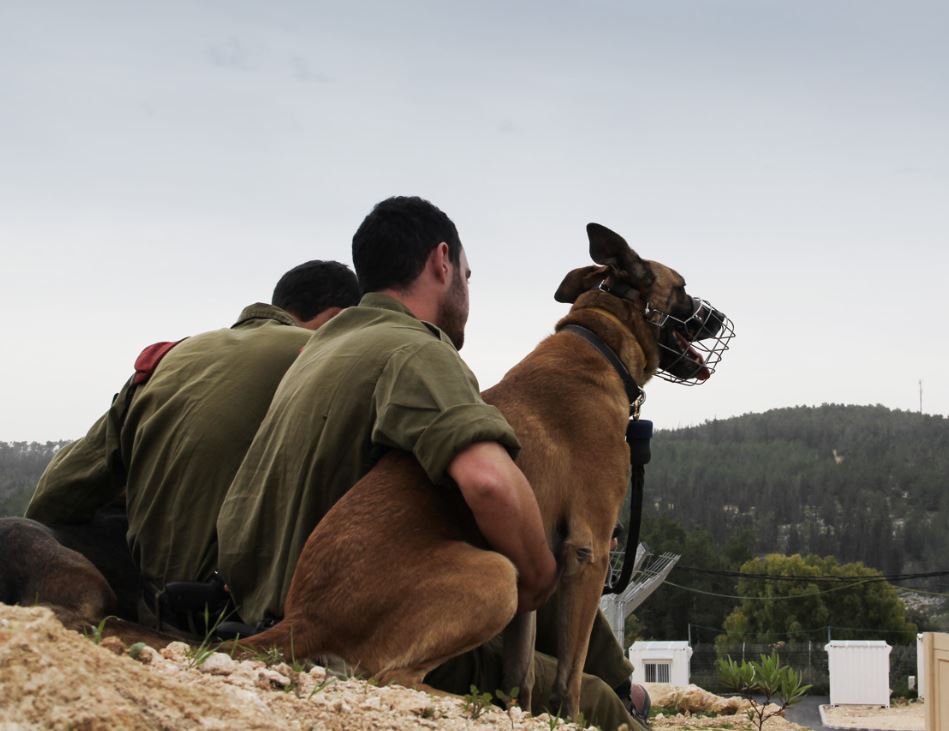
MISHNA: With regard to a dog or a goat that jumped from a rooftop and broke vessels while doing so, their owners must pay the full cost of the damage to the vessels because these animals are deemed forewarned concerning to jumping. With regard to a dog that took a cake that had been baked directly on hot coals, and went to a stack of grain to eat it, and it ate the cake and at the same time ignited the stack of grain with a coal that it had taken along with the cake, the owner of the dog must pay the full cost of the damage for the cake, and he must pay for half the cost of the damage to the stack of grain.
גְּמָ׳ טַעְמָא דְּקָפְצוּ, הָא נָפְלוּ – פָּטוּר; אַלְמָא קָסָבַר: תְּחִלָּתוֹ בִּפְשִׁיעָה וְסוֹפוֹ בְּאוֹנֶס – פָּטוּר.
GEMARA: The Gemara infers from the mishna: The reason the owners must pay the full cost of the damage is because the animals jumped off the rooftop. This indicates that if they fell off the roof, they would be exempt from all liability despite his obligation to keep them from climbing onto the roof and jumping down from there. Apparently, the tanna holds that in an incident that begins with negligence, meaning carelessness or even an intention to cause damage, and ends in an accident, the one who caused the damage is exempt, as in this case the owner was careless in allowing the animals to go to the rooftop, but since they did not jump off the roof but rather fell accidentally, he is exempt.
תַּנְיָא נָמֵי הָכִי: הַכֶּלֶב וְהַגְּדִי שֶׁקָּפְצוּ מֵרֹאשׁ הַגָּג וְשָׁבְרוּ אֶת הַכֵּלִים – מְשַׁלֵּם נֶזֶק שָׁלֵם. נָפְלוּ – פְּטוּרִין. הָנִיחָא לְמַאן דְּאָמַר: תְּחִלָּתוֹ בִּפְשִׁיעָה וְסוֹפוֹ בְּאוֹנֶס – פָּטוּר, אֶלָּא לְמַאן דְּאָמַר: חַיָּיב, מַאי אִיכָּא לְמֵימַר?
The Gemara notes: This is also taught in a baraita: If a dog or a goat jumped from a rooftop and broke vessels while doing so, their owners must pay the full cost of the damage. If they fell from there, they are exempt from all liability. The Gemara asks: This works out well according to the one who says that if an incident begins with negligence and ends in an accident, the one who caused the damage is exempt, but according to the one who says that in such a case he is liable, what can be said? It seems that this baraita constitutes conclusive proof against that opinion.
כְּגוֹן דִּמְקָרְבִי כֵּלִים לְגַבֵּי כוֹתֶל – דְּכִי קָפְצִי בִּקְפִיצָה, לָא נָפְלִי עֲלַיְיהוּ; וַאֲפִילּוּ תְּחִלָּתוֹ בִּפְשִׁיעָה לֵיכָּא.
The Gemara answers: The case in the baraita is a case where the vessels were brought close to the wall by their owners, so that when the animals jump off the rooftop in an ordinary leap they do not fall on top of them, and the vessels broke because the animal fell and didn’t jump. And since in an ordinary circumstance no damage should occur, this case does not even begin with negligence. Since the damage was caused by falling, the entire case is ruled an accident.
אָמַר רַב זְבִיד מִשְּׁמֵיהּ דְּרָבָא: פְּעָמִים שֶׁאֲפִילּוּ נָפְלוּ נָמֵי חַיָּיב – מַשְׁכַּחַתְּ לַהּ בְּכוֹתֶל רָעוּעַ. מַאי נִיהוּ – דְּאִבְּעִי לֵיהּ לְאַסּוֹקֵי דַּעְתָּא דְּנָפְילִ[י] אַרְחֵי? סוֹף סוֹף, לָא נְפֻל אַרְחֵי – וּנְפוּל אִינְהוּ; תְּחִלָּתוֹ בִּפְשִׁיעָה וְסוֹפוֹ בְּאוֹנֶס הוּא! לָא צְרִיכָא, בְּכוֹתֶל צַר.
Rav Zevid said in the name of Rava: Sometimes one can be obligated to pay even in a case where the animals fell from the wall of their owner’s house. You find such a case where the wall was unstable, and the owner was negligent in allowing the animals to go up to the roof due to the danger of the wall collapsing. The Gemara asks: What is the reason for this? Is it because it should have occurred to him that bricks may fall from the wall and break the vessels? But ultimately, no bricks fell and instead the animals fell, so this is actually a case that begins with negligence and ends in an accident. The Gemara answers: No, it is necessary to state this halakha with regard to a case of a narrow wall, in which case it is clear that if they climb up there they will fall, and that is why he is liable for the damage they cause by falling.
תָּנוּ רַבָּנַן: הַכֶּלֶב וְהַגְּדִי שֶׁדִּלְּגוּ מִמַּטָּה לְמַעְלָה – פְּטוּרִין. מִלְּמַעְלָה לְמַטָּה – חַיָּיבִין. אָדָם וְתַרְנְגוֹל שֶׁדִּלְּגוּ; בֵּין מִלְּמַעְלָה לְמַטָּה, בֵּין מִלְּמַטָּה לְמַעְלָה – חַיָּיבִין.
The Sages taught in a baraita: If a dog or a goat jumped from below to something that was above them and thereby caused damage, their owners are exempt, as this is atypical behavior. But if they jumped from above to below, their owners are liable to pay the full cost of any damage they cause, as this is typical behavior. If a person or a chicken jumped and broke something, regardless of whether they jumped from above to below or from below to above, they are liable.