Search

Bava Kamma 82

Want to dedicate learning? Get started here:

English
עברית
podcast placeholder

0:00
0:00


podcast placeholder

0:00
0:00


Summary

Today’s daf is sponsored by Terri Krivosha and Rabbi Hayim Herring in loving memory of Terri’s father Nachum Meir ben David and Malka, Judge Norman Krivosha, on his 3rd yahrzeit, and in honor of their granddaughter, Orli Nessa bat Avi and Sheyna, named in his memory. And in memory of those killed in the war, for the release of the hostages and the refuah shleima of all those who have been wounded. “My dad taught me it is my job as a lawyer to figure out the questions the client doesn’t ask because once you know the questions, the answers are obvious. Though he never studied Talmud he would have loved its intellectual rigor.”

Today’s daf is sponsored in memory of my mother-in-law, Esther Farber, on her 21st yahrzeit. She would have loved to be part of Hadran and would be learning the daf with us if she were alive today.

Ezra instituted ten takanot, among them Torah reading on Mondays, Thursdays and Shabbat at Mincha, doing laundry on Thursday, eating garlic on Friday, combing or washing hair before going to the mikveh, men doing to the mikveh after a seminal emission before learning Torah, and others. Some of these are still practiced today and others are no longer practiced. There are ten unique laws relating to Jerusalem, many of them based on the fact that Jerusalem was not given to any particular tribe. Laws of selling a house in a walled city don’t apply, as well as egla arufa, leprous house, and ir hanidachat. Other laws relate to it being a city where many holy items and kohanim are passing through and minimizing impurities is necessary. The Mishna mentioned a prohibition on raising pigs. The Gemara tells the story of two Hasmonean brothers, Horkanus and Aristoblus, who fought against each other and one put a siege on the other in the city of Jerusalem. A terrible incident occurred and as a result, they decreed a prohibition to raise pigs and to teach one’s son Greek wisdom.

Today’s daily daf tools:

Bava Kamma 82

וְהָא כִּי אֲתָא רַבִּי אָבִין אָמַר רַבִּי יוֹחָנָן: אֶחָד אִילָן הַנּוֹטֶה לְתוֹךְ שְׂדֵה חֲבֵירוֹ, וְאֶחָד אִילָן הַסָּמוּךְ לַמֶּצֶר – מֵבִיא וְקוֹרֵא, שֶׁעַל מְנָת כֵּן הִנְחִיל יְהוֹשֻׁעַ לְיִשְׂרָאֵל אֶת הָאָרֶץ!

The Gemara further questions the number of Joshua’s stipulations: But when Rabbi Avin came from Eretz Yisrael he said that Rabbi Yoḥanan says: With regard to both a tree that leans into the field of another and a tree that is close to a boundary with another field, the owner of the tree brings the first fruits of the tree and recites the accompanying declaration, as described in Deuteronomy 26:5–10, as it was on this condition that Joshua apportioned Eretz Yisrael to the Jewish people. This is an additional stipulation by Joshua, which means that there are more than ten.

אֶלָּא מַאן תָּנָא עֲשָׂרָה תְּנָאִין שֶׁהִתְנָה יְהוֹשֻׁעַ – רַבִּי יְהוֹשֻׁעַ בֶּן לֵוִי הוּא. רַב גְּבִיהָה מִבֵּי כְתִיל מַתְנֵי לַהּ בְּהֶדְיָא: רַבִּי תַּנְחוּם וְרַבִּי בִּרְיָיס אָמְרִי מִשּׁוּם זָקֵן אֶחָד, וּמַנּוּ – רַבִּי יְהוֹשֻׁעַ בֶּן לֵוִי; עֲשָׂרָה תְּנָאִין הִתְנָה יְהוֹשֻׁעַ.

The Gemara answers: Rather, who is the one who taught the baraita that deals with the ten conditions that Joshua stipulated? It is Rabbi Yehoshua ben Levi, an amora. Therefore, Rabbi Yoḥanan, another amora, can disagree with it. Rav Geviha from Bei Katil teaches this explicitly in his version of the baraita: Rabbi Tanḥum and Rabbi Berayes say in the name of a certain elder, and who is that elder? It is Rabbi Yehoshua ben Levi: Joshua stipulated ten conditions.

עֲשָׂרָה תַּקָּנוֹת תִּיקֵּן עֶזְרָא: שֶׁקּוֹרִין בַּמִּנְחָה בַּשַּׁבָּת; וְקוֹרִין בְּשֵׁנִי וּבַחֲמִישִׁי; וְדָנִין בְּשֵׁנִי וּבַחֲמִישִׁי; וּמְכַבְּסִים בַּחֲמִישִׁי בַּשַּׁבָּת; וְאוֹכְלִין שׁוּם בְּעֶרֶב שַׁבָּת; וְשֶׁתְּהֵא אִשָּׁה מַשְׁכֶּמֶת וְאוֹפָה; וְשֶׁתְּהֵא אִשָּׁה חוֹגֶרֶת בְּסִינָר; וְשֶׁתְּהֵא אִשָּׁה חוֹפֶפֶת וְטוֹבֶלֶת; וְשֶׁיְּהוּ רוֹכְלִין מַחֲזִירִין בָּעֲיָירוֹת; וְתִיקֵּן טְבִילָה לְבַעֲלֵי קְרָיִין.

§ The Sages taught that Ezra the Scribe instituted ten ordinances: He instituted that communities read the Torah on Shabbat in the afternoon; and they also read the Torah on every Monday and Thursday; and the courts convene and judge every Monday and Thursday; and one does laundry on Thursday; and one eats garlic on Shabbat eve. And Ezra further instituted that a woman should rise early and bake bread on those days when she wants to bake; and that a woman should don a breechcloth; and that a woman should first comb her hair and only then immerse in a ritual bath after being ritually impure; and that peddlers of cosmetics and perfumes should travel around through all the towns. And Ezra further instituted the requirement of immersion for those who experienced a seminal emission.

שֶׁיְּהוּ קוֹרְאִין בַּמִּנְחָה בַּשַּׁבָּת – מִשּׁוּם יוֹשְׁבֵי קְרָנוֹת.

The Gemara analyzes these ordinances, the first of which is that communities shall read the Torah on Shabbat afternoon. This Gemara explains that this ordinance was instituted due to those who sit idly on street corners, who do not attend the synagogue during the week.

וְשֶׁיְּהוּ קוֹרְאִין בְּשֵׁנִי וּבַחֲמִישִׁי – עֶזְרָא תִּיקֵּן?! וְהָא מֵעִיקָּרָא הֲוָה מִיתַּקְנָא! דְּתַנְיָא: ״וַיֵּלְכוּ שְׁלֹשֶׁת יָמִים בַּמִּדְבָּר וְלֹא מָצְאוּ מָיִם״ – דּוֹרְשֵׁי רְשׁוּמוֹת אָמְרוּ: אֵין מַיִם אֶלָּא תּוֹרָה, שֶׁנֶּאֱמַר: ״הוֹי כׇּל צָמֵא לְכוּ לַמַּיִם״.

The Gemara discusses the second of Ezra’s ordinances: And that they should read the Torah on every Monday and Thursday. The Gemara asks: Did Ezra institute this practice? But it was instituted from the beginning, i.e., long before his time. As it is taught in a baraita with regard to the verse: “And Moses led Israel onward from the Red Sea, and they went out into the wilderness of Shur; and they went three days in the wilderness, and found no water” (Exodus 15:22). Those who interpret verses metaphorically said that water here is referring to nothing other than Torah, as it is stated metaphorically, concerning those who desire wisdom: “Ho, everyone who thirsts, come for water” (Isaiah 55:1).

כֵּיוָן שֶׁהָלְכוּ שְׁלֹשֶׁת יָמִים בְּלֹא תּוֹרָה, נִלְאוּ, עָמְדוּ נְבִיאִים שֶׁבֵּינֵיהֶם וְתִיקְּנוּ לָהֶם שֶׁיְּהוּ קוֹרִין בַּשַּׁבָּת, וּמַפְסִיקִין בְּאֶחָד בַּשַּׁבָּת, וְקוֹרִין בְּשֵׁנִי, וּמַפְסִיקִין שְׁלִישִׁי וּרְבִיעִי, וְקוֹרִין בַּחֲמִישִׁי, וּמַפְסִיקִין עֶרֶב שַׁבָּת, כְּדֵי שֶׁלֹּא יָלִינוּ שְׁלֹשָׁה יָמִים בְּלֹא תּוֹרָה.

The baraita continues: The verse means that since the Jews traveled for three days without hearing any Torah they became weary, and therefore the prophets among them arose and instituted for them that they should read from the Torah each Shabbat, and pause on Sunday, and read again on Monday, and pause on Tuesday and Wednesday, and read again on Thursday, and pause on Shabbat eve, so they would not tarry three days without hearing the Torah. Evidently this practice predates Ezra.

מֵעִיקָּרָא תִּקְּנוּ חַד גַּבְרָא – תְּלָתָא פְּסוּקֵי, אִי נָמֵי תְּלָתָא גַּבְרֵי – תְּלָתָא פְּסוּקֵי, כְּנֶגֶד כֹּהֲנִים לְוִיִּם וְיִשְׂרְאֵלִים; אֲתָא הוּא, תַּיקֵּן תְּלָתָא גַּבְרֵי וְעַשְׂרָה פְּסוּקֵי, כְּנֶגֶד עֲשָׂרָה בַּטְלָנִין.

The Gemara answers: Initially they instituted that one man read three verses; or alternatively, that three men read three verses. Either way, the number three corresponds to the three types of Jews: Priests, Levites, and Israelites. Ezra later came and instituted that three men always read, and that ten verses altogether be read by them, corresponding to the ten idlers in a city, i.e., the ten men who are paid to spend their time dealing with synagogue and communal matters.

וְדָנִין בְּשֵׁנִי וּבַחֲמִישִׁי – דִּשְׁכִיחִי, דְּאָתוּ לְמִקְרֵא בְּסִיפְרָא.

The next ordinance of Ezra is: And the courts convene and judge every Monday and Thursday. The Gemara explains that the reason for this ordinance is that many people are found in a city on these days, as they come from the countryside for the reading of the holy book, the Torah, which is performed on Mondays and Thursdays, as stated above.

וְשֶׁיְּהוּ מְכַבְּסִין בַּחֲמִישִׁי בַּשַּׁבָּת – מִשּׁוּם כְּבוֹד שַׁבָּת.

The baraita teaches: And that one should do laundry on Thursday. This was instituted due to the need to have clean garments in deference to Shabbat.

וְשֶׁיְּהוּ אוֹכְלִין שׁוּם בְּעֶרֶב שַׁבָּת – מִשּׁוּם עוֹנָה; דִּכְתִיב: ״אֲשֶׁר פִּרְיוֹ יִתֵּן בְּעִתּוֹ״, וְאָמַר רַבִּי יְהוּדָה, וְאִיתֵּימָא רַב נַחְמָן, וְאִיתֵּימָא רַב כָּהֲנָא, וְאִיתֵּימָא רַבִּי יוֹחָנָן: זֶה הַמְשַׁמֵּשׁ מִטָּתוֹ מֵעֶרֶב שַׁבָּת לְעֶרֶב שַׁבָּת.

The Gemara explains the next listed ordinance: And that one should eat garlic Shabbat eve. This is due to the fact that garlic enhances sexual potency, and Friday night is an appropriate time for conjugal relations. As it is written concerning the righteous: “And he shall be like a tree planted by streams of water, who brings forth his fruit in his season” (Psalms 1:3); and Rabbi Yehuda says, and some say it was Rav Naḥman, and some say it was Rav Kahana, and some say it was Rabbi Yoḥanan who said: This is referring to one who engages in sexual intercourse every Shabbat eve.

תָּנוּ רַבָּנַן, חֲמִשָּׁה דְּבָרִים נֶאֶמְרוּ בַּשּׁוּם: מַשְׂבִּיעַ, וּמַשְׁחִין, וּמַצְהִיל פָּנִים, וּמַרְבֶּה הַזֶּרַע, וְהוֹרֵג כִּנִּים שֶׁבִּבְנֵי מֵעַיִים. וְיֵשׁ אוֹמְרִים: מַכְנִיס אַהֲבָה וּמוֹצִיא אֶת הַקִּנְאָה.

The Sages taught in a baraita that five matters were stated with regard to garlic: It satisfies; it warms the body; it causes one’s countenance to shine; it increases one’s sperm, and it kills lice that are in the intestines. And some say that it also instills love into those who eat it and removes jealousy from them.

וְשֶׁתְּהֵא אִשָּׁה מַשְׁכֶּמֶת וְאוֹפָה – כְּדֵי שֶׁתְּהֵא פַּת מְצוּיָה לַעֲנִיִּים.

The next ordinance is: And that a woman should rise early and bake bread on those days when she bakes. This Gemara explains that this was instituted so that bread should be available for poor people, who go begging for bread in the mornings.

וְשֶׁתְּהֵא אִשָּׁה חוֹגֶרֶת בְּסִינָר – מִשּׁוּם צְנִיעוּתָא.

The baraita further teaches: And that a woman should don a breechcloth [sinar]. This ordinance was instituted due to reasons of modesty.

וְשֶׁתְּהֵא אִשָּׁה חוֹפֶפֶת וְטוֹבֶלֶת – דְּאוֹרָיְיתָא הִיא!

The baraita adds: And that a woman should first comb her hair and only then immerse in a ritual bath. This is to ensure that there is no dirt or other substance in the hair that would invalidate the immersion. The Gemara questions this: This is required by Torah law, Ezra did not institute this.

דְּתַנְיָא: ״וְרָחַץ אֶת בְּשָׂרוֹ בַּמַּיִם״ – שֶׁלֹּא יְהֵא דָּבָר חוֹצֵץ בֵּין בְּשָׂרוֹ לַמַּיִם. ״אֶת בְּשָׂרוֹ״ – אֶת הַטָּפֵל לִבְשָׂרוֹ, וּמַאי נִיהוּ – שֵׂעָר!

As it is taught in a baraita, concerning a verse that discusses one who must undergo ritual immersion: “And he shall bathe his flesh [et besaro] in water” (Leviticus 14:9). This verse teaches that no substance should interpose between his flesh and the water. When the verse states this in the expanded form of et his flesh,” using the term “et,” this teaches that the water must come into contact even with that which is subordinate to his flesh. And what is that? It is one’s hair. Accordingly, the Torah itself states that there may not be any interposing substance in the hair at the time of immersion. What, then, did Ezra add?

אָמְרִי: דְּאוֹרָיְיתָא – לְעַיּוֹנֵי דִּלְמָא מִיקְּטַר, אִי נָמֵי מְאַוַּס מִידֵּי, מִשּׁוּם חֲצִיצָה;

The Sages say in response: By Torah law one is required to inspect his or her hair before immersion, as perhaps some hairs are knotted together, preventing contact with water at that spot, or perhaps there is some repulsive substance in his hair. One must perform this inspection because these would constitute an interposition.

וַאֲתָא אִיהוּ תַּיקֵּן חֲפִיפָה.

And Ezra came and added to the Torah’s minimal obligation. He instituted the requirement of combing the hair even when it is known that it is not knotted and contains no repulsive substance.

וְשֶׁיְּהוּ רוֹכְלִין מְחַזְּרִין בָּעֲיָירוֹת – מִשּׁוּם תַּכְשִׁיטֵי נָשִׁים, כְּדֵי שֶׁלֹּא יִתְגַּנּוּ עַל בַּעֲלֵיהֶם.

The Gemara discusses the next of Ezra’s ordinances: And that peddlers should circulate through all the towns. This Gemara explains that this is because peddlers supply women’s cosmetics, and therefore Ezra instituted this practice so that women should not become unattractive to their husbands.

וְתִיקֵּן טְבִילָה לְבַעֲלֵי קְרָיִין – דְּאוֹרָיְיתָא הוּא! דִּכְתִיב: ״וְאִישׁ כִּי תֵצֵא מִמֶּנּוּ שִׁכְבַת זָרַע, וְרָחַץ אֶת בְּשָׂרוֹ בַּמַּיִם״! דְּאוֹרָיְיתָא הוּא לִתְרוּמָה וְקָדָשִׁים; אֲתָא הוּא, תִּיקֵּן אֲפִילּוּ לְדִבְרֵי תוֹרָה.

The Gemara analyzes the last of the ten ordinances: And he instituted the requirement of immersion for those who experienced a seminal emission. The Gemara asks: But this is required by Torah law, as it is written: “And if the flow of seed go out from a man, then he shall bathe all his flesh in water” (Leviticus 15:16). The Gemara answers: By Torah law immersion is required only if one wishes to partake of teruma or sacrificial meat. Ezra came and further instituted that immersion is necessary even for reciting or studying matters of Torah.

עֲשָׂרָה דְּבָרִים נֶאֶמְרוּ בִּירוּשָׁלַיִם: אֵין הַבַּיִת חָלוּט בָּהּ; וְאֵינָהּ מְבִיאָה עֶגְלָה עֲרוּפָה; וְאֵינָהּ נַעֲשֵׂית עִיר הַנִּדַּחַת;

§ The mishna teaches that one may not raise chickens in Jerusalem. The Gemara cites a baraita that contains a list of other halakhot that are unique to Jerusalem. Ten matters were stated with regard to Jerusalem: A house situated in Jerusalem does not become irredeemable one year after its sale. Those who sell houses in other walled cities have the right to buy back their property for one year after the transaction. If they fail to do so, the house becomes the permanent possession of the buyer (see Leviticus 25:29–30). This halakha does not apply to houses in Jerusalem. And its Elders do not bring a heifer whose neck is broken as required when a murder victim is found near a city and the murderer is unknown (see Deuteronomy 21:1–9); and it cannot become an idolatrous city (see Deuteronomy 13:13–19).

וְאֵינָהּ מִטַּמְּאָה בִּנְגָעִים; וְאֵין מוֹצִיאִין בָּהּ זִיזִין וּגְזוּזְטְרָאוֹת; וְאֵין עוֹשִׂין בָּהּ אַשְׁפַּתּוֹת; וְאֵין עוֹשִׂין בָּהּ כִּבְשׁוֹנוֹת; וְאֵין עוֹשִׂין בָּהּ גַּנּוֹת וּפַרְדֵּסוֹת – חוּץ מִגַּנּוֹת וְורָדִין שֶׁהָיוּ מִימוֹת נְבִיאִים הָרִאשׁוֹנִים; וְאֵין מְגַדְּלִים בָּהּ תַּרְנְגוֹלִין; וְאֵין מְלִינִין בָּהּ אֶת הַמֵּת.

The baraita continues its list: And a house in Jerusalem cannot become ritually impure with the impurity of leprous sores; and one may not build out projections or balconies [gezuztraot] from houses that are in it; and one may not establish garbage dumps in Jerusalem; and one may not build kilns in it; and one may not plant gardens and orchards [pardesot] in it, except for the rose gardens that were already there from the times of the early prophets; and one may not raise chickens in it; and finally, one may not leave a corpse overnight in Jerusalem.

אֵין הַבַּיִת חָלוּט בָּהּ – דִּכְתִיב: ״וְקָם הַבַּיִת אֲשֶׁר לוֹ חוֹמָה לַצְּמִתֻת לַקֹּנֶה אֹתוֹ לְדֹרֹתָיו״, וְקָסָבַר לֹא נִתְחַלְּקָה יְרוּשָׁלַיִם לִשְׁבָטִים.

The Gemara discusses these ten halakhot pertaining to Jerusalem, one by one: A house situated in it does not become irredeemable one year after its sale. The reason is that it is written: “And if it is not redeemed within the space of a full year, then the house that is in the walled city shall be made sure in perpetuity to him who bought it, throughout his generations” (Leviticus 25:30). And the tanna who taught this baraita maintains that Jerusalem was not apportioned to any single one of the tribes of Israel; rather, it is considered common property. Since no one has ancestral ownership of any house in Jerusalem, its houses cannot be sold permanently.

וְאֵינָהּ מְבִיאָה עֶגְלָה עֲרוּפָה – דִּכְתִיב: ״כִּי יִמָּצֵא חָלָל בָּאֲדָמָה אֲשֶׁר ה׳ אֱלֹהֶיךָ נוֹתֵן לְךָ לְרִשְׁתָּהּ״, וִירוּשָׁלַיִם לֹא נִתְחַלְּקָה לִשְׁבָטִים.

The Gemara analyzes the next halakha: And its inhabitants do not bring a heifer whose neck is broken. The reason is that it is written: “If one is found slain in the land that the Lord your God gives you to possess it” (Deuteronomy 21:1). And, again, the tanna who taught this baraita maintains that Jerusalem was not apportioned to any one of the tribes of Israel. Therefore, it is not included in the description: “The land that the Lord your God gives you to possess it.”

וְאֵינָהּ נַעֲשֵׂית עִיר הַנִּדַּחַת – דִּכְתִיב: ״עָרֶיךָ״, וִירוּשָׁלַיִם לֹא נִתְחַלְּקָה לִשְׁבָטִים.

The baraita states: And it cannot become an idolatrous city. The reason is that it is written, in the introduction of the passage dealing with the halakha of an idolatrous city: “If you shall hear tell concerning one of your cities, which the Lord your God gives you to dwell there” (Deuteronomy 13:13). And the tanna who taught this baraita maintains that Jerusalem was not apportioned to any one of the tribes of Israel. It is therefore not included in the description “one of your cities, which the Lord your God gives you to dwell there.”

וְאֵינָהּ מִטַּמְּאָה בִּנְגָעִים – דִּכְתִיב: ״וְנָתַתִּי נֶגַע צָרַעַת בְּבֵית אֶרֶץ אֲחֻזַּתְכֶם״, וִירוּשָׁלַיִם לֹא נִתְחַלְּקָה לִשְׁבָטִים.

The baraita further teaches: And a house in Jerusalem does not become ritually impure with the impurity of leprous sores. The reason is that it is written: “And I put the plague of leprosy in a house of the land of your possession” (Leviticus 14:34). And the tanna who taught this baraita maintains that Jerusalem was not apportioned to any one of the tribes of Israel. It is therefore not included in the description “a house of the land of your possession.”

וְאֵין מוֹצִיאִין בָּהּ זִיזִין וּגְזוּזְטְרָאוֹת – מִפְּנֵי אֹהֶל הַטּוּמְאָה, וּמִשּׁוּם דְּלָא לִיתַּזְקוּ עוֹלֵי רְגָלִים.

The Gemara discusses the next halakha: And one may not build out projections or balconies from houses that are in Jerusalem. The Gemara provides two reasons for this prohibition. First, it is due to the danger of contracting ritual impurity by being in the same tent as a corpse, i.e., under the same roof, in which case the impurity spreads to all items under the roof. If even a small part of a corpse is under a balcony, everyone who passes under that balcony is rendered impure. Many people come to Jerusalem to sacrifice offerings, and they must maintain a state of ritual purity. The other reason is so that those great crowds of pilgrims not be injured by colliding with the projections.

וְאֵין עוֹשִׂין בָּהּ אַשְׁפַּתּוֹת – מִשּׁוּם שְׁקָצִים.

The next halakha pertaining to Jerusalem is: And one may not establish garbage dumps in it. The Gemara explains that the reason is due to the repugnant creatures that are attracted to such heaps and impart ritual impurity upon their death.

וְאֵין עוֹשִׂין בָּהּ כִּבְשׁוֹנוֹת – מִשּׁוּם קוּטְרָא.

The baraita states: And one may not build kilns in Jerusalem. The reason is due to the unsightly smoke produced by kilns. The Sages sought to preserve the beauty of Jerusalem and the Temple.

וְאֵין עוֹשִׂין בָּהּ גַּנּוֹת וּפַרְדֵּסִין – מִשּׁוּם סִירְחָא.

The baraita teaches: And one may not plant gardens and orchards in it. This is due to the odor emitted by these places, either from discarded weeds or from fertilizer.

וְאֵין מְגַדְּלִין בָּהּ תַּרְנְגוֹלִין – מִשּׁוּם קֳדָשִׁים.

The next halakha on the list is: And one may not raise chickens in Jerusalem. The Gemara explains that this is due to the sacrificial meat that is consumed in Jerusalem. Since chickens peck in the garbage, they are likely to pick up items that impart ritual impurity and bring them into contact with the consecrated food, which may not be eaten in an impure state.

וְאֵין מְלִינִין בָּהּ אֶת הַמֵּת – גְּמָרָא.

The Gemara discusses the last halakha: And one may not leave a corpse overnight in it. The Gemara notes that this prohibition is a tradition; there is no known explanation for it.

אֵין מְגַדְּלִין חֲזִירִים בְּכׇל מָקוֹם. תָּנוּ רַבָּנַן: כְּשֶׁצָּרוּ בֵּית חַשְׁמוֹנַאי זֶה עַל זֶה, הָיָה הוּרְקָנוֹס מִבִּפְנִים וַאֲרִיסְטוֹבְּלוּס מִבַּחוּץ. וּבְכׇל יוֹם הָיוּ מְשַׁלְשְׁלִים לָהֶם בְּקוּפָּה דִּינָרִין, וְהָיוּ מַעֲלִים לָהֶם תְּמִידִים.

§ The mishna teaches that one may not raise pigs anywhere. The Sages taught in a baraita the background for this halakha: When the members of the house of Hasmonean monarchy were at war with each other, Hyrcanus, one of the parties to this war, was inside the besieged Jerusalem, while his brother Aristobulus, the other contender to the throne, was on the outside. And every day the people inside would lower down money in a box from the Temple walls, to purchase sheep to sacrifice, and those on other side would take the money and send up sheep to them over the wall for the daily offerings.

הָיָה שָׁם זָקֵן אֶחָד שֶׁהָיָה מַכִּיר בְּחׇכְמַת יְווֹנִית, אָמַר לָהֶם: כׇּל זְמַן שֶׁעוֹסְקִין בָּעֲבוֹדָה – אֵין נִמְסָרִים בְּיֶדְכֶם. לְמָחָר שִׁילְשְׁלוּ דִּינָרִין בְּקוּפָּה, וְהֶעֱלוּ לָהֶם חֲזִיר. כֵּיוָן שֶׁהִגִּיעַ לַחֲצִי הַחוֹמָה, נָעַץ צִפׇּרְנָיו בַּחוֹמָה, וְנִזְדַּעְזְעָה אֶרֶץ יִשְׂרָאֵל אַרְבַּע מֵאוֹת פַּרְסָה עַל אַרְבַּע מֵאוֹת פַּרְסָה.

There was a certain elder there who was familiar with Greek wisdom, and he said to those besieging Jerusalem: As long as they occupy themselves with the Temple service, they will not be delivered into your hands. The next day they lowered down money in a box as usual, but this time they sent up to them a pig. When the pig reached to the midpoint of the Temple wall it stuck its hooves into the wall, and Eretz Yisrael quaked over an area of four hundred parasangs by four hundred parasangs.

בְּאוֹתָהּ שָׁעָה אָמְרוּ: אָרוּר הָאִישׁ שֶׁיְּגַדֵּל חֲזִירִים, וְאָרוּר הָאָדָם שֶׁיְּלַמֵּד אֶת בְּנוֹ חׇכְמַת יְווֹנִית. וְעַל אוֹתָהּ שָׁעָה שָׁנִינוּ: מַעֲשֶׂה שֶׁבָּא עוֹמֶר מִגַּנּוֹת הַצְּרִיפִין, וּשְׁתֵּי הַלֶּחֶם מִבִּקְעַת עֵין סוֹכֵר.

At that time the Sages said: Cursed be the man who raises pigs, and cursed be the man who teaches his son Greek wisdom. And it was concerning that time of siege that we learned in a mishna: There was an incident in which the barley for the omer offering came from the gardens of Tzerifin, far from Jerusalem, and the wheat for the two loaves of Shavuot was brought from the valley of Ein Sokher. Barley and wheat could not be brought from any nearer because the besiegers had destroyed all the produce around Jerusalem. This concludes the baraita.

וְחׇכְמַת יְווֹנִית מִי אֲסִירָא?! וְהָתַנְיָא: אָמַר רַבִּי: בְּאֶרֶץ יִשְׂרָאֵל –

The Gemara asks a question with regard to this baraita: And is it really prohibited to study Greek wisdom? But isn’t it taught in a baraita: Rabbi Yehuda HaNasi said: In Eretz Yisrael,

Today’s daily daf tools:

Delve Deeper

Broaden your understanding of the topics on this daf with classes and podcasts from top women Talmud scholars.

For the Beyond the Daf shiurim offered in Hebrew, see here.

New to Talmud?

Check out our resources designed to help you navigate a page of Talmud – and study at the pace, level and style that fits you. 

The Hadran Women’s Tapestry

Meet the diverse women learning Gemara at Hadran and hear their stories. 

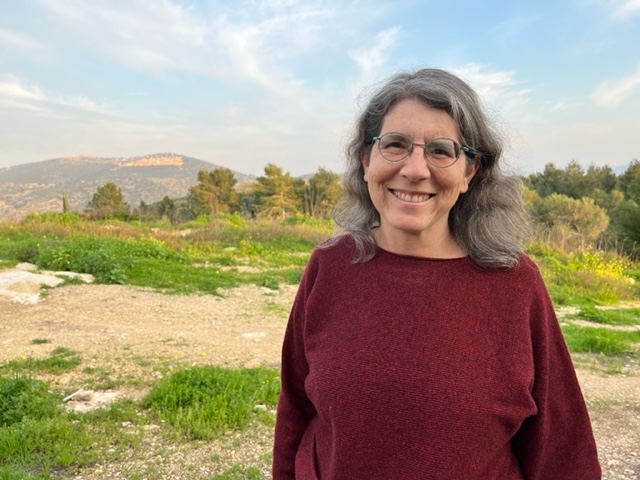
Michelle has been an inspiration for years, but I only really started this cycle after the moving and uplifting siyum in Jerusalem. It’s been an wonderful to learn and relearn the tenets of our religion and to understand how the extraordinary efforts of a band of people to preserve Judaism after the fall of the beit hamikdash is still bearing fruits today. I’m proud to be part of the chain!

Judith Weil
Judith Weil

Raanana, Israel

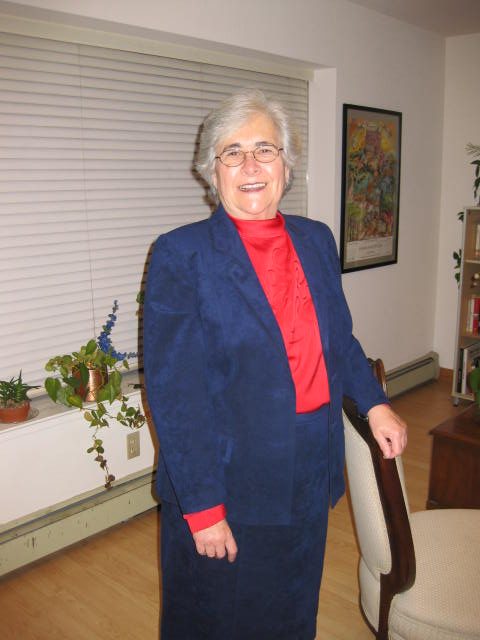
I had no formal learning in Talmud until I began my studies in the Joint Program where in 1976 I was one of the few, if not the only, woman talmud major. It was superior training for law school and enabled me to approach my legal studies with a foundation . In 2018, I began daf yomi listening to Rabbanit MIchelle’s pod cast and my daily talmud studies are one of the highlights of my life.

Krivosha_Terri_Bio
Terri Krivosha

Minneapolis, United States

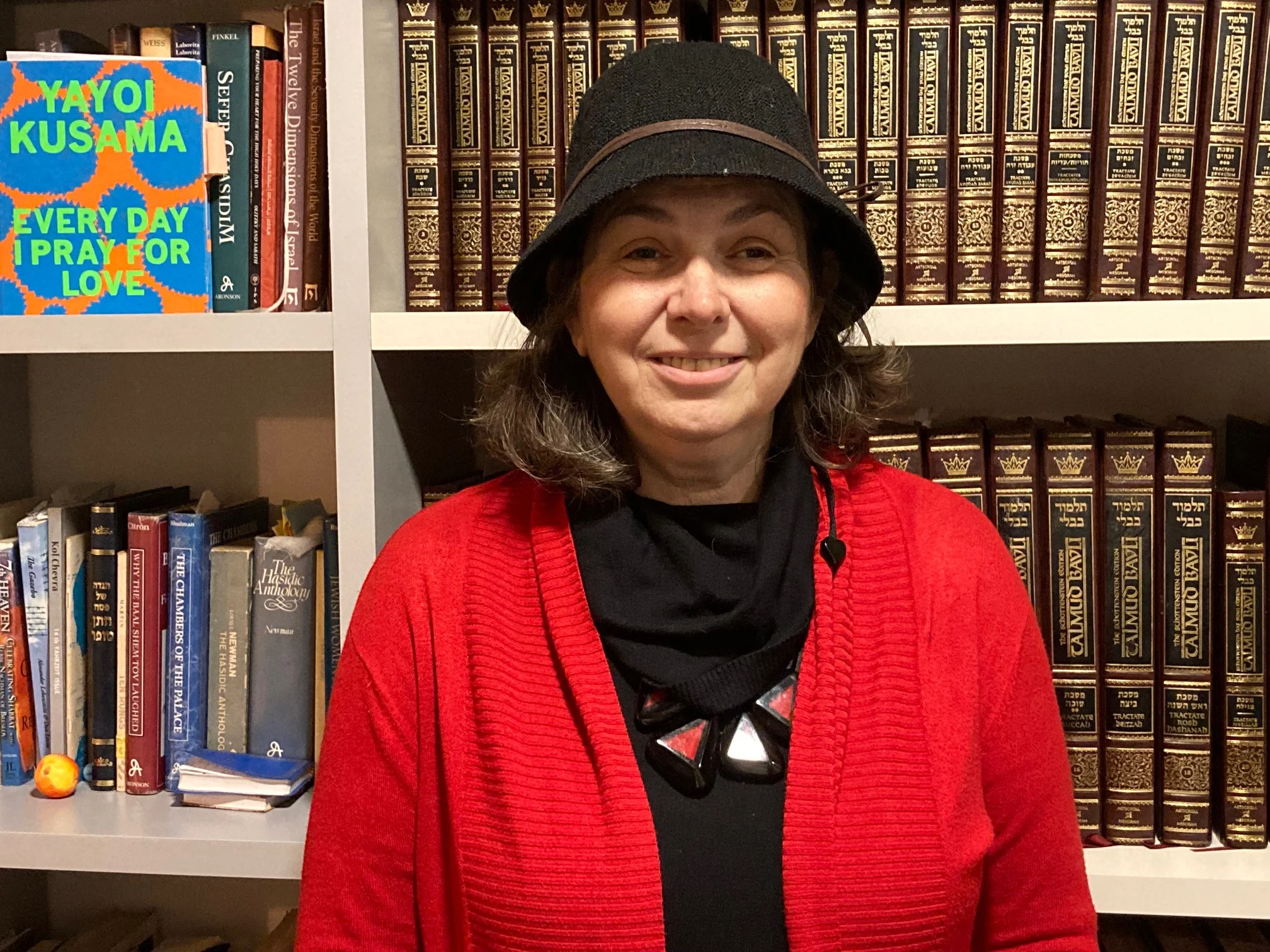
I began my journey with Rabbanit Michelle more than five years ago. My friend came up with a great idea for about 15 of us to learn the daf and one of us would summarize weekly what we learned.
It was fun but after 2-3 months people began to leave. I have continued. Since the cycle began Again I have joined the Teaneck women.. I find it most rewarding in so many ways. Thank you

Dena Heller
Dena Heller

New Jersey, United States

At almost 70 I am just beginning my journey with Talmud and Hadran. I began not late, but right when I was called to learn. It is never too late to begin! The understanding patience of staff and participants with more experience and knowledge has been fabulous. The joy of learning never stops and for me. It is a new life, a new light, a new depth of love of The Holy One, Blessed be He.
Deborah Hoffman-Wade

Richmond, CA, United States

Inspired by Hadran’s first Siyum ha Shas L’Nashim two years ago, I began daf yomi right after for the next cycle. As to this extraordinary journey together with Hadran..as TS Eliot wrote “We must not cease from exploration and the end of all our exploring will be to arrive where we began and to know the place for the first time.

Susan Handelman
Susan Handelman

Jerusalem, Israel

I read Ilana Kurshan’s “If All the Seas Were Ink” which inspired me. Then the Women’s Siyum in Jerusalem in 2020 convinced me, I knew I had to join! I have loved it- it’s been a constant in my life daily, many of the sugiyot connect to our lives. My family and friends all are so supportive. It’s incredible being part of this community and love how diverse it is! I am so excited to learn more!

Shira Jacobowitz
Shira Jacobowitz

Jerusalem, Israel

I learned daf more off than on 40 years ago. At the beginning of the current cycle, I decided to commit to learning daf regularly. Having Rabanit Michelle available as a learning partner has been amazing. Sometimes I learn with Hadran, sometimes with my husband, and sometimes on my own. It’s been fun to be part of an extended learning community.

Miriam Pollack
Miriam Pollack

Honolulu, Hawaii, United States

After experiences over the years of asking to join gemara shiurim for men and either being refused by the maggid shiur or being the only women there, sometimes behind a mechitza, I found out about Hadran sometime during the tail end of Masechet Shabbat, I think. Life has been much better since then.

Madeline Cohen
Madeline Cohen

London, United Kingdom

When we heard that R. Michelle was starting daf yomi, my 11-year-old suggested that I go. Little did she know that she would lose me every morning from then on. I remember standing at the Farbers’ door, almost too shy to enter. After that first class, I said that I would come the next day but couldn’t commit to more. A decade later, I still look forward to learning from R. Michelle every morning.

Ruth Leah Kahan
Ruth Leah Kahan

Ra’anana, Israel

After all the hype on the 2020 siyum I became inspired by a friend to begin learning as the new cycle began.with no background in studying Talmud it was a bit daunting in the beginning. my husband began at the same time so we decided to study on shabbat together. The reaction from my 3 daughters has been fantastic. They are very proud. It’s been a great challenge for my brain which is so healthy!

Stacey Goodstein Ashtamker

Modi’in, Israel

It’s hard to believe it has been over two years. Daf yomi has changed my life in so many ways and has been sustaining during this global sea change. Each day means learning something new, digging a little deeper, adding another lens, seeing worlds with new eyes. Daf has also fostered new friendships and deepened childhood connections, as long time friends have unexpectedly become havruta.

Joanna Rom
Joanna Rom

Northwest Washington, United States

I started my Daf Yomi journey at the beginning of the COVID19 pandemic.

Karena Perry
Karena Perry

Los Angeles, United States

A few years back, after reading Ilana Kurshan’s book, “If All The Seas Were Ink,” I began pondering the crazy, outlandish idea of beginning the Daf Yomi cycle. Beginning in December, 2019, a month before the previous cycle ended, I “auditioned” 30 different podcasts in 30 days, and ultimately chose to take the plunge with Hadran and Rabbanit Michelle. Such joy!

Cindy Dolgin
Cindy Dolgin

HUNTINGTON, United States

With Rabbanit Dr. Naomi Cohen in the Women’s Talmud class, over 30 years ago. It was a “known” class and it was accepted, because of who taught. Since then I have also studied with Avigail Gross-Gelman and Dr. Gabriel Hazut for about a year). Years ago, in a shiur in my shul, I did know about Persians doing 3 things with their clothes on. They opened the shiur to woman after that!

Sharon Mink
Sharon Mink

Haifa, Israel

I began my journey two years ago at the beginning of this cycle of the daf yomi. It has been an incredible, challenging experience and has given me a new perspective of Torah Sh’baal Peh and the role it plays in our lives

linda kalish-marcus
linda kalish-marcus

Efrat, Israel

When the new cycle began, I thought, If not now, when? I’d just turned 72. I feel like a tourist on a tour bus passing astonishing scenery each day. Rabbanit Michelle is my beloved tour guide. When the cycle ends, I’ll be 80. I pray that I’ll have strength and mind to continue the journey to glimpse a little more. My grandchildren think having a daf-learning savta is cool!

Wendy Dickstein
Wendy Dickstein

Jerusalem, Israel

I’ve been studying Talmud since the ’90s, and decided to take on Daf Yomi two years ago. I wanted to attempt the challenge of a day-to-day, very Jewish activity. Some days are so interesting and some days are so boring. But I’m still here.
Wendy Rozov
Wendy Rozov

Phoenix, AZ, United States

I started with Ze Kollel in Berlin, directed by Jeremy Borowitz for Hillel Deutschland. We read Masechet Megillah chapter 4 and each participant wrote his commentary on a Sugia that particularly impressed him. I wrote six poems about different Sugiot! Fascinated by the discussions on Talmud I continued to learn with Rabanit Michelle Farber and am currently taking part in the Tikun Olam course.
Yael Merlini
Yael Merlini

Berlin, Germany

I started learning daf in January, 2020, being inspired by watching the Siyyum Hashas in Binyanei Haumah. I wasn’t sure I would be able to keep up with the task. When I went to school, Gemara was not an option. Fast forward to March, 2022, and each day starts with the daf. The challenge is now learning the intricacies of delving into the actual learning. Hadran community, thank you!

Rochel Cheifetz
Rochel Cheifetz

Riverdale, NY, United States

Years ago, I attended the local Siyum HaShas with my high school class. It was inspiring! Through that cycle and the next one, I studied masekhtot on my own and then did “daf yomi practice.” The amazing Hadran Siyum HaShas event firmed my resolve to “really do” Daf Yomi this time. It has become a family goal. We’ve supported each other through challenges, and now we’re at the Siyum of Seder Moed!

Elisheva Brauner
Elisheva Brauner

Jerusalem, Israel

Bava Kamma 82

וְהָא כִּי אֲתָא רַבִּי אָבִין אָמַר רַבִּי יוֹחָנָן: אֶחָד אִילָן הַנּוֹטֶה לְתוֹךְ שְׂדֵה חֲבֵירוֹ, וְאֶחָד אִילָן הַסָּמוּךְ לַמֶּצֶר – מֵבִיא וְקוֹרֵא, שֶׁעַל מְנָת כֵּן הִנְחִיל יְהוֹשֻׁעַ לְיִשְׂרָאֵל אֶת הָאָרֶץ!

The Gemara further questions the number of Joshua’s stipulations: But when Rabbi Avin came from Eretz Yisrael he said that Rabbi Yoḥanan says: With regard to both a tree that leans into the field of another and a tree that is close to a boundary with another field, the owner of the tree brings the first fruits of the tree and recites the accompanying declaration, as described in Deuteronomy 26:5–10, as it was on this condition that Joshua apportioned Eretz Yisrael to the Jewish people. This is an additional stipulation by Joshua, which means that there are more than ten.

אֶלָּא מַאן תָּנָא עֲשָׂרָה תְּנָאִין שֶׁהִתְנָה יְהוֹשֻׁעַ – רַבִּי יְהוֹשֻׁעַ בֶּן לֵוִי הוּא. רַב גְּבִיהָה מִבֵּי כְתִיל מַתְנֵי לַהּ בְּהֶדְיָא: רַבִּי תַּנְחוּם וְרַבִּי בִּרְיָיס אָמְרִי מִשּׁוּם זָקֵן אֶחָד, וּמַנּוּ – רַבִּי יְהוֹשֻׁעַ בֶּן לֵוִי; עֲשָׂרָה תְּנָאִין הִתְנָה יְהוֹשֻׁעַ.

The Gemara answers: Rather, who is the one who taught the baraita that deals with the ten conditions that Joshua stipulated? It is Rabbi Yehoshua ben Levi, an amora. Therefore, Rabbi Yoḥanan, another amora, can disagree with it. Rav Geviha from Bei Katil teaches this explicitly in his version of the baraita: Rabbi Tanḥum and Rabbi Berayes say in the name of a certain elder, and who is that elder? It is Rabbi Yehoshua ben Levi: Joshua stipulated ten conditions.

עֲשָׂרָה תַּקָּנוֹת תִּיקֵּן עֶזְרָא: שֶׁקּוֹרִין בַּמִּנְחָה בַּשַּׁבָּת; וְקוֹרִין בְּשֵׁנִי וּבַחֲמִישִׁי; וְדָנִין בְּשֵׁנִי וּבַחֲמִישִׁי; וּמְכַבְּסִים בַּחֲמִישִׁי בַּשַּׁבָּת; וְאוֹכְלִין שׁוּם בְּעֶרֶב שַׁבָּת; וְשֶׁתְּהֵא אִשָּׁה מַשְׁכֶּמֶת וְאוֹפָה; וְשֶׁתְּהֵא אִשָּׁה חוֹגֶרֶת בְּסִינָר; וְשֶׁתְּהֵא אִשָּׁה חוֹפֶפֶת וְטוֹבֶלֶת; וְשֶׁיְּהוּ רוֹכְלִין מַחֲזִירִין בָּעֲיָירוֹת; וְתִיקֵּן טְבִילָה לְבַעֲלֵי קְרָיִין.

§ The Sages taught that Ezra the Scribe instituted ten ordinances: He instituted that communities read the Torah on Shabbat in the afternoon; and they also read the Torah on every Monday and Thursday; and the courts convene and judge every Monday and Thursday; and one does laundry on Thursday; and one eats garlic on Shabbat eve. And Ezra further instituted that a woman should rise early and bake bread on those days when she wants to bake; and that a woman should don a breechcloth; and that a woman should first comb her hair and only then immerse in a ritual bath after being ritually impure; and that peddlers of cosmetics and perfumes should travel around through all the towns. And Ezra further instituted the requirement of immersion for those who experienced a seminal emission.

שֶׁיְּהוּ קוֹרְאִין בַּמִּנְחָה בַּשַּׁבָּת – מִשּׁוּם יוֹשְׁבֵי קְרָנוֹת.

The Gemara analyzes these ordinances, the first of which is that communities shall read the Torah on Shabbat afternoon. This Gemara explains that this ordinance was instituted due to those who sit idly on street corners, who do not attend the synagogue during the week.

וְשֶׁיְּהוּ קוֹרְאִין בְּשֵׁנִי וּבַחֲמִישִׁי – עֶזְרָא תִּיקֵּן?! וְהָא מֵעִיקָּרָא הֲוָה מִיתַּקְנָא! דְּתַנְיָא: ״וַיֵּלְכוּ שְׁלֹשֶׁת יָמִים בַּמִּדְבָּר וְלֹא מָצְאוּ מָיִם״ – דּוֹרְשֵׁי רְשׁוּמוֹת אָמְרוּ: אֵין מַיִם אֶלָּא תּוֹרָה, שֶׁנֶּאֱמַר: ״הוֹי כׇּל צָמֵא לְכוּ לַמַּיִם״.

The Gemara discusses the second of Ezra’s ordinances: And that they should read the Torah on every Monday and Thursday. The Gemara asks: Did Ezra institute this practice? But it was instituted from the beginning, i.e., long before his time. As it is taught in a baraita with regard to the verse: “And Moses led Israel onward from the Red Sea, and they went out into the wilderness of Shur; and they went three days in the wilderness, and found no water” (Exodus 15:22). Those who interpret verses metaphorically said that water here is referring to nothing other than Torah, as it is stated metaphorically, concerning those who desire wisdom: “Ho, everyone who thirsts, come for water” (Isaiah 55:1).

כֵּיוָן שֶׁהָלְכוּ שְׁלֹשֶׁת יָמִים בְּלֹא תּוֹרָה, נִלְאוּ, עָמְדוּ נְבִיאִים שֶׁבֵּינֵיהֶם וְתִיקְּנוּ לָהֶם שֶׁיְּהוּ קוֹרִין בַּשַּׁבָּת, וּמַפְסִיקִין בְּאֶחָד בַּשַּׁבָּת, וְקוֹרִין בְּשֵׁנִי, וּמַפְסִיקִין שְׁלִישִׁי וּרְבִיעִי, וְקוֹרִין בַּחֲמִישִׁי, וּמַפְסִיקִין עֶרֶב שַׁבָּת, כְּדֵי שֶׁלֹּא יָלִינוּ שְׁלֹשָׁה יָמִים בְּלֹא תּוֹרָה.

The baraita continues: The verse means that since the Jews traveled for three days without hearing any Torah they became weary, and therefore the prophets among them arose and instituted for them that they should read from the Torah each Shabbat, and pause on Sunday, and read again on Monday, and pause on Tuesday and Wednesday, and read again on Thursday, and pause on Shabbat eve, so they would not tarry three days without hearing the Torah. Evidently this practice predates Ezra.

מֵעִיקָּרָא תִּקְּנוּ חַד גַּבְרָא – תְּלָתָא פְּסוּקֵי, אִי נָמֵי תְּלָתָא גַּבְרֵי – תְּלָתָא פְּסוּקֵי, כְּנֶגֶד כֹּהֲנִים לְוִיִּם וְיִשְׂרְאֵלִים; אֲתָא הוּא, תַּיקֵּן תְּלָתָא גַּבְרֵי וְעַשְׂרָה פְּסוּקֵי, כְּנֶגֶד עֲשָׂרָה בַּטְלָנִין.

The Gemara answers: Initially they instituted that one man read three verses; or alternatively, that three men read three verses. Either way, the number three corresponds to the three types of Jews: Priests, Levites, and Israelites. Ezra later came and instituted that three men always read, and that ten verses altogether be read by them, corresponding to the ten idlers in a city, i.e., the ten men who are paid to spend their time dealing with synagogue and communal matters.

וְדָנִין בְּשֵׁנִי וּבַחֲמִישִׁי – דִּשְׁכִיחִי, דְּאָתוּ לְמִקְרֵא בְּסִיפְרָא.

The next ordinance of Ezra is: And the courts convene and judge every Monday and Thursday. The Gemara explains that the reason for this ordinance is that many people are found in a city on these days, as they come from the countryside for the reading of the holy book, the Torah, which is performed on Mondays and Thursdays, as stated above.

וְשֶׁיְּהוּ מְכַבְּסִין בַּחֲמִישִׁי בַּשַּׁבָּת – מִשּׁוּם כְּבוֹד שַׁבָּת.

The baraita teaches: And that one should do laundry on Thursday. This was instituted due to the need to have clean garments in deference to Shabbat.

וְשֶׁיְּהוּ אוֹכְלִין שׁוּם בְּעֶרֶב שַׁבָּת – מִשּׁוּם עוֹנָה; דִּכְתִיב: ״אֲשֶׁר פִּרְיוֹ יִתֵּן בְּעִתּוֹ״, וְאָמַר רַבִּי יְהוּדָה, וְאִיתֵּימָא רַב נַחְמָן, וְאִיתֵּימָא רַב כָּהֲנָא, וְאִיתֵּימָא רַבִּי יוֹחָנָן: זֶה הַמְשַׁמֵּשׁ מִטָּתוֹ מֵעֶרֶב שַׁבָּת לְעֶרֶב שַׁבָּת.

The Gemara explains the next listed ordinance: And that one should eat garlic Shabbat eve. This is due to the fact that garlic enhances sexual potency, and Friday night is an appropriate time for conjugal relations. As it is written concerning the righteous: “And he shall be like a tree planted by streams of water, who brings forth his fruit in his season” (Psalms 1:3); and Rabbi Yehuda says, and some say it was Rav Naḥman, and some say it was Rav Kahana, and some say it was Rabbi Yoḥanan who said: This is referring to one who engages in sexual intercourse every Shabbat eve.

תָּנוּ רַבָּנַן, חֲמִשָּׁה דְּבָרִים נֶאֶמְרוּ בַּשּׁוּם: מַשְׂבִּיעַ, וּמַשְׁחִין, וּמַצְהִיל פָּנִים, וּמַרְבֶּה הַזֶּרַע, וְהוֹרֵג כִּנִּים שֶׁבִּבְנֵי מֵעַיִים. וְיֵשׁ אוֹמְרִים: מַכְנִיס אַהֲבָה וּמוֹצִיא אֶת הַקִּנְאָה.

The Sages taught in a baraita that five matters were stated with regard to garlic: It satisfies; it warms the body; it causes one’s countenance to shine; it increases one’s sperm, and it kills lice that are in the intestines. And some say that it also instills love into those who eat it and removes jealousy from them.

וְשֶׁתְּהֵא אִשָּׁה מַשְׁכֶּמֶת וְאוֹפָה – כְּדֵי שֶׁתְּהֵא פַּת מְצוּיָה לַעֲנִיִּים.

The next ordinance is: And that a woman should rise early and bake bread on those days when she bakes. This Gemara explains that this was instituted so that bread should be available for poor people, who go begging for bread in the mornings.

וְשֶׁתְּהֵא אִשָּׁה חוֹגֶרֶת בְּסִינָר – מִשּׁוּם צְנִיעוּתָא.

The baraita further teaches: And that a woman should don a breechcloth [sinar]. This ordinance was instituted due to reasons of modesty.

וְשֶׁתְּהֵא אִשָּׁה חוֹפֶפֶת וְטוֹבֶלֶת – דְּאוֹרָיְיתָא הִיא!

The baraita adds: And that a woman should first comb her hair and only then immerse in a ritual bath. This is to ensure that there is no dirt or other substance in the hair that would invalidate the immersion. The Gemara questions this: This is required by Torah law, Ezra did not institute this.

דְּתַנְיָא: ״וְרָחַץ אֶת בְּשָׂרוֹ בַּמַּיִם״ – שֶׁלֹּא יְהֵא דָּבָר חוֹצֵץ בֵּין בְּשָׂרוֹ לַמַּיִם. ״אֶת בְּשָׂרוֹ״ – אֶת הַטָּפֵל לִבְשָׂרוֹ, וּמַאי נִיהוּ – שֵׂעָר!

As it is taught in a baraita, concerning a verse that discusses one who must undergo ritual immersion: “And he shall bathe his flesh [et besaro] in water” (Leviticus 14:9). This verse teaches that no substance should interpose between his flesh and the water. When the verse states this in the expanded form of et his flesh,” using the term “et,” this teaches that the water must come into contact even with that which is subordinate to his flesh. And what is that? It is one’s hair. Accordingly, the Torah itself states that there may not be any interposing substance in the hair at the time of immersion. What, then, did Ezra add?

אָמְרִי: דְּאוֹרָיְיתָא – לְעַיּוֹנֵי דִּלְמָא מִיקְּטַר, אִי נָמֵי מְאַוַּס מִידֵּי, מִשּׁוּם חֲצִיצָה;

The Sages say in response: By Torah law one is required to inspect his or her hair before immersion, as perhaps some hairs are knotted together, preventing contact with water at that spot, or perhaps there is some repulsive substance in his hair. One must perform this inspection because these would constitute an interposition.

וַאֲתָא אִיהוּ תַּיקֵּן חֲפִיפָה.

And Ezra came and added to the Torah’s minimal obligation. He instituted the requirement of combing the hair even when it is known that it is not knotted and contains no repulsive substance.

וְשֶׁיְּהוּ רוֹכְלִין מְחַזְּרִין בָּעֲיָירוֹת – מִשּׁוּם תַּכְשִׁיטֵי נָשִׁים, כְּדֵי שֶׁלֹּא יִתְגַּנּוּ עַל בַּעֲלֵיהֶם.

The Gemara discusses the next of Ezra’s ordinances: And that peddlers should circulate through all the towns. This Gemara explains that this is because peddlers supply women’s cosmetics, and therefore Ezra instituted this practice so that women should not become unattractive to their husbands.

וְתִיקֵּן טְבִילָה לְבַעֲלֵי קְרָיִין – דְּאוֹרָיְיתָא הוּא! דִּכְתִיב: ״וְאִישׁ כִּי תֵצֵא מִמֶּנּוּ שִׁכְבַת זָרַע, וְרָחַץ אֶת בְּשָׂרוֹ בַּמַּיִם״! דְּאוֹרָיְיתָא הוּא לִתְרוּמָה וְקָדָשִׁים; אֲתָא הוּא, תִּיקֵּן אֲפִילּוּ לְדִבְרֵי תוֹרָה.

The Gemara analyzes the last of the ten ordinances: And he instituted the requirement of immersion for those who experienced a seminal emission. The Gemara asks: But this is required by Torah law, as it is written: “And if the flow of seed go out from a man, then he shall bathe all his flesh in water” (Leviticus 15:16). The Gemara answers: By Torah law immersion is required only if one wishes to partake of teruma or sacrificial meat. Ezra came and further instituted that immersion is necessary even for reciting or studying matters of Torah.

עֲשָׂרָה דְּבָרִים נֶאֶמְרוּ בִּירוּשָׁלַיִם: אֵין הַבַּיִת חָלוּט בָּהּ; וְאֵינָהּ מְבִיאָה עֶגְלָה עֲרוּפָה; וְאֵינָהּ נַעֲשֵׂית עִיר הַנִּדַּחַת;

§ The mishna teaches that one may not raise chickens in Jerusalem. The Gemara cites a baraita that contains a list of other halakhot that are unique to Jerusalem. Ten matters were stated with regard to Jerusalem: A house situated in Jerusalem does not become irredeemable one year after its sale. Those who sell houses in other walled cities have the right to buy back their property for one year after the transaction. If they fail to do so, the house becomes the permanent possession of the buyer (see Leviticus 25:29–30). This halakha does not apply to houses in Jerusalem. And its Elders do not bring a heifer whose neck is broken as required when a murder victim is found near a city and the murderer is unknown (see Deuteronomy 21:1–9); and it cannot become an idolatrous city (see Deuteronomy 13:13–19).

וְאֵינָהּ מִטַּמְּאָה בִּנְגָעִים; וְאֵין מוֹצִיאִין בָּהּ זִיזִין וּגְזוּזְטְרָאוֹת; וְאֵין עוֹשִׂין בָּהּ אַשְׁפַּתּוֹת; וְאֵין עוֹשִׂין בָּהּ כִּבְשׁוֹנוֹת; וְאֵין עוֹשִׂין בָּהּ גַּנּוֹת וּפַרְדֵּסוֹת – חוּץ מִגַּנּוֹת וְורָדִין שֶׁהָיוּ מִימוֹת נְבִיאִים הָרִאשׁוֹנִים; וְאֵין מְגַדְּלִים בָּהּ תַּרְנְגוֹלִין; וְאֵין מְלִינִין בָּהּ אֶת הַמֵּת.

The baraita continues its list: And a house in Jerusalem cannot become ritually impure with the impurity of leprous sores; and one may not build out projections or balconies [gezuztraot] from houses that are in it; and one may not establish garbage dumps in Jerusalem; and one may not build kilns in it; and one may not plant gardens and orchards [pardesot] in it, except for the rose gardens that were already there from the times of the early prophets; and one may not raise chickens in it; and finally, one may not leave a corpse overnight in Jerusalem.

אֵין הַבַּיִת חָלוּט בָּהּ – דִּכְתִיב: ״וְקָם הַבַּיִת אֲשֶׁר לוֹ חוֹמָה לַצְּמִתֻת לַקֹּנֶה אֹתוֹ לְדֹרֹתָיו״, וְקָסָבַר לֹא נִתְחַלְּקָה יְרוּשָׁלַיִם לִשְׁבָטִים.

The Gemara discusses these ten halakhot pertaining to Jerusalem, one by one: A house situated in it does not become irredeemable one year after its sale. The reason is that it is written: “And if it is not redeemed within the space of a full year, then the house that is in the walled city shall be made sure in perpetuity to him who bought it, throughout his generations” (Leviticus 25:30). And the tanna who taught this baraita maintains that Jerusalem was not apportioned to any single one of the tribes of Israel; rather, it is considered common property. Since no one has ancestral ownership of any house in Jerusalem, its houses cannot be sold permanently.

וְאֵינָהּ מְבִיאָה עֶגְלָה עֲרוּפָה – דִּכְתִיב: ״כִּי יִמָּצֵא חָלָל בָּאֲדָמָה אֲשֶׁר ה׳ אֱלֹהֶיךָ נוֹתֵן לְךָ לְרִשְׁתָּהּ״, וִירוּשָׁלַיִם לֹא נִתְחַלְּקָה לִשְׁבָטִים.

The Gemara analyzes the next halakha: And its inhabitants do not bring a heifer whose neck is broken. The reason is that it is written: “If one is found slain in the land that the Lord your God gives you to possess it” (Deuteronomy 21:1). And, again, the tanna who taught this baraita maintains that Jerusalem was not apportioned to any one of the tribes of Israel. Therefore, it is not included in the description: “The land that the Lord your God gives you to possess it.”

וְאֵינָהּ נַעֲשֵׂית עִיר הַנִּדַּחַת – דִּכְתִיב: ״עָרֶיךָ״, וִירוּשָׁלַיִם לֹא נִתְחַלְּקָה לִשְׁבָטִים.

The baraita states: And it cannot become an idolatrous city. The reason is that it is written, in the introduction of the passage dealing with the halakha of an idolatrous city: “If you shall hear tell concerning one of your cities, which the Lord your God gives you to dwell there” (Deuteronomy 13:13). And the tanna who taught this baraita maintains that Jerusalem was not apportioned to any one of the tribes of Israel. It is therefore not included in the description “one of your cities, which the Lord your God gives you to dwell there.”

וְאֵינָהּ מִטַּמְּאָה בִּנְגָעִים – דִּכְתִיב: ״וְנָתַתִּי נֶגַע צָרַעַת בְּבֵית אֶרֶץ אֲחֻזַּתְכֶם״, וִירוּשָׁלַיִם לֹא נִתְחַלְּקָה לִשְׁבָטִים.

The baraita further teaches: And a house in Jerusalem does not become ritually impure with the impurity of leprous sores. The reason is that it is written: “And I put the plague of leprosy in a house of the land of your possession” (Leviticus 14:34). And the tanna who taught this baraita maintains that Jerusalem was not apportioned to any one of the tribes of Israel. It is therefore not included in the description “a house of the land of your possession.”

וְאֵין מוֹצִיאִין בָּהּ זִיזִין וּגְזוּזְטְרָאוֹת – מִפְּנֵי אֹהֶל הַטּוּמְאָה, וּמִשּׁוּם דְּלָא לִיתַּזְקוּ עוֹלֵי רְגָלִים.

The Gemara discusses the next halakha: And one may not build out projections or balconies from houses that are in Jerusalem. The Gemara provides two reasons for this prohibition. First, it is due to the danger of contracting ritual impurity by being in the same tent as a corpse, i.e., under the same roof, in which case the impurity spreads to all items under the roof. If even a small part of a corpse is under a balcony, everyone who passes under that balcony is rendered impure. Many people come to Jerusalem to sacrifice offerings, and they must maintain a state of ritual purity. The other reason is so that those great crowds of pilgrims not be injured by colliding with the projections.

וְאֵין עוֹשִׂין בָּהּ אַשְׁפַּתּוֹת – מִשּׁוּם שְׁקָצִים.

The next halakha pertaining to Jerusalem is: And one may not establish garbage dumps in it. The Gemara explains that the reason is due to the repugnant creatures that are attracted to such heaps and impart ritual impurity upon their death.

וְאֵין עוֹשִׂין בָּהּ כִּבְשׁוֹנוֹת – מִשּׁוּם קוּטְרָא.

The baraita states: And one may not build kilns in Jerusalem. The reason is due to the unsightly smoke produced by kilns. The Sages sought to preserve the beauty of Jerusalem and the Temple.

וְאֵין עוֹשִׂין בָּהּ גַּנּוֹת וּפַרְדֵּסִין – מִשּׁוּם סִירְחָא.

The baraita teaches: And one may not plant gardens and orchards in it. This is due to the odor emitted by these places, either from discarded weeds or from fertilizer.

וְאֵין מְגַדְּלִין בָּהּ תַּרְנְגוֹלִין – מִשּׁוּם קֳדָשִׁים.

The next halakha on the list is: And one may not raise chickens in Jerusalem. The Gemara explains that this is due to the sacrificial meat that is consumed in Jerusalem. Since chickens peck in the garbage, they are likely to pick up items that impart ritual impurity and bring them into contact with the consecrated food, which may not be eaten in an impure state.

וְאֵין מְלִינִין בָּהּ אֶת הַמֵּת – גְּמָרָא.

The Gemara discusses the last halakha: And one may not leave a corpse overnight in it. The Gemara notes that this prohibition is a tradition; there is no known explanation for it.

אֵין מְגַדְּלִין חֲזִירִים בְּכׇל מָקוֹם. תָּנוּ רַבָּנַן: כְּשֶׁצָּרוּ בֵּית חַשְׁמוֹנַאי זֶה עַל זֶה, הָיָה הוּרְקָנוֹס מִבִּפְנִים וַאֲרִיסְטוֹבְּלוּס מִבַּחוּץ. וּבְכׇל יוֹם הָיוּ מְשַׁלְשְׁלִים לָהֶם בְּקוּפָּה דִּינָרִין, וְהָיוּ מַעֲלִים לָהֶם תְּמִידִים.

§ The mishna teaches that one may not raise pigs anywhere. The Sages taught in a baraita the background for this halakha: When the members of the house of Hasmonean monarchy were at war with each other, Hyrcanus, one of the parties to this war, was inside the besieged Jerusalem, while his brother Aristobulus, the other contender to the throne, was on the outside. And every day the people inside would lower down money in a box from the Temple walls, to purchase sheep to sacrifice, and those on other side would take the money and send up sheep to them over the wall for the daily offerings.

הָיָה שָׁם זָקֵן אֶחָד שֶׁהָיָה מַכִּיר בְּחׇכְמַת יְווֹנִית, אָמַר לָהֶם: כׇּל זְמַן שֶׁעוֹסְקִין בָּעֲבוֹדָה – אֵין נִמְסָרִים בְּיֶדְכֶם. לְמָחָר שִׁילְשְׁלוּ דִּינָרִין בְּקוּפָּה, וְהֶעֱלוּ לָהֶם חֲזִיר. כֵּיוָן שֶׁהִגִּיעַ לַחֲצִי הַחוֹמָה, נָעַץ צִפׇּרְנָיו בַּחוֹמָה, וְנִזְדַּעְזְעָה אֶרֶץ יִשְׂרָאֵל אַרְבַּע מֵאוֹת פַּרְסָה עַל אַרְבַּע מֵאוֹת פַּרְסָה.

There was a certain elder there who was familiar with Greek wisdom, and he said to those besieging Jerusalem: As long as they occupy themselves with the Temple service, they will not be delivered into your hands. The next day they lowered down money in a box as usual, but this time they sent up to them a pig. When the pig reached to the midpoint of the Temple wall it stuck its hooves into the wall, and Eretz Yisrael quaked over an area of four hundred parasangs by four hundred parasangs.

בְּאוֹתָהּ שָׁעָה אָמְרוּ: אָרוּר הָאִישׁ שֶׁיְּגַדֵּל חֲזִירִים, וְאָרוּר הָאָדָם שֶׁיְּלַמֵּד אֶת בְּנוֹ חׇכְמַת יְווֹנִית. וְעַל אוֹתָהּ שָׁעָה שָׁנִינוּ: מַעֲשֶׂה שֶׁבָּא עוֹמֶר מִגַּנּוֹת הַצְּרִיפִין, וּשְׁתֵּי הַלֶּחֶם מִבִּקְעַת עֵין סוֹכֵר.

At that time the Sages said: Cursed be the man who raises pigs, and cursed be the man who teaches his son Greek wisdom. And it was concerning that time of siege that we learned in a mishna: There was an incident in which the barley for the omer offering came from the gardens of Tzerifin, far from Jerusalem, and the wheat for the two loaves of Shavuot was brought from the valley of Ein Sokher. Barley and wheat could not be brought from any nearer because the besiegers had destroyed all the produce around Jerusalem. This concludes the baraita.

וְחׇכְמַת יְווֹנִית מִי אֲסִירָא?! וְהָתַנְיָא: אָמַר רַבִּי: בְּאֶרֶץ יִשְׂרָאֵל –

The Gemara asks a question with regard to this baraita: And is it really prohibited to study Greek wisdom? But isn’t it taught in a baraita: Rabbi Yehuda HaNasi said: In Eretz Yisrael,

Want to follow content and continue where you left off?

Create an account today to track your progress, mark what you’ve learned, and follow the shiurim that speak to you.

Clear all items from this list?

This will remove ALL the items in this section. You will lose any progress or history connected to them. This is irreversible.

Cancel
Yes, clear all

Are you sure you want to delete this item?

You will lose any progress or history connected to this item.

Cancel
Yes, delete