










In cases where someone makes an exaggerated commitment during or after a transaction, is this commitment deemed valid? Is it assumed that the person never truly intended to commit and was merely making statements to bolster confidence (asmachta)? Various instances are presented concerning such declarations and their effectiveness in legal contexts.
Bava Metzia
Masechet Bava Metzia is sponsored by Rabbi Art Gould in memory of his beloved bride of 50 years, Carol Joy Robinson, Karina Gola bat Huddah v’Yehuda Tzvi.
רבות בנות עשו חיל ואת עלית על־כלנה
This month’s learning is sponsored by Marci Glazer in loving memory of her teacher and chevruta, Rachel Brodie, Rachel Aviva bat Devora Chana, on her 4th yahrzeit. “She brought her love of Torah to thousands of people in her all-too-short life. A lover of Midrash, she still invited me on this Daf Yomi journey.”
Want to dedicate learning? Get started here:

0:00
0:00
Today’s daily daf tools:
Bava Metzia
Masechet Bava Metzia is sponsored by Rabbi Art Gould in memory of his beloved bride of 50 years, Carol Joy Robinson, Karina Gola bat Huddah v’Yehuda Tzvi.
רבות בנות עשו חיל ואת עלית על־כלנה
This month’s learning is sponsored by Marci Glazer in loving memory of her teacher and chevruta, Rachel Brodie, Rachel Aviva bat Devora Chana, on her 4th yahrzeit. “She brought her love of Torah to thousands of people in her all-too-short life. A lover of Midrash, she still invited me on this Daf Yomi journey.”
Bava Metzia 66
פַּטּוֹמֵי מִילֵּי בְּעָלְמָא הוּא. אֲמַר לֵיהּ רַב אָשֵׁי לְאַמֵּימָר: טַעְמָא מַאי – כֵּיוָן דְּלוֹקֵחַ בָּעֵי לְאַתְנוֹיֵי, וְהָכָא מוֹכֵר קָא מַתְנֵי, אָמְרַתְּ פַּטּוֹמֵי מִילֵּי בְּעָלְמָא הוּא.
These are merely words of enticement [pittumei millei] designed to encourage the buyer, but they are not part of a legal contract and therefore do not obligate the seller. Rav Ashi said to Ameimar: What is the reason for this? Since the buyer is the one who needs to stipulate this condition but he neglected to do so, and here it was the seller who stipulated the condition, is that why you said that these are merely words of enticement?
אֶלָּא מַתְנִיתָא דְּקָתָנֵי: ״לִכְשֶׁיִּהְיוּ לְךָ מָעוֹת אַחְזִיר לָךְ – מוּתָּר״, דְּמוֹכֵר הוּא דְּבָעֵי לְאַתְנוֹיֵי, מוֹכֵר לָא אַתְנִי וְלוֹקֵחַ קָא מַתְנֵי.
But according to this reasoning, consider the baraita, as it teaches that if the buyer says: When you have money I will give the property back to you, this is permitted. Now in this case it is the seller who needs to stipulate this condition, but the seller did not stipulate it and it was the buyer who stipulated it. Accordingly, they should likewise be regarded as words of enticement.
וְאָמְרִינַן: מַאי שְׁנָא רֵישָׁא וּמַאי שְׁנָא סֵיפָא? וְאָמַר רָבָא: סֵיפָא, דַּאֲמַר לֵיהּ מִדַּעְתֵּיהּ. טַעְמָא דַּאֲמַר לֵיהּ מִדַּעְתֵּיהּ, הָא לָא אֲמַר לֵיהּ מִדַּעְתֵּיהּ – לָא אָמְרִינַן פַּטּוֹמֵי מִילֵּי בְּעָלְמָא הוּא.
And we said concerning the baraita: What is different in the first clause and what is different in the latter clause? And Rava says that the latter clause is referring to a situation where the buyer said he would return the field of his own accord. Rav Ashi infers: The reason the condition is invalid is that the buyer said to him that he would return the field of his own accord. But if he did not say to him that he would return the field of his own accord, we would not say that these are merely words of enticement, even though the statement was made by the buyer about himself, and not as a condition by the seller.
אֲמַר לֵיהּ: נַעֲשֶׂה כְּמַאן דַּאֲמַר לֵיהּ מִדַּעְתֵּיהּ אִתְּמַר.
Ameimar said to him: In fact, any condition stated by the wrong person is invalid, but it was stated in the baraita that whenever the buyer states such a condition, he is considered like one who said that he would return the field of his own accord.
הָהוּא שְׁכִיב מְרַע, דִּכְתַב לַהּ גִּיטָּא לִדְבֵיתְהוּ, אִנְּגִיד וְאִתְּנַח. אֲמַרָה לֵיהּ: אַמַּאי קָא מִתְּנַחַתְּ? אִי קָיְימַתְּ – דִּידָךְ אֲנָא. אָמַר רַב זְבִיד: פַּטּוֹמֵי מִילֵּי בְּעָלְמָא הוּא.
§ The Gemara relates: There was a certain person on his deathbed who wrote a bill of divorce for his wife in order to exempt her from the obligation of ḥalitza in the event of his death, and he moaned and sighed at the time, in distress over having to divorce her. She said to him: Why do you sigh? If you recover from this illness, I am yours, as I will marry you again. The Gemara discusses the legal validity of this promise. Rav Zevid said: These are merely words of enticement designed to encourage him to grant the divorce, but they do not actually obligate the wife to remarry him if he lives.
אֲמַר לֵיהּ רַב אַחָא מִדִּפְתִּי לְרָבִינָא: וְאִי לָאו פַּטּוֹמֵי מִילֵּי מַאי? בְּדִידַהּ קָיְימָא לְמִישְׁדֵּי תְּנָאָה בְּגִיטָּא? בְּדִידֵיהּ קָיְימָא לְמִשְׁדֵּי תְּנָאָה! מַהוּ דְּתֵימָא: הוּא גּוּפֵיהּ אַדַּעְתָּא דִידַהּ קָא גָמֵיר וְיָהֵיב גִּיטָּא – קָא מַשְׁמַע לַן.
Rav Aḥa of Difti said to Ravina: And even if they were not merely words of enticement, but she had made an actual condition upheld by an oath or an act of acquisition, what of it? Is it her prerogative to stipulate a condition concerning her bill of divorce? It is not in her power to do so, as it is his right to establish such a condition, and since he failed to do so explicitly, any condition she accepts upon herself is of no consequence. The Gemara answers: This statement of Rav Zevid is necessary, lest you say that he himself relied upon her condition when he decided to give her the bill of divorce, and therefore it is as though he stipulated the condition. Rav Zevid therefore teaches us that this is not the case.
הִלְוָהוּ עַל שָׂדֵהוּ, אָמַר רַב הוּנָא: בִּשְׁעַת מַתַּן מָעוֹת – קָנָה הַכֹּל. לְאַחַר מַתַּן מָעוֹת – לֹא קָנָה אֶלָּא כְּנֶגֶד מְעוֹתָיו. וְרַב נַחְמָן אָמַר: אֲפִילּוּ לְאַחַר מַתַּן מָעוֹת – קָנָה הַכֹּל.
§ The mishna teaches: If one lent money to another on the basis of his field serving as a guarantee, and he said to borrower: If you do not give me the money from now until three years have passed, your field is mine, then if his money is not returned within three years, the field is his. Rav Huna says: If the lender stated the condition at the time of the giving of the money, he has acquired it all, meaning that if the borrower fails to pay the debt, the entire field is transferred to the lender. But if the lender stated his condition at some point after the giving of the money, he has acquired only a portion of the field corresponding to the money that he lent. And Rav Naḥman says: Even if the lender stated his condition after the giving of the money, he has acquired it all.
עֲבַד רַב נַחְמָן עוֹבָדָא גַּבֵּי רֵישׁ גָּלוּתָא כִּשְׁמַעְתֵּיהּ, קַרְעֵיהּ רַב יְהוּדָה לִשְׁטָרֵיהּ. אֲמַר לֵיהּ רֵישׁ גָּלוּתָא: רַב יְהוּדָה קְרַע לִשְׁטָרָךְ. אֲמַר לֵיהּ: דַּרְדְּקָא קַרְעֵיהּ? גַּבְרָא רַבָּה קַרְעֵיהּ, חֲזָא בֵּיהּ טַעְמָא וְקַרְעֵיהּ!
The Gemara relates: Rav Naḥman performed an action in the court of the Exilarch in accordance with his statement that even if the lender states his condition after the loan is granted, the lender acquires the entire field if the loan isn’t repaid within the specified time period. The case then came before Rav Yehuda, who tore up the lender’s deed of ownership of the field, claiming it was invalid. The Exilarch said to Rav Naḥman: Rav Yehuda tore up your document, i.e., he overruled your decision. Rav Naḥman said to him: Did a child tear it up? A great man tore it up; he must have seen in it some reason to invalidate it, and that is why he tore it up.
אִיכָּא דְאָמְרִי, אֲמַר לֵיהּ: דַּרְדְּקָא קַרְעֵיהּ, דְּכוּלֵּי עָלְמָא לְגַבֵּי דִּידִי בְּדִינָא דַּרְדְּקֵי נִינְהוּ.
There are those who say a different version of this exchange, according to which Rav Naḥman said to him: A child tore it up, i.e., there is no need to take his opinion into consideration, as everyone is like a child relative to me with regard to monetary laws. Rav Naḥman was the greatest expert of his generation with regard to monetary matters, and therefore he could discount the opinions of others.
הֲדַר אָמַר רַב נַחְמָן: אֲפִילּוּ בִּשְׁעַת מַתַּן מָעוֹת – לֹא קָנָה וְלֹא כְּלוּם. אֵיתִיבֵיהּ רָבָא לְרַב נַחְמָן: אִם אִי אַתָּה נוֹתֵן לִי מִכָּאן וְעַד שָׁלֹשׁ שָׁנִים, הֲרֵי הִיא שֶׁלִּי – הֲרֵי הִיא שֶׁלּוֹ!
After examining the matter again, Rav Naḥman retracted his words and then said the opposite of his initial ruling: Even if the lender stated his condition at the time of the giving of the money, he has not acquired anything. Rava raised an objection to Rav Naḥman from the mishna, which teaches: If one lent money to another on the basis of the borrower’s field serving as a guarantee, and said to him: If you do not give me the money now and instead delay your payment from now until three years have passed, the field is mine, then after three years, the field is his. Evidently, a condition of this kind is valid.
אֲמַר לֵיהּ: אֲנִי אוֹמֵר אַסְמַכְתָּא קָנְיָא. וּמִנְיוֹמֵי אָמַר: אַסְמַכְתָּא לָא קָנְיָא.
Rav Naḥman said to him: I used to say that a transaction with inconclusive consent [asmakhta] effects acquisition, meaning that any obligation one accepts to serve as a penalty over and above the value of what he actually owes is nevertheless binding. But Minyumi said that an asmakhta does not effect acquisition, and the transaction under discussion is an asmakhta. Now that he convinced me that his opinion is correct, I have retracted my previous opinion.
וּלְמִנְיוֹמֵי קַשְׁיָא מַתְנִיתִין! אִיבָּעֵית אֵימָא מַתְנִיתִין רַבִּי יוֹסֵי הִיא, דְּאָמַר אַסְמַכְתָּא קָנְיָא.
The Gemara asks: But if so, the mishna is difficult according to Minyumi. The Gemara answers: If you wish, say that the mishna is in accordance with the opinion of Rabbi Yosei, who said that an asmakhta effects acquisition, but his is a minority opinion.
אִיבָּעֵית אֵימָא: דַּאֲמַר לֵיהּ קְנִי מֵעַכְשָׁיו.
If you wish, say instead that the mishna is referring to a case where the borrower said to the lender: If I do not repay you within three years, you will acquire the field from now, and they performed a formal act of acquisition. Since an act of acquisition was performed at the time, this is a proper sale and not an asmakhta.
אֲמַרוּ לֵיהּ מָר יָנוֹקָא וּמָר קַשִּׁישָׁא בְּנֵי דְּרַב חִסְדָּא לְרַב אָשֵׁי, הָכִי אָמְרִי נְהַרְדְּעָאֵי מִשְּׁמֵיהּ דְּרַב נַחְמָן: הַאי אַסְמַכְתָּא, בְּזִמְנֵיהּ קָנְיָא, בְּלָא זִמְנֵיהּ לָא קָנְיָא.
Mar Yanuka and Mar Kashisha, the younger and elder sons of Rav Ḥisda, said to Rav Ashi: This is what the Sages of Neharde’a say in the name of Rav Naḥman: With regard to this asmakhta described in the mishna, it effects acquisition at its proper time, but it does not effect acquisition not at its proper time.
אֲמַר לְהוּ: כֹּל מִידֵּי, בְּזִמְנֵיהּ קָנֵי, בְּלָא זִמְנֵיהּ לָא קָנֵי.
Rav Ashi understood them to be saying that the lender acquires the field only when the loan is due, and he said to them: This statement seems to teach no novel ruling, as the same is true of every matter: It effects acquisition at its proper time, but it does not effect acquisition not at its proper time.
דִּלְמָא הָכִי קָאָמְרִיתוּ: אַשְׁכְּחֵיהּ בְּגוֹ זִמְנֵיהּ וַאֲמַר לֵיהּ קְנִי – קָנֵי, בָּתַר זִמְנֵיהּ וַאֲמַר לֵיהּ קְנִי – לָא קָנֵי. מַאי טַעְמָא – מֵחֲמַת כִּיסּוּפָא הוּא דְּקָאָמַר לֵיהּ.
Rav Ashi suggests: Perhaps you meant to say this: If the borrower encountered the lender within its time, i.e., before the payment of the loan was due, and told him to acquire the field, the lender acquires the field, as it is assumed that the borrower was sincere. But if the borrower encountered the lender after its time, i.e., when the payment of the loan was due, and told the lender to acquire the field, he does not acquire it. What is the reason for this? The borrower says this to the lender out of shame with regard to his failure to pay the debt, but he did not really intend for him to acquire the field.
וְלָא הִיא, דַּאֲפִילּוּ בְּגוֹ זִמְנֵיהּ נָמֵי לָא קָנֵי, וְהַאי דְּקָאָמַר לֵיהּ ״קְנִי״ – קָא סָבַר: כִּי מָטֵי זִמְנֵיהּ, לָא לַיְתֵי לִיטְרְדַן.
The Gemara comments: But this is not so, as the halakha is that the lender does not acquire the field even if the borrower stated this within its time. And as for the fact that the borrower told him to acquire it, he told him this only because he thinks: This will ensure that when the time for payment arrives, he will not come and disturb me. In other words, he is trying to buy time until he can repay the loan, but he was not sincere in his statement that the lender may acquire the field.
אָמַר רַב פָּפָּא: הַאי אַסְמַכְתָּא, זִימְנִין קָנְיָא וְזִימְנִין לָא קָנְיָא. אַשְׁכְּחֵיהּ דְּקָא שָׁתֵי שִׁכְרָא – קָנֵי. דְּקָא מְהַפֵּךְ אַזּוּזֵי – לָא קָנֵי.
Rav Pappa says: With regard to this asmakhta, sometimes it effects acquisition and sometimes it does not effect acquisition. How so? If the lender encountered the borrower while the borrower was drinking beer, it effects acquisition, as, if the borrower agreed to transfer ownership of his field when he did not appear to be in financial stress, such as when he was enjoying a drink, he assumedly did so with full acceptance of the consequences, and therefore the transaction is valid. By contrast, if the lender encountered the borrower when he was searching for money with which to repay the loan, his agreement does not effect acquisition, as it is clear the borrower made the statement under duress.
אֲמַר לֵיהּ רַב אַחָא מִדִּפְתִּי לְרָבִינָא: דִּלְמָא לְפַכּוֹחֵי פַּחְדֵּיהּ קָא שָׁתֵי, אִי נָמֵי: אִינִישׁ אַחֲרִינָא אַסְמְכֵיהּ אַזּוּזֵי! אֶלָּא אָמַר רָבִינָא: אִי קָפֵיד בִּדְמֵי – וַדַּאי קָנֵי.
Rav Aḥa of Difti said to Ravina: In the case where the lender encountered the borrower while he was drinking beer, perhaps he was drinking to neutralize his fear, and he really was under financial pressure. Or, perhaps someone else promised him money, and therefore he remains in a precarious position even though he can repay the debt, which would again mean that his promise is merely an asmakhta. Rather, Ravina said that there is a different distinction: If the borrower is particular about the money, i.e., if he is unwilling to sell his property at less than its market value, the lender has certainly acquired the field, as the borrower is clearly not in such a precarious financial position, and he is therefore assumed to have willingly stated his agreement to give the field to the lender.
אֲמַר לֵיהּ רַב אַחָא מִדִּפְתִּי לְרָבִינָא: דִּלְמָא סָבַר כִּי הֵיכִי דְּלָא תִּיתְּזִיל אַרְעֵיהּ, אֶלָּא אָמַר רַב פָּפָּא: אִי קָפֵיד בְּאַרְעָא, וַדַּאי קָנֵי.
Rav Aḥa of Difti said to Ravina: Even in that case, perhaps the borrower thinks that he ought to present himself as particular about the price of his property in order that the price of his other lands not be lowered. If people know that he is in need of money they will pressure to him to lower the price, and therefore he acts as though he is particular about the price, but in reality he did not wish to sell the property at all. Rather, Rav Pappa said that there is a different distinction: If he is particular about any other land he owns and does not want to sell it even at its market rate, he is clearly not suffering from financial problems, and in that case the creditor certainly acquires the field.
וְאָמַר רַב פָּפָּא: אַף עַל גַּב דַּאֲמוּר רַבָּנַן אַסְמַכְתָּא לָא קָנְיָא, אַפּוֹתֵיקֵי הָוְיָא לְמִיגְבֵּא מִינַּהּ.
And Rav Pappa said: Even though the Sages said that an asmakhta does not effect acquisition, and therefore even if he stipulated that the lender can collect the debt by seizing land, the lender does not acquire that land, nevertheless, the land is considered to be set aside as designated repayment [apoteiki] for the lender to collect repayment from it up to the amount of money owed.
אֲמַר לֵיהּ רַב הוּנָא בְּרֵיהּ דְּרַב נָתָן לְרַב פָּפָּא: מִי קָאָמַר לֵיהּ קְנִי לְגוּבְיָינָא? אֲמַר לֵיהּ מָר זוּטְרָא בְּרֵיהּ דְּרַב מָרִי לְרָבִינָא: וְאִי אָמַר קְנִי לְמִיגְבֵּא מִינֵּיהּ – קָנֵי? סוֹף סוֹף אַסְמַכְתָּא הִיא, וְאַסְמַכְתָּא לָא קָנְיָא.
Rav Huna, son of Rav Natan, said to Rav Pappa: Did the borrower say to the lender: Acquire it for the sake of debt collection? Since the borrower did not specify that transferring ownership of the field was in place of the payment of the debt, his statement is considered an asmakhta, and the field is not set aside as designated repayment. Mar Zutra, son of Rav Mari, said to Ravina: And if he had said to him: Acquire it for the sake of debt collection, would the lender then acquire it? Ultimately, it is an asmakhta, and the halakha is that an asmakhta does not effect acquisition.
אֶלָּא אַפּוֹתֵיקֵי דְּאָמַר רַב פָּפָּא, מַאי הִיא: דַּאֲמַר לֵיהּ לֹא יְהֵא לְךָ פֵּרָעוֹן אֶלָּא מִזּוֹ.
The Gemara poses a question: But in that case, what is the designated repayment spoken of by Rav Pappa? According to Mar Zutra’s analysis, it makes no difference whether or not he said it was set aside as designated repayment of the loan. The Gemara explains: Rav Pappa is referring to a case, for example, where the borrower said to the lender: Not only will I give you the land if I fail to repay the loan, but even if I do pay you will receive payment only from this land alone, as I will pay off my debt to you by giving you land from this field. In that case the asmakhta is negated, while the promise of repayment from the land remains intact.
הָהוּא גַּבְרָא דְּזַבֵּין לֵיהּ אַרְעָא לְחַבְרֵיהּ בְּאַחְרָיוּת. אֲמַר לֵיהּ: אִי טָרְפוּ לַיהּ מִנַּאי מַגְבֵּית לִי מֵעִידֵּי עִידִּית דְּאִית לָךְ. אֲמַר לֵיהּ: מֵעִידֵּי עִידִּית לָא מַגְבֵּינָא לָךְ, דְּבָעֵינָא לְמֵיקַם קַמַּאי, אֶלָּא מַגְבֵּינָא לָךְ מֵעִידִּית אַחֲרִיתִ[י] דְּאִית לִי. לְסוֹף טַרְפוּהָ מִינֵּיהּ, אֲתָא בִּדְקָא שְׁקֵיל לְעִידֵּי עִידִּית.
§ The Gemara relates: There was a certain man who sold land to another with a property guarantee, meaning that in the event that land is seized by the seller’s creditors, the seller will reimburse the buyer his purchase money. The buyer said to him: If your creditors seize the land from me, will you allow me to collect that which is owed to me from the most superior quality of the superior-quality land that you have? The seller said to him: I will not allow you to collect from the most superior quality of my superior-quality land, as I want to keep those before me. But I will allow you to collect from other superior-quality land I have. Ultimately, creditors seized the field from the buyer, and in the meantime a flood came and flooded the seller’s most superior quality of his superior-quality land.
סְבַר רַב פָּפָּא לְמֵימַר: מֵעִידִּית אֲמַר לֵיהּ, וְהָא קָיְימָא.
As his remaining superior-quality land was now the best he had, the seller was unwilling to give them to the buyer and sought to repay him with intermediate-quality land, in accordance with the standard halakha concerning reimbursement to a buyer. Rav Pappa thought to say: Since the seller said to the buyer that he could collect from his superior-quality land, and this superior-quality land is intact, the seller must give it to him, in accordance with his promise.
אֲמַר לֵיהּ רַב אַחָא מִדִּפְתִּי לְרָבִינָא: וְלֵימָא לֵיהּ, כִּי אֲמַרִי לָךְ אֲנָא מַגְבֵּינָא לָךְ – דַּהֲוָה עִידֵּי עִידִּית קָיְימָא, הַשְׁתָּא קָיְימָא לֵיהּ עִידִּית בִּמְקוֹם עִידֵּי עִידִּית.
Rav Aḥa of Difti said to Ravina: But let the seller say to the buyer: When I said to you that I would allow you to collect from my superior-quality land, that was when the most superior quality of my superior-quality land was intact. But now my superior-quality land stands for me in place of the most superior quality of the superior-quality land I had before, and I am not obligated to give you the very best of my property.
רַב בַּר שְׁבָא הֲוָה מַסֵּיק בֵּיהּ רַב כָּהֲנָא זוּזֵי. אֲמַר לֵיהּ: אִי לָא פָּרַעְנָא לָךְ לְיוֹם פְּלוֹנִי – גְּבִי מֵהַאי חַמְרָא. סְבַר רַב פָּפָּא לְמֵימַר: כִּי אָמְרִינַן אַסְמַכְתָּא לָא קָנְיָא – הָנֵי מִילֵּי בְּאַרְעָא, דְּלָאו לְזַבּוֹנֵי קָיְימָא. אֲבָל חַמְרָא כֵּיוָן דִּלְזַבּוֹנֵי קָאֵי – כְּזוּזֵי דָּמֵי.
The Gemara relates: Rav bar Shabba owed money to Rav Kahana. Rav bar Shabba said to him: If I do not repay you by such and such a date, you can collect the debt from this wine. Rav Pappa thought to say: When we said that an asmakhta does not effect acquisition, this matter applies only to land, which does not stand to be sold, i.e., which is not typically bought and sold on the market, and therefore the promise is invalid, as he did not genuinely intend to give it to him. But in the case of wine, since it does stand to be sold, it is considered like money, and therefore he can claim the debt from wine, as he can claim the debt from any other item with monetary worth.
אֲמַר לֵיהּ רַב הוּנָא בְּרֵיהּ דְּרַב יְהוֹשֻׁעַ לְרַב פָּפָּא, הָכִי אָמְרִינַן מִשְּׁמֵיהּ דְּרַבָּה: כֹּל דְּאִי – לָא קָנֵי.
Rav Huna, son of Rav Yehoshua, said to Rav Pappa: This is what we say in the name of Rabba: Any statement including a condition introduced with the word: If, does not effect acquistion. Any agreement that does not involve a definitive commitment but does obligate one in the event of a particular outcome has the status of an asmakhta and does not effect acquisition, as the one setting the condition did not really intend to fulfill the commitment.
אָמַר רַב נַחְמָן: הַשְׁתָּא דַּאֲמוּר רַבָּנַן אַסְמַכְתָּא לָא קָנְיָא, הָדְרָא אַרְעָא וְהָדְרִי פֵּירֵי. לְמֵימְרָא דְּסָבַר רַב נַחְמָן מְחִילָה בְּטָעוּת לָא הָוְיָא מְחִילָה?
§ Rav Naḥman said: Now that the Sages have said that an asmakhta does not effect acquisition, in a case such as that in the mishna, when one promised another land for the repayment of a debt, if the lender in fact took it, the land must be returned and the value of any produce the creditor consumed from this land must also be returned. The Gemara poses a question: Is this to say that Rav Naḥman maintains that mistaken forgiveness of payment is not valid forgiveness, meaning that if one forgoes repayment of a loan of a certain amount of money in error, he can change his mind? In this case, the borrower had thought that the lender had acquired the land, and he therefore allowed him to consume the produce.
וְהָאִיתְּמַר: הַמּוֹכֵר פֵּירוֹת דֶּקֶל לַחֲבֵירוֹ. אָמַר רַב הוּנָא: עַד שֶׁלֹּא בָּאוּ לָעוֹלָם – יָכוֹל לַחְזוֹר בּוֹ. מִשֶּׁבָּאוּ לָעוֹלָם – אֵין יָכוֹל לַחְזוֹר בּוֹ. וְרַב נַחְמָן אָמַר: אַף מִשֶּׁבָּאוּ לָעוֹלָם יָכוֹל לַחְזוֹר בּוֹ,
But it was stated that amora’im disputed this very issue: If one sells the fruit of a palm tree to another before the fruit ripens, Rav Huna says: He can retract and cancel the sale until the fruits have come into the world, as the fruit is not yet in existence. But once they have come into the world, even if they are still unripe, he cannot retract, as once the fruits that are being acquired exist, the sale has gone into effect. And Rav Naḥman says: He can retract even once they have come into the world, as one cannot transfer ownership of an entity that has not yet come into the world, and the actual transaction was performed before the fruits existed.
וְאָמַר רַב נַחְמָן: מוֹדֵינָא דְּאִי שָׁמֵיט וְאָכֵיל – לָא מַפְּקִינַן מִינֵּיהּ! הָתָם זְבִינֵי, הָכָא הַלְוָאָה.
And Rav Naḥman said: I concede that if the buyer seized the fruit and consumed it, we do not take its value from him. The reason is that since the seller initially accepted the transaction, although it involved a legal error, it can be assumed that he decided to waive his rights to the fruit and allowed the other to take it. Consequently, it can be demonstrated that Rav Naḥman holds that mistaken forgiveness is forgiveness. The Gemara rejects this proof: There, the discussion involves a sale, with regard to which it can be said that the seller waived his rights to the fruit. Here, it is referring to a loan, and not requiring the lender to reimburse the borrower for the produce consumed is considered a form of interest.
אָמַר רָבָא:
Rava said:
Follow 
Today’s daily daf tools:
Delve Deeper
Broaden your understanding of the topics on this daf with classes and podcasts from top women Talmud scholars.


New to Talmud?
Check out our resources designed to help you navigate a page of Talmud – and study at the pace, level and style that fits you.
The Hadran Women’s Tapestry
Meet the diverse women learning Gemara at Hadran and hear their stories.
3 years ago, I joined Rabbanit Michelle to organize the unprecedented Siyum HaShas event in Jerusalem for thousands of women. The whole experience was so inspiring that I decided then to start learning the daf and see how I would go…. and I’m still at it. I often listen to the Daf on my bike in mornings, surrounded by both the external & the internal beauty of Eretz Yisrael & Am Yisrael!

Lisa Kolodny
Raanana, Israel
I began learning the daf in January 2022. I initially “flew under the radar,” sharing my journey with my husband and a few close friends. I was apprehensive – who, me? Gemara? Now, 2 years in, I feel changed. The rigor of a daily commitment frames my days. The intellectual engagement enhances my knowledge. And the virtual community of learners has become a new family, weaving a glorious tapestry.

Gitta Jaroslawicz-Neufeld
Far Rockaway, United States
I LOVE learning the Daf. I started with Shabbat. I join the morning Zoom with Reb Michelle and it totally grounds my day. When Corona hit us in Israel, I decided that I would use the Daf to keep myself sane, especially during the days when we could not venture out more than 300 m from our home. Now my husband and I have so much new material to talk about! It really is the best part of my day!

Batsheva Pava
Hashmonaim, Israel
The start of my journey is not so exceptional. I was between jobs and wanted to be sure to get out every day (this was before corona). Well, I was hooked after about a month and from then on only looked for work-from-home jobs so I could continue learning the Daf. Daf has been a constant in my life, though hurricanes, death, illness/injury, weddings. My new friends are Rav, Shmuel, Ruth, Joanna.

Judi Felber
Raanana, Israel
I’ve been wanting to do Daf Yomi for years, but always wanted to start at the beginning and not in the middle of things. When the opportunity came in 2020, I decided: “this is now the time!” I’ve been posting my journey daily on social media, tracking my progress (#DafYomi); now it’s fully integrated into my daily routines. I’ve also inspired my partner to join, too!

Joséphine Altzman
Teaneck, United States
When I was working and taking care of my children, learning was never on the list. Now that I have more time I have two different Gemora classes and the nach yomi as well as the mishna yomi daily.

Shoshana Shinnar
Jerusalem, Israel
I am grateful for the structure of the Daf Yomi. When I am freer to learn to my heart’s content, I learn other passages in addition. But even in times of difficulty, I always know that I can rely on the structure and social support of Daf Yomi learners all over the world.
I am also grateful for this forum. It is very helpful to learn with a group of enthusiastic and committed women.

Janice Block
Beit Shemesh, Israel
I never thought I’d be able to do Daf Yomi till I saw the video of Hadran’s Siyum HaShas. Now, 2 years later, I’m about to participate in Siyum Seder Mo’ed with my Hadran community. It has been an incredible privilege to learn with Rabbanit Michelle and to get to know so many caring, talented and knowledgeable women. I look forward with great anticipation and excitement to learning Seder Nashim.
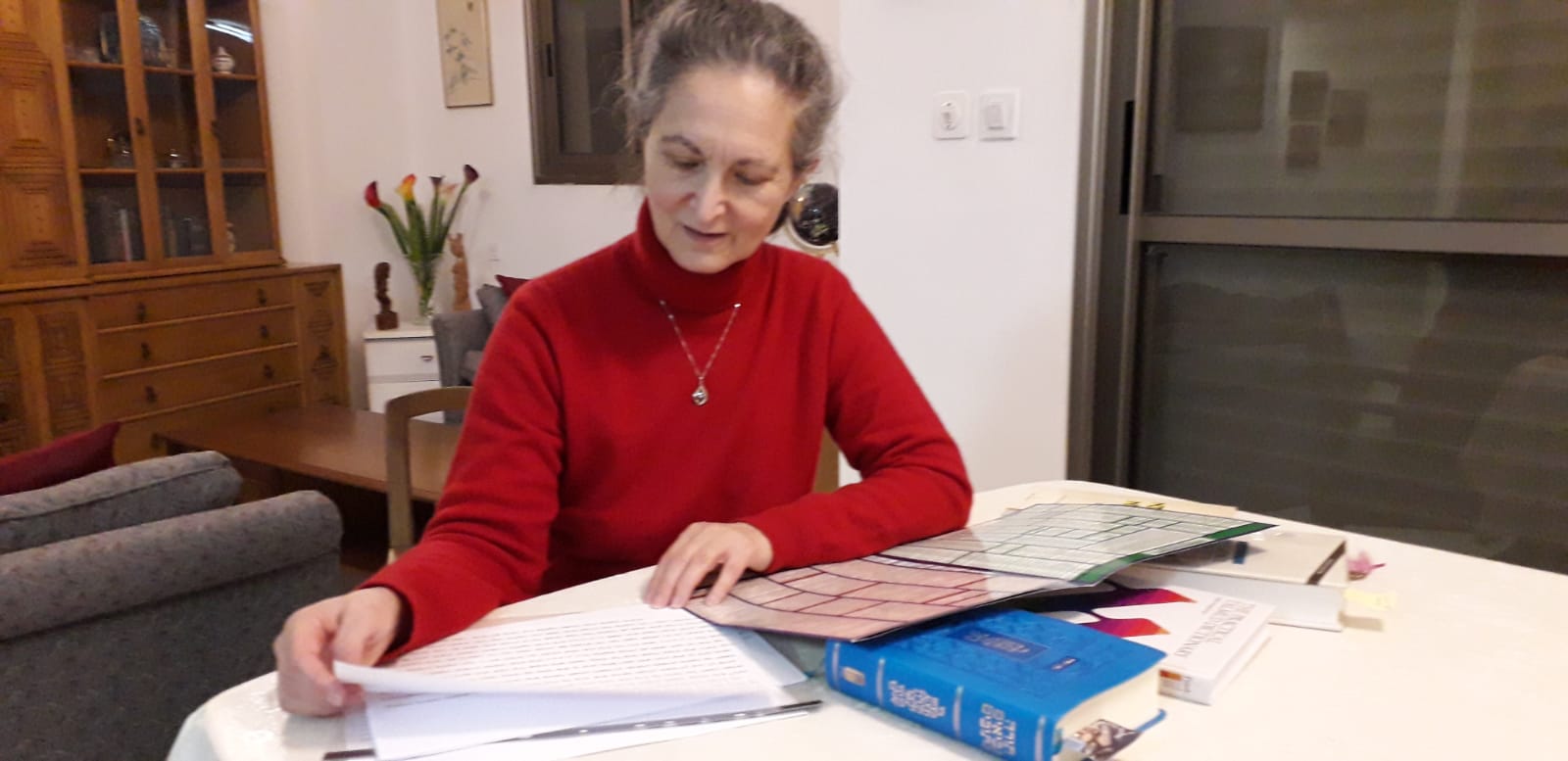
Caroline Ben-Ari
Karmiel, Israel
I started last year after completing the Pesach Sugiyot class. Masechet Yoma might seem like a difficult set of topics, but for me made Yom Kippur and the Beit HaMikdash come alive. Liturgy I’d always had trouble connecting with took on new meaning as I gained a sense of real people moving through specific spaces in particular ways. It was the perfect introduction; I am so grateful for Hadran!

Debbie Engelen-Eigles
Minnesota, United States
Shortly after the death of my father, David Malik z”l, I made the commitment to Daf Yomi. While riding to Ben Gurion airport in January, Siyum HaShas was playing on the radio; that was the nudge I needed to get started. The “everyday-ness” of the Daf has been a meaningful spiritual practice, especial after COVID began & I was temporarily unable to say Kaddish at daily in-person minyanim.

Lisa S. Malik
Wynnewood, United States
I started learning Daf Yomi because my sister, Ruth Leah Kahan, attended Michelle’s class in person and suggested I listen remotely. She always sat near Michelle and spoke up during class so that I could hear her voice. Our mom had just died unexpectedly and it made me feel connected to hear Ruth Leah’s voice, and now to know we are both listening to the same thing daily, continents apart.

Jessica Shklar
Philadelphia, United States
I LOVE learning the Daf. I started with Shabbat. I join the morning Zoom with Reb Michelle and it totally grounds my day. When Corona hit us in Israel, I decided that I would use the Daf to keep myself sane, especially during the days when we could not venture out more than 300 m from our home. Now my husband and I have so much new material to talk about! It really is the best part of my day!
Batsheva Pava
Hashmonaim, Israel
Geri Goldstein got me started learning daf yomi when I was in Israel 2 years ago. It’s been a challenge and I’ve learned a lot though I’m sure I miss a lot. I quilt as I listen and I want to share what I’ve been working on.

Rebecca Stulberg
Ottawa, Canada
In my Shana bet at Migdal Oz I attended the Hadran siyum hash”as. Witnessing so many women so passionate about their Torah learning and connection to God, I knew I had to begin with the coming cycle. My wedding (June 24) was two weeks before the siyum of mesechet yoma so I went a little ahead and was able to make a speech and siyum at my kiseh kallah on my wedding day!

Sharona Guggenheim Plumb
Givat Shmuel, Israel
Since I started in January of 2020, Daf Yomi has changed my life. It connects me to Jews all over the world, especially learned women. It makes cooking, gardening, and folding laundry into acts of Torah study. Daf Yomi enables me to participate in a conversation with and about our heritage that has been going on for more than 2000 years.
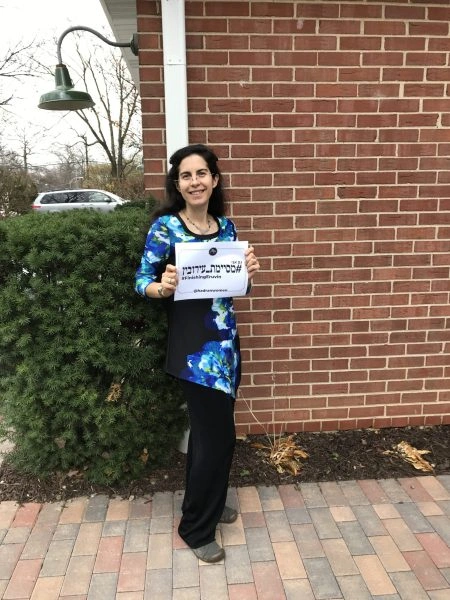
Shira Eliaser
Skokie, IL, United States
I began my Daf Yomi journey on January 5, 2020. I had never learned Talmud before. Initially it struck me as a bunch of inane and arcane details with mind bending logic. I am now smitten. Rabbanit Farber brings the page to life and I am eager to learn with her every day!
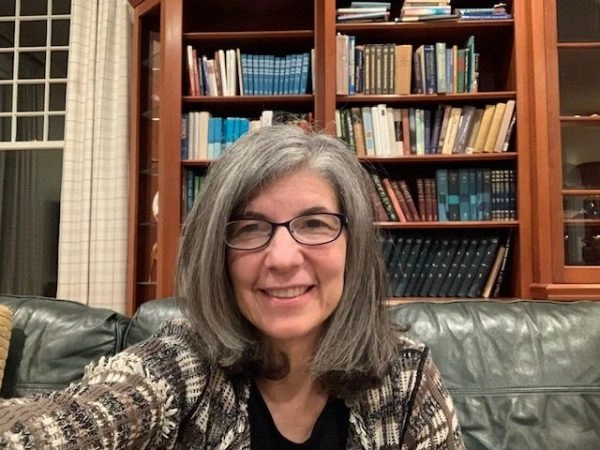
Lori Stark
Highland Park, United States
I started learning Daf Yomi to fill what I saw as a large gap in my Jewish education. I also hope to inspire my three daughters to ensure that they do not allow the same Talmud-sized gap to form in their own educations. I am so proud to be a part of the Hadran community, and I have loved learning so many of the stories and halachot that we have seen so far. I look forward to continuing!

Dora Chana Haar
Oceanside NY, United States
When I began the previous cycle, I promised myself that if I stuck with it, I would reward myself with a trip to Israel. Little did I know that the trip would involve attending the first ever women’s siyum and being inspired by so many learners. I am now over 2 years into my second cycle and being part of this large, diverse, fascinating learning family has enhanced my learning exponentially.

Shira Krebs
Minnesota, United States
After all the hype on the 2020 siyum I became inspired by a friend to begin learning as the new cycle began.with no background in studying Talmud it was a bit daunting in the beginning. my husband began at the same time so we decided to study on shabbat together. The reaction from my 3 daughters has been fantastic. They are very proud. It’s been a great challenge for my brain which is so healthy!

Stacey Goodstein Ashtamker
Modi’in, Israel
Hadran entered my life after the last Siyum Hashaas, January 2020. I was inspired and challenged simultaneously, having never thought of learning Gemara. With my family’s encouragement, I googled “daf yomi for women”. A perfecr fit!
I especially enjoy when Rabbanit Michelle connects the daf to contemporary issues to share at the shabbat table e.g: looking at the Kohen during duchaning. Toda rabba

Marsha Wasserman
Jerusalem, Israel
Bava Metzia 66
פַּטּוֹמֵי מִילֵּי בְּעָלְמָא הוּא. אֲמַר לֵיהּ רַב אָשֵׁי לְאַמֵּימָר: טַעְמָא מַאי – כֵּיוָן דְּלוֹקֵחַ בָּעֵי לְאַתְנוֹיֵי, וְהָכָא מוֹכֵר קָא מַתְנֵי, אָמְרַתְּ פַּטּוֹמֵי מִילֵּי בְּעָלְמָא הוּא.
These are merely words of enticement [pittumei millei] designed to encourage the buyer, but they are not part of a legal contract and therefore do not obligate the seller. Rav Ashi said to Ameimar: What is the reason for this? Since the buyer is the one who needs to stipulate this condition but he neglected to do so, and here it was the seller who stipulated the condition, is that why you said that these are merely words of enticement?
אֶלָּא מַתְנִיתָא דְּקָתָנֵי: ״לִכְשֶׁיִּהְיוּ לְךָ מָעוֹת אַחְזִיר לָךְ – מוּתָּר״, דְּמוֹכֵר הוּא דְּבָעֵי לְאַתְנוֹיֵי, מוֹכֵר לָא אַתְנִי וְלוֹקֵחַ קָא מַתְנֵי.
But according to this reasoning, consider the baraita, as it teaches that if the buyer says: When you have money I will give the property back to you, this is permitted. Now in this case it is the seller who needs to stipulate this condition, but the seller did not stipulate it and it was the buyer who stipulated it. Accordingly, they should likewise be regarded as words of enticement.
וְאָמְרִינַן: מַאי שְׁנָא רֵישָׁא וּמַאי שְׁנָא סֵיפָא? וְאָמַר רָבָא: סֵיפָא, דַּאֲמַר לֵיהּ מִדַּעְתֵּיהּ. טַעְמָא דַּאֲמַר לֵיהּ מִדַּעְתֵּיהּ, הָא לָא אֲמַר לֵיהּ מִדַּעְתֵּיהּ – לָא אָמְרִינַן פַּטּוֹמֵי מִילֵּי בְּעָלְמָא הוּא.
And we said concerning the baraita: What is different in the first clause and what is different in the latter clause? And Rava says that the latter clause is referring to a situation where the buyer said he would return the field of his own accord. Rav Ashi infers: The reason the condition is invalid is that the buyer said to him that he would return the field of his own accord. But if he did not say to him that he would return the field of his own accord, we would not say that these are merely words of enticement, even though the statement was made by the buyer about himself, and not as a condition by the seller.
אֲמַר לֵיהּ: נַעֲשֶׂה כְּמַאן דַּאֲמַר לֵיהּ מִדַּעְתֵּיהּ אִתְּמַר.
Ameimar said to him: In fact, any condition stated by the wrong person is invalid, but it was stated in the baraita that whenever the buyer states such a condition, he is considered like one who said that he would return the field of his own accord.
הָהוּא שְׁכִיב מְרַע, דִּכְתַב לַהּ גִּיטָּא לִדְבֵיתְהוּ, אִנְּגִיד וְאִתְּנַח. אֲמַרָה לֵיהּ: אַמַּאי קָא מִתְּנַחַתְּ? אִי קָיְימַתְּ – דִּידָךְ אֲנָא. אָמַר רַב זְבִיד: פַּטּוֹמֵי מִילֵּי בְּעָלְמָא הוּא.
§ The Gemara relates: There was a certain person on his deathbed who wrote a bill of divorce for his wife in order to exempt her from the obligation of ḥalitza in the event of his death, and he moaned and sighed at the time, in distress over having to divorce her. She said to him: Why do you sigh? If you recover from this illness, I am yours, as I will marry you again. The Gemara discusses the legal validity of this promise. Rav Zevid said: These are merely words of enticement designed to encourage him to grant the divorce, but they do not actually obligate the wife to remarry him if he lives.
אֲמַר לֵיהּ רַב אַחָא מִדִּפְתִּי לְרָבִינָא: וְאִי לָאו פַּטּוֹמֵי מִילֵּי מַאי? בְּדִידַהּ קָיְימָא לְמִישְׁדֵּי תְּנָאָה בְּגִיטָּא? בְּדִידֵיהּ קָיְימָא לְמִשְׁדֵּי תְּנָאָה! מַהוּ דְּתֵימָא: הוּא גּוּפֵיהּ אַדַּעְתָּא דִידַהּ קָא גָמֵיר וְיָהֵיב גִּיטָּא – קָא מַשְׁמַע לַן.
Rav Aḥa of Difti said to Ravina: And even if they were not merely words of enticement, but she had made an actual condition upheld by an oath or an act of acquisition, what of it? Is it her prerogative to stipulate a condition concerning her bill of divorce? It is not in her power to do so, as it is his right to establish such a condition, and since he failed to do so explicitly, any condition she accepts upon herself is of no consequence. The Gemara answers: This statement of Rav Zevid is necessary, lest you say that he himself relied upon her condition when he decided to give her the bill of divorce, and therefore it is as though he stipulated the condition. Rav Zevid therefore teaches us that this is not the case.
הִלְוָהוּ עַל שָׂדֵהוּ, אָמַר רַב הוּנָא: בִּשְׁעַת מַתַּן מָעוֹת – קָנָה הַכֹּל. לְאַחַר מַתַּן מָעוֹת – לֹא קָנָה אֶלָּא כְּנֶגֶד מְעוֹתָיו. וְרַב נַחְמָן אָמַר: אֲפִילּוּ לְאַחַר מַתַּן מָעוֹת – קָנָה הַכֹּל.
§ The mishna teaches: If one lent money to another on the basis of his field serving as a guarantee, and he said to borrower: If you do not give me the money from now until three years have passed, your field is mine, then if his money is not returned within three years, the field is his. Rav Huna says: If the lender stated the condition at the time of the giving of the money, he has acquired it all, meaning that if the borrower fails to pay the debt, the entire field is transferred to the lender. But if the lender stated his condition at some point after the giving of the money, he has acquired only a portion of the field corresponding to the money that he lent. And Rav Naḥman says: Even if the lender stated his condition after the giving of the money, he has acquired it all.
עֲבַד רַב נַחְמָן עוֹבָדָא גַּבֵּי רֵישׁ גָּלוּתָא כִּשְׁמַעְתֵּיהּ, קַרְעֵיהּ רַב יְהוּדָה לִשְׁטָרֵיהּ. אֲמַר לֵיהּ רֵישׁ גָּלוּתָא: רַב יְהוּדָה קְרַע לִשְׁטָרָךְ. אֲמַר לֵיהּ: דַּרְדְּקָא קַרְעֵיהּ? גַּבְרָא רַבָּה קַרְעֵיהּ, חֲזָא בֵּיהּ טַעְמָא וְקַרְעֵיהּ!
The Gemara relates: Rav Naḥman performed an action in the court of the Exilarch in accordance with his statement that even if the lender states his condition after the loan is granted, the lender acquires the entire field if the loan isn’t repaid within the specified time period. The case then came before Rav Yehuda, who tore up the lender’s deed of ownership of the field, claiming it was invalid. The Exilarch said to Rav Naḥman: Rav Yehuda tore up your document, i.e., he overruled your decision. Rav Naḥman said to him: Did a child tear it up? A great man tore it up; he must have seen in it some reason to invalidate it, and that is why he tore it up.
אִיכָּא דְאָמְרִי, אֲמַר לֵיהּ: דַּרְדְּקָא קַרְעֵיהּ, דְּכוּלֵּי עָלְמָא לְגַבֵּי דִּידִי בְּדִינָא דַּרְדְּקֵי נִינְהוּ.
There are those who say a different version of this exchange, according to which Rav Naḥman said to him: A child tore it up, i.e., there is no need to take his opinion into consideration, as everyone is like a child relative to me with regard to monetary laws. Rav Naḥman was the greatest expert of his generation with regard to monetary matters, and therefore he could discount the opinions of others.
הֲדַר אָמַר רַב נַחְמָן: אֲפִילּוּ בִּשְׁעַת מַתַּן מָעוֹת – לֹא קָנָה וְלֹא כְּלוּם. אֵיתִיבֵיהּ רָבָא לְרַב נַחְמָן: אִם אִי אַתָּה נוֹתֵן לִי מִכָּאן וְעַד שָׁלֹשׁ שָׁנִים, הֲרֵי הִיא שֶׁלִּי – הֲרֵי הִיא שֶׁלּוֹ!
After examining the matter again, Rav Naḥman retracted his words and then said the opposite of his initial ruling: Even if the lender stated his condition at the time of the giving of the money, he has not acquired anything. Rava raised an objection to Rav Naḥman from the mishna, which teaches: If one lent money to another on the basis of the borrower’s field serving as a guarantee, and said to him: If you do not give me the money now and instead delay your payment from now until three years have passed, the field is mine, then after three years, the field is his. Evidently, a condition of this kind is valid.
אֲמַר לֵיהּ: אֲנִי אוֹמֵר אַסְמַכְתָּא קָנְיָא. וּמִנְיוֹמֵי אָמַר: אַסְמַכְתָּא לָא קָנְיָא.
Rav Naḥman said to him: I used to say that a transaction with inconclusive consent [asmakhta] effects acquisition, meaning that any obligation one accepts to serve as a penalty over and above the value of what he actually owes is nevertheless binding. But Minyumi said that an asmakhta does not effect acquisition, and the transaction under discussion is an asmakhta. Now that he convinced me that his opinion is correct, I have retracted my previous opinion.
וּלְמִנְיוֹמֵי קַשְׁיָא מַתְנִיתִין! אִיבָּעֵית אֵימָא מַתְנִיתִין רַבִּי יוֹסֵי הִיא, דְּאָמַר אַסְמַכְתָּא קָנְיָא.
The Gemara asks: But if so, the mishna is difficult according to Minyumi. The Gemara answers: If you wish, say that the mishna is in accordance with the opinion of Rabbi Yosei, who said that an asmakhta effects acquisition, but his is a minority opinion.
אִיבָּעֵית אֵימָא: דַּאֲמַר לֵיהּ קְנִי מֵעַכְשָׁיו.
If you wish, say instead that the mishna is referring to a case where the borrower said to the lender: If I do not repay you within three years, you will acquire the field from now, and they performed a formal act of acquisition. Since an act of acquisition was performed at the time, this is a proper sale and not an asmakhta.
אֲמַרוּ לֵיהּ מָר יָנוֹקָא וּמָר קַשִּׁישָׁא בְּנֵי דְּרַב חִסְדָּא לְרַב אָשֵׁי, הָכִי אָמְרִי נְהַרְדְּעָאֵי מִשְּׁמֵיהּ דְּרַב נַחְמָן: הַאי אַסְמַכְתָּא, בְּזִמְנֵיהּ קָנְיָא, בְּלָא זִמְנֵיהּ לָא קָנְיָא.
Mar Yanuka and Mar Kashisha, the younger and elder sons of Rav Ḥisda, said to Rav Ashi: This is what the Sages of Neharde’a say in the name of Rav Naḥman: With regard to this asmakhta described in the mishna, it effects acquisition at its proper time, but it does not effect acquisition not at its proper time.
אֲמַר לְהוּ: כֹּל מִידֵּי, בְּזִמְנֵיהּ קָנֵי, בְּלָא זִמְנֵיהּ לָא קָנֵי.
Rav Ashi understood them to be saying that the lender acquires the field only when the loan is due, and he said to them: This statement seems to teach no novel ruling, as the same is true of every matter: It effects acquisition at its proper time, but it does not effect acquisition not at its proper time.
דִּלְמָא הָכִי קָאָמְרִיתוּ: אַשְׁכְּחֵיהּ בְּגוֹ זִמְנֵיהּ וַאֲמַר לֵיהּ קְנִי – קָנֵי, בָּתַר זִמְנֵיהּ וַאֲמַר לֵיהּ קְנִי – לָא קָנֵי. מַאי טַעְמָא – מֵחֲמַת כִּיסּוּפָא הוּא דְּקָאָמַר לֵיהּ.
Rav Ashi suggests: Perhaps you meant to say this: If the borrower encountered the lender within its time, i.e., before the payment of the loan was due, and told him to acquire the field, the lender acquires the field, as it is assumed that the borrower was sincere. But if the borrower encountered the lender after its time, i.e., when the payment of the loan was due, and told the lender to acquire the field, he does not acquire it. What is the reason for this? The borrower says this to the lender out of shame with regard to his failure to pay the debt, but he did not really intend for him to acquire the field.
וְלָא הִיא, דַּאֲפִילּוּ בְּגוֹ זִמְנֵיהּ נָמֵי לָא קָנֵי, וְהַאי דְּקָאָמַר לֵיהּ ״קְנִי״ – קָא סָבַר: כִּי מָטֵי זִמְנֵיהּ, לָא לַיְתֵי לִיטְרְדַן.
The Gemara comments: But this is not so, as the halakha is that the lender does not acquire the field even if the borrower stated this within its time. And as for the fact that the borrower told him to acquire it, he told him this only because he thinks: This will ensure that when the time for payment arrives, he will not come and disturb me. In other words, he is trying to buy time until he can repay the loan, but he was not sincere in his statement that the lender may acquire the field.
אָמַר רַב פָּפָּא: הַאי אַסְמַכְתָּא, זִימְנִין קָנְיָא וְזִימְנִין לָא קָנְיָא. אַשְׁכְּחֵיהּ דְּקָא שָׁתֵי שִׁכְרָא – קָנֵי. דְּקָא מְהַפֵּךְ אַזּוּזֵי – לָא קָנֵי.
Rav Pappa says: With regard to this asmakhta, sometimes it effects acquisition and sometimes it does not effect acquisition. How so? If the lender encountered the borrower while the borrower was drinking beer, it effects acquisition, as, if the borrower agreed to transfer ownership of his field when he did not appear to be in financial stress, such as when he was enjoying a drink, he assumedly did so with full acceptance of the consequences, and therefore the transaction is valid. By contrast, if the lender encountered the borrower when he was searching for money with which to repay the loan, his agreement does not effect acquisition, as it is clear the borrower made the statement under duress.
אֲמַר לֵיהּ רַב אַחָא מִדִּפְתִּי לְרָבִינָא: דִּלְמָא לְפַכּוֹחֵי פַּחְדֵּיהּ קָא שָׁתֵי, אִי נָמֵי: אִינִישׁ אַחֲרִינָא אַסְמְכֵיהּ אַזּוּזֵי! אֶלָּא אָמַר רָבִינָא: אִי קָפֵיד בִּדְמֵי – וַדַּאי קָנֵי.
Rav Aḥa of Difti said to Ravina: In the case where the lender encountered the borrower while he was drinking beer, perhaps he was drinking to neutralize his fear, and he really was under financial pressure. Or, perhaps someone else promised him money, and therefore he remains in a precarious position even though he can repay the debt, which would again mean that his promise is merely an asmakhta. Rather, Ravina said that there is a different distinction: If the borrower is particular about the money, i.e., if he is unwilling to sell his property at less than its market value, the lender has certainly acquired the field, as the borrower is clearly not in such a precarious financial position, and he is therefore assumed to have willingly stated his agreement to give the field to the lender.
אֲמַר לֵיהּ רַב אַחָא מִדִּפְתִּי לְרָבִינָא: דִּלְמָא סָבַר כִּי הֵיכִי דְּלָא תִּיתְּזִיל אַרְעֵיהּ, אֶלָּא אָמַר רַב פָּפָּא: אִי קָפֵיד בְּאַרְעָא, וַדַּאי קָנֵי.
Rav Aḥa of Difti said to Ravina: Even in that case, perhaps the borrower thinks that he ought to present himself as particular about the price of his property in order that the price of his other lands not be lowered. If people know that he is in need of money they will pressure to him to lower the price, and therefore he acts as though he is particular about the price, but in reality he did not wish to sell the property at all. Rather, Rav Pappa said that there is a different distinction: If he is particular about any other land he owns and does not want to sell it even at its market rate, he is clearly not suffering from financial problems, and in that case the creditor certainly acquires the field.
וְאָמַר רַב פָּפָּא: אַף עַל גַּב דַּאֲמוּר רַבָּנַן אַסְמַכְתָּא לָא קָנְיָא, אַפּוֹתֵיקֵי הָוְיָא לְמִיגְבֵּא מִינַּהּ.
And Rav Pappa said: Even though the Sages said that an asmakhta does not effect acquisition, and therefore even if he stipulated that the lender can collect the debt by seizing land, the lender does not acquire that land, nevertheless, the land is considered to be set aside as designated repayment [apoteiki] for the lender to collect repayment from it up to the amount of money owed.
אֲמַר לֵיהּ רַב הוּנָא בְּרֵיהּ דְּרַב נָתָן לְרַב פָּפָּא: מִי קָאָמַר לֵיהּ קְנִי לְגוּבְיָינָא? אֲמַר לֵיהּ מָר זוּטְרָא בְּרֵיהּ דְּרַב מָרִי לְרָבִינָא: וְאִי אָמַר קְנִי לְמִיגְבֵּא מִינֵּיהּ – קָנֵי? סוֹף סוֹף אַסְמַכְתָּא הִיא, וְאַסְמַכְתָּא לָא קָנְיָא.
Rav Huna, son of Rav Natan, said to Rav Pappa: Did the borrower say to the lender: Acquire it for the sake of debt collection? Since the borrower did not specify that transferring ownership of the field was in place of the payment of the debt, his statement is considered an asmakhta, and the field is not set aside as designated repayment. Mar Zutra, son of Rav Mari, said to Ravina: And if he had said to him: Acquire it for the sake of debt collection, would the lender then acquire it? Ultimately, it is an asmakhta, and the halakha is that an asmakhta does not effect acquisition.
אֶלָּא אַפּוֹתֵיקֵי דְּאָמַר רַב פָּפָּא, מַאי הִיא: דַּאֲמַר לֵיהּ לֹא יְהֵא לְךָ פֵּרָעוֹן אֶלָּא מִזּוֹ.
The Gemara poses a question: But in that case, what is the designated repayment spoken of by Rav Pappa? According to Mar Zutra’s analysis, it makes no difference whether or not he said it was set aside as designated repayment of the loan. The Gemara explains: Rav Pappa is referring to a case, for example, where the borrower said to the lender: Not only will I give you the land if I fail to repay the loan, but even if I do pay you will receive payment only from this land alone, as I will pay off my debt to you by giving you land from this field. In that case the asmakhta is negated, while the promise of repayment from the land remains intact.
הָהוּא גַּבְרָא דְּזַבֵּין לֵיהּ אַרְעָא לְחַבְרֵיהּ בְּאַחְרָיוּת. אֲמַר לֵיהּ: אִי טָרְפוּ לַיהּ מִנַּאי מַגְבֵּית לִי מֵעִידֵּי עִידִּית דְּאִית לָךְ. אֲמַר לֵיהּ: מֵעִידֵּי עִידִּית לָא מַגְבֵּינָא לָךְ, דְּבָעֵינָא לְמֵיקַם קַמַּאי, אֶלָּא מַגְבֵּינָא לָךְ מֵעִידִּית אַחֲרִיתִ[י] דְּאִית לִי. לְסוֹף טַרְפוּהָ מִינֵּיהּ, אֲתָא בִּדְקָא שְׁקֵיל לְעִידֵּי עִידִּית.
§ The Gemara relates: There was a certain man who sold land to another with a property guarantee, meaning that in the event that land is seized by the seller’s creditors, the seller will reimburse the buyer his purchase money. The buyer said to him: If your creditors seize the land from me, will you allow me to collect that which is owed to me from the most superior quality of the superior-quality land that you have? The seller said to him: I will not allow you to collect from the most superior quality of my superior-quality land, as I want to keep those before me. But I will allow you to collect from other superior-quality land I have. Ultimately, creditors seized the field from the buyer, and in the meantime a flood came and flooded the seller’s most superior quality of his superior-quality land.
סְבַר רַב פָּפָּא לְמֵימַר: מֵעִידִּית אֲמַר לֵיהּ, וְהָא קָיְימָא.
As his remaining superior-quality land was now the best he had, the seller was unwilling to give them to the buyer and sought to repay him with intermediate-quality land, in accordance with the standard halakha concerning reimbursement to a buyer. Rav Pappa thought to say: Since the seller said to the buyer that he could collect from his superior-quality land, and this superior-quality land is intact, the seller must give it to him, in accordance with his promise.
אֲמַר לֵיהּ רַב אַחָא מִדִּפְתִּי לְרָבִינָא: וְלֵימָא לֵיהּ, כִּי אֲמַרִי לָךְ אֲנָא מַגְבֵּינָא לָךְ – דַּהֲוָה עִידֵּי עִידִּית קָיְימָא, הַשְׁתָּא קָיְימָא לֵיהּ עִידִּית בִּמְקוֹם עִידֵּי עִידִּית.
Rav Aḥa of Difti said to Ravina: But let the seller say to the buyer: When I said to you that I would allow you to collect from my superior-quality land, that was when the most superior quality of my superior-quality land was intact. But now my superior-quality land stands for me in place of the most superior quality of the superior-quality land I had before, and I am not obligated to give you the very best of my property.
רַב בַּר שְׁבָא הֲוָה מַסֵּיק בֵּיהּ רַב כָּהֲנָא זוּזֵי. אֲמַר לֵיהּ: אִי לָא פָּרַעְנָא לָךְ לְיוֹם פְּלוֹנִי – גְּבִי מֵהַאי חַמְרָא. סְבַר רַב פָּפָּא לְמֵימַר: כִּי אָמְרִינַן אַסְמַכְתָּא לָא קָנְיָא – הָנֵי מִילֵּי בְּאַרְעָא, דְּלָאו לְזַבּוֹנֵי קָיְימָא. אֲבָל חַמְרָא כֵּיוָן דִּלְזַבּוֹנֵי קָאֵי – כְּזוּזֵי דָּמֵי.
The Gemara relates: Rav bar Shabba owed money to Rav Kahana. Rav bar Shabba said to him: If I do not repay you by such and such a date, you can collect the debt from this wine. Rav Pappa thought to say: When we said that an asmakhta does not effect acquisition, this matter applies only to land, which does not stand to be sold, i.e., which is not typically bought and sold on the market, and therefore the promise is invalid, as he did not genuinely intend to give it to him. But in the case of wine, since it does stand to be sold, it is considered like money, and therefore he can claim the debt from wine, as he can claim the debt from any other item with monetary worth.
אֲמַר לֵיהּ רַב הוּנָא בְּרֵיהּ דְּרַב יְהוֹשֻׁעַ לְרַב פָּפָּא, הָכִי אָמְרִינַן מִשְּׁמֵיהּ דְּרַבָּה: כֹּל דְּאִי – לָא קָנֵי.
Rav Huna, son of Rav Yehoshua, said to Rav Pappa: This is what we say in the name of Rabba: Any statement including a condition introduced with the word: If, does not effect acquistion. Any agreement that does not involve a definitive commitment but does obligate one in the event of a particular outcome has the status of an asmakhta and does not effect acquisition, as the one setting the condition did not really intend to fulfill the commitment.
אָמַר רַב נַחְמָן: הַשְׁתָּא דַּאֲמוּר רַבָּנַן אַסְמַכְתָּא לָא קָנְיָא, הָדְרָא אַרְעָא וְהָדְרִי פֵּירֵי. לְמֵימְרָא דְּסָבַר רַב נַחְמָן מְחִילָה בְּטָעוּת לָא הָוְיָא מְחִילָה?
§ Rav Naḥman said: Now that the Sages have said that an asmakhta does not effect acquisition, in a case such as that in the mishna, when one promised another land for the repayment of a debt, if the lender in fact took it, the land must be returned and the value of any produce the creditor consumed from this land must also be returned. The Gemara poses a question: Is this to say that Rav Naḥman maintains that mistaken forgiveness of payment is not valid forgiveness, meaning that if one forgoes repayment of a loan of a certain amount of money in error, he can change his mind? In this case, the borrower had thought that the lender had acquired the land, and he therefore allowed him to consume the produce.
וְהָאִיתְּמַר: הַמּוֹכֵר פֵּירוֹת דֶּקֶל לַחֲבֵירוֹ. אָמַר רַב הוּנָא: עַד שֶׁלֹּא בָּאוּ לָעוֹלָם – יָכוֹל לַחְזוֹר בּוֹ. מִשֶּׁבָּאוּ לָעוֹלָם – אֵין יָכוֹל לַחְזוֹר בּוֹ. וְרַב נַחְמָן אָמַר: אַף מִשֶּׁבָּאוּ לָעוֹלָם יָכוֹל לַחְזוֹר בּוֹ,
But it was stated that amora’im disputed this very issue: If one sells the fruit of a palm tree to another before the fruit ripens, Rav Huna says: He can retract and cancel the sale until the fruits have come into the world, as the fruit is not yet in existence. But once they have come into the world, even if they are still unripe, he cannot retract, as once the fruits that are being acquired exist, the sale has gone into effect. And Rav Naḥman says: He can retract even once they have come into the world, as one cannot transfer ownership of an entity that has not yet come into the world, and the actual transaction was performed before the fruits existed.
וְאָמַר רַב נַחְמָן: מוֹדֵינָא דְּאִי שָׁמֵיט וְאָכֵיל – לָא מַפְּקִינַן מִינֵּיהּ! הָתָם זְבִינֵי, הָכָא הַלְוָאָה.
And Rav Naḥman said: I concede that if the buyer seized the fruit and consumed it, we do not take its value from him. The reason is that since the seller initially accepted the transaction, although it involved a legal error, it can be assumed that he decided to waive his rights to the fruit and allowed the other to take it. Consequently, it can be demonstrated that Rav Naḥman holds that mistaken forgiveness is forgiveness. The Gemara rejects this proof: There, the discussion involves a sale, with regard to which it can be said that the seller waived his rights to the fruit. Here, it is referring to a loan, and not requiring the lender to reimburse the borrower for the produce consumed is considered a form of interest.
אָמַר רָבָא:
Rava said:
Follow

