










What are the various methods through which individuals can engage in business transactions where payment or goods are exchanged upfront, with the agreement set at a fixed or reduced price? The Gemara delves into diverse scenarios, providing rulings on the permissibility, prohibition, or contentious nature of each. In some documented instances, Rabbis faced accusations of involvement in transactions resembling usury. Yet, on each occasion, they provided clarifications demonstrating why such actions did not constitute usury.
Bava Metzia
Masechet Bava Metzia is sponsored by Rabbi Art Gould in memory of his beloved bride of 50 years, Carol Joy Robinson, Karina Gola bat Huddah v’Yehuda Tzvi.
רבות בנות עשו חיל ואת עלית על־כלנה
This month’s learning is sponsored by Marci Glazer in loving memory of her teacher and chevruta, Rachel Brodie, Rachel Aviva bat Devora Chana, on her 4th yahrzeit. “She brought her love of Torah to thousands of people in her all-too-short life. A lover of Midrash, she still invited me on this Daf Yomi journey.”
Want to dedicate learning? Get started here:

0:00
0:00
Today’s daily daf tools:
Bava Metzia
Masechet Bava Metzia is sponsored by Rabbi Art Gould in memory of his beloved bride of 50 years, Carol Joy Robinson, Karina Gola bat Huddah v’Yehuda Tzvi.
רבות בנות עשו חיל ואת עלית על־כלנה
This month’s learning is sponsored by Marci Glazer in loving memory of her teacher and chevruta, Rachel Brodie, Rachel Aviva bat Devora Chana, on her 4th yahrzeit. “She brought her love of Torah to thousands of people in her all-too-short life. A lover of Midrash, she still invited me on this Daf Yomi journey.”
Bava Metzia 73
בִּרְשׁוּת מוֹכֵר – מוּתָּר, בִּרְשׁוּת לוֹקֵחַ – אָסוּר.
then, if the package remains in the possession of the seller, i.e., the seller accepts upon himself responsibility for any accidental damage that occurs along the way, it is permitted, as the transaction is not a loan. But if it is in the possession of the buyer, meaning that the buyer accepts responsibility for accidental damage, then the transaction is prohibited, as it is considered a loan with interest.
הַמּוֹלִיךְ פֵּירוֹת מִמָּקוֹם לְמָקוֹם, מְצָאוֹ חֲבֵירוֹ וְאָמַר לוֹ: תְּנֵם לִי וַאֲנִי אַעֲלֶה לְךָ פֵּירוֹת שֶׁיֵּשׁ לִי בְּאוֹתוֹ מָקוֹם, אִם יֵשׁ לוֹ פֵּירוֹת בְּאוֹתוֹ מָקוֹם – מוּתָּר, וְאִם לָאו – אָסוּר. וְהַחַמָּרִין מַעֲלִים בִּמְקוֹם הַיּוֹקֶר כְּבִמְקוֹם הַזּוֹל, וְאֵינָן חוֹשְׁשִׁין.
With regard to one who transports produce from one place to another place, if another finds him and says to him: Give the produce to me now and I will repay you with produce that I have in that place to which you are going, then, if he actually has produce in that place, it is permitted, but if not, it is prohibited. But donkey drivers who transport merchandise from one place to another may accept money and set prices in a place where goods are sold at expensive prices according to the rate in effect in another place, where goods are sold at inexpensive prices, and need not be concerned, as this practice is permitted.
מַאי טַעְמָא? רַב פָּפָּא אָמַר: נִיחָא לְהוּ דִּמְגַלּוּ לְהוּ תַּרְעָא. רַב אַחָא בְּרֵיהּ דְּרַב אִיקָא אָמַר: נִיחָא לְהוּ דְּמוֹזְלִי גַּבַּיְיהוּ.
The Gemara asks: What is the reason this is permitted? Rav Pappa says: It is satisfactory to them to sell merchandise at a discounted rate, because by doing so the gates to the new market are opened for them, as in this way they begin to do business in this area and gain new customers. Rav Aḥa, son of Rav Ika, said: It is satisfactory to them because the prices are reduced for them in the places where they make their purchases. Since the sellers there hear that the donkey drivers will need to resell the merchandise at a lower price, the sellers give a discount to the donkey drivers. According to either opinion, the donkey drivers provide the additional produce to the customer not as interest on the loan but as a discount to promote their business.
מַאי בֵּינַיְיהוּ? אִיכָּא בֵּינַיְיהוּ תַּגָּרָא חַדְתָּא.
The Gemara asks: What is the difference between these two reasons to allow this practice? The Gemara answers: The difference between them concerns a merchant who is new in the area. According to the one who holds that the reason he may sell the produce is in order to open the market for him, it applies especially to a merchant in this situation. But according to the one who holds that the reason is that he can procure his merchandise inexpensively, the sellers will not believe him if he is new to his trade, and they will not sell it to him at a discount.
בְּסוּרָא אָזְלִי אַרְבָּעָה אַרְבְּעָה, בְּכַפְרִי אָזְלָן שִׁיתָּא שִׁיתָּא. יָהֵיב רַב זוּזֵי לְחַמָּרֵי וּ[מְ]קַבֵּיל עֲלֵיהּ אוּנְסָא דְאוֹרְחָא, וְשָׁקֵיל מִינַּיְיהוּ חַמְשָׁה. וְנִשְׁקוֹל שִׁיתָּא! אָדָם חָשׁוּב שָׁאנֵי.
The Gemara relates: In Sura, four se’a of wheat were going for a sela, and in the nearby town of Kafri they were going for six se’a for a sela. Rav gave money to donkey drivers to purchase wheat in Kafri and accepted upon himself responsibility for any accident that might happen on the way, rendering it permitted for him to set a price according to the rate in effect in Kafri, and he accepted five se’a of wheat for one sela from them. The Gemara challenges: Since he accepted responsibility for damage that might occur as a result of an accident, the produce was his at the time it was purchased, and therefore there was no loan. Consequently, he should have accepted six se’a for a sela. The Gemara explains: An important person is different, as he has to be more stringent with himself and more careful to avoid the appearance of interest.
בְּעָא מִינֵּיהּ רַבִּי אַסִּי מֵרַבִּי יוֹחָנָן: מַהוּ לַעֲשׂוֹת בִּגְרוּטָאוֹת כֵּן? אֲמַר לֵיהּ: בִּיקֵּשׁ רַבִּי יִשְׁמָעֵאל בְּרַבִּי יוֹסֵי לַעֲשׂוֹת כֵּן בִּכְלֵי פִשְׁתָּן, וְלֹא הִנִּיחוֹ רַבִּי. אִיכָּא דְּאָמְרִי: בִּיקֵּשׁ רַבִּי לַעֲשׂוֹת בִּגְרוּטָאוֹת כֵּן, וְלֹא הִנִּיחוֹ רַבִּי יִשְׁמָעֵאל בְּרַבִּי יוֹסֵי.
Rabbi Asi asked Rabbi Yoḥanan: What is the halakha about doing so with metal scraps [bigerutaot]? Is it permitted to make an agreement to purchase metal scraps at the low rate in effect elsewhere, just as it is permitted with wheat and other produce? Rabbi Yoḥanan said to him: Rabbi Yishmael, son of Rabbi Yosei, wanted to do so with linen garments and Rabbi Yehuda HaNasi did not allow him to do so. There are those who say a different version of this exchange: Rabbi Yehuda HaNasi wanted to do so with metal scraps, and Rabbi Yishmael, son of Rabbi Yosei, did not permit him to do so.
פַּרְדֵּיסָא, רַב אָסַר וּשְׁמוּאֵל שָׁרֵי. רַב אָסַר, כֵּיוָן דִּלְקַמֵּיהּ שָׁוְיָא טְפֵי – מִתְחֲזֵי כִּי אֲגַר נְטַר לֵיהּ. וּשְׁמוּאֵל שָׁרֵי, כֵּיוָן דְּהָוֵי בֵּיהּ תִּיוְהָא – לָא מִיחֲזֵי כִּי אֲגַר נְטַר לֵיהּ.
With regard to one who wants to purchase the produce of an entire orchard, in advance of the harvest, at a cheaper price, Rav prohibits this practice and Shmuel permits it. The Gemara explains: Rav prohibits it because in the future the produce will be worth more, so it appears that the seller is paying interest to the buyer for waiting before receiving the produce, and that has the appearance of interest. And Shmuel permits it, as, since there can be spoilage in the produce of the orchard and the buyer took upon himself responsibility for any losses, it does not appear that the seller is paying interest to the buyer for waiting before receiving the produce, as the buyer may either gain or lose.
אָמַר רַב שִׁימִי בַּר חִיָּיא: וּמוֹדֵי רַב בְּתוֹרֵי דִּנְפִישׁ פְּסֵידַיְיהוּ.
Rav Shimi bar Ḥiyya said: Rav concedes to Shmuel that an arrangement like this would be permitted in a case where one arranges to purchase young oxen at a later date, as their loss is likely to be great. Since it is common for one to incur a discernible loss when raising oxen, as some may die, this arrangement is regarded as an investment.
אֲמַר לְהוּ שְׁמוּאֵל לְהָנְהוּ דְּשָׁבְשִׁי שִׁבְשָׁא, הֲפוֹכוּ בְּאַרְעָא, כִּי הֵיכִי דִּקְנֵי לְכוּ גּוּפָא דְאַרְעָא, וְאִי לָא – הָוְיָא לְכוּ כְּהַלְוָאָה וְאָסוּר.
Shmuel said to those who purchase branches of grapevines and pay in advance for the vine shoots that will be harvested later: Since the risk in this transaction is small, it has the appearance of interest and therefore you should turn over a bit of the land yourselves, i.e., perform some labor in farming the orchard, so that you acquire some of the land itself for yourselves, and by doing this you become partners with the owner. And this action is necessary because if you do not do this it will be like a loan for you and it will be prohibited for you to accept the branches.
אֲמַר לְהוּ רָבָא לְהָנְהוּ דִּמְנַטְּרִי בָּאגֵי: פּוּקוּ הֲפוֹכוּ בְּבֵי דָרֵי, כִּי הֵיכִי דְּלָא תִּשְׁתַּלַּם שְׂכִירוּת דִּידְכוּ עַד הַהִיא שַׁעְתָּא, דִּשְׂכִירוּת אֵינָהּ מִשְׁתַּלֶּמֶת אֶלָּא בַּסּוֹף, וְהַהִיא שַׁעְתָּא אוֹזוֹלֵי דְּקָא מוֹזְלִי גַּבַּיְיכוּ.
Similarly, Rava said to those who guard fields [bagei] until the harvest is complete and receive their wages from the crops when the harvest is over: Go out and turn over some of the crops in the threshing floor, and thereby assist the owners in their work in order that the wages for your hire are not payable until that time. If you assist in the actual farming work, the halakhic period of your employment will continue until the processing of the grain is complete, and according to the halakha that the obligation to pay a person’s wage is incurred only at the end of the period for which he was hired, it is then that the owners make a reduction for the guards by giving them the crops at a reduced rate, and it is not payment of interest for delaying the wages that they should have been paid earlier. Consequently, such an arrangement is permitted.
אֲמַרוּ לֵיהּ רַבָּנַן לְרָבָא: קָא אָכֵיל מָר רִבִּית, דְּכוּלֵּי עָלְמָא שָׁקְלִי אַרְבְּעָה וּמְסַלְּקִי לְאָרִיסָא בְּנִיסָן, מָר נָטַר לְהוּ עַד אִיָּיר וְשָׁקֵיל שִׁיתָּא!
The Rabbis said to Rava: The Master, meaning Rava, consumes interest. They explained: Everyone else who leases his field to a sharecropper receives four kor of grain as payment, and the owners accept this payment and remove the sharecropper from the field in the month of Nisan. But the Master waits until the month of Iyar and then takes six kor from them. Consequently, they accused Rava of accepting an additional payment for waiting an extra month to take back his field.
אֲמַר לְהוּ: אַתּוּן קָא עָבְדִיתוּן שֶׁלֹּא כַּדִּין, אַרְעָא לְאָרִיס מִשְׁתַּעְבַּד – אִי אַתּוּן מְסַלְּקִיתוּ לְהוּ בְּנִיסָן, מַפְסֵידְתּוּ לְהוּ בְּכַמָּה. אֲנָא נָטַרְנָא לְהוּ עַד אִיָּיר, וּמַרְוַוחְנָא לְהוּ בְּכַמָּה.
Rava said to them: On the contrary, you are the ones who are acting unlawfully, as in truth all of the land is liened to the sharecropper until he finishes working it and harvests all that he can from it. If you remove sharecroppers from the field in Nisan you cause them to lose a great deal, as they do not have enough time to harvest all the produce from the field. I wait for them until Iyyar, and in this way I enable them to profit a great deal. Consequently, I act in accordance with halakha and receive a suitable payment for leasing the field for the proper length of time, whereas you deprive the sharecroppers of what is due to them, even though you receive less direct remuneration.
רַב מָרִי בַּר רָחֵל מַשְׁכֵּן לֵיהּ הָהוּא גּוֹי בֵּיתָא. הֲדַר זַבְּנֵהּ לְרָבָא. נְטַר תְּרֵיסַר יַרְחֵי שַׁתָּא, שְׁקַל אֲגַר בֵּיתָא אַמְטִי לֵיהּ לְרָבָא. אֲמַר לֵיהּ: הַאי דְּלָא אַמְטַאי לְמָר אֲגַר בֵּיתָא עַד הָאִידָּנָא, דִּסְתַם מַשְׁכַּנְתָּא שַׁתָּא, אִי בָּעֵי גּוֹי לְסַלֹּקֵי לָא הֲוָה מָצֵי מְסַלֵּק לִי, הַשְׁתָּא לִשְׁקוֹל מָר אֲגַר בֵּיתָא.
The Gemara relates: A certain gentile mortgaged a house to Rav Mari bar Raḥel for a loan that Rav Mari had provided him. Afterward, the gentile sold the house to Rava. Rav Mari waited for twelve months of the year to pass, took the amount of money necessary to pay rent for the house and brought it to Rava, who was now the owner of the house. Rav Mari said to Rava: This fact that I did not bring the rental fee for the house to the Master until now is because an unspecified mortgage is in effect for a period of one year. If that gentile wanted to remove me from the house by paying back the loan, he could not remove me from it until now. Consequently, the house actually belonged to me for that year, and I was not required to pay rent. Now, since the gentile can remove me from the house by repaying the loan, the house belongs to you. Therefore, let the Master now take the rental fee for the house for the coming year.
אֲמַר לֵיהּ: אִי הֲוָה יָדַעְנָא דַּהֲוָה מְמוּשְׁכַּן לֵיהּ לְמָר, לָא הֲוָה זָבֵינְנָא לֵיהּ. הַשְׁתָּא כְּדִינֵיהֶם עָבֵידְנָא לָךְ, כׇּל אֵימַת דְּלָא מְסַלְּקִי בְּזוּזֵי לָא שָׁקֵיל אֲגַר בֵּיתָא. אֲנָא נָמֵי לָא שָׁקֵילְנָא מִינָּךְ אֲגַר בֵּיתָא עַד דִּמְסַלֵּקְנָא לָךְ בְּזוּזֵי.
Rava said to him: Had I known that this house was mortgaged to the Master, I would not have purchased it at all, as I would have given you the chance to purchase it first. Now, therefore, I will act toward you according to the law of the gentiles, as I assumed the rights previously held by the gentile. According to gentile law, as long as the borrower does not remove the lender by paying back the money, he also does not take a rental fee for the house, as there is no prohibition against a gentile paying or receiving interest. Therefore, I too will not take a rental fee for the house from you until I remove you by forcing the gentile to pay the money that is owed to you.
אֲמַר לֵיהּ רָבָא מִבַּרְנִישׁ לְרַב אָשֵׁי: חֲזִי מָר רַבָּנַן דְּקָא אָכְלִי רִבִּיתָא, דְּיָהֲבִי זוּזֵי אַחַמְרָא בְּתִשְׁרִי וּמְבַחֲרִי לֵהּ בְּטֵבֵת!
The Gemara relates: Rava of Barnish said to Rav Ashi: The Master sees the Sages who consume interest, as they give people money for wine in the month of Tishrei, and they select the wine later, in the month of Tevet. Had they taken the wine immediately upon payment, there is a chance that it would have spoiled. Now, in return for paying for the wine in advance, they receive the benefit of guaranteeing that the wine they receive will not be spoiled. Rava of Barnish understood that this benefit, received in exchange for advance payment, is a form of interest.
אֲמַר לֵיהּ: אִינְהוּ נָמֵי אַחַמְרָא קָא יָהֲבִי, אַחַלָּא לָא קָא יָהֲבִי – מֵעִיקָּרָא דְּחַמְרָא חַמְרָא, דְּחַלָּא חַלָּא, הָהִיא שַׁעְתָּא הוּא דְּקָמְבַחֲרִי.
Rav Ashi said to him: They too gave the money at the outset for wine, but they did not give it for vinegar. That which was wine at the outset is still wine, and that which became vinegar was vinegar when they paid for it but they did not know it. It was at that time of selection that they merely selected the wine that they had paid for previously. Since they agreed to buy wine, not vinegar, the benefit of actually receiving wine does not constitute interest.
רָבִינָא הֲוָה יָהֵיב זוּזֵי לִבְנֵי אַקְרָא דְּשַׁנְווֹתָא וְשָׁפְכִי לֵיהּ טְפֵי כּוּפִיתָא. אֲתָא לְקַמֵּיהּ דְּרַב אָשֵׁי, אֲמַר לֵיהּ: מִי שְׁרֵי? אֲמַר לֵיהּ: אִין, אַחוֹלֵי הוּא דְּקָא מָחֲלִי גַּבָּךְ.
The Gemara relates: Ravina would give money in advance to the people of the fortress [akra] at the river Shanvata in order to buy wine to be supplied after the grape harvest, and when they supplied the wine they would pour an extra jug [kufita] of wine for him as a gift, although there was no stipulation between them requiring this. Ravina came before Rav Ashi to ask whether this involved interest. Ravina said to him: Is it permitted to do this? Rav Ashi said to him: Yes, it is permitted, as they forgo payment for the extra wine to your benefit in order to maintain good relations with you. Since the additional wine is not provided as consideration for the advance payment, there is no problem of interest.
אֲמַר לֵיהּ: הָא אַרְעָא לָאו דִּידְהוּ הִיא! אֲמַר לֵיהּ: אַרְעָא לְטַסְקָא מְשַׁעְבְּדָא. וּמַלְכָּא אָמַר: מַאן דְּיָהֵיב טַסְקָא – לֵיכוֹל אַרְעָא.
Ravina said to him: But the land is not theirs. The people of the fortress at Shanvata worked land belonging to others who abandoned their fields because they could not pay the real estate taxes. The people of the fortress paid the taxes and were therefore able to use the fields. Ravina was concerned that perhaps they did not own the grapes and were therefore unable to forgo payment for the additional amount as it did not belong to them. Rav Ashi said to him: The land is liened to the king as payment for the taxes [letaska], and the king says: Whoever pays the tax may consume the produce of the land. Consequently, the ones who pay the taxes have ownership of the wine by dint of the law of the kingdom.
אֲמַר לֵיהּ רַב פָּפָּא לְרָבָא: חֲזִי מָר הָנֵי רַבָּנַן דְּיָהֲבִי זוּזֵי אַכְּרָגָא דְּאִינָשֵׁי וּמְשַׁעְבְּדִי בְּהוּ טְפֵי! אֲמַר לֵיהּ: הַשְׁתָּא אִיכּוֹ שְׁכֵיבִי לָא אֲמַרִי לְכוּ הָא מִילְּתָא. הָכִי אָמַר רַב שֵׁשֶׁת: מוּהְרְקַיְיהוּ דְּהָנֵי בְּטֻפְסָא דְמַלְכָּא מַנַּח, וּמַלְכָּא אָמַר: מַאן דְּלָא יָהֵיב כְּרָגָא לִשְׁתַּעְבַּיד לְמַאן דְּיָהֵיב כְּרָגָא!
The Gemara relates that Rav Pappa said to Rava: Let the Master see these Sages who pay money for the tax [akarga] on behalf of other people and afterward make them work more than is reasonable for the amount of money they paid. Rava said to him: Now, if I were dead I could not say the explanation of this matter to you, so it is good that you asked me while I am still alive, as I know that this is what Rav Sheshet said: The document [moharkayyhu] of servitude of these people lies in the treasury of the king, i.e., all of his subjects are considered his servants, and the king said: The one who does not pay the head tax shall serve the one who does pay the head tax, and consequently, by dint of the law of the kingdom they can have them work as much as they want.
רַב סְעוּרָם אֲחוּהּ דְּרָבָא הֲוָה תָּקֵיף אִינָשֵׁי דְּלָא מְעַלּוּ וּמְעַיֵּיל לְהוּ בְּגוּהַרְקָא דְּרָבָא. אֲמַר לֵיהּ רָבָא: שַׁפִּיר קָא עָבְדַתְּ, דִּתְנֵינָא: רְאִית[וֹ] שֶׁאֵינוֹ נוֹהֵג כַּשּׁוּרָה, מִנַּיִן שֶׁאַתָּה רַשַּׁאי לְהִשְׁתַּעְבֵּד בּוֹ – תַּלְמוּד לוֹמַר: ״לְעוֹלָם בָּהֶם תַּעֲבֹדוּ וּבְאַחֵיכֶם״. יָכוֹל אֲפִילּוּ נוֹהֵג כַּשּׁוּרָה – תַּלְמוּד לוֹמַר: ״וּבְאַחֵיכֶם בְּנֵי יִשְׂרָאֵל אִישׁ בְּאָחִיו וְגוֹ׳״.
The Gemara relates: Rav Se’oram, the brother of Rava, would forcefully seize people who were not acting properly and have them carry Rava’s sedan chair. Rava said to him: You acted correctly, as we learn: If you see a Jew who does not behave properly, from where is it derived that you are permitted to have him work as a slave? The verse states: “Of them you may take your slaves forever; and over your brothers” (Leviticus 25:46). It is derived from the conjunctive “and” linking the two clauses of the verse that there are circumstances where it is permitted to treat a fellow Jew as if he were a slave. One might have thought that this is the halakha even if a Jew acts properly. To counter this, the verse states in the continuation: “And over your brothers the children of Israel you shall not rule, one over another, with rigor.”
אָמַר רַב חָמָא: הַאי מַאן דְּיָהֵיב זוּזֵי לְחַבְרֵיהּ לְמִיזְבַּן לֵיהּ חַמְרָא וּפְשַׁע וְלָא זְבַין לֵיהּ – מְשַׁלֵּם לֵיהּ כִּדְקָא אָזֵיל אַפַּרְווֹתָא דְזוּלְשְׁפָט.
Rav Ḥama said: With regard to one who gave money to another to purchase wine for him, and the other, i.e., the agent, was negligent and did not purchase it for him, the agent must pay the one who gave him the money according to the going rate of wine in the port city of Zolshefat, where the main wine market was located, and he must purchase the wine according to the price in that market even if it is more expensive than the amount he was given initially.
אָמַר אַמֵּימָר אַמְרִיתָא לִשְׁמַעְתָּא קַמֵּיהּ דְּרַב זְבִיד מִנְּהַרְדְּעָא, אָמַר: כִּי קָאָמַר רַב חָמָא, הָנֵי מִילֵּי בְּ״יַיִן״ סְתָם, אֲבָל בְּ״יַיִן זֶה״ – לָא, מִי יֵימַר דִּמְזַבְּנִי לֵיהּ נִיהֲלֵיהּ?
Ameimar said: I said this halakha before Rav Zevid of Neharde’a, and when he heard it he said: When Rav Ḥama said this, he said that statement in a case where the buyer asked the agent to purchase wine without specification concerning exactly which wine he wanted. But if he said to the agent: Buy this specific wine for me, the agent who neglected to buy the wine is not obligated to buy it at a higher price later, as when he was sent to buy it initially, who says that the owner would have sold it to him? The one who gave the money to the agent was aware of the fact that the agent may not be able to successfully purchase that specific wine. Consequently, the obligation of the agent is simply to return the money, and nothing may be added to that sum, due to the prohibition of interest.
רַב אָשֵׁי אָמַר: אֲפִילּוּ ״יַיִן״ סְתָם נָמֵי לָא, מַאי טַעְמָא – אַסְמַכְתָּא הִיא, וְאַסְמַכְתָּא לָא קָנְיָא.
Rav Ashi said: Even if he asked the agent to buy wine without specification, the agent is also not obligated to buy wine later for more than the amount he was given. What is the reason for this? The implicit obligation that the agent accepted upon himself, to pay the one who hired him with wine of a higher value than the amount of money he received, is a transaction with inconclusive consent [asmakhta], as any situation where one will have to pay more money than he received is similar to the payment of a fine, and the acceptance of an asmakhta does not effect acquisition, as his acceptance is assumed to be insincere.
וּלְרַב אָשֵׁי מַאי שְׁנָא מֵהָא דִּתְנַן: ״אִם אוֹבֵיר וְלָא אֶעֱבֵיד אֲשַׁלֵּם בְּמֵיטְבָא״, הָתָם בְּיָדוֹ,
The Gemara asks: And according to Rav Ashi, in what way is this case different from that which we learned in a mishna (104a) concerning a rental agreement for land, in which a sharecropper agreed to cultivate a field in return for a share of the produce and wrote: If I let the field lie fallow and do not cultivate it, I will pay with the best-quality produce? In that case, the sharecropper agreed to pay the amount he caused the owner to lose due to his lack of activity, and it was not ruled an asmakhta. The Gemara answers: There, the matter is in his power, as he can decide whether to work the field or not to work it.
Follow 
Today’s daily daf tools:
Delve Deeper
Broaden your understanding of the topics on this daf with classes and podcasts from top women Talmud scholars.

New to Talmud?
Check out our resources designed to help you navigate a page of Talmud – and study at the pace, level and style that fits you.
The Hadran Women’s Tapestry
Meet the diverse women learning Gemara at Hadran and hear their stories.
Geri Goldstein got me started learning daf yomi when I was in Israel 2 years ago. It’s been a challenge and I’ve learned a lot though I’m sure I miss a lot. I quilt as I listen and I want to share what I’ve been working on.

Rebecca Stulberg
Ottawa, Canada
I started learning Daf Yomi inspired by תָּפַסְתָּ מְרוּבֶּה לֹא תָּפַסְתָּ, תָּפַסְתָּ מוּעָט תָּפַסְתָּ. I thought I’d start the first page, and then see. I was swept up into the enthusiasm of the Hadran Siyum, and from there the momentum kept building. Rabbanit Michelle’s shiur gives me an anchor, a connection to an incredible virtual community, and an energy to face whatever the day brings.

Medinah Korn
בית שמש, Israel
I began learning the daf in January 2022. I initially “flew under the radar,” sharing my journey with my husband and a few close friends. I was apprehensive – who, me? Gemara? Now, 2 years in, I feel changed. The rigor of a daily commitment frames my days. The intellectual engagement enhances my knowledge. And the virtual community of learners has become a new family, weaving a glorious tapestry.
Gitta Jaroslawicz-Neufeld
Far Rockaway, United States
I started learning at the beginning of this Daf Yomi cycle because I heard a lot about the previous cycle coming to an end and thought it would be a good thing to start doing. My husband had already bought several of the Koren Talmud Bavli books and they were just sitting on the shelf, not being used, so here was an opportunity to start using them and find out exactly what was in them. Loving it!
Caroline Levison
Borehamwood, United Kingdom

Jill Shames
Jerusalem, Israel
I began Daf Yomi with the last cycle. I was inspired by the Hadran Siyum in Yerushalayim to continue with this cycle. I have learned Daf Yomi with Rabanit Michelle in over 25 countries on 6 continents ( missing Australia)

Barbara Goldschlag
Silver Spring, MD, United States
A friend mentioned that she was starting Daf Yomi in January 2020. I had heard of it and thought, why not? I decided to try it – go day by day and not think about the seven plus year commitment. Fast forward today, over two years in and I can’t imagine my life without Daf Yomi. It’s part of my morning ritual. If I have a busy day ahead of me I set my alarm to get up early to finish the day’s daf

Debbie Fitzerman
Ontario, Canada
I started learning Daf Yomi in January 2020 after watching my grandfather, Mayer Penstein z”l, finish shas with the previous cycle. My grandfather made learning so much fun was so proud that his grandchildren wanted to join him. I was also inspired by Ilana Kurshan’s book, If All the Seas Were Ink. Two years in, I can say that it has enriched my life in so many ways.

Leeza Hirt Wilner
New York, United States
I started learning Daf in Jan 2020 with Brachot b/c I had never seen the Jewish people united around something so positive, and I wanted to be a part of it. Also, I wanted to broaden my background in Torah Shebal Peh- Maayanot gave me a great gemara education, but I knew that I could hold a conversation in most parts of tanach but almost no TSB. I’m so thankful for Daf and have gained immensely.

Meira Shapiro
NJ, United States
I began my journey two years ago at the beginning of this cycle of the daf yomi. It has been an incredible, challenging experience and has given me a new perspective of Torah Sh’baal Peh and the role it plays in our lives
linda kalish-marcus
Efrat, Israel
My husband learns Daf, my son learns Daf, my son-in-law learns Daf.
When I read about Hadran’s Siyyum HaShas 2 years ago, I thought- I can learn Daf too!
I had learned Gemara in Hillel HS in NJ, & I remembered loving it.
Rabbanit Michelle & Hadran have opened my eyes & expanding my learning so much in the past few years. We can now discuss Gemara as a family.
This was a life saver during Covid

Renee Braha
Brooklyn, NY, United States
I had dreamed of doing daf yomi since I had my first serious Talmud class 18 years ago at Pardes with Rahel Berkovitz, and then a couple of summers with Leah Rosenthal. There is no way I would be able to do it without another wonderful teacher, Michelle, and the Hadran organization. I wake up and am excited to start each day with the next daf.

Beth Elster
Irvine, United States
I’ve been studying Talmud since the ’90s, and decided to take on Daf Yomi two years ago. I wanted to attempt the challenge of a day-to-day, very Jewish activity. Some days are so interesting and some days are so boring. But I’m still here.

Wendy Rozov
Phoenix, AZ, United States
I LOVE learning the Daf. I started with Shabbat. I join the morning Zoom with Reb Michelle and it totally grounds my day. When Corona hit us in Israel, I decided that I would use the Daf to keep myself sane, especially during the days when we could not venture out more than 300 m from our home. Now my husband and I have so much new material to talk about! It really is the best part of my day!

Batsheva Pava
Hashmonaim, Israel
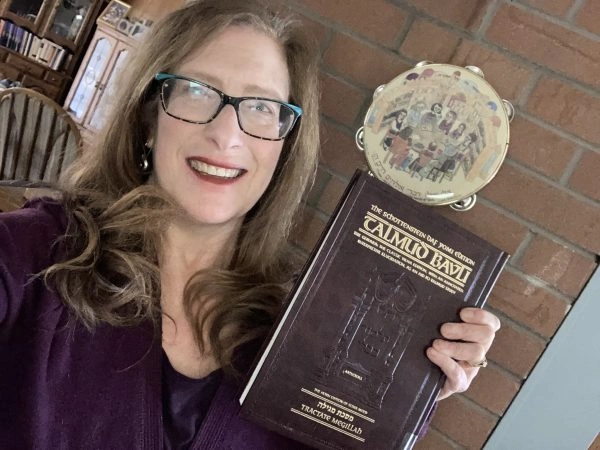
As Jewish educator and as a woman, I’m mindful that Talmud has been kept from women for many centuries. Now that we are privileged to learn, and learning is so accessible, it’s my intent to complete Daf Yomi. I am so excited to keep learning with my Hadran community.
Sue Parker Gerson
Denver, United States
I started learning Daf Yomi because my sister, Ruth Leah Kahan, attended Michelle’s class in person and suggested I listen remotely. She always sat near Michelle and spoke up during class so that I could hear her voice. Our mom had just died unexpectedly and it made me feel connected to hear Ruth Leah’s voice, and now to know we are both listening to the same thing daily, continents apart.

Jessica Shklar
Philadelphia, United States
After all the hype on the 2020 siyum I became inspired by a friend to begin learning as the new cycle began.with no background in studying Talmud it was a bit daunting in the beginning. my husband began at the same time so we decided to study on shabbat together. The reaction from my 3 daughters has been fantastic. They are very proud. It’s been a great challenge for my brain which is so healthy!
Stacey Goodstein Ashtamker
Modi’in, Israel
“I got my job through the NY Times” was an ad campaign when I was growing up. I can headline “I got my daily Daf shiur and Hadran through the NY Times”. I read the January 4, 2020 feature on Reb. Michelle Farber and Hadran and I have been participating ever since. Thanks NY Times & Hadran!

Deborah Aschheim
New York, United States
A Gemara shiur previous to the Hadran Siyum, was the impetus to attend it.It was highly inspirational and I was smitten. The message for me was התלמוד בידינו. I had decided along with my Chahsmonaim group to to do the daf and take it one daf at time- without any expectations at all. There has been a wealth of information, insights and halachik ideas. It is truly exercise of the mind, heart & Soul
Phyllis Hecht
Hashmonaim, Israel
I learned Talmud as a student in Yeshivat Ramaz and felt at the time that Talmud wasn’t for me. After reading Ilana Kurshan’s book I was intrigued and after watching the great siyum in Yerushalayim it ignited the spark to begin this journey. It has been a transformative life experience for me as a wife, mother, Savta and member of Klal Yisrael.
Elana Storch
Phoenix, Arizona, United States
Bava Metzia 73
בִּרְשׁוּת מוֹכֵר – מוּתָּר, בִּרְשׁוּת לוֹקֵחַ – אָסוּר.
then, if the package remains in the possession of the seller, i.e., the seller accepts upon himself responsibility for any accidental damage that occurs along the way, it is permitted, as the transaction is not a loan. But if it is in the possession of the buyer, meaning that the buyer accepts responsibility for accidental damage, then the transaction is prohibited, as it is considered a loan with interest.
הַמּוֹלִיךְ פֵּירוֹת מִמָּקוֹם לְמָקוֹם, מְצָאוֹ חֲבֵירוֹ וְאָמַר לוֹ: תְּנֵם לִי וַאֲנִי אַעֲלֶה לְךָ פֵּירוֹת שֶׁיֵּשׁ לִי בְּאוֹתוֹ מָקוֹם, אִם יֵשׁ לוֹ פֵּירוֹת בְּאוֹתוֹ מָקוֹם – מוּתָּר, וְאִם לָאו – אָסוּר. וְהַחַמָּרִין מַעֲלִים בִּמְקוֹם הַיּוֹקֶר כְּבִמְקוֹם הַזּוֹל, וְאֵינָן חוֹשְׁשִׁין.
With regard to one who transports produce from one place to another place, if another finds him and says to him: Give the produce to me now and I will repay you with produce that I have in that place to which you are going, then, if he actually has produce in that place, it is permitted, but if not, it is prohibited. But donkey drivers who transport merchandise from one place to another may accept money and set prices in a place where goods are sold at expensive prices according to the rate in effect in another place, where goods are sold at inexpensive prices, and need not be concerned, as this practice is permitted.
מַאי טַעְמָא? רַב פָּפָּא אָמַר: נִיחָא לְהוּ דִּמְגַלּוּ לְהוּ תַּרְעָא. רַב אַחָא בְּרֵיהּ דְּרַב אִיקָא אָמַר: נִיחָא לְהוּ דְּמוֹזְלִי גַּבַּיְיהוּ.
The Gemara asks: What is the reason this is permitted? Rav Pappa says: It is satisfactory to them to sell merchandise at a discounted rate, because by doing so the gates to the new market are opened for them, as in this way they begin to do business in this area and gain new customers. Rav Aḥa, son of Rav Ika, said: It is satisfactory to them because the prices are reduced for them in the places where they make their purchases. Since the sellers there hear that the donkey drivers will need to resell the merchandise at a lower price, the sellers give a discount to the donkey drivers. According to either opinion, the donkey drivers provide the additional produce to the customer not as interest on the loan but as a discount to promote their business.
מַאי בֵּינַיְיהוּ? אִיכָּא בֵּינַיְיהוּ תַּגָּרָא חַדְתָּא.
The Gemara asks: What is the difference between these two reasons to allow this practice? The Gemara answers: The difference between them concerns a merchant who is new in the area. According to the one who holds that the reason he may sell the produce is in order to open the market for him, it applies especially to a merchant in this situation. But according to the one who holds that the reason is that he can procure his merchandise inexpensively, the sellers will not believe him if he is new to his trade, and they will not sell it to him at a discount.
בְּסוּרָא אָזְלִי אַרְבָּעָה אַרְבְּעָה, בְּכַפְרִי אָזְלָן שִׁיתָּא שִׁיתָּא. יָהֵיב רַב זוּזֵי לְחַמָּרֵי וּ[מְ]קַבֵּיל עֲלֵיהּ אוּנְסָא דְאוֹרְחָא, וְשָׁקֵיל מִינַּיְיהוּ חַמְשָׁה. וְנִשְׁקוֹל שִׁיתָּא! אָדָם חָשׁוּב שָׁאנֵי.
The Gemara relates: In Sura, four se’a of wheat were going for a sela, and in the nearby town of Kafri they were going for six se’a for a sela. Rav gave money to donkey drivers to purchase wheat in Kafri and accepted upon himself responsibility for any accident that might happen on the way, rendering it permitted for him to set a price according to the rate in effect in Kafri, and he accepted five se’a of wheat for one sela from them. The Gemara challenges: Since he accepted responsibility for damage that might occur as a result of an accident, the produce was his at the time it was purchased, and therefore there was no loan. Consequently, he should have accepted six se’a for a sela. The Gemara explains: An important person is different, as he has to be more stringent with himself and more careful to avoid the appearance of interest.
בְּעָא מִינֵּיהּ רַבִּי אַסִּי מֵרַבִּי יוֹחָנָן: מַהוּ לַעֲשׂוֹת בִּגְרוּטָאוֹת כֵּן? אֲמַר לֵיהּ: בִּיקֵּשׁ רַבִּי יִשְׁמָעֵאל בְּרַבִּי יוֹסֵי לַעֲשׂוֹת כֵּן בִּכְלֵי פִשְׁתָּן, וְלֹא הִנִּיחוֹ רַבִּי. אִיכָּא דְּאָמְרִי: בִּיקֵּשׁ רַבִּי לַעֲשׂוֹת בִּגְרוּטָאוֹת כֵּן, וְלֹא הִנִּיחוֹ רַבִּי יִשְׁמָעֵאל בְּרַבִּי יוֹסֵי.
Rabbi Asi asked Rabbi Yoḥanan: What is the halakha about doing so with metal scraps [bigerutaot]? Is it permitted to make an agreement to purchase metal scraps at the low rate in effect elsewhere, just as it is permitted with wheat and other produce? Rabbi Yoḥanan said to him: Rabbi Yishmael, son of Rabbi Yosei, wanted to do so with linen garments and Rabbi Yehuda HaNasi did not allow him to do so. There are those who say a different version of this exchange: Rabbi Yehuda HaNasi wanted to do so with metal scraps, and Rabbi Yishmael, son of Rabbi Yosei, did not permit him to do so.
פַּרְדֵּיסָא, רַב אָסַר וּשְׁמוּאֵל שָׁרֵי. רַב אָסַר, כֵּיוָן דִּלְקַמֵּיהּ שָׁוְיָא טְפֵי – מִתְחֲזֵי כִּי אֲגַר נְטַר לֵיהּ. וּשְׁמוּאֵל שָׁרֵי, כֵּיוָן דְּהָוֵי בֵּיהּ תִּיוְהָא – לָא מִיחֲזֵי כִּי אֲגַר נְטַר לֵיהּ.
With regard to one who wants to purchase the produce of an entire orchard, in advance of the harvest, at a cheaper price, Rav prohibits this practice and Shmuel permits it. The Gemara explains: Rav prohibits it because in the future the produce will be worth more, so it appears that the seller is paying interest to the buyer for waiting before receiving the produce, and that has the appearance of interest. And Shmuel permits it, as, since there can be spoilage in the produce of the orchard and the buyer took upon himself responsibility for any losses, it does not appear that the seller is paying interest to the buyer for waiting before receiving the produce, as the buyer may either gain or lose.
אָמַר רַב שִׁימִי בַּר חִיָּיא: וּמוֹדֵי רַב בְּתוֹרֵי דִּנְפִישׁ פְּסֵידַיְיהוּ.
Rav Shimi bar Ḥiyya said: Rav concedes to Shmuel that an arrangement like this would be permitted in a case where one arranges to purchase young oxen at a later date, as their loss is likely to be great. Since it is common for one to incur a discernible loss when raising oxen, as some may die, this arrangement is regarded as an investment.
אֲמַר לְהוּ שְׁמוּאֵל לְהָנְהוּ דְּשָׁבְשִׁי שִׁבְשָׁא, הֲפוֹכוּ בְּאַרְעָא, כִּי הֵיכִי דִּקְנֵי לְכוּ גּוּפָא דְאַרְעָא, וְאִי לָא – הָוְיָא לְכוּ כְּהַלְוָאָה וְאָסוּר.
Shmuel said to those who purchase branches of grapevines and pay in advance for the vine shoots that will be harvested later: Since the risk in this transaction is small, it has the appearance of interest and therefore you should turn over a bit of the land yourselves, i.e., perform some labor in farming the orchard, so that you acquire some of the land itself for yourselves, and by doing this you become partners with the owner. And this action is necessary because if you do not do this it will be like a loan for you and it will be prohibited for you to accept the branches.
אֲמַר לְהוּ רָבָא לְהָנְהוּ דִּמְנַטְּרִי בָּאגֵי: פּוּקוּ הֲפוֹכוּ בְּבֵי דָרֵי, כִּי הֵיכִי דְּלָא תִּשְׁתַּלַּם שְׂכִירוּת דִּידְכוּ עַד הַהִיא שַׁעְתָּא, דִּשְׂכִירוּת אֵינָהּ מִשְׁתַּלֶּמֶת אֶלָּא בַּסּוֹף, וְהַהִיא שַׁעְתָּא אוֹזוֹלֵי דְּקָא מוֹזְלִי גַּבַּיְיכוּ.
Similarly, Rava said to those who guard fields [bagei] until the harvest is complete and receive their wages from the crops when the harvest is over: Go out and turn over some of the crops in the threshing floor, and thereby assist the owners in their work in order that the wages for your hire are not payable until that time. If you assist in the actual farming work, the halakhic period of your employment will continue until the processing of the grain is complete, and according to the halakha that the obligation to pay a person’s wage is incurred only at the end of the period for which he was hired, it is then that the owners make a reduction for the guards by giving them the crops at a reduced rate, and it is not payment of interest for delaying the wages that they should have been paid earlier. Consequently, such an arrangement is permitted.
אֲמַרוּ לֵיהּ רַבָּנַן לְרָבָא: קָא אָכֵיל מָר רִבִּית, דְּכוּלֵּי עָלְמָא שָׁקְלִי אַרְבְּעָה וּמְסַלְּקִי לְאָרִיסָא בְּנִיסָן, מָר נָטַר לְהוּ עַד אִיָּיר וְשָׁקֵיל שִׁיתָּא!
The Rabbis said to Rava: The Master, meaning Rava, consumes interest. They explained: Everyone else who leases his field to a sharecropper receives four kor of grain as payment, and the owners accept this payment and remove the sharecropper from the field in the month of Nisan. But the Master waits until the month of Iyar and then takes six kor from them. Consequently, they accused Rava of accepting an additional payment for waiting an extra month to take back his field.
אֲמַר לְהוּ: אַתּוּן קָא עָבְדִיתוּן שֶׁלֹּא כַּדִּין, אַרְעָא לְאָרִיס מִשְׁתַּעְבַּד – אִי אַתּוּן מְסַלְּקִיתוּ לְהוּ בְּנִיסָן, מַפְסֵידְתּוּ לְהוּ בְּכַמָּה. אֲנָא נָטַרְנָא לְהוּ עַד אִיָּיר, וּמַרְוַוחְנָא לְהוּ בְּכַמָּה.
Rava said to them: On the contrary, you are the ones who are acting unlawfully, as in truth all of the land is liened to the sharecropper until he finishes working it and harvests all that he can from it. If you remove sharecroppers from the field in Nisan you cause them to lose a great deal, as they do not have enough time to harvest all the produce from the field. I wait for them until Iyyar, and in this way I enable them to profit a great deal. Consequently, I act in accordance with halakha and receive a suitable payment for leasing the field for the proper length of time, whereas you deprive the sharecroppers of what is due to them, even though you receive less direct remuneration.
רַב מָרִי בַּר רָחֵל מַשְׁכֵּן לֵיהּ הָהוּא גּוֹי בֵּיתָא. הֲדַר זַבְּנֵהּ לְרָבָא. נְטַר תְּרֵיסַר יַרְחֵי שַׁתָּא, שְׁקַל אֲגַר בֵּיתָא אַמְטִי לֵיהּ לְרָבָא. אֲמַר לֵיהּ: הַאי דְּלָא אַמְטַאי לְמָר אֲגַר בֵּיתָא עַד הָאִידָּנָא, דִּסְתַם מַשְׁכַּנְתָּא שַׁתָּא, אִי בָּעֵי גּוֹי לְסַלֹּקֵי לָא הֲוָה מָצֵי מְסַלֵּק לִי, הַשְׁתָּא לִשְׁקוֹל מָר אֲגַר בֵּיתָא.
The Gemara relates: A certain gentile mortgaged a house to Rav Mari bar Raḥel for a loan that Rav Mari had provided him. Afterward, the gentile sold the house to Rava. Rav Mari waited for twelve months of the year to pass, took the amount of money necessary to pay rent for the house and brought it to Rava, who was now the owner of the house. Rav Mari said to Rava: This fact that I did not bring the rental fee for the house to the Master until now is because an unspecified mortgage is in effect for a period of one year. If that gentile wanted to remove me from the house by paying back the loan, he could not remove me from it until now. Consequently, the house actually belonged to me for that year, and I was not required to pay rent. Now, since the gentile can remove me from the house by repaying the loan, the house belongs to you. Therefore, let the Master now take the rental fee for the house for the coming year.
אֲמַר לֵיהּ: אִי הֲוָה יָדַעְנָא דַּהֲוָה מְמוּשְׁכַּן לֵיהּ לְמָר, לָא הֲוָה זָבֵינְנָא לֵיהּ. הַשְׁתָּא כְּדִינֵיהֶם עָבֵידְנָא לָךְ, כׇּל אֵימַת דְּלָא מְסַלְּקִי בְּזוּזֵי לָא שָׁקֵיל אֲגַר בֵּיתָא. אֲנָא נָמֵי לָא שָׁקֵילְנָא מִינָּךְ אֲגַר בֵּיתָא עַד דִּמְסַלֵּקְנָא לָךְ בְּזוּזֵי.
Rava said to him: Had I known that this house was mortgaged to the Master, I would not have purchased it at all, as I would have given you the chance to purchase it first. Now, therefore, I will act toward you according to the law of the gentiles, as I assumed the rights previously held by the gentile. According to gentile law, as long as the borrower does not remove the lender by paying back the money, he also does not take a rental fee for the house, as there is no prohibition against a gentile paying or receiving interest. Therefore, I too will not take a rental fee for the house from you until I remove you by forcing the gentile to pay the money that is owed to you.
אֲמַר לֵיהּ רָבָא מִבַּרְנִישׁ לְרַב אָשֵׁי: חֲזִי מָר רַבָּנַן דְּקָא אָכְלִי רִבִּיתָא, דְּיָהֲבִי זוּזֵי אַחַמְרָא בְּתִשְׁרִי וּמְבַחֲרִי לֵהּ בְּטֵבֵת!
The Gemara relates: Rava of Barnish said to Rav Ashi: The Master sees the Sages who consume interest, as they give people money for wine in the month of Tishrei, and they select the wine later, in the month of Tevet. Had they taken the wine immediately upon payment, there is a chance that it would have spoiled. Now, in return for paying for the wine in advance, they receive the benefit of guaranteeing that the wine they receive will not be spoiled. Rava of Barnish understood that this benefit, received in exchange for advance payment, is a form of interest.
אֲמַר לֵיהּ: אִינְהוּ נָמֵי אַחַמְרָא קָא יָהֲבִי, אַחַלָּא לָא קָא יָהֲבִי – מֵעִיקָּרָא דְּחַמְרָא חַמְרָא, דְּחַלָּא חַלָּא, הָהִיא שַׁעְתָּא הוּא דְּקָמְבַחֲרִי.
Rav Ashi said to him: They too gave the money at the outset for wine, but they did not give it for vinegar. That which was wine at the outset is still wine, and that which became vinegar was vinegar when they paid for it but they did not know it. It was at that time of selection that they merely selected the wine that they had paid for previously. Since they agreed to buy wine, not vinegar, the benefit of actually receiving wine does not constitute interest.
רָבִינָא הֲוָה יָהֵיב זוּזֵי לִבְנֵי אַקְרָא דְּשַׁנְווֹתָא וְשָׁפְכִי לֵיהּ טְפֵי כּוּפִיתָא. אֲתָא לְקַמֵּיהּ דְּרַב אָשֵׁי, אֲמַר לֵיהּ: מִי שְׁרֵי? אֲמַר לֵיהּ: אִין, אַחוֹלֵי הוּא דְּקָא מָחֲלִי גַּבָּךְ.
The Gemara relates: Ravina would give money in advance to the people of the fortress [akra] at the river Shanvata in order to buy wine to be supplied after the grape harvest, and when they supplied the wine they would pour an extra jug [kufita] of wine for him as a gift, although there was no stipulation between them requiring this. Ravina came before Rav Ashi to ask whether this involved interest. Ravina said to him: Is it permitted to do this? Rav Ashi said to him: Yes, it is permitted, as they forgo payment for the extra wine to your benefit in order to maintain good relations with you. Since the additional wine is not provided as consideration for the advance payment, there is no problem of interest.
אֲמַר לֵיהּ: הָא אַרְעָא לָאו דִּידְהוּ הִיא! אֲמַר לֵיהּ: אַרְעָא לְטַסְקָא מְשַׁעְבְּדָא. וּמַלְכָּא אָמַר: מַאן דְּיָהֵיב טַסְקָא – לֵיכוֹל אַרְעָא.
Ravina said to him: But the land is not theirs. The people of the fortress at Shanvata worked land belonging to others who abandoned their fields because they could not pay the real estate taxes. The people of the fortress paid the taxes and were therefore able to use the fields. Ravina was concerned that perhaps they did not own the grapes and were therefore unable to forgo payment for the additional amount as it did not belong to them. Rav Ashi said to him: The land is liened to the king as payment for the taxes [letaska], and the king says: Whoever pays the tax may consume the produce of the land. Consequently, the ones who pay the taxes have ownership of the wine by dint of the law of the kingdom.
אֲמַר לֵיהּ רַב פָּפָּא לְרָבָא: חֲזִי מָר הָנֵי רַבָּנַן דְּיָהֲבִי זוּזֵי אַכְּרָגָא דְּאִינָשֵׁי וּמְשַׁעְבְּדִי בְּהוּ טְפֵי! אֲמַר לֵיהּ: הַשְׁתָּא אִיכּוֹ שְׁכֵיבִי לָא אֲמַרִי לְכוּ הָא מִילְּתָא. הָכִי אָמַר רַב שֵׁשֶׁת: מוּהְרְקַיְיהוּ דְּהָנֵי בְּטֻפְסָא דְמַלְכָּא מַנַּח, וּמַלְכָּא אָמַר: מַאן דְּלָא יָהֵיב כְּרָגָא לִשְׁתַּעְבַּיד לְמַאן דְּיָהֵיב כְּרָגָא!
The Gemara relates that Rav Pappa said to Rava: Let the Master see these Sages who pay money for the tax [akarga] on behalf of other people and afterward make them work more than is reasonable for the amount of money they paid. Rava said to him: Now, if I were dead I could not say the explanation of this matter to you, so it is good that you asked me while I am still alive, as I know that this is what Rav Sheshet said: The document [moharkayyhu] of servitude of these people lies in the treasury of the king, i.e., all of his subjects are considered his servants, and the king said: The one who does not pay the head tax shall serve the one who does pay the head tax, and consequently, by dint of the law of the kingdom they can have them work as much as they want.
רַב סְעוּרָם אֲחוּהּ דְּרָבָא הֲוָה תָּקֵיף אִינָשֵׁי דְּלָא מְעַלּוּ וּמְעַיֵּיל לְהוּ בְּגוּהַרְקָא דְּרָבָא. אֲמַר לֵיהּ רָבָא: שַׁפִּיר קָא עָבְדַתְּ, דִּתְנֵינָא: רְאִית[וֹ] שֶׁאֵינוֹ נוֹהֵג כַּשּׁוּרָה, מִנַּיִן שֶׁאַתָּה רַשַּׁאי לְהִשְׁתַּעְבֵּד בּוֹ – תַּלְמוּד לוֹמַר: ״לְעוֹלָם בָּהֶם תַּעֲבֹדוּ וּבְאַחֵיכֶם״. יָכוֹל אֲפִילּוּ נוֹהֵג כַּשּׁוּרָה – תַּלְמוּד לוֹמַר: ״וּבְאַחֵיכֶם בְּנֵי יִשְׂרָאֵל אִישׁ בְּאָחִיו וְגוֹ׳״.
The Gemara relates: Rav Se’oram, the brother of Rava, would forcefully seize people who were not acting properly and have them carry Rava’s sedan chair. Rava said to him: You acted correctly, as we learn: If you see a Jew who does not behave properly, from where is it derived that you are permitted to have him work as a slave? The verse states: “Of them you may take your slaves forever; and over your brothers” (Leviticus 25:46). It is derived from the conjunctive “and” linking the two clauses of the verse that there are circumstances where it is permitted to treat a fellow Jew as if he were a slave. One might have thought that this is the halakha even if a Jew acts properly. To counter this, the verse states in the continuation: “And over your brothers the children of Israel you shall not rule, one over another, with rigor.”
אָמַר רַב חָמָא: הַאי מַאן דְּיָהֵיב זוּזֵי לְחַבְרֵיהּ לְמִיזְבַּן לֵיהּ חַמְרָא וּפְשַׁע וְלָא זְבַין לֵיהּ – מְשַׁלֵּם לֵיהּ כִּדְקָא אָזֵיל אַפַּרְווֹתָא דְזוּלְשְׁפָט.
Rav Ḥama said: With regard to one who gave money to another to purchase wine for him, and the other, i.e., the agent, was negligent and did not purchase it for him, the agent must pay the one who gave him the money according to the going rate of wine in the port city of Zolshefat, where the main wine market was located, and he must purchase the wine according to the price in that market even if it is more expensive than the amount he was given initially.
אָמַר אַמֵּימָר אַמְרִיתָא לִשְׁמַעְתָּא קַמֵּיהּ דְּרַב זְבִיד מִנְּהַרְדְּעָא, אָמַר: כִּי קָאָמַר רַב חָמָא, הָנֵי מִילֵּי בְּ״יַיִן״ סְתָם, אֲבָל בְּ״יַיִן זֶה״ – לָא, מִי יֵימַר דִּמְזַבְּנִי לֵיהּ נִיהֲלֵיהּ?
Ameimar said: I said this halakha before Rav Zevid of Neharde’a, and when he heard it he said: When Rav Ḥama said this, he said that statement in a case where the buyer asked the agent to purchase wine without specification concerning exactly which wine he wanted. But if he said to the agent: Buy this specific wine for me, the agent who neglected to buy the wine is not obligated to buy it at a higher price later, as when he was sent to buy it initially, who says that the owner would have sold it to him? The one who gave the money to the agent was aware of the fact that the agent may not be able to successfully purchase that specific wine. Consequently, the obligation of the agent is simply to return the money, and nothing may be added to that sum, due to the prohibition of interest.
רַב אָשֵׁי אָמַר: אֲפִילּוּ ״יַיִן״ סְתָם נָמֵי לָא, מַאי טַעְמָא – אַסְמַכְתָּא הִיא, וְאַסְמַכְתָּא לָא קָנְיָא.
Rav Ashi said: Even if he asked the agent to buy wine without specification, the agent is also not obligated to buy wine later for more than the amount he was given. What is the reason for this? The implicit obligation that the agent accepted upon himself, to pay the one who hired him with wine of a higher value than the amount of money he received, is a transaction with inconclusive consent [asmakhta], as any situation where one will have to pay more money than he received is similar to the payment of a fine, and the acceptance of an asmakhta does not effect acquisition, as his acceptance is assumed to be insincere.
וּלְרַב אָשֵׁי מַאי שְׁנָא מֵהָא דִּתְנַן: ״אִם אוֹבֵיר וְלָא אֶעֱבֵיד אֲשַׁלֵּם בְּמֵיטְבָא״, הָתָם בְּיָדוֹ,
The Gemara asks: And according to Rav Ashi, in what way is this case different from that which we learned in a mishna (104a) concerning a rental agreement for land, in which a sharecropper agreed to cultivate a field in return for a share of the produce and wrote: If I let the field lie fallow and do not cultivate it, I will pay with the best-quality produce? In that case, the sharecropper agreed to pay the amount he caused the owner to lose due to his lack of activity, and it was not ruled an asmakhta. The Gemara answers: There, the matter is in his power, as he can decide whether to work the field or not to work it.
Follow

