










The Mishna rules that once a contracted worker says to the owner, “Pick up the item and then pay me,” the worker transitions from being responsible for the item as a paid guardian (shomer sachar) to being responsible as an unpaid guardian (shomer chinam). This situation is compared to another Mishna which states that a borrower is responsible for oness (unforeseeable) damages until the item is returned. Rav Chisda qualifies this by stating that the borrower is only liable for unforeseeable damages if the item is returned within the borrowing period; if the period has ended and the borrower is no longer using the item, the borrower is no longer responsible for unforeseeable damages. The Gemara presents three different versions of how these sources are compared. Ameimar rules that while the borrower may no longer be responsible for unforeseeable damages after the borrowing period, they are still considered a shomer sachar and are thus responsible for loss or theft. A braita is brought to support this ruling. The concept of shmira b’baalim, where one is exempt from liability for an item belonging to their employer, is brought up to question the Mishna which ruled that if one says “Watch my item and I will watch yours,” both parties are considered a shomer sachar. To resolve this, it is explained that the case in the Mishna involves each person watching the other’s item on different days. Two cases are brought where guardians were held responsible despite seemingly being cases of shmira b’baalim. These cases are clarified to not be instances of shmira b’baalim. Additionally, there is a discussion about the interpretation when someone says, “put it down” in response to a request to watch an item: does it mean “put it down and I will watch it” or “put it down and take care of it yourself”? This is compared to a Mishna in Bava Kamma 47 to suggest that this issue is the subject of a tannaitic debate, but the comparison is ultimately rejected. The Mishna rules that one who loans an item on collateral is considered a shomer sachar.
Bava Metzia
Masechet Bava Metzia is sponsored by Rabbi Art Gould in memory of his beloved bride of 50 years, Carol Joy Robinson, Karina Gola bat Huddah v’Yehuda Tzvi.
רבות בנות עשו חיל ואת עלית על־כלנה
This month’s learning is sponsored by Marci Glazer in loving memory of her teacher and chevruta, Rachel Brodie, Rachel Aviva bat Devora Chana, on her 4th yahrzeit. “She brought her love of Torah to thousands of people in her all-too-short life. A lover of Midrash, she still invited me on this Daf Yomi journey.”
Want to dedicate learning? Get started here:

Today’s daily daf tools:
Bava Metzia
Masechet Bava Metzia is sponsored by Rabbi Art Gould in memory of his beloved bride of 50 years, Carol Joy Robinson, Karina Gola bat Huddah v’Yehuda Tzvi.
רבות בנות עשו חיל ואת עלית על־כלנה
This month’s learning is sponsored by Marci Glazer in loving memory of her teacher and chevruta, Rachel Brodie, Rachel Aviva bat Devora Chana, on her 4th yahrzeit. “She brought her love of Torah to thousands of people in her all-too-short life. A lover of Midrash, she still invited me on this Daf Yomi journey.”
Bava Metzia 81
הָא ״גְּמַרְתִּיו״ – שׁוֹמֵר שָׂכָר. לָא, הָא ״הָבֵא מָעוֹת וְטוֹל אֶת שֶׁלְּךָ״ – שׁוֹמֵר שָׂכָר.
This indicates that if the skilled laborer said only: I completed the work with it, he is considered a paid bailee, i.e., even after he completes the work the item remains within his responsibility. The Gemara rejects this line of reasoning: No, this is not what should be deduced from the mishna. Rather, the correct deduction is that one who says: Give money first and then take what is yours, is a paid bailee.
אֲבָל ״גְּמַרְתִּיו״ מַאי שׁוֹמֵר חִנָּם? אִי הָכִי, אַדְּתָנֵי ״וְכוּלָּן שֶׁאָמְרוּ טוֹל אֶת שֶׁלְּךָ וְהָבֵא מָעוֹת – שׁוֹמֵר חִנָּם״, נַשְׁמְעִינַן ״גְּמַרְתִּיו״, וְכׇל שֶׁכֵּן ״טוֹל אֶת שֶׁלְּךָ״!
The Gemara asks: But if that is the case, when one says only: I completed the work with it, what is the halakha? Is he considered an unpaid bailee? If so, rather than teaching a new halakha in the mishna: And all those who say: Take what is yours and bring money, each of them is considered an unpaid bailee, let it teach us instead the halakha of one who says: I completed the work with it, and it can be deduced that all the more so is this the halakha if he says to him: Take what is yours.
״טוֹל אֶת שֶׁלְּךָ״ אִצְטְרִיכָא לֵיהּ. סָלְקָא דַּעְתָּךְ אָמֵינָא: שׁוֹמֵר חִנָּם נָמֵי לָא הָוֵי, קָא מַשְׁמַע לַן.
The Gemara rejects this line of reasoning: The case of take what is yours must be taught explicitly. Otherwise, it might enter your mind to say that once he issues this statement, he is not considered even an unpaid bailee and retains no responsibility whatsoever for the item. Therefore, the mishna teaches us that even in this case he is still considered an unpaid bailee and continues to bear certain responsibilities.
אִיכָּא דְּאָמְרִי, אָמַר רַב נַחְמָן בַּר פָּפָּא: אַף אֲנַן נָמֵי תְּנֵינָא, וְכוּלָּן שֶׁאָמְרוּ ״טוֹל אֶת שֶׁלְּךָ וְהָבֵא מָעוֹת״ – שׁוֹמֵר חִנָּם, מַאי לָאו הוּא הַדִּין ״גְּמַרְתִּיו״. לֹא, ״טוֹל אֶת שֶׁלְּךָ״ שָׁאנֵי.
There are those who say that there is a different version of this discussion. Rather than challenging that Rav Ḥisda’s opinion is opposed by the ruling of the mishna, Rav Naḥman bar Pappa said: We, too, learn a proof for Rav Ḥisda’s statement from the mishna: And all those who say: Take what is yours and bring money, each of them is considered an unpaid bailee. What, is it not correct to say that the same is true when he says: I have completed the work with it? The Gemara rejects this claim. No, the case of one who says take what is yours is different, as stated above, as one might think that this statement frees the laborer of all responsibility.
הוּנָא מָר בַּר מָרִימָר קַמֵּיהּ דְּרָבִינָא רָמֵי מַתְנִיתִין אַהֲדָדֵי וּמְשַׁנֵּי. תְּנַן: וְכוּלָּן שֶׁאָמְרוּ ״טוֹל אֶת שֶׁלְּךָ וְהָבֵא מָעוֹת״ – שׁוֹמֵר חִנָּם. וְהוּא הַדִּין לִ״גְמַרְתִּיו״. וּרְמִינְהוּ: אָמַר לוֹ שׁוֹאֵל ״שַׁלַּח״, וְשִׁלְּחָהּ וּמֵתָה – חַיָּיב. וְכֵן בְּשָׁעָה שֶׁמַּחְזִירָהּ. וּמְשַׁנֵּי, אָמַר רַפְרָם בַּר פָּפָּא אָמַר רַב חִסְדָּא: לֹא שָׁנוּ אֶלָּא שֶׁהֶחְזִיר בְּתוֹךְ יְמֵי שְׁאֵילָתָהּ, אֲבָל לְאַחַר יְמֵי שְׁאֵילָתָהּ, פָּטוּר.
The Gemara cites a third version of this discussion. Huna Mar bar Mareimar raised a contradiction between the mishnayot before Ravina and resolved it himself. We learned in the mishna: And all those who say: Take what is yours and bring money, each of them is considered an unpaid bailee. And apparently the same is true for one who said: I completed the work with it. And Huna Mar bar Mareimar raises a contradiction from the aforementioned mishna: If the borrower said to the lender: Send the animal to me, and he sent it to him and it died on the way, the borrower is liable, and similarly when he returns it. And he resolves this contradiction in accordance with that which Rafram bar Pappa said that Rav Ḥisda said: They taught this halakha only when he returned it during the period of its loan. But if he returned it after the period of its loan, he is exempt.
אִיבַּעְיָא לְהוּ: פָּטוּר מִשּׁוֹאֵל וְחַיָּיב כְּשׁוֹמֵר שָׂכָר, אוֹ דִּלְמָא שׁוֹמֵר שָׂכָר נָמֵי לָא הָוֵי? אָמַר אַמֵּימָר: מִסְתַּבְּרָא פָּטוּר מִשּׁוֹאֵל וְחַיָּיב כְּשׁוֹמֵר שָׂכָר, הוֹאִיל וְנֶהֱנֶה מְהַנֶּה הָוֵה.
§ A dilemma was raised before the Sages: When Rav Ḥisda said that a borrower who returned the item after the period of the loan is exempt, is he exempt only from the strict obligations of a borrower, but he remains liable as a paid bailee, or perhaps he is also not liable as a paid bailee? Ameimar said: It stands to reason that he is exempt as a borrower but is still liable as a paid bailee. Ameimar’s reasoning is that since he previously had benefit, he must provide benefit in return, by safeguarding the item as a paid bailee until the item reaches the owner’s possession.
תַּנְיָא כְּווֹתֵיהּ דְּאַמֵּימָר: הַלּוֹקֵחַ כֵּלִים מִבֵּית הָאוּמָּן לְשַׁגְּרָן לְבֵית חָמִיו, וְאָמַר לוֹ: אִם מְקַבְּלִין אוֹתָן מִמֶּנִּי – אֲנִי נוֹתֵן לְךָ דְּמֵיהֶן, וְאִם לָאו – אֲנִי נוֹתֵן לְךָ לְפִי טוֹבַת הֲנָאָה שֶׁבָּהֶן, וְנֶאֶנְסוּ בַּהֲלִיכָה – חַיָּיב,
It is taught in a baraita (Tosefta, Bava Batra 6:5) in accordance with the opinion of Ameimar: With regard to one who takes vessels from an artisan’s house to send them as a gift to his father-in-law’s house, and he said to the artisan: If they accept them from me as a gift I will give you the money for them, and if not, i.e., if they return the gift, I will give you money in accordance with the financial advantage I received from them, i.e., I will pay you the benefit that I accrued through their knowledge that I tried to send them a gift; and an accident happened to the vessels and they were broken, if this incident occurred on their way to the recipient the customer is liable.
בַּחֲזִירָה – פָּטוּר, מִפְּנֵי שֶׁהוּא כְּנוֹשֵׂא שָׂכָר.
If they broke on the way back he is exempt, because he is like a paid bailee, who is not liable for accidents. If this individual, who pays for the financial advantage he received, is considered a paid bailee, all the more so should this apply to a borrower who returned the item after the period of the loan, in accordance with the opinion of Ameimar, as he did not offer to pay anything.
הָהוּא גַּבְרָא דְּזַבֵּין לֵיהּ חֲמָרָא לְחַבְרֵיהּ, אֲמַר לֵיהּ: קָא מַמְטֵינָא לַיהּ לְדוּכְתָּא פְּלוֹנִי, אִי מִזְדַּבְּנָא – מוּטָב, וְאִי לָא – מַהְדַּרְנָא לַיהּ נִהֲלָיךְ. אֲזַל וְלָא אִזְדַּבְּנָא, וּבַהֲדֵי דְּקָא אָתֵא אִתְּנִיס. אֲתָא לְקַמֵּיהּ דְּרַב נַחְמָן, חַיְּיבֵיהּ.
The Gemara relates: There was a certain man who sold a donkey to another. The buyer said to him: I will bring it to such and such a place; if it is sold, well and good; and if not, I will return it to you. He went and it was not sold, and on his way back the donkey was injured in an accident. The case came before Rav Naḥman, who deemed the buyer liable to pay.
אֵיתִיבֵיהּ רַבָּה לְרַב נַחְמָן: נֶאֶנְסוּ, בַּהֲלִיכָה – חַיָּיב, וּבַחֲזָרָה – פָּטוּר, מִפְּנֵי שֶׁהוּא כְּנוֹשֵׂא שָׂכָר!
Rabba raised an objection to Rav Naḥman from the baraita: If an accident happened to the vessels on their way to the recipient, the customer is liable; if they broke on the way back he is exempt, because he is like a paid bailee. If so, why did you deem this buyer liable, when the accident occurred on his return?
אֲמַר לֵיהּ: חֲזָרָה דְּהַאי – הֲלִיכָה הִיא. מַאי טַעְמָא? סְבָרָה הוּא: בַּחֲזִירָתוֹ, אִילּוּ אַשְׁכַּח לְזַבּוֹנֵיהּ מִי לָא זַבְּנֵהּ?
Rav Naḥman said to Rabba that there is a difference between the cases, as the way back of this one is considered like the way to the recipient. What is the reason for this? It is based on logical reasoning: Even on his way back, if he found an opportunity to sell the donkey, wouldn’t he have sold it? Therefore, as he was in possession of the animal the entire time, the halakha treats his going and returning equally, and he retains the responsibility of a borrower until he actually returns the animal to its owner.
״שְׁמוֹר לִי וְאֶשְׁמוֹר לָךְ״ – שׁוֹמֵר שָׂכָר. וְאַמַּאי? שְׁמִירָה בִּבְעָלִים הִיא! אָמַר רַב פָּפָּא: דַּאֲמַר לֵיהּ ״שְׁמוֹר לִי הַיּוֹם וְאֶשְׁמוֹר לְךָ לְמָחָר״.
§ The mishna teaches: With regard to one who says to another: Safeguard my property for me and I will safeguard your property for you, each of them is a paid bailee. The Gemara asks: But why is this the halakha? It is a case of safeguarding with the owners. There is a principle that a bailee is exempt from paying for the damage if the owner of the item is present with the bailee or in his employ when he is safeguarding the item. Rav Pappa said: The mishna means that he said to him: Safeguard my property for me today and I will safeguard your property for you tomorrow. At the time of his safeguarding, the owner was not in the bailee’s employ.
תָּנוּ רַבָּנַן: ״שְׁמוֹר לִי וְאֶשְׁמוֹר לָךְ״, ״הַשְׁאִילֵנִי וְאַשְׁאִילֶךָ״, ״שְׁמוֹר לִי וְאַשְׁאִילֶךָ״, ״הַשְׁאִילֵנִי וְאֶשְׁמוֹר לָךְ״ – כּוּלָּן נַעֲשׂוּ שׁוֹמְרֵי שָׂכָר זֶה לָזֶה. וְאַמַּאי, שְׁמִירָה בִּבְעָלִים הִיא! אָמַר רַב פָּפָּא: דַּאֲמַר לֵיהּ, ״שְׁמוֹר לִי הַיּוֹם וְאֶשְׁמוֹר לְךָ לְמָחָר״.
The Sages taught in a baraita (Tosefta 7:10): If one said: Safeguard my property for me and I will safeguard your property for you, or: Lend money to me and I will lend money to you, or: Safeguard my property for me and I will lend money to you, or: Lend money to me and I will safeguard your property for you, they all become paid bailees for each other. The Gemara asks: Why are they liable as paid bailees? Is this not a situation of safeguarding with the owners? Rav Pappa again said: This is referring to a case where he said to him: Safeguard my property for me today and I will safeguard your property for you tomorrow.
הָנְהוּ אַהֲלוֹיֵי דְּכֹל יוֹמָא הֲוָה אָפֵי לְה[וּ] חַד מִינַּיְיהוּ. הָהוּא יוֹמָא אֲמַרוּ לֵיהּ לְחַד מִינַּיְיהוּ: זִיל אֲפִי לַן. אֲמַר לְהוּ: נְטַרוּ לִי גְּלִימַאי. אַדַּאֲתָא פְּשַׁעוּ בֵּהּ (וְאִגְּנוּב) [וְאִגְּנִיב] אֲתוֹ. לְקַמֵּיהּ דְּרַב פָּפָּא, חַיְּיבִינְהוּ.
The Gemara relates: There were certain ice plant dealers [ahaluyei], and every day one of them would have a turn to bake for the group. One day the others said to one of them: Go and bake for us. He said to them: Safeguard my cloak for me. Before he came back they were negligent with it and it was stolen. They came for judgment before Rav Pappa, and he deemed them liable to pay for the cloak.
אֲמַרוּ לֵיהּ רַבָּנַן לְרַב פָּפָּא: אַמַּאי? פְּשִׁיעָה בִּבְעָלִים הִיא! אִכְּסִיף. לְסוֹף אִיגַּלַּאי מִילְּתָא דְּהָהוּא שַׁעְתָּא שִׁכְרָא הֲוָה קָא שָׁתֵי.
The Rabbis said to Rav Pappa: Why did you deem them liable to pay? This is akin to a case of negligence by a bailee while he is with the owners, as the owner of the cloak was baking for them at the time the cloak was stolen due to their negligence. Rav Pappa was embarrassed over his apparent mistake. Ultimately, it was discovered that at that time, when the cloak was stolen, the cloak owner was drinking beer and not baking. Since he was not doing work for them, this was not a case of safeguarding with the owner, and therefore Rav Pappa’s ruling was vindicated.
הָנִיחָא לְמַאן דְּאָמַר פְּשִׁיעָה בִּבְעָלִים פָּטוּר – מִשּׁוּם הָכִי אִכְּסִיף, אֶלָּא לְמַאן דְּאָמַר חַיָּיב – אַמַּאי אִכְּסִיף? אֶלָּא הָהוּא יוֹמָא לָאו דִּידֵיהּ הֲוָה, וַאֲמַרוּ לֵיהּ לְדִידֵיהּ: זִיל אֲפִי לַן אַתְּ, וַאֲמַר לְהוּ: בְּהָהוּא אַגְרָא דְּקָא אָפֵינָא לְכוּ נְטוּרוּ גְּלִימַאי.
The Gemara comments: This works out well according to the one who says that in a case of negligence by a bailee while he is with the owners he is exempt; due to that reason Rav Pappa was embarrassed. But according to the one who says that in a case of negligence he is liable even while he is with the owners, why was Rav Pappa embarrassed? Rather, this is what actually happened: That day was not his turn to bake, and they said to him: You go and bake for us, and he said to them: As payment for baking for you when it is not my turn, safeguard my cloak. In other words, they were paid bailees.
עַד דַּאֲתָא – אִגְּנִיב. אֲתוֹ לְקַמֵּיהּ דְּרַב פָּפָּא חַיְּיבִינְהוּ. אֲמַרוּ לֵיהּ רַבָּנַן לְרַב פָּפָּא: הָא שְׁמִירָה בִּבְעָלִים הִיא! אִכְּסִיף. לְסוֹף אִיגַּלַּאי מִילְּתָא דְּהַהִיא שַׁעְתָּא שִׁכְרָא הֲוָה שָׁתֵי.
Before he came back it was stolen. They came before Rav Pappa, who deemed them liable to pay. The Sages said to Rav Pappa: This is a case of safeguarding with the owners. Rav Pappa was embarrassed. Ultimately it was discovered that at that time the cloak owner was drinking beer and not baking, and therefore this was not a case of safeguarding with the owners.
הָנְהוּ בֵּי תְרֵי דַּהֲווֹ קָא מְסַגּוּ בְּאוֹרְחָא, חַד אֲרִיךְ וְחַד גּוּצָא. אֲרִיכָא רְכִיב חֲמָרָא וַהֲוָה לֵיהּ סְדִינָא, גּוּצָא מִיכַּסֵּי סַרְבָּלָא וְקָא מְסַגֵּי בְּכַרְעֵיהּ. כִּי מְטוֹ לְנַהֲרָא, שַׁקְלֵיהּ לְסַרְבָּלֵיהּ וְאוֹתְבֵיהּ עִילָּוֵי חֲמָרָא, וְשַׁקְלֵיהּ לִסְדִינֵיהּ דְּהָהוּא וְאִיכַּסִּי בֵּיהּ. שַׁטְפוּהּ מַיָּא לִסְדִינֵיהּ.
The Gemara relates: An incident occurred with these two people who were going on the way, one of whom was tall and one of whom was short. The tall one was riding on a donkey and he had a sheet. The short one was covered with a woolen cloak [sarbela] and was walking on foot. When the short one reached a river, he took his cloak and placed it on the donkey in order to keep the cloak dry, and he took that tall man’s sheet and covered himself with it, and the water washed away his sheet.
אֲתָא לְקַמֵּיהּ דְּרָבָא, חַיְּיבֵיהּ. אֲמַרוּ לֵיהּ רַבָּנַן לְרָבָא: אַמַּאי? שְׁאֵלָה בִּבְעָלִים הִיא! אִכְּסִיף. לְסוֹף אִיגַּלַּאי מִילְּתָא דִּבְלָא דַּעְתֵּיהּ שַׁקְלֵיהּ, וּבְלָא דַּעְתֵּיהּ אוֹתְבֵיהּ.
The tall man came for judgment before Rava, who deemed the short man liable to pay for the sheet. The Rabbis said to Rava: Why did you deem him liable to pay? This is a case of borrowing with the owners present. Rava was embarrassed. Ultimately, it was discovered that the short man took the sheet without the tall man’s knowledge and placed it back without his knowledge, and therefore this was not borrowing, but theft.
הָהוּא גַּבְרָא דְּאוֹגַר לֵיהּ חֲמָרָא לְחַבְרֵיהּ, אֲמַר לֵיהּ: חֲזִי, לָא תֵּיזוֹל בְּאוֹרְחָא דִּנְהַר פְּקוֹד דְּאִיכָּא מַיָּא, זִיל בְּאוֹרְחָא דְנַרֶשׁ דְּלֵיכָּא מַיָּא. אָזֵיל בְּאוֹרְחָא דִּנְהַר פְּקוֹד וּמִית חַמְרָא. כִּי אֲתָא, אָמַר: אִין, בְּאוֹרְחָא דִּנְהַר פְּקוֹד אֲזַלִי, וּמִיהוּ לֵיכָּא מַיָּא.
The Gemara relates that there was a certain man who rented a donkey to another. The owner said to the renter: Look, do not go on the path of Nehar Pekod, where there is water and the donkey is likely to drown. Instead, go on the path of Neresh, where there is no water. The renter went on the path of Nehar Pekod and the donkey died. When he came back, he said: Yes, I went on the path of Nehar Pekod; but there was no water there, and therefore the donkey’s death was caused by other factors.
אֲמַר לֵיהּ רָבָא: מָה לֵיהּ לְשַׁקֵּר, אִי בָּעֵי אֲמַר לֵיהּ: אֲנָא בְּאוֹרְחָא דְנַרֶשׁ אֲזַלִי. אֲמַר לֵיהּ אַבָּיֵי: ״מָה לִי לְשַׁקֵּר״ בִּמְקוֹם עֵדִים – לָא אָמְרִינַן.
Rava said: The renter’s claim is accepted, due to the reasoning of: Why should he lie? In other words, if this man wanted to lie, he could have told the donkey’s owner: I went on the path of Neresh, as the owner instructed. Abaye said to Rava: We do not say the principle of: Why would I lie, in a place where there are witnesses. Since witnesses can be summoned to establish conclusively whether there was water along the path of Nehar Pekod, the reasoning that the renter could have stated a different claim is not employed.
״שְׁמוֹר לִי״, וְאָמַר לוֹ ״הַנַּח לְפָנַי״ – שׁוֹמֵר חִנָּם. אָמַר רַב הוּנָא: אָמַר לוֹ הַנַּח לְפָנֶיךָ – אֵינוֹ לֹא שׁוֹמֵר חִנָּם וְלֹא שׁוֹמֵר שָׂכָר. אִיבַּעְיָא לְהוּ: הַנַּח סְתָמָא, מַאי? תָּא שְׁמַע: שְׁמוֹר לִי וְאָמַר לוֹ הַנַּח לְפָנַי – שׁוֹמֵר חִנָּם. הָא סְתָמָא – וְלֹא כְּלוּם.
§ The mishna teaches that if one says to another: Safeguard my property for me, and the other says to him: Place it before me, the second individual is an unpaid bailee. Rav Huna said: If the second individual said to him: Place it down before yourself, he is neither an unpaid bailee nor a paid bailee, and he has no responsibility at all. A dilemma was raised before the Sages: If he said simply: Place it down, without specifying further, what is the halakha? The Gemara attempts to provide an answer from the mishna. Come and hear: If one says to another: Safeguard my property for me, and the other says to him: Place it before me, the second individual is an unpaid bailee. This indicates that an unspecified statement is nothing.
אַדְּרַבָּה, מִדְּאָמַר רַב הוּנָא: ״הַנַּח לְפָנֶיךָ״ – הוּא דְּאֵינוֹ לֹא שׁוֹמֵר חִנָּם וְלֹא שׁוֹמֵר שָׂכָר, הָא סְתָמָא שׁוֹמֵר חִנָּם הָוֵי! אֶלָּא מֵהָא לֵיכָּא לְמִשְׁמַע מִינַּהּ.
The Gemara rejects this inference: On the contrary, one can infer the opposite from that which Rav Huna says: If the second individual said to him: Place it down in front of yourself, it is in this case that he is neither an unpaid bailee nor a paid bailee. This indicates that if he said simply: Place it down, without specifying further, he is an unpaid bailee. Rather, no inference is to be learned from this mishna, as the inferences are contradictory concerning this halakha.
לֵימָא כְּתַנָּאֵי: אִם הִכְנִיס בִּרְשׁוּת בַּעַל חָצֵר – חַיָּיב. רַבִּי אוֹמֵר: בְּכוּלָּם אֵינוֹ חַיָּיב עַד שֶׁיְּקַבֵּל עָלָיו בַּעַל הַבַּיִת לִשְׁמוֹר.
The Gemara suggests: Let us say that this matter is the subject of a dispute between tanna’im, as it was taught in a mishna (Bava Kamma 47b): If one brought his items into the courtyard of another with the permission of the owner of the courtyard and they were damaged there, the owner of the courtyard is liable. Rabbi Yehuda HaNasi says: In all cases he is liable only if the owner of the courtyard explicitly accepts upon himself to safeguard the items. That mishna is apparently referring to one who places his items in a yard without specification, and the tanna’im disagreed on the question of liability; it therefore has a parallel application to the case in this mishna.
מִמַּאי? דִּלְמָא עַד כָּאן לָא קָאָמְרִי רַבָּנַן הָתָם אֶלָּא בְּחָצֵר דְּבַת נַטּוֹרֵי הִיא, וְכִי קָאָמַר לֵיהּ ״עַיֵּיל״ – ״עַיֵּיל דְּאִינְטַר לָךְ״ קָאָמַר לֵיהּ. אֲבָל הָכָא, שׁוּקָא לָאו בַּר נַטּוֹרֵי הוּא, ״אַנַּח וְתִיב נְטַר לָךְ״ קָאָמַר לֵיהּ.
The Gemara refutes this claim. From where do you know that these cases are parallel? Perhaps the Rabbis there say their opinion only in a courtyard, which can be safeguarded, and therefore when the owner of the courtyard allowed the other to bring his items into the courtyard and said to him: Place them in, what he was saying to him was: Place them in so that I can safeguard it for you. But here, in a market, which is a place where goods cannot be safeguarded, he was actually saying to him: Place it down and sit and safeguard it yourself.
אִי נָמֵי: עַד כָּאן לָא קָאָמַר רַבִּי הָתָם אֶלָּא בַּחֲצֵירוֹ, דִּלְעַיּוֹלֵי רְשׁוּתָא קָא בָעֵי לְמִשְׁקַל מִינֵּיהּ וְכִי יָהֵיב לֵיהּ רְשׁוּתָא לְעַיּוֹלֵי – ״תִּיב וְנַטַּר לָךְ״ קָאָמַר לֵיהּ. אֲבָל הָכָא – ״הַנַּח וַאֲנָא מְנַטַּרְנָא״ קָאָמַר לֵיהּ. דְּאִי סָלְקָא דַעְתָּךְ ״הַנַּח וְתִיב וְנַטַּר״ קָאָמַר לֵיהּ, אִי לְאוֹתֹבֵה, רְשׁוּתָא בָּעֵי לְמִשְׁקַל מִינֵּיהּ?
Alternatively, one can say the opposite: Perhaps Rabbi Yehuda HaNasi says his ruling, that the owner of the courtyard is not liable, only there, in his courtyard, as he requires permission from the owner of the courtyard to enter, and when the owner of the courtyard gave him permission to enter, all he said to him was: Sit and safeguard it. But here, in the market, when he said to the owner of the item: Place it down, he was saying to him: Place it down and I will safeguard it for you. As if it enters your mind that he was saying to him: Place it down and sit and safeguard it yourself, does the owner of the item really require permission from him to put an item down in a public place? In light of these suggestions, there is not necessarily a connection between the two mishnayot.
הִלְוָהוּ עַל הַמַּשְׁכּוֹן – שׁוֹמֵר שָׂכָר. לֵימָא מַתְנִיתִין דְּלָא כְּרַבִּי אֱלִיעֶזֶר? דְּתַנְיָא: הַמַּלְוֶה אֶת חֲבֵירוֹ עַל הַמַּשְׁכּוֹן וְאָבַד הַמַּשְׁכּוֹן – יִשָּׁבַע וְיִטּוֹל מְעוֹתָיו, דִּבְרֵי רַבִּי אֱלִיעֶזֶר.
§ The mishna teaches: One who lent to another based on collateral is a paid bailee for the collateral. The Gemara comments: Let us say that the mishna is not in accordance with the opinion of Rabbi Eliezer. As it is taught in a baraita: With regard to one who lends to another based on collateral and the collateral was lost, the lender takes an oath that he was not negligent in his safeguarding, and then he may take his money that he lent him. This is the statement of Rabbi Eliezer, who apparently maintains that the lender took the collateral as proof of the loan, and therefore he is considered an unpaid bailee, who is liable for negligence unless he takes an oath.
רַבִּי עֲקִיבָא אוֹמֵר: יָכוֹל לוֹמַר לוֹ: כְּלוּם הִלְוִיתַנִי אֶלָּא עַל הַמַּשְׁכּוֹן? אָבַד הַמַּשְׁכּוֹן – אָבְדוּ מְעוֹתֶיךָ. אֲבָל הִלְוָהוּ אֶלֶף זוּז בִּשְׁטָר וְהִנִּיחַ לוֹ מַשְׁכּוֹן עֲלֵיהֶם, דִּבְרֵי הַכֹּל: אָבַד הַמַּשְׁכּוֹן – אָבְדוּ מְעוֹתָיו.
The baraita continues: Rabbi Akiva says that the borrower can say to him: Didn’t you lend to me only based on the collateral? If the collateral is lost, your money is lost. In other words, the collateral was taken as security for the debt. But if he lent him one thousand dinars by means of a promissory note and the borrower left him collateral against the money, everyone agrees that if the collateral is lost, his money is lost. In this case it cannot be claimed that the collateral was held as proof of the debt, as there is a document attesting to the debt. Consequently, it was evidently taken as security corresponding to the loan, which means that if the collateral is lost, the lender loses his money.
אֲפִילּוּ תֵּימָא רַבִּי אֱלִיעֶזֶר, וְלָא קַשְׁיָא: כָּאן – שֶׁמִּשְׁכְּנוֹ בִּשְׁעַת הַלְוָאָתוֹ, כָּאן – שֶׁמִּשְׁכְּנוֹ שֶׁלֹּא בִּשְׁעַת הַלְוָאָתוֹ.
The Gemara refutes this suggestion: Even if you say that the mishna is in accordance with the opinion of Rabbi Eliezer, it is not difficult. Here, the baraita is referring to a case where the lender took his collateral at the time of his loan, and therefore the collateral served as proof of the loan, whereas there, the mishna is referring to a case where the lender took his collateral later, not at the time of his loan, to enhance his ability to collect payment. In this latter case, the collateral is clearly security for the money, and therefore he is considered a paid bailee.
וְהָא אִידֵּי וְאִידֵּי,
The Gemara raises a difficulty: But don’t both this and that, the mishna and the baraita,

Today’s daily daf tools:
Delve Deeper
Broaden your understanding of the topics on this daf with classes and podcasts from top women Talmud scholars.

New to Talmud?
Check out our resources designed to help you navigate a page of Talmud – and study at the pace, level and style that fits you.
The Hadran Women’s Tapestry
Meet the diverse women learning Gemara at Hadran and hear their stories.
I started the daf at the beginning of this cycle in January 2020. My husband, my children, grandchildren and siblings have been very supportive. As someone who learned and taught Tanach and mefarshim for many years, it has been an amazing adventure to complete the six sedarim of Mishnah, and now to study Talmud on a daily basis along with Rabbanit Michelle and the wonderful women of Hadran.
Jerusalem, Israel
It has been a pleasure keeping pace with this wonderful and scholarly group of women.

Beit Shemesh, Israel
When I began the previous cycle, I promised myself that if I stuck with it, I would reward myself with a trip to Israel. Little did I know that the trip would involve attending the first ever women’s siyum and being inspired by so many learners. I am now over 2 years into my second cycle and being part of this large, diverse, fascinating learning family has enhanced my learning exponentially.
Minnesota, United States
I started my journey on the day I realized that the Siyum was happening in Yerushalayim and I was missing out. What? I told myself. How could I have not known about this? How can I have missed out on this opportunity? I decided that moment, I would start Daf Yomi and Nach Yomi the very next day. I am so grateful to Hadran. I am changed forever because I learn Gemara with women. Thank you.
Mitspe, Israel
In July, 2012 I wrote for Tablet about the first all women’s siyum at Matan in Jerusalem, with 100 women. At the time, I thought, I would like to start with the next cycle – listening to a podcast at different times of day makes it possible. It is incredible that after 10 years, so many women are so engaged!
Pittsburgh, United States

Oceanside NY, United States
I learned Mishnayot more than twenty years ago and started with Gemara much later in life. Although I never managed to learn Daf Yomi consistently, I am learning since some years Gemara in depth and with much joy. Since last year I am studying at the International Halakha Scholars Program at the WIHL. I often listen to Rabbanit Farbers Gemara shiurim to understand better a specific sugyiah. I am grateful for the help and inspiration!

Berlin, Germany
I was moved to tears by the Hadran Siyyum HaShas. I have learned Torah all my life, but never connected to learning Gemara on a regular basis until then. Seeing the sheer joy Talmud Torah at the siyyum, I felt compelled to be part of it, and I haven’t missed a day!
It’s not always easy, but it is so worthwhile, and it has strengthened my love of learning. It is part of my life now.

Beit Shemesh, Israel
After reading the book, “ If All The Seas Were Ink “ by Ileana Kurshan I started studying Talmud. I searched and studied with several teachers until I found Michelle Farber. I have been studying with her for two years. I look forward every day to learn from her.

Virginia, United States
I started learning after the siyum hashas for women and my daily learning has been a constant over the last two years. It grounded me during the chaos of Corona while providing me with a community of fellow learners. The Daf can be challenging but it’s filled with life’s lessons, struggles and hope for a better world. It’s not about the destination but rather about the journey. Thank you Hadran!

אפרת, Israel
Minnesota, United States
In early 2020, I began the process of a stem cell transplant. The required extreme isolation forced me to leave work and normal life but gave me time to delve into Jewish text study. I did not feel isolated. I began Daf Yomi at the start of this cycle, with family members joining me online from my hospital room. I’ve used my newly granted time to to engage, grow and connect through this learning.
Worcester, United States
I decided to give daf yomi a try when I heard about the siyum hashas in 2020. Once the pandemic hit, the daily commitment gave my days some much-needed structure. There have been times when I’ve felt like quitting- especially when encountering very technical details in the text. But then I tell myself, “Look how much you’ve done. You can’t stop now!” So I keep going & my Koren bookshelf grows…

Huntington, United States
תמיד רציתי. למדתי גמרא בבית ספר בטורונטו קנדה. עליתי ארצה ולמדתי שזה לא מקובל. הופתעתי.
יצאתי לגימלאות לפני שנתיים וזה מאפשר את המחוייבות לדף יומי.
עבורי ההתמדה בלימוד מעגן אותי בקשר שלי ליהדות. אני תמיד מחפשת ותמיד. מוצאת מקור לקשר. ללימוד חדש ומחדש. קשר עם נשים לומדות מעמיק את החוויה ומשמעותית מאוד.
מיתר, ישראל
Margo
I started my Talmud journey in 7th grade at Akiba Jewish Day School in Chicago. I started my Daf Yomi journey after hearing Erica Brown speak at the Hadran Siyum about marking the passage of time through Daf Yomi.
Carolyn
I started my Talmud journey post-college in NY with a few classes. I started my Daf Yomi journey after the Hadran Siyum, which inspired both my son and myself.
Merion Station, USA
Beit Shemesh, Israel
I started to listen to Michelle’s podcasts four years ago. The minute I started I was hooked. I’m so excited to learn the entire Talmud, and think I will continue always. I chose the quote “while a woman is engaged in conversation she also holds the spindle”. (Megillah 14b). It reminds me of all of the amazing women I learn with every day who multi-task, think ahead and accomplish so much.
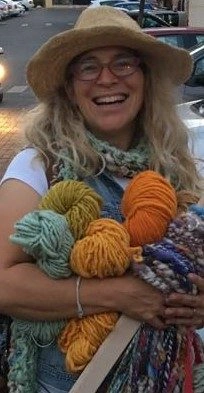
Zichron Yakov, Israel
Since I started in January of 2020, Daf Yomi has changed my life. It connects me to Jews all over the world, especially learned women. It makes cooking, gardening, and folding laundry into acts of Torah study. Daf Yomi enables me to participate in a conversation with and about our heritage that has been going on for more than 2000 years.
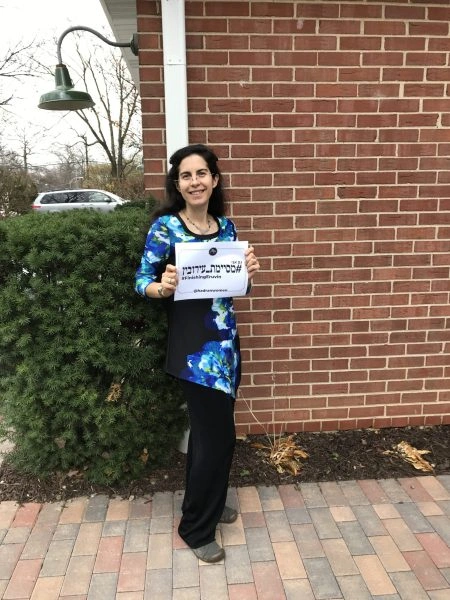
Skokie, IL, United States
I started learning Daf Yomi in January 2020 after watching my grandfather, Mayer Penstein z”l, finish shas with the previous cycle. My grandfather made learning so much fun was so proud that his grandchildren wanted to join him. I was also inspired by Ilana Kurshan’s book, If All the Seas Were Ink. Two years in, I can say that it has enriched my life in so many ways.

New York, United States
After experiences over the years of asking to join gemara shiurim for men and either being refused by the maggid shiur or being the only women there, sometimes behind a mechitza, I found out about Hadran sometime during the tail end of Masechet Shabbat, I think. Life has been much better since then.
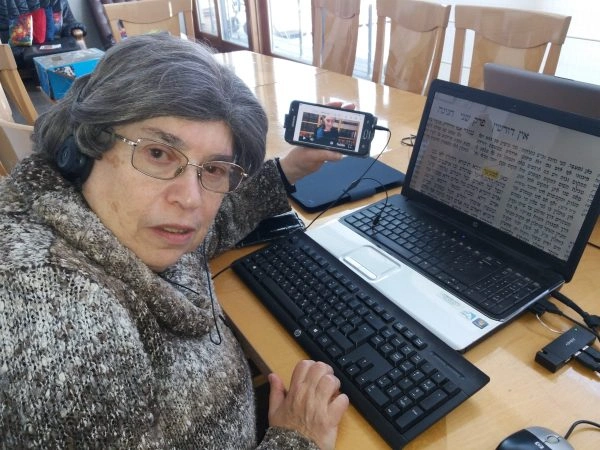
London, United Kingdom
I decided to learn one masechet, Brachot, but quickly fell in love and never stopped! It has been great, everyone is always asking how it’s going and chering me on, and my students are always making sure I did the day’s daf.
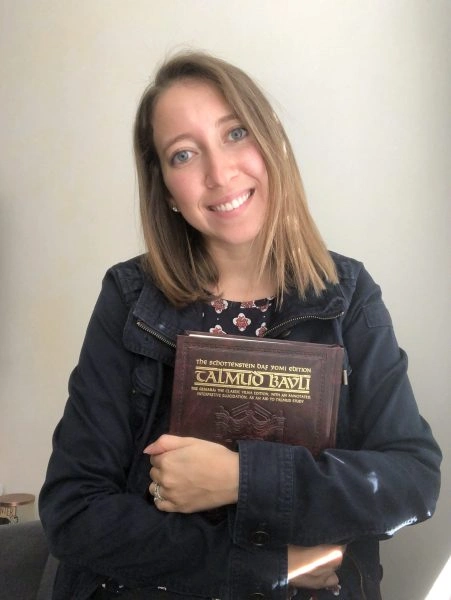
Memphis, Tennessee, United States
Bava Metzia 81
הָא ״גְּמַרְתִּיו״ – שׁוֹמֵר שָׂכָר. לָא, הָא ״הָבֵא מָעוֹת וְטוֹל אֶת שֶׁלְּךָ״ – שׁוֹמֵר שָׂכָר.
This indicates that if the skilled laborer said only: I completed the work with it, he is considered a paid bailee, i.e., even after he completes the work the item remains within his responsibility. The Gemara rejects this line of reasoning: No, this is not what should be deduced from the mishna. Rather, the correct deduction is that one who says: Give money first and then take what is yours, is a paid bailee.
אֲבָל ״גְּמַרְתִּיו״ מַאי שׁוֹמֵר חִנָּם? אִי הָכִי, אַדְּתָנֵי ״וְכוּלָּן שֶׁאָמְרוּ טוֹל אֶת שֶׁלְּךָ וְהָבֵא מָעוֹת – שׁוֹמֵר חִנָּם״, נַשְׁמְעִינַן ״גְּמַרְתִּיו״, וְכׇל שֶׁכֵּן ״טוֹל אֶת שֶׁלְּךָ״!
The Gemara asks: But if that is the case, when one says only: I completed the work with it, what is the halakha? Is he considered an unpaid bailee? If so, rather than teaching a new halakha in the mishna: And all those who say: Take what is yours and bring money, each of them is considered an unpaid bailee, let it teach us instead the halakha of one who says: I completed the work with it, and it can be deduced that all the more so is this the halakha if he says to him: Take what is yours.
״טוֹל אֶת שֶׁלְּךָ״ אִצְטְרִיכָא לֵיהּ. סָלְקָא דַּעְתָּךְ אָמֵינָא: שׁוֹמֵר חִנָּם נָמֵי לָא הָוֵי, קָא מַשְׁמַע לַן.
The Gemara rejects this line of reasoning: The case of take what is yours must be taught explicitly. Otherwise, it might enter your mind to say that once he issues this statement, he is not considered even an unpaid bailee and retains no responsibility whatsoever for the item. Therefore, the mishna teaches us that even in this case he is still considered an unpaid bailee and continues to bear certain responsibilities.
אִיכָּא דְּאָמְרִי, אָמַר רַב נַחְמָן בַּר פָּפָּא: אַף אֲנַן נָמֵי תְּנֵינָא, וְכוּלָּן שֶׁאָמְרוּ ״טוֹל אֶת שֶׁלְּךָ וְהָבֵא מָעוֹת״ – שׁוֹמֵר חִנָּם, מַאי לָאו הוּא הַדִּין ״גְּמַרְתִּיו״. לֹא, ״טוֹל אֶת שֶׁלְּךָ״ שָׁאנֵי.
There are those who say that there is a different version of this discussion. Rather than challenging that Rav Ḥisda’s opinion is opposed by the ruling of the mishna, Rav Naḥman bar Pappa said: We, too, learn a proof for Rav Ḥisda’s statement from the mishna: And all those who say: Take what is yours and bring money, each of them is considered an unpaid bailee. What, is it not correct to say that the same is true when he says: I have completed the work with it? The Gemara rejects this claim. No, the case of one who says take what is yours is different, as stated above, as one might think that this statement frees the laborer of all responsibility.
הוּנָא מָר בַּר מָרִימָר קַמֵּיהּ דְּרָבִינָא רָמֵי מַתְנִיתִין אַהֲדָדֵי וּמְשַׁנֵּי. תְּנַן: וְכוּלָּן שֶׁאָמְרוּ ״טוֹל אֶת שֶׁלְּךָ וְהָבֵא מָעוֹת״ – שׁוֹמֵר חִנָּם. וְהוּא הַדִּין לִ״גְמַרְתִּיו״. וּרְמִינְהוּ: אָמַר לוֹ שׁוֹאֵל ״שַׁלַּח״, וְשִׁלְּחָהּ וּמֵתָה – חַיָּיב. וְכֵן בְּשָׁעָה שֶׁמַּחְזִירָהּ. וּמְשַׁנֵּי, אָמַר רַפְרָם בַּר פָּפָּא אָמַר רַב חִסְדָּא: לֹא שָׁנוּ אֶלָּא שֶׁהֶחְזִיר בְּתוֹךְ יְמֵי שְׁאֵילָתָהּ, אֲבָל לְאַחַר יְמֵי שְׁאֵילָתָהּ, פָּטוּר.
The Gemara cites a third version of this discussion. Huna Mar bar Mareimar raised a contradiction between the mishnayot before Ravina and resolved it himself. We learned in the mishna: And all those who say: Take what is yours and bring money, each of them is considered an unpaid bailee. And apparently the same is true for one who said: I completed the work with it. And Huna Mar bar Mareimar raises a contradiction from the aforementioned mishna: If the borrower said to the lender: Send the animal to me, and he sent it to him and it died on the way, the borrower is liable, and similarly when he returns it. And he resolves this contradiction in accordance with that which Rafram bar Pappa said that Rav Ḥisda said: They taught this halakha only when he returned it during the period of its loan. But if he returned it after the period of its loan, he is exempt.
אִיבַּעְיָא לְהוּ: פָּטוּר מִשּׁוֹאֵל וְחַיָּיב כְּשׁוֹמֵר שָׂכָר, אוֹ דִּלְמָא שׁוֹמֵר שָׂכָר נָמֵי לָא הָוֵי? אָמַר אַמֵּימָר: מִסְתַּבְּרָא פָּטוּר מִשּׁוֹאֵל וְחַיָּיב כְּשׁוֹמֵר שָׂכָר, הוֹאִיל וְנֶהֱנֶה מְהַנֶּה הָוֵה.
§ A dilemma was raised before the Sages: When Rav Ḥisda said that a borrower who returned the item after the period of the loan is exempt, is he exempt only from the strict obligations of a borrower, but he remains liable as a paid bailee, or perhaps he is also not liable as a paid bailee? Ameimar said: It stands to reason that he is exempt as a borrower but is still liable as a paid bailee. Ameimar’s reasoning is that since he previously had benefit, he must provide benefit in return, by safeguarding the item as a paid bailee until the item reaches the owner’s possession.
תַּנְיָא כְּווֹתֵיהּ דְּאַמֵּימָר: הַלּוֹקֵחַ כֵּלִים מִבֵּית הָאוּמָּן לְשַׁגְּרָן לְבֵית חָמִיו, וְאָמַר לוֹ: אִם מְקַבְּלִין אוֹתָן מִמֶּנִּי – אֲנִי נוֹתֵן לְךָ דְּמֵיהֶן, וְאִם לָאו – אֲנִי נוֹתֵן לְךָ לְפִי טוֹבַת הֲנָאָה שֶׁבָּהֶן, וְנֶאֶנְסוּ בַּהֲלִיכָה – חַיָּיב,
It is taught in a baraita (Tosefta, Bava Batra 6:5) in accordance with the opinion of Ameimar: With regard to one who takes vessels from an artisan’s house to send them as a gift to his father-in-law’s house, and he said to the artisan: If they accept them from me as a gift I will give you the money for them, and if not, i.e., if they return the gift, I will give you money in accordance with the financial advantage I received from them, i.e., I will pay you the benefit that I accrued through their knowledge that I tried to send them a gift; and an accident happened to the vessels and they were broken, if this incident occurred on their way to the recipient the customer is liable.
בַּחֲזִירָה – פָּטוּר, מִפְּנֵי שֶׁהוּא כְּנוֹשֵׂא שָׂכָר.
If they broke on the way back he is exempt, because he is like a paid bailee, who is not liable for accidents. If this individual, who pays for the financial advantage he received, is considered a paid bailee, all the more so should this apply to a borrower who returned the item after the period of the loan, in accordance with the opinion of Ameimar, as he did not offer to pay anything.
הָהוּא גַּבְרָא דְּזַבֵּין לֵיהּ חֲמָרָא לְחַבְרֵיהּ, אֲמַר לֵיהּ: קָא מַמְטֵינָא לַיהּ לְדוּכְתָּא פְּלוֹנִי, אִי מִזְדַּבְּנָא – מוּטָב, וְאִי לָא – מַהְדַּרְנָא לַיהּ נִהֲלָיךְ. אֲזַל וְלָא אִזְדַּבְּנָא, וּבַהֲדֵי דְּקָא אָתֵא אִתְּנִיס. אֲתָא לְקַמֵּיהּ דְּרַב נַחְמָן, חַיְּיבֵיהּ.
The Gemara relates: There was a certain man who sold a donkey to another. The buyer said to him: I will bring it to such and such a place; if it is sold, well and good; and if not, I will return it to you. He went and it was not sold, and on his way back the donkey was injured in an accident. The case came before Rav Naḥman, who deemed the buyer liable to pay.
אֵיתִיבֵיהּ רַבָּה לְרַב נַחְמָן: נֶאֶנְסוּ, בַּהֲלִיכָה – חַיָּיב, וּבַחֲזָרָה – פָּטוּר, מִפְּנֵי שֶׁהוּא כְּנוֹשֵׂא שָׂכָר!
Rabba raised an objection to Rav Naḥman from the baraita: If an accident happened to the vessels on their way to the recipient, the customer is liable; if they broke on the way back he is exempt, because he is like a paid bailee. If so, why did you deem this buyer liable, when the accident occurred on his return?
אֲמַר לֵיהּ: חֲזָרָה דְּהַאי – הֲלִיכָה הִיא. מַאי טַעְמָא? סְבָרָה הוּא: בַּחֲזִירָתוֹ, אִילּוּ אַשְׁכַּח לְזַבּוֹנֵיהּ מִי לָא זַבְּנֵהּ?
Rav Naḥman said to Rabba that there is a difference between the cases, as the way back of this one is considered like the way to the recipient. What is the reason for this? It is based on logical reasoning: Even on his way back, if he found an opportunity to sell the donkey, wouldn’t he have sold it? Therefore, as he was in possession of the animal the entire time, the halakha treats his going and returning equally, and he retains the responsibility of a borrower until he actually returns the animal to its owner.
״שְׁמוֹר לִי וְאֶשְׁמוֹר לָךְ״ – שׁוֹמֵר שָׂכָר. וְאַמַּאי? שְׁמִירָה בִּבְעָלִים הִיא! אָמַר רַב פָּפָּא: דַּאֲמַר לֵיהּ ״שְׁמוֹר לִי הַיּוֹם וְאֶשְׁמוֹר לְךָ לְמָחָר״.
§ The mishna teaches: With regard to one who says to another: Safeguard my property for me and I will safeguard your property for you, each of them is a paid bailee. The Gemara asks: But why is this the halakha? It is a case of safeguarding with the owners. There is a principle that a bailee is exempt from paying for the damage if the owner of the item is present with the bailee or in his employ when he is safeguarding the item. Rav Pappa said: The mishna means that he said to him: Safeguard my property for me today and I will safeguard your property for you tomorrow. At the time of his safeguarding, the owner was not in the bailee’s employ.
תָּנוּ רַבָּנַן: ״שְׁמוֹר לִי וְאֶשְׁמוֹר לָךְ״, ״הַשְׁאִילֵנִי וְאַשְׁאִילֶךָ״, ״שְׁמוֹר לִי וְאַשְׁאִילֶךָ״, ״הַשְׁאִילֵנִי וְאֶשְׁמוֹר לָךְ״ – כּוּלָּן נַעֲשׂוּ שׁוֹמְרֵי שָׂכָר זֶה לָזֶה. וְאַמַּאי, שְׁמִירָה בִּבְעָלִים הִיא! אָמַר רַב פָּפָּא: דַּאֲמַר לֵיהּ, ״שְׁמוֹר לִי הַיּוֹם וְאֶשְׁמוֹר לְךָ לְמָחָר״.
The Sages taught in a baraita (Tosefta 7:10): If one said: Safeguard my property for me and I will safeguard your property for you, or: Lend money to me and I will lend money to you, or: Safeguard my property for me and I will lend money to you, or: Lend money to me and I will safeguard your property for you, they all become paid bailees for each other. The Gemara asks: Why are they liable as paid bailees? Is this not a situation of safeguarding with the owners? Rav Pappa again said: This is referring to a case where he said to him: Safeguard my property for me today and I will safeguard your property for you tomorrow.
הָנְהוּ אַהֲלוֹיֵי דְּכֹל יוֹמָא הֲוָה אָפֵי לְה[וּ] חַד מִינַּיְיהוּ. הָהוּא יוֹמָא אֲמַרוּ לֵיהּ לְחַד מִינַּיְיהוּ: זִיל אֲפִי לַן. אֲמַר לְהוּ: נְטַרוּ לִי גְּלִימַאי. אַדַּאֲתָא פְּשַׁעוּ בֵּהּ (וְאִגְּנוּב) [וְאִגְּנִיב] אֲתוֹ. לְקַמֵּיהּ דְּרַב פָּפָּא, חַיְּיבִינְהוּ.
The Gemara relates: There were certain ice plant dealers [ahaluyei], and every day one of them would have a turn to bake for the group. One day the others said to one of them: Go and bake for us. He said to them: Safeguard my cloak for me. Before he came back they were negligent with it and it was stolen. They came for judgment before Rav Pappa, and he deemed them liable to pay for the cloak.
אֲמַרוּ לֵיהּ רַבָּנַן לְרַב פָּפָּא: אַמַּאי? פְּשִׁיעָה בִּבְעָלִים הִיא! אִכְּסִיף. לְסוֹף אִיגַּלַּאי מִילְּתָא דְּהָהוּא שַׁעְתָּא שִׁכְרָא הֲוָה קָא שָׁתֵי.
The Rabbis said to Rav Pappa: Why did you deem them liable to pay? This is akin to a case of negligence by a bailee while he is with the owners, as the owner of the cloak was baking for them at the time the cloak was stolen due to their negligence. Rav Pappa was embarrassed over his apparent mistake. Ultimately, it was discovered that at that time, when the cloak was stolen, the cloak owner was drinking beer and not baking. Since he was not doing work for them, this was not a case of safeguarding with the owner, and therefore Rav Pappa’s ruling was vindicated.
הָנִיחָא לְמַאן דְּאָמַר פְּשִׁיעָה בִּבְעָלִים פָּטוּר – מִשּׁוּם הָכִי אִכְּסִיף, אֶלָּא לְמַאן דְּאָמַר חַיָּיב – אַמַּאי אִכְּסִיף? אֶלָּא הָהוּא יוֹמָא לָאו דִּידֵיהּ הֲוָה, וַאֲמַרוּ לֵיהּ לְדִידֵיהּ: זִיל אֲפִי לַן אַתְּ, וַאֲמַר לְהוּ: בְּהָהוּא אַגְרָא דְּקָא אָפֵינָא לְכוּ נְטוּרוּ גְּלִימַאי.
The Gemara comments: This works out well according to the one who says that in a case of negligence by a bailee while he is with the owners he is exempt; due to that reason Rav Pappa was embarrassed. But according to the one who says that in a case of negligence he is liable even while he is with the owners, why was Rav Pappa embarrassed? Rather, this is what actually happened: That day was not his turn to bake, and they said to him: You go and bake for us, and he said to them: As payment for baking for you when it is not my turn, safeguard my cloak. In other words, they were paid bailees.
עַד דַּאֲתָא – אִגְּנִיב. אֲתוֹ לְקַמֵּיהּ דְּרַב פָּפָּא חַיְּיבִינְהוּ. אֲמַרוּ לֵיהּ רַבָּנַן לְרַב פָּפָּא: הָא שְׁמִירָה בִּבְעָלִים הִיא! אִכְּסִיף. לְסוֹף אִיגַּלַּאי מִילְּתָא דְּהַהִיא שַׁעְתָּא שִׁכְרָא הֲוָה שָׁתֵי.
Before he came back it was stolen. They came before Rav Pappa, who deemed them liable to pay. The Sages said to Rav Pappa: This is a case of safeguarding with the owners. Rav Pappa was embarrassed. Ultimately it was discovered that at that time the cloak owner was drinking beer and not baking, and therefore this was not a case of safeguarding with the owners.
הָנְהוּ בֵּי תְרֵי דַּהֲווֹ קָא מְסַגּוּ בְּאוֹרְחָא, חַד אֲרִיךְ וְחַד גּוּצָא. אֲרִיכָא רְכִיב חֲמָרָא וַהֲוָה לֵיהּ סְדִינָא, גּוּצָא מִיכַּסֵּי סַרְבָּלָא וְקָא מְסַגֵּי בְּכַרְעֵיהּ. כִּי מְטוֹ לְנַהֲרָא, שַׁקְלֵיהּ לְסַרְבָּלֵיהּ וְאוֹתְבֵיהּ עִילָּוֵי חֲמָרָא, וְשַׁקְלֵיהּ לִסְדִינֵיהּ דְּהָהוּא וְאִיכַּסִּי בֵּיהּ. שַׁטְפוּהּ מַיָּא לִסְדִינֵיהּ.
The Gemara relates: An incident occurred with these two people who were going on the way, one of whom was tall and one of whom was short. The tall one was riding on a donkey and he had a sheet. The short one was covered with a woolen cloak [sarbela] and was walking on foot. When the short one reached a river, he took his cloak and placed it on the donkey in order to keep the cloak dry, and he took that tall man’s sheet and covered himself with it, and the water washed away his sheet.
אֲתָא לְקַמֵּיהּ דְּרָבָא, חַיְּיבֵיהּ. אֲמַרוּ לֵיהּ רַבָּנַן לְרָבָא: אַמַּאי? שְׁאֵלָה בִּבְעָלִים הִיא! אִכְּסִיף. לְסוֹף אִיגַּלַּאי מִילְּתָא דִּבְלָא דַּעְתֵּיהּ שַׁקְלֵיהּ, וּבְלָא דַּעְתֵּיהּ אוֹתְבֵיהּ.
The tall man came for judgment before Rava, who deemed the short man liable to pay for the sheet. The Rabbis said to Rava: Why did you deem him liable to pay? This is a case of borrowing with the owners present. Rava was embarrassed. Ultimately, it was discovered that the short man took the sheet without the tall man’s knowledge and placed it back without his knowledge, and therefore this was not borrowing, but theft.
הָהוּא גַּבְרָא דְּאוֹגַר לֵיהּ חֲמָרָא לְחַבְרֵיהּ, אֲמַר לֵיהּ: חֲזִי, לָא תֵּיזוֹל בְּאוֹרְחָא דִּנְהַר פְּקוֹד דְּאִיכָּא מַיָּא, זִיל בְּאוֹרְחָא דְנַרֶשׁ דְּלֵיכָּא מַיָּא. אָזֵיל בְּאוֹרְחָא דִּנְהַר פְּקוֹד וּמִית חַמְרָא. כִּי אֲתָא, אָמַר: אִין, בְּאוֹרְחָא דִּנְהַר פְּקוֹד אֲזַלִי, וּמִיהוּ לֵיכָּא מַיָּא.
The Gemara relates that there was a certain man who rented a donkey to another. The owner said to the renter: Look, do not go on the path of Nehar Pekod, where there is water and the donkey is likely to drown. Instead, go on the path of Neresh, where there is no water. The renter went on the path of Nehar Pekod and the donkey died. When he came back, he said: Yes, I went on the path of Nehar Pekod; but there was no water there, and therefore the donkey’s death was caused by other factors.
אֲמַר לֵיהּ רָבָא: מָה לֵיהּ לְשַׁקֵּר, אִי בָּעֵי אֲמַר לֵיהּ: אֲנָא בְּאוֹרְחָא דְנַרֶשׁ אֲזַלִי. אֲמַר לֵיהּ אַבָּיֵי: ״מָה לִי לְשַׁקֵּר״ בִּמְקוֹם עֵדִים – לָא אָמְרִינַן.
Rava said: The renter’s claim is accepted, due to the reasoning of: Why should he lie? In other words, if this man wanted to lie, he could have told the donkey’s owner: I went on the path of Neresh, as the owner instructed. Abaye said to Rava: We do not say the principle of: Why would I lie, in a place where there are witnesses. Since witnesses can be summoned to establish conclusively whether there was water along the path of Nehar Pekod, the reasoning that the renter could have stated a different claim is not employed.
״שְׁמוֹר לִי״, וְאָמַר לוֹ ״הַנַּח לְפָנַי״ – שׁוֹמֵר חִנָּם. אָמַר רַב הוּנָא: אָמַר לוֹ הַנַּח לְפָנֶיךָ – אֵינוֹ לֹא שׁוֹמֵר חִנָּם וְלֹא שׁוֹמֵר שָׂכָר. אִיבַּעְיָא לְהוּ: הַנַּח סְתָמָא, מַאי? תָּא שְׁמַע: שְׁמוֹר לִי וְאָמַר לוֹ הַנַּח לְפָנַי – שׁוֹמֵר חִנָּם. הָא סְתָמָא – וְלֹא כְּלוּם.
§ The mishna teaches that if one says to another: Safeguard my property for me, and the other says to him: Place it before me, the second individual is an unpaid bailee. Rav Huna said: If the second individual said to him: Place it down before yourself, he is neither an unpaid bailee nor a paid bailee, and he has no responsibility at all. A dilemma was raised before the Sages: If he said simply: Place it down, without specifying further, what is the halakha? The Gemara attempts to provide an answer from the mishna. Come and hear: If one says to another: Safeguard my property for me, and the other says to him: Place it before me, the second individual is an unpaid bailee. This indicates that an unspecified statement is nothing.
אַדְּרַבָּה, מִדְּאָמַר רַב הוּנָא: ״הַנַּח לְפָנֶיךָ״ – הוּא דְּאֵינוֹ לֹא שׁוֹמֵר חִנָּם וְלֹא שׁוֹמֵר שָׂכָר, הָא סְתָמָא שׁוֹמֵר חִנָּם הָוֵי! אֶלָּא מֵהָא לֵיכָּא לְמִשְׁמַע מִינַּהּ.
The Gemara rejects this inference: On the contrary, one can infer the opposite from that which Rav Huna says: If the second individual said to him: Place it down in front of yourself, it is in this case that he is neither an unpaid bailee nor a paid bailee. This indicates that if he said simply: Place it down, without specifying further, he is an unpaid bailee. Rather, no inference is to be learned from this mishna, as the inferences are contradictory concerning this halakha.
לֵימָא כְּתַנָּאֵי: אִם הִכְנִיס בִּרְשׁוּת בַּעַל חָצֵר – חַיָּיב. רַבִּי אוֹמֵר: בְּכוּלָּם אֵינוֹ חַיָּיב עַד שֶׁיְּקַבֵּל עָלָיו בַּעַל הַבַּיִת לִשְׁמוֹר.
The Gemara suggests: Let us say that this matter is the subject of a dispute between tanna’im, as it was taught in a mishna (Bava Kamma 47b): If one brought his items into the courtyard of another with the permission of the owner of the courtyard and they were damaged there, the owner of the courtyard is liable. Rabbi Yehuda HaNasi says: In all cases he is liable only if the owner of the courtyard explicitly accepts upon himself to safeguard the items. That mishna is apparently referring to one who places his items in a yard without specification, and the tanna’im disagreed on the question of liability; it therefore has a parallel application to the case in this mishna.
מִמַּאי? דִּלְמָא עַד כָּאן לָא קָאָמְרִי רַבָּנַן הָתָם אֶלָּא בְּחָצֵר דְּבַת נַטּוֹרֵי הִיא, וְכִי קָאָמַר לֵיהּ ״עַיֵּיל״ – ״עַיֵּיל דְּאִינְטַר לָךְ״ קָאָמַר לֵיהּ. אֲבָל הָכָא, שׁוּקָא לָאו בַּר נַטּוֹרֵי הוּא, ״אַנַּח וְתִיב נְטַר לָךְ״ קָאָמַר לֵיהּ.
The Gemara refutes this claim. From where do you know that these cases are parallel? Perhaps the Rabbis there say their opinion only in a courtyard, which can be safeguarded, and therefore when the owner of the courtyard allowed the other to bring his items into the courtyard and said to him: Place them in, what he was saying to him was: Place them in so that I can safeguard it for you. But here, in a market, which is a place where goods cannot be safeguarded, he was actually saying to him: Place it down and sit and safeguard it yourself.
אִי נָמֵי: עַד כָּאן לָא קָאָמַר רַבִּי הָתָם אֶלָּא בַּחֲצֵירוֹ, דִּלְעַיּוֹלֵי רְשׁוּתָא קָא בָעֵי לְמִשְׁקַל מִינֵּיהּ וְכִי יָהֵיב לֵיהּ רְשׁוּתָא לְעַיּוֹלֵי – ״תִּיב וְנַטַּר לָךְ״ קָאָמַר לֵיהּ. אֲבָל הָכָא – ״הַנַּח וַאֲנָא מְנַטַּרְנָא״ קָאָמַר לֵיהּ. דְּאִי סָלְקָא דַעְתָּךְ ״הַנַּח וְתִיב וְנַטַּר״ קָאָמַר לֵיהּ, אִי לְאוֹתֹבֵה, רְשׁוּתָא בָּעֵי לְמִשְׁקַל מִינֵּיהּ?
Alternatively, one can say the opposite: Perhaps Rabbi Yehuda HaNasi says his ruling, that the owner of the courtyard is not liable, only there, in his courtyard, as he requires permission from the owner of the courtyard to enter, and when the owner of the courtyard gave him permission to enter, all he said to him was: Sit and safeguard it. But here, in the market, when he said to the owner of the item: Place it down, he was saying to him: Place it down and I will safeguard it for you. As if it enters your mind that he was saying to him: Place it down and sit and safeguard it yourself, does the owner of the item really require permission from him to put an item down in a public place? In light of these suggestions, there is not necessarily a connection between the two mishnayot.
הִלְוָהוּ עַל הַמַּשְׁכּוֹן – שׁוֹמֵר שָׂכָר. לֵימָא מַתְנִיתִין דְּלָא כְּרַבִּי אֱלִיעֶזֶר? דְּתַנְיָא: הַמַּלְוֶה אֶת חֲבֵירוֹ עַל הַמַּשְׁכּוֹן וְאָבַד הַמַּשְׁכּוֹן – יִשָּׁבַע וְיִטּוֹל מְעוֹתָיו, דִּבְרֵי רַבִּי אֱלִיעֶזֶר.
§ The mishna teaches: One who lent to another based on collateral is a paid bailee for the collateral. The Gemara comments: Let us say that the mishna is not in accordance with the opinion of Rabbi Eliezer. As it is taught in a baraita: With regard to one who lends to another based on collateral and the collateral was lost, the lender takes an oath that he was not negligent in his safeguarding, and then he may take his money that he lent him. This is the statement of Rabbi Eliezer, who apparently maintains that the lender took the collateral as proof of the loan, and therefore he is considered an unpaid bailee, who is liable for negligence unless he takes an oath.
רַבִּי עֲקִיבָא אוֹמֵר: יָכוֹל לוֹמַר לוֹ: כְּלוּם הִלְוִיתַנִי אֶלָּא עַל הַמַּשְׁכּוֹן? אָבַד הַמַּשְׁכּוֹן – אָבְדוּ מְעוֹתֶיךָ. אֲבָל הִלְוָהוּ אֶלֶף זוּז בִּשְׁטָר וְהִנִּיחַ לוֹ מַשְׁכּוֹן עֲלֵיהֶם, דִּבְרֵי הַכֹּל: אָבַד הַמַּשְׁכּוֹן – אָבְדוּ מְעוֹתָיו.
The baraita continues: Rabbi Akiva says that the borrower can say to him: Didn’t you lend to me only based on the collateral? If the collateral is lost, your money is lost. In other words, the collateral was taken as security for the debt. But if he lent him one thousand dinars by means of a promissory note and the borrower left him collateral against the money, everyone agrees that if the collateral is lost, his money is lost. In this case it cannot be claimed that the collateral was held as proof of the debt, as there is a document attesting to the debt. Consequently, it was evidently taken as security corresponding to the loan, which means that if the collateral is lost, the lender loses his money.
אֲפִילּוּ תֵּימָא רַבִּי אֱלִיעֶזֶר, וְלָא קַשְׁיָא: כָּאן – שֶׁמִּשְׁכְּנוֹ בִּשְׁעַת הַלְוָאָתוֹ, כָּאן – שֶׁמִּשְׁכְּנוֹ שֶׁלֹּא בִּשְׁעַת הַלְוָאָתוֹ.
The Gemara refutes this suggestion: Even if you say that the mishna is in accordance with the opinion of Rabbi Eliezer, it is not difficult. Here, the baraita is referring to a case where the lender took his collateral at the time of his loan, and therefore the collateral served as proof of the loan, whereas there, the mishna is referring to a case where the lender took his collateral later, not at the time of his loan, to enhance his ability to collect payment. In this latter case, the collateral is clearly security for the money, and therefore he is considered a paid bailee.
וְהָא אִידֵּי וְאִידֵּי,
The Gemara raises a difficulty: But don’t both this and that, the mishna and the baraita,

