










The Mishna rules that one who loans with collateral has the level of responsibility for the collateral akin to a paid worker. It seems that the Mishna does not follow the opinion of Rabbi Eliezer, who holds that if the collateral is lost, the lender can take an oath and be exempt, like a shomer chinam. The Gemara then attempts in two different ways to reconcile the Mishna’s ruling even according to Rabbi Eliezer. However, this is rejected because Rabbi Akiva disagrees with Rabbi Eliezer, and since most unattributed Mishnayot accord with Rabbi Akiva’s opinion, the Gemara prefers to reconcile the Mishna according to Rabbi Akiva. There are four different explanations suggested to explain the situation in which Rabbi Eliezer and Rabbi Akiva disagree and the basis of their disagreement. The halakha follows Abba Shaul, as quoted in the Mishna, that one can rent out a collateral of a poor person and deduct the rent amount from the loan. If one is moving a barrel of another and it breaks, there is a debate between Rabbi Meir and Rabbi Yehuda about whether the halakha distinguishes between one who was paid for the job and one who was not. Rabbi Meir rules that both are exempt if it was not intentional. However, this contradicts Rabbi Meir’s opinion in Bava Kamma that one who trips is considered negligent. Rabbi Elazar explained that there are two different opinions about what Rabbi Meir held. Rabbi Yehuda considers one who broke the barrel as similar to an item getting lost or stolen and therefore distinguishes between one who was paid and one who did it for free. Rabbi Elazar claims the ruling is like Rabbi Meir, but he does not understand how each can swear and exempt themselves.
Bava Metzia
Masechet Bava Metzia is sponsored by Rabbi Art Gould in memory of his beloved bride of 50 years, Carol Joy Robinson, Karina Gola bat Huddah v’Yehuda Tzvi.
רבות בנות עשו חיל ואת עלית על־כלנה
This month’s learning is sponsored by Marci Glazer in loving memory of her teacher and chevruta, Rachel Brodie, Rachel Aviva bat Devora Chana, on her 4th yahrzeit. “She brought her love of Torah to thousands of people in her all-too-short life. A lover of Midrash, she still invited me on this Daf Yomi journey.”
Want to dedicate learning? Get started here:

Today’s daily daf tools:
Bava Metzia
Masechet Bava Metzia is sponsored by Rabbi Art Gould in memory of his beloved bride of 50 years, Carol Joy Robinson, Karina Gola bat Huddah v’Yehuda Tzvi.
רבות בנות עשו חיל ואת עלית על־כלנה
This month’s learning is sponsored by Marci Glazer in loving memory of her teacher and chevruta, Rachel Brodie, Rachel Aviva bat Devora Chana, on her 4th yahrzeit. “She brought her love of Torah to thousands of people in her all-too-short life. A lover of Midrash, she still invited me on this Daf Yomi journey.”
Bava Metzia 82
הִלְוָהוּ עַל הַמַּשְׁכּוֹן קָתָנֵי! אֶלָּא לָא קַשְׁיָא: כָּאן – שֶׁהִלְוָהוּ מָעוֹת, כָּאן – שֶׁהִלְוָהוּ פֵּירוֹת.
teach the same phrase: One who lent to another based on collateral, which indicates that the collateral was given at the time of the loan? Rather, the Gemara proposes a different resolution: It is not difficult. Here, the baraita is referring to a case where he lent him money, whereas there, the mishna is referring to a situation where he lent him produce. Since produce will spoil, the lender benefits from the deal, as he will receive fresher produce in return. Therefore, he is considered a paid bailee for the collateral.
וְהָא מִדְּקָתָנֵי סֵיפָא, רַבִּי יְהוּדָה אוֹמֵר: הִלְוָהוּ מָעוֹת – שׁוֹמֵר חִנָּם, הִלְוָהוּ פֵּירוֹת – שׁוֹמֵר שָׂכָר. מִכְלָל דִּלְתַנָּא קַמָּא לָא שָׁנֵי לֵיהּ!
The Gemara raises a difficulty: But from the fact that the latter clause of the mishna teaches that Rabbi Yehuda says: One who lent another money is an unpaid bailee, whereas one who lent another produce is a paid bailee, by inference you can conclude that according to the first tanna there is no difference between one who lends money and one who lends produce. If so, the proposed resolution does not fit the text.
כּוּלַּהּ רַבִּי יְהוּדָה הִיא, וְחַסּוֹרֵי מִיחַסְּרָא וְהָכִי קָתָנֵי: הִלְוָהוּ עַל הַמַּשְׁכּוֹן – שׁוֹמֵר שָׂכָר, בַּמֶּה דְּבָרִים אֲמוּרִים – שֶׁהִלְוָהוּ פֵּירוֹת, אֲבָל הִלְוָהוּ מָעוֹת – שׁוֹמֵר חִנָּם. שֶׁרַבִּי יְהוּדָה אוֹמֵר: הִלְוָהוּ מָעוֹת – שׁוֹמֵר חִנָּם, הִלְוָהוּ פֵּירוֹת – שׁוֹמֵר שָׂכָר.
The Gemara responds: The entire mishna is in accordance with the opinion of Rabbi Yehuda, and the mishna is incomplete and this is what it is teaching: One who lent to another based on collateral is a paid bailee. In what case is this statement said? When he lent him produce. But if he lent him money, he is an unpaid bailee. As Rabbi Yehuda says: One who lent another money is an unpaid bailee with regard to the collateral, whereas one who lent produce is a paid bailee.
אִי הָכִי, קָמָה לַהּ מַתְנִיתִין דְּלָא כְּרַבִּי עֲקִיבָא. אֶלָּא מְחַוַּורְתָּא מַתְנִיתִין דְּלָא כְּרַבִּי אֱלִיעֶזֶר.
The Gemara raises a difficulty: If that is so, it turns out that the mishna is established not in accordance with the opinion of Rabbi Akiva. This is problematic, as most of the Sages of the mishna were Rabbi Akiva’s students, and anonymous mishnayot are generally presumed to follow his rulings. Rather, it is clear that the mishna is not in accordance with the opinion of Rabbi Eliezer.
לֵימָא בִּדְלָא שָׁוֵי מַשְׁכּוֹן שִׁיעוּר זוּזֵי, וּבְדִשְׁמוּאֵל קָא מִיפַּלְגִי. דְּאָמַר שְׁמוּאֵל: הַאי מַאן דְּאוֹזְפֵיהּ אַלְפָּא זוּזֵי לְחַבְרֵיהּ וְאַנַּח לֵיהּ קַתָּא דְמַגְּלָא עִילָּוַיְיהוּ, אֲבַד קַתָּא דְמַגְּלָא – אֲבַדוּ אַלְפָּא זוּזֵי.
The Gemara suggests: Let us say that the dispute between Rabbi Akiva and Rabbi Eliezer applies only in a case where the collateral is not equal to the monetary value of the loan, and they disagree with regard to a statement of Shmuel. As Shmuel says: With regard to one who lends one thousand dinars to another and the borrower puts before the lender as collateral for the loan the handle of a sickle, which is worth only a small fraction of the loan, nevertheless, if the sickle is lost, the thousand dinars are lost. The Gemara is suggesting that Rabbi Akiva would agree with this ruling, whereas Rabbi Eliezer would disagree with it.
אִי בִּדְלָא שָׁוֵי מַשְׁכּוֹן שִׁיעוּר זוּזֵי – דְּכוּלֵּי עָלְמָא לֵית לְהוּ דִּשְׁמוּאֵל, וְהָכָא בִּדְשָׁוֵי שִׁיעוּר זוּזֵי, וְקָא מִיפַּלְגִי בִּדְרַבִּי יִצְחָק.
The Gemara rejects this suggestion: If the case is one where the collateral is not equal to the amount of money constituting the loan, everyone holds that the halakha is not in accordance with the opinion of Shmuel. But here the dispute is referring to a situation where the collateral does equal the amount of the money constituting the loan, and they disagree with regard to a statement of Rabbi Yitzḥak.
דְּאָמַר רַבִּי יִצְחָק: מִנַּיִן לְבַעַל חוֹב שֶׁקּוֹנֶה מַשְׁכּוֹן, שֶׁנֶּאֱמַר: ״וּלְךָ תִּהְיֶה צְדָקָה״. אִם אֵינוֹ קוֹנֶה מַשְׁכּוֹן, צְדָקָה מְנָא לֵיהּ? מִכָּאן לְבַעַל חוֹב שֶׁקּוֹנֶה מַשְׁכּוֹן.
As Rabbi Yitzḥak says: From where is it derived that a creditor acquires collateral given to him and is considered its owner as long as the item is in his possession? It is derived from a verse, as it is stated: “You shall return the pledge to him when the sun goes down that he may sleep in his garment, and bless you; and it shall be a righteousness for you before the Lord your God” (Exodus 24:13). Rabbi Yitzḥak infers: If the creditor does not acquire the collateral, then from where is the righteousness involved in returning it? In this case, the creditor would not be giving up anything of his own. From here it is derived that a creditor acquires the collateral.
וְתִסְבְּרָא? אֵימוֹר דְּאָמַר רַבִּי יִצְחָק בְּמִשְׁכְּנוֹ שֶׁלֹּא בִּשְׁעַת הַלְוָאָתוֹ, אֲבָל מִשְׁכְּנוֹ בִּשְׁעַת הַלְוָאָתוֹ – מִי אָמַר?
The Gemara rejects this suggestion: And can you understand it that way? You can say that Rabbi Yitzḥak stated this halakha in a case where he took his collateral not at the time of his loan but at a later stage, in order to collect his debt. But did Rabbi Yitzḥak say this ruling in a situation where he took his collateral at the time of his loan?
אֶלָּא מִשְׁכְּנוֹ שֶׁלֹּא בִּשְׁעַת הַלְוָאָתוֹ – כּוּלֵּי עָלְמָא אִית לְהוּ דְּרַבִּי יִצְחָק. וְהָכָא בְּמִשְׁכְּנוֹ בִּשְׁעַת הַלְוָאָתוֹ, וּבְשׁוֹמֵר אֲבֵידָה קָא מִיפַּלְגִי. דְּאִיתְּמַר: שׁוֹמֵר אֲבֵידָה, רַבָּה אָמַר: כְּשׁוֹמֵר חִנָּם, רַב יוֹסֵף אָמַר: כְּשׁוֹמֵר שָׂכָר.
Rather, if he took his collateral not at the time of his loan, everyone holds in accordance with the opinion of Rabbi Yitzḥak. And here it is discussing a case where he took his collateral at the time of his loan, and Rabbi Eliezer and Rabbi Akiva disagree with regard to the case of a bailee of a lost item. As it was stated that amora’im disagreed concerning the responsibility of the bailee for a lost item. If someone found a lost item and it is subsequently lost or stolen from him, what responsibility does he bear toward the owner? Rabba said: This individual is considered to be like an unpaid bailee. Rav Yosef said: He is like a paid bailee.
לֵימָא דְּרַב יוֹסֵף תַּנָּאֵי הִיא? לָא, בְּשׁוֹמֵר אֲבֵידָה – דְּכוּלֵּי עָלְמָא אִית לְהוּ דְּרַב יוֹסֵף, וְהָכָא
The Gemara suggests: Let us say that the opinion of Rav Yosef is the subject of a dispute between tanna’im. There is no question that Rabba’s opinion is the subject of a dispute between tanna’im, as Rabbi Akiva’s opinion cannot be reconciled with his ruling: If one who takes collateral for his loan is considered a paid bailee, the same certainly applies to one who goes out of his way to safeguard a lost item. The Gemara is asking whether there is any way to explain Rav Yosef’s ruling in accordance with the opinions of both tanna’im, or if he must accept that Rabbi Eliezer disputes his opinion. The Gemara responds: No, it is possible with regard to a bailee for a lost item that everyone holds in accordance with the opinion of Rav Yosef, even Rabbi Eliezer. And here, in the baraita,
בְּמִלְוֶה צָרִיךְ לְמַשְׁכּוֹן קָמִיפַּלְגִי. מָר סָבַר: מִצְוָה קָא עָבֵיד שֶׁהִלְוָהוּ, וְהָוֵי שׁוֹמֵר שָׂכָר. וּמָר סָבַר: לָאו מִצְוָה קָא עָבֵיד, שֶׁלַּהֲנָאָתוֹ מִתְכַּוֵּין, וְהָוֵי שׁוֹמֵר חִנָּם.
they disagree with regard to a lender who needs the collateral, i.e., the lender wants to use the collateral and deduct the value of its use from the amount of the loan. One Sage, Rabbi Akiva, holds that he is performing a mitzva in that he lent to him, and therefore he is considered a paid bailee. And one Sage, Rabbi Eliezer, holds that he is not performing a mitzva, as his intention is to lend for his own benefit. And consequently he is considered an unpaid bailee for the collateral.
אַבָּא שָׁאוּל אוֹמֵר: מוּתָּר לָאָדָם לְהַשְׂכִּיר מַשְׁכּוֹנוֹ שֶׁל עָנִי לִהְיוֹת פּוֹחֵת וְהוֹלֵךְ. אָמַר רַב חָנָן בַּר אַמֵּי אָמַר שְׁמוּאֵל: הֲלָכָה כְּאַבָּא שָׁאוּל. וְאַף אַבָּא שָׁאוּל לָא אָמַר אֶלָּא בְּמָרָא וּפָסָל וְקַרְדּוֹם, הוֹאִיל וּנְפִישׁ אַגְרַיְיהוּ וְזוּטַר פְּחָתַיְיהוּ.
§ The mishna teaches that Abba Shaul says: It is permitted for a person to rent out a poor person’s collateral that was given to him for a loan, so that he shall set a rental price for it and thereby progressively reduce the debt, because this is considered like returning a lost item. Rav Ḥanan bar Ami says that Shmuel says: The halakha is in accordance with the opinion of Abba Shaul, but even Abba Shaul said his ruling only with regard to a hoe, a chisel, and an ax, since the remuneration from these utensils is great and their depreciation is small.
מַתְנִי׳ הַמַּעֲבִיר חָבִית מִמָּקוֹם לְמָקוֹם וּשְׁבָרָהּ, בֵּין שׁוֹמֵר חִנָּם בֵּין שׁוֹמֵר שָׂכָר – יִשָּׁבַע. רַבִּי אֱלִיעֶזֶר אוֹמֵר: זֶה וְזֶה יִשָּׁבַע, וְתָמֵיהַּ אֲנִי אִם יְכוֹלִין זֶה וָזֶה לִישָּׁבַע.
MISHNA: With regard to one who was transporting a barrel from one place to another and he broke it, whether he was an unpaid bailee or a paid bailee, if he takes an oath that he was not negligent he is exempt from payment. Rabbi Eliezer says: Both this one, an unpaid bailee, and that one, a paid bailee, must take an oath to exempt themselves from payment, but I wonder whether both this one and that one can take an oath. In other words, this is the halakha that I heard from my teachers, but I do not understand their ruling.
גְּמָ׳ תָּנוּ רַבָּנַן: הַמַּעֲבִיר חָבִית לַחֲבֵירוֹ מִמָּקוֹם לְמָקוֹם וּשְׁבָרָהּ, בֵּין שׁוֹמֵר חִנָּם בֵּין שׁוֹמֵר שָׂכָר – יִשָּׁבַע, דִּבְרֵי רַבִּי מֵאִיר. רַבִּי יְהוּדָה אוֹמֵר: שׁוֹמֵר חִנָּם – יִשָּׁבַע, נוֹשֵׂא שָׂכָר – יְשַׁלֵּם. רַבִּי אֱלִיעֶזֶר אוֹמֵר: זֶה וְזֶה יִשָּׁבַע, וְתָמֵיהַּ אֲנִי אִם יְכוֹלִין זֶה וָזֶה לִישָּׁבַע.
GEMARA: The Sages taught: With regard to one who was transporting a barrel for another person from one place to another and he broke it, whether he was an unpaid bailee or a paid bailee, if he takes an oath that he was not negligent, he is exempt from payment. This is the statement of Rabbi Meir. Rabbi Yehuda says: An unpaid bailee takes an oath and does not pay, but a paid bailee pays. Rabbi Eliezer says: This one and that one take an oath, and I wonder whether both this one and that one can take an oath.
לְמֵימְרָא דְּסָבַר רַבִּי מֵאִיר נִתְקַל לָאו פּוֹשֵׁעַ הוּא? וְהָתַנְיָא: נִשְׁבְּרָה כַּדּוֹ וְלֹא סִילְּקָהּ נָפְלָה גְּמַלּוֹ וְלֹא הֶעֱמִידָהּ, רַבִּי מֵאִיר מְחַיֵּיב בְּהֶיזֵּיקָן, וַחֲכָמִים אוֹמְרִים: פָּטוּר מִדִּינֵי אָדָם וְחַיָּיב בְּדִינֵי שָׁמַיִם. וְקַיְימָא לַן דִּבְנִתְקַל פּוֹשֵׁעַ פְּלִיגִי!
The Gemara analyzes these opinions. Is that to say that Rabbi Meir holds that one who stumbles is not considered negligent, but the victim of an accident? But isn’t it taught in a baraita: If one’s pitcher broke in a public place and he did not remove it from there, or if his camel fell and he did not stand it up, Rabbi Meir renders him liable for the damage they caused? And the Rabbis say that he is exempt according to human laws but is liable according to the laws of Heaven. Although the court cannot impose liability, nevertheless he is morally culpable. And we maintain that they disagree with regard to the question of whether one who stumbles is negligent. This indicates that Rabbi Meir holds that one who stumbles is considered negligent.
אָמַר רַבִּי אֶלְעָזָר: תִּבְרַהּ, מִי שֶׁשָּׁנָה זוֹ לֹא שָׁנָה זוֹ. וַאֲתָא רַבִּי יְהוּדָה לְמֵימַר: שׁוֹמֵר חִנָּם – יִשָּׁבַע, נוֹשֵׂא שָׂכָר – יְשַׁלֵּם. הַאי כִּי דִינֵיהּ וְהַאי כִּי דִינֵיהּ. וַאֲתָא רַבִּי אֱלִיעֶזֶר לְמֵימַר: אִין, גְּמָרָא כְּרַבִּי מֵאִיר. וּמִיהוּ תָּמֵיהַּ אֲנִי אִם יְכוֹלִין זֶה וָזֶה לִישָּׁבַע.
Rabbi Elazar said: Break the mishna, as he who taught this did not teach that, i.e., there are two traditions with regard to Rabbi Meir’s opinion. And Rabbi Yehuda came to say a different ruling: An unpaid bailee takes an oath and does not pay while a paid bailee pays, this one in accordance with his law and that one in accordance with his law, as an unpaid bailee is exempt from liability for theft and loss, while a paid bailee is liable in those cases and exempt only in cases of circumstances beyond his control. And Rabbi Eliezer came to say: Yes, there is a tradition that is in accordance with the opinion of Rabbi Meir, as I learned from my teachers, but I wonder whether both this one and that one can take an oath.
בִּשְׁלָמָא שׁוֹמֵר חִנָּם מִשְׁתְּבַע דְּלָא פְּשַׁע בַּהּ: אֶלָּא שׁוֹמֵר שָׂכָר אַמַּאי מִשְׁתְּבַע? כִּי לָא פְּשַׁע נָמֵי שַׁלּוֹמֵי בָּעֵי. וַאֲפִילּוּ שׁוֹמֵר חִנָּם נָמֵי, הָתִינַח בִּמְקוֹם מִדְרוֹן. שֶׁלֹּא בִּמְקוֹם מִדְרוֹן, מִי מָצֵי מִשְׁתְּבַע דְּלָא פְּשַׁע בַּהּ!
The Gemara asks: Granted, an unpaid bailee takes an oath that he was not negligent with regard to the barrel, as required by Torah law, but why does a paid bailee take an oath? Even if he was not negligent he is still required to pay, as he is obligated to pay for theft and loss. And even with regard to an unpaid bailee, this works out well if the barrel broke on an inclined plane [midron], as the accident occurred due to the difficulty of transporting it, but if it broke not on an inclined plane but under different circumstances, how can he take an oath that he was not negligent with it? Evidently his negligence caused the accident.

Today’s daily daf tools:
Delve Deeper
Broaden your understanding of the topics on this daf with classes and podcasts from top women Talmud scholars.

New to Talmud?
Check out our resources designed to help you navigate a page of Talmud – and study at the pace, level and style that fits you.
The Hadran Women’s Tapestry
Meet the diverse women learning Gemara at Hadran and hear their stories.
Last cycle, I listened to parts of various מסכתות. When the הדרן סיום was advertised, I listened to Michelle on נידה. I knew that בע”ה with the next cycle I was in (ב”נ). As I entered the סיום (early), I saw the signs and was overcome with emotion. I was randomly seated in the front row, and I cried many times that night. My choice to learn דף יומי was affirmed. It is one of the best I have made!
אפרת, Israel
I started learning Dec 2019 after reading “If all the Seas Were Ink”. I found
Daily daf sessions of Rabbanit Michelle in her house teaching, I then heard about the siyum and a new cycle starting wow I am in! Afternoon here in Sydney, my family and friends know this is my sacred time to hide away to live zoom and learn. Often it’s hard to absorb and relate then a gem shines touching my heart.

Dover Heights, Australia
I started learning Daf Yomi in January 2020 after watching my grandfather, Mayer Penstein z”l, finish shas with the previous cycle. My grandfather made learning so much fun was so proud that his grandchildren wanted to join him. I was also inspired by Ilana Kurshan’s book, If All the Seas Were Ink. Two years in, I can say that it has enriched my life in so many ways.

New York, United States
I started my journey on the day I realized that the Siyum was happening in Yerushalayim and I was missing out. What? I told myself. How could I have not known about this? How can I have missed out on this opportunity? I decided that moment, I would start Daf Yomi and Nach Yomi the very next day. I am so grateful to Hadran. I am changed forever because I learn Gemara with women. Thank you.
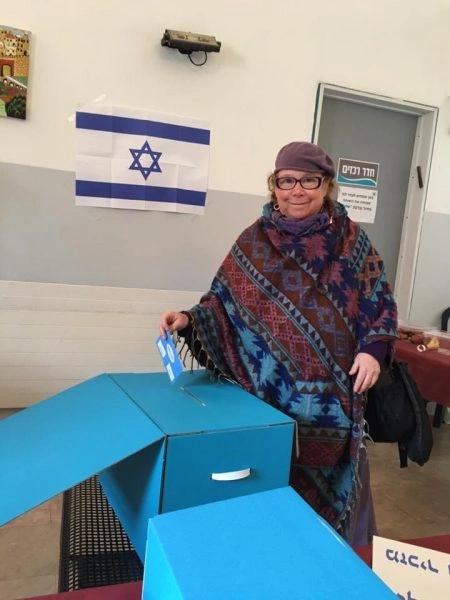
Mitspe, Israel
I tried Daf Yomi in the middle of the last cycle after realizing I could listen to Michelle’s shiurim online. It lasted all of 2 days! Then the new cycle started just days before my father’s first yahrzeit and my youngest daughter’s bat mitzvah. It seemed the right time for a new beginning. My family, friends, colleagues are immensely supportive!

Zichron Yaakov, Israel
In my Shana bet at Migdal Oz I attended the Hadran siyum hash”as. Witnessing so many women so passionate about their Torah learning and connection to God, I knew I had to begin with the coming cycle. My wedding (June 24) was two weeks before the siyum of mesechet yoma so I went a little ahead and was able to make a speech and siyum at my kiseh kallah on my wedding day!
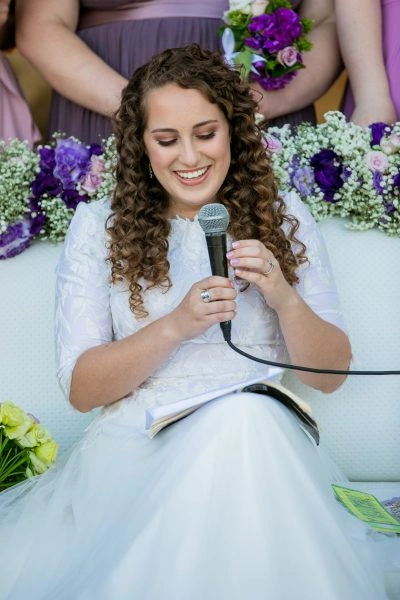
Givat Shmuel, Israel
I started the daf at the beginning of this cycle in January 2020. My husband, my children, grandchildren and siblings have been very supportive. As someone who learned and taught Tanach and mefarshim for many years, it has been an amazing adventure to complete the six sedarim of Mishnah, and now to study Talmud on a daily basis along with Rabbanit Michelle and the wonderful women of Hadran.

Jerusalem, Israel
I had dreamed of doing daf yomi since I had my first serious Talmud class 18 years ago at Pardes with Rahel Berkovitz, and then a couple of summers with Leah Rosenthal. There is no way I would be able to do it without another wonderful teacher, Michelle, and the Hadran organization. I wake up and am excited to start each day with the next daf.

Irvine, United States

Berlin, Germany
Hadran entered my life after the last Siyum Hashaas, January 2020. I was inspired and challenged simultaneously, having never thought of learning Gemara. With my family’s encouragement, I googled “daf yomi for women”. A perfecr fit!
I especially enjoy when Rabbanit Michelle connects the daf to contemporary issues to share at the shabbat table e.g: looking at the Kohen during duchaning. Toda rabba

Jerusalem, Israel
Ive been learning Gmara since 5th grade and always loved it. Have always wanted to do Daf Yomi and now with Michelle Farber’s online classes it made it much easier to do! Really enjoying the experience thank you!!

Neve Daniel, Israel
Hearing and reading about the siyumim at the completion of the 13 th cycle Daf Yomi asked our shul rabbi about starting the Daf – he directed me to another shiur in town he thought would allow a woman to join, and so I did! Love seeing the sources for the Divrei Torah I’ve been hearing for the past decades of living an observant life and raising 5 children .

Pittsburgh, Pennsylvania, United States
I had no formal learning in Talmud until I began my studies in the Joint Program where in 1976 I was one of the few, if not the only, woman talmud major. It was superior training for law school and enabled me to approach my legal studies with a foundation . In 2018, I began daf yomi listening to Rabbanit MIchelle’s pod cast and my daily talmud studies are one of the highlights of my life.

Minneapolis, United States

Blacksburg, United States
I started learning at the beginning of this cycle more than 2 years ago, and I have not missed a day or a daf. It’s been challenging and enlightening and even mind-numbing at times, but the learning and the shared experience have all been worth it. If you are open to it, there’s no telling what might come into your life.
Phoenix, Arizona, United States
When I began learning Daf Yomi at the beginning of the current cycle, I was preparing for an upcoming surgery and thought that learning the Daf would be something positive I could do each day during my recovery, even if I accomplished nothing else. I had no idea what a lifeline learning the Daf would turn out to be in so many ways.

Lexington, MA, United States
I started learning when my brother sent me the news clip of the celebration of the last Daf Yomi cycle. I was so floored to see so many women celebrating that I wanted to be a part of it. It has been an enriching experience studying a text in a language I don’t speak, using background knowledge that I don’t have. It is stretching my learning in unexpected ways, bringing me joy and satisfaction.

Warwick, Rhode Island, United States
Michelle has been an inspiration for years, but I only really started this cycle after the moving and uplifting siyum in Jerusalem. It’s been an wonderful to learn and relearn the tenets of our religion and to understand how the extraordinary efforts of a band of people to preserve Judaism after the fall of the beit hamikdash is still bearing fruits today. I’m proud to be part of the chain!
Raanana, Israel
I started learning Talmud with R’ Haramati in Yeshivah of Flatbush. But after a respite of 60 years, Rabbanit Michelle lit my fire – after attending the last three world siyumim in Miami Beach, Meadowlands and Boca Raton, and now that I’m retired, I decided – “I can do this!” It has been an incredible journey so far, and I look forward to learning Daf everyday – Mazal Tov to everyone!

Florida, United States
I went to day school in Toronto but really began to learn when I attended Brovenders back in the early 1980’s. Last year after talking to my sister who was learning Daf Yomi, inspired, I looked on the computer and the Hadran site came up. I have been listening to each days shiur in the morning as I work. I emphasis listening since I am not sitting with a Gamara. I listen while I work in my studio.
Tekoa, Israel
Bava Metzia 82
הִלְוָהוּ עַל הַמַּשְׁכּוֹן קָתָנֵי! אֶלָּא לָא קַשְׁיָא: כָּאן – שֶׁהִלְוָהוּ מָעוֹת, כָּאן – שֶׁהִלְוָהוּ פֵּירוֹת.
teach the same phrase: One who lent to another based on collateral, which indicates that the collateral was given at the time of the loan? Rather, the Gemara proposes a different resolution: It is not difficult. Here, the baraita is referring to a case where he lent him money, whereas there, the mishna is referring to a situation where he lent him produce. Since produce will spoil, the lender benefits from the deal, as he will receive fresher produce in return. Therefore, he is considered a paid bailee for the collateral.
וְהָא מִדְּקָתָנֵי סֵיפָא, רַבִּי יְהוּדָה אוֹמֵר: הִלְוָהוּ מָעוֹת – שׁוֹמֵר חִנָּם, הִלְוָהוּ פֵּירוֹת – שׁוֹמֵר שָׂכָר. מִכְלָל דִּלְתַנָּא קַמָּא לָא שָׁנֵי לֵיהּ!
The Gemara raises a difficulty: But from the fact that the latter clause of the mishna teaches that Rabbi Yehuda says: One who lent another money is an unpaid bailee, whereas one who lent another produce is a paid bailee, by inference you can conclude that according to the first tanna there is no difference between one who lends money and one who lends produce. If so, the proposed resolution does not fit the text.
כּוּלַּהּ רַבִּי יְהוּדָה הִיא, וְחַסּוֹרֵי מִיחַסְּרָא וְהָכִי קָתָנֵי: הִלְוָהוּ עַל הַמַּשְׁכּוֹן – שׁוֹמֵר שָׂכָר, בַּמֶּה דְּבָרִים אֲמוּרִים – שֶׁהִלְוָהוּ פֵּירוֹת, אֲבָל הִלְוָהוּ מָעוֹת – שׁוֹמֵר חִנָּם. שֶׁרַבִּי יְהוּדָה אוֹמֵר: הִלְוָהוּ מָעוֹת – שׁוֹמֵר חִנָּם, הִלְוָהוּ פֵּירוֹת – שׁוֹמֵר שָׂכָר.
The Gemara responds: The entire mishna is in accordance with the opinion of Rabbi Yehuda, and the mishna is incomplete and this is what it is teaching: One who lent to another based on collateral is a paid bailee. In what case is this statement said? When he lent him produce. But if he lent him money, he is an unpaid bailee. As Rabbi Yehuda says: One who lent another money is an unpaid bailee with regard to the collateral, whereas one who lent produce is a paid bailee.
אִי הָכִי, קָמָה לַהּ מַתְנִיתִין דְּלָא כְּרַבִּי עֲקִיבָא. אֶלָּא מְחַוַּורְתָּא מַתְנִיתִין דְּלָא כְּרַבִּי אֱלִיעֶזֶר.
The Gemara raises a difficulty: If that is so, it turns out that the mishna is established not in accordance with the opinion of Rabbi Akiva. This is problematic, as most of the Sages of the mishna were Rabbi Akiva’s students, and anonymous mishnayot are generally presumed to follow his rulings. Rather, it is clear that the mishna is not in accordance with the opinion of Rabbi Eliezer.
לֵימָא בִּדְלָא שָׁוֵי מַשְׁכּוֹן שִׁיעוּר זוּזֵי, וּבְדִשְׁמוּאֵל קָא מִיפַּלְגִי. דְּאָמַר שְׁמוּאֵל: הַאי מַאן דְּאוֹזְפֵיהּ אַלְפָּא זוּזֵי לְחַבְרֵיהּ וְאַנַּח לֵיהּ קַתָּא דְמַגְּלָא עִילָּוַיְיהוּ, אֲבַד קַתָּא דְמַגְּלָא – אֲבַדוּ אַלְפָּא זוּזֵי.
The Gemara suggests: Let us say that the dispute between Rabbi Akiva and Rabbi Eliezer applies only in a case where the collateral is not equal to the monetary value of the loan, and they disagree with regard to a statement of Shmuel. As Shmuel says: With regard to one who lends one thousand dinars to another and the borrower puts before the lender as collateral for the loan the handle of a sickle, which is worth only a small fraction of the loan, nevertheless, if the sickle is lost, the thousand dinars are lost. The Gemara is suggesting that Rabbi Akiva would agree with this ruling, whereas Rabbi Eliezer would disagree with it.
אִי בִּדְלָא שָׁוֵי מַשְׁכּוֹן שִׁיעוּר זוּזֵי – דְּכוּלֵּי עָלְמָא לֵית לְהוּ דִּשְׁמוּאֵל, וְהָכָא בִּדְשָׁוֵי שִׁיעוּר זוּזֵי, וְקָא מִיפַּלְגִי בִּדְרַבִּי יִצְחָק.
The Gemara rejects this suggestion: If the case is one where the collateral is not equal to the amount of money constituting the loan, everyone holds that the halakha is not in accordance with the opinion of Shmuel. But here the dispute is referring to a situation where the collateral does equal the amount of the money constituting the loan, and they disagree with regard to a statement of Rabbi Yitzḥak.
דְּאָמַר רַבִּי יִצְחָק: מִנַּיִן לְבַעַל חוֹב שֶׁקּוֹנֶה מַשְׁכּוֹן, שֶׁנֶּאֱמַר: ״וּלְךָ תִּהְיֶה צְדָקָה״. אִם אֵינוֹ קוֹנֶה מַשְׁכּוֹן, צְדָקָה מְנָא לֵיהּ? מִכָּאן לְבַעַל חוֹב שֶׁקּוֹנֶה מַשְׁכּוֹן.
As Rabbi Yitzḥak says: From where is it derived that a creditor acquires collateral given to him and is considered its owner as long as the item is in his possession? It is derived from a verse, as it is stated: “You shall return the pledge to him when the sun goes down that he may sleep in his garment, and bless you; and it shall be a righteousness for you before the Lord your God” (Exodus 24:13). Rabbi Yitzḥak infers: If the creditor does not acquire the collateral, then from where is the righteousness involved in returning it? In this case, the creditor would not be giving up anything of his own. From here it is derived that a creditor acquires the collateral.
וְתִסְבְּרָא? אֵימוֹר דְּאָמַר רַבִּי יִצְחָק בְּמִשְׁכְּנוֹ שֶׁלֹּא בִּשְׁעַת הַלְוָאָתוֹ, אֲבָל מִשְׁכְּנוֹ בִּשְׁעַת הַלְוָאָתוֹ – מִי אָמַר?
The Gemara rejects this suggestion: And can you understand it that way? You can say that Rabbi Yitzḥak stated this halakha in a case where he took his collateral not at the time of his loan but at a later stage, in order to collect his debt. But did Rabbi Yitzḥak say this ruling in a situation where he took his collateral at the time of his loan?
אֶלָּא מִשְׁכְּנוֹ שֶׁלֹּא בִּשְׁעַת הַלְוָאָתוֹ – כּוּלֵּי עָלְמָא אִית לְהוּ דְּרַבִּי יִצְחָק. וְהָכָא בְּמִשְׁכְּנוֹ בִּשְׁעַת הַלְוָאָתוֹ, וּבְשׁוֹמֵר אֲבֵידָה קָא מִיפַּלְגִי. דְּאִיתְּמַר: שׁוֹמֵר אֲבֵידָה, רַבָּה אָמַר: כְּשׁוֹמֵר חִנָּם, רַב יוֹסֵף אָמַר: כְּשׁוֹמֵר שָׂכָר.
Rather, if he took his collateral not at the time of his loan, everyone holds in accordance with the opinion of Rabbi Yitzḥak. And here it is discussing a case where he took his collateral at the time of his loan, and Rabbi Eliezer and Rabbi Akiva disagree with regard to the case of a bailee of a lost item. As it was stated that amora’im disagreed concerning the responsibility of the bailee for a lost item. If someone found a lost item and it is subsequently lost or stolen from him, what responsibility does he bear toward the owner? Rabba said: This individual is considered to be like an unpaid bailee. Rav Yosef said: He is like a paid bailee.
לֵימָא דְּרַב יוֹסֵף תַּנָּאֵי הִיא? לָא, בְּשׁוֹמֵר אֲבֵידָה – דְּכוּלֵּי עָלְמָא אִית לְהוּ דְּרַב יוֹסֵף, וְהָכָא
The Gemara suggests: Let us say that the opinion of Rav Yosef is the subject of a dispute between tanna’im. There is no question that Rabba’s opinion is the subject of a dispute between tanna’im, as Rabbi Akiva’s opinion cannot be reconciled with his ruling: If one who takes collateral for his loan is considered a paid bailee, the same certainly applies to one who goes out of his way to safeguard a lost item. The Gemara is asking whether there is any way to explain Rav Yosef’s ruling in accordance with the opinions of both tanna’im, or if he must accept that Rabbi Eliezer disputes his opinion. The Gemara responds: No, it is possible with regard to a bailee for a lost item that everyone holds in accordance with the opinion of Rav Yosef, even Rabbi Eliezer. And here, in the baraita,
בְּמִלְוֶה צָרִיךְ לְמַשְׁכּוֹן קָמִיפַּלְגִי. מָר סָבַר: מִצְוָה קָא עָבֵיד שֶׁהִלְוָהוּ, וְהָוֵי שׁוֹמֵר שָׂכָר. וּמָר סָבַר: לָאו מִצְוָה קָא עָבֵיד, שֶׁלַּהֲנָאָתוֹ מִתְכַּוֵּין, וְהָוֵי שׁוֹמֵר חִנָּם.
they disagree with regard to a lender who needs the collateral, i.e., the lender wants to use the collateral and deduct the value of its use from the amount of the loan. One Sage, Rabbi Akiva, holds that he is performing a mitzva in that he lent to him, and therefore he is considered a paid bailee. And one Sage, Rabbi Eliezer, holds that he is not performing a mitzva, as his intention is to lend for his own benefit. And consequently he is considered an unpaid bailee for the collateral.
אַבָּא שָׁאוּל אוֹמֵר: מוּתָּר לָאָדָם לְהַשְׂכִּיר מַשְׁכּוֹנוֹ שֶׁל עָנִי לִהְיוֹת פּוֹחֵת וְהוֹלֵךְ. אָמַר רַב חָנָן בַּר אַמֵּי אָמַר שְׁמוּאֵל: הֲלָכָה כְּאַבָּא שָׁאוּל. וְאַף אַבָּא שָׁאוּל לָא אָמַר אֶלָּא בְּמָרָא וּפָסָל וְקַרְדּוֹם, הוֹאִיל וּנְפִישׁ אַגְרַיְיהוּ וְזוּטַר פְּחָתַיְיהוּ.
§ The mishna teaches that Abba Shaul says: It is permitted for a person to rent out a poor person’s collateral that was given to him for a loan, so that he shall set a rental price for it and thereby progressively reduce the debt, because this is considered like returning a lost item. Rav Ḥanan bar Ami says that Shmuel says: The halakha is in accordance with the opinion of Abba Shaul, but even Abba Shaul said his ruling only with regard to a hoe, a chisel, and an ax, since the remuneration from these utensils is great and their depreciation is small.
מַתְנִי׳ הַמַּעֲבִיר חָבִית מִמָּקוֹם לְמָקוֹם וּשְׁבָרָהּ, בֵּין שׁוֹמֵר חִנָּם בֵּין שׁוֹמֵר שָׂכָר – יִשָּׁבַע. רַבִּי אֱלִיעֶזֶר אוֹמֵר: זֶה וְזֶה יִשָּׁבַע, וְתָמֵיהַּ אֲנִי אִם יְכוֹלִין זֶה וָזֶה לִישָּׁבַע.
MISHNA: With regard to one who was transporting a barrel from one place to another and he broke it, whether he was an unpaid bailee or a paid bailee, if he takes an oath that he was not negligent he is exempt from payment. Rabbi Eliezer says: Both this one, an unpaid bailee, and that one, a paid bailee, must take an oath to exempt themselves from payment, but I wonder whether both this one and that one can take an oath. In other words, this is the halakha that I heard from my teachers, but I do not understand their ruling.
גְּמָ׳ תָּנוּ רַבָּנַן: הַמַּעֲבִיר חָבִית לַחֲבֵירוֹ מִמָּקוֹם לְמָקוֹם וּשְׁבָרָהּ, בֵּין שׁוֹמֵר חִנָּם בֵּין שׁוֹמֵר שָׂכָר – יִשָּׁבַע, דִּבְרֵי רַבִּי מֵאִיר. רַבִּי יְהוּדָה אוֹמֵר: שׁוֹמֵר חִנָּם – יִשָּׁבַע, נוֹשֵׂא שָׂכָר – יְשַׁלֵּם. רַבִּי אֱלִיעֶזֶר אוֹמֵר: זֶה וְזֶה יִשָּׁבַע, וְתָמֵיהַּ אֲנִי אִם יְכוֹלִין זֶה וָזֶה לִישָּׁבַע.
GEMARA: The Sages taught: With regard to one who was transporting a barrel for another person from one place to another and he broke it, whether he was an unpaid bailee or a paid bailee, if he takes an oath that he was not negligent, he is exempt from payment. This is the statement of Rabbi Meir. Rabbi Yehuda says: An unpaid bailee takes an oath and does not pay, but a paid bailee pays. Rabbi Eliezer says: This one and that one take an oath, and I wonder whether both this one and that one can take an oath.
לְמֵימְרָא דְּסָבַר רַבִּי מֵאִיר נִתְקַל לָאו פּוֹשֵׁעַ הוּא? וְהָתַנְיָא: נִשְׁבְּרָה כַּדּוֹ וְלֹא סִילְּקָהּ נָפְלָה גְּמַלּוֹ וְלֹא הֶעֱמִידָהּ, רַבִּי מֵאִיר מְחַיֵּיב בְּהֶיזֵּיקָן, וַחֲכָמִים אוֹמְרִים: פָּטוּר מִדִּינֵי אָדָם וְחַיָּיב בְּדִינֵי שָׁמַיִם. וְקַיְימָא לַן דִּבְנִתְקַל פּוֹשֵׁעַ פְּלִיגִי!
The Gemara analyzes these opinions. Is that to say that Rabbi Meir holds that one who stumbles is not considered negligent, but the victim of an accident? But isn’t it taught in a baraita: If one’s pitcher broke in a public place and he did not remove it from there, or if his camel fell and he did not stand it up, Rabbi Meir renders him liable for the damage they caused? And the Rabbis say that he is exempt according to human laws but is liable according to the laws of Heaven. Although the court cannot impose liability, nevertheless he is morally culpable. And we maintain that they disagree with regard to the question of whether one who stumbles is negligent. This indicates that Rabbi Meir holds that one who stumbles is considered negligent.
אָמַר רַבִּי אֶלְעָזָר: תִּבְרַהּ, מִי שֶׁשָּׁנָה זוֹ לֹא שָׁנָה זוֹ. וַאֲתָא רַבִּי יְהוּדָה לְמֵימַר: שׁוֹמֵר חִנָּם – יִשָּׁבַע, נוֹשֵׂא שָׂכָר – יְשַׁלֵּם. הַאי כִּי דִינֵיהּ וְהַאי כִּי דִינֵיהּ. וַאֲתָא רַבִּי אֱלִיעֶזֶר לְמֵימַר: אִין, גְּמָרָא כְּרַבִּי מֵאִיר. וּמִיהוּ תָּמֵיהַּ אֲנִי אִם יְכוֹלִין זֶה וָזֶה לִישָּׁבַע.
Rabbi Elazar said: Break the mishna, as he who taught this did not teach that, i.e., there are two traditions with regard to Rabbi Meir’s opinion. And Rabbi Yehuda came to say a different ruling: An unpaid bailee takes an oath and does not pay while a paid bailee pays, this one in accordance with his law and that one in accordance with his law, as an unpaid bailee is exempt from liability for theft and loss, while a paid bailee is liable in those cases and exempt only in cases of circumstances beyond his control. And Rabbi Eliezer came to say: Yes, there is a tradition that is in accordance with the opinion of Rabbi Meir, as I learned from my teachers, but I wonder whether both this one and that one can take an oath.
בִּשְׁלָמָא שׁוֹמֵר חִנָּם מִשְׁתְּבַע דְּלָא פְּשַׁע בַּהּ: אֶלָּא שׁוֹמֵר שָׂכָר אַמַּאי מִשְׁתְּבַע? כִּי לָא פְּשַׁע נָמֵי שַׁלּוֹמֵי בָּעֵי. וַאֲפִילּוּ שׁוֹמֵר חִנָּם נָמֵי, הָתִינַח בִּמְקוֹם מִדְרוֹן. שֶׁלֹּא בִּמְקוֹם מִדְרוֹן, מִי מָצֵי מִשְׁתְּבַע דְּלָא פְּשַׁע בַּהּ!
The Gemara asks: Granted, an unpaid bailee takes an oath that he was not negligent with regard to the barrel, as required by Torah law, but why does a paid bailee take an oath? Even if he was not negligent he is still required to pay, as he is obligated to pay for theft and loss. And even with regard to an unpaid bailee, this works out well if the barrel broke on an inclined plane [midron], as the accident occurred due to the difficulty of transporting it, but if it broke not on an inclined plane but under different circumstances, how can he take an oath that he was not negligent with it? Evidently his negligence caused the accident.

