









Masechet Bekhorot is sponsored by Ahava Leibtag in loving memory of her father, Arthur Aaron, Asher ben Yaakov Yehuda v’Esther on his first yahrzeit. “You always said Talmud Torah was the best s’char. This one’s for you, Daddy.”
Want to dedicate learning? Get started here:

Today’s daily daf tools:
Masechet Bekhorot is sponsored by Ahava Leibtag in loving memory of her father, Arthur Aaron, Asher ben Yaakov Yehuda v’Esther on his first yahrzeit. “You always said Talmud Torah was the best s’char. This one’s for you, Daddy.”
Today’s daf is sponsored by Terri Krivosha and Rabbi Hayim Herring in honor of their dear friend Dvora Lopez for hiking ים לים!
Bekhorot 31
תָּנוּ רַבָּנַן: וְכוּלָּן שֶׁחָזְרוּ בָּהֶן אֵין מְקַבְּלִין אוֹתָן עוֹלָמִית, דִּבְרֵי רַבִּי מֵאִיר. רַבִּי יְהוּדָה אוֹמֵר: חָזְרוּ בְּמַטְמוֹנִיּוֹת — אֵין מְקַבְּלִין אוֹתָן, בְּפַרְהֶסְיָא — מְקַבְּלִין אוֹתָן.
With regard to an am ha’aretz who accepts upon himself the stringent practices of a ḥaver, the Sages taught in a baraita: And with regard to all of them, when they retract and return to being amei ha’aretz, they are never accepted as ḥaverim; this is the statement of Rabbi Meir. Rabbi Yehuda says: If they retracted in private, while in public they continue to act as ḥaverim, they are not accepted, but if they retract in public [befarheseya], they are accepted, as they can be trusted.
אִיכָּא דְּאָמְרִי: אִם עָשׂוּ דִּבְרֵיהֶן בְּמַטְמוֹנִיּוֹת — מְקַבְּלִין אוֹתָן, בְּפַרְהֶסְיָא — אֵין מְקַבְּלִין אוֹתָן.
There are those who say another version of this discussion: If they performed their actions as ḥaverim even in private, when they initially accepted the status of ḥaverim, then they are accepted when they wish to return to that status. Conversely, if they performed their actions as ḥaverim only in public, they are not accepted.
רַבִּי שִׁמְעוֹן וְרַבִּי יְהוֹשֻׁעַ בֶּן קׇרְחָה אוֹמְרִים: בֵּין כָּךְ וּבֵין כָּךְ מְקַבְּלִין אוֹתָן, מִשּׁוּם שֶׁנֶּאֱמַר: ״שׁוּבוּ בָּנִים שׁוֹבָבִים״. אָמַר רַבִּי יִצְחָק אִישׁ כְּפַר עַכּוֹ אָמַר רַבִּי יוֹחָנָן: הֲלָכָה כְּאוֹתוֹ הַזּוּג.
Rabbi Shimon and Rabbi Yehoshua ben Korḥa say: Both in this case and in that case they are accepted, as it is stated: “Return, you backsliding children; I will heal your backslidings” (Jeremiah 3:22). Rabbi Yitzḥak of the village of Akko says that Rabbi Yoḥanan says: The halakha is in accordance with the opinion of that pair, Rabbi Shimon and Rabbi Yehoshua ben Korḥa, i.e., those who return are accepted in both cases.
תָּנוּ רַבָּנַן, בָּרִאשׁוֹנָה הָיוּ אוֹמְרִים: חָבֵר וְנַעֲשָׂה גַּבַּאי — דּוֹחִין אוֹתוֹ מֵחֲבֵירָתוֹ, פֵּירַשׁ — אֵין מְקַבְּלִין אוֹתוֹ. חָזְרוּ לוֹמַר: פֵּירַשׁ — הֲרֵי הוּא כְּכׇל אָדָם.
§ The Sages taught in a baraita: Initially, the Sages would say with regard to one who is a ḥaver and became a tax collector that he is rejected from his status as a ḥaver. Even if he later resigns from his position as a tax collector, he is not accepted. In later generations they went back to saying that if he resigns from his position as a tax collector he is like any other person and may be accepted once again as a ḥaver.
רַב הוּנָא בַּר חִיָּיא אִיצְטְרִיכָא לֵיהּ שַׁעְתָּא, הֲוָה עָיֵיל גַּבֵּיהּ רַבָּה וְרַב יוֹסֵף וְאַרְבַּע מְאָה זוּגֵא דְּרַבָּנַן. שְׁמַע דְּאָתוּ, קְטַיר לְהוּ אַרְבַּע מְאָה תַּכְתָּקֵי. לְסוֹף שְׁמַעוּ דְּנַעֲשָׂה גַּבַּאי, שְׁלַחוּ לֵיהּ: זִיל לַחֲשִׁיבוּתֵיהּ, זִיל לְקַדְמוּתֵיהּ. שְׁלַח לְהוּ: הֲדַרִי בִּי. רַב יוֹסֵף לָא אֲזַל, רַבָּה אֲזַל.
The Gemara relates that one time the Sages needed Rav Huna bar Ḥiyya for a certain matter. Rabba and Rav Yosef and four hundred pairs of Sages ascended to his home. When he heard that they were coming, he tied for them four hundred chairs [takhtekei] to sit on. Eventually the Sages heard that he had become a tax collector. They sent him the following message: Go to your important position as a tax collector, and go to your former status, as we no longer need you. He sent to them the following message: I have repented and am no longer a tax collector. Rav Yosef did not go to him, but Rabba went to him.
רַב יוֹסֵף אָמַר: תְּנֵינָא, פֵּירַשׁ — אֵין מְקַבְּלִין אוֹתוֹ; רַבָּה אָמַר: תְּנֵינָא, חָזְרוּ לוֹמַר: פֵּירַשׁ — הֲרֵי הוּא כְּכׇל אָדָם.
Rav Yosef said in explanation of why he did not go: We learn in a baraita that even if such an individual resigns from his position as a tax collector he is not accepted. Rabba said: We learn in the baraita that in later generations they went back to saying that if he resigns from his position as a tax collector he is like any other person and may be accepted once again as a ḥaver.
תָּנוּ רַבָּנַן: כׇּל הַבְּכוֹרוֹת אָדָם רוֹאֶה, חוּץ מִשֶּׁל עַצְמוֹ, וְרוֹאֶה אֶת קֳדָשָׁיו, וְאֶת מַעְשְׂרוֹתָיו, וְנִשְׁאָל עַל טׇהֳרוֹתָיו.
§ The Sages taught in a baraita: A person may inspect all firstborns for blemishes except for his own firstborns, as he has a vested interest. And despite his vested interest in these cases, one may inspect his own sanctified animals that he consecrated for the Temple, to determine whether they have blemishes and may be redeemed; and he may inspect his animal tithes to decide whether they are fit for sacrifice in the Temple; and one may ask himself with regard to his ritually pure foods, i.e., he may decide for himself whether or not they have become impure, and he is not suspected of claiming that impure food is actually pure.
אָמַר מָר: כׇּל הַבְּכוֹרוֹת אָדָם רוֹאֶה חוּץ מִשֶּׁל עַצְמוֹ. בְּמַאי עָסְקִינַן? אִילֵימָא בְּחַד — מִי מְהֵימַן? אֶלָּא בִּתְלָתָא, וּמִי חֲשִׁידִי? וְהָתְנַן: מֵיאֲנָה אוֹ שֶׁחָלְצָה בְּפָנָיו — יִשָּׂאֶנָּה, מִפְּנֵי שֶׁהוּא בֵּית דִּין!
The Gemara analyzes the baraita. The Master said: A person may inspect all firstborns except for his own firstborns. What are we dealing with here? If we say that we are dealing with a case of one person examining a blemish, is he trusted by himself to deem any firstborn animal permitted for slaughter? The mishna on 36b states that only three people may permit a firstborn animal to be slaughtered. Rather, it must be dealing with one of three who jointly decide the status of the firstborn animal. And is he suspect in such a case? But didn’t we learn in a mishna (Yevamot 25b): A judge before whom a woman performed refusal when she was a minor, by declaring that she did not desire the husband chosen for her by her family, or before whom she performed ḥalitza, may marry her, because he was only one member of the court, and therefore there is no suspicion of conflict of interest?
לְעוֹלָם בְּחַד, וְכִדְאָמַר רַב חִסְדָּא אָמַר רַבִּי יוֹחָנָן: בְּיָחִיד מוּמְחֶה, הָכָא נָמֵי בְּיָחִיד מוּמְחֶה.
The Gemara answers: Actually, we are dealing with a case of a single judge, and this is as Rav Ḥisda says that Rabbi Yoḥanan says with regard to a different matter: Vows may be dissolved even by a single expert, and a three-member court is not always necessary. Here too, we are dealing with a single expert who deems the firstborn animal permitted. A single expert may rule with regard to the firstborn animals belonging to others, but not his own animals, due to his vested interest.
וְרוֹאֶה אֶת קֳדָשָׁיו, דְּאִי בָּעֵי מִיתְּשִׁיל עֲלַיְיהוּ.
The Gemara analyzes the last section of the baraita. And despite his vested interest, one may inspect his own sanctified animals. Why is it permitted for him to inspect them? The reason is that if he wants to avoid giving the animal to the Temple, he can issue a request from a halakhic authority to annul his oath. Consequently, he does not truly have a vested interest.
וּמַעְשְׂרוֹתָיו, דְּאִי בָּעֵי שָׁדֵי בֵּיהּ מוּמָא בְּכוּלֵּיהּ עֶדְרֵיהּ.
The baraita also teaches: And he may rule with regard to his own animal tithes to decide whether they are fit to be sacrificed in the Temple. The Gemara explains that the reason is that if he wants to avoid bringing the animals as offerings, he can inflict a blemish upon his entire herd before separating the tithe, which would render them all unfit for sacrifice in the Temple.
וְנִשְׁאָל עַל טׇהֳרוֹתָיו, דְּהָא חֲזוּ לֵיהּ בִּימֵי טוּמְאָתוֹ.
Finally, the baraita states: And one may ask himself with regard to his ritually pure foods, i.e., he may decide for himself whether or not they have become impure, and he is not suspected of claiming that impure food is actually pure. The Gemara explains that his vested interested in this case is not so great, as the food is fit for him to eat in his days of impurity.
הֲדַרַן עֲלָךְ עַד כַּמָּה יִשְׂרָאֵל חַיָּיבִין.
מַתְנִי׳ כָּל פְּסוּלֵי הַמּוּקְדָּשִׁין, הֲנָאָתָן לַהֶקְדֵּשׁ, נִמְכָּרִין בָּאִיטְלִיז, וְנִשְׁחָטִין בָּאִיטְלִיז, וְנִשְׁקָלִין בְּלִיטְרָא,
MISHNA: With regard to all disqualified consecrated animals that were disqualified for sacrifice due to blemishes and were redeemed, all benefit accrued from their sale belongs to the Temple treasury. In order to ensure that the Temple treasury will not suffer a loss, these animals are sold in the butchers’ market [ba’itliz] and slaughtered in the butchers’ market, where the demand is great and the price is consequently higher. And their meat is weighed and sold by the litra, in the manner that non-sacred meat is sold.
חוּץ מִן הַבְּכוֹר וְהַמַּעֲשֵׂר, שֶׁהֲנָיָיתָן לַבְּעָלִים. פְּסוּלֵי הַמּוּקְדָּשִׁין — הֲנָיָיתָן לַהֶקְדֵּשׁ.
This is the halakha with regard to all consecrated animals except for the firstborn offering and an animal tithe offering. When these become blemished and their slaughter is permitted, they are sold and slaughtered only in the owner’s house and are not weighed; rather, they are sold by estimate. The reason is that all benefit accrued from their sale belongs to the owner, i.e., the priest in the case of the firstborn and the owner in the case of the animal tithe offering. It is not permitted to treat disqualified consecrated animals as one treats non-sacred animals merely to guarantee that the owner will receive the optimal price. This is in contrast to disqualified consecrated animals, where all benefit accrued from their sale belongs to the Temple treasury, and therefore the animal is sold in the market to ensure that the optimal price is received.
וְשׁוֹקְלִין מָנָה כְּנֶגֶד מָנָה בַּבְּכוֹר.
And although the meat of the firstborn is not weighed and sold by the litra, nevertheless, if one has non-sacred meat weighing one hundred dinars, one may weigh one portion of non-sacred meat against one portion of the meat of the firstborn, because that is unlike the manner in which non-sacred meat is weighed.
גְּמָ׳ כָּל פְּסוּלֵי הַמּוּקְדָּשִׁין הֲנָאָתָן לַהֶקְדֵּשׁ. אֵימַת? אִילֵּימָא לְאַחַר פִּדְיוֹנוֹ — הֲנָאָתָן לַהֶקְדֵּשׁ? הֲנָאָתָן דִּבְעָלִים הוּא!
GEMARA: The mishna teaches that with regard to all disqualified consecrated animals that were disqualified for sacrifice due to blemishes and were redeemed, all benefit accrued from their sale belongs to the Temple treasury, and the animals may consequently be sold in the manner of non-sacred meat. The Gemara asks: When does this apply? If we say that it applies to an animal after its redemption, i.e., after the owner redeemed it from the Temple treasury, does the benefit accrued belong to the Temple? Certainly not. Once a consecrated animal is redeemed from the Temple treasury, it is in the possession of its owner, which means that the benefit accrued belongs to the owner.
אֶלָּא לִפְנֵי פִּדְיוֹנוֹ. נִשְׁחָטִין? הָא בָּעֵי הַעֲמָדָה וְהַעֲרָכָה!
Rather, it applies to an animal before its redemption, in which case the money accrued from its sale, which renders it non-sacred, belongs to the Temple treasury. But if so, the mishna’s statement that the animals may be slaughtered in the butchers’ market is problematic. The Gemara explains the difficulty: How can the animal be evaluated after having been slaughtered? Redeeming a sanctified animal requires standing and valuation, i.e., it has to be set standing before a priest for him to appraise its monetary value and only then is it redeemed (see Leviticus 27:11–12).
הָנִיחָא לְמַאן דְּאָמַר, קׇדְשֵׁי מִזְבֵּחַ לֹא הָיוּ בִּכְלַל הַעֲמָדָה וְהַעֲרָכָה, אֶלָּא לְמַאן דְּאָמַר הָיוּ בִּכְלַל הַעֲמָדָה וְהַעֲרָכָה, מַאי אִיכָּא לְמֵימַר?
The Gemara adds: This works out well according to the one who says that items consecrated to be sacrificed on the altar that were then disqualified due to a blemish were not included in the requirement of standing and valuation. If so, the animal may be slaughtered and subsequently sold. But according to the one who says that items consecrated to be sacrificed on the altar were included in the requirement of standing and valuation, what is there to say in explanation of the mishna?
אֶלָּא לְעוֹלָם לְאַחַר פִּדְיוֹן, וּמַאי הֲנָאָתָן לַהֶקְדֵּשׁ? אַדְּמֵעִיקָּרָא.
The Gemara answers: Rather, the ruling of the mishna actually applies to a case where the animals are sold and slaughtered after their redemption by the owner. And what is the meaning of the mishna’s statement that all benefit accrued from their sale belongs to the Temple treasury? This is not referring to the profit from the sale in the butchers’ market, as was previously assumed. Instead, it is referring to their initial redemption from the Temple treasury.
דְּכֵיוָן דְּשָׁרֵי לְהוּ מָר, נִמְכָּרִין בָּאִיטְלִיז וְנִשְׁחָטִין בָּאִיטְלִיז וְנִשְׁקָלִין בְּלִיטְרָא, טָפֵי וּפָרֵיק מֵעִיקָּרָא.
The Gemara explains: Since the Sage in the mishna deems it permitted for the redeemed animals to be subsequently sold in the butchers’ market and slaughtered in the butchers’ market, and weighed and sold by the litra, there is a higher probability that the owner will redeem the animal for more money initially. The owner’s later ability to sell the redeemed animal for the highest market value is in effect a benefit that eventually accrues to the Temple treasury, as he will be willing to spend more money to redeem the animal.
חוּץ מִן הַבְּכוֹר וּמִן הַמַּעֲשֵׂר שֶׁהֲנָיָיתָן לַבְּעָלִים. בִּשְׁלָמָא בְּכוֹר — בָּאִיטְלִיז הוּא דְּלָא מִיזְדַּבַּן, הָא בְּבֵיתֵיהּ מִיזְדַּבַּן, אֶלָּא מַעֲשֵׂר — בְּבֵיתֵיהּ מִי מִיזְדַּבַּן?
§ The mishna teaches that the meat of blemished, consecrated animals may be sold in the same manner as non-sacred meat, except for the firstborn animal and animal tithe offering, as all benefit accrued from their sale belongs to the owner. Accordingly, even if it is blemished, the meat may be sold only in the owner’s house. The Gemara asks: Granted, in the case of a firstborn offering, it is in the butchers’ market that it may not be sold, whereas it may be sold in its owner’s house. But with regard to the animal tithe offering, may it be sold in its owner’s house?
וְהָתַנְיָא: בִּבְכוֹר נֶאֱמַר ״לֹא תִפְדֶּה״ וְנִמְכָּר חַי, בְּמַעֲשֵׂר נֶאֱמַר ״לֹא יִגָּאֵל״ וְאֵינוֹ נִמְכָּר, לֹא חַי וְלֹא שָׁחוּט, לֹא תָּם וְלֹא בַּעַל מוּם.
But isn’t it taught in a baraita: With regard to a firstborn animal it is stated: “You shall not redeem” (Numbers 18:17), indicating that its sanctity can never be removed from it and transferred to non-sacred objects. But it can be sold after it comes into the possession of the priest, while it is alive. By contrast, with regard to the animal tithe offering, it is stated: “It shall not be redeemed” (Leviticus 27:33), which teaches that its sanctity can never be removed from it, and it cannot be sold either, as the Gemara will explain (32a–b), not when alive and not when slaughtered, not when unblemished and not when blemished. This baraita clearly states that the animal tithe offering may not be sold no matter what its status, which seems to contradict the mishna.
הָא מִילְּתָא אִיקַּשְׁיָא לֵיהּ לְרַב שֵׁשֶׁת בְּאוּרְתָּא, וְשַׁנְּיַיהּ בְּקַדְמוּתָא מִבָּרַיְיתָא, בְּמַעְשַׂר בְּהֵמָה שֶׁל יְתוֹמִים עָסְקִינַן, וּמִשּׁוּם הֲשָׁבַת אֲבֵידָה נָגְעוּ בָּהּ.
The Gemara notes: At night, Rav Sheshet found this matter difficult, and he resolved it in the morning from a baraita. He explains that in the mishna we are dealing with a case of an animal tithe offering belonging to young orphans that was blemished and slaughtered. Since the orphans are unable to consume the entire animal and would therefore suffer a monetary loss if the meat were to spoil, the Sages permitted its sale, and it is due to the principle of returning a lost item that they touched upon it, i.e., allowed for this.
רַבִּי אִידִי סַרְסְיֵהּ דְּרַב שֵׁשֶׁת הֲוָה שַׁמְעַהּ מִינֵּיהּ, אֲזַל אַמְרַהּ בֵּי מִדְרְשָׁא וְלָא אַמְרַהּ מִשְּׁמֵיהּ, שְׁמַע רַב שֵׁשֶׁת אִיקְּפַד, אֲמַר: מַאן דְּעָקֵיץ לִיעְקְצֵיהּ עַקְרַבָּא, וְרַב שֵׁשֶׁת מַאי נָפְקָא לֵיהּ מִינַּהּ? דְּאָמַר רַב יְהוּדָה אָמַר רַב: מַאי דִּכְתִיב ״אָגוּרָה בְּאׇהׇלְךָ עוֹלָמִים״? וְכִי אִיפְשָׁר לְאָדָם לָגוּר בִּשְׁנֵי עוֹלָמִים?
The Gemara relates: Rav Idi, the attendant [saraseih] of Rav Sheshet, heard this explanation from Rav Sheshet. Rav Idi went and stated the matter in the study hall, but did not say it in his master’s name. Rav Sheshet heard what he had done and was annoyed. Rav Sheshet said: The one who stung me, let him be stung by a scorpion. The Gemara asks: And as for Rav Sheshet, what difference does it make to him whether or not his interpretation was cited in his name? The Gemara answers that this is as Rav Yehuda says that Rav says: What is the meaning of that which is written: “I will dwell in Your tent forever [olamim]” (Psalms 61:5)? Rav asked: But is it possible for a person to live in two worlds [olamim], this world and the next, simultaneously?
אֶלָּא אָמַר דָּוִד: רִבּוֹנוֹ שֶׁל עוֹלָם, יֹאמְרוּ דְּבַר שְׁמוּעָה מִפִּי בְּעוֹלָם הַזֶּה. דְּאָמַר רַבִּי יוֹחָנָן מִשּׁוּם רַבִּי שִׁמְעוֹן בֶּן יוֹחַי: כׇּל תַּלְמִיד חָכָם שֶׁאוֹמְרִים דְּבַר שְׁמוּעָה מִפִּיו בְּעוֹלָם הַזֶּה — שִׂפְתוֹתָיו דּוֹבְבוֹת בַּקֶּבֶר.
Rather, David, who recited this psalm, said to God: Master of the Universe, let people say a matter of halakha in my name in this world after I have passed on to another world. As Rabbi Yoḥanan said in the name of Rabbi Shimon ben Yoḥai: With regard to any Torah scholar in whose name a matter of halakha is stated in this world, his lips mouth the words in the grave, as though he were speaking.
וְאָמַר רַבִּי יִצְחָק בַּר זְעֵירִי: מַאי קְרָאָה — ״וְחִכֵּךְ כְּיֵין הַטּוֹב הוֹלֵךְ לְדוֹדִי לְמֵישָׁרִים דּוֹבֵב שִׂפְתֵי יְשֵׁנִים״, כְּכוֹמֶר שֶׁל עֲנָבִים, מָה כּוֹמֶר שֶׁל עֲנָבִים כֵּיוָן דְּאָדָם נוֹגֵעַ בּוֹ – דּוֹבֵב, אַף תַּלְמִידֵי חֲכָמִים, כֵּיוָן שֶׁאָדָם אוֹמֵר דְּבַר שְׁמוּעָה מִפִּיו – דּוֹבְבוֹת שְׂפָתָיו בַּקֶּבֶר.
And Rabbi Yitzḥak ben Ze’eiri says: What is the verse from which this is derived? The verse states: “And the roof of your mouth is like the best wine that glides down smoothly for my beloved, moving gently the lips of those who are asleep” (Song of Songs 7:10). Here, words of Torah in the mouths of the Jewish people are likened to a pile [kekhomer] of grapes left to warm before they are pressed, which causes the wine to exude from them easily: Just as with regard to a pile of grapes, when a person places his finger on it and touches it, it moves and issues a sound as the wine bursts forth, so too with regard to Torah scholars, when a matter of halakha is stated in their name, their lips mouth the words in the grave.
מַאי בָּרַיְיתָא? דְּתַנְיָא: מַעְשַׂר בְּהֵמָה שֶׁל יְתוֹמִים — מוֹכְרִין אוֹתוֹ, וּמַעְשַׂר בְּהֵמָה שֶׁשְּׁחָטוֹ — מַבְלִיעוֹ בְּעוֹרוֹ, בְּחֶלְבּוֹ, וּבְגִידוֹ, וּבְקַרְנָיו.
The Gemara returns to Rav Sheshet’s explanation: What is the baraita mentioned by Rav Sheshet, upon which he based his resolution? The Gemara explains: As it is taught in a baraita: With regard to an animal tithe offering of young orphans, one may sell it. And with regard to an animal tithe offering that one has slaughtered, whose meat may not be sold, one may include the cost of the meat in the cost of its negligent parts, thereby inflating the cost of those parts, i.e., the animal’s hide, its fat, its sinews, and its horns, which are permitted to be sold.
מַאי קָאָמַר? אָמַר אַבָּיֵי: הָכִי קָאָמַר — מַעְשַׂר בְּהֵמָה שֶׁל יְתוֹמִים מוֹכְרִין אוֹתוֹ בְּהַבְלָעָה.
The Gemara asks: What is the tanna of the baraita saying? Initially, the baraita stated that one may sell the meat of an animal tithe offering belonging to young orphans, which indicates that this may be done in the normal fashion. The baraita then proceeds to state that the sale of the meat must be performed in the indirect manner of inclusion. Abaye said: The baraita is actually referring to only one case, and this is what it is saying: With regard to the meat of an animal tithe offering of young orphans, it may be sold, but only by means of inclusion.
מִכְּלָל דְּגָדוֹל בְּהַבְלָעָה לָא? מַאי שְׁנָא מֵהָא דְּתַנְיָא: הַלּוֹקֵחַ לוּלָב מֵחֲבֵירוֹ בִּשְׁבִיעִית — נוֹתֵן לוֹ אֶתְרוֹג בְּמַתָּנָה, לְפִי שֶׁאֵינוֹ רַשַּׁאי לְלוֹקְחוֹ בַּשְּׁבִיעִית.
The Gemara states: One can conclude by inference from this baraita that in the case of an animal tithe offering of an adult, i.e., a non-orphan, its meat may not be sold even by means of inclusion. What is different in this case from that which is taught in a mishna (Sukka 3:11): In the case of one who purchases a lulav from another, who is an am ha’aretz, during the Sabbatical Year, the seller gives him an etrog together with the lulav as a gift, as it is not permitted for one to purchase the etrog during the Sabbatical Year, and one may not give the value of Sabbatical-Year produce to an am ha’aretz, lest he engage in commerce with it, which is prohibited.
וְהָוֵינַן בָּהּ: לֹא רָצָה לִיתֵּן לוֹ בְּמַתָּנָה מַאי? וְאָמַר רַב הוּנָא: מַבְלִיעַ לוֹ דְּמֵי אֶתְרוֹג בַּלּוּלָב!
The Gemara continues: And we discussed this mishna and asked: If the seller did not want to give him the etrog as a gift, what is the halakha? How can the buyer receive the etrog? And Rav Huna said: The seller includes the value of the etrog in the cost of the lulav. The buyer should purchase the lulav at an elevated price to cover the cost of the etrog as well. If inclusion is allowed in the case of the etrog, why would it not be permitted in the case of the meat of an animal tithe offering belonging to an adult?
הָתָם לָא מוֹכְחָא מִילְּתָא, הָכָא מוֹכְחָא מִילְּתָא.
The Gemara answers: There, in the case of the etrog, the matter is not evident, whereas here, with regard to the meat of an animal tithe offering, the matter is evident. The inclusion of the cost of the etrog in the elevated cost of the lulav is not evident, as it is reasonable that the price of a lulav might fluctuate. By contrast, inflating the cost of the negligible parts of the animal tithe offering to include the cost of its expensive meat is obviously an artifice and is therefore not permitted.
אָמַר רָבָא: אִם כֵּן, ״מַעְשַׂר בְּהֵמָה״ תְּרֵי זִמְנֵי לְמָה לִי? אֶלָּא אָמַר רָבָא: הָכִי קָאָמַר, מַעְשַׂר בְּהֵמָה שֶׁל יְתוֹמִים מוֹכְרִין אוֹתוֹ כְּדַרְכּוֹ, וּמַעְשַׂר בְּהֵמָה דְּגָדוֹל שֶׁשְּׁחָטוֹ מַבְלִיעוֹ בְּעוֹרוֹ בְּחֶלְבּוֹ בְּגִידוֹ וּבְקַרְנָיו.
Rava said to Abaye in response: If so, that the baraita is referring to only one case, why do I need it to use the expression: Animal tithe offering, twice? Rather, Rava said that the baraita is discussing two distinct cases, and this is what the tanna is saying: With regard to the meat of an animal tithe offering of young orphans, one may sell it in its usual manner, but in the case of an animal tithe offering belonging to an adult that was slaughtered, one may sell its meat only by means of including its cost in the elevated price of the animal’s hide, its fat, its sinews, and its horns.
אָמַר רָבָא: מְנָא אָמֵינָא לַהּ? דִּכְתִיב: ״וְהָיָה הוּא וּתְמוּרָתוֹ יִהְיֶה קֹדֶשׁ לֹא יִגָּאֵל״.
Rava said: From where do I say that the meat of an animal tithe offering belonging to an adult may be sold by inclusion? As it is written with regard to the animal tithe offering: “Then both it and that for which it is substituted shall be holy; it shall not be redeemed” (Leviticus 27:33). This indicates that a non-sacred animal designated as a substitute for an animal tithe offering assumes sacred status, while the animal tithe offering retains its sacred status as well. As stated earlier, the phrase “it shall not be redeemed” is interpreted as referring to the prohibition against selling the animal tithe offering. The verse’s juxtaposition of substitution and the prohibition against selling an animal tithe offering indicates a similarity between the two.
אֵימָתַי עוֹשֶׂה תְּמוּרָה — מֵחַיִּים, אֵימָתַי אֵינוֹ נִגְאָל — מֵחַיִּים, הָא לְאַחַר שְׁחִיטָה — נִגְאָל, וְרַבָּנַן (ההוא) [הוּא] דִּגְזַרוּ לְאַחַר שְׁחִיטָה, אַטּוּ לִפְנֵי שְׁחִיטָה.
Rava explains: When does an animal tithe offering render consecrated as a substitute a non-sacred animal for which it is exchanged? Only when the animal tithe offering is alive, as substitution is invalid after its death. Similarly, when may the animal tithe offering not be redeemed, i.e., sold? When it is alive. It may be inferred from here that it may be redeemed, i.e., sold, after its slaughter. This teaches that by Torah law, the meat of an animal tithe offering may be sold once the animal has been slaughtered. The Sages decreed that an animal tithe offering may not be sold after its slaughter, due to the concern that one might sell it before its slaughter.
דָּבָר הַנִּישּׁוֹם מֵחַיִּים — גְּזוּר רַבָּנַן לְאַחַר שְׁחִיטָה אַטּוּ לִפְנֵי שְׁחִיטָה,
Rava continues: It was only with regard to an item that is appraised when the animal is alive, i.e., its meat, which gives the animal its primary value, that the Sages decreed that it may not be sold even after its slaughter, due to the concern that one might sell the animal before its slaughter.

Today’s daily daf tools:
Delve Deeper
Broaden your understanding of the topics on this daf with classes and podcasts from top women Talmud scholars.

Bekhorot: Daf 26-32 Daf Yomi: One Week at a Time

New to Talmud?
Check out our resources designed to help you navigate a page of Talmud – and study at the pace, level and style that fits you.
The Hadran Women’s Tapestry
Meet the diverse women learning Gemara at Hadran and hear their stories.
I went to day school in Toronto but really began to learn when I attended Brovenders back in the early 1980’s. Last year after talking to my sister who was learning Daf Yomi, inspired, I looked on the computer and the Hadran site came up. I have been listening to each days shiur in the morning as I work. I emphasis listening since I am not sitting with a Gamara. I listen while I work in my studio.
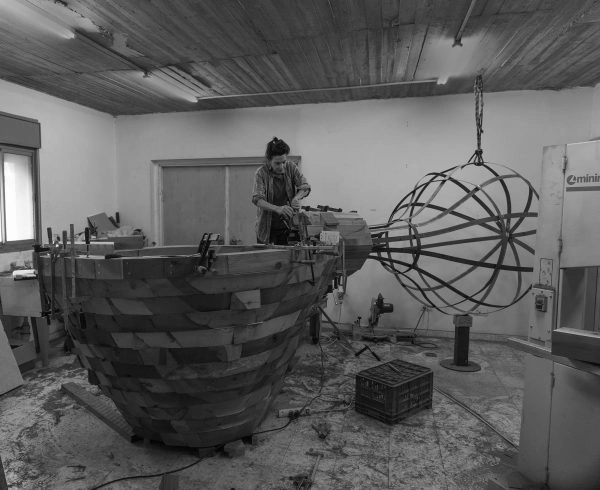
Tekoa, Israel
I’ve been learning since January 2020, and in June I started drawing a phrase from each daf. Sometimes it’s easy (e.g. plants), sometimes it’s very hard (e.g. korbanot), and sometimes it’s loads of fun (e.g. bird racing) to find something to draw. I upload my pictures from each masechet to #DafYomiArt. I am enjoying every step of the journey.

Ashdod, Israel
Years ago, I attended the local Siyum HaShas with my high school class. It was inspiring! Through that cycle and the next one, I studied masekhtot on my own and then did “daf yomi practice.” The amazing Hadran Siyum HaShas event firmed my resolve to “really do” Daf Yomi this time. It has become a family goal. We’ve supported each other through challenges, and now we’re at the Siyum of Seder Moed!

Jerusalem, Israel
I started learning at the start of this cycle, and quickly fell in love. It has become such an important part of my day, enriching every part of my life.

Toronto, Canada
In my Shana bet at Migdal Oz I attended the Hadran siyum hash”as. Witnessing so many women so passionate about their Torah learning and connection to God, I knew I had to begin with the coming cycle. My wedding (June 24) was two weeks before the siyum of mesechet yoma so I went a little ahead and was able to make a speech and siyum at my kiseh kallah on my wedding day!

Givat Shmuel, Israel
I started last year after completing the Pesach Sugiyot class. Masechet Yoma might seem like a difficult set of topics, but for me made Yom Kippur and the Beit HaMikdash come alive. Liturgy I’d always had trouble connecting with took on new meaning as I gained a sense of real people moving through specific spaces in particular ways. It was the perfect introduction; I am so grateful for Hadran!

Minnesota, United States
Retirement and Covid converged to provide me with the opportunity to commit to daily Talmud study in October 2020. I dove into the middle of Eruvin and continued to navigate Seder Moed, with Rabannit Michelle as my guide. I have developed more confidence in my learning as I completed each masechet and look forward to completing the Daf Yomi cycle so that I can begin again!

San Diego, United States
I decided to learn one masechet, Brachot, but quickly fell in love and never stopped! It has been great, everyone is always asking how it’s going and chering me on, and my students are always making sure I did the day’s daf.
Memphis, Tennessee, United States
Attending the Siyyum in Jerusalem 26 months ago inspired me to become part of this community of learners. So many aspects of Jewish life have been illuminated by what we have learned in Seder Moed. My day is not complete without daf Yomi. I am so grateful to Rabbanit Michelle and the Hadran Community.

Newton, United States
When I began the previous cycle, I promised myself that if I stuck with it, I would reward myself with a trip to Israel. Little did I know that the trip would involve attending the first ever women’s siyum and being inspired by so many learners. I am now over 2 years into my second cycle and being part of this large, diverse, fascinating learning family has enhanced my learning exponentially.

Minnesota, United States
I attended the Siyum so that I could tell my granddaughter that I had been there. Then I decided to listen on Spotify and after the siyum of Brachot, Covid and zoom began. It gave structure to my day. I learn with people from all over the world who are now my friends – yet most of us have never met. I can’t imagine life without it. Thank you Rabbanit Michelle.
Raanana, Israel

Jerusalem, Israel
When I was working and taking care of my children, learning was never on the list. Now that I have more time I have two different Gemora classes and the nach yomi as well as the mishna yomi daily.

Jerusalem, Israel

Oceanside NY, United States
I LOVE learning the Daf. I started with Shabbat. I join the morning Zoom with Reb Michelle and it totally grounds my day. When Corona hit us in Israel, I decided that I would use the Daf to keep myself sane, especially during the days when we could not venture out more than 300 m from our home. Now my husband and I have so much new material to talk about! It really is the best part of my day!

Hashmonaim, Israel
I started learning Daf Yomi inspired by תָּפַסְתָּ מְרוּבֶּה לֹא תָּפַסְתָּ, תָּפַסְתָּ מוּעָט תָּפַסְתָּ. I thought I’d start the first page, and then see. I was swept up into the enthusiasm of the Hadran Siyum, and from there the momentum kept building. Rabbanit Michelle’s shiur gives me an anchor, a connection to an incredible virtual community, and an energy to face whatever the day brings.

בית שמש, Israel
I’ve been learning since January 2020, and in June I started drawing a phrase from each daf. Sometimes it’s easy (e.g. plants), sometimes it’s very hard (e.g. korbanot), and sometimes it’s loads of fun (e.g. bird racing) to find something to draw. I upload my pictures from each masechet to #DafYomiArt. I am enjoying every step of the journey.
Ashdod, Israel

Tel Aviv, Israel
I have joined the community of daf yomi learners at the start of this cycle. I have studied in different ways – by reading the page, translating the page, attending a local shiur and listening to Rabbanit Farber’s podcasts, depending on circumstances and where I was at the time. The reactions have been positive throughout – with no exception!

Guildford, United Kingdom
I started at the beginning of this cycle. No 1 reason, but here’s 5.
In 2019 I read about the upcoming siyum hashas.
There was a sermon at shul about how anyone can learn Talmud.
Talmud references come up when I am studying. I wanted to know more.
Yentl was on telly. Not a great movie but it’s about studying Talmud.
I went to the Hadran website: A new cycle is starting. I’m gonna do this

Cambridge, United Kingdom
Bekhorot 31
תָּנוּ רַבָּנַן: וְכוּלָּן שֶׁחָזְרוּ בָּהֶן אֵין מְקַבְּלִין אוֹתָן עוֹלָמִית, דִּבְרֵי רַבִּי מֵאִיר. רַבִּי יְהוּדָה אוֹמֵר: חָזְרוּ בְּמַטְמוֹנִיּוֹת — אֵין מְקַבְּלִין אוֹתָן, בְּפַרְהֶסְיָא — מְקַבְּלִין אוֹתָן.
With regard to an am ha’aretz who accepts upon himself the stringent practices of a ḥaver, the Sages taught in a baraita: And with regard to all of them, when they retract and return to being amei ha’aretz, they are never accepted as ḥaverim; this is the statement of Rabbi Meir. Rabbi Yehuda says: If they retracted in private, while in public they continue to act as ḥaverim, they are not accepted, but if they retract in public [befarheseya], they are accepted, as they can be trusted.
אִיכָּא דְּאָמְרִי: אִם עָשׂוּ דִּבְרֵיהֶן בְּמַטְמוֹנִיּוֹת — מְקַבְּלִין אוֹתָן, בְּפַרְהֶסְיָא — אֵין מְקַבְּלִין אוֹתָן.
There are those who say another version of this discussion: If they performed their actions as ḥaverim even in private, when they initially accepted the status of ḥaverim, then they are accepted when they wish to return to that status. Conversely, if they performed their actions as ḥaverim only in public, they are not accepted.
רַבִּי שִׁמְעוֹן וְרַבִּי יְהוֹשֻׁעַ בֶּן קׇרְחָה אוֹמְרִים: בֵּין כָּךְ וּבֵין כָּךְ מְקַבְּלִין אוֹתָן, מִשּׁוּם שֶׁנֶּאֱמַר: ״שׁוּבוּ בָּנִים שׁוֹבָבִים״. אָמַר רַבִּי יִצְחָק אִישׁ כְּפַר עַכּוֹ אָמַר רַבִּי יוֹחָנָן: הֲלָכָה כְּאוֹתוֹ הַזּוּג.
Rabbi Shimon and Rabbi Yehoshua ben Korḥa say: Both in this case and in that case they are accepted, as it is stated: “Return, you backsliding children; I will heal your backslidings” (Jeremiah 3:22). Rabbi Yitzḥak of the village of Akko says that Rabbi Yoḥanan says: The halakha is in accordance with the opinion of that pair, Rabbi Shimon and Rabbi Yehoshua ben Korḥa, i.e., those who return are accepted in both cases.
תָּנוּ רַבָּנַן, בָּרִאשׁוֹנָה הָיוּ אוֹמְרִים: חָבֵר וְנַעֲשָׂה גַּבַּאי — דּוֹחִין אוֹתוֹ מֵחֲבֵירָתוֹ, פֵּירַשׁ — אֵין מְקַבְּלִין אוֹתוֹ. חָזְרוּ לוֹמַר: פֵּירַשׁ — הֲרֵי הוּא כְּכׇל אָדָם.
§ The Sages taught in a baraita: Initially, the Sages would say with regard to one who is a ḥaver and became a tax collector that he is rejected from his status as a ḥaver. Even if he later resigns from his position as a tax collector, he is not accepted. In later generations they went back to saying that if he resigns from his position as a tax collector he is like any other person and may be accepted once again as a ḥaver.
רַב הוּנָא בַּר חִיָּיא אִיצְטְרִיכָא לֵיהּ שַׁעְתָּא, הֲוָה עָיֵיל גַּבֵּיהּ רַבָּה וְרַב יוֹסֵף וְאַרְבַּע מְאָה זוּגֵא דְּרַבָּנַן. שְׁמַע דְּאָתוּ, קְטַיר לְהוּ אַרְבַּע מְאָה תַּכְתָּקֵי. לְסוֹף שְׁמַעוּ דְּנַעֲשָׂה גַּבַּאי, שְׁלַחוּ לֵיהּ: זִיל לַחֲשִׁיבוּתֵיהּ, זִיל לְקַדְמוּתֵיהּ. שְׁלַח לְהוּ: הֲדַרִי בִּי. רַב יוֹסֵף לָא אֲזַל, רַבָּה אֲזַל.
The Gemara relates that one time the Sages needed Rav Huna bar Ḥiyya for a certain matter. Rabba and Rav Yosef and four hundred pairs of Sages ascended to his home. When he heard that they were coming, he tied for them four hundred chairs [takhtekei] to sit on. Eventually the Sages heard that he had become a tax collector. They sent him the following message: Go to your important position as a tax collector, and go to your former status, as we no longer need you. He sent to them the following message: I have repented and am no longer a tax collector. Rav Yosef did not go to him, but Rabba went to him.
רַב יוֹסֵף אָמַר: תְּנֵינָא, פֵּירַשׁ — אֵין מְקַבְּלִין אוֹתוֹ; רַבָּה אָמַר: תְּנֵינָא, חָזְרוּ לוֹמַר: פֵּירַשׁ — הֲרֵי הוּא כְּכׇל אָדָם.
Rav Yosef said in explanation of why he did not go: We learn in a baraita that even if such an individual resigns from his position as a tax collector he is not accepted. Rabba said: We learn in the baraita that in later generations they went back to saying that if he resigns from his position as a tax collector he is like any other person and may be accepted once again as a ḥaver.
תָּנוּ רַבָּנַן: כׇּל הַבְּכוֹרוֹת אָדָם רוֹאֶה, חוּץ מִשֶּׁל עַצְמוֹ, וְרוֹאֶה אֶת קֳדָשָׁיו, וְאֶת מַעְשְׂרוֹתָיו, וְנִשְׁאָל עַל טׇהֳרוֹתָיו.
§ The Sages taught in a baraita: A person may inspect all firstborns for blemishes except for his own firstborns, as he has a vested interest. And despite his vested interest in these cases, one may inspect his own sanctified animals that he consecrated for the Temple, to determine whether they have blemishes and may be redeemed; and he may inspect his animal tithes to decide whether they are fit for sacrifice in the Temple; and one may ask himself with regard to his ritually pure foods, i.e., he may decide for himself whether or not they have become impure, and he is not suspected of claiming that impure food is actually pure.
אָמַר מָר: כׇּל הַבְּכוֹרוֹת אָדָם רוֹאֶה חוּץ מִשֶּׁל עַצְמוֹ. בְּמַאי עָסְקִינַן? אִילֵימָא בְּחַד — מִי מְהֵימַן? אֶלָּא בִּתְלָתָא, וּמִי חֲשִׁידִי? וְהָתְנַן: מֵיאֲנָה אוֹ שֶׁחָלְצָה בְּפָנָיו — יִשָּׂאֶנָּה, מִפְּנֵי שֶׁהוּא בֵּית דִּין!
The Gemara analyzes the baraita. The Master said: A person may inspect all firstborns except for his own firstborns. What are we dealing with here? If we say that we are dealing with a case of one person examining a blemish, is he trusted by himself to deem any firstborn animal permitted for slaughter? The mishna on 36b states that only three people may permit a firstborn animal to be slaughtered. Rather, it must be dealing with one of three who jointly decide the status of the firstborn animal. And is he suspect in such a case? But didn’t we learn in a mishna (Yevamot 25b): A judge before whom a woman performed refusal when she was a minor, by declaring that she did not desire the husband chosen for her by her family, or before whom she performed ḥalitza, may marry her, because he was only one member of the court, and therefore there is no suspicion of conflict of interest?
לְעוֹלָם בְּחַד, וְכִדְאָמַר רַב חִסְדָּא אָמַר רַבִּי יוֹחָנָן: בְּיָחִיד מוּמְחֶה, הָכָא נָמֵי בְּיָחִיד מוּמְחֶה.
The Gemara answers: Actually, we are dealing with a case of a single judge, and this is as Rav Ḥisda says that Rabbi Yoḥanan says with regard to a different matter: Vows may be dissolved even by a single expert, and a three-member court is not always necessary. Here too, we are dealing with a single expert who deems the firstborn animal permitted. A single expert may rule with regard to the firstborn animals belonging to others, but not his own animals, due to his vested interest.
וְרוֹאֶה אֶת קֳדָשָׁיו, דְּאִי בָּעֵי מִיתְּשִׁיל עֲלַיְיהוּ.
The Gemara analyzes the last section of the baraita. And despite his vested interest, one may inspect his own sanctified animals. Why is it permitted for him to inspect them? The reason is that if he wants to avoid giving the animal to the Temple, he can issue a request from a halakhic authority to annul his oath. Consequently, he does not truly have a vested interest.
וּמַעְשְׂרוֹתָיו, דְּאִי בָּעֵי שָׁדֵי בֵּיהּ מוּמָא בְּכוּלֵּיהּ עֶדְרֵיהּ.
The baraita also teaches: And he may rule with regard to his own animal tithes to decide whether they are fit to be sacrificed in the Temple. The Gemara explains that the reason is that if he wants to avoid bringing the animals as offerings, he can inflict a blemish upon his entire herd before separating the tithe, which would render them all unfit for sacrifice in the Temple.
וְנִשְׁאָל עַל טׇהֳרוֹתָיו, דְּהָא חֲזוּ לֵיהּ בִּימֵי טוּמְאָתוֹ.
Finally, the baraita states: And one may ask himself with regard to his ritually pure foods, i.e., he may decide for himself whether or not they have become impure, and he is not suspected of claiming that impure food is actually pure. The Gemara explains that his vested interested in this case is not so great, as the food is fit for him to eat in his days of impurity.
הֲדַרַן עֲלָךְ עַד כַּמָּה יִשְׂרָאֵל חַיָּיבִין.
מַתְנִי׳ כָּל פְּסוּלֵי הַמּוּקְדָּשִׁין, הֲנָאָתָן לַהֶקְדֵּשׁ, נִמְכָּרִין בָּאִיטְלִיז, וְנִשְׁחָטִין בָּאִיטְלִיז, וְנִשְׁקָלִין בְּלִיטְרָא,
MISHNA: With regard to all disqualified consecrated animals that were disqualified for sacrifice due to blemishes and were redeemed, all benefit accrued from their sale belongs to the Temple treasury. In order to ensure that the Temple treasury will not suffer a loss, these animals are sold in the butchers’ market [ba’itliz] and slaughtered in the butchers’ market, where the demand is great and the price is consequently higher. And their meat is weighed and sold by the litra, in the manner that non-sacred meat is sold.
חוּץ מִן הַבְּכוֹר וְהַמַּעֲשֵׂר, שֶׁהֲנָיָיתָן לַבְּעָלִים. פְּסוּלֵי הַמּוּקְדָּשִׁין — הֲנָיָיתָן לַהֶקְדֵּשׁ.
This is the halakha with regard to all consecrated animals except for the firstborn offering and an animal tithe offering. When these become blemished and their slaughter is permitted, they are sold and slaughtered only in the owner’s house and are not weighed; rather, they are sold by estimate. The reason is that all benefit accrued from their sale belongs to the owner, i.e., the priest in the case of the firstborn and the owner in the case of the animal tithe offering. It is not permitted to treat disqualified consecrated animals as one treats non-sacred animals merely to guarantee that the owner will receive the optimal price. This is in contrast to disqualified consecrated animals, where all benefit accrued from their sale belongs to the Temple treasury, and therefore the animal is sold in the market to ensure that the optimal price is received.
וְשׁוֹקְלִין מָנָה כְּנֶגֶד מָנָה בַּבְּכוֹר.
And although the meat of the firstborn is not weighed and sold by the litra, nevertheless, if one has non-sacred meat weighing one hundred dinars, one may weigh one portion of non-sacred meat against one portion of the meat of the firstborn, because that is unlike the manner in which non-sacred meat is weighed.
גְּמָ׳ כָּל פְּסוּלֵי הַמּוּקְדָּשִׁין הֲנָאָתָן לַהֶקְדֵּשׁ. אֵימַת? אִילֵּימָא לְאַחַר פִּדְיוֹנוֹ — הֲנָאָתָן לַהֶקְדֵּשׁ? הֲנָאָתָן דִּבְעָלִים הוּא!
GEMARA: The mishna teaches that with regard to all disqualified consecrated animals that were disqualified for sacrifice due to blemishes and were redeemed, all benefit accrued from their sale belongs to the Temple treasury, and the animals may consequently be sold in the manner of non-sacred meat. The Gemara asks: When does this apply? If we say that it applies to an animal after its redemption, i.e., after the owner redeemed it from the Temple treasury, does the benefit accrued belong to the Temple? Certainly not. Once a consecrated animal is redeemed from the Temple treasury, it is in the possession of its owner, which means that the benefit accrued belongs to the owner.
אֶלָּא לִפְנֵי פִּדְיוֹנוֹ. נִשְׁחָטִין? הָא בָּעֵי הַעֲמָדָה וְהַעֲרָכָה!
Rather, it applies to an animal before its redemption, in which case the money accrued from its sale, which renders it non-sacred, belongs to the Temple treasury. But if so, the mishna’s statement that the animals may be slaughtered in the butchers’ market is problematic. The Gemara explains the difficulty: How can the animal be evaluated after having been slaughtered? Redeeming a sanctified animal requires standing and valuation, i.e., it has to be set standing before a priest for him to appraise its monetary value and only then is it redeemed (see Leviticus 27:11–12).
הָנִיחָא לְמַאן דְּאָמַר, קׇדְשֵׁי מִזְבֵּחַ לֹא הָיוּ בִּכְלַל הַעֲמָדָה וְהַעֲרָכָה, אֶלָּא לְמַאן דְּאָמַר הָיוּ בִּכְלַל הַעֲמָדָה וְהַעֲרָכָה, מַאי אִיכָּא לְמֵימַר?
The Gemara adds: This works out well according to the one who says that items consecrated to be sacrificed on the altar that were then disqualified due to a blemish were not included in the requirement of standing and valuation. If so, the animal may be slaughtered and subsequently sold. But according to the one who says that items consecrated to be sacrificed on the altar were included in the requirement of standing and valuation, what is there to say in explanation of the mishna?
אֶלָּא לְעוֹלָם לְאַחַר פִּדְיוֹן, וּמַאי הֲנָאָתָן לַהֶקְדֵּשׁ? אַדְּמֵעִיקָּרָא.
The Gemara answers: Rather, the ruling of the mishna actually applies to a case where the animals are sold and slaughtered after their redemption by the owner. And what is the meaning of the mishna’s statement that all benefit accrued from their sale belongs to the Temple treasury? This is not referring to the profit from the sale in the butchers’ market, as was previously assumed. Instead, it is referring to their initial redemption from the Temple treasury.
דְּכֵיוָן דְּשָׁרֵי לְהוּ מָר, נִמְכָּרִין בָּאִיטְלִיז וְנִשְׁחָטִין בָּאִיטְלִיז וְנִשְׁקָלִין בְּלִיטְרָא, טָפֵי וּפָרֵיק מֵעִיקָּרָא.
The Gemara explains: Since the Sage in the mishna deems it permitted for the redeemed animals to be subsequently sold in the butchers’ market and slaughtered in the butchers’ market, and weighed and sold by the litra, there is a higher probability that the owner will redeem the animal for more money initially. The owner’s later ability to sell the redeemed animal for the highest market value is in effect a benefit that eventually accrues to the Temple treasury, as he will be willing to spend more money to redeem the animal.
חוּץ מִן הַבְּכוֹר וּמִן הַמַּעֲשֵׂר שֶׁהֲנָיָיתָן לַבְּעָלִים. בִּשְׁלָמָא בְּכוֹר — בָּאִיטְלִיז הוּא דְּלָא מִיזְדַּבַּן, הָא בְּבֵיתֵיהּ מִיזְדַּבַּן, אֶלָּא מַעֲשֵׂר — בְּבֵיתֵיהּ מִי מִיזְדַּבַּן?
§ The mishna teaches that the meat of blemished, consecrated animals may be sold in the same manner as non-sacred meat, except for the firstborn animal and animal tithe offering, as all benefit accrued from their sale belongs to the owner. Accordingly, even if it is blemished, the meat may be sold only in the owner’s house. The Gemara asks: Granted, in the case of a firstborn offering, it is in the butchers’ market that it may not be sold, whereas it may be sold in its owner’s house. But with regard to the animal tithe offering, may it be sold in its owner’s house?
וְהָתַנְיָא: בִּבְכוֹר נֶאֱמַר ״לֹא תִפְדֶּה״ וְנִמְכָּר חַי, בְּמַעֲשֵׂר נֶאֱמַר ״לֹא יִגָּאֵל״ וְאֵינוֹ נִמְכָּר, לֹא חַי וְלֹא שָׁחוּט, לֹא תָּם וְלֹא בַּעַל מוּם.
But isn’t it taught in a baraita: With regard to a firstborn animal it is stated: “You shall not redeem” (Numbers 18:17), indicating that its sanctity can never be removed from it and transferred to non-sacred objects. But it can be sold after it comes into the possession of the priest, while it is alive. By contrast, with regard to the animal tithe offering, it is stated: “It shall not be redeemed” (Leviticus 27:33), which teaches that its sanctity can never be removed from it, and it cannot be sold either, as the Gemara will explain (32a–b), not when alive and not when slaughtered, not when unblemished and not when blemished. This baraita clearly states that the animal tithe offering may not be sold no matter what its status, which seems to contradict the mishna.
הָא מִילְּתָא אִיקַּשְׁיָא לֵיהּ לְרַב שֵׁשֶׁת בְּאוּרְתָּא, וְשַׁנְּיַיהּ בְּקַדְמוּתָא מִבָּרַיְיתָא, בְּמַעְשַׂר בְּהֵמָה שֶׁל יְתוֹמִים עָסְקִינַן, וּמִשּׁוּם הֲשָׁבַת אֲבֵידָה נָגְעוּ בָּהּ.
The Gemara notes: At night, Rav Sheshet found this matter difficult, and he resolved it in the morning from a baraita. He explains that in the mishna we are dealing with a case of an animal tithe offering belonging to young orphans that was blemished and slaughtered. Since the orphans are unable to consume the entire animal and would therefore suffer a monetary loss if the meat were to spoil, the Sages permitted its sale, and it is due to the principle of returning a lost item that they touched upon it, i.e., allowed for this.
רַבִּי אִידִי סַרְסְיֵהּ דְּרַב שֵׁשֶׁת הֲוָה שַׁמְעַהּ מִינֵּיהּ, אֲזַל אַמְרַהּ בֵּי מִדְרְשָׁא וְלָא אַמְרַהּ מִשְּׁמֵיהּ, שְׁמַע רַב שֵׁשֶׁת אִיקְּפַד, אֲמַר: מַאן דְּעָקֵיץ לִיעְקְצֵיהּ עַקְרַבָּא, וְרַב שֵׁשֶׁת מַאי נָפְקָא לֵיהּ מִינַּהּ? דְּאָמַר רַב יְהוּדָה אָמַר רַב: מַאי דִּכְתִיב ״אָגוּרָה בְּאׇהׇלְךָ עוֹלָמִים״? וְכִי אִיפְשָׁר לְאָדָם לָגוּר בִּשְׁנֵי עוֹלָמִים?
The Gemara relates: Rav Idi, the attendant [saraseih] of Rav Sheshet, heard this explanation from Rav Sheshet. Rav Idi went and stated the matter in the study hall, but did not say it in his master’s name. Rav Sheshet heard what he had done and was annoyed. Rav Sheshet said: The one who stung me, let him be stung by a scorpion. The Gemara asks: And as for Rav Sheshet, what difference does it make to him whether or not his interpretation was cited in his name? The Gemara answers that this is as Rav Yehuda says that Rav says: What is the meaning of that which is written: “I will dwell in Your tent forever [olamim]” (Psalms 61:5)? Rav asked: But is it possible for a person to live in two worlds [olamim], this world and the next, simultaneously?
אֶלָּא אָמַר דָּוִד: רִבּוֹנוֹ שֶׁל עוֹלָם, יֹאמְרוּ דְּבַר שְׁמוּעָה מִפִּי בְּעוֹלָם הַזֶּה. דְּאָמַר רַבִּי יוֹחָנָן מִשּׁוּם רַבִּי שִׁמְעוֹן בֶּן יוֹחַי: כׇּל תַּלְמִיד חָכָם שֶׁאוֹמְרִים דְּבַר שְׁמוּעָה מִפִּיו בְּעוֹלָם הַזֶּה — שִׂפְתוֹתָיו דּוֹבְבוֹת בַּקֶּבֶר.
Rather, David, who recited this psalm, said to God: Master of the Universe, let people say a matter of halakha in my name in this world after I have passed on to another world. As Rabbi Yoḥanan said in the name of Rabbi Shimon ben Yoḥai: With regard to any Torah scholar in whose name a matter of halakha is stated in this world, his lips mouth the words in the grave, as though he were speaking.
וְאָמַר רַבִּי יִצְחָק בַּר זְעֵירִי: מַאי קְרָאָה — ״וְחִכֵּךְ כְּיֵין הַטּוֹב הוֹלֵךְ לְדוֹדִי לְמֵישָׁרִים דּוֹבֵב שִׂפְתֵי יְשֵׁנִים״, כְּכוֹמֶר שֶׁל עֲנָבִים, מָה כּוֹמֶר שֶׁל עֲנָבִים כֵּיוָן דְּאָדָם נוֹגֵעַ בּוֹ – דּוֹבֵב, אַף תַּלְמִידֵי חֲכָמִים, כֵּיוָן שֶׁאָדָם אוֹמֵר דְּבַר שְׁמוּעָה מִפִּיו – דּוֹבְבוֹת שְׂפָתָיו בַּקֶּבֶר.
And Rabbi Yitzḥak ben Ze’eiri says: What is the verse from which this is derived? The verse states: “And the roof of your mouth is like the best wine that glides down smoothly for my beloved, moving gently the lips of those who are asleep” (Song of Songs 7:10). Here, words of Torah in the mouths of the Jewish people are likened to a pile [kekhomer] of grapes left to warm before they are pressed, which causes the wine to exude from them easily: Just as with regard to a pile of grapes, when a person places his finger on it and touches it, it moves and issues a sound as the wine bursts forth, so too with regard to Torah scholars, when a matter of halakha is stated in their name, their lips mouth the words in the grave.
מַאי בָּרַיְיתָא? דְּתַנְיָא: מַעְשַׂר בְּהֵמָה שֶׁל יְתוֹמִים — מוֹכְרִין אוֹתוֹ, וּמַעְשַׂר בְּהֵמָה שֶׁשְּׁחָטוֹ — מַבְלִיעוֹ בְּעוֹרוֹ, בְּחֶלְבּוֹ, וּבְגִידוֹ, וּבְקַרְנָיו.
The Gemara returns to Rav Sheshet’s explanation: What is the baraita mentioned by Rav Sheshet, upon which he based his resolution? The Gemara explains: As it is taught in a baraita: With regard to an animal tithe offering of young orphans, one may sell it. And with regard to an animal tithe offering that one has slaughtered, whose meat may not be sold, one may include the cost of the meat in the cost of its negligent parts, thereby inflating the cost of those parts, i.e., the animal’s hide, its fat, its sinews, and its horns, which are permitted to be sold.
מַאי קָאָמַר? אָמַר אַבָּיֵי: הָכִי קָאָמַר — מַעְשַׂר בְּהֵמָה שֶׁל יְתוֹמִים מוֹכְרִין אוֹתוֹ בְּהַבְלָעָה.
The Gemara asks: What is the tanna of the baraita saying? Initially, the baraita stated that one may sell the meat of an animal tithe offering belonging to young orphans, which indicates that this may be done in the normal fashion. The baraita then proceeds to state that the sale of the meat must be performed in the indirect manner of inclusion. Abaye said: The baraita is actually referring to only one case, and this is what it is saying: With regard to the meat of an animal tithe offering of young orphans, it may be sold, but only by means of inclusion.
מִכְּלָל דְּגָדוֹל בְּהַבְלָעָה לָא? מַאי שְׁנָא מֵהָא דְּתַנְיָא: הַלּוֹקֵחַ לוּלָב מֵחֲבֵירוֹ בִּשְׁבִיעִית — נוֹתֵן לוֹ אֶתְרוֹג בְּמַתָּנָה, לְפִי שֶׁאֵינוֹ רַשַּׁאי לְלוֹקְחוֹ בַּשְּׁבִיעִית.
The Gemara states: One can conclude by inference from this baraita that in the case of an animal tithe offering of an adult, i.e., a non-orphan, its meat may not be sold even by means of inclusion. What is different in this case from that which is taught in a mishna (Sukka 3:11): In the case of one who purchases a lulav from another, who is an am ha’aretz, during the Sabbatical Year, the seller gives him an etrog together with the lulav as a gift, as it is not permitted for one to purchase the etrog during the Sabbatical Year, and one may not give the value of Sabbatical-Year produce to an am ha’aretz, lest he engage in commerce with it, which is prohibited.
וְהָוֵינַן בָּהּ: לֹא רָצָה לִיתֵּן לוֹ בְּמַתָּנָה מַאי? וְאָמַר רַב הוּנָא: מַבְלִיעַ לוֹ דְּמֵי אֶתְרוֹג בַּלּוּלָב!
The Gemara continues: And we discussed this mishna and asked: If the seller did not want to give him the etrog as a gift, what is the halakha? How can the buyer receive the etrog? And Rav Huna said: The seller includes the value of the etrog in the cost of the lulav. The buyer should purchase the lulav at an elevated price to cover the cost of the etrog as well. If inclusion is allowed in the case of the etrog, why would it not be permitted in the case of the meat of an animal tithe offering belonging to an adult?
הָתָם לָא מוֹכְחָא מִילְּתָא, הָכָא מוֹכְחָא מִילְּתָא.
The Gemara answers: There, in the case of the etrog, the matter is not evident, whereas here, with regard to the meat of an animal tithe offering, the matter is evident. The inclusion of the cost of the etrog in the elevated cost of the lulav is not evident, as it is reasonable that the price of a lulav might fluctuate. By contrast, inflating the cost of the negligible parts of the animal tithe offering to include the cost of its expensive meat is obviously an artifice and is therefore not permitted.
אָמַר רָבָא: אִם כֵּן, ״מַעְשַׂר בְּהֵמָה״ תְּרֵי זִמְנֵי לְמָה לִי? אֶלָּא אָמַר רָבָא: הָכִי קָאָמַר, מַעְשַׂר בְּהֵמָה שֶׁל יְתוֹמִים מוֹכְרִין אוֹתוֹ כְּדַרְכּוֹ, וּמַעְשַׂר בְּהֵמָה דְּגָדוֹל שֶׁשְּׁחָטוֹ מַבְלִיעוֹ בְּעוֹרוֹ בְּחֶלְבּוֹ בְּגִידוֹ וּבְקַרְנָיו.
Rava said to Abaye in response: If so, that the baraita is referring to only one case, why do I need it to use the expression: Animal tithe offering, twice? Rather, Rava said that the baraita is discussing two distinct cases, and this is what the tanna is saying: With regard to the meat of an animal tithe offering of young orphans, one may sell it in its usual manner, but in the case of an animal tithe offering belonging to an adult that was slaughtered, one may sell its meat only by means of including its cost in the elevated price of the animal’s hide, its fat, its sinews, and its horns.
אָמַר רָבָא: מְנָא אָמֵינָא לַהּ? דִּכְתִיב: ״וְהָיָה הוּא וּתְמוּרָתוֹ יִהְיֶה קֹדֶשׁ לֹא יִגָּאֵל״.
Rava said: From where do I say that the meat of an animal tithe offering belonging to an adult may be sold by inclusion? As it is written with regard to the animal tithe offering: “Then both it and that for which it is substituted shall be holy; it shall not be redeemed” (Leviticus 27:33). This indicates that a non-sacred animal designated as a substitute for an animal tithe offering assumes sacred status, while the animal tithe offering retains its sacred status as well. As stated earlier, the phrase “it shall not be redeemed” is interpreted as referring to the prohibition against selling the animal tithe offering. The verse’s juxtaposition of substitution and the prohibition against selling an animal tithe offering indicates a similarity between the two.
אֵימָתַי עוֹשֶׂה תְּמוּרָה — מֵחַיִּים, אֵימָתַי אֵינוֹ נִגְאָל — מֵחַיִּים, הָא לְאַחַר שְׁחִיטָה — נִגְאָל, וְרַבָּנַן (ההוא) [הוּא] דִּגְזַרוּ לְאַחַר שְׁחִיטָה, אַטּוּ לִפְנֵי שְׁחִיטָה.
Rava explains: When does an animal tithe offering render consecrated as a substitute a non-sacred animal for which it is exchanged? Only when the animal tithe offering is alive, as substitution is invalid after its death. Similarly, when may the animal tithe offering not be redeemed, i.e., sold? When it is alive. It may be inferred from here that it may be redeemed, i.e., sold, after its slaughter. This teaches that by Torah law, the meat of an animal tithe offering may be sold once the animal has been slaughtered. The Sages decreed that an animal tithe offering may not be sold after its slaughter, due to the concern that one might sell it before its slaughter.
דָּבָר הַנִּישּׁוֹם מֵחַיִּים — גְּזוּר רַבָּנַן לְאַחַר שְׁחִיטָה אַטּוּ לִפְנֵי שְׁחִיטָה,
Rava continues: It was only with regard to an item that is appraised when the animal is alive, i.e., its meat, which gives the animal its primary value, that the Sages decreed that it may not be sold even after its slaughter, due to the concern that one might sell the animal before its slaughter.

