











Can one talk in the middle of hallel or megila? Can one taste food on a fast day? Can one greet someone or deal with things before praying in the morning? Can one stop to greet someone in between the words “is our God” to “truth”? Why? Do we say the entire third paragraph of shema at night or only part? Which part? Why? What is the significance to the order of shema? The gemara quotes a braita that tells a different answer than the one given in the mishna. Does one put on tefillin before or after saying shema? The gemara deals with this question by bringing sources and stories that seem to contradict and tries to resolve the contradiction.
Want to dedicate learning? Get started here:
Berakhot 14
וּבַפְּרָקִים — שׁוֹאֵל מִפְּנֵי הַכָּבוֹד וּמֵשִׁיב שָׁלוֹם לְכׇל אָדָם.
And at the breaks between the paragraphs one may greet due to respect and respond with a greeting to any person. And if that is the case, the mishna is no longer difficult.
תַּנְיָא נָמֵי הָכִי: הַקּוֹרֵא אֶת שְׁמַע וּפָגַע בּוֹ רַבּוֹ אוֹ גָּדוֹל הֵימֶנּוּ, בַּפְּרָקִים — שׁוֹאֵל מִפְּנֵי הַכָּבוֹד וְאֵין צָרִיךְ לוֹמַר שֶׁהוּא מֵשִׁיב, וּבָאֶמְצַע — שׁוֹאֵל מִפְּנֵי הַיִּרְאָה וְאֵין צָרִיךְ לוֹמַר שֶׁהוּא מֵשִׁיב. דִּבְרֵי רַבִּי מֵאִיר. רַבִּי יְהוּדָה אוֹמֵר: בָּאֶמְצַע — שׁוֹאֵל מִפְּנֵי הַיִּרְאָה וּמֵשִׁיב מִפְּנֵי הַכָּבוֹד, וּבַפְּרָקִים — שׁוֹאֵל מִפְּנֵי הַכָּבוֹד וּמֵשִׁיב שָׁלוֹם לְכׇל אָדָם.
The Gemara remarks: This version of the dispute was also taught in a baraita: One who is reciting Shema and happens upon his teacher or one who is greater than he, at the breaks between the paragraphs he may greet him due to respect and, needless to say, he may respond. And in the middle of each paragraph, he may greet another due to fear and, needless to say, he may respond. This is the statement of Rabbi Meir. Rabbi Yehuda says: In the middle of each paragraph one may greet due to fear and respond due to respect. And in the breaks between the paragraphs one may greet due to respect and respond with a greeting to any person. The proposed additions to the mishna appear in the version of the dispute cited in the baraita.
בְּעָא מִינֵּיהּ אַחַי תַּנָּא דְבֵי רַבִּי חִיָּיא מֵרַבִּי חִיָּיא: בְּהַלֵּל וּבַמְגִילָּה מַהוּ שֶׁיַּפְסִיק? אָמְרִינַן קַל וָחוֹמֶר: קְרִיאַת שְׁמַע דְּאוֹרָיְיתָא — פּוֹסֵק, הַלֵּל דְּרַבָּנַן מִבַּעְיָא?! אוֹ דִלְמָא פַּרְסוֹמֵי נִיסָּא עֲדִיף.
Aḥai, the tanna who recited mishnayot in the school of Rabbi Ḥiyya, raised a dilemma before Rabbi Ḥiyya: May one interrupt during the recitation of hallel and the reading of the Megilla, Esther, to greet someone? Do we say that it is an a fortiori inference; if in the middle of Shema, which is a biblical obligation, one may interrupt in order to greet someone, all the more so, in the middle of hallel, which is a rabbinic obligation, one may interrupt? Or, perhaps, publicizing the miracle is more significant, so one may not interrupt hallel or the Megilla at all.
אֲמַר לֵיהּ: פּוֹסֵק, וְאֵין בְּכָךְ כְּלוּם. אָמַר רַבָּה: יָמִים שֶׁהַיָּחִיד גּוֹמֵר בָּהֶן אֶת הַהַלֵּל, בֵּין פֶּרֶק לְפֶרֶק פּוֹסֵק, בְּאֶמְצַע הַפֶּרֶק — אֵינוֹ פּוֹסֵק, וְיָמִים שֶׁאֵין הַיָּחִיד גּוֹמֵר בָּהֶן אֶת הַהַלֵּל — אֲפִילּוּ בְּאֶמְצַע הַפֶּרֶק פּוֹסֵק.
Rabbi Ḥiyya said to him: One interrupts and it is of no concern. Rabba said: On days when the individual completes the entire hallel, i.e., the days on which there is a rabbinic obligation to recite hallel, an individual may interrupt between one paragraph and another; however, one may not interrupt in the middle of the paragraph. On days where the individual does not complete the entire hallel, i.e., days on which the recitation of hallel is merely a custom, not a rabbinic obligation, one may interrupt even in the middle of the paragraph.
אִינִי?! וְהָא רַב בַּר שְׁבָא אִיקְּלַע לְגַבֵּיהּ דְּרָבִינָא, וְיָמִים שֶׁאֵין הַיָּחִיד גּוֹמֵר אֶת הַהַלֵּל הֲוָה, וְלָא פְּסֵיק לֵיהּ!
The Gemara questions this: It that so? Didn’t Rav bar Shaba once happen to come before Ravina on one of the days when the individual does not complete the entire hallel, and Ravina did not interrupt his recitation of hallel to greet him?
שָׁאנֵי רַב בַּר שְׁבָא דְּלָא חֲשִׁיב עֲלֵיהּ דְּרָבִינָא.
The Gemara responds: The case of Rav bar Shaba is different, as Rav bar Shaba was not considered important to Ravina. That is the reason that he did not interrupt his recitation of hallel to greet him.
בְּעָא מִינֵּיהּ אַשְׁיָאן תַּנָּא דְבֵי רַבִּי אַמֵּי מֵרַבִּי אַמֵּי: הַשָּׁרוּי בְּתַעֲנִית מַהוּ שֶׁיִּטְעוֹם? אֲכִילָה וּשְׁתִיָּה קַבֵּיל עֲלֵיהּ — וְהָא לֵיכָּא. אוֹ דִילְמָא: הֲנָאָה קַבֵּיל עֲלֵיהּ — וְהָא אִיכָּא.
Having mentioned the dilemma raised by one of those who recite the mishnayot in the study hall, the Gemara cites that Ashyan, the tanna who recited mishnayot in the school of Rabbi Ami, raised a dilemma before Rabbi Ami: May one who is fasting taste the food that he is preparing to determine if it spiced properly? Did he accept upon himself to refrain from eating and drinking, and that is not eating and drinking; it is merely tasting? Or, perhaps, he accepted upon himself to refrain from deriving pleasure from food, and that is pleasure when he tastes.
אָמַר לֵיהּ: טוֹעֵם וְאֵין בְּכָךְ כְּלוּם. תַּנְיָא נָמֵי הָכִי: מַטְעֶמֶת אֵינָהּ טְעוּנָה בְּרָכָה, וְהַשָּׁרוּי בְּתַעֲנִית טוֹעֵם וְאֵין בְּכָךְ כְּלוּם.
Rabbi Ami said to him: He tastes and it is of no concern. This was also taught in a baraita: Tasting a cooked dish does not require a blessing beforehand, and one who is fasting may taste and it is of no concern.
עַד כַּמָּה?
The Gemara asks: How much may one who is fasting taste?
רַבִּי אַמֵּי וְרַבִּי אַסִּי טָעֲמִי עַד שִׁיעוּר רְבִיעֲתָא.
The Gemara responds: When Rabbi Ami and Rabbi Asi would fast, they would taste up to a quarter of a log.
אָמַר רַב: כָּל הַנּוֹתֵן שָׁלוֹם לַחֲבֵירוֹ קוֹדֶם שֶׁיִּתְפַּלֵּל כְּאִילּוּ עֲשָׂאוֹ בָּמָה. שֶׁנֶּאֱמַר: ״חִדְלוּ לָכֶם מִן הָאָדָם אֲשֶׁר נְשָׁמָה בְּאַפּוֹ כִּי בַמֶּה נֶחְשָׁב הוּא״. אַל תִּקְרֵי, ״בַּמֶּה״ אֶלָּא ״בָּמָה״.
Rav said: Anyone who greets another person in the morning before he prayed, it is as if he built an altar for idol worship, as it is stated: “Cease you from man, in whose nostrils there is breath, for how little is he to be accounted” (Isaiah 2:22). When one’s soul is breathed in through his nostrils in the morning (ge’onim) he should turn to no one other than God. And do not read it as it is written, bameh, how; but rather, read bama, altar.
וּשְׁמוּאֵל אָמַר: בַּמֶּה חֲשַׁבְתּוֹ לָזֶה וְלֹא לָאֱלוֹהַּ?
And Shmuel said: The word bameh should not be taken in anything other than its literal connotation. The verse must therefore be understood: How did you consider him so significant, that you gave him priority and not God? Certainly you should have honored God first.
מֵתִיב רַב שֵׁשֶׁת: בַּפְּרָקִים שׁוֹאֵל מִפְּנֵי הַכָּבוֹד וּמֵשִׁיב!
Rav Sheshet raises an objection: We learned in our mishna that in the breaks between the paragraphs one may greet an individual due to respect, and respond to another’s greeting due to respect, despite the fact that the recitation of Shema precedes the Amida prayer.
תַּרְגְּמַהּ רַבִּי אַבָּא: בְּמַשְׁכִּים לְפִתְחוֹ.
Rabbi Abba explained this: The prohibition against greeting another in the morning refers specifically to when one sets out early to greet him at his door. If one simply happens to encounter another person, he is permitted to greet him.
אָמַר רַבִּי יוֹנָה אָמַר רַבִּי זֵירָא: כָּל הָעוֹשֶׂה חֲפָצָיו קוֹדֶם שֶׁיִּתְפַּלֵּל — כְּאִלּוּ בָּנָה בָּמָה. אָמְרוּ לוֹ ״בָּמָה״ אָמְרַתְּ? אָמַר לְהוּ: לָא, ״אָסוּר״ קָא אָמֵינָא.
With regard to this same verse, Rabbi Yona said that Rabbi Zeira said: Anyone who tends to his own affairs before he prays, it is as though he built an altar. They said to Rabbi Yona: Did you say that it was as if one built an altar? Rabbi Yona responded to them: No; I said simply that it is prohibited.
(וְכִדְרַב אִידִי בַּר אָבִין דְּאָמַר) רַב אִידִי בַּר אָבִין אָמַר רַב יִצְחָק בַּר אַשְׁיָאן: אָסוּר לוֹ לָאָדָם לַעֲשׂוֹת חֲפָצָיו קוֹדֶם שֶׁיִּתְפַּלֵּל, שֶׁנֶּאֱמַר: ״צֶדֶק לְפָנָיו יְהַלֵּךְ וְיָשֵׂם לְדֶרֶךְ פְּעָמָיו״.
And as Rav Idi bar Avin said that Rav Yitzḥak bar Ashyan said: A person is prohibited to attend to his own affairs before he prays, as it is stated: “Righteousness shall go before Him, and shall make His footsteps on a path” (Psalms 85:14). One should first pray and acknowledge the righteousness of his Creator, and only then should he set out on his way.
וְאָמַר רַב אִידִי בַּר אָבִין אָמַר רַב יִצְחָק בַּר אַשְׁיָאן: כָּל הַמִּתְפַּלֵּל וְאַחַר כָּךְ יוֹצֵא לַדֶּרֶךְ, הַקָּדוֹשׁ בָּרוּךְ הוּא עוֹשֶׂה לוֹ חֲפָצָיו, שֶׁנֶּאֱמַר: ״צֶדֶק לְפָנָיו יְהַלֵּךְ וְיָשֵׂם לְדֶרֶךְ פְּעָמָיו״.
And, Rav Idi bar Avin said that Rav Yitzḥak bar Ashyan said: Anyone who first prays and only then sets out on his way, the Holy One, Blessed be He, tends to his affairs, as it is stated: “Righteousness shall go before Him, and shall make His footsteps on a path.” God will set righteousness before him and satisfy all his wishes, when he sets out on his way.
וְאָמַר רַבִּי יוֹנָה אָמַר רַבִּי זֵירָא: כָּל הַלָּן שִׁבְעַת יָמִים בְּלֹא חֲלוֹם נִקְרָא ״רַע״, שֶׁנֶּאֱמַר: ״וְשָׂבֵעַ יָלִין בַּל יִפָּקֶד רָע״, אַל תִּקְרֵי ״שָׂבֵעַ״ אֶלָּא ״שֶׁבַע״.
Having mentioned his name, the Gemara tangentially cites what Rabbi Yona said that Rabbi Zeira said: One who goes seven nights without a dream, is called evil, as it is stated: “He who has it will abide satisfied [save’a], he will not be visited by evil” (Proverbs 19:23). Rabbi Yona reinterprets the verse: Do not read save’a, satisfied, but sheva, seven. One who sleeps for seven nights without being visited by a dream, is called evil.
אֲמַר לֵיהּ רַב אַחָא בְּרֵיהּ דְּרַבִּי חִיָּיא בַּר אַבָּא: הָכִי אָמַר רַבִּי חִיָּיא אָמַר רַבִּי יוֹחָנָן: כָּל הַמַּשְׂבִּיעַ עַצְמוֹ מִדִּבְרֵי תּוֹרָה וְלָן — אֵין מְבַשְּׂרִין אוֹתוֹ בְּשׂוֹרוֹת רָעוֹת, שֶׁנֶּאֱמַר: ״וְשָׂבֵעַ יָלִין בַּל יִפָּקֶד רָע״.
Rav Aḥa, son of Rabbi Ḥiyya bar Abba, said to him: Rabbi Ḥiyya said that Rabbi Yoḥanan said as follows: Anyone who fills himself with matters of Torah and goes to sleep, they do not deliver evil tidings to him, as it is stated: “He who lies satisfied, will not be visited by evil.”
אֵלּוּ הֵן בֵּין הַפְּרָקִים וְכוּ׳.
We learned in the mishna: These are the breaks between the paragraphs at which one is permitted to interrupt under certain circumstances. According to the first tanna, one may interrupt between the last paragraph of Shema and the blessing that follows it, but Rabbi Yehuda prohibits this.
אָמַר רַבִּי אֲבָהוּ אָמַר רַבִּי יוֹחָנָן: הֲלָכָה כְּרַבִּי יְהוּדָה דְּאָמַר בֵּין ״אֱלֹהֵיכֶם״ לֶ״אֱמֶת וְיַצִּיב״ לֹא יַפְסִיק. אָמַר רַבִּי אֲבָהוּ אָמַר רַבִּי יוֹחָנָן: מַאי טַעְמֵיהּ דְּרַבִּי יְהוּדָה — דִּכְתִיב:
Rabbi Abbahu said that Rabbi Yoḥanan said: The halakha is in accordance with the opinion of Rabbi Yehuda who said that one may not interrupt between eloheikhem and emet veyatziv. Furthermore, Rabbi Abbahu said that Rabbi Yoḥanan said: What is the reason for Rabbi Yehuda’s opinion? This phrase evokes the verse as it is written:
״וַה׳ אֱלֹהִים אֱמֶת״.
“And the Lord, God, is True” (Jeremiah 10:10).
חוֹזֵר וְאוֹמֵר ״אֱמֶת״, אוֹ אֵינוֹ חוֹזֵר וְאוֹמֵר ״אֱמֶת״?
After the conclusion of the final paragraph of Shema along with the first word of the subsequent blessing, with the words: “The Lord, your God, is True [Hashem Eloheikhem emet],” the question is posed: Does one repeat emet when he begins the blessing of emet veyatziv, or does he not repeat emet?
אָמַר רַבִּי אֲבָהוּ אָמַר רַבִּי יוֹחָנָן: חוֹזֵר וְאוֹמֵר ״אֱמֶת״. רַבָּה אָמַר: אֵינוֹ חוֹזֵר וְאוֹמֵר ״אֱמֶת״. הָהוּא דִּנְחֵית קַמֵּיהּ דְּרַבָּה. שַׁמְעֵיהּ רַבָּה דְּאָמַר ״אֱמֶת״ ״אֱמֶת״ תְּרֵי זִימְנֵי. אֲמַר רַבָּה: כֹּל ״אֱמֶת״ ״אֱמֶת״ תַּפְסֵיהּ לְהַאי.
Rabbi Abbahu said that Rabbi Yoḥanan said: He repeats emet. Rabba said: He does not repeat emet. The Gemara relates: This person who descended to lead the service before Rabba, Rabba heard that he said emet, emet twice. Rabba mocked him and said: Every emet, emet has caught this one; he must be passionate about the pursuit of truth.
אָמַר רַב יוֹסֵף: כַּמָּה מְעַלְּיָא הָא שְׁמַעְתְּתָא, דְּכִי אֲתָא רַב שְׁמוּאֵל בַּר יְהוּדָה אֲמַר: אָמְרִי בְּמַעְרְבָא עַרְבִית — ״דַּבֵּר אֶל בְּנֵי יִשְׂרָאֵל וְאָמַרְתָּ אֲלֵיהֶם אֲנִי ה׳ אֱלֹהֵיכֶם אֱמֶת״.
Rav Yosef said: How excellent is this tradition that I heard, as when Rav Shmuel bar Yehuda came from Eretz Yisrael to Babylonia he said: In Eretz Yisrael, at the evening prayer they do not recite the entire third portion of Shema, which deals with ritual fringes, as there is no obligation to wear ritual fringes at night. Rather, they say a condensed version of that portion that includes an excerpt from the beginning and an excerpt from the end: “Speak to the children of Israel and say to them…I am the Lord, your God, True” (Numbers 15:38, Numbers 15:41).
אֲמַר לֵיהּ אַבָּיֵי: מַאי מְעַלְּיוּתָא? וְהָא אָמַר רַב כָּהֲנָא אָמַר רַב: לֹא יַתְחִיל, וְאִם הִתְחִיל — גּוֹמֵר. וְכִי תֵּימָא ״וְאָמַרְתָּ אֲלֵיהֶם״ לָא הָוֵי הַתְחָלָה — וְהָאָמַר רַב שְׁמוּאֵל בַּר יִצְחָק אָמַר רַב: ״דַּבֵּר אֶל בְּנֵי יִשְׂרָאֵל״ לָא הָוֵי הַתְחָלָה, ״וְאָמַרְתָּ אֲלֵיהֶם״ הָוֵי הַתְחָלָה.
Abaye said to him: What is excellent about this tradition? Didn’t Rav Kahana say that Rav said: One should not begin to recite the portion of ritual fringes at night, but if he does begin, he completes it? And if you say that: Speak to the children of Israel and say to them, is not considered the beginning of the portion of ritual fringes, didn’t Rav Shmuel bar Yitzḥak say that Rav said: Speak to the children of Israel, is not considered a beginning of the portion of ritual fringes, as many passages in the Torah begin this way; and say to them, is considered a beginning.
אָמַר רַב פָּפָּא: קָסָבְרִי בְּמַעְרְבָא ״וְאָמַרְתָּ אֲלֵיהֶם״ נָמֵי לָא הָוְיָא הַתְחָלָה עַד דְּאָמַר ״וְעָשׂוּ לָהֶם צִיצִית״.
Rav Pappa said: In Eretz Yisrael, they hold that and say to them, is not considered a beginning, until he said: And make for them ritual fringes.
אָמַר אַבָּיֵי: הִלְכָּךְ, אֲנַן אַתְחוֹלֵי מַתְחֲלִינַן, דְּקָא מַתְחֲלִי בְּמַעְרְבָא, וְכֵיוָן דְּאַתְחֲלִינַן — מִגְמָר נָמֵי גָּמְרִינַן. דְּהָא אָמַר רַב כָּהֲנָא אָמַר רַב לֹא יַתְחִיל, וְאִם הִתְחִיל גּוֹמֵר.
Abaye said: Therefore, we begin to recite the portion of ritual fringes, since they begin to recite it in Eretz Yisrael. And once we begin to recite it, we complete it as well, as Rav Kahana said that Rav said: One should not begin to recite the portion of ritual fringes at night, but if he does begin, he completes it.
חִיָּיא בַּר רַב אָמַר: אָמַר ״אֲנִי ה׳ אֱלֹהֵיכֶם״, צָרִיךְ לוֹמַר ״אֱמֶת״. לֹא אָמַר ״אֲנִי ה׳ אֱלֹהֵיכֶם״ — אֵינוֹ צָרִיךְ לוֹמַר ״אֱמֶת״.
Ḥiyya bar Rav said: If in the evening one recited the portion of ritual fringes concluding with: I am the Lord, your God, he must recite: True and Faithful [emet ve’emuna], and the entire blessing of redemption. However, if he did not recite: I am the Lord, your God, he need not recite emet ve’emuna.
וְהָא בָּעֵי לְאַדְכּוֹרֵי יְצִיאַת מִצְרַיִם!
The Gemara asks: Isn’t he required to mention the exodus from Egypt at night as well?
דְּאָמַר הָכִי: ״מוֹדִים אֲנַחְנוּ לָךְ ה׳ אֱלֹהֵינוּ שֶׁהוֹצֵאתָנוּ מֵאֶרֶץ מִצְרַיִם וּפְדִיתָנוּ מִבֵּית עֲבָדִים וְעָשִׂיתָ לָנוּ נִסִּים וּגְבוּרוֹת עַל הַיָּם וְשַׁרְנוּ לָךְ״.
The Gemara responds: In place of reciting emet ve’emuna he said the following shorter passage: We give thanks to You, Lord, our God, Who took us out from Egypt and redeemed us from the house of bondage, and performed miracles and mighty deeds on our behalf on the sea, and we sang unto You, as this formula includes all of the content comprising emet ve’emuna.
אָמַר רַבִּי יְהוֹשֻׁעַ בֶּן קׇרְחָה: לָמָּה קָדְמָה פָּרָשַׁת ״שְׁמַע״ וְכוּ׳.
We learned in the mishna: Rabbi Yehoshua ben Korḥa said: Why did the portion of Shema precede that of VeHaya im Shamoa? So that one will first accept upon himself the yoke of the kingdom of Heaven and only then accept upon himself the yoke of the mitzvot.
תַּנְיָא רַבִּי שִׁמְעוֹן בֶּן יוֹחַי אוֹמֵר: בַּדִּין הוּא שֶׁיַּקְדִּים ״שְׁמַע״, לִ״וְהָיָה אִם שָׁמוֹעַ״ — שֶׁזֶּה לִלְמוֹד, וְזֶה לְלַמֵּד. ״וְהָיָה אִם שָׁמוֹעַ״ לְ״וַיֹּאמֶר״ — שֶׁזֶּה לִלְמוֹד, וְזֶה לַעֲשׂוֹת.
It was taught in a baraita that Rabbi Shimon ben Yoḥai offers a different explanation for the order of the portions of Shema. He says: By right, Shema should precede VeHaya im Shamoa because the Shema includes the directive to learn, while VeHaya im Shamoa includes the directive to teach. Similarly, VeHaya im Shamoa should precede VaYomer, the final paragraph of Shema, because VeHaya im Shamoa includes the directive to teach, while the portion of ritual fringes includes the directive to perform.
אַטּוּ ״שְׁמַע״ — לִלְמוֹד אִית בֵּיהּ, לְלַמֵּד וְלַעֲשׂוֹת לֵית בֵּיהּ?! וְהָא כְּתִיב: ״וְשִׁנַּנְתָּם״, ״וּקְשַׁרְתָּם״, ״וּכְתַבְתָּם״! וְתוּ: ״וְהָיָה אִם שָׁמוֹעַ״ — לְלַמֵּד הוּא דְּאִית בֵּיהּ, וְלַעֲשׂוֹת לֵית בֵּיהּ? וְהָא כְּתִיב: ״וּקְשַׁרְתֶּם״, ״וּכְתַבְתָּם״!
The Gemara asks: Is that to say that the portion of Shema contains the directive to learn but it does not contain the directive to teach and perform? Isn’t it written: “And you shall teach them to your children” (Deuteronomy 6:7), a directive to teach, as well as: “And you shall bind them as a sign upon your arm” (Deuteronomy 6:8) and: “And write them on your door posts of your house” (Deuteronomy 6:9), directives to perform? Furthermore, does VeHaya im Shamoa contain the directive to teach but it does not contain the directive to perform? Isn’t it written: “And you shall bind them as a sign upon your arm” (Deuteronomy 11:18), a directive to perform?
אֶלָּא הָכִי קָאָמַר: בַּדִּין הוּא שֶׁתִּקְדַּם ״שְׁמַע״ לִ״וְהָיָה אִם שָׁמוֹעַ״, שֶׁזֶּה לִלְמוֹד וּלְלַמֵּד וְלַעֲשׂוֹת. ״וְהָיָה אִם שָׁמוֹעַ״ לְ״וַיֹּאמֶר״, שֶׁזֶּה יֵשׁ בָּהּ לְלַמֵּד וְלַעֲשׂוֹת, ״וַיֹּאמֶר״ אֵין בָּהּ אֶלָּא לַעֲשׂוֹת בִּלְבַד.
Rather, Rabbi Shimon ben Yoḥai said as follows: By right, the portion of Shema should precede VeHaya im Shamoa because the portion of Shema includes the directives to learn, to teach, and to perform, while VeHaya im Shamoa includes the directives to teach and to perform. VeHaya im Shamoa should precede VaYomer because VeHaya im Shamoa includes the directives to teach and to perform, while VaYomer only includes the directive to perform.
וְתִיפּוֹק לֵיהּ מִדְּרַבִּי יְהוֹשֻׁעַ בֶּן קׇרְחָה! חֲדָא וְעוֹד קָאָמַר, חֲדָא: כְּדֵי שֶׁיְּקַבֵּל עָלָיו עוֹל מַלְכוּת שָׁמַיִם תְּחִלָּה וְאַחַר כָּךְ יְקַבֵּל עָלָיו עוֹל מִצְוֹת, וְעוֹד — מִשּׁוּם דְּאִית בַּהּ הָנֵי מִילֵּי אַחְרָנְיָיתָא.
The Gemara asks: Let him derive this, that the portion of Shema is recited first, from the statement of Rabbi Yehoshua ben Korḥa. The Gemara responds: He stated one reason and another. Rabbi Shimon ben Yoḥai does not disagree with Rabbi Yehoshua ben Korḥa; he simply suggested as additional explanation as follows: One reason the portion of Shema is recited first is so that one will first accept the yoke of the kingdom of Heaven upon himself and afterward the yoke of the mitzvot; and the second reason is because the portion of Shema contains these other elements as well.
רַב מְשִׁי יְדֵיהּ, וּקְרָא קְרִיאַת שְׁמַע, וְאַנַּח תְּפִילִּין וְצַלִּי. וְהֵיכִי עָבֵיד הָכִי? וְהָתַנְיָא הַחוֹפֵר כּוּךְ לְמֵת בַּקֶּבֶר — פָּטוּר מִקְּרִיאַת שְׁמַע וּמִן הַתְּפִלָּה וּמִן הַתְּפִילִּין וּמִכׇּל מִצְוֹת הָאֲמוּרוֹת בַּתּוֹרָה. הִגִּיעַ זְמַן קְרִיאַת שְׁמַע — עוֹלֶה וְנוֹטֵל יָדָיו, וּמַנִּיחַ תְּפִילִּין, וְקוֹרֵא קְרִיאַת שְׁמַע, וּמִתְפַּלֵּל.
The Gemara relates: Rav washed his hands, recited Shema, donned phylacteries, and prayed in that order. The Gemara asks: How could he do that? Wasn’t it taught in a baraita: One who digs a grave for the dead in the wall of the family burial cave is exempt from the recitation of Shema, from prayer, from phylacteries, and from all mitzvot mentioned in the Torah. When the appointed time for the recitation of Shema arrives, he emerges from the cave, washes his hands, dons phylacteries, recites Shema, and prays.
הָא גוּפָא קַשְׁיָא, רֵישָׁא אָמַר פָּטוּר, וְסֵיפָא חַיָּיב?!
Before clarifying the problem, the Gemara comments: This baraita itself is difficult; it appears to be contradictory. The first clause of the baraita stated that one digging a grave is exempt from the recitation of Shema, and the latter clause stated that he is obligated to emerge and recite Shema
הָא לָא קַשְׁיָא: סֵיפָא בִּתְרֵי, וְרֵישָׁא בְּחַד.
The Gemara responds: That is not difficult. The latter clause of the baraita refers to a case of two individuals digging the grave together; one pauses to recite Shema while the other continues digging. The first clause of the baraita refers to a case of one individual digging alone, who may not stop.
מִכׇּל מָקוֹם קַשְׁיָא לְרַב. רַב כְּרַבִּי יְהוֹשֻׁעַ בֶּן קָרְחָה סְבִירָא לֵיהּ, דְּאָמַר עוֹל מַלְכוּת שָׁמַיִם תְּחִלָּה וְאַחַר כָּךְ עוֹל מִצְוֹת.
In any case, this baraita contradicts Rav in terms of the order in which the mitzvot are performed. The Gemara responds: Rav holds in accordance with the opinion of Rabbi Yehoshua ben Korḥa, who said that the acceptance of the yoke of the kingdom of Heaven takes precedence and should come first, followed by the acceptance of the yoke of the mitzvot. Therefore, Rav first recited Shema, and only then donned phylacteries.
אֵימַר דַּאֲמַר רַבִּי יְהוֹשֻׁעַ בֶּן קׇרְחָה — לְהַקְדִּים קְרִיאָה לִקְרִיאָה, קְרִיאָה לַעֲשִׂיָּה מִי שָׁמְעַתְּ לֵיהּ?!
The Gemara challenges: Say that Rabbi Yehoshua ben Korḥa said to give precedence to recitation of the portion concerning the acceptance of the yoke of the kingdom of Heaven over recitation of other portions. But did you hear him say the halakha gives precedence to recitation over performance?
וְתוּ, מִי סָבַר לֵיהּ כְּרַבִּי יְהוֹשֻׁעַ בֶּן קׇרְחָה? וְהָאָמַר רַב חִיָּיא בַּר אָשֵׁי: זִמְנִין סַגִּיאִין הֲוָה קָאֵימְנָא קַמֵּיהּ דְרַב, וּמַקְדֵּים וּמָשֵׁי יְדֵיהּ, וּמְבָרֵךְ, וּמַתְנֵי לַן פִּרְקִין, וּמַנַּח תְּפִילִּין, וַהֲדַר קָרֵי קְרִיאַת שְׁמַע. וְכִי תֵּימָא: בִּדְלָא מְטָא זְמַן קְרִיאַת שְׁמַע, אִם כֵּן מַאי אַסְהַדְתֵּיהּ דְרַב חִיָּיא בַּר אָשֵׁי?
And furthermore, does Rav really hold in accordance with the opinion of Rabbi Yehoshua ben Korḥa? But didn’t Rav Ḥiyya bar Ashi say: Many times I stood before Rav, and he first washed his hands, recited a blessing, taught us our lesson, donned phylacteries, and then recited Shema. And if you say: This was when the time for the recitation of Shema had not yet arrived and that is why he donned his phylacteries first, then what is the point of the testimony of Rav Ḥiyya bar Ashi?
לְאַפּוֹקֵי מִמַּאן דְּאָמַר לַמִּשְׁנָה אֵין צָרִיךְ לְבָרֵךְ, קָמַשְׁמַע לַן דְּאַף לְמִשְׁנָה נָמֵי צָרִיךְ לְבָרֵךְ.
The Gemara responds: Rav Ḥiyya bar Ashi’s story comes to exclude the opinion of the one who said that one need not recite the blessing on Torah study for the study of mishna. It teaches us that even for mishna, one must recite a blessing.
מִכׇּל מָקוֹם קַשְׁיָא לְרַב! שְׁלוּחָא הוּא דְּעַוֵּית.
In any case this baraita is difficult for Rav. The Gemara responds: The messenger was at fault and brought Rav his phylacteries late, so Rav recited Shema at its appropriate time and later donned phylacteries.
אָמַר עוּלָּא: כָּל הַקּוֹרֵא קְרִיאַת שְׁמַע בְּלֹא תְּפִילִּין, כְּאִילּוּ מֵעִיד עֵדוּת שֶׁקֶר בְּעַצְמוֹ. אָמַר רַבִּי חִיָּיא בַּר אַבָּא אָמַר רַבִּי יוֹחָנָן: כְּאִילּוּ הִקְרִיב עוֹלָה בְּלֹא מִנְחָה, וְזֶבַח בְּלֹא נְסָכִים.
With regard to the recitation of Shema without phylacteries, Ulla said: Anyone who recites Shema without phylacteries, it is as if he has borne false testimony against himself, as in Shema, he mentions his obligation to don phylacteries and in this case fails to don them himself (Talmidei Rabbeinu Yona). Rabbi Ḥiyya bar Abba said that Rabbi Yoḥanan said: One who recites Shema without phylacteries, it is as if he has offered a burnt-offering without a meal-offering or a peace-offering without libations. Despite the fact that he fulfilled his obligation, his offering is incomplete.
וְאָמַר רַבִּי יוֹחָנָן: הָרוֹצֶה שֶׁיְּקַבֵּל עָלָיו עוֹל מַלְכוּת שָׁמַיִם שְׁלֵמָה
And Rabbi Yoḥanan said: One who seeks to accept upon himself the complete yoke of the kingdom of Heaven
Follow

Today’s daily daf tools:
Delve Deeper
Broaden your understanding of the topics on this daf with classes and podcasts from top women Talmud scholars.








If You Say You Had a Good Dream, Then Your Dream Was Good
February 27, 2020 | ב׳ באדר תש״פ



Ignore That Voice from Heaven Telling You What to Do
February 24, 2020 | כ״ט בשבט תש״פ






New to Talmud?
Check out our resources designed to help you navigate a page of Talmud – and study at the pace, level and style that fits you.
The Hadran Women’s Tapestry
Meet the diverse women learning Gemara at Hadran and hear their stories.
While vacationing in San Diego, Rabbi Leah Herz asked if I’d be interested in being in hevruta with her to learn Daf Yomi through Hadran. Why not? I had loved learning Gemara in college in 1971 but hadn’t returned. With the onset of covid, Daf Yomi and Rabbanit Michelle centered me each day. Thank-you for helping me grow and enter this amazing world of learning.

Meryll Page
Minneapolis, MN, United States
I started learning when my brother sent me the news clip of the celebration of the last Daf Yomi cycle. I was so floored to see so many women celebrating that I wanted to be a part of it. It has been an enriching experience studying a text in a language I don’t speak, using background knowledge that I don’t have. It is stretching my learning in unexpected ways, bringing me joy and satisfaction.
Jodi Gladstone
Warwick, Rhode Island, United States
I had dreamed of doing daf yomi since I had my first serious Talmud class 18 years ago at Pardes with Rahel Berkovitz, and then a couple of summers with Leah Rosenthal. There is no way I would be able to do it without another wonderful teacher, Michelle, and the Hadran organization. I wake up and am excited to start each day with the next daf.
Beth Elster
Irvine, United States
I started learning Jan 2020 when I heard the new cycle was starting. I had tried during the last cycle and didn’t make it past a few weeks. Learning online from old men didn’t speak to my soul and I knew Talmud had to be a soul journey for me. Enter Hadran! Talmud from Rabbanit Michelle Farber from a woman’s perspective, a mother’s perspective and a modern perspective. Motivated to continue!
Keren Carter
Brentwood, California, United States
I am grateful for the structure of the Daf Yomi. When I am freer to learn to my heart’s content, I learn other passages in addition. But even in times of difficulty, I always know that I can rely on the structure and social support of Daf Yomi learners all over the world.
I am also grateful for this forum. It is very helpful to learn with a group of enthusiastic and committed women.
Janice Block
Beit Shemesh, Israel
I decided to give daf yomi a try when I heard about the siyum hashas in 2020. Once the pandemic hit, the daily commitment gave my days some much-needed structure. There have been times when I’ve felt like quitting- especially when encountering very technical details in the text. But then I tell myself, “Look how much you’ve done. You can’t stop now!” So I keep going & my Koren bookshelf grows…
Miriam Eckstein-Koas
Huntington, United States
I read Ilana Kurshan’s “If All the Seas Were Ink” which inspired me. Then the Women’s Siyum in Jerusalem in 2020 convinced me, I knew I had to join! I have loved it- it’s been a constant in my life daily, many of the sugiyot connect to our lives. My family and friends all are so supportive. It’s incredible being part of this community and love how diverse it is! I am so excited to learn more!

Shira Jacobowitz
Jerusalem, Israel
I started learning at the start of this cycle, and quickly fell in love. It has become such an important part of my day, enriching every part of my life.
Naomi Niederhoffer
Toronto, Canada
Geri Goldstein got me started learning daf yomi when I was in Israel 2 years ago. It’s been a challenge and I’ve learned a lot though I’m sure I miss a lot. I quilt as I listen and I want to share what I’ve been working on.

Rebecca Stulberg
Ottawa, Canada
I saw an elderly man at the shul kiddush in early March 2020, celebrating the siyyum of masechet brachot which he had been learning with a young yeshiva student. I thought, if he can do it, I can do it! I began to learn masechet Shabbat the next day, Making up masechet brachot myself, which I had missed. I haven’t missed a day since, thanks to the ease of listening to Hadran’s podcast!
Judith Shapiro
Minnesota, United States
I learned Talmud as a student in Yeshivat Ramaz and felt at the time that Talmud wasn’t for me.
After reading Ilana Kurshan’s book I was intrigued and after watching the great siyum in Yerushalayim it ignited the spark to begin this journey. It has been a transformative life experience for me as a wife, mother, Savta and member of Klal Yisrael.
Elana Storch
Phoenix, Arizona, United States
I am grateful for the structure of the Daf Yomi. When I am freer to learn to my heart’s content, I learn other passages in addition. But even in times of difficulty, I always know that I can rely on the structure and social support of Daf Yomi learners all over the world.
I am also grateful for this forum. It is very helpful to learn with a group of enthusiastic and committed women.
Janice Block
Beit Shemesh, Israel
I started learning after the siyum hashas for women and my daily learning has been a constant over the last two years. It grounded me during the chaos of Corona while providing me with a community of fellow learners. The Daf can be challenging but it’s filled with life’s lessons, struggles and hope for a better world. It’s not about the destination but rather about the journey. Thank you Hadran!
Dena Lehrman
אפרת, Israel
I began daf yomi in January 2020 with Brachot. I had made aliya 6 months before, and one of my post-aliya goals was to complete a full cycle. As a life-long Tanach teacher, I wanted to swim from one side of the Yam shel Torah to the other. Daf yomi was also my sanity through COVID. It was the way to marking the progression of time, and feel that I could grow and accomplish while time stopped.
Leah Herzog
Givat Zev, Israel
I started learning Daf in Jan 2020 with Brachot b/c I had never seen the Jewish people united around something so positive, and I wanted to be a part of it. Also, I wanted to broaden my background in Torah Shebal Peh- Maayanot gave me a great gemara education, but I knew that I could hold a conversation in most parts of tanach but almost no TSB. I’m so thankful for Daf and have gained immensely.
Meira Shapiro
NJ, United States
My curiosity was peaked after seeing posts about the end of the last cycle. I am always looking for opportunities to increase my Jewish literacy & I am someone that is drawn to habit and consistency. Dinnertime includes a “Guess what I learned on the daf” segment for my husband and 18 year old twins. I also love the feelings of connection with my colleagues who are also learning.
Diana Bloom
Tampa, United States
I learned daf more off than on 40 years ago. At the beginning of the current cycle, I decided to commit to learning daf regularly. Having Rabanit Michelle available as a learning partner has been amazing. Sometimes I learn with Hadran, sometimes with my husband, and sometimes on my own. It’s been fun to be part of an extended learning community.

Miriam Pollack
Honolulu, Hawaii, United States
My first Talmud class experience was a weekly group in 1971 studying Taanit. In 2007 I resumed Talmud study with a weekly group I continue learning with. January 2020, I was inspired to try learning Daf Yomi. A friend introduced me to Daf Yomi for Women and Rabbanit Michelle Farber, I have kept with this program and look forward, G- willing, to complete the entire Shas with Hadran.
Lorri Lewis
Palo Alto, CA, United States
I had tried to start after being inspired by the hadran siyum, but did not manage to stick to it. However, just before masechet taanit, our rav wrote a message to the shul WhatsApp encouraging people to start with masechet taanit, so I did! And this time, I’m hooked! I listen to the shiur every day , and am also trying to improve my skills.
Laura Major
Yad Binyamin, Israel
In my Shana bet at Migdal Oz I attended the Hadran siyum hash”as. Witnessing so many women so passionate about their Torah learning and connection to God, I knew I had to begin with the coming cycle. My wedding (June 24) was two weeks before the siyum of mesechet yoma so I went a little ahead and was able to make a speech and siyum at my kiseh kallah on my wedding day!
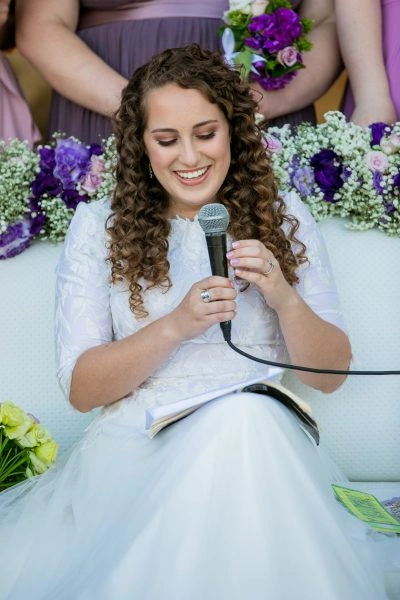
Sharona Guggenheim Plumb
Givat Shmuel, Israel
Berakhot 14
וּבַפְּרָקִים — שׁוֹאֵל מִפְּנֵי הַכָּבוֹד וּמֵשִׁיב שָׁלוֹם לְכׇל אָדָם.
And at the breaks between the paragraphs one may greet due to respect and respond with a greeting to any person. And if that is the case, the mishna is no longer difficult.
תַּנְיָא נָמֵי הָכִי: הַקּוֹרֵא אֶת שְׁמַע וּפָגַע בּוֹ רַבּוֹ אוֹ גָּדוֹל הֵימֶנּוּ, בַּפְּרָקִים — שׁוֹאֵל מִפְּנֵי הַכָּבוֹד וְאֵין צָרִיךְ לוֹמַר שֶׁהוּא מֵשִׁיב, וּבָאֶמְצַע — שׁוֹאֵל מִפְּנֵי הַיִּרְאָה וְאֵין צָרִיךְ לוֹמַר שֶׁהוּא מֵשִׁיב. דִּבְרֵי רַבִּי מֵאִיר. רַבִּי יְהוּדָה אוֹמֵר: בָּאֶמְצַע — שׁוֹאֵל מִפְּנֵי הַיִּרְאָה וּמֵשִׁיב מִפְּנֵי הַכָּבוֹד, וּבַפְּרָקִים — שׁוֹאֵל מִפְּנֵי הַכָּבוֹד וּמֵשִׁיב שָׁלוֹם לְכׇל אָדָם.
The Gemara remarks: This version of the dispute was also taught in a baraita: One who is reciting Shema and happens upon his teacher or one who is greater than he, at the breaks between the paragraphs he may greet him due to respect and, needless to say, he may respond. And in the middle of each paragraph, he may greet another due to fear and, needless to say, he may respond. This is the statement of Rabbi Meir. Rabbi Yehuda says: In the middle of each paragraph one may greet due to fear and respond due to respect. And in the breaks between the paragraphs one may greet due to respect and respond with a greeting to any person. The proposed additions to the mishna appear in the version of the dispute cited in the baraita.
בְּעָא מִינֵּיהּ אַחַי תַּנָּא דְבֵי רַבִּי חִיָּיא מֵרַבִּי חִיָּיא: בְּהַלֵּל וּבַמְגִילָּה מַהוּ שֶׁיַּפְסִיק? אָמְרִינַן קַל וָחוֹמֶר: קְרִיאַת שְׁמַע דְּאוֹרָיְיתָא — פּוֹסֵק, הַלֵּל דְּרַבָּנַן מִבַּעְיָא?! אוֹ דִלְמָא פַּרְסוֹמֵי נִיסָּא עֲדִיף.
Aḥai, the tanna who recited mishnayot in the school of Rabbi Ḥiyya, raised a dilemma before Rabbi Ḥiyya: May one interrupt during the recitation of hallel and the reading of the Megilla, Esther, to greet someone? Do we say that it is an a fortiori inference; if in the middle of Shema, which is a biblical obligation, one may interrupt in order to greet someone, all the more so, in the middle of hallel, which is a rabbinic obligation, one may interrupt? Or, perhaps, publicizing the miracle is more significant, so one may not interrupt hallel or the Megilla at all.
אֲמַר לֵיהּ: פּוֹסֵק, וְאֵין בְּכָךְ כְּלוּם. אָמַר רַבָּה: יָמִים שֶׁהַיָּחִיד גּוֹמֵר בָּהֶן אֶת הַהַלֵּל, בֵּין פֶּרֶק לְפֶרֶק פּוֹסֵק, בְּאֶמְצַע הַפֶּרֶק — אֵינוֹ פּוֹסֵק, וְיָמִים שֶׁאֵין הַיָּחִיד גּוֹמֵר בָּהֶן אֶת הַהַלֵּל — אֲפִילּוּ בְּאֶמְצַע הַפֶּרֶק פּוֹסֵק.
Rabbi Ḥiyya said to him: One interrupts and it is of no concern. Rabba said: On days when the individual completes the entire hallel, i.e., the days on which there is a rabbinic obligation to recite hallel, an individual may interrupt between one paragraph and another; however, one may not interrupt in the middle of the paragraph. On days where the individual does not complete the entire hallel, i.e., days on which the recitation of hallel is merely a custom, not a rabbinic obligation, one may interrupt even in the middle of the paragraph.
אִינִי?! וְהָא רַב בַּר שְׁבָא אִיקְּלַע לְגַבֵּיהּ דְּרָבִינָא, וְיָמִים שֶׁאֵין הַיָּחִיד גּוֹמֵר אֶת הַהַלֵּל הֲוָה, וְלָא פְּסֵיק לֵיהּ!
The Gemara questions this: It that so? Didn’t Rav bar Shaba once happen to come before Ravina on one of the days when the individual does not complete the entire hallel, and Ravina did not interrupt his recitation of hallel to greet him?
שָׁאנֵי רַב בַּר שְׁבָא דְּלָא חֲשִׁיב עֲלֵיהּ דְּרָבִינָא.
The Gemara responds: The case of Rav bar Shaba is different, as Rav bar Shaba was not considered important to Ravina. That is the reason that he did not interrupt his recitation of hallel to greet him.
בְּעָא מִינֵּיהּ אַשְׁיָאן תַּנָּא דְבֵי רַבִּי אַמֵּי מֵרַבִּי אַמֵּי: הַשָּׁרוּי בְּתַעֲנִית מַהוּ שֶׁיִּטְעוֹם? אֲכִילָה וּשְׁתִיָּה קַבֵּיל עֲלֵיהּ — וְהָא לֵיכָּא. אוֹ דִילְמָא: הֲנָאָה קַבֵּיל עֲלֵיהּ — וְהָא אִיכָּא.
Having mentioned the dilemma raised by one of those who recite the mishnayot in the study hall, the Gemara cites that Ashyan, the tanna who recited mishnayot in the school of Rabbi Ami, raised a dilemma before Rabbi Ami: May one who is fasting taste the food that he is preparing to determine if it spiced properly? Did he accept upon himself to refrain from eating and drinking, and that is not eating and drinking; it is merely tasting? Or, perhaps, he accepted upon himself to refrain from deriving pleasure from food, and that is pleasure when he tastes.
אָמַר לֵיהּ: טוֹעֵם וְאֵין בְּכָךְ כְּלוּם. תַּנְיָא נָמֵי הָכִי: מַטְעֶמֶת אֵינָהּ טְעוּנָה בְּרָכָה, וְהַשָּׁרוּי בְּתַעֲנִית טוֹעֵם וְאֵין בְּכָךְ כְּלוּם.
Rabbi Ami said to him: He tastes and it is of no concern. This was also taught in a baraita: Tasting a cooked dish does not require a blessing beforehand, and one who is fasting may taste and it is of no concern.
עַד כַּמָּה?
The Gemara asks: How much may one who is fasting taste?
רַבִּי אַמֵּי וְרַבִּי אַסִּי טָעֲמִי עַד שִׁיעוּר רְבִיעֲתָא.
The Gemara responds: When Rabbi Ami and Rabbi Asi would fast, they would taste up to a quarter of a log.
אָמַר רַב: כָּל הַנּוֹתֵן שָׁלוֹם לַחֲבֵירוֹ קוֹדֶם שֶׁיִּתְפַּלֵּל כְּאִילּוּ עֲשָׂאוֹ בָּמָה. שֶׁנֶּאֱמַר: ״חִדְלוּ לָכֶם מִן הָאָדָם אֲשֶׁר נְשָׁמָה בְּאַפּוֹ כִּי בַמֶּה נֶחְשָׁב הוּא״. אַל תִּקְרֵי, ״בַּמֶּה״ אֶלָּא ״בָּמָה״.
Rav said: Anyone who greets another person in the morning before he prayed, it is as if he built an altar for idol worship, as it is stated: “Cease you from man, in whose nostrils there is breath, for how little is he to be accounted” (Isaiah 2:22). When one’s soul is breathed in through his nostrils in the morning (ge’onim) he should turn to no one other than God. And do not read it as it is written, bameh, how; but rather, read bama, altar.
וּשְׁמוּאֵל אָמַר: בַּמֶּה חֲשַׁבְתּוֹ לָזֶה וְלֹא לָאֱלוֹהַּ?
And Shmuel said: The word bameh should not be taken in anything other than its literal connotation. The verse must therefore be understood: How did you consider him so significant, that you gave him priority and not God? Certainly you should have honored God first.
מֵתִיב רַב שֵׁשֶׁת: בַּפְּרָקִים שׁוֹאֵל מִפְּנֵי הַכָּבוֹד וּמֵשִׁיב!
Rav Sheshet raises an objection: We learned in our mishna that in the breaks between the paragraphs one may greet an individual due to respect, and respond to another’s greeting due to respect, despite the fact that the recitation of Shema precedes the Amida prayer.
תַּרְגְּמַהּ רַבִּי אַבָּא: בְּמַשְׁכִּים לְפִתְחוֹ.
Rabbi Abba explained this: The prohibition against greeting another in the morning refers specifically to when one sets out early to greet him at his door. If one simply happens to encounter another person, he is permitted to greet him.
אָמַר רַבִּי יוֹנָה אָמַר רַבִּי זֵירָא: כָּל הָעוֹשֶׂה חֲפָצָיו קוֹדֶם שֶׁיִּתְפַּלֵּל — כְּאִלּוּ בָּנָה בָּמָה. אָמְרוּ לוֹ ״בָּמָה״ אָמְרַתְּ? אָמַר לְהוּ: לָא, ״אָסוּר״ קָא אָמֵינָא.
With regard to this same verse, Rabbi Yona said that Rabbi Zeira said: Anyone who tends to his own affairs before he prays, it is as though he built an altar. They said to Rabbi Yona: Did you say that it was as if one built an altar? Rabbi Yona responded to them: No; I said simply that it is prohibited.
(וְכִדְרַב אִידִי בַּר אָבִין דְּאָמַר) רַב אִידִי בַּר אָבִין אָמַר רַב יִצְחָק בַּר אַשְׁיָאן: אָסוּר לוֹ לָאָדָם לַעֲשׂוֹת חֲפָצָיו קוֹדֶם שֶׁיִּתְפַּלֵּל, שֶׁנֶּאֱמַר: ״צֶדֶק לְפָנָיו יְהַלֵּךְ וְיָשֵׂם לְדֶרֶךְ פְּעָמָיו״.
And as Rav Idi bar Avin said that Rav Yitzḥak bar Ashyan said: A person is prohibited to attend to his own affairs before he prays, as it is stated: “Righteousness shall go before Him, and shall make His footsteps on a path” (Psalms 85:14). One should first pray and acknowledge the righteousness of his Creator, and only then should he set out on his way.
וְאָמַר רַב אִידִי בַּר אָבִין אָמַר רַב יִצְחָק בַּר אַשְׁיָאן: כָּל הַמִּתְפַּלֵּל וְאַחַר כָּךְ יוֹצֵא לַדֶּרֶךְ, הַקָּדוֹשׁ בָּרוּךְ הוּא עוֹשֶׂה לוֹ חֲפָצָיו, שֶׁנֶּאֱמַר: ״צֶדֶק לְפָנָיו יְהַלֵּךְ וְיָשֵׂם לְדֶרֶךְ פְּעָמָיו״.
And, Rav Idi bar Avin said that Rav Yitzḥak bar Ashyan said: Anyone who first prays and only then sets out on his way, the Holy One, Blessed be He, tends to his affairs, as it is stated: “Righteousness shall go before Him, and shall make His footsteps on a path.” God will set righteousness before him and satisfy all his wishes, when he sets out on his way.
וְאָמַר רַבִּי יוֹנָה אָמַר רַבִּי זֵירָא: כָּל הַלָּן שִׁבְעַת יָמִים בְּלֹא חֲלוֹם נִקְרָא ״רַע״, שֶׁנֶּאֱמַר: ״וְשָׂבֵעַ יָלִין בַּל יִפָּקֶד רָע״, אַל תִּקְרֵי ״שָׂבֵעַ״ אֶלָּא ״שֶׁבַע״.
Having mentioned his name, the Gemara tangentially cites what Rabbi Yona said that Rabbi Zeira said: One who goes seven nights without a dream, is called evil, as it is stated: “He who has it will abide satisfied [save’a], he will not be visited by evil” (Proverbs 19:23). Rabbi Yona reinterprets the verse: Do not read save’a, satisfied, but sheva, seven. One who sleeps for seven nights without being visited by a dream, is called evil.
אֲמַר לֵיהּ רַב אַחָא בְּרֵיהּ דְּרַבִּי חִיָּיא בַּר אַבָּא: הָכִי אָמַר רַבִּי חִיָּיא אָמַר רַבִּי יוֹחָנָן: כָּל הַמַּשְׂבִּיעַ עַצְמוֹ מִדִּבְרֵי תּוֹרָה וְלָן — אֵין מְבַשְּׂרִין אוֹתוֹ בְּשׂוֹרוֹת רָעוֹת, שֶׁנֶּאֱמַר: ״וְשָׂבֵעַ יָלִין בַּל יִפָּקֶד רָע״.
Rav Aḥa, son of Rabbi Ḥiyya bar Abba, said to him: Rabbi Ḥiyya said that Rabbi Yoḥanan said as follows: Anyone who fills himself with matters of Torah and goes to sleep, they do not deliver evil tidings to him, as it is stated: “He who lies satisfied, will not be visited by evil.”
אֵלּוּ הֵן בֵּין הַפְּרָקִים וְכוּ׳.
We learned in the mishna: These are the breaks between the paragraphs at which one is permitted to interrupt under certain circumstances. According to the first tanna, one may interrupt between the last paragraph of Shema and the blessing that follows it, but Rabbi Yehuda prohibits this.
אָמַר רַבִּי אֲבָהוּ אָמַר רַבִּי יוֹחָנָן: הֲלָכָה כְּרַבִּי יְהוּדָה דְּאָמַר בֵּין ״אֱלֹהֵיכֶם״ לֶ״אֱמֶת וְיַצִּיב״ לֹא יַפְסִיק. אָמַר רַבִּי אֲבָהוּ אָמַר רַבִּי יוֹחָנָן: מַאי טַעְמֵיהּ דְּרַבִּי יְהוּדָה — דִּכְתִיב:
Rabbi Abbahu said that Rabbi Yoḥanan said: The halakha is in accordance with the opinion of Rabbi Yehuda who said that one may not interrupt between eloheikhem and emet veyatziv. Furthermore, Rabbi Abbahu said that Rabbi Yoḥanan said: What is the reason for Rabbi Yehuda’s opinion? This phrase evokes the verse as it is written:
״וַה׳ אֱלֹהִים אֱמֶת״.
“And the Lord, God, is True” (Jeremiah 10:10).
חוֹזֵר וְאוֹמֵר ״אֱמֶת״, אוֹ אֵינוֹ חוֹזֵר וְאוֹמֵר ״אֱמֶת״?
After the conclusion of the final paragraph of Shema along with the first word of the subsequent blessing, with the words: “The Lord, your God, is True [Hashem Eloheikhem emet],” the question is posed: Does one repeat emet when he begins the blessing of emet veyatziv, or does he not repeat emet?
אָמַר רַבִּי אֲבָהוּ אָמַר רַבִּי יוֹחָנָן: חוֹזֵר וְאוֹמֵר ״אֱמֶת״. רַבָּה אָמַר: אֵינוֹ חוֹזֵר וְאוֹמֵר ״אֱמֶת״. הָהוּא דִּנְחֵית קַמֵּיהּ דְּרַבָּה. שַׁמְעֵיהּ רַבָּה דְּאָמַר ״אֱמֶת״ ״אֱמֶת״ תְּרֵי זִימְנֵי. אֲמַר רַבָּה: כֹּל ״אֱמֶת״ ״אֱמֶת״ תַּפְסֵיהּ לְהַאי.
Rabbi Abbahu said that Rabbi Yoḥanan said: He repeats emet. Rabba said: He does not repeat emet. The Gemara relates: This person who descended to lead the service before Rabba, Rabba heard that he said emet, emet twice. Rabba mocked him and said: Every emet, emet has caught this one; he must be passionate about the pursuit of truth.
אָמַר רַב יוֹסֵף: כַּמָּה מְעַלְּיָא הָא שְׁמַעְתְּתָא, דְּכִי אֲתָא רַב שְׁמוּאֵל בַּר יְהוּדָה אֲמַר: אָמְרִי בְּמַעְרְבָא עַרְבִית — ״דַּבֵּר אֶל בְּנֵי יִשְׂרָאֵל וְאָמַרְתָּ אֲלֵיהֶם אֲנִי ה׳ אֱלֹהֵיכֶם אֱמֶת״.
Rav Yosef said: How excellent is this tradition that I heard, as when Rav Shmuel bar Yehuda came from Eretz Yisrael to Babylonia he said: In Eretz Yisrael, at the evening prayer they do not recite the entire third portion of Shema, which deals with ritual fringes, as there is no obligation to wear ritual fringes at night. Rather, they say a condensed version of that portion that includes an excerpt from the beginning and an excerpt from the end: “Speak to the children of Israel and say to them…I am the Lord, your God, True” (Numbers 15:38, Numbers 15:41).
אֲמַר לֵיהּ אַבָּיֵי: מַאי מְעַלְּיוּתָא? וְהָא אָמַר רַב כָּהֲנָא אָמַר רַב: לֹא יַתְחִיל, וְאִם הִתְחִיל — גּוֹמֵר. וְכִי תֵּימָא ״וְאָמַרְתָּ אֲלֵיהֶם״ לָא הָוֵי הַתְחָלָה — וְהָאָמַר רַב שְׁמוּאֵל בַּר יִצְחָק אָמַר רַב: ״דַּבֵּר אֶל בְּנֵי יִשְׂרָאֵל״ לָא הָוֵי הַתְחָלָה, ״וְאָמַרְתָּ אֲלֵיהֶם״ הָוֵי הַתְחָלָה.
Abaye said to him: What is excellent about this tradition? Didn’t Rav Kahana say that Rav said: One should not begin to recite the portion of ritual fringes at night, but if he does begin, he completes it? And if you say that: Speak to the children of Israel and say to them, is not considered the beginning of the portion of ritual fringes, didn’t Rav Shmuel bar Yitzḥak say that Rav said: Speak to the children of Israel, is not considered a beginning of the portion of ritual fringes, as many passages in the Torah begin this way; and say to them, is considered a beginning.
אָמַר רַב פָּפָּא: קָסָבְרִי בְּמַעְרְבָא ״וְאָמַרְתָּ אֲלֵיהֶם״ נָמֵי לָא הָוְיָא הַתְחָלָה עַד דְּאָמַר ״וְעָשׂוּ לָהֶם צִיצִית״.
Rav Pappa said: In Eretz Yisrael, they hold that and say to them, is not considered a beginning, until he said: And make for them ritual fringes.
אָמַר אַבָּיֵי: הִלְכָּךְ, אֲנַן אַתְחוֹלֵי מַתְחֲלִינַן, דְּקָא מַתְחֲלִי בְּמַעְרְבָא, וְכֵיוָן דְּאַתְחֲלִינַן — מִגְמָר נָמֵי גָּמְרִינַן. דְּהָא אָמַר רַב כָּהֲנָא אָמַר רַב לֹא יַתְחִיל, וְאִם הִתְחִיל גּוֹמֵר.
Abaye said: Therefore, we begin to recite the portion of ritual fringes, since they begin to recite it in Eretz Yisrael. And once we begin to recite it, we complete it as well, as Rav Kahana said that Rav said: One should not begin to recite the portion of ritual fringes at night, but if he does begin, he completes it.
חִיָּיא בַּר רַב אָמַר: אָמַר ״אֲנִי ה׳ אֱלֹהֵיכֶם״, צָרִיךְ לוֹמַר ״אֱמֶת״. לֹא אָמַר ״אֲנִי ה׳ אֱלֹהֵיכֶם״ — אֵינוֹ צָרִיךְ לוֹמַר ״אֱמֶת״.
Ḥiyya bar Rav said: If in the evening one recited the portion of ritual fringes concluding with: I am the Lord, your God, he must recite: True and Faithful [emet ve’emuna], and the entire blessing of redemption. However, if he did not recite: I am the Lord, your God, he need not recite emet ve’emuna.
וְהָא בָּעֵי לְאַדְכּוֹרֵי יְצִיאַת מִצְרַיִם!
The Gemara asks: Isn’t he required to mention the exodus from Egypt at night as well?
דְּאָמַר הָכִי: ״מוֹדִים אֲנַחְנוּ לָךְ ה׳ אֱלֹהֵינוּ שֶׁהוֹצֵאתָנוּ מֵאֶרֶץ מִצְרַיִם וּפְדִיתָנוּ מִבֵּית עֲבָדִים וְעָשִׂיתָ לָנוּ נִסִּים וּגְבוּרוֹת עַל הַיָּם וְשַׁרְנוּ לָךְ״.
The Gemara responds: In place of reciting emet ve’emuna he said the following shorter passage: We give thanks to You, Lord, our God, Who took us out from Egypt and redeemed us from the house of bondage, and performed miracles and mighty deeds on our behalf on the sea, and we sang unto You, as this formula includes all of the content comprising emet ve’emuna.
אָמַר רַבִּי יְהוֹשֻׁעַ בֶּן קׇרְחָה: לָמָּה קָדְמָה פָּרָשַׁת ״שְׁמַע״ וְכוּ׳.
We learned in the mishna: Rabbi Yehoshua ben Korḥa said: Why did the portion of Shema precede that of VeHaya im Shamoa? So that one will first accept upon himself the yoke of the kingdom of Heaven and only then accept upon himself the yoke of the mitzvot.
תַּנְיָא רַבִּי שִׁמְעוֹן בֶּן יוֹחַי אוֹמֵר: בַּדִּין הוּא שֶׁיַּקְדִּים ״שְׁמַע״, לִ״וְהָיָה אִם שָׁמוֹעַ״ — שֶׁזֶּה לִלְמוֹד, וְזֶה לְלַמֵּד. ״וְהָיָה אִם שָׁמוֹעַ״ לְ״וַיֹּאמֶר״ — שֶׁזֶּה לִלְמוֹד, וְזֶה לַעֲשׂוֹת.
It was taught in a baraita that Rabbi Shimon ben Yoḥai offers a different explanation for the order of the portions of Shema. He says: By right, Shema should precede VeHaya im Shamoa because the Shema includes the directive to learn, while VeHaya im Shamoa includes the directive to teach. Similarly, VeHaya im Shamoa should precede VaYomer, the final paragraph of Shema, because VeHaya im Shamoa includes the directive to teach, while the portion of ritual fringes includes the directive to perform.
אַטּוּ ״שְׁמַע״ — לִלְמוֹד אִית בֵּיהּ, לְלַמֵּד וְלַעֲשׂוֹת לֵית בֵּיהּ?! וְהָא כְּתִיב: ״וְשִׁנַּנְתָּם״, ״וּקְשַׁרְתָּם״, ״וּכְתַבְתָּם״! וְתוּ: ״וְהָיָה אִם שָׁמוֹעַ״ — לְלַמֵּד הוּא דְּאִית בֵּיהּ, וְלַעֲשׂוֹת לֵית בֵּיהּ? וְהָא כְּתִיב: ״וּקְשַׁרְתֶּם״, ״וּכְתַבְתָּם״!
The Gemara asks: Is that to say that the portion of Shema contains the directive to learn but it does not contain the directive to teach and perform? Isn’t it written: “And you shall teach them to your children” (Deuteronomy 6:7), a directive to teach, as well as: “And you shall bind them as a sign upon your arm” (Deuteronomy 6:8) and: “And write them on your door posts of your house” (Deuteronomy 6:9), directives to perform? Furthermore, does VeHaya im Shamoa contain the directive to teach but it does not contain the directive to perform? Isn’t it written: “And you shall bind them as a sign upon your arm” (Deuteronomy 11:18), a directive to perform?
אֶלָּא הָכִי קָאָמַר: בַּדִּין הוּא שֶׁתִּקְדַּם ״שְׁמַע״ לִ״וְהָיָה אִם שָׁמוֹעַ״, שֶׁזֶּה לִלְמוֹד וּלְלַמֵּד וְלַעֲשׂוֹת. ״וְהָיָה אִם שָׁמוֹעַ״ לְ״וַיֹּאמֶר״, שֶׁזֶּה יֵשׁ בָּהּ לְלַמֵּד וְלַעֲשׂוֹת, ״וַיֹּאמֶר״ אֵין בָּהּ אֶלָּא לַעֲשׂוֹת בִּלְבַד.
Rather, Rabbi Shimon ben Yoḥai said as follows: By right, the portion of Shema should precede VeHaya im Shamoa because the portion of Shema includes the directives to learn, to teach, and to perform, while VeHaya im Shamoa includes the directives to teach and to perform. VeHaya im Shamoa should precede VaYomer because VeHaya im Shamoa includes the directives to teach and to perform, while VaYomer only includes the directive to perform.
וְתִיפּוֹק לֵיהּ מִדְּרַבִּי יְהוֹשֻׁעַ בֶּן קׇרְחָה! חֲדָא וְעוֹד קָאָמַר, חֲדָא: כְּדֵי שֶׁיְּקַבֵּל עָלָיו עוֹל מַלְכוּת שָׁמַיִם תְּחִלָּה וְאַחַר כָּךְ יְקַבֵּל עָלָיו עוֹל מִצְוֹת, וְעוֹד — מִשּׁוּם דְּאִית בַּהּ הָנֵי מִילֵּי אַחְרָנְיָיתָא.
The Gemara asks: Let him derive this, that the portion of Shema is recited first, from the statement of Rabbi Yehoshua ben Korḥa. The Gemara responds: He stated one reason and another. Rabbi Shimon ben Yoḥai does not disagree with Rabbi Yehoshua ben Korḥa; he simply suggested as additional explanation as follows: One reason the portion of Shema is recited first is so that one will first accept the yoke of the kingdom of Heaven upon himself and afterward the yoke of the mitzvot; and the second reason is because the portion of Shema contains these other elements as well.
רַב מְשִׁי יְדֵיהּ, וּקְרָא קְרִיאַת שְׁמַע, וְאַנַּח תְּפִילִּין וְצַלִּי. וְהֵיכִי עָבֵיד הָכִי? וְהָתַנְיָא הַחוֹפֵר כּוּךְ לְמֵת בַּקֶּבֶר — פָּטוּר מִקְּרִיאַת שְׁמַע וּמִן הַתְּפִלָּה וּמִן הַתְּפִילִּין וּמִכׇּל מִצְוֹת הָאֲמוּרוֹת בַּתּוֹרָה. הִגִּיעַ זְמַן קְרִיאַת שְׁמַע — עוֹלֶה וְנוֹטֵל יָדָיו, וּמַנִּיחַ תְּפִילִּין, וְקוֹרֵא קְרִיאַת שְׁמַע, וּמִתְפַּלֵּל.
The Gemara relates: Rav washed his hands, recited Shema, donned phylacteries, and prayed in that order. The Gemara asks: How could he do that? Wasn’t it taught in a baraita: One who digs a grave for the dead in the wall of the family burial cave is exempt from the recitation of Shema, from prayer, from phylacteries, and from all mitzvot mentioned in the Torah. When the appointed time for the recitation of Shema arrives, he emerges from the cave, washes his hands, dons phylacteries, recites Shema, and prays.
הָא גוּפָא קַשְׁיָא, רֵישָׁא אָמַר פָּטוּר, וְסֵיפָא חַיָּיב?!
Before clarifying the problem, the Gemara comments: This baraita itself is difficult; it appears to be contradictory. The first clause of the baraita stated that one digging a grave is exempt from the recitation of Shema, and the latter clause stated that he is obligated to emerge and recite Shema
הָא לָא קַשְׁיָא: סֵיפָא בִּתְרֵי, וְרֵישָׁא בְּחַד.
The Gemara responds: That is not difficult. The latter clause of the baraita refers to a case of two individuals digging the grave together; one pauses to recite Shema while the other continues digging. The first clause of the baraita refers to a case of one individual digging alone, who may not stop.
מִכׇּל מָקוֹם קַשְׁיָא לְרַב. רַב כְּרַבִּי יְהוֹשֻׁעַ בֶּן קָרְחָה סְבִירָא לֵיהּ, דְּאָמַר עוֹל מַלְכוּת שָׁמַיִם תְּחִלָּה וְאַחַר כָּךְ עוֹל מִצְוֹת.
In any case, this baraita contradicts Rav in terms of the order in which the mitzvot are performed. The Gemara responds: Rav holds in accordance with the opinion of Rabbi Yehoshua ben Korḥa, who said that the acceptance of the yoke of the kingdom of Heaven takes precedence and should come first, followed by the acceptance of the yoke of the mitzvot. Therefore, Rav first recited Shema, and only then donned phylacteries.
אֵימַר דַּאֲמַר רַבִּי יְהוֹשֻׁעַ בֶּן קׇרְחָה — לְהַקְדִּים קְרִיאָה לִקְרִיאָה, קְרִיאָה לַעֲשִׂיָּה מִי שָׁמְעַתְּ לֵיהּ?!
The Gemara challenges: Say that Rabbi Yehoshua ben Korḥa said to give precedence to recitation of the portion concerning the acceptance of the yoke of the kingdom of Heaven over recitation of other portions. But did you hear him say the halakha gives precedence to recitation over performance?
וְתוּ, מִי סָבַר לֵיהּ כְּרַבִּי יְהוֹשֻׁעַ בֶּן קׇרְחָה? וְהָאָמַר רַב חִיָּיא בַּר אָשֵׁי: זִמְנִין סַגִּיאִין הֲוָה קָאֵימְנָא קַמֵּיהּ דְרַב, וּמַקְדֵּים וּמָשֵׁי יְדֵיהּ, וּמְבָרֵךְ, וּמַתְנֵי לַן פִּרְקִין, וּמַנַּח תְּפִילִּין, וַהֲדַר קָרֵי קְרִיאַת שְׁמַע. וְכִי תֵּימָא: בִּדְלָא מְטָא זְמַן קְרִיאַת שְׁמַע, אִם כֵּן מַאי אַסְהַדְתֵּיהּ דְרַב חִיָּיא בַּר אָשֵׁי?
And furthermore, does Rav really hold in accordance with the opinion of Rabbi Yehoshua ben Korḥa? But didn’t Rav Ḥiyya bar Ashi say: Many times I stood before Rav, and he first washed his hands, recited a blessing, taught us our lesson, donned phylacteries, and then recited Shema. And if you say: This was when the time for the recitation of Shema had not yet arrived and that is why he donned his phylacteries first, then what is the point of the testimony of Rav Ḥiyya bar Ashi?
לְאַפּוֹקֵי מִמַּאן דְּאָמַר לַמִּשְׁנָה אֵין צָרִיךְ לְבָרֵךְ, קָמַשְׁמַע לַן דְּאַף לְמִשְׁנָה נָמֵי צָרִיךְ לְבָרֵךְ.
The Gemara responds: Rav Ḥiyya bar Ashi’s story comes to exclude the opinion of the one who said that one need not recite the blessing on Torah study for the study of mishna. It teaches us that even for mishna, one must recite a blessing.
מִכׇּל מָקוֹם קַשְׁיָא לְרַב! שְׁלוּחָא הוּא דְּעַוֵּית.
In any case this baraita is difficult for Rav. The Gemara responds: The messenger was at fault and brought Rav his phylacteries late, so Rav recited Shema at its appropriate time and later donned phylacteries.
אָמַר עוּלָּא: כָּל הַקּוֹרֵא קְרִיאַת שְׁמַע בְּלֹא תְּפִילִּין, כְּאִילּוּ מֵעִיד עֵדוּת שֶׁקֶר בְּעַצְמוֹ. אָמַר רַבִּי חִיָּיא בַּר אַבָּא אָמַר רַבִּי יוֹחָנָן: כְּאִילּוּ הִקְרִיב עוֹלָה בְּלֹא מִנְחָה, וְזֶבַח בְּלֹא נְסָכִים.
With regard to the recitation of Shema without phylacteries, Ulla said: Anyone who recites Shema without phylacteries, it is as if he has borne false testimony against himself, as in Shema, he mentions his obligation to don phylacteries and in this case fails to don them himself (Talmidei Rabbeinu Yona). Rabbi Ḥiyya bar Abba said that Rabbi Yoḥanan said: One who recites Shema without phylacteries, it is as if he has offered a burnt-offering without a meal-offering or a peace-offering without libations. Despite the fact that he fulfilled his obligation, his offering is incomplete.
וְאָמַר רַבִּי יוֹחָנָן: הָרוֹצֶה שֶׁיְּקַבֵּל עָלָיו עוֹל מַלְכוּת שָׁמַיִם שְׁלֵמָה
And Rabbi Yoḥanan said: One who seeks to accept upon himself the complete yoke of the kingdom of Heaven
Follow

